
Best Family Vacations: 4 Ideas That Are Fun With a Toddler

TrekGuider @trekguider
Feeling the pull for a family adventure but paralyzed by the thought of traveling with a toddler? You’re not alone. Many parents find themselves caught between the deep desire for new memories and the very real fear of meltdowns, jet lag, and logistical chaos. This guide is here to solve that conflict, proving that the best family vacations aren't just possible during the toddler years—they can be truly wonderful.
The internet is filled with horror stories that can make any parent second-guess their plans. The stress is immense, from packing to navigating public spaces with a tiny human whose whims are as unpredictable as the weather. But what if the problem isn’t the toddler, but our definition of a “vacation”? What if we shifted the goal from blissful relaxation to creating a pocket of truly joyful, shared memories within a framework of manageable stress?
This is your new playbook. We’ll move beyond generic lists to give you a system for choosing a trip that matches your family’s unique personality. Drawing inspiration from our comprehensive guide to Family Travel Ideas: The 2026 Guide to Unforgettable Trips, this article drills down into the specific, data-driven strategies that make traveling with toddlers a success.

The Unspoken Rules of Toddler Travel
The term "kid-friendly" is one of the most misleading labels in the travel industry. A destination that’s a thrill ride for a ten-year-old can be a sensory overload nightmare for a two-year-old. A truly "toddler-friendly" vacation must be measured by a more rigorous, operational standard.
After analyzing countless family travel experiences, we’ve identified four pillars that are the primary determinants of a trip’s success. The very best family vacations with toddlers master these principles.
Logistical Simplicity: This is about relentlessly reducing friction. It means favoring destinations with direct flights or manageable driving distances. Every layover, every transfer, is a potential failure point. The goal is to minimize the number of stressful transitions between your front door and your final destination.
Environmental Control: A successful toddler trip creates a safe, contained environment where your child can have a degree of freedom without causing constant parental anxiety. This is why car-free locations, walkable beach towns, and all-inclusive resorts are so popular. They create a "bubble" of safety that allows parents to relax their hyper-vigilance.
Flexible Pacing: The rigid, minute-by-minute itineraries of pre-child travel are a recipe for disaster. A successful toddler vacation is built around the non-negotiable anchors of their day: naps and meals. The best destinations offer low-pressure activities. A beach day can be cut short without a major loss, unlike a day at a theme park with expensive, time-stamped tickets.
Sensory Management: Toddlers are experiencing the world with wide-open senses. While new stimuli are great, overstimulation is the number one trigger for meltdowns. The ideal destination is engaging but not overwhelming. Nature-focused trips and smaller, more relaxed theme parks often hit this sweet spot perfectly.
Four Proven Archetypes for the Best Family Vacations With Toddlers
With this framework in mind, the theoretical becomes practical. Let's move from the "what" to the "where." To combat the classic parental decision fatigue, we’ve categorized the world of toddler-friendly travel into four distinct archetypes, allowing you to quickly identify a style that aligns with your family’s goals.
1. The All-Inclusive Sanctuary: For Parents Craving a True Break
Think of this as the 'total surrender' model—the ultimate choice for parents whose primary goal is to escape the relentless cognitive load of planning, cooking, and cleaning that defines daily life. This is the closest a toddler’s parent can get to a restorative break. For a deeper dive into this option, it's worth reading our guide on Choosing an All-Inclusive Family Resort? Read This First.
Beaches Resorts (Turks & Caicos, Jamaica): The gold standard. They offer childcare for infants and toddlers supervised by certified nannies, providing parents with actual, legitimate downtime. With Sesame Street characters, tot-specific waterparks, and endless food options, it’s an entire ecosystem designed to eliminate stress.
Club Med (Multiple Locations): Known for its family focus, Club Med excels at creating a predictable daily rhythm that toddlers thrive on—breakfast, beach, nap, lunch, pool, dinner. This routine, combined with available childcare, gives parents a perfect blend of family time and personal time.
Woodloch (Pocono Mountains, PA): A fantastic domestic option, this resort is built around "togethering." With all-inclusive meal plans and a staggering array of on-site activities, you never have to get in a car or wonder what to do next. It’s a self-contained world of low-stress fun.
2. The Classic Beach Getaway: For Low-Key, Flexible Fun

A beach vacation remains a top contender for a simple reason: sand and water are the ultimate open-ended toys. A beach day has no rules, no schedule, and no pressure, allowing for maximum flexibility and making it one of the very best family vacations you can take.
San Diego, California: Perhaps the most perfect U.S. city for toddlers. It offers gentle beaches like La Jolla Shores, the world-class San Diego Zoo, and the perfectly-scaled LEGOLAND California. The weather is famously mild year-round, removing another layer of planning stress.
The Florida Gulf Coast (e.g., Rosemary Beach, Siesta Key): This region is known for its calm, warm waters and powder-soft sand. Towns like Rosemary Beach are master-planned for walkability, with stroller-friendly paths connecting everything. You can park your car and live a simple, blissful rhythm of beach, naps, and evening strolls for ice cream.
Outer Banks, North Carolina: For families who prefer the space and control of a rental home, the Outer Banks are ideal. You can set up your own home base, cook familiar meals, and enjoy wide-open, uncrowded beaches where your toddler can run free.
Pro-Tip: When booking a beach rental, use satellite view on a map to check the actual distance from the property to the sand. A "beachfront" listing can sometimes mean a grueling trek over dunes or across a busy road—a deal-breaker with a toddler and gear in tow.
3. The National Park Expedition (Toddler Edition)

Introducing your toddler to the wonders of nature can be incredibly rewarding. The key is to radically adjust expectations. Forget long, strenuous hikes. The goal is to leverage scenic drives and short, paved, stroller-friendly trails to experience the majesty of the parks with minimal strain.
Zion National Park, Utah: Exceptionally well-suited for families. The Pa'rus Trail is a paved, 3.5-mile path that follows the Virgin River and is perfect for strollers. The park's shuttle system makes accessing key areas effortless.
Great Smoky Mountains National Park (TN/NC): A classic choice with strong infrastructure. The Cades Cove Loop Road is a scenic 11-mile drive with fantastic opportunities for spotting wildlife from your car. There are also numerous short, accessible nature trails perfect for little legs.
Acadia National Park, Maine: Offers stunning coastal scenery with manageable effort. The Ocean Path is a relatively flat trail that offers iconic views, and the Jordan Pond Loop is another fantastic, stroller-friendly option. The proximity to the charming town of Bar Harbor means you're never far from a good meal or a comfortable bed.
4. The Low-Key Theme Park Experience: For Managed Excitement

Many parents want to give their kids a theme park experience but are rightly terrified of the cost, crowds, and sensory assault of the mega-parks. These smaller, smarter alternatives deliver the magic without the madness.
LEGOLAND (California, Florida, New York): The undisputed champion for this age group. It is specifically designed for kids ages 2-12, with an entire DUPLO Village for toddlers. It’s consistently praised for being quieter, smaller, and more relaxed than its larger competitors, making it the ideal "starter" theme park.
Sesame Place (San Diego, CA & Langhorne, PA): Leveraging a cast of beloved characters, these parks are a massive hit. They blend gentle rides with fantastic, age-appropriate water park features, offering a full day of excitement in a more contained and focused environment.
Story Land (Glen, NH): A charming, classic theme park where beloved fairy tales come to life. The park is designed for young children, with rides and attractions that are whimsical rather than over-the-top, creating a magical but manageable experience.
Want to Make Flying With Your Toddler a Breeze?
The thought of a long flight can be the most stressful part of planning. Our free, printable guide is packed with expert tips, checklists, and sanity-saving strategies to make your travel day smooth and meltdown-free. Download the Stress-Free Flying with Kids Guide and fly with confidence.
The Savvy Parent's Logistics Toolkit
A smooth trip is built on a foundation of careful planning. Mastering the practical details is what separates a stressful ordeal from an enjoyable adventure.
The Ultimate Toddler Vacation Packing System

This isn't just a list; it's a strategic system. Pack by category to ensure nothing essential is forgotten. To keep your days organized, you can also download our free Travel Itinerary Template.
Sleep & Comfort
Portable Crib/Pack-n-Play (unless confirmed by accommodation)
Slumber Pod or similar blackout solution (a game-changer for room sharing)
White Noise Machine
Familiar sheets and a favorite "lovey" or stuffed animal
Baby Monitor
Feeding & Mealtime
An abundance of familiar, non-perishable snacks
Spill-proof sippy cups and a portable water bottle
Toddler utensils and a travel-friendly plate/bowl
Wipeable bibs
Travel high chair or booster seat
Health & Safety
Comprehensive First-Aid Kit (Children's Tylenol/Motrin, thermometer, bandages, etc.)
All prescription medications
Toddler-safe sunscreen and bug spray
Diapering supplies (pack more than you think you need)
Small bag of child-proofing supplies (outlet covers) and a small roll of painter's tape for on-the-fly fixes.
Gear & Entertainment
FAA-approved Car Seat and padded travel bag for gate-checking
Lightweight travel stroller
Baby carrier or hiking backpack carrier
Tablet pre-loaded with shows and games (and volume-limiting headphones)
A bag of new, inexpensive "surprise" toys and mess-free activities (Water Wow!, sticker books)
Pro-Tip: The gate-check tag for your stroller or car seat is your best friend. Get it as soon as you arrive at the gate. On a full flight, overhead bin space disappears fast; waiting until the last minute to get your gear tagged risks having to check it with regular luggage, where it's more likely to be damaged.
The Lodging Debate: Hotel Suite vs. Vacation Rental

This is one of the most critical decisions you'll make, reflecting your core vacation philosophy.
Team Hotel/Resort: Choose this if your primary goal is parental relaxation. The biggest advantages are daily housekeeping (no cleaning!), room service, and on-site amenities like pools and restaurants. The major downside is often being confined to a single dark room after your toddler goes to bed at 7:30 PM. The Fix: Book a suite with a separate living area or adjoining rooms if the budget allows.
Team Airbnb/Vacation Rental: Choose this if your primary goal is maintaining routine and control. The biggest advantages are a separate bedroom for the child (giving parents their evenings back), a full kitchen for preparing familiar meals, and a laundry machine. The downside is that you’re still responsible for cooking and cleaning. The Trade-off: Plan for simple meals and accept that the space will get a little messy. The freedom you gain is often worth it.
Frequently Asked Questions
What is the best age to travel with a toddler?
There's no single "best" age, as success depends more on strategy than the child's exact age. The key is choosing a destination that aligns with their developmental stage by focusing on logistical simplicity, flexible pacing, and avoiding overstimulation, which this guide helps you do.
How can I make flying with a toddler easier?
Preparation is everything. Pack a bag of new, engaging toys, bring more snacks than you think you'll need, and use a tablet with headphones for screen time. For a complete strategy, download our Stress-Free Flying with Kids Guide to cover all your bases from check-in to landing.
Are all-inclusive resorts a good option for toddlers?
Yes, they can be fantastic. All-inclusive resorts excel at creating a controlled, safe environment that minimizes planning and stress for parents. With kids' clubs, endless food options, and on-site activities, they allow parents a rare chance to relax while ensuring the toddler's needs are met.
Your Adventure Awaits
Finding the best family vacations with a toddler is entirely possible when you approach it with the right mindset and strategy. It begins by letting go of pre-child expectations and embracing a new goal: creating joyful, shared experiences within a framework of manageable logistics.
By thoughtfully choosing a destination archetype that aligns with your family’s unique needs—whether it's the effortless escape of an all-inclusive resort or the flexible fun of a classic beach getaway—you set the stage for success. Mastering the details of packing and lodging removes the friction that leads to stress, allowing you to focus on what truly matters.
This proactive approach transforms planning into an act of empowerment. You are not just booking a trip; you are architecting an experience for memories that will last a lifetime. The challenges of this age are temporary, but the joy of watching your child discover the world is permanent.
Read the full guide: Family Travel Ideas: The 2026 Guide to Unforgettable Trips
Don't Miss Out! Subscribe for Exclusive Content
Subscribe



Comments 0
No comments yet
Be the first to share your experience!
Dont Miss Out! Subscribe for Exclusive Content

Ultimate USA Holidays Guide: Top Picks


FTC Affiliate Disclosure Essentials: Stay Compliant as a Travel Creator

Essential Affiliate Tools: From Tracking to Full Optimization

Booking.com Affiliate Program Review: Pros, Cons, and Earnings Potential

Decoding Affiliate Commission Rates: Benchmarks for Travel Creators

Amazon Associates for Travel: Strategies to Maximize Commissions
Art Basel Miami: 7 Insider Hacks
TrekGuider @trekguider
The email lands, the tickets are booked, and a jolt of excitement hits you. You’re finally going to Art Basel Miami, the undisputed heavyweight champion of art fairs in the Americas. But as you start scrolling through the endless lists of exhibitors, satellite fairs, and after-parties, a subtle wave of panic begins to set in. The sheer scale is dizzying—a sprawling, week-long labyrinth of priceless art, exclusive events, and shoulder-to-shoulder crowds. You start to worry you’ll spend more time stuck in traffic on the MacArthur Causeway than actually seeing art, that you'll miss the truly groundbreaking exhibits, and that you'll leave feeling like you barely scratched the surface.
This anxiety is the invisible wall that separates the tourists from the insiders. Every December, thousands of attendees arrive unprepared, succumbing to sensory overload and logistical nightmares. They wander aimlessly through the cavernous Miami Beach Convention Center, get hit with sticker shock from last-minute parking fees, and completely miss the vibrant, renegade energy of the satellite fairs where the art world’s future is being forged. They leave exhausted and defeated, with a camera roll of blurry photos and a profound sense of having missed out.
That won’t be you. This guide is your secret weapon, your backstage pass. We’ve distilled the chaos into seven actionable, pro-level hacks that will fundamentally transform your experience. You will learn to navigate the city’s complex geography, decode the schedule like a seasoned collector, and discover the hidden gems that most visitors fly right over. This isn't just an art fair; it's a city-wide cultural takeover, and it’s just one of the many incredible events that cement the city’s reputation as a year-round festival hub, a theme we explore in our complete guide to Miami Holidays: 8 Beach Fest Vibes. Prepare to conquer Art Basel Miami with the confidence of an insider.

Hack 1: Master the Map of Art Basel Miami—Go Beyond the Convention Center
The first mistake nearly every newcomer makes is thinking Art Basel Miami is a single event confined to the Miami Beach Convention Center (MBCC). While the MBCC is the mothership—an awe-inspiring spectacle of blue-chip art that you absolutely must see—the true soul of Miami Art Week pulses in the dozens of satellite fairs scattered across the city. Treating the MBCC as your only destination is like visiting Paris and only seeing the Eiffel Tower from the ground.
Think of the MBCC as your anchor, not your cage. By all means, start your journey there to get a feel for the sheer scale of the event.
Navigate the Core Strategically: The main fair is organized into distinct sectors designed to guide your experience. To avoid getting overwhelmed, prioritize starting with Meridians, which features massive, museum-quality installations that are often the most talked-about pieces of the show. Alternatively, head to the Nova sector, which showcases brand-new work from the world's most exciting emerging galleries.
Embrace the Satellites: The real discoveries—the moments that make your heart race—often happen outside the main hall. These smaller, more focused fairs are where you’ll find groundbreaking work from up-and-coming artists, often at more accessible price points. Plan to visit at least two or three.
Your Satellite Fair Hit List:
Untitled Art: Located directly on the sands of Ocean Drive, this fair’s stunning backdrop is part of the experience. It’s often free to access and is a fantastic place to see cutting-edge contemporary art in a uniquely Miami setting.
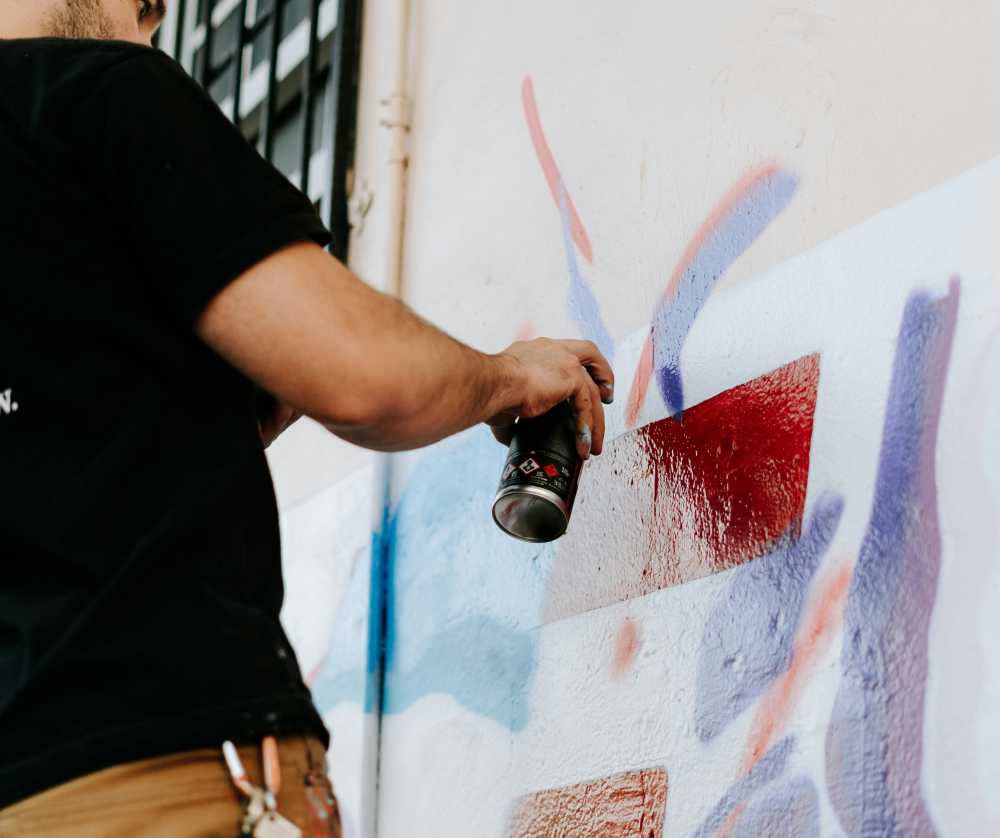
Wynwood Walls: While not a formal fair, this world-famous outdoor street art museum is an essential pilgrimage during Art Week. It’s completely free to view the incredible murals that cover the district, offering a raw and vibrant contrast to the polished booths of the main fair.
Design Miami/: Occurring concurrently just a stone's throw from the MBCC, this prestigious sister fair is dedicated to collectible design from the 20th and 21st centuries. It’s a must-see for anyone interested in the intersection of art, furniture, lighting, and objects d'art.
Pro-Tip: Don't try to be a hero and see everything in one day. Group your visits geographically. Dedicate one day to Miami Beach (MBCC, Untitled Art, Design Miami/) and another to the mainland neighborhoods like Wynwood and the Design District. This minimizes travel time and maximizes art time.

Hack 2: Conquer Transportation Like a Local
During Art Week, Miami’s already notorious traffic transforms into a city-wide parking lot. This isn't an exaggeration—with an economic impact of over $500 million, the event draws crowds on par with a Super Bowl, and it feels like every single attendee is in a car on the causeway next to you. Driving your own car is the single most stressful, time-consuming, and expensive mistake you can make.
Parking is not just difficult; it’s extremely limited and eye-wateringly expensive. To navigate the city like a pro, you must ditch the idea of driving.
Rideshares Are Non-Negotiable: Services like Uber and Lyft are your lifeline. While surge pricing will be in effect during peak hours, the cost is often still less than a parking garage, and it saves you the soul-crushing headache of navigating closed streets and full lots. Use the "schedule a ride" feature for early morning trips to beat the initial rush.
Leverage Public Transit: Miami-Dade's public transit system is a surprisingly effective and cost-efficient option. The elevated Metromover is free and circles the downtown area, connecting you to the Metrorail and bus routes that cross over to Miami Beach. It’s a great way to bypass the worst of the gridlock while getting a scenic view.
Book Parking in Advance (If You Must): If driving is your only option, do not leave it to chance. Use an app like SpotHero to reserve a parking spot weeks in advance. Be prepared to park a significant distance from the venue and use a rideshare or a long walk for the final leg of your journey.
Hack 3: Decode the Art Basel Miami Schedule—Public vs. Private Days
Understanding the rhythm of the Art Basel schedule is crucial. The fair is not open to the public for its entire duration, and showing up on the wrong day is a common and deflating rookie error. The opening days are reserved for the art world’s heaviest hitters.
Here is the official breakdown for the 2026 show:
Private Days (Invitation-Only): December 3rd – 4th, 2026. These first two days are the exclusive preview for serious collectors, museum curators, celebrities, and accredited media. Access is strictly by a VIP invitation from a participating gallery or Art Basel itself. This is when the majority of high-value sales are negotiated and finalized.
Public Days: December 5th – 7th, 2026. The fair opens its doors to the general public. The official hours are 11:00 AM to 6:00 PM.
While getting into the private viewings is tough without connections, it’s not impossible for aspiring collectors. The key is to build relationships with galleries you admire throughout the year. If you’re serious, inquire about access when you purchase work. For most visitors, the best strategy is to maximize the public days. Arrive shortly before the 11:00 AM opening time to get ahead of the intense afternoon crowds.

Hack 4: Network Smarter, Not Harder
Art Basel Miami is as much a networking event as it is an art exhibition. It’s where artists find gallery representation, collectors discover new talent, and creative professionals forge career-defining collaborations. However, simply handing out business cards in a crowded hall is about as effective as throwing them into the ocean. You need a targeted approach.
Do Your Homework: Before you arrive, study the exhibitor list. Identify the galleries that represent artists or styles that resonate with you. When you approach a gallerist, you can have a much more meaningful conversation if you can say, "I was so excited to see you were showing Artist's Name; I've been following their work since..."
Attend the Talks and Panels: The official Art Basel program is packed with fascinating talks and panel discussions. These are fantastic opportunities to learn directly from leading artists, curators, and critics. The Q&A sessions are a perfect, low-pressure environment to ask an intelligent question and make a memorable impression.
Use the Satellite Fairs: The atmosphere at satellite fairs is often more relaxed and accessible than at the MBCC. Gallerists and artists have more time and energy to engage in genuine conversation. This is where you can build real relationships that last beyond the week.
For many creative professionals, the sheer density of inspiration at Art Basel sparks a torrent of new business ideas. The challenge is turning that spark into a viable product. If you leave Miami buzzing with new concepts, the next step is to structure them for success. Our Digital Product Ideas Guide provides a complete framework for developing, launching, and monetizing your creative passion, helping you transform that art-world fire into a sustainable income stream.
Hack 5: Fuel Your Art Binge Strategically
Walking miles of concrete floors in convention centers and galleries is a marathon, not a sprint. If you don’t plan your food and hydration, you will burn out by day two, guaranteed. The food inside the convention center is notoriously overpriced and underwhelming. You need a better plan.
Book Dinner Reservations Yesterday: If you plan on dining at any of Miami’s top restaurants—especially in South Beach, Wynwood, or the Design District—you need to make reservations weeks, if not months, in advance.
Embrace High-Quality Casual Eats: For lunch, skip the long lines and high prices at sit-down restaurants. Miami has a phenomenal food truck scene, and many pop up near the major art hubs. This is a great way to grab a quick, delicious, and more affordable meal without losing an hour of your day.
Pack Your Own Survival Kit: Be your own hero. Pack a refillable water bottle (most venues have filling stations), a couple of protein bars, and a bag of almonds in your tote. Having snacks on hand will save you from paying $8 for a bottle of water and will keep your energy levels stable, preventing the dreaded "art fatigue" from setting in too early.
Pro-Tip: Many of the top-tier galleries host private cocktail receptions or breakfasts at their booths for their best clients. If you have an established relationship with a gallery, don't be shy about asking if they have any events planned. It’s a fantastic way to see the art and network in a much more civilized setting.
Hack 6: Prioritize Satellite Fairs for True Discovery
We mentioned this in Hack #1, but it’s so critical it deserves its own section. The satellite fairs are the lifeblood of Miami Art Week. While the main fair showcases the blue-chip, established titans of the art world, the satellite fairs are where you’ll find the raw, experimental, and often more exciting work from the next generation of art stars.
Making these fairs a priority will give you a more comprehensive and authentic view of the contemporary art landscape. You’ll see work you won’t find anywhere else and have the chance to buy original art from emerging artists before their prices skyrocket. Fairs like NADA (New Art Dealers Alliance) are renowned for their sharp focus on new talent and are a favorite among seasoned collectors looking for the next big thing. Don't just visit them if you have extra time; build your entire itinerary around them.

Hack 7: Plan Your Post-Basel Decompression
After several days of non-stop art, crowds, and social stimulation, you will experience a unique phenomenon known as "art fatigue." Your eyes will glaze over, and even a Picasso won't be able to hold your attention. It’s an inevitable part of the experience, but the pros know how to plan for it.
Schedule Deliberate Downtime: Do not book every single minute of your trip. Leave your final morning or afternoon completely open to do something unrelated to art. Go to the beach, sit by the hotel pool, or explore a quiet neighborhood like Coconut Grove. Let your brain breathe.
Book a Recovery Day: The ultimate pro-move is to add an extra day to your trip after the fairs close on December 7th. Let the art crowd fly home while you enjoy a quieter, more relaxed Miami. This day of decompression is crucial for processing the immense amount of visual information you’ve absorbed.
Stay Strategically: Consider booking your final night at a hotel slightly removed from the South Beach chaos. A calmer environment in a neighborhood like Coral Gables or Key Biscayne will help you recharge before heading home.
A successful trip isn't just about what you do during the event; it's about how you plan the entire journey. Creating a seamless travel experience, whether for a high-intensity week like Art Basel or a cross-country road trip, requires expert planning. For a comprehensive resource that covers every aspect of trip planning in the U.S., our Travel Guide is the ultimate tool for crafting perfect, stress-free itineraries.
Your Insider’s Guide to Conquering Art Basel
You are now armed with the strategies to transform your Art Basel Miami trip from an overwhelming ordeal into an unforgettable adventure. By looking beyond the convention center, mastering transportation, decoding the schedule, and networking with purpose, you can navigate the world’s most important art week with the ease and confidence of a veteran. Remember to fuel yourself properly, prioritize the satellite fairs for groundbreaking discoveries, and plan for some much-needed decompression.
With these seven insider hacks, your next Art Basel Miami experience will be defined by inspiration, connection, and discovery—not by stress and exhaustion. You are no longer just an attendee; you are an insider, ready to experience the very best the art world has to offer.
Meta Data Suggestions:
SEO Meta Title: Art Basel Miami: 7 Insider Hacks to Navigate Like a Pro
URL Slug: art-basel-miami-insider-hacks
SEO Meta Description: Conquer Art Basel Miami with 7 expert hacks. Learn to navigate satellite fairs, beat the traffic, and network smarter at the world's premier art event.
Don't Miss Out! Subscribe for Exclusive Content
SubscribeComments 0
No comments yet
Be the first to share your experience!
Dont Miss Out! Subscribe for Exclusive Content

San Francisco Cherry Blossoms: A Local's Guide to the Blooms

Halloween SF: Haunts Without Horrors

SF Festivals: 7 Must-See Lineups

Christmas SF: Lights & Wharf Wonders

SF Pride: 6 Route & Party Hacks

Chinese New Year SF: Parade Essentials
How to Make Money Online: A Creator's Guide for 2026
TrekGuider @trekguider
The creator economy is no longer a quiet corner of the internet—it’s a global phenomenon, a seismic shift in how we work, create, and build businesses on our own terms. Valued at an astonishing $250 billion in 2023, this market is on a trajectory to nearly double to almost $500 billion by 2027. This explosive growth presents a historic opportunity for anyone with expertise, a passion, and a laptop to build a life of freedom and financial independence.
But behind these staggering numbers lies a crucial, often unspoken truth. Success isn't accidental, and it certainly isn't guaranteed. The digital landscape is littered with abandoned blogs and dormant social media accounts—ghosts of creative dreams deferred. The data reveals a stark reality: while the opportunity is immense, the rewards are concentrated. Only about 4% of global creators manage to earn an income exceeding $100,000 per year.
The difference between those who succeed and those who stall isn't luck, talent, or audience size alone. It's strategy. The top 4% aren't just hobbyists; they are strategic business operators. They are "Creator CEOs"—entrepreneurs architecting resilient, profitable, and passion-driven digital enterprises.
This is your blueprint for joining them. Forget fleeting trends and surface-level tips. We’re going to give you the foundational strategies, proven monetization models, and tactical playbooks required for making money online as a modern creator. From establishing your owned platform and mastering affiliate marketing to creating scalable digital products that generate income while you sleep, this is the definitive roadmap for turning your passion into a durable career in 2026 and beyond.

The Modern Creator's Blueprint: Adopting a CEO Mindset
The single most important shift you can make on your journey is a mental one: from content creator to business owner. A creator thinks about their next post. A CEO thinks about building an asset. A creator chases viral moments. A CEO builds a sustainable system. This mindset is the foundation upon which all profitable businesses are built. It informs how you structure your time, where you focus your energy, and how you approach monetization.
The Monetization Ladder: A Phased Approach to Profit
Successful creators don't view the dozens of ways to make money online as an à la carte menu. They approach it as a strategic progression, a "Monetization Ladder" that allows them to de-risk their journey and build a diversified business over time.
This journey typically begins with active income models—like offering freelance services—which is often the fastest way to generate significant cash flow and validate your expertise. As you build an audience and establish trust, you can begin to climb the ladder by layering in performance-based models like affiliate marketing. Finally, with an engaged community and proven authority, you ascend to the highest-leverage, highest-ownership models: creating and selling your own digital products or launching a subscription service.
This strategic progression is key to long-term resilience. It allows you to systematically move from trading your time for money to building assets that generate revenue independently. But before you can choose the right model for you, you must understand the entire landscape. For a comprehensive analysis that breaks down the pros, cons, and profit potential of each core approach, our strategic overview is the foundational session every new creator needs.

➤ Read the full guide: 6 Proven Models to Make Money Online Blogging
Active vs. Passive Income: Architecting Your Freedom
The ultimate goal for most creators is to build a business that provides not just income, but also freedom. This is where understanding the distinction between active and passive income becomes the central pillar of your strategy.
Active Income is revenue generated from the direct and continuous exchange of your time and effort for money. If you stop working, the income stops. This includes freelance writing, brand sponsorships, and one-on-one coaching.
Passive Income is revenue that, after an initial investment of time and effort, continues to be generated with minimal ongoing labor. You create an asset once, and it generates revenue for months or even years. This is the key to decoupling your income from the hours you work.
For a travel creator, the ultimate goal is to build a business that funds your travels, not one that chains you to a desk. This requires a deliberate shift toward building passive income streams. Think of an SEO-optimized blog post with affiliate links that earns commissions for years, or a digital guide that sells automatically every single day. These are the assets that build true freedom.
To explore the most effective models for building income streams that work for you around the clock, our dedicated guide provides a proven framework.
➤ Read the full guide: 5 Passive Income Ideas for Your Travel Blog

The Foundation of Your Empire: Building Your Digital Home Base
Before you can build a skyscraper, you need to own the land and pour a solid foundation. In the digital world, a critical strategic decision every creator faces is where to build their business: on an "owned" platform like a blog or on "rented" platforms like Instagram or TikTok. While social media offers the allure of rapid growth, it comes with a potentially fatal flaw: you don't own your audience or your account. An algorithm change can decimate your reach overnight, and an account suspension can erase your entire business with no recourse.
The Hub-and-Spoke Model: Your Blueprint for a Resilient Business
This is why the most successful and durable strategy is the "Hub-and-Spoke" model.
The Hub: Your self-hosted blog is the hub—the core business asset you own and control completely. It’s where you build your email list, sell your products, and house your valuable, long-form content that appreciates in value over time.
The Spokes: Social media platforms are the spokes—powerful distribution and discovery channels designed to capture attention and drive traffic back to your hub.
This model leverages the strengths of each platform while protecting you from their inherent risks. It uses the rapid reach of social media to accelerate growth, and the ownership and stability of the blog to build a defensible, long-lasting business.

Getting Started: Your Digital Groundbreaking
Starting a self-hosted WordPress blog is the professional standard for any serious creator. It provides complete control over your brand, content, and monetization—making it the essential first step in building your digital hub. The process is more straightforward than ever, but it begins with a few key decisions. For a complete, A-to-Z walkthrough that holds your hand through every technical step, from choosing a domain to launching your first post, our definitive beginner’s guide is the perfect place to start.
➤ Read the full guide: How to Start a Travel Blog (And Get Noticed)
Finding Your Niche: Your Superpower in a Crowded World
A house is only as strong as its location. Before you can build, you must answer the most critical question: what will you write about? In a vast online world, specificity is your superpower. Trying to create content for "everyone" often results in connecting with no one. Choosing a well-defined niche allows you to build authority faster, attract a dedicated and loyal audience, and face far less competition in search engine rankings.
A great niche sits at the intersection of your passion, your audience’s most pressing problems, and its potential for profitability. Before you write a single word, validating your niche idea is the most important strategic step you can take. For a masterclass in uncovering profitable, low-competition spaces and a list of fresh ideas for 2026, explore our detailed guide.
➤ Read the full guide: 15 Travel Blog Niche Ideas with Low Competition

The First Revenue Engines: Mastering Monetization
With your foundation poured and your niche defined, it’s time to start building your revenue engines. This is where we climb the Monetization Ladder, beginning with the most accessible models and progressing toward the most scalable.
Affiliate Marketing: Earning by Recommending
Affiliate marketing is one of the most popular and effective monetization models for new creators. It allows you to earn a commission by promoting products or services you already use and love, without having to create a product yourself.
The key to success, however, is trust. Your entire strategy must be built on a foundation of authenticity and radical transparency. This means strictly adhering to FTC disclosure guidelines and only recommending products you genuinely believe in. The most effective strategy is built on three pillars: legal compliance, strategic promotion of high-quality products, and data-driven optimization. For a masterclass that covers everything from the nuances of FTC law and conversion tactics to getting accepted into major affiliate networks, our definitive guide is required reading.

➤ Read the full guide: Affiliate Marketing for Bloggers: The Definitive Guide
Choosing the right partners is also crucial for maximizing your affiliate revenue. A diversified portfolio of programs allows you to monetize every stage of your audience's journey. Programs like Booking.com, G Adventures, and World Nomads are essential for travel creators, offering strong commissions on high-value products your audience already needs. To discover more top-performing programs with detailed breakdowns of their commission rates and strategic value, explore our curated list.
➤ Read the full guide: Top 10 Travel Affiliate Programs for 2026
The Ultimate Scalable Asset: Creating and Selling Your Own Digital Products
Transitioning from promoting others' products to creating and selling your own is the single most powerful step you can take toward building a highly profitable and independent business. Digital products represent the top of the Monetization Ladder. They offer exceptionally high profit margins, infinite scalability, and give you complete control over your revenue.
The opportunity here is immense. The e-learning market alone, a huge component of the digital product world, is projected to surge to an incredible $848 billion by 2030. This is how you transform from a content creator into a true digital entrepreneur. The best products solve a specific, painful problem for your audience, packaging your expertise into a solution that saves them time, money, or stress. For travel creators, the possibilities are endless.
➤ Read the full guide: 7 Digital Products That Sell Themselves for Travelers

Creating a digital product that people will love and recommend involves a structured process that moves from idea to finished product. It begins with thorough research and validation to ensure you're creating something people actually want to buy. Then comes the process of outlining, content creation, and professional design. Finally, you need a distribution plan and a high-converting sales page.
Once you’ve created your masterpiece, you need a world-class storefront. This is where the TrekGuider platform becomes an invaluable partner. Every creator gets a customizable landing page—a central hub to showcase their bio, articles, and products—giving you a professional, ready-made marketplace to connect with travelers actively searching for expert resources like your Travel Guide. For a detailed workflow that walks you through every step of the research, writing, design, and launch process, explore our complete playbook.
➤ Read the full guide: How to Create a Digital Travel Guide People Will Buy
The Engine of Your Business: Building and Monetizing Your Audience
None of these monetization strategies will work without the most important ingredient: an audience. Building a community of people who know, like, and trust you is the engine that drives your entire business. This isn't just about accumulating followers on social media; it's about creating real connections and, most importantly, building an email list—the only audience you truly own.

The Financial Roadmap to a Six-Figure Blog
The journey from a new blog to a thriving business is a marathon marked by distinct financial milestones. It starts with the "Proof of Concept" phase, where your only goal is to earn your first $100. Next comes the "Traffic" phase, where you focus on mastering SEO to hit the thresholds for premium ad networks, which can single-handedly take your income past $1,000 per month. The "Diversification" phase is where you scale to $5,000/month by launching your first digital product. Finally, you reach the "CEO" phase, operating a mature digital business with a diversified portfolio earning $10,000/month and beyond. For a detailed breakdown of the exact strategies and actions required at each financial stage, see our comprehensive roadmap.

➤ Read the full guide: How to Make Money Blogging (From $0 to $10k/mo)
Your Most Valuable Asset: The Email List
An email list is the single most valuable asset you will ever build. It's a direct line of communication to your most loyal fans, an audience you own and can reach anytime, without having to battle an algorithm. The system for turning a casual website visitor into an engaged subscriber is called an email marketing funnel.
This process begins with creating a compelling lead magnet—a free, valuable resource you offer in exchange for an email address. This could be a printable packing checklist or a 3-day city itinerary. The most crucial part of the system is the automated welcome sequence, a series of emails that every new subscriber automatically receives to build a strong relationship from day one. To get a head start on creating your own assets, be sure to download our free creator toolkit.
➤ Free Resource: The Travel Creator's Toolkit

For a step-by-step playbook on creating lead magnets, setting up your email funnel, and writing a welcome sequence that turns subscribers into superfans, our complete guide has you covered.
➤ Read the full guide: Email Marketing for Bloggers: A Step-by-Step Playbook
Your Journey Starts Now
The creator economy of 2026 is defined by immense opportunity, but success is reserved for those who approach it with a clear strategy. The path to building a profitable online business requires you to adopt the mindset of a "Creator CEO"—a business owner who prioritizes building owned assets and creating long-term value. The most resilient framework for this is the Hub-and-Spoke model, with your blog as the central asset you control, insulated from the whims of third-party platforms.
Your monetization strategy should be an evolution, a deliberate climb up the "Monetization Ladder," starting with active income to prove your expertise and systematically adding scalable, passive models like affiliate marketing and your own digital products. By integrating these pillars—adopting a CEO mindset, building owned assets, and committing to authenticity—you have the complete blueprint for making money online. You can navigate the complexities of the digital world and build not just an audience, but a durable, profitable, and passion-driven enterprise.

Read the full guide: The Travel Blog Business Plan: How to Make Real Money in 2026
Don't Miss Out! Subscribe for Exclusive Content
SubscribeComments 0
No comments yet
Be the first to share your experience!
Dont Miss Out! Subscribe for Exclusive Content

Avoid These 5 Affiliate Landing Page Mistakes for Better Conversions

Affiliate Keyword Research Mastery for Travel Blogs

7 Proven Affiliate Marketing Tips to Skyrocket Travel Income

Top 11 High-Paying Affiliate Programs for Travel Bloggers

Referral Affiliate Programs in Travel: Boost Earnings Through Networks
