
How to Travel More: 8 Best Budget Blogs

TrekGuider @trekguider
Do you find yourself endlessly scrolling through photos of distant landscapes, wondering how everyone else seems to afford a life of travel? You diligently try to save, but just as your travel fund starts to grow, an unexpected expense comes along and wipes it out. The dream of exploring the world feels like a luxury reserved for the wealthy or the wildly lucky, leaving you stuck in a cycle of wanderlust and frustration. It’s easy to believe that your travel dreams are financially impossible.
But what if the key to traveling more wasn’t about having a bigger paycheck, but about having a smarter playbook? The secret isn’t a lottery ticket; it’s a proven, repeatable financial strategy. The world's most effective budget travel blogs have moved far beyond simple lists of cheap hostels. They are comprehensive masterclasses in strategic saving, smart spending, and even earning money from anywhere on the globe. They provide the actionable framework you need to turn your travel dreams into a well-funded reality. For a complete overview of the different types of blogs shaping the industry, see our definitive guide to [The Best Travel Blogs to Follow in 2026]. This article, however, focuses on the financial wizards who will show you exactly how to make it happen.
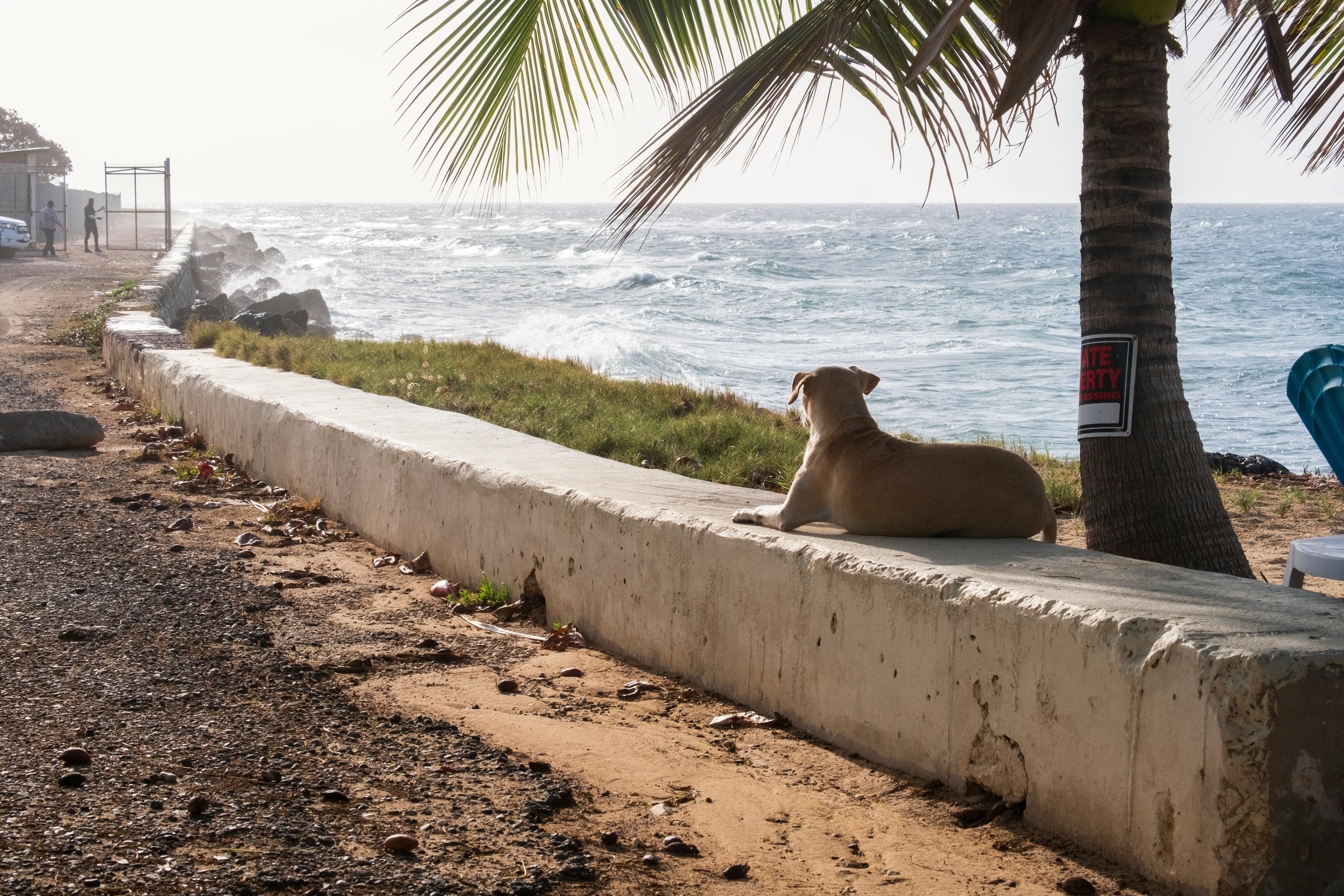
What Truly Defines Great Budget Travel Blogs?
In a sea of travel content, the best budget travel blogs stand apart by focusing on financial strategy over simple destination guides. They operate on the principle that affordable travel is a skill that can be learned, not a privilege you’re born with. The real value lies in their ability to provide transparent, actionable systems that readers can apply to their own lives.
A top-tier budget blog offers two non-negotiable things:
Radical Transparency: The most valuable content offers a high degree of transparency, providing detailed, line-item breakdowns of trip costs. We’re not talking about vague estimates; we mean granular reports that track daily averages for lodging, food, and activities, like the country-by-country spending reports offered by some top-tier bloggers. This level of detail empowers you to create your own realistic budgets and demystifies the true cost of travel.
Actionable Financial Tools: These blogs provide the practical financial frameworks to make your travel goals a reality. This includes long-term savings strategies that go beyond "skip the latte." They teach sophisticated methods, endorsed by consumer finance publications, like the "Pay Yourself First" model and the strategic use of travel rewards programs to eliminate what are typically the two largest expenses of any trip: flights and hotels.
The 8 Best Budget Travel Blogs for Proven Financial Strategies
We’ve vetted the best in the business—the financial wizards who provide actionable systems, not just vague inspiration. Here are the eight budget travel blogs you need to follow.
1. Nomadic Matt - The Original Budget Travel Guru
If there is one name synonymous with budget travel, it's Matt Kepnes, better known as Nomadic Matt. For over a decade, he has been the go-to source for actionable advice on long-term travel. His blog is a treasure trove of practical tips, but its real power lies in its comprehensive guides that break down complex topics into easy-to-follow steps.
His famous post, "," isn't just a list of tips; it’s a complete philosophical and strategic framework for reorienting your financial life around your travel goals. He is a master of teaching long-term savings strategies, showing readers how to meticulously audit their expenses and redirect funds into a dedicated travel account.
2. The Broke Backpacker - For Hardcore Adventure on a Shoestring
Will Hatton, the founder of The Broke Backpacker, caters to the intrepid traveler who wants to push boundaries—both geographically and financially. His blog is a testament to the idea that a limited budget can actually lead to more authentic and adventurous experiences. He champions a raw, honest approach, sharing the highs and lows of long-term travel. His real value is in the trenches—providing the kind of proven, field-tested advice that shows you how to stretch every single dollar until it screams. From a deep dive into the " " to guides on how to find work on the road, The Broke Backpacker is an essential read for anyone considering a long-term backpacking trip.
3. Kara and Nate - The Masters of Travel Hacking
Kara and Nate are a powerhouse YouTube couple who have documented their journey to over 100 countries, evolving from budget backpackers to savvy, full-time travelers. While their travels have become more luxurious over time, their unique value lies in the immense library of content that shows how they did it. Their channel is a masterclass in "travel hacking." They are incredibly transparent about how they leverage credit card points and miles to cover major expenses like flights and hotels, effectively traveling for a fraction of the cost. Their videos breaking down exactly which cards they use and the strategies they employ to accumulate points provide a clear, actionable playbook for anyone looking to drastically reduce the biggest travel expenses. They prove that the most powerful budget tool isn't just saving money, but strategically generating travel value.
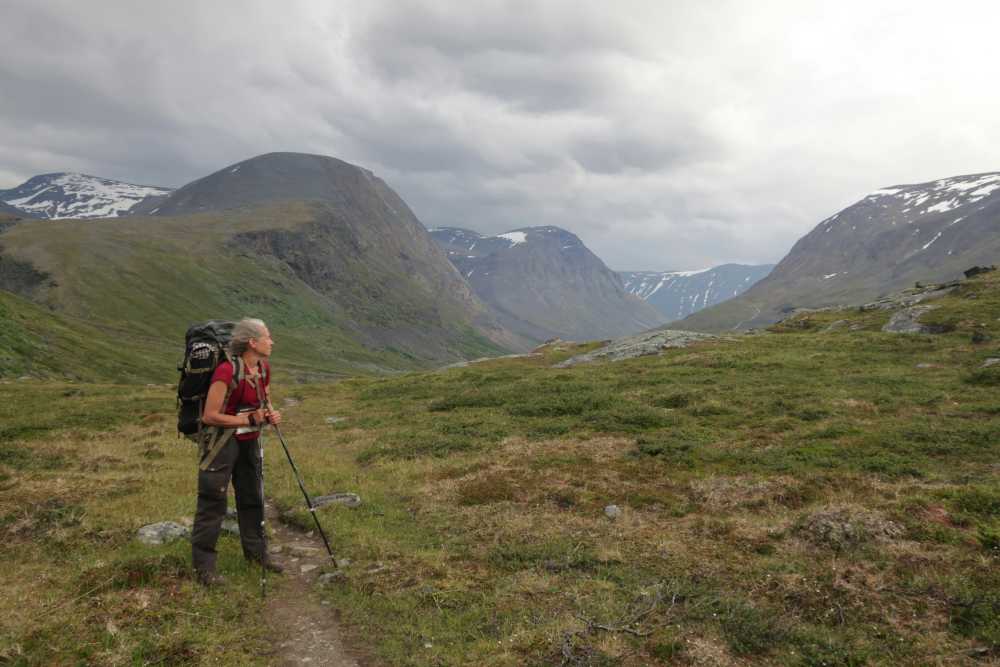
Master Your Packing, Master Your Budget
One of the biggest—and most avoidable—costs of modern travel is checked baggage fees, which can add hundreds of dollars to a single trip. Learning to pack efficiently in one carry-on is a financial superpower. Our expert guide breaks down the techniques for maximizing space and minimizing weight, so you can travel lighter and cheaper—forever.
[Download the FREE How to Pack Light Guide]
4. BudgetTraveller - Affordable Luxury and Style
Kash Bhattacharya, the creator of BudgetTraveller, debunks the myth that budget travel has to be uncomfortable. His blog is dedicated to the art of "luxury hostelling" and finding stylish, unique, and affordable experiences around the world. He proves that you can enjoy high-quality travel without the high-end price tag. BudgetTraveller is perfect for those who want to save money but aren't willing to sacrifice comfort and style. Kash focuses on the "value" aspect of budget travel, showing you how to get the most for your money, whether it's a beautifully designed hostel in Lisbon or a fantastic cheap meal in Rotterdam.
Pro-Tip: Treat your travel fund like a non-negotiable bill. Experts recommend setting up a dedicated, high-yield savings account specifically for travel and scheduling an automatic monthly transfer the day you get paid. You'll be surprised how quickly it grows when you make it a priority rather than an afterthought.
5. Taylor On A Trip - Modern, Practical Advice for Young Travelers
Taylor On A Trip provides fresh, relevant, and highly practical budget travel tips for a new generation of explorers. Her content is straightforward and actionable, focusing on the core strategies that make the biggest impact. She excels at creating concise, easy-to-digest guides that get straight to the point. Her post "" is a perfect example of her approach. It's not filled with fluff; it’s a power-packed checklist of strategies you can implement immediately, from booking flights to daily spending. She is an excellent resource for anyone who wants clear, modern advice without having to sift through long narratives.
6. GRRRLTRAVELER - Street-Smart Safety and Budget Savvy
Christine Kaaloa of GRRRLTRAVELER focuses primarily on solo travel, but her advice is pure gold for any budget-conscious traveler. A significant part of traveling on a budget is being smart enough to avoid costly mistakes, scams, and theft. Christine is a master of teaching street smarts. Her content, such as "" is a masterclass in situational awareness and preventative safety. Learning how to avoid common local scams, protect your valuables, and navigate unfamiliar areas confidently is a core skill of budget travel. Her practical, no-nonsense tips will save you money and provide invaluable peace of mind.
7. Expert Vagabond - Affordable Adventure and Gear
Matthew Karsten of Expert Vagabond is one of the top adventure travel blogs, and while adventure travel can seem expensive, Matthew is an expert at making it accessible. A huge part of his content focuses on the practicalities of adventure, including detailed gear guides that are crucial for budget planning. Investing in the right gear from the start saves you money on rentals and prevents you from buying costly replacements on the road. His gear guides often include a range of options for different budgets, allowing you to prepare for incredible experiences like trekking in Greenland without overspending on equipment you don't need.

Pro-Tip: The strategic use of travel rewards credit cards can eliminate your two biggest expenses: flights and hotels. The process, known as "travel hacking," involves channeling everyday spending through cards that offer high point-multipliers on categories like groceries and dining. These accumulated points can then be redeemed for nearly free travel.
8. Legal Nomads - Authentic Food Experiences on a Budget
Jodi Ettenberg of Legal Nomads began her journey as a lawyer but became a celebrated travel blogger with a focus on food. Her blog demonstrates one of the most important principles of budget travel: eating like a local is not only more authentic, but it's almost always significantly cheaper. Instead of focusing on expensive tourist restaurants, Jodi’s guides dive deep into street food and local markets. She teaches you how to find the best, most authentic meals for a fraction of the price of a formal dinner. This approach not only saves a huge amount of money but also connects you more deeply to the culture of the destination you're visiting.
The 3 Core Pillars of Budget Travel Success
The advice from these top blogs can be distilled into three fundamental pillars. Mastering these will provide a complete financial system for traveling more.
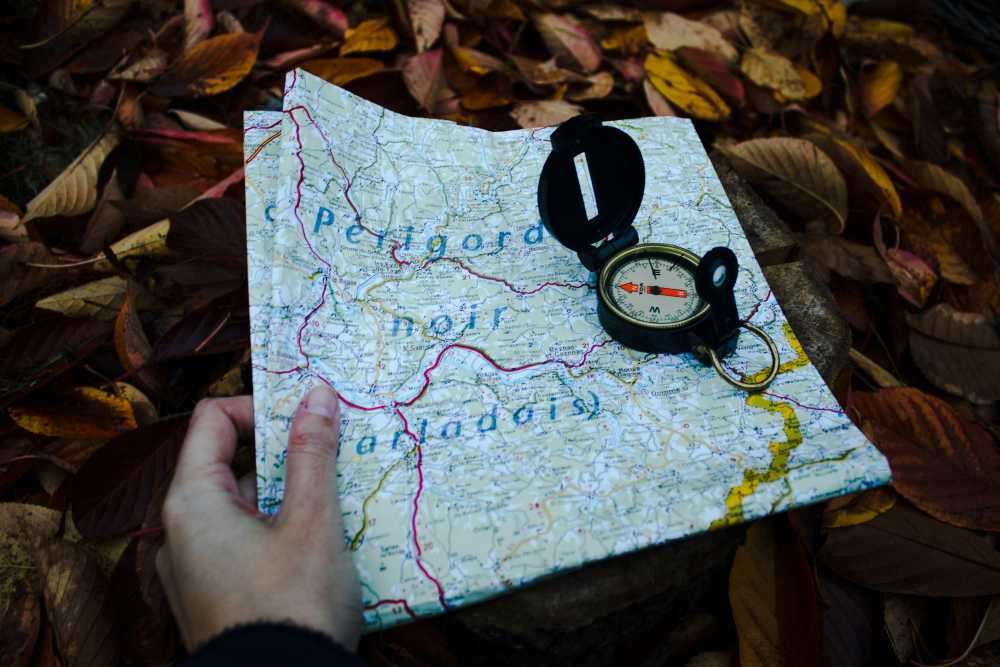
Pillar 1: Strategic Saving - Building Your Travel War Chest
This is the foundation. It begins with a comprehensive audit of all your current monthly expenses. By meticulously tracking your spending, you can identify non-essential areas to cut back and systematically redirect that money into your dedicated travel fund. This isn't about deprivation; it's about conscious spending aligned with your goals. The "Pay Yourself First" model is the key here, automating your savings to ensure you are consistently building your travel fund.
Pillar 2: Smart Spending - Making Every Dollar Count on the Road
Once you’re traveling, your strategy shifts from saving to smart allocation. This is where detailed budget breakdowns become your best friend, helping you track your daily spending and stay on target. It also means making conscious choices, like prioritizing street food over tourist-trap restaurants. For example, knowing the best local markets versus overpriced cafes in Chiang Mai can cut your food budget in half. It's this kind of granular, on-the-ground knowledge that can make or break your budget, which is why a detailed resource like our [Thailand Travel Guide] is invaluable for making smart spending decisions.
Pillar 3: Location Independence - Earning While You Explore
This is the advanced level of budget travel that allows for a truly sustainable lifestyle of exploration. The rise of the digital nomad and remote work has made it more possible than ever to earn an income without being tied to a single location. This could involve freelance work, online businesses, or negotiating a remote arrangement with your current employer. This pillar shifts the entire paradigm from "how long can my savings last?" to "how can I create a life where travel and work are seamlessly integrated?"
Frequently Asked Questions About Budget Travel
Even with the best blogs as guides, you might still have questions. Here are answers to some of the most common ones.

What's the single most effective savings strategy?
Overwhelmingly, the experts point to the "Pay Yourself First" model. Instead of saving what's left after your expenses, you treat your travel savings as a non-negotiable bill. Set up an automatic transfer from your checking account to a separate, high-yield savings account that's specifically for travel. Schedule it for the day you get paid. This automates your discipline and prioritizes your goal, ensuring you're always making progress.
Is it still possible to travel on a budget in 2026 with rising costs?
Absolutely. While it's true that some costs are rising, the core principles of budget travel are timeless. The key is to be strategic. This might mean choosing less expensive destinations, traveling in the shoulder season, or leaning more heavily on skills like travel hacking. The global travel market is projected to grow substantially, reaching $9 billion by 2032, which means more options and competition, often leading to better deals for savvy consumers. Your budget isn't just about how much you have, but how intelligently you use it.
Do I really need a travel rewards credit card?
While not strictly necessary, a good travel rewards card is one of the most powerful tools for reducing your biggest costs. If you pay your balance in full every month, you're essentially getting a discount on future travel for spending you were already going to do. The key is to find a card that offers high points on your biggest spending categories (like groceries or gas) and to be disciplined about paying it off. For a US-based traveler, it's one of the fastest ways to earn flights and hotel stays.
Your Journey Starts Now
The idea that travel is an expensive luxury is a myth. As these experts prove, traveling more is the result of a deliberate and strategic financial plan. It’s about shifting your mindset from one of scarcity to one of strategy, transforming from a passive dreamer into an active planner. You now have the resources and the core pillars of a successful budget travel system.

These incredible budget travel blogs are your mentors and your guidebooks. They provide the proven playbooks that have enabled thousands of people to see the world on their own terms. Your journey doesn't start when you board a plane; it starts today. Pick one blog from this list, read one of their cornerstone articles, and implement just one savings strategy this week. That small, decisive action is the first step toward making your travel dreams your reality.
Meta Data Suggestions:
SEO Meta Title (59 characters): 8 Best Budget Travel Blogs to Help You Travel More in 2026
URL Slug: best-budget-travel-blogs
SEO Meta Description (154 characters): Stop dreaming and start planning. Discover the 8 best budget travel blogs that provide proven financial strategies to help you save money and travel the world.
Don't Miss Out! Subscribe for Exclusive Content
Subscribe



Comments 0
No comments yet
Be the first to share your experience!
Dont Miss Out! Subscribe for Exclusive Content

FTC Affiliate Disclosure Essentials: Stay Compliant as a Travel Creator


Essential Affiliate Tools: From Tracking to Full Optimization

Avoid These 5 Affiliate Landing Page Mistakes for Better Conversions

Affiliate Keyword Research Mastery for Travel Blogs

Booking.com Affiliate Program Review: Pros, Cons, and Earnings Potential

Decoding Affiliate Commission Rates: Benchmarks for Travel Creators
11 Essential Solo Travel Safety Tips You Need to Know
TrekGuider @trekguider
Let's be honest: the idea of solo travel is a mix of exhilaration and pure terror. It’s the ultimate promise of freedom, shadowed by the persistent question, "But will I be safe?" The thought of navigating an unfamiliar city alone, fending off unwanted attention, or feeling vulnerable can be enough to keep the most adventurous spirit grounded. This anxiety is real, and it can paralyze your plans or, worse, follow you on your trip, robbing you of the joy you set out to find.
But safety isn’t a matter of luck; it’s a matter of skill. It’s a mindset you can cultivate and a set of practices you can master. This guide is your new playbook. We’ve distilled insights from security experts, psychologists, and veteran solo travelers into 11 essential, gender-neutral solo travel safety tips. This isn't a list of warnings designed to scare you. It’s a practical framework for building unshakeable confidence, mastering situational awareness, and empowering yourself to explore the globe. While these strategies are crucial for any solo traveler, they are one part of a larger safety ecosystem, which we cover in our comprehensive guide to [The Ultimate Guide to Travel Safety: A 2026 Playbook].

The Foundation: Building Unshakeable Confidence and Awareness
True safety begins in your mind long before your boots hit the ground. It’s a foundation built on proactive awareness and a confident mindset. By mastering these core principles, you transform yourself from a potential target into a "hard target"—someone who looks like they know exactly what they’re doing, even when they're just soaking it all in.
1. Master the Art of Situational Awareness
Situational awareness is not paranoia; it's a state of relaxed observation. Security experts emphasize that it’s about consciously understanding your environment by first establishing a baseline and then learning to spot anomalies.
Establish a Baseline: Wherever you are—a train station, a market, a park—take a moment to observe the normal rhythm. How are people walking? What’s the general noise level? This is the "normal" for that environment.
Identify Anomalies: Once you know the baseline, things that deviate will immediately stand out: someone moving against the flow of foot traffic, wearing a heavy coat in hot weather, or loitering without purpose near an entrance. These anomalies are your early warning system.
Limit Distractions: "Tunnel vision" is a solo traveler’s enemy. Keep your headphones out and your phone in your pocket when walking through crowded areas. Keep your head up.
Practice Active Scanning: Make a habit of periodically looking around in a full 360-degree arc. This simple act keeps you aware of who is behind and beside you, preventing you from being caught by surprise.
Project Confident Body Language: Your posture speaks volumes. Walk with a purposeful stride, keep your head held high, and make brief, deliberate eye contact with those around you. This non-verbally communicates that you are aware and not an easy target.
2. Trust Your Intuition—It's Your Best Guide
Psychologists and security experts agree: that "gut feeling" is a real and powerful threat-detection tool. It's your subconscious mind recognizing thousands of tiny cues that something is wrong long before your conscious mind can articulate why. If a person, a street, or a situation feels "off," do not ignore it. Treat that feeling as a valid warning. Cross the street, leave the bar, get in a taxi—do whatever you need to do to honor that instinct without apology or hesitation.
3. Build Confidence with "Practice Runs" Before You Go
The confidence to navigate a foreign capital alone isn't born on the plane; it's built at home. Start with small, local "practice runs" to build your self-reliance.
Take yourself on a solo date to a new restaurant or movie in your own city.
Spend an afternoon exploring a neighborhood you don’t know well, navigating by yourself.
Take a solo day trip to a nearby town using only public transportation.
These small wins prove to yourself that you are capable and resourceful, which is the bedrock of the confidence you'll carry with you across the globe.

Navigating Like a Pro: Practical Solo Travel Safety Tips
Once you’ve calibrated your internal compass with a confident mindset, it’s time to translate that awareness into action. How you move, what you wear, and how you interact with your environment are the practical skills that complete your safety toolkit.
4. Walk with Purpose, Navigate with Discretion
Looking lost is like wearing a sign that says "vulnerable." Your goal is to navigate with quiet confidence.
Plan Before You Leave: Study your route before you walk out the door of your hotel or hostel. Having a clear mental map allows you to walk with purpose, which is a powerful deterrent.
Be Discreet with Maps: Avoid standing on a busy corner staring at a large paper map or your phone. If you need to check your directions, step into a shop, cafe, or hotel lobby to reorient yourself away from prying eyes.
Manage Your Tourist Gear: An expensive camera hanging around your neck and a bulky backpack are clear signals that you're a tourist. Keep your camera in a non-descript bag until you’re ready to use it, and consider using a more subtle crossbody bag for daily exploring instead of a large daypack.
5. Dress to Blend, Not to Stand Out
Your clothing is your first and most obvious cultural handshake. Observe what locals are wearing and aim for a similar level of formality.
Avoid Loud Logos: Leave the clothing with your home country's flag, university, or sports team logos at home. Opt for neutral, less conspicuous attire.
Respect Local Norms: In more conservative regions, dressing modestly (covering shoulders and knees) is not just a sign of respect; it’s a key safety strategy that helps you blend in and avoid unwanted attention.
Pro-Tip: Pack a lightweight scarf. It takes up almost no space and is incredibly versatile. You can use it to cover your head when entering a religious site, cover your shoulders for modesty, or add a layer of warmth.
6. Learn a Few Key Local Phrases
You don't need to be fluent, but knowing a few words in the local language is a massive confidence booster and a sign of respect. Focus on the essentials:
Hello
Please
Thank you
Excuse me
Do you speak English?
Being able to handle simple transactions or politely ask for help shows you've made an effort and can make interactions much smoother.

Your Safe Haven: Accommodation and Socializing Strategies
As a solo traveler, where you stay and how you choose to meet people are critical safety decisions. Your accommodation is your sanctuary, and your social life should be a source of joy, not anxiety.
7. Perform a 60-Second Hotel Security Sweep
The moment you first enter your hotel room or rental, take a minute to perform this essential security check.
Prop the Door: Keep the door propped open with your luggage while you do a quick visual sweep to ensure the room is empty (check the closet, behind the shower curtain, under the bed).
Test the Locks: Close the door and test every lock from the inside—the deadbolt, the security chain, and the latch. They should all feel solid.
Find Your Exits & Count: Locate the fire escape map on the back of the door. Identify the two nearest exits and count the number of doors between your room and the closest one. Fire safety experts stress this is crucial for navigating in a dark or smoke-filled hallway.
Check for Privacy: Ensure windows and any connecting doors lock properly. Close the curtains fully.
8. Choose Social Accommodations for Safe Connections
Hostels are the original social network for travelers and remain one of the best and safest ways to meet people. They are designed for interaction, with common areas and organized events like walking tours or group dinners. Even if you book a private room in a hostel, you get the benefit of privacy combined with a built-in, vetted community right outside your door.
9. Join Group Tours and Classes to Meet Like-Minded People
A shared interest is a natural foundation for friendship. Signing up for group activities is a fantastic way to connect with other travelers and locals in a structured, safe environment.
Free Walking Tours: Most major cities have them. They're a great way to get oriented and chat with fellow travelers.
Specialty Day Tours: A food tour or historical excursion brings together people with a common passion.
Local Classes: A cooking workshop or language class provides an authentic cultural experience and an easy way to start conversations.
Pro-Tip: If you connect with people on a tour, suggest meeting up later in a public place. "A few of us are going to grab a bite at that market we saw, want to join?" is a low-pressure way to extend the connection.

Your Digital Safety Net
In the modern era, technology provides some of the most powerful solo travel safety tips. Your smartphone can be your lifeline, your map, and your guardian angel—if you set it up correctly.
10. Arm Yourself with Personal Safety Apps
Before you leave, download a personal safety app and set it up with your trusted contacts back home. These apps can share your location, send distress signals, and even connect you with emergency services.
bSafe: A comprehensive app that features a voice-activated SOS alarm, live location sharing ("Follow Me"), and even automatically records video and audio during an emergency.
Noonlight: Acts as a silent panic button. You press and hold a button on the screen when you feel unsafe. If you release it and don't enter your PIN within 10 seconds, it automatically sends your location to professional dispatchers who coordinate with local police.
Life360: Excellent for creating a private location-sharing map ("Circle") with family or friends. It includes an SOS alert that messages your entire circle and can even detect if you've been in a car crash.
11. Keep Your Trusted Contacts in the Loop
Beyond apps, make a habit of sharing your itinerary with someone back home before you leave. A quick text or email saying, "Just arrived at my hostel in Lisbon, all is good!" provides peace of mind for both you and them.

A Note for Women Traveling Solo
While all the tips in this guide are universal, women often face a unique set of challenges and cultural nuances on the road. For advice tailored specifically to navigating these issues—from understanding cultural dress codes to responding to harassment and leveraging female-focused networks—our specialized guide is an essential resource.
Deep Dive: The Solo Female Traveler's Playbook
Ready for a resource that speaks directly to the female experience? Download our free, in-depth [Solo Female Travel Safety Guide] for expert advice on cultural etiquette, empowerment, and staying safe and confident on your own terms.
Solo Travel Safety FAQ
A prepared mind is a safe mind. Here are answers to a few common questions that solo travelers ask.
1. What's the best way to handle street harassment?
Security experts advise a tiered response. First, try to ignore it. Often, a harasser's goal is a reaction. Avoid eye contact and keep walking with purpose as if you heard nothing. If they persist, get loud and firm. Use a strong voice and say a simple command like "Stop" or "Leave me alone." Finally, your priority is to get to a safe place. Duck into a busy shop, hotel lobby, or cafe. Don't lead them back to where you're staying.
2. Are hostels really safe for solo travelers?
Yes, reputable hostels are generally very safe. They are designed for travelers and often have excellent security measures like key-card access, 24/7 reception, and lockers for your valuables (bring your own padlock). They are one of the best ways to meet other travelers in a secure environment. Read recent reviews before booking, and consider choosing a female-only dorm if it makes you more comfortable.
3. How can I avoid looking like a tourist?
It's a combination of the tips above. Navigate with discretion (plan your route in advance), dress to blend in (avoid flashy logos and follow local clothing norms), and manage your tourist gear (keep the big camera in a bag). The biggest factor, however, is confident body language. Walk like you belong there, and most people will assume you do.

The World is Waiting
Solo travel is one of the most rewarding experiences a person can have. It will challenge you, change you, and fill your life with stories. The goal of these solo travel safety tips is not to make you fearful, but to make you fearless. By replacing anxiety with awareness and confidence with preparation, you give yourself the freedom to say "yes" to adventure and to fully embrace the incredible journey of discovering the world, and yourself, on your own.
Now that you're equipped with the strategies for a safe and confident solo journey, you can focus on the bigger picture. For a complete master guide to planning every aspect of your next adventure, from budgeting and packing to booking and logistics, our all-encompassing [Travel Guide] is the only resource you'll ever need.
Don't Miss Out! Subscribe for Exclusive Content
SubscribeComments 0
No comments yet
Be the first to share your experience!
Dont Miss Out! Subscribe for Exclusive Content

Ultimate USA Holidays Guide: Top Picks
FTC Affiliate Disclosure Essentials: Stay Compliant as a Travel Creator
Essential Affiliate Tools: From Tracking to Full Optimization
Booking.com Affiliate Program Review: Pros, Cons, and Earnings Potential
Decoding Affiliate Commission Rates: Benchmarks for Travel Creators

Amazon Associates for Travel: Strategies to Maximize Commissions
How to Plan Your First Solo Trip (and Conquer the Fear)
TrekGuider @trekguider
You’ve seen the photos, heard the stories, and a powerful idea has taken root: traveling the world on your own terms. But right behind that excitement, a wave of doubt probably follows. What if I get lonely? What if it’s not safe? What if I’m just not the kind of person who can do this?
Let’s take a breath. Feeling a mix of excitement and sheer terror is the unofficial rite of passage for every person who has ever considered traveling alone. It’s not a sign you should stop; it’s a sign you’re about to do something brave. This guide is your starting point. We’re not going to overwhelm you with packing lists or complex itineraries. Instead, we're going to focus on the most important first step: turning that anxiety into a quiet confidence and creating a simple, actionable plan to get you started. This is how to plan your first solo trip by conquering the fear first.
For the bigger picture on planning your first independent journey, explore

The Most Important Step: Your Mindset Shift
Before you book a single flight, the real journey begins in your mind. The psychological hurdles are the biggest barriers for most aspiring solo travelers. Let’s dismantle them together.
It's Normal to Feel Anxious. Here's How to Use It.
Feeling nervous before a big adventure is completely normal—it means you’re taking this exciting challenge seriously. The trick is to treat your fears not as stop signs, but as a pre-flight checklist.
Fear thrives on vague, undefined worries. Clarity is its kryptonite. So, grab a notebook and write down your top three concerns. Is it safety? Loneliness? Getting lost? By giving your anxieties a name, you take back control. For every worry, there is a practical solution, and you’ll find that a little preparation makes you feel capable, not scared.
The Antidote to "What If I'm Lonely?"
Let's reframe the biggest myth in solo travel. There is a world of difference between being alone and being lonely. Being alone is a superpower. For the first time, your schedule is 100% your own. You can spend three hours in a museum, change your entire plan on a whim, or eat gelato for dinner without a single committee meeting. This isn’t loneliness; it’s absolute freedom.
Remember, traveling solo doesn’t mean you’re isolated. It means you have complete control over your social thermostat. You can turn it up by joining a food tour or staying in a social guesthouse, or turn it down when you just need to recharge. This journey is an incredible chance to get comfortable in your own company—a skill that will empower you for the rest of your life.

How to Handle Naysayers (Even When They Mean Well)
Often, the most discouraging feedback comes from those who love us most. Their own fears, disguised as concern for you, can chip away at your resolve. Navigating these conversations requires a calm, confident strategy.
Present a Plan, Not a Plea: Instead of saying, “I’m thinking of going to Portugal alone,” try this: “I’m so excited—I've started planning a solo trip to Portugal for next year. I've found some amazing, highly-rated places to stay in a really safe neighborhood.” You are not asking for permission; you are sharing your exciting news.
Demonstrate Your Competence: Proactively show them you’re taking this seriously. Talk about the research you’re doing on safe destinations or the simple communication plan you'll have, like a daily WhatsApp check-in. When they see you’ve thought it through, their anxiety will decrease because yours already has.
Your 'First Three Steps' Action Plan
With your mindset fortified, it's time for action. We're going to keep it simple. Here are three manageable, non-intimidating first steps to turn your dream into a reality.

Step 1: Choose a Beginner-Friendly Destination
For your first trip, set yourself up for an overwhelming win. Choosing a destination that is known for being easy to navigate will boost your confidence for all future adventures. Look for places with:
A Welcoming Tourist Infrastructure: Places with reliable public transport, lots of accommodation choices, and readily available information (like Portugal, Japan, or Costa Rica) make logistics a breeze.
A High Safety Ranking: Use resources like the Global Peace Index to find countries known for safety and stability.
Ease of Communication: While you don't need to go somewhere that only speaks English, choosing a destination where it's widely spoken in tourist areas (like the Netherlands or Scandinavia) can reduce a layer of stress.
Ready to explore your options? For a deep dive into the pros and cons of different regions and a list of the top 10 safest countries for solo travelers, check out the ».
Step 2: Book Your First Night's Accommodation
Don't worry about planning the entire trip right now. The single most effective way to make your trip feel real is to commit to Day One. Research and book your accommodation for the first one or two nights. This simple action creates a secure "landing pad," transforming a vague idea into a concrete event with a date and an address. It’s your anchor, giving you a safe, secure base from which to start your adventure.
Step 3: Do a "Low-Stakes" Solo Practice Run
Build your solo muscle at home. Before you fly across the world, take yourself on a solo "date" for a full day in a nearby town or even a different neighborhood in your own city. Go to a museum alone. Navigate to a park you’ve never visited. Eat a meal at a restaurant by yourself. The point is to experience the feeling of navigating, making decisions, and enjoying your own company. This small taste of self-reliance will prove to you that you absolutely can do this.
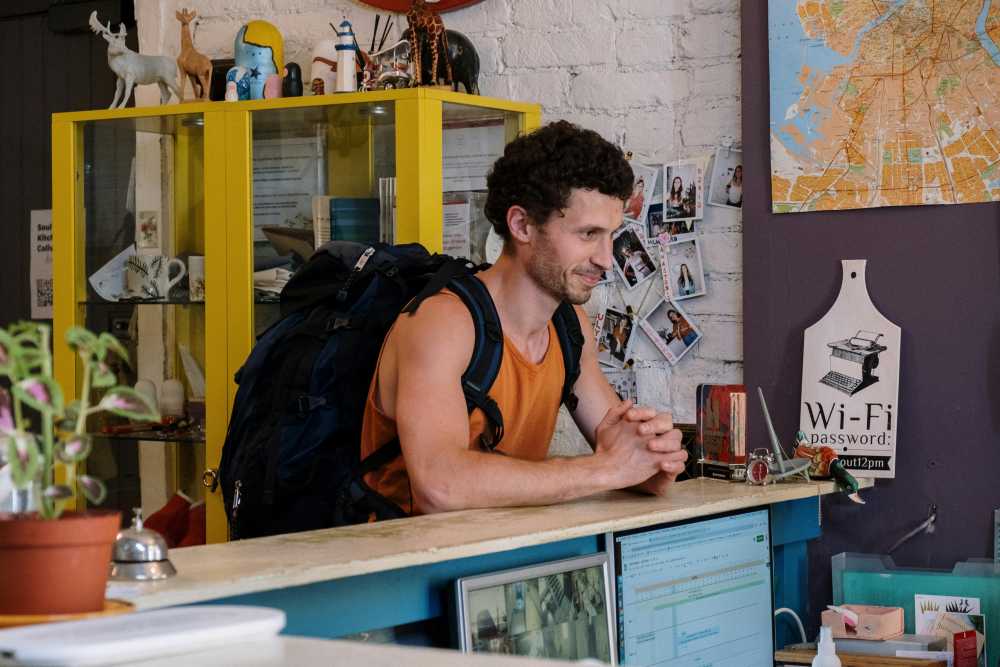
Your Adventure Is Closer Than You Think
You've already taken the hardest step: deciding to explore this possibility. The fear you feel is not a weakness; it's a gateway to discovering just how capable you are. By shifting your mindset and taking a few small, deliberate planning actions, you are building the foundation for an incredible adventure.
You don't need to have all the answers right now. You just need to be willing to take the next step.
Don't Miss Out! Subscribe for Exclusive Content
SubscribeComments 0
No comments yet
Be the first to share your experience!
Dont Miss Out! Subscribe for Exclusive Content
Ultimate USA Holidays Guide: Top Picks
FTC Affiliate Disclosure Essentials: Stay Compliant as a Travel Creator
Essential Affiliate Tools: From Tracking to Full Optimization
Booking.com Affiliate Program Review: Pros, Cons, and Earnings Potential
Decoding Affiliate Commission Rates: Benchmarks for Travel Creators