
Solo Travel in the USA: 10 Incredible Itinerary Ideas

TrekGuider @trekguider
The sheer scale of the United States is both its greatest allure and its most intimidating feature. You see the photos and feel the pull—the sun-drenched coast of California, the majestic canyons of Zion, the vibrant rhythm of New Orleans. The dream of a great American adventure is powerful, but it’s often followed by a wave of logistical anxiety. How do you even begin to plan a trip across a country with such staggering diversity? You worry about the complexities of a solo road trip, the safety of hiking alone in vast national parks, and the overwhelming number of choices. The dream feels big, but the planning feels bigger, turning wanderlust into a source of stress.

This guide is your solution—the antidote to overwhelm. It’s a strategic blueprint designed to transform your dream of solo female travel USA into a confident, actionable plan. We’re moving beyond general advice to give you ten distinct, road-tested itinerary ideas, each packed with US-specific logistical tips to empower your journey. This isn't just about seeing the USA; it's about discovering its landscapes, its cultures, and your own boundless capability along the way. While this guide dives deep into American itineraries, your journey to becoming a confident globetrotter starts with the essentials we cover in our comprehensive pillar article, The Ultimate Guide to Solo Female Travel (15 Essential Tips).
The Call of the Open Road: Mastering USA Solo Trip Logistics
Before you pick a destination, it’s crucial to understand the unique challenges and opportunities of a US-based solo trip. Unlike Europe with its dense train networks, much of America is built around the automobile. Mastering a few key logistics is the first step to a smooth, safe, and stress-free adventure.
Navigating the Car Rental Maze
A solo road trip is an iconic journey of freedom, but it comes with specific hurdles.
One-Way Fees: Renting a car in one city and dropping it off in another almost always incurs a "drop charge." This fee can add hundreds of dollars to your cost. The most effective strategy is to plan your road trips as loops that begin and end in the same city. If a one-way trip is unavoidable, compare prices across multiple agencies and book as far in advance as possible.
Insurance Coverage: Car rental insurance is a common point of confusion. Before your trip, call both your personal auto insurance provider and your credit card company to get a clear, written explanation of your existing coverage. Many credit cards offer secondary rental car insurance, but understanding its limitations is key to avoiding the expensive Collision Damage Waiver (CDW) offered at the counter.
Finding Your Safe Haven: A Solo Traveler's Guide to Lodging
For a solo road tripper, finding lodging that is not only affordable but also safe matters most, especially when arriving in an unfamiliar town after dark.
Vet the Location Digitally: Before booking, use Google Maps and its Street View feature to visually inspect the hotel's neighborhood. Look for well-lit streets, a well-maintained area, and proximity to main roads. Be wary of motels with exterior-facing room doors in poorly lit areas.
Leverage Solo Traveler Reviews: On booking platforms, use the review filters to see feedback specifically from "solo travelers." Their comments often directly address feelings of safety and the suitability of the location for a person traveling alone.
Prioritize Interior Corridors: For roadside lodging, hotels with rooms that open onto an interior hallway are generally more secure than motels where every room door opens directly to the parking lot.
Book Your Next Stop in Advance: One of the biggest safety risks is arriving in a new town late at night with no reservation. Always book at least the next night's accommodation before you start your day's drive to avoid a stressful search in the dark.
Once you have your lodging strategy locked down, you can turn your attention from the nation’s highways to its wild heart: the National Parks. These breathtaking landscapes are central to many of the best solo female travel USA itineraries, but they demand a unique approach to safety.

Wild and Safe: Essential Protocols for National Park Adventures
Many of the best itineraries for solo female travel USA involve our stunning national parks. These wild spaces offer unparalleled solitude and beauty but require specific preparation distinct from urban travel.
Establish a Redundant Communication & Navigation Plan: Cell service in most national parks is unreliable at best and completely non-existent in most backcountry areas. Before you go, download offline maps of the entire region onto your phone using an app like Google Maps or AllTrails. As a critical backup, always carry a physical, waterproof map of the park and a compass, and know how to use them. For any remote travel, a satellite messaging device (like a Garmin inReach) is an essential piece of gear, allowing you to send "I'm okay" messages or trigger an SOS alert in a true emergency.
Inform a Ranger and a Friend of Your Itinerary: Leave a detailed copy of your itinerary with a trusted friend. Upon arriving at the park, make your first stop the visitor center. Speak with a ranger about your plans. They can provide invaluable, up-to-the-minute information on trail conditions, weather, and recent wildlife activity.
Adhere to Strict Wildlife Protocol: In bear country, carrying bear spray and knowing how to deploy it is non-negotiable. It's not a suggestion; it's essential safety equipment. Make consistent noise while hiking solo to avoid surprising an animal—talk aloud to yourself, sing, or attach a bear bell to your pack. Never store food or any scented items (including toiletries) in your tent; use designated bear-proof food lockers at campsites or a proper bear canister.
Your Ultimate Park Planning Tool
Ready to hit the trails with confidence? A solid plan is the key to a safe and unforgettable adventure in America's wild spaces. Our checklist covers everything from gear essentials to wildlife safety protocols, ensuring you're prepared for the trail ahead.
Download Your Free National Park Road Trip Checklist Here
10 Incredible Itineraries for Your Solo Female Travel USA Adventure
With the core logistics covered, it's time for the fun part: choosing your adventure. Each of these itineraries is designed with a solo traveler in mind, offering a perfect mix of exploration, safety, and unforgettable moments.
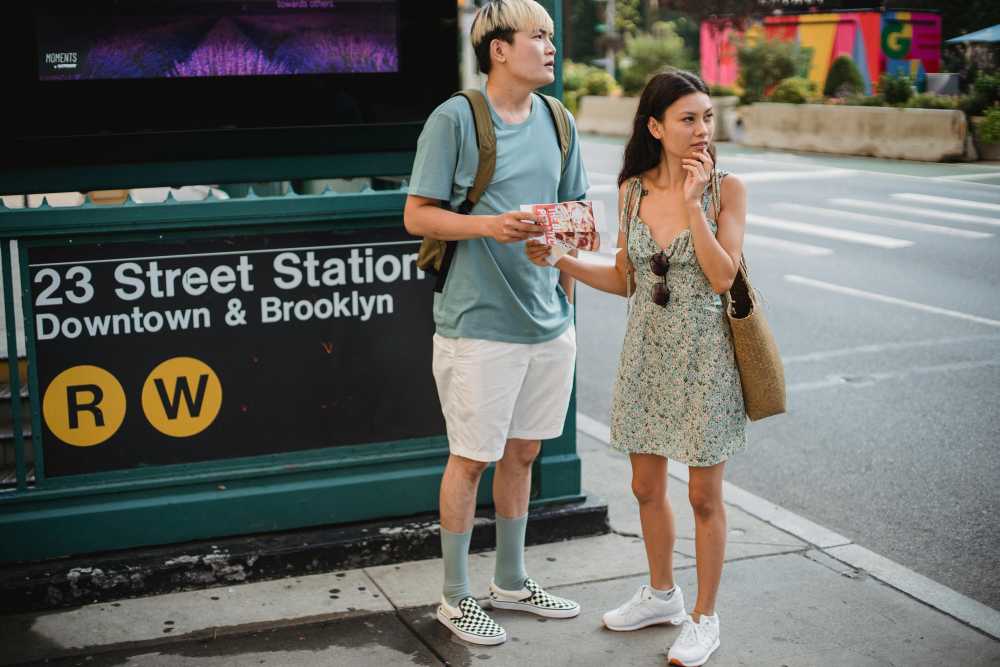
1. The Classic California Dream: Pacific Coast Highway
Best for: Scenery, Adventure, Photography
Duration: 5-7 Days
Route: San Francisco -> Carmel-by-the-Sea -> Big Sur -> Santa Barbara -> Los Angeles
This is the quintessential American road trip. Fly into San Francisco, rent a car (a convertible is worth the splurge!), and wind your way south on the dramatic coastal Highway 1. The drive itself is the destination, with countless turnoffs for breathtaking photos. As a solo traveler, you have the ultimate freedom to stop whenever a view strikes you. The route is well-traveled and has reliable cell service for most of its length, making it a very manageable and safe first solo road trip.
2. The New England Historical Tour
Best for: History, Culture, Walkability
Duration: 4-5 Days
Route: Boston with day trips to Salem and Concord/Lexington
For the history buff who’d rather trace Paul Revere’s ride on foot than battle Boston traffic, this car-free itinerary is a dream come true. Base yourself in Boston and spend a few days exploring the city's Freedom Trail and world-class museums. The city is compact and safe to navigate. Then, use the efficient and easy-to-use commuter rail for day trips. You can explore the infamous witch trials history in Salem or stand on the very ground where the American Revolution began in Concord and Lexington, all without the stress of driving or parking.
3. The Southern Culinary & Music Trail
Best for: Food, Music, Culture
Duration: 7 Days
Route: Nashville -> Memphis -> New Orleans
This road trip is a feast for the senses. Start in Nashville, the heart of country music, for live shows and legendary hot chicken. Drive to Memphis to experience the raw, soulful blues on Beale Street and pay homage to The King at Graceland. End your journey in New Orleans, where the air is thick with the sounds of jazz and the scent of Creole cuisine. These cities are incredibly welcoming, and sitting alone at a bar to listen to music is a common and celebrated activity.
4. The Southwest National Parks Loop
Best for: Nature, Hiking, Epic Landscapes
Duration: 7-10 Days
Route: Las Vegas -> Zion National Park -> Bryce Canyon National Park -> Grand Canyon -> Las Vegas
This is an epic loop for the avid hiker. Fly into Las Vegas (a cheap flight hub), rent a car, and prepare to be awestruck. The proximity of these three iconic parks makes for a visually stunning and logistically manageable itinerary. From the majestic canyon hikes in Zion to the otherworldly hoodoos of Bryce Canyon and the sheer scale of the Grand Canyon, this trip offers profound moments of solitude in nature.

Pro-Tip: National Park lodging books up almost a year in advance. If you can't get a room inside the park, look for accommodations in nearby gateway towns like Springdale (for Zion) or Tusayan (for the Grand Canyon).
5. The Rocky Mountain High
Best for: Outdoor Adventure, Wellness
Duration: 4-5 Days
Route: Base in Boulder, Colorado, with a day trip to Rocky Mountain National Park
Combine a vibrant, safe, and progressive city with majestic mountain scenery. Base yourself in Boulder, a city known for its wellness culture and pedestrian-friendly Pearl Street Mall. Spend your days hiking the iconic Flatirons that form the city's backdrop. Then, take an easy and scenic day trip into the heart of the Rockies to drive the Trail Ridge Road (in summer) and spot wildlife in Rocky Mountain National Park.
6. The Florida Keys Escape
Best for: Relaxation, Beaches, Scenery
Duration: 5 Days
Route: Miami -> Key Largo -> Islamorada -> Key West
For a laid-back trip focused on decompressing, this is paradise. Fly into Miami, rent that convertible, and drive the scenic Overseas Highway down to the continental USA's southernmost point. The journey is the experience, with endless opportunities to stop for snorkeling in Key Largo, fresh seafood in Islamorada, and a slice of key lime pie anywhere you can find it. The Keys have a unique, relaxed, and safe culture perfect for unwinding solo.
7. The Pacific Northwest Vibe
Best for: Urban Exploration, Nature, Food
Duration: 6 Days
Route: Portland, Oregon -> Seattle, Washington
Experience two of America's most unique cities in one car-free trip. Start in Portland, exploring its incredible food cart scene, wandering through Powell's City of Books, and soaking in its quirky, independent vibe. Then, take a scenic and comfortable 3-hour Amtrak train ride to Seattle. Explore the famous Pike Place Market, the original Starbucks, and the beautiful waterfront. Both cities are surrounded by nature, offering easy escapes for a hike.
8. The Charleston & Savannah Southern Charm
Best for: Architecture, Food, History
Duration: 5-6 Days
Route: Charleston, South Carolina -> Savannah, Georgia
Immerse yourself in the beauty and history of the Old South. Start in Charleston, exploring its acclaimed culinary scene, fine art galleries, and historic cobblestone streets. Then take a short 2-hour drive to Savannah to wander its famous, moss-draped squares and explore the historic riverfront. Both cities are incredibly walkable and renowned for their hospitality, making them a comfortable and enchanting solo trip.
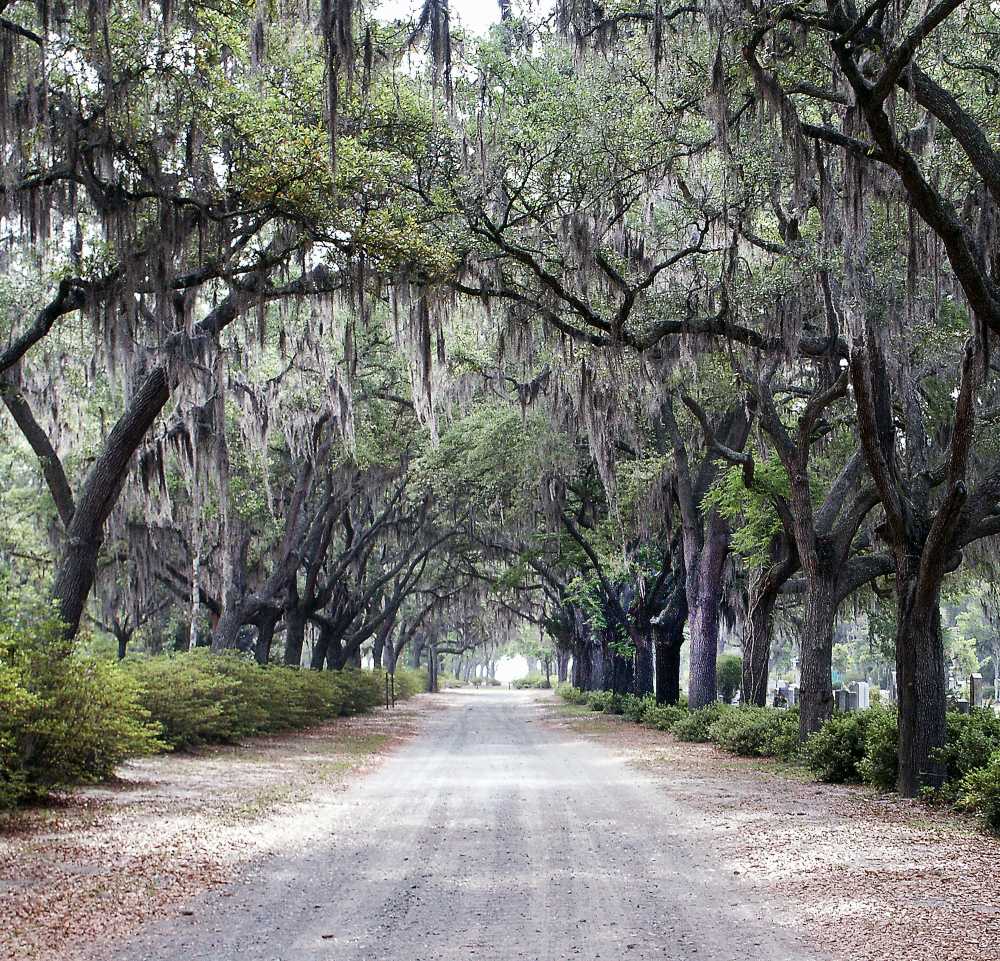
Pro-Tip: The best way to get your bearings and learn the rich history of these cities is by joining a walking tour on your first day. It's also a low-pressure way to chat with other travelers.
9. The Arizona Wellness & Spirituality Retreat
Best for: Wellness, Scenery, Relaxation
Duration: 4 Days
Route: Base in Sedona, Arizona
This itinerary is less about doing and more about being. Sedona is world-renowned for its stunning red rock landscapes, which many believe are centers of spiritual energy called vortexes. This trip is focused on rejuvenation. Plan for spa treatments, gentle hikes among the red rocks, yoga classes, and exploring the town's vibrant new-age community. It's the perfect destination to reconnect with yourself in a serene and stunningly beautiful environment.
10. The Chicago Architectural Immersion
Best for: Urban Exploration, Arts, Architecture
Duration: 4 Days
Route: Base in Chicago, Illinois
For the city lover, this is a deep dive into one of America's greatest urban centers. This itinerary is built around Chicago's world-class architecture. An absolute must-do is the Chicago Architecture Center River Cruise. Spend your days visiting Frank Lloyd Wright's homes, exploring Millennium Park, and visiting world-class museums like the Art Institute of Chicago. In the evenings, you can catch a show in the Theater District or listen to live music at a legendary blues club.
Frequently Asked Questions for a USA Solo Trip
Even the most prepared traveler has questions. Here are answers to some of the most common concerns for a solo trip in the States.
What's the best way to stay safe on a solo US road trip?
Safety is about preparation and awareness. Always share your detailed itinerary with a friend. For your car, have a roadside emergency kit and know your rental company's assistance number. When driving, stick to main highways and well-lit gas stations, especially at night. In your lodging, always use the deadbolt and chain lock. Above all, trust your intuition—if a place or situation feels wrong, leave immediately.
Is it expensive to travel solo in the USA?
It can be, but it doesn't have to be. The biggest costs are lodging and transportation. Save money by planning loop road trips to avoid one-way car rental fees, staying in well-reviewed budget hotels or private rooms in hostels, and preparing your own meals. Visiting national parks is very affordable; an annual "America the Beautiful" pass is just $80 and grants access to all of them. To get an idea of real-world costs, check out the itineraries and guides published by other solo travelers on the TrekGuider platform for real-world budget examples.
How do I handle long, lonely driving days?
Embrace the solitude! This is your time. Create an epic playlist or download a queue of fascinating podcasts and audiobooks. Plan interesting stops along your route—a quirky roadside attraction, a scenic overlook, a local diner—to break up the drive. A long driving day is less about endurance and more about curating a perfect personal experience.
Are there good alternatives to driving for solo travel in the US?
Yes! While not as comprehensive as in Europe, the US has options. Amtrak train routes offer scenic journeys, especially on routes like the California Zephyr (Chicago to San Francisco) or the Pacific Surfliner. For travel between major cities on the East Coast (e.g., Boston, NYC, D.C.), the train is often faster and more convenient than flying. For long distances, combining flights with ride-shares in your destination city is also a great car-free strategy.
Your Journey Awaits
The United States offers a vast and rewarding landscape for the solo female traveler. It’s a country built for the open road, for discovery, and for the kind of freedom that can only be found when you are the sole captain of your journey. With these ten incredible itinerary ideas and the logistical know-how to tackle them, your dream of a great American adventure is no longer an intimidating fantasy—it’s a plan waiting to be executed. The confidence and self-reliance you build on a solo female travel USA trip will last a lifetime. The open road is calling.

For even more detailed planning on destinations around the globe, explore our collection of expert-written Travel Guide resources.
Meta Data Suggestions:
SEO Meta Title (58 characters): Solo Travel USA: 10 Epic Itinerary Ideas for 2026
URL Slug: solo-female-travel-usa-itinerary-ideas
SEO Meta Description (154 characters): Planning a solo female travel USA adventure? Discover 10 incredible, safe, and unforgettable itinerary ideas, from epic national park road trips to city escapes.
Don't Miss Out! Subscribe for Exclusive Content
Subscribe


Comments 0
No comments yet
Be the first to share your experience!
Dont Miss Out! Subscribe for Exclusive Content

San Francisco Cherry Blossoms: A Local's Guide to the Blooms


Halloween SF: Haunts Without Horrors

SF Festivals: 7 Must-See Lineups

Christmas SF: Lights & Wharf Wonders

SF Pride: 6 Route & Party Hacks

Chinese New Year SF: Parade Essentials
Christmas SF: Lights & Wharf Wonders
TrekGuider @trekguider
Are you dreaming of a Christmas getaway filled with postcard-perfect lights and unique holiday cheer, but feel paralyzed by the options in a city as dynamic as San Francisco? You want to soak in the magic, but you’re haunted by the fear of missing the best spots, getting stuck in tourist traps, or wasting your precious vacation time navigating crowds instead of making memories. The anxiety of a poorly planned trip can extinguish the holiday spirit before it even has a chance to ignite.
Imagine the frustration: you’ve spent hours researching, only to end up with a mediocre view of a famous light display, shoulder-to-shoulder with a thousand other people. You risk missing out on the distinctly San Franciscan holiday traditions—the ones that fuse historic charm with stunning coastal beauty—and settling for a generic experience you could have had anywhere. Without a clear strategy, your festive adventure can devolve into a logistical nightmare.
This is your definitive guide to avoiding that fate. We’ve forged the ultimate itinerary, focusing laser-like on the city’s most dazzling illuminations and waterfront spectacles. This deep dive will ensure your Christmas in San Francisco is not just a trip, but a masterfully curated collection of magical moments. Think of this as your specialist mission. After getting the high-level overview of the city's entire festive calendar in our guide to San Francisco Holidays: Bay Area Buzz, you're now ready for the deep dive into the twinkling heart of a Bay Area Christmas.

Union Square: The Epicenter of Christmas in San Francisco
Forget what you think you know about a California Christmas. In San Francisco, the holiday season doesn't just arrive; it makes a grand entrance, and Union Square is its glittering, floodlit stage. The air here crackles with a unique energy, where the city’s high-fashion pulse is supercharged by a symphony of lights, music, and palpable joy. This is the undeniable starting point for any holiday tour, where the city’s most iconic traditions come to life.
The Macy's Great Tree: A Towering Beacon of Holiday Joy
Dominating the square like a festive titan, the Macy's Great Tree is the city's official holiday centerpiece. This colossal tree, soaring over 80 feet, is a spectacle of sustainability and sparkle, adorned with tens of thousands of energy-efficient LED lights and hundreds of shimmering ornaments. Its annual lighting ceremony in late November is a beloved ritual that officially flips the switch on the holiday season in San Francisco, drawing enormous crowds for an evening of live music and celebration.
Pro-Tip: For a truly breathtaking, crowd-free view, head inside the adjacent Macy's. The upper floors offer a panoramic perspective of the entire square. The best-kept secret is the view from the Cheesecake Factory on the 8th floor, where you can gaze down upon the tree and ice rink like a VIP.

Ice Skating Under the Lights: A Classic Winter Tradition
There's a certain magic in gliding across the ice under the watchful gaze of a giant Christmas tree, with the city's skyscrapers twinkling all around you. The Safeway Holiday Ice Rink in Union Square delivers this quintessential winter experience with a distinctly urban flair. Open from early November through mid-January, the rink offers 60-minute sessions that are pure, unadulterated holiday fun.
The atmosphere is electric, fueled by a soundtrack of holiday classics and the collective laughter of skaters. Whether you're executing perfect figure eights or clinging to the wall for dear life, lacing up your skates here is a non-negotiable part of the San Francisco Christmas experience. The evening sessions are especially enchanting, as the city lights create a dazzling, reflective canopy over the ice. Book your tickets online well in advance to secure your spot.
Window Shopping & Festive Displays: A Stroll Through Holiday Artistry
Union Square is San Francisco's luxury shopping heartland, and during Christmas, the storefronts become captivating galleries of festive art. Retailers like Saks Fifth Avenue, Neiman Marcus, and Tiffany & Co. engage in a friendly competition to create the most jaw-dropping holiday window displays. A simple stroll around the square becomes a visual feast of complex designs, whimsical animatronics, and brilliant lights.
The most heartwarming tradition, however, belongs to Macy's. For decades, their partnership with the SF SPCA has filled their windows with adorable, adoptable puppies and kittens playing in festive settings. It’s a guaranteed dose of holiday cheer that also helps countless animals find their forever homes.
Fisherman's Wharf & The Piers: Coastal Christmas Charm
If Union Square is the city's elegant holiday ballroom, Fisherman's Wharf is the lively waterfront party. Here, the festive spirit is infused with the salty air of the bay, offering a uniquely San Franciscan take on Christmas where twinkling lights meet maritime history.
PIER 39's Dazzling Christmas Tree & Sea Lion Spectacle
Giving the downtown tree a run for its money, PIER 39 erects its own majestic, 60-foot Christmas tree right at the entrance. This tree is the star of a nightly, synchronized light-and-music show that runs every half hour, bathing the pier in a dynamic kaleidoscope of color. It’s a fun, high-energy spectacle perfect for families.
What makes this experience uniquely San Franciscan is the audience: the famous sea lion colony barking from K-Dock, providing a chaotic, natural soundtrack. This quirky juxtaposition of organized holiday cheer and wild nature is pure San Francisco.
Ghirardelli Square: Chocolate, Lights, and Historic Splendor
A short, scenic walk from the main wharf leads you to the historic Ghirardelli Square, which offers a more refined and cozy holiday atmosphere. The beautiful brick architecture of the former chocolate factory is elegantly draped in lights, with a grand Christmas tree anchoring the main plaza. The iconic, glowing Ghirardelli sign serves as a beacon over the bay.
A visit here is an assault on the senses in the best possible way. The aroma of warm chocolate hangs in the air, drawing you into the Ghirardelli Chocolate Marketplace for a world-famous hot fudge sundae or a rich, soul-warming hot cocoa. It’s the perfect place to refuel and pick up beautifully packaged holiday gifts.

The Illuminated Boat Parade: A Floating Festival of Lights
For a truly unforgettable waterfront event, align your visit with the Fisherman's Wharf Lighted Boat Parade. As one of the oldest and largest in the country, this annual tradition is a spectacular display of maritime merriment. A fleet of fishing boats, sailboats, and private yachts, all decked out in elaborate holiday lights, parade along the waterfront from PIER 39 past the Marina Green. The sight of these floating light sculptures against the dark waters of the bay, with the Golden Gate Bridge in the distance, is pure magic. Prime viewing spots can be found at Aquatic Park, PIER 39, and anywhere along the Marina Green.
Beyond the Hubs: More Dazzling Christmas in San Francisco Lights
While the main hubs are essential, some of the city's most enchanting displays are found elsewhere. San Francisco is a city of neighborhoods, and venturing out reveals a more local and often more creative side of the holiday season.

Golden Gate Park's "Entwined": A Forest of Light
For a holiday experience that speaks to San Francisco's identity as a hub of art and technology, you must visit "Entwined" in Golden Gate Park. Each year, Peacock Meadow is transformed into an otherworldly forest of light by artist Charles Gadeken. This immersive, large-scale installation features towering, tree-like sculptures and geometric shapes illuminated by thousands of color-changing LEDs. Wandering through this dreamlike landscape as the lights shift through mesmerizing patterns is a captivating experience that feels a world away from the urban bustle.
The Fairmont Hotel's Giant Gingerbread House: A Sweet Spectacle
Ascend to the top of Nob Hill to witness one of the city's most beloved—and delicious—holiday traditions. The historic Fairmont San Francisco constructs a two-story, life-sized gingerbread house in its grand lobby. Made from thousands of real gingerbread bricks, gallons of royal icing, and a dizzying amount of candy, this edible marvel is a feast for the senses. You can even walk through it, breathing in the sweet, spicy aroma of gingerbread. The hotel's opulent lobby, with its own massive Christmas tree, completes the fairy-tale setting.
Neighborhood Lights: Discovering Local Gems
To truly capture the spirit of Christmas in San Francisco, take a tour of the residential neighborhoods where locals pour their hearts into decorating.
Tom and Jerry's House (3650 21st St.): A legendary, over-the-top display in the Castro featuring a giant tree, massive stockings, and a working ski lift for dolls.
45 Upper Terrace: Another famous private home known for its dazzling, multi-story cascade of lights and festive figures.
Sea Cliff: For a more elegant and professionally curated experience, a drive through this affluent neighborhood offers stunning views of stately homes adorned in sophisticated holiday decor.

Planning Your Perfect San Francisco Christmas Adventure
A little strategic planning will ensure your holiday trip is seamless and stress-free, allowing you to focus on the magic.
Getting Around: Mastering the City's Grid
San Francisco is famously compact, but its hills are no joke. Public transportation is your greatest asset.
Muni System: The city's network of buses and historic streetcars can get you almost anywhere. The F-line streetcar offers a wonderfully scenic route along the waterfront.
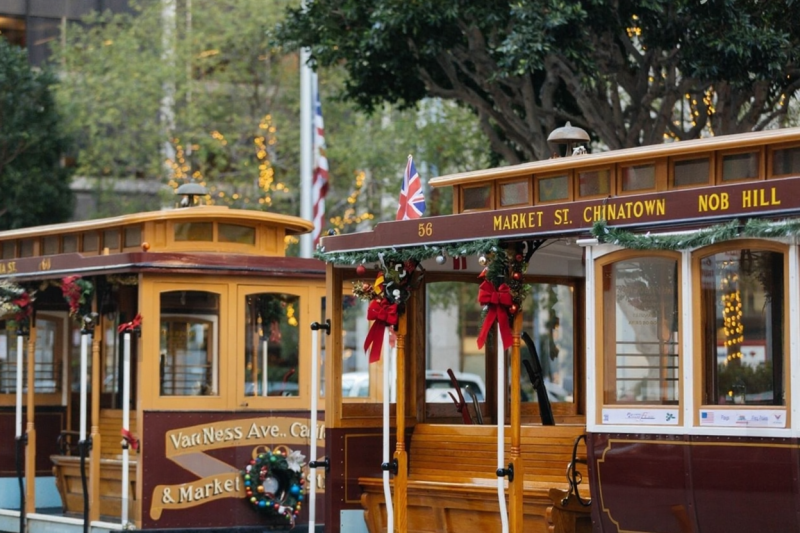
Cable Cars: While more of a moving landmark than practical transport, a ride on a festively decorated cable car is an iconic experience. Just be prepared for long lines.
Walking: The best way to soak in the details of Union Square and the Wharf. Wear your most comfortable shoes—you'll thank yourself later.
What to Pack: The Art of Layering
San Francisco's winter weather is a master of disguise. Mild sunshine can give way to bone-chilling wind and fog in an instant. The golden rule is to dress in layers. A base layer, a sweater or fleece, and a windproof/waterproof jacket will serve you well. A hat and gloves are essential for evenings by the bay.
Traveling with family adds another layer of complexity to packing and planning. The journey itself can be the most daunting part of a family vacation. To ensure your trip to the Bay Area starts smoothly, we’ve created the ultimate resource for parents. Make your travel day as joyful as your destination with our Stress-Free Flying with Kids Guide.
Your Unforgettable San Francisco Christmas Awaits
From the colossal, glittering tree in Union Square to the salty, sea-lion-serenaded festivities at Fisherman's Wharf, a Christmas in San Francisco is an experience that engages all the senses. You are now armed with the insider’s map to the city’s most brilliant lights, cherished traditions, and unique coastal wonders. You are empowered to craft a holiday itinerary filled with genuine magic and unforgettable memories, far from the generic tourist trail.
This deep dive into San Francisco's festive glow is just one chapter in the great American holiday story. The entire country is a mix of incredible celebrations, each with its own unique flavor. To continue your journey and plan your next great adventure, explore our comprehensive Travel Guide.
Don't Miss Out! Subscribe for Exclusive Content
SubscribeComments 0
No comments yet
Be the first to share your experience!
Dont Miss Out! Subscribe for Exclusive Content
San Francisco Cherry Blossoms: A Local's Guide to the Blooms
Halloween SF: Haunts Without Horrors
SF Festivals: 7 Must-See Lineups
SF Pride: 6 Route & Party Hacks
Chinese New Year SF: Parade Essentials

San Francisco Holidays: Bay Area Buzz
How to Plan a Stress-Free Hawaii Family Trip
TrekGuider @trekguider
Planning a family trip to Hawaii should feel exciting, but the reality can be overwhelming. You're juggling how to pack for unpredictable weather, what activities will actually entertain everyone from toddlers to teens, and how to manage the logistics without losing your mind. The fear of getting it wrong—forgetting something crucial or planning a day that ends in meltdowns—can quickly overshadow the promise of paradise.

Imagine arriving on Maui only to realize you’ve forgotten the reef-safe sunscreen now required by law, forcing a frantic, expensive search. Picture the meltdowns—from kids and adults alike—when a carefully planned beach day is met with groans of boredom, or the crushing disappointment of discovering the lūʻau you dreamed of has been sold out for weeks. Without a strategic plan, the logistical details can overshadow the magic you’re seeking.
This guide is the antidote to that anxiety. It’s your strategic playbook, crafted from hard-won experience to eliminate the guesswork and transform your planning process into an exciting prelude to your adventure. While this article drills down into Hawaii-specifics, it's part of our complete library of Family Travel Ideas: The 2026 Guide to Unforgettable Trips. Consider this your roadmap to a seamless, stress-free, and truly magical Hawaiian escape.
What to Bring and What to Leave Behind
A successful packing strategy for Hawaii isn't about bringing everything; it's about bringing the right things. The islands’ unique environment—from intense equatorial sun to sudden tropical showers—demands a thoughtful approach. For a deep dive into the core principles, our How to Pack Light Guide is a great resource. This Hawaii-specific blueprint ensures you’re prepared for every possibility without hauling unnecessary weight across the Pacific.
Your In-Flight & First-Day Survival Kit
Think of your carry-on bag as your mission-critical command center. If your checked luggage gets delayed, this bag should contain everything you need to not just survive, but thrive for the first 24 hours.
A Complete Change of Clothes for Everyone: One full, lightweight outfit per person. Don't forget underwear and socks.
Swimsuits: This is non-negotiable. You can change in the lobby restroom and head straight to the pool, starting your vacation immediately.
Essential Medications: All prescription medications, plus a small first-aid kit with children’s pain relievers, allergy medicine, band-aids, and antibacterial ointment.
Documents & Valuables: IDs, credit cards, and digital or printed copies of your key reservations (hotel, rental car, first big tour).
The "Boredom Buster" Kit: Fully charge all electronics and pre-load them with movies and games. For younger kids, pack a small bag with a new coloring book or a few wrapped dollar-store toys to reveal mid-flight.
A Feast of Snacks: Pack more than you think you’ll need to combat travel delays and grumpy tummies.
Empty Reusable Water Bottles: Fill them up post-security to stay hydrated and save money.
Your Flight Plan for Happy Kids
The long flight to Hawaii is often the most dreaded part of the trip. To make it a breeze, download our free, sanity-saving checklist.
Stress-Free Flying with Kids Guide
It's packed with simple, actionable tips to keep kids of all ages happy and occupied from takeoff to landing.
The Checked Luggage
Chaos is the enemy of a relaxing vacation. To combat this, we rely on a modular system built around packing cubes. This simple technique transforms your luggage from a chaotic pit into a structured, mobile dresser where everything has its place.

The Clothing System (Lightweight & Layered): Hawaii’s climate is defined by humidity and trade winds. Pack lightweight, breathable fabrics like cotton and linen. Focus on mix-and-match pieces. For a week, plan on 5-6 tops and 3-4 bottoms per person. Everyone should have a light jacket or cardigan for breezy evenings and a packable rain jacket.
The Beach Gear System (Protect & Play): This is the core of your Hawaii packing.
Reef-Safe Sunscreen: An absolute must. Pack at least one large tube of mineral-based (zinc oxide or titanium dioxide) sunscreen lotion.
Total Sun Protection: Wide-brimmed sun hats, UV-protective sunglasses, and long-sleeved rash guards for every family member.
Minimalist Beach Toys: A collapsible bucket and a few small shovels are all you need.
Goggles: For kids who love to put their face in the water, a good pair of goggles is invaluable.
The Footwear System (The Rule of Three): You only need three pairs of shoes per person.
Water Shoes/Aqua Socks: Essential for exploring rocky tide pools or beaches with sharp lava rock.
Sandals/Flip-Flops: For the beach, pool, and casual strolls.
Closed-Toe Shoes: A comfortable pair of sneakers for travel days, hikes, or activities like ziplining.
What to Leave at Home (And Rent or Buy in Hawaii)
Beach Towels: Every hotel and condo complex will provide these.
Bulky Floaties and Pool Noodles: Buy them there and leave them for another family when you depart.
Full-Sized Snorkel Sets: Renting high-quality, sanitized equipment on the island is far more convenient.
Formal Wear: Hawaii is overwhelmingly casual. A sundress or a collared shirt with nice shorts is as dressed-up as you’ll need to get.
Pro-Tip: Assign each family member a specific color of packing cubes. This simple trick makes it incredibly easy to identify whose clothes are whose.
Crafting Your Perfect Itinerary for Family Beach Vacations in Hawaii
While building sandcastles is a rite of passage, the true magic of Hawaii lies in its diverse experiences. Tailoring activities to your children's developmental stage is the secret to a trip that engages everyone. And to keep it all organized, our Travel Itinerary Template is a game-changer.
For Families with Toddlers & Preschoolers (Ages 0-5)
At this age, the goals are safety, sensory engagement, and maintaining routines. Focus on manageable outings that spark wonder without causing overstimulation.
Master the Art of the Lagoon: The man-made lagoons of Ko Olina on Oahu are a toddler parent’s paradise. The water is virtually waveless, creating a giant, safe saltwater pool. On Kauai, Lydgate Beach Park offers similarly protected swimming.
Meet the Marine Life (Up Close): The Maui Ocean Center is a world-class aquarium with a walk-through tunnel and touch pools. The Waikiki Aquarium on Oahu is smaller but equally captivating.
Discover the Magic of Shave Ice: Don't underestimate the joy of this simple treat. Trying authentic Hawaiian shave ice is a core memory on a hot afternoon.
For School-Aged Kids (Ages 6-12)
This is the golden age of family travel. Kids are old enough for bigger activities and to truly learn from their experiences.
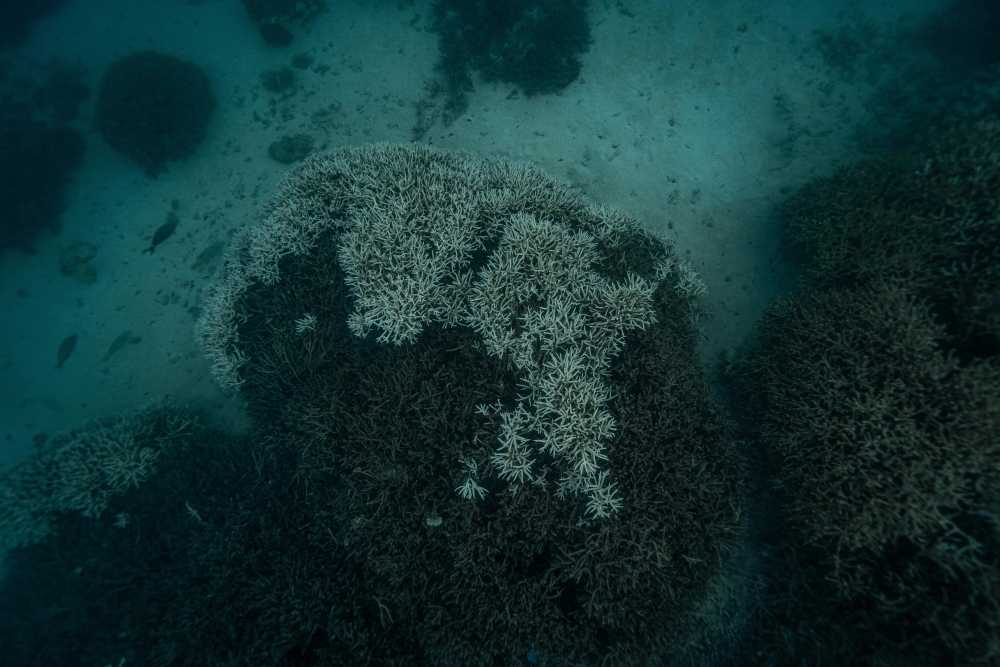
Become a Junior Snorkeler: This is the perfect age to introduce kids to the underwater world. Start at an ultra-calm spot like Kapalua Bay on Maui or Hanauma Bay on Oahu (reservations required!).
Experience a Family Lūʻau: A lūʻau is a quintessential Hawaiian experience. Opt for one known for being family-friendly, like the Smith Family Garden Lūʻau on Kauai.
Become a Volcano Voyager: On the Big Island, a visit to Hawaiʻi Volcanoes National Park is like a real-life science lesson. Pick up a Junior Ranger booklet to transform your kids into active explorers.
For Teenagers (Ages 13-18)
For teenagers, the key is balancing family time with a sense of independence and adventure. Involve them in the planning.
Learn to Surf: Book a group lesson from a reputable surf school in a beginner-friendly area like Waikiki on Oahu or Kihei on Maui.
Conquer an Epic Hike: Challenge your teens with an iconic hike like the summit of Diamond Head on Oahu, which offers panoramic vistas of Waikiki.
Zipline Through Paradise: Soaring through the rainforest canopy on a zipline is a pure adrenaline rush that provides a thrilling adventure for the whole family.

Pro-Tip: The most popular activities in Hawaii—especially lūʻaus, timed-entry parks like Hanauma Bay, and surf lessons—book up weeks, if not months, in advance. Make your reservations the moment you have your travel dates confirmed.
The Aloha Code: Essential Rules for a Safe and Respectful Trip
A little local knowledge goes a long way. These are the non-negotiable rules for any family visiting the islands.
Ocean Safety Comes First
The Pacific Ocean is powerful. The most important rule in Hawaii is "Never turn your back on the ocean." Rogue waves can appear on even the calmest-looking days.
Swim at Lifeguarded Beaches: Whenever possible, choose a beach with a lifeguard on duty.
Understand Shore Break: Many Hawaiian beaches have a powerful shore break, where waves crash directly onto the sand. This can be dangerous for young children.
Respect the Warnings: Pay attention to all posted warning signs regarding strong currents, high surf, or dangerous marine life.
Protecting the 'Āina (Land)
Hawaii's coral reefs are fragile, living ecosystems. Protecting them is not just a suggestion; it's the law.

Use Mineral-Based LOTION Only: By law, you must only use sunscreens with zinc oxide or titanium dioxide. Critically, avoid aerosol sprays. Even "reef-safe" sprays settle on the sand and wash into the ocean, harming the reef.
Apply Early and Often: Apply sunscreen 20 minutes before sun exposure and reapply every two hours, or immediately after swimming.
Respecting the Wildlife
Hawaii is home to the Hawaiian green sea turtle (honu) and the endangered Hawaiian monk seal.

Keep Your Distance—It's the Law: You must maintain a distance of at least 10 feet (3 meters) from sea turtles and 50 feet (15 meters) from monk seals. It is illegal to touch, chase, or harass them.
View Responsibly: Use a zoom lens for photos. If an animal approaches you, calmly and slowly move away.
Frequently Asked Questions
What is the single most important thing to pack for a Hawaii family trip?
The most crucial item is reef-safe, mineral-based sunscreen LOTION. Sunscreens containing oxybenzone and octinoxate are banned in Hawaii to protect the coral reefs, and aerosol sprays are highly discouraged as they pollute the sand and water.
Is Hawaii a safe destination for toddlers and young children?
Absolutely. Many beaches are perfect for little ones, especially the man-made lagoons at Ko Olina on Oahu or the protected rock ponds at Lydgate Beach Park on Kauai, which have calm, waveless water perfect for safe splashing.
Do I really need to book Hawaiian activities in advance?
Yes, it is critical. Popular activities like lūʻaus, boat tours, surf lessons, and timed-entry parks like Hanauma Bay on Oahu often sell out weeks or even months in advance. Booking ahead is essential to avoid disappointment.
What are the essential types of shoes to bring to Hawaii?
You only need three pairs per person: water shoes for rocky beaches and tide pools, comfortable sandals or flip-flops for the beach and pool, and a pair of closed-toe sneakers for travel days and hiking.
Conclusion
The key to crafting the perfect trip isn’t about finding a secret beach; it’s about making a series of smart, informed choices. By implementing a strategic packing system and thoughtfully selecting age-appropriate activities, you transform the stress of planning into the joy of anticipation. You now have the framework to pack with confidence and design an itinerary that weaves together relaxation, adventure, and connection. This is how you create the legendary Hawaiian family vacation that becomes a key part of your family's story. For even more in-depth strategies on planning unforgettable trips anywhere in the world, explore our comprehensive Travel Guide. Aloha.
Read the full guide: Family Travel Ideas: The 2026 Guide to Unforgettable Trips
Don't Miss Out! Subscribe for Exclusive Content
SubscribeComments 0
No comments yet
Be the first to share your experience!
Dont Miss Out! Subscribe for Exclusive Content

Ultimate USA Holidays Guide: Top Picks

FTC Affiliate Disclosure Essentials: Stay Compliant as a Travel Creator

Essential Affiliate Tools: From Tracking to Full Optimization

Booking.com Affiliate Program Review: Pros, Cons, and Earnings Potential

Decoding Affiliate Commission Rates: Benchmarks for Travel Creators
