
Miami Beach Holidays: Festive Escapes

TrekGuider @trekguider
Dreaming of a holiday getaway but utterly bored by the usual cold-weather clichés? You’re craving that festive spirit, but you want it served with a side of sunshine, warm sand, and an energy that feels electric. The problem is, finding a destination that genuinely blends holiday magic with a true beach escape often feels like a fool's errand.
You find yourself stuck in a familiar loop: either bundle up for another chilly winter market or settle for a generic beach trip that’s completely devoid of seasonal sparkle. The agitation builds as you picture navigating icy streets or, just as bad, missing out on that special holiday feeling while lounging on the sand. How do you possibly create a trip that delivers both the deep relaxation of a seaside retreat and the thrilling atmosphere of a major holiday? How do you plan the perfect beach holidays in Miami without falling into tourist traps or feeling like you’ve compromised on either the "beach" or the "holiday"?
The solution is simpler and far more spectacular than you imagine: Miami Beach. This is where traditional holidays are brilliantly reimagined under sunny skies and among palm trees wrapped in twinkling lights. It’s where the new year is welcomed with world-class fireworks over the ocean and patriotic celebrations happen with your toes buried in the sand. This guide is your definitive blueprint for crafting that ultimate festive escape. We’ll dive deep into how to experience Miami’s most iconic holidays with a unique coastal twist, transforming your vacation from a simple trip into a sun-drenched celebration you’ll never forget.
Why Miami Beach is the Ultimate Holiday Destination
Let's be honest: most holiday destinations force a choice between festive magic and beachside bliss. Miami throws that choice out the window. Here, the holiday season isn't defined by snow and scarves but by endless sunshine and turquoise water, all supercharged with a cultural energy that gives every celebration a unique pulse. This is the core of what makes beach holidays in Miami so magnetic—the ability to swap a white Christmas for a white-sand Christmas without losing an ounce of the magic.
The city’s approach to holidays is a spectacle in itself. Imagine watching a parade of multi-million-dollar yachts, decked out in elaborate Christmas lights, gliding across Biscayne Bay. Picture yourself counting down to midnight on New Year's Eve at a glamorous rooftop party overlooking the Atlantic. This fusion of festive tradition and tropical paradise is the core of Miami's appeal, a theme we explore from a bird's-eye view in our comprehensive guide to Miami Holidays: 8 Beach Fest Vibes. Miami offers a holiday experience that feels both exhilaratingly different and wonderfully familiar, allowing you to create entirely new traditions under the sun.

Mastering the Art of a Tropical Christmas
Forget everything you thought you knew about a traditional Christmas. In Miami, the holiday season is a brilliant, sun-kissed affair that trades snow flurries for gentle sea breezes and roaring fireplaces for the warm, golden glow of a beachside sunset.
Witness the Spectacle of Holiday Boat Parades
The quintessential Miami Christmas experience is, without a doubt, the holiday boat parade. Instead of floats rolling down a street, you’ll see dozens of vessels—from sleek sailboats to jaw-dropping yachts—illuminated with thousands of festive lights as they cruise along Biscayne Bay. These floating spectacles often feature live music, costumed characters, and breathtakingly creative displays that could only happen here. It’s a magical tradition that perfectly captures the city's nautical culture and festive spirit. The best parades can be viewed from several waterfront parks, but arriving early is non-negotiable if you want a good spot.
Discover Dazzling Light Displays with a Coastal Twist
While Miami may lack snow-covered pines, it more than compensates with its stunning and unique light displays. Palm trees lining iconic streets like Ocean Drive and Collins Avenue are wrapped in twinkling lights, creating a surreal and beautiful holiday landscape. For a truly immersive experience that’s perfect for families, a visit to the Christmas Wonderland at Tropical Park is a must. This sprawling event features miles of drive-thru light displays, classic carnival rides, and festive treats, offering a complete holiday experience with a distinctly Miami flavor.
Planning Your Tropical Christmas Experience:
Check Parade Schedules: Boat parade dates and routes are typically announced in early November. Check the official city and county tourism websites for the most up-to-date information to plan your viewing strategy.
Book Waterfront Dining: Many restaurants along the bay and the Intracoastal Waterway offer special holiday menus with prime, front-row views of the boat parades. Reservations are absolutely essential and should be made weeks, if not months, in advance.
Explore Neighborhood Lights: Beyond the main tourist hubs, wander through neighborhoods like Coral Gables and Coconut Grove, which also boast beautiful residential light displays perfect for a festive evening drive or stroll.
Pro-Tip: For a truly unforgettable view of the holiday boat parades, consider booking a spot on a public viewing cruise. You get the full festive atmosphere and an unbeatable vantage point without having to battle the massive crowds in the main parks.

Ringing in the New Year: Miami Beach Style
New Year's Eve in Miami is a world-renowned spectacle, famous for its explosive energy, celebrity sightings, and, of course, spectacular fireworks. Whether you're looking for a free, family-friendly block party or an ultra-exclusive VIP gala, the city offers a countdown for every style and budget.
The Epicenter of the Celebration: Bayfront Park
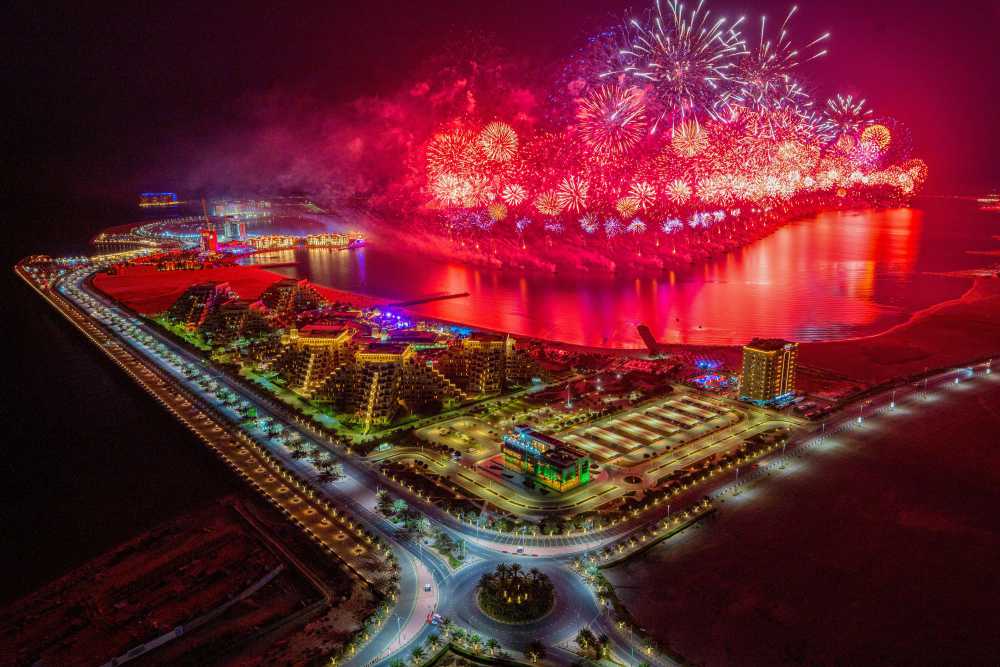
The heart of Miami's public NYE celebration is at Bayfront Park in Downtown Miami, just a short ride across the causeway from Miami Beach. This massive, free event features live music from chart-topping artists and culminates with the rise of "The Big Orange"—Miami's quirky answer to the Times Square Ball—up the side of the InterContinental Hotel. As the clock strikes midnight, a breathtaking fireworks display erupts over Biscayne Bay, illuminating the entire city skyline.
For a beach-centric view, find a spot on the eastern edge of South Pointe Park. You can see the downtown fireworks from a distance with the soothing sound of the waves as your personal soundtrack.
Glamorous Parties and Exclusive Events
For those seeking a more luxurious and high-octane celebration, South Beach is the undisputed playground.
High-End Clubs: For the ultimate splurge, world-famous nightclubs like LIV and Fontainebleau host legendary parties with A-list performers, though tickets regularly start at $200 and climb steeply.
Accessible Vibes: For a more accessible but still electric vibe, the bars in Coconut Grove offer vibrant street parties with cover charges hovering around a more manageable $50.
Unique Cruises: For a truly unique perspective, book a New-Year's-Eve cruise on Biscayne Bay; for around $150+, you get dinner, drinks, and an unbeatable, crowd-free view of the fireworks.

Patriotic Parties: Your Guide to Beach Holidays in Miami for July 4th
Independence Day in Miami is a classic American celebration with a distinct coastal identity. The day is all about sun, sand, and sizzling barbecues, followed by an evening of spectacular fireworks exploding over the water. It’s the perfect holiday to embrace the laid-back beach lifestyle while enjoying patriotic festivities.
The Main Event: Fireworks Over Biscayne Bay
While many smaller displays happen up and down the coast, the region's premier Independence Day celebration is hosted at Bayfront Park in Downtown Miami. This massive event draws huge crowds for a day of live music, food vendors, and family-friendly activities, all leading up to the main event: a dazzling, high-powered fireworks show over the bay.
The true pro move for experiencing this is to watch from the water. Chartering a boat or joining a group cruise provides an unparalleled, unobstructed view of the fireworks, far from the packed crowds on land. You can feel the boom of the explosions reverberate across the water as the vibrant colors reflect on the surface, creating a 360-degree spectacle you won't soon forget.
A Beach-Goer's Guide to the Fourth:
Claim Your Spot Early: If you plan to spend the day on the sand, arrive no later than mid-morning. The most popular spots on South Beach fill up quickly with families and groups setting up for a full day of fun.
Pack Smart: Bring plenty of water, high-SPF sunscreen, and shade (like an umbrella or tent). A portable grill can elevate your beach barbecue, but be sure to check and follow all local regulations regarding open flames.
Stay for the Local Show: Many local municipalities along the coast, from South Beach to North Beach, host their own smaller fireworks displays. Find a comfortable spot on the sand after sunset and enjoy a more intimate show with the sound of the ocean in the background.
Planning Your Perfect Festive Escape: A Practical Guide
A successful festive escape to Miami Beach is all about smart, proactive planning. Navigating the holiday crowds, packing appropriately for the unique climate, and knowing how to find moments of tranquility are key to a stress-free and memorable trip.
What to Pack for a Festive Beach Holiday
Packing for a Miami holiday requires a strategic blend of beach casual and festive chic. Your suitcase should be a versatile mix that can take you from a sunny day on the sand to a glamorous New Year's Eve party without missing a beat.
Daytime Essentials: Lightweight, breathable clothing is a must. Pack multiple swimsuits, cover-ups, shorts, and tees. A wide-brimmed hat, powerful sunscreen, and polarized sunglasses are non-negotiable.
Evening Attire: Miami's nightlife and holiday events call for something more stylish. Pack a few dressier outfits—a cocktail dress, a sharp jumpsuit, or linen trousers with a crisp shirt.
Footwear: Include comfortable sandals for the beach, good walking shoes for exploring, and a pair of dressier shoes for evenings out.
Festive Touches: Don't forget a fun, festive accessory, like a Santa hat for a Christmas beach day or something sparkly for New Year's Eve.
Mastering the art of packing everything you need without overstuffing your luggage is a traveler's holy grail. For expert strategies on maximizing space and minimizing weight, our How to Pack Light Guide is an indispensable resource, filled with pro tips that will revolutionize how you prepare for any trip.
Navigating Crowds and Transportation
Holiday seasons are peak tourist times in Miami. To navigate the city like a pro:
Use Public Transit & Rideshares: Parking is notoriously difficult and expensive, especially in South Beach. Use the free Miami Beach Trolley to get around the island. For trips to the mainland for events at Bayfront Park, the elevated Metromover is a fantastic and free option. Rideshares are plentiful but expect significant surge pricing during major events.
Book Everything in Advance: This cannot be overstated. Accommodations, flights, rental cars, and tickets for special events should be booked months ahead to secure better prices and guarantee availability.
Embrace the Walk: South Beach is incredibly walkable. Staying in a central location will allow you to explore many attractions on foot, saving you time, money, and transportation headaches.
Pro-Tip: To escape the intense holiday crowds on South Beach, head north to Mid-Beach or North Beach. The vibe is more relaxed, the sands are just as beautiful, and you can still easily access the main event areas via a short rideshare or the free trolley.
Elevate Your Trip from Great to Unforgettable
You now have the insider knowledge to plan an incredible holiday escape to Miami Beach. You know where to find the best views for the fireworks, what to pack for a tropical Christmas, and how to navigate the city like a local. But planning is only half the battle. The real magic happens when every detail of your trip falls perfectly into place, allowing you to immerse yourself fully in the experience without an ounce of stress.
A truly unforgettable journey is built on a foundation of expert planning and deep, local insights. To transform this trip—and all your future travels—from simply great to absolutely seamless, you need a resource that goes beyond a single destination. Our comprehensive Travel Guide is the ultimate toolkit for the serious traveler. It’s packed with detailed U.S. itineraries, insider secrets for every major city, and practical advice that empowers you to travel smarter, not harder. Consider it your master key to unlocking the very best of the USA.

Your Sun-Drenched Holiday Awaits
Miami Beach offers a holiday experience unlike any other—a place where cherished festive traditions are celebrated under the warm embrace of the Florida sun. It’s a destination that proves you don’t have to choose between a relaxing beach vacation and a vibrant holiday celebration. You can, and should, have both. You now have the blueprint to design a trip that perfectly balances serene, sun-soaked days with dazzling, high-energy nights. Your dream of the perfect beach holidays in Miami is no longer just a fantasy; it’s a plan waiting to be executed. So pack your bags, leave the winter coat behind, and get ready to create a whole new set of holiday memories on the sand.
SEO Meta Title (Under 60 characters): Miami Beach Holidays: Your Guide to Festive Sun & Fun
URL Slug: miami-beach-holidays
SEO Meta Description (Under 155 characters): Swap snow for sand! Discover how to celebrate Christmas, NYE, and July 4th in Miami with our guide to tropical lights, beach parties, and festive escapes.
Don't Miss Out! Subscribe for Exclusive Content
Subscribe



Comments 0
No comments yet
Be the first to share your experience!
Dont Miss Out! Subscribe for Exclusive Content

San Francisco Cherry Blossoms: A Local's Guide to the Blooms


Halloween SF: Haunts Without Horrors

SF Festivals: 7 Must-See Lineups

Christmas SF: Lights & Wharf Wonders

SF Pride: 6 Route & Party Hacks

Chinese New Year SF: Parade Essentials
Solo Travel for Men: An Honest Guide to the Road Less Traveled
TrekGuider @trekguider
You feel that pull, don't you? It's the spark you get from a photo of a rugged coastline or a bustling foreign market—the call to adventure, to test your limits, and see the world on your own terms. But then the "what ifs" rush in. Are the logistics too complicated? Will it be lonely? Is it weird to travel by yourself? This guide is here to tell you those fears are normal, but they shouldn't be the reason you stay home. This is your definitive playbook for planning and executing your first incredible solo trip.
This hesitation is the silent thief of profound, life-altering experiences. It keeps you anchored in the familiar while a world of opportunity for growth, resilience, and radical self-discovery passes you by. Every year you put it off is a year you don't learn what you're truly made of when no one else is around to rely on. The comfort zone, once a safe harbor, slowly becomes a cage.
While the ultimate goal for many is creating unforgettable memories with loved ones, a journey of self-discovery through solo travel can be the most profound preparation. It builds the confidence and worldview that enriches every future trip, including those you'll find in Family Travel Ideas: The 2026 Guide to Unforgettable Trips.
Let's cut through the noise. This isn't another blog post filled with vague platitudes. This is an operational playbook, a mission briefing for one of the most rewarding journeys you'll ever undertake. We will dismantle every one of your concerns and equip you with the tools, tactics, and confidence to take that first monumental step. By the end of this guide, the idea of traveling alone won't be an intimidating fantasy; it will be your next actionable, exciting mission.

Why Going It Alone is a Modern Rite of Passage
In our day-to-day lives, men are often slotted into specific roles: the provider, the leader, the planner, the rock. These roles, while important, can also be limiting. Solo travel is a powerful antidote, a hard reset that strips away these external expectations and forces you to confront a more fundamental question: Who are you when no one is watching? The benefits aren't just about cool stories; they are tangible upgrades to your character.
Radical Self-Reliance: When you're alone in a new country and you miss the last train, there's no one to turn to for a solution. You have to figure it out. This isn't a hypothetical exercise; it's a real-time test of your problem-solving skills. You learn to trust your own judgment, navigate ambiguity, and find solutions under pressure. This builds a deep, unshakable confidence that permeates every other area of your life.
The Power of Decisive Action: At home, decisions can be made by committee. On the road, you are the committee. Where to eat, what to see, when to splurge, when to save—every choice is yours. This constant cycle of decision and consequence sharpens your instincts and teaches you to be decisive, cutting through the paralysis of overthinking.
A Hard Reset for the Mind: Routine is the enemy of growth. Solo travel is the ultimate pattern interrupt. It forces you out of your physical, mental, and social comfort zones, exposing you to new perspectives, cultures, and ways of thinking. This novelty stimulates your brain, fostering a level of creativity and open-mindedness that's difficult to achieve when you're stuck in a rut.
Forging Genuine Human Connection: Traveling with a partner or group can create a social bubble. When you travel alone, you are more approachable and more motivated to connect with others. These interactions—with fellow travelers in a hostel common room, a local shopkeeper, or a guide—are often more authentic and memorable. You learn to listen more and connect with people from vastly different backgrounds, building empathy and social skills.
A Step-by-Step Playbook for Launching Your Solo Journey
The biggest hurdle isn't the cost or the time off; it's inertia. Faced with a world of options, it's easy to get stuck in the planning phase forever. This playbook is designed to break that inertia and propel you from your couch to the boarding gate.
Step 1: Define Your Mission. What Kind of Solo Trip Are You After?
Before you look at a map, look in the mirror. Why are you doing this? Your motivation should define your destination.
The Recharge: Is the goal to decompress and escape the daily grind? You're looking for low-stress, high-comfort environments. Think a quiet coastal town in Portugal, a laid-back island in Thailand, or a cabin in a national park. The mission is relaxation, not a logistical marathon.
The Skill Acquisition: Do you want to learn something new? Pick a place that's a hub for that skill. Head to Costa Rica to learn to surf, to Chiang Mai for a Thai cooking course, or to the Alps for an introductory mountaineering class. This gives your trip a clear purpose and a built-in social structure.
The Frontier Test: Is this about pushing your limits and seeing what you're made of? This calls for a more adventurous destination. Consider trekking in Patagonia, motorbiking through Vietnam, or exploring the cultural depths of Colombia. These trips build maximum resilience.
Step 2: Choose Your Destination
Your first solo trip should be a win. It's about building confidence, not testing your absolute limits. Here are three archetypes for a successful first mission:
The Easy-Win (English-Speaking & High-Infrastructure): These are destinations where the learning curve is gentle. Think Ireland, Scotland, Australia, or New Zealand. The lack of a language barrier removes a major layer of stress, and the well-trodden tourist paths mean logistics are straightforward. You can focus on the experience of being alone without battling constant communication challenges.
The Adventure Hub (Activity-Focused): If your goal is to be active, choose a place known for it. The national parks of the Western USA for hiking, the mountains of British Columbia for biking, or Queenstown, New Zealand for adrenaline sports. These places are full of other active, often solo, travelers, making it easy to meet like-minded people.
The Backpacker's Trail (Social & Budget-Friendly): Southeast Asia (Thailand, Vietnam) or parts of South America (Peru, Colombia) are legendary for a reason. They offer an incredible value for money and a built-in social infrastructure of hostels, tours, and transportation that caters specifically to independent travelers. It's almost impossible not to meet people.
Step 3: The Budget
Your budget dictates your trip's style and duration. Be realistic and thorough. A well-structured plan, perhaps organized with a Travel Itinerary Template, is your best friend here.
Big Ticket Items: Start with the non-negotiables: flights and accommodation. Use tools like Google Flights and Skyscanner to track prices. For lodging, hostels are the most budget-friendly and social option, while private rooms on Airbnb or budget hotels offer more solitude.
Daily Expenses: Research the average daily cost in your chosen destination using sites like Numbeo. This includes food, local transport, and activities. A good rule of thumb is to estimate this and then add a 20% buffer.
Contingency Fund: This is non-negotiable. Have access to an extra $500-$1000 for emergencies—a missed flight, a medical issue, or a lost phone. This isn't for souvenirs; it's your get-out-of-jail-free card.
Pro-Tip: Always carry a portable power bank. A dead phone in an unfamiliar city isn't just an inconvenience; it's a safety risk. It’s your map, translator, and lifeline. Charge it religiously every night.
Step 4: Packing
Overpacking is a rookie mistake. Every item you bring is something you have to carry. The goal is to be prepared, not to bring your entire apartment.

The Right Bag: A travel backpack (40-50L) is far more versatile than a rolling suitcase. It forces you to be disciplined and can handle cobblestone streets, crowded trains, and hostel staircases with ease.
The Clothing Trinity: Pack items that are versatile, quick-drying, and layerable. Merino wool is the gold standard for travel clothing; it's temperature-regulating, odor-resistant, and comfortable. Aim for a week's worth of clothes and plan to do laundry.
3-4 merino wool t-shirts/henleys
1-2 pairs of versatile travel pants (not jeans)
1 pair of shorts (if climate appropriate)
1 packable rain jacket
1 mid-layer fleece or hoodie
4-5 pairs of wool socks and underwear
Essential Gear:
Packing cubes to organize everything.
A quick-dry travel towel.
A universal power adapter.
A basic first-aid kit with pain relievers, blister care, and any personal medications.
A padlock for hostel lockers.
Your Free Toolkit for Smarter Packing
Packing light is a skill. Our free How to Pack Light Guide is a masterclass in efficiency, showing you exactly how to fit everything you need into a single carry-on. Download it now and transform the way you prepare for any trip.
Tactics for Mastering the Solo Experience
Planning is only half the battle. Thriving on the road requires a specific mindset and a set of practical skills. This is where the real growth happens.
Neutralizing the "Big Three" Anxieties of Solo Travel for Men
Let’s address the elephants in the room head-on. These are the primary concerns that hold men back, and each one has a practical solution.
The Fear of Loneliness: This is the most common fear, but it's often misplaced. Being alone is not the same as being lonely.
Stay in Social Environments: Choose hostels with good common areas and organized events (like pub crawls or walking tours). This is the single easiest way to meet other travelers.
Embrace Day Tours: Joining a food tour, a hiking group, or a historical walking tour provides structured, low-pressure social interaction.
Learn a Few Key Phrases: Simply learning "Hello," "Please," and "Thank you" in the local language can break down barriers and make you seem more approachable.
Concerns About Safety: The world is generally safer than the news suggests, but being smart is non-negotiable.
Master Situational Awareness: This is your primary weapon. Constantly run a mental checklist: Where are the exits? Who seems out of place? Walk with purpose and confidence. Avoid flashing expensive electronics or large amounts of cash.
Secure Your Valuables: Keep your passport, extra cash, and credit cards locked in your accommodation. Carry only what you need for the day in a front pocket or a secure bag. Never put your wallet in your back pocket.
Inform Someone: Share your itinerary with a friend or family member back home and check in regularly.
Trust Your Gut: If a situation or a person feels off, it probably is. Remove yourself from the situation immediately. Don't worry about being polite; your safety is your only priority.
The Social Stigma (Is it "Weird"?): Let's be blunt: No one cares. The idea that it's strange for a man to travel alone is a self-imposed mental barrier. In the travel world, it's completely normal. You will see hundreds of other people doing the exact same thing.
How to Meet People Without Being Awkward
The Common Room is Your Stage: In a hostel, the common area is designed for interaction. Don't just sit in a corner on your phone. Sit at a communal table. A simple "Hey, where are you from?" is the universal icebreaker.
Ask for Advice: People love to be helpful. Asking another traveler for a restaurant recommendation is a low-stakes way to start a conversation that can easily lead to "Hey, I was about to head there now, want to join?"
Mastering the Art of Dining Alone: For many, this is surprisingly intimidating.
Sit at the Bar: It's more social and less formal than a table for one. You can chat with the bartender or the people next to you.
Bring a Prop: A book or a journal can make you feel less self-conscious, but try not to hide behind it. Make eye contact and be open to conversation.
Choose Casual Spots: Street food stalls, food halls, and casual eateries are much more comfortable for solo diners than formal restaurants.

Pro-Tip: The "Leading Question" technique is your best conversational tool. Instead of asking a closed question like "Are you having a good trip?" ask an open-ended one like, "What's been the most unexpected thing you've done in this city?" This invites a story, not a one-word answer.
Frequently Asked Questions
What's the best type of accommodation for a first-time solo male traveler?
For maximizing social opportunities and minimizing cost, hostels are unbeatable. Look for ones with highly-rated common areas and organized social events. If you need more privacy and have a larger budget, a private room in an Airbnb or a centrally-located hotel are also great options.
How do I handle eating alone in restaurants without feeling awkward?
Confidence is key. Sit at the bar whenever possible, as it's a more social and casual setting. Choosing less formal spots like food halls or bustling cafes can also feel more comfortable than a quiet, formal restaurant.
Is solo travel for men expensive?
It doesn't have to be. Your biggest expenses will be flights and accommodation. By choosing budget-friendly destinations (like Southeast Asia or Eastern Europe), staying in hostels, and eating like a local, you can travel for a fraction of what a typical resort vacation would cost.
What are some of the safest destinations for a first solo trip?
Countries with a strong tourism infrastructure and low crime rates are excellent starting points. Consider places like Portugal, Ireland, New Zealand, Japan, and South Korea. These destinations offer a great balance of adventure and security.
The Only Thing Left Is to Go
The journey of solo travel for men is far more than a simple vacation. It's a deliberate act of self-investment. It's an opportunity to strip away the noise of daily life, challenge your own preconceived limits, and build a more resilient, resourceful, and worldly version of yourself. The skills you learn are not just travel skills; they are life skills. You will return home not just with photos, but with a quiet confidence that can only be forged in the fires of experience.
The path is laid out. The excuses have been dismantled. The only thing left is to take the first step. Start the research, check the flights, and request the time off. Your adventure is waiting, but it demands that you go out and claim it.

Read the full guide: Family Travel Ideas: The 2026 Guide to Unforgettable Trips
Don't Miss Out! Subscribe for Exclusive Content
SubscribeComments 0
No comments yet
Be the first to share your experience!
Dont Miss Out! Subscribe for Exclusive Content

Ultimate USA Holidays Guide: Top Picks

FTC Affiliate Disclosure Essentials: Stay Compliant as a Travel Creator

Essential Affiliate Tools: From Tracking to Full Optimization

Booking.com Affiliate Program Review: Pros, Cons, and Earnings Potential

Decoding Affiliate Commission Rates: Benchmarks for Travel Creators

Amazon Associates for Travel: Strategies to Maximize Commissions
Transportation Safety: Staying Safe on Planes & Trains
TrekGuider @trekguider
There's a certain magic to being in transit—that liminal space where you're neither here nor there, just a passenger watching the world blur past your window. It’s the very heart of travel, but it’s also a moment of profound vulnerability. The problem is, amidst the controlled chaos of an airport, the anonymous bustle of a train station, or the quiet confines of a taxi, our focus can drift.
This constant motion agitates a core travel anxiety: the fear that one moment of distraction could lead to a lost passport, a stolen wallet, or a compromised sense of security that sours an entire trip. But it doesn't have to be this way. The solution is to trade that anxiety for a set of simple, repeatable habits—a tactical playbook for navigating every mode of transport with unshakable confidence. This guide delivers the essential transportation safety tips you need, broken down by the unique challenges of air, rail, and ground travel. Mastering these routines is a critical part of any smart travel strategy, a foundation we explore in our comprehensive guide to The Ultimate Guide to Travel Safety: A 2026 Playbook.
Think of your journey in stages, with each mode of transport presenting its own unique playbook. We’ll start where most international trips begin: the controlled chaos of the airport.

Mastering the Airport: Your Guide to Air Travel Security
An airport is a marvel of modern logistics, but for a traveler, it’s a gauntlet of queues, checkpoints, and crowds. Its process-driven environment creates unique security challenges, but a few smart transportation safety tips can make all the difference from the moment you pack your bags to the second you reclaim them.
Before You Leave: Smart Packing & Luggage Security
Your airport safety strategy begins at home. How you pack and secure your luggage is your first and most important line of defense.
Never Pack Valuables in Checked Luggage: This is the cardinal rule of air travel. If it’s valuable or irreplaceable, it belongs with you in the cabin. Your carry-on is the only secure place for:
Passport, IDs, and all travel documents
Cash, credit cards, and debit cards
Electronics (laptops, tablets, cameras, power banks)
Essential medications (plus extra for delays)
Jewelry and any other items of sentimental or high monetary value
Use Globally Recognized Locks: The TSA needs to be able to inspect checked bags. If you use a non-approved lock, they will cut it off. To avoid this, use locks recognized by the TSA. According to their official guidelines, these can be opened by security officers using universal master keys. Look for the Travel Sentry (red diamond) or Safe Skies logo when buying a lock. This isn't just a U.S. system; it's a global standard used by security agencies in Canada, the UK, Germany, Japan, and dozens of other countries.
Make Your Bag Stand Out: In a sea of black roller bags, a little personality is a security feature. Use a colorful luggage strap, a unique tag, or a bright ribbon to make your bag instantly identifiable. This dramatically reduces the chance of an accidental bag swap at the carousel.
Photograph Your Evidence: Before you hand over your bag, take a quick photo of your packed suitcase (both open and closed). If your bag is lost, delayed, or damaged, this provides an indisputable visual record for your airline and insurance claims.

Pack Smarter, Not Harder
A lighter bag is a safer bag. It’s easier to manage, less likely to be checked, and keeps your essentials within arm's reach. Our definitive guide shows you how to fit everything you need into a single carry-on, saving you time, money, and the stress of lost luggage.
Download the Free How to Pack Light Guide
Navigating the Security Checkpoint
The security line is a notorious chokepoint where travelers are distracted, rushed, and temporarily separated from their belongings. This is a time for heightened focus.
Guard Your Bins: As your items slide onto the conveyor belt, keep your eyes on them. Wait to walk through the metal detector until you see your bins beginning to enter the X-ray machine. This minimizes the time your valuables are sitting unattended on the other side.
Consolidate Before the Line: Don't wait until you're at the bins to fumble with loose items. Before you even join the queue, place your phone, wallet, passport, and boarding pass inside a zipped pocket of your jacket or deep within your carry-on.
Beware of Coordinated Distractions: Professional thieves sometimes work in teams at security. One person might create a delay in front of you (e.g., setting off the metal detector repeatedly) while an accomplice on the other side of the scanner quickly grabs your emerging laptop or wallet. Be patient, but stay vigilant and focused on your belongings.
On the Rails: A Playbook for Safe Train Travel
Train travel offers a romantic and scenic way to see the world, but the open nature of stations and the shared spaces on board require a specific approach to security.
General Security on Daytime Trains
During the day, the primary risk is opportunistic theft in crowded stations or on busy carriages.
Maintain Physical Contact: In a chaotic station, your luggage should be in direct physical contact with you at all times. Loop a strap around your foot or keep a hand on the handle. When waiting on a platform, stand with your back to a wall and your bags in front of you.
Position Luggage Strategically: On the train, store your main suitcase on an overhead rack that is across the aisle from you, not directly above. This keeps it constantly within your line of sight. If you must use the large luggage racks at the end of a carriage, use a lightweight cable lock to secure your bag to the rack itself.
Never Let Your Daypack Go: Your small bag containing your valuables should be treated as an extension of your body. Keep it on your lap, on the seat next to you, or in a crossbody position. When you get up to use the restroom or walk to the dining car, it goes with you. No exceptions.

Overnight on the Rails: Your Security Checklist
Sleeping on a train is an unforgettable experience, but it’s also when you are most vulnerable. Follow these three protocols to ensure a safe and restful journey.
Physically Secure Your Main Luggage: A thief can silently walk through a dark train car and lift a bag from an unlocked compartment. Make your bag an inconvenient, noisy target. Use a small cable lock or even your bag’s own strap to attach it to a fixed object like:
The luggage rack frame
The ladder to the top bunk
The metal frame under your seat
Keep Essential Valuables on Your Person: Your most critical items—passport, phone, cash, cards—should never be in your main luggage while you sleep. The only secure place is on your body.
Use a money belt worn under your clothes.
Sleep with your small daypack physically on your bunk. Use it as a pillow or loop a strap around your arm or leg. This ensures your essentials remain safe even if your main bag is compromised.
Secure Your Compartment Door: The door is your primary barrier. As soon as everyone is settled for the night, lock it from the inside. Private sleeper cabins have strong locks. In a shared couchette, have a polite conversation with your cabin mates and agree to keep the door locked. Train staff or border officials will knock loudly enough to wake you if they need entry.
Pro-Tip: When booking a bunk in a shared couchette, the top bunk is often the most secure choice. It is harder for anyone to access your belongings without waking you and keeps you out of the general foot traffic in the compartment.
On the Ground: Staying Safe in Taxis & Ride-Shares
Your journey isn’t over until you’ve reached your hotel. Ground transportation is the final leg, and it’s a critical moment to apply your safety knowledge.

Your Ride-Share Safety Checklist
Ride-sharing apps have built-in safety features, but they only work if you use them. Before you get into any vehicle, run through this non-negotiable verification checklist.
Verify the Vehicle:
Match the License Plate: This is the most important step. The license plate number in the app must match the plate on the car. If it doesn’t, do not get in. Cancel the ride and report the mismatch.
Match the Car Details: Confirm the make, model, and color of the car also match the information in the app.
Verify the Driver:
Check the Driver's Photo: Glance at the driver and ensure they match the photo in the app.
Confirm Your Name: Ask the driver, "Who are you here for?" or "What's my name?" They must be able to say your name. Never volunteer it by asking, "Are you here for Jane?" This gives a fraudulent driver the information they need.
Use PIN Verification: Many apps now offer a PIN verification feature. Enable it. The trip cannot start until you provide the correct PIN to your driver, guaranteeing you are in the right car.
Share Your Trip Details:
As soon as the trip starts, use the app’s built-in "Share Trip Status" function. This sends a live map of your journey, including the car's route and your ETA, to a trusted contact.
Sit in the Back Seat:
Especially when traveling alone, sitting in the back provides personal space and allows you to exit from either side of the vehicle if you feel uncomfortable.
Trust Your Instincts:
If anything feels off—the driver, the vehicle, the situation—do not get in. Cancel the ride, report your concerns, and order another car. Your safety is worth more than a cancellation fee.
Navigating Taxis and Tuk-Tuks Safely
When using traditional taxis, you are more reliant on your own judgment and vigilance.
Insist on the Meter: The "broken meter" is one of the oldest travel scams in the book, designed to lock you into a wildly inflated flat fare. Before getting in, point to the meter and say, "Meter, please." If the driver refuses, simply find another taxi.
Follow Your Route: Have your destination pulled up on a map app on your phone. This helps you ensure the driver is taking a logical route and not an inefficient "scenic" one designed to drive up the fare.
Use Official Taxi Ranks: At airports and train stations, always use the designated, official taxi queue. Avoid the freelance drivers who approach you in the arrivals hall, as they are often unlicensed and operating illegally.
Pro-Tip: Ask your hotel or restaurant to call a taxi for you. They almost always have a relationship with a reputable, trusted local company. Before you get in, take a quick, discreet photo of the taxi's license plate and driver ID card (usually displayed on the dash).

Frequently Asked Questions (FAQ)
Q: What's the safest way to carry my passport and money while in transit? A: The best method is to use multiple locations. Keep your passport, one credit card, and the bulk of your cash in a secure money belt or neck wallet worn under your clothing. Keep a small amount of daily cash and a second credit card in a more accessible wallet in a front pocket or a secure crossbody bag.
Q: Are airport charging stations safe to use? A: Avoid using the public USB ports. Hackers can modify these stations for "juice jacking," which can install malware or steal data from your phone. Always use your own AC power adapter and plug it into a standard electrical outlet, or carry a portable power bank.
Q: Should I use my phone's data plan abroad or rely on public WiFi? A: Using your own cellular data plan (either an international plan or a local SIM card) is always more secure than public WiFi. If you must use public WiFi, you absolutely need to use a VPN (Virtual Private Network) to encrypt your connection and protect your data from hackers.
Travel with Confidence
Transportation is the thread that connects the incredible moments of your journey. By mastering these transportation safety tips, you transform these in-between moments from periods of uncertainty into a seamless and secure part of your adventure. Whether you’re locking your bag before a flight, securing your cabin on an overnight train, or verifying your ride-share before hopping in, these proactive habits build a powerful foundation of security.
This allows you to move through the world not with fear, but with the calm confidence of a prepared and savvy traveler. For a more comprehensive look at planning your entire journey, our all-encompassing Travel Guide is the perfect resource. And for expert advice on navigating the specific transit systems of your next destination—from the Tokyo Metro to the Swiss rail network—be sure to explore the detailed guides from our expert creators on the TrekGuider. You're now equipped to handle the journey, so you can focus on the destination.
Don't Miss Out! Subscribe for Exclusive Content
SubscribeComments 0
No comments yet
Be the first to share your experience!
Dont Miss Out! Subscribe for Exclusive Content
Ultimate USA Holidays Guide: Top Picks
FTC Affiliate Disclosure Essentials: Stay Compliant as a Travel Creator
Essential Affiliate Tools: From Tracking to Full Optimization
Booking.com Affiliate Program Review: Pros, Cons, and Earnings Potential
Decoding Affiliate Commission Rates: Benchmarks for Travel Creators