
5 Real Ways to Make Money Travel Blogging

TrekGuider @trekguider
You’ve done it. You launched your travel blog, pouring your heart into stories from the road and carefully crafting guides to your favorite destinations. But now, a daunting question looms: how do you turn this passion project into a sustainable business? You see other creators funding their adventures and building real careers, but the path from passion to profit seems shrouded in confusing advice and overwhelming options. You’re stuck wondering if you’re destined to make mere pennies from ads that clutter your site and annoy the very readers you’ve worked so hard to attract. The dream of a travel-funded life feels frustratingly out of reach.
Forget the noise. The truth is, building a profitable travel blog in 2026 isn't about chasing fleeting social media trends or plastering your site with intrusive ads. It’s about a strategic mindset shift: from hobbyist to entrepreneur. This guide cuts through the confusion to reveal five real, proven ways to make money travel blogging. We’ll de-emphasize the saturated, low-return methods and focus on the business models that give you the most control, the highest profit margins, and a direct connection with your audience. As we cover in our definitive list of The Best Travel Blogs to Follow in 2026, the most successful creators are building media brands, not just websites. This is your playbook for learning how to make money travel blogging by building a real, sustainable business around your expertise.
The Mindset Shift: From Blogger to Business Owner
Before we dive into the specific methods, it’s crucial to understand the fundamental shift happening in the creator economy. The most successful travel bloggers are no longer just content creators; they are media entrepreneurs. They understand that their blog is not the final product—it is the primary marketing engine that attracts a loyal community. Their goal is not to monetize pageviews with third-party ads, but to use their content to build trust and then sell their own proprietary products directly to their audience.
This product-first approach provides financial independence, dramatically higher profit margins, and a resilient business that isn't dependent on fluctuating algorithm changes. As you read through the methods below, constantly ask yourself: "How can I use this to build a direct relationship with my audience and eventually solve their problems with a product of my own?"
Method #1: Affiliate Marketing - Your First Step in How to Make Money Travel Blogging
Think of affiliate marketing as the most organic entry point into monetization. It's the process of earning a commission by promoting another company's products or services. When a reader clicks a unique affiliate link on your blog and makes a purchase, you earn a percentage of the sale at no extra cost to them.
You’re already recommending the hotels you stay in, the backpacks you carry, and the travel insurance you use. By incorporating affiliate links, you’re simply getting paid for the valuable, word-of-mouth recommendations you’re already providing.
Pros:
Authentic Integration: It can be seamlessly and authentically woven into your content, from gear reviews to hotel recommendations.
Passive Income Potential: An optimized, high-ranking blog post with affiliate links can generate income for years with little additional effort.
Scalable: As your blog traffic grows, so does your potential affiliate income.
Cons:
Requires Audience Trust: Your recommendations are only effective if your audience trusts your judgment. Promoting low-quality products can quickly erode that trust.
Inconsistent Income: Revenue is dependent on conversions and can fluctuate month to month.
Varying Commission Rates: Payouts can vary wildly, from a few percent on Amazon to 40-50% on digital products or courses.
To succeed with affiliate marketing, focus on promoting products and services you genuinely use and love. Write detailed, honest reviews that go beyond the product specs to explain how that item solved a specific problem for you on your travels. This builds the trust necessary to turn your recommendations into a reliable revenue stream.
Pro-Tip: Start with affiliate programs for products you already own and can photograph yourself. This adds a layer of authenticity that stock photos can never replicate and proves to your audience that you have real-world experience with what you're recommending.
Method #2: Sponsored Posts & Brand Collaborations
Once you’ve built that foundation of trust with authentic recommendations, the next natural step is to work directly with the brands you love. As your blog grows and you establish authority in a specific niche, brands may reach out to you for sponsored collaborations. This can range from a single sponsored blog or social media post to a multi-faceted campaign that includes video content and in-person ambassadorships.
This is often a very lucrative method, with a single project potentially earning you thousands of dollars and often including complimentary travel experiences. However, it requires a significant amount of work that isn't passive. You’ll be responsible for pitching, negotiating contracts, creating content to a specific brief, and reporting on the results.
The key to successful, long-term brand partnerships is unwavering authenticity. The most respected creators only partner with brands that align perfectly with their own values and audience's interests. As our 2026-2026 market analysis confirms, audience trust is the absolute currency of the creator economy, and frequent, inauthentic sponsored posts are the quickest way to devalue it. Your audience follows you for your perspective, not for a string of advertisements.
FTC Compliance: The Federal Trade Commission (FTC) has strict guidelines requiring "clear and conspicuous" disclosure of any sponsored content. This means using unambiguous language like #ad or #sponsored at the very beginning of your post or caption—not buried in a sea of hashtags.
Method #3: The Old Model - A Realistic Look at Display Advertising
While direct partnerships are based on the quality of your brand, the oldest model in the book is based purely on the quantity of your eyeballs. Display advertising is often the first monetization method new bloggers think of. You place code on your site, and ad networks like Google AdSense, Mediavine, or AdThrive automatically fill the space with banner ads. You get paid based on the number of people who see or click on these ads.
While display advertising can provide a stable and highly passive baseline income, it comes with significant drawbacks and should not be the primary goal for an aspiring creator.
The biggest issue is the high traffic requirement. To be accepted into premium ad networks like Mediavine, which offer much higher payouts than AdSense, you typically need a minimum of 50,000 monthly sessions. For a new blog, reaching that number can take years of consistent effort. Furthermore, ads can dramatically slow down your website and create a negative user experience, driving away the very readers you need to attract.
Most importantly, the income potential is inherently limited. Analysis of creator income shows that display ads have the lowest revenue potential per visitor compared to every other method on this list. Relying solely on ads means you are building a business on rented land, dependent on traffic from search engines and vulnerable to algorithm updates you can't control. Think of ad income as a potential bonus, not the foundation of your business.
Method #4: The Ultimate Guide on How to Make Money Travel Blogging by Selling Digital Products
This is it. The single most powerful, profitable, and sustainable way to make money as a travel creator. Creating and selling your own digital products—like e-books, itineraries, or planning templates—is the ultimate expression of the "blogger to business owner" mindset. This is the model that separates hobbyists from true media entrepreneurs.
Why is this model so effective?
Highest Profit Margins: You create the product once and can sell it an infinite number of times. You keep nearly all the revenue, with no middleman taking a significant cut.
Full Control: You own the product, the pricing, the branding, and—most importantly—the direct relationship with your customer.
Scalability: Unlike services or sponsored posts, your income isn't tied to the hours you work. You can make sales while you're sleeping, on a plane, or hiking a remote trail.
The financial difference is staggering. Data from industry reports shows that while a travel blog might earn an RPM (Revenue Per 1,000 visitors) of $20-$40 from display ads, the average RPM for digital products can be dramatically higher—sometimes 5 to 10 times what you'd earn from ads alone. This means that with the exact same amount of traffic, you have the potential to earn 7-10 times more revenue.

Consider a blog with 50,000 monthly visitors.
Display Ad Income: At a $30 RPM, that’s $1,500 per month.
Digital Product Income: If just 0.2% of those visitors (100 people) buy your $30 e-book, that’s $3,000 per month.
Even with a tiny conversion rate, digital products can double your income. This is how you build a truly independent and profitable media business.
Ready to Brainstorm Your First Product?
Feeling inspired but not sure what to create? We’ve built the ultimate resource to help you get started. Download our free guide to unlock dozens of proven ideas and find the perfect digital product for your audience.
Download Your Free Digital Product Ideas Guide Now!
10 Digital Product Ideas to Get You Started:
Hyper-Detailed Itinerary: A 7-Day "Off-the-Beaten-Path" guide to Kyoto, complete with a linked Google Map.
Lightroom Preset Pack: A collection of your signature photo edits to help followers achieve your look.
Travel Planning Template: A Notion or Google Sheets template to organize budgets, packing lists, and schedules.
Scavenger Hunt for Kids: A printable PDF scavenger hunt for a specific city like Rome or a museum.
E-book: A deep-dive guide on a topic you've mastered, like "How to Fly Business Class for the Price of Economy."
Mini-Course: Short video lessons on "How to Take Incredible Travel Photos with Just Your iPhone."
Language & Culture Cheat Sheet: A one-page PDF with essential phrases and etiquette for a country like Japan.
Packing List Bundle: A set of specialized packing lists for different trip types (ski trip, backpacking, etc.).
Stock Photo Pack: A bundle of high-resolution, royalty-free photos of a popular destination.
Paid Newsletter: Exclusive access to real-time flight deals or behind-the-scenes stories.
Pro-Tip: Before investing weeks into creating a full product, validate your idea. Mention it to your email list or on social media and offer a pre-sale with a small discount. If people are willing to pay for it before it even exists, you know you have a winning idea.
Method #5: Monetizing Your Expertise Directly with Services
The final way to monetize your travel blog is to sell your expertise as a service. Your blog acts as a powerful portfolio and lead-generation tool that proves your skills and attracts high-paying clients.
Examples of services you could offer include:
Personalized travel planning and itinerary design.
Freelance writing or photography for tourism boards and other brands.
Social media management for hospitality businesses.
One-on-one consulting for aspiring bloggers.
Offering services can be a fantastic way to generate significant income quickly, as high-ticket services can be priced in the hundreds or thousands of dollars. However, the major drawback is that this model is not scalable. You are directly trading your time for money. There's a finite number of clients you can take on, and if you stop working, the income stops too.
Many creators use services as a bridge to build capital and prove their expertise before packaging that knowledge into a more scalable digital product, which is often the ideal long-term strategy.
Frequently Asked Questions (FAQ)
How much traffic do you really need to make money travel blogging?
You can start making money with affiliate marketing from day one, even with low traffic. However, to generate a significant income from methods like premium display ads, you'll typically need at least 50,000 monthly sessions. For digital products, a smaller, highly engaged audience can be more valuable than a large, passive one.
What is the fastest way to start making money with a new blog?
Affiliate marketing is the fastest and easiest method to implement. By recommending products and services you already use in your content, you can add links and potentially start earning commissions immediately.
Can you really make a full-time income from a travel blog?
Absolutely, but it requires treating it like a real business. The creators who earn six-figure incomes are not just bloggers; they are entrepreneurs who have diversified their revenue streams, with a heavy emphasis on selling their own digital products and building a strong brand.
Your Path to a Profitable Travel Blog Starts Now
The journey of learning how to make money travel blogging is not about finding a single magic bullet. It’s about building a diversified, resilient business where each revenue stream supports the others. While affiliate marketing and brand partnerships can provide excellent income, the ultimate goal for any serious creator should be to build a business around their own products. By focusing on solving your audience's problems with high-value digital goods, you move from a content creator to a true entrepreneur.
You have unique experiences and hard-won knowledge that people are willing to pay for. It’s time to package that expertise, build your own travel media brand, and take control of your financial future.
Ready to start selling? The TrekGuider Platform is the easiest way to upload and sell your digital travel products, from itineraries to e-books. We handle the payments and delivery so you can focus on what you do best: creating and exploring.
Meta Data Suggestions:
SEO Meta Title (57 characters):
5 Real Ways to Make Money Travel Blogging (A 2026 Guide)
URL Slug:
how-to-make-money-travel- blogging
SEO Meta Description (154 characters):
Ready to earn an income from your travel blog? Discover 5 proven ways to make money, from affiliate marketing to selling digital products that you can create.
Don't Miss Out! Subscribe for Exclusive Content
Subscribe



Comments 0
No comments yet
Be the first to share your experience!
Dont Miss Out! Subscribe for Exclusive Content

FTC Affiliate Disclosure Essentials: Stay Compliant as a Travel Creator


Essential Affiliate Tools: From Tracking to Full Optimization

Avoid These 5 Affiliate Landing Page Mistakes for Better Conversions

Affiliate Keyword Research Mastery for Travel Blogs

Booking.com Affiliate Program Review: Pros, Cons, and Earnings Potential

Decoding Affiliate Commission Rates: Benchmarks for Travel Creators
4 Unforgettable National Park Family Travel Ideas
TrekGuider @trekguider
Struggling to find a family vacation that pulls your kids away from screens and creates genuine memories, not just stress? You're not alone. The pressure to plan the perfect, budget-friendly trip often leads to analysis paralysis amid an overwhelming sea of options and the fear of getting it all wrong. This guide cuts through the noise.
This is where the timeless majesty of America’s national parks comes in. They are the ultimate solution—vast playgrounds of natural wonder that offer a powerful antidote to the digital saturation of modern life. Forget generic resort packages; this guide is a strategic playbook for crafting an unforgettable national park adventure. We’ll transform the daunting task of planning into an exciting journey.

As we explore these specific parks, remember they represent just one path to an amazing trip. For a complete overview of destinations for every budget and travel style, our Family Travel Ideas: The 2026 Guide to Unforgettable Trips is your ultimate resource. This article is your specialized map to sun-drenched trails, awe-inspiring wildlife, and the kind of shared experiences that strengthen family bonds for years to come.
Why National Parks are the Ultimate Family Travel Ideas for Summer
In a world of manufactured entertainment, national parks offer something profoundly real. They are living classrooms, natural gymnasiums, and sanctuaries for the soul. For families, they present a unique opportunity to disconnect from daily routines and reconnect with each other in a meaningful way.
Unmatched Educational Value: Where else can your child see the geological forces that shaped our planet firsthand at the Grand Canyon, or watch a bison herd thunder across the plains of Yellowstone? These parks are immersive, multi-sensory learning environments that bring textbook concepts to vivid life.
Built-in Adventure: From gentle, toddler-friendly nature walks to more challenging hikes for teens, the parks are structured for adventure at every skill level. The thrill is in the discovery—spotting a bald eagle, identifying a new wildflower, or conquering a trail together.
Remarkable Affordability: Compared to theme parks or international travel, a national park vacation can be incredibly budget-friendly. An annual "America the Beautiful" pass grants access to all parks for just $80 per vehicle. With options for camping or lodging in nearby towns, you can tailor the trip to your exact financial comfort level.
A Cure for Nature Deficit Disorder: Experts increasingly recognize that time spent in nature is critical for a child's physical and mental development. It reduces stress, improves focus, and fosters creativity. A week in the woods can be the most effective reset button you’ll ever press for your family.
They are, quite simply, America's best idea, and they are waiting to be the backdrop for your family's next great story.
Your National Park Summer Adventure Playbook
Success in the wild begins with careful planning at home. The immense popularity of national parks during the summer means that spontaneity can lead to sold-out signs and disappointment. Following a proven framework is key to a smooth and memorable trip.
Step 1: The 6-12 Month Countdown - Booking Your Basecamp
Let’s start with a non-negotiable truth: if you only get one thing right in your planning, make it your lodging. In-park accommodations and popular campsites are often booked solid the day they become available, sometimes a full year in advance.
Define Your Lodging Style:
In-Park Lodges: Offer unparalleled convenience and historic charm (think the Old Faithful Inn). They are the most expensive option and require the earliest booking.
Campgrounds: Provide the most immersive nature experience. Services range from primitive sites to full RV hookups. Reservations are typically made through Recreation.gov.
Gateway Towns: Towns just outside park entrances (like West Yellowstone, MT, or Springdale, UT) offer a wide range of hotels, motels, and vacation rentals. They provide more flexibility and amenities but require daily travel into the park.
Set Your Alarms: Identify the exact date and time that reservations open for your target dates and lodging. Be online and ready to book the second they become available.
Have Backup Plans: Research and be ready to book your second and third choices immediately if your first is unavailable.
Pro-Tip: How to Actually Win the Campground Lottery
Booking a popular national park campsite on Recreation.gov is a competitive sport. Here’s how to win: a few days before your booking day, log into your account, find your desired campground, and add it to your cart to confirm the exact release time (usually 10 a.m. ET). On the day, log in 10 minutes early, sync your computer clock to the official U.S. time (time.gov), and have all your information ready. Refresh your screen precisely at the release time and complete the booking in seconds.
Step 2: The 2-3 Month Check-In - Crafting Your Itinerary
With your basecamp secured, you can now build your daily plan. The key is to balance iconic sights with downtime to avoid burnout. Our guide on How to Make Family Travel Planning Actually Easy dives even deeper into this process.
Cluster Your Activities: Parks are huge. Study the park map and group your desired activities by geographic area. Dedicate full days to specific regions, like the Yellowstone Lake area or the Tioga Road in Yosemite, to minimize driving time.
Prioritize the "Must-Sees": Identify the 2-3 iconic experiences your family absolutely cannot miss. Plan to visit these popular spots early in the morning (before 9 a.m.) or later in the afternoon (after 4 p.m.) to avoid the worst crowds and midday heat.
Involve the Kids: Give your children, especially older ones, a voice in the planning. Let them research and choose a specific trail they want to hike or a Ranger Program they want to attend. This ownership fosters excitement and cooperation.
Stay Organized from Start to Finish
A great road trip has a lot of moving parts. Our free checklist is designed to help you track everything from reservations to packing lists, ensuring nothing gets missed.
Download the free National Park Road Trip Checklist
Top National Parks for Summer Family Adventures (And What to Do There)
While every park is special, some are exceptionally well-suited for families during the summer months. Here are our top picks for incredible family travel ideas for summer in the national parks.
Yellowstone National Park: The Geothermal Wonderland
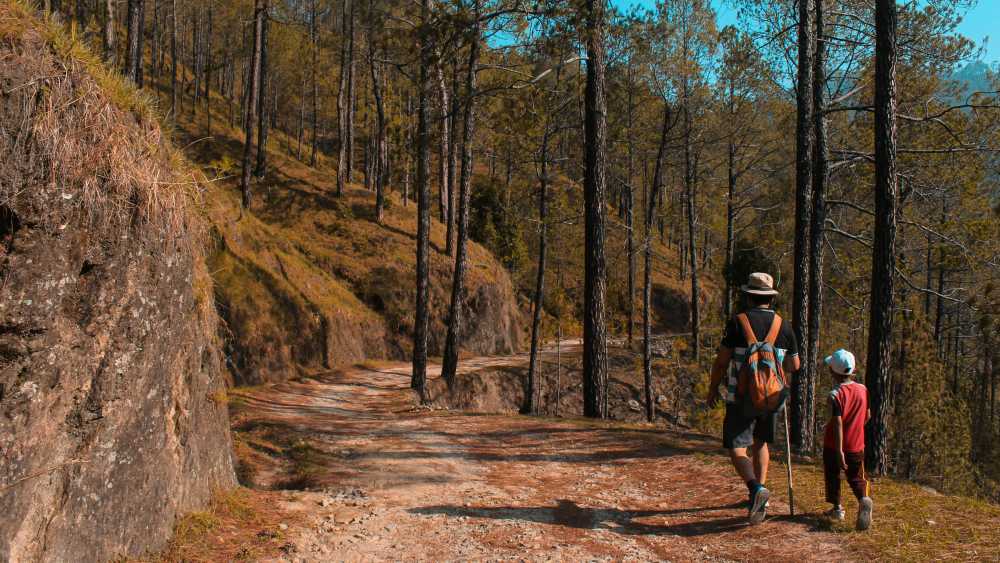
Best For: Ages 6+. The sheer scale and geothermal wonders are captivating for school-aged children and teens.
Can't-Miss Activities:
Watch Old Faithful Erupt: It’s iconic for a reason. Check the posted eruption times and find a spot on the boardwalk.
Explore the Grand Prismatic Spring: The vibrant colors of this massive hot spring are otherworldly. The best view is from the elevated overlook on the Fairy Falls Trail.
Wildlife Safari in Hayden Valley: Drive through this vast, open valley at dawn or dusk for the best chances of spotting bison, elk, grizzly bears, and even wolves.
Kid-Friendly Hike: The Storm Point Loop Trail is a relatively flat 2.3-mile loop that leads through forest to a scenic point on Yellowstone Lake.
Zion National Park: The Majestic Canyon Sanctuary
Best For: All ages, but especially families with active kids and teens.
Can't-Miss Activities:
Ride the Park Shuttle: During peak season, the mandatory shuttle is an experience in itself, offering narrated guidance and stunning views.
Walk The Narrows (Bottom-Up): Wading through the Virgin River in a 1,000-foot-deep canyon is the quintessential Zion experience. Rent proper water shoes from an outfitter in Springdale—it's a game-changer.
Hike to Emerald Pools: This series of trails leads to lush, spring-fed pools and waterfalls. The Lower Pool trail is paved and accessible for strollers.
Kid-Friendly Hike: The Pa'rus Trail is a 3.5-mile paved trail that follows the Virgin River. It's perfect for strollers, wheelchairs, and bikes.
Acadia National Park: The Coastal Gem of New England
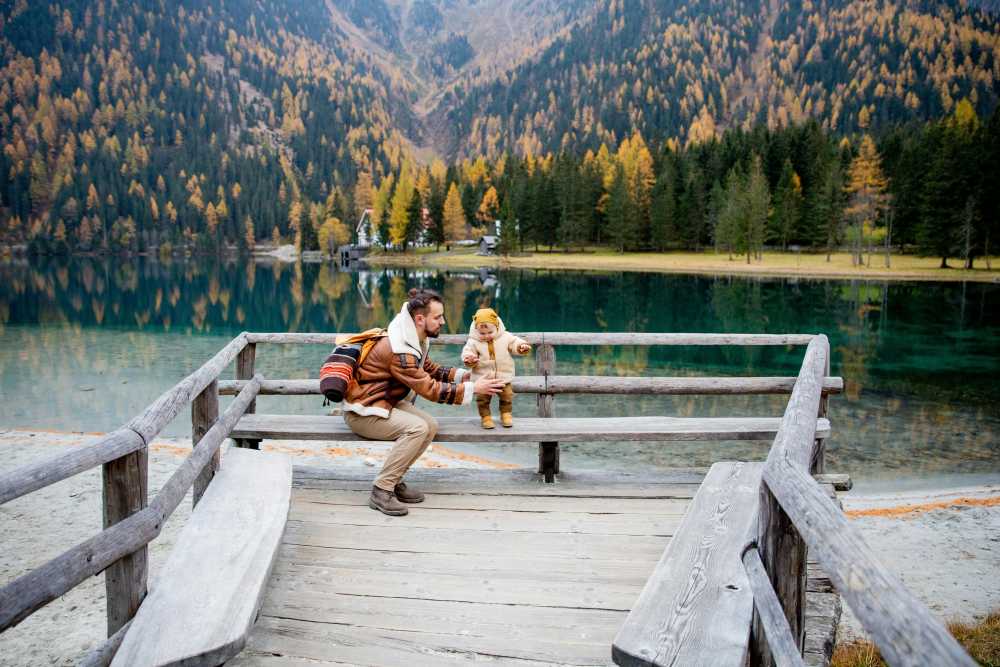
Best For: All ages. The diversity of landscapes makes it a perfect fit for multi-generational trips.
Can't-Miss Activities:
Drive the Park Loop Road: This 27-mile road hits many of the park's highlights, including Sand Beach, Thunder Hole, and Otter Cliff.
Watch the Sunrise from Cadillac Mountain: Be one of the first people in the United States to see the sunrise. Vehicle reservations are now required and must be booked in advance.
Explore the Tide Pools: At low tide, the rocky coastline near Wonderland Trail reveals a fascinating world of sea stars, crabs, and anemones.
Kid-Friendly Hike: The Jordan Pond Path is a 3.3-mile loop around a crystal-clear pond, best capped off with popovers at the Jordan Pond House.
Olympic National Park: A World of Ecosystems

Best For: Families who crave variety and have kids aged 7+. Olympic is like visiting three parks in one.
Can't-Miss Activities:
Explore the Hoh Rainforest: Walk the Hall of Mosses Trail (.8 miles), an easy loop that immerses you in a temperate rainforest dripping with green. It’s pure magic.
Discover Rialto Beach: This is the iconic Pacific Northwest coastline. Explore tide pools, admire giant driftwood, and hike to the Hole-in-the-Wall sea arch (check tide charts!).
Drive to Hurricane Ridge: Ascend nearly a mile in elevation for breathtaking panoramic views of the Olympic Mountains.
Kid-Friendly Hike: Sol Duc Falls Nature Trail is a 1.6-mile roundtrip hike through a stunning old-growth forest to a powerful, picturesque waterfall.
Common Pitfalls and How to Avoid Them
The "Too Much, Too Fast" Itinerary: Don't try to see an entire park in two days. You’ll end up with cranky kids and only see the park through a car window. Embrace a slower pace. For more on this, explore The Sanity-Saving System for Your Next Family Road Trip.
Ignoring the Junior Ranger Program: This is a mistake. The free activity booklets available at any visitor center are the single best way to engage kids aged 5-12. It transforms them from passive passengers into active explorers.
Underestimating Wildlife Safety: Seeing a bear or bison is a thrill, but these are powerful wild animals. Know and respect the rules: stay at least 100 yards from bears and wolves, and 25 yards from all other large animals. Never, ever feed wildlife.
Pro-Tip: Download the official NPS (National Park Service) app before your trip. You can save park maps and content for offline use, a lifesaver in areas with no cell service.
Packing and In-Trip Strategies
Your gear and daily approach can make or break the experience. Focus on comfort, preparedness, and flexibility.
The Essential Family Packing List:

Layered Clothing: Summer weather in the mountains is notoriously unpredictable. Pack lightweight layers—t-shirts, fleeces, and a waterproof rain jacket—for everyone.
Sturdy Footwear: Do not attempt hikes in flip-flops. Everyone needs comfortable, broken-in shoes with good traction.
Sun Protection: The sun is more intense at higher elevations. Bring wide-brimmed hats, sunglasses, and high-SPF sunscreen.
Reusable Water Bottles: Staying hydrated is critical. A large water bladder for each adult and a reusable bottle for each child is a must.
A "Go-Bag" for the Car: Keep a small backpack in the car with essentials: a first-aid kit, endless snacks, binoculars, a physical park map, and wet wipes.
Frequently Asked Questions
What is the best time of year for a national park family vacation?
While summer offers the most accessible weather and open facilities, it's also the most crowded. For fewer crowds and beautiful scenery, consider the "shoulder seasons" of late spring (May-June) and early fall (September-October). Always check specific park conditions, as weather varies greatly by region.
How far in advance should I book lodging for a national park trip?
For popular in-park lodges, you should book 12 months in advance—often the day reservations become available. For campsites, the booking window is typically 6 months in advance. Planning this far ahead is crucial for securing the best locations.
Are national parks a good vacation idea for families with toddlers?
Absolutely! Many parks feature paved, stroller-friendly trails like the Pa'rus Trail in Zion or accessible boardwalks around Yellowstone's geysers. The key is to choose the right activities, keep hikes short, and take advantage of the Junior Ranger programs, which have activities for younger children.
What's the most important thing to pack for a national park trip?
Beyond your camera, the most critical items are layered clothing and proper footwear. Mountain weather can change in an instant, so having layers ensures everyone stays comfortable. Sturdy, broken-in shoes are essential for preventing blisters and navigating uneven trails safely.
Conclusion
The beauty of a national park vacation lies in its simplicity and its power. By investing in careful planning, you are not just organizing a trip; you are building a framework for connection and creating a reservoir of shared memories that your family will draw upon for a lifetime. These family travel ideas for summer are more than just a vacation—they are an investment in your family's story.
So, use this guide to book with confidence, pack with purpose, and get ready to discover the incredible wonders waiting in your own backyard.

Read the full guide: Family Travel Ideas: The 2026 Guide to Unforgettable Trips
Don't Miss Out! Subscribe for Exclusive Content
SubscribeComments 0
No comments yet
Be the first to share your experience!
Dont Miss Out! Subscribe for Exclusive Content

San Francisco Cherry Blossoms: A Local's Guide to the Blooms

Halloween SF: Haunts Without Horrors

SF Festivals: 7 Must-See Lineups

Christmas SF: Lights & Wharf Wonders

SF Pride: 6 Route & Party Hacks

Chinese New Year SF: Parade Essentials
NYE Times Square: How to Survive Crowds
TrekGuider @trekguider
The image is seared into our collective consciousness: a million smiling faces turned upward, a cascade of confetti, and the glittering descent of the Waterford Crystal ball marking the start of a new year. Experiencing New York's Eve Times Square is a bucket-list dream for travelers worldwide. But behind that minute of pure magic lies a grueling, 12-hour urban endurance test. The reality is a battle against massive crowds, freezing temperatures, and a complete lack of basic amenities. Without a solid strategy, your once-in-a-lifetime dream can quickly devolve into a miserable, claustrophobic nightmare, leaving you with nothing but cold feet and regret.
You’ve seen the celebration on TV, but you haven’t seen the real story: the hours spent standing in a single spot, the desperate need for a bathroom that doesn’t exist, and the crushing disappointment of arriving too late only to have your view blocked by a skyscraper. This isn’t just a party; it’s a logistical gauntlet. But what if you could walk into that chaos armed with the knowledge of a seasoned local? What if you knew exactly when to arrive, what to bring, and how to navigate the human labyrinth to secure a prime spot?
Consider this your definitive survival guide. We’re cutting through the noise to give you the actionable, step-by-step playbook required to not just survive the chaos, but to conquer it and forge an unforgettable memory. This single event is the crown jewel of the city's festive calendar, a spectacle we put into context in our complete guide to New York Holidays: 10 Must-Do Events. Now, let's master the art of the ball drop.

The Gauntlet Defined: What to Really Expect on New Year's Eve Times Square
Before you even think about your outfit, you need a crystal-clear understanding of the environment you’re about to enter. The Times Square ball drop is one of the most heavily secured and controlled public events on the planet. Forget a casual, free-flowing party; this is a highly structured affair managed by the New York City Police Department (NYPD).
The entire area, from 42nd Street to 47th Street between Broadway and 7th Avenue, is sectioned off into a series of viewing pens. Think of them as metal-barricaded corrals. Once the NYPD deems a pen full, they close it for good. You cannot move between pens, and crucially, if you leave your pen for any reason—food, bathroom, a moment of fresh air—you will not be allowed back in. There is no re-entry.
Here’s a breakdown of the harsh realities:
The Timeline is Brutal: Streets in and around Times Square begin closing in the early afternoon. To get a decent viewing spot, the official recommendation is to arrive by 3:00 PM. That means you’ll be standing in your designated spot for at least nine hours until the ball drops at midnight.
Zero Public Bathrooms: This is the single most challenging aspect for most attendees. There are absolutely no public restrooms or portable toilets available within the viewing areas. Once you are in a pen, you have no options. This requires careful planning regarding your food and drink intake.
Security is Absolute: You will pass through a security screening to enter the viewing areas. Security is absolute, a high-tech fortress of surveillance that includes everything from drones overhead to NYPD scuba divers in the nearby waters. All bags will be checked, and there is a long list of prohibited items.
The Weather is Unforgiving: Late December in New York City is predictably cold. Temperatures often dip below freezing, and wind chill can make it feel even colder as it funnels between the skyscrapers. You will be exposed to the elements for the entire duration.
Knowing these truths isn't meant to discourage you, but to prepare you. Success on New Year's Eve Times Square is 90% preparation and 10% endurance.
The Strategic Arrival: Your Step-by-Step Game Plan
Your experience will be made or broken in the first few hours. A well-executed arrival strategy is the difference between a prime view of the ball drop and being stuck blocks away staring at the back of a building.
When to Arrive: The 3 PM Deadline is Non-Negotiable
The official guidance confirms what veterans know: arriving by 3:00 PM is essential. For the upcoming celebration on Wednesday, December 31, 2026, you should treat this as your final deadline. The pens closest to One Times Square (where the ball descends) fill up the fastest. The NYPD systematically fills the area, starting from the south at 42nd Street and moving north. If you arrive at 5:00 PM or 6:00 PM, you will likely end up miles away, with your only view of the event coming from a distant Jumbotron. Arriving early doesn't just get you a better view; it guarantees you get a view at all.
Where to Enter: Navigating the Frozen Zones
As streets close, navigating Midtown Manhattan becomes a confusing maze. Driving is impossible. Your only viable option is public transportation.
Take the Subway: The New York City subway system is your best friend. However, the Times Sq-42nd St station will be chaos, with many exits likely closed or designated for egress only.
Aim for Peripheral Stations: Instead of heading directly to Times Square, get off at a station a few blocks away and walk. Good options include:
Rockefeller Center (B, D, F, M lines): Walk south and west.
49th Street (N, Q, R, W lines): This is close, so be prepared for crowds.
50th Street (C, E lines): Walk east.
Follow NYPD Instructions: As you approach the secured zone, you will see barricades and police officers. They will direct you to official entry points, which are typically located on 6th Avenue and 8th Avenue. Be polite, listen to their instructions, and be prepared for a slow, shuffling walk to the screening areas.
The Art of the "Pen": Securing Your Viewing Spot
Once you’re through security, you’ll be herded into one of the viewing pens. You won't have much choice in the matter, as officers fill them sequentially. However, the goal is to get into a pen with a direct line of sight to the One Times Square building. This is where the ball is. A spot further north on Broadway or 7th Avenue is generally better than being shunted off to a side street. Once you’re in, stake out a small piece of territory with your group and prepare to settle in for the long haul.

The Ultimate Survival Kit: What to Pack (and What to Leave Behind)
Packing for this event is like preparing for a winter camping trip in the middle of a city. You need to be strategic, minimalist, and focused on warmth and sustenance.
Essential Gear for the Urban Tundra
Everything you bring must be carried on your person. Think pockets, not bags.
Extreme Winter Wear: This is not the time for fashion. Dress in warm, waterproof layers.
Base Layer: Thermal, moisture-wicking underwear (top and bottom).
Mid Layer: Fleece or a down vest.
Outer Layer: A heavy, insulated, and waterproof winter coat.
Accessories: A warm hat that covers your ears, a scarf or neck gaiter, insulated gloves, and thick wool socks are all non-negotiable.
Hand and Foot Warmers: These small, air-activated heat packs are a game-changer. Bring several pairs and activate a new set every few hours to keep your extremities from freezing.
Food and Water: Pack high-energy, easy-to-eat snacks like protein bars, nuts, and chocolate. Bring your own water in a plastic bottle. Avoid caffeine and other diuretics for obvious reasons.
Portable Phone Charger: Your phone battery will drain quickly in the cold. A fully charged power bank is essential for communication and capturing the midnight moment.
Simple Entertainment: A book, a deck of cards, or downloaded podcasts can help pass the time.

Pro-Tip: Pack a few large, empty plastic water bottles with secure caps. While it’s not glamorous, they can serve as a last-resort emergency "bathroom" for men and a more challenging but still possible option for women, a well-known but unspoken hack for veterans of the event.
The Forbidden List: Items That Will Get You Turned Away
The NYPD is extremely strict about what is allowed into the viewing areas. Bringing any of these items will result in them being confiscated, or you being denied entry.
Backpacks, Large Purses, or Any Large Bags: This is the most common mistake. You will be turned away. Use your pockets.
Alcohol: Absolutely forbidden.
Umbrellas: They block the view for others and are considered a security risk. Wear a waterproof coat with a hood instead.
Strollers: While not always explicitly banned, navigating the dense crowds with a stroller is practically impossible and unsafe.
Coolers, Chairs, or Blankets: There is simply no room for these items.
Mastering the Marathon: How to Endure the 9-Hour Wait
The wait is a mental and physical challenge. Success lies in conserving energy, staying warm, and keeping your spirits up.
Fueling Your Body: The Right Way to Eat and Drink
Your strategy for consumption should be carefully managed. Eat a large, hearty meal before you leave for Times Square. A meal rich in protein and complex carbs will provide sustained energy. Once you are in your pen, ration your snacks. The goal is to keep your energy levels stable without over-consuming liquids. Sip your water slowly and methodically throughout the evening. This isn't the time to chug a whole bottle.
Staying Sane: Entertainment and Mental Fortitude
The nine-hour wait can be tedious. Keeping morale high, especially in a group, is a skill unto itself. It requires patience and planning—the same principles that make any challenging journey a success. For a deeper dive into managing group dynamics and keeping everyone happy during long waits, our Stress-Free Flying with Kids Guide offers timeless strategies that work just as well on the ground in Times Square as they do at 30,000 feet.
Here’s how to manage the wait:
Befriend Your Neighbors: You’ll be standing shoulder-to-shoulder with the same people for hours. Strike up a conversation! Sharing stories with people from around the world is one of the most unique parts of the experience.
Enjoy the Show: The Times Square Alliance puts on a live show starting around 6:00 PM. There are musical performances, celebrity appearances, and hourly countdowns that help break up the monotony.
Stay Active (in Place): Do small exercises to keep your blood flowing. Wiggle your toes, shift your weight from foot to foot, and do small leg stretches. This will help prevent stiffness and keep you warmer.
The Grand Finale and The Great Escape
After hours of waiting, the final moments are a whirlwind of excitement. But your strategic planning doesn’t end when the ball drops.
The Ball Drop: Savoring the Moment
At 11:59 PM, the 12,000-pound geodesic sphere begins its 60-second descent. The energy of the crowd is electric. This is the moment you’ve been waiting for. Put your phone away for a few seconds and be fully present. Absorb the sounds, the sights, and the feeling of shared celebration with a million other people. The confetti drop, the cheering, the fireworks—it’s a truly magical experience that justifies the entire ordeal.

Post-Midnight Exodus: Navigating the Human River
Once the celebration peaks, the next challenge begins: the exit. A million people will be trying to leave a very small area at the exact same time.
Do Not Rush: The biggest mistake is trying to push your way out immediately. The initial surge is dangerous and stressful. Be patient. Wait 15-20 minutes in your spot for the thickest crowds to begin to disperse.
Have a Predetermined Exit Route: Before you even arrive, decide which direction you will walk. Do not just follow the herd. Plan to walk at least 10-15 blocks away from Times Square before even attempting to find a subway or hail a rideshare.
Avoid the Main Subway Hubs: The Times Sq-42nd St station will be dangerously overcrowded. Walk further to a less central station to begin your journey home.
Pro-Tip: Pre-book a table at a restaurant or bar a 15-20 minute walk away from Times Square for 12:45 AM. This gives you a warm place to decompress, use a real bathroom, and have a proper celebratory drink while the worst of the crowds clear out.
Your Unforgettable New Year's Eve Awaits
Attending the New Year's Eve Times Square ball drop is not for the faint of heart. It is an intense, demanding, and often uncomfortable experience. But by following this guide, you are no longer just a hopeful tourist; you are a prepared strategist. You have the expert-level knowledge to navigate the chaos, endure the wait, and place yourself in the perfect position to witness one of the world's most iconic celebrations. The cold, the crowds, and the long hours will fade into the background, replaced by the unforgettable memory of counting down to a new year in the heart of the world.
You've conquered the ultimate urban challenge. To discover what other incredible adventures await you in the city and beyond, our comprehensive Travel Guide is the only resource you'll need. It’s your all-access pass to mastering travel like a pro.
Meta Data Suggestions:
SEO Meta Title: NYE Times Square Survival Guide: Beat The Crowds & See The Ball
URL Slug: /nye-times-square-crowds-survival-guide
SEO Meta Description: A complete guide to surviving New Year's Eve in Times Square. Learn when to arrive, what to pack, and how to get the best view of the ball drop.
Don't Miss Out! Subscribe for Exclusive Content
SubscribeComments 0
No comments yet
Be the first to share your experience!
Dont Miss Out! Subscribe for Exclusive Content
San Francisco Cherry Blossoms: A Local's Guide to the Blooms
Halloween SF: Haunts Without Horrors
SF Festivals: 7 Must-See Lineups
Christmas SF: Lights & Wharf Wonders
SF Pride: 6 Route & Party Hacks