
How to Plan a Stress-Free Hawaii Family Trip

TrekGuider @trekguider
Planning a family trip to Hawaii should feel exciting, but the reality can be overwhelming. You're juggling how to pack for unpredictable weather, what activities will actually entertain everyone from toddlers to teens, and how to manage the logistics without losing your mind. The fear of getting it wrong—forgetting something crucial or planning a day that ends in meltdowns—can quickly overshadow the promise of paradise.

Imagine arriving on Maui only to realize you’ve forgotten the reef-safe sunscreen now required by law, forcing a frantic, expensive search. Picture the meltdowns—from kids and adults alike—when a carefully planned beach day is met with groans of boredom, or the crushing disappointment of discovering the lūʻau you dreamed of has been sold out for weeks. Without a strategic plan, the logistical details can overshadow the magic you’re seeking.
This guide is the antidote to that anxiety. It’s your strategic playbook, crafted from hard-won experience to eliminate the guesswork and transform your planning process into an exciting prelude to your adventure. While this article drills down into Hawaii-specifics, it's part of our complete library of Family Travel Ideas: The 2026 Guide to Unforgettable Trips. Consider this your roadmap to a seamless, stress-free, and truly magical Hawaiian escape.
What to Bring and What to Leave Behind
A successful packing strategy for Hawaii isn't about bringing everything; it's about bringing the right things. The islands’ unique environment—from intense equatorial sun to sudden tropical showers—demands a thoughtful approach. For a deep dive into the core principles, our How to Pack Light Guide is a great resource. This Hawaii-specific blueprint ensures you’re prepared for every possibility without hauling unnecessary weight across the Pacific.
Your In-Flight & First-Day Survival Kit
Think of your carry-on bag as your mission-critical command center. If your checked luggage gets delayed, this bag should contain everything you need to not just survive, but thrive for the first 24 hours.
A Complete Change of Clothes for Everyone: One full, lightweight outfit per person. Don't forget underwear and socks.
Swimsuits: This is non-negotiable. You can change in the lobby restroom and head straight to the pool, starting your vacation immediately.
Essential Medications: All prescription medications, plus a small first-aid kit with children’s pain relievers, allergy medicine, band-aids, and antibacterial ointment.
Documents & Valuables: IDs, credit cards, and digital or printed copies of your key reservations (hotel, rental car, first big tour).
The "Boredom Buster" Kit: Fully charge all electronics and pre-load them with movies and games. For younger kids, pack a small bag with a new coloring book or a few wrapped dollar-store toys to reveal mid-flight.
A Feast of Snacks: Pack more than you think you’ll need to combat travel delays and grumpy tummies.
Empty Reusable Water Bottles: Fill them up post-security to stay hydrated and save money.
Your Flight Plan for Happy Kids
The long flight to Hawaii is often the most dreaded part of the trip. To make it a breeze, download our free, sanity-saving checklist.
Stress-Free Flying with Kids Guide
It's packed with simple, actionable tips to keep kids of all ages happy and occupied from takeoff to landing.
The Checked Luggage
Chaos is the enemy of a relaxing vacation. To combat this, we rely on a modular system built around packing cubes. This simple technique transforms your luggage from a chaotic pit into a structured, mobile dresser where everything has its place.

The Clothing System (Lightweight & Layered): Hawaii’s climate is defined by humidity and trade winds. Pack lightweight, breathable fabrics like cotton and linen. Focus on mix-and-match pieces. For a week, plan on 5-6 tops and 3-4 bottoms per person. Everyone should have a light jacket or cardigan for breezy evenings and a packable rain jacket.
The Beach Gear System (Protect & Play): This is the core of your Hawaii packing.
Reef-Safe Sunscreen: An absolute must. Pack at least one large tube of mineral-based (zinc oxide or titanium dioxide) sunscreen lotion.
Total Sun Protection: Wide-brimmed sun hats, UV-protective sunglasses, and long-sleeved rash guards for every family member.
Minimalist Beach Toys: A collapsible bucket and a few small shovels are all you need.
Goggles: For kids who love to put their face in the water, a good pair of goggles is invaluable.
The Footwear System (The Rule of Three): You only need three pairs of shoes per person.
Water Shoes/Aqua Socks: Essential for exploring rocky tide pools or beaches with sharp lava rock.
Sandals/Flip-Flops: For the beach, pool, and casual strolls.
Closed-Toe Shoes: A comfortable pair of sneakers for travel days, hikes, or activities like ziplining.
What to Leave at Home (And Rent or Buy in Hawaii)
Beach Towels: Every hotel and condo complex will provide these.
Bulky Floaties and Pool Noodles: Buy them there and leave them for another family when you depart.
Full-Sized Snorkel Sets: Renting high-quality, sanitized equipment on the island is far more convenient.
Formal Wear: Hawaii is overwhelmingly casual. A sundress or a collared shirt with nice shorts is as dressed-up as you’ll need to get.
Pro-Tip: Assign each family member a specific color of packing cubes. This simple trick makes it incredibly easy to identify whose clothes are whose.
Crafting Your Perfect Itinerary for Family Beach Vacations in Hawaii
While building sandcastles is a rite of passage, the true magic of Hawaii lies in its diverse experiences. Tailoring activities to your children's developmental stage is the secret to a trip that engages everyone. And to keep it all organized, our Travel Itinerary Template is a game-changer.
For Families with Toddlers & Preschoolers (Ages 0-5)
At this age, the goals are safety, sensory engagement, and maintaining routines. Focus on manageable outings that spark wonder without causing overstimulation.
Master the Art of the Lagoon: The man-made lagoons of Ko Olina on Oahu are a toddler parent’s paradise. The water is virtually waveless, creating a giant, safe saltwater pool. On Kauai, Lydgate Beach Park offers similarly protected swimming.
Meet the Marine Life (Up Close): The Maui Ocean Center is a world-class aquarium with a walk-through tunnel and touch pools. The Waikiki Aquarium on Oahu is smaller but equally captivating.
Discover the Magic of Shave Ice: Don't underestimate the joy of this simple treat. Trying authentic Hawaiian shave ice is a core memory on a hot afternoon.
For School-Aged Kids (Ages 6-12)
This is the golden age of family travel. Kids are old enough for bigger activities and to truly learn from their experiences.
Become a Junior Snorkeler: This is the perfect age to introduce kids to the underwater world. Start at an ultra-calm spot like Kapalua Bay on Maui or Hanauma Bay on Oahu (reservations required!).
Experience a Family Lūʻau: A lūʻau is a quintessential Hawaiian experience. Opt for one known for being family-friendly, like the Smith Family Garden Lūʻau on Kauai.
Become a Volcano Voyager: On the Big Island, a visit to Hawaiʻi Volcanoes National Park is like a real-life science lesson. Pick up a Junior Ranger booklet to transform your kids into active explorers.
For Teenagers (Ages 13-18)
For teenagers, the key is balancing family time with a sense of independence and adventure. Involve them in the planning.
Learn to Surf: Book a group lesson from a reputable surf school in a beginner-friendly area like Waikiki on Oahu or Kihei on Maui.
Conquer an Epic Hike: Challenge your teens with an iconic hike like the summit of Diamond Head on Oahu, which offers panoramic vistas of Waikiki.
Zipline Through Paradise: Soaring through the rainforest canopy on a zipline is a pure adrenaline rush that provides a thrilling adventure for the whole family.
Pro-Tip: The most popular activities in Hawaii—especially lūʻaus, timed-entry parks like Hanauma Bay, and surf lessons—book up weeks, if not months, in advance. Make your reservations the moment you have your travel dates confirmed.
The Aloha Code: Essential Rules for a Safe and Respectful Trip
A little local knowledge goes a long way. These are the non-negotiable rules for any family visiting the islands.
Ocean Safety Comes First
The Pacific Ocean is powerful. The most important rule in Hawaii is "Never turn your back on the ocean." Rogue waves can appear on even the calmest-looking days.
Swim at Lifeguarded Beaches: Whenever possible, choose a beach with a lifeguard on duty.
Understand Shore Break: Many Hawaiian beaches have a powerful shore break, where waves crash directly onto the sand. This can be dangerous for young children.
Respect the Warnings: Pay attention to all posted warning signs regarding strong currents, high surf, or dangerous marine life.
Protecting the 'Āina (Land)
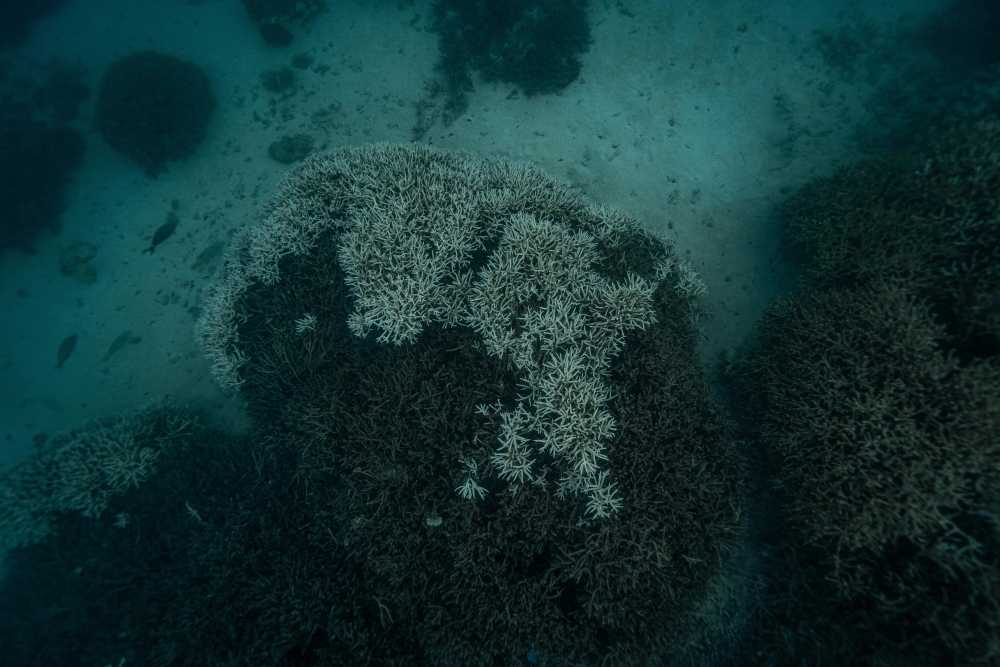
Hawaii's coral reefs are fragile, living ecosystems. Protecting them is not just a suggestion; it's the law.

Use Mineral-Based LOTION Only: By law, you must only use sunscreens with zinc oxide or titanium dioxide. Critically, avoid aerosol sprays. Even "reef-safe" sprays settle on the sand and wash into the ocean, harming the reef.
Apply Early and Often: Apply sunscreen 20 minutes before sun exposure and reapply every two hours, or immediately after swimming.
Respecting the Wildlife
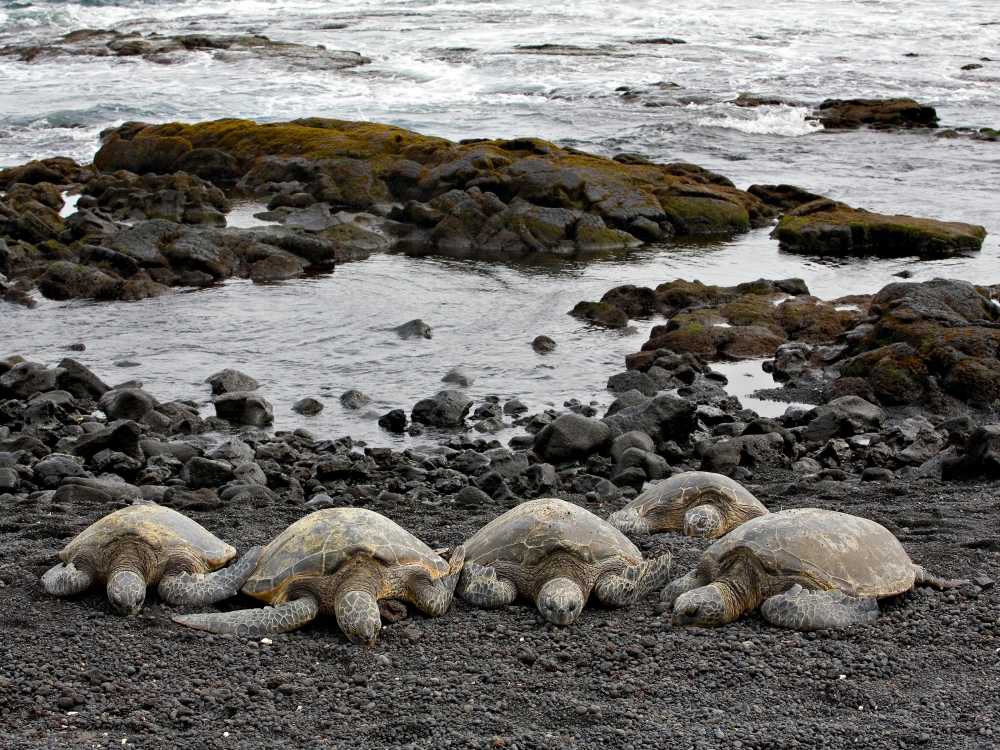
Hawaii is home to the Hawaiian green sea turtle (honu) and the endangered Hawaiian monk seal.

Keep Your Distance—It's the Law: You must maintain a distance of at least 10 feet (3 meters) from sea turtles and 50 feet (15 meters) from monk seals. It is illegal to touch, chase, or harass them.
View Responsibly: Use a zoom lens for photos. If an animal approaches you, calmly and slowly move away.
Frequently Asked Questions
What is the single most important thing to pack for a Hawaii family trip?
The most crucial item is reef-safe, mineral-based sunscreen LOTION. Sunscreens containing oxybenzone and octinoxate are banned in Hawaii to protect the coral reefs, and aerosol sprays are highly discouraged as they pollute the sand and water.
Is Hawaii a safe destination for toddlers and young children?
Absolutely. Many beaches are perfect for little ones, especially the man-made lagoons at Ko Olina on Oahu or the protected rock ponds at Lydgate Beach Park on Kauai, which have calm, waveless water perfect for safe splashing.
Do I really need to book Hawaiian activities in advance?
Yes, it is critical. Popular activities like lūʻaus, boat tours, surf lessons, and timed-entry parks like Hanauma Bay on Oahu often sell out weeks or even months in advance. Booking ahead is essential to avoid disappointment.
What are the essential types of shoes to bring to Hawaii?
You only need three pairs per person: water shoes for rocky beaches and tide pools, comfortable sandals or flip-flops for the beach and pool, and a pair of closed-toe sneakers for travel days and hiking.
Conclusion
The key to crafting the perfect trip isn’t about finding a secret beach; it’s about making a series of smart, informed choices. By implementing a strategic packing system and thoughtfully selecting age-appropriate activities, you transform the stress of planning into the joy of anticipation. You now have the framework to pack with confidence and design an itinerary that weaves together relaxation, adventure, and connection. This is how you create the legendary Hawaiian family vacation that becomes a key part of your family's story. For even more in-depth strategies on planning unforgettable trips anywhere in the world, explore our comprehensive Travel Guide. Aloha.
Read the full guide: Family Travel Ideas: The 2026 Guide to Unforgettable Trips
Don't Miss Out! Subscribe for Exclusive Content
Subscribe



Comments 0
No comments yet
Be the first to share your experience!
Dont Miss Out! Subscribe for Exclusive Content

Ultimate USA Holidays Guide: Top Picks


FTC Affiliate Disclosure Essentials: Stay Compliant as a Travel Creator

Essential Affiliate Tools: From Tracking to Full Optimization

Booking.com Affiliate Program Review: Pros, Cons, and Earnings Potential

Decoding Affiliate Commission Rates: Benchmarks for Travel Creators

Amazon Associates for Travel: Strategies to Maximize Commissions
July 4th NYC: Best Fireworks Views
TrekGuider @trekguider
Trying to see the Macy's 4th of July fireworks in New York City can feel like plotting a military campaign. You know it’s one of the most spectacular patriotic displays on the planet, a dazzling barrage of color and sound against the world’s most famous skyline. But the thought of navigating the colossal crowds, deciphering the cryptic official viewing spots, and battling for a sliver of sidewalk with a view of a brick wall is enough to trigger a full-blown anxiety attack.
You’re haunted by visions of being pinned for hours in a human gridlock, craning your neck to see absolutely nothing, with no access to a restroom or a bottle of water. What if you spend all day planning, only to find your chosen spot has been unceremoniously cordoned off by the NYPD? The dream of a magical Independence Day quickly sours into a logistical nightmare, leaving you sweating on a crowded street corner wondering why you didn't just stay home and watch it on TV.
Forget the chaos. This is your definitive battle plan for conquering the crowds and securing a breathtaking view. We’ve distilled the official intel and insider secrets into a foolproof strategy. Whether you want a free patch of grass with a picnic or a more civilized vantage point, this guide will equip you for an unforgettable Fourth of July in New York.

Understanding the Main Event: The Macy's Fireworks Spectacular
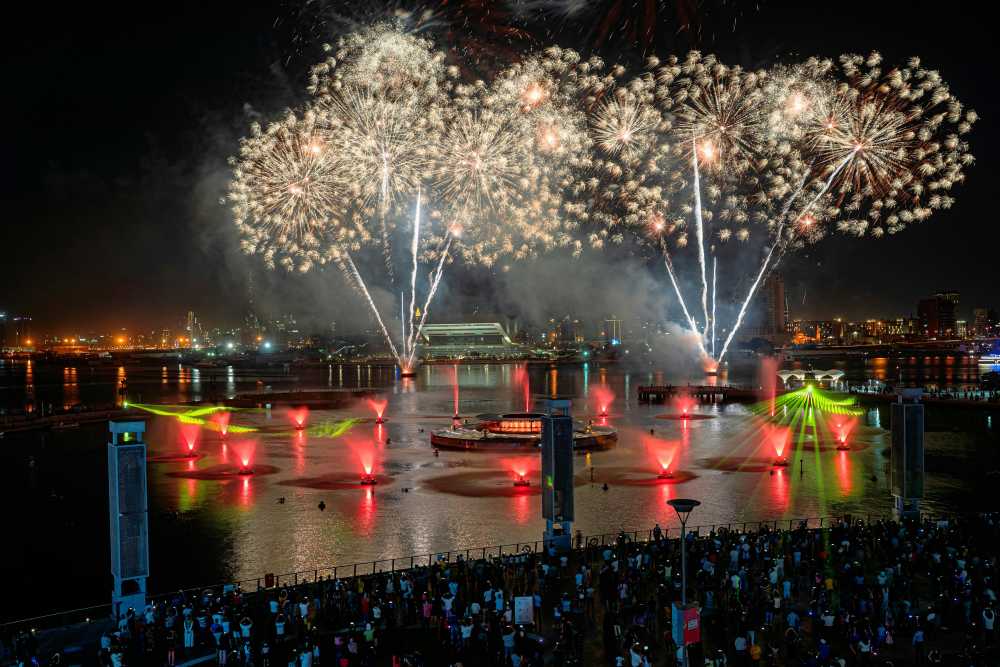
Let’s be clear about the sheer scale of this operation. The Macy's 4th of July Fireworks isn't just a show; it's the nation's largest pyrotechnic spectacle, a city-shaking tradition that paints the skyline with thousands of carefully choreographed shells launched from barges on the water. For Friday, July 4, 2026, the show continues its reign on the East River, meaning the most coveted views will be found along the waterfronts of Brooklyn, Queens, and Manhattan.
This isn't a casual affair where you can wander up a few minutes before showtime. It's a massive, city-wide celebration that demands a solid game plan. While the fireworks are an undisputed summer highlight, they're just one piece of the city's vibrant celebratory calendar, which we cover in our definitive guide to New York Holidays: 10 Must-Do Events. Thinking about your trip through this lens—as one epic event among many—is the key to unlocking a truly memorable visit.
The Best Free Viewing Spots for the Fourth of July in New York
Securing a great free spot is the holy grail for most spectators. It requires a healthy dose of patience and impeccable timing, but the reward is a front-row seat to history without spending a dime. The secret is knowing precisely where to go and, just as critically, which tourist traps to avoid.
Brooklyn's Cinematic Waterfront Views
For years, the Brooklyn waterfront has offered the most cinematic views of the fireworks, framing the pyrotechnics against the iconic Manhattan skyline. This is where you go for the postcard shot.
Transmitter Park (Greenpoint): Consistently hailed as a top-tier viewing location, this park offers a direct, jaw-droppingly clear sightline across the East River. Its open, grassy layout is a godsend, providing more room to spread out a blanket than the narrow promenades elsewhere. But its reputation precedes it. To claim a decent piece of turf, you must arrive by 6 PM at the absolute latest.
Domino Park (Williamsburg): With its clever multi-level design, reclaimed factory artifacts, and ample seating, Domino Park is a phenomenal—and popular—option. The elevated walkway provides a unique perspective, and the park's modern amenities (hello, clean restrooms!) make the long wait far more civilized.
East River State Park (Williamsburg): Just a short walk from Domino Park, this location offers a more traditional park experience with a sprawling grassy lawn. It’s a magnet for families and larger groups looking to set up a proper picnic and make a full day of it.
Manhattan's Official Front Lines (and What to Expect)
Manhattan offers official, NYPD-managed viewing points that get you incredibly close to the action. However, this proximity comes at the cost of the highest crowd density and the tightest security.
Official Access Points: The city announces these designated entry points a few days before the event, typically along the FDR Drive in the East Village, Murray Hill, and Midtown East. Check the official Macy's or NYC websites on the day of the event for the exact cross-streets.
The No-Go Zones: Heed the official warnings. The city explicitly advises spectators to avoid FDR Drive in Midtown, Battery Park, and the Brooklyn Heights Promenade. These areas will either be completely closed to the public or offer severely obstructed views. Don't be the tourist who wastes hours trekking to a dead end.
Queens: The Savvy Spectator's Choice
Often overlooked by the masses flocking to Brooklyn, the Queens waterfront in Long Island City provides views that are every bit as stunning, but often with slightly more breathing room.
Gantry Plaza State Park: This park is a true gem, famous for its iconic Pepsi-Cola sign and beautifully restored waterfront gantries. It offers a sweeping panorama of the Midtown skyline, which serves as the ultimate canvas for the fireworks display.
Hunter's Point South Park: Located just south of Gantry Plaza, this park boasts a vast, open green space perfect for laying down a blanket. It’s an excellent alternative for those looking to escape the most intense choke points in Manhattan and Brooklyn.

Pro-Level Strategy: Navigating Security and Human Gridlock
Experiencing the Fourth of July in New York is as much about logistical prowess as it is about patriotic fervor. This is not a casual security checkpoint. The NYPD's presence is comprehensive, involving everything from drones providing aerial surveillance and metal detectors at entry points to NYPD scuba divers patrolling the river itself. This isn't to intimidate, but to ensure a safe event for millions.
Your Arrival and Entry Checklist
Embrace the Early Bird Ethos: We cannot overstate this. For prime real estate like Transmitter Park, a 6 PM arrival is the bare minimum. For the official Manhattan zones, dedicated viewers begin lining up in the early afternoon. The later you arrive, the more likely you are to be watching the back of someone's head.
Pack Like a Pro: You will be on your feet or sitting on the ground for hours. Comfort matters most, but you also need to breeze through security. Large backpacks, coolers, alcohol, and lawn chairs are almost always prohibited. Knowing what to bring—and what to leave behind—is crucial. Our How to Pack Light Guide offers brilliant strategies for carrying just the essentials, a skill that's just as valuable for a day in the city as it is for a week-long trip.
Trust but Verify (Your Sources): On July 4th, follow the NYPD and Macy's on social media or refresh their websites. Viewing points can and do change or close without notice based on crowd capacity. A quick check before you head out can save you from a massive, frustrating detour.
The Buddy System is Non-Negotiable: In crowds of this magnitude, getting separated is incredibly easy. Establish a clear, unambiguous meeting point in advance (e.g., "the corner of X and Y," not "by the hot dog stand"). Keep your phones fully charged, and consider sharing your location with your group via a mapping app.
Pro-Tip: Public transportation is your only sane option. Do not even entertain the idea of driving. Street closures begin in the early afternoon, and parking is a fantasy. The subway is the most efficient way to get close to the action, but expect platforms and train cars to be packed to capacity. Plan your route, buy your MetroCard in advance, and budget at least double the normal travel time.

Beyond the Fireworks: Mastering the All-American Picnic
The fireworks are the grand finale, but Independence Day is an all-day affair. A classic American picnic is the perfect way to spend the afternoon, soaking in the city's festive energy in a more relaxed setting before diving into the waterfront fray.
Prime Picnic Parks (Well Away from the Fireworks Chaos)
Central Park: It’s the quintessential NYC experience for a reason. Head to the vast Sheep Meadow or the Great Lawn, find a spot under a tree, and enjoy the people-watching. You won't see the main fireworks from here, but it’s the perfect stage for your pre-show festivities.
Prospect Park, Brooklyn: Often called Brooklyn's answer to Central Park, the Long Meadow in Prospect Park offers a similarly idyllic and expansive setting. It’s a favorite among locals and provides a more laid-back, community-focused vibe.
Governors Island: A quick and scenic ferry ride away, Governors Island is a true urban oasis. With its sprawling lawns, hammocks, and unparalleled views of the Statue of Liberty, it’s an ideal place to decompress for the day before heading back for the evening's main event.
Your Picnic Pack-Out List
The Spread: Stick to classics that travel well: gourmet sandwiches, cold fried chicken, pasta salads, and fresh fruit. Most importantly, bring more water than you think you'll need. Remember that alcohol is prohibited in public parks.
The Comfort Kit: A large, durable blanket is your foundation. Sunscreen, hats, and sunglasses are absolutely essential for a long day outdoors.
The Clean-Up Crew: Pack a dedicated trash bag and commit to the golden rule of picnicking: leave your spot cleaner than you found it.
Paid Options for a Crowd-Free Fourth of July in New York
If the idea of battling the masses for a patch of grass makes you want to run for the hills, several paid alternatives offer a more comfortable and exclusive experience. These options require booking far in advance and come at a premium, but for many, the guaranteed view and amenities are worth every penny.
Rooftop Bars and Viewing Parties
Many hotels and restaurants with prime real estate in Midtown East, Williamsburg, and Long Island City host ticketed fireworks viewing parties. These events typically include an open bar, food, and live music, all with an elevated, unobstructed view high above the street-level chaos. Expect tickets to start in the low hundreds and sell out weeks, if not months, ahead of time.
Fireworks Cruises on the East River
For a truly cinematic experience, watch the fireworks from the water itself. Numerous companies offer July 4th dinner cruises that place you directly on the East River, offering an unparalleled, up-close perspective of the show.
The Perks: You get a completely unobstructed view, dinner and drinks are often included, and you have access to clean, private restrooms—a luxury that cannot be overstated.
The Price: This is the most expensive option, with prices frequently ranging from $150 to over $500 per person. They are incredibly popular and must be booked months in advance.
Pro-Tip: When booking any ticketed event, do your due diligence. Scrutinize the venue's location on a map to confirm its viewing position relative to the fireworks barges. Search for reviews and photos from previous years' events to ensure the view is as spectacular as advertised. Not all "river views" are created equal.

Your Mission: An Unforgettable Independence Day
You are now armed with the strategy and insider intelligence to make your Fourth of July in New York a resounding success. The key is to decide on your desired experience—a free-for-all on the grass, a civilized seat at a rooftop bar, or a luxurious view from the water—and plan with precision. Arrive early, pack smart, and stay informed.
This is about more than just watching fireworks; it's about taking part in a quintessential American tradition in the most dynamic city on Earth. You're no longer a tourist hoping for a lucky break; you're an insider with a plan. Go forth, claim your spot, and create some dazzling memories. And when you're ready to plan your next great urban adventure, our comprehensive Travel Guide is packed with the expert resources you need to make every trip a masterpiece.
Don't Miss Out! Subscribe for Exclusive Content
SubscribeComments 0
No comments yet
Be the first to share your experience!
Dont Miss Out! Subscribe for Exclusive Content

San Francisco Cherry Blossoms: A Local's Guide to the Blooms

Halloween SF: Haunts Without Horrors

SF Festivals: 7 Must-See Lineups

Christmas SF: Lights & Wharf Wonders

SF Pride: 6 Route & Party Hacks

Chinese New Year SF: Parade Essentials
3 Types of Solo Travel Holidays: Which Is Right For You?
TrekGuider @trekguider
Are you dreaming of a solo trip but find yourself stuck between two conflicting images? On one hand, the exhilarating freedom of a backpack and a map with no agenda. On the other, the comfort and camaraderie of sharing a laugh with new friends on a guided tour. You're not alone in this dilemma. The term solo travel holidays is one of the most misunderstood in travel, causing a frustrating mix of excitement and decision paralysis that stalls too many great adventures before they even begin. This guide is designed to be your compass. For a complete playbook on the fundamental skills and mindset needed for any solo journey, be sure to read . Here, we'll demystify the options, help you discover your unique solo travel style, and give you the confidence to book the adventure that's truly right for you—whether that means forging your own path or joining a pack of like-minded explorers.
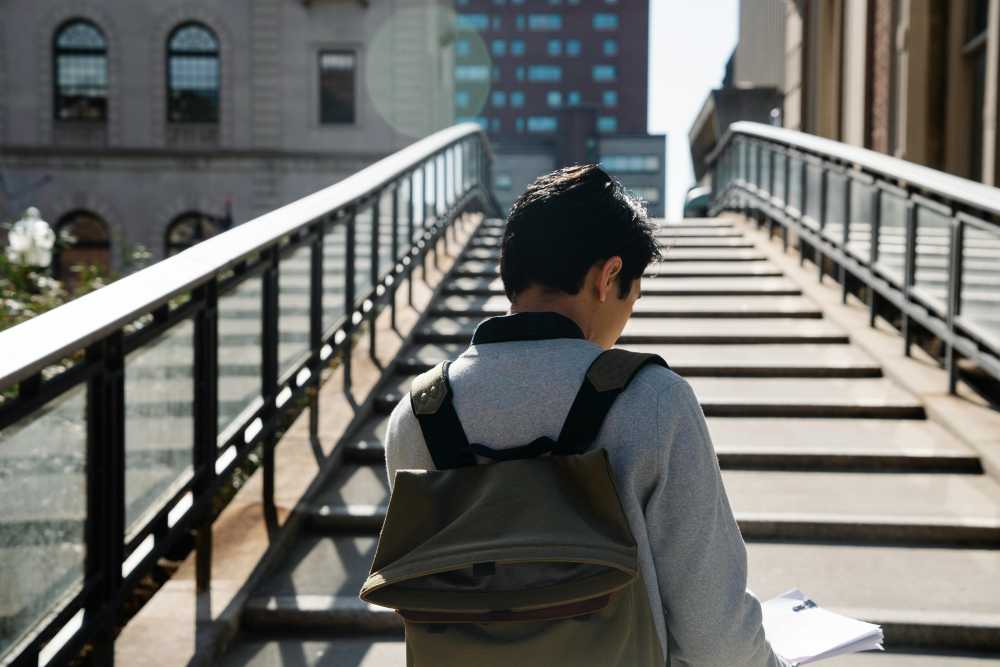
Why 2026 is the Year of Going It Alone
If you're feeling the pull to travel by yourself, you're not just following a whim; you're part of a massive global movement. Once considered a niche way to see the world, solo travel has exploded into the mainstream. This isn't a fleeting trend—it's a fundamental shift in how people approach life and exploration.
At its heart, this global movement is fueled by a collective hunger for something beautifully simple: unrestricted freedom and flexibility. In a world of shared schedules and compromises, the ability to create a trip that is 100% yours—your pace, your interests, your budget—is the ultimate form of luxury. A post-pandemic "carpe diem" mindset has only amplified this, with millions re-evaluating their priorities and refusing to wait for a travel partner whose schedule and interests align perfectly with their own.

The rise of remote work has also untethered millions from the traditional office, making longer, more immersive solo journeys more feasible than ever. Technology has transformed the landscape, turning what was once a daunting logistical challenge into a manageable and secure endeavor. Solo travel is no longer about being alone; it's about being empowered, independent, and in complete control of your own adventure.
What Exactly Are Solo Travel Holidays?
The core of the confusion for many aspiring travelers lies in the ambiguity of the term itself. A "solo holiday" isn't a single, rigid concept. It exists on a dynamic spectrum, ranging from absolute, self-reliant independence to fully supported group experiences. Understanding where you feel most comfortable on this spectrum is the essential first step to planning the perfect trip.
At one end, you have Purely Independent Travel. This is the classic vision: you book your own flights, find your own accommodation, craft your own itinerary, and navigate every challenge and triumph of the journey yourself. It offers the greatest freedom but also demands the most planning and self-reliance.
At the other end is the Fully-Escorted Group Tour. Here, you are traveling as an individual, but every detail—from hotels and transport to daily activities and most meals—is expertly arranged by a tour company. You benefit from a professional guide, a built-in safety net, and the instant camaraderie of a shared experience.
In between, a rich variety of options exist, from solo wellness retreats and specialized adventure trips to semi-independent tours that offer a blend of structured activities and ample free time. The beauty of the modern travel landscape is that there are solo travel holidays designed for every personality and comfort level.
Are You an Independent Adventurer or a Social Explorer?
To find your perfect trip, you need to honestly assess your own personality, priorities, and travel goals. Are you energized by the challenge of navigating a new city on your own, or do you thrive on the shared energy of a group discovering a new place together? Neither approach is better—they simply serve different needs.
This framework is your diagnostic tool. Use this table to compare the core trade-offs and identify the travel style that resonates most deeply with you.
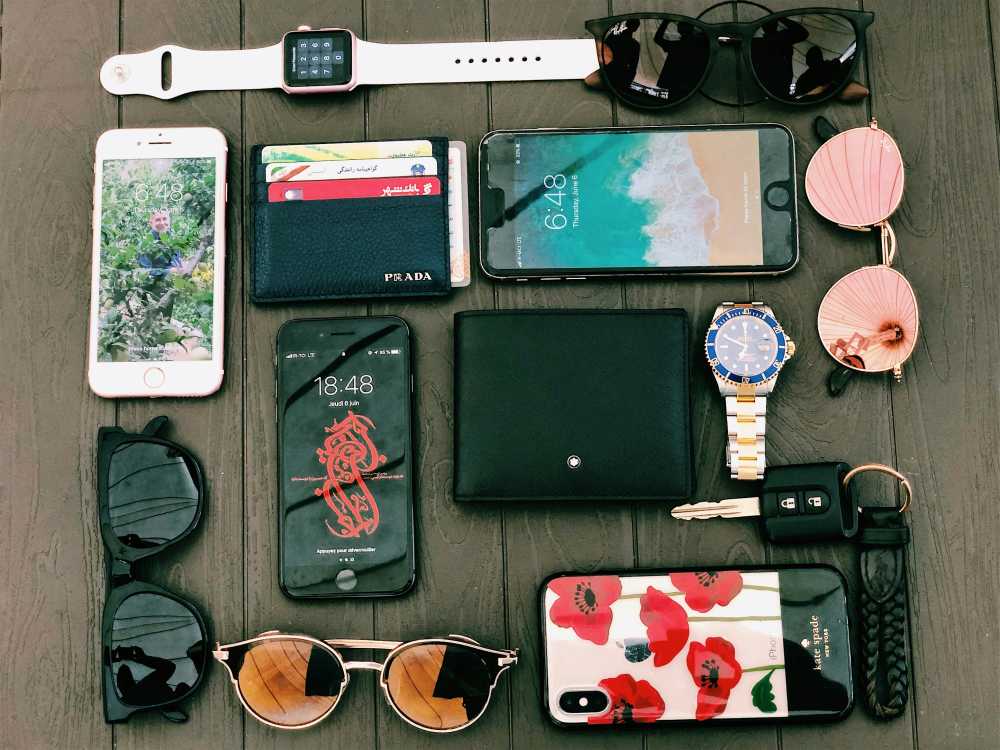
For those who see themselves as an Independent Adventurer, the thrill is in the planning and execution. Our digital travel planners and itinerary templates are perfect for the self-reliant traveler who wants expert-level organization without the constraints of a group tour.
For the Social Explorer who thrives on connection, choosing the right tour company matters most. A great small group tour can lead to lifelong friendships and unforgettable shared memories.
Top Solo Travel Holidays for Every Style
Once you’ve identified your travel style, you can choose a destination that plays to its strengths. The perfect location for a rugged independent trip may be a poor choice for a relaxing wellness retreat. Here are our top picks for 2026, categorized by the type of solo traveler you are.

For the Independent Adventurer
These destinations are celebrated for their world-class safety, excellent tourist infrastructure, and sheer joy of discovery, making them a paradise for those forging their own path.
Copenhagen, Denmark: Discover the meaning of hygge in this incredibly safe and bike-friendly capital. Effortless public transport, a friendly English-speaking populace, and a cozy cafe culture make it a dream for first-time solo travelers looking to explore with confidence.
Tokyo, Japan: A mesmerizing city that perfectly blends hyper-modern efficiency with ancient tradition. Japan's legendary safety record, unparalleled public transit, and the cultural acceptance of dining alone make it a uniquely stress-free environment for solo exploration.
Portland, Oregon, USA: With its vibrant food cart scene, quirky independent neighborhoods, and easily accessible nature, Portland offers a welcoming and low-key solo experience. It's a city built for wandering and spontaneous discovery.
For the Social Explorer
These destinations are global hubs for the world's best small group tour companies, offering epic landscapes and cultural experiences that are often richer when shared.
Costa Rica: The ultimate adventure playground. Join a group to zip-line through cloud forests, spot sloths and toucans, and learn to surf on volcanic sand beaches. The country's well-established eco-tourism circuit is perfectly suited for adventure holidays for singles and solo travelers.
Vietnam: A country of breathtaking beauty and profound history. A small group tour expertly handles the logistics of navigating between cities, leaving you free to immerse yourself in the culture, whether you're cycling through rice paddies or taking a cooking class in Hoi An.
Morocco: From the bustling souks of Marrakech to the vast silence of the Sahara Desert, Morocco offers an incredible diversity of experiences. A guided tour provides crucial cultural insight and logistical ease for a truly unforgettable journey.
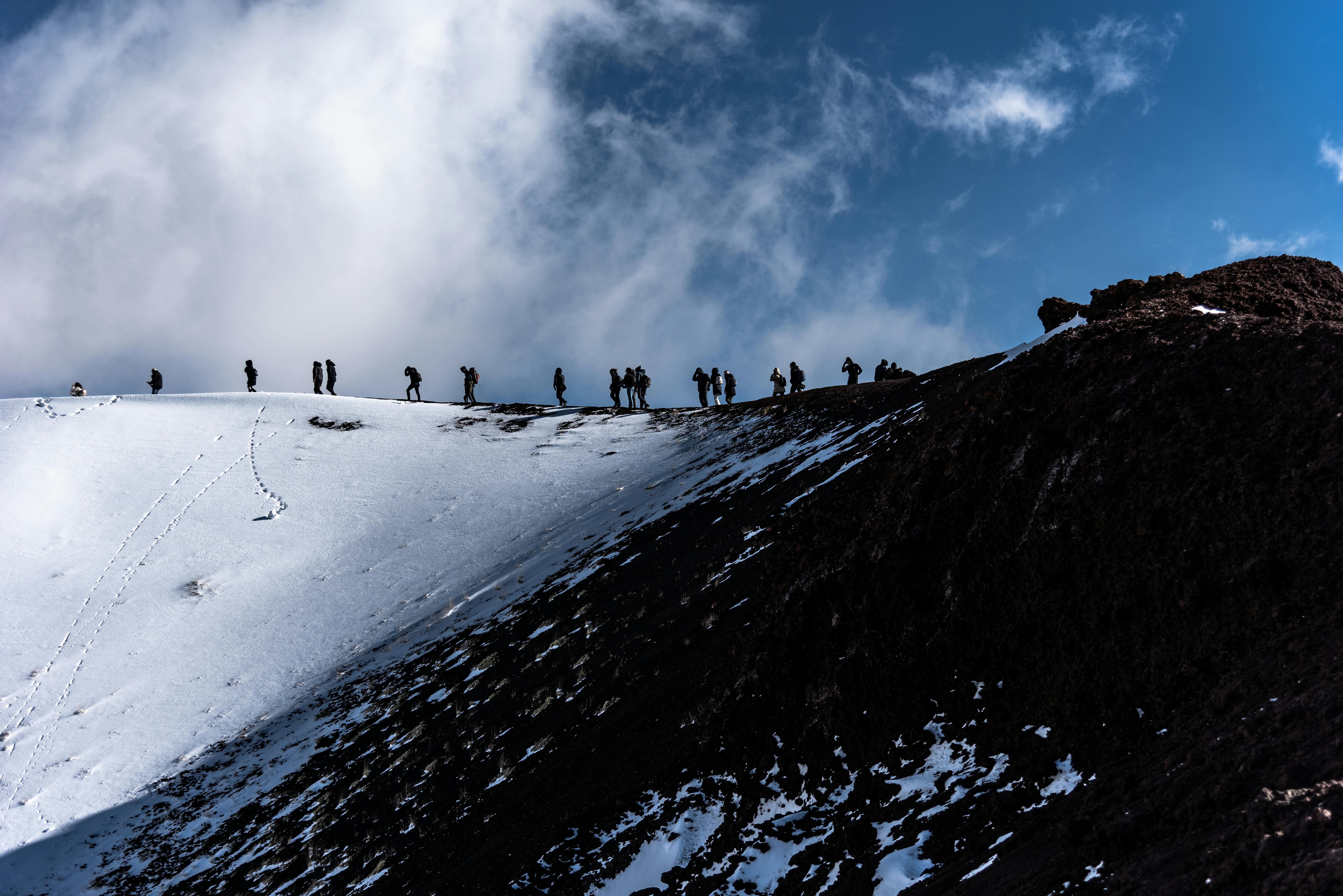
For the Wellness Seeker
If your goal is to recharge, recenter, and return home renewed, these destinations are global epicenters for solo wellness retreats and profound self-care.
Sedona, Arizona, USA: Known for its stunning red rock landscapes and palpable spiritual energy, Sedona is packed with world-class spas, yoga studios, and wellness centers perfect for a restorative solo escape from the daily grind.
Bali, Indonesia: The undisputed global capital of yoga and wellness. Whether you're in Ubud for a dedicated yoga retreat or in a coastal town for surfing and meditation, Bali is an island designed for nourishing the mind, body, and soul.
Thailand: The "Land of Smiles" combines legendary hospitality with an affordable and accessible wellness scene. From luxury spa resorts to traditional Thai massage schools, it's an ideal place to focus entirely on your own well-being.
Your Action Plan for Solo Travel's Biggest Hurdles
Mastering the practical challenges is the final step to a successful trip. By addressing the biggest pain points head-on—cost, safety, and loneliness—you can move from planning to packing with total confidence.
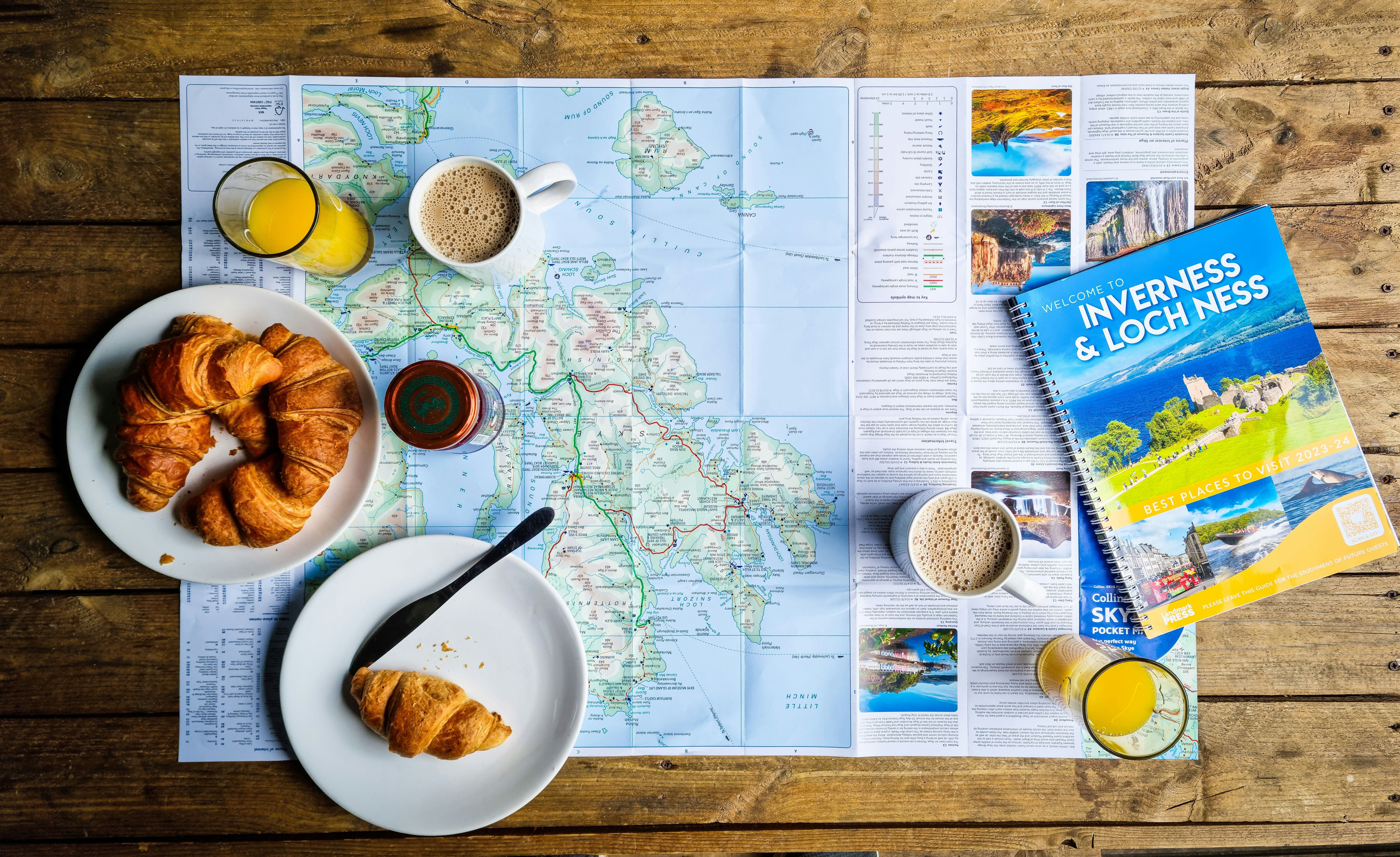
How to Find Deals and Ditch the Single Supplement
The dreaded "single supplement" can make solo travel feel unfairly expensive. But the industry is adapting, and a savvy traveler can almost always find a way around it.
Hunt for Waivers: Many small group adventure travel companies (like Intrepid Travel and G Adventures) will waive the single supplement if you're willing to share a room with another solo traveler of the same gender—potentially cutting your accommodation costs in half and providing an instant travel companion.
Travel in the Shoulder Season: Traveling just outside of the peak months (e.g., September in Europe instead of July) can lead to massive savings on flights and accommodation while still offering great weather and fewer crowds.
Search Specifically: Use search terms like "no single supplement holidays" or "solo travel deals" to find companies and travel agents who specialize in this market.
Pro-Tip: Sign up for the email newsletters of solo-friendly tour companies. They often announce flash sales and last-minute deals on trips where they need to fill a final spot, offering incredible value for the flexible traveler.
Smart Strategies for Confident Exploration
Your personal safety matters most, and a few smart, proactive strategies can make all the difference, especially when determining the safest place for a woman to travel alone.
Share Your Itinerary: Before you leave, share a cloud document (like Google Docs) with your flight details, hotel reservations, and general itinerary with a trusted friend or family member back home. They'll appreciate the peace of mind.
Vet Your Neighborhoods: Before booking accommodation, use Google Street View to take a virtual walk around the block. Get a feel for the lighting, businesses, and overall vibe. Then, read recent reviews that specifically mention the area's safety at night.
Use Technology as a Safety Net: Apps like GeoSure provide neighborhood-level safety scores, while sharing your live location via Google Maps or WhatsApp with a contact at home provides an extra layer of security.
How to Meet People on the Road (If You Want To)
One of the great benefits of traveling alone is the freedom to be as social or as solitary as you wish. If and when you're in the mood to connect, it's easier than you think.
Join a Day Tour: A free walking tour or a local food tour is the number one hack for meeting people on your first day in a new city. It provides a natural, low-pressure group setting and an easy excuse to suggest grabbing lunch afterward.
Stay in Social Accommodations: Even if you prefer a private room, choosing a high-end hostel or a guesthouse with a welcoming common area, bar, or organized activities is a fantastic way to meet fellow travelers organically.
Leverage Pre-Trip Chats: Many tour companies now create private WhatsApp or Facebook groups for travelers before the trip begins. This allows you to "meet" your future travel companions and break the ice before you even leave home.
Pro-Tip: The easiest and most reliable conversation starter in any travel setting is simply, "Where are you from?" or "What's been your favorite thing you've seen here so far?" Every traveler loves to share their story.

Your Solo Travel Questions, Answered
Is it weird to go on holiday by yourself?
Absolutely not. It is a fulfilling, empowering, and increasingly celebrated experience that allows for total control over your trip. In today's world, choosing to travel solo is rightly seen as a sign of confidence and independence.
What is the best age for solo travel?
There is no "best age." Solo travel is embraced by all demographics, from younger generations who value experiences over possessions to a growing number of travelers on solo travel holidays for over 50s who are finally exploring their bucket-list destinations.
Are solo holidays more expensive?
They can be, but they don't have to be. While single occupancy rates can increase costs for independent travelers, the industry is rapidly adapting with more single rooms, waived supplements on tours, and deals specifically for individuals. With smart planning, solo travel is very affordable.
You now have a complete framework for making an informed and confident decision. You understand the rich spectrum of solo travel holidays, you have a tool to identify your personal travel style, and you have actionable strategies to plan a safe, affordable, and deeply rewarding adventure. The world isn't just for couples or families; it's for the curious, the brave, and the independent. It's for you.
Read the full guide: Anxious to Adventurous: The Ultimate Guide to Solo Travel Confidence
Don't Miss Out! Subscribe for Exclusive Content
SubscribeComments 0
No comments yet
Be the first to share your experience!
Dont Miss Out! Subscribe for Exclusive Content
Ultimate USA Holidays Guide: Top Picks
FTC Affiliate Disclosure Essentials: Stay Compliant as a Travel Creator
Essential Affiliate Tools: From Tracking to Full Optimization
Booking.com Affiliate Program Review: Pros, Cons, and Earnings Potential
Decoding Affiliate Commission Rates: Benchmarks for Travel Creators