
Is Solo Travel Safe? A Data-Driven Look at the Real Risks & How to Mitigate Them

TrekGuider @trekguider
You've pictured it a thousand times: a journey planned entirely for you, by you. The pure, unadulterated freedom of the open road. But then the doubt creeps in, fueled by worried questions and sensational headlines. Is it actually safe to venture out alone? That single question can be paralyzing, trapping you between a deep desire for adventure and a genuine concern for your well-being.
This constant drumbeat of fear can be deafening, causing you to second-guess your ambitions and question whether your dream of independent exploration is just a reckless fantasy.
This guide is your way through that noise. We believe that safe solo travel is not only possible but is one of the most profoundly empowering experiences a person can have. While we offer deep resources on all kinds of journeys, from group adventures detailed in our Family Travel Ideas: The 2026 Guide to Unforgettable Trips to individual quests, this article is dedicated to you, the solo explorer. It’s about replacing vague fears with a clear, data-driven assessment of the real risks and arming yourself with practical, proven strategies to manage them.

The Statistical Truth: Is Solo Travel Safe from a Data Perspective?
First, let's ground ourselves in reality, not headlines. The perception of danger, often amplified by a 24-hour news cycle, is frequently magnified far beyond the statistical truth. While any travel carries inherent risks, data shows that the world is not the uniformly dangerous place it's often made out to be.
Violent crime rates, for instance, have been on a global decline for decades. According to the United Nations Office on Drugs and Crime (UNODC), the global homicide rate has been steadily decreasing. Furthermore, areas popular with tourists are often more heavily policed and protected, simply because tourism is a vital economic engine for many countries.
The most common crimes affecting travelers are not violent assaults, but rather crimes of opportunity—preventable incidents that prey on distraction. These fall into three main categories:
Petty Theft: This is the undisputed champion of tourist troubles. It includes pickpocketing in crowded squares, snatching a phone left on a cafe table, and swiping an unattended bag. Data from cities like Barcelona and Rome consistently shows that this is, by a huge margin, the most reported crime against visitors.
Scams: From the aggressive "friendship bracelet" weavers in Paris to the notoriously creative taxi drivers in Bangkok, scams are designed to trick you out of your money through clever, non-violent deception.
Credit Card Fraud: Sophisticated skimming devices at ATMs or dishonest vendors can capture your card information, leading to fraudulent charges days or weeks later.

Understanding this allows for a critical mindset shift. The goal is not to build a fortress around yourself. It’s to develop smart, consistent habits that make you a "hard target" for these common, low-level threats. The answer to "is solo travel safe?" is overwhelmingly yes, provided you are prepared, aware, and informed.
Building Your Safety Foundation Before You Go
True travel safety isn't something you find; it's something you build. The foundation for a secure and confident solo trip is laid long before you ever start packing a bag. This pre-trip protocol is your blueprint for mitigating risk from the comfort of your own home.
1. Master Your Destination Before You Arrive

Every location has its own unique rhythm and set of unwritten rules. Conducting a deep analysis of your destination with safety as the primary lens is the first and most crucial step.
Consult Official Channels: Start with the U.S. Department of State's travel advisories. They provide detailed, country-specific information on everything from political unrest and health concerns to targeted advice for female or LGBTQ+ travelers. Pay attention to the overall country level, but also look for specific regional warnings.
Dig for Local Nuances: Go beyond official reports. Use travel blogs and forums to understand neighborhood dynamics. Instead of a generic search, use specific, targeted queries like "(City Name) solo female safety" or "scams to watch for in (Country)" on Reddit (r/solotravel) or Facebook groups. This uncovers the subtle, on-the-ground intelligence that guidebooks often miss.
Understand the Cultural Context: Research local customs, dress codes, and social norms. In some countries, what's considered a friendly gesture at home might be interpreted differently. Understanding and respecting the local culture not only enriches your experience but is also a powerful tool for blending in and avoiding unwanted attention.
2. Fortify Your Finances and Documents
The goal here is redundancy. You want to ensure that the loss of a single item—like your wallet or phone—is merely an inconvenience, not a trip-ending catastrophe.
Build a Digital Vault: Scan your passport, driver's license, visa, and the front and back of your credit cards. Save these as encrypted files in a secure cloud service (like Google Drive or Dropbox) and email a copy to yourself and a trusted contact. To ensure you don't miss any critical documents, our International Travel Checklist is an indispensable tool.
Distribute Your Itinerary: Leave a detailed copy of your itinerary—including flight numbers, accommodation names and addresses, and a general daily plan—with a family member or friend back home.
Diversify Your Money: Never depend on a single source of funds. Travel with at least two different credit cards and one debit card, and store them in separate locations. Keep one card in your wallet, one in a hidden pocket of your daypack, and perhaps a third in the safe back at your hotel.
Alert Your Banks: A simple but critical step. Inform your bank and credit card companies of your travel dates and destinations. This prevents their fraud detection systems from freezing your accounts when they see a transaction from a foreign country.
3. Travel Insurance
Think of travel insurance as your ultimate safety net. For a solo traveler, it's not a luxury; it's an absolute necessity. A comprehensive policy is your financial backstop for the unexpected. Look for coverage that includes:
Emergency medical and dental expenses
Emergency medical evacuation (this is critical and can cost tens of thousands of dollars without insurance)
Trip cancellation, delay, or interruption
Lost or stolen luggage and personal effects
A 24/7 emergency assistance hotline
Your On-the-Ground Toolkit for Staying Safe Solo
Once you arrive, your most powerful safety tool is situational awareness. This isn't about being paranoid; it's about being present, perceptive, and engaged with your surroundings.
Mastering the Art of Situational Awareness

This is the skill of observing your environment and making smart, proactive decisions based on what you see.
Walk with Purpose and Confidence: Even when you’re utterly lost, walk like you know exactly where you're going. Keep your head up, your shoulders back, and your pace steady. A confident posture is a natural deterrent.
Minimize Distractions, Maximize Perception: Avoid walking while staring down at your phone or wearing headphones in both ears. These actions scream "distracted tourist" and make you a prime target for pickpockets. Keep your phone in your pocket and one earbud out so you can hear your surroundings.
Blend In, Don't Stand Out: The goal is to look like a savvy local, not a bewildered tourist. Dress in a way that aligns with local styles—if locals don't wear shorts, maybe you shouldn't either. Avoid flashing expensive jewelry, wads of cash, or a high-end camera slung around your neck.
Trust Your Gut Instinct: Your intuition is a highly advanced, subconscious pattern-recognition machine. If a person, a dark alley, or a situation feels "off," it probably is. Don't hesitate or worry about being polite—remove yourself from the situation immediately.
Pro-Tip: Carry a "decoy" wallet. Get a cheap, old wallet and stock it with a small amount of local currency and some expired credit cards or old loyalty cards. Keep this in your pocket or an easily accessible part of your bag. In the unlikely event of a robbery, you can hand this over without losing your primary financial resources.
How to Guarantee Your Accommodation Is Safe for Solo Travel
Your hotel, hostel, or rental is your sanctuary. A few simple checks can ensure it stays that way.
Vet the Location: Before booking, use Google Street View to take a virtual walk around the block. Is it a deserted industrial area or a lively street with open cafes? Read recent reviews, specifically searching for keywords like "safe," "location," and "solo."
Secure Your Room: The moment you check in, test the locks on the door and windows. Always use the deadbolt and security chain when you're inside. For an incredibly effective and cheap extra layer of security, pack a simple rubber doorstop and wedge it under your door at night.
Use the Safe (That's What It's For): Don't leave your passport, extra cash, or spare credit cards lying around. Use the in-room safe. If you're in a hostel, choose one that offers secure individual lockers and bring your own padlock.
Digital Defense: Ensuring Your Solo Travel is Safe Online
In the 21st century, physical safety is only half the battle. Public Wi-Fi networks are notoriously insecure, making them prime hunting grounds for data thieves.
A VPN is Non-Negotiable: A Virtual Private Network (VPN) is an essential tool for any traveler. It encrypts your internet connection, creating a secure, private tunnel for your data that is unreadable to anyone snooping on the network.
Embrace Two-Factor Authentication (2FA): Activate 2FA on all your important accounts (email, banking, social media). This means that even if a thief manages to get your password, they can't access your accounts without a second, time-sensitive code sent to your device.
Be Wary of Public Computers: Avoid logging into sensitive accounts on public computers, like those in an internet cafe or hotel business center. If you absolutely must, use a private/incognito browsing window and be certain to log out of all accounts and clear the browser history before you leave.
Pro-Tip: Adapt the "Morning Photo" protocol for solo use. Each morning, send a quick photo of yourself (showing your outfit) and a brief text outlining your general plans for the day to a trusted contact back home. This creates a simple, timestamped visual record of your appearance and intended whereabouts.
A Crucial Guide for Solo Female Travelers

While the vast majority of safety advice is universal, it's a reality that women traveling alone can face a unique set of concerns and scrutiny. Adhering to the core principles of solo travel safety is therefore doubly important.
Confidence is Your Cloak: Your body language is your first line of defense. Walk tall, be assertive in your interactions, and don't be afraid to be firm or even loud if someone is making you uncomfortable. A simple, sharp "No" is a complete sentence in every language.
Be Mindful of Local Gender Dynamics: Research how men and women typically interact in your destination. In some conservative cultures, direct eye contact or an unsolicited smile from a woman can be misinterpreted as an invitation. Adapting your behavior isn't about submission; it's a sign of cultural respect and a smart safety tactic.
Strategically Handle Unwanted Attention: If you feel you are being followed or persistently harassed, walk directly into a busy shop, restaurant, or hotel lobby. Approach a staff member (especially another woman) and calmly explain the situation. A simple "that person is bothering me" is universally understood.
Use the "Ring" Trick: Many experienced solo female travelers wear a simple, plain band on their left ring finger, regardless of their actual marital status. It can be a simple, non-confrontational way to deter unwanted advances or questions about why you're alone.
Your Essential Toolkit for Confident Exploration
The advice in this section is just the beginning. For a deeper dive into female-specific safety strategies, real-world scenarios, and expert-level preparation, download our free Solo Female Travel Safety Guide. It's the definitive resource for every woman who's ready to see the world on her own terms.
Frequently Asked Questions
What is the most common crime against solo travelers?
The most common risks are crimes of opportunity, not violence. Petty theft, like pickpocketing and bag snatching in crowded tourist areas, is by far the most frequent issue. Being aware and keeping your valuables secure are your best defenses.
Is it safe for a woman to travel alone for the first time?
Absolutely. Thousands of women travel solo safely every day. The key is thorough preparation: choose a destination with a good safety record for solo women, research local customs, and follow the universal safety protocols outlined in this guide.
Should I carry my passport with me while I'm out exploring?
In most cases, it's safer to leave your passport secured in your hotel safe. Carry a photocopy or a digital image on your phone for identification purposes. Some countries legally require you to carry the original, so always verify the local law for your destination.
What is the single most important safety tip for a solo traveler?
Trust your intuition. More than any single gadget or tactic, your gut feeling is your best defense. If a situation or person feels wrong, remove yourself from it immediately without hesitation or apology.
Safety Is the Freedom to Explore
So, after all this, is solo travel safe? The answer is a resounding, confident yes. True safety on the road is not a matter of luck; it is the direct and empowering result of thoughtful preparation, heightened awareness, and a proactive mindset.

By shifting your perspective from a fear of the unknown to a healthy respect for the variables, you transform yourself from a potential target into a capable, worldly explorer. The strategies outlined here are not meant to make you fearful, but to make you free—free from the anxiety that holds you back, and free to embrace the incredible growth, perspective, and pure joy that only solo travel can provide. Armed with this knowledge and a commitment to smart travel practices, you can ensure your journey is not just memorable, but also profoundly safe.
Read the full guide: Family Travel Ideas: The 2026 Guide to Unforgettable Trips
Don't Miss Out! Subscribe for Exclusive Content
Subscribe



Comments 0
No comments yet
Be the first to share your experience!
Dont Miss Out! Subscribe for Exclusive Content

Ultimate USA Holidays Guide: Top Picks


FTC Affiliate Disclosure Essentials: Stay Compliant as a Travel Creator

Essential Affiliate Tools: From Tracking to Full Optimization

Booking.com Affiliate Program Review: Pros, Cons, and Earnings Potential

Decoding Affiliate Commission Rates: Benchmarks for Travel Creators

Amazon Associates for Travel: Strategies to Maximize Commissions
Chicago Holidays: Windy City Thrills
TrekGuider @trekguider
There are cities that celebrate holidays, and then there is Chicago—a city that seizes them, amplifying them with architectural grandeur and a palpable, Midwestern heart. Here, tradition isn’t just observed; it’s a city-wide spectacle. The calendar of holidays in Chicago is a masterclass in urban transformation, where a river can run emerald green, a downtown park can roar with the energy of a global music festival, and a simple winter market can feel like a fairytale escape to Old World Europe.
This is a city of bold gestures, where fireworks don’t just light up the sky—they explode against a world-famous skyline, reflecting in the vast, dark waters of Lake Michigan. Whether you’re planning a pilgrimage for a bucket-list event or simply want to immerse yourself in the city’s seasonal rhythm, Chicago provides a dynamic stage for celebration.

This guide is your definitive starting point. We’ll move beyond the surface-level itineraries to give you an insider’s perspective on the iconic events and cherished traditions that define the Windy City’s festive soul. Consider this your blueprint for navigating the headliners, uncovering the neighborhood gems, and planning an unforgettable trip.
For a broader look at how cities across the country celebrate, from the beaches of Miami to the streets of New York, explore our Ultimate USA Holidays Guide: Top Picks.
Navigating the Windy City: A Traveler's Toolkit
A successful trip to Chicago hinges on understanding its layout and seasons. The city is a grid, making it remarkably easy to navigate, but its weather is famously unpredictable. Mastering both is key to a seamless experience.

The Best Time to Visit
Chicago is a city of four distinct and dramatic seasons. Summer (June-August) is prime festival season, boasting warm, sunny days perfect for exploring the lakefront and sprawling parks. It's also peak tourist season, meaning higher prices and bigger crowds. Autumn (September-October) is arguably the city's most beautiful season, with crisp air, changing leaves, and a packed calendar of food and art festivals. Winter (November-March) is not for the faint of heart, but for those who brave the cold, it offers a magical landscape of snow-dusted streets, festive lights, and cozy indoor attractions. Spring (April-May) is a time of reawakening, as the city thaws and residents flock to patios and parks, though be prepared for fluctuating temperatures and rain.
Getting Around Like a Local
Forget the stress of gridlock and the nightmare of parking; the city’s elevated ‘L’ train is the circulatory system of Chicago and the savvy traveler’s key to unlocking it all. Operated by the Chicago Transit Authority (CTA), the rail system connects the downtown Loop with neighborhoods across the city and both major airports (O'Hare and Midway). Purchase a Ventra card at any station and load it with a multi-day pass for the most cost-effective way to explore. For shorter distances, the bus system is extensive, and on a beautiful day, there’s no better way to see the architecture than by walking or using the Divvy bike-share system.
To map out your movements and keep your plans organized in one place, start with our Travel Itinerary Template.
Budgeting for Your Chicago Celebration
Chicago can accommodate nearly any budget, offering everything from Michelin-starred dining to world-class free attractions. A smart budget starts with your priorities.
Budget Traveler ($75-125/day): Focus on staying in hostels or well-connected neighborhood Airbnbs. Use the CTA for all transportation. Your dining will consist of Chicago classics like deep-dish pizza, hot dogs, and incredible food from neighborhood taquerias and ethnic eateries. Take advantage of free attractions like Millennium Park, the Lincoln Park Zoo, and walking the Lakefront Trail.
Mid-Range Traveler ($200−350/day): This budget allows for a comfortable stay in a boutique hotel outside the immediate downtown core, like in Lincoln Park or Wicker Park. You can enjoy a mix of casual eats and a few sit-down dinners in the city’s renowned restaurant scene. This range also covers admission to a major museum or an architectural boat cruise.
Luxury Traveler ($500+/day): Stay at one of the iconic hotels along the Magnificent Mile or with sweeping views of the Chicago River. Indulge in tasting menus from celebrity chefs, private tours, and premium seats at a Broadway in Chicago show. Transportation will be a mix of rideshares and private cars.
No matter your budget, book flights and accommodations well in advance, especially if your trip aligns with a major festival like Lollapalooza, when prices can skyrocket.
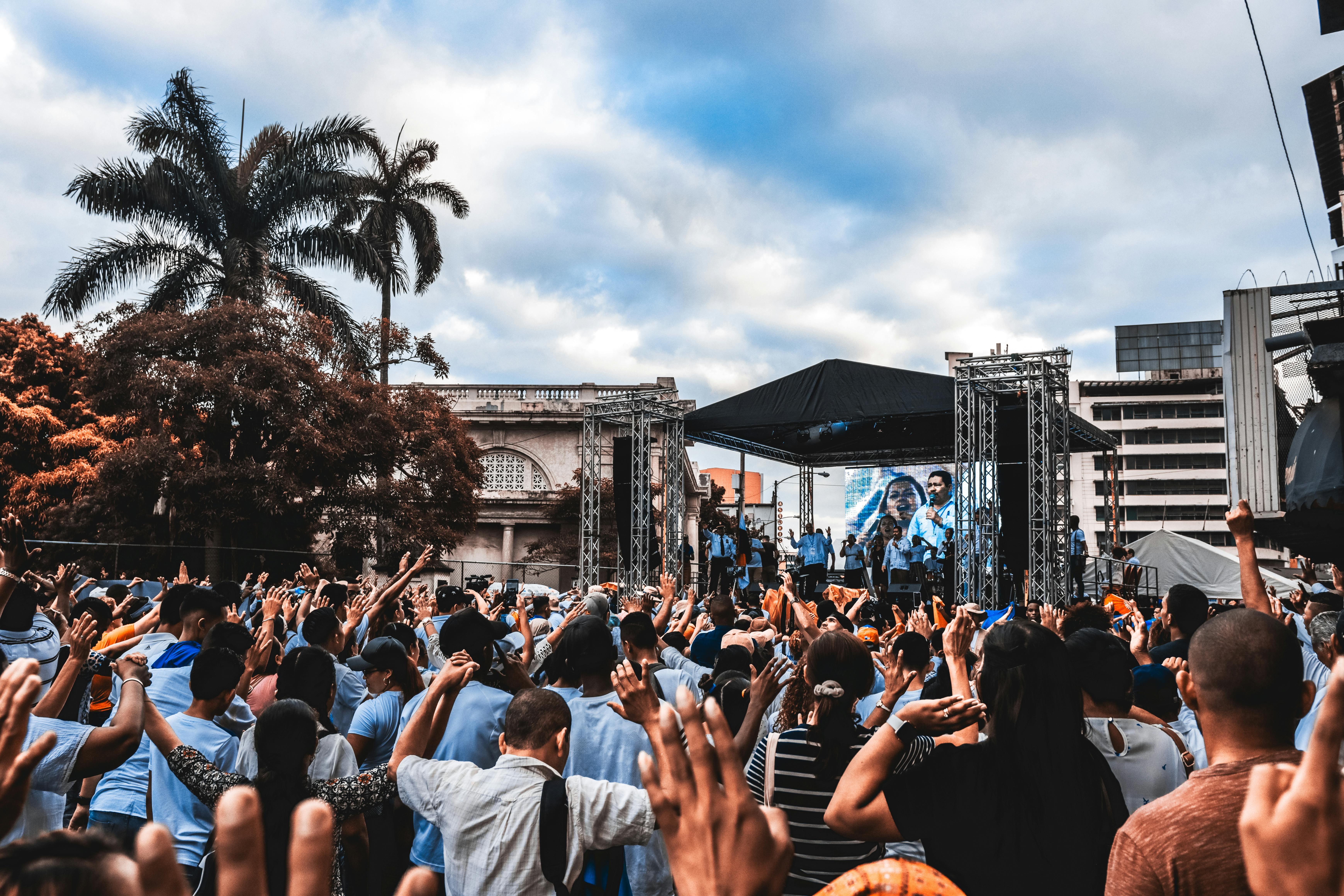
Lollapalooza: The Ultimate Summer Music Pilgrimage
For four electrifying days each summer, Chicago’s Grant Park—affectionately known as "Chicago's front yard"—becomes the undisputed center of the music universe. Lollapalooza is not just a festival; it's a cultural rite of passage that draws hundreds of thousands of fans to its eight stages, set against one of the most dramatic urban backdrops in the world. Scheduled for July 31 - the final day of the festival, the event is a masterclass in musical diversity. The 2026 lineup already promises a staggering range of talent, from global pop sensations like Olivia Rodrigo and Sabrina Carpenter to genre-defining artists like Tyler the Creator and Korn.
This festival is a massive economic force, injecting an estimated $440.9 million into the local economy. The energy is palpable, a city-wide hum of excitement that extends far beyond the park gates. Prepare for a marathon of incredible performances, sprawling crowds, and the vibrant, sun-soaked essence of a perfect Chicago summer.
To master the art of stage-hopping and learn how to survive the crowds in style, consult our complete insider’s guide: Lollapalooza: 7 Stage-Hopping Tips.

St. Patrick's Day: A River of Green and a Parade of Pride
Few cities on earth commit to St. Patrick's Day with the sheer audacity of Chicago. The annual dyeing of the Chicago River is a spectacle of civic pride and quirky tradition that has to be witnessed to be believed. The practice, which began in 1962, involves union plumbers dispersing 40-60 pounds of a secret, eco-friendly vegetable powder from their boats. The orange powder hits the water and magically transforms it into a brilliant, surreal emerald green that lasts for several hours, drawing immense crowds to the city's bridges and riverwalk.
The main event is the city’s parade, a tradition that stretches all the way back to 1843. On Saturday, the Saturday before St. Patrick's Day, the procession will step off at 12:15 PM, marching down Columbus Drive in a joyous celebration of Chicago's deep Irish roots, complete with bagpipers, dancers, and elaborate floats. It’s a day when the entire city feels united in celebration.
For the best viewing spots and insider secrets to experiencing this iconic Chicago moment, dive into our detailed guide: St. Patrick's: River Dyeing Secrets.

July 4th: A Symphony of Fireworks Over Lake Michigan
Chicago celebrates American Independence Day with a patriotic grandeur befitting its powerful skyline. The centerpiece of the celebration is the magnificent fireworks display at Navy Pier, a cherished tradition that illuminates the Lake Michigan shoreline. The pyrotechnics are expertly synchronized to a stirring soundtrack, creating a breathtaking symphony of light and sound that reflects across the water. To secure a prime viewing spot on the pier, plan to arrive by 7 PM, as the area fills quickly with spectators staking their claim with blankets and picnic baskets.
For those seeking a more elevated—and less crowded—experience, the city’s many rooftop bars in the Streeterville and River North neighborhoods offer phenomenal views. There’s nothing quite like sipping a cocktail as the fireworks erupt at eye level. Whether you’re on the ground or high above it all, this is a quintessential Chicago summer experience.
Discover the best vantage points and get our tips for a perfect patriotic evening in our dedicated guide: July 4th Chicago: Fireworks Hotspots.

Christmas in Chicago: A Classic Winter Wonderland
When winter’s chill descends, Chicago doesn’t hibernate; it transforms into a magical, snow-globe version of itself. The city wholeheartedly embraces the season with classic winter thrills that feel torn from the pages of a storybook. The trees along the Magnificent Mile are draped in over a million twinkling lights, and skaters glide across the ice rink in Millennium Park under the shadow of the iconic "Bean" sculpture. The heart of the season is the Christkindlmarket at Daley Plaza, an authentic German-style Christmas market. Here, you can meander through rows of charming wooden stalls, shopping for handcrafted gifts and warming your hands with a cup of spiced mulled wine (Glühwein) served in a collectible souvenir mug.
For another dose of festive brilliance, the Lincoln Park Zoo’s ZooLights is a must-see. Millions of lights create dazzling animal-themed displays, turning the zoo into an illuminated wonderland. For a more peaceful experience, plan your visit on a weekday to avoid the weekend crowds. The combination of festive markets, brilliant lights, and the distinct possibility of a gentle snowfall makes the holidays in Chicago an utterly enchanting affair.
To find the best festive treats and plan your visit to the city’s most magical markets, explore our complete guide: Christmas Chicago: 5 Market Musts.

Unlock Hyper-Local Expertise on TrekGuider
The best travel advice always comes from a local. While this guide gives you the big picture, the real magic of Chicago is often found in the details—the best neighborhood coffee shop near the festival, the hidden bar for a post-parade drink, or the secret to skipping the longest lines.
On the TrekGuider marketplace, you can find digital guides, maps, and itineraries created by Chicago-based experts who live and breathe this city. These creators have poured their on-the-ground knowledge into resources you can download instantly. Looking for a guide to the city's best deep-dish pizza or a walking tour of its most famous architectural landmarks? You'll find it crafted by a creator who knows the city inside and out.
Beyond the Marquee: Exploring Chicago's Diverse Festival Scene
While the major events command the spotlight, Chicago's festive spirit is a year-round affair, thriving in its vibrant neighborhoods and passionate communities.
A Celebration of Craft: Chicago's Beer Festivals
The craft beer scene in Chicago is a force of nature, and the city’s calendar is packed with festivals celebrating it. From massive tasting events at Navy Pier featuring hundreds of breweries to intimate, neighborhood-focused gatherings, there is always an opportunity to sample the latest innovative IPAs, rich barrel-aged stouts, and crisp, refreshing lagers. These festivals are the perfect way to taste the creativity of the region's best brewers, often paired with fantastic food truck fare and live local music. They offer a more relaxed, authentic taste of Chicago’s culture.
For a curated list of the best sudsy celebrations happening throughout the year, check out our guide: Chicago Beer Fests: Top 6 Tastings.
The Heartbeat of the City: Neighborhood Street Fests
To truly understand Chicago, you must venture beyond the Loop. The city is a mosaic of 77 distinct neighborhoods, and there’s no better way to experience their unique character than at a local street festival. All summer long, communities from the Mexican-American enclave of Pilsen to the historic Swedish neighborhood of Andersonville host vibrant events celebrating their heritage. You’ll find everything from sprawling art fairs and food festivals to block parties with local bands. These events are where real Chicagoans come together, offering an authentic slice of city life far from the tourist crowds.
To get off the beaten path and discover the events that make the city tick, explore our roundup of can't-miss local gems: Chicago Festivals: 8 Hidden Gems.

Your Chicago Story Awaits
From the first green shock of the Chicago River on St. Patrick's Day to the final, fragrant sip of mulled wine at the Christkindlmarket, this city offers a year-round invitation to celebrate. Each season unfolds with a new reason to visit, a new spectacle to witness, and a new memory to forge. The dynamic, powerful energy of the holidays in Chicago is something that must be felt to be understood.
So choose your season, plan your adventure, and come ready to be captivated by a city that doesn’t just host events—it becomes the event itself. And for the most comprehensive resource to plan every aspect of your journey, from budgeting to booking, our all-in-one Travel Guide is the ultimate companion.
And if you’re a Chicago expert with your own stories to tell, TrekGuider provides the platform to share your knowledge and build a business around your passion.
Don't Miss Out! Subscribe for Exclusive Content
SubscribeComments 0
No comments yet
Be the first to share your experience!
Dont Miss Out! Subscribe for Exclusive Content

San Francisco Cherry Blossoms: A Local's Guide to the Blooms

Halloween SF: Haunts Without Horrors

SF Festivals: 7 Must-See Lineups

Christmas SF: Lights & Wharf Wonders

SF Pride: 6 Route & Party Hacks

Chinese New Year SF: Parade Essentials
Avoid These 5 Affiliate Landing Page Mistakes for Better Conversions
TrekGuider @trekguider
You’ve done the work. You’ve mastered the keyword research, built the perfect post, and watched the traffic roll in. But the commissions aren’t following. It’s the sound of silence that every creator dreads—the digital equivalent of pouring water into a leaky bucket.
This is the silent killer of affiliate income. You see the industry reports—like the one stating the average monthly income for travel affiliates is a staggering $13,847—and it feels like a world away. The problem isn't your content or your traffic; it's the subtle, conversion-killing mistakes baked into your affiliate landing pages. These pages are the most critical link in your monetization chain, where even the smallest leaks can lead to a massive loss in revenue over time.

The good news is that these leaks are entirely fixable. This guide is your diagnostic toolkit. We will dissect the five most common and costly mistakes that plague travel creator landing pages and provide you with the exact, actionable fixes to plug the leaks, optimize your user’s journey, and dramatically increase your conversion rates. This is how you turn traffic into income. For a complete command of the entire affiliate ecosystem, from program selection to advanced strategy, our definitive pillar page, Travel Affiliate Programs: The 2026 Ultimate Guide, is your essential command center.
Mistake #1: Inducing “Analysis Paralysis” with Too Many Choices
You want to be helpful, so you provide your audience with every possible option. Your guide to the "Best Hotels in Paris" lists 25 different properties, each with a detailed description.
Your intentions are noble, but the psychological effect is catastrophic. You’ve just triggered "analysis paralysis." Faced with a wall of options, the human brain defaults to the easiest choice: none at all. The reader feels overwhelmed, their decision-making stalls, and they click the "back" button—taking their wallet with them.
The Fix: Become a Ruthless Curator and Guide
Your audience doesn't want a directory; they want your expert opinion. Your job is to eliminate the noise and guide them to the best decision for them.
The Rule of Three (or Five): Drastically cut down your recommendations. Instead of 25 options, present a highly curated list of the top 3-5. This immediately makes the choice feel manageable and authoritative.
Declare a "Top Pick": Go a step further and anoint a clear winner. Use visually distinct callout boxes to segment your top pick for different types of travelers. For example:
Top Pick for Luxury: The Ritz Paris
Top Pick for Families: Le Bristol Paris
Top Pick for Budget Travelers: Generator Paris
Use Comparison Tables: For head-to-head reviews, a well-structured comparison table is your most powerful tool. It allows users to scan key features, pros, and cons at a glance, making their decision process simple and logical. This visual clarity is highly effective at driving clicks to your preferred options.

By curating your recommendations, you shift from being a simple list-maker to a trusted advisor, a role that is infinitely more valuable and profitable.
Mistake #2: Using Weak, Generic Calls-to-Action (CTAs)
Your Call-to-Action is the single most important element for turning a reader into a buyer. It's the final instruction you give them. Yet, countless affiliate landing pages are littered with the weakest CTAs imaginable: a simple, uninspiring "Click Here" or a generic "Buy Now" button lost in a sea of text. These CTAs are passionless, vague, and fail to communicate any value. They don't motivate, they don't direct, and they certainly don't convert.
The Fix: Craft Compelling, Specific, and Visually Dominant CTAs
A high-converting CTA is a masterclass in micro-copywriting and visual psychology. It must be specific, benefit-oriented, and impossible to ignore.
Use Action-Oriented, Specific Language: Your CTA text should tell the user exactly what they will get when they click. Instead of "Click Here," use powerful, descriptive language that aligns with the user's goal.
"Check Prices & Availability on Viator"
"See the Latest Reviews on Tripadvisor"
"Get a Free Quote from SafetyWing"
Make It a Button, Not a Link: Simple text links are easy to miss. Encase your CTAs in visually distinct buttons that stand out from the rest of your content. Use a bold, contrasting color that draws the eye but still fits your brand's palette.
Create a Sense of Urgency (When Appropriate): Language that implies scarcity or timeliness can be a powerful motivator. Phrases like "Book Now Before It Sells Out" or "Check Today's Prices" can encourage immediate action, especially for time-sensitive bookings like tours and hotels.
Pro-Tip: A/B test your CTAs relentlessly. Test a red button versus a green one. Test "Check Prices" versus "Check Availability." Small changes in language and color can lead to surprisingly large lifts in conversion rates. Use data, not guesswork, to find your winning combination.

Mistake #3: A Critical Lack of Trust Signals
In the digital world, a click on an affiliate link is an act of trust. The user is trusting that your recommendation is genuine, that the link is safe, and that the product or service on the other side is legitimate. If your page is missing the key signals that build this trust, a skeptical user will never make that leap. They will assume you're just trying to make a quick buck, and their browser tab will close before you can say "commission."
The Fix: Engineer Your Page to Radiate Credibility
Trust isn't a given; it must be earned. Weave these essential trust signals into the very fabric of your affiliate landing pages.
Radical Transparency: Your FTC disclosure is non-negotiable. Place a clear, easy-to-read disclosure at the very top of your post, before any affiliate links appear. This isn't just a legal requirement; it's a sign of honesty that savvy readers actively look for.
Show, Don't Just Tell: Share your genuine, personal experience. Instead of just listing a product's features, tell the story of how you used it. Include your own photos and videos of the product in action. This authentic proof is a thousand times more powerful than a stock photo.
Leverage Social Proof: Humans are social creatures. We look to others to validate our decisions. Incorporate social proof directly into your content by including screenshots of positive reviews, user ratings, or testimonials.
Acknowledge the Flaws: No product is perfect. Mentioning a minor drawback or clarifying who a product is not for makes your review exponentially more believable. This balanced perspective proves you are an honest broker, not a blind salesperson.
Pro-Tip: Don't underestimate the power of video. With industry projections showing that video will account for 55% of all affiliate traffic by 2026, embedding a short, authentic video review of a product can be the most powerful trust signal in your arsenal.
Ready to Build Your Own High-Trust Product?
The most successful creators know that affiliate income is just one piece of the puzzle. The ultimate trust signal is having the expertise to create and sell your own digital products. This offers unparalleled profit margins and authority. But where do you start?
Our free Digital Product Ideas Guide is packed with dozens of proven, profitable ideas specifically for travel creators. Download it today for the blueprint to building your own content empire.
Mistake #4: Ignoring the Conversion-Killing Impact of Page Load Speed
This is the invisible mistake that can sabotage even the most perfectly designed page. In a world of fleeting attention spans, speed is everything. If your page takes more than a few seconds to load, your visitor is gone—often before your headline even appears. They will simply not wait. All the work you put into your content, CTAs, and trust signals becomes irrelevant if the page itself fails the first and most important test.
The Fix: Obsess Over Milliseconds
Optimizing your page speed is one of the highest-leverage activities you can undertake. According to industry data, a mere 1-second delay in page load can reduce conversions by a staggering 7%.
Compress Every Image: Large, unoptimized image files are the number one cause of slow pages. Use a free tool like TinyPNG to compress every single image before you upload it to your site.
Choose a Lightweight Theme: Not all website themes are created equal. Avoid bloated, feature-heavy themes that are loaded with unnecessary code. Opt for a clean, lightweight, and well-coded theme that is built for speed.
Leverage a Content Delivery Network (CDN): A CDN stores copies of your site on servers around the world. When a user visits your page, the content is delivered from the server closest to them, dramatically reducing load times.

Mistake #5: Adopting a "Set It and Forget It" Mindset
You’ve published your perfectly optimized affiliate landing page. The job is done, right? Wrong. This is one of the most pervasive and costly mistakes creators make. An affiliate landing page is not a static museum piece; it is a dynamic business asset that requires ongoing monitoring and optimization. The digital landscape changes, offers expire, and user behavior evolves. A page that is left untouched for a year is a page that is leaking money.
The Fix: Become a Data-Driven Optimizer
The highest-earning affiliates are relentless testers. They treat their affiliate landing pages like a science experiment, constantly forming hypotheses and using data to find out what works best.
Track Everything: Use Google Analytics to understand user behavior. Where are they coming from? How long are they staying? At what point are they dropping off? Use your affiliate network's dashboard to see which links are getting the most clicks and generating the most revenue.
A/B Test Your Key Elements: Systematically test variations of your most important page elements. Create two versions of your page with one single difference—a new headline, a different main image, a relocated CTA button—and use software to show each version to 50% of your traffic. The data will give you a clear winner.
Take Full Control: The ultimate act of optimization is to create an asset where you control every variable—the product, the price and the page. By selling your own digital products on a platform like the TrekGuider Seller Platform, you move beyond optimizing for a 5% commission and start optimizing for 100% of the revenue. It's the final step from affiliate to entrepreneur.
Pro-Tip: Use a link management plugin like ThirstyAffiliates or Pretty Links. These tools not only create shorter, cleaner URLs but also provide detailed click-tracking analytics. This allows you to see exactly which links within a single post are performing best, giving you invaluable data for your optimization efforts.

Frequently Asked Questions (FAQ)
1. How many CTAs should I have on one landing page? There's no magic number, but the key is relevance and clarity. Have one primary, visually dominant CTA for your main recommendation. You can then have secondary, contextual text-link CTAs where appropriate. The goal is to guide, not overwhelm.
2. Can a "busy" design with lots of colors and fonts hurt conversions? Absolutely. A cluttered design creates cognitive friction, making it hard for a user to find the information they need and identify the action you want them to take. A clean, simple design with plenty of white space and a clear visual hierarchy will almost always convert better.
3. How do I know if my page is fast enough? Use Google's free PageSpeed Insights tool. Just enter your URL, and it will give you a detailed report on your page's performance for both mobile and desktop, along with specific recommendations for improvement. Aim for a "Good" score in the green.
Your Blueprint for High-Converting Pages
You now have a professional-grade audit for your most valuable content. By systematically finding and fixing these five common mistakes, you can transform your underperforming affiliate landing pages from leaky buckets into high-efficiency conversion machines. The difference between a page that earns $50 a month and one that earns $5,000 is often just a handful of strategic optimizations.
Don't let these simple errors continue to cost you money. Pick one of your highest-traffic posts, run it through this checklist, and implement the fixes. By moving from a "set it and forget it" mindset to one of a data-driven optimizer, you take back control of your income and build a more profitable, resilient, and successful travel content business.
Read the full guide: The Travel Blogger's Playbook to Affiliate Marketing Mastery
Don't Miss Out! Subscribe for Exclusive Content
SubscribeComments 0
No comments yet
Be the first to share your experience!
Dont Miss Out! Subscribe for Exclusive Content
FTC Affiliate Disclosure Essentials: Stay Compliant as a Travel Creator
Essential Affiliate Tools: From Tracking to Full Optimization

Affiliate Keyword Research Mastery for Travel Blogs
Booking.com Affiliate Program Review: Pros, Cons, and Earnings Potential
Decoding Affiliate Commission Rates: Benchmarks for Travel Creators
