

TrekGuider @trekguider
Halloween SF: Haunts Without Horrors

Let’s be honest: the hunt for the perfect Halloween vibe is a nightmare of its own. You’re craving that electric, creative buzz, but your search is clogged with two extremes: haunted houses that promise sleepless nights or tame pumpkin patches that feel like a grade-school field trip. You want the magic, not the mundane or the macabre. The search for memorable Halloween activities often leads to a dead end of generic parties and overcrowded attractions that prioritize jump scares over genuine atmosphere.
You dream of diving into the spirit of a San Francisco Halloween, a city legendary for its theatrical flair and vibrant culture. Yet, you worry you’ll miss the truly unique experiences—the ones that capture the city’s soul. When you search for the best Halloween events USA has to offer, the results are often dominated by theme park horror nights, leaving you wondering where the quirky, enchanting, and spirited celebrations are hiding. You deserve a Halloween that’s more about spectacle and spirit than stress and scares.
This guide is your key to unlocking that spectacle. We’re pulling back the velvet curtain on the city’s most captivating celebrations, where creativity is king and the atmosphere is pure magic. From the dazzling, unofficial street festivities in the world-famous Castro District to the architectural mysteries of a legendary mansion, you’ll discover how to experience all the haunts without the horrors. It’s a key part of the city's vibrant seasonal calendar, which we explore in full in our comprehensive guide to San Francisco Holidays: Bay Area Buzz. Get ready to craft a Halloween adventure that is uniquely, unforgettably San Francisco.
Why San Francisco Is a Top Destination for Unique Halloween Events USA-Wide
San Francisco doesn't just celebrate Halloween; it performs it. In a city defined by its pioneering spirit and artistic soul, the holiday transforms into a city-wide stage for radical self-expression. Unlike destinations that lean heavily on fear, SF’s Halloween is built on a foundation of community, spectacle, and participation. The city’s iconic Victorian architecture, often shrouded in the cool bay mist, provides a naturally dramatic backdrop for festivities that feel both historic and thrillingly modern.
Here, the holiday is less about manufactured scares and more about organic, grassroots celebrations that reflect the distinct personality of its neighborhoods. It’s a place where tech-infused artistry meets old-world charm, creating a Halloween experience that stands apart. It’s about being part of the show, not just watching it from the sidelines. With Halloween falling on a Friday in 2026 and a Saturday in 2026, San Francisco is primed for full-weekend celebrations, making it the perfect destination for a multi-day festive getaway.
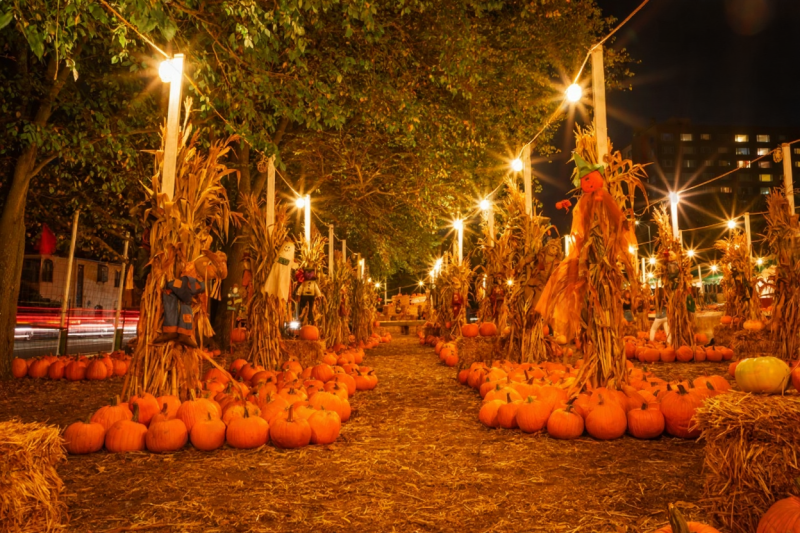
The Castro: Ground Zero for Creative Spectacle
When the sun sets on October 31st, the heart of San Francisco's Halloween celebration beats strongest in the Castro District. For decades, this historic neighborhood has been the unofficial epicenter of a massive, informal street party. While the official, city-sanctioned event has been discontinued, the spirit of flamboyant celebration is inextinguishable, making it a must-see spectacle for those seeking atmosphere over anxiety.
A Legacy of Theatrical Celebration
The Castro's reputation as a hub for celebration is deeply woven into its identity as a global icon for the LGBTQ+ community. This legacy of pride, resilience, and theatricality naturally extends to Halloween, which has long been an occasion for lavish costumes and uninhibited self-expression. The neighborhood’s streets transform into a runway of pure imagination, where locals and visitors alike come together to see and be seen. It’s this powerful sense of community and freedom that makes Halloween in the Castro an experience rooted in joy and connection.
What to Expect: A Masterclass in Costume Art
A night in the Castro on Halloween is a feast for the senses. The focus here is squarely on the costumes—and they are legendary. Expect to see everything from breathtakingly elaborate, hand-crafted creations that look like they belong on a movie set to hilarious, pop-culture-inspired group ensembles.
Unrivaled People-Watching: Find a spot along Castro Street and simply take in the parade of creativity. The energy is infectious, fueled by music, laughter, and the collective awe of the incredible artistry on display.
A Festive, Open-Air Vibe: While the area gets crowded, the atmosphere is generally light and celebratory. It’s less of a chaotic party and more of a vibrant, open-air gallery of costume art.
Focus on Fun, Not Fear: This is the essence of "Haunts Without Horrors." The thrill comes from the dazzling creativity and the electric atmosphere, not from things that jump out of the dark.
How to Navigate the Castro Pub Crawls Like a Pro
The neighborhood's many bars and pubs are a central part of the evening, with many participating in informal pub crawls. If you choose to partake, a little planning goes a long way in ensuring a smooth and safe night.
Assemble Your Krewe: The buddy system is non-negotiable. Stick with your friends, establish a clear meeting point (like a specific intersection or storefront) in case you get separated, and use a location-sharing app on your phones.
Strategize Your Stops: Have a few destinations in mind rather than wandering aimlessly. Check social media in the days leading up to see if any bars are advertising special events, themes, or cover charges.
Pace for the Long Haul: The night is a marathon, not a sprint. Stay hydrated with water between drinks and know your limits. The goal is to remember the amazing costumes, not to forget the entire night.
Master Your Exit Plan: As the Master Brief confirms, using rideshares is the smartest and safest way to get home. Book your ride a few blocks away from the most congested intersections on Castro or Market Street to make pickup faster and easier for your driver.
Pro-Tip: To experience the best of the Castro's atmosphere without the most intense crowds, aim to arrive in the early evening (around 7-8 PM). You'll get to see the incredible costumes and soak in the festive energy before the streets reach their peak capacity later in the night.
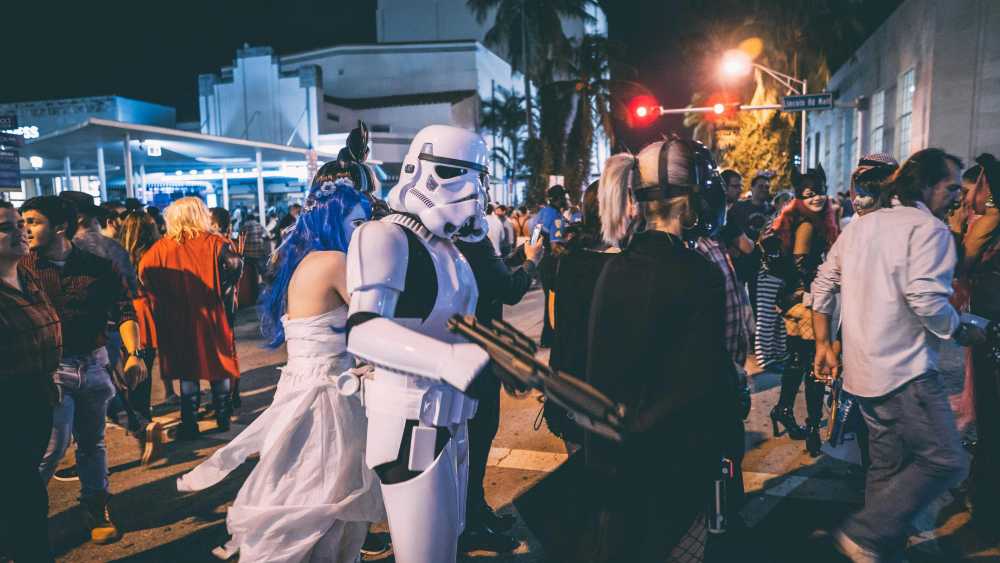
The Winchester Mystery House: A Haunt of a Different Kind
For a different kind of chill—one steeped in history, mystery, and architectural absurdity—a trip to the Winchester Mystery House is an essential part of the Bay Area Halloween experience. Located a short drive from San Francisco, this sprawling mansion is famous not for ghosts, but for its baffling and bizarre construction. It’s the perfect "haunt without horror" because the unease comes from its unsettling, real-life story, not from manufactured scares.
More Architectural Anomaly Than Haunted House
The legend of the Winchester Mystery House is as captivating as its design. It is said that Sarah Winchester, heiress to the Winchester rifle fortune, was instructed by a medium to continuously build onto her home 24/7 for 38 years to appease the spirits of those killed by her family's famous rifles. The result is a sprawling 160-room mansion filled with architectural oddities designed to confuse any spirits that might be lurking.
Staircases to Nowhere: Discover stairways that ascend directly into the ceiling.
Doors Opening to Nothing: Find doors that serve no purpose, opening onto solid walls or, more alarmingly, two-story drops.
A Labyrinthine Layout: The house was intentionally designed to be a maze, with winding hallways, secret passages, and a dizzying number of rooms.
Exploring the mansion is an exercise in psychological curiosity. The unsettling feeling comes from trying to comprehend the obsessive, labyrinthine logic behind its construction. It’s a historical puzzle box that you can walk through, making it a fascinating and slightly spooky destination that engages the mind rather than just the adrenaline glands.
Planning Your Visit: An Insider's Itinerary
A visit to the Winchester Mystery House requires a bit of planning to make the most of the experience, especially during the popular Halloween season.
Book Tickets in Advance: This is non-negotiable. Halloween season is peak time. Secure your tour tickets online well in advance to avoid a sold-out disappointment.
Choose Your Tour Wisely: The mansion typically offers several types of tours, from a general estate tour to more specialized, seasonally themed explorations. Review the options to find the one that best fits your interest in history, architecture, or paranormal lore.
Give Yourself Time: Don't rush it. Besides the house tour itself, the estate has beautiful gardens and historical exhibits to explore. Plan for at least half a day for the entire experience, including travel time from San Francisco.
Packing for a day trip that combines city exploration with a visit to a historic estate can be a challenge. You need to be prepared for changing temperatures and long periods of walking. Our How to Pack Light Guide provides essential tips for creating a versatile daypack with everything you need, ensuring you stay comfortable without being weighed down.
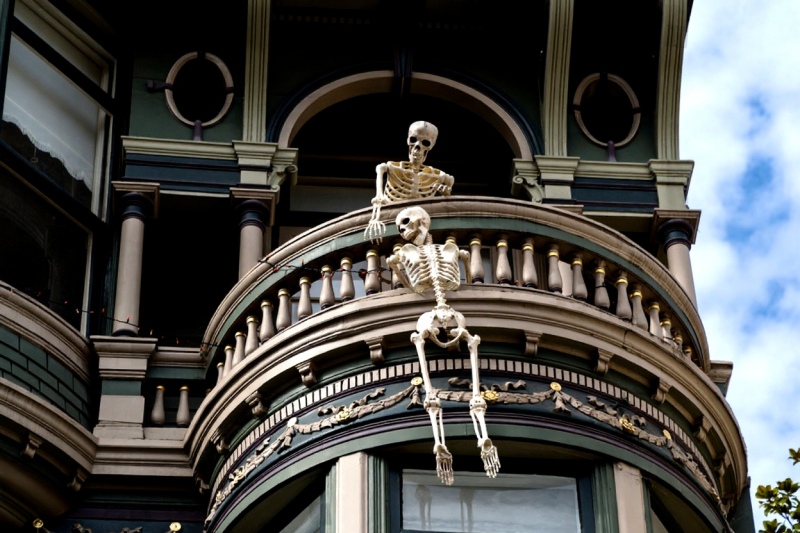
A Practical Guide to the Best Halloween Events USA Offers in SF
Mastering Halloween in San Francisco is about more than just knowing where to go; it’s about navigating the city like a local. From transportation tricks to costume considerations, these practical tips will ensure your night is all treat and no trick.
Transportation Triumphs: Getting Around the City
On Halloween night, the city's streets can be congested, especially in popular neighborhoods.
Embrace Public Transit: Muni and BART are your best friends. They are cost-effective and eliminate the stress of finding (and paying for) parking. Plan your route ahead of time and check for any holiday schedule changes.
Rideshares Require Strategy: While convenient, surge pricing will be in effect. If you use a rideshare app, walk a few blocks away from the main crowds to a less chaotic side street. This makes your pickup location easier for your driver to find and can sometimes lower the fare.
Walk with Purpose: San Francisco is a fantastic walking city, but be prepared for its famous hills. Wear comfortable shoes, even if they clash with your costume. Your feet will thank you at 2 AM.
Costume Craft: Dressing for SF's Fickle Climate
San Francisco's weather is a character in itself. A sunny afternoon can quickly give way to a cold, foggy evening, a phenomenon locals lovingly call "Karl the Fog."
Layers Are Your Superpower: The golden rule of dressing in SF applies even on Halloween. Design your costume with layers in mind. A stylish jacket, a dramatic cape, or thermal undergarments can be a lifesaver when the temperature drops.
Comfort Is King (or Queen): You'll likely be doing a lot of walking or standing. Prioritize comfortable footwear above all else. Nothing ruins a fun night faster than painful blisters.
Pro-Tip: Weave safety directly into your costume design. Use reflective fabrics, glow-in-the-dark paint, or battery-powered LED lights. Not only will you be more visible crossing the city's busy streets, but you'll also add a cool, tech-forward element to your look that feels perfectly at home in San Francisco.
Beyond the Main Events: Finding SF's Hidden Halloween Charm
San Francisco’s Halloween magic isn’t confined to just one or two locations. The city’s innovative and nature-loving spirit means you can find festive touches in the most unexpected places.
Atmospheric Lights in Golden Gate Park
Drawing inspiration from the city’s love of blending tech and nature, keep an eye out for special light installations or themed events in Golden Gate Park. As dusk falls, the park’s misty groves and winding paths take on a naturally spooky ambiance. It’s the perfect setting for a low-key, atmospheric evening walk before heading to more lively celebrations.
Artisan Markets with a Spooky Twist
San Francisco is home to countless local artisan markets. During October, many of these markets embrace the season, offering Halloween-themed crafts, gourmet treats, and local art. It’s a fantastic way to find a unique souvenir and experience the city’s creative community on a more intimate level, often with stunning bay views as a backdrop.
The Ultimate Resource for Your Entire Trip
A single holiday is just a snapshot of what this incredible city has to offer. To truly unlock the best of the Bay Area, from its iconic landmarks to its hidden neighborhood gems, a comprehensive resource is essential. To discover even more seasonal secrets and plan the perfect trip any time of year, our comprehensive Travel Guide is the ultimate resource for exploring San Francisco and beyond.
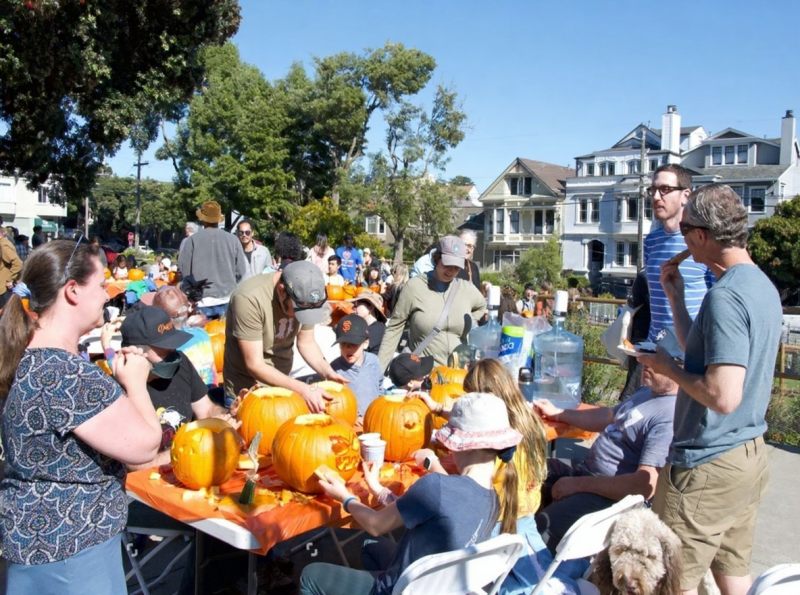
Conclusion: Embrace the Unforgettable Spirit of a San Francisco Halloween
San Francisco offers a Halloween experience that is as unique as the city itself—one that champions creativity, community, and atmosphere over cheap thrills and jump scares. It’s a place where you can marvel at the incredible costume artistry in the Castro, ponder the architectural riddles of a mysterious mansion, and soak in the festive energy of a city that truly knows how to celebrate. From the Castro's vibrant streets to mysterious mansions, the city provides some of the most memorable Halloween events USA has to offer by focusing on what truly matters: community, creativity, and unforgettable fun.
You now have the insider knowledge to craft a Halloween adventure that's perfectly spirited and uniquely San Francisco. You can confidently navigate the city's biggest celebrations and discover its hidden charms, creating memories that will last a lifetime.
What are you most excited to experience? Share your San Francisco Halloween plans in the comments below
Travel News


Comments 0
No comments yet
Be the first to share your experience!
You May Also Like

SF Festivals: 7 Must-See Lineups


Christmas SF: Lights & Wharf Wonders

SF Pride: 6 Route & Party Hacks

Chinese New Year SF: Parade Essentials

San Francisco Holidays: Bay Area Buzz
Chicago Festivals: 8 Hidden Gems
TrekGuider @trekguider
Top 7 Family Vacation Destinations in Europe (For All Ages)

Feeling like your dream European family vacation is getting lost in a logistical nightmare? You're juggling a tight budget, the conflicting desires of a history-averse kid and a "too-cool" teen, and a map of endless, overwhelming options. The fear of investing thousands into a trip that ends in stress instead of lifelong memories is real. This guide is your solution.
We’re here to swap that overwhelming feeling for a clear, stress-free roadmap. Finding the right destination is about more than just listing famous landmarks; it’s about matching a city's rhythm to your family's unique energy. Drawing from our comprehensive guide to Family Travel Ideas: The 2026 Guide to Unforgettable Trips, this deep dive provides a practical plan to help you choose the perfect European spot with confidence.
Forget generic lists. Here, you’ll find a clear path to planning a trip that creates joy, not just another set of logistical headaches.
Your Pre-Flight Checklist: Planning a Flawless European Family Trip
Before you book a single flight, laying a solid foundation is the key to a successful trip. Rushing this stage is the number one mistake families make. A little strategic foresight will save you countless headaches and dollars down the road. For an even deeper dive, see our guide on How to Make Family Travel Planning Actually Easy.

1. Define Your Family's Travel Persona
Are you Cultural Explorers who thrive in museums and historical sites? Outdoor Adventurers who need mountains and green space? Or Relaxation Seekers who just want sun, good food, and minimal stress? Be honest about your family’s collective style. Trying to force an action-packed city tour on a family that prefers a slow-paced beach vacation is a recipe for disaster.
2. Set a Realistic European Family Budget
Europe can be surprisingly affordable or astronomically expensive. Your budget is the single biggest factor in determining your destination and trip length.
High-Cost: Countries like Switzerland, Iceland, and the Scandinavian nations will stretch your budget the furthest. Expect to pay a premium for everything from lodging to a simple lunch.
Mid-Range: France, Germany, the UK, Italy, and Austria offer a moderate price point. Here, you'll find a wide range of accommodation and dining options to fit most budgets.
Budget-Friendly: Destinations like Portugal, Spain, and Greece offer incredible value, especially outside of the peak July-August season. Your money goes significantly further here.
3. Choose the Right Time to Go
The "when" is just as important as the "where." Summer offers the best weather but also brings the biggest crowds and highest prices. Consider the shoulder seasons (April-May and September-October) for a perfect balance of pleasant weather, fewer tourists, and lower costs.
4. Master Your Transportation Plan
Getting around is a core part of the European experience.
Trains: The European rail network is efficient, scenic, and often the best way to travel between major cities. It eliminates the stress of driving and parking. Pro-Tip: Book high-speed rail tickets 60-90 days in advance directly from national carriers (like Trenitalia in Italy or Renfe in Spain) for discounts of up to 70%.
Driving: Renting a car offers ultimate flexibility, especially for exploring rural areas. However, be prepared for narrow roads, complex parking, and high fuel costs. Most city centers are best explored on foot.
Flying: Budget airlines like Ryanair and EasyJet can be great for covering long distances, but be mindful of strict baggage allowances and secondary airport locations. A smooth flight is key, so be sure to check out our Stress-Free Flying with Kids Guide.
5. Embrace the "Less is More" Pacing Rule
This is the golden rule of European family travel. The biggest mistake is trying to cram too much in. Moving cities can easily consume an entire day. For a truly enjoyable experience, plan to spend at least three nights in each location. This allows for one full day of exploration without the stress of arrival or departure logistics.
Feeling Organized? Let's Make It Official.
Planning an international trip involves a million tiny details. Don't let anything slip through the cracks. Our International Travel Checklist is the ultimate tool for a smooth, stress-free planning process, covering everything from passports to packing.
The TrekGuider Shortlist: Europe's Most Unforgettable Family Cities
Europe is a continent of incredible diversity. To simplify your choice, we’ve broken down the top family vacation destinations in Europe by region, highlighting what makes each one special for families with kids of all ages.
Southern Europe & The Mediterranean: Sun, Culture, and Unforgettable Food
This region is a classic choice for a reason. It offers a fantastic mix of history you can touch, beautiful coastlines, and a relaxed, family-centric culture where kids are welcomed everywhere.

Italy: A Living History Book for All Ages
Forget history lessons behind museum glass; Italy is the lesson, a multi-sensory experience that captivates everyone from toddlers to teens. It's one of those rare places where ancient history feels like a giant, interactive playground.
Best For: School-aged kids and teenagers (ages 7-18).
Top City: Rome. The sheer scale of the Colosseum, the whispers of history in the Roman Forum, and the chance to make a wish at the Trevi Fountain are core memories in the making.
Kid-Friendly Activities: Gladiator School, Pizza & Gelato Making Class, renting pedal cars in Borghese Gardens, or visiting the Explora Museum.
Logistics Lowdown: Book tickets for major attractions like the Colosseum and Vatican Museums months in advance online. This allows you to bypass the notoriously long ticket queues.
Spain: The Perfect Blend of Beaches, Art, and Fun
Spain is arguably one of the most well-rounded family destinations in Europe. The culture is vibrant, the food is accessible (tapas are perfect for picky eaters), and the more relaxed daily schedule is a godsend for families.
Best For: All ages, from toddlers to teens.
Top Cities: Barcelona & Madrid. Barcelona offers the unique combination of a world-class city with excellent beaches. Madrid is wonderfully stroller-friendly with magnificent parks like El Retiro.
Kid-Friendly Activities: Tibidabo Amusement Park (Barcelona), CosmoCaixa Science Museum (Barcelona), and the Teleférico Cable Car (Madrid).
Portugal: Affordable Charm and Stunning Coastlines
Portugal often flies under the radar but is a true gem for families seeking a more laid-back and affordable European vacation. It's welcoming, beautiful, and refreshingly unpretentious.
Best For: Toddlers and young children, thanks to its compact cities and friendly atmosphere.
Top City: Lisbon. The vintage yellow Tram 28 is a ride and a sightseeing tour in one, and the city is filled with picturesque squares perfect for a pastel de nata break.
Kid-Friendly Activities: Oceanário de Lisboa (one of the world's best aquariums), exploring St. George's Castle, and taking a day trip to the fairytale palaces of Sintra.
Western & Central Europe: Iconic Cities and Alpine Wonders
This region is home to some of the world's most famous landmarks, offering a mix of urban excitement and breathtaking natural beauty.
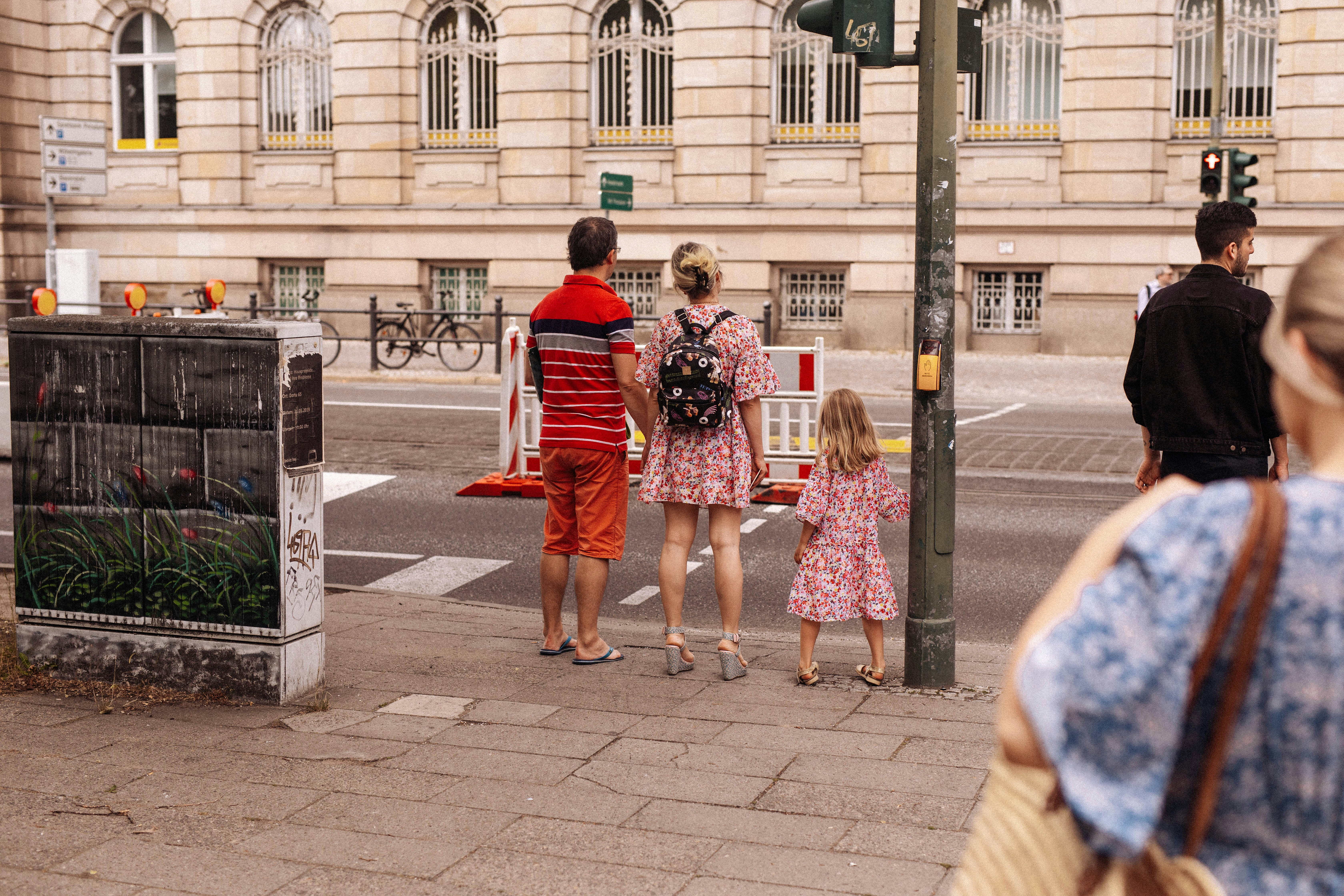
France: Beyond the Glitter of Paris
Paris will always have its magic, but the real magic for families often lies beyond the capital's glittering lights. For a less frantic but equally enchanting experience, consider other regions.
Best For: School-aged children and teens.
Top City: Paris. For older kids who can appreciate it, Paris is unforgettable. For a more relaxed pace, consider cities like Nice on the French Riviera or Lyon for its food scene.
Kid-Friendly Activities (Paris): Sailing vintage boats in Jardin du Luxembourg, visiting the Cité des Sciences, and taking a magical evening cruise on the Seine River.
Switzerland: The Ultimate Outdoor Playground
For active families who love the great outdoors, Switzerland is unparalleled. It's clean, safe, and the public transportation system is a marvel of efficiency that feels like part of the attraction.
Best For: Ages 5 and up who can handle hiking and outdoor activities.
Top Region: The Interlaken/Jungfrau Region. This area is a postcard-perfect vision of alpine meadows, snow-capped peaks, and turquoise lakes.
Kid-Friendly Activities: Taking a cogwheel train up a mountain, hiking an easy scenic trail like the one from Männlichen to Kleine Scheidegg, or riding a thrilling mountain coaster.
Pro-Tip: The Swiss Travel Pass, while expensive upfront, can be a fantastic value. Children under 16 travel free with a paying parent.
Northern Europe & The UK: History, Fairytales, and Cool Vibes
This region offers a different flavor of Europe—one defined by rich history, stunning design, and a safe, efficient, and incredibly family-forward approach to life.

United Kingdom: London's Icons and Endless Museums
London is an endlessly fascinating city that caters brilliantly to families. Many of its world-class museums are free, making it a great value proposition despite its reputation for being expensive.
Best For: All ages.
Top City: London. The city is a playground of recognizable icons, from the Tower of London to the double-decker buses.
Kid-Friendly Activities: The Natural History & Science Museums (free!), the Diana Memorial Playground, the Warner Bros. Studio Tour for Harry Potter fans, and a Thames River Cruise.
Denmark: Fairytale Charm and Effortless Cool
Copenhagen is a city that seems designed for happiness. It's compact, easily walkable (or bikeable), and has a playful spirit that makes it a dream destination for families with younger kids.
Best For: Ages 0-10.
Top City: Copenhagen. The home of Hans Christian Andersen feels like a storybook come to life.
Kid-Friendly Activities: Tivoli Gardens is a magical institution, take a classic canal tour from Nyhavn Harbor, and explore the interactive National Museum's Children's Museum.
Logistics Lowdown: Rent bikes. This is the most authentic and enjoyable way to explore, and you can get "cargo bikes" with a front bucket for the kids.
Frequently Asked Questions
What is the most budget-friendly region in Europe for a family vacation?
Southern European countries like Portugal, Spain, and Greece generally offer the best value for families. Your money for accommodation, food, and activities will go much further here, especially if you travel during the "shoulder seasons" of spring and autumn.
What is the best time of year to travel to Europe with kids?
The shoulder seasons (April-May and September-October) are often ideal for family travel in Europe. You'll enjoy pleasant weather, significantly smaller crowds at major attractions, and lower prices for flights and hotels compared to the peak summer months.
Is it better to travel by train or car with a family in Europe?
Recommended: Stress-Free Flying with Kids: Airport, TSA, and In-Flight Guide
Recommended: Travel Guide: Trip Planning, Flights, and Avoiding Tourist Traps
For travel between major cities, the train is usually the superior option. It's fast, efficient, and relaxing. Renting a car offers more flexibility for exploring rural areas and smaller towns but can be challenging in big cities due to traffic and parking.
How many days should you spend in each European city on a family trip?
The golden rule is to plan for at least three nights in each location. This pacing prevents burnout and gives you two full days to explore without feeling rushed by arrival or departure logistics, making the trip more enjoyable for everyone.
Choosing from the vast array of family vacation destinations in Europe is the first step in an incredible journey. By aligning your destination with your family's budget, style, and pace, you're not just planning a vacation; you're engineering a priceless experience. You are building a treasure chest of shared memories—the taste of a perfect gelato in Rome, the awe of seeing the Eiffel Tower sparkle, the shared laughter on a Swiss mountain trail—that will enrich your family’s story for years to come.
Read the full guide: Family Travel Ideas: The 2026 Guide to Unforgettable Trips
Travel News
Comments 0
No comments yet
Be the first to share your experience!
You May Also Like

Ultimate USA Holidays Guide: Top Picks

FTC Affiliate Disclosure: Stay Compliant as a Travel Creator

Essential Affiliate Tools: From Tracking to Full Optimization

Booking.com Affiliate Review: Pros, Cons & Earnings

Decoding Affiliate Commission Rates: Benchmarks for Travel Creators

Amazon Associates for Travel: Strategies to Maximize Commissions
TrekGuider @trekguider
San Francisco Cherry Blossoms: A Local's Guide to the Blooms

The cherry blossom experience in San Francisco is not a grand, sweeping spectacle. It’s something more intimate, more soulful. It’s about turning a corner in a vibrant, historic neighborhood and finding yourself under a delicate canopy of blossoms, the scent of ramen broth mixing with the faint fragrance of spring. It’s a celebration rooted not in diplomacy, but in the fierce resilience of a community.
This is a concentrated jewel box of culture. But that intimacy comes with its own challenges. The Northern California Cherry Blossom Festival, the largest on the West Coast, packs over 220,000 people into the tight-knit blocks of Japantown. A poorly planned visit can quickly devolve into a frustrating battle with crowds, leaving you with more stress than serenity.
This isn’t just another guide. This is your strategic playbook for experiencing San Francisco’s cherry blossoms like a local. We’ll deconstruct the bloom’s tricky timing, reveal the best viewing spots both in and out of the festival’s epicenter, and provide the transportation hacks you need to navigate the city like a pro. By the end of this, you’ll have a plan to witness one of America’s most meaningful cultural celebrations in all its glory.
A Story of Resilience: The Soul of the Festival
To truly appreciate the blossoms here, you have to understand their story. San Francisco’s are proof of a community’s will to survive. Japantown, or Nihonmachi, is one of only three remaining in the United States, a neighborhood that has weathered unimaginable challenges.
After the forced internment of Japanese Americans during WWII, the community returned to find their homes and businesses lost. In the 1960s, city redevelopment projects displaced thousands more. The Northern California Cherry Blossom Festival was born from this turmoil. First held in 1968, it was a defiant celebration of culture and a powerful statement that the community was here to stay.
So when you stand in the Peace Plaza, you’re standing on historic ground. That iconic, five-tiered structure is the Peace Pagoda, a gift from San Francisco’s sister city of Osaka, designed by the renowned Japanese architect Yoshiro Taniguchi. It’s not just a landmark; it’s the spiritual anchor of the entire festival. Every blossom that blooms here feels more meaningful because of the history it represents.
Decoding the Bloom: Festival Dates vs. Nature’s Whim
The first mistake visitors make is confusing the festival schedule with the flowers’ schedule. They are two separate things.
For your planning purposes, here are the official festival dates, which traditionally span two weekends in April:
2026 Northern California Cherry Blossom Festival: April 12-13 & April 19-20, 2026
But here’s the critical distinction every visitor must understand: the festival dates are not the bloom dates. The festival is a fixed celebration of culture, while the blossoms themselves are a fleeting, unpredictable miracle of nature. Your goal is to find the magic window where the two overlap.

The Nuance of "Peak Bloom" in the Bay Area
In San Francisco, "peak bloom" is a rolling event, not a single moment. It depends on the tree variety and the city’s famously fickle microclimates.
The First Wave (Yoshino): The delicate, pale pink Yoshino cherry trees are typically the first to bloom, usually from late March into early April. These are the classic, ethereal blossoms you see in the Japanese Tea Garden.
The Second Wave (Kwanzan): Following the Yoshino are the Kwanzan cherry trees, which produce much fuller, fluffier, and deeper pink blossoms. These are hardier and their bloom often coincides perfectly with the festival’s second weekend and the Grand Parade, making for a spectacular show in Japantown.
Predicting the bloom is an art, not a science. A warm, dry winter can sometimes delay the bloom, as the trees need a certain number of "chill hours" to properly set their buds. Your best bet is to monitor social media. The official festival website and the Instagram accounts for the Japanese Tea Garden and SF Botanical Garden are invaluable resources for real-time updates.
Your Strategic Viewing Guide
You can experience the blossoms in three distinct ways: embracing the festival’s vibrant chaos, seeking tranquil beauty in a world-class garden, or discovering a hidden gem beloved by locals.
1. The Epicenter: Japantown & The Peace Plaza
During the festival weekends, the blocks around the Peace Plaza transform into a bustling hub of Japanese culture. You’ll find everything from traditional music and martial arts demonstrations to mouth-watering street food.
In Japantown, timing isn’t just important—it’s everything. It’s the difference between a serene morning stroll among the blossoms and being swept up in a shoulder-to-shoulder river of festival-goers.
Pro-Tip for Foodies: The food booths, known as yatai, are a massive draw. Don't miss the Takoyaki (octopus balls) from Kagura or the sweet, red-bean-filled Imagawayaki. To beat the lines, arrive right at 11 AM when the festival opens and eat first. The lines can be an hour long by 1 PM.
Pro-Tip for Photographers: The best shot of the Peace Pagoda framed by blossoms is from the Webster Street Bridge overlooking the plaza. For street scenes, a weekday morning before the festival begins offers beautiful, soft light and empty streets.
Go Deeper: For those who want to go even deeper, this is the perfect opportunity to connect with a local expert. The history of Japantown is complex and deeply moving, and a guided walk can reveal stories you’d never find on your own.
2. The Oasis: Golden Gate Park
If you need a break from the festival energy, a short bus ride will take you to the serene landscapes of Golden Gate Park, home to two premier blossom-viewing locations.
The Japanese Tea Garden: This is the oldest public Japanese garden in the United States, and it is an absolute masterpiece. The cherry trees here are artfully placed around the Drum Bridge, pagodas, and koi ponds. It’s a photographer’s dream. There is an entrance fee, but it’s worth every penny. To avoid crowds, purchase your ticket online in advance and go on a weekday morning.
The San Francisco Botanical Garden: Just a short walk from the Tea Garden, the SFBG offers a more sprawling, less crowded experience. Head to the Temperate Asia collection to find their grove of cherry trees. It’s a perfect spot for a quiet picnic under the petals.
3. The Secret Spot: The Palace of Fine Arts
For a truly local experience, head to the Marina district. Tucked away behind the iconic rotunda of the Palace of Fine Arts is a small, enchanting grove of cherry trees. The blossoms here often peak a bit later, sometimes into early May. The sight of the delicate pink flowers against the Greco-Roman architecture is breathtaking and feels like a hidden secret. It’s the perfect place to escape the crowds and enjoy a quiet moment.
Logistics Masterclass: Getting Around
Rule number one: Do not drive to Japantown during the festival. You will spend your entire day circling for non-existent parking. Here’s how to do it right:
Public Transit (Muni): This is your best friend. The 38-Geary and 38R-Geary Rapid buses run constantly along a major corridor and stop one block from the festival. The 2-Clement and 22-Fillmore are also excellent options. Use a Clipper card or the MuniMobile app to make things seamless.
Parking (If You Absolutely Must): The only sane option is the Japan Center Main Garage. The entrance is on Geary Blvd. On festival weekends, you must arrive before 10 AM, or you will find it full.
Ride-Sharing: A good option, but set your drop-off and pick-up points at least three blocks away from the festival’s core (e.g., at Geary & Laguna or Post & Franklin) to avoid getting stuck in gridlock.
Don't-Miss Festival Highlights
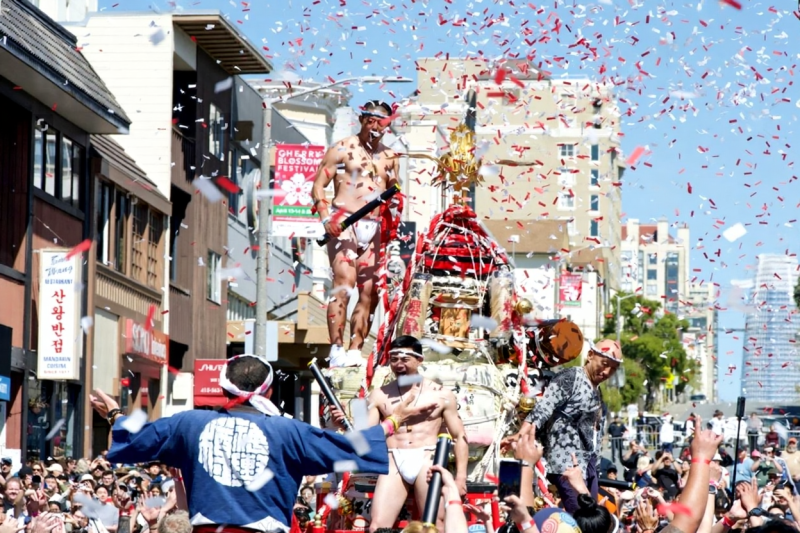
The festival’s crown jewel is the Grand Parade, which closes out the final Sunday of the event. This is a spectacular procession that starts near City Hall and travels up Post Street into the heart of Japantown. You’ll see everything from taiko drummers and dancers to the newly crowned Cherry Blossom Queen and her court—a leadership program for young Japanese American women.
The parade’s incredible finale is the TaruMikoshi. This is a massive, ornate portable shrine weighing over 1,000 pounds, carried on the shoulders of over 100 chanting participants. It’s a powerful, energetic display of community spirit and a must-see spectacle.
Your Pre-Trip Checklist
A little preparation goes a long way in San Francisco.
Dress in Layers: This is the golden rule of SF. A chilly, foggy morning can become a sunny, breezy afternoon in an instant. A fleece or mid-layer under a windbreaker is the standard local uniform for a reason.
Comfortable Shoes: You will be walking. A lot. The hills are no joke. This is not the time to break in new shoes.
Portable Power Bank: Between navigating, taking photos, and using transit apps, your phone battery won’t stand a chance. A power bank is essential.
Cash: While most vendors take cards, the lines for ATMs are long and the smaller food stalls are often cash-only.
The Cherry Blossom Festival is one of the city's signature spring events. For a complete look at what's happening year-round, our complete guide to San Francisco Holidays: Bay Area Buzz is the essential next read for planning a trip around the city's top seasonal events.
An Unforgettable Bloom
San Francisco’s cherry blossom celebration offers something truly special: a world-class cultural event with the heart of a neighborhood block party. It’s a chance to not only witness the stunning beauty of spring but to feel the powerful spirit of a community that has refused to be erased.
By timing your visit strategically, knowing where to find your own quiet corner, and embracing the city’s public transit, you can bypass the stress and create a truly unforgettable memory. You’re no longer just a tourist; you’re an insider, ready to experience this beautiful and meaningful spectacle to its fullest.
Capture the Perfect Bloom
You’re going to take hundreds of photos of the cherry blossoms—don’t let them get lost on your camera roll. Our free collection of Travel Lightroom Presets is designed to make your photos pop with just one click. Transform your shots of the delicate pink petals and vibrant festival scenes into professional-quality images you’ll be proud to share.
Frequently Asked Questions (FAQ)
When is the absolute best time to see the cherry blossoms in San Francisco? While the festival is in mid-to-late April, the "best" time depends on what you want to see. For the most ethereal, classic blossoms in a garden setting, aim for the first week of April at the Japanese Tea Garden. For the full, vibrant festival experience with the fluffy Kwanzan blossoms, the second weekend of the festival is your best bet.
Is the Northern California Cherry Blossom Festival free? Yes, attending the festival in Japantown, including all the stage performances and watching the parade, is completely free. You will need to pay for food, drinks, and any items from craft vendors. Note that visiting the Japanese Tea Garden in Golden Gate Park requires a separate admission fee.
How much time should I budget for the festival? If you plan to eat, watch a few performances, and browse the stalls, give yourself at least 3-4 hours in Japantown. If you want to see the parade, plan for that to take an additional 2 hours of your day.
Is the festival kid-friendly? Absolutely. Kids love the energy, the food, and the parade. There are also often hands-on cultural activities like origami folding. However, the crowds can be overwhelming for small children, so a weekday visit or arriving right at the opening on a weekend is recommended.
Can I see cherry blossoms in San Francisco outside of Japantown and Golden Gate Park? Yes! Besides our "secret spot" at the Palace of Fine Arts, you can often find beautiful blooming trees scattered in residential neighborhoods like the Richmond and Sunset districts. Keep your eyes peeled in late March and April—you’ll be surprised where they pop up.
Recommended: Free Travel Lightroom Presets: The TrekGuider Wanderlust Collection
Recommended: NYC Photo Map: 25 Iconic and Hidden Spots
Travel News
Comments 0
No comments yet
Be the first to share your experience!
You May Also Like
SF Festivals: 7 Must-See Lineups
Christmas SF: Lights & Wharf Wonders
SF Pride: 6 Route & Party Hacks
Chinese New Year SF: Parade Essentials
San Francisco Holidays: Bay Area Buzz
Chicago Festivals: 8 Hidden Gems
TrekGuider @trekguider
Top 11 High-Paying Affiliate Programs for Travel Bloggers

You pour your soul into creating breathtaking travel content. You’ve built an audience that trusts you, carefully crafting guides and reviews that genuinely help people. Yet, when you check your affiliate income reports, there’s a chasm between your effort and your earnings. You’re stuck promoting programs with paper-thin commissions and cookie windows so short they expire before your reader can even find their wallet.
This isn't just a frustration; it's a fundamental flaw in the business model. You see other creators funding their global adventures through their content, and you know the potential is there. After all, the affiliate marketing industry is a $93 billion juggernaut, with the travel vertical alone accounting for about 16% of all revenue. The secret isn't just getting more traffic; it's a strategic pivot—partnering with programs that value your influence and reward you accordingly.
This guide is that pivot. We’re cutting through the noise of mediocre partnerships to deliver a data-driven list of the top 11 high-paying affiliate programs for travel creators. We’re focusing on what actually moves the needle: elite commission rates, generous cookie durations, recurring revenue, and high-ticket products that generate real income from a single click. This is your playbook for a smarter, more profitable affiliate strategy. For a complete command of the entire landscape, our definitive pillar page, Travel Affiliate Programs: The 2026 Ultimate Guide, is your essential next read.
What Defines a Truly High-Paying Affiliate Program?
Let's get one thing straight: "high-paying" is about more than a big commission percentage. A truly lucrative program is a strategic asset, and it excels in one of four key areas:
High Commission Percentage: The obvious starting point. We're looking for programs offering 8%, 10%, or more on every sale.
Generous Cookie Duration: Travel is a high-consideration purchase. A 30, 60, or 90-day cookie window gives your audience time to research and book while ensuring you get paid for your influence.
High-Ticket Products: A 6% commission on a $3,000 adventure tour is $180. A 10% commission on a $50 travel gadget is $5. The math is simple.
Recurring Revenue: The holy grail. Programs that pay you every time a customer renews create a stable, compounding source of passive income.
Our list is curated to feature programs that are champions in these categories, allowing you to build a powerful portfolio of high-paying affiliate programs.

1. SafetyWing: The Recurring Revenue Powerhouse
For any creator with an audience of digital nomads, long-term travelers, or remote workers, SafetyWing is non-negotiable. It’s travel medical insurance built by nomads, for nomads, and its affiliate program is one of the most innovative and lucrative in the industry.
Commission Rate: 10% (recurring)
Cookie Duration: 364 days
Best For: Digital nomad, long-term travel, and remote work niches.
What makes SafetyWing an elite partner is its recurring commission model. You don't just get paid once; you earn 10% every month the policy is renewed, for up to a year. This transforms a single conversion into a reliable income stream that builds on itself. The 364-day cookie is simply best-in-class, ensuring you capture value from readers who take their time to decide.
2. G Adventures: High-Ticket Tours & Epic Commissions
G Adventures specializes in small-group adventure tours—a high-ticket item that translates directly into substantial commissions. Their focus on authentic, sustainable travel resonates deeply with modern audiences, making their trips an easy and ethical recommendation.
Commission Rate: 6%
Cookie Duration: 90 days
Best For: Adventure travel, solo travel, and sustainable tourism niches.
While 6% might not seem like the highest rate on this list, its power is in the average order value. These tours often cost thousands of dollars, meaning a single booking can net you a commission of $150−300 or more. The generous 90-day cookie duration is perfectly suited for this type of considered purchase, giving your audience three full months to plan, commit, and book.
3. Viator: The King of Tours and Activities
Owned by Tripadvisor, Viator is the market leader in tours, activities, and experiences, boasting over 300,000 bookable options worldwide. For creators who build detailed itineraries or "what to do" guides, Viator is an essential monetization engine.
Commission Rate: 8%
Cookie Duration: 30 days
Best For: City guides, family travel, and itinerary-focused content.
Viator's 8% commission is at the top end for the tours and activities sector. Its massive inventory means you can find a relevant, bookable experience for virtually any destination you cover. The 30-day cookie provides a solid window for conversion, and the platform's high brand trust helps turn your clicks into cash.
4. World Nomads: The Adventure Insurance Standard
World Nomads has long been a trusted name in travel insurance, especially for independent and adventure travelers. Their brand is synonymous with comprehensive coverage for the kinds of activities many other insurers won't touch.
Commission Rate: 10%
Cookie Duration: 60 days
Best For: Backpacking, adventure travel, and youth travel niches.
A flat 10% commission on a high-value product like travel insurance is a powerful earner. Combined with a 60-day cookie duration, World Nomads provides a fantastic opportunity to earn significant income while promoting a product that is a responsible and essential recommendation.
Pro-Tip: The most successful travel creators build a diversified affiliate portfolio. Don't rely on a single program. A strategic mix covering accommodations, tours, insurance, and gear creates a more resilient and stable income stream that can weather any market shift.
5. REI: The Gold Standard for Outdoor Gear
For any creator in the hiking, camping, or outdoor adventure space, REI is a premier partner. They are a trusted retailer known for high-quality gear and have an intensely loyal customer base that is primed to convert.
Commission Rate: 5-8%
Cookie Duration: 15 days
Best For: Outdoor, hiking, camping, and adventure travel niches.
While Amazon is often the default for gear, REI's higher commission rate and focus on premium products make it a more lucrative choice for specialized content. Promoting a $700 tent or a $400 backpack from REI will yield a much higher commission than the 3-4% offered by Amazon. Their loyal membership and trusted brand name lead to excellent conversion rates.
6. Expedia Group: The Strategic Choice for Accommodations
Many new creators flock to Booking.com due to brand recognition, but savvy affiliates often choose the Expedia Group program instead. It covers major brands like Hotels.com and Vrbo and offers one crucial advantage: a vastly superior cookie policy.
Commission Rate: Up to 6%
Cookie Duration: 7 days
Best For: Hotel reviews, luxury travel, and accommodation-heavy content.
Booking.com’s infamous session-based cookie means you only get paid if the user books in the same session they click—a crippling disadvantage for a product that requires days of research. Expedia’s 7-day cookie is structurally safer and far more profitable. A 6% commission on a multi-night hotel stay adds up quickly, making this a key element program.
7. Tripadvisor: Earn from Clicks, Not Just Bookings
Tripadvisor offers a unique and powerful affiliate model that sets it apart. While they offer an 8% commission on Viator tours, their primary hotel program allows you to earn money even if your reader doesn't book.
Commission Rate: Up to 50% of Tripadvisor's commission from hotel partners (per click); 8% on tours.
Cookie Duration: 14 days
Best For: High-traffic blogs, destination guides, and hotel comparison content.
Tripadvisor’s model is a form of pay-per-click. When a user clicks your affiliate link and is sent to one of Tripadvisor's hotel partners, you earn a commission—regardless of whether they book. For websites with significant traffic, this can generate a substantial income stream that isn't solely dependent on final sales.
8. Skyscanner: Monetize the Search for Flights
Monetizing flights is notoriously difficult, but Skyscanner provides one of the best solutions available. As a leading flight comparison engine, they offer customizable search widgets you can embed directly into your content.
Commission Rate: Revenue share (up to 50% of their commission)
Cookie Duration: 30 days
Best For: Budget travel, flight deal, and transport-focused content.
The revenue share model means you get a piece of the commission Skyscanner earns from the airline or travel agent when a user books. This can be highly effective when integrated into content about finding cheap flights or planning travel routes. The 30-day cookie and trusted brand make it a top choice for the flight vertical.
9. Discover Cars: Tap Into the Lucrative Rental Market
Car rentals are a frequently overlooked but highly profitable affiliate vertical. Discover Cars is a leading car rental comparison site with a strong affiliate program that can be a great complement to your other travel recommendations.
Commission Rate: Varies (revenue share model)
Cookie Duration: Varies
Best For: Road trip itineraries, family travel, and guides for destinations where a car is essential.
By embedding their search box or using contextual links, you can earn a share of the revenue from every completed booking. For content focused on road trips or exploring destinations outside of major city centers, this can become a significant and consistent source of income.
Pro-Tip: Look beyond the commission percentage and monitor your EPC (Earnings Per Click) in your affiliate dashboard. A program with a lower commission but a much higher EPC might actually be more profitable because it converts your specific audience more effectively.
10. The TrekGuider Referral Program: A Paradigm Shift
The highest-paying opportunities often come from a big change. While traditional programs pay you for selling someone else's product, a referral program pays you for building a network. The TrekGuider Seller Platform is built on this powerful model, offering a unique way to generate long-term, passive income.
Commission Rate: Ongoing revenue share (25% for 30 days, 12.5% for 11 months) from the marketplace's share of revenue from sales made by attracted sellers.
Cookie Duration: N/A (Lifetime attribution for referred sellers)
Best For: Creators ready to build a diversified, passive income stream and empower their community.
Instead of a one-time commission, you earn a percentage of TrekGuider's platform fees from every new seller you bring to the platform—for a full year. This creates a compounding, passive revenue stream. By helping your fellow creators launch their own digital products on TrekGuider, you build a business asset that pays you month after month. It's a powerful addition to your portfolio of traditional high-paying affiliate programs.
11. Amazon Associates: The High-Volume Essential
It’s the elephant in the room: a program with a 3-4% commission on a list of heavy hitters. But leaving Amazon Associates off this list would be malpractice. Its power isn’t in the commission rate; it’s in its unmatched conversion gravity and the sheer volume of commerce it commands.
Commission Rate: 3-4% for most travel categories
Cookie Duration: 24 hours
Best For: Gear reviews, packing lists, and any content recommending physical products.
The 24-hour cookie has a secret weapon: you earn a commission on everything the customer adds to their cart in that window, not just the product you linked to. A reader who clicks your link for a travel adapter might also buy a new camera and a suitcase, and you'll get a commission on it all. For this reason, Amazon remains a top earner for nearly every travel creator.
Beyond Affiliate Links: Create Your Own High-Paying Product
The world's top-earning creators understand a vital secret: the most profitable product you can ever promote is your own. Affiliate marketing is a phenomenal way to generate income, but creating and selling your own digital products—like travel guides, itineraries, or photo presets—offers unparalleled profit margins and brand authority.
You already have the expertise. Why not package that knowledge into a premium digital product? This is the ultimate strategy for diversifying your income and taking full control of your earnings.

Ready to build your own product but not sure where to start?
Download our free Digital Product Ideas Guide today! It’s packed with dozens of proven ideas specifically for travel creators, helping you identify the perfect product for your audience and start building your content empire.
Frequently Asked Questions (FAQ)
1. How many affiliate programs should I join? Start with 3-5 core programs that are a perfect fit for your niche. It's better to deeply integrate a few high-performing programs than to sprinkle links from dozens of them. As you grow, you can expand, but start with a focused, strategic selection.
2. Can I really make a full-time income from this? Absolutely. The reported average monthly income for travel affiliates is over $13,000. However, it requires treating it like a real business: creating high-value content, understanding SEO, and strategically selecting partners like the ones on this list.
3. Should I use a link management plugin? Yes. Tools like Pretty Links or ThirstyAffiliates are essential. They cloak long, ugly affiliate links into clean, branded URLs and allow you to manage all your links from a central dashboard, which is a massive time-saver.
Your Blueprint for a More Profitable Future
Choosing the right affiliate partners is one of the most critical decisions you will make as a travel creator. By moving away from low-value programs and focusing on this curated list of high-paying affiliate programs, you can dramatically increase your earnings without needing to triple your traffic.
The key is to build a diversified portfolio that aligns with your audience's needs. Combine recurring revenue from SafetyWing, high-ticket commissions from G Adventures, and high-volume sales from Amazon. This is how you build a resilient, profitable, and sustainable business that not only funds your travels but transforms your passion into your career.
Read the full guide: The Travel Blogger's Playbook to Affiliate Marketing Mastery
Travel News
Comments 0
No comments yet
Be the first to share your experience!
You May Also Like
FTC Affiliate Disclosure: Stay Compliant as a Travel Creator
Essential Affiliate Tools: From Tracking to Full Optimization

Avoid These 5 Affiliate Landing Page Mistakes for Better Conversions

Affiliate Keyword Research Mastery for Travel Blogs
Booking.com Affiliate Review: Pros, Cons & Earnings