
Halloween SF: Haunts Without Horrors

TrekGuider @trekguider
Let’s be honest: the hunt for the perfect Halloween vibe is a nightmare of its own. You’re craving that electric, creative buzz, but your search is clogged with two extremes: haunted houses that promise sleepless nights or tame pumpkin patches that feel like a grade-school field trip. You want the magic, not the mundane or the macabre. The search for memorable Halloween activities often leads to a dead end of generic parties and overcrowded attractions that prioritize jump scares over genuine atmosphere.
You dream of diving into the spirit of a San Francisco Halloween, a city legendary for its theatrical flair and vibrant culture. Yet, you worry you’ll miss the truly unique experiences—the ones that capture the city’s soul. When you search for the best Halloween events USA has to offer, the results are often dominated by theme park horror nights, leaving you wondering where the quirky, enchanting, and spirited celebrations are hiding. You deserve a Halloween that’s more about spectacle and spirit than stress and scares.
This guide is your key to unlocking that spectacle. We’re pulling back the velvet curtain on the city’s most captivating celebrations, where creativity is king and the atmosphere is pure magic. From the dazzling, unofficial street festivities in the world-famous Castro District to the architectural mysteries of a legendary mansion, you’ll discover how to experience all the haunts without the horrors. It’s a key part of the city's vibrant seasonal calendar, which we explore in full in our comprehensive guide to San Francisco Holidays: Bay Area Buzz. Get ready to craft a Halloween adventure that is uniquely, unforgettably San Francisco.

Why San Francisco Is a Top Destination for Unique Halloween Events USA-Wide
San Francisco doesn't just celebrate Halloween; it performs it. In a city defined by its pioneering spirit and artistic soul, the holiday transforms into a city-wide stage for radical self-expression. Unlike destinations that lean heavily on fear, SF’s Halloween is built on a foundation of community, spectacle, and participation. The city’s iconic Victorian architecture, often shrouded in the cool bay mist, provides a naturally dramatic backdrop for festivities that feel both historic and thrillingly modern.
Here, the holiday is less about manufactured scares and more about organic, grassroots celebrations that reflect the distinct personality of its neighborhoods. It’s a place where tech-infused artistry meets old-world charm, creating a Halloween experience that stands apart. It’s about being part of the show, not just watching it from the sidelines. With Halloween falling on a Friday in 2026 and a Saturday in 2026, San Francisco is primed for full-weekend celebrations, making it the perfect destination for a multi-day festive getaway.

The Castro: Ground Zero for Creative Spectacle
When the sun sets on October 31st, the heart of San Francisco's Halloween celebration beats strongest in the Castro District. For decades, this historic neighborhood has been the unofficial epicenter of a massive, informal street party. While the official, city-sanctioned event has been discontinued, the spirit of flamboyant celebration is inextinguishable, making it a must-see spectacle for those seeking atmosphere over anxiety.
A Legacy of Theatrical Celebration
The Castro's reputation as a hub for celebration is deeply woven into its identity as a global icon for the LGBTQ+ community. This legacy of pride, resilience, and theatricality naturally extends to Halloween, which has long been an occasion for lavish costumes and uninhibited self-expression. The neighborhood’s streets transform into a runway of pure imagination, where locals and visitors alike come together to see and be seen. It’s this powerful sense of community and freedom that makes Halloween in the Castro an experience rooted in joy and connection.
What to Expect: A Masterclass in Costume Art
A night in the Castro on Halloween is a feast for the senses. The focus here is squarely on the costumes—and they are legendary. Expect to see everything from breathtakingly elaborate, hand-crafted creations that look like they belong on a movie set to hilarious, pop-culture-inspired group ensembles.
Unrivaled People-Watching: Find a spot along Castro Street and simply take in the parade of creativity. The energy is infectious, fueled by music, laughter, and the collective awe of the incredible artistry on display.
A Festive, Open-Air Vibe: While the area gets crowded, the atmosphere is generally light and celebratory. It’s less of a chaotic party and more of a vibrant, open-air gallery of costume art.
Focus on Fun, Not Fear: This is the essence of "Haunts Without Horrors." The thrill comes from the dazzling creativity and the electric atmosphere, not from things that jump out of the dark.
How to Navigate the Castro Pub Crawls Like a Pro
The neighborhood's many bars and pubs are a central part of the evening, with many participating in informal pub crawls. If you choose to partake, a little planning goes a long way in ensuring a smooth and safe night.
Assemble Your Krewe: The buddy system is non-negotiable. Stick with your friends, establish a clear meeting point (like a specific intersection or storefront) in case you get separated, and use a location-sharing app on your phones.
Strategize Your Stops: Have a few destinations in mind rather than wandering aimlessly. Check social media in the days leading up to see if any bars are advertising special events, themes, or cover charges.
Pace for the Long Haul: The night is a marathon, not a sprint. Stay hydrated with water between drinks and know your limits. The goal is to remember the amazing costumes, not to forget the entire night.
Master Your Exit Plan: As the Master Brief confirms, using rideshares is the smartest and safest way to get home. Book your ride a few blocks away from the most congested intersections on Castro or Market Street to make pickup faster and easier for your driver.
Pro-Tip: To experience the best of the Castro's atmosphere without the most intense crowds, aim to arrive in the early evening (around 7-8 PM). You'll get to see the incredible costumes and soak in the festive energy before the streets reach their peak capacity later in the night.

The Winchester Mystery House: A Haunt of a Different Kind
For a different kind of chill—one steeped in history, mystery, and architectural absurdity—a trip to the Winchester Mystery House is an essential part of the Bay Area Halloween experience. Located a short drive from San Francisco, this sprawling mansion is famous not for ghosts, but for its baffling and bizarre construction. It’s the perfect "haunt without horror" because the unease comes from its unsettling, real-life story, not from manufactured scares.
More Architectural Anomaly Than Haunted House
The legend of the Winchester Mystery House is as captivating as its design. It is said that Sarah Winchester, heiress to the Winchester rifle fortune, was instructed by a medium to continuously build onto her home 24/7 for 38 years to appease the spirits of those killed by her family's famous rifles. The result is a sprawling 160-room mansion filled with architectural oddities designed to confuse any spirits that might be lurking.
Staircases to Nowhere: Discover stairways that ascend directly into the ceiling.
Doors Opening to Nothing: Find doors that serve no purpose, opening onto solid walls or, more alarmingly, two-story drops.
A Labyrinthine Layout: The house was intentionally designed to be a maze, with winding hallways, secret passages, and a dizzying number of rooms.
Exploring the mansion is an exercise in psychological curiosity. The unsettling feeling comes from trying to comprehend the obsessive, labyrinthine logic behind its construction. It’s a historical puzzle box that you can walk through, making it a fascinating and slightly spooky destination that engages the mind rather than just the adrenaline glands.
Planning Your Visit: An Insider's Itinerary
A visit to the Winchester Mystery House requires a bit of planning to make the most of the experience, especially during the popular Halloween season.
Book Tickets in Advance: This is non-negotiable. Halloween season is peak time. Secure your tour tickets online well in advance to avoid a sold-out disappointment.
Choose Your Tour Wisely: The mansion typically offers several types of tours, from a general estate tour to more specialized, seasonally themed explorations. Review the options to find the one that best fits your interest in history, architecture, or paranormal lore.
Give Yourself Time: Don't rush it. Besides the house tour itself, the estate has beautiful gardens and historical exhibits to explore. Plan for at least half a day for the entire experience, including travel time from San Francisco.
Packing for a day trip that combines city exploration with a visit to a historic estate can be a challenge. You need to be prepared for changing temperatures and long periods of walking. Our How to Pack Light Guide provides essential tips for creating a versatile daypack with everything you need, ensuring you stay comfortable without being weighed down.

A Practical Guide to the Best Halloween Events USA Offers in SF
Mastering Halloween in San Francisco is about more than just knowing where to go; it’s about navigating the city like a local. From transportation tricks to costume considerations, these practical tips will ensure your night is all treat and no trick.
Transportation Triumphs: Getting Around the City
On Halloween night, the city's streets can be congested, especially in popular neighborhoods.
Embrace Public Transit: Muni and BART are your best friends. They are cost-effective and eliminate the stress of finding (and paying for) parking. Plan your route ahead of time and check for any holiday schedule changes.
Rideshares Require Strategy: While convenient, surge pricing will be in effect. If you use a rideshare app, walk a few blocks away from the main crowds to a less chaotic side street. This makes your pickup location easier for your driver to find and can sometimes lower the fare.
Walk with Purpose: San Francisco is a fantastic walking city, but be prepared for its famous hills. Wear comfortable shoes, even if they clash with your costume. Your feet will thank you at 2 AM.
Costume Craft: Dressing for SF's Fickle Climate
San Francisco's weather is a character in itself. A sunny afternoon can quickly give way to a cold, foggy evening, a phenomenon locals lovingly call "Karl the Fog."
Layers Are Your Superpower: The golden rule of dressing in SF applies even on Halloween. Design your costume with layers in mind. A stylish jacket, a dramatic cape, or thermal undergarments can be a lifesaver when the temperature drops.
Comfort Is King (or Queen): You'll likely be doing a lot of walking or standing. Prioritize comfortable footwear above all else. Nothing ruins a fun night faster than painful blisters.
Pro-Tip: Weave safety directly into your costume design. Use reflective fabrics, glow-in-the-dark paint, or battery-powered LED lights. Not only will you be more visible crossing the city's busy streets, but you'll also add a cool, tech-forward element to your look that feels perfectly at home in San Francisco.
Beyond the Main Events: Finding SF's Hidden Halloween Charm
San Francisco’s Halloween magic isn’t confined to just one or two locations. The city’s innovative and nature-loving spirit means you can find festive touches in the most unexpected places.
Atmospheric Lights in Golden Gate Park
Drawing inspiration from the city’s love of blending tech and nature, keep an eye out for special light installations or themed events in Golden Gate Park. As dusk falls, the park’s misty groves and winding paths take on a naturally spooky ambiance. It’s the perfect setting for a low-key, atmospheric evening walk before heading to more lively celebrations.
Artisan Markets with a Spooky Twist
San Francisco is home to countless local artisan markets. During October, many of these markets embrace the season, offering Halloween-themed crafts, gourmet treats, and local art. It’s a fantastic way to find a unique souvenir and experience the city’s creative community on a more intimate level, often with stunning bay views as a backdrop.
The Ultimate Resource for Your Entire Trip
A single holiday is just a snapshot of what this incredible city has to offer. To truly unlock the best of the Bay Area, from its iconic landmarks to its hidden neighborhood gems, a comprehensive resource is essential. To discover even more seasonal secrets and plan the perfect trip any time of year, our comprehensive Travel Guide is the ultimate resource for exploring San Francisco and beyond.

Conclusion: Embrace the Unforgettable Spirit of a San Francisco Halloween
San Francisco offers a Halloween experience that is as unique as the city itself—one that champions creativity, community, and atmosphere over cheap thrills and jump scares. It’s a place where you can marvel at the incredible costume artistry in the Castro, ponder the architectural riddles of a mysterious mansion, and soak in the festive energy of a city that truly knows how to celebrate. From the Castro's vibrant streets to mysterious mansions, the city provides some of the most memorable Halloween events USA has to offer by focusing on what truly matters: community, creativity, and unforgettable fun.
You now have the insider knowledge to craft a Halloween adventure that's perfectly spirited and uniquely San Francisco. You can confidently navigate the city's biggest celebrations and discover its hidden charms, creating memories that will last a lifetime.
What are you most excited to experience? Share your San Francisco Halloween plans in the comments below
Don't Miss Out! Subscribe for Exclusive Content
Subscribe


Comments 0
No comments yet
Be the first to share your experience!
Dont Miss Out! Subscribe for Exclusive Content

San Francisco Cherry Blossoms: A Local's Guide to the Blooms


SF Festivals: 7 Must-See Lineups

Christmas SF: Lights & Wharf Wonders

SF Pride: 6 Route & Party Hacks

Chinese New Year SF: Parade Essentials

San Francisco Holidays: Bay Area Buzz
Best Family Vacations: 4 Ideas That Are Fun With a Toddler
TrekGuider @trekguider
Feeling the pull for a family adventure but paralyzed by the thought of traveling with a toddler? You’re not alone. Many parents find themselves caught between the deep desire for new memories and the very real fear of meltdowns, jet lag, and logistical chaos. This guide is here to solve that conflict, proving that the best family vacations aren't just possible during the toddler years—they can be truly wonderful.
The internet is filled with horror stories that can make any parent second-guess their plans. The stress is immense, from packing to navigating public spaces with a tiny human whose whims are as unpredictable as the weather. But what if the problem isn’t the toddler, but our definition of a “vacation”? What if we shifted the goal from blissful relaxation to creating a pocket of truly joyful, shared memories within a framework of manageable stress?
This is your new playbook. We’ll move beyond generic lists to give you a system for choosing a trip that matches your family’s unique personality. Drawing inspiration from our comprehensive guide to Family Travel Ideas: The 2026 Guide to Unforgettable Trips, this article drills down into the specific, data-driven strategies that make traveling with toddlers a success.

The Unspoken Rules of Toddler Travel
The term "kid-friendly" is one of the most misleading labels in the travel industry. A destination that’s a thrill ride for a ten-year-old can be a sensory overload nightmare for a two-year-old. A truly "toddler-friendly" vacation must be measured by a more rigorous, operational standard.
After analyzing countless family travel experiences, we’ve identified four pillars that are the primary determinants of a trip’s success. The very best family vacations with toddlers master these principles.
Logistical Simplicity: This is about relentlessly reducing friction. It means favoring destinations with direct flights or manageable driving distances. Every layover, every transfer, is a potential failure point. The goal is to minimize the number of stressful transitions between your front door and your final destination.
Environmental Control: A successful toddler trip creates a safe, contained environment where your child can have a degree of freedom without causing constant parental anxiety. This is why car-free locations, walkable beach towns, and all-inclusive resorts are so popular. They create a "bubble" of safety that allows parents to relax their hyper-vigilance.
Flexible Pacing: The rigid, minute-by-minute itineraries of pre-child travel are a recipe for disaster. A successful toddler vacation is built around the non-negotiable anchors of their day: naps and meals. The best destinations offer low-pressure activities. A beach day can be cut short without a major loss, unlike a day at a theme park with expensive, time-stamped tickets.
Sensory Management: Toddlers are experiencing the world with wide-open senses. While new stimuli are great, overstimulation is the number one trigger for meltdowns. The ideal destination is engaging but not overwhelming. Nature-focused trips and smaller, more relaxed theme parks often hit this sweet spot perfectly.
Four Proven Archetypes for the Best Family Vacations With Toddlers
With this framework in mind, the theoretical becomes practical. Let's move from the "what" to the "where." To combat the classic parental decision fatigue, we’ve categorized the world of toddler-friendly travel into four distinct archetypes, allowing you to quickly identify a style that aligns with your family’s goals.
1. The All-Inclusive Sanctuary: For Parents Craving a True Break
Think of this as the 'total surrender' model—the ultimate choice for parents whose primary goal is to escape the relentless cognitive load of planning, cooking, and cleaning that defines daily life. This is the closest a toddler’s parent can get to a restorative break. For a deeper dive into this option, it's worth reading our guide on Choosing an All-Inclusive Family Resort? Read This First.
Beaches Resorts (Turks & Caicos, Jamaica): The gold standard. They offer childcare for infants and toddlers supervised by certified nannies, providing parents with actual, legitimate downtime. With Sesame Street characters, tot-specific waterparks, and endless food options, it’s an entire ecosystem designed to eliminate stress.
Club Med (Multiple Locations): Known for its family focus, Club Med excels at creating a predictable daily rhythm that toddlers thrive on—breakfast, beach, nap, lunch, pool, dinner. This routine, combined with available childcare, gives parents a perfect blend of family time and personal time.
Woodloch (Pocono Mountains, PA): A fantastic domestic option, this resort is built around "togethering." With all-inclusive meal plans and a staggering array of on-site activities, you never have to get in a car or wonder what to do next. It’s a self-contained world of low-stress fun.
2. The Classic Beach Getaway: For Low-Key, Flexible Fun

A beach vacation remains a top contender for a simple reason: sand and water are the ultimate open-ended toys. A beach day has no rules, no schedule, and no pressure, allowing for maximum flexibility and making it one of the very best family vacations you can take.
San Diego, California: Perhaps the most perfect U.S. city for toddlers. It offers gentle beaches like La Jolla Shores, the world-class San Diego Zoo, and the perfectly-scaled LEGOLAND California. The weather is famously mild year-round, removing another layer of planning stress.
The Florida Gulf Coast (e.g., Rosemary Beach, Siesta Key): This region is known for its calm, warm waters and powder-soft sand. Towns like Rosemary Beach are master-planned for walkability, with stroller-friendly paths connecting everything. You can park your car and live a simple, blissful rhythm of beach, naps, and evening strolls for ice cream.
Outer Banks, North Carolina: For families who prefer the space and control of a rental home, the Outer Banks are ideal. You can set up your own home base, cook familiar meals, and enjoy wide-open, uncrowded beaches where your toddler can run free.
Pro-Tip: When booking a beach rental, use satellite view on a map to check the actual distance from the property to the sand. A "beachfront" listing can sometimes mean a grueling trek over dunes or across a busy road—a deal-breaker with a toddler and gear in tow.
3. The National Park Expedition (Toddler Edition)

Introducing your toddler to the wonders of nature can be incredibly rewarding. The key is to radically adjust expectations. Forget long, strenuous hikes. The goal is to leverage scenic drives and short, paved, stroller-friendly trails to experience the majesty of the parks with minimal strain.
Zion National Park, Utah: Exceptionally well-suited for families. The Pa'rus Trail is a paved, 3.5-mile path that follows the Virgin River and is perfect for strollers. The park's shuttle system makes accessing key areas effortless.
Great Smoky Mountains National Park (TN/NC): A classic choice with strong infrastructure. The Cades Cove Loop Road is a scenic 11-mile drive with fantastic opportunities for spotting wildlife from your car. There are also numerous short, accessible nature trails perfect for little legs.
Acadia National Park, Maine: Offers stunning coastal scenery with manageable effort. The Ocean Path is a relatively flat trail that offers iconic views, and the Jordan Pond Loop is another fantastic, stroller-friendly option. The proximity to the charming town of Bar Harbor means you're never far from a good meal or a comfortable bed.
4. The Low-Key Theme Park Experience: For Managed Excitement

Many parents want to give their kids a theme park experience but are rightly terrified of the cost, crowds, and sensory assault of the mega-parks. These smaller, smarter alternatives deliver the magic without the madness.
LEGOLAND (California, Florida, New York): The undisputed champion for this age group. It is specifically designed for kids ages 2-12, with an entire DUPLO Village for toddlers. It’s consistently praised for being quieter, smaller, and more relaxed than its larger competitors, making it the ideal "starter" theme park.
Sesame Place (San Diego, CA & Langhorne, PA): Leveraging a cast of beloved characters, these parks are a massive hit. They blend gentle rides with fantastic, age-appropriate water park features, offering a full day of excitement in a more contained and focused environment.
Story Land (Glen, NH): A charming, classic theme park where beloved fairy tales come to life. The park is designed for young children, with rides and attractions that are whimsical rather than over-the-top, creating a magical but manageable experience.
Want to Make Flying With Your Toddler a Breeze?
The thought of a long flight can be the most stressful part of planning. Our free, printable guide is packed with expert tips, checklists, and sanity-saving strategies to make your travel day smooth and meltdown-free. Download the Stress-Free Flying with Kids Guide and fly with confidence.
The Savvy Parent's Logistics Toolkit
A smooth trip is built on a foundation of careful planning. Mastering the practical details is what separates a stressful ordeal from an enjoyable adventure.
The Ultimate Toddler Vacation Packing System

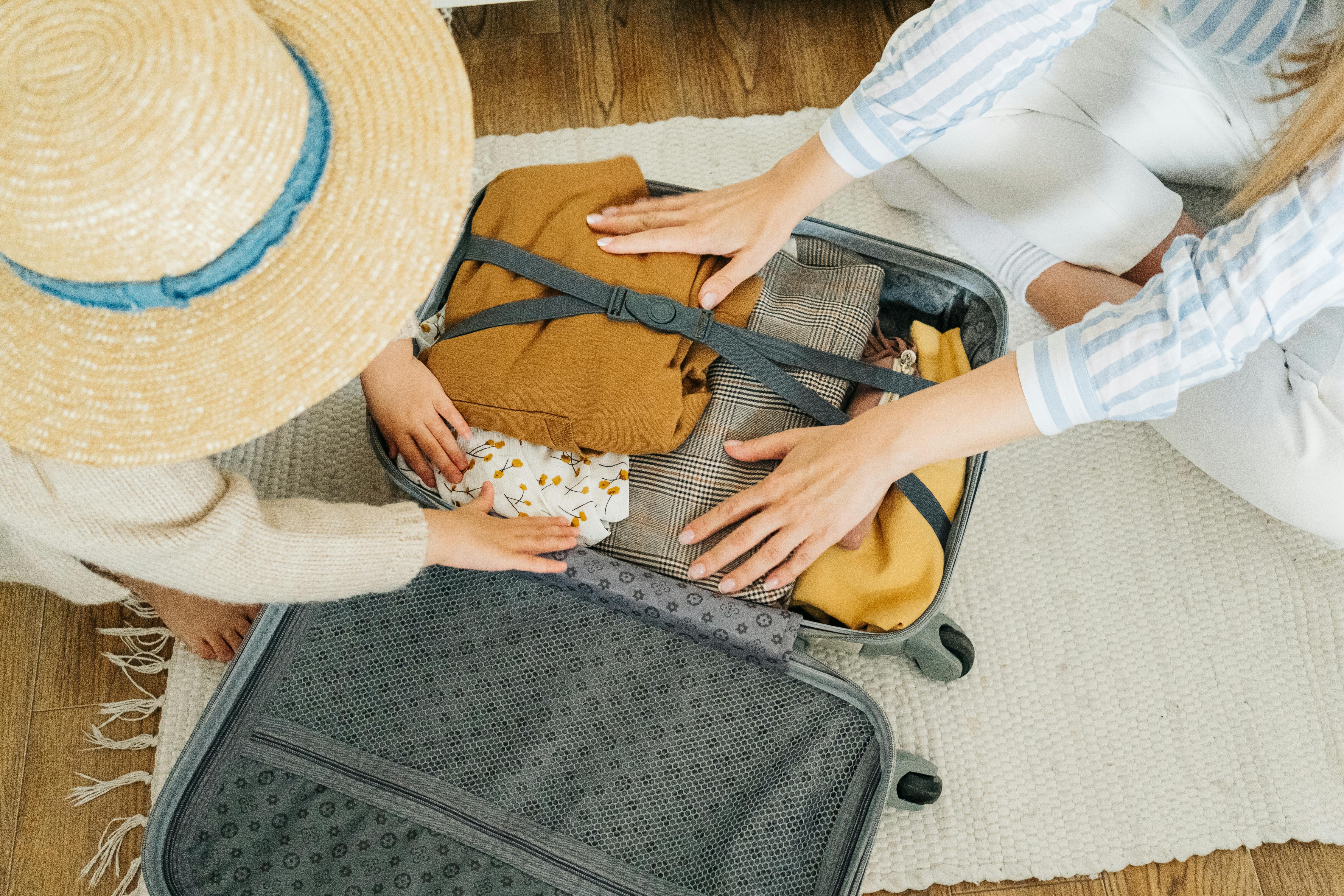
This isn't just a list; it's a strategic system. Pack by category to ensure nothing essential is forgotten. To keep your days organized, you can also download our free Travel Itinerary Template.
Sleep & Comfort
Portable Crib/Pack-n-Play (unless confirmed by accommodation)
Slumber Pod or similar blackout solution (a game-changer for room sharing)
White Noise Machine
Familiar sheets and a favorite "lovey" or stuffed animal
Baby Monitor
Feeding & Mealtime
An abundance of familiar, non-perishable snacks
Spill-proof sippy cups and a portable water bottle
Toddler utensils and a travel-friendly plate/bowl
Wipeable bibs
Travel high chair or booster seat
Health & Safety
Comprehensive First-Aid Kit (Children's Tylenol/Motrin, thermometer, bandages, etc.)
All prescription medications
Toddler-safe sunscreen and bug spray
Diapering supplies (pack more than you think you need)
Small bag of child-proofing supplies (outlet covers) and a small roll of painter's tape for on-the-fly fixes.
Gear & Entertainment
FAA-approved Car Seat and padded travel bag for gate-checking
Lightweight travel stroller
Baby carrier or hiking backpack carrier
Tablet pre-loaded with shows and games (and volume-limiting headphones)
A bag of new, inexpensive "surprise" toys and mess-free activities (Water Wow!, sticker books)
Pro-Tip: The gate-check tag for your stroller or car seat is your best friend. Get it as soon as you arrive at the gate. On a full flight, overhead bin space disappears fast; waiting until the last minute to get your gear tagged risks having to check it with regular luggage, where it's more likely to be damaged.
The Lodging Debate: Hotel Suite vs. Vacation Rental
This is one of the most critical decisions you'll make, reflecting your core vacation philosophy.
Team Hotel/Resort: Choose this if your primary goal is parental relaxation. The biggest advantages are daily housekeeping (no cleaning!), room service, and on-site amenities like pools and restaurants. The major downside is often being confined to a single dark room after your toddler goes to bed at 7:30 PM. The Fix: Book a suite with a separate living area or adjoining rooms if the budget allows.
Team Airbnb/Vacation Rental: Choose this if your primary goal is maintaining routine and control. The biggest advantages are a separate bedroom for the child (giving parents their evenings back), a full kitchen for preparing familiar meals, and a laundry machine. The downside is that you’re still responsible for cooking and cleaning. The Trade-off: Plan for simple meals and accept that the space will get a little messy. The freedom you gain is often worth it.
Frequently Asked Questions
What is the best age to travel with a toddler?
There's no single "best" age, as success depends more on strategy than the child's exact age. The key is choosing a destination that aligns with their developmental stage by focusing on logistical simplicity, flexible pacing, and avoiding overstimulation, which this guide helps you do.
How can I make flying with a toddler easier?
Preparation is everything. Pack a bag of new, engaging toys, bring more snacks than you think you'll need, and use a tablet with headphones for screen time. For a complete strategy, download our Stress-Free Flying with Kids Guide to cover all your bases from check-in to landing.
Are all-inclusive resorts a good option for toddlers?
Yes, they can be fantastic. All-inclusive resorts excel at creating a controlled, safe environment that minimizes planning and stress for parents. With kids' clubs, endless food options, and on-site activities, they allow parents a rare chance to relax while ensuring the toddler's needs are met.
Your Adventure Awaits
Finding the best family vacations with a toddler is entirely possible when you approach it with the right mindset and strategy. It begins by letting go of pre-child expectations and embracing a new goal: creating joyful, shared experiences within a framework of manageable logistics.
By thoughtfully choosing a destination archetype that aligns with your family’s unique needs—whether it's the effortless escape of an all-inclusive resort or the flexible fun of a classic beach getaway—you set the stage for success. Mastering the details of packing and lodging removes the friction that leads to stress, allowing you to focus on what truly matters.
This proactive approach transforms planning into an act of empowerment. You are not just booking a trip; you are architecting an experience for memories that will last a lifetime. The challenges of this age are temporary, but the joy of watching your child discover the world is permanent.
Read the full guide: Family Travel Ideas: The 2026 Guide to Unforgettable Trips
Don't Miss Out! Subscribe for Exclusive Content
SubscribeComments 0
No comments yet
Be the first to share your experience!
Dont Miss Out! Subscribe for Exclusive Content

Ultimate USA Holidays Guide: Top Picks

FTC Affiliate Disclosure Essentials: Stay Compliant as a Travel Creator

Essential Affiliate Tools: From Tracking to Full Optimization

Booking.com Affiliate Program Review: Pros, Cons, and Earnings Potential

Decoding Affiliate Commission Rates: Benchmarks for Travel Creators

Amazon Associates for Travel: Strategies to Maximize Commissions
How to Make Money Blogging (From $0 to $10k/mo)
TrekGuider @trekguider
You’ve poured your heart into creating a travel blog. You’ve published articles, shared your photos, and built something you’re proud of. But there’s a nagging problem: it isn’t making any money. The dream of funding your travels or even earning a full-time living from your passion feels impossibly distant, a goal reserved for a select few.
You see other creators hitting five-figure months and wonder what secret they know that you don’t. The path forward is a confusing fog of conflicting advice. Should you focus on ads? Affiliate marketing? Digital products? It's overwhelming, and the immense effort you're putting in isn't translating into income, leaving you stuck and frustrated.
Forget the confusion. This is your chronological playbook. We are going to demystify the entire process of how to make money blogging by breaking it down into a proven, four-phase financial roadmap. This isn't a list of vague tips; it's a step-by-step guide that outlines the exact strategies, milestones, and mindset shifts required to take your blog from $0 to a sustainable $10,000 per month and beyond. Think of this as one chapter in your new business plan; for the complete blueprint on building a modern creator business, be sure to read our ultimate guide to How to Make Money Online: A Creator's Guide for 2026. Welcome to your journey from blogger to business owner.

The First $100 (Months 1-6): Proving the Concept
In the first six months, your primary goal is not significant income; it's validation. This is the foundational phase where you lay the groundwork for your entire business. The financial target is simply to prove that earning money from your blog is possible. Forget about optimizing for revenue and focus relentlessly on creating a high-quality home base.
Your mission is to build a library of 20-30 exceptional, in-depth articles. This foundational content is what will eventually attract search engine traffic and establish your authority. During this time, your second priority is to learn the absolute basics of Search Engine Optimization (SEO). You don’t need to be an expert, but you must understand how to research keywords and optimize your posts to give them a fighting chance of being discovered by Google.
The first income you earn will likely be small and sporadic. This might be a single affiliate sale from a piece of travel gear you recommended, earning you a commission that’s as real as it is small—maybe just $7.30. Or, you might leverage a professional skill to complete a single freelance writing gig for another brand.
This first $100 is psychologically monumental. It’s the tangible proof that your words have value and that the creator economy—projected to nearly double from $250 billion to almost $500 billion by 2027—is a real and accessible arena. This small win provides the critical motivation to push through to the next, more significant phase of growth.

The Path to $1,000/Month (Months 6-18): Mastering Traffic
With the concept proven, your focus now shifts entirely to the first pillar of a successful blog: traffic. This phase is characterized by a relentless dedication to audience growth, primarily through SEO. Your goal is to achieve the traffic thresholds required by premium ad networks, which represents the first major income leap for most bloggers.
The SEO Engine: Your Key to Passive Traffic
Sustainable blog income is built on the back of consistent, organic traffic from search engines. This is where your foundational knowledge of SEO evolves into a core business activity. Your strategy should be built around two key components:
Long-Tail Keywords: Instead of trying to rank for hyper-competitive terms like "travel blog," you’ll target longer, more specific phrases like "best family-friendly resorts in southern Spain." These keywords have less competition and attract a highly motivated audience that is closer to making a decision.
On-Page SEO: This involves optimizing every article you publish. It means placing your target keyword in your title, in the first paragraph, and in a few subheadings. It also means writing compelling meta descriptions to encourage clicks from search results and optimizing your images to ensure your site loads quickly.

Unlocking Your First Major Paycheck: Premium Ad Networks
The single most significant milestone in this phase is qualifying for a premium ad network. This is a transformative event that can take a blog’s income from less than $100 to over $1,000 per month, almost overnight. These networks fill your site with high-quality display ads, paying you for every person who sees them.
The two main players in the travel blogging space are:
Mediavine: Requires a minimum of 50,000 sessions (visits) in the previous 30 days.
Raptive (formerly Adthrive): Requires a minimum of 100,000 pageviews in the previous 30 days.
Hitting these traffic numbers becomes your primary objective. Once you are accepted, you unlock your first truly passive and reliable income stream. This ad revenue provides the financial cushion and confidence to move on to the next level of monetization.
Pro-Tip: Don't apply to Google AdSense at the beginning. The payout is extremely low for new sites and can slow your site down. It's far more strategic to wait until you can qualify for a premium network like Mediavine, as the revenue difference is monumental.
Scaling to $5,000/Month (Months 18-36): Diversification is How to Make Money Blogging Long-Term
At this stage, your blog has consistent traffic and a stable income from advertising and affiliate marketing. However, relying solely on these two streams will eventually lead to an income plateau. Significant growth from here requires diversification and, most importantly, taking ownership of your revenue by creating and selling your own products. This is where you transition from a blogger to a true entrepreneur.
The Power of Ownership: Launching Your First Digital Product
Launching your first digital product is the key milestone of this phase. While it requires a significant upfront investment of time, it is the shortest path to higher income levels. Consider this powerful data point: to make $10,000 in a month, you would need millions of pageviews to generate that from ads alone. However, you would only need to sell 100 copies of a $100 digital product to reach the same goal. For a blog with an established, trusting audience, the latter is far more attainable.
Your first product should solve a specific, painful problem for your audience. For travel bloggers, this could be:
An in-depth eBook guide to a specific destination.
A set of customizable trip planning templates.
A bundle of Lightroom presets for editing photos.

Free Resource: The Ultimate Travel Itinerary Template
Feeling overwhelmed by trip planning? We’ve created a comprehensive, plug-and-play itinerary template that takes the stress out of organizing your next adventure. This isn't just a checklist; it's a complete system for managing your budget, tracking bookings, and planning your daily activities.
Download Your Free Travel Itinerary Template Now
This lead magnet is a perfect example of a small digital product that provides immense value. Once you've validated an idea with a freebie, you can develop a more comprehensive paid product, like a complete Travel Guide. You can then sell directly to your audience or on a specialized marketplace. A platform like TrekGuider becomes an invaluable partner here, giving every creator a professional, customizable storefront to connect with travelers who are actively searching for expert resources.
Building Your Most Valuable Asset: The Email List
You cannot have a successful product launch without an email list. An email list is the only audience you truly own, independent of Google's algorithms or social media platform changes. Throughout this phase, building your list becomes a top priority. By offering a valuable free resource (a "lead magnet") like the itinerary template above, you can convert casual readers into loyal subscribers who know, like, and trust you—and who will be ready to buy when you launch your first product.
Reaching $10,000/Month and Beyond (Year 3+): The Creator as CEO
Achieving and sustaining a five-figure monthly income signifies the final transition from a blog to a mature digital business. This level of success is almost never achieved through a single income stream. Instead, it’s the result of operating as a "Creator CEO," strategically managing a diversified portfolio of revenue sources and focusing on high-level growth.

Building a Diversified Monetization Portfolio
Your business now operates as a well-oiled machine with multiple, combined income streams working together. This diversified portfolio will likely include:
Stable Ad Revenue: Your traffic is now high enough that display ads provide a significant and reliable monthly income floor.
A Strong Affiliate Strategy: You have moved beyond simple links to build strategic partnerships with multiple affiliate programs that align perfectly with your audience.
A Suite of Digital Products: You no longer have just one product. You have an ecosystem of offerings, perhaps a beginner-friendly eBook and a more advanced video course, that cater to different segments of your audience.
High-Value Brand Sponsorships: With a large and engaged audience, brands will now pay premium rates to partner with you on sponsored content.
This isn’t just theory; it’s the proven playbook of the industry’s top earners. One blogger’s public income reports, for instance, tell the story perfectly: their income grew from $0 in year one to over $11,000 in year two, $27,000 in year three, and an incredible $53,000 in year four, primarily driven by a smart mix of affiliate marketing and their own eBooks.
Pro-Tip: At this level, data is everything. Use analytics to understand which content drives the most affiliate revenue and which email sequences lead to the most product sales. Double down on what's working and eliminate what isn't.
Scaling Your Operations, Not Just Your Income
You can’t do everything yourself anymore. To continue growing, you must start thinking like a CEO and focus your time on the highest-leverage activities. This means outsourcing and building systems. You might hire a virtual assistant to manage your social media, a writer to help update old content, or an editor to polish your posts. By delegating lower-value tasks, you free up your time to focus on creating new products, building strategic partnerships, and steering the overall direction of your business.
Frequently Asked Questions About How to Make Money Blogging
1. How long does it really take to make significant money from a blog?
While a small first income can happen within six months, reaching a significant, life-changing income (e.g., $1,000+/month) typically takes 12-18 months of consistent, strategic effort. The key drivers are building a content library and gaining traction with SEO, which is a long-term game.
2. Do I need a lot of money to start a travel blog?
No. One of the biggest advantages of blogging is its low startup cost. Your primary expenses are a domain name (around $15/year, often free for the first year) and web hosting (which can be as low as $3-$5/month). You can start a professional blog for under $100 for the entire first year.
3. Is it too late to start a travel blog in 2026?
Absolutely not. While the space is more competitive, the opportunity is also larger than ever. The key to success today is niching down. Instead of a general travel blog, start a blog focused on a specific niche like "accessible travel in Europe" or "culinary travel in Southeast Asia." A specific focus allows you to build authority and an audience much faster.

Your Roadmap to a Profitable Future
The journey from a hobby blog to a six-figure business is a marathon, not a sprint. It is a deliberate, phased process that requires patience, strategy, and a relentless focus on providing value to your audience. You now have the complete roadmap: start by proving the concept and earning your first dollar, then master SEO to build traffic for ad revenue, diversify with your own products, and finally, scale your operations as a true CEO. This playbook provides the definitive answer to the question of how to make money blogging. The path is clear. Your journey starts now.
Meta Data Suggestions:
SEO Meta Title (58 characters): How to Make Money Blogging: A 4-Step Plan to $10k/Month
URL Slug: how-to-make-money-blogging
SEO Meta Description (154 characters): A proven, step-by-step playbook for making money blogging. Learn the 4-phase journey to take your blog from $0 to a sustainable $10,000/month business.
Read the full guide: The Travel Blog Business Plan: How to Make Real Money in 2026
Don't Miss Out! Subscribe for Exclusive Content
SubscribeComments 0
No comments yet
Be the first to share your experience!
Dont Miss Out! Subscribe for Exclusive Content
FTC Affiliate Disclosure Essentials: Stay Compliant as a Travel Creator
Essential Affiliate Tools: From Tracking to Full Optimization

Avoid These 5 Affiliate Landing Page Mistakes for Better Conversions

Affiliate Keyword Research Mastery for Travel Blogs
Booking.com Affiliate Program Review: Pros, Cons, and Earnings Potential
Decoding Affiliate Commission Rates: Benchmarks for Travel Creators
The Minimalist Solo Travel Packing List: A Complete Guide
TrekGuider @trekguider
You’ve seen the photo a hundred times: a solo traveler, backpack slung casually over one shoulder, gazing out at a breathtaking vista with a look of pure, unburdened freedom. That’s the dream. But then you look at your own open, empty suitcase, and a wave of anxiety hits. The "what ifs" start piling up. What if it rains? What if I get invited to a fancy dinner? What if I need more options? Before you know it, you’re wrestling with a monstrously heavy bag, convinced you need to pack for every conceivable scenario. This isn't just an inconvenience; for a solo traveler who has no one to help them, an overpacked bag is a physical burden, a financial drain in baggage fees, and a security risk that screams "tourist." It is the very anchor that weighs down the freedom you seek.

This guide is your liberation. It’s the tactical blueprint for adopting a minimalist mindset and the definitive solo female travel packing list you need to execute it with absolute confidence. We will systematically replace the anxiety of "what if" with the certainty of "I have what I need." By packing smarter, not fuller, you’ll unlock the mobility, savings, and peace of mind that define a truly life-changing solo adventure. This isn't just about what to pack; it's about reclaiming the freedom you deserve. For a complete overview of every stage of your journey, be sure to start with our comprehensive pillar guide, The Ultimate Guide to Solo Female Travel (15 Essential Tips).
The Freedom Philosophy: Why Less is Radically More for Solo Travelers
Adopting a minimalist packing ethos isn’t about deprivation; it’s a strategic choice that unlocks four key freedoms essential to the solo travel experience.
Freedom of Mobility: Navigating a bustling train station in Tokyo, climbing the winding cobblestone streets of Lisbon, or hopping on a last-minute ferry to a Greek island becomes effortless with a single, lightweight bag. You are nimble, agile, and free to say "yes" to spontaneous adventures without being weighed down.
Freedom from Fees: In an era where budget airlines charge for everything, checking a bag can add hundreds of dollars to your trip cost. Traveling carry-on only eliminates these fees entirely, putting that money back where it belongs: into your experience fund for things like a cooking class in Florence or a guided hike in Patagonia.
Freedom in Security: A large, checked bag is out of your control for hours, vulnerable to loss, damage, or theft. A carry-on stays with you, dramatically reducing your risk profile. Furthermore, a traveler with a single, manageable bag is less conspicuous and presents a less appealing target than someone struggling with multiple, bulky pieces of luggage.
Freedom of Mind: The fewer items you have, the fewer you have to track, manage, and worry about. A minimalist wardrobe simplifies your daily decisions, reduces clutter in your hotel room, and frees up mental energy to focus on what truly matters: being present and soaking in your surroundings.
The Core of Your Minimalist Solo Female Travel Packing List
The secret to a successful minimalist wardrobe is not about having less; it’s about making sure every single item does more. This means building a small, curated collection of high-quality, versatile pieces that can be mixed, matched, and layered to create multiple outfits for different occasions and climates. This is the art of the capsule wardrobe.

Clothing: The Art of the 10-Day Carry-On Capsule
This checklist is designed to fit into a standard 40-liter carry-on bag for a 10-day trip to a destination with a temperate climate (think European cities in spring or autumn). The core principle is to pack for one week and plan to do laundry once.
Tops (5):
2 neutral-colored t-shirts (merino wool or a high-quality blend is ideal)
2 versatile tank tops or blouses that can be dressed up or down
1 long-sleeve shirt for layering or sun protection
Layers (2):
1 comfortable sweater or cardigan in a neutral color
1 light, weather-resistant jacket (a packable rain shell or a classic denim jacket)
Bottoms (3):
1 pair of dark, comfortable travel pants or jeans (wear these on the plane to save space)
1 pair of versatile trousers, a skirt, or shorts (depending on the destination)
1 pair of leggings (perfect for sleeping, layering under pants for warmth, or lounging)
One-Piece Outfit (1):
1 simple, wrinkle-resistant dress or jumpsuit that can be worn casually with sneakers or dressed up with a scarf and flats.
Undergarments & Sleepwear:
5-7 pairs of underwear (quick-drying fabric is a game-changer)
3 pairs of socks (at least one pair of wool socks for warmth and comfort)
2 bras (one regular, one sports bra or bralette)
1 set of pajamas or comfortable sleepwear
Footwear (Maximum 3 pairs):
Comfortable Walking Shoes: A pair of stylish but supportive sneakers. This is your most important item. Wear them on the plane.
Versatile Flats or Sandals: A pair that can be dressed up for a nice dinner but are still comfortable enough to walk in.
Utility Shoes: A pair of flip-flops (essential for hostels and beaches) or waterproof boots, depending on your itinerary.
Pro-Tip: The combination of rolling your clothes tightly and using packing cubes is the single most effective space-saving technique. Packing cubes not only compress your clothing but also keep your bag impeccably organized, so you're not tearing everything apart to find one pair of socks.
The Champions of Versatility: 5 Items You Can't Live Without
Within your capsule wardrobe, a few key items will do the heaviest lifting. Investing in these five pieces will form the indestructible core of your minimalist packing list.
A Merino Wool T-Shirt: This isn't just a t-shirt; it's a piece of high-performance gear. Merino wool is a natural fiber that is thermo-regulating (keeps you cool when it's hot, warm when it's cold), moisture-wicking, and, most importantly, antimicrobial. This means it resists odor and can be worn multiple times between washes, allowing you to pack far fewer tops.
A Large, High-Quality Scarf or Sarong: This is the Swiss Army knife of a travel wardrobe. It can be a stylish accessory, a wrap for a chilly airplane, a head covering for entering religious sites, a makeshift picnic blanket, or even a privacy curtain in a hostel dorm.
A Simple Black Dress (in a wrinkle-resistant fabric): Choose a dress in a fabric like jersey or tencel. It can be paired with sneakers for a day of sightseeing and then instantly transformed for a nice dinner with the addition of flats and your versatile scarf. It’s a complete outfit in one lightweight piece.
Dark, Comfortable, Multi-Purpose Pants: A single pair of well-fitting, dark-colored pants can anchor your entire travel wardrobe. Whether they are high-tech travel pants, comfortable dark-wash jeans, or polished black trousers, they should be able to transition seamlessly from a day of exploring to a casual evening out.
A Lightweight Button-Down Shirt: A classic button-down in a breathable fabric like linen or tencel offers countless styling options. Wear it buttoned up, wear it open as a light jacket over a tank top or your black dress, or tie it at the waist. It’s a layering hero.
Beyond the Wardrobe: Your Solo Female Travel Packing List for Safety & Tech
While clothing makes up the bulk of your bag, a few key non-clothing items are indispensable for a safe, smooth, and convenient solo trip.
Your Personal Security Toolkit
Your awareness is your primary safety tool, but these devices provide a crucial layer of physical security and peace of mind.

Personal Safety Alarm: A small device that attaches to your keychain and emits an ear-piercing siren and flashing strobe light when activated. It’s designed to startle a potential attacker and attract immediate attention, giving you a window to escape.
Portable Door Lock or Door Stop Alarm: These inexpensive, lightweight devices give you absolute control over the security of your hotel or Airbnb room, making it nearly impossible for someone to enter, even with a key.
Anti-Theft Bag: With a 2024 report noting that 29% of solo female travelers had experienced a theft or attempted scam, a specialized bag is a wise investment. Look for features like slash-proof fabric and lockable zippers. A crossbody style worn in front of your body is the most secure option.
Small Padlock: A simple combination lock is a must-have for securing your belongings in a hostel locker or for locking the zippers of your backpack together in crowded areas.
Essential Tech and Convenience Items
Universal Travel Adapter with USB Ports: A modern essential. Choose a model that includes multiple USB-A and USB-C ports, allowing you to charge your phone, power bank, and other devices simultaneously from a single outlet.
High-Capacity Portable Power Bank: For a solo traveler, a dead phone is a safety issue. A reliable power bank (at least 10,000 mAh) ensures your lifeline for navigation, communication, and emergency help stays operational all day.
Solid Toiletry Kit: This is a game-changer for carry-on travel. Shampoo bars, conditioner bars, solid soap, and solid perfume sticks eliminate the need to worry about the TSA's liquids rule, prevent disastrous leaks, and are more environmentally friendly.
Pro-Tip: Before you leave, use your phone to download offline maps of your destination via Google Maps. This allows your phone's GPS to function perfectly even without a cell signal or Wi-Fi, making it nearly impossible to get truly lost. This makes a fully charged power bank your most important piece of tech.
Ready to Master the Art of Packing Light?
This guide gives you the "what," but to truly perfect the "how"—from advanced folding techniques to brand recommendations—you need the complete toolkit. Our free guide is the ultimate resource for step-by-step strategies, visual guides, and our ultimate pre-trip checklist.
Download the How to Pack Light Guide for free!
The "Do Not Pack" List: 5 Things to Leave at Home
Effective packing is as much about what you leave behind as what you bring. Ditching these common items will save you space, weight, and stress.
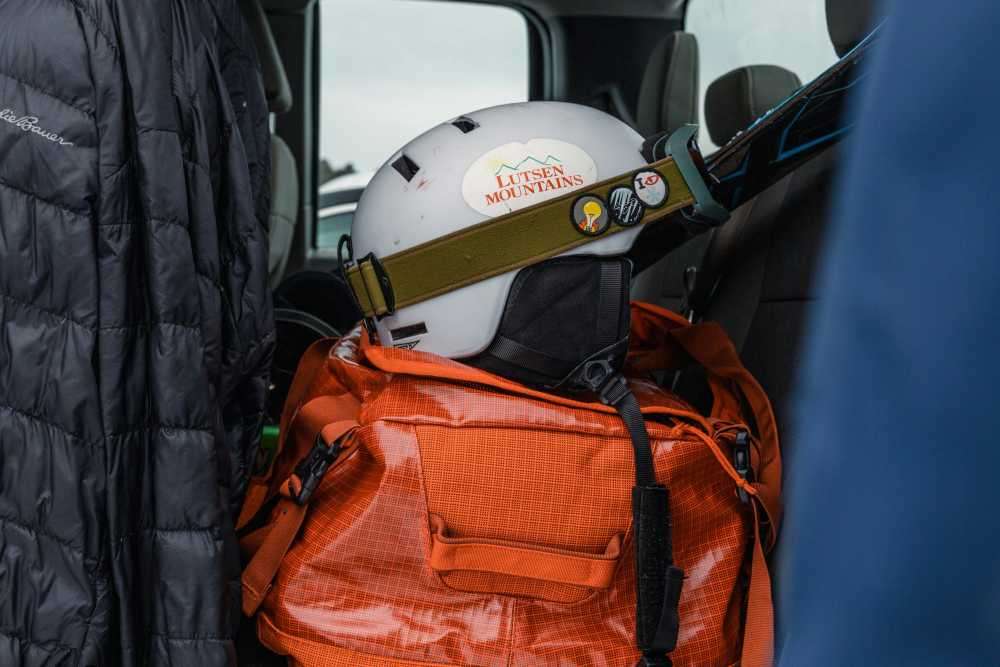
Expensive or Sentimental Jewelry: Wearing flashy jewelry can make you a target for theft. More importantly, the risk of losing a cherished or irreplaceable item is simply too high.
Multiple "Just-in-Case" Outfits: Resist the urge to pack for imaginary, unlikely scenarios. Pack for the trip you know you're taking. If an unexpected need arises, you can almost always buy what you need locally.
A Hair Dryer: This bulky item is provided by nearly every hotel and even most modern hostels. Leave yours at home.
Full-Sized Toiletries: There is no reason to carry large bottles of shampoo. Decant your essential liquids into reusable, travel-sized (under 100ml/3.4oz) containers or, better yet, switch to solids.
A Money Belt: While once a travel staple, money belts are often impractical for daily access and can be conspicuous. A more modern and secure approach is to use an anti-theft crossbody bag for daily essentials, while keeping deep storage items (like a backup credit card and passport) locked in your accommodation.
Frequently Asked Questions About Minimalist Packing
Are packing cubes really worth it?
Absolutely. They are the single most effective organizing tool for a carry-on. Not only do they compress clothing to save space, but they also function like dresser drawers inside your backpack, allowing you to find what you need without destroying your perfectly packed bag.
How do I pack for a trip with multiple climates?
The key is layering. Your capsule wardrobe (merino wool base layers, a fleece or sweater, and a waterproof/windproof shell) is designed for this. A merino t-shirt that keeps you cool in Rome can be layered under a sweater and jacket to keep you warm on a chilly evening in the Swiss Alps. Focus on adding or removing these versatile layers rather than packing entirely separate outfits.
What if I forget something important?
Unless it’s your passport or essential medication, you can almost certainly buy it at your destination. Forgetting a toothbrush or a pair of socks isn't a crisis; it’s an opportunity for a mini-adventure into a local pharmacy or shop.
Pro-Tip: Once you’ve mastered this universal list, you can find hyper-specific packing lists for destinations from Patagonia to Portugal—all shared by seasoned solo travelers on the TrekGuider platform.
Cleared for Takeoff: Navigating Airport Security with Your Carry-On
Knowing the rules is essential for a stress-free airport experience. For travelers departing from the US, the Transportation Security Administration (TSA) has two key guidelines for carry-on luggage.
The 3-1-1 Liquids Rule: All liquids, gels, creams, and pastes must be in containers of 3.4 ounces (100 milliliters) or smaller. All of these containers must fit into a single, clear, quart-sized bag. Each passenger gets one of these bags.
Electronics: All electronic devices larger than a cell phone (laptops, tablets, e-readers) must be removed from your bag and placed in a separate bin for X-ray screening.
Pack Light, Travel Far, Live Freely
Minimalist packing is not a restrictive set of rules; it's a liberating mindset. It’s a conscious decision to trade the burden of "stuff" for the freedom of experience. By focusing on versatility, quality, and intention, you transform your luggage from an anchor into a launchpad. You are now armed with more than just a checklist; you have a complete philosophy for navigating the world with ease and confidence. This solo female travel packing list is your blueprint for a lighter, smarter, and more enriching journey.

Once your minimalist kit is packed and ready, the only thing left to do is decide where to take it. Explore our collection of expert-written Travel Guide resources to find destination-specific advice and build the adventure of a lifetime.
Don't Miss Out! Subscribe for Exclusive Content
SubscribeComments 0
No comments yet
Be the first to share your experience!
Dont Miss Out! Subscribe for Exclusive Content
Ultimate USA Holidays Guide: Top Picks
FTC Affiliate Disclosure Essentials: Stay Compliant as a Travel Creator
Essential Affiliate Tools: From Tracking to Full Optimization
Booking.com Affiliate Program Review: Pros, Cons, and Earnings Potential
Decoding Affiliate Commission Rates: Benchmarks for Travel Creators