
Halloween SF: Haunts Without Horrors

TrekGuider @trekguider
Let’s be honest: the hunt for the perfect Halloween vibe is a nightmare of its own. You’re craving that electric, creative buzz, but your search is clogged with two extremes: haunted houses that promise sleepless nights or tame pumpkin patches that feel like a grade-school field trip. You want the magic, not the mundane or the macabre. The search for memorable Halloween activities often leads to a dead end of generic parties and overcrowded attractions that prioritize jump scares over genuine atmosphere.
You dream of diving into the spirit of a San Francisco Halloween, a city legendary for its theatrical flair and vibrant culture. Yet, you worry you’ll miss the truly unique experiences—the ones that capture the city’s soul. When you search for the best Halloween events USA has to offer, the results are often dominated by theme park horror nights, leaving you wondering where the quirky, enchanting, and spirited celebrations are hiding. You deserve a Halloween that’s more about spectacle and spirit than stress and scares.
This guide is your key to unlocking that spectacle. We’re pulling back the velvet curtain on the city’s most captivating celebrations, where creativity is king and the atmosphere is pure magic. From the dazzling, unofficial street festivities in the world-famous Castro District to the architectural mysteries of a legendary mansion, you’ll discover how to experience all the haunts without the horrors. It’s a key part of the city's vibrant seasonal calendar, which we explore in full in our comprehensive guide to San Francisco Holidays: Bay Area Buzz. Get ready to craft a Halloween adventure that is uniquely, unforgettably San Francisco.

Why San Francisco Is a Top Destination for Unique Halloween Events USA-Wide
San Francisco doesn't just celebrate Halloween; it performs it. In a city defined by its pioneering spirit and artistic soul, the holiday transforms into a city-wide stage for radical self-expression. Unlike destinations that lean heavily on fear, SF’s Halloween is built on a foundation of community, spectacle, and participation. The city’s iconic Victorian architecture, often shrouded in the cool bay mist, provides a naturally dramatic backdrop for festivities that feel both historic and thrillingly modern.
Here, the holiday is less about manufactured scares and more about organic, grassroots celebrations that reflect the distinct personality of its neighborhoods. It’s a place where tech-infused artistry meets old-world charm, creating a Halloween experience that stands apart. It’s about being part of the show, not just watching it from the sidelines. With Halloween falling on a Friday in 2026 and a Saturday in 2026, San Francisco is primed for full-weekend celebrations, making it the perfect destination for a multi-day festive getaway.

The Castro: Ground Zero for Creative Spectacle
When the sun sets on October 31st, the heart of San Francisco's Halloween celebration beats strongest in the Castro District. For decades, this historic neighborhood has been the unofficial epicenter of a massive, informal street party. While the official, city-sanctioned event has been discontinued, the spirit of flamboyant celebration is inextinguishable, making it a must-see spectacle for those seeking atmosphere over anxiety.
A Legacy of Theatrical Celebration
The Castro's reputation as a hub for celebration is deeply woven into its identity as a global icon for the LGBTQ+ community. This legacy of pride, resilience, and theatricality naturally extends to Halloween, which has long been an occasion for lavish costumes and uninhibited self-expression. The neighborhood’s streets transform into a runway of pure imagination, where locals and visitors alike come together to see and be seen. It’s this powerful sense of community and freedom that makes Halloween in the Castro an experience rooted in joy and connection.
What to Expect: A Masterclass in Costume Art
A night in the Castro on Halloween is a feast for the senses. The focus here is squarely on the costumes—and they are legendary. Expect to see everything from breathtakingly elaborate, hand-crafted creations that look like they belong on a movie set to hilarious, pop-culture-inspired group ensembles.
Unrivaled People-Watching: Find a spot along Castro Street and simply take in the parade of creativity. The energy is infectious, fueled by music, laughter, and the collective awe of the incredible artistry on display.
A Festive, Open-Air Vibe: While the area gets crowded, the atmosphere is generally light and celebratory. It’s less of a chaotic party and more of a vibrant, open-air gallery of costume art.
Focus on Fun, Not Fear: This is the essence of "Haunts Without Horrors." The thrill comes from the dazzling creativity and the electric atmosphere, not from things that jump out of the dark.
How to Navigate the Castro Pub Crawls Like a Pro
The neighborhood's many bars and pubs are a central part of the evening, with many participating in informal pub crawls. If you choose to partake, a little planning goes a long way in ensuring a smooth and safe night.
Assemble Your Krewe: The buddy system is non-negotiable. Stick with your friends, establish a clear meeting point (like a specific intersection or storefront) in case you get separated, and use a location-sharing app on your phones.
Strategize Your Stops: Have a few destinations in mind rather than wandering aimlessly. Check social media in the days leading up to see if any bars are advertising special events, themes, or cover charges.
Pace for the Long Haul: The night is a marathon, not a sprint. Stay hydrated with water between drinks and know your limits. The goal is to remember the amazing costumes, not to forget the entire night.
Master Your Exit Plan: As the Master Brief confirms, using rideshares is the smartest and safest way to get home. Book your ride a few blocks away from the most congested intersections on Castro or Market Street to make pickup faster and easier for your driver.
Pro-Tip: To experience the best of the Castro's atmosphere without the most intense crowds, aim to arrive in the early evening (around 7-8 PM). You'll get to see the incredible costumes and soak in the festive energy before the streets reach their peak capacity later in the night.

The Winchester Mystery House: A Haunt of a Different Kind
For a different kind of chill—one steeped in history, mystery, and architectural absurdity—a trip to the Winchester Mystery House is an essential part of the Bay Area Halloween experience. Located a short drive from San Francisco, this sprawling mansion is famous not for ghosts, but for its baffling and bizarre construction. It’s the perfect "haunt without horror" because the unease comes from its unsettling, real-life story, not from manufactured scares.
More Architectural Anomaly Than Haunted House
The legend of the Winchester Mystery House is as captivating as its design. It is said that Sarah Winchester, heiress to the Winchester rifle fortune, was instructed by a medium to continuously build onto her home 24/7 for 38 years to appease the spirits of those killed by her family's famous rifles. The result is a sprawling 160-room mansion filled with architectural oddities designed to confuse any spirits that might be lurking.
Staircases to Nowhere: Discover stairways that ascend directly into the ceiling.
Doors Opening to Nothing: Find doors that serve no purpose, opening onto solid walls or, more alarmingly, two-story drops.
A Labyrinthine Layout: The house was intentionally designed to be a maze, with winding hallways, secret passages, and a dizzying number of rooms.
Exploring the mansion is an exercise in psychological curiosity. The unsettling feeling comes from trying to comprehend the obsessive, labyrinthine logic behind its construction. It’s a historical puzzle box that you can walk through, making it a fascinating and slightly spooky destination that engages the mind rather than just the adrenaline glands.
Planning Your Visit: An Insider's Itinerary
A visit to the Winchester Mystery House requires a bit of planning to make the most of the experience, especially during the popular Halloween season.
Book Tickets in Advance: This is non-negotiable. Halloween season is peak time. Secure your tour tickets online well in advance to avoid a sold-out disappointment.
Choose Your Tour Wisely: The mansion typically offers several types of tours, from a general estate tour to more specialized, seasonally themed explorations. Review the options to find the one that best fits your interest in history, architecture, or paranormal lore.
Give Yourself Time: Don't rush it. Besides the house tour itself, the estate has beautiful gardens and historical exhibits to explore. Plan for at least half a day for the entire experience, including travel time from San Francisco.
Packing for a day trip that combines city exploration with a visit to a historic estate can be a challenge. You need to be prepared for changing temperatures and long periods of walking. Our How to Pack Light Guide provides essential tips for creating a versatile daypack with everything you need, ensuring you stay comfortable without being weighed down.

A Practical Guide to the Best Halloween Events USA Offers in SF
Mastering Halloween in San Francisco is about more than just knowing where to go; it’s about navigating the city like a local. From transportation tricks to costume considerations, these practical tips will ensure your night is all treat and no trick.
Transportation Triumphs: Getting Around the City
On Halloween night, the city's streets can be congested, especially in popular neighborhoods.
Embrace Public Transit: Muni and BART are your best friends. They are cost-effective and eliminate the stress of finding (and paying for) parking. Plan your route ahead of time and check for any holiday schedule changes.
Rideshares Require Strategy: While convenient, surge pricing will be in effect. If you use a rideshare app, walk a few blocks away from the main crowds to a less chaotic side street. This makes your pickup location easier for your driver to find and can sometimes lower the fare.
Walk with Purpose: San Francisco is a fantastic walking city, but be prepared for its famous hills. Wear comfortable shoes, even if they clash with your costume. Your feet will thank you at 2 AM.
Costume Craft: Dressing for SF's Fickle Climate
San Francisco's weather is a character in itself. A sunny afternoon can quickly give way to a cold, foggy evening, a phenomenon locals lovingly call "Karl the Fog."
Layers Are Your Superpower: The golden rule of dressing in SF applies even on Halloween. Design your costume with layers in mind. A stylish jacket, a dramatic cape, or thermal undergarments can be a lifesaver when the temperature drops.
Comfort Is King (or Queen): You'll likely be doing a lot of walking or standing. Prioritize comfortable footwear above all else. Nothing ruins a fun night faster than painful blisters.
Pro-Tip: Weave safety directly into your costume design. Use reflective fabrics, glow-in-the-dark paint, or battery-powered LED lights. Not only will you be more visible crossing the city's busy streets, but you'll also add a cool, tech-forward element to your look that feels perfectly at home in San Francisco.
Beyond the Main Events: Finding SF's Hidden Halloween Charm
San Francisco’s Halloween magic isn’t confined to just one or two locations. The city’s innovative and nature-loving spirit means you can find festive touches in the most unexpected places.
Atmospheric Lights in Golden Gate Park
Drawing inspiration from the city’s love of blending tech and nature, keep an eye out for special light installations or themed events in Golden Gate Park. As dusk falls, the park’s misty groves and winding paths take on a naturally spooky ambiance. It’s the perfect setting for a low-key, atmospheric evening walk before heading to more lively celebrations.
Artisan Markets with a Spooky Twist
San Francisco is home to countless local artisan markets. During October, many of these markets embrace the season, offering Halloween-themed crafts, gourmet treats, and local art. It’s a fantastic way to find a unique souvenir and experience the city’s creative community on a more intimate level, often with stunning bay views as a backdrop.
The Ultimate Resource for Your Entire Trip
A single holiday is just a snapshot of what this incredible city has to offer. To truly unlock the best of the Bay Area, from its iconic landmarks to its hidden neighborhood gems, a comprehensive resource is essential. To discover even more seasonal secrets and plan the perfect trip any time of year, our comprehensive Travel Guide is the ultimate resource for exploring San Francisco and beyond.

Conclusion: Embrace the Unforgettable Spirit of a San Francisco Halloween
San Francisco offers a Halloween experience that is as unique as the city itself—one that champions creativity, community, and atmosphere over cheap thrills and jump scares. It’s a place where you can marvel at the incredible costume artistry in the Castro, ponder the architectural riddles of a mysterious mansion, and soak in the festive energy of a city that truly knows how to celebrate. From the Castro's vibrant streets to mysterious mansions, the city provides some of the most memorable Halloween events USA has to offer by focusing on what truly matters: community, creativity, and unforgettable fun.
You now have the insider knowledge to craft a Halloween adventure that's perfectly spirited and uniquely San Francisco. You can confidently navigate the city's biggest celebrations and discover its hidden charms, creating memories that will last a lifetime.
What are you most excited to experience? Share your San Francisco Halloween plans in the comments below
Don't Miss Out! Subscribe for Exclusive Content
Subscribe


Comments 0
No comments yet
Be the first to share your experience!
Dont Miss Out! Subscribe for Exclusive Content

San Francisco Cherry Blossoms: A Local's Guide to the Blooms


SF Festivals: 7 Must-See Lineups

Christmas SF: Lights & Wharf Wonders

SF Pride: 6 Route & Party Hacks

Chinese New Year SF: Parade Essentials

San Francisco Holidays: Bay Area Buzz
Food & Water Safety Abroad: How to Avoid Getting Sick
TrekGuider @trekguider
There’s a moment on every trip where the true magic happens: the first bite of a dish you can’t pronounce from a street cart buzzing with locals, the refreshing sip of a regional drink, the discovery of a flavor that will forever define a place in your memory. Food is culture, connection, and the fastest way to the heart of a destination. And that’s the traveler’s paradox, isn’t it? The very experiences that promise the most profound connection also carry a potent, gut-wrenching risk.
One bad meal or a single sip of contaminated water can derail your entire adventure, swapping days of discovery for days spent locked in a hotel room. This fear is agitated by horror stories from fellow travelers and the sheer unpredictability of an unfamiliar environment. It's a valid concern—traveler's diarrhea is unequivocally the most common travel-related illness, affecting up to 80% of international travelers depending on the destination. The fear of getting sick can make you timid, causing you to stick to bland, "safe" foods and miss out on the rich mix of flavors your destination has to offer. It can rob you of the very experiences you traveled so far to find.

But it doesn't have to be this way. This guide is your solution, a definitive and practical playbook for mastering food and water safety abroad. We’ve synthesized actionable advice from the world’s leading health organizations, including the Centers for Disease Control and Prevention (CDC) and the World Health Organization (WHO), to empower you to eat boldly and drink safely. This isn’t a list of things to fear; it’s a set of simple, memorable rules for prevention, identification, and, if necessary, management. This is a critical deep-dive into a core pillar of preparedness we cover in The Ultimate Guide to Travel Safety: A 2026 Playbook, designed to give you the confidence to dive fork-first into the heart of a culture.
The Golden Rule of Food and Water Safety: "Boil It, Cook It, Peel It, or Forget It"
If you remember only one thing from this guide, make it this simple, five-word mantra. Promoted by the CDC and other global health bodies, this single rule is a powerful and easy-to-use filter for nearly every culinary decision you'll make on the road. It’s the foundation of your entire food and water safety strategy.
Boil It: Your Safest Bet for Liquids
Pathogens like bacteria, viruses, and parasites are killed by heat. This makes boiling the most effective method for purifying liquids.
Examples: Drinking water that has been brought to a vigorous, rolling boil for at least one full minute. Hot beverages like tea or coffee that are served steaming hot are also generally safe. Any milk products you consume should be confirmed to be pasteurized or have been boiled.
Cook It: The Power of Heat
Thoroughly cooking food kills the harmful microorganisms that cause illness. The key is to ensure it is cooked all the way through and served hot.
Examples: Meat, poultry, or seafood that is well-cooked (not rare or raw) and served steaming hot to the touch. This is especially crucial for street food; dishes that are cooked fresh to order in front of you are a much safer bet than those that have been sitting out.
Peel It: Nature’s Own Packaging
For raw fruits and vegetables, the contamination is almost always on the outside surface. By peeling it yourself with clean hands, you remove the risk.
Examples: Fruits with a thick, peelable skin like bananas, oranges, mangoes, and avocados are your safest and best friends for a healthy snack. Similarly, vegetables you can peel, such as cucumbers, are also a great option.
Forget It: When in Doubt, Go Without
This is the most critical and sometimes most difficult part of the rule to follow. It requires discipline, but it’s your ultimate defense. If an item of food or drink doesn't meet one of the three criteria above, you must skip it.
Examples: Tap water and ice cubes made from tap water are the biggest culprits. Salads and raw leafy greens like lettuce are high-risk because they are difficult to clean thoroughly and may have been washed in contaminated water. You should also avoid fruits that cannot be peeled, such as grapes and berries, and any unpasteurized dairy products like milk or cheese. Finally, be very wary of any food served at room temperature, such as from a buffet.
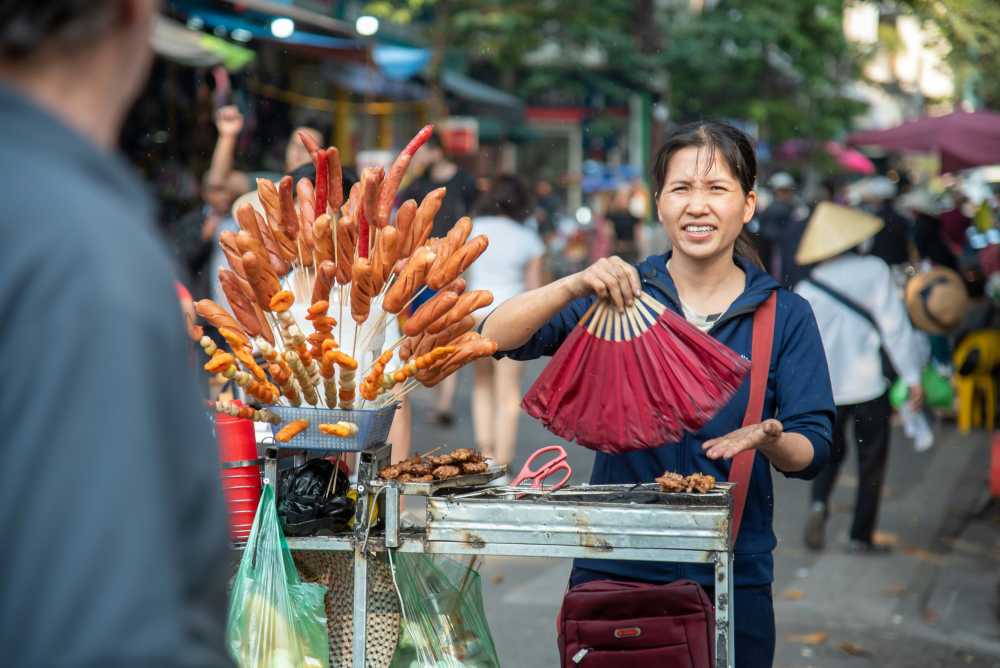
Navigating the Streets: A Visual Guide to Spotting Unsafe Food
Street food is often the soul of a city's cuisine, but not all vendors are created equal. Your eyes are your best tool for vetting a stall. Before you order, take thirty seconds to perform a quick visual inspection. Look for these five clear signs of a safe or unsafe operation.
Poor General Cleanliness: This is the most obvious indicator. Red flags include dirty workstations with unwiped spills, visible food waste, rubbish on the ground, and the presence of pests like flies or wasps. The vendor themselves should also appear clean, with tidy clothes and hands.
Improper Food Temperatures: Food left in the "danger zone" (room temperature) is a breeding ground for bacteria. Avoid stalls where cooked food, especially meat, is sitting out in large trays. The safest option is always food that is cooked fresh to order, right in front of you. Hot food should be visibly steaming.
Obvious Cross-Contamination: Watch how the vendor handles ingredients. A major red flag is using the same cutting board, knife, or unwashed hands to handle raw meat and then touch ready-to-eat items like bread, salad, or cooked food.
Use of Contaminated Water: Look at the vendor’s water source. Rinsing dishes, utensils, or vegetables in a single bucket of murky, stagnant water is a sign of a high-risk operation. Likewise, avoid ice in your drinks unless you can confirm it was made from purified water (commercially bagged ice is usually a safe sign).
Lack of a Crowd (Especially Locals): A busy stall with a long line, particularly of local residents, is one of the best indicators of a trusted and safe food source. High customer turnover means the food is fresh and hasn't been sitting out for long. An empty stall is often empty for a reason.
Pro-Tip: Make "follow the locals" your street food mantra. A long line of residents is a walking, talking five-star review of a vendor's quality and safety. It's the most reliable seal of approval you can find.
Securing Your Water Supply: A Deep Dive into Hydration and Purification
Staying hydrated is non-negotiable for your health and energy while traveling, but assuming tap water is safe is one of the most common and dangerous mistakes a traveler can make. Here’s how to ensure every sip you take is safe.
Identifying Safe and Unsafe Drinking Water Sources
The CDC and WHO have clear guidelines. Unless you are in a country with a known, highly-developed sanitation system, you should assume all tap water is unsafe.
Safest Sources: Commercially bottled water in a factory-sealed, tamper-proof container is your most reliable option. Carbonated water is even safer, as a broken seal is immediately obvious. The second safest source is water that you have personally brought to a rolling boil for at least one minute.
Unsafe Sources to Avoid: Tap water, well water, ice made from tap water, fountain drinks mixed with tap water, and even water from clear mountain streams (which can contain germs) should all be avoided unless they have been purified.
Your Purification Playbook: The Top 3 Methods
When bottled or boiled water isn't available, you need a backup plan. Here are the top three recommended purification methods.
Boiling (The Gold Standard): This is consistently ranked by the CDC and WHO as the single most effective method. It kills all known disease-causing microorganisms, including viruses, bacteria, and parasites. Simply bring clear water to a rolling boil for 1 minute (or 3 minutes at elevations above 6,500 feet / 2,000 meters).
Filtration: A high-quality portable water filter is highly effective at removing bacteria and protozoan parasites like Giardia and Cryptosporidium. Look for a filter with an absolute pore size of 1 micron or smaller. The main limitation is that most portable filters do not remove viruses, so in high-risk areas, the CDC recommends following filtration with chemical disinfection.
Chemical Disinfection: Chlorine, iodine, or chlorine dioxide tablets/drops are a lightweight and easy way to kill viruses and bacteria. However, they are not consistently effective against the parasite Cryptosporidium and require a contact time of at least 30 minutes.
For in-depth planning on what gear to pack for every type of trip, from water filters to first-aid supplies, our all-encompassing Travel Guide is the only resource you'll ever need.
Damage Control: How to Manage Traveler's Diarrhea
But let’s be realistic: even the most diligent traveler can have a bad day. When that happens, knowing exactly what to do—and what not to do—can be the difference between a 24-hour nuisance and a trip-ruining ordeal. This is the damage control phase of your food and water safety plan.
The First and Most Critical Step: Oral Rehydration
According to travel medicine doctors, dehydration is the single most likely and dangerous complication of traveler's diarrhea. Replacing lost fluids and electrolytes is your absolute first priority.
Method: The best way to rehydrate is with a dedicated Oral Rehydration Solution (ORS), which comes in packets of salts and sugars that you mix with boiled or bottled water. In a pinch, sports drinks or clear soups can also be used.
Symptomatic Treatment for Mild to Moderate Cases
If the diarrhea is tolerable and not accompanied by a high fever or blood, over-the-counter medications can provide relief and help you get through a travel day.
Medications: An antimotility agent like Loperamide (the active ingredient in Imodium, a top pharmacist-recommended brand) can reduce the frequency of bowel movements. Bismuth Subsalicylate (found in Pepto-Bismol, another pharmacist favorite) can also help decrease the frequency and shorten the duration of the illness.
When to Use Standby Antibiotics (For Severe Cases)
If diarrhea is distressing, incapacitating, or contains blood or mucus, a prescribed antibiotic may be necessary.
Method: Before you travel, speak with your doctor or a travel medicine clinic. For travelers heading to high-risk destinations, they may provide a prescription for a standby antibiotic, such as Azithromycin, to carry with you. A single dose is often highly effective at treating severe cases.
Pro-Tip: Within your main travel first-aid kit, create a dedicated "Digestive Distress" module. Keep it in a separate, clearly-labeled zip-top bag containing a few packets of Oral Rehydration Salts, a strip of Loperamide, and a few antacids. This way, when you need it, you won't have to rummage through your entire kit.
Ready to Pack Like a Pro?
A smart food and water safety strategy is just one piece of your pre-trip preparation. To ensure you don't overlook a single essential item—from documents and finances to clothing and medical supplies—a master checklist is your most powerful tool. Our comprehensive, free checklist has you covered for every stage of your journey.
Download Your Free International Travel Checklist Now!
Food and Water Safety FAQs
A prepared mind is a safe mind. Here are expert answers to common questions that take your preparedness to the next level.
1. Besides traveler's diarrhea, what are the most common travel illnesses?
While traveler's diarrhea is number one, the CDC reports that other common issues include acute respiratory infections (like influenza or COVID-19, often acquired in transit), vector-borne fevers like Dengue and Malaria in tropical regions, and other food-borne illnesses like Hepatitis A and Typhoid Fever. Skin conditions from insect bites are also extremely common.
2. Is it safe to eat at a restaurant if I'm worried about street food?
Generally, restaurants can be safer, but the same principles apply. A busy restaurant full of locals is a great sign. Be cautious with the same high-risk items: salads, unpeeled fruits, and tap water or ice. If you want to find trusted, local-approved gems, explore the TrekGuider platform, where travel creators often share their own curated guides to safe and authentic eats.
3. Should I carry a standby antibiotic in my first-aid kit?
This is a question for your doctor or a travel medicine clinic. For travelers heading to high-risk destinations where severe traveler's diarrhea is common, many doctors will provide a prescription for a standby antibiotic like Azithromycin. It’s not for mild cases but can significantly shorten the duration of a severe bout of illness. Discuss your itinerary with your doctor to see if this is right for you.
Eat Boldly, Travel Well
The world of food is a world of incredible diversity and connection, and it deserves to be explored with an open mind and a curious palate. The goal of mastering food and water safety is not to build a wall of fear that separates you from authentic experiences. It is about building a foundation of knowledge that gives you the freedom to be adventurous. By internalizing the golden rule of "Boil it, cook it, peel it, or forget it," learning to trust your own visual assessment of a food stall, and knowing exactly what to do if you get sick, you replace anxiety with empowerment. You are now equipped with the skills to navigate the world's most exciting cuisines with confidence, ensuring your focus remains on the flavor, connection, and joy that every journey promises. Go explore, eat boldly, and travel well.

Meta Data Suggestions:
SEO Meta Title (Under 60 characters): Food & Water Safety Abroad: How to Avoid Getting Sick
URL Slug: food-water-safety-abroad
SEO Meta Description (Under 155 characters): Avoid traveler's diarrhea with our expert guide to food and water safety abroad. Learn the golden rules for eating street food, purifying water, and staying healthy.
Don't Miss Out! Subscribe for Exclusive Content
SubscribeComments 0
No comments yet
Be the first to share your experience!
Dont Miss Out! Subscribe for Exclusive Content

Chicago Beer Fests: Top 6 Tastings

Ultimate USA Holidays Guide: Top Picks

FTC Affiliate Disclosure Essentials: Stay Compliant as a Travel Creator

Essential Affiliate Tools: From Tracking to Full Optimization

Booking.com Affiliate Program Review: Pros, Cons, and Earnings Potential

Decoding Affiliate Commission Rates: Benchmarks for Travel Creators
The Ultimate Guide to Travel Safety: A 2026 Playbook
TrekGuider @trekguider
Travel holds a mirror up to the world and shows us who we can be within it. It’s a force that pushes our boundaries, reshapes our perspectives, and fills the pages of our lives with stories we’ll tell for decades. Yet, for all the joy it promises, a shadow of uncertainty—the thought of what could go wrong—can temper the most thrilling plans. In a world defined by its unpredictability, feeling prepared is the currency that buys a truly carefree adventure. That’s why we’ve created this ultimate guide to travel safety. This isn’t a list of warnings to scare you; it's your definitive playbook for navigating the globe with unwavering confidence. We’ve synthesized advice from the world’s leading health organizations, security experts, and seasoned travelers to bring you the most essential travel safety tips for every stage of your journey.

Think of this as your central command. We will cover the full spectrum of travel safety—health and medical preparedness, personal and digital security, accommodation and transportation smarts, and even the specific risks tied to your favorite activities. For each topic, we provide a powerful, actionable overview right here. When you’re ready to master a specific area, we’ll point you directly to our deep-dive guides. Let’s get you prepared, so you can focus on what travel is truly about: the experience.
Health First: Your Foundation for a Safe Trip
Nothing can sideline a trip faster than an unexpected health issue. From a common stomach bug to a more serious injury, being medically unprepared can turn a dream vacation into a logistical and physical nightmare. The good news is that with smart preparation, you can preemptively solve the vast majority of health-related travel risks. It all boils down to two pillars: understanding the potential challenges of your destination and equipping yourself with the right tools to handle them.

This means more than just throwing a few bandages in your suitcase. It’s about proactive prevention—knowing what to eat, what to drink, and how to protect yourself from the elements. And it’s about reactive readiness—having a carefully stocked first-aid kit and a clear grasp of your health insurance. In this section, we'll lay the groundwork for a healthy journey, so you can spend less time worrying and more time exploring.
Food & Water Safety: The Golden Rules of Eating Well Abroad
One of travel’s greatest thrills is diving into the local cuisine. But new flavors can mean new microbes your body isn’t accustomed to. It’s no surprise that traveler’s diarrhea is, by a massive margin, the most common travel-related illness, affecting up to 80% of international travelers depending on the destination. As the Centers for Disease Control and Prevention (CDC) confirms, it's most often caused by consuming food or water contaminated with bacteria. Beyond that, more severe illnesses like Hepatitis A and Typhoid Fever remain significant risks in many regions.
The key to staying healthy is a simple, unforgettable mantra: “Boil it, cook it, peel it, or forget it.” This single rule can guide nearly all your culinary decisions.
Boil It: Applies to all water and liquids. The safest bet is always commercially bottled water with an intact seal. If that's unavailable, bringing water to a rolling boil for at least one full minute is the most effective purification method. Hot beverages like coffee and tea, made with boiled water, are also generally safe.
Cook It: Heat is your best friend. Only eat food that is cooked thoroughly and served steaming hot. This is especially crucial for street food; if you can watch it being cooked fresh to order, it’s a much safer choice than something that’s been sitting in a tray.
Peel It: Contaminants often reside on the skin of raw fruits and vegetables. If you can peel it yourself (with clean hands), it’s safe. This makes bananas, mangoes, oranges, and avocados your go-to snacks.
Forget It: This is the most critical part of the rule. If it doesn’t meet the criteria above, skip it. This means no tap water, no ice cubes, no salads or raw leafy greens, and no unpeeled fruits like grapes or berries.
When choosing where to eat, trust the locals. A busy stall with a long line of residents is a glowing review of its safety and quality. High turnover means fresh ingredients. Conversely, avoid stalls that look dirty, have visible pests, or where the vendor uses the same unwashed hands or utensils for both raw and cooked foods.
For a complete strategy on choosing safe food and purifying water, see our guide on Food & Water Safety Abroad: How to Avoid Getting Sick.
The Essential Travel First-Aid Kit
A well-stocked first-aid kit isn't just an accessory; it's a non-negotiable piece of gear. While you can buy pre-made versions, building your own allows you to tailor it perfectly to your trip. A truly comprehensive kit moves beyond basic bandages to address the most common travel ailments: minor wounds, pain, digestive issues, and skin irritations.
Wound & Burn Care: The foundation of your kit.
Antiseptic wipes to clean wounds and hands.
Antibiotic ointment to prevent infection.
Assorted adhesive bandages, larger gauze pads, and medical tape.
Blister treatment pads (like moleskin) are a must for any walking-heavy trip.
Aloe vera gel for minor sunburns.
Pain, Fever & Sprains:
Pain relievers like Ibuprofen (Advil/Motrin) and Acetaminophen (Tylenol).
An elastic wrap bandage for joint support.
Digestive Issues: Since traveler’s diarrhea is the #1 travel illness, this section is vital.
Anti-diarrhea medication like Loperamide. Imodium is a top pharmacist-recommended brand.
Antacids for indigestion.
Oral rehydration salts to replenish critical fluids and electrolytes.
Allergies, Bites & Skin:
Antihistamine for allergic reactions.
Hydrocortisone cream for insect bites and rashes.
Insect repellent with DEET or Picaridin is essential for destinations with mosquito-borne diseases.
Finally, add the tools: fine-point tweezers, small scissors, and a digital thermometer. Most importantly, pack a sufficient supply of any personal prescription medications in their original containers, plus extra for delays. Before you leave, make sure it's all organized and you've double-checked every item against our International Travel Checklist.
Get the full, pharmacist-approved list in The Ultimate Travel First Aid Kit Checklist (2026).
Personal Security: Navigating the World with Confidence
Beyond health, personal security is often the biggest source of travel anxiety. The thought of scams, theft, or cultural misunderstandings can be intimidating, especially for first-time or solo travelers. But personal safety isn’t about paranoia; it’s about presence. It’s a mindset built on situational awareness, confident decision-making, and an informed understanding of your environment.
By knowing the common challenges and arming yourself with simple, proven strategies, you shift from being a potential target to being a savvy, hard-to-fool traveler. This section will give you those tools, covering everything from outsmarting common tourist scams to specific, empowering advice for solo and female travelers.
How to Avoid the Top 10 Travel Scams
Travel scams persist for a simple reason: they exploit human nature. Scammers are masters of distraction, confusion, and a traveler's own politeness or desire for a deal. Your best defense is to know their script before the show starts. From the "broken taxi meter" to the "friendship bracelet" gambit, recognizing the setup is the key to sidestepping the con entirely. In most cases, a firm, polite "No, thank you" while confidently walking away is your most effective tool.
Learn to spot and disengage from every common con in our detailed breakdown: How to Avoid Travel Scams: A Global Guide.
Essential Tips for Solo Travelers
The currency of safe solo travel is confidence. It’s a mindset, a posture, and a projection that transforms you from a potential target into a savvy, self-assured traveler. This journey begins at home, by researching your destination’s culture and learning a few phrases in the local language. When you arrive, walk with purpose. If you need to check a map, step into a café to orient yourself discreetly. Above all, trust your intuition; that gut feeling is a powerful, primitive security system. If a person or situation feels wrong, it is. Don't hesitate to remove yourself immediately.
For gender-neutral advice on navigation, confidence-building, and socializing safely, read 11 Essential Solo Travel Safety Tips You Need to Know.
A Woman's Guide to Safe Travel
While many safety principles are universal, women often navigate an additional layer of gender-specific risks and cultural nuances. Safe and empowered travel as a woman is rooted in preparation. A critical aspect is respecting and understanding local dress codes. In many cultures, dressing modestly by covering shoulders and knees isn't just a sign of respect—it’s a powerful tool that helps you blend in and deter unwanted attention. It’s equally vital to research norms around social interaction. Beyond your own research, one of the best resources is other women who have been there before. On the TrekGuider platform, you can explore our Catalog of Authors to discover and follow trusted female travel creators, accessing their expert guides and articles all in one place.

For a deeper dive into empowerment, cultural respect, and navigating harassment, see A Woman's Guide to Safe Travel: 10 Critical Tips.
Safe Spaces: Accommodation & Transportation Security
Your safety isn't just about how you navigate crowded streets; it's also about ensuring your private spaces—your hotel room, your train cabin, your taxi—are secure sanctuaries. Every transition point on a journey, from checking into a hotel to hailing a ride, is a moment where a quick, deliberate safety check can provide immense peace of mind.
A few simple, repeatable habits can drastically reduce your vulnerability. These aren't complicated procedures; they are the smart, swift routines that become second nature to seasoned travelers.
Your Hotel Room Security Checklist
The moment you cross the threshold of a new hotel room, perform this 60-second security sweep. First, prop the door open with your luggage and do a quick visual clear of the room—behind curtains, under the bed, in the closet, and shower. Once clear, close the door and test every single lock: the deadbolt, the security chain, the latch. They should all feel solid and function smoothly.
Next, find the emergency evacuation map on the back of the door. Don't just glance at it. Identify the two nearest exits and physically count the doors between your room and the closest one. This knowledge is invaluable if you ever need to navigate a dark or smoke-filled hallway. Check that the room phone works, and ensure all windows and connecting doors lock securely. For your valuables, use the room safe. If one isn't available, avoid obvious hiding spots. Taping an envelope with cash to the underside of a heavy desk or the back of a drawer is far more secure than leaving it in your suitcase.
Find a complete, step-by-step process in our guide: 7 Hotel Safety & Security Tips for Peace of Mind.
Transportation Safety: Planes, Trains, and Automobiles
Getting from A to B safely is about protecting both yourself and your belongings while in transit. Each mode of transport has its own playbook.
In the Airport: The TSA recommends using TSA-recognized locks on checked baggage, which allows security to inspect a bag without destroying the lock. The golden rule: never pack valuables in your checked luggage. Electronics, medications, documents, and jewelry belong in your carry-on. Make your bag instantly identifiable with a colorful strap to prevent mix-ups at the carousel.
On Trains: On an overnight journey, secure your main bag to a fixed object like a luggage rack with a small cable lock. Keep your absolute essentials—passport, phone, wallet—on your person in a money belt or in a small bag you can use as a pillow. In a private or shared cabin, always lock the door from the inside at night.
In Taxis & Ride-Shares: Before getting in, verify. For a ride-share, match the license plate, car model, and driver's photo with your app. Ask the driver, “Who are you here for?” so they confirm your name. Don't volunteer it. Once moving, use the app’s “Share Trip” feature to send your live location to a trusted contact.

For a mode-by-mode breakdown of best practices, read our Transportation Safety: Staying Safe on Planes & Trains guide.
Digital Defenses: Protecting Your Data Abroad
In our hyper-connected world, travel safety extends far beyond the physical. Your digital identity is one of your most valuable assets, and it's never more vulnerable than when you're on the road, connecting to unfamiliar networks. Public WiFi, shared computers, and even public USB charging ports can be gateways for data thieves.
Hackers specifically target travelers, but you don’t need to be a cybersecurity expert to defend yourself. A few fundamental habits and one essential tool can build a powerful fortress around your digital life.
The Dangers of Public WiFi and How to Stay Safe
Public WiFi is a minefield. These networks are the primary hunting ground for "Man-in-the-Middle" attacks. A hacker simply sets up a fake WiFi network with a believable name, like "CoffeeShop Guest WiFi." The moment you connect, they become an invisible eavesdropper, capturing every password, credit card number, and private message you send.
Your single most effective defense is a Virtual Private Network (VPN). A VPN is a simple app that encrypts your internet connection, creating a secure, private tunnel that makes your data completely unreadable to anyone else on the network. Before you travel, subscribe to a reputable VPN service and install the app on your phone and laptop. Then, every time you use public WiFi, just open the app and tap “Connect.” It’s that simple. Also, practice good device hygiene: lock your devices with strong passphrases and avoid public USB charging ports, which can be used for "juice jacking" to install malware. Always use your own power adapter or a portable power bank.
Get our simple, step-by-step instructions in Is Public WiFi Safe? How to Protect Your Data Abroad.
Adventure-Ready: Activity-Specific Safety
Many of the best trips are built around specific adventures—trekking through mountains or relaxing on a perfect beach. While these experiences create lifelong memories, they carry unique risks that demand specific preparation. General safety knowledge is a great start, but understanding the particular challenges of your environment is what truly prepares you for a safe and successful adventure.

From packing the right gear for the wilderness to knowing how to spot a dangerous rip current, this specialized knowledge can make all the difference.
Hiking Safety: Be Prepared on the Trail
Heading into the great outdoors requires a commitment to self-sufficiency. The National Park Service promotes the "10 Essentials," a system of critical gear every hiker must carry. This includes Navigation (map, compass), Illumination (headlamp), Sun Protection, a First-Aid Kit, Tools, Fire starters, extra Insulation (clothing), extra Nutrition, extra Hydration, and an Emergency Shelter. If you're looking for expert-vetted packing lists or detailed trail guides for your next adventure, the TrekGuider Marketplace is an invaluable resource where seasoned hikers and outdoor creators share their knowledge. Beyond gear, wildlife safety is key. Never run from a bear. Instead, make noise and make yourself look large. For mountain lions, maintain eye contact and back away slowly.

For a full gear list and wildlife protocols, check out How to Stay Safe While Hiking: A Hiker's Safety Guide.
Beach Safety: Know Before You Go
A day at the beach can feel idyllic, but the ocean demands constant respect. The most critical skill is spotting a rip current. According to NOAA, look for a channel of choppy water, a break in the wave pattern, or a line of foam moving away from shore. If you're caught in one, don't fight it. Swim parallel to the shore until you're free of the current's pull. Also, always heed the beach warning flag system. A yellow flag signifies moderate surf/currents, while a red flag means high hazard, and swimming is discouraged. The absence of flags doesn't guarantee safety, so always be vigilant.

For more on rip currents, sun safety, and marine life, read our 9 Beach Safety Tips That Could Save Your Life.
Financial Protection: The Safety Net of Travel Insurance
Even the best-laid plans can be upended. A canceled flight, lost luggage, or a sudden medical emergency can be financially devastating in a foreign country. Travel insurance is your ultimate financial safety net. However, policies are filled with fine print that can confuse even savvy travelers.
Understanding what you’re buying is as important as buying it. Knowing the key terms and common red flags ensures your policy will be there for you when it matters most. Before finalizing any travel plans, make sure you're covered with both a good insurance policy and a solid plan using our International Travel Checklist.
Demystifying Travel Insurance
Choosing the right policy means looking for common red flags. The pre-existing medical conditions exclusion is a big one; many policies won't cover issues from a condition you had before purchase. Another is the exclusion for high-risk activities; if you plan to ski or scuba dive, you likely need an add-on.
It’s also crucial to understand key terms. The deductible is what you pay out-of-pocket before the insurer pays. Primary coverage is better than secondary coverage because it pays first, resulting in faster claims. For ultimate flexibility, a “Cancel for Any Reason” (CFAR) upgrade lets you cancel for any reason not covered in the base policy and still recoup 50-80% of your non-refundable costs. A small investment in the right policy—and our all-encompassing Travel Guide—can save you a fortune.
Learn to decode policy jargon and spot bad deals with our guide on 7 Travel Insurance Red Flags to Spot Before You Buy.
Travel with Confidence
The world is a magnificent, welcoming place, and the goal of travel is to experience it with an open heart. Being prepared isn't about building walls of fear; it's about building a foundation of knowledge that gives you the freedom to embrace the unexpected with confidence. By internalizing these travel safety tips, you invest in your own peace of mind, ensuring your focus remains on the beauty, connection, and growth that every journey offers. From packing a smart first-aid kit to recognizing a scam, each act of preparation contributes to a safer, more rewarding adventure. So go—plan the trip, book the ticket, and step out into the world. You’ve got this.

Are you a travel expert with hard-won knowledge to share? If this guide resonated with you, and you have your own expertise in a specific destination or travel style, consider becoming a creator on TrekGuider. Our Publishing Platform and Monetization Tools empower travel bloggers and experts like you to build authority, share your wisdom, and sell your own digital products to a community that values authentic, on-the-ground knowledge.
Don't Miss Out! Subscribe for Exclusive Content
SubscribeComments 0
No comments yet
Be the first to share your experience!
Dont Miss Out! Subscribe for Exclusive Content
Ultimate USA Holidays Guide: Top Picks
FTC Affiliate Disclosure Essentials: Stay Compliant as a Travel Creator
Essential Affiliate Tools: From Tracking to Full Optimization
Booking.com Affiliate Program Review: Pros, Cons, and Earnings Potential
Decoding Affiliate Commission Rates: Benchmarks for Travel Creators

Amazon Associates for Travel: Strategies to Maximize Commissions
11 Essential Solo Travel Safety Tips You Need to Know
TrekGuider @trekguider
Let's be honest: the idea of solo travel is a mix of exhilaration and pure terror. It’s the ultimate promise of freedom, shadowed by the persistent question, "But will I be safe?" The thought of navigating an unfamiliar city alone, fending off unwanted attention, or feeling vulnerable can be enough to keep the most adventurous spirit grounded. This anxiety is real, and it can paralyze your plans or, worse, follow you on your trip, robbing you of the joy you set out to find.
But safety isn’t a matter of luck; it’s a matter of skill. It’s a mindset you can cultivate and a set of practices you can master. This guide is your new playbook. We’ve distilled insights from security experts, psychologists, and veteran solo travelers into 11 essential, gender-neutral solo travel safety tips. This isn't a list of warnings designed to scare you. It’s a practical framework for building unshakeable confidence, mastering situational awareness, and empowering yourself to explore the globe. While these strategies are crucial for any solo traveler, they are one part of a larger safety ecosystem, which we cover in our comprehensive guide to The Ultimate Guide to Travel Safety: A 2026 Playbook.

The Foundation: Building Unshakeable Confidence and Awareness
True safety begins in your mind long before your boots hit the ground. It’s a foundation built on proactive awareness and a confident mindset. By mastering these core principles, you transform yourself from a potential target into a "hard target"—someone who looks like they know exactly what they’re doing, even when they're just soaking it all in.
1. Master the Art of Situational Awareness
Situational awareness is not paranoia; it's a state of relaxed observation. Security experts emphasize that it’s about consciously understanding your environment by first establishing a baseline and then learning to spot anomalies.
Establish a Baseline: Wherever you are—a train station, a market, a park—take a moment to observe the normal rhythm. How are people walking? What’s the general noise level? This is the "normal" for that environment.
Identify Anomalies: Once you know the baseline, things that deviate will immediately stand out: someone moving against the flow of foot traffic, wearing a heavy coat in hot weather, or loitering without purpose near an entrance. These anomalies are your early warning system.
Limit Distractions: "Tunnel vision" is a solo traveler’s enemy. Keep your headphones out and your phone in your pocket when walking through crowded areas. Keep your head up.
Practice Active Scanning: Make a habit of periodically looking around in a full 360-degree arc. This simple act keeps you aware of who is behind and beside you, preventing you from being caught by surprise.
Project Confident Body Language: Your posture speaks volumes. Walk with a purposeful stride, keep your head held high, and make brief, deliberate eye contact with those around you. This non-verbally communicates that you are aware and not an easy target.
2. Trust Your Intuition—It's Your Best Guide
Psychologists and security experts agree: that "gut feeling" is a real and powerful threat-detection tool. It's your subconscious mind recognizing thousands of tiny cues that something is wrong long before your conscious mind can articulate why. If a person, a street, or a situation feels "off," do not ignore it. Treat that feeling as a valid warning. Cross the street, leave the bar, get in a taxi—do whatever you need to do to honor that instinct without apology or hesitation.
3. Build Confidence with "Practice Runs" Before You Go
The confidence to navigate a foreign capital alone isn't born on the plane; it's built at home. Start with small, local "practice runs" to build your self-reliance.
Take yourself on a solo date to a new restaurant or movie in your own city.
Spend an afternoon exploring a neighborhood you don’t know well, navigating by yourself.
Take a solo day trip to a nearby town using only public transportation.
These small wins prove to yourself that you are capable and resourceful, which is the bedrock of the confidence you'll carry with you across the globe.

Navigating Like a Pro: Practical Solo Travel Safety Tips
Once you’ve calibrated your internal compass with a confident mindset, it’s time to translate that awareness into action. How you move, what you wear, and how you interact with your environment are the practical skills that complete your safety toolkit.
4. Walk with Purpose, Navigate with Discretion
Looking lost is like wearing a sign that says "vulnerable." Your goal is to navigate with quiet confidence.
Plan Before You Leave: Study your route before you walk out the door of your hotel or hostel. Having a clear mental map allows you to walk with purpose, which is a powerful deterrent.
Be Discreet with Maps: Avoid standing on a busy corner staring at a large paper map or your phone. If you need to check your directions, step into a shop, cafe, or hotel lobby to reorient yourself away from prying eyes.
Manage Your Tourist Gear: An expensive camera hanging around your neck and a bulky backpack are clear signals that you're a tourist. Keep your camera in a non-descript bag until you’re ready to use it, and consider using a more subtle crossbody bag for daily exploring instead of a large daypack.
5. Dress to Blend, Not to Stand Out
Your clothing is your first and most obvious cultural handshake. Observe what locals are wearing and aim for a similar level of formality.
Avoid Loud Logos: Leave the clothing with your home country's flag, university, or sports team logos at home. Opt for neutral, less conspicuous attire.
Respect Local Norms: In more conservative regions, dressing modestly (covering shoulders and knees) is not just a sign of respect; it’s a key safety strategy that helps you blend in and avoid unwanted attention.
Pro-Tip: Pack a lightweight scarf. It takes up almost no space and is incredibly versatile. You can use it to cover your head when entering a religious site, cover your shoulders for modesty, or add a layer of warmth.
6. Learn a Few Key Local Phrases
You don't need to be fluent, but knowing a few words in the local language is a massive confidence booster and a sign of respect. Focus on the essentials:
Hello
Please
Thank you
Excuse me
Do you speak English?
Being able to handle simple transactions or politely ask for help shows you've made an effort and can make interactions much smoother.

Your Safe Haven: Accommodation and Socializing Strategies
As a solo traveler, where you stay and how you choose to meet people are critical safety decisions. Your accommodation is your sanctuary, and your social life should be a source of joy, not anxiety.
7. Perform a 60-Second Hotel Security Sweep
The moment you first enter your hotel room or rental, take a minute to perform this essential security check.
Prop the Door: Keep the door propped open with your luggage while you do a quick visual sweep to ensure the room is empty (check the closet, behind the shower curtain, under the bed).
Test the Locks: Close the door and test every lock from the inside—the deadbolt, the security chain, and the latch. They should all feel solid.
Find Your Exits & Count: Locate the fire escape map on the back of the door. Identify the two nearest exits and count the number of doors between your room and the closest one. Fire safety experts stress this is crucial for navigating in a dark or smoke-filled hallway.
Check for Privacy: Ensure windows and any connecting doors lock properly. Close the curtains fully.
8. Choose Social Accommodations for Safe Connections
Hostels are the original social network for travelers and remain one of the best and safest ways to meet people. They are designed for interaction, with common areas and organized events like walking tours or group dinners. Even if you book a private room in a hostel, you get the benefit of privacy combined with a built-in, vetted community right outside your door.
9. Join Group Tours and Classes to Meet Like-Minded People
A shared interest is a natural foundation for friendship. Signing up for group activities is a fantastic way to connect with other travelers and locals in a structured, safe environment.
Free Walking Tours: Most major cities have them. They're a great way to get oriented and chat with fellow travelers.
Specialty Day Tours: A food tour or historical excursion brings together people with a common passion.
Local Classes: A cooking workshop or language class provides an authentic cultural experience and an easy way to start conversations.
Pro-Tip: If you connect with people on a tour, suggest meeting up later in a public place. "A few of us are going to grab a bite at that market we saw, want to join?" is a low-pressure way to extend the connection.

Your Digital Safety Net
In the modern era, technology provides some of the most powerful solo travel safety tips. Your smartphone can be your lifeline, your map, and your guardian angel—if you set it up correctly.
10. Arm Yourself with Personal Safety Apps
Before you leave, download a personal safety app and set it up with your trusted contacts back home. These apps can share your location, send distress signals, and even connect you with emergency services.
bSafe: A comprehensive app that features a voice-activated SOS alarm, live location sharing ("Follow Me"), and even automatically records video and audio during an emergency.
Noonlight: Acts as a silent panic button. You press and hold a button on the screen when you feel unsafe. If you release it and don't enter your PIN within 10 seconds, it automatically sends your location to professional dispatchers who coordinate with local police.
Life360: Excellent for creating a private location-sharing map ("Circle") with family or friends. It includes an SOS alert that messages your entire circle and can even detect if you've been in a car crash.
11. Keep Your Trusted Contacts in the Loop
Beyond apps, make a habit of sharing your itinerary with someone back home before you leave. A quick text or email saying, "Just arrived at my hostel in Lisbon, all is good!" provides peace of mind for both you and them.

A Note for Women Traveling Solo
While all the tips in this guide are universal, women often face a unique set of challenges and cultural nuances on the road. For advice tailored specifically to navigating these issues—from understanding cultural dress codes to responding to harassment and leveraging female-focused networks—our specialized guide is an essential resource.
Deep Dive: The Solo Female Traveler's Playbook
Ready for a resource that speaks directly to the female experience? Download our free, in-depth Solo Female Travel Safety Guide for expert advice on cultural etiquette, empowerment, and staying safe and confident on your own terms.
Solo Travel Safety FAQ
A prepared mind is a safe mind. Here are answers to a few common questions that solo travelers ask.
1. What's the best way to handle street harassment?
Security experts advise a tiered response. First, try to ignore it. Often, a harasser's goal is a reaction. Avoid eye contact and keep walking with purpose as if you heard nothing. If they persist, get loud and firm. Use a strong voice and say a simple command like "Stop" or "Leave me alone." Finally, your priority is to get to a safe place. Duck into a busy shop, hotel lobby, or cafe. Don't lead them back to where you're staying.
2. Are hostels really safe for solo travelers?
Yes, reputable hostels are generally very safe. They are designed for travelers and often have excellent security measures like key-card access, 24/7 reception, and lockers for your valuables (bring your own padlock). They are one of the best ways to meet other travelers in a secure environment. Read recent reviews before booking, and consider choosing a female-only dorm if it makes you more comfortable.
3. How can I avoid looking like a tourist?
It's a combination of the tips above. Navigate with discretion (plan your route in advance), dress to blend in (avoid flashy logos and follow local clothing norms), and manage your tourist gear (keep the big camera in a bag). The biggest factor, however, is confident body language. Walk like you belong there, and most people will assume you do.

The World is Waiting
Solo travel is one of the most rewarding experiences a person can have. It will challenge you, change you, and fill your life with stories. The goal of these solo travel safety tips is not to make you fearful, but to make you fearless. By replacing anxiety with awareness and confidence with preparation, you give yourself the freedom to say "yes" to adventure and to fully embrace the incredible journey of discovering the world, and yourself, on your own.
Now that you're equipped with the strategies for a safe and confident solo journey, you can focus on the bigger picture. For a complete master guide to planning every aspect of your next adventure, from budgeting and packing to booking and logistics, our all-encompassing Travel Guide is the only resource you'll ever need.
Don't Miss Out! Subscribe for Exclusive Content
SubscribeComments 0
No comments yet
Be the first to share your experience!
Dont Miss Out! Subscribe for Exclusive Content
Ultimate USA Holidays Guide: Top Picks
FTC Affiliate Disclosure Essentials: Stay Compliant as a Travel Creator
Essential Affiliate Tools: From Tracking to Full Optimization
Booking.com Affiliate Program Review: Pros, Cons, and Earnings Potential
Decoding Affiliate Commission Rates: Benchmarks for Travel Creators