
Halloween SF: Haunts Without Horrors

TrekGuider @trekguider
Let’s be honest: the hunt for the perfect Halloween vibe is a nightmare of its own. You’re craving that electric, creative buzz, but your search is clogged with two extremes: haunted houses that promise sleepless nights or tame pumpkin patches that feel like a grade-school field trip. You want the magic, not the mundane or the macabre. The search for memorable Halloween activities often leads to a dead end of generic parties and overcrowded attractions that prioritize jump scares over genuine atmosphere.
You dream of diving into the spirit of a San Francisco Halloween, a city legendary for its theatrical flair and vibrant culture. Yet, you worry you’ll miss the truly unique experiences—the ones that capture the city’s soul. When you search for the best Halloween events USA has to offer, the results are often dominated by theme park horror nights, leaving you wondering where the quirky, enchanting, and spirited celebrations are hiding. You deserve a Halloween that’s more about spectacle and spirit than stress and scares.
This guide is your key to unlocking that spectacle. We’re pulling back the velvet curtain on the city’s most captivating celebrations, where creativity is king and the atmosphere is pure magic. From the dazzling, unofficial street festivities in the world-famous Castro District to the architectural mysteries of a legendary mansion, you’ll discover how to experience all the haunts without the horrors. It’s a key part of the city's vibrant seasonal calendar, which we explore in full in our comprehensive guide to San Francisco Holidays: Bay Area Buzz. Get ready to craft a Halloween adventure that is uniquely, unforgettably San Francisco.

Why San Francisco Is a Top Destination for Unique Halloween Events USA-Wide
San Francisco doesn't just celebrate Halloween; it performs it. In a city defined by its pioneering spirit and artistic soul, the holiday transforms into a city-wide stage for radical self-expression. Unlike destinations that lean heavily on fear, SF’s Halloween is built on a foundation of community, spectacle, and participation. The city’s iconic Victorian architecture, often shrouded in the cool bay mist, provides a naturally dramatic backdrop for festivities that feel both historic and thrillingly modern.
Here, the holiday is less about manufactured scares and more about organic, grassroots celebrations that reflect the distinct personality of its neighborhoods. It’s a place where tech-infused artistry meets old-world charm, creating a Halloween experience that stands apart. It’s about being part of the show, not just watching it from the sidelines. With Halloween falling on a Friday in 2026 and a Saturday in 2026, San Francisco is primed for full-weekend celebrations, making it the perfect destination for a multi-day festive getaway.
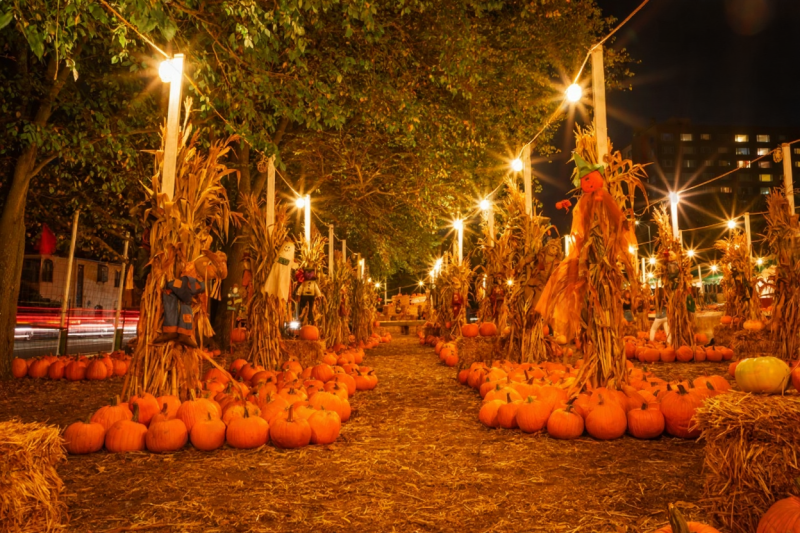
The Castro: Ground Zero for Creative Spectacle
When the sun sets on October 31st, the heart of San Francisco's Halloween celebration beats strongest in the Castro District. For decades, this historic neighborhood has been the unofficial epicenter of a massive, informal street party. While the official, city-sanctioned event has been discontinued, the spirit of flamboyant celebration is inextinguishable, making it a must-see spectacle for those seeking atmosphere over anxiety.
A Legacy of Theatrical Celebration
The Castro's reputation as a hub for celebration is deeply woven into its identity as a global icon for the LGBTQ+ community. This legacy of pride, resilience, and theatricality naturally extends to Halloween, which has long been an occasion for lavish costumes and uninhibited self-expression. The neighborhood’s streets transform into a runway of pure imagination, where locals and visitors alike come together to see and be seen. It’s this powerful sense of community and freedom that makes Halloween in the Castro an experience rooted in joy and connection.
What to Expect: A Masterclass in Costume Art
A night in the Castro on Halloween is a feast for the senses. The focus here is squarely on the costumes—and they are legendary. Expect to see everything from breathtakingly elaborate, hand-crafted creations that look like they belong on a movie set to hilarious, pop-culture-inspired group ensembles.
Unrivaled People-Watching: Find a spot along Castro Street and simply take in the parade of creativity. The energy is infectious, fueled by music, laughter, and the collective awe of the incredible artistry on display.
A Festive, Open-Air Vibe: While the area gets crowded, the atmosphere is generally light and celebratory. It’s less of a chaotic party and more of a vibrant, open-air gallery of costume art.
Focus on Fun, Not Fear: This is the essence of "Haunts Without Horrors." The thrill comes from the dazzling creativity and the electric atmosphere, not from things that jump out of the dark.
How to Navigate the Castro Pub Crawls Like a Pro
The neighborhood's many bars and pubs are a central part of the evening, with many participating in informal pub crawls. If you choose to partake, a little planning goes a long way in ensuring a smooth and safe night.
Assemble Your Krewe: The buddy system is non-negotiable. Stick with your friends, establish a clear meeting point (like a specific intersection or storefront) in case you get separated, and use a location-sharing app on your phones.
Strategize Your Stops: Have a few destinations in mind rather than wandering aimlessly. Check social media in the days leading up to see if any bars are advertising special events, themes, or cover charges.
Pace for the Long Haul: The night is a marathon, not a sprint. Stay hydrated with water between drinks and know your limits. The goal is to remember the amazing costumes, not to forget the entire night.
Master Your Exit Plan: As the Master Brief confirms, using rideshares is the smartest and safest way to get home. Book your ride a few blocks away from the most congested intersections on Castro or Market Street to make pickup faster and easier for your driver.
Pro-Tip: To experience the best of the Castro's atmosphere without the most intense crowds, aim to arrive in the early evening (around 7-8 PM). You'll get to see the incredible costumes and soak in the festive energy before the streets reach their peak capacity later in the night.

The Winchester Mystery House: A Haunt of a Different Kind
For a different kind of chill—one steeped in history, mystery, and architectural absurdity—a trip to the Winchester Mystery House is an essential part of the Bay Area Halloween experience. Located a short drive from San Francisco, this sprawling mansion is famous not for ghosts, but for its baffling and bizarre construction. It’s the perfect "haunt without horror" because the unease comes from its unsettling, real-life story, not from manufactured scares.
More Architectural Anomaly Than Haunted House
The legend of the Winchester Mystery House is as captivating as its design. It is said that Sarah Winchester, heiress to the Winchester rifle fortune, was instructed by a medium to continuously build onto her home 24/7 for 38 years to appease the spirits of those killed by her family's famous rifles. The result is a sprawling 160-room mansion filled with architectural oddities designed to confuse any spirits that might be lurking.
Staircases to Nowhere: Discover stairways that ascend directly into the ceiling.
Doors Opening to Nothing: Find doors that serve no purpose, opening onto solid walls or, more alarmingly, two-story drops.
A Labyrinthine Layout: The house was intentionally designed to be a maze, with winding hallways, secret passages, and a dizzying number of rooms.
Exploring the mansion is an exercise in psychological curiosity. The unsettling feeling comes from trying to comprehend the obsessive, labyrinthine logic behind its construction. It’s a historical puzzle box that you can walk through, making it a fascinating and slightly spooky destination that engages the mind rather than just the adrenaline glands.
Planning Your Visit: An Insider's Itinerary
A visit to the Winchester Mystery House requires a bit of planning to make the most of the experience, especially during the popular Halloween season.
Book Tickets in Advance: This is non-negotiable. Halloween season is peak time. Secure your tour tickets online well in advance to avoid a sold-out disappointment.
Choose Your Tour Wisely: The mansion typically offers several types of tours, from a general estate tour to more specialized, seasonally themed explorations. Review the options to find the one that best fits your interest in history, architecture, or paranormal lore.
Give Yourself Time: Don't rush it. Besides the house tour itself, the estate has beautiful gardens and historical exhibits to explore. Plan for at least half a day for the entire experience, including travel time from San Francisco.
Packing for a day trip that combines city exploration with a visit to a historic estate can be a challenge. You need to be prepared for changing temperatures and long periods of walking. Our How to Pack Light Guide provides essential tips for creating a versatile daypack with everything you need, ensuring you stay comfortable without being weighed down.

A Practical Guide to the Best Halloween Events USA Offers in SF
Mastering Halloween in San Francisco is about more than just knowing where to go; it’s about navigating the city like a local. From transportation tricks to costume considerations, these practical tips will ensure your night is all treat and no trick.
Transportation Triumphs: Getting Around the City
On Halloween night, the city's streets can be congested, especially in popular neighborhoods.
Embrace Public Transit: Muni and BART are your best friends. They are cost-effective and eliminate the stress of finding (and paying for) parking. Plan your route ahead of time and check for any holiday schedule changes.
Rideshares Require Strategy: While convenient, surge pricing will be in effect. If you use a rideshare app, walk a few blocks away from the main crowds to a less chaotic side street. This makes your pickup location easier for your driver to find and can sometimes lower the fare.
Walk with Purpose: San Francisco is a fantastic walking city, but be prepared for its famous hills. Wear comfortable shoes, even if they clash with your costume. Your feet will thank you at 2 AM.
Costume Craft: Dressing for SF's Fickle Climate
San Francisco's weather is a character in itself. A sunny afternoon can quickly give way to a cold, foggy evening, a phenomenon locals lovingly call "Karl the Fog."
Layers Are Your Superpower: The golden rule of dressing in SF applies even on Halloween. Design your costume with layers in mind. A stylish jacket, a dramatic cape, or thermal undergarments can be a lifesaver when the temperature drops.
Comfort Is King (or Queen): You'll likely be doing a lot of walking or standing. Prioritize comfortable footwear above all else. Nothing ruins a fun night faster than painful blisters.
Pro-Tip: Weave safety directly into your costume design. Use reflective fabrics, glow-in-the-dark paint, or battery-powered LED lights. Not only will you be more visible crossing the city's busy streets, but you'll also add a cool, tech-forward element to your look that feels perfectly at home in San Francisco.
Beyond the Main Events: Finding SF's Hidden Halloween Charm
San Francisco’s Halloween magic isn’t confined to just one or two locations. The city’s innovative and nature-loving spirit means you can find festive touches in the most unexpected places.
Atmospheric Lights in Golden Gate Park
Drawing inspiration from the city’s love of blending tech and nature, keep an eye out for special light installations or themed events in Golden Gate Park. As dusk falls, the park’s misty groves and winding paths take on a naturally spooky ambiance. It’s the perfect setting for a low-key, atmospheric evening walk before heading to more lively celebrations.
Artisan Markets with a Spooky Twist
San Francisco is home to countless local artisan markets. During October, many of these markets embrace the season, offering Halloween-themed crafts, gourmet treats, and local art. It’s a fantastic way to find a unique souvenir and experience the city’s creative community on a more intimate level, often with stunning bay views as a backdrop.
The Ultimate Resource for Your Entire Trip
A single holiday is just a snapshot of what this incredible city has to offer. To truly unlock the best of the Bay Area, from its iconic landmarks to its hidden neighborhood gems, a comprehensive resource is essential. To discover even more seasonal secrets and plan the perfect trip any time of year, our comprehensive Travel Guide is the ultimate resource for exploring San Francisco and beyond.

Conclusion: Embrace the Unforgettable Spirit of a San Francisco Halloween
San Francisco offers a Halloween experience that is as unique as the city itself—one that champions creativity, community, and atmosphere over cheap thrills and jump scares. It’s a place where you can marvel at the incredible costume artistry in the Castro, ponder the architectural riddles of a mysterious mansion, and soak in the festive energy of a city that truly knows how to celebrate. From the Castro's vibrant streets to mysterious mansions, the city provides some of the most memorable Halloween events USA has to offer by focusing on what truly matters: community, creativity, and unforgettable fun.
You now have the insider knowledge to craft a Halloween adventure that's perfectly spirited and uniquely San Francisco. You can confidently navigate the city's biggest celebrations and discover its hidden charms, creating memories that will last a lifetime.
What are you most excited to experience? Share your San Francisco Halloween plans in the comments below
Don't Miss Out! Subscribe for Exclusive Content
Subscribe


Comments 0
No comments yet
Be the first to share your experience!
Dont Miss Out! Subscribe for Exclusive Content

San Francisco Cherry Blossoms: A Local's Guide to the Blooms


SF Festivals: 7 Must-See Lineups

Christmas SF: Lights & Wharf Wonders

SF Pride: 6 Route & Party Hacks

Chinese New Year SF: Parade Essentials

San Francisco Holidays: Bay Area Buzz
Social Media Affiliate Strategies Tailored for Travel Influencers
TrekGuider @trekguider
You’ve built a vibrant community. Your Instagram feed is a mix of breathtaking landscapes, your TikToks capture the chaotic magic of travel, and your audience hangs on your every recommendation. You have the influence, the engagement, and the trust. But when you look at your affiliate income, there’s a frustrating disconnect.
The links you drop in your bio get lost, your story swipe-ups fizzle out, and the revenue trickles in—a pale shadow of the value you provide daily.

This isn't just a feeling; it's a critical flaw in your business model. You see the industry reports—the affiliate marketing market soaring past $93 billion, with the average travel affiliate earning a reported $13,847 a month—and it feels like it’s happening in another universe. You’re a social-first creator stuck trying to implement a blog-first strategy, and it’s costing you a fortune.
This guide is your platform-specific playbook. We are moving beyond the blog-centric advice that doesn't fit your business. This is a deep dive into the world of social affiliate marketing, with tailored, actionable strategies designed specifically for Instagram, TikTok, and Pinterest. You will learn how to turn your engagement into a reliable, scalable income stream by meeting your audience where they are. For a complete command of the entire affiliate ecosystem, from program selection to legal compliance, our definitive pillar page, Travel Affiliate Programs: The 2026 Ultimate Guide, is your essential command center.
The Mindset Shift: From "Influencer" to "Social CEO"
Let’s start with a crucial shift in identity. The word "influencer" feels passive—you post, influence happens. But the creators truly cashing in operate as "Social CEOs." They don't just post; they build strategic, multi-platform funnels. They understand that their social media presence isn't just a gallery of their travels; it's a dynamic, high-value media business.

This mindset is grounded in the massive economic reality of our industry. The creator economy is forecasted to exceed $1.3 trillion by 2033, and the travel vertical is a major engine within it, accounting for about 16% of all affiliate revenue. As a Social CEO, your job is to architect a system that captures a professional share of that value. This means moving from random acts of linking to a deliberate, platform-aware social affiliate marketing strategy.
The Universal Rules of Social Affiliate Marketing
Before we dive into platform specifics, three universal rules form the bedrock of any successful social affiliate strategy. Mastering these principles is non-negotiable.
Rule #1: Trust is Your Only Currency (FTC Disclosure is Mandatory)
On social media, trust is earned in drops and lost in buckets. The fastest way to lose it is to be dishonest about your financial relationships. The U.S. Federal Trade Commission (FTC) legally requires you to clearly and conspicuously disclose any affiliate relationship. This isn't just a legal chore; it's a badge of honor that signals your professionalism.
On Instagram: Your disclosure (e.g., Ad:, #sponsored) must be within the first three lines of your caption, visible without a user having to click "...more."
On TikTok: Use the platform's built-in branded content toggle and include #ad or #sponsored in your caption.
On Pinterest: Always include a clear disclosure like #affiliate or #ad in your Pin description.
Rule #2: Value First, Link Second
No one follows you to be sold to. They follow you for your taste, your expertise, and your stories. A successful affiliate promotion on social media never feels like an ad; it feels like a genuinely helpful recommendation from a trusted friend. The affiliate link is simply the convenient next step for an audience you've already served.
Rule #3: The "Link in Bio" is Your Command Center
Most social platforms are notoriously stingy with clickable links. This makes your "Link in Bio" the most valuable piece of real estate you own. It is not a place for a single, lonely link. It is your central command center, your digital storefront.
Using a "link in bio" tool is essential. These tools create a simple, mobile-friendly micro-landing page where you can house all of your most important affiliate links, blog posts, discount codes, and offers.
Essential Tools: Linktree, Later, Stan Store, Beacons.
Think of your content as the beautiful window display and your "Link in Bio" as the front door to your store. Every piece of content should, in some way, guide your most engaged followers to that door.

Your Instagram Playbook: Mastering Visual Commerce
Instagram is the quintessential platform for travel creators, blending stunning visuals with deep community engagement. Here’s how to turn that engagement into a reliable social affiliate marketing engine.
Strategy 1: The High-Conversion "Link in Bio" Funnel
Your bio link is your primary sales channel. The goal is to create a seamless journey from your content to that link.
The Content: In your captions, Reels, and Stories, directly reference a solution you're offering. For example, "Want my complete packing list for a week in Italy? I've linked my go-to carry-on and all my favorite gear. Head to the link in my bio to grab it!"
The Link in Bio: Your landing page should be clean, visual, and easy to navigate. Use clear, action-oriented buttons like "My Favorite Travel Backpack" or "Shop My Camera Gear." Each button should lead directly to a product page or a curated list using your affiliate links.
Strategy 2: Monetizing Stories with Link Stickers & Interactive Tools
Instagram Stories are your most intimate and immediate channel. With a 24-hour lifespan, they are perfect for timely promotions and direct engagement.
The Link Sticker: This is your most powerful tool. Use it to link directly to affiliate products you're showing in the moment. When demonstrating your favorite travel tripod, add a link sticker that says "Get the Tripod Here!"
Polls & Quizzes: Use interactive tools to prime your audience. Before promoting a hotel booking site, run a poll: "Planning a trip in the next 3 months? YES / NOT YET." You can then follow up with a targeted Story for the "YES" voters.
Strategy 3: Turning Reels into Revenue Engines
Reels are your top-of-funnel discovery engine, reaching thousands of potential new followers. With video projected to account for a staggering 55% of all affiliate traffic by 2026, mastering Reels isn't just a good idea—it's a strategic imperative.
The Hook: Create short, value-packed videos that solve a specific problem. Think "3 Travel Tech Gadgets I Can't Live Without" or "How to Pack for 10 Days in a Carry-On."
The Verbal CTA: In your video, and in the first line of your caption, explicitly direct people to your bio. "You can find all of these linked in my bio under 'Favorite Travel Gear'!"
The Pinned Comment: After you post, leave a comment that says, "Everything is linked in my bio!" and pin it to the top.
Pro-Tip: Create a permanent Story Highlight on your profile titled "My Gear," "Travel Faves," or "Discounts." Populate it with your top-performing affiliate stories. This turns ephemeral content into an evergreen, 24/7 sales asset that new followers can discover at any time.

Your TikTok Playbook: Entertainment-Driven Sales
TikTok rewards authenticity and entertainment above all else. A hard sell will fail spectacularly. A clever, entertaining video that seamlessly integrates a product can go viral and drive incredible sales.
Strategy 1: The "Show, Don't Tell" Method
The best affiliate marketing on TikTok doesn't feel like marketing at all. It's about showing a product solving a problem in a real, and often humorous, way.
Example: Instead of talking about your favorite packing cubes, create a fast-paced, satisfying video showing a chaotic pile of clothes being magically organized into a tiny suitcase using the cubes, set to a trending sound. The value is demonstrated, not just described.
Strategy 2: Leveraging Trends for Affiliate Opportunities
TikTok is driven by trends—sounds, formats, and challenges. The smartest creators piggyback on these trends to showcase their affiliate products. If there's a trending sound about "things that just make sense," create a video showcasing "travel products that just make sense," featuring your top affiliate items.
Strategy 3: Building the Bridge from Video to Bio
Like with Instagram Reels, the funnel is key. Your video must be entertaining enough to stop the scroll, and your call-to-action must be clear enough to drive action.
Use On-Screen Text: Don't rely on the caption alone. Use TikTok's text tool to add "Link in Bio for all products!" directly onto the video.
Create a "Shopping List" in your Bio: Make it easy for your audience. Your "Link in Bio" page should have a section that mirrors your recent viral videos, like "As Seen in My TikToks," so users can find products instantly.

Your Pinterest Playbook: The Visual Search Engine for Buyers
Pinterest is not a social network; it's a visual search engine. Users are not there to connect; they are there to plan, discover, and buy. This makes it an incredibly powerful, and often overlooked, platform for affiliate marketing.
Strategy 1: Crafting Keyword-Rich, Shoppable Pins
Every Pin is an opportunity to rank in Pinterest's search results. Your goal is to create beautiful, helpful Pins that target users with high commercial intent.
Vertical Images: Create visually appealing Pins with text overlays that act as a headline (e.g., "The Ultimate Carry-On Packing List").
Keyword-Driven Descriptions: Write a detailed, helpful description using keywords a user would search for, like "best travel backpack for women," "what to pack for Europe," etc.
The Direct Link: Unlike other platforms, Pinterest allows you to put your affiliate link directly in the "Website" field of a standard Pin. Always disclose with #affiliate in the description.
Strategy 2: The Power of Idea Pins and Video Pins
These multi-page and video formats are heavily promoted by Pinterest's algorithm. Use them to create mini-tutorials or guides.
Example: Create an Idea Pin titled "5 Ways to Use Packing Cubes." Each page can showcase a different tip, and the final page can direct users to your affiliate link for the cubes.
Strategy 3: Creating Themed Boards that Convert
Think of your Pinterest boards as curated storefronts. Create highly specific boards like "Italy Summer Trip Essentials," "Digital Nomad Tech Gear," or "Cozy Cabin Getaway Style." Populate these boards with your affiliate Pins, creating a one-stop shop for users planning a specific type of trip.
Pro-Tip: Use a tool like Canva to create beautiful, branded Pin templates. This allows you to quickly produce a high volume of quality Pins, which is a key factor for growth on the platform. For every piece of content you create, you should aim to create 5-10 different Pin variations.

The Pro-Level Play: From Affiliate to Owner
One of the most advanced social affiliate marketing strategies is to diversify beyond one-time commissions and build a recurring revenue stream. The ultimate evolution for a creator is to move from promoting other people's products to selling their own. This is where referral programs for creator platforms become a high-margin secret weapon.
Instead of just earning from a product sale, you earn by introducing your community to a platform or service that will help them grow their own business. This creates a powerful win-win: your audience gets a valuable tool, and you build a more stable, passive income stream. This is the exact model we’ve built to empower creators with the TrekGuider Platform.
Our platform is designed for travel creators like you to sell your own digital products—itineraries, guides, presets, and more. Our referral program is the perfect high-margin addition to your social media strategy.
The Content Angle: Create content that empowers your community. Post a Reel about "How I Make Money While Traveling" and explain how you sell digital guides on TrekGuider, directing them to your referral link to get started. You're not just selling; you're sharing a business opportunity.

Your Social Empire Awaits
You are no longer just a creator sharing your passion; you are the CEO of a modern media company, and social media is your headquarters. By implementing these platform-specific social affiliate marketing strategies, you can finally bridge the gap between your influence and your income.
The path is clear. Build your command center with a "Link in Bio" tool. Master the funnels on Instagram and TikTok. Turn Pinterest into your visual sales engine. And layer in high-margin referral opportunities to build a truly resilient business.
Ready to Build Your Travel Content Business?
Download our free resource bundle, The Travel Creator's Toolkit. It’s packed with the checklists, content templates, and guides you need to put these steps into action and start building your affiliate income today.
Frequently Asked Questions (FAQ)
1. Can I really make a full-time income from affiliate marketing without a blog? Absolutely. While a blog is a powerful asset, a well-executed social-first strategy can generate a significant income. The key is to master the art of funneling your audience from your content to a centralized "link in bio" page where they can easily shop your recommendations.
2. How many followers do I need to start affiliate marketing? There is no magic number. A creator with 1,000 highly engaged, niche followers can often outperform one with 100,000 passive followers. Focus on building a deep, trusting relationship with your audience first. The income will follow.
3. What are the biggest mistakes to avoid? The top three mistakes are: not disclosing your affiliate links (which is illegal and erodes trust), being too "salesy" instead of providing value first, and not using a "link in bio" tool to organize your links effectively.
Read the full guide: The Travel Blogger's Playbook to Affiliate Marketing Mastery
Don't Miss Out! Subscribe for Exclusive Content
SubscribeComments 0
No comments yet
Be the first to share your experience!
Dont Miss Out! Subscribe for Exclusive Content

FTC Affiliate Disclosure Essentials: Stay Compliant as a Travel Creator

Essential Affiliate Tools: From Tracking to Full Optimization

Avoid These 5 Affiliate Landing Page Mistakes for Better Conversions

Affiliate Keyword Research Mastery for Travel Blogs

Booking.com Affiliate Program Review: Pros, Cons, and Earnings Potential

Decoding Affiliate Commission Rates: Benchmarks for Travel Creators
Choosing an All-Inclusive Family Resort? Read This First.
TrekGuider @trekguider
The idea of an all-inclusive resort is almost magical for parents: a place where "I'm hungry" is solved instantly, activities are endless, and your wallet can stay locked in the safe. But the dream can quickly turn into a pricey mistake with crowded pools, hidden fees, and lackluster kids' clubs. The key to securing that blissful, stress-free escape isn't luck—it's knowing exactly what to look for before you book.
For every family that returns refreshed, another comes back with cautionary tales. The difference between paradise and disappointment lies in the details. This guide is your battle plan to see past the glossy marketing photos and find true value.

We'll show you how to vet any resort and book a vacation that delivers on its promise. This advice is a perfect starting point for the hands-on planning that follows exploring broader Family Travel Ideas: The 2026 Guide to Unforgettable Trips.
The Real Genius of an All-Inclusive
Choosing an all-inclusive isn't just about unlimited snacks (though that helps). It's a strategic move to conserve your most valuable resources: mental energy and peace of mind.
The Freedom from Decision-Making: A great vacation shouldn't require a dozen decisions before breakfast. At the right resort, the only choice you need to make is between the pool and the beach. This freedom from constant planning is the ultimate luxury for a parent.
Lock In Your Budget, Then Forget About It: This is perhaps the biggest stress-reducer. You know the vast majority of your costs upfront, eliminating the constant mental math of vacation spending. It allows you to relax and say "yes" to another round of virgin piña coladas without wincing.
A Safe Harbor for Your Kids: The self-contained nature of a resort means you can relax your constant hyper-vigilance. It’s a secure environment where older kids can have a taste of independence (like walking to the ice cream stand on their own) and you can actually finish a chapter of your book. For more on this, explore The Secret to Stress-Free All Inclusive Family Vacations.
The Perfect Solution for Group Getaways: Trying to coordinate a trip with grandparents, cousins, or another family can be a logistical nightmare. An all-inclusive acts as the perfect home base, offering a wide array of food and activities to keep everyone happy without the need for complex daily planning.
Not All-Inclusives Are Created Equal
The term "all-inclusive" covers everything from sprawling theme parks to quiet beach retreats. The key is matching the resort's personality to your family's.

The Action-Packed Wonderland: Think massive water parks, character breakfasts, and a dizzying schedule of activities from sunrise to sunset.
Best For: Families who crave constant stimulation. If your kids thrive on energy and want to make a dozen new friends, this is your spot.
The Chic & Serene Escape: These smaller, more intimate properties focus on quality over quantity. Expect elevated dining, stunning design, and a more relaxed, upscale atmosphere.
Best For: Families with infants who just need a beautiful place to relax, or those with self-sufficient teenagers who cringe at organized fun. This is about connection, not chaos.
The Eco-Adventure Hub: Located in places like Costa Rica, these resorts weave nature and adventure into the all-inclusive package. Think guided jungle hikes, kayaking tours, and wildlife spotting included in your stay.
Best For: Active families who want the ease of an all-inclusive without being confined to a pool deck. It’s for those who want to explore the world, then come back for a hassle-free dinner.
The Savvy Parent's Vetting Checklist: 5 Things to Do Before You Book
Marketing photos sell a fantasy. Your job is to uncover the reality. Be ruthless. Use this five-point checklist to dissect any potential resort and ensure it’s the right fit for your family.

1. Interrogate the Kids' Club
A great kids' club is the key to unlocking actual adult relaxation. Don't just confirm its existence; investigate the details like a detective.
The Checklist:
Age Groups: Are kids lumped together, or are there separate programs for toddlers, little kids, and tweens? A 4-year-old and a 10-year-old have vastly different needs.
The Schedule: Ask for a sample weekly activity schedule. Is it creative and engaging (nature walks, craft projects, local cooking classes) or is it just screen time?
Staffing: What is the staff-to-child ratio? Are staff certified in CPR and first aid?
Security: What are the check-in and check-out procedures?
Green Flag: The resort proudly displays its kids' club schedule online.
Red Flag: The details are vague, and customer service can't provide specifics.
2. Scrutinize the Food & Drink Scene
"All-inclusive" shouldn't mean mediocre. You need to understand the logistics of how, when, and where you'll be eating.
The Checklist:
The Reservation Reality: How many restaurants require reservations? Can they be made before you arrive, or is it a mad dash each morning to book a spot for dinner?
Buffet Recon: Look at recent guest photos on TripAdvisor or Google, not just the professional ones. Does the buffet look fresh and varied? Are there plenty of simple, kid-friendly staples?
Hours of Operation: When do the restaurants and snack bars open and close? If your toddler is an early riser, a coffee shop that opens at 8 a.m. is a problem.
Green Flag: Multiple casual, drop-in dining options are available all day.
Red Flag: Reviews repeatedly mention long waits for tables or difficulty getting reservations.
3. Audit the "All-Included" Fine Print
The most frustrating part of a bad all-inclusive experience is the endless stream of upcharges. Your mission is to identify them beforehand.
The Checklist:
Activities: Is it just non-motorized water sports (kayaks, paddleboards)? Or are things like snorkel gear, a climbing wall, or an introductory scuba lesson included?
Drinks: Is it just local beer and well liquor? Are premium spirits, bottled water, and decent wine extra?
Hidden Fees: Look for mentions of "resort fees," Wi-Fi charges, or extra costs for premium beach chairs or cabanas.
Green Flag: The resort's website has a clear, detailed page listing exactly what’s included.
Red Flag: The language is vague, using phrases like "select beverages" or "some activities."
4. Evaluate the Resort Map
A sprawling, poorly planned resort can turn a simple trip to the pool into a 15-minute trek in the blazing sun with a tired toddler.
The Checklist:
The Golden Triangle: Look at the map. How far are the main family pool, the primary buffet, and the beach from the room blocks designated for families?
Quiet vs. Action: Does the resort have designated "quiet pools" or adults-only sections? This is a great sign—it means they're thinking about different types of guests.
Green Flag: The resort is thoughtfully laid out with key family amenities clustered together.
Red Flag: The resort is massive, and reviews mention needing to wait for golf carts to get anywhere.
5. Triangulate Real-World Reviews
Read reviews, but read them like a pro. Don't just skim the star ratings.
The Checklist:
Filter Everything: On sites like TripAdvisor, filter reviews specifically for "Family." The experience of a honeymooning couple is irrelevant to you.
Search for Keywords: Use the search function within reviews to look for terms relevant to you: "toddler," "stroller," "food allergies," or "teen."
Look for Patterns: Ignore the single 1-star review from an angry guest and the glowing 5-star review that sounds like it was written by the hotel manager. Look for consistent themes that appear in multiple reviews over several months. That’s the truth.
Green Flag: Recent family reviews are consistently positive about the staff and cleanliness.
Red Flag: Multiple families mention the same recurring problems (broken A/C, dirty pools, etc.).
Pro-Tips for Your First All-Inclusive Trip
Here's the insider knowledge that can make a good trip great.

Pack Your Own Insulated Cups: The resort cups are often tiny and flimsy. Bringing your own will keep your drink cold, reduce plastic waste, and save you countless trips to the bar.
Bring Small Bills for Tipping: While tips are often included, a few dollars for the bartenders, housekeeping staff, or kids' club counselors will ensure exceptional service.
Bring a Mini-Pharmacy: Don't pay $20 at the resort gift shop for children's Tylenol. Pack a small kit with essentials like pain relievers, allergy meds, upset stomach remedies, and plenty of waterproof Band-Aids.
The Early Bird Gets the Best Chair: In most resorts, the prime real estate by the pool is claimed early. If a shady spot is important, you may need to stake your claim before breakfast.
Make the Journey as Smooth as the Destination
The perfect resort vacation starts with a stress-free travel day. But flying with kids can feel like its own logistical puzzle. Our free guide is packed with pro tips on navigating airports, beating boredom, and arriving at your resort ready to relax.
Download the Stress-Free Flying with Kids Guide
Frequently Asked Questions
Are all-inclusive resorts really a good value?
They offer incredible value for convenience and budget control. While an a la carte trip might be cheaper, it requires far more planning and leaves you open to surprise costs. For parents who value a low-stress experience, the return on investment is huge.
What's the best age for a child to enjoy an all-inclusive?
The 4-12 age range is often the sweet spot, as kids are old enough for the kids' club but young enough to be dazzled by it all. That said, many resorts now have fantastic, dedicated programs for toddlers and teens, making them a great option for nearly any age.
How do I handle food allergies?
Reputable resorts take this very seriously. Contact the resort directly before booking to discuss their protocols. Once you arrive, ask to speak with the head chef, who can often arrange for safe, specially prepared meals.
What should I always pack for an all-inclusive trip?
Beyond your usual clothes, always pack your own insulated cups for drinks, a mini-pharmacy with kids' medicine and first-aid, and small bills for tipping. These items will save you money and hassle.
An all-inclusive family vacation, chosen wisely, is more than a trip—it's a reset button. By using this framework to look beyond the brochure, you can confidently select a resort that fits your family's unique style. You can trade planning and stress for presence and connection, and create memories that truly last.
Read the full guide: Family Travel Ideas: The 2026 Guide to Unforgettable Trips
Don't Miss Out! Subscribe for Exclusive Content
SubscribeComments 0
No comments yet
Be the first to share your experience!
Dont Miss Out! Subscribe for Exclusive Content

Ultimate USA Holidays Guide: Top Picks
FTC Affiliate Disclosure Essentials: Stay Compliant as a Travel Creator
Essential Affiliate Tools: From Tracking to Full Optimization
Booking.com Affiliate Program Review: Pros, Cons, and Earnings Potential
Decoding Affiliate Commission Rates: Benchmarks for Travel Creators

Top 11 High-Paying Affiliate Programs for Travel Bloggers
Solo Travel Packing: Pack for Freedom, Not Fear
TrekGuider @trekguider
Forget every checklist you’ve ever downloaded. The internet is littered with lists of what to pack, but they all miss the fundamental point. For a solo traveler, the contents of your bag are secondary. What truly matters is the system behind it. Mainstream packing advice is a trap, designed for travelers who can lean on a partner. But for you, every ounce and every decision is a direct reflection of your independence.
The secret the pros know is this: packing isn’t a chore you endure before a trip. It is the first, most critical act of the adventure itself. It’s a declaration of self-reliance. Getting it wrong leads to the classic traveler mistakes: wrestling an overstuffed bag on a crowded train, becoming an obvious target, or having a minor inconvenience like a dead phone escalate into a genuine crisis in an unfamiliar city.
This is not another packing list. This is a manifesto on the philosophy of smart travel. We’re going to dismantle the conventional wisdom and replace it with a set of battle-tested systems. These are the solo travel packing hacks that go beyond gear, transforming your bag from a burdensome anchor into a strategic asset for a safer, more mobile, and profoundly more liberating journey. Of course, packing is just one piece of the puzzle. For the complete playbook on traveling alone, be sure to consult our master resource on Anxious to Adventurous: Solo Travel Tips for Confidence.

The Mindset Shift: Why Your Bag is Your Most Important Travel Companion
For a solo traveler, your pack is your superpower. It’s your home, your toolkit, and your shield. Embracing this mindset is the key. A masterful packing strategy isn’t about what you leave behind; it’s about what you gain—freedom from the tyranny of heavy luggage, the anxiety of unpreparedness, and the vulnerability that comes with looking like a lost tourist.
This philosophy is built on three core pillars:
Radical Self-Reliance: You are your entire support system. Every item must be a tool that empowers your independence, from a simple roll of duct tape for on-the-fly repairs to a power bank that ensures you are never without your digital lifeline.
Calculated Efficiency: Your time and energy are your most precious resources. An intelligently organized bag means less time spent rummaging for a charging cable and more time savoring a sunset. It means navigating cobblestone streets and endless train station stairs with ease, not exhaustion.
Proactive Security: A smart packer moves with confidence, and confidence is a powerful deterrent. This isn't about paranoia; it's about preparation. It’s choosing and organizing your gear in a way that makes you a "hard target," so you can focus on the joy of discovery.
System 1: The Capsule Wardrobe - A Masterclass in Infinite Style, Minimal Space
The Philosophy: More Options from Fewer Items
The capsule wardrobe isn't just a space-saving technique; it's a strategic weapon against decision fatigue. The goal is to create a small, curated collection of versatile, interchangeable clothing. This ensures you feel confident and appropriate in any situation, from a morning market stroll to an impromptu dinner invitation, without ever having to waste mental energy on what to wear.
The Method in Action
This system works by making smart, upfront choices. For example, a common framework for a one-week trip is the 5-4-3-2-1 guideline: 5 sets of socks/underwear, 4 tops, 3 bottoms, 2 pairs of shoes, and 1 layering piece. But the real magic is in the details.
Invest in high-performance fabrics. Merino wool is the undisputed champion for solo travelers; it’s temperature-regulating, moisture-wicking, and naturally odor-resistant, meaning you can wear it multiple times without washing. One merino wool shirt does the work of three cotton ones.
Build on a neutral palette. Sticking to a base of colors that all work together (black, grey, navy, tan) creates dozens of potential outfits. You can then add personality with a lightweight, colorful scarf or a unique accessory—items that provide maximum visual impact for minimal packing space.
System 2: Modular Organization - The Secret to Effortless Efficiency & Discretion
The Philosophy: A Place for Everything, and Everything in Its Place
How you organize your bag is a strategic choice. A chaotic bag bleeds time and energy. Worse, it forces you to expose your entire inventory just to find one item, a critical vulnerability in a shared hostel dorm. The goal is to create a modular system that allows you to access exactly what you need, when you need it, without disrupting anything else.
The Method in Action
The key element of modular organization is compartmentalization.
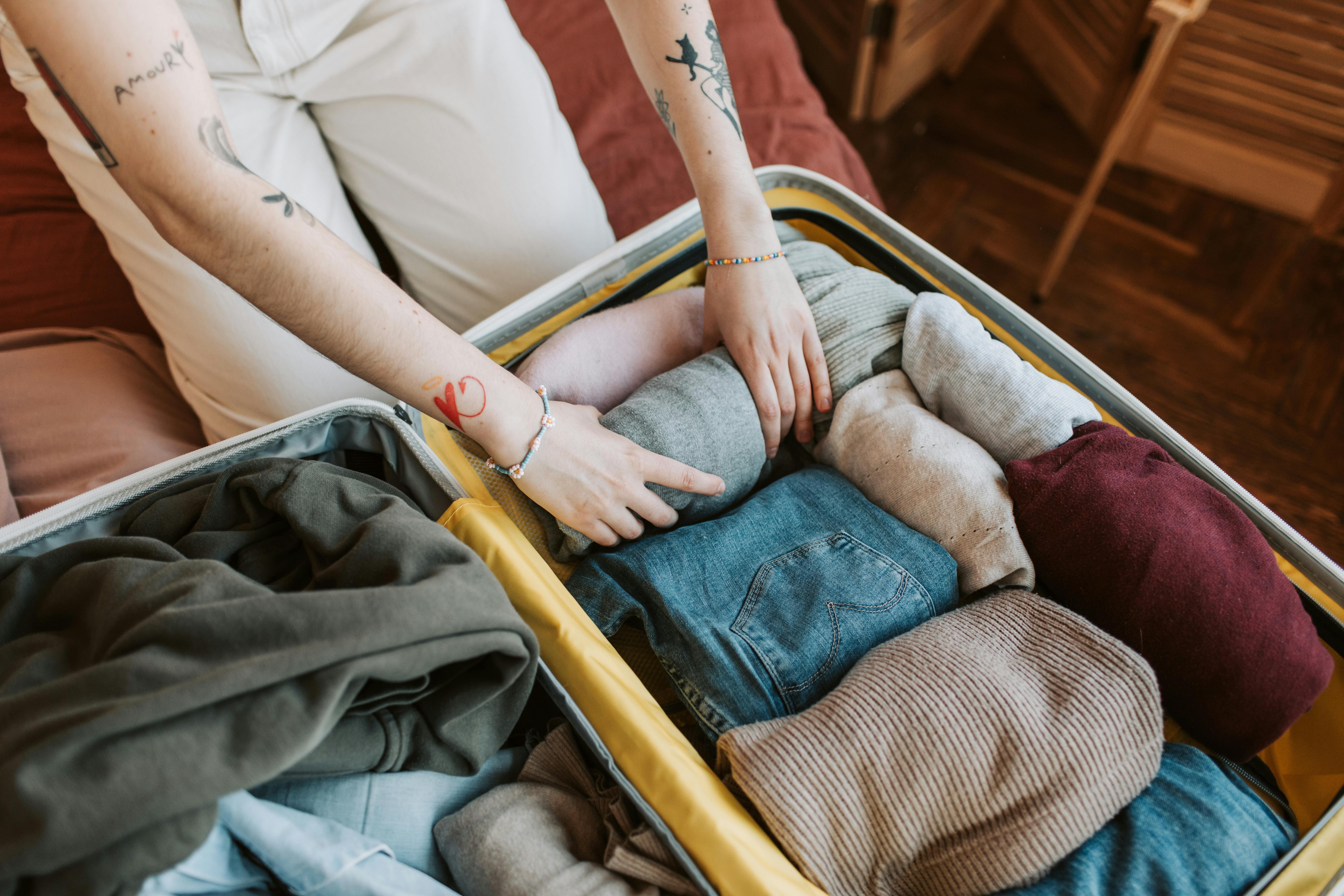
Packing cubes are the gold standard. They aren’t just for compression; they turn your backpack into a tidy chest of drawers. By using different colored cubes for different categories (e.g., blue for tops, red for bottoms, grey for electronics), you can retrieve an item in seconds, discreetly and efficiently.
The rolling method is foundational. Tightly rolling your clothes is superior to folding. It minimizes wrinkles and allows you to see every piece of clothing at a glance within your packing cube, eliminating the need to dig.
System 3: The Fortress of Self-Reliance - Your Security & Problem-Solving Toolkit
The Philosophy: Prepare for the Worst, Enjoy the Best
True freedom on the road doesn't come from hoping problems won't arise. It comes from the quiet confidence that you can handle them when they do. This system is about building a portable fortress of security and a toolkit for self-reliance, so you can explore with an unshakeable peace of mind.
The Three Layers of Your Fortress
Layer 1: Proactive Gear Security
The goal here is to make yourself a less appealing target. Opportunistic thieves look for easy wins.
Carry a decoy wallet with a small amount of local currency and some expired cards. If confronted, you can hand it over without losing your essential documents.
Use a simple carabiner to clip the zippers of your daypack together. It’s not a high-security lock, but it’s an effective deterrent against a pickpocket trying to subtly slide your bag open in a crowd.
Layer 2: Personal & Digital Safety
Your well-being matters most. These items are non-negotiable.
A rubber door stop is one of the most effective, low-cost security tools you can carry. Shoved under your hotel or Airbnb door, it provides a powerful physical barrier against unwanted entry.
Your phone is your lifeline. A dead phone is a safety crisis. Always carry a fully charged power bank (at least 10,000mAh).
Public Wi-Fi is a hunting ground for data thieves. Using a VPN on your phone and laptop is essential to protect your banking information and passwords.
Layer 3: The "MacGyver" Multi-Tools
When you’re alone, small problems can become major headaches. The MacGyver mindset is about packing a few multi-purpose items that can solve countless issues.
Wrap a few feet of duct tape around a water bottle or pen. It can repair a broken sandal, patch a backpack, or serve as a makeshift bandage.
A bandana or sarong is the ultimate multi-tool. It can be a towel, a sun shield, a dust mask, a makeshift bag, or a privacy screen.
Beyond the Gear: Packing for the Solo Experience
Expert packing goes beyond the purely practical. It’s also about packing for your emotional well-being and enhancing the unique moments that solo travel offers.
Pack a sensory comfort item. Loneliness can strike unexpectedly. Something small that connects you to home—a few of your favorite tea bags, a familiar scent, a silk pillowcase—can be an incredible comfort.
Bring a social icebreaker. A simple deck of playing cards placed on a table in a hostel common room is a universal invitation to connect with other travelers, breaking down language and cultural barriers instantly.
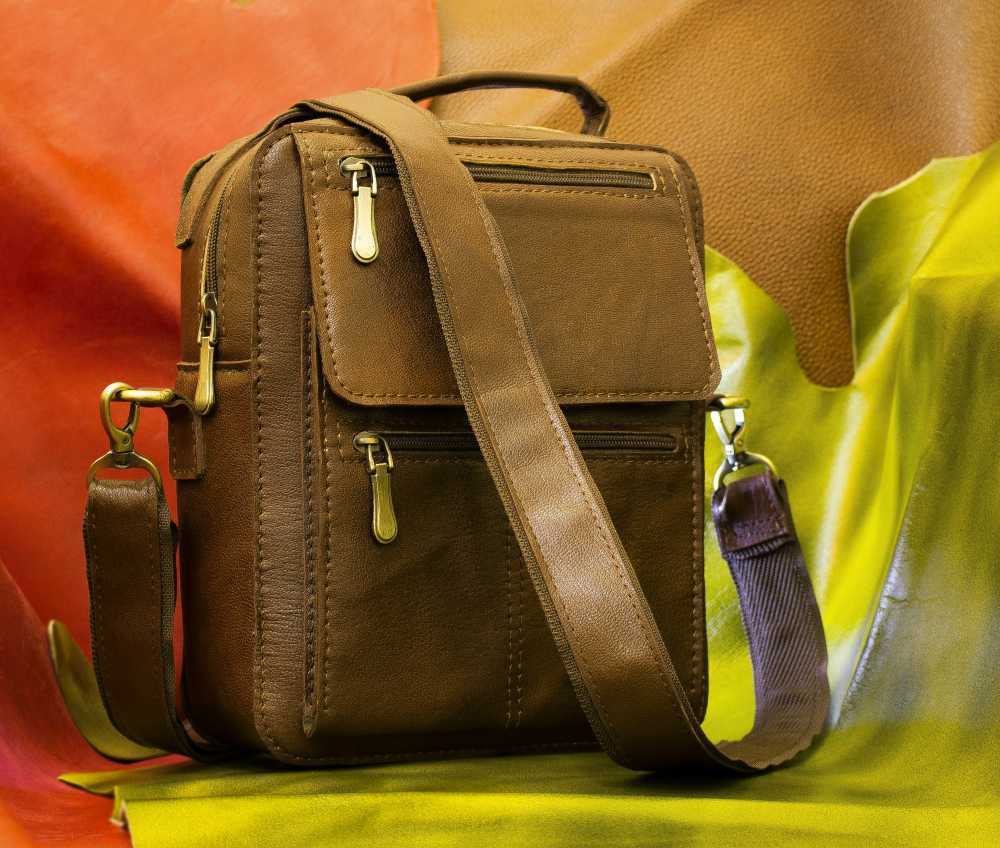
Empower your inner photographer. Don't let being solo stop you from getting great photos. A small, flexible mini tripod allows you to use your phone's self-timer for stunning shots that aren't just selfies. The "video screenshot hack" is another pro move: record a short video of yourself moving through a scene, then scrub through it later to pull out perfect, candid-looking still images.

Conclusion: Stop Packing, Start Preparing
You now possess the framework. The difference between an amateur and an expert traveler isn't what they pack, but how they think. It’s the understanding that a capsule wardrobe is about mental clarity, modular organization is about efficiency, and a fortress of self-reliance is about absolute freedom.
This guide was the "why." You have the philosophy.
Now it's time for the "what." To put these systems into practice, you need the right tools. We've compiled everything—every piece of gear, every item of clothing, every essential document—into one definitive resource.
Your next step is clear. Take these principles and build your ultimate kit with our . It’s the tactical playbook that will bring this strategy to life.
Read the full guide: Anxious to Adventurous: The Ultimate Guide to Solo Travel Confidence
Don't Miss Out! Subscribe for Exclusive Content
SubscribeComments 0
No comments yet
Be the first to share your experience!
Dont Miss Out! Subscribe for Exclusive Content
Ultimate USA Holidays Guide: Top Picks
FTC Affiliate Disclosure Essentials: Stay Compliant as a Travel Creator
Essential Affiliate Tools: From Tracking to Full Optimization
Booking.com Affiliate Program Review: Pros, Cons, and Earnings Potential
Decoding Affiliate Commission Rates: Benchmarks for Travel Creators
