
Halloween SF: Haunts Without Horrors

TrekGuider @trekguider
Let’s be honest: the hunt for the perfect Halloween vibe is a nightmare of its own. You’re craving that electric, creative buzz, but your search is clogged with two extremes: haunted houses that promise sleepless nights or tame pumpkin patches that feel like a grade-school field trip. You want the magic, not the mundane or the macabre. The search for memorable Halloween activities often leads to a dead end of generic parties and overcrowded attractions that prioritize jump scares over genuine atmosphere.
You dream of diving into the spirit of a San Francisco Halloween, a city legendary for its theatrical flair and vibrant culture. Yet, you worry you’ll miss the truly unique experiences—the ones that capture the city’s soul. When you search for the best Halloween events USA has to offer, the results are often dominated by theme park horror nights, leaving you wondering where the quirky, enchanting, and spirited celebrations are hiding. You deserve a Halloween that’s more about spectacle and spirit than stress and scares.
This guide is your key to unlocking that spectacle. We’re pulling back the velvet curtain on the city’s most captivating celebrations, where creativity is king and the atmosphere is pure magic. From the dazzling, unofficial street festivities in the world-famous Castro District to the architectural mysteries of a legendary mansion, you’ll discover how to experience all the haunts without the horrors. It’s a key part of the city's vibrant seasonal calendar, which we explore in full in our comprehensive guide to San Francisco Holidays: Bay Area Buzz. Get ready to craft a Halloween adventure that is uniquely, unforgettably San Francisco.

Why San Francisco Is a Top Destination for Unique Halloween Events USA-Wide
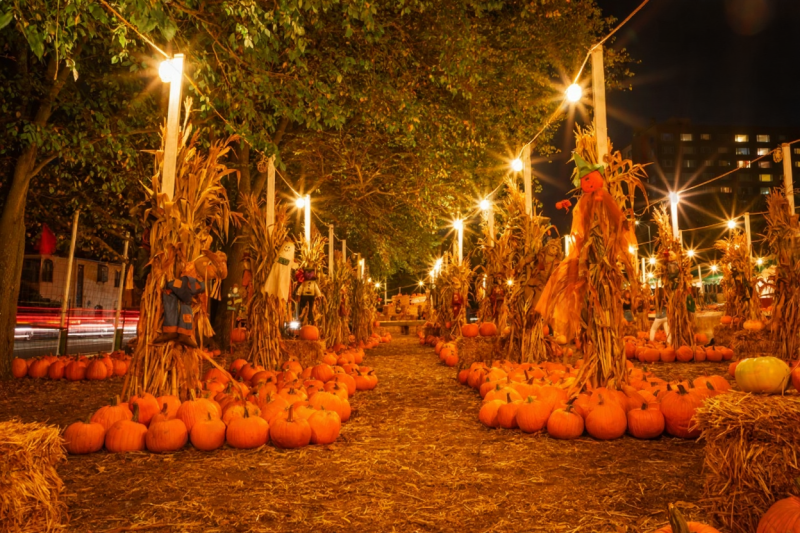
San Francisco doesn't just celebrate Halloween; it performs it. In a city defined by its pioneering spirit and artistic soul, the holiday transforms into a city-wide stage for radical self-expression. Unlike destinations that lean heavily on fear, SF’s Halloween is built on a foundation of community, spectacle, and participation. The city’s iconic Victorian architecture, often shrouded in the cool bay mist, provides a naturally dramatic backdrop for festivities that feel both historic and thrillingly modern.
Here, the holiday is less about manufactured scares and more about organic, grassroots celebrations that reflect the distinct personality of its neighborhoods. It’s a place where tech-infused artistry meets old-world charm, creating a Halloween experience that stands apart. It’s about being part of the show, not just watching it from the sidelines. With Halloween falling on a Friday in 2026 and a Saturday in 2026, San Francisco is primed for full-weekend celebrations, making it the perfect destination for a multi-day festive getaway.
The Castro: Ground Zero for Creative Spectacle
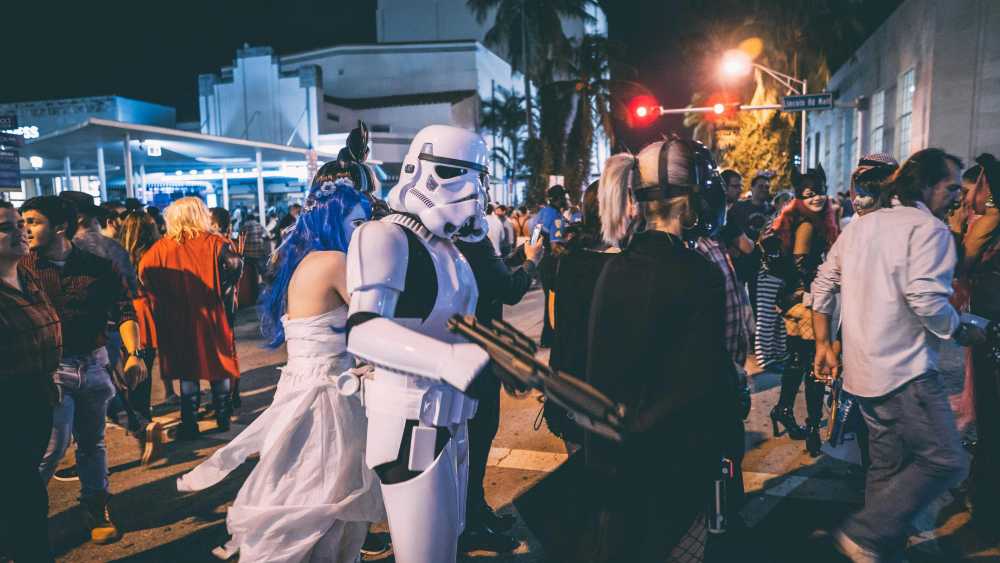
When the sun sets on October 31st, the heart of San Francisco's Halloween celebration beats strongest in the Castro District. For decades, this historic neighborhood has been the unofficial epicenter of a massive, informal street party. While the official, city-sanctioned event has been discontinued, the spirit of flamboyant celebration is inextinguishable, making it a must-see spectacle for those seeking atmosphere over anxiety.
A Legacy of Theatrical Celebration
The Castro's reputation as a hub for celebration is deeply woven into its identity as a global icon for the LGBTQ+ community. This legacy of pride, resilience, and theatricality naturally extends to Halloween, which has long been an occasion for lavish costumes and uninhibited self-expression. The neighborhood’s streets transform into a runway of pure imagination, where locals and visitors alike come together to see and be seen. It’s this powerful sense of community and freedom that makes Halloween in the Castro an experience rooted in joy and connection.
What to Expect: A Masterclass in Costume Art
A night in the Castro on Halloween is a feast for the senses. The focus here is squarely on the costumes—and they are legendary. Expect to see everything from breathtakingly elaborate, hand-crafted creations that look like they belong on a movie set to hilarious, pop-culture-inspired group ensembles.
Unrivaled People-Watching: Find a spot along Castro Street and simply take in the parade of creativity. The energy is infectious, fueled by music, laughter, and the collective awe of the incredible artistry on display.
A Festive, Open-Air Vibe: While the area gets crowded, the atmosphere is generally light and celebratory. It’s less of a chaotic party and more of a vibrant, open-air gallery of costume art.
Focus on Fun, Not Fear: This is the essence of "Haunts Without Horrors." The thrill comes from the dazzling creativity and the electric atmosphere, not from things that jump out of the dark.
How to Navigate the Castro Pub Crawls Like a Pro
The neighborhood's many bars and pubs are a central part of the evening, with many participating in informal pub crawls. If you choose to partake, a little planning goes a long way in ensuring a smooth and safe night.
Assemble Your Krewe: The buddy system is non-negotiable. Stick with your friends, establish a clear meeting point (like a specific intersection or storefront) in case you get separated, and use a location-sharing app on your phones.
Strategize Your Stops: Have a few destinations in mind rather than wandering aimlessly. Check social media in the days leading up to see if any bars are advertising special events, themes, or cover charges.
Pace for the Long Haul: The night is a marathon, not a sprint. Stay hydrated with water between drinks and know your limits. The goal is to remember the amazing costumes, not to forget the entire night.
Master Your Exit Plan: As the Master Brief confirms, using rideshares is the smartest and safest way to get home. Book your ride a few blocks away from the most congested intersections on Castro or Market Street to make pickup faster and easier for your driver.
Pro-Tip: To experience the best of the Castro's atmosphere without the most intense crowds, aim to arrive in the early evening (around 7-8 PM). You'll get to see the incredible costumes and soak in the festive energy before the streets reach their peak capacity later in the night.
The Winchester Mystery House: A Haunt of a Different Kind
For a different kind of chill—one steeped in history, mystery, and architectural absurdity—a trip to the Winchester Mystery House is an essential part of the Bay Area Halloween experience. Located a short drive from San Francisco, this sprawling mansion is famous not for ghosts, but for its baffling and bizarre construction. It’s the perfect "haunt without horror" because the unease comes from its unsettling, real-life story, not from manufactured scares.
More Architectural Anomaly Than Haunted House
The legend of the Winchester Mystery House is as captivating as its design. It is said that Sarah Winchester, heiress to the Winchester rifle fortune, was instructed by a medium to continuously build onto her home 24/7 for 38 years to appease the spirits of those killed by her family's famous rifles. The result is a sprawling 160-room mansion filled with architectural oddities designed to confuse any spirits that might be lurking.
Staircases to Nowhere: Discover stairways that ascend directly into the ceiling.
Doors Opening to Nothing: Find doors that serve no purpose, opening onto solid walls or, more alarmingly, two-story drops.
A Labyrinthine Layout: The house was intentionally designed to be a maze, with winding hallways, secret passages, and a dizzying number of rooms.
Exploring the mansion is an exercise in psychological curiosity. The unsettling feeling comes from trying to comprehend the obsessive, labyrinthine logic behind its construction. It’s a historical puzzle box that you can walk through, making it a fascinating and slightly spooky destination that engages the mind rather than just the adrenaline glands.
Planning Your Visit: An Insider's Itinerary
A visit to the Winchester Mystery House requires a bit of planning to make the most of the experience, especially during the popular Halloween season.
Book Tickets in Advance: This is non-negotiable. Halloween season is peak time. Secure your tour tickets online well in advance to avoid a sold-out disappointment.
Choose Your Tour Wisely: The mansion typically offers several types of tours, from a general estate tour to more specialized, seasonally themed explorations. Review the options to find the one that best fits your interest in history, architecture, or paranormal lore.
Give Yourself Time: Don't rush it. Besides the house tour itself, the estate has beautiful gardens and historical exhibits to explore. Plan for at least half a day for the entire experience, including travel time from San Francisco.
Packing for a day trip that combines city exploration with a visit to a historic estate can be a challenge. You need to be prepared for changing temperatures and long periods of walking. Our How to Pack Light Guide provides essential tips for creating a versatile daypack with everything you need, ensuring you stay comfortable without being weighed down.

A Practical Guide to the Best Halloween Events USA Offers in SF
Mastering Halloween in San Francisco is about more than just knowing where to go; it’s about navigating the city like a local. From transportation tricks to costume considerations, these practical tips will ensure your night is all treat and no trick.
Transportation Triumphs: Getting Around the City
On Halloween night, the city's streets can be congested, especially in popular neighborhoods.
Embrace Public Transit: Muni and BART are your best friends. They are cost-effective and eliminate the stress of finding (and paying for) parking. Plan your route ahead of time and check for any holiday schedule changes.
Rideshares Require Strategy: While convenient, surge pricing will be in effect. If you use a rideshare app, walk a few blocks away from the main crowds to a less chaotic side street. This makes your pickup location easier for your driver to find and can sometimes lower the fare.
Walk with Purpose: San Francisco is a fantastic walking city, but be prepared for its famous hills. Wear comfortable shoes, even if they clash with your costume. Your feet will thank you at 2 AM.
Costume Craft: Dressing for SF's Fickle Climate
San Francisco's weather is a character in itself. A sunny afternoon can quickly give way to a cold, foggy evening, a phenomenon locals lovingly call "Karl the Fog."
Layers Are Your Superpower: The golden rule of dressing in SF applies even on Halloween. Design your costume with layers in mind. A stylish jacket, a dramatic cape, or thermal undergarments can be a lifesaver when the temperature drops.
Comfort Is King (or Queen): You'll likely be doing a lot of walking or standing. Prioritize comfortable footwear above all else. Nothing ruins a fun night faster than painful blisters.
Pro-Tip: Weave safety directly into your costume design. Use reflective fabrics, glow-in-the-dark paint, or battery-powered LED lights. Not only will you be more visible crossing the city's busy streets, but you'll also add a cool, tech-forward element to your look that feels perfectly at home in San Francisco.
Beyond the Main Events: Finding SF's Hidden Halloween Charm
San Francisco’s Halloween magic isn’t confined to just one or two locations. The city’s innovative and nature-loving spirit means you can find festive touches in the most unexpected places.
Atmospheric Lights in Golden Gate Park
Drawing inspiration from the city’s love of blending tech and nature, keep an eye out for special light installations or themed events in Golden Gate Park. As dusk falls, the park’s misty groves and winding paths take on a naturally spooky ambiance. It’s the perfect setting for a low-key, atmospheric evening walk before heading to more lively celebrations.
Artisan Markets with a Spooky Twist
San Francisco is home to countless local artisan markets. During October, many of these markets embrace the season, offering Halloween-themed crafts, gourmet treats, and local art. It’s a fantastic way to find a unique souvenir and experience the city’s creative community on a more intimate level, often with stunning bay views as a backdrop.
The Ultimate Resource for Your Entire Trip
A single holiday is just a snapshot of what this incredible city has to offer. To truly unlock the best of the Bay Area, from its iconic landmarks to its hidden neighborhood gems, a comprehensive resource is essential. To discover even more seasonal secrets and plan the perfect trip any time of year, our comprehensive Travel Guide is the ultimate resource for exploring San Francisco and beyond.
Conclusion: Embrace the Unforgettable Spirit of a San Francisco Halloween
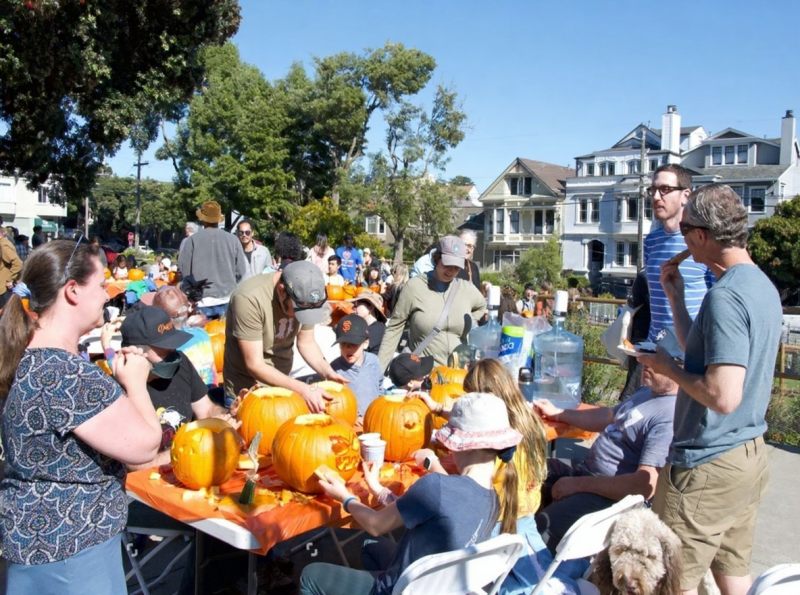
San Francisco offers a Halloween experience that is as unique as the city itself—one that champions creativity, community, and atmosphere over cheap thrills and jump scares. It’s a place where you can marvel at the incredible costume artistry in the Castro, ponder the architectural riddles of a mysterious mansion, and soak in the festive energy of a city that truly knows how to celebrate. From the Castro's vibrant streets to mysterious mansions, the city provides some of the most memorable Halloween events USA has to offer by focusing on what truly matters: community, creativity, and unforgettable fun.
You now have the insider knowledge to craft a Halloween adventure that's perfectly spirited and uniquely San Francisco. You can confidently navigate the city's biggest celebrations and discover its hidden charms, creating memories that will last a lifetime.
What are you most excited to experience? Share your San Francisco Halloween plans in the comments below
Don't Miss Out! Subscribe for Exclusive Content
Subscribe


Comments 0
No comments yet
Be the first to share your experience!
Dont Miss Out! Subscribe for Exclusive Content

San Francisco Cherry Blossoms: A Local's Guide to the Blooms


SF Festivals: 7 Must-See Lineups

Christmas SF: Lights & Wharf Wonders

SF Pride: 6 Route & Party Hacks

Chinese New Year SF: Parade Essentials

San Francisco Holidays: Bay Area Buzz
How to Stay Safe While Hiking: A Hiker's Safety Guide
TrekGuider @trekguider
The call of the trail is a powerful one. It promises sweeping vistas, the quiet solitude of the forest, and the profound satisfaction of reaching a summit under your own power. But for all its beauty, the wilderness is impartial and unforgiving. The same trail that offers bliss on a sunny morning can present serious danger when the weather turns, a wrong turn is made, or an ankle is twisted. This is the problem every hiker faces: the gap between the adventure we dream of and the preparation it demands.
That gap is often filled with anxiety. A flicker of doubt about reading the map, a worry about the approaching clouds, or a sudden fear of what that noise was in the undergrowth can rob an incredible experience of its joy. Too often, hikers—both novice and experienced—find themselves in serious trouble simply by underestimating the trail and overestimating their preparedness. According to Search and Rescue (SAR) teams, most emergencies are the result of small, preventable mistakes. This guide is your definitive playbook for closing that gap for good. We’re providing the essential, expert-backed hiking safety tips you need to move through the backcountry with unwavering confidence. This isn't about fear; it's about empowerment. By mastering these skills, you’re ensuring every hike is a safe one, a core pillar of the responsible adventurer’s mindset we explore in our definitive The Ultimate Guide to Travel Safety: A 2026 Playbook. Let’s gear up, get smart, and get you ready to hit the trail.

This journey from novice to self-sufficient hiker begins not on the trail itself, but with a simple, powerful philosophy of preparedness that has been tested and refined by generations of mountaineers and wilderness experts. It all starts with your pack.
The Foundation of Safety: The 10 Essentials System
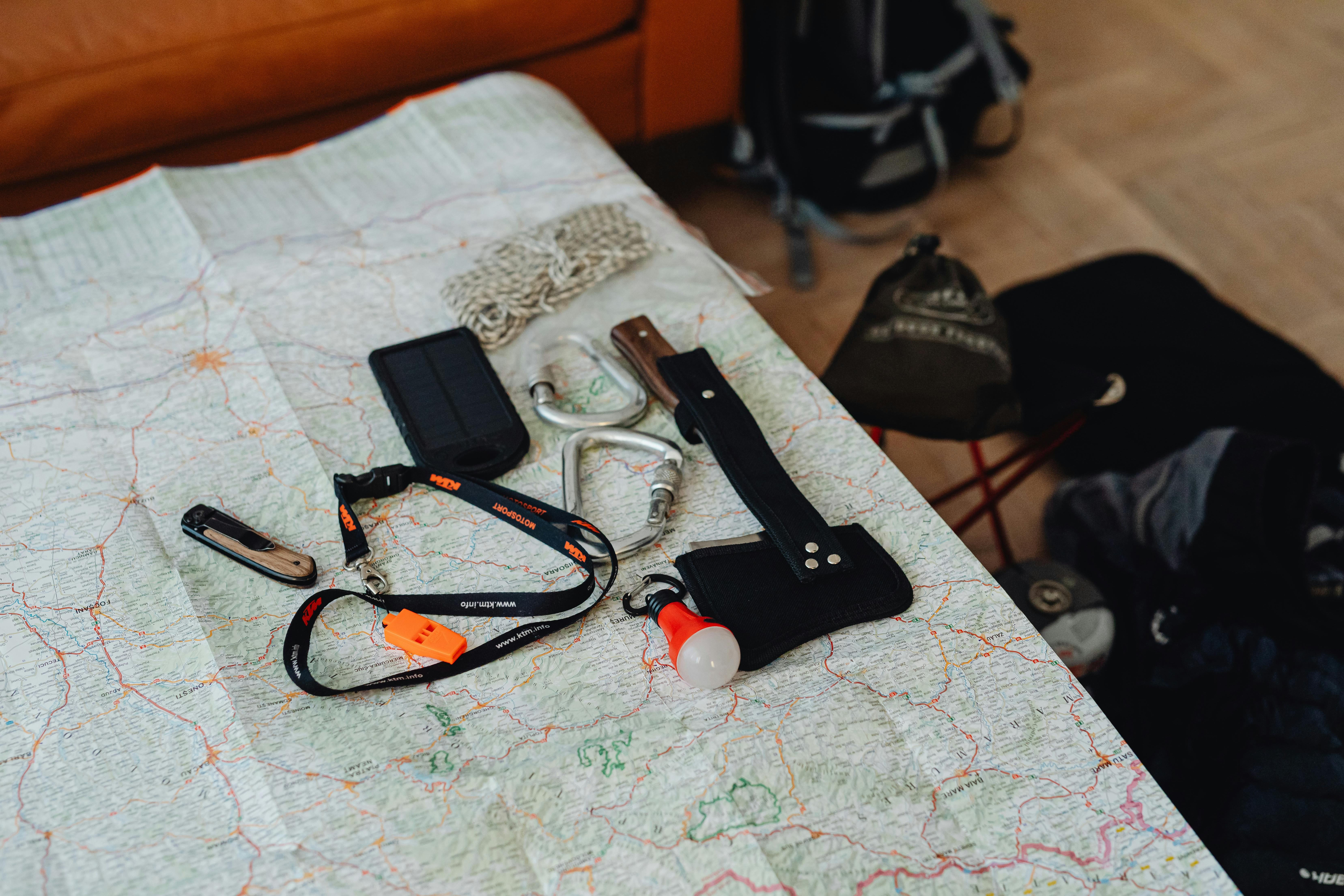
Long before your boots touch the dirt, your safety on the trail has already been decided by one thing: what’s inside your pack. Endorsed by the National Park Service and outdoor organizations like REI, the "10 Essentials" is not just a packing list; it's a systematic approach to preparedness. It ensures you have the tools to handle common problems and survive an unexpected night outdoors. Think of these not as ten individual items, but as ten crucial systems.
Navigation: Your primary system for knowing where you are and where you’re going. This must include a physical topographic map of the area and a compass. A GPS device or a smartphone with downloaded offline maps is a great tool, but electronics can fail. A map and compass are your foolproof backup.
Illumination: You need to be able to see in the dark, period. Carry a headlamp or flashlight with a full charge, and always pack extra batteries. A headlamp is superior as it keeps your hands free for other tasks.
Sun Protection: Sunburn and sunstroke can be serious dangers on the trail. This system includes sunglasses, broad-spectrum sunscreen (SPF 30+), and a wide-brimmed hat. Sun-protective clothing can also be a game-changer.
First-Aid Supplies: You must have the ability to treat common trail injuries. Your kit should be equipped to handle blisters, cuts, scrapes, and sprains. A basic kit is good; a custom-built one is better.
Repair Kit and Tools: Gear can break. A multi-tool or knife is invaluable, and a small roll of duct tape can repair everything from a torn jacket to a broken tent pole.
Fire: In an emergency, fire provides warmth, a way to purify water, and a powerful psychological boost. Carry waterproof matches, a reliable lighter, and a dedicated fire starter like dryer lint or a commercial fire-starting block.
Insulation: Weather can change in an instant, especially at elevation. You must carry an extra layer of clothing beyond what you start the hike in, regardless of the forecast. This should be a moisture-wicking layer, like a fleece jacket or thermal top—never cotton, which loses all insulating properties when wet.
Nutrition: Always pack more food than you think you’ll need. An extra day’s worth of non-perishable, high-energy food is the standard. Items like protein bars, nuts, and dried fruit are perfect.
Hydration: Carry more water than you expect to need and have a way to purify more. This means carrying a water filter or purification tablets to safely treat water from streams or lakes in an emergency.
Emergency Shelter: If you’re forced to spend an unplanned night out, protection from the elements is critical to preventing hypothermia. This doesn't mean a tent. A lightweight, packable emergency space blanket or bivy sack is all you need.
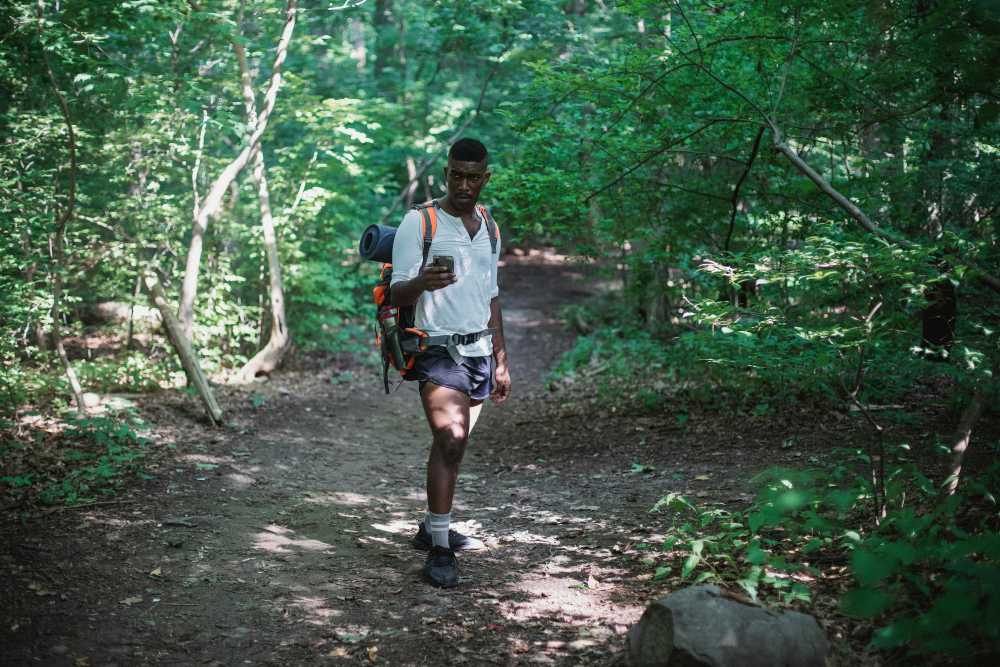
For expert-vetted gear lists and detailed trail guides from seasoned creators, the TrekGuider Marketplace is an invaluable resource for taking your preparation to the next level.
"Never Get Lost Again": Mastering Trail Navigation
Of all the potential hiking dangers, getting lost is one of the most common and terrifying. A recent study of SAR missions revealed that "error in judgment" was a leading cause of hikers needing rescue, and a huge part of that is poor navigation. Relying solely on your phone’s GPS is one of the biggest hiking safety tips to ignore—service is unreliable in the backcountry, and batteries die. True navigational confidence comes from time-tested skills.
How to Use a Map and Compass
This fundamental skill is easier than you think and is your most reliable tool.
Place the Compass on the Map: Lay your map flat. Identify your current location and your destination. Place your compass so the long edge of its baseplate creates a line connecting the two points, with the "Direction of Travel" arrow on the compass pointing toward your destination.
Set the Compass Bezel: Keeping the baseplate still, rotate the round bezel (the dial) until the orienting lines inside it are parallel with the map's north-south grid lines. Make sure the "N" on the bezel is pointing to North on the map. The number on the bezel aligned with the Direction of Travel arrow is now your bearing.
Follow the Bearing: Lift the compass off the map and hold it level in front of you. Turn your body until the red magnetic needle is "in the shed"—that is, perfectly inside the red orienting arrow on the bezel. The Direction of Travel arrow now points precisely to your destination. Pick a landmark in that direction, walk to it, and repeat the process.
Pro-Tip: The difference between "true north" (on your map) and "magnetic north" (where your compass points) is called declination. For precise navigation, you must adjust your compass for the local declination, which will be printed on your map.

Wildlife on the Trail: A Guide to Safe Encounters
Seeing wildlife is a thrilling part of hiking, but it’s crucial to remember that you are a visitor in their home. The core principles of every encounter are to maintain a safe distance, never feed wildlife, and know how to react to avoid escalating a situation.
Bear Encounters (Black vs. Grizzly)
Making noise while you hike (talking, clapping) is the best way to avoid surprising a bear. If you do encounter one, your reaction depends on the species.
If a Black Bear Approaches: Never run. Make yourself look as large as possible by raising your arms and opening your jacket. Yell, clap, and make loud noises. If it attacks, fight back aggressively. Target the bear's face and nose with anything you have—rocks, trekking poles, your fists. Do not play dead.
If a Grizzly Bear Approaches/Charges: Do not run and do not make direct eye contact. Speak in a calm, low voice to show you are not a threat. If it charges, stand your ground and use bear spray when it is within 30 feet. If it makes contact, play dead. Lie flat on your stomach, protect the back of your neck with your hands, and use your pack as a shield.
Mountain Lion (Cougar) Encounters
These predators are ambush hunters, so an encounter is rare. If you see one, it has likely been watching you.
Protocol: Do not run, as this triggers their chase instinct. Make direct eye contact. Make yourself appear larger by raising your arms and opening your jacket. Speak in a loud, firm voice. Slowly back away, giving the cat an escape route.
If Attacked: Fight back with everything you've got. Use rocks, sticks, or your hands to target the animal's eyes and face.
Venomous Snake Encounters
Snakes have no interest in humans and will only strike if they feel threatened.
Protocol: If you see a snake, freeze. Do not make any sudden movements. Once you've located the snake, slowly back away and give it a wide berth to move on. Be careful where you step and place your hands, especially when scrambling over rocks or logs.
If Bitten: The priority is to stay calm to slow the spread of venom. Limit physical activity and get to a hospital as quickly and safely as possible for evaluation and potential antivenom treatment.
Handling Trail Emergencies: What to Do When Things Go Wrong
Even with perfect preparation, accidents can happen. A twisted ankle, a sudden illness, or getting turned around can escalate quickly. Your ability to stay calm and make rational decisions is your most valuable asset. If you find yourself in trouble, remember the acronym S.T.O.P.
Stop: The moment you realize you are in trouble, stop moving. Sit down.
Think: Assess your situation calmly. What went wrong? What resources do you have?
Observe: Look around you. Where is the sun? Can you see any landmarks? Is there a source of water or shelter nearby?
Plan: Formulate a simple, logical plan. Don't make panicked decisions.
First Aid on the Trail
Your first-aid kit from the 10 Essentials is your go-to tool for injuries. Here's how to handle the most common trail ailments:
Blisters: The moment you feel a "hot spot" on your foot, stop and address it. Clean the area and apply moleskin or a blister-specific pad. Don't wait for it to become a full-blown blister.
Sprains: For a twisted ankle or knee, use an elastic wrap bandage from your kit to provide compression and support. Loosen it if you feel any numbness or tingling. Elevate the joint when you rest, and use a trekking pole or sturdy branch as a crutch if needed.
Cuts and Scrapes: Control any bleeding with direct pressure using a sterile gauze pad. Once it stops, clean the wound thoroughly with an antiseptic wipe and apply antibiotic ointment before covering it with a bandage.
A well-stocked daypack is crucial, but so is a plan for the whole trip. Before you head out to explore our incredible national parks, make sure your vehicle and supplies are just as prepared as your hiking gear.
Your Ultimate Adventure Blueprint
Ready to hit the road? Don't leave home without our expert-vetted National Park Road Trip Checklist. This free guide covers everything from vehicle prep and essential gear to can't-miss stops, ensuring your adventure is seamless from start to finish. Download it for free now!
Hiking Safety FAQs
A prepared mind anticipates questions. Here are expert answers to common concerns.
1. What's the right way to signal for help?
If you determine you cannot get yourself out of a situation safely, you need to signal for help. The universal distress signal is three of anything: three whistle blasts, three flashes of a headlamp, or three piles of rocks. A whistle is a must-have item that uses far less energy and carries further than shouting. For serious backcountry travel, consider investing in a personal locator beacon (PLB) or satellite messenger, which can send an SOS signal with your exact location to emergency services.
2. Is it safe to hike alone?
Solo hiking can be an incredibly rewarding experience, but it requires a higher level of preparation and self-sufficiency. All the rules in this guide become even more critical. It is absolutely essential that you leave a detailed itinerary with a trusted friend or family member. Include your planned route, your start and end times, and a "panic time"—the specific time they should call for help if they haven't heard from you.
3. What do I do if the weather turns bad unexpectedly?
Your first priority is to get below the treeline if you're in an exposed area to reduce the risk of lightning strikes. Put on your extra insulating layer and your rain gear before you get wet and cold. Assess your map and your situation. It is often safer to turn back, even if you're close to your destination, than to push on into deteriorating conditions.
Pro-Tip: Always tell someone your plan. Before every hike, leave a detailed itinerary with a trusted friend or family member. This is the single most important safety net you have.
Your Adventure, Empowered by Preparation
The goal of these hiking safety tips is not to fill you with fear, but to arm you with confidence. Every piece of gear you pack and every skill you learn is a key that unlocks a new level of freedom on the trail. Preparation allows you to push your boundaries, explore wilder places, and immerse yourself in the beauty of nature without the nagging whisper of anxiety. By respecting the wilderness and committing to self-sufficiency, you transform from a simple visitor into a capable, confident adventurer.
Now that you have the skills for a safe hike, you can integrate that adventure into a larger, perfectly planned journey. For a complete master plan covering everything from budgeting and logistics to finding the best trails and tours, our all-encompassing Travel Guide is the only resource you'll ever need.
Don't Miss Out! Subscribe for Exclusive Content
SubscribeComments 0
No comments yet
Be the first to share your experience!
Dont Miss Out! Subscribe for Exclusive Content

How to Avoid Travel Scams: A Global Guide

Is Public WiFi Safe? How to Protect Your Data Abroad

A Woman's Guide to Safe Travel: 10 Critical Tips

7 Hotel Safety & Security Tips for Peace of Mind

9 Beach Safety Tips That Could Save Your Life

7 Travel Insurance Red Flags to Spot Before You Buy
7 Hotel Safety & Security Tips for Peace of Mind
TrekGuider @trekguider
You’ve finally made it. After a long day of navigating airports, taxis, and unfamiliar streets, you slide the key card into your hotel room door and a wave of relief washes over you. This is your sanctuary, your home base for the adventures ahead. But as you drop your bags, another feeling can creep in, spoiling the moment. Let’s be honest: that sterile, anonymous hotel room doesn't feel as secure as your own home. It’s a vulnerability that can cast a shadow over an entire trip, a persistent whisper of "what if" that prevents you from ever truly relaxing.

The good news is that safety isn't a matter of luck; it's a repeatable skill. This guide is your new ritual, a systematic playbook for transforming any hotel room into a personal fortress. We’ve synthesized advice from former hotel security personnel and fire safety experts to bring you seven essential hotel safety tips. This isn’t about paranoia; it's about empowerment. By making these simple checks a habit, you can ensure your peace of mind is the most valuable thing you pack. These strategies are a critical part of the accommodation-specific awareness we cover in our comprehensive guide to The Ultimate Guide to Travel Safety: A 2026 Playbook.
The 60-Second Security Sweep: Your First Check-In Ritual
Your first minute inside a new hotel room is the most important. This is your window to verify, secure, and orient yourself before you get distracted by unpacking or collapsing on the bed. By turning the following steps into an unbreakable habit, you proactively eliminate the most common security and safety risks. Think of it as a professional-grade inspection that takes less time than it does to check your email.
Tip 1: Secure the Door and Verify the Room is Empty
Before you do anything else, take control of your entry point. A common mistake is to walk in, close the door, and immediately turn your back to it while dealing with luggage. This makes you vulnerable. Instead, follow this security-conscious procedure.
Prop the Door: As you enter, use your luggage to prop the door open so it can't be closed behind you.
Conduct a Visual Clear: From the doorway, quickly scan the room to ensure it is empty. This includes a glance behind the curtains, in the closet, under the bed, and inside the shower.
Close and Lock: Once you've confirmed the room is unoccupied, remove your luggage from the entryway, close the door, and immediately test every single locking mechanism. This includes the primary deadbolt and any secondary security devices like a security chain or a flip latch. Ensure they are all functional and engage smoothly. Don't assume they work; physically test them.
Tip 2: Check Your Communication and Safety Gear
Now that the room is secure, your next step is to verify your lifelines. You need to know that the room’s built-in safety equipment is present and functional.
Test the Phone: Pick up the in-room phone and confirm there’s a dial tone or call the front desk for a quick "hello." This ensures you have a reliable way to call for help if your cell phone has no service or the battery dies.
Locate Safety Devices: Visually identify the smoke detector and fire alarm sprinkler heads. It’s also wise to check for a carbon monoxide detector, especially in hotels with in-room fireplaces or those attached to large parking garages. If one isn't present and you have concerns, report it to the front desk.
Tip 3: Create a Mental Fire Escape Map
This is one of the most critical hotel safety tips, yet it's the one most often ignored. In the event of a fire, heavy smoke can reduce visibility to absolute zero. The evacuation map on the back of your door is not decoration; it's your key to survival.

According to fire safety experts, you must identify three key things:
Your Primary and Secondary Exits: The map will show the nearest emergency exit stairwell. Crucially, you must also identify an alternative, secondary exit in case your primary route is blocked by fire or smoke. Remember, elevators must never be used in a fire.
The Door Count: This is the most important part. Physically walk out into the hallway and count the number of doors between your room and the nearest emergency exit. Memorize this number. In a dark, smoke-filled hallway, this knowledge will allow you to feel your way along the wall to safety, counting the doors as you go.
Location of Safety Equipment: As you identify your route, note the location of fire alarm pull stations and fire extinguishers in the hallway.
Tip 4: Fortify Your Privacy
Your final step in the initial sweep is to ensure your room is a truly private space.
Check Windows and Connecting Doors: Go to every window and make sure it is locked securely. If your room has a connecting door to an adjacent room, verify that it is locked from your side. A good practice is to slide a chair or your luggage in front of a connecting door as an extra physical and audible barrier.
Close the Curtains: Fully close the curtains to ensure privacy from the outside, especially in ground-floor rooms or those that face other buildings.
Scan for Oddities: While rare, hidden cameras are a modern concern. Conduct a quick visual scan for any electronics or objects that seem out of place. Pay attention to smoke detectors, alarm clocks, and USB wall outlets, looking for unusual pinholes or lenses.
Beyond the Locks: Advanced Hotel Safety Tips
Okay, the room is secure. But a locked door is just the first line of defense. Now it’s time to think like a pro and protect your belongings with the kind of savvy that separates seasoned travelers from the rest.
Tip 5: Outsmart a Thief: How to Hide Your Valuables
The in-room safe should always be your first choice for storing passports, extra cash, and small electronics. However, if a safe is unavailable, broken, or you simply don't trust it, you need a smart hiding strategy. The key is to avoid the first places a thief would look: in drawers, under the mattress, and inside your suitcase.

Security consultants recommend using non-obvious, "high-friction" hiding spots that take time and effort to find.
Taped in an Inconspicuous Location: Use a small amount of duct tape to secure an envelope containing cash or cards to a surface that is out of sight. Think creatively: the underside of a heavy desk, the back panel of a chest of drawers, or high up on a closet shelf.
Inside a Common, Uninteresting Object: Hide valuables in plain sight by placing them inside items a thief would ignore. A popular tactic is to place cash inside a bag of dirty laundry, as it's highly unlikely to be searched. You can also slip flat items like cash or cards inside the hotel room's bible or another book on a shelf.
Within the Room's Fixtures: Some parts of a hotel room offer clever nooks. For a laptop, a surprisingly effective tactic is to hide it inside a pillowcase on the bed, then pile the other pillows on top to disguise its shape.
Pro-Tip: When hiding cash or cards in an envelope, tape it flat against a surface and choose a dark color for the envelope (e.g., black or brown) to prevent it from being seen through any gaps.
Tip 6: Bring Your Own Security: Portable Safety Devices
For the ultimate peace of mind, especially when staying in older hotels, budget accommodations, or short-term rentals, consider investing in a portable security device. These lightweight gadgets are designed to provide an extra layer of defense against unauthorized entry.
Portable Door Locks: These devices brace against the door frame from the inside, making it physically impossible for the door to be opened from the outside, even with a key.
Door Stop Alarms: These are simple, wedge-shaped door stops that you place under your door from the inside. If the door is pushed open, it triggers a piercingly loud alarm, startling the intruder and alerting you and others to the breach.
The Final Layer of Protection: Personal Habits
Your physical security measures are only half the battle. The other half is cultivating smart habits and maintaining a high level of situational awareness throughout your stay.
Tip 7: Practice Smart "Hotel Habits"
Small, consistent habits can significantly reduce your risk profile.
Sanitize High-Touch Surfaces: Upon arrival, use a disinfectant wipe to clean the objects that are most frequently handled but often overlooked by cleaning staff: the TV remote, light switches, doorknobs, and the phone.
Be Discreet with Your Room Number: When checking in, if the front desk clerk announces your room number out loud, politely ask for a different room and for them to write it down for you instead. Never leave your key card sleeve, which often has the room number written on it, lying around in public areas.
Use the "Do Not Disturb" Sign: When you are in your room, hang the "Do Not Disturb" sign on the outside of your door. This is a clear signal that the room is occupied and can deter someone from trying to enter, whether by mistake or with ill intent.
Verify All Visitors: Never blindly open your door. If someone knocks claiming to be hotel staff, call the front desk to verify that they sent someone to your room before opening the door.
Pro-Tip: If you order room service or have hotel staff coming to your room, call the front desk to verify the person's identity before opening the door. It's a simple step that confirms the visitor is legitimate.
A secure hotel stay is at the heart of a well-planned trip. To ensure every other aspect of your journey is just as prepared, from packing lists to financial planning, a comprehensive resource is essential. The right Travel Guide can be the difference between a good trip and a flawless one.
Your Pre-Trip Master Plan
A secure hotel room is just one piece of your travel safety puzzle. To ensure you don't overlook a single essential item—from documents and finances to clothing and gear—a master checklist is your most powerful tool. Our comprehensive, free checklist has you covered for every stage of your trip.

Download Your Free International Travel Checklist Now!
Hotel Safety FAQs
A prepared mind anticipates questions. Here are expert answers to common concerns.
1. Is an in-room safe really the most secure option?
For the vast majority of travelers, yes. Modern electronic safes are quite secure against opportunistic theft. However, hotel management does have a master key or code for emergencies. The greatest risk often comes from user error (choosing an obvious code like 1234) or a dishonest staff member (which is rare in reputable hotels). For irreplaceable items, using a smart hiding spot in addition to the safe, or keeping them on your person, can provide an extra layer of security.
2. Are short-term rentals (like an Airbnb) more or less secure than hotels?
It varies dramatically. A professionally managed rental in a secure building can be safer than a budget motel. However, rentals lack the 24/7 staff, multiple security cameras, and controlled access points of a hotel. When booking a rental, read reviews carefully for any mention of safety concerns, check the lock quality upon arrival, and consider bringing your own portable door lock.
3. What should I do if hotel staff need to enter my room while I'm out?
If you have requested maintenance or housekeeping, you have a reasonable expectation they will enter. Secure all valuables in the safe or hide them before you leave. If you are concerned, you can request that these services only be performed while you are present in the room. Always leave the "Do Not Disturb" sign on your door when you leave if you do not want anyone entering.
Travel with True Peace of Mind
Your hotel room should be a sanctuary—a place where you can recharge after a day of exploration and sleep soundly through the night. It shouldn't be a source of anxiety. By incorporating these seven hotel safety tips into your check-in routine, you are taking active control of your environment. You are replacing uncertainty with a plan and vulnerability with empowerment. This simple, 60-second ritual does more than just secure a room; it secures your peace of mind, freeing you to focus on the real purpose of your journey: the adventure that awaits outside your door.

Meta Data Suggestions:
SEO Meta Title (Under 60 characters):
7 Essential Hotel Safety Tips for Travelers
URL Slug:
hotel-safety-security-tips
SEO Meta Description (Under 155 characters):
Sleep soundly on your next trip. Our expert-backed hotel safety tips cover room security, hiding valuables, fire safety, and more for total peace of mind.
Don't Miss Out! Subscribe for Exclusive Content
SubscribeComments 0
No comments yet
Be the first to share your experience!
Dont Miss Out! Subscribe for Exclusive Content

Ultimate USA Holidays Guide: Top Picks

FTC Affiliate Disclosure Essentials: Stay Compliant as a Travel Creator

Essential Affiliate Tools: From Tracking to Full Optimization

Booking.com Affiliate Program Review: Pros, Cons, and Earnings Potential

Decoding Affiliate Commission Rates: Benchmarks for Travel Creators

Amazon Associates for Travel: Strategies to Maximize Commissions
Top 7 Family Vacation Destinations in Europe (For All Ages)
TrekGuider @trekguider
Feeling like your dream European family vacation is getting lost in a logistical nightmare? You're juggling a tight budget, the conflicting desires of a history-averse kid and a "too-cool" teen, and a map of endless, overwhelming options. The fear of investing thousands into a trip that ends in stress instead of lifelong memories is real. This guide is your solution.
We’re here to swap that overwhelming feeling for a clear, stress-free roadmap. Finding the right destination is about more than just listing famous landmarks; it’s about matching a city's rhythm to your family's unique energy. Drawing from our comprehensive guide to Family Travel Ideas: The 2026 Guide to Unforgettable Trips, this deep dive provides a practical plan to help you choose the perfect European spot with confidence.
Forget generic lists. Here, you’ll find a clear path to planning a trip that creates joy, not just another set of logistical headaches.

Your Pre-Flight Checklist: Planning a Flawless European Family Trip
Before you book a single flight, laying a solid foundation is the key to a successful trip. Rushing this stage is the number one mistake families make. A little strategic foresight will save you countless headaches and dollars down the road. For an even deeper dive, see our guide on How to Make Family Travel Planning Actually Easy.

1. Define Your Family's Travel Persona
Are you Cultural Explorers who thrive in museums and historical sites? Outdoor Adventurers who need mountains and green space? Or Relaxation Seekers who just want sun, good food, and minimal stress? Be honest about your family’s collective style. Trying to force an action-packed city tour on a family that prefers a slow-paced beach vacation is a recipe for disaster.
2. Set a Realistic European Family Budget
Europe can be surprisingly affordable or astronomically expensive. Your budget is the single biggest factor in determining your destination and trip length.
High-Cost: Countries like Switzerland, Iceland, and the Scandinavian nations will stretch your budget the furthest. Expect to pay a premium for everything from lodging to a simple lunch.
Mid-Range: France, Germany, the UK, Italy, and Austria offer a moderate price point. Here, you'll find a wide range of accommodation and dining options to fit most budgets.
Budget-Friendly: Destinations like Portugal, Spain, and Greece offer incredible value, especially outside of the peak July-August season. Your money goes significantly further here.
3. Choose the Right Time to Go
The "when" is just as important as the "where." Summer offers the best weather but also brings the biggest crowds and highest prices. Consider the shoulder seasons (April-May and September-October) for a perfect balance of pleasant weather, fewer tourists, and lower costs.
4. Master Your Transportation Plan
Getting around is a core part of the European experience.
Trains: The European rail network is efficient, scenic, and often the best way to travel between major cities. It eliminates the stress of driving and parking. Pro-Tip: Book high-speed rail tickets 60-90 days in advance directly from national carriers (like Trenitalia in Italy or Renfe in Spain) for discounts of up to 70%.
Driving: Renting a car offers ultimate flexibility, especially for exploring rural areas. However, be prepared for narrow roads, complex parking, and high fuel costs. Most city centers are best explored on foot.
Flying: Budget airlines like Ryanair and EasyJet can be great for covering long distances, but be mindful of strict baggage allowances and secondary airport locations. A smooth flight is key, so be sure to check out our Stress-Free Flying with Kids Guide.
5. Embrace the "Less is More" Pacing Rule
This is the golden rule of European family travel. The biggest mistake is trying to cram too much in. Moving cities can easily consume an entire day. For a truly enjoyable experience, plan to spend at least three nights in each location. This allows for one full day of exploration without the stress of arrival or departure logistics.
Feeling Organized? Let's Make It Official.
Planning an international trip involves a million tiny details. Don't let anything slip through the cracks. Our International Travel Checklist is the ultimate tool for a smooth, stress-free planning process, covering everything from passports to packing.

The TrekGuider Shortlist: Europe's Most Unforgettable Family Cities
Europe is a continent of incredible diversity. To simplify your choice, we’ve broken down the top family vacation destinations in Europe by region, highlighting what makes each one special for families with kids of all ages.
Southern Europe & The Mediterranean: Sun, Culture, and Unforgettable Food
This region is a classic choice for a reason. It offers a fantastic mix of history you can touch, beautiful coastlines, and a relaxed, family-centric culture where kids are welcomed everywhere.

Italy: A Living History Book for All Ages
Forget history lessons behind museum glass; Italy is the lesson, a multi-sensory experience that captivates everyone from toddlers to teens. It's one of those rare places where ancient history feels like a giant, interactive playground.
Best For: School-aged kids and teenagers (ages 7-18).
Top City: Rome. The sheer scale of the Colosseum, the whispers of history in the Roman Forum, and the chance to make a wish at the Trevi Fountain are core memories in the making.
Kid-Friendly Activities: Gladiator School, Pizza & Gelato Making Class, renting pedal cars in Borghese Gardens, or visiting the Explora Museum.
Logistics Lowdown: Book tickets for major attractions like the Colosseum and Vatican Museums months in advance online. This allows you to bypass the notoriously long ticket queues.
Spain: The Perfect Blend of Beaches, Art, and Fun
Spain is arguably one of the most well-rounded family destinations in Europe. The culture is vibrant, the food is accessible (tapas are perfect for picky eaters), and the more relaxed daily schedule is a godsend for families.
Best For: All ages, from toddlers to teens.
Top Cities: Barcelona & Madrid. Barcelona offers the unique combination of a world-class city with excellent beaches. Madrid is wonderfully stroller-friendly with magnificent parks like El Retiro.
Kid-Friendly Activities: Tibidabo Amusement Park (Barcelona), CosmoCaixa Science Museum (Barcelona), and the Teleférico Cable Car (Madrid).
Portugal: Affordable Charm and Stunning Coastlines
Portugal often flies under the radar but is a true gem for families seeking a more laid-back and affordable European vacation. It's welcoming, beautiful, and refreshingly unpretentious.
Best For: Toddlers and young children, thanks to its compact cities and friendly atmosphere.
Top City: Lisbon. The vintage yellow Tram 28 is a ride and a sightseeing tour in one, and the city is filled with picturesque squares perfect for a pastel de nata break.
Kid-Friendly Activities: Oceanário de Lisboa (one of the world's best aquariums), exploring St. George's Castle, and taking a day trip to the fairytale palaces of Sintra.
Western & Central Europe: Iconic Cities and Alpine Wonders
This region is home to some of the world's most famous landmarks, offering a mix of urban excitement and breathtaking natural beauty.
France: Beyond the Glitter of Paris
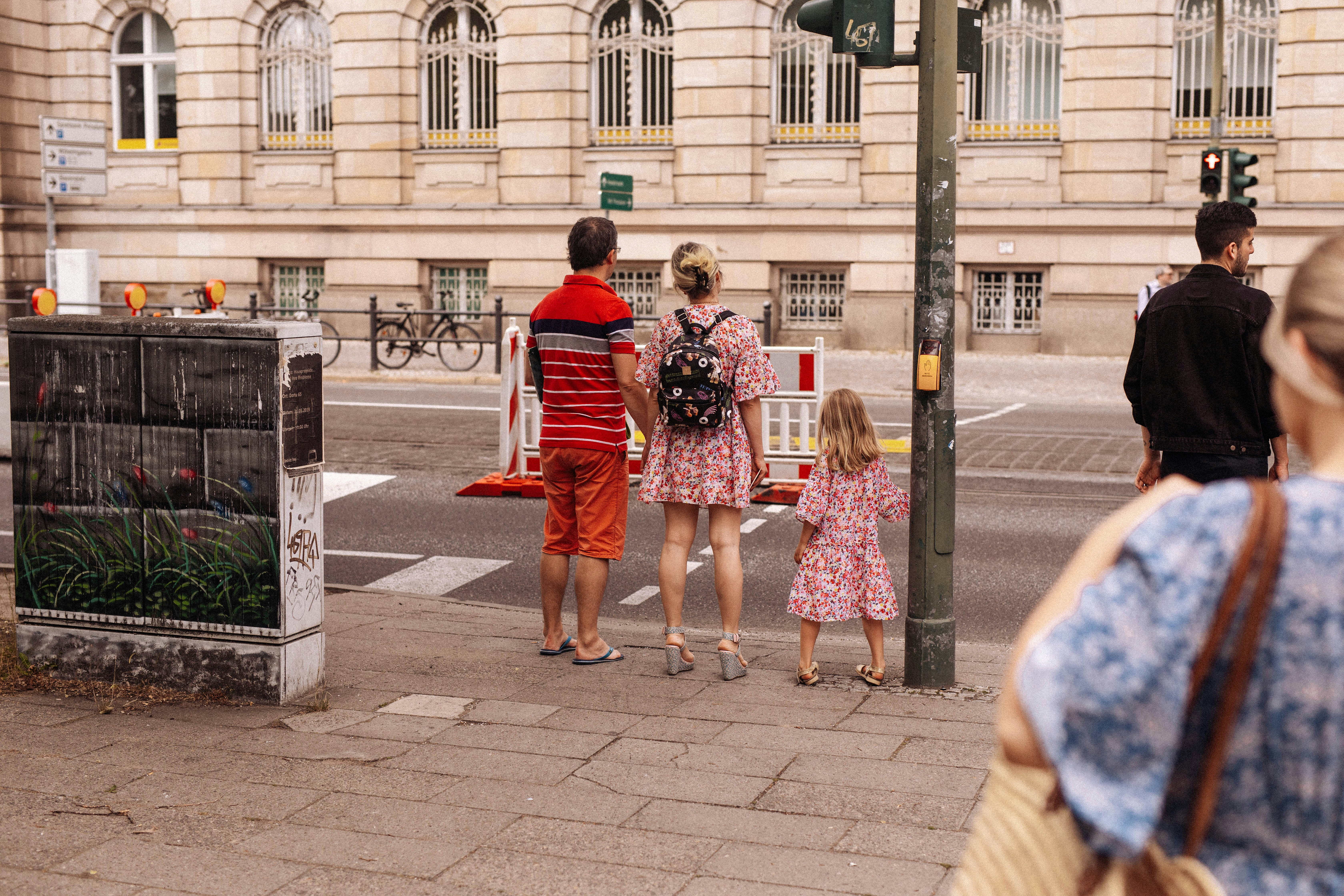
Paris will always have its magic, but the real magic for families often lies beyond the capital's glittering lights. For a less frantic but equally enchanting experience, consider other regions.
Best For: School-aged children and teens.
Top City: Paris. For older kids who can appreciate it, Paris is unforgettable. For a more relaxed pace, consider cities like Nice on the French Riviera or Lyon for its food scene.
Kid-Friendly Activities (Paris): Sailing vintage boats in Jardin du Luxembourg, visiting the Cité des Sciences, and taking a magical evening cruise on the Seine River.
Switzerland: The Ultimate Outdoor Playground
For active families who love the great outdoors, Switzerland is unparalleled. It's clean, safe, and the public transportation system is a marvel of efficiency that feels like part of the attraction.
Best For: Ages 5 and up who can handle hiking and outdoor activities.
Top Region: The Interlaken/Jungfrau Region. This area is a postcard-perfect vision of alpine meadows, snow-capped peaks, and turquoise lakes.
Kid-Friendly Activities: Taking a cogwheel train up a mountain, hiking an easy scenic trail like the one from Männlichen to Kleine Scheidegg, or riding a thrilling mountain coaster.
Pro-Tip: The Swiss Travel Pass, while expensive upfront, can be a fantastic value. Children under 16 travel free with a paying parent.
Northern Europe & The UK: History, Fairytales, and Cool Vibes
This region offers a different flavor of Europe—one defined by rich history, stunning design, and a safe, efficient, and incredibly family-forward approach to life.

United Kingdom: London's Icons and Endless Museums
London is an endlessly fascinating city that caters brilliantly to families. Many of its world-class museums are free, making it a great value proposition despite its reputation for being expensive.
Best For: All ages.
Top City: London. The city is a playground of recognizable icons, from the Tower of London to the double-decker buses.
Kid-Friendly Activities: The Natural History & Science Museums (free!), the Diana Memorial Playground, the Warner Bros. Studio Tour for Harry Potter fans, and a Thames River Cruise.
Denmark: Fairytale Charm and Effortless Cool
Copenhagen is a city that seems designed for happiness. It's compact, easily walkable (or bikeable), and has a playful spirit that makes it a dream destination for families with younger kids.
Best For: Ages 0-10.
Top City: Copenhagen. The home of Hans Christian Andersen feels like a storybook come to life.
Kid-Friendly Activities: Tivoli Gardens is a magical institution, take a classic canal tour from Nyhavn Harbor, and explore the interactive National Museum's Children's Museum.
Logistics Lowdown: Rent bikes. This is the most authentic and enjoyable way to explore, and you can get "cargo bikes" with a front bucket for the kids.
Frequently Asked Questions
What is the most budget-friendly region in Europe for a family vacation?
Southern European countries like Portugal, Spain, and Greece generally offer the best value for families. Your money for accommodation, food, and activities will go much further here, especially if you travel during the "shoulder seasons" of spring and autumn.
What is the best time of year to travel to Europe with kids?
The shoulder seasons (April-May and September-October) are often ideal for family travel in Europe. You'll enjoy pleasant weather, significantly smaller crowds at major attractions, and lower prices for flights and hotels compared to the peak summer months.
Is it better to travel by train or car with a family in Europe?
For travel between major cities, the train is usually the superior option. It's fast, efficient, and relaxing. Renting a car offers more flexibility for exploring rural areas and smaller towns but can be challenging in big cities due to traffic and parking.
How many days should you spend in each European city on a family trip?
The golden rule is to plan for at least three nights in each location. This pacing prevents burnout and gives you two full days to explore without feeling rushed by arrival or departure logistics, making the trip more enjoyable for everyone.
Choosing from the vast array of family vacation destinations in Europe is the first step in an incredible journey. By aligning your destination with your family's budget, style, and pace, you're not just planning a vacation; you're engineering a priceless experience. You are building a treasure chest of shared memories—the taste of a perfect gelato in Rome, the awe of seeing the Eiffel Tower sparkle, the shared laughter on a Swiss mountain trail—that will enrich your family’s story for years to come.

Read the full guide: Family Travel Ideas: The 2026 Guide to Unforgettable Trips
Don't Miss Out! Subscribe for Exclusive Content
SubscribeComments 0
No comments yet
Be the first to share your experience!
Dont Miss Out! Subscribe for Exclusive Content
Ultimate USA Holidays Guide: Top Picks
FTC Affiliate Disclosure Essentials: Stay Compliant as a Travel Creator
Essential Affiliate Tools: From Tracking to Full Optimization
Booking.com Affiliate Program Review: Pros, Cons, and Earnings Potential
Decoding Affiliate Commission Rates: Benchmarks for Travel Creators