
Halloween SF: Haunts Without Horrors

TrekGuider @trekguider
Let’s be honest: the hunt for the perfect Halloween vibe is a nightmare of its own. You’re craving that electric, creative buzz, but your search is clogged with two extremes: haunted houses that promise sleepless nights or tame pumpkin patches that feel like a grade-school field trip. You want the magic, not the mundane or the macabre. The search for memorable Halloween activities often leads to a dead end of generic parties and overcrowded attractions that prioritize jump scares over genuine atmosphere.
You dream of diving into the spirit of a San Francisco Halloween, a city legendary for its theatrical flair and vibrant culture. Yet, you worry you’ll miss the truly unique experiences—the ones that capture the city’s soul. When you search for the best Halloween events USA has to offer, the results are often dominated by theme park horror nights, leaving you wondering where the quirky, enchanting, and spirited celebrations are hiding. You deserve a Halloween that’s more about spectacle and spirit than stress and scares.
This guide is your key to unlocking that spectacle. We’re pulling back the velvet curtain on the city’s most captivating celebrations, where creativity is king and the atmosphere is pure magic. From the dazzling, unofficial street festivities in the world-famous Castro District to the architectural mysteries of a legendary mansion, you’ll discover how to experience all the haunts without the horrors. It’s a key part of the city's vibrant seasonal calendar, which we explore in full in our comprehensive guide to San Francisco Holidays: Bay Area Buzz. Get ready to craft a Halloween adventure that is uniquely, unforgettably San Francisco.

Why San Francisco Is a Top Destination for Unique Halloween Events USA-Wide
San Francisco doesn't just celebrate Halloween; it performs it. In a city defined by its pioneering spirit and artistic soul, the holiday transforms into a city-wide stage for radical self-expression. Unlike destinations that lean heavily on fear, SF’s Halloween is built on a foundation of community, spectacle, and participation. The city’s iconic Victorian architecture, often shrouded in the cool bay mist, provides a naturally dramatic backdrop for festivities that feel both historic and thrillingly modern.
Here, the holiday is less about manufactured scares and more about organic, grassroots celebrations that reflect the distinct personality of its neighborhoods. It’s a place where tech-infused artistry meets old-world charm, creating a Halloween experience that stands apart. It’s about being part of the show, not just watching it from the sidelines. With Halloween falling on a Friday in 2026 and a Saturday in 2026, San Francisco is primed for full-weekend celebrations, making it the perfect destination for a multi-day festive getaway.
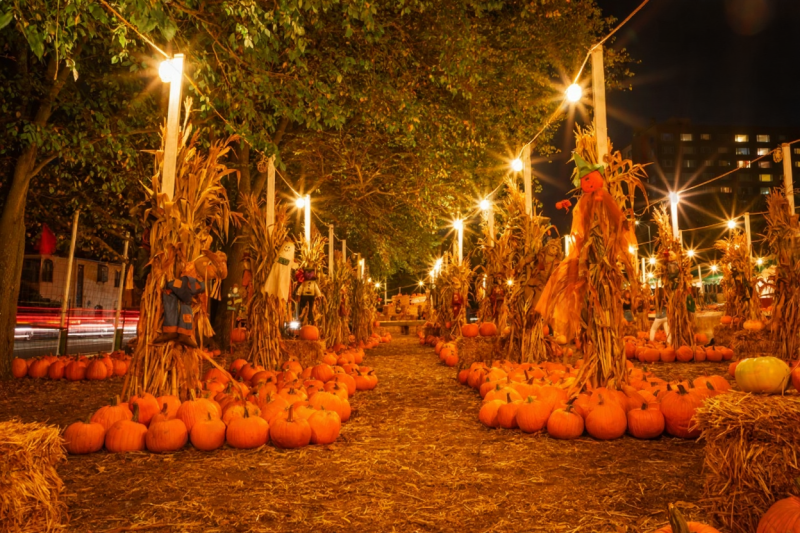
The Castro: Ground Zero for Creative Spectacle
When the sun sets on October 31st, the heart of San Francisco's Halloween celebration beats strongest in the Castro District. For decades, this historic neighborhood has been the unofficial epicenter of a massive, informal street party. While the official, city-sanctioned event has been discontinued, the spirit of flamboyant celebration is inextinguishable, making it a must-see spectacle for those seeking atmosphere over anxiety.
A Legacy of Theatrical Celebration
The Castro's reputation as a hub for celebration is deeply woven into its identity as a global icon for the LGBTQ+ community. This legacy of pride, resilience, and theatricality naturally extends to Halloween, which has long been an occasion for lavish costumes and uninhibited self-expression. The neighborhood’s streets transform into a runway of pure imagination, where locals and visitors alike come together to see and be seen. It’s this powerful sense of community and freedom that makes Halloween in the Castro an experience rooted in joy and connection.
What to Expect: A Masterclass in Costume Art
A night in the Castro on Halloween is a feast for the senses. The focus here is squarely on the costumes—and they are legendary. Expect to see everything from breathtakingly elaborate, hand-crafted creations that look like they belong on a movie set to hilarious, pop-culture-inspired group ensembles.
Unrivaled People-Watching: Find a spot along Castro Street and simply take in the parade of creativity. The energy is infectious, fueled by music, laughter, and the collective awe of the incredible artistry on display.
A Festive, Open-Air Vibe: While the area gets crowded, the atmosphere is generally light and celebratory. It’s less of a chaotic party and more of a vibrant, open-air gallery of costume art.
Focus on Fun, Not Fear: This is the essence of "Haunts Without Horrors." The thrill comes from the dazzling creativity and the electric atmosphere, not from things that jump out of the dark.
How to Navigate the Castro Pub Crawls Like a Pro
The neighborhood's many bars and pubs are a central part of the evening, with many participating in informal pub crawls. If you choose to partake, a little planning goes a long way in ensuring a smooth and safe night.
Assemble Your Krewe: The buddy system is non-negotiable. Stick with your friends, establish a clear meeting point (like a specific intersection or storefront) in case you get separated, and use a location-sharing app on your phones.
Strategize Your Stops: Have a few destinations in mind rather than wandering aimlessly. Check social media in the days leading up to see if any bars are advertising special events, themes, or cover charges.
Pace for the Long Haul: The night is a marathon, not a sprint. Stay hydrated with water between drinks and know your limits. The goal is to remember the amazing costumes, not to forget the entire night.
Master Your Exit Plan: As the Master Brief confirms, using rideshares is the smartest and safest way to get home. Book your ride a few blocks away from the most congested intersections on Castro or Market Street to make pickup faster and easier for your driver.
Pro-Tip: To experience the best of the Castro's atmosphere without the most intense crowds, aim to arrive in the early evening (around 7-8 PM). You'll get to see the incredible costumes and soak in the festive energy before the streets reach their peak capacity later in the night.

The Winchester Mystery House: A Haunt of a Different Kind
For a different kind of chill—one steeped in history, mystery, and architectural absurdity—a trip to the Winchester Mystery House is an essential part of the Bay Area Halloween experience. Located a short drive from San Francisco, this sprawling mansion is famous not for ghosts, but for its baffling and bizarre construction. It’s the perfect "haunt without horror" because the unease comes from its unsettling, real-life story, not from manufactured scares.
More Architectural Anomaly Than Haunted House
The legend of the Winchester Mystery House is as captivating as its design. It is said that Sarah Winchester, heiress to the Winchester rifle fortune, was instructed by a medium to continuously build onto her home 24/7 for 38 years to appease the spirits of those killed by her family's famous rifles. The result is a sprawling 160-room mansion filled with architectural oddities designed to confuse any spirits that might be lurking.
Staircases to Nowhere: Discover stairways that ascend directly into the ceiling.
Doors Opening to Nothing: Find doors that serve no purpose, opening onto solid walls or, more alarmingly, two-story drops.
A Labyrinthine Layout: The house was intentionally designed to be a maze, with winding hallways, secret passages, and a dizzying number of rooms.
Exploring the mansion is an exercise in psychological curiosity. The unsettling feeling comes from trying to comprehend the obsessive, labyrinthine logic behind its construction. It’s a historical puzzle box that you can walk through, making it a fascinating and slightly spooky destination that engages the mind rather than just the adrenaline glands.
Planning Your Visit: An Insider's Itinerary
A visit to the Winchester Mystery House requires a bit of planning to make the most of the experience, especially during the popular Halloween season.
Book Tickets in Advance: This is non-negotiable. Halloween season is peak time. Secure your tour tickets online well in advance to avoid a sold-out disappointment.
Choose Your Tour Wisely: The mansion typically offers several types of tours, from a general estate tour to more specialized, seasonally themed explorations. Review the options to find the one that best fits your interest in history, architecture, or paranormal lore.
Give Yourself Time: Don't rush it. Besides the house tour itself, the estate has beautiful gardens and historical exhibits to explore. Plan for at least half a day for the entire experience, including travel time from San Francisco.
Packing for a day trip that combines city exploration with a visit to a historic estate can be a challenge. You need to be prepared for changing temperatures and long periods of walking. Our How to Pack Light Guide provides essential tips for creating a versatile daypack with everything you need, ensuring you stay comfortable without being weighed down.

A Practical Guide to the Best Halloween Events USA Offers in SF
Mastering Halloween in San Francisco is about more than just knowing where to go; it’s about navigating the city like a local. From transportation tricks to costume considerations, these practical tips will ensure your night is all treat and no trick.
Transportation Triumphs: Getting Around the City
On Halloween night, the city's streets can be congested, especially in popular neighborhoods.
Embrace Public Transit: Muni and BART are your best friends. They are cost-effective and eliminate the stress of finding (and paying for) parking. Plan your route ahead of time and check for any holiday schedule changes.
Rideshares Require Strategy: While convenient, surge pricing will be in effect. If you use a rideshare app, walk a few blocks away from the main crowds to a less chaotic side street. This makes your pickup location easier for your driver to find and can sometimes lower the fare.
Walk with Purpose: San Francisco is a fantastic walking city, but be prepared for its famous hills. Wear comfortable shoes, even if they clash with your costume. Your feet will thank you at 2 AM.
Costume Craft: Dressing for SF's Fickle Climate
San Francisco's weather is a character in itself. A sunny afternoon can quickly give way to a cold, foggy evening, a phenomenon locals lovingly call "Karl the Fog."
Layers Are Your Superpower: The golden rule of dressing in SF applies even on Halloween. Design your costume with layers in mind. A stylish jacket, a dramatic cape, or thermal undergarments can be a lifesaver when the temperature drops.
Comfort Is King (or Queen): You'll likely be doing a lot of walking or standing. Prioritize comfortable footwear above all else. Nothing ruins a fun night faster than painful blisters.
Pro-Tip: Weave safety directly into your costume design. Use reflective fabrics, glow-in-the-dark paint, or battery-powered LED lights. Not only will you be more visible crossing the city's busy streets, but you'll also add a cool, tech-forward element to your look that feels perfectly at home in San Francisco.
Beyond the Main Events: Finding SF's Hidden Halloween Charm
San Francisco’s Halloween magic isn’t confined to just one or two locations. The city’s innovative and nature-loving spirit means you can find festive touches in the most unexpected places.
Atmospheric Lights in Golden Gate Park
Drawing inspiration from the city’s love of blending tech and nature, keep an eye out for special light installations or themed events in Golden Gate Park. As dusk falls, the park’s misty groves and winding paths take on a naturally spooky ambiance. It’s the perfect setting for a low-key, atmospheric evening walk before heading to more lively celebrations.
Artisan Markets with a Spooky Twist
San Francisco is home to countless local artisan markets. During October, many of these markets embrace the season, offering Halloween-themed crafts, gourmet treats, and local art. It’s a fantastic way to find a unique souvenir and experience the city’s creative community on a more intimate level, often with stunning bay views as a backdrop.
The Ultimate Resource for Your Entire Trip
A single holiday is just a snapshot of what this incredible city has to offer. To truly unlock the best of the Bay Area, from its iconic landmarks to its hidden neighborhood gems, a comprehensive resource is essential. To discover even more seasonal secrets and plan the perfect trip any time of year, our comprehensive Travel Guide is the ultimate resource for exploring San Francisco and beyond.
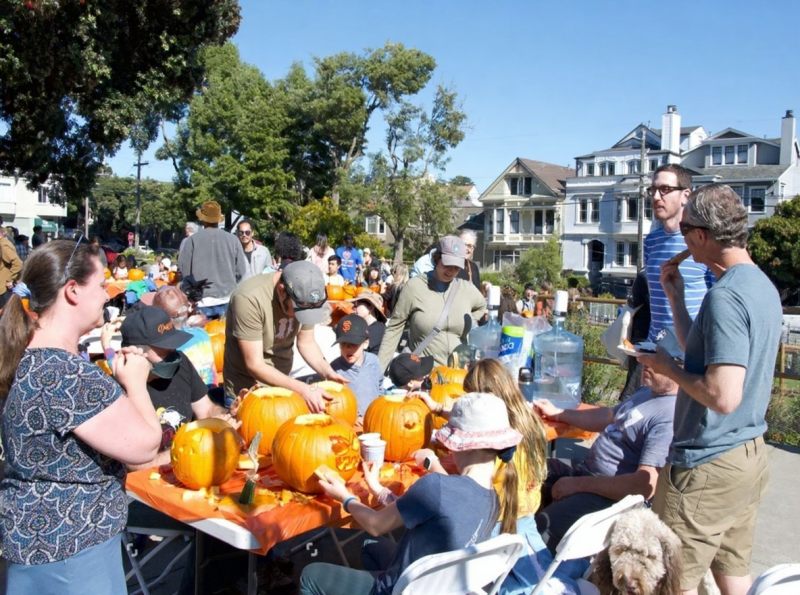
Conclusion: Embrace the Unforgettable Spirit of a San Francisco Halloween
San Francisco offers a Halloween experience that is as unique as the city itself—one that champions creativity, community, and atmosphere over cheap thrills and jump scares. It’s a place where you can marvel at the incredible costume artistry in the Castro, ponder the architectural riddles of a mysterious mansion, and soak in the festive energy of a city that truly knows how to celebrate. From the Castro's vibrant streets to mysterious mansions, the city provides some of the most memorable Halloween events USA has to offer by focusing on what truly matters: community, creativity, and unforgettable fun.
You now have the insider knowledge to craft a Halloween adventure that's perfectly spirited and uniquely San Francisco. You can confidently navigate the city's biggest celebrations and discover its hidden charms, creating memories that will last a lifetime.
What are you most excited to experience? Share your San Francisco Halloween plans in the comments below
Don't Miss Out! Subscribe for Exclusive Content
Subscribe


Comments 0
No comments yet
Be the first to share your experience!
Dont Miss Out! Subscribe for Exclusive Content

San Francisco Cherry Blossoms: A Local's Guide to the Blooms


SF Festivals: 7 Must-See Lineups

Christmas SF: Lights & Wharf Wonders

SF Pride: 6 Route & Party Hacks

Chinese New Year SF: Parade Essentials

San Francisco Holidays: Bay Area Buzz
Mardi Gras: 6 Parade Survival Tips
TrekGuider @trekguider
You’ve seen the photos—a blizzard of purple, green, and gold beads flying through the air. You’ve heard the stories of jazz music spilling onto streets packed with revelers. The dream of Mardi Gras in New Orleans is a powerful one, a siren call to the world’s greatest free party. It’s a bucket-list spectacle of dazzling floats, complex costumes, and pure, unadulterated joy. But let’s be honest: the reality behind that dream can be intimidating. The sheer scale of the crowds, the labyrinthine parade schedules, and the logistical hurdles can turn a fantasy trip into a frantic mess.
Without a battle plan, you risk becoming just another overwhelmed tourist. Imagine traveling all that way only to be stuck ten rows deep, craning your neck for a fleeting glimpse of a float. Picture the rising panic of losing your friends in a sea of humanity with zero cell service, or the bone-deep exhaustion that sets in after hours on your feet, unprepared. The magic of Carnival can fade fast when you’re fighting the chaos instead of embracing it.
This is where you stop worrying. Consider this your official playbook for not just surviving, but thriving at the parades. We’re going to arm you with the insider knowledge to navigate the festivities like a seasoned pro. These six essential survival tips will transform your Mardi Gras New Orleans experience from stressful to unforgettable. This is just one of the incredible cultural celebrations we explore in our complete guide to New Orleans Holidays: Cultural Feasts, but for now, let’s master the art of the parade.

Tip 1: Decode the Schedule & Choose Your Krewes Like a Local
First, let’s clear up a common misconception: Mardi Gras isn't just one day. It's an entire season, a cultural crescendo that officially begins on January 6th and leads to the city-wide blowout of "Fat Tuesday." The parades, organized by social clubs known as "krewes," are the lifeblood of the celebration, and they hit a fever pitch in the final two weeks. Knowing which parades to see—and when—is the first step to crafting your perfect experience.
The final weekend before Fat Tuesday is when the legendary "super-krewes" roll, drawing the biggest crowds and delivering the most spectacular shows. For 2026, these are the dates to circle in red on your calendar:
Saturday, the weekend before Mardi Gras: A marathon day featuring the massive Krewe of Endymion, an evening parade so spectacular it feels like a rolling blockbuster.
Sunday, the days leading up to Fat Tuesday: The Krewe of Bacchus, another titan of Carnival, hits the streets at 5:15 PM with its own celebrity monarch and jaw-dropping floats.
Monday, the Monday before Mardi Gras (Lundi Gras): Witness history with the Krewes of Proteus and Orpheus, two stunning nighttime parades that light up the city.
Tuesday, late February (dates shift each year—check nola.com for the exact schedule) (Fat Tuesday): The grand finale. The day kicks off with the Krewe of Zulu at 8:00 AM, famous for its coveted hand-painted coconut throws, followed by the regal Krewe of Rex at 10:30 AM, whose leader is the official "King of Carnival."
Not all krewes offer the same experience. Daytime parades often have a more relaxed, family-centric vibe. Nighttime parades are a different animal entirely—lit by historic gaslight torches called "flambeaux," they are dazzling, high-energy spectacles that draw a more party-oriented crowd. Do a little research on each krewe's theme and history to find the ones that match your style.
Pro-Tip: Before you even leave your hotel, download a real-time parade tracker app from a local New Orleans news station. These GPS-powered apps show you the exact location of the parade's lead float, giving you the intel to know if you have time for a bathroom break or a food run before the action reaches you.

Tip 2: Location is Everything: How to Claim Your Parade Turf
Your viewing spot will define your entire parade experience. The primary routes snake through the stately Uptown/St. Charles Avenue corridor and along the edge of the French Quarter. For a more traditional, family-friendly atmosphere, plant yourself along St. Charles Avenue. Under the canopy of ancient oak trees, you’ll find generations of families who have claimed the same spot for decades. For a more intense, high-octane experience, the sections of the route closer to Canal Street are where the crowds roar loudest.
Let’s be clear: the golden rule of securing a good spot is to arrive obscenely early. For a super-krewe on that final weekend, we’re not talking 30 minutes ahead—we’re talking hours. This is a marathon of patience. You’ll see locals set up their full camp—chairs, coolers, and ladders—long before the first siren wails. About those ladders: you’ll see many custom-built ladder seats designed to give kids a safe, elevated view. It’s a brilliant tradition, but if you use one, follow the local etiquette: place it at least six feet back from the curb to avoid obstructing the view of those in front and to stay clear of the massive floats.
Remember, the major parades do not go through the narrow, historic streets of the French Quarter. While Bourbon Street is its own unique Mardi Gras spectacle, it is not the place to watch the krewes roll.

Tip 3: Master the Art of the "Throw" for Your Mardi Gras New Orleans Haul
The quintessential Mardi Gras New Orleans experience is reaching up and catching a string of colorful beads. These items, tossed from the floats by krewe members, are called "throws," and they are the currency of Carnival. But it’s so much more than just beads. Each krewe has its own signature throws, from decorated plastic cups and doubloon coins to light-up toys and stuffed animals. Some are true collector's items, like the exquisitely hand-decorated shoes from the all-female Krewe of Muses or the legendary painted coconuts from Zulu.
Catching the best stuff is a skill. Here’s how to improve your odds:
Engage and Make Eye Contact: Float riders are scanning the crowd for energy. Wave your arms, smile, and yell the classic line: "Throw me something, mister!" They are more likely to toss something special to someone who is clearly having a great time.
Practice Good Karma: Be aware of the people around you, especially children. If a coveted throw lands near a kid, let them have it. The spirit of Mardi Gras is communal joy, not competition.
Bring a Designated Bag: You will catch far more than you can wear or carry. A simple tote bag or small backpack is essential for stashing your loot.
Above all, be safe. The number one rule is never, ever run into the street or chase a float for a throw. These floats are enormous, pulled by tractors with limited visibility. Wait for the throws to come to you and never reach under a float. No plastic necklace is worth the risk.
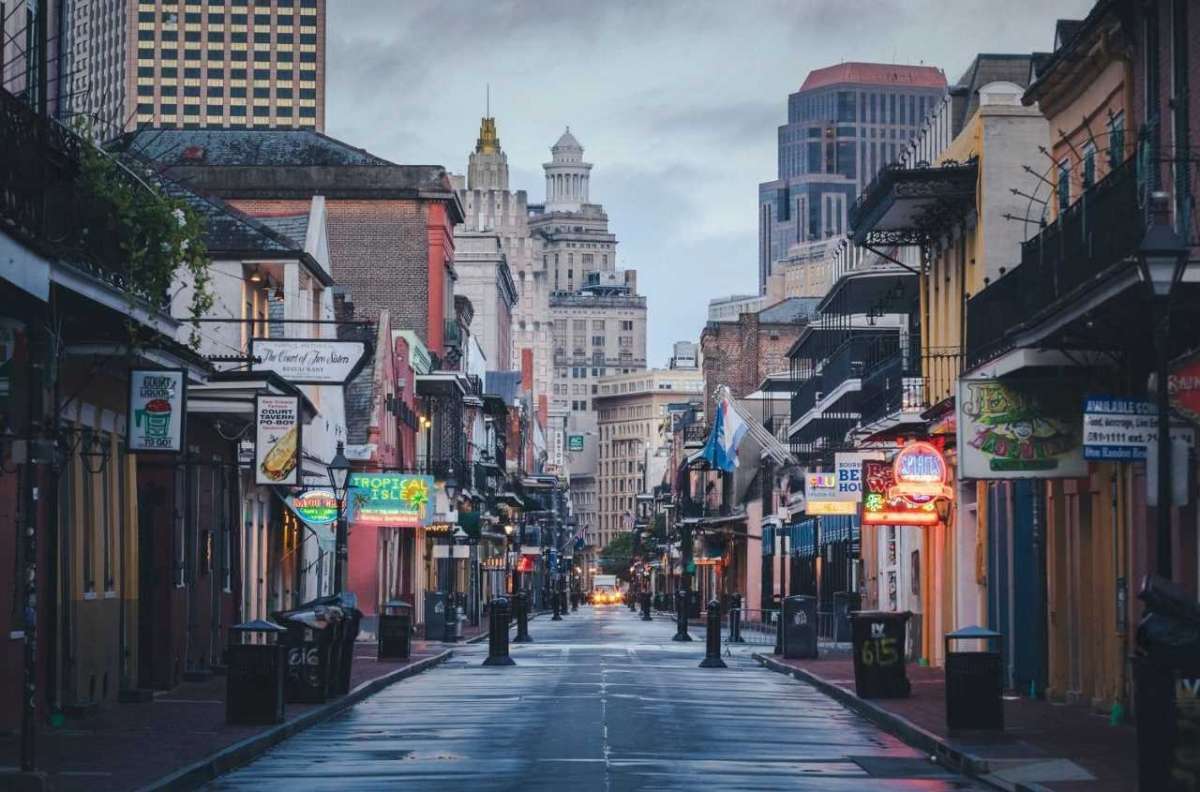
Tip 4: Pack Your Ultimate Parade Survival Kit
A day on the parade route is an urban endurance event. You’ll be on your feet for hours, exposed to the elements, and a long way from your home base. A well-packed day bag is non-negotiable. Being prepared for any great American adventure requires the right checklist, and just as you’d use our National Park Road Trip Checklist to prepare for the wild, this kit will ensure you conquer the urban jungle of Carnival.
These are the absolute essentials for your Mardi Gras survival kit:
Hydration: Pack more water than you think you need. Staying hydrated is critical.
Fuel: High-energy, easy-to-carry snacks like protein bars, trail mix, and pretzels will keep your energy levels up.
Sun & Rain Gear: New Orleans weather is fickle. Pack sunscreen, a hat, and sunglasses for daytime parades, but also throw in a cheap poncho. A sudden downpour can’t ruin your day if you’re prepared for it.
Layers: A sunny 70-degree afternoon can plummet to a chilly 50 degrees after sunset. Wear layers you can easily shed or add.
Portable Power Bank: Between taking photos, coordinating with friends, and running a parade tracker, your phone battery will vanish. A portable charger is a modern-day necessity.
Sanitation Supplies: Public restrooms are of the port-a-potty variety and see heavy use. A travel-sized pack of tissues and a bottle of hand sanitizer will feel like pure luxury.
A Throw Bag: A lightweight, foldable tote is perfect for your haul.
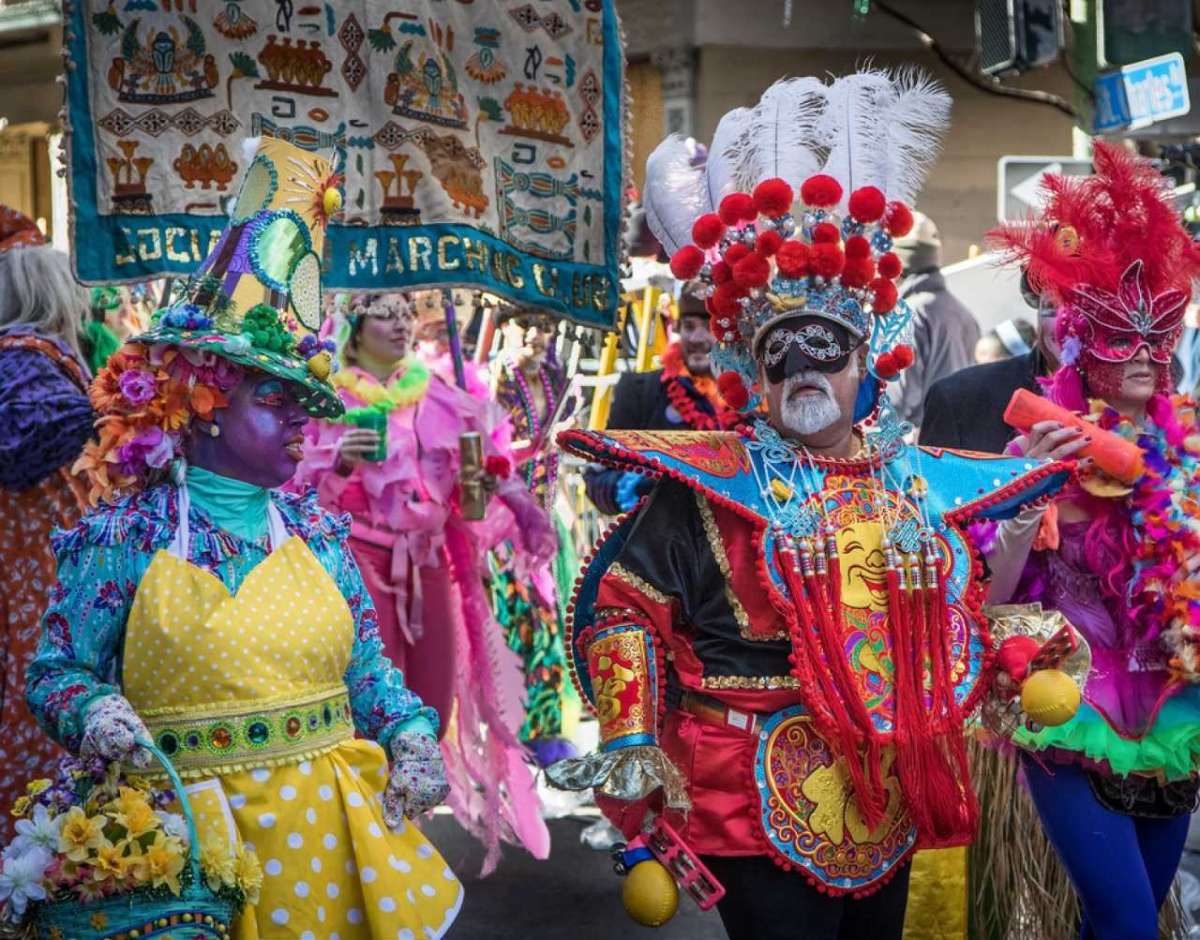
Tip 5: Navigate the Crowds & Stay Safe Like a Pro
The sheer scale of the crowds can be staggering—this is, after all, an event that generated an $891 million economic impact in 2024. Navigating this joyful mass of humanity requires a proactive approach to safety.
First, the buddy system is not optional. Stick with your group. Before you even head out, establish a non-obvious, hyper-specific meeting point. "Under the clock at the hotel" is good. "The corner of Canal and St. Charles" is a recipe for disaster. Cell service will be spotty at best, so you cannot rely on your phone to reunite.
When it comes to getting around, forget driving. Street closures and traffic make it a nightmare. Parking, if you can find it, will be exorbitant—reserve a spot in a garage well in advance if you must bring a car. Your best bets are walking, using public transit, or grabbing a rideshare, but be prepared for surge pricing and long waits after a parade.
Pro-Tip: To move through a thick crowd, don't try to bull your way through the middle. The pro move is to retreat one block off the parade route, walk parallel to it in the direction you want to go, and then cut back in. It’s a slightly longer walk that will save you immense time and frustration.
Tip 6: Embrace the Spirit of "Laissez les Bons Temps Rouler"
Finally, the most crucial tip of all: embrace the official motto of Mardi Gras, Laissez les bons temps rouler—Let the good times roll. This isn't just a slogan; it's the city's philosophy. This celebration is a profound expression of New Orleans' unique Creole heritage, a season defined by king cake feasts, brass bands, and an unbreakable sense of community. Don't get so wrapped up in logistics that you forget to be present.
Strike up a conversation with the family next to you. Compliment a stranger's incredible costume. Share your snacks. New Orleanians are famously hospitable and love sharing their traditions. Participate in the culture, don't just observe it. To truly understand the soul of this festival and others like it, our comprehensive Travel Guide offers a deep dive into the cultural fabric of America's most fascinating cities, providing the context that turns a great trip into a meaningful one.
Your Mission: Go Forth and Conquer Carnival
You are now officially prepared. Armed with these insider strategies, you can confidently tackle your Mardi Gras New Orleans adventure. You have the knowledge to decode the schedule, claim the best spots, pack for success, and stay safe in the joyous chaos. You are no longer just a tourist hoping for the best; you are an informed participant, ready to dive into the heart of one of the world's greatest cultural spectacles.
So book the ticket, pack your most festive attire, and get ready to let the good times roll. The magic of Mardi Gras is waiting for you.
Don't Miss Out! Subscribe for Exclusive Content
SubscribeComments 0
No comments yet
Be the first to share your experience!
Dont Miss Out! Subscribe for Exclusive Content
San Francisco Cherry Blossoms: A Local's Guide to the Blooms

Halloween SF: Haunts Without Horrors
SF Festivals: 7 Must-See Lineups
Christmas SF: Lights & Wharf Wonders
SF Pride: 6 Route & Party Hacks
Chinese New Year SF: Parade Essentials
Best Family Vacations: How to Finally Pick the Right One
TrekGuider @trekguider
Staring at a map, overwhelmed by options? You're not alone. The pressure to choose the perfect family vacation—one that delights a toddler, engages a teen, and actually feels like a break for you—is immense. It’s a high-stakes puzzle where the fear of getting it wrong can be paralyzing. This guide is your solution.
It's engineered to cut through that noise. This isn't just another list; it's a practical plan designed to help you confidently identify the absolute best family vacations for your unique crew.
Building on the core principles of our Family Travel Ideas: The 2026 Guide to Unforgettable Trips, we apply our "travel style" analysis to 15 premier destinations. Each has been rigorously vetted for its appeal and, just as importantly, for its operational excellence in making family travel seamless. This is your definitive resource for turning the anxiety of planning into the pure excitement of a perfectly chosen adventure.
At a Glance: The Best Family Vacation for Your Crew
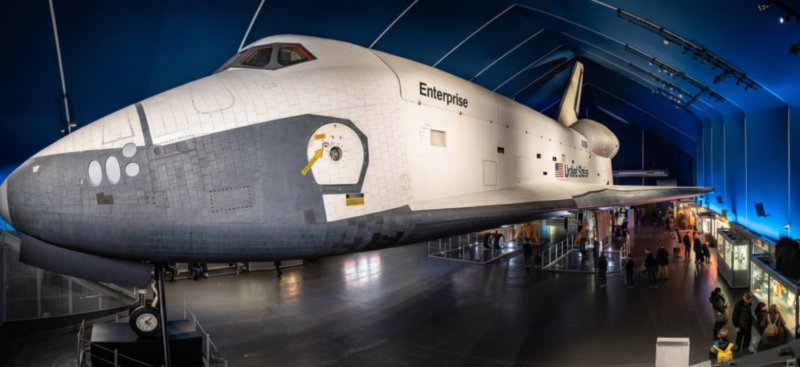
For the Relaxation-Oriented: Minimal Logistics, Maximum Restoration
These destinations are architected to reduce decision fatigue and eliminate logistical friction, making them ideal for first-time family travelers, those with very young children, or anyone whose primary objective is genuine rest.
1. Beaches Turks & Caicos: The Gold Standard of All-Inclusive
This resort functions as a self-contained vacation ecosystem, setting the industry standard for the luxury all-inclusive family model.
Strategic Advantage: The resort's primary asset is its comprehensive infrastructure for children of all ages, from certified nannies for infants to a sophisticated Xbox lounge for teens and a 45,000-square-foot waterpark. This allows for a rare vacation dynamic where parents can achieve genuine relaxation while children are safely and happily engaged. If this is your goal, be sure to read our guide on The Secret to Stress-Free All Inclusive Family Vacations.
Logistical Considerations: As a premium offering, this is one of the more expensive options. Booking at least six to nine months in advance is critical, especially for travel during school holidays. The flight to Providenciales (PLS) is direct from many major U.S. hubs.
2. Aulani, A Disney Resort & Spa, Hawaii: Sophisticated Island Magic
This resort masterfully blends the immersive storytelling of Disney with the rich cultural fabric of Hawaii, offering a sophisticated alternative to a theme park vacation.
Strategic Advantage: Aulani excels at creating parallel experiences for adults and children. While kids engage in the supervised activities at Aunty's Beach House (a best-in-class kids' club), adults can enjoy the adult-only pools, the Laniwai spa, or fine dining. The protected, calm lagoon is a significant safety feature for families with toddlers.
Logistical Considerations: The resort is located in Ko Olina, about 30-45 minutes from the Honolulu airport (HNL) and Waikiki. A rental car offers flexibility, but it's possible to remain on-resort. Book character dining and other popular experiences the moment your booking window opens.
3. A Family-Focused Cruise: The Multigenerational Solution
Modern cruise ships from lines like Royal Caribbean or Disney are floating resorts designed to cater to a wide array of interests and energy levels.
Strategic Advantage: A cruise is arguably the most efficient model for a multigenerational vacation. The vessel itself is the destination, offering a controlled environment with a vast spectrum of dining, entertainment, and relaxation options consolidated in one place. It solves the complex problem of coordinating activities and meals for a large, diverse group.
Logistical Considerations: Scrutinize the ship's itinerary and "at sea" days. Pay close attention to the specific amenities on your chosen ship, as they vary significantly. Shore excursions should be booked well in advance. While the base price can be appealing, budget carefully for additional costs like drink packages and gratuities.

For the Outdoor Adventurer: Immersive Natural Encounters
These destinations prioritize engagement with the natural world, offering a powerful antidote to a technologically saturated daily life. They are best suited for active families with school-aged children and teens.
4. Zion & Bryce Canyon National Parks, Utah: A Journey into the Sublime
This pairing offers a journey through two of the most geologically distinct and jaw-dropping landscapes in North America.
Strategic Advantage: The parks provide a "choose your own adventure" model of graduated physical challenges. Families can opt for accessible, paved paths like the Pa'rus Trail in Zion or undertake more strenuous, iconic hikes. This adaptability makes it suitable for families with varying fitness levels.
Logistical Considerations: These parks have seen a massive surge in popularity. Stay in Springdale for Zion and use the mandatory park shuttle. Lodging must be booked a year in advance. The best times to visit are spring and fall to avoid extreme summer heat. Grab our National Park Road Trip Checklist to stay organized.
5. Costa Rica: The Ultimate Eco-Adventure
A global pioneer in ecotourism, Costa Rica offers a safe, accessible, and exhilarating introduction to tropical biodiversity.
Strategic Advantage: The country's well-established tourism infrastructure is specifically geared toward family adventure. Reputable tour operators offer a seamless experience for activities like zip-lining, volcano hikes, and guided rainforest tours, managing all equipment and safety protocols. This allows families to experience high-adventure activities with a professional safety net.
Logistical Considerations: Don't attempt to see the entire country in one trip. A highly effective itinerary focuses on two regions: the Arenal area and the Manuel Antonio region. A 4x4 rental is advisable. Remember to download your International Travel Checklist before you go!
6. The Black Hills, South Dakota: An Iconic American Road Trip
This region offers a classic American road trip experience, combining national monuments with extensive outdoor recreation and a rich history of the American West. This is one of our favorite ideas for A Midwest Family Road Trip That Actually Wows Kids.
Strategic Advantage: The density and variety of attractions within a relatively compact geographical area minimize drive times and maximize engagement. In a single day, a family can visit Mount Rushmore, hike in Custer State Park, and drive the Needles Highway.
Logistical Considerations: Base your stay in a central location like Keystone or Custer. The best time to visit is late summer or early fall. Be prepared for crowds at major monuments; visiting early in the morning is a sound strategy.
Turn Your Plan Into Reality
Choosing the perfect trip is one thing—organizing it is another. To help you structure your days, track bookings, and keep all your plans in one place, download our free Travel Itinerary Template. It's the simple, powerful tool that turns your dream trip into a stress-free reality.

For the Curious Mind: Education through Exploration
These destinations are living classrooms, transforming history, culture, and science from abstract concepts into tangible, multi-sensory experiences.
7. Washington, D.C.: A Museum with a City Built Around It
The nation's capital offers an unparalleled density of world-class, and largely free, cultural and historical institutions.
Strategic Advantage: The Smithsonian Institution is a national treasure. The sheer quality and interactivity of the exhibits at the National Museum of Natural History and the National Air and Space Museum can ignite a child's curiosity in a way no textbook can.
Logistical Considerations: Don't attempt to conquer the entire National Mall in one day. A superior strategy is to select one or two museums per day. The city's Metro system is the most efficient mode of transport.
8. London, England: The Perfect First Trip "Across the Pond"
For many American families, London serves as the perfect gateway to international travel, offering a rich historical mix with the convenience of a shared language.
Strategic Advantage: History is palpable and accessible here. Standing in the Tower of London or touring the Churchill War Rooms provides a powerful, contextual understanding of world events. The city's blend of ceremony and modern attractions caters to a wide range of interests.
Logistical Considerations: The "Tube" (Underground) is exceptionally efficient. Purchase Oyster cards upon arrival. Book major attractions online in advance to secure timed entry slots.
9. Colonial Williamsburg, Virginia: America's Origin Story, Brought to Life
This destination offers a uniquely immersive and interactive journey into the origins of American democracy, operating as a carefully recreated 18th-century city.
Strategic Advantage: Williamsburg's strength lies in its "living history" model. Children don't just see artifacts behind glass; they interact with costumed historical interpreters—blacksmiths, printers, and political figures—who engage them in conversation and demonstrations.
Logistical Considerations: A multi-day pass is essential. The site is large and requires significant walking. Combine a visit with trips to nearby Jamestown and Yorktown for a complete "Historic Triangle" itinerary.
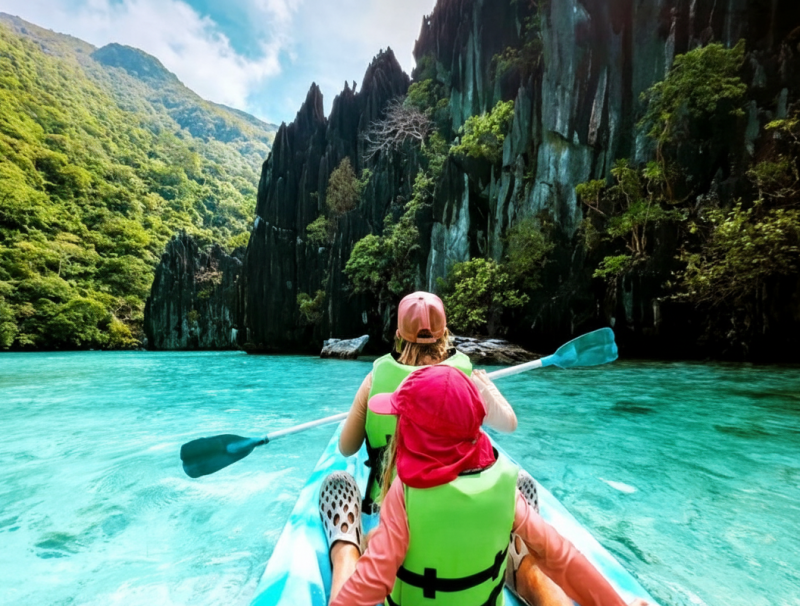
For the Budget-Conscious: High Value, Not High Cost
An impactful family vacation is determined by the quality of shared experience, not the size of the expenditure. These destinations offer an exceptional return on investment.
10. The Great Smoky Mountains National Park: America's Backyard
This is the most visited national park in the United States, in large part because it charges no entrance fee, offering an incredibly accessible natural landscape.
Strategic Advantage: The financial barrier to entry is virtually non-existent. Families can enjoy scenic drives, hiking trails, and abundant wildlife viewing for free. The nearby towns of Gatlinburg and Pigeon Forge offer a wide spectrum of affordable lodging and entertainment.
Logistical Considerations: The park's popularity, especially in October, means significant traffic congestion. Plan to enter the park very early in the day. A cabin rental can often be more cost-effective for a family than multiple hotel rooms.
11. The "Riviera Maya," Mexico: Sun, Cenotes, and Savings
This region boasts a strong infrastructure for budget-conscious travel, including affordable all-inclusive resorts and vacation rentals.
Strategic Advantage: The favorable exchange rate and competitive tourism market provide exceptional value. Families can experience beautiful beaches, unique cenotes (natural swimming holes), and world-class archaeological sites at a fraction of the cost of a comparable Caribbean vacation.
Logistical Considerations: Fly into Cancún (CUN). The summer and fall shoulder seasons offer the best pricing but coincide with hurricane season, making travel insurance a non-negotiable requirement. Consider our Mexico guide for more tips.
12. Wisconsin Dells, Wisconsin: The Waterpark Capital of the World
This Midwest destination offers a high concentration of family-friendly attractions at a family-friendly price point.
Strategic Advantage: Competition among the numerous resorts and waterparks keeps prices competitive. Many resorts offer packages that bundle lodging and park passes, providing significant value. It's a driveable destination for a large portion of the U.S. population.
Logistical Considerations: Summer is the peak season. Consider a visit in the shoulder seasons (late spring, early fall) for lower prices and fewer crowds, as many of the larger parks have extensive indoor facilities.
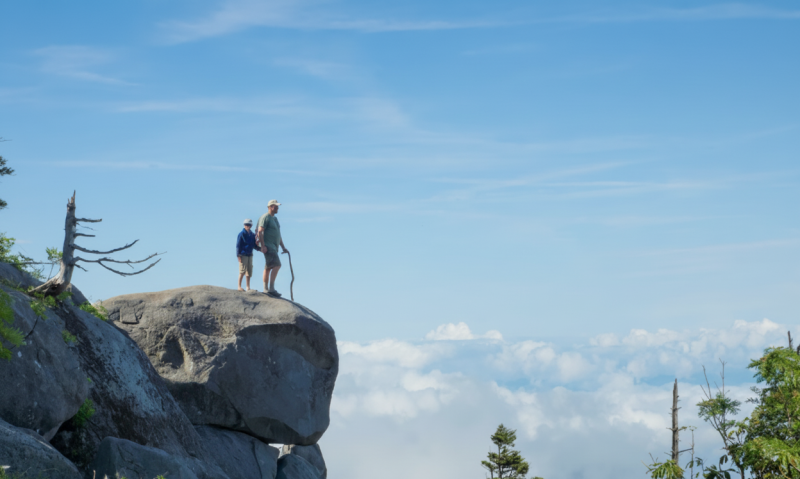
For Multigenerational Groups: Designing for a Diverse Team
These vacations are selected for their ability to comfortably accommodate a wide range of ages, mobility levels, and interests, facilitating connection across generations.
13. Orlando, Florida (Beyond the Parks): Your Private Command Center
Orlando's greatest asset for multigenerational travel is its vast inventory of large-scale vacation rental homes.
Strategic Advantage: Renting a 5- or 6-bedroom house with a private pool provides a central base for the entire family. It offers common spaces for gathering and private rooms for retreat, a dynamic that is impossible to replicate in a hotel.
Logistical Considerations: A rental home requires rental cars. Choose a location that offers a good balance between proximity to attractions and a quiet residential setting.
14. Hilton Head Island, South Carolina: Lowcountry Relaxation
This destination offers a more tranquil, nature-oriented coastal experience with a sophisticated infrastructure for large family groups.
Strategic Advantage: The island's design emphasizes outdoor activity for all ability levels. Grandparents can enjoy a leisurely bike ride on the 60+ miles of paved paths, parents can play golf, and kids can enjoy the calm waters of the Atlantic.
Logistical Considerations: The vacation rental market is robust. Reservations for popular summer weeks should be made up to a year in advance.
15. An Alaskan Cruise: Majesty for All Ages
An Alaskan cruise offers spectacular, large-scale scenery that can be appreciated by every generation, regardless of physical ability.
Strategic Advantage: The primary attraction—the dramatic landscape of glaciers, fjords, and mountains—is viewed directly from the ship. This makes it an ideal trip for family members with limited mobility.
Logistical Considerations: The cost can be high, but the value is strong. Book a ship with a naturalist onboard. Balcony rooms are worth the extra expense on this itinerary. The season is short (May-September), so book well in advance.
Frequently Asked Questions
What is the best age to take a child on their first major family vacation?
While travel is beneficial at any age, the "sweet spot" for memory and participation is often between 6 and 12 years old. At this stage, kids have the stamina for active days, are curious about new places, and are still happy with a family-focused agenda.
How can we find the best family vacation deals?
The most effective strategies are flexibility and advance planning. Traveling during "shoulder seasons" (just before or after peak season) can reduce costs significantly. Setting up price alerts and booking accommodations at least six months out are also key.
Are vacation rentals better than hotels for families?
It depends on your travel style. A vacation rental offers more space and a kitchen, ideal for longer stays and saving money on food. A hotel or resort provides more amenities, daily housekeeping, and on-site dining for a true break from domestic duties.
How do you manage screen time on a family vacation?
Set clear expectations beforehand. A great strategy is the "bookend rule": allow screens in the morning while getting ready and in the evening to wind down, but make the core of the day a screen-free zone for shared activities.
It's Time to Start Your Story
The perfect family vacation isn’t about finding a spot on a map; it's about finding the place that matches your family’s unique travel style. By choosing a destination architected for relaxation, adventure, or discovery, you stop just 'going on a trip' and start building a chapter in your family's story.
Now that you have the framework to make the right choice, the next step is bringing it to life. For detailed, expert-crafted plans for these destinations and beyond, explore our collection of in-depth guides, starting with our comprehensive Travel Guide.
Read the full guide: Family Travel Ideas: The 2026 Guide to Unforgettable Trips
Don't Miss Out! Subscribe for Exclusive Content
SubscribeComments 0
No comments yet
Be the first to share your experience!
Dont Miss Out! Subscribe for Exclusive Content

Ultimate USA Holidays Guide: Top Picks

FTC Affiliate Disclosure Essentials: Stay Compliant as a Travel Creator

Essential Affiliate Tools: From Tracking to Full Optimization

Booking.com Affiliate Program Review: Pros, Cons, and Earnings Potential

Decoding Affiliate Commission Rates: Benchmarks for Travel Creators

Top 11 High-Paying Affiliate Programs for Travel Bloggers
Best Solo Destinations in the USA (For Your Travel Style)
TrekGuider @trekguider
Planning a solo travel USA adventure can feel both exhilarating and incredibly daunting. Staring at a map with a thousand pins, you're drowning in options, caught between endless, subjective lists that lump sprawling cities with remote national parks. The result? Total analysis paralysis. You're not just looking for a place to go; you're searching for the right place for you—a destination that feels safe, is easy to navigate, and truly matches your unique travel style.
This is where we do things differently. Forget one-size-fits-all lists. This guide is your compass, built around a single, powerful idea: your unique travel personality. We’ve organized the country’s best solo destinations into five distinct "Traveler Archetypes." By identifying which one resonates with you, you'll unlock a curated list of places where you're not just guaranteed a great trip, but an adventure that feels like it was designed just for you.
Before you dive in, remember that being prepared is what makes a trip successful. For a complete breakdown of budgeting, packing, and safety protocols, review our ultimate guide to essential solo travel tips.
For the bigger picture on planning your first independent journey, explore

What's Your Solo Traveler Archetype?
Every solo traveler is motivated by a different calling. Some crave the electric pulse of a city, while others seek the quiet wisdom of the wild. By matching a place to your personality, you can stop guessing and start planning an incredible journey. Which of these sounds most like you? 🗺️
The Urban Explorer: You come alive amidst the energy of a great city. Museums, history, architecture, and the endless possibility of discovery are your fuel.
The Outdoor Adventurer: You feel most at home in the great outdoors. Fresh air, epic hikes, and breathtaking natural vistas are what you seek.
The Foodie: You travel with your taste buds. Your itinerary is built around iconic dishes, bustling food markets, and the quest for the perfect meal.
The History Buff: You walk through the present while exploring the past. You're drawn to places that tell the rich, complex story of America.
The Wellness Seeker: You travel to recharge and reconnect. Tranquility, mindfulness, and serene environments are your ultimate destination.
For the Urban Explorer: Cities That Never Sleep
For those who thrive on culture, art, and the vibrant energy of a metropolis, these cities offer endless solo exploration with world-class public transport and walkability. They are logistical dreamscapes where you can effortlessly blend into the rhythm of the city.

New York City, New York: The Iconic Metropolis
Let's be clear: New York City isn't just arguably the ultimate solo travel destination; it is. This is a city built for individuals on a mission, where being alone is a way of life and dining solo is an art form. The sheer energy of millions of people forging their own paths means you'll never feel out of place, and with an unparalleled public transit system, you have five boroughs of distinct culture, food, and history at your fingertips.
Top Things to Do Alone:
Conquer Museum Mile: Get lost for hours in The Metropolitan Museum of Art, marvel at modern masterpieces at MoMA, or explore the Guggenheim's iconic spiral.
Find Your Spot in Central Park: Rent a bike, wander through the Ramble, find a quiet bench by the Lake, or simply people-watch on the Great Lawn.
Walk Across the Brooklyn Bridge: Go at sunrise for unforgettable, crowd-free skyline views that will stay with you forever.
Catch a Broadway Show: The TKTS booth in Times Square offers same-day discount tickets, making it easy to snag a single seat for a world-class performance.
Solo Pro-Tip: Nearly every great restaurant has bar seating. Sit at the counter at a legendary spot like Joe's Pizza in Greenwich Village for a classic slice without the fuss. Don't be afraid to embrace the cliché of just sitting on a bench in Central Park; watching the city's incredible cross-section of humanity walk by is a grounding and memorable experience.
Chicago, Illinois: The Architectural Hub
Chicago offers the big-city buzz of NYC but with a friendlier, more approachable Midwestern vibe. It's a clean, stunningly beautiful city with a world-class arts scene, incredible food, and an efficient 'L' train system that connects all major neighborhoods. For the solo explorer, its walkable downtown and magnificent architecture are a dream come true.
Top Things to Do Alone:
Take an Architecture River Cruise: The Chicago Architecture Foundation Center's tour is legendary and unquestionably the best way to see the city.
Explore Millennium Park: See your reflection in the iconic "Bean" (Cloud Gate) sculpture and enjoy the free public art.
Visit the Art Institute of Chicago: Spend an afternoon with masters like Grant Wood, Monet, and Seurat.
Solo Pro-Tip: Everyone tells you to get deep-dish pizza, but the real solo dining hack is finding a classic Chicago hot dog stand. It's quick, delicious, and a truly local experience. Grab a "dog dragged through the garden" at Portillo's and eat it by the river.
San Francisco, California: The Quirky Coastal Gem
With its iconic hills, historic cable cars, and fiercely independent spirit, San Francisco is a fantastic city to explore alone. Every neighborhood, from the Mission District to Haight-Ashbury, has its own distinct personality waiting to be discovered.
At a Glance:
Solo Safety Index: Moderate. Stick to well-trafficked areas, especially at night, and be aware of petty theft.
Budget Snapshot (Per Day): Budget: $90 | Mid-Range: $220 | Luxury: $450+
Navigability Score: 4/5. A combination of BART, Muni buses, and cable cars make it easy to get around. Be prepared for steep hills!
Best Time to Visit: Fall (September-October) for the city's sunniest weather.
Top Things to Do Alone:
Tour Alcatraz: Book your tickets well in advance—it's a fascinating and chilling experience.
Walk or Bike the Golden Gate Bridge: A true bucket-list moment with unparalleled views.
Explore the Ferry Building Marketplace: A vibrant food hall perfect for sampling local cheeses, coffee, and oysters.
Solo Pro-Tip: Riding the cable car isn't just for tourists. Hang on to the outside rail for the full, wind-in-your-hair experience. It's a genuinely fun way to get a feel for the city's unique topography and is worth the wait.
Portland, Oregon: The Hub of Indie Culture
Famous for its motto "Keep Portland Weird," this city is a haven for independent spirits. It's perfect for the solo traveler who loves unique shops, incredible coffee, a thriving food truck scene, and easy access to nature.
At a Glance:
Solo Safety Index: Good. Downtown and popular neighborhoods are safe, but be aware of your surroundings.
Budget Snapshot (Per Day): Budget: $60 | Mid-Range: $150 | Luxury: $300+
Navigability Score: 4/5. Portland has an excellent public transit system (MAX Light Rail and buses) and is famously bike-friendly.
Best Time to Visit: Summer (July-August) for warm, dry weather.
Top Things to Do Alone:
Get Lost in Powell's City of Books: The world's largest independent bookstore is a universe unto itself.
Explore the International Rose Test Garden: Enjoy stunning city views and thousands of fragrant blooms.
Eat Your Way Through a Food Cart Pod: A culinary adventure awaits with dozens of options in one place.
Solo Pro-Tip: The food cart pods are a solo traveler's dream. You can sample multiple cuisines without the formality of a sit-down restaurant. Grab a Thai dish and a craft soda and just people-watch; it’s the heart of the city's social scene.
For the Outdoor Adventurer: Epic Natural Escapes
If your idea of a perfect trip involves hiking boots and national parks, these destinations offer some of the best adventure-focused solo travel USA experiences imaginable. 🏞️
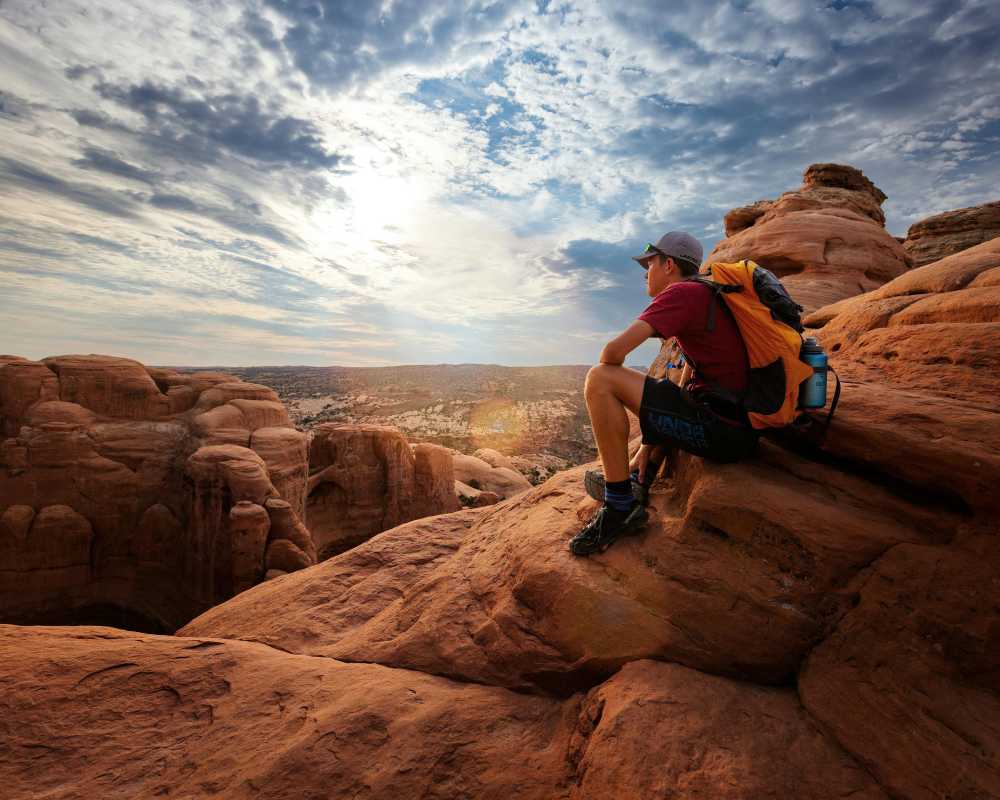
Moab, Utah: Gateway to Arches & Canyonlands
Moab is the undisputed adventure capital of the Southwest. It provides direct access to two national parks—Arches and Canyonlands—offering a lifetime's worth of hiking, photography, and stargazing for the solo nature lover.
At a Glance:
Solo Safety Index: High. The main safety concerns are standard wilderness precautions (carry plenty of water, inform someone of your hiking plans).
Budget Snapshot (Per Day): Budget: $60 | Mid-Range: $160 | Luxury: $320+
Navigability Score: 2/5. A car is essential to access the parks and trailheads.
Best Time to Visit: Spring (April-May) and Fall (September-October) for ideal hiking temperatures.
Top Things to Do Alone:
Hike to Delicate Arch at Sunrise: Seeing the morning light hit the iconic arch in Arches National Park is a spiritual experience.
Visit Canyonlands National Park: Drive the scenic Island in the Sky district for jaw-dropping, expansive views.
Join a Group Rafting Tour: See the towering red cliffs from a new perspective on the Colorado River.
Solo Pro-Tip: The sheer silence at Dead Horse Point State Park at sunset is unforgettable. Find a spot away from the main overlook, sit down, and just listen. It’s a profoundly peaceful experience.
Sedona, Arizona: Red Rocks and Spiritual Retreats
Sedona's stunning red rock landscapes are believed by many to be centers of spiritual energy, or vortexes. This makes it a popular and welcoming destination for solo travelers on a journey of reflection, hiking, and natural immersion.
At a Glance:
Solo Safety Index: High. Sedona is an extremely safe and tranquil community.
Budget Snapshot (Per Day): Budget: $70 | Mid-Range: $180 | Luxury: $400+
Navigability Score: 2/5. You'll need a car to get the most out of the area and access various trailheads.
Best Time to Visit: Spring (March-May) and Fall (September-November).
Top Things to Do Alone:
Hike a Vortex Site: Cathedral Rock and Bell Rock are the most famous, offering powerful energy and incredible views.
Drive the Red Rock Scenic Byway (SR 179): This short drive offers breathtaking views at every turn.
Explore Tlaquepaque Arts & Shopping Village: A beautiful, mission-style village filled with art galleries and craft shops.
Solo Pro-Tip: Even if you're not into the spiritual side of things, the hike up to the Airport Mesa overlook is incredible for 360-degree sunset views. The way the light hits the red rocks is pure magic.
Other Great Outdoor Destinations:
The Oregon Coast: A 363-mile solo road trip dream of dramatic cliffs, charming towns, and public beaches. A car is mandatory.
Jackson Hole, Wyoming: A welcoming basecamp for exploring the awe-inspiring jagged peaks of Grand Teton National Park.
Boulder, Colorado: An outdoor lover's paradise nestled at the base of the Rockies, with hundreds of miles of trails accessible right from town.
For the Foodie: 4 Cities to Feast In
If your travel memories are measured in meals, these cities offer culinary adventures that are perfect for the solo diner, with abundant counter seating and vibrant food markets. 🌮

New Orleans, Louisiana: Creole & Cajun Capital
NOLA is a city that stimulates all the senses, especially taste. Its unique food culture is a massive draw, and the abundance of bar seating at classic establishments makes solo dining a joy.
At a Glance:
Solo Safety Index: Moderate. The French Quarter is busy, but be very cautious at night, especially off Bourbon Street.
Budget Snapshot (Per Day): Budget: $60 | Mid-Range: $160 | Luxury: $320+
Navigability Score: 4/5. The French Quarter is extremely walkable, and the St. Charles Streetcar is a charming way to see other parts of the city.
Best Time to Visit: Spring (February-May) for pleasant weather and festivals.
Top Things to Do Alone:
Join a Food Tour of the French Quarter: Sample everything from gumbo to po'boys to pralines.
Enjoy Beignets and Café au Lait: A stop at the iconic Café Du Monde is non-negotiable.
Listen to Live Jazz on Frenchmen Street: Far more authentic than Bourbon Street, it's the soul of the city's music scene.
Solo Pro-Tip: Find a club on Frenchmen Street, grab a seat at the bar with a Sazerac cocktail, and let the incredible live jazz wash over you. It's an essential New Orleans experience.
Austin, Texas: BBQ, Tacos, and Food Trucks
Austin's laid-back, creative atmosphere is reflected in its casual and incredibly delicious food scene. It's a city where a solo traveler can happily subsist on world-class brisket, breakfast tacos, and inventive food truck fare.
At a Glance:
Solo Safety Index: Good. Austin is a safe city, particularly in the downtown and South Congress areas.
Budget Snapshot (Per Day): Budget: $55 | Mid-Range: $150 | Luxury: $300+
Navigability Score: 3/5. The downtown core is walkable, but the city is spread out. Ride-sharing services are your best bet.
Best Time to Visit: Spring (March-May) and Fall (September-November) to avoid the brutal summer heat.
Top Things to Do Alone:
Eat Texas Barbecue: Brave the line at Franklin Barbecue for a transcendent experience, or head to a spot like Terry Black's for phenomenal brisket without the wait.
Swim in Barton Springs Pool: A three-acre, natural spring-fed oasis perfect for cooling off.
Experience the Live Music Scene: Check out the bars along 6th Street or in the Red River Cultural District.
Solo Pro-Tip: The line at Franklin Barbecue is part of the experience, and you'll meet people from all over the world. To feel more comfortable and social at any restaurant, always opt for a seat at the bar or a chef's counter.
Other Great Foodie Destinations:
Portland, Maine: A charming, walkable coastal city with a sophisticated food scene and arguably the best lobster rolls in the country.
Los Angeles, California: A treasure hunt through an endless landscape of authentic taco trucks, world-class sushi bars, and historic food markets like Grand Central Market.
For the History Buff: Destinations That Tell America's Story
Step back in time in these cities, where the past is always present and every street corner has a story to tell. These walkable historic cores are perfect for the intellectually curious solo traveler. 🏛️
Washington, D.C.: The Nation's Capital
Our nation's capital is one of the best solo destinations in the USA for budget-conscious and intellectually curious travelers. The core of the city—the National Mall and its surrounding monuments and museums—is incredibly walkable. Best of all, every single one of the Smithsonian museums is completely free to enter, allowing you to craft a deeply personal journey through American history.
At a Glance:
Solo Safety Index: Good. The tourist areas around the National Mall are very safe.
Budget Snapshot (Per Day): Budget: $60 | Mid-Range: $170 | Luxury: $350+
Navigability Score: 5/5. The Metro system is clean and efficient, and the core is very walkable.
Best Time to Visit: Spring (March-April) for the iconic Cherry Blossom Festival.
Top Things to Do Alone:
Explore the Smithsonian Museums: You could spend weeks here. Pick a few that match your interests, from the National Air and Space Museum to the National Portrait Gallery.
Walk the National Mall at Night: The monuments—from the Lincoln Memorial to the Washington Monument—are beautifully illuminated and far less crowded, creating a powerful and reflective experience.
Wander Through Georgetown: Explore the historic cobblestone streets, browse the chic boutiques, and walk along the scenic C&O Canal.
Solo Pro-Tip: The sheer scale of the Lincoln Memorial is so much more powerful in person than in photos. Go at night when the crowds are thinner. It's a very moving and contemplative experience to stand there alone with your thoughts.
Boston, Massachusetts: The Historic Walker's Paradise
Boston is a city that wears its history on its sleeve. Its compact, European-style downtown is a walker's paradise, made for tracing the footsteps of the American Revolution at your own pace. The 2.5-mile Freedom Trail is a red-bricked line that guides you past 16 of the nation's most important historic sites.
Top Things to Do Alone:
Walk the Freedom Trail: It's the perfect self-guided tour. Take your time, read the plaques, and immerse yourself in the story of the nation's birth.
Explore the North End: Get lost in the narrow streets of Boston's oldest residential neighborhood. The lively atmosphere and incredible Italian food are a must.
Visit the Isabella Stewart Gardner Museum: A truly unique museum housed in a Venetian-style palace. The stunning courtyard garden is an oasis of calm.
Solo Pro-Tip: In the North End, skip the restaurants with long lines and duck into one of the smaller, more authentic bakeries like Bova's or Modern Pastry for a cannoli. Enjoy it while wandering the beautiful, narrow streets.
Other Great History Destinations:
Philadelphia, Pennsylvania: The birthplace of a nation, where you can stand in the very rooms where the Declaration of Independence and Constitution were signed.
Savannah, Georgia: Walk through 22 park-like squares draped in Spanish moss to soak in the Antebellum South's beauty and complex history.
St. Augustine, Florida: Explore the nation's oldest continuously inhabited European-established settlement, with its 17th-century stone fort and narrow colonial lanes.
For the Wellness Seeker: 3 Retreats for Mind & Body
If your goal is to disconnect, recharge, and find tranquility, these destinations offer serene landscapes, a peaceful atmosphere, and a focus on well-being. 🧘
Santa Fe, New Mexico: Arts, Culture, and Serenity
With its unique Pueblo-style architecture, high-desert landscape, and thriving arts scene, Santa Fe has long been a magnet for those seeking spiritual and artistic renewal. It has a calming energy that's perfect for a solo retreat.
At a Glance:
Solo Safety Index: High. Santa Fe is a very safe and relaxed city.
Budget Snapshot (Per Day): Budget: $70 | Mid-Range: $190 | Luxury: $400+
Navigability Score: 3/5. The historic Plaza is walkable, but a car is needed to explore further afield.
Best Time to Visit: Fall (September-October) for the smell of roasting green chiles and golden aspen leaves.
Top Things to Do Alone:
Explore the Art Galleries on Canyon Road: A half-mile stretch of over 100 galleries, boutiques, and restaurants.
Visit the Georgia O'Keeffe Museum: Immerse yourself in the work of the master of American modernism.
Experience Meow Wolf's House of Eternal Return: A unique, immersive art adventure that defies description.
Solo Pro-Tip: The drive up to Ten Thousand Waves, a Japanese-style spa nestled in the mountains, is part of the experience. Book a private tub for an hour. Soaking in the hot water surrounded by piñon pines as the sun sets is pure bliss.
Big Sur, California: Coastal Contemplation
There are few places on Earth more soul-stirring than Big Sur. This rugged stretch of California coast is a place of profound, wild beauty that forces you to slow down, breathe, and simply be present. Cell service is very limited, making it the perfect place to truly disconnect.
At a Glance:
Solo Safety Index: High. The primary safety concerns are related to driving the winding Highway 1.
Budget Snapshot (Per Day): Budget: $80 | Mid-Range: $250 | Luxury: $600+
Navigability Score: 1/5. A car is absolutely essential.
Best Time to Visit: Spring (April-May) for wildflowers or Fall (September-October) for the clearest weather.
Top Things to Do Alone:
Photograph the Bixby Bridge: Pull over at one of the many turnouts to capture this iconic feat of engineering.
Hike in Pfeiffer Big Sur State Park: Wander among towering coastal redwoods.
Watch the Sunset from Nepenthe: This cliffside restaurant offers legendary views over the Pacific.
Solo Pro-Tip: Pack a lunch and go to Pfeiffer Beach to see the keyhole arch. The road down is easy to miss, so look carefully. It feels like a secret spot and is the perfect place to sit and just watch the powerful waves crash.
Asheville, North Carolina: Blue Ridge Mountain Calm
Tucked into the beautiful Blue Ridge Mountains, Asheville offers a perfect blend of vibrant city life and tranquil nature. It's a progressive, friendly city known for its arts scene, craft breweries, and focus on wellness.
At a Glance:
Solo Safety Index: High. Asheville is a very safe and welcoming community.
Budget Snapshot (Per Day): Budget: $65 | Mid-Range: $170 | Luxury: $350+
Navigability Score: 3/5. Downtown is walkable, but you'll need a car to access the Blue Ridge Parkway.
Best Time to Visit: Fall (October) when the mountain foliage is at its peak.
Top Things to Do Alone:
Drive a Portion of the Blue Ridge Parkway: One of America's most scenic drives, with countless overlooks and hiking trails.
Tour the Biltmore Estate: Explore America's largest home, a magnificent Gilded Age mansion.
Explore Downtown Asheville: Check out the funky shops, art galleries, and excellent restaurants.
Solo Pro-Tip: The drum circle in Pritchard Park on Friday nights is a must-see. It's an amazing, free-spirited display of Asheville's bohemian soul. Grab a local craft beer and watch the community come alive.
Your Solo Travel USA Questions, Answered
Is it safe to travel alone in the USA?
Yes, absolutely—with the right preparation. Safety varies greatly by location, so research is key. In cities, situational awareness matters most: stick to well-lit, populated areas at night and be mindful of your belongings. In national parks, the risks are different: always inform someone of your hiking plans, carry extra water, and be "bear aware."
What is the safest state for a solo female traveler?
While states in New England like Vermont, New Hampshire, and Maine consistently rank as having the lowest crime rates, a safe trip is less about a "safe state" and more about practicing awareness in a specific city or town.
How can I save money traveling solo?
Travel during the "shoulder seasons" (spring and fall) to dramatically reduce flight and accommodation costs. Prioritize destinations with great public transit to save on rental cars, take advantage of free museum days, and balance restaurant meals with grabbing food from local grocery stores or food markets.
Is it strange to eat out alone in America?
Not at all! It's increasingly common, and you shouldn't let it stop you from trying great places. To feel more comfortable, opt for a seat at the bar or a chef's counter. It's more casual, and you might strike up a conversation. Bringing a book also makes the experience more enjoyable.
How can I meet people while traveling solo?
Staying in hostels is a guaranteed way to meet people. Joining a group city tour, a cooking class, or a local Meetup event are also fantastic options. Don't underestimate the power of simply sitting at the bar in a friendly brewery; it’s an open invitation for conversation.
What are the best solo road trips in the USA?
For stunning scenery and plenty of safe stops, the Pacific Coast Highway in California is iconic for a reason. Other fantastic options include the Blue Ridge Parkway through Virginia and North Carolina, and the scenic loop through Utah's "Mighty 5" National Parks.
The United States offers an incredible spectrum of experiences for those bold enough to explore it on their own. By matching your travel style to the right destination, you move beyond a generic vacation and create a journey that truly resonates. The confidence you're looking for isn't found in an article; it's waiting for you on a bustling city street, a quiet mountain trail, or at a lively food truck. The only thing left to do is pick one and go.
Read the full guide: Anxious to Adventurous: The Ultimate Guide to Solo Travel Confidence
Don't Miss Out! Subscribe for Exclusive Content
SubscribeComments 0
No comments yet
Be the first to share your experience!
Dont Miss Out! Subscribe for Exclusive Content
San Francisco Cherry Blossoms: A Local's Guide to the Blooms
Halloween SF: Haunts Without Horrors
SF Festivals: 7 Must-See Lineups
Christmas SF: Lights & Wharf Wonders
SF Pride: 6 Route & Party Hacks