
Essential Affiliate Tools: From Tracking to Full Optimization

TrekGuider @trekguider
You’re a creator, not an administrator. Yet, you find yourself drowning in a sea of administrative tasks. You’re manually copying and pasting ugly, mile-long affiliate links, toggling between a dozen different program dashboards to check your stats, and spending more time wrestling with spreadsheets than you do creating the travel content you love. Your affiliate "business" feels less like a streamlined operation and more like a chaotic, time-sucking hobby that isn't paying the bills.
This inefficiency is more than just frustrating—it's a silent killer of your income. Every hour you spend on manual, repetitive tasks is an hour you’re not creating the next piece of content that could generate revenue for years to come. You're flying blind, guessing which strategies are working, unable to see which links are converting, and which pages are actually profitable. The reported average income of $13,847 a month for travel affiliates feels like a distant fantasy when you’re stuck in this administrative quicksand.

This guide is your way out. It is your curated, creator-friendly tech stack—a definitive list of the essential affiliate marketing tools that will automate the tedious, provide crystal-clear data, and free you up to focus on growth. We’ll cover the entire workflow, from foundational link management and tracking to the advanced tools needed for full-scale optimization. This is how you transform your passion project into a professional, efficient, and profitable business. For a complete command of the entire affiliate landscape, our definitive pillar page, Travel Affiliate Programs: The 2026 Ultimate Guide, is your essential command center for mastering the entire ecosystem.
The Foundational Layer: Your Operational Command Center
Before you can optimize, you must organize. This first set of tools forms the non-negotiable foundation of any serious affiliate marketing business. They are your central nervous system for managing links, ensuring compliance, and tracking performance from a single source of truth.
Link Management Plugins (The Digital Quartermaster)
If you run your travel blog on WordPress, a link management plugin is the single most important tool you will install. These plugins take the long, ugly, and intimidating affiliate links provided by programs and "cloak" them into short, clean, branded URLs that are far more trustworthy to your audience.
Think of it as your command center. Instead of embarking on a digital scavenger hunt through year-old posts to update a single expired link, you change it once in a central dashboard, and the plugin deploys that change site-wide instantly. This functionality alone will save you hundreds of hours over the life of your business. Furthermore, a link like yourblog.com/recommends/osprey-backpack is infinitely more professional and trustworthy to a reader than a long URL filled with random tracking parameters, directly impacting your click-through rates.

Top Tools in This Category:
Recommended: Travel Creator Toolkit: 34 Essential Apps and Resources
Recommended: Digital Product Ideas: How to Make Money From Your Next Trip
ThirstyAffiliates: A powerhouse plugin built specifically for affiliate marketers. It offers advanced features like autolinking (automatically turning specific keywords into affiliate links), proactive link checking to find broken links, and detailed click analytics.
Pretty Links: A slightly simpler but highly effective alternative. It excels at link cloaking, redirection, and providing basic click-tracking reports right from your WordPress dashboard.
Pro-Tip: The best link management plugins, like ThirstyAffiliates, can automatically add the required rel="sponsored" tag to all of your affiliate links. This is a critical feature that ensures you stay compliant with Google's guidelines for paid links, protecting your site from potential SEO penalties without you having to think about it.
Affiliate Tracking Tools (Your Source of Truth)
"What gets measured gets managed." To grow your affiliate income, you need a crystal-clear understanding of what’s working. While many creators start by manually checking each affiliate network’s dashboard, a dedicated approach to tracking provides a more holistic, actionable view.
For most creators, your affiliate tracking tools will be a combination of your link management plugin’s analytics and the dashboards provided by your affiliate networks (like CJ Affiliate or Travelpayouts). These platforms show you crucial metrics like clicks, conversions, and commission earnings.
However, as your business matures, you'll want to track performance across different income models. For example, the TrekGuider Seller Platform includes a dedicated referral dashboard. This is a specialized tracking tool that shows you not just one-time sales, but the ongoing, passive income you’re earning from the new sellers you’ve brought to the platform. It’s a perfect example of how a modern platform provides the built-in affiliate tracking tools you need to monitor more sophisticated, high-margin income streams like revenue sharing.
The Growth Engine: Traffic & SEO Tools
With your operational house in order, the focus must pivot from organization to acquisition. A perfectly managed link is useless without a steady stream of the right people clicking on it. This is where your growth engine comes in—the tools designed to attract your ideal audience with precision.
SEO & Keyword Research Platforms
The most profitable affiliate content is created with intention. It targets keywords that signal a user is actively researching a purchase (e.g., "best carry-on luggage review"). SEO platforms are your treasure map for finding these "money" keywords and building a content strategy that attracts buyers, not just browsers.

These platforms are indispensable for:
Finding Profitable Keywords: Uncover what your audience is searching for, how many people are searching for it, and how difficult it will be to rank on Google.
Analyze the Competition: See exactly which keywords your competitors are ranking for and which pages are bringing them the most traffic.
Track Your Performance: Monitor your rankings for your target keywords over time to see what’s working and where you need to improve.
Top Tools in This Category:
Ahrefs: A comprehensive, professional-grade SEO toolkit. Its "Keywords Explorer" is second to none for finding high-value commercial investigation keywords, and its "Site Explorer" provides deep insights into any competitor's strategy.
SEMrush: Another all-in-one industry leader that offers a powerful suite of tools for keyword research, rank tracking, and competitive analysis.
Pro-Tip: Don't confine your keyword strategy to your blog. With video projected to account for a staggering 55% of all affiliate traffic by 2026, the same commercial-intent keywords you find for your articles are the exact titles you should be using for your YouTube videos and TikToks.
Analytics Platforms
While SEO tools help you get traffic, a web analytics platform tells you what that traffic does once it arrives. It’s essential for understanding your audience, diagnosing problems, and optimizing their journey from reader to buyer.
The Must-Have Tool:
Google Analytics: The free, industry-standard tool for website analytics. It's an incredibly powerful platform that provides all the data you need to understand user behavior, track conversions, and identify your top traffic sources, allowing you to double down on what works.
The Conversion Toolkit: Optimization & Social Media Tools
Attracting traffic is only half the battle. The final, crucial step is converting that traffic into clicks and commissions. This set of tools is designed to streamline your workflow and optimize your content for maximum impact.
"Link in Bio" Tools (For Social Dominance)
Platforms like Instagram and TikTok are powerful for audience building, but they famously limit your ability to use clickable links. A "link in bio" tool solves this by creating a simple, mobile-friendly landing page that can house all of your most important affiliate links, blog posts, and offers.

Top Tools in This Category:
Linktree: The most well-known tool in this space, offering a simple and effective way to create a micro-landing page for your social media bio.
Later: While primarily a social media scheduling tool, Later’s "Link in Bio" feature is excellent, allowing you to create a clickable grid of your Instagram posts, driving traffic directly to relevant blog posts and affiliate offers.
The Amazon Workflow Accelerator
For nearly every travel creator, Amazon Associates is a core part of their affiliate strategy. However, creating links for individual products can be a slow, manual process.
The Must-Have Tool:
Amazon SiteStripe: This is a free, official toolbar from Amazon that appears at the top of your browser whenever you’re on Amazon.com. It allows you to generate a custom affiliate link (text, image, or both) for any product page with a single click, dramatically speeding up your content creation workflow.
Your Strategy Blueprint: The Travel Creator's Toolkit
Feeling overwhelmed by the options? A powerful tech stack is only as good as the strategy behind it. To help you organize your entire affiliate marketing plan—from keyword research to content creation and promotion—we've created the ultimate resource bundle. It’s packed with the checklists, templates, and guides you need to build a professional and profitable system.
Download Your Free Bundle: The Travel Creator's Toolkit Today!
Frequently Asked Questions (FAQ)
1. Do I really need all these tools when I'm just starting out? When you're starting, focus on the foundation. A WordPress site with a link management plugin (like Pretty Links) and Google Analytics is your essential starting stack. This is a low-cost setup that allows you to organize your links and track your traffic from day one. You can invest in a premium SEO tool like Ahrefs once your site is generating enough revenue to justify the cost.
2. Are there any good free affiliate marketing tools? Absolutely. Google Analytics is free and non-negotiable. Amazon SiteStripe is also free. For keyword research, you can start with free tools like Google Keyword Planner or the free versions of various SEO tools, though they are more limited. The free versions of "link in bio" tools like Linktree are also perfectly sufficient for most creators.
3. How do these tools help with tracking beyond just clicks? Advanced tracking involves connecting data points. For instance, by using UTM parameters (which you can add manually or with some plugins), you can see in Google Analytics not just that someone came from your blog, but that they came from the specific button in your review of the Osprey backpack. This level of detail is what allows you to A/B test different calls-to-action and truly optimize your pages for conversion.
Conclusion: From Hobbyist to CEO
The difference between a creator earning a few dollars a month and one earning a full-time income often comes down to their systems. Top earners don't waste time on manual, low-value tasks. They leverage technology to work smarter, not harder. They treat their content not as a hobby, but as a business.

You now have a curated list of the best affiliate marketing tools to build your own professional tech stack. Start with the foundation: a link management plugin to organize and track your links. Then, layer in SEO and analytics tools to build a predictable stream of traffic. Finally, use optimization and workflow tools to convert that traffic with maximum efficiency.
These affiliate tracking tools and optimization platforms are not an expense; they are an investment in your own efficiency, professionalism, and profitability. By implementing this toolkit, you take a definitive step away from being a hobbyist and become the CEO of your own thriving travel content business.
Meta Data Suggestions:
SEO Meta Title (58 characters): 9 Essential Affiliate Marketing Tools for Travel Creators
URL Slug: essential-affiliate-marketing-tools
SEO Meta Description (154 characters): Discover the top affiliate marketing tools for travel creators. From link tracking to SEO, this guide covers the essential tech stack to automate and grow your income.
Read the full guide: The Travel Blogger's Playbook to Affiliate Marketing Mastery
Don't Miss Out! Subscribe for Exclusive Content
Subscribe



Comments 0
No comments yet
Be the first to share your experience!
Dont Miss Out! Subscribe for Exclusive Content

Ultimate USA Holidays Guide: Top Picks


FTC Affiliate Disclosure: Stay Compliant as a Travel Creator

Avoid These 5 Affiliate Landing Page Mistakes for Better Conversions

Affiliate Keyword Research Mastery for Travel Blogs

Booking.com Affiliate Review: Pros, Cons & Earnings

Decoding Affiliate Commission Rates: Benchmarks for Travel Creators
Solo Travel Blog Monetization: Turning Stories into Income
TrekGuider @trekguider
You've seen the Instagram posts tagged '#digitalnomad' and wondered if it's actually real. Can a solo travel blog—your solo travel blog—truly become a source of income, or is it just a path to burnout? The truth is, most new bloggers fail because they follow a random list of 'monetization ideas.' They're missing the most critical element: a strategic, time-based plan. This is not a list of ideas. This is your 24-month roadmap, grounded in real data from six-figure bloggers, showing you exactly what to do, when to do it, and the income you can realistically expect at each stage. This is your guide to successful solo travel blog monetization.

Moving from Hobbyist to Business Owner
The first and most critical shift you must make is mental. Your blog is no longer just a personal travel diary; it is the central asset of a new business. Every decision, from the topics you cover to the way you structure your articles, must be made with a clear purpose: to provide immense value to a specific audience. Before you can monetize effectively, you must provide that value, which starts with mastering the fundamentals. For a complete playbook on creating world-class content and navigating your journey, review our comprehensive .
This business-oriented mindset means prioritizing the single most important driver of revenue: Search Engine Optimization (SEO). While social media can provide fleeting traffic spikes, SEO delivers a consistent, sustainable stream of readers who are actively searching for the solutions you provide. These are the people who will click your links, book tours, and buy your products. From this day forward, think of yourself not as a blogger, but as the CEO of a media company whose primary asset is high-ranking, helpful content.
What to Expect and When
Forget the overnight success stories. Building a profitable blog is a marathon, not a sprint. Having a realistic timeline prevents discouragement and keeps you focused on the right tasks at the right time.

Year 1 Expectations: Building Traffic and Earning Your First ~$2,000
Recommended: The Solo Female Travel Safety Guide
Recommended: How to Pack Light: The Carry-On Guide
The first year is all about laying the foundation. Your primary goal is not to make a full-time income, but to publish a critical mass of high-quality, SEO-optimized content and establish topical authority in your niche. You'll spend the first few months writing and publishing consistently without seeing much traffic, and that's completely normal.
Data from established bloggers shows that you can expect to make your first affiliate sale around month four or five. By the end of the first year, a dedicated blogger can realistically earn between $1,000 and $5,000. This income will come almost exclusively from strategic affiliate marketing.
Year 2 Expectations: Scaling to a Viable Income ($20,000 - $40,000)
Year two is the scaling phase. The content you published in your first year begins to mature and rank higher in Google search results, leading to a significant increase in traffic. This is the year you'll likely cross the critical threshold needed to qualify for premium ad networks. This combination of escalating affiliate commissions and new, high-earning display ad revenue is what transforms your blog from a side hustle into a viable business. It's not uncommon for bloggers who were earning $200/month at the end of year one to be earning $2,000-$4,000/month by the end of year two.
(Months 1-6): Laying the Foundation for Your Solo Travel Blog Monetization
Welcome to the grind. In this foundational phase, you are building the powerful engine of your business long before you see significant fuel (i.e., traffic). Success here isn't measured in dollars; it's measured in discipline and consistent output.
Your Primary Focus: Publishing High-Quality, SEO-Optimized Content
Think of high-quality content as the real estate upon which you'll build your entire business. It's the non-negotiable asset that makes all future income possible. In these first six months, your goal should be to publish 25-40 thoroughly researched, long-form articles that target specific keywords your audience is searching for. Every article should aim to be the single best resource on the internet for its given topic. This early library of content is what Google will eventually reward with traffic.
Method 1: Strategic Affiliate Marketing (The Best First Step)
Affiliate marketing is the practice of earning a commission by promoting another company's products or services. It is the perfect first monetization method because most programs have no minimum traffic requirements. You can, and should, include affiliate links from day one.
The key is to recommend products you genuinely use and trust. Your recommendations must be woven naturally into helpful content. Don't just list products; explain why a certain backpack is perfect for a carry-on-only trip or how a specific travel insurance policy saved you during an emergency. A crucial element of this is transparency. Always include a clear affiliate disclosure at the top of your posts. This isn't just an FTC requirement; it's a critical component of building long-term trust with your audience.
Choosing the Right Affiliate Platforms: A Data-Driven Comparison
Start with a mix of affiliate aggregators and direct programs to maximize your opportunities.
Travelpayouts: An excellent starting point. It's an aggregator that gives you access to dozens of travel brands like Booking.com, GetYourGuide, and Hostelworld through a single platform, making it easy to manage your links and payments.
Stay22: A powerful, map-based tool specifically for accommodations. It often has a higher conversion rate than other hotel affiliate links because it shows users a variety of options on a map, which is incredibly helpful in the travel planning process.
Direct Programs: Many essential travel brands have their own programs. Be sure to sign up for:
Amazon Associates: For all the physical gear you recommend, from packing cubes to portable chargers.
Booking.com / Agoda: The top platforms for hotel bookings worldwide.
GetYourGuide / Viator: The leaders in tours, activities, and attraction tickets.
Pro-Tip: Don't go back and add affiliate links later. Research and include relevant links in every article as you write it. This saves an immense amount of time and ensures your monetization efforts start from the moment you hit "publish."
(Months 7-18): Scaling Traffic and Unlocking Serious Income
With a solid foundation of content beginning to rank, you now shift your focus from pure production to growing the one metric that unlocks the next level of income: monthly sessions.
Your Primary Focus: Reaching 50,000+ Monthly Sessions
This is the magic number. Crossing the threshold of 50,000 monthly sessions (the number of visits to your site, as measured by Google Analytics) is the key inflection point where your income potential grows exponentially. It signals to premium ad networks that you have a substantial and engaged audience, making you a valuable partner. Reaching this level requires continued content production and a focus on building high-quality backlinks to your articles.

Method 2: Display Advertising (Unlocking Passive Income)
Display ads are the advertisements you see placed within the content of a website. When you have significant traffic, this becomes a powerful and almost entirely passive income stream. The key is to work with the right network.
The Ad Network Ladder: From Beginner to Premium
Not all ad networks are created equal. Your goal is to climb the ladder to a premium network as quickly as possible.
Avoid Google AdSense: Many new bloggers start here, which is a major mistake. AdSense pays extremely low rates, often resulting in an RPM (Revenue Per Mille, or earnings per 1,000 pageviews) of just $1-$3. It clutters your site for pennies.
Starter Networks (The Stepping Stone): Networks like Journey by Mediavine (requires 10,000 monthly sessions) or Ezoic offer a significant step up from AdSense. They are a great intermediate goal.
Premium Networks (The Goal): This is where serious income begins.
Mediavine: The gold standard for many bloggers. They require a minimum of 50,000 monthly sessions. Mediavine is known for its incredible support and high RPMs, often in the $20 - $40+ range. They command higher rates from advertisers because of their high-quality publisher network and direct sales teams.
Raptive (formerly AdThrive): The top tier. Raptive requires 100,000 monthly sessions and is known for having some of the highest RPMs in the industry for the same reasons.
Getting accepted into Mediavine is a major milestone. For a blog with 50,000 sessions, a $25 RPM translates to $1,250 in passive income per month. This is in addition to your growing affiliate revenue.
(Months 19+): The CEO Phase—Building a Diversified Travel Brand
Once you have stable traffic and income from ads and affiliates, you can move into the final phase: maximizing profitability by leveraging your most valuable asset—your audience's trust.
Building Brand Authority and Audience Trust
At this stage, your readers see you as a trusted expert. They've followed your advice, booked hotels you recommended, and bought gear you reviewed. This trust is the asset you will now monetize directly, leading to the highest profit margins possible.
Method 3: Selling Your Own Digital Products (The Highest Profit Margin)
Creating and selling your own products is the holy grail of solo travel blog monetization. You control the price, the product, and you keep nearly 100% of the revenue. This requires a loyal audience that trusts your expertise, which is why it's an advanced strategy.

Examples of high-value digital products for a solo travel audience include:
Comprehensive E-books: A deep dive into a specific topic, like "The Ultimate Guide to Solo Female Travel in Southeast Asia."
Printable Destination Itineraries: Detailed day-by-day plans for cities like Rome, Tokyo, or Lisbon that your readers can purchase and download.
Trip Planning Templates: Customizable spreadsheets or Notion templates that help your readers organize their own trips.
Digital Packing Lists: Niche-specific checklists for different types of travel (e.g., carry-on only, winter travel, hiking).
Pro-Tip: Validate your product idea before you build it. Send a survey to your email list or poll your audience on social media, asking what they struggle with most. If dozens of people say "planning my Italy itinerary is overwhelming," you have a winning product idea.
Method 4: Sponsored Content and Brand Partnerships
Sponsored content, where a brand pays you for a dedicated article or mention, represents a shift from passive to active income. While it can be lucrative, with sponsored posts often fetching $1,000 or more, you shouldn't just wait for opportunities to land in your inbox. As your brand authority grows, you can proactively pitch partnerships. Create a professional media kit—a one-page PDF outlining your website traffic, audience demographics, and core values—and reach out to brands you already use and love with a specific collaboration idea.
Frequently Asked Questions (FAQ Section)
How much money can you make from a travel blog?
In your first year, aim for $1,000-$5,000. By the end of year two, $20,000-$40,000 is a realistic target for dedicated bloggers. Established, six-figure travel bloggers who have diversified into ads, affiliates, and digital products can earn well over $100,000 per year.
How long does it take to make $1000 a month blogging?
For most travel bloggers who consistently publish high-quality, SEO-optimized content, it takes between 12 and 18 months to consistently earn $1,000 per month. This milestone typically occurs after being accepted into a premium ad network like Mediavine.
Do I need a large social media following to make money?
No. This is a common and damaging myth. The most profitable travel blogs focus on SEO. You can make a full-time income from a travel blog with fewer than 1,000 Instagram followers if your website traffic from Google is high and consistent.
What are the initial costs of starting a profitable travel blog?
The essential startup costs are minimal. You'll need a domain name (around $15/year) and web hosting (around $5-$15/month). Investing in a premium WordPress theme ($60 one-time) and an SEO tool like Keysearch ($17/month) are highly recommended but not strictly necessary on day one.
Turning your passion for solo travel into a profitable business is not a dream; it's a project. It requires a strategic plan, immense dedication, and an unwavering focus on providing real value. This roadmap has shown you the what and the when. By following this phased approach to solo travel blog monetization, you move beyond wishful thinking and begin the methodical work of building a business that can fund your travels and your life. The journey is long, but the destination—a life of freedom and financial independence—is worth every step.
Read the full guide: Anxious to Adventurous: The Ultimate Guide to Solo Travel Confidence
Don't Miss Out! Subscribe for Exclusive Content
SubscribeComments 0
No comments yet
Be the first to share your experience!
Dont Miss Out! Subscribe for Exclusive Content
FTC Affiliate Disclosure: Stay Compliant as a Travel Creator

Essential Affiliate Tools: From Tracking to Full Optimization
Avoid These 5 Affiliate Landing Page Mistakes for Better Conversions
Affiliate Keyword Research Mastery for Travel Blogs
Booking.com Affiliate Review: Pros, Cons & Earnings
Decoding Affiliate Commission Rates: Benchmarks for Travel Creators
How to Meet People While Traveling Solo (Without Being Awkward)
TrekGuider @trekguider
The dream is crystal clear: the absolute freedom of a solo trip. You picture yourself wandering through ancient cobblestone streets, discovering hidden cafes, and moving entirely at your own pace. But then, a shadow creeps in. It’s the fear of a silence that’s less than peaceful, the specter of profound loneliness. You worry about eating every meal alone, of having no one to turn to and say, "Wow, look at that sunset," of the journey feeling isolating rather than liberating. This fear of awkward, lonely moments—a concern that ranks right alongside safety for many women—is one of the most powerful deterrents for aspiring solo travelers, a quiet anxiety that can keep the most adventurous spirits tethered to home.
But what if that fear is based on a false premise? What if traveling solo didn’t have to mean being lonely? The truth is, a solo journey isn't about isolation; it's about being the sole captain of your social ship. You have complete control over when to embrace solitude and when to seek connection. This guide is your tactical playbook for doing exactly that. We’re moving beyond vague advice and into actionable, non-awkward strategies for how to meet people traveling solo. These are the proven methods to fill your adventure with as much connection as you want, on your own terms. This is a critical skill, and it’s just one part of the bigger picture we cover in our foundational guide, The Ultimate Guide to Solo Female Travel (15 Essential Tips).

Laying the Foundation: Your Accommodation is Your Social Hub
The single easiest way to build a social element into your trip is to choose accommodation that is designed for it. Your hotel room or rental can be either an isolating box or a vibrant launchpad for connection—the choice is yours, and it begins before you even book.
The Modern Hostel: A Solo Traveler's Secret Weapon
Let’s dismantle an outdated stereotype: the modern hostel is not the dingy, crowded dorm room of decades past. Today’s best hostels are stylish, clean, and carefully designed to be social hubs. They are, without a doubt, the number one asset for a solo traveler seeking connection.
The magic of a hostel lies in its common spaces. The kitchen, the lounge, the rooftop terrace—these areas are intentionally designed to foster low-pressure interaction. Cooking a meal in the communal kitchen is a natural conversation starter. Joining the free group dinner or movie night instantly gives you a "ready-made" group of friends for the evening.
Pro-Tip: You don't have to sacrifice comfort and privacy. Many modern hostels offer private rooms with ensuite bathrooms that are often cheaper than a standard hotel room. This gives you the perfect balance: a secure, private sanctuary to retreat to, with instant access to a social scene right outside your door whenever you’re in the mood.
Beyond the Hostel: Guesthouses and Co-Living Spaces
If dorms aren't your style, look for smaller, family-run guesthouses or B&Bs. The environment is often more intimate than a large hotel, and the hosts can be incredible connectors, offering local insights and introducing you to other guests. For longer stays, consider co-living spaces, which are becoming increasingly popular in hubs for digital nomads and offer a built-in community of fellow travelers and remote workers.

The Power of Shared Experiences: Meeting People Through Activities
One of the most effective and least awkward ways to meet people is to join an activity where a shared interest is the automatic, built-in icebreaker. The focus is on the experience itself, and the social connection happens as a natural, easy byproduct.
The Classic First-Day Strategy: Free Walking Tours
On your first day in a new city, make a free walking tour your number one priority. This is a classic for a reason. You’ll get oriented to the city's layout, learn about its history, and spend a couple of hours with a small group of other curious travelers. The format is perfect for striking up a conversation. A simple, "Wow, I didn't know that," about a historical fact or, "Do you have any plans for lunch after this?" is a completely natural way to connect.
Learn and Connect: Cooking Classes, Surf Lessons, and More
Signing up for a class to learn a local skill is a fantastic way to meet both locals and other travelers. Whether it’s a pasta-making class in Tuscany, a tango lesson in Buenos Aires, or a surfing class in Costa Rica, you’re placed in a small-group environment where you’re all learning something new together. The shared challenge and laughter create an instant bond that feels authentic and unforced.
Explore Together: Day Trips and Group Tours
For the safety-conscious first-timer, group tours are an incredible confidence-builder. In fact, an estimated 75% of women who have never traveled alone would be more likely to do so for the first time on a group tour. Joining a guided day trip to a nearby vineyard, a historical site, or a national park takes all the logistical stress off your shoulders and places you with a group for the entire day, making conversation and connection almost inevitable.

Your Digital Toolkit for In-Person Connection
In the modern travel era, your smartphone can be your most powerful tool for finding your tribe. Used safely and intentionally, technology can bridge the gap between solo exploration and real-world, in-person connection.
Vetted Online Communities: Your Global Circle of Friends
Before you even leave home, join a few key online communities. Large, well-moderated Facebook groups like Solo Female Travelers or Host a Sister are invaluable resources. These groups have hundreds of thousands of active members who regularly post about their travel plans. It’s common to see a post like, "Hey! I’m a 30-year-old from Canada, and I’ll be in Lisbon next week. Any other solo travelers want to meet up for a coffee or explore the Alfama district?" It’s a way to pre-vet potential friends and make plans before you even land.
Apps for Friendship, Not Just Dating
Many apps have expanded beyond romance to focus on platonic connection. BumbleBFF is the "friend" mode of the popular dating app, allowing you to swipe and find other people in your area who are also looking for friends. Meetup.com is another fantastic tool for finding local groups and events based on your specific hobbies, whether it's a hiking club, a language exchange gathering, or a board game night.
A Critical Note on Safety with Digital Meetups
The digital world is for making the connection; the real world is for building it. The golden rule is to always move the conversation from the app to a safe, public, well-lit space. Always arrange to meet for the first time in a popular coffee shop or a busy public square during the day. Inform a friend back home of your plans, including who you are meeting, where, and when. Trust your intuition—if a conversation online feels off, don't hesitate to cancel. Your safety is non-negotiable.
Your Ultimate Safety Companion
Meeting new people is one of the most rewarding parts of travel, but your safety is always priority number one. Our free, comprehensive guide is designed to give you the tactical knowledge you need to navigate every situation with confidence.
Download Your Free Solo Female Travel Safety Guide Here
This downloadable checklist covers everything from vetting your accommodation to transportation safety protocols, ensuring you can embrace connection without compromising your security.

Everyday Encounters: Finding Connection in the Routine
Beyond the structured tours and scheduled meetups lies the real magic of solo travel: the spontaneous, everyday encounters. These moments can't be planned, but you can absolutely create the conditions for them to happen.
The Cafe Strategy: Communal Tables and Becoming a "Regular"
When you stop for your morning coffee or an afternoon break, choose your venue with intention. Look for cafes that have large, communal tables. Sitting at one of these tables, rather than a small table for one, signals an openness to interaction and creates a natural opportunity for a simple conversation to spark with those sitting nearby.
If you’re staying in a neighborhood for a few days, try becoming a "regular" at a local coffee shop or bakery. Visiting the same spot at the same time each day allows you to become a familiar face to the staff and other patrons. A simple nod of recognition can easily blossom into a friendly "hello" and a genuine conversation, giving you a deeper sense of connection to the place you’re visiting.
The Power of the Bar Seat
As we discuss in our guide to 5 Ways to Confidently Eat Alone While Traveling, the bar or counter is the ultimate solo-friendly spot. It’s a dynamic space that eliminates the awkwardness of a table for one and provides an easy opportunity for casual conversation with the bartender or your neighbors.
Speaking the Universal Language: How to Break the Ice
The final hurdle is often the first word. The fear of being awkward or intrusive can be paralyzing. The secret is to keep it simple, observational, and low-stakes.
Start with a compliment: "I love your backpack, where did you get it?"
Ask for a small favor: "Would you mind taking a photo for me?"
Make an observation about your shared experience: "This view is incredible, isn't it?" or "Have you tried the coffee here? I’m trying to decide what to get."
Ask for a recommendation: "You look like you know your way around. Do you have a recommendation for a good, non-touristy restaurant in this area?"
Pro-Tip: Wear something that tells a story or invites a question—a t-shirt from your favorite band, a pin from your home city, or a unique piece of jewelry. These small items can act as conversation-starters, giving people an easy and natural entry point to start talking to you.

Frequently Asked Questions About Meeting People Solo
I'm an introvert. Will these strategies feel overwhelming?
Absolutely not. The beauty of these strategies is that they are scalable to your comfort level. Introverts often thrive in situations with a shared focus, like a cooking class or a walking tour. The activity—not the conversation—does the heavy lifting. You can participate, enjoy the company, and engage as much or as little as you feel comfortable with, without any pressure to be "on."
What if I try to talk to someone and they're not interested?
It happens, and it is almost never personal. They might be busy, tired, or simply not in a social mood. Don't view it as a rejection of you; see it as a simple misalignment of timing. Smile, wish them a good day, and move on. The goal is to make small, low-risk offers of connection, not to force a friendship with every person you meet.
Is it safe to tell new people I'm traveling alone?
This requires discretion. In a controlled, public group setting like a guided tour or a hostel common room, it's generally fine and helps build camaraderie. However, in one-on-one encounters with strangers, it's wise to be a bit more vague at first. You can mention you're "meeting friends later" or just keep the focus of the conversation on the activity at hand until you've established a comfortable level of trust.
Your Journey, Your Connections
The narrative that solo travel is a lonely endeavor is a myth. It is, in fact, an experience that can be rich with human connection—perhaps even more so than when traveling with a partner, as you are inherently more open and approachable to the world around you. The key is to be intentional. By choosing social accommodations, joining shared experiences, leveraging technology safely, and being open to everyday encounters, you gain complete control over your social life on the road.
These strategies are your toolkit for how to meet people traveling solo in a way that feels authentic to you. They are the bridge between the profound freedom of solitude and the joy of shared moments. You will learn to dance between the two, creating a travel experience that is perfectly, uniquely your own. With this knowledge, you can step out into the world with the confidence that you will find your tribe, wherever your journey takes you.
For even more detailed planning resources, you can explore our collection of expert-written Travel Guide to find specific tours, classes, and solo-friendly accommodations that have been vetted and reviewed by a community of seasoned travelers just like you.
Meta Data Suggestions:
SEO Meta Title (Under 60 characters): How to Meet People Traveling Solo: 5 Awkward-Free Ways
URL Slug: how-to-meet-people-traveling-solo
SEO Meta Description (Under 155 characters): Feeling lonely on the road? Learn 5 easy, safe, and non-awkward strategies for how to meet people traveling solo, from group tours to social apps.
Don't Miss Out! Subscribe for Exclusive Content
SubscribeComments 0
No comments yet
Be the first to share your experience!
Dont Miss Out! Subscribe for Exclusive Content

San Francisco Cherry Blossoms: A Local's Guide to the Blooms

Halloween SF: Haunts Without Horrors

SF Festivals: 7 Must-See Lineups

Christmas SF: Lights & Wharf Wonders

SF Pride: 6 Route & Party Hacks

Chinese New Year SF: Parade Essentials
Chicago Festivals: 8 Hidden Gems
TrekGuider @trekguider
You’ve seen the postcard shots: a sea of faces roaring at Lollapalooza, a river glowing an impossible, surreal green. Chicago is a city of grand gestures and epic celebrations, and its world-famous events deservedly draw millions. But you’re not here for the postcard. You’re digging for the city’s authentic pulse, the local rituals and hard-won secrets that exist just beyond the main stage and the barricaded parade routes. You want to experience the real Chicago.
The problem? Most travel guides are stuck on a loop, recycling the same five headliners. This leaves you with a generic itinerary that thousands of others are clutching, leading you straight into the jaws of the crowd. You risk a trip that’s memorable for all the wrong reasons—the endless lines, the sardine-packed trains, the nagging feeling that you only saw the spectacle, not the soul.
This guide is the antidote. We’re pulling back the curtain on eight hidden gems within the city’s vibrant festival scene. These aren’t obscure events; they are the insider angles, the local traditions, and the pro-level hacks that transform a popular celebration into a deeply personal, unforgettable memory. Forget just seeing the sights; we’re here to help you feel the stories behind them. This is your key to unlocking the authentic spirit of Chicago’s festivals, ensuring you go home with stories no one else has. For a panoramic view of the city's year-round celebrations before you dive into these secrets, our definitive guide to Chicago Holidays: Windy City Thrills is the perfect place to start your planning.
1. The Secret Science Behind the St. Patrick’s Day River Dye
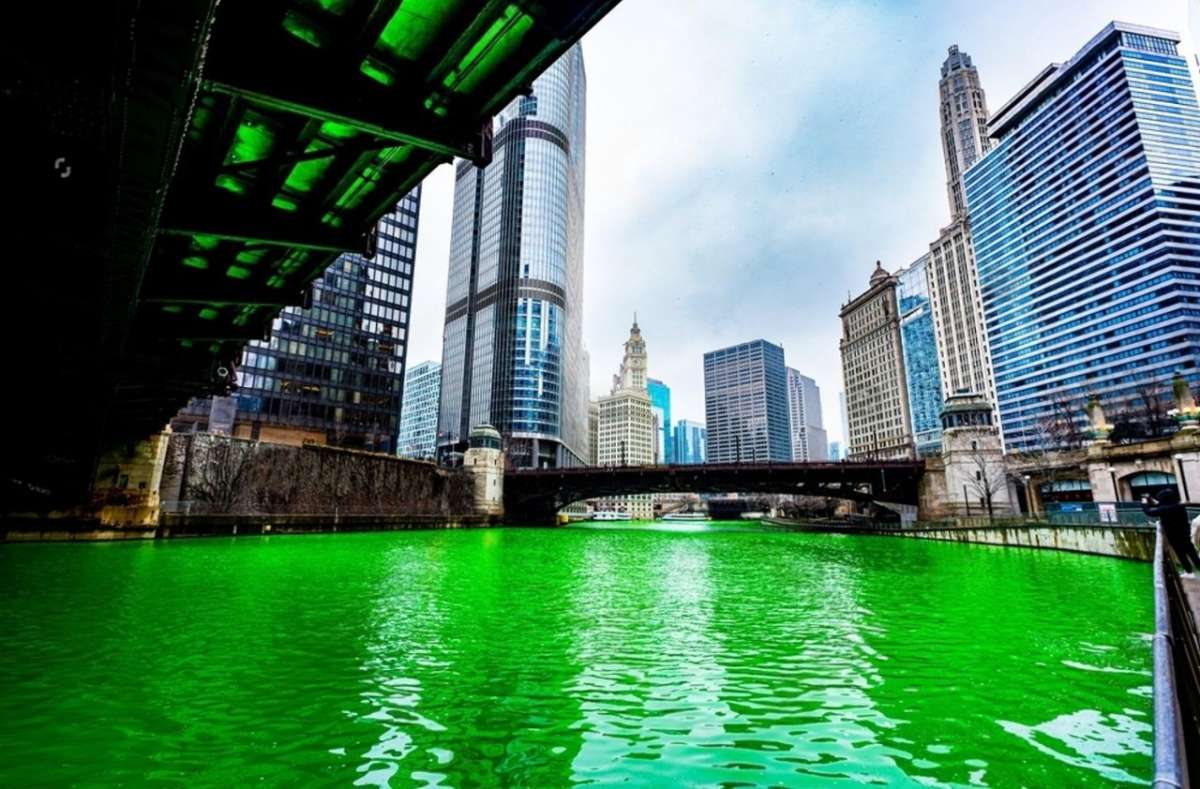
Every March, the world watches as the Chicago River sheds its murky complexion for a shimmering, emerald green. While millions line the banks to witness the spectacle, the true hidden gem is understanding the fascinating history and precise science behind it. This isn't some century-old ritual; it was born in 1962 out of pure, blue-collar ingenuity. Local plumbers, using a dye to trace leaks, noticed it turned the water a brilliant green. An idea sparked, and today, that 'well-oiled machine' is a cherished tradition, still run by the Journeymen Plumbers Local Union 130.
Here’s the insider secret that makes it all happen: the substance is a vegetable-based, eco-friendly orange powder. The magic is in the chemistry. On the Saturday before St. Patrick's Day (the Saturday before St. Patrick's Day), a lead boat dumps 40 to 60 pounds of this powder, which streaks the surface in a vibrant orange. A smaller chase boat then zips behind, churning the water to catalyze the reaction, transforming the entire river into a shocking shade of green. The color is fleeting, lasting only about five to six hours, making the viewing a truly special, time-sensitive event.
How to Experience It Like a Local:
Time It Perfectly: The dyeing starts promptly at 10:00 AM. The most iconic viewing spots are the east side of the Michigan Avenue bridge or the west side of the Columbus Drive bridge. Get there by 9:00 AM to claim your space.
Get a Higher Perspective: For a less chaotic but equally stunning view, find a spot on an upper floor of a building overlooking the river. The contrast of the green water against the city’s iconic architecture is a photographer’s dream.
Follow the Action: The boats begin their work at Columbus Drive and head west toward the Wrigley Building. Position yourself near the start to witness the transformation from the very first moment.
2. Beyond the Headliners: A Pro’s Guide to Lollapalooza
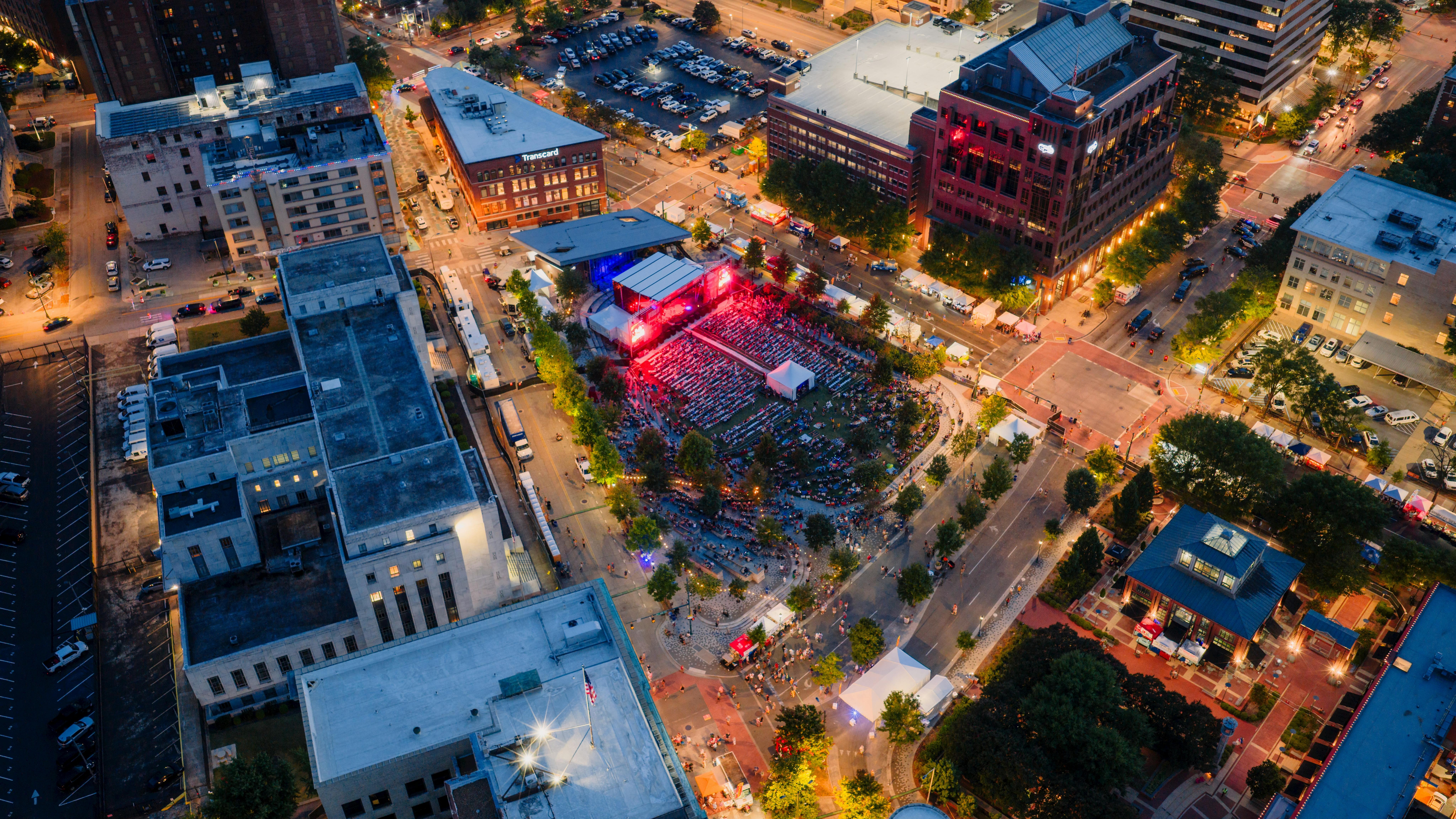
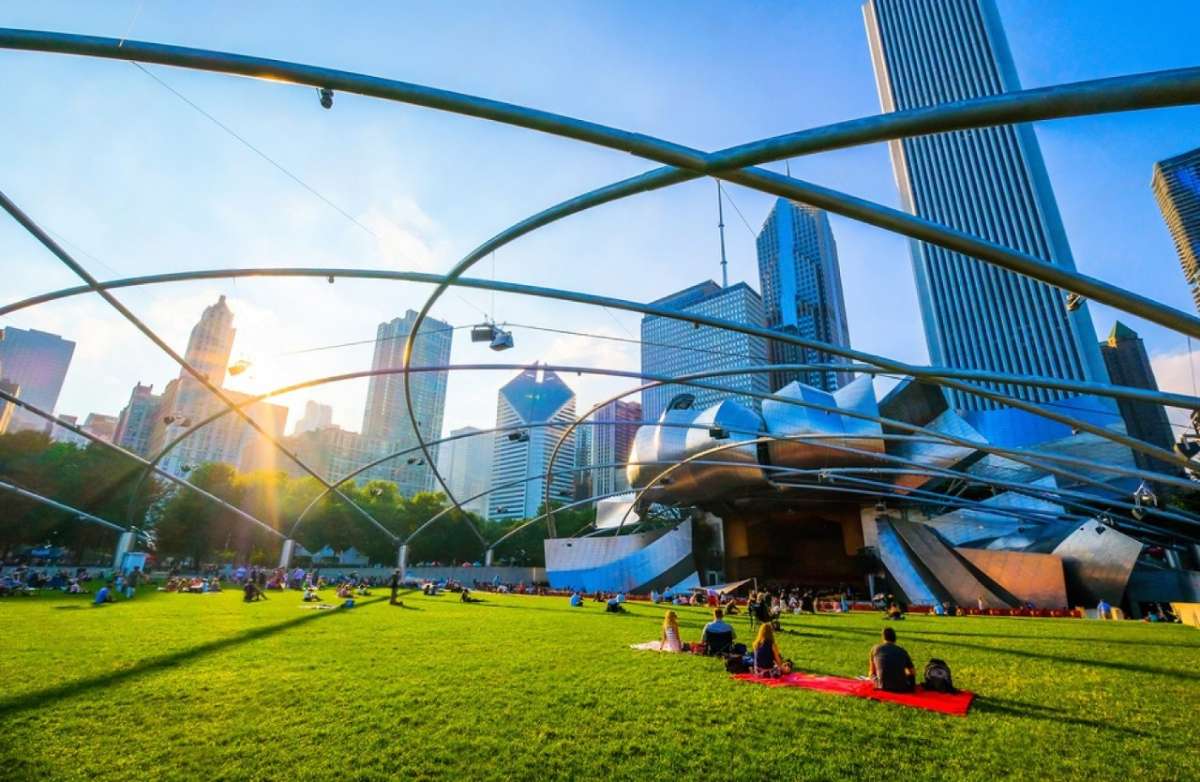
Lollapalooza is a global music behemoth, drawing hundreds of thousands to Grant Park for a four-day sonic feast. Set for July 31 - the final day of the festival, the festival is a marathon of music. While the 2026 lineup is stacked with global megastars—think Olivia Rodrigo, Tyler the Creator, Sabrina Carpenter, Rüfüs du Sol, and even legends like Korn—the real hidden gem isn’t a secret band; it’s the art of navigating the festival with the calm confidence of a seasoned pro.
The average festival-goer shows up late, gets lost between stages, wilts from dehydration, and misses half the acts on their list. The pro, however, treats it like a strategic mission. The key is leveraging the tools at your disposal.

Your Pro-Level Survival Guide:
The App is Your Bible: The official Lollapalooza app is your single most important tool. Before you leave your hotel, download it, study the map, and build your custom schedule. It’s your source for real-time updates, surprise guest alerts, and life-saving emergency notifications.
Hydration is a Religion: Chicago in August is no joke. Lollapalooza provides free water stations throughout the park. The pro move is to bring your own empty hydration pack and make refilling it a constant ritual. Dehydration is the number one fun-killer.
Explore the Undercard: While the masses swarm the main stages, some of the most electric and memorable performances unfold on the smaller, more intimate side stages. Use your app to explore genres outside your usual rotation. This is where you’ll discover your next favorite artist before they blow up.
Master Your Exit Strategy: The festival wraps around 10 PM daily, and the ensuing stampede for the CTA trains is legendary. Either duck out 15 minutes before the final encore to beat the surge or linger in the park for a half-hour after the music stops to let the human tide recede.
Pro-Tip: Pack a poncho. Even if the forecast is clear, a sudden summer shower can roll in off Lake Michigan. A cheap poncho takes up no space and can be the difference between a minor inconvenience and a soggy, miserable evening.
3. The Authentic German Soul of Christkindlmarket
When winter’s chill settles over Chicago, Daley Plaza transforms into a magical, open-air European village. The Christkindlmarket is a beloved holiday tradition, but too many visitors treat it as a mere photo op. The hidden gem is immersing yourself in its authentic German heritage, a tradition modeled directly after the 16th-century Christkindlesmarkt in Nuremberg, Germany.
This isn’t just a holiday-themed market; it’s a slice of living history. The wooden stalls, the traditional food, and the artisan crafts are all part of a rich cultural mix.
How to Find the Authenticity:
Drink from the Boot: Skip the standard hot chocolate and go straight for the Glühwein, a traditional hot spiced wine served in a collectible boot-shaped mug. It’s the official taste of the market. For a non-alcoholic version, the Kinderglühwein is just as festive.
Eat Beyond the Pretzel: The giant pretzels are tempting, but your mission is to find more traditional fare. Seek out vendors selling sizzling Bratwurst, savory Leberkäse (a German meatloaf), tangy Sauerkraut, and crispy Kartoffelpuffer (potato pancakes).
Shop for Heirlooms, Not Souvenirs: Many vendors fly in directly from Germany and Austria. Look for hand-blown glass ornaments, complex wooden nutcrackers, and authentic cuckoo clocks. These are artisanal heirlooms. Ask the vendors about their craft—their stories are part of the purchase.
Pro-Tip: Visit the Christkindlmarket on a weekday afternoon. The crowds are significantly thinner, giving you the space to browse the stalls, chat with the artisans, and soak in the atmosphere without feeling rushed.
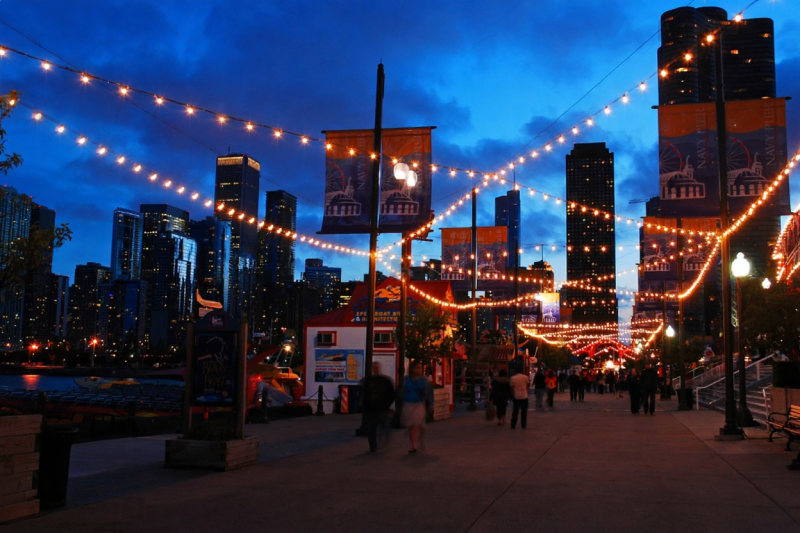
4. Rooftop Revelry: The Local’s View of July 4th Fireworks
On Independence Day, a massive human tide flows toward Navy Pier for its spectacular fireworks display. Fighting for a patch of concrete on the pier itself is a stressful, hours-long commitment. The true hidden gem, and the preferred method for savvy Chicagoans, is to watch the show from above. The city’s skyline is brimming with rooftop bars that offer a far more civilized and breathtaking vantage point.
Watching the fireworks explode over Lake Michigan with the glittering city as your backdrop is an experience the crowds on the ground simply can’t replicate. You trade the crush of humanity for a comfortable chair, a craft cocktail, and an unparalleled view.
How to Secure Your Spot in the Sky:
Book Yesterday: Rooftop bars with a view of Navy Pier are the hottest tickets in town on July 4th. Many require reservations or sell tickets for viewing parties weeks, if not months, in advance. Start your search in May, not July.
Expand Your Radius: While rooftops in Streeterville are closest, consider bars in Lincoln Park or the South Loop. They offer a slightly more distant but equally stunning panoramic view, often with a more relaxed vibe.
The Ultimate Private Party: If you’re visiting, booking a hotel room with a direct lake view can be your own private skybox for the show.
Just as capturing the perfect firework photo requires the right angle, so does capturing the essence of any great city. For travelers whose journey continues east, our Best NYC Photo Spots Map offers similar insider secrets for iconic shots.
5. Neighborhood Suds: Exploring Chicago’s Hyper-Local Beer Festivals
Chicago boasts a world-class craft beer scene, and the city hosts numerous beer festivals year-round. While the larger events are fun, the hidden gem is found in the smaller, neighborhood-focused fests that celebrate local breweries. These offer a more intimate and authentic taste of Chicago’s brewing culture.
Instead of a massive, impersonal convention hall, these fests feel like a community block party. You’ll chat with the brewers themselves, learn about their passion projects, and sample unique, experimental batches you won’t find anywhere else. They often feature local food trucks and bands, creating a holistic celebration of neighborhood pride.
How to Find the Best Local Brews:
Follow the Source: The best way to discover these smaller festivals is to follow your favorite Chicago breweries on social media. They’ll always promote the local events they’re pouring at.
Explore Malt Row: Keep an eye on neighborhood associations in areas like Ravenswood (home to the famous "Malt Row"), Logan Square, and the West Loop, as they often host their own craft beer showcases.
Seek a Theme: Go beyond the generic "beer fest" and look for events with a specific focus, like a Stout Fest in the winter or a Fresh Hop Festival in the fall, to taste the best of the season.
6. The Community Heartbeat of a Cinco de Mayo Parade
Across the U.S., Cinco de Mayo is often misunderstood and reduced to a marketing gimmick. The hidden gem of Chicago’s celebration is found in the vibrant, culturally rich parade in the Little Village neighborhood. Here, the holiday is observed as it was intended: a powerful celebration of Mexican-American heritage and a commemoration of the Mexican Army's unlikely victory at the Battle of Puebla in 1862.
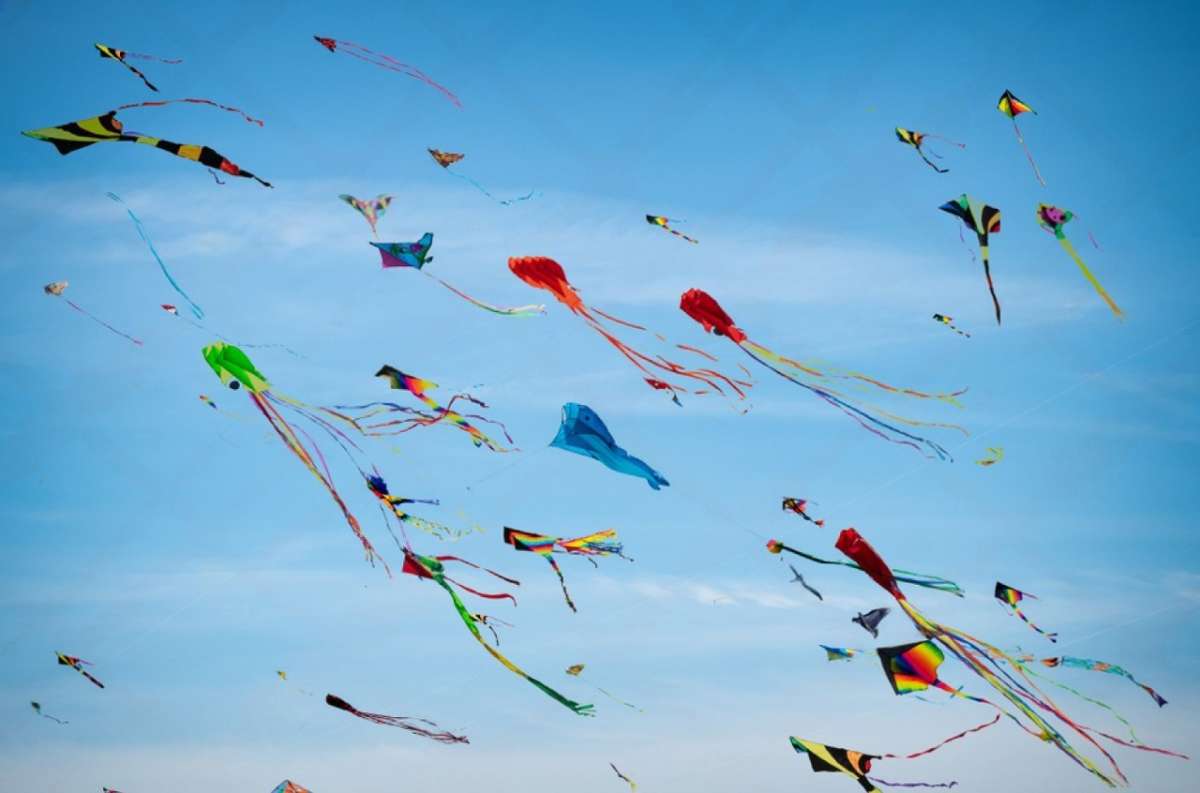
The Little Village parade is a dazzling display of community pride. You’ll see folkloric dancers in brilliant traditional dress, hear the powerful sounds of mariachi bands, and watch as floats decorated by local families and businesses roll by. It’s a deeply authentic experience that showcases the soul of Chicago’s Mexican-American community.
How to Experience It Respectfully:
Go to 26th Street: The main parade route is along 26th Street in the heart of Little Village. Arrive early to find a good spot and soak in the infectious, family-friendly atmosphere.
Support Local: After the parade, explore the neighborhood. Grab a fantastic meal at a family-owned restaurant or browse the local shops. This is the best way to thank the community that puts on this incredible event.
Listen to the Story: The parade often includes speakers who discuss the holiday's historical significance. Take a moment to listen and gain a deeper appreciation for the culture you’re celebrating.
7. A Day of Service: The True Meaning of MLK Day in Chicago
Martin Luther King Jr. Day is a federal holiday, but in Chicago, it holds a profound significance. The city was instrumental in the civil rights movement, and a 1973 state bill championed by Harold Washington helped pave the way for the national holiday. The hidden gem of this day is to move beyond passive observance and engage with its intended spirit: community action. In 1994, it was designated a National Day of Service, a "day on, not a day off."
Thousands of Chicagoans honor Dr. King’s legacy by participating in volunteer projects, marches, and educational events.

How to Participate:
Find a Service Project: Organizations across the city host volunteer events, from packing meals at the Greater Chicago Food Depository to neighborhood clean-ups.
Visit the DuSable: The DuSable Museum of African American History hosts special exhibitions, speeches, and family activities that provide powerful context on the civil rights movement.
Join the Conversation: Attend a community-led march or rally. These events are not just commemorative; they are active continuations of the push for social justice and equality.
8. The Pre-Parade Rituals of St. Patrick’s Day
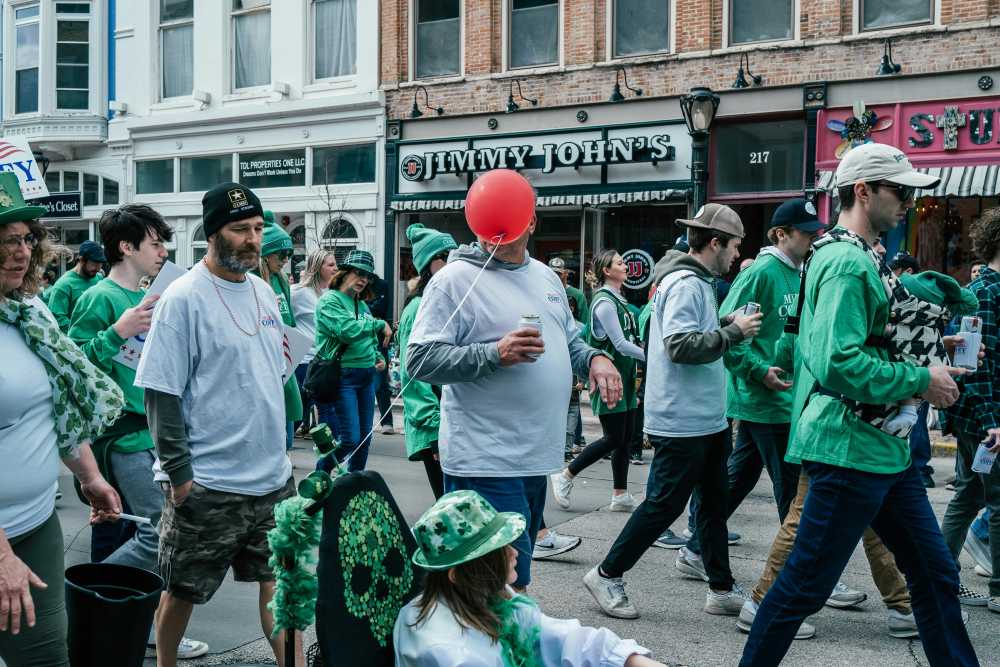
We’ve covered the river, but the St. Patrick’s Day parade that follows is an institution dating back to 1843. Kicking off at 12:15 PM, it marches down Columbus Drive through Grant Park. The hidden gem here isn’t the parade itself, but the electric, city-wide buzz and local rituals in the hours leading up to it.
For many Chicagoans, the day starts early. The energy in the Loop is palpable as a river of green-clad people converges downtown.
How to Capture the Pre-Parade Vibe:
Start at the Start: The parade begins at Columbus and Balbo Drive. Position yourself near the starting line to see the performers—from the solemn bagpipe bands to the energetic Irish dancers—when their excitement is at its absolute peak.
Follow the Music: Long before the parade steps off, you’ll hear the haunting sound of bagpipes warming up. Follow the sound to find different pipe and drum corps practicing in nearby parks, offering an impromptu, intimate performance.
Witness a Family Tradition: The parade is a multi-generational affair for thousands. Take a moment to notice the families gathered together, sharing a piece of their heritage. It’s a heartwarming display of community that is the true soul of the celebration.
Your Adventure into Authentic Chicago Awaits
Chicago’s festival scene is a rich mix woven with threads far more complex than its famous headliners. The city’s true spirit lives in the details: the science behind a green river, the taste of a German pastry in a bustling market, the pride in a neighborhood parade, and the quiet awe of watching fireworks from a rooftop high above the fray. By seeking out these hidden gems, you transform from a tourist into an active participant in the city’s vibrant culture. This is how you truly experience the best festivals in Chicago.

Now that you have the insider’s playbook, you’re ready to plan a trip that goes deeper. To build out the rest of your itinerary with expert advice on where to stay, what to eat, and what to see, our comprehensive Travel Guide is packed with everything you need to explore Chicago and beyond like a pro.
Meta Data Suggestions:
SEO Meta Title: Chicago Festivals: 8 Hidden Gems You Can't Miss
URL Slug: /chicago-festivals-hidden-gems
SEO Meta Description: Skip the crowds and discover the real Chicago. Our guide reveals 8 hidden gems and insider secrets for experiencing the best festivals in Chicago like a local.
Don't Miss Out! Subscribe for Exclusive Content
SubscribeComments 0
No comments yet
Be the first to share your experience!
Dont Miss Out! Subscribe for Exclusive Content
San Francisco Cherry Blossoms: A Local's Guide to the Blooms
Halloween SF: Haunts Without Horrors
SF Festivals: 7 Must-See Lineups
Christmas SF: Lights & Wharf Wonders
SF Pride: 6 Route & Party Hacks