
Essential Affiliate Tools: From Tracking to Full Optimization

TrekGuider @trekguider
You’re a creator, not an administrator. Yet, you find yourself drowning in a sea of administrative tasks. You’re manually copying and pasting ugly, mile-long affiliate links, toggling between a dozen different program dashboards to check your stats, and spending more time wrestling with spreadsheets than you do creating the travel content you love. Your affiliate "business" feels less like a streamlined operation and more like a chaotic, time-sucking hobby that isn't paying the bills.
This inefficiency is more than just frustrating—it's a silent killer of your income. Every hour you spend on manual, repetitive tasks is an hour you’re not creating the next piece of content that could generate revenue for years to come. You're flying blind, guessing which strategies are working, unable to see which links are converting, and which pages are actually profitable. The reported average income of $13,847 a month for travel affiliates feels like a distant fantasy when you’re stuck in this administrative quicksand.

This guide is your way out. It is your curated, creator-friendly tech stack—a definitive list of the essential affiliate marketing tools that will automate the tedious, provide crystal-clear data, and free you up to focus on growth. We’ll cover the entire workflow, from foundational link management and tracking to the advanced tools needed for full-scale optimization. This is how you transform your passion project into a professional, efficient, and profitable business. For a complete command of the entire affiliate landscape, our definitive pillar page, Travel Affiliate Programs: The 2026 Ultimate Guide, is your essential command center for mastering the entire ecosystem.
The Foundational Layer: Your Operational Command Center
Before you can optimize, you must organize. This first set of tools forms the non-negotiable foundation of any serious affiliate marketing business. They are your central nervous system for managing links, ensuring compliance, and tracking performance from a single source of truth.
Link Management Plugins (The Digital Quartermaster)
If you run your travel blog on WordPress, a link management plugin is the single most important tool you will install. These plugins take the long, ugly, and intimidating affiliate links provided by programs and "cloak" them into short, clean, branded URLs that are far more trustworthy to your audience.
Think of it as your command center. Instead of embarking on a digital scavenger hunt through year-old posts to update a single expired link, you change it once in a central dashboard, and the plugin deploys that change site-wide instantly. This functionality alone will save you hundreds of hours over the life of your business. Furthermore, a link like yourblog.com/recommends/osprey-backpack is infinitely more professional and trustworthy to a reader than a long URL filled with random tracking parameters, directly impacting your click-through rates.

Top Tools in This Category:
ThirstyAffiliates: A powerhouse plugin built specifically for affiliate marketers. It offers advanced features like autolinking (automatically turning specific keywords into affiliate links), proactive link checking to find broken links, and detailed click analytics.
Pretty Links: A slightly simpler but highly effective alternative. It excels at link cloaking, redirection, and providing basic click-tracking reports right from your WordPress dashboard.
Pro-Tip: The best link management plugins, like ThirstyAffiliates, can automatically add the required rel="sponsored" tag to all of your affiliate links. This is a critical feature that ensures you stay compliant with Google's guidelines for paid links, protecting your site from potential SEO penalties without you having to think about it.
Affiliate Tracking Tools (Your Source of Truth)
"What gets measured gets managed." To grow your affiliate income, you need a crystal-clear understanding of what’s working. While many creators start by manually checking each affiliate network’s dashboard, a dedicated approach to tracking provides a more holistic, actionable view.
For most creators, your affiliate tracking tools will be a combination of your link management plugin’s analytics and the dashboards provided by your affiliate networks (like CJ Affiliate or Travelpayouts). These platforms show you crucial metrics like clicks, conversions, and commission earnings.
However, as your business matures, you'll want to track performance across different income models. For example, the TrekGuider Seller Platform includes a dedicated referral dashboard. This is a specialized tracking tool that shows you not just one-time sales, but the ongoing, passive income you’re earning from the new sellers you’ve brought to the platform. It’s a perfect example of how a modern platform provides the built-in affiliate tracking tools you need to monitor more sophisticated, high-margin income streams like revenue sharing.
The Growth Engine: Traffic & SEO Tools
With your operational house in order, the focus must pivot from organization to acquisition. A perfectly managed link is useless without a steady stream of the right people clicking on it. This is where your growth engine comes in—the tools designed to attract your ideal audience with precision.
SEO & Keyword Research Platforms
The most profitable affiliate content is created with intention. It targets keywords that signal a user is actively researching a purchase (e.g., "best carry-on luggage review"). SEO platforms are your treasure map for finding these "money" keywords and building a content strategy that attracts buyers, not just browsers.

These platforms are indispensable for:
Finding Profitable Keywords: Uncover what your audience is searching for, how many people are searching for it, and how difficult it will be to rank on Google.
Analyze the Competition: See exactly which keywords your competitors are ranking for and which pages are bringing them the most traffic.
Track Your Performance: Monitor your rankings for your target keywords over time to see what’s working and where you need to improve.
Top Tools in This Category:
Ahrefs: A comprehensive, professional-grade SEO toolkit. Its "Keywords Explorer" is second to none for finding high-value commercial investigation keywords, and its "Site Explorer" provides deep insights into any competitor's strategy.
SEMrush: Another all-in-one industry leader that offers a powerful suite of tools for keyword research, rank tracking, and competitive analysis.
Pro-Tip: Don't confine your keyword strategy to your blog. With video projected to account for a staggering 55% of all affiliate traffic by 2026, the same commercial-intent keywords you find for your articles are the exact titles you should be using for your YouTube videos and TikToks.
Analytics Platforms
While SEO tools help you get traffic, a web analytics platform tells you what that traffic does once it arrives. It’s essential for understanding your audience, diagnosing problems, and optimizing their journey from reader to buyer.
The Must-Have Tool:
Google Analytics: The free, industry-standard tool for website analytics. It's an incredibly powerful platform that provides all the data you need to understand user behavior, track conversions, and identify your top traffic sources, allowing you to double down on what works.
The Conversion Toolkit: Optimization & Social Media Tools
Attracting traffic is only half the battle. The final, crucial step is converting that traffic into clicks and commissions. This set of tools is designed to streamline your workflow and optimize your content for maximum impact.
"Link in Bio" Tools (For Social Dominance)
Platforms like Instagram and TikTok are powerful for audience building, but they famously limit your ability to use clickable links. A "link in bio" tool solves this by creating a simple, mobile-friendly landing page that can house all of your most important affiliate links, blog posts, and offers.

Top Tools in This Category:
Linktree: The most well-known tool in this space, offering a simple and effective way to create a micro-landing page for your social media bio.
Later: While primarily a social media scheduling tool, Later’s "Link in Bio" feature is excellent, allowing you to create a clickable grid of your Instagram posts, driving traffic directly to relevant blog posts and affiliate offers.
The Amazon Workflow Accelerator
For nearly every travel creator, Amazon Associates is a core part of their affiliate strategy. However, creating links for individual products can be a slow, manual process.
The Must-Have Tool:
Amazon SiteStripe: This is a free, official toolbar from Amazon that appears at the top of your browser whenever you’re on Amazon.com. It allows you to generate a custom affiliate link (text, image, or both) for any product page with a single click, dramatically speeding up your content creation workflow.
Your Strategy Blueprint: The Travel Creator's Toolkit
Feeling overwhelmed by the options? A powerful tech stack is only as good as the strategy behind it. To help you organize your entire affiliate marketing plan—from keyword research to content creation and promotion—we've created the ultimate resource bundle. It’s packed with the checklists, templates, and guides you need to build a professional and profitable system.
Download Your Free Bundle: The Travel Creator's Toolkit Today!
Frequently Asked Questions (FAQ)
1. Do I really need all these tools when I'm just starting out? When you're starting, focus on the foundation. A WordPress site with a link management plugin (like Pretty Links) and Google Analytics is your essential starting stack. This is a low-cost setup that allows you to organize your links and track your traffic from day one. You can invest in a premium SEO tool like Ahrefs once your site is generating enough revenue to justify the cost.
2. Are there any good free affiliate marketing tools? Absolutely. Google Analytics is free and non-negotiable. Amazon SiteStripe is also free. For keyword research, you can start with free tools like Google Keyword Planner or the free versions of various SEO tools, though they are more limited. The free versions of "link in bio" tools like Linktree are also perfectly sufficient for most creators.
3. How do these tools help with tracking beyond just clicks? Advanced tracking involves connecting data points. For instance, by using UTM parameters (which you can add manually or with some plugins), you can see in Google Analytics not just that someone came from your blog, but that they came from the specific button in your review of the Osprey backpack. This level of detail is what allows you to A/B test different calls-to-action and truly optimize your pages for conversion.
Conclusion: From Hobbyist to CEO
The difference between a creator earning a few dollars a month and one earning a full-time income often comes down to their systems. Top earners don't waste time on manual, low-value tasks. They leverage technology to work smarter, not harder. They treat their content not as a hobby, but as a business.

You now have a curated list of the best affiliate marketing tools to build your own professional tech stack. Start with the foundation: a link management plugin to organize and track your links. Then, layer in SEO and analytics tools to build a predictable stream of traffic. Finally, use optimization and workflow tools to convert that traffic with maximum efficiency.
These affiliate tracking tools and optimization platforms are not an expense; they are an investment in your own efficiency, professionalism, and profitability. By implementing this toolkit, you take a definitive step away from being a hobbyist and become the CEO of your own thriving travel content business.
Meta Data Suggestions:
SEO Meta Title (58 characters): 9 Essential Affiliate Marketing Tools for Travel Creators
URL Slug: essential-affiliate-marketing-tools
SEO Meta Description (154 characters): Discover the top affiliate marketing tools for travel creators. From link tracking to SEO, this guide covers the essential tech stack to automate and grow your income.
Read the full guide: The Travel Blogger's Playbook to Affiliate Marketing Mastery
Don't Miss Out! Subscribe for Exclusive Content
Subscribe



Comments 0
No comments yet
Be the first to share your experience!
Dont Miss Out! Subscribe for Exclusive Content

Ultimate USA Holidays Guide: Top Picks


FTC Affiliate Disclosure Essentials: Stay Compliant as a Travel Creator

Avoid These 5 Affiliate Landing Page Mistakes for Better Conversions

Affiliate Keyword Research Mastery for Travel Blogs

Booking.com Affiliate Program Review: Pros, Cons, and Earnings Potential

Decoding Affiliate Commission Rates: Benchmarks for Travel Creators
July 4th Chicago: Fireworks Hotspots
TrekGuider @trekguider
The first explosive boom echoes across Lake Michigan, a flash of crimson and gold illuminating an entire wall of skyscrapers. From below, a collective gasp of pure wonder rises from a crowd of thousands. This is the postcard moment, the magic of July 4th in Chicago. But let’s be honest—the path to that perfect moment is often paved with stress. You’re grappling with the classic problem: finding a spot with a clear view that isn’t shoulder-to-shoulder with a million other people, a location you can reach without getting trapped in a traffic apocalypse, and a vantage point that truly does justice to the nation’s birthday.

The agitation is a familiar feeling. You can already picture yourself craning your neck around a forest of selfie sticks, only to catch a sliver of the show. You envision the gridlocked streets, the jaw-dropping parking fees, and that sinking feeling that you’ve missed the best part of the celebration while hunting for a decent patch of grass. The pressure is real, especially when you’re trying to fit this iconic celebration into a larger itinerary of Chicago Holidays: Windy City Thrills, where every moment is precious.
But that's not how your Fourth of July is going to play out. This guide is your strategic blueprint for outsmarting the crowds and securing a front-row seat to one of the country's most spectacular fireworks displays. We’re going to dismantle the chaos by breaking down every option, from the epicenter of the action at Navy Pier to exclusive rooftop lounges and serene lakeside parks. This is your definitive plan for a seamless, memorable, and breathtaking Independence Day Chicago.
The Epicenter: Conquering Navy Pier for Independence Day Chicago
When it comes to July 4th fireworks in Chicago, Navy Pier isn't just an option; it's the option. As the official host of the city’s largest and most dazzling display, the pier offers an unparalleled, up-close-and-personal experience. The fireworks are launched from a barge on Lake Michigan directly in front of the pier, meaning you are at ground zero for the spectacle. The energy of the massive, joyful crowd is electric. However, this prime real estate comes with a significant challenge: everyone wants it. Success here isn’t about luck; it’s about strategy.
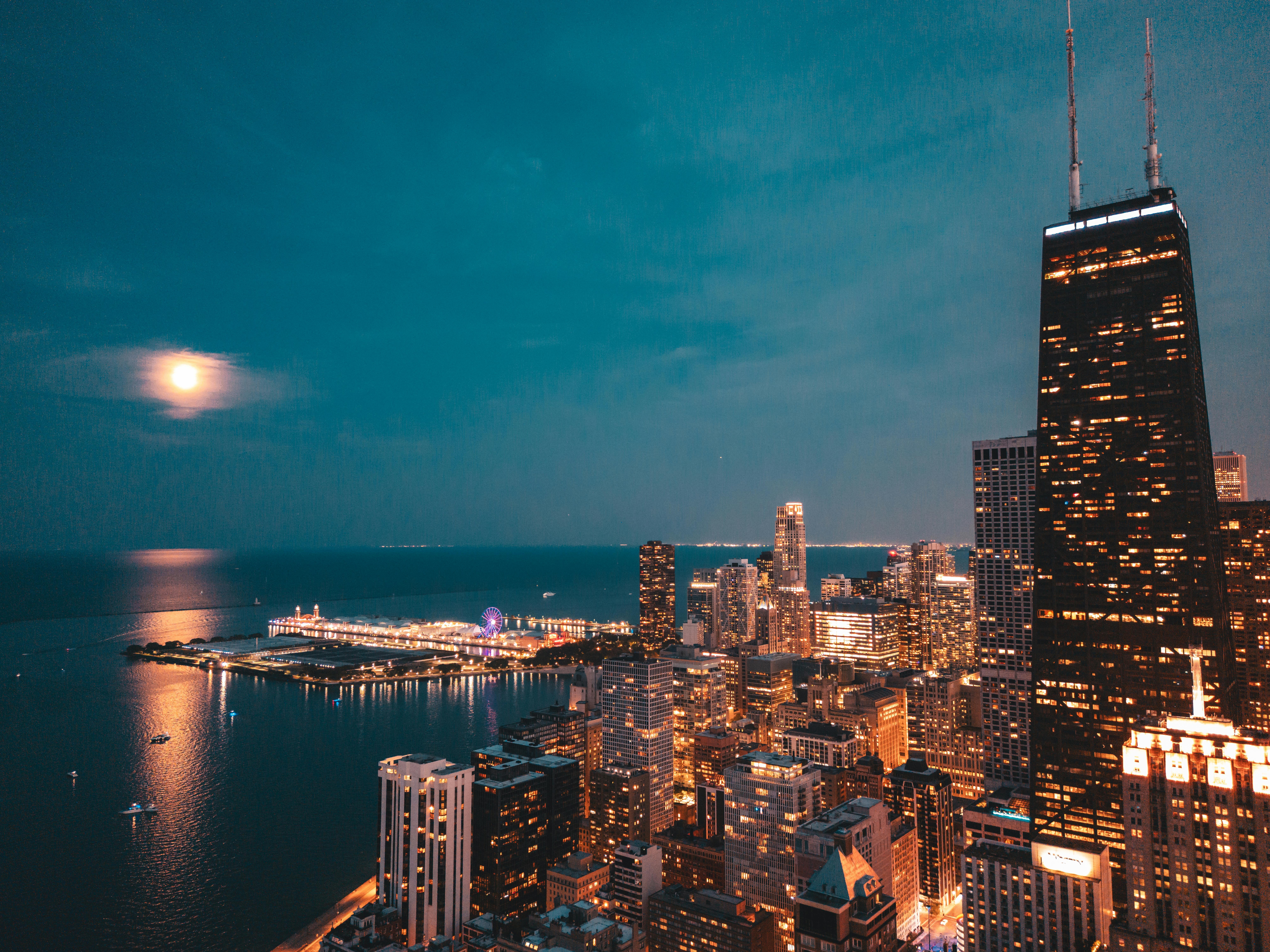
The Ultimate Navy Pier Game Plan: A Step-by-Step Timeline
Treating your trip to Navy Pier like a casual evening stroll is the fastest way to disappointment. A successful visit requires a military-like precision that begins hours before the first firework is launched.
1. Early Afternoon (2:00 PM - 4:00 PM): The Arrival & Reconnaissance Phase Do not wait until dusk. Arriving in the early afternoon is your secret weapon against the worst of the traffic and security lines. Use this time to your advantage. Grab a Chicago-style hot dog or a slice of deep-dish from a food vendor before the lines snake around the building. Take a ride on the 200-foot Centennial Wheel for a staggering daytime panorama of the city and lakefront. This is your chance to relax and absorb the festive atmosphere before the masses descend.
2. Late Afternoon (4:00 PM - 7:00 PM): The Encampment Phase This is when the pier transforms from a tourist attraction into a high-stakes real estate market. The official advice is to arrive by 7:00 PM, but by then, you’re looking at leftover spots with obstructed views. Your mission is to claim a prime piece of turf along the South Dock. The farther east you venture down the pier, the more central your view will be. Lay down your blankets, set up your chairs, and establish your base camp. This is the time to settle in for the long, rewarding wait.
3. Evening (7:00 PM - 9:00 PM): The Anticipation Phase As the sun dips below the skyline, the energy on the pier builds to a palpable buzz. This is the perfect time for people-watching, playing a deck of cards, or just enjoying the cool lake breeze. Keep your group together; a simple trip to the restroom can become a challenging expedition through a sea of people. Be patient and soak in the shared sense of excitement.
4. The Main Event (9:00 PM): The Spectacle Just before 9:00 PM, the lights dim, a hush falls over the crowd, and the first firework shrieks into the night sky. For the next 15-20 minutes, you are immersed in a world-class pyrotechnic display. Because you planned ahead, you have a comfortable, direct view, making the entire day’s effort completely worth it.
5. Post-Show (9:30 PM onwards): The Strategic Retreat The moment the grand finale fades, resist the primal urge to bolt. Tens of thousands of people will be flooding the exits at once. Instead, execute a strategic delay. Let the initial human tidal wave recede. Pack up your belongings at a leisurely pace, enjoy the glittering skyline, and plan to start your journey home 30-45 minutes after the show. Your future self will thank you.
The Sensory Experience: More Than Just a Light Show
This isn’t just a visual show; it’s a full sensory assault. The fireworks are perfectly synchronized to a soaring patriotic soundtrack broadcast across the pier, with each concussive boom vibrating through the wooden planks beneath your feet. You can smell the faint, celebratory scent of gunpowder and lake water on the breeze. It’s an immersive experience that a distant view simply cannot replicate.
Your Navy Pier Survival Kit
An hours-long stakeout for fireworks demands a little comfort. Packing smart is non-negotiable.
Seating: A thick blanket or low-profile foldable chairs are essential.
Sustenance: Pack sealed water bottles and plenty of snacks. While food is available, having your own stash saves you from long lines and high prices.
Sun & Wind Protection: The afternoon sun reflecting off the lake is brutal. Bring sunscreen, sunglasses, and a hat. After dark, the breeze off the lake can be surprisingly chilly, so a light jacket is a wise addition.
Power Bank: Between taking photos, coordinating with friends, and passing the time, your phone battery will drain. A portable charger is a lifesaver.
Entertainment: A deck of cards, a book, or downloaded podcasts can make the waiting hours fly by.
To avoid feeling like a pack mule, mastering the art of minimalism is crucial. For pro-level tips on carrying only what you need, our How to Pack Light Guide is an essential read.
Beyond the Pier: Chicago's Best Alternative Fireworks Views
If the thought of the Navy Pier crowds gives you hives, don't worry. Chicago is brimming with fantastic alternative spots that offer breathtaking views without the same level of intensity.
Rooftop Revelry: An Elevated Experience
For a more civilized and comfortable viewing experience, nothing beats a rooftop bar. You trade the massive crowds for a reserved seat, craft cocktails, and an unbeatable panoramic perspective.
Offshore Rooftop & Bar: Perched at the very end of Navy Pier, this is officially the world's largest rooftop bar. It offers the most direct, spectacular view imaginable, but tickets for their July 4th party are a hot commodity, selling out months in advance at a premium price.
Cindy's Rooftop: Sitting atop the historic Chicago Athletic Association hotel, Cindy's provides a stunning, albeit more distant, view across Millennium Park toward the lake. The reflection of the fireworks on the polished surface of "The Bean" is a uniquely Chicago sight.
Terrace 16: Located in the Trump International Hotel & Tower, this elegant terrace offers a direct, sweeping vista of the lakefront and Navy Pier. It’s a high-end option for those looking to celebrate in true luxury.

Pro-Tip: Book any rooftop bar reservation or fireworks cruise ticket the moment they become available. These premium experiences are in high demand and often sell out by early spring. Set a calendar reminder for February or March to start your search.
Lakeside Serenity: Parks and Beaches with a View
For a classic, family-friendly picnic vibe, Chicago’s sprawling lakefront parks and sandy beaches are ideal.
Millennium Park & Grant Park: These iconic parks offer vast lawns perfect for spreading out a blanket. While some views might be partially obstructed by buildings, the atmosphere is wonderfully festive. The key is to find a spot east of DuSable Lake Shore Drive for the clearest line of sight to Navy Pier.
Ohio Street Beach & North Avenue Beach: Just north of the pier, these beaches offer a fantastic, slightly angled view of the fireworks exploding over the water. You get the added bonus of feeling the sand between your toes as you watch. These are beloved local spots, so arrive early to claim your space.
Museum Campus: The grassy areas surrounding the Field Museum, Shedd Aquarium, and Adler Planetarium offer arguably the most iconic skyline view in the city. Watching the fireworks burst behind Chicago’s architectural titans is a photographer’s dream come true.
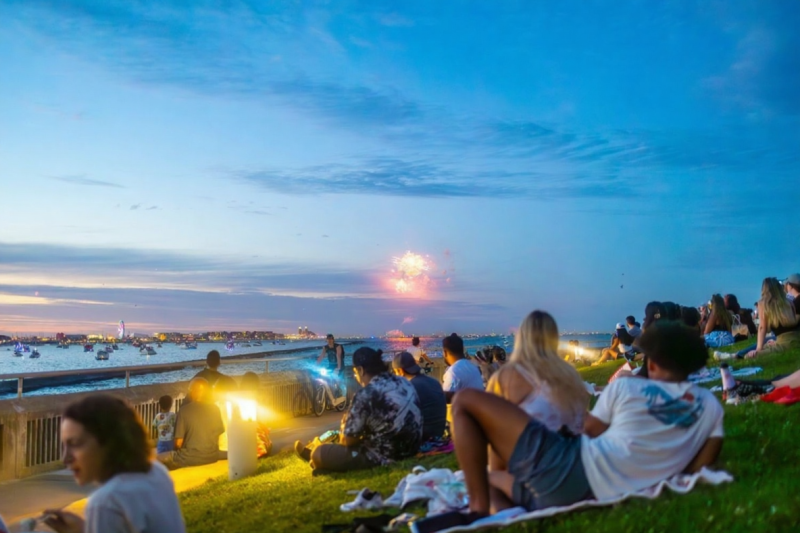
Set Sail for the Spectacle: Fireworks Cruises on Lake Michigan
To completely escape the land-based crowds and get a truly unique perspective, watch the show from the water. Numerous companies offer special July 4th cruises.
Dinner & Cocktail Cruises: Companies like Odyssey Lake Michigan and Spirit of Chicago offer elegant evenings with dining, dancing, and guaranteed front-row seats on the water for the main event.
Architectural Tours: Many of the city’s famed architectural boat tours offer special holiday cruises that conclude by positioning themselves perfectly on the lake for the fireworks display.
Tall Ship Cruises: For a truly memorable experience, watch the show from the deck of a majestic tall ship like the Windy, adding a touch of nautical history to your patriotic celebration.
A Pro's Guide to July 4th Logistics
A flawless holiday is built on smart planning. Beyond choosing your spot, mastering transportation and safety will ensure your day is stress-free.

Getting Around the City: Transportation Hacks
On Independence Day Chicago, public transit is not just an option; it's a necessity.
CTA 'L' Trains: The elevated and subway trains are the most efficient way to get downtown. The State/Lake (Brown, Green, Orange, Pink, Purple Lines) and Washington/Wabash stops are your best bets for accessing Grant Park and the southern approach to Navy Pier.
CTA Buses: Several bus routes drop off directly at or near Navy Pier, including the #29 State, #65 Grand, #66 Chicago, and the #124 Navy Pier express route. Be prepared for holiday schedules and potential reroutes due to street closures.
Rideshare & Taxis: Avoid them if you can. Surge pricing will be in full effect before and especially after the fireworks. If you must use a rideshare, walk several blocks west of Michigan Avenue to request your ride in a less congested zone.
Safety First: Navigating Crowds Like a Pro
Large crowds require situational awareness. Keep these tips in mind:
Use the Buddy System: Stick with your group. It’s easy to get separated in the post-fireworks shuffle.
Establish a Meeting Point: Before your phone batteries die, pick a clear, specific meeting spot away from the main exit paths in case you get separated. "The front of the Ferris wheel" is a bad idea; "the corner of the W Chicago - Lakeshore hotel" is much better.
Supervise Children Closely: The crowds can be overwhelming for kids. Keep them close, and consider writing your phone number on their arm or a wristband.
Expect Strong Security: At Navy Pier and other major gathering points, expect bag checks and a heavy police presence. Prohibited items typically include alcohol, coolers, grills, and drones. Check the official Navy Pier website for the most up-to-date list.
Your Blueprint for a Flawless Fourth
You are now armed with the ultimate insider’s guide to experiencing the magic of July 4th in Chicago. The anxiety of the unknown has been replaced with a clear, actionable strategy. Whether you brave the vibrant energy of Navy Pier, opt for the chic ambiance of a rooftop bar, or choose the laid-back vibe of a lakeside park, you have a plan to make it happen. You are ready to navigate the crowds, secure the perfect view, and create unforgettable memories against the backdrop of one of America’s greatest cities. This is how you master Independence Day Chicago.
Now that you've conquered the city's biggest patriotic celebration, why stop there? Unlock all the secrets of the Windy City's year-round festivities and hidden gems. For the most comprehensive insights into making the most of your trip, from iconic landmarks to local favorites, our Travel Guide is your ultimate resource for exploring Chicago and beyond.
Meta Data Suggestions:
SEO Meta Title: July 4th Chicago Fireworks: 5 Best Viewing Hotspots
URL Slug: july-4th-chicago-fireworks-hotspots
SEO Meta Description: Planning your Independence Day in Chicago? Discover the best spots to watch the Navy Pier fireworks, from the pier itself to secret rooftops and cruises.
Don't Miss Out! Subscribe for Exclusive Content
SubscribeComments 0
No comments yet
Be the first to share your experience!
Dont Miss Out! Subscribe for Exclusive Content

San Francisco Cherry Blossoms: A Local's Guide to the Blooms

Halloween SF: Haunts Without Horrors

SF Festivals: 7 Must-See Lineups

Christmas SF: Lights & Wharf Wonders

SF Pride: 6 Route & Party Hacks

Chinese New Year SF: Parade Essentials
A Midwest Family Road Trip That Actually Wows Kids
TrekGuider @trekguider
Planning a family road trip through the Midwest can feel like a gamble. You're dreaming of open roads and unforgettable memories, but you're worried about endless stretches of flat highway, the inevitable chorus of "Are we there yet?", and the challenge of keeping everyone—from toddlers to teens—genuinely engaged. The real challenge isn't just finding a destination; it's crafting an adventure that truly feels exciting.
That anxiety can paralyze your planning. You want to create cherished memories, but you're afraid a Midwest trip will fall flat, leaving the kids glued to their screens and you feeling like you wasted precious vacation time.
What if we told you that the Midwest is hiding some of the country’s most spectacular scenic drives, unique adventures, and family-friendly destinations? This is your complete playbook for unlocking that magic. It’s a step-by-step guide to transforming apprehension into anticipation. Using these strategies alongside our comprehensive Family Travel Ideas: The 2026 Guide to Unforgettable Trips will empower you to plan a journey your family will not only survive but truly love.

Why a Midwest Family Road Trip is America’s Best-Kept Secret
While coastal destinations and sprawling national parks out west get much of the attention, a Midwest family road trip offers a unique combination of advantages that are hard to beat.
Let's be honest: the Midwest is the unsung hero of American travel. It’s where your travel budget breathes a sigh of relief and where genuine discovery replaces battling crowds for the same old photo op.
Your Budget Goes Further: This is the most significant advantage. Gas, food, lodging, and attraction prices are often considerably lower than in other popular tourist regions. This allows your travel budget to stretch, meaning you can do more, see more, and stress less about every little expense.
Fewer Crowds, More Discovery: Forget waiting in long lines or jockeying for a photo op. Many of the Midwest’s most beautiful spots, from stunning lakeshores to dramatic canyons, feel like your own private discovery. This creates a more relaxed and immersive experience where your family can connect with the place, and each other.
Authentic Americana at Its Best: The Midwest is the heartland for a reason. A road trip here is a journey through charming small towns, historic river ports, and quirky roadside attractions that feel like a step back in time. It’s an opportunity to connect with a different pace of life and create genuine memories.
A Surprisingly Diverse Landscape: The stereotype of a flat, boring landscape couldn't be more wrong. The Midwest is home to towering sand dunes, lush forests filled with waterfalls, dramatic rock formations carved by ancient glaciers, and the majestic, ocean-like Great Lakes. The natural diversity is astounding and offers a perfect playground for families who love the outdoors.

Convinced? Good. Now, let's trade theory for asphalt. We’ve mapped out four distinct, battle-tested blueprints for a Midwest family road trip that delivers on that promise of adventure and charm.
Curated Midwest Family Road Trip Itineraries
Forget aimless driving. These routes are packed with compelling stops, stunning scenery, and activities for all ages. They are proven blueprints for a successful Midwest family road trip.
1. The Great River Road: A Journey Along the Mississippi
Following the course of the mighty Mississippi River, this National Scenic Byway offers a captivating journey through the heart of America. While the full route is immense, the stretches through Wisconsin, Iowa, and Illinois are particularly rich for a family adventure.
Route Snapshot: Start in Red Wing, Minnesota, and wind your way south to Hannibal, Missouri. This 300-mile segment can be comfortably enjoyed over 3-5 days.
Can't-Miss Stops:
National Eagle Center (Wabasha, MN): Get an up-close look at resident bald and golden eagles and learn about their importance to the river's ecosystem.
Pikes Peak State Park (McGregor, IA): Offering one of the most iconic views of the Mississippi River Valley, this park features easy, family-friendly hiking trails to stunning overlooks.
Galena, Illinois: This beautifully preserved 19th-century town is a treasure. Stroll the historic Main Street and take a trolley tour to learn about its rich history.
Mark Twain Boyhood Home & Museum (Hannibal, MO): Step directly into the world of Tom Sawyer and Huckleberry Finn. It’s a magical experience for kids and adults alike.

2. Michigan's Gold Coast: Lake Michigan Circle Tour
The eastern shore of Lake Michigan boasts some of the most beautiful freshwater coastline in the world, with towering sand dunes, charming beach towns, and impossibly blue water. The iconic M-22 scenic highway is the star of this show.
Route Snapshot: A 4-7 day trip starting from Traverse City, heading south along the coast to Saugatuck.
Sample 5-Day Itinerary:
Day 1: Traverse City: Arrive in the "Cherry Capital of the World." Explore downtown and relax on the beaches of Grand Traverse Bay.
Day 2: Sleeping Bear Dunes National Lakeshore: Dedicate a full day to this natural wonder. The Dune Climb is a rite of passage with a rewarding view.
Day 3: M-22 South: Slowly make your way down the coast, stopping in idyllic towns like Frankfort and Manistee.
Day 4: Silver Lake Sand Dunes: For a dose of adrenaline, rent a dune buggy or take a guided tour across the massive dunes.
Day 5: Saugatuck/Douglas: End your trip in these charming sister art towns. Browse galleries and enjoy a final sunset over Lake Michigan.
Pro-Tip: Pack a cooler with lunch and snacks before driving the Pierce Stocking Scenic Drive in Sleeping Bear Dunes. The pull-offs and picnic areas offer million-dollar views, making for a much more memorable and affordable lunch.

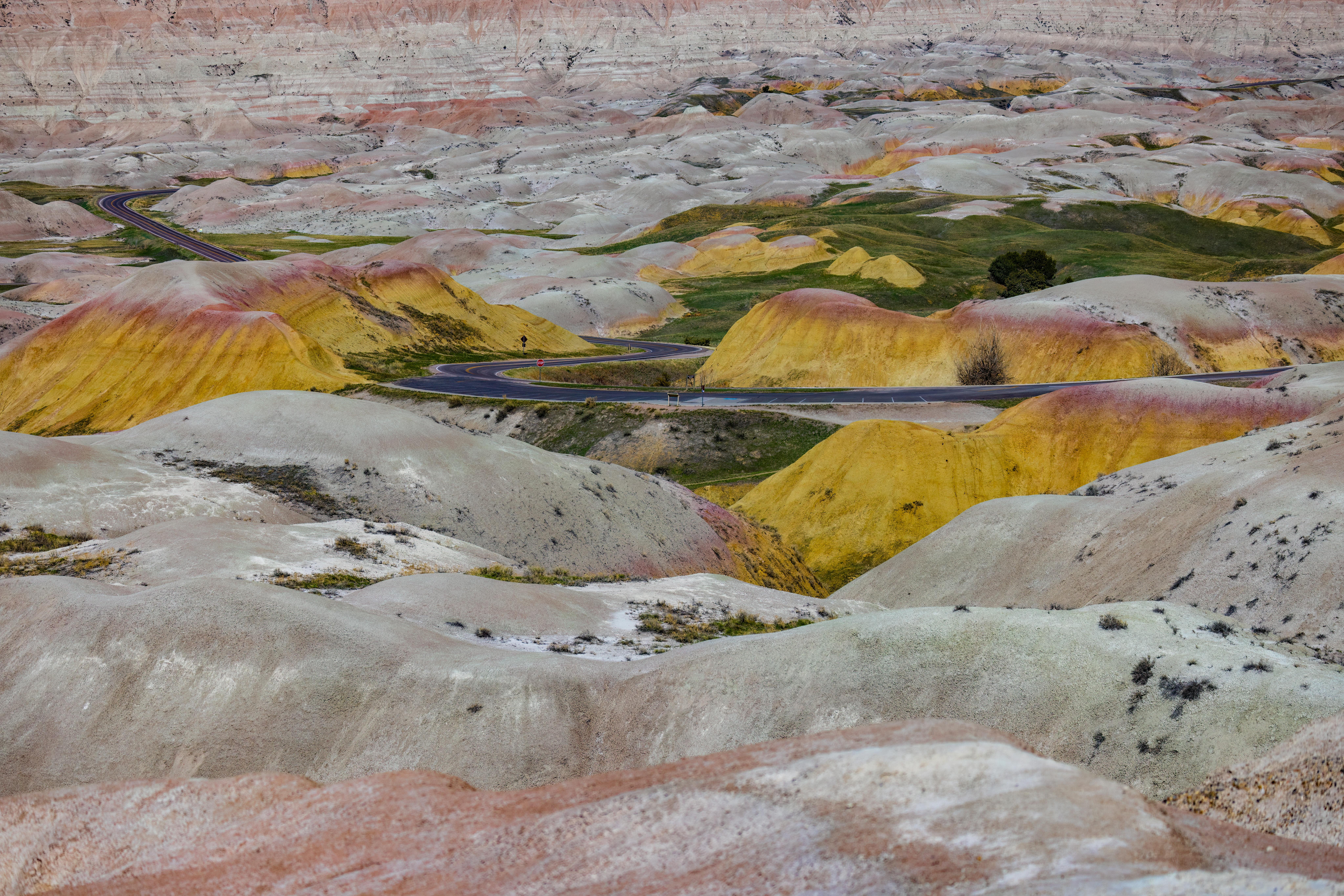
3. The Black Hills & Badlands Loop, South Dakota
This route packs an incredible amount of iconic American landmarks and otherworldly landscapes into a manageable loop. It’s an epic adventure that feels worlds away from the everyday and is one of our favorite 4 Unforgettable National Park Family Travel Ideas.
Route Snapshot: A 4-6 day loop starting and ending in Rapid City, South Dakota.
Must-Do Experiences:
Badlands National Park: Drive the Badlands Loop Road (Highway 240), stopping at the overlooks to marvel at the surreal, eroded buttes.
Custer State Park: Drive the Wildlife Loop Road for near-guaranteed sightings of massive bison herds, pronghorn, and cheeky prairie dogs.
Mount Rushmore National Memorial: See the iconic monument and walk the Presidential Trail for different perspectives. The evening lighting ceremony is a must.
Wall Drug Store: No trip is complete without stopping at this world-famous roadside attraction. It’s a kitschy, fun-filled labyrinth that kids will absolutely love.
4. Ohio's Hocking Hills Scenic Byway
For families who love to hike, this corner of southeastern Ohio is a paradise. The Hocking Hills Scenic Byway connects a series of state parks renowned for their stunning gorges, recessed caves, and beautiful waterfalls.
Route Snapshot: Perfect for a long weekend (2-4 days), based out of the towns of Logan or Nelsonville.
Key Hiking & Activity Hubs:
Old Man's Cave: The most popular area, featuring a spectacular gorge with multiple waterfalls and a fantastic 1-2 hour hiking loop.
Ash Cave: The largest recess cave in the state, accessible via an easy, flat, and wheelchair/stroller-friendly trail.
Cedar Falls: A powerful waterfall in a wild, scenic gorge with a beautiful hiking trail.
Rock House: The only true cave in the park, this tunnel-like corridor is an adventurous spot for kids to explore.

Stay Organized on the Open Road
Feeling inspired by these National Park adventures? Don't let the planning details slow you down. Our free National Park Road Trip Checklist is the perfect tool to ensure you have everything you need, from the right gear to the must-have snacks, for a smooth and memorable journey.
The Ultimate Midwest Road Trip Planning Toolkit
A great itinerary is only half the battle. Flawless execution comes from smart planning.
Budgeting for Your Midwest Adventure
Your money goes further in the Midwest. Maximize your budget with these tips:
Picnic Power: Pack a cooler. Many scenic drives, state parks, and roadside stops have beautiful picnic areas. Eating one meal a day this way can save a family of four $50-$80 daily.
State Park Perks: Annual passes for state parks can offer incredible value if you plan to visit multiple parks within one state.
Look for Free Attractions: From hiking trails to small-town museums, the Midwest is full of free, enriching experiences.
Packing Smart for Four-Season Weather
Midwest weather is famously unpredictable. The key is layering.
The Holy Trinity: Always pack a lightweight rain jacket, a fleece or sweatshirt, and a mix of short and long-sleeved shirts for everyone, regardless of the season.
Footwear is Key: Pack comfortable, broken-in walking shoes. Include waterproof hiking shoes if you plan to visit places like Hocking Hills.
The Analog & Digital Car Kit: Don't forget a first-aid kit, jumper cables, a portable phone charger, and a physical road atlas. Download maps and playlists for offline use.

Pro-Tip: Create a "Go-Box" for the car. Use a plastic bin and stock it with essentials: paper towels, wet wipes, hand sanitizer, sunscreen, bug spray, and trash bags. Keeping it all in one place prevents frantic searching.
The Commander’s Guide to In-Car Harmony
The real challenge of a road trip isn't the driving; it's managing the tiny humans in the back seat. Check out The Sanity-Saving System for Your Next Family Road Trip for our full strategy.
Set the Terms of Engagement: Before you leave, have a family meeting. Discuss the route, set expectations for driving time, and agree on rules for screen time and snacks.
Embrace the Surprise Stop: The best memories often come from unplanned detours. Build buffer time into your schedule to explore that quirky museum or scenic overlook.
The Snack Bag is Sacred: Do not underestimate the power of snacks. Pack a mix of healthy options and special "road trip only" treats to diffuse budding meltdowns.
Frequently Asked Questions
What is the best time of year for a Midwest road trip?
The ideal time is from late spring to early fall (May through October). This window offers the most pleasant weather for hiking and outdoor activities, with fall providing the added bonus of spectacular foliage, especially in Michigan and along the Mississippi River.
Is the Midwest really just flat cornfields?
Absolutely not! This is the biggest misconception about the region. As this guide shows, the Midwest is home to incredibly diverse landscapes, including the towering sand dunes of Lake Michigan, the dramatic cliffs of Pictured Rocks, the otherworldly Badlands of South Dakota, and the lush, waterfall-filled gorges of Hocking Hills, Ohio.
How much should I budget for a Midwest family road trip?
One of the Midwest's biggest advantages is its affordability. Compared to popular coastal destinations, you can expect to spend significantly less on lodging, food, and attractions. A family of four can often travel comfortably on $150-$250 per day, especially when using tips like picnicking.
What are some can't-miss states for a Midwest family road trip?
Based on the variety of attractions, Michigan is fantastic for its stunning coastline and dunes. South Dakota offers iconic national parks and monuments. Ohio's Hocking Hills region is a paradise for hikers, and the states along the Great River Road (like Wisconsin and Iowa) are rich in history and scenic beauty.
Your Midwest Adventure Awaits
The Midwest is not "flyover" country; it’s "drive-through" country in the best possible way. It’s a region of surprising beauty, authentic charm, and boundless opportunities for family connection. This guide has given you the blueprints and the tools to move from dreaming to doing.
A successful trip isn’t about a perfect, problem-free journey; it’s about creating a shared story of discovery and laughter on the open road. Pick a route, start planning, and get ready to create a treasure trove of memories your family will cherish for years to come.
Read the full guide: Family Travel Ideas: The 2026 Guide to Unforgettable Trips
Don't Miss Out! Subscribe for Exclusive Content
SubscribeComments 0
No comments yet
Be the first to share your experience!
Dont Miss Out! Subscribe for Exclusive Content
San Francisco Cherry Blossoms: A Local's Guide to the Blooms
Halloween SF: Haunts Without Horrors
SF Festivals: 7 Must-See Lineups
Christmas SF: Lights & Wharf Wonders
SF Pride: 6 Route & Party Hacks
Chinese New Year SF: Parade Essentials
Anxious to Adventurous: The Ultimate Guide to Solo Travel Confidence
TrekGuider @trekguider
The thought of solo travel often brings two images to mind: the breathtaking vista from a mountaintop, enjoyed in peaceful solitude, and the quiet dinner table for one, feeling conspicuously alone. For years, the advice has been to simply "embrace the loneliness." We believe that's outdated and, frankly, unhelpful advice. In today's hyper-connected world, the modern solo traveler is never truly alone—they're empowered. This guide is the official TrekGuider playbook of actionable solo travel tips that use the best digital tools, safety apps, and planning technology to transform anxiety into confidence and navigate the world with unprecedented freedom and security. Let's begin.
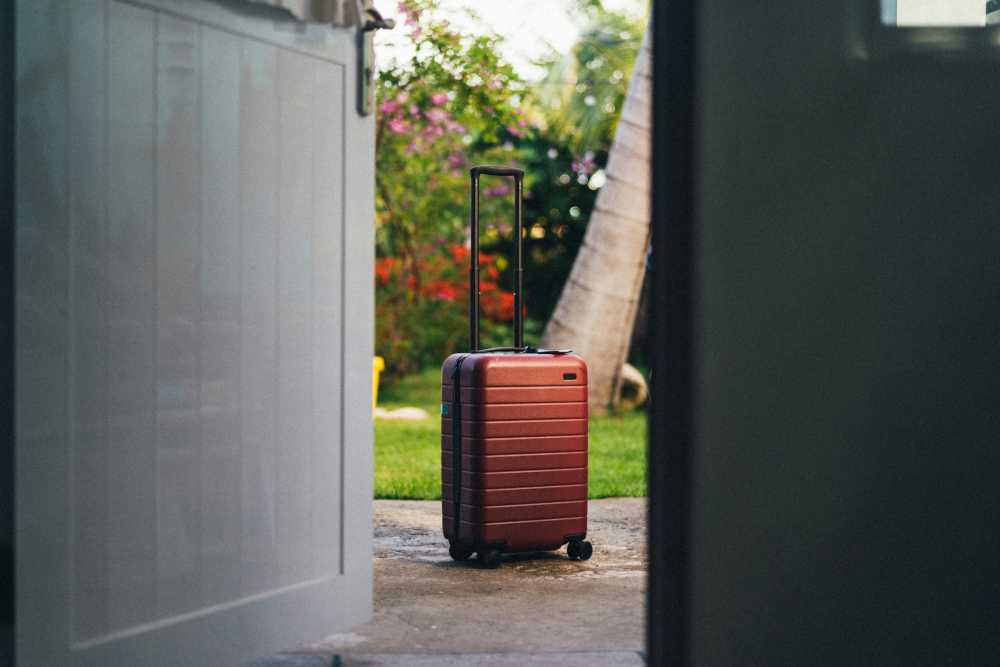
The Solo Mindset: How to Conquer Fear and Travel with Confidence
Before you ever book a flight, choose an anti-theft bag, or pack a single sock, the most significant journey begins in your mind. Overcoming the initial psychological hurdles isn't just the first step; it's the foundation upon which every great solo trip is built. This is where you shift your perspective from a hesitant "Can I do this?" to a determined "How will I do this?"
Is It Weird to Travel Alone? (The Answer is No, and Here’s Why)
Let's dismantle this fear immediately: traveling alone is not weird. It is a powerful, intentional, and increasingly popular way to experience the world. The old, tired stigma of the "loner" is being rapidly replaced by a cultural admiration for independence, courage, and self-reliance.
If you feel like an outlier, the data says otherwise. Pinterest has seen an explosion in searches for "solo travel" over the past few years—it's one of the fastest-growing travel categories on the platform. You are not an anomaly; you are on the leading edge of a global movement. Choosing to travel solo doesn't broadcast that you lack friends; it broadcasts that you possess the curiosity and confidence to forge your own path—a trait universally recognized as a strength. It's a declaration that your desire to grow and explore is more powerful than your fear of judgment.

A Practical Guide to Telling Friends and Family About Your Trip
One of the most surprising sources of pre-trip anxiety can be the well-intentioned concerns of friends and family. Their worries, born from love, can inadvertently plant seeds of doubt. The key to navigating these conversations is to approach them not as a petitioner seeking approval, but as a competent leader presenting a well-researched plan.
Present a Confident Decision: Language matters. Instead of tentatively asking, "I was thinking about maybe going to Italy alone...," state your plan with calm assurance: "I'm so excited to share that I'm planning a solo trip to Italy this spring." This immediately reframes the conversation from a debate into an announcement of a positive life event.
Lead with Competence: Immediately follow your announcement with two or three key details that demonstrate your thoroughness. "I've already found a fantastic hotel in a very safe neighborhood in Rome, my travel insurance is booked, and I have an app that will let me share my location with you so you can see where I am." This proactively answers their biggest questions and showcases you as a responsible planner.
Establish a Communication Rhythm: The fear of the unknown is what fuels their worry. Eliminate it by defining a clear communication plan. "Just so you don't worry, my plan is to send a quick WhatsApp message every evening to check in." This simple commitment provides immense reassurance and prevents them from imagining the worst if they don't hear from you for a day.
For First-Timers: Start Small to Build Momentum
You do not need to book a six-month, one-way ticket to Southeast Asia to claim the title of "solo traveler." The goal is to build confidence, and confidence is a muscle built through repetition. We call this "confidence stacking"—the process of accumulating small, successful experiences that prove your capability to yourself.
Begin with a solo weekend trip to a city a few hours from home. The mission is simple: navigate a new public transit system, confidently ask for a table for one at a busy restaurant, and be solely responsible for your own entertainment and itinerary for 48 hours. The skills you build and the comfort you gain are precisely the same ones you'll use in a foreign country, just in a lower-stakes environment. After that, perhaps a four-day domestic trip by plane. By the time you're ready for that grand international journey, it will feel like a natural, exciting next step, not a terrifying leap into the abyss.
With that foundational confidence in place, it’s time to channel it into the single greatest antidote to anxiety: a bulletproof plan.
Your Pre-Flight Digital Checklist
Great solo trips don't happen by accident; they are born from careful, thoughtful planning. For the "Cautious Planner," this is where your natural tendencies become your superpower. A methodical approach is one of the most important solo travel tips we can offer, as it systematically dismantles pre-trip anxiety. Every detail you confirm is another piece of evidence that you are ready, capable, and in control.
Key Takeaways:
Prioritize Safe Destinations: Set yourself up for success by choosing a first destination known for its safety, strong tourist infrastructure, and ease of navigation. Use official, data-driven resources. are your first stop for any official warnings.
Build a Bulletproof Budget: Use a structured framework to manage your finances, which prevents stress and empowers smart decision-making on the road.
Master Your Tech: Load your smartphone with essential apps for navigation, safety, and communication, and learn their features before you depart.
Secure Your Digital Life: Arrange for an eSIM for instant connectivity upon arrival and have a VPN ready to protect your data on all public Wi-Fi networks.
The TrekGuider Take: The single biggest mistake we see first-time solo travelers make is underestimating the power of pre-planning. A well-researched itinerary isn't a restriction; it's a foundation for freedom. It allows you to be spontaneous because you've already handled the essentials.
How to Choose Your First Solo Destination (Safety & Ease)
Your choice of destination is the most critical decision you'll make. For a first-time trip, the goal is to set yourself up for success. Prioritize locations celebrated for their safety, strong tourist infrastructure, and overall ease of navigation. Use this three-point filter to guide your research:
Prioritize Objective Safety: Don't rely on anecdotes. Use official, data-driven resources. The U.S. Department of State's travel advisories are your first stop for any official warnings. Go deeper by consulting the Global Peace Index, an annual report that ranks countries on metrics of safety and security. Destinations that consistently top this list—like Iceland, New Zealand, Portugal, Japan, and Costa Rica—are popular for solo travelers for very good reason.
Filter for "Low-Friction" Travel: Make it easy on yourself. Does the destination have a simple, reliable public transportation system? Is English widely spoken, at least in tourist areas? Is the culture generally open and welcoming to visitors? A city like Lisbon, with its superb walkability and friendly atmosphere, is often a much better first choice than a more chaotic, off-the-beaten-path destination where you'll face more logistical and cultural hurdles.
Let Genuine Passion Be Your Guide: This is the magic ingredient. The ultimate advantage of solo travel is that the entire itinerary is 100% yours. Don't choose a destination because it's popular on Instagram; choose it because it genuinely ignites your curiosity. Whether you're obsessed with the art museums of Florence, the hiking trails of Patagonia, or the food markets of Tokyo, letting your passion lead the way is the ultimate guarantee that you'll stay engaged and motivated. For those with remote work flexibility, exploring options from our guide to the 10 Best International Destinations for Digital Nomads can also be a fantastic starting point.

A Framework and Recommended Apps for Budgeting
When you're the sole traveler, you're also the sole CFO. Mastering your budget is a core competency that prevents stress and empowers you to make smart decisions on the road.
The 5-Category Solo Budget Framework:
Pre-Trip Fixed Costs (10%): Flights, comprehensive travel insurance, necessary visas, and any specific gear you must purchase before you go.
Accommodation (30%): Typically your largest daily expense. Research average hostel, guesthouse, or budget hotel prices in your destination to set a realistic per-night cost.
Food & Drink (25%): This is a huge part of the experience! A smart budget allows for a mix of everything: iconic restaurant meals, casual street food, and visits to local grocery stores for snacks and simple breakfasts.
Activities & In-Country Transport (20%): Museum entries, day tours, cooking classes, subway passes, and inter-city train tickets all fall into this category.
The "Oh Sh*t" Fund (15%): This is your contingency fund for anything from a missed flight or a minor medical issue to a spontaneous, can't-miss opportunity like a last-minute ticket to a concert.

Download an app like Trail Wallet or YNAB (You Need A Budget) before you go. Diligently tracking your spending in real-time is the key to staying in control and avoiding that dreaded post-trip credit card bill. One of the best ways to stick to your budget is by avoiding costly baggage fees. Master the art of carry-on-only with our free How to Pack Light Guide.
Finding Safe Accommodations and Flexible Flights
Where you sleep is your sanctuary. For a solo traveler, safety and location matter most, far outweighing luxury or price.
For Hostels: Read the reviews like a detective, specifically searching for mentions of "solo female traveler" or "solo traveler." Prioritize properties with 24-hour reception, individual secure lockers in the dorms (always bring your own high-quality padlock), and, if it makes you more comfortable, female-only dorm options.
For Hotels & Airbnbs: Use the map view relentlessly. Ensure you're in a central, well-lit neighborhood with good access to public transport. Read recent reviews that comment specifically on the safety of the area at night. Paying a little extra for a room in a prime location is the best investment you can make in your peace of mind.
When booking flights, become a power user of tools like Google Flights and Skyscanner. Their "flexible date" and "entire month" views are your best friends, allowing you to see the cheapest days to fly at a glance. Shifting your departure by just one or two days can often save hundreds of dollars.
From the TrekGuider Toolkit: Feeling overwhelmed by the planning process? Streamline your entire pre-trip organization with our free Ultimate Travel Itinerary Template. It's a tool we've designed to help travelers build checklists, track budgets, and design perfect itineraries.
Tech & App Solo Travel Tips: 15 Essential Tools
Your smartphone is the most powerful tool ever created for an independent traveler. It's your navigator, translator, research assistant, and safety device all in one. Loading it with the right apps and tech transforms it from a simple phone into a digital Swiss Army knife for navigating the globe.

Navigation & Logistics: Google Maps, Rome2rio, and Citymapper
This trio forms a holy trinity of travel navigation that makes getting lost virtually impossible.
Google Maps: It’s the undisputed champion for a reason, but the single most important pro-move is this: before you ever leave home, download offline maps for your entire destination. Treat it like packing your passport. This turns your phone into a fully functional GPS, no data or Wi-Fi required, which is an absolute lifesaver. Go a step further by "starring" your hotel, key sights, and restaurants in advance to create a fully customized, interactive travel map.
Rome2rio: This is your master planner for country-wide travel. Wondering how to get from Naples to Florence? Rome2rio will instantly show you every possible combination—plane, train, bus, or car—complete with estimated costs and travel times. It demystifies long-distance logistics.
Citymapper: In major metropolitan hubs like London, Paris, or New York, Citymapper often outperforms Google Maps for urban public transit. It offers hyper-accurate, real-time departure info, disruption alerts, and the fastest routes, even suggesting "rain-safe" options.
Safety & Peace of Mind: GeoSure, MayDay, and Location Sharing
This suite of apps creates a digital safety net, providing invaluable peace of mind for both you and your loved ones back home.
GeoSure: Think of this as a credit score for neighborhood safety. GeoSure provides granular, localized safety ratings for cities across the globe, broken down by critical categories like Women's Safety, Theft, and Physical Harm. Use it to vet a neighborhood before you book your Airbnb or decide where to go for a late-night dinner.
MayDay: A brilliantly simple but powerful safety tool. You pre-load emergency contacts, and with a single tap, the app sends them an alert and your precise GPS location.
Native Location Sharing: This is the easiest win of all. Both Google Maps ("Location Sharing") and Apple's "Find My" app allow you to share your real-time location with a trusted friend or family member. Set it for the duration of your trip so they can have the passive reassurance of knowing where you are without you needing to constantly check in.
Digital Security 101: Why You Need a VPN on Public Wi-Fi
You'll be logging into countless public Wi-Fi networks in cafes, airports, and hotels. These networks are notoriously insecure, making them a playground for data thieves who can potentially intercept your passwords, banking details, and other private information.
A VPN (Virtual Private Network) is your personal bodyguard for the digital world. It creates a secure, encrypted tunnel between your device and the internet, making your data completely unreadable to anyone trying to snoop on the network. Using a reputable VPN service like NordVPN or ExpressVPN every single time you connect to public Wi-Fi is a non-negotiable step for protecting your digital life.
The TrekGuider Take: We consider a VPN non-negotiable for modern travel. Connecting to public Wi-Fi without one is like leaving your hotel room door wide open with your valuables on the bed. It’s a small, inexpensive investment in protecting your entire digital life.
Communication: Google Translate and Getting a Local eSIM
Language barriers are no longer the insurmountable walls they once were.
Google Translate: Master its advanced features. The real-time conversation mode is a miracle for basic interactions. The camera function, which can instantly translate a restaurant menu or a street sign, feels like magic. Before you go, download the language pack for your destination for full offline functionality.
Get an eSIM: The days of hunting for a physical SIM card shop upon arrival are over. An eSIM (embedded SIM) is a digital SIM you can purchase online and install on your phone before you even leave home. Companies like Airalo and Holafly offer affordable data packages for virtually any country on earth. This means you are connected the second your plane touches down—a massive advantage for safety and convenience.
Packing Smart: The Art of Carry-On Only
For the solo traveler, mobility is the ultimate currency. Being burdened by heavy, cumbersome luggage is a rookie mistake. It makes you a more conspicuous target for theft, exhausts you physically, and turns simple tasks like navigating a flight of stairs into a monumental struggle. The solution? Master the art of carry-on-only travel.
The "Roll, Don't Fold" Philosophy
This is the central doctrine of efficient packing. Tightly rolling your clothes not only minimizes wrinkles far more effectively than folding but also compresses them, saving a remarkable amount of space.
Packing cubes are the tools that elevate this philosophy into a system. These zippered organizers allow you to compartmentalize everything. Use one large cube for pants and sweaters, a medium one for tops, and a small one for underwear and socks. This system not only keeps your bag impeccably organized (no more digging for a clean pair of socks) but also compresses your clothing even further, creating pockets of free space you never thought possible.
A Minimalist's Tech Gear List
Your technology is your lifeline. Pack smart to stay powered and connected.
Portable Power Bank: This is not optional; it's essential. Choose a model with at least 10,000mAh capacity, which will provide 2-3 full charges for your smartphone. Keep it charged, and keep it in your daypack.
Universal Travel Adapter: Ditch the bag of miscellaneous adapters. Invest in a single, high-quality universal adapter that includes multiple USB ports. This allows you to charge your phone, power bank, and camera simultaneously from one wall outlet—a godsend in hostels where outlets are a precious commodity.
Noise-Canceling Headphones: Your personal "do not disturb" sign for the world. They are invaluable on loud flights, rumbling trains, and in bustling hostel dorms, creating a private bubble of calm wherever you are.
Kindle or E-reader: Carrying even one book is a waste of space and weight. An e-reader gives you access to an entire library in a device that weighs less than a paperback.
The Reddit-Approved Solo Traveler's Packing Checklist
We've synthesized wisdom from expert communities like r/onebag and r/solotravel to create a definitive checklist—a collection of the best packing-related solo travel tips you'll find. The guiding principle is versatility. Every item should serve multiple purposes.
Clothing (The 5-4-3-2-1 Rule):
5 sets of socks and underwear.
4 versatile tops (merino wool is the holy grail for its odor resistance).
3 bottoms (e.g., one pair of travel pants, one pair of jeans, one skirt or pair of shorts).
2 pairs of shoes (one comfortable all-day walking shoe, one slightly dressier flat or loafer).
1 jacket (a waterproof shell) and 1 mid-layer (a fleece or sweater).
Toiletries (Go Solid):
Solid shampoo, conditioner, and soap bars eliminate the hassle of liquid restrictions.
Toothbrush, toothpaste tablets, and solid deodorant.
A basic first-aid kit: band-aids, pain relievers, antiseptic wipes, and blister treatment.
Documents & Money:
Passport/Visa (with digital copies in your email and physical copies stored separately from the original).
2 different credit cards and 1 debit card (never store them all in the same place).
A small stash of emergency US dollars and some local currency.
Essentials:
Quick-dry microfiber travel towel.
Collapsible water bottle.
High-quality padlock.
Sleep mask and earplugs.
The TrekGuider Take: We've analyzed countless packing strategies, and the data is clear: embracing a minimalist, two-shoe rule is a game-changer. One pair of ultra-comfortable, all-day walkers and one versatile pair of flats or loafers will cover 99% of travel scenarios without weighing you down.
To make sure you don't forget a single thing, download our free and printable Ultimate International Travel Checklist. It's the perfect final review before you zip up your bag.
A Masterclass in Solo Travel Safety Tips
Safety is the essential concern for most solo travelers, but it should be approached as a skill to be mastered, not a fear to be managed. Being safe isn't about being paranoid; it's about being prepared, aware, and intentional. These solo travel tips will help you move through the world with a quiet confidence that makes you a less appealing target.
Key Takeaways:
Become a Hard Target: Project confidence through your body language and maintain situational awareness to deter opportunistic criminals.
Layer Your Security: Actively use anti-theft gear for your daypack, a high-quality lock for your hostel locker, and extra security measures for your room.
Plan for the Night: Always know how you're getting home after dark. Be mindful of your surroundings and moderate alcohol consumption.
Trust Your Intuition: Your gut feeling is your most reliable safety tool. If a person, place, or situation feels off, leave immediately. No exceptions.

Situational Awareness: Becoming a Hard Target
Your most effective safety tool is your own mind. Predatory individuals are opportunistic; they scan for "soft targets"—people who look lost, distracted, vulnerable, or unaware. Your job is to project the opposite impression: that of a "hard target."
Master "Purposeful Walking": Even if you're just exploring, walk with direction. Keep your head up, your shoulders back, and your pace steady. If you need to consult your map, don't stop abruptly in the middle of the sidewalk. Instead, duck into a shop or cafe to get your bearings.
Control Your Body Language: Avoid looking at the ground. Make brief, deliberate eye contact with people as you walk. This non-verbally communicates, "I see you. I am aware of my surroundings."
The "Scan & Assess" Habit: When you enter any new space—a cafe, a train car, a public square—take 3-5 seconds to consciously scan your environment. Note the exits. Get a feel for the general vibe. This simple habit pulls you out of your phone and into a state of active presence.
Securing Your Belongings
Protecting your valuables requires more than just a lock.
The Hostel Locker is Sacred: Use it without fail. Your passport, laptop, and extra cash should live in your locked locker unless they are on your person. Use your own sturdy padlock.
Employ an Anti-Theft Daypack: For ultimate peace of mind, invest in a daypack from a brand like Pacsafe or Travelon. Features like slash-proof straps, locking zippers, and RFID-blocking pockets are specifically designed to foil common theft tactics.
Hotel Room Security: The room safe is good, but a portable door jam or door stop alarm provides an extra layer of security and peace of mind against unauthorized entry while you're sleeping. Never leave valuables out in the open, even in a locked room.
Rules for Staying Safe After Dark
Exploring a city after dark is one of travel's great pleasures, but it demands heightened awareness.
Know Your Exit Strategy: Before you even leave for the evening, know exactly how you will get back to your accommodation. Have you checked the time of the last train? Do you have a reputable ride-sharing app like Uber or Bolt installed and working?
Nurse Your Drink: Be mindful of your alcohol consumption. Your judgment is your primary defense. Always buy your own drinks and never leave your drink unattended, even for a second.
Trust Your Gut Instinct: This is your oldest and most reliable security system. If a person, a place, or a situation feels wrong, it is wrong. Do not hesitate. Do not worry about being rude. Remove yourself from the situation immediately.
The TrekGuider Take: Veteran travelers unanimously agree on one thing: your intuition is your most reliable safety tool. If a situation feels wrong, it is. There is no need to be polite or justify your feeling—your only priority is to remove yourself from the situation immediately.
Setting Boundaries and Handling Unwanted Attention
As a solo traveler, you will likely encounter unwanted attention at some point. Having a pre-planned script for how to handle it is incredibly empowering.
The "Firm & Cold" Response: For persistent touts or unwanted suitors, a simple, sharp "No" delivered with direct eye contact and a complete lack of a smile is incredibly effective. Do not engage in further conversation. Turn and walk away.
The Power of the White Lie: You are under no obligation to be truthful with strangers who make you uncomfortable. "I'm on my way to meet my husband" is a universally understood and effective deterrent.
Create a Public Scene: In a worst-case scenario where you feel physically threatened, do not be afraid to draw attention. A loud, sharp "Leave me alone!" or "Get away from me!" in the local language (learn this phrase) will attract the help of others.
For a deep dive into managing these risks, a comprehensive travel insurance policy is the ultimate safety net. Explore our Travel Insurance Guide: Avoid Mistakes & Travel Worry-Free to ensure you're fully covered.
Social Solo Travel Tips: How to Meet People and Thrive
The social dynamic of solo travel is a beautiful paradox. It is at once a journey into profound self-reliance and an opportunity for incredible human connection. The key is to recognize that you are always in control. You can dial your social life up or down as you see fit, and mastering this balance is one of the most rewarding skills you'll learn.
The Introvert's Guide to Making Friends
If the thought of "putting yourself out there" is intimidating, relax. The secret is to let shared activities do the heavy lifting for you.
Leverage Hostel Common Areas: Even if you book a private room, the hostel's common area is a social superpower. Simply sitting and reading a book can lead to organic conversations. The unspoken rule is that everyone there is open to connection.
Join a Free Walking Tour: This is the #1 hack for meeting people on your first day in a new city. You have a built-in group of fellow travelers for several hours. At the end, be the one to say, "That was great! I'm grabbing lunch at that place the guide recommended, does anyone want to join?"
Sign Up for a Class: A local cooking class, a surf lesson, a pottery workshop—these are social goldmines. The shared activity provides an instant icebreaker and a natural foundation for friendship.
How to Confidently Dine Alone (and Actually Enjoy It)
The "table for one" is a classic source of anxiety. It's time to reframe it. Dining alone is not a social failure; it is an act of luxurious self-care. It's a chance to people-watch, to savor your food without distraction, and to be alone with your thoughts.
Own the Bar: The bar or chef's counter is your best friend. It's a more casual, socially acceptable place to sit alone, and it puts you in easy conversation range of the bartender or your neighbors.
Bring a Purposeful Prop: A book or headphones can signal "do not disturb." But a journal or a local map can signal "I'm an interesting traveler open to conversation." Choose your prop based on your mood.
Become a Food Critic: Engage fully with the experience. Take notes on the flavors in your journal. Take a beautiful photo of the dish. When you treat the meal as an activity in itself, you'll forget to feel self-conscious.
The TrekGuider Take: To instantly feel more comfortable dining alone, head for the bar or a chef's counter. It's a socially designated space for individuals, offers a great view, and often leads to the best conversations with staff and other diners. It's the ultimate solo dining power move.

The Art of Taking Your Own Photos
You will want proof that you were on this incredible adventure.
Get a Mini-Tripod: A small, flexible tripod like a GorillaPod combined with your phone's self-timer is your new best friend. You can prop it on ledges, wrap it around railings, and compose beautiful shots that go way beyond the selfie.
Ask a Fellow Photographer: If you need someone to take your photo, don't ask a random person. Look for another tourist holding a DSLR camera. They will understand composition and will likely be happy to help a fellow traveler. Offer to take one for them in return.
The Video Screenshot Hack: This is a pro-level trick. Prop your phone up, hit record, and then walk through the scene, look at the view, or interact with your environment. Later, you can scrub through the video and pull perfectly candid, natural-looking still photos from it.

Loneliness: What It Feels Like and How to Move Through It
Let's be real: at some point, you will likely feel a pang of loneliness. It might be during a beautiful sunset or a delicious meal that you wish you could share. It's a normal, valid human emotion. The trick is to acknowledge it, honor it, and then have a plan to move through it.
When it hits, don't stew in it. Take action. Call a friend from home. Go to the hostel common room. Write down how you're feeling in your journal. Often, the simple act of acknowledging the emotion and taking one small, positive step is enough to dissolve it. It's just a passing cloud, not a permanent weather system.
Frequently Asked Questions (FAQ Section)
How much does a solo trip typically cost?
This varies wildly by destination and travel style. A good baseline for a mid-range solo traveler in destinations like Southern Europe or Southeast Asia is $75-$150 USD per day. This covers a private room in a quality hostel or budget hotel, a mix of restaurant meals and street food, daily activities, and local transport. A strict budget backpacker can survive on under $50, while a luxury traveler could spend thousands.
What are the best countries for a first-time solo female traveler?
For a first trip, prioritize countries known for world-class safety, excellent tourist infrastructure, and a high degree of gender equality. Top-tier destinations include Iceland, New Zealand, Finland, Japan, Portugal, Costa Rica, Singapore, and Canada. Others like Austria, Denmark, and the Netherlands are also fantastic choices. Choosing any of these will let you focus on the joy of travel, not stress.
Is it better to stay in a hotel or a hostel when traveling alone?
This is a personal choice based on your priorities. Choose a hostel if your primary goals are to meet other people and save money; they are designed to be social incubators. Choose a hotel if you deeply value privacy, quiet, and comfort; sometimes the ability to close your own door and recharge in silence is priceless.
How do you handle medical emergencies when you are by yourself?
Preparation is everything. First, you must have comprehensive travel insurance; keep digital and physical copies of your policy. Second, before you arrive, research the local emergency number (it's not always 911) and save it in your phone's contacts. Finally, carry a small "In Case of Emergency" card with your emergency contact's info, blood type, and any critical allergies, ideally translated into the local language.
Your Journey from Anxious to Adventurous Starts Now
You have the knowledge, now it's time to unlock the confidence to match. The profound freedom, deep self-reliance, and unforgettable moments of discovery that await you are more than worth navigating the initial waves of uncertainty. By embracing modern technology and adopting a mindset of prepared confidence, you systematically minimize the risks and amplify the incredible rewards.
We've compiled our most critical safety protocols into one essential resource to help you take that final step: our free Solo Female Travel Safety Guide. Download it to equip yourself with the expert strategies you need to navigate the world safely and confidently. This guide is your playbook, but the adventure itself is yours—and yours alone—to write. The world is ready for you.
Don't Miss Out! Subscribe for Exclusive Content
SubscribeComments 0
No comments yet
Be the first to share your experience!
Dont Miss Out! Subscribe for Exclusive Content
Ultimate USA Holidays Guide: Top Picks
FTC Affiliate Disclosure Essentials: Stay Compliant as a Travel Creator

Essential Affiliate Tools: From Tracking to Full Optimization
Booking.com Affiliate Program Review: Pros, Cons, and Earnings Potential
Decoding Affiliate Commission Rates: Benchmarks for Travel Creators
