
Essential Affiliate Tools: From Tracking to Full Optimization

TrekGuider @trekguider
You’re a creator, not an administrator. Yet, you find yourself drowning in a sea of administrative tasks. You’re manually copying and pasting ugly, mile-long affiliate links, toggling between a dozen different program dashboards to check your stats, and spending more time wrestling with spreadsheets than you do creating the travel content you love. Your affiliate "business" feels less like a streamlined operation and more like a chaotic, time-sucking hobby that isn't paying the bills.
This inefficiency is more than just frustrating—it's a silent killer of your income. Every hour you spend on manual, repetitive tasks is an hour you’re not creating the next piece of content that could generate revenue for years to come. You're flying blind, guessing which strategies are working, unable to see which links are converting, and which pages are actually profitable. The reported average income of $13,847 a month for travel affiliates feels like a distant fantasy when you’re stuck in this administrative quicksand.

This guide is your way out. It is your curated, creator-friendly tech stack—a definitive list of the essential affiliate marketing tools that will automate the tedious, provide crystal-clear data, and free you up to focus on growth. We’ll cover the entire workflow, from foundational link management and tracking to the advanced tools needed for full-scale optimization. This is how you transform your passion project into a professional, efficient, and profitable business. For a complete command of the entire affiliate landscape, our definitive pillar page, Travel Affiliate Programs: The 2026 Ultimate Guide, is your essential command center for mastering the entire ecosystem.
The Foundational Layer: Your Operational Command Center
Before you can optimize, you must organize. This first set of tools forms the non-negotiable foundation of any serious affiliate marketing business. They are your central nervous system for managing links, ensuring compliance, and tracking performance from a single source of truth.
Link Management Plugins (The Digital Quartermaster)
If you run your travel blog on WordPress, a link management plugin is the single most important tool you will install. These plugins take the long, ugly, and intimidating affiliate links provided by programs and "cloak" them into short, clean, branded URLs that are far more trustworthy to your audience.
Think of it as your command center. Instead of embarking on a digital scavenger hunt through year-old posts to update a single expired link, you change it once in a central dashboard, and the plugin deploys that change site-wide instantly. This functionality alone will save you hundreds of hours over the life of your business. Furthermore, a link like yourblog.com/recommends/osprey-backpack is infinitely more professional and trustworthy to a reader than a long URL filled with random tracking parameters, directly impacting your click-through rates.

Top Tools in This Category:
ThirstyAffiliates: A powerhouse plugin built specifically for affiliate marketers. It offers advanced features like autolinking (automatically turning specific keywords into affiliate links), proactive link checking to find broken links, and detailed click analytics.
Pretty Links: A slightly simpler but highly effective alternative. It excels at link cloaking, redirection, and providing basic click-tracking reports right from your WordPress dashboard.
Pro-Tip: The best link management plugins, like ThirstyAffiliates, can automatically add the required rel="sponsored" tag to all of your affiliate links. This is a critical feature that ensures you stay compliant with Google's guidelines for paid links, protecting your site from potential SEO penalties without you having to think about it.
Affiliate Tracking Tools (Your Source of Truth)
"What gets measured gets managed." To grow your affiliate income, you need a crystal-clear understanding of what’s working. While many creators start by manually checking each affiliate network’s dashboard, a dedicated approach to tracking provides a more holistic, actionable view.
For most creators, your affiliate tracking tools will be a combination of your link management plugin’s analytics and the dashboards provided by your affiliate networks (like CJ Affiliate or Travelpayouts). These platforms show you crucial metrics like clicks, conversions, and commission earnings.
However, as your business matures, you'll want to track performance across different income models. For example, the TrekGuider Seller Platform includes a dedicated referral dashboard. This is a specialized tracking tool that shows you not just one-time sales, but the ongoing, passive income you’re earning from the new sellers you’ve brought to the platform. It’s a perfect example of how a modern platform provides the built-in affiliate tracking tools you need to monitor more sophisticated, high-margin income streams like revenue sharing.
The Growth Engine: Traffic & SEO Tools
With your operational house in order, the focus must pivot from organization to acquisition. A perfectly managed link is useless without a steady stream of the right people clicking on it. This is where your growth engine comes in—the tools designed to attract your ideal audience with precision.
SEO & Keyword Research Platforms
The most profitable affiliate content is created with intention. It targets keywords that signal a user is actively researching a purchase (e.g., "best carry-on luggage review"). SEO platforms are your treasure map for finding these "money" keywords and building a content strategy that attracts buyers, not just browsers.

These platforms are indispensable for:
Finding Profitable Keywords: Uncover what your audience is searching for, how many people are searching for it, and how difficult it will be to rank on Google.
Analyze the Competition: See exactly which keywords your competitors are ranking for and which pages are bringing them the most traffic.
Track Your Performance: Monitor your rankings for your target keywords over time to see what’s working and where you need to improve.
Top Tools in This Category:
Ahrefs: A comprehensive, professional-grade SEO toolkit. Its "Keywords Explorer" is second to none for finding high-value commercial investigation keywords, and its "Site Explorer" provides deep insights into any competitor's strategy.
SEMrush: Another all-in-one industry leader that offers a powerful suite of tools for keyword research, rank tracking, and competitive analysis.
Pro-Tip: Don't confine your keyword strategy to your blog. With video projected to account for a staggering 55% of all affiliate traffic by 2026, the same commercial-intent keywords you find for your articles are the exact titles you should be using for your YouTube videos and TikToks.
Analytics Platforms
While SEO tools help you get traffic, a web analytics platform tells you what that traffic does once it arrives. It’s essential for understanding your audience, diagnosing problems, and optimizing their journey from reader to buyer.
The Must-Have Tool:
Google Analytics: The free, industry-standard tool for website analytics. It's an incredibly powerful platform that provides all the data you need to understand user behavior, track conversions, and identify your top traffic sources, allowing you to double down on what works.
The Conversion Toolkit: Optimization & Social Media Tools
Attracting traffic is only half the battle. The final, crucial step is converting that traffic into clicks and commissions. This set of tools is designed to streamline your workflow and optimize your content for maximum impact.
"Link in Bio" Tools (For Social Dominance)
Platforms like Instagram and TikTok are powerful for audience building, but they famously limit your ability to use clickable links. A "link in bio" tool solves this by creating a simple, mobile-friendly landing page that can house all of your most important affiliate links, blog posts, and offers.

Top Tools in This Category:
Linktree: The most well-known tool in this space, offering a simple and effective way to create a micro-landing page for your social media bio.
Later: While primarily a social media scheduling tool, Later’s "Link in Bio" feature is excellent, allowing you to create a clickable grid of your Instagram posts, driving traffic directly to relevant blog posts and affiliate offers.
The Amazon Workflow Accelerator
For nearly every travel creator, Amazon Associates is a core part of their affiliate strategy. However, creating links for individual products can be a slow, manual process.
The Must-Have Tool:
Amazon SiteStripe: This is a free, official toolbar from Amazon that appears at the top of your browser whenever you’re on Amazon.com. It allows you to generate a custom affiliate link (text, image, or both) for any product page with a single click, dramatically speeding up your content creation workflow.
Your Strategy Blueprint: The Travel Creator's Toolkit
Feeling overwhelmed by the options? A powerful tech stack is only as good as the strategy behind it. To help you organize your entire affiliate marketing plan—from keyword research to content creation and promotion—we've created the ultimate resource bundle. It’s packed with the checklists, templates, and guides you need to build a professional and profitable system.
Download Your Free Bundle: The Travel Creator's Toolkit Today!
Frequently Asked Questions (FAQ)
1. Do I really need all these tools when I'm just starting out? When you're starting, focus on the foundation. A WordPress site with a link management plugin (like Pretty Links) and Google Analytics is your essential starting stack. This is a low-cost setup that allows you to organize your links and track your traffic from day one. You can invest in a premium SEO tool like Ahrefs once your site is generating enough revenue to justify the cost.
2. Are there any good free affiliate marketing tools? Absolutely. Google Analytics is free and non-negotiable. Amazon SiteStripe is also free. For keyword research, you can start with free tools like Google Keyword Planner or the free versions of various SEO tools, though they are more limited. The free versions of "link in bio" tools like Linktree are also perfectly sufficient for most creators.
3. How do these tools help with tracking beyond just clicks? Advanced tracking involves connecting data points. For instance, by using UTM parameters (which you can add manually or with some plugins), you can see in Google Analytics not just that someone came from your blog, but that they came from the specific button in your review of the Osprey backpack. This level of detail is what allows you to A/B test different calls-to-action and truly optimize your pages for conversion.
Conclusion: From Hobbyist to CEO
The difference between a creator earning a few dollars a month and one earning a full-time income often comes down to their systems. Top earners don't waste time on manual, low-value tasks. They leverage technology to work smarter, not harder. They treat their content not as a hobby, but as a business.

You now have a curated list of the best affiliate marketing tools to build your own professional tech stack. Start with the foundation: a link management plugin to organize and track your links. Then, layer in SEO and analytics tools to build a predictable stream of traffic. Finally, use optimization and workflow tools to convert that traffic with maximum efficiency.
These affiliate tracking tools and optimization platforms are not an expense; they are an investment in your own efficiency, professionalism, and profitability. By implementing this toolkit, you take a definitive step away from being a hobbyist and become the CEO of your own thriving travel content business.
Meta Data Suggestions:
SEO Meta Title (58 characters): 9 Essential Affiliate Marketing Tools for Travel Creators
URL Slug: essential-affiliate-marketing-tools
SEO Meta Description (154 characters): Discover the top affiliate marketing tools for travel creators. From link tracking to SEO, this guide covers the essential tech stack to automate and grow your income.
Read the full guide: The Travel Blogger's Playbook to Affiliate Marketing Mastery
Don't Miss Out! Subscribe for Exclusive Content
Subscribe



Comments 0
No comments yet
Be the first to share your experience!
Dont Miss Out! Subscribe for Exclusive Content

Ultimate USA Holidays Guide: Top Picks


FTC Affiliate Disclosure Essentials: Stay Compliant as a Travel Creator

Avoid These 5 Affiliate Landing Page Mistakes for Better Conversions

Affiliate Keyword Research Mastery for Travel Blogs

Booking.com Affiliate Program Review: Pros, Cons, and Earnings Potential

Decoding Affiliate Commission Rates: Benchmarks for Travel Creators
NYE Times Square: How to Survive Crowds
TrekGuider @trekguider
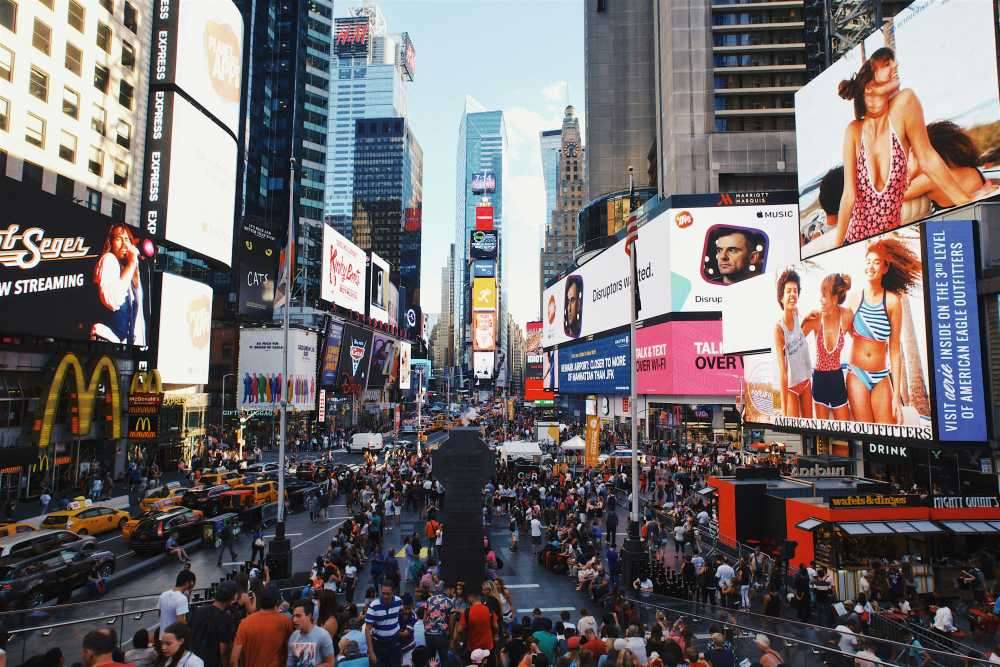
The image is seared into our collective consciousness: a million smiling faces turned upward, a cascade of confetti, and the glittering descent of the Waterford Crystal ball marking the start of a new year. Experiencing New York's Eve Times Square is a bucket-list dream for travelers worldwide. But behind that minute of pure magic lies a grueling, 12-hour urban endurance test. The reality is a battle against massive crowds, freezing temperatures, and a complete lack of basic amenities. Without a solid strategy, your once-in-a-lifetime dream can quickly devolve into a miserable, claustrophobic nightmare, leaving you with nothing but cold feet and regret.
You’ve seen the celebration on TV, but you haven’t seen the real story: the hours spent standing in a single spot, the desperate need for a bathroom that doesn’t exist, and the crushing disappointment of arriving too late only to have your view blocked by a skyscraper. This isn’t just a party; it’s a logistical gauntlet. But what if you could walk into that chaos armed with the knowledge of a seasoned local? What if you knew exactly when to arrive, what to bring, and how to navigate the human labyrinth to secure a prime spot?
Consider this your definitive survival guide. We’re cutting through the noise to give you the actionable, step-by-step playbook required to not just survive the chaos, but to conquer it and forge an unforgettable memory. This single event is the crown jewel of the city's festive calendar, a spectacle we put into context in our complete guide to New York Holidays: 10 Must-Do Events. Now, let's master the art of the ball drop.

The Gauntlet Defined: What to Really Expect on New Year's Eve Times Square
Before you even think about your outfit, you need a crystal-clear understanding of the environment you’re about to enter. The Times Square ball drop is one of the most heavily secured and controlled public events on the planet. Forget a casual, free-flowing party; this is a highly structured affair managed by the New York City Police Department (NYPD).
The entire area, from 42nd Street to 47th Street between Broadway and 7th Avenue, is sectioned off into a series of viewing pens. Think of them as metal-barricaded corrals. Once the NYPD deems a pen full, they close it for good. You cannot move between pens, and crucially, if you leave your pen for any reason—food, bathroom, a moment of fresh air—you will not be allowed back in. There is no re-entry.
Here’s a breakdown of the harsh realities:
The Timeline is Brutal: Streets in and around Times Square begin closing in the early afternoon. To get a decent viewing spot, the official recommendation is to arrive by 3:00 PM. That means you’ll be standing in your designated spot for at least nine hours until the ball drops at midnight.
Zero Public Bathrooms: This is the single most challenging aspect for most attendees. There are absolutely no public restrooms or portable toilets available within the viewing areas. Once you are in a pen, you have no options. This requires careful planning regarding your food and drink intake.
Security is Absolute: You will pass through a security screening to enter the viewing areas. Security is absolute, a high-tech fortress of surveillance that includes everything from drones overhead to NYPD scuba divers in the nearby waters. All bags will be checked, and there is a long list of prohibited items.
The Weather is Unforgiving: Late December in New York City is predictably cold. Temperatures often dip below freezing, and wind chill can make it feel even colder as it funnels between the skyscrapers. You will be exposed to the elements for the entire duration.
Knowing these truths isn't meant to discourage you, but to prepare you. Success on New Year's Eve Times Square is 90% preparation and 10% endurance.
The Strategic Arrival: Your Step-by-Step Game Plan
Your experience will be made or broken in the first few hours. A well-executed arrival strategy is the difference between a prime view of the ball drop and being stuck blocks away staring at the back of a building.
When to Arrive: The 3 PM Deadline is Non-Negotiable
The official guidance confirms what veterans know: arriving by 3:00 PM is essential. For the upcoming celebration on Wednesday, December 31, 2026, you should treat this as your final deadline. The pens closest to One Times Square (where the ball descends) fill up the fastest. The NYPD systematically fills the area, starting from the south at 42nd Street and moving north. If you arrive at 5:00 PM or 6:00 PM, you will likely end up miles away, with your only view of the event coming from a distant Jumbotron. Arriving early doesn't just get you a better view; it guarantees you get a view at all.
Where to Enter: Navigating the Frozen Zones
As streets close, navigating Midtown Manhattan becomes a confusing maze. Driving is impossible. Your only viable option is public transportation.
Take the Subway: The New York City subway system is your best friend. However, the Times Sq-42nd St station will be chaos, with many exits likely closed or designated for egress only.
Aim for Peripheral Stations: Instead of heading directly to Times Square, get off at a station a few blocks away and walk. Good options include:
Rockefeller Center (B, D, F, M lines): Walk south and west.
49th Street (N, Q, R, W lines): This is close, so be prepared for crowds.
50th Street (C, E lines): Walk east.
Follow NYPD Instructions: As you approach the secured zone, you will see barricades and police officers. They will direct you to official entry points, which are typically located on 6th Avenue and 8th Avenue. Be polite, listen to their instructions, and be prepared for a slow, shuffling walk to the screening areas.
The Art of the "Pen": Securing Your Viewing Spot
Once you’re through security, you’ll be herded into one of the viewing pens. You won't have much choice in the matter, as officers fill them sequentially. However, the goal is to get into a pen with a direct line of sight to the One Times Square building. This is where the ball is. A spot further north on Broadway or 7th Avenue is generally better than being shunted off to a side street. Once you’re in, stake out a small piece of territory with your group and prepare to settle in for the long haul.

The Ultimate Survival Kit: What to Pack (and What to Leave Behind)
Packing for this event is like preparing for a winter camping trip in the middle of a city. You need to be strategic, minimalist, and focused on warmth and sustenance.
Essential Gear for the Urban Tundra
Everything you bring must be carried on your person. Think pockets, not bags.
Extreme Winter Wear: This is not the time for fashion. Dress in warm, waterproof layers.
Base Layer: Thermal, moisture-wicking underwear (top and bottom).
Mid Layer: Fleece or a down vest.
Outer Layer: A heavy, insulated, and waterproof winter coat.
Accessories: A warm hat that covers your ears, a scarf or neck gaiter, insulated gloves, and thick wool socks are all non-negotiable.
Hand and Foot Warmers: These small, air-activated heat packs are a game-changer. Bring several pairs and activate a new set every few hours to keep your extremities from freezing.
Food and Water: Pack high-energy, easy-to-eat snacks like protein bars, nuts, and chocolate. Bring your own water in a plastic bottle. Avoid caffeine and other diuretics for obvious reasons.
Portable Phone Charger: Your phone battery will drain quickly in the cold. A fully charged power bank is essential for communication and capturing the midnight moment.
Simple Entertainment: A book, a deck of cards, or downloaded podcasts can help pass the time.
Pro-Tip: Pack a few large, empty plastic water bottles with secure caps. While it’s not glamorous, they can serve as a last-resort emergency "bathroom" for men and a more challenging but still possible option for women, a well-known but unspoken hack for veterans of the event.
The Forbidden List: Items That Will Get You Turned Away
The NYPD is extremely strict about what is allowed into the viewing areas. Bringing any of these items will result in them being confiscated, or you being denied entry.
Backpacks, Large Purses, or Any Large Bags: This is the most common mistake. You will be turned away. Use your pockets.
Alcohol: Absolutely forbidden.
Umbrellas: They block the view for others and are considered a security risk. Wear a waterproof coat with a hood instead.
Strollers: While not always explicitly banned, navigating the dense crowds with a stroller is practically impossible and unsafe.
Coolers, Chairs, or Blankets: There is simply no room for these items.
Mastering the Marathon: How to Endure the 9-Hour Wait
The wait is a mental and physical challenge. Success lies in conserving energy, staying warm, and keeping your spirits up.
Fueling Your Body: The Right Way to Eat and Drink
Your strategy for consumption should be carefully managed. Eat a large, hearty meal before you leave for Times Square. A meal rich in protein and complex carbs will provide sustained energy. Once you are in your pen, ration your snacks. The goal is to keep your energy levels stable without over-consuming liquids. Sip your water slowly and methodically throughout the evening. This isn't the time to chug a whole bottle.
Staying Sane: Entertainment and Mental Fortitude
The nine-hour wait can be tedious. Keeping morale high, especially in a group, is a skill unto itself. It requires patience and planning—the same principles that make any challenging journey a success. For a deeper dive into managing group dynamics and keeping everyone happy during long waits, our Stress-Free Flying with Kids Guide offers timeless strategies that work just as well on the ground in Times Square as they do at 30,000 feet.
Here’s how to manage the wait:
Befriend Your Neighbors: You’ll be standing shoulder-to-shoulder with the same people for hours. Strike up a conversation! Sharing stories with people from around the world is one of the most unique parts of the experience.
Enjoy the Show: The Times Square Alliance puts on a live show starting around 6:00 PM. There are musical performances, celebrity appearances, and hourly countdowns that help break up the monotony.
Stay Active (in Place): Do small exercises to keep your blood flowing. Wiggle your toes, shift your weight from foot to foot, and do small leg stretches. This will help prevent stiffness and keep you warmer.
The Grand Finale and The Great Escape
After hours of waiting, the final moments are a whirlwind of excitement. But your strategic planning doesn’t end when the ball drops.
The Ball Drop: Savoring the Moment
At 11:59 PM, the 12,000-pound geodesic sphere begins its 60-second descent. The energy of the crowd is electric. This is the moment you’ve been waiting for. Put your phone away for a few seconds and be fully present. Absorb the sounds, the sights, and the feeling of shared celebration with a million other people. The confetti drop, the cheering, the fireworks—it’s a truly magical experience that justifies the entire ordeal.

Post-Midnight Exodus: Navigating the Human River
Once the celebration peaks, the next challenge begins: the exit. A million people will be trying to leave a very small area at the exact same time.
Do Not Rush: The biggest mistake is trying to push your way out immediately. The initial surge is dangerous and stressful. Be patient. Wait 15-20 minutes in your spot for the thickest crowds to begin to disperse.
Have a Predetermined Exit Route: Before you even arrive, decide which direction you will walk. Do not just follow the herd. Plan to walk at least 10-15 blocks away from Times Square before even attempting to find a subway or hail a rideshare.
Avoid the Main Subway Hubs: The Times Sq-42nd St station will be dangerously overcrowded. Walk further to a less central station to begin your journey home.
Pro-Tip: Pre-book a table at a restaurant or bar a 15-20 minute walk away from Times Square for 12:45 AM. This gives you a warm place to decompress, use a real bathroom, and have a proper celebratory drink while the worst of the crowds clear out.
Your Unforgettable New Year's Eve Awaits
Attending the New Year's Eve Times Square ball drop is not for the faint of heart. It is an intense, demanding, and often uncomfortable experience. But by following this guide, you are no longer just a hopeful tourist; you are a prepared strategist. You have the expert-level knowledge to navigate the chaos, endure the wait, and place yourself in the perfect position to witness one of the world's most iconic celebrations. The cold, the crowds, and the long hours will fade into the background, replaced by the unforgettable memory of counting down to a new year in the heart of the world.
You've conquered the ultimate urban challenge. To discover what other incredible adventures await you in the city and beyond, our comprehensive Travel Guide is the only resource you'll need. It’s your all-access pass to mastering travel like a pro.
Meta Data Suggestions:
SEO Meta Title: NYE Times Square Survival Guide: Beat The Crowds & See The Ball
URL Slug: /nye-times-square-crowds-survival-guide
SEO Meta Description: A complete guide to surviving New Year's Eve in Times Square. Learn when to arrive, what to pack, and how to get the best view of the ball drop.
Don't Miss Out! Subscribe for Exclusive Content
SubscribeComments 0
No comments yet
Be the first to share your experience!
Dont Miss Out! Subscribe for Exclusive Content

San Francisco Cherry Blossoms: A Local's Guide to the Blooms

Halloween SF: Haunts Without Horrors

SF Festivals: 7 Must-See Lineups

Christmas SF: Lights & Wharf Wonders

SF Pride: 6 Route & Party Hacks

Chinese New Year SF: Parade Essentials
Art Basel Miami: 7 Insider Hacks
TrekGuider @trekguider
The email lands, the tickets are booked, and a jolt of excitement hits you. You’re finally going to Art Basel Miami, the undisputed heavyweight champion of art fairs in the Americas. But as you start scrolling through the endless lists of exhibitors, satellite fairs, and after-parties, a subtle wave of panic begins to set in. The sheer scale is dizzying—a sprawling, week-long labyrinth of priceless art, exclusive events, and shoulder-to-shoulder crowds. You start to worry you’ll spend more time stuck in traffic on the MacArthur Causeway than actually seeing art, that you'll miss the truly groundbreaking exhibits, and that you'll leave feeling like you barely scratched the surface.
This anxiety is the invisible wall that separates the tourists from the insiders. Every December, thousands of attendees arrive unprepared, succumbing to sensory overload and logistical nightmares. They wander aimlessly through the cavernous Miami Beach Convention Center, get hit with sticker shock from last-minute parking fees, and completely miss the vibrant, renegade energy of the satellite fairs where the art world’s future is being forged. They leave exhausted and defeated, with a camera roll of blurry photos and a profound sense of having missed out.
That won’t be you. This guide is your secret weapon, your backstage pass. We’ve distilled the chaos into seven actionable, pro-level hacks that will fundamentally transform your experience. You will learn to navigate the city’s complex geography, decode the schedule like a seasoned collector, and discover the hidden gems that most visitors fly right over. This isn't just an art fair; it's a city-wide cultural takeover, and it’s just one of the many incredible events that cement the city’s reputation as a year-round festival hub, a theme we explore in our complete guide to Miami Holidays: 8 Beach Fest Vibes. Prepare to conquer Art Basel Miami with the confidence of an insider.

Hack 1: Master the Map of Art Basel Miami—Go Beyond the Convention Center
The first mistake nearly every newcomer makes is thinking Art Basel Miami is a single event confined to the Miami Beach Convention Center (MBCC). While the MBCC is the mothership—an awe-inspiring spectacle of blue-chip art that you absolutely must see—the true soul of Miami Art Week pulses in the dozens of satellite fairs scattered across the city. Treating the MBCC as your only destination is like visiting Paris and only seeing the Eiffel Tower from the ground.
Think of the MBCC as your anchor, not your cage. By all means, start your journey there to get a feel for the sheer scale of the event.
Navigate the Core Strategically: The main fair is organized into distinct sectors designed to guide your experience. To avoid getting overwhelmed, prioritize starting with Meridians, which features massive, museum-quality installations that are often the most talked-about pieces of the show. Alternatively, head to the Nova sector, which showcases brand-new work from the world's most exciting emerging galleries.
Embrace the Satellites: The real discoveries—the moments that make your heart race—often happen outside the main hall. These smaller, more focused fairs are where you’ll find groundbreaking work from up-and-coming artists, often at more accessible price points. Plan to visit at least two or three.
Your Satellite Fair Hit List:
Untitled Art: Located directly on the sands of Ocean Drive, this fair’s stunning backdrop is part of the experience. It’s often free to access and is a fantastic place to see cutting-edge contemporary art in a uniquely Miami setting.
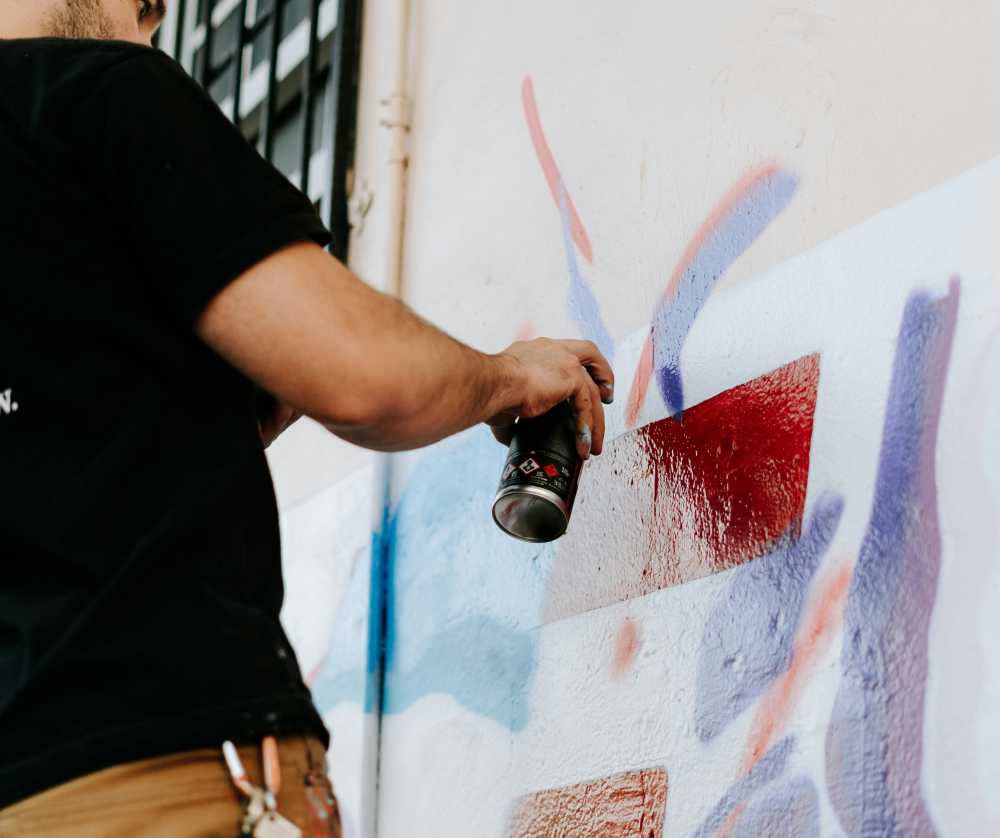
Wynwood Walls: While not a formal fair, this world-famous outdoor street art museum is an essential pilgrimage during Art Week. It’s completely free to view the incredible murals that cover the district, offering a raw and vibrant contrast to the polished booths of the main fair.
Design Miami/: Occurring concurrently just a stone's throw from the MBCC, this prestigious sister fair is dedicated to collectible design from the 20th and 21st centuries. It’s a must-see for anyone interested in the intersection of art, furniture, lighting, and objects d'art.
Pro-Tip: Don't try to be a hero and see everything in one day. Group your visits geographically. Dedicate one day to Miami Beach (MBCC, Untitled Art, Design Miami/) and another to the mainland neighborhoods like Wynwood and the Design District. This minimizes travel time and maximizes art time.

Hack 2: Conquer Transportation Like a Local
During Art Week, Miami’s already notorious traffic transforms into a city-wide parking lot. This isn't an exaggeration—with an economic impact of over $500 million, the event draws crowds on par with a Super Bowl, and it feels like every single attendee is in a car on the causeway next to you. Driving your own car is the single most stressful, time-consuming, and expensive mistake you can make.
Parking is not just difficult; it’s extremely limited and eye-wateringly expensive. To navigate the city like a pro, you must ditch the idea of driving.
Rideshares Are Non-Negotiable: Services like Uber and Lyft are your lifeline. While surge pricing will be in effect during peak hours, the cost is often still less than a parking garage, and it saves you the soul-crushing headache of navigating closed streets and full lots. Use the "schedule a ride" feature for early morning trips to beat the initial rush.
Leverage Public Transit: Miami-Dade's public transit system is a surprisingly effective and cost-efficient option. The elevated Metromover is free and circles the downtown area, connecting you to the Metrorail and bus routes that cross over to Miami Beach. It’s a great way to bypass the worst of the gridlock while getting a scenic view.
Book Parking in Advance (If You Must): If driving is your only option, do not leave it to chance. Use an app like SpotHero to reserve a parking spot weeks in advance. Be prepared to park a significant distance from the venue and use a rideshare or a long walk for the final leg of your journey.
Hack 3: Decode the Art Basel Miami Schedule—Public vs. Private Days
Understanding the rhythm of the Art Basel schedule is crucial. The fair is not open to the public for its entire duration, and showing up on the wrong day is a common and deflating rookie error. The opening days are reserved for the art world’s heaviest hitters.
Here is the official breakdown for the 2026 show:
Private Days (Invitation-Only): December 3rd – 4th, 2026. These first two days are the exclusive preview for serious collectors, museum curators, celebrities, and accredited media. Access is strictly by a VIP invitation from a participating gallery or Art Basel itself. This is when the majority of high-value sales are negotiated and finalized.
Public Days: December 5th – 7th, 2026. The fair opens its doors to the general public. The official hours are 11:00 AM to 6:00 PM.
While getting into the private viewings is tough without connections, it’s not impossible for aspiring collectors. The key is to build relationships with galleries you admire throughout the year. If you’re serious, inquire about access when you purchase work. For most visitors, the best strategy is to maximize the public days. Arrive shortly before the 11:00 AM opening time to get ahead of the intense afternoon crowds.

Hack 4: Network Smarter, Not Harder
Art Basel Miami is as much a networking event as it is an art exhibition. It’s where artists find gallery representation, collectors discover new talent, and creative professionals forge career-defining collaborations. However, simply handing out business cards in a crowded hall is about as effective as throwing them into the ocean. You need a targeted approach.
Do Your Homework: Before you arrive, study the exhibitor list. Identify the galleries that represent artists or styles that resonate with you. When you approach a gallerist, you can have a much more meaningful conversation if you can say, "I was so excited to see you were showing Artist's Name; I've been following their work since..."
Attend the Talks and Panels: The official Art Basel program is packed with fascinating talks and panel discussions. These are fantastic opportunities to learn directly from leading artists, curators, and critics. The Q&A sessions are a perfect, low-pressure environment to ask an intelligent question and make a memorable impression.
Use the Satellite Fairs: The atmosphere at satellite fairs is often more relaxed and accessible than at the MBCC. Gallerists and artists have more time and energy to engage in genuine conversation. This is where you can build real relationships that last beyond the week.
For many creative professionals, the sheer density of inspiration at Art Basel sparks a torrent of new business ideas. The challenge is turning that spark into a viable product. If you leave Miami buzzing with new concepts, the next step is to structure them for success. Our Digital Product Ideas Guide provides a complete framework for developing, launching, and monetizing your creative passion, helping you transform that art-world fire into a sustainable income stream.
Hack 5: Fuel Your Art Binge Strategically
Walking miles of concrete floors in convention centers and galleries is a marathon, not a sprint. If you don’t plan your food and hydration, you will burn out by day two, guaranteed. The food inside the convention center is notoriously overpriced and underwhelming. You need a better plan.
Book Dinner Reservations Yesterday: If you plan on dining at any of Miami’s top restaurants—especially in South Beach, Wynwood, or the Design District—you need to make reservations weeks, if not months, in advance.
Embrace High-Quality Casual Eats: For lunch, skip the long lines and high prices at sit-down restaurants. Miami has a phenomenal food truck scene, and many pop up near the major art hubs. This is a great way to grab a quick, delicious, and more affordable meal without losing an hour of your day.
Pack Your Own Survival Kit: Be your own hero. Pack a refillable water bottle (most venues have filling stations), a couple of protein bars, and a bag of almonds in your tote. Having snacks on hand will save you from paying $8 for a bottle of water and will keep your energy levels stable, preventing the dreaded "art fatigue" from setting in too early.
Pro-Tip: Many of the top-tier galleries host private cocktail receptions or breakfasts at their booths for their best clients. If you have an established relationship with a gallery, don't be shy about asking if they have any events planned. It’s a fantastic way to see the art and network in a much more civilized setting.
Hack 6: Prioritize Satellite Fairs for True Discovery
We mentioned this in Hack #1, but it’s so critical it deserves its own section. The satellite fairs are the lifeblood of Miami Art Week. While the main fair showcases the blue-chip, established titans of the art world, the satellite fairs are where you’ll find the raw, experimental, and often more exciting work from the next generation of art stars.
Making these fairs a priority will give you a more comprehensive and authentic view of the contemporary art landscape. You’ll see work you won’t find anywhere else and have the chance to buy original art from emerging artists before their prices skyrocket. Fairs like NADA (New Art Dealers Alliance) are renowned for their sharp focus on new talent and are a favorite among seasoned collectors looking for the next big thing. Don't just visit them if you have extra time; build your entire itinerary around them.

Hack 7: Plan Your Post-Basel Decompression
After several days of non-stop art, crowds, and social stimulation, you will experience a unique phenomenon known as "art fatigue." Your eyes will glaze over, and even a Picasso won't be able to hold your attention. It’s an inevitable part of the experience, but the pros know how to plan for it.
Schedule Deliberate Downtime: Do not book every single minute of your trip. Leave your final morning or afternoon completely open to do something unrelated to art. Go to the beach, sit by the hotel pool, or explore a quiet neighborhood like Coconut Grove. Let your brain breathe.
Book a Recovery Day: The ultimate pro-move is to add an extra day to your trip after the fairs close on December 7th. Let the art crowd fly home while you enjoy a quieter, more relaxed Miami. This day of decompression is crucial for processing the immense amount of visual information you’ve absorbed.
Stay Strategically: Consider booking your final night at a hotel slightly removed from the South Beach chaos. A calmer environment in a neighborhood like Coral Gables or Key Biscayne will help you recharge before heading home.
A successful trip isn't just about what you do during the event; it's about how you plan the entire journey. Creating a seamless travel experience, whether for a high-intensity week like Art Basel or a cross-country road trip, requires expert planning. For a comprehensive resource that covers every aspect of trip planning in the U.S., our Travel Guide is the ultimate tool for crafting perfect, stress-free itineraries.
Your Insider’s Guide to Conquering Art Basel
You are now armed with the strategies to transform your Art Basel Miami trip from an overwhelming ordeal into an unforgettable adventure. By looking beyond the convention center, mastering transportation, decoding the schedule, and networking with purpose, you can navigate the world’s most important art week with the ease and confidence of a veteran. Remember to fuel yourself properly, prioritize the satellite fairs for groundbreaking discoveries, and plan for some much-needed decompression.
With these seven insider hacks, your next Art Basel Miami experience will be defined by inspiration, connection, and discovery—not by stress and exhaustion. You are no longer just an attendee; you are an insider, ready to experience the very best the art world has to offer.
Meta Data Suggestions:
SEO Meta Title: Art Basel Miami: 7 Insider Hacks to Navigate Like a Pro
URL Slug: art-basel-miami-insider-hacks
SEO Meta Description: Conquer Art Basel Miami with 7 expert hacks. Learn to navigate satellite fairs, beat the traffic, and network smarter at the world's premier art event.
Don't Miss Out! Subscribe for Exclusive Content
SubscribeComments 0
No comments yet
Be the first to share your experience!
Dont Miss Out! Subscribe for Exclusive Content
San Francisco Cherry Blossoms: A Local's Guide to the Blooms
Halloween SF: Haunts Without Horrors
SF Festivals: 7 Must-See Lineups
Christmas SF: Lights & Wharf Wonders
SF Pride: 6 Route & Party Hacks
Chinese New Year SF: Parade Essentials
The Ultimate Guide to Travel Safety: A 2026 Playbook
TrekGuider @trekguider
Travel holds a mirror up to the world and shows us who we can be within it. It’s a force that pushes our boundaries, reshapes our perspectives, and fills the pages of our lives with stories we’ll tell for decades. Yet, for all the joy it promises, a shadow of uncertainty—the thought of what could go wrong—can temper the most thrilling plans. In a world defined by its unpredictability, feeling prepared is the currency that buys a truly carefree adventure. That’s why we’ve created this ultimate guide to travel safety. This isn’t a list of warnings to scare you; it's your definitive playbook for navigating the globe with unwavering confidence. We’ve synthesized advice from the world’s leading health organizations, security experts, and seasoned travelers to bring you the most essential travel safety tips for every stage of your journey.

Think of this as your central command. We will cover the full spectrum of travel safety—health and medical preparedness, personal and digital security, accommodation and transportation smarts, and even the specific risks tied to your favorite activities. For each topic, we provide a powerful, actionable overview right here. When you’re ready to master a specific area, we’ll point you directly to our deep-dive guides. Let’s get you prepared, so you can focus on what travel is truly about: the experience.
Health First: Your Foundation for a Safe Trip
Nothing can sideline a trip faster than an unexpected health issue. From a common stomach bug to a more serious injury, being medically unprepared can turn a dream vacation into a logistical and physical nightmare. The good news is that with smart preparation, you can preemptively solve the vast majority of health-related travel risks. It all boils down to two pillars: understanding the potential challenges of your destination and equipping yourself with the right tools to handle them.

This means more than just throwing a few bandages in your suitcase. It’s about proactive prevention—knowing what to eat, what to drink, and how to protect yourself from the elements. And it’s about reactive readiness—having a carefully stocked first-aid kit and a clear grasp of your health insurance. In this section, we'll lay the groundwork for a healthy journey, so you can spend less time worrying and more time exploring.
Food & Water Safety: The Golden Rules of Eating Well Abroad
One of travel’s greatest thrills is diving into the local cuisine. But new flavors can mean new microbes your body isn’t accustomed to. It’s no surprise that traveler’s diarrhea is, by a massive margin, the most common travel-related illness, affecting up to 80% of international travelers depending on the destination. As the Centers for Disease Control and Prevention (CDC) confirms, it's most often caused by consuming food or water contaminated with bacteria. Beyond that, more severe illnesses like Hepatitis A and Typhoid Fever remain significant risks in many regions.
The key to staying healthy is a simple, unforgettable mantra: “Boil it, cook it, peel it, or forget it.” This single rule can guide nearly all your culinary decisions.
Boil It: Applies to all water and liquids. The safest bet is always commercially bottled water with an intact seal. If that's unavailable, bringing water to a rolling boil for at least one full minute is the most effective purification method. Hot beverages like coffee and tea, made with boiled water, are also generally safe.
Cook It: Heat is your best friend. Only eat food that is cooked thoroughly and served steaming hot. This is especially crucial for street food; if you can watch it being cooked fresh to order, it’s a much safer choice than something that’s been sitting in a tray.
Peel It: Contaminants often reside on the skin of raw fruits and vegetables. If you can peel it yourself (with clean hands), it’s safe. This makes bananas, mangoes, oranges, and avocados your go-to snacks.
Forget It: This is the most critical part of the rule. If it doesn’t meet the criteria above, skip it. This means no tap water, no ice cubes, no salads or raw leafy greens, and no unpeeled fruits like grapes or berries.
When choosing where to eat, trust the locals. A busy stall with a long line of residents is a glowing review of its safety and quality. High turnover means fresh ingredients. Conversely, avoid stalls that look dirty, have visible pests, or where the vendor uses the same unwashed hands or utensils for both raw and cooked foods.
For a complete strategy on choosing safe food and purifying water, see our guide on Food & Water Safety Abroad: How to Avoid Getting Sick.
The Essential Travel First-Aid Kit
A well-stocked first-aid kit isn't just an accessory; it's a non-negotiable piece of gear. While you can buy pre-made versions, building your own allows you to tailor it perfectly to your trip. A truly comprehensive kit moves beyond basic bandages to address the most common travel ailments: minor wounds, pain, digestive issues, and skin irritations.
Wound & Burn Care: The foundation of your kit.
Antiseptic wipes to clean wounds and hands.
Antibiotic ointment to prevent infection.
Assorted adhesive bandages, larger gauze pads, and medical tape.
Blister treatment pads (like moleskin) are a must for any walking-heavy trip.
Aloe vera gel for minor sunburns.
Pain, Fever & Sprains:
Pain relievers like Ibuprofen (Advil/Motrin) and Acetaminophen (Tylenol).
An elastic wrap bandage for joint support.
Digestive Issues: Since traveler’s diarrhea is the #1 travel illness, this section is vital.
Anti-diarrhea medication like Loperamide. Imodium is a top pharmacist-recommended brand.
Antacids for indigestion.
Oral rehydration salts to replenish critical fluids and electrolytes.
Allergies, Bites & Skin:
Antihistamine for allergic reactions.
Hydrocortisone cream for insect bites and rashes.
Insect repellent with DEET or Picaridin is essential for destinations with mosquito-borne diseases.
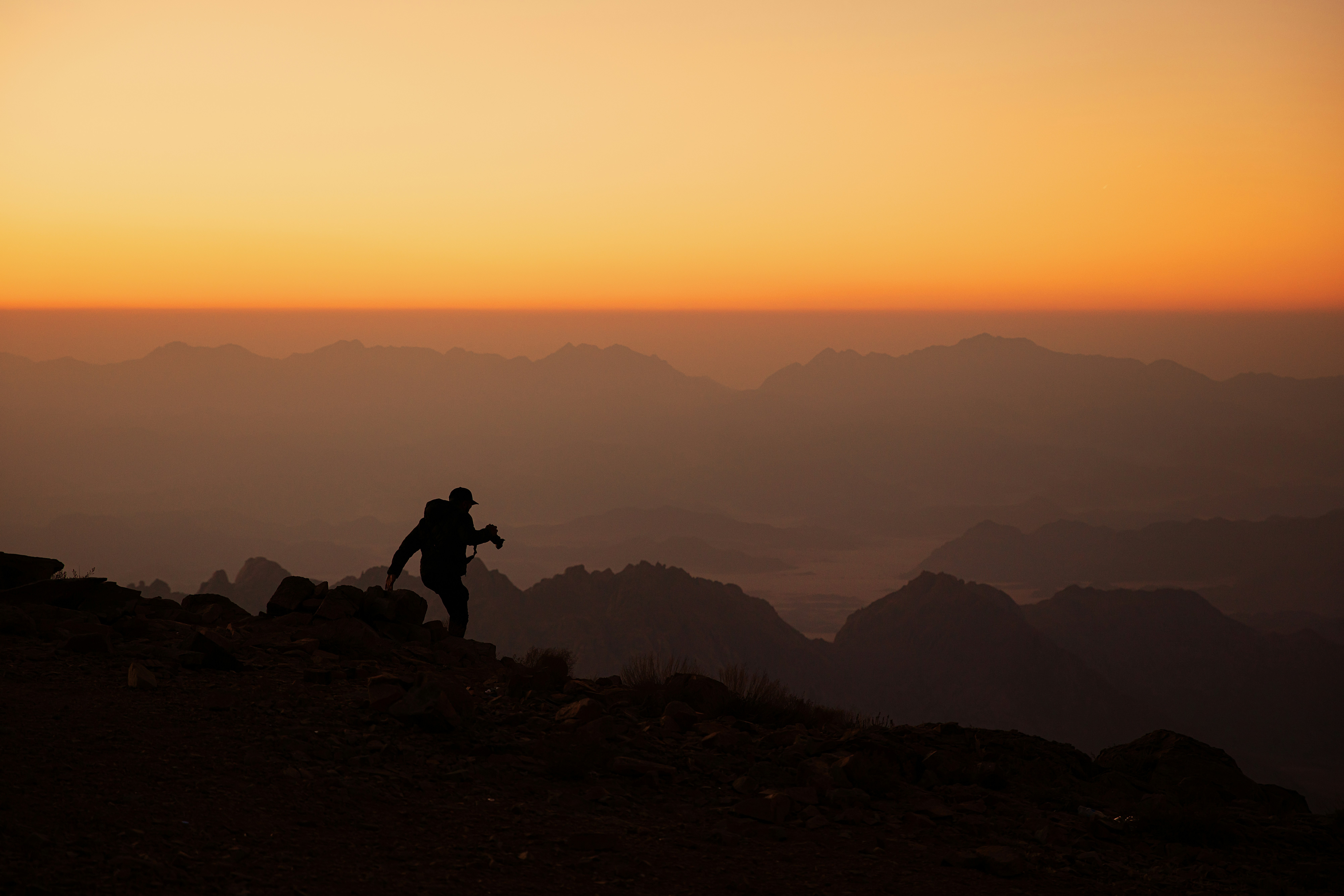
Finally, add the tools: fine-point tweezers, small scissors, and a digital thermometer. Most importantly, pack a sufficient supply of any personal prescription medications in their original containers, plus extra for delays. Before you leave, make sure it's all organized and you've double-checked every item against our International Travel Checklist.
Get the full, pharmacist-approved list in The Ultimate Travel First Aid Kit Checklist (2026).
Personal Security: Navigating the World with Confidence
Beyond health, personal security is often the biggest source of travel anxiety. The thought of scams, theft, or cultural misunderstandings can be intimidating, especially for first-time or solo travelers. But personal safety isn’t about paranoia; it’s about presence. It’s a mindset built on situational awareness, confident decision-making, and an informed understanding of your environment.
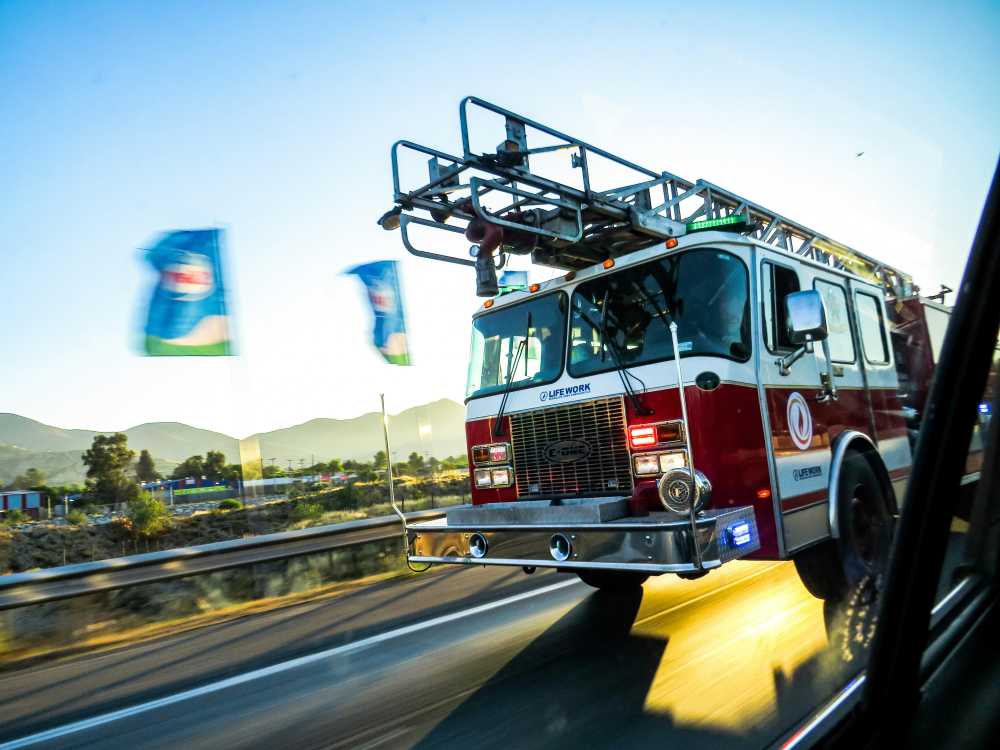
By knowing the common challenges and arming yourself with simple, proven strategies, you shift from being a potential target to being a savvy, hard-to-fool traveler. This section will give you those tools, covering everything from outsmarting common tourist scams to specific, empowering advice for solo and female travelers.
How to Avoid the Top 10 Travel Scams
Travel scams persist for a simple reason: they exploit human nature. Scammers are masters of distraction, confusion, and a traveler's own politeness or desire for a deal. Your best defense is to know their script before the show starts. From the "broken taxi meter" to the "friendship bracelet" gambit, recognizing the setup is the key to sidestepping the con entirely. In most cases, a firm, polite "No, thank you" while confidently walking away is your most effective tool.
Learn to spot and disengage from every common con in our detailed breakdown: How to Avoid Travel Scams: A Global Guide.
Essential Tips for Solo Travelers
The currency of safe solo travel is confidence. It’s a mindset, a posture, and a projection that transforms you from a potential target into a savvy, self-assured traveler. This journey begins at home, by researching your destination’s culture and learning a few phrases in the local language. When you arrive, walk with purpose. If you need to check a map, step into a café to orient yourself discreetly. Above all, trust your intuition; that gut feeling is a powerful, primitive security system. If a person or situation feels wrong, it is. Don't hesitate to remove yourself immediately.
For gender-neutral advice on navigation, confidence-building, and socializing safely, read 11 Essential Solo Travel Safety Tips You Need to Know.
A Woman's Guide to Safe Travel
While many safety principles are universal, women often navigate an additional layer of gender-specific risks and cultural nuances. Safe and empowered travel as a woman is rooted in preparation. A critical aspect is respecting and understanding local dress codes. In many cultures, dressing modestly by covering shoulders and knees isn't just a sign of respect—it’s a powerful tool that helps you blend in and deter unwanted attention. It’s equally vital to research norms around social interaction. Beyond your own research, one of the best resources is other women who have been there before. On the TrekGuider platform, you can explore our Catalog of Authors to discover and follow trusted female travel creators, accessing their expert guides and articles all in one place.

For a deeper dive into empowerment, cultural respect, and navigating harassment, see A Woman's Guide to Safe Travel: 10 Critical Tips.
Safe Spaces: Accommodation & Transportation Security
Your safety isn't just about how you navigate crowded streets; it's also about ensuring your private spaces—your hotel room, your train cabin, your taxi—are secure sanctuaries. Every transition point on a journey, from checking into a hotel to hailing a ride, is a moment where a quick, deliberate safety check can provide immense peace of mind.
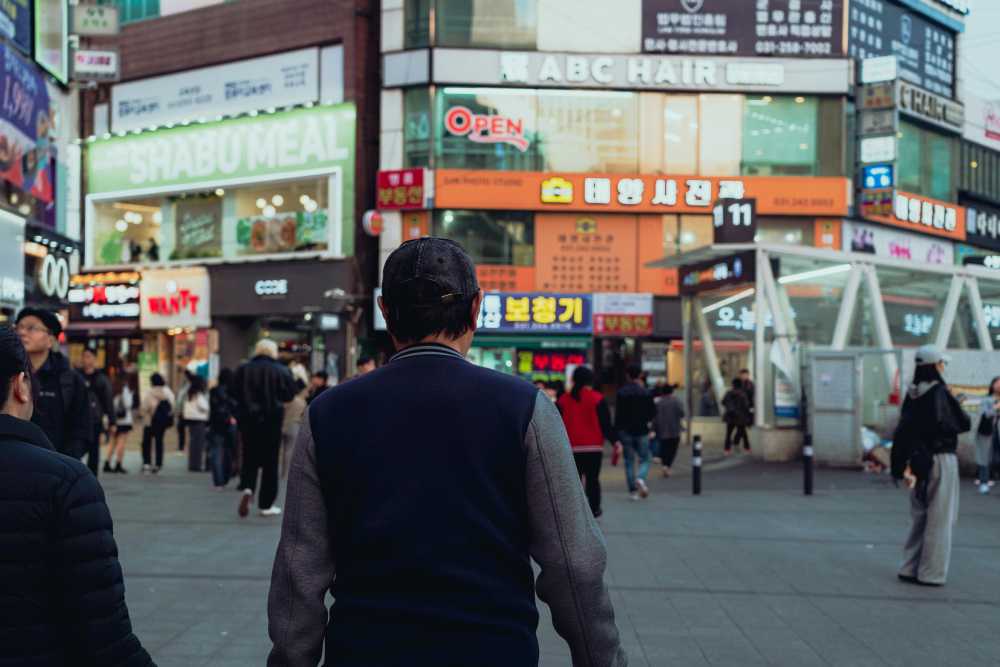
A few simple, repeatable habits can drastically reduce your vulnerability. These aren't complicated procedures; they are the smart, swift routines that become second nature to seasoned travelers.
Your Hotel Room Security Checklist
The moment you cross the threshold of a new hotel room, perform this 60-second security sweep. First, prop the door open with your luggage and do a quick visual clear of the room—behind curtains, under the bed, in the closet, and shower. Once clear, close the door and test every single lock: the deadbolt, the security chain, the latch. They should all feel solid and function smoothly.
Next, find the emergency evacuation map on the back of the door. Don't just glance at it. Identify the two nearest exits and physically count the doors between your room and the closest one. This knowledge is invaluable if you ever need to navigate a dark or smoke-filled hallway. Check that the room phone works, and ensure all windows and connecting doors lock securely. For your valuables, use the room safe. If one isn't available, avoid obvious hiding spots. Taping an envelope with cash to the underside of a heavy desk or the back of a drawer is far more secure than leaving it in your suitcase.
Find a complete, step-by-step process in our guide: 7 Hotel Safety & Security Tips for Peace of Mind.
Transportation Safety: Planes, Trains, and Automobiles
Getting from A to B safely is about protecting both yourself and your belongings while in transit. Each mode of transport has its own playbook.
In the Airport: The TSA recommends using TSA-recognized locks on checked baggage, which allows security to inspect a bag without destroying the lock. The golden rule: never pack valuables in your checked luggage. Electronics, medications, documents, and jewelry belong in your carry-on. Make your bag instantly identifiable with a colorful strap to prevent mix-ups at the carousel.
On Trains: On an overnight journey, secure your main bag to a fixed object like a luggage rack with a small cable lock. Keep your absolute essentials—passport, phone, wallet—on your person in a money belt or in a small bag you can use as a pillow. In a private or shared cabin, always lock the door from the inside at night.
In Taxis & Ride-Shares: Before getting in, verify. For a ride-share, match the license plate, car model, and driver's photo with your app. Ask the driver, “Who are you here for?” so they confirm your name. Don't volunteer it. Once moving, use the app’s “Share Trip” feature to send your live location to a trusted contact.

For a mode-by-mode breakdown of best practices, read our Transportation Safety: Staying Safe on Planes & Trains guide.
Digital Defenses: Protecting Your Data Abroad
In our hyper-connected world, travel safety extends far beyond the physical. Your digital identity is one of your most valuable assets, and it's never more vulnerable than when you're on the road, connecting to unfamiliar networks. Public WiFi, shared computers, and even public USB charging ports can be gateways for data thieves.
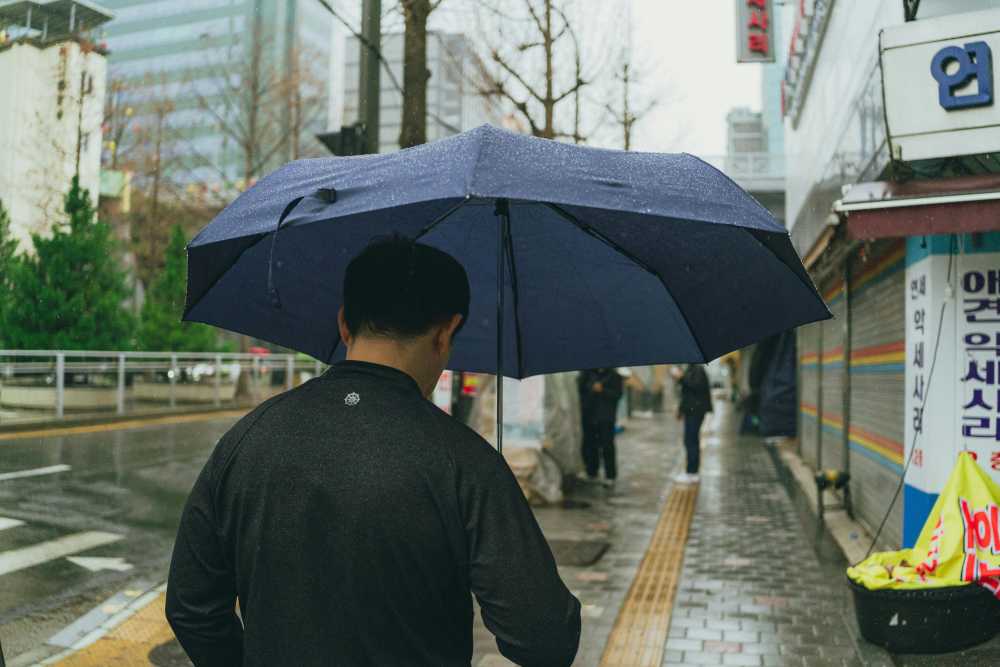
Hackers specifically target travelers, but you don’t need to be a cybersecurity expert to defend yourself. A few fundamental habits and one essential tool can build a powerful fortress around your digital life.
The Dangers of Public WiFi and How to Stay Safe
Public WiFi is a minefield. These networks are the primary hunting ground for "Man-in-the-Middle" attacks. A hacker simply sets up a fake WiFi network with a believable name, like "CoffeeShop Guest WiFi." The moment you connect, they become an invisible eavesdropper, capturing every password, credit card number, and private message you send.
Your single most effective defense is a Virtual Private Network (VPN). A VPN is a simple app that encrypts your internet connection, creating a secure, private tunnel that makes your data completely unreadable to anyone else on the network. Before you travel, subscribe to a reputable VPN service and install the app on your phone and laptop. Then, every time you use public WiFi, just open the app and tap “Connect.” It’s that simple. Also, practice good device hygiene: lock your devices with strong passphrases and avoid public USB charging ports, which can be used for "juice jacking" to install malware. Always use your own power adapter or a portable power bank.
Get our simple, step-by-step instructions in Is Public WiFi Safe? How to Protect Your Data Abroad.
Adventure-Ready: Activity-Specific Safety
Many of the best trips are built around specific adventures—trekking through mountains or relaxing on a perfect beach. While these experiences create lifelong memories, they carry unique risks that demand specific preparation. General safety knowledge is a great start, but understanding the particular challenges of your environment is what truly prepares you for a safe and successful adventure.

From packing the right gear for the wilderness to knowing how to spot a dangerous rip current, this specialized knowledge can make all the difference.
Hiking Safety: Be Prepared on the Trail
Heading into the great outdoors requires a commitment to self-sufficiency. The National Park Service promotes the "10 Essentials," a system of critical gear every hiker must carry. This includes Navigation (map, compass), Illumination (headlamp), Sun Protection, a First-Aid Kit, Tools, Fire starters, extra Insulation (clothing), extra Nutrition, extra Hydration, and an Emergency Shelter. If you're looking for expert-vetted packing lists or detailed trail guides for your next adventure, the TrekGuider Marketplace is an invaluable resource where seasoned hikers and outdoor creators share their knowledge. Beyond gear, wildlife safety is key. Never run from a bear. Instead, make noise and make yourself look large. For mountain lions, maintain eye contact and back away slowly.

For a full gear list and wildlife protocols, check out How to Stay Safe While Hiking: A Hiker's Safety Guide.
Beach Safety: Know Before You Go
A day at the beach can feel idyllic, but the ocean demands constant respect. The most critical skill is spotting a rip current. According to NOAA, look for a channel of choppy water, a break in the wave pattern, or a line of foam moving away from shore. If you're caught in one, don't fight it. Swim parallel to the shore until you're free of the current's pull. Also, always heed the beach warning flag system. A yellow flag signifies moderate surf/currents, while a red flag means high hazard, and swimming is discouraged. The absence of flags doesn't guarantee safety, so always be vigilant.

For more on rip currents, sun safety, and marine life, read our 9 Beach Safety Tips That Could Save Your Life.
Financial Protection: The Safety Net of Travel Insurance
Even the best-laid plans can be upended. A canceled flight, lost luggage, or a sudden medical emergency can be financially devastating in a foreign country. Travel insurance is your ultimate financial safety net. However, policies are filled with fine print that can confuse even savvy travelers.
Understanding what you’re buying is as important as buying it. Knowing the key terms and common red flags ensures your policy will be there for you when it matters most. Before finalizing any travel plans, make sure you're covered with both a good insurance policy and a solid plan using our International Travel Checklist.
Demystifying Travel Insurance
Choosing the right policy means looking for common red flags. The pre-existing medical conditions exclusion is a big one; many policies won't cover issues from a condition you had before purchase. Another is the exclusion for high-risk activities; if you plan to ski or scuba dive, you likely need an add-on.
It’s also crucial to understand key terms. The deductible is what you pay out-of-pocket before the insurer pays. Primary coverage is better than secondary coverage because it pays first, resulting in faster claims. For ultimate flexibility, a “Cancel for Any Reason” (CFAR) upgrade lets you cancel for any reason not covered in the base policy and still recoup 50-80% of your non-refundable costs. A small investment in the right policy—and our all-encompassing Travel Guide—can save you a fortune.
Learn to decode policy jargon and spot bad deals with our guide on 7 Travel Insurance Red Flags to Spot Before You Buy.
Travel with Confidence
The world is a magnificent, welcoming place, and the goal of travel is to experience it with an open heart. Being prepared isn't about building walls of fear; it's about building a foundation of knowledge that gives you the freedom to embrace the unexpected with confidence. By internalizing these travel safety tips, you invest in your own peace of mind, ensuring your focus remains on the beauty, connection, and growth that every journey offers. From packing a smart first-aid kit to recognizing a scam, each act of preparation contributes to a safer, more rewarding adventure. So go—plan the trip, book the ticket, and step out into the world. You’ve got this.

Are you a travel expert with hard-won knowledge to share? If this guide resonated with you, and you have your own expertise in a specific destination or travel style, consider becoming a creator on TrekGuider. Our Publishing Platform and Monetization Tools empower travel bloggers and experts like you to build authority, share your wisdom, and sell your own digital products to a community that values authentic, on-the-ground knowledge.
Don't Miss Out! Subscribe for Exclusive Content
SubscribeComments 0
No comments yet
Be the first to share your experience!
Dont Miss Out! Subscribe for Exclusive Content
Ultimate USA Holidays Guide: Top Picks
FTC Affiliate Disclosure Essentials: Stay Compliant as a Travel Creator

Essential Affiliate Tools: From Tracking to Full Optimization
Booking.com Affiliate Program Review: Pros, Cons, and Earnings Potential
Decoding Affiliate Commission Rates: Benchmarks for Travel Creators
