
Essential Affiliate Tools: From Tracking to Full Optimization

TrekGuider @trekguider
You’re a creator, not an administrator. Yet, you find yourself drowning in a sea of administrative tasks. You’re manually copying and pasting ugly, mile-long affiliate links, toggling between a dozen different program dashboards to check your stats, and spending more time wrestling with spreadsheets than you do creating the travel content you love. Your affiliate "business" feels less like a streamlined operation and more like a chaotic, time-sucking hobby that isn't paying the bills.
This inefficiency is more than just frustrating—it's a silent killer of your income. Every hour you spend on manual, repetitive tasks is an hour you’re not creating the next piece of content that could generate revenue for years to come. You're flying blind, guessing which strategies are working, unable to see which links are converting, and which pages are actually profitable. The reported average income of $13,847 a month for travel affiliates feels like a distant fantasy when you’re stuck in this administrative quicksand.

This guide is your way out. It is your curated, creator-friendly tech stack—a definitive list of the essential affiliate marketing tools that will automate the tedious, provide crystal-clear data, and free you up to focus on growth. We’ll cover the entire workflow, from foundational link management and tracking to the advanced tools needed for full-scale optimization. This is how you transform your passion project into a professional, efficient, and profitable business. For a complete command of the entire affiliate landscape, our definitive pillar page, Travel Affiliate Programs: The 2026 Ultimate Guide, is your essential command center for mastering the entire ecosystem.
The Foundational Layer: Your Operational Command Center
Before you can optimize, you must organize. This first set of tools forms the non-negotiable foundation of any serious affiliate marketing business. They are your central nervous system for managing links, ensuring compliance, and tracking performance from a single source of truth.
Link Management Plugins (The Digital Quartermaster)
If you run your travel blog on WordPress, a link management plugin is the single most important tool you will install. These plugins take the long, ugly, and intimidating affiliate links provided by programs and "cloak" them into short, clean, branded URLs that are far more trustworthy to your audience.
Think of it as your command center. Instead of embarking on a digital scavenger hunt through year-old posts to update a single expired link, you change it once in a central dashboard, and the plugin deploys that change site-wide instantly. This functionality alone will save you hundreds of hours over the life of your business. Furthermore, a link like yourblog.com/recommends/osprey-backpack is infinitely more professional and trustworthy to a reader than a long URL filled with random tracking parameters, directly impacting your click-through rates.

Top Tools in This Category:
Recommended: Travel Creator Toolkit: 34 Essential Apps and Resources
Recommended: Digital Product Ideas: How to Make Money From Your Next Trip
ThirstyAffiliates: A powerhouse plugin built specifically for affiliate marketers. It offers advanced features like autolinking (automatically turning specific keywords into affiliate links), proactive link checking to find broken links, and detailed click analytics.
Pretty Links: A slightly simpler but highly effective alternative. It excels at link cloaking, redirection, and providing basic click-tracking reports right from your WordPress dashboard.
Pro-Tip: The best link management plugins, like ThirstyAffiliates, can automatically add the required rel="sponsored" tag to all of your affiliate links. This is a critical feature that ensures you stay compliant with Google's guidelines for paid links, protecting your site from potential SEO penalties without you having to think about it.
Affiliate Tracking Tools (Your Source of Truth)
"What gets measured gets managed." To grow your affiliate income, you need a crystal-clear understanding of what’s working. While many creators start by manually checking each affiliate network’s dashboard, a dedicated approach to tracking provides a more holistic, actionable view.
For most creators, your affiliate tracking tools will be a combination of your link management plugin’s analytics and the dashboards provided by your affiliate networks (like CJ Affiliate or Travelpayouts). These platforms show you crucial metrics like clicks, conversions, and commission earnings.
However, as your business matures, you'll want to track performance across different income models. For example, the TrekGuider Seller Platform includes a dedicated referral dashboard. This is a specialized tracking tool that shows you not just one-time sales, but the ongoing, passive income you’re earning from the new sellers you’ve brought to the platform. It’s a perfect example of how a modern platform provides the built-in affiliate tracking tools you need to monitor more sophisticated, high-margin income streams like revenue sharing.
The Growth Engine: Traffic & SEO Tools
With your operational house in order, the focus must pivot from organization to acquisition. A perfectly managed link is useless without a steady stream of the right people clicking on it. This is where your growth engine comes in—the tools designed to attract your ideal audience with precision.
SEO & Keyword Research Platforms
The most profitable affiliate content is created with intention. It targets keywords that signal a user is actively researching a purchase (e.g., "best carry-on luggage review"). SEO platforms are your treasure map for finding these "money" keywords and building a content strategy that attracts buyers, not just browsers.

These platforms are indispensable for:
Finding Profitable Keywords: Uncover what your audience is searching for, how many people are searching for it, and how difficult it will be to rank on Google.
Analyze the Competition: See exactly which keywords your competitors are ranking for and which pages are bringing them the most traffic.
Track Your Performance: Monitor your rankings for your target keywords over time to see what’s working and where you need to improve.
Top Tools in This Category:
Ahrefs: A comprehensive, professional-grade SEO toolkit. Its "Keywords Explorer" is second to none for finding high-value commercial investigation keywords, and its "Site Explorer" provides deep insights into any competitor's strategy.
SEMrush: Another all-in-one industry leader that offers a powerful suite of tools for keyword research, rank tracking, and competitive analysis.
Pro-Tip: Don't confine your keyword strategy to your blog. With video projected to account for a staggering 55% of all affiliate traffic by 2026, the same commercial-intent keywords you find for your articles are the exact titles you should be using for your YouTube videos and TikToks.
Analytics Platforms
While SEO tools help you get traffic, a web analytics platform tells you what that traffic does once it arrives. It’s essential for understanding your audience, diagnosing problems, and optimizing their journey from reader to buyer.
The Must-Have Tool:
Google Analytics: The free, industry-standard tool for website analytics. It's an incredibly powerful platform that provides all the data you need to understand user behavior, track conversions, and identify your top traffic sources, allowing you to double down on what works.
The Conversion Toolkit: Optimization & Social Media Tools
Attracting traffic is only half the battle. The final, crucial step is converting that traffic into clicks and commissions. This set of tools is designed to streamline your workflow and optimize your content for maximum impact.
"Link in Bio" Tools (For Social Dominance)
Platforms like Instagram and TikTok are powerful for audience building, but they famously limit your ability to use clickable links. A "link in bio" tool solves this by creating a simple, mobile-friendly landing page that can house all of your most important affiliate links, blog posts, and offers.

Top Tools in This Category:
Linktree: The most well-known tool in this space, offering a simple and effective way to create a micro-landing page for your social media bio.
Later: While primarily a social media scheduling tool, Later’s "Link in Bio" feature is excellent, allowing you to create a clickable grid of your Instagram posts, driving traffic directly to relevant blog posts and affiliate offers.
The Amazon Workflow Accelerator
For nearly every travel creator, Amazon Associates is a core part of their affiliate strategy. However, creating links for individual products can be a slow, manual process.
The Must-Have Tool:
Amazon SiteStripe: This is a free, official toolbar from Amazon that appears at the top of your browser whenever you’re on Amazon.com. It allows you to generate a custom affiliate link (text, image, or both) for any product page with a single click, dramatically speeding up your content creation workflow.
Your Strategy Blueprint: The Travel Creator's Toolkit
Feeling overwhelmed by the options? A powerful tech stack is only as good as the strategy behind it. To help you organize your entire affiliate marketing plan—from keyword research to content creation and promotion—we've created the ultimate resource bundle. It’s packed with the checklists, templates, and guides you need to build a professional and profitable system.
Download Your Free Bundle: The Travel Creator's Toolkit Today!
Frequently Asked Questions (FAQ)
1. Do I really need all these tools when I'm just starting out? When you're starting, focus on the foundation. A WordPress site with a link management plugin (like Pretty Links) and Google Analytics is your essential starting stack. This is a low-cost setup that allows you to organize your links and track your traffic from day one. You can invest in a premium SEO tool like Ahrefs once your site is generating enough revenue to justify the cost.
2. Are there any good free affiliate marketing tools? Absolutely. Google Analytics is free and non-negotiable. Amazon SiteStripe is also free. For keyword research, you can start with free tools like Google Keyword Planner or the free versions of various SEO tools, though they are more limited. The free versions of "link in bio" tools like Linktree are also perfectly sufficient for most creators.
3. How do these tools help with tracking beyond just clicks? Advanced tracking involves connecting data points. For instance, by using UTM parameters (which you can add manually or with some plugins), you can see in Google Analytics not just that someone came from your blog, but that they came from the specific button in your review of the Osprey backpack. This level of detail is what allows you to A/B test different calls-to-action and truly optimize your pages for conversion.
Conclusion: From Hobbyist to CEO
The difference between a creator earning a few dollars a month and one earning a full-time income often comes down to their systems. Top earners don't waste time on manual, low-value tasks. They leverage technology to work smarter, not harder. They treat their content not as a hobby, but as a business.

You now have a curated list of the best affiliate marketing tools to build your own professional tech stack. Start with the foundation: a link management plugin to organize and track your links. Then, layer in SEO and analytics tools to build a predictable stream of traffic. Finally, use optimization and workflow tools to convert that traffic with maximum efficiency.
These affiliate tracking tools and optimization platforms are not an expense; they are an investment in your own efficiency, professionalism, and profitability. By implementing this toolkit, you take a definitive step away from being a hobbyist and become the CEO of your own thriving travel content business.
Meta Data Suggestions:
SEO Meta Title (58 characters): 9 Essential Affiliate Marketing Tools for Travel Creators
URL Slug: essential-affiliate-marketing-tools
SEO Meta Description (154 characters): Discover the top affiliate marketing tools for travel creators. From link tracking to SEO, this guide covers the essential tech stack to automate and grow your income.
Read the full guide: The Travel Blogger's Playbook to Affiliate Marketing Mastery
Don't Miss Out! Subscribe for Exclusive Content
Subscribe



Comments 0
No comments yet
Be the first to share your experience!
Dont Miss Out! Subscribe for Exclusive Content

Ultimate USA Holidays Guide: Top Picks


FTC Affiliate Disclosure: Stay Compliant as a Travel Creator

Avoid These 5 Affiliate Landing Page Mistakes for Better Conversions

Affiliate Keyword Research Mastery for Travel Blogs

Booking.com Affiliate Review: Pros, Cons & Earnings

Decoding Affiliate Commission Rates: Benchmarks for Travel Creators
Jazz Fest: Ultimate Lineup Planner
TrekGuider @trekguider
The New Orleans Jazz & Heritage Festival is a titan of American culture, a sprawling, soulful celebration that transforms the Fair Grounds Race Course into the center of the musical universe. But with that iconic status comes an overwhelming challenge: with a dozen stages, hundreds of artists, and a menu of Louisiana’s finest cuisine that could take a lifetime to explore, how do you possibly see and taste it all? You’ve spent months dreaming of this, only to be handed a schedule so dense it feels impossible to crack.
Imagine the sinking feeling of hearing the distant roar of the crowd for a legend’s set while you’re stuck on the opposite side of the infield. You spend your day battling a sea of people, crisscrossing the grounds under a hot sun, only to miss the first three songs of a band you were dying to see. The fear of missing out becomes a tangible stress, turning a dream trip into a frantic race against the clock. Without a rock-solid strategy, you risk experiencing only a fraction of what this incredible event offers, leaving with a nagging regret over the missed bands and uneaten crawfish bread.
Forget the festival FOMO. This is your playbook for conquering the controlled chaos of the Fair Grounds, turning a dizzying schedule into a masterclass of music, food, and soul. We will break down everything you need to build a flawless plan, navigate the grounds like a local, and balance the world-class music with the equally legendary food. This is the ultimate lineup planner for Jazz Fest New Orleans, designed to ensure your time is spent soaking in the magic, not getting stuck in the mud.

Before You Go: Pre-Festival Prep for the Savvy Planner
A masterful Jazz Fest experience begins long before you step through the gates. The sheer scale of the event, which roars to life from April 24 to early May, demands a thoughtful approach. Smart preparation is the secret that separates the overwhelmed amateur from the festival pro who glides effortlessly from stage to stage. This is your foundational work, where you turn the festival’s massive schedule from an intimidating document into a personalized roadmap. As one of the crown jewels we celebrate in our definitive guide to New Orleans Holidays: Cultural Feasts, Jazz Fest is a cultural pilgrimage that richly rewards those who arrive with a plan.
Decoding the "Cubes": Your First Step to Lineup Mastery
In the lexicon of Jazz Fest veterans, the daily performance schedules are simply "the cubes." This grid-style layout is your bible, detailing who is playing where and when. Your first mission is to become fluent in its language.
Download the Official App: Weeks before the festival, the official New Orleans Jazz & Heritage Festival app becomes the most important app on your phone. Download it the moment it’s released. This digital tool contains the full "cubes," an interactive map, vendor lists, and, most critically, the ability to build your own personalized schedule.
Study the Grounds: Before you start picking artists, spend time with the festival map. Get a feel for the locations of the major stages—like the Festival Stage and the Gentilly Stage where headliners hold court—and the more intimate tents, such as the legendary Gospel Tent, the Blues Tent, and the Jazz Tent. Understanding the physical distance between stages is the key to realistic planning.
Star Your Favorites: Go through the lineup day by day and start "starring" or "favoriting" every single act that piques your interest. Don't hold back; this is your master list of possibilities. This year’s lineup already boasts a staggering collection of headliners like Pearl Jam, Dave Matthews Band, Luke Combs, and Lil Wayne & The Roots, so your list of must-sees will fill up fast.
Assembling Your Tiers: From "Must-See" to "Happy Accident"
With your initial list of favorited artists, it's time to get strategic. Set times will inevitably clash. The key is to prioritize ruthlessly.
Tier 1: The Non-Negotiables: Identify the 3-4 artists each day that you absolutely, positively cannot miss. These are your anchors, the pillars around which the rest of your day will be built.
Tier 2: The High-Interest Acts: These are the performers you’d be thrilled to see. If their set times and locations work conveniently around your Tier 1 picks, you’ll make every effort to be there.
Tier 3: The Serendipity List: This is your list for discovery. It’s filled with intriguing local brass bands, up-and-coming songwriters, or genres you’re curious about. These are the acts you’ll check out when you have a gap in your schedule. The true magic of Jazz Fest often lies in stumbling upon an incredible performance you never planned to see.

Essential Gear for a Full Day at the Fair Grounds
The festival is a marathon, not a sprint. It runs from 11 AM to 7 PM daily and proceeds "rain or shine," so you need to be prepared for anything a Louisiana spring day can throw at you.
Sun Protection: A wide-brimmed hat, sweatproof sunscreen, and sunglasses are non-negotiable. Shade is a precious and rare commodity.
Footwear: You will walk miles on uneven terrain that can turn to mud in an instant. Comfortable, broken-in, waterproof boots are your best bet.
Rain Gear: A lightweight poncho is a must. A classic New Orleans downpour can appear out of nowhere, and a simple poncho can save your day.
Hydration: Bring an empty reusable water bottle. Free water stations are located throughout the grounds, and staying hydrated is critical.
A Small Blanket or Chair: A small, foldable festival chair or a compact blanket gives you a home base at a stage and a chance to get off your feet. Always check the official festival website for the latest rules on chair sizes.
Navigating the Stages: A Pro's Guide to the Jazz Fest New Orleans Landscape
Once you’re on the grounds, a new challenge emerges: moving efficiently through a temporary city of music lovers. The space is vast, the crowds are thick, and every minute spent fighting a human traffic jam is a minute of music lost. Mastering the art of movement is what separates the pros from the rookies.

The Art of Stage Hopping: The Perimeter Strategy
The single most effective technique for navigating between stages is to avoid the center. The natural instinct is to cut directly through the middle of the crowd, but this is almost always the slowest and most frustrating path.
Instead, adopt the perimeter strategy. When you need to move, walk to the outer edge of the crowd and use the less-congested pathways along the racetrack, food vendor areas, and craft marketplaces. It may look like a longer route on the map, but you will move significantly faster. This method is your secret weapon for making it from the Gospel Tent to the Gentilly Stage in record time.
Understanding the Vibe of Each Major Stage Area
While the lineup is diverse everywhere, different stages at Jazz Fest New Orleans cultivate their own unique atmospheres. Knowing these vibes helps you plan not just your schedule, but your energy.
The Main Stages (Festival Stage & Gentilly Stage): These are the epicenters for the big-name headliners. Expect massive crowds, high energy, and a classic large-scale concert feel. If you want to be close, you need to camp out hours in advance.
The Tents (Gospel, Blues, Jazz): The tents offer a more intimate and often more intense musical experience. The Gospel Tent is legendary for its powerful, soul-stirring performances. The Blues and Jazz tents are where you’ll find virtuoso musicians in a focused, respectful listening environment. They also provide crucial shade.
The Cultural Stages (Fais Do-Do, Jazz & Heritage): These stages are the heart of the festival's "heritage" mission, showcasing the rich sounds of Louisiana, from Cajun and Zydeco to Mardi Gras Indians. The vibe here is pure, joyful, and deeply authentic.
Pro-Tip: Use the official festival app to set alerts for your must-see artists 15 minutes before their set time. This gives you a travel-time buffer to move from one stage to another using the perimeter strategy without feeling rushed.
More Than Music: Planning Your Culinary and Cultural Itinerary
To treat Jazz Fest as only a music festival is to miss half the point. It is, without exaggeration, one of the greatest food festivals on the planet. Furthermore, the craft areas showcase the incredible artistry of the region. A truly ultimate lineup plan integrates these cultural pillars into your day.

The "Food Fest" Within the Jazz Fest: Don't Miss These Bites
The food booths at Jazz Fest are a headline attraction. Planning your meals is just as important as planning your music.
Eat at Off-Peak Times: The food lines are longest between noon and 2 PM. Plan to eat an early lunch right when the gates open or a later one after 3 PM to minimize your wait.
Divide and Conquer: If you’re with a group, send one person for drinks while others wait in different food lines for Crawfish Monica, Mango Freeze, or Alligator Sausage. Reconvene and share your haul to sample more of the legends.
The vibrant colors of the food, the elaborate costumes, and the soulful expressions of the musicians are all begging to be photographed. To make your festival shots pop, download our Free Travel Lightroom Presets. They are expertly designed to enhance the unique light and color palette of a New Orleans celebration.
Exploring the Heritage Crafts: A Mid-Day Music Break
Jazz Fest features three distinct craft marketplaces: Congo Square African Marketplace, Contemporary Crafts, and the Louisiana Marketplace. When the sun is at its peak or you have a gap between sets, take a leisurely stroll through these areas. It’s a perfect way to rest your ears, cool down, and find a unique, handmade souvenir that truly represents the soul of the festival.
Advanced Strategies for the Ultimate Jazz Fest New Orleans Experience
You’ve prepped, you’ve planned, and you know how to navigate. Now it’s time for the pro-level strategies that will elevate your experience from great to unforgettable.
The "Rain or Shine" Reality: How to Prepare for Louisiana Weather
The festival’s "rain or shine" policy is serious. While stages may temporarily close for lightning, the event continues.
Protect Your Gear: Bring a waterproof bag or Ziploc bags for your phone and wallet. A wet phone can quickly ruin a day.
Embrace the Mud: If it rains, the Fair Grounds will become muddy. This is where your choice of waterproof footwear pays off. Lean into it.
Post-Rain Strategy: After a storm, the covered tents will be packed. This is a great time to head to an outdoor stage, as many people will be slow to leave the shelter, giving you a chance to get a better spot.

The Zero-Waste Warrior: Participating in Festival Sustainability
Jazz Fest is a massive event, and you can play a role in reducing its environmental impact. Look for the festival’s oyster shell recycling program, a fantastic initiative that helps rebuild coastal reefs. Use the designated recycling and compost bins, and always opt for refilling your water bottle over buying single-use plastic.
Pro-Tip: The last set of the day creates a massive exit rush. Consider leaving 15-20 minutes before the final song of the headliner you're watching to beat the crowds heading for the shuttles. That small head start can save you an hour of waiting in line.
Planning a trip to Jazz Fest is often the centerpiece of a larger New Orleans adventure. To make the most of your entire visit, from the French Quarter to the Garden District, our comprehensive Travel Guide provides expert-led itineraries and local secrets to help you build the perfect trip.

Your Blueprint for Jazz Fest Success
You are now armed with a complete strategic blueprint to not just attend the New Orleans Jazz & Heritage Festival, but to truly conquer it. By decoding the cubes, prioritizing your artist list, and mastering the perimeter strategy, you’ve eliminated the guesswork. By integrating the world-class food and crafts into your plan, you’ve ensured a rich experience that captures the true spirit of this cultural institution. You are ready to move with purpose, eat with gusto, and immerse yourself in the unparalleled soundscape of the incredible Jazz Fest New Orleans.
Meta Data Suggestions:
SEO Meta Title: Jazz Fest New Orleans: The Ultimate Lineup & Stage Planner
URL Slug: /jazz-fest-new-orleans-lineup-planner
SEO Meta Description: Conquer Jazz Fest 2026 with our ultimate planner. Get pro tips on navigating stages, scheduling artists like Pearl Jam, and finding the best food.
Don't Miss Out! Subscribe for Exclusive Content
SubscribeComments 0
No comments yet
Be the first to share your experience!
Dont Miss Out! Subscribe for Exclusive Content

San Francisco Cherry Blossoms: A Local's Guide to the Blooms

Halloween SF: Haunts Without Horrors

SF Festivals: 7 Must-See Lineups

Christmas SF: Lights & Wharf Wonders

SF Pride: 6 Route & Party Hacks

Chinese New Year SF: Parade Essentials
Family Travel Ideas: The 2026 Guide to Unforgettable Trips
TrekGuider @trekguider
The moment you start searching for family travel ideas, you're hit with a wave of conflicting emotions. There's the thrill of anticipation—picturing shared laughter on a sunny beach or wide-eyed wonder at an ancient monument. But close behind comes a dose of apprehension, fueled by the logistical puzzles, financial considerations, and the simple challenge of keeping everyone happy. This guide is crafted to navigate that complexity, offering a clear, practical plan for your journey. Our core philosophy is that travel is far more than a simple break from routine; it is one of the most powerful investments you can make in your family’s development and shared story.
This is no longer a niche belief—it's a full-blown movement. Families across America are making travel a priority like never before, and multigenerational trips (grandparents, aunts, uncles, the whole crew) are more common than ever. More families are choosing shared experiences over more stuff, and that shift is changing how we think about vacations.
This is your complete guide, created from the collective wisdom of the verified travel creators on the TrekGuider platform. It moves beyond simple lists to offer a deeper analysis of what makes certain family travel ideas successful. We will explore the tangible benefits of travel for child development, provide a system for identifying your family’s unique travel style, and present a detailed breakdown of over 50 destinations and concepts. Every recommendation is backed by practical, on-the-ground intelligence to help you make confident decisions. This is your roadmap to transforming the anxiety of planning into the excitement of a well-executed and truly enriching adventure.

Why Travel is a Powerful Investment in Your Family's Future
The benefits of family travel go way beyond fun (though there's plenty of that, too). When kids encounter new places—unfamiliar foods, different languages, unexpected challenges—their brains light up. They're building problem-solving skills, flexibility, and creativity in ways no classroom can replicate.

The benefits of this enrichment are quantifiable and profoundly impactful:
Cognitive and Educational Development: Kids learn better by doing. Reading about the Roman Empire is one thing—standing inside the Colosseum is something else entirely. Research consistently shows that children who travel perform better academically, and it makes sense: real-world experience gives abstract concepts a meaning that sticks. Travel doesn't just teach facts. It sparks curiosity.
The Happiness Dividend and Psychological Well-being: This one's no surprise to anyone who's taken a good trip: travelers are happier. Studies consistently link regular travel with lower stress and higher life satisfaction. For families, the effect is even stronger—stepping out of your daily grind together creates a shared reset that lifts everyone's mood for weeks after you get home.
The Implicit Curriculum: Acquisition of Essential Life Skills: Travel teaches life skills in a way nothing else can. Figuring out a subway system in a foreign city? That's problem-solving. Ordering food when you don't speak the language? That's courage. These moments build resilience, empathy, and a quiet confidence your kids will carry long after the trip is over.
Strengthening of Familial Bonds and Cohesion: Let's be real: at home, most families run on parallel tracks—school, work, activities, screens. Everyone's in the same house but rarely in the same moment. Travel changes that. When you're exploring a new place together, you're actually together. Solving problems, sharing discoveries, laughing at things that go sideways. Those are the moments that turn a family from a group of people who live together into a team with a shared story.
What's Your Family's Travel Style? A Framework for Finding Your Perfect Trip
One of the most common missteps in vacation planning is selecting family travel ideas that are misaligned with the family's intrinsic preferences, needs, and travel confidence. A strategic approach requires an initial diagnostic phase to identify a family’s unique "travel DNA." This alignment is a primary determinant of a successful and restorative travel experience. This framework will help you filter through countless options to find your perfect trip.

The Relaxation-Oriented Traveler (All-Inclusive Profile): If your idea of paradise is having someone else handle every detail, this is your category. The ideal vacation involves a single destination where accommodations, dining, and activities are centralized and readily available. This model is particularly well-suited for families with very young children, whose needs for routine and predictability are high, as well as for multigenerational groups, where accommodating a wide range of physical abilities and interests matters most. Suitable options include all-inclusive resorts, self-contained resort communities such as Myrtle Beach, and family-oriented cruises.
The Cultural Explorer (Enrichment-Focused Profile): This profile is motivated by the pursuit of knowledge and cultural immersion. The travel experience is viewed as an educational opportunity, with a focus on historical sites, museums, and authentic local experiences. This style is highly effective for families with inquisitive school-aged children and adolescents who are capable of engaging with more complex historical and cultural narratives. Prime destinations include the historic centers of Washington D.C., the archaeological wonders of Rome, and the culturally rich urban landscapes of cities like London.
The Outdoor Adventurer (Activity-Focused Profile): This group finds rejuvenation and connection through engagement with the natural world. The emphasis is on physical activity, scenic beauty, and a departure from technologically saturated environments. Accommodations and amenities are secondary to the quality of the outdoor experience. This profile is ideal for active families with children aged seven and older who possess the requisite physical stamina and interest in activities such as hiking, kayaking, and wildlife observation. Premier destinations include the majestic national parks of the United States like Yellowstone and Zion, the biodiverse ecosystems of Costa Rica, and the dramatic alpine scenery of Switzerland.
The Short-Duration Traveler (Weekend Excursionist Profile): Characterized by a mastery of the short-term getaway, this profile excels at maximizing a limited timeframe. These trips, typically two to four days in length, are logistically simpler and serve as a powerful tool for regular rejuvenation without the extensive planning required for longer journeys. This highly flexible style is suitable for virtually any family, offering an accessible means to punctuate routines with novel experiences. Destinations typically include regional cities, state parks with cabin rentals, or themed hotels within a reasonable driving radius.
A World of Family Travel Ideas: The Definitive Directory for Every Traveler
Now let's get to the good stuff. Here are our top family travel ideas, organized by travel style—with honest, real-world recommendations from the TrekGuider creator community.
For First-Time Family Travelers and Relaxation Seekers
These destinations are excellent family travel ideas selected for their strong infrastructure, high level of safety, and abundance of amenities that minimize logistical friction.
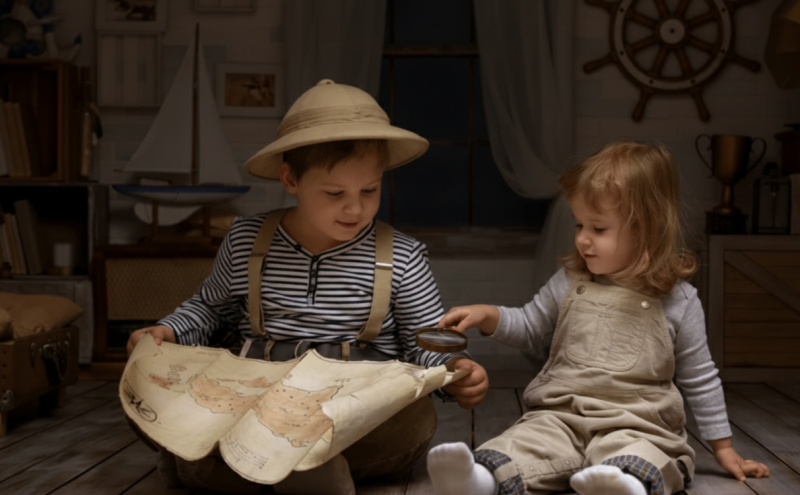
The All-Inclusive Resort Escape
The all-inclusive model is the gold standard for families seeking to minimize decision-making and maximize relaxation. It’s a self-contained world where meals, activities, and entertainment are handled, leaving you free to focus on connection. This is particularly effective for families with toddlers or those coordinating multigenerational groups, as the contained environment provides safety and predictability. The secret to a successful trip lies in selecting a resort that genuinely caters to families, offering high-quality kids' clubs, varied dining options that please picky eaters, and pools designed for all ages. The best resorts become more than just a place to stay; they are the destination itself, a bubble of ease where the only question is "beach or pool?"
For a deeper dive into making the right choice, explore our guide: Choosing an All-Inclusive Family Resort? Read This First
The California Coastal Retreat
California’s coastline offers a uniquely American version of the beach holiday, blending laid-back surf culture with world-class attractions. A destination like San Diego provides an almost perfect equilibrium; you can spend the morning building sandcastles in the gentle surf of La Jolla and the afternoon exploring the incredible San Diego Zoo or the museums of Balboa Park. This variety is key, allowing families to pivot based on mood and energy levels. The accessibility of a domestic destination combined with the sheer diversity of experiences—from the iconic piers of Southern California to the dramatic cliffs of the north—makes it an ideal choice for a first major family trip. It’s familiar enough to be comfortable, yet diverse enough to feel like a true escape.
To plan your perfect Pacific getaway, see our expert analysis: CA Family Beach Vacations: A Pro's Planning Guide
The Hawaiian Archipelago Adventure
A trip to Hawaii feels like an international escape without needing a passport. Each island possesses a distinct personality, allowing families to tailor their experience. Maui offers a resort-focused, activity-rich environment perfect for first-timers, while Kauai provides a more rugged, nature-centric adventure. The true advantage of Hawaii is its ability to deliver both profound relaxation and genuine adventure. You can spend days in a state of blissful inertia by a resort pool or go on waterfall hikes, snorkel with sea turtles, and immerse yourselves in the rich Polynesian culture. This duality makes it an exceptional choice for families with a mix of ages and interests, ensuring that both the thrill-seekers and the relaxation-seekers find their version of paradise.
Navigate the islands like a seasoned pro with our detailed guide: How to Plan a Stress-Free Hawaii Family Trip
For Adventure Enthusiasts and Outdoor Lovers
These locations are chosen for their exceptional natural beauty and provide immersive, activity-based family travel ideas.

The Quintessential National Park Journey
A visit to one of the United States' national parks is more than a vacation; it's an immersion into a living classroom of geology, biology, and history. Parks like Yellowstone offer a dramatic, almost surreal landscape of geothermal wonders, where the predictability of Old Faithful provides a thrilling anchor to a day of searching for bison and bears. Zion, with its towering sandstone cliffs, offers accessible hikes like the Pa'rus Trail for little legs and more challenging treks for teens. The real advantage of a national park trip is its ability to disconnect the family from technology and reconnect them with each other and the natural world. The shared experience of witnessing a breathtaking vista or spotting a wild animal for the first time creates a powerful, lasting memory.
Discover the best parks for your crew with our curated list: 4 Unforgettable National Park Family Travel Ideas
For Curious Minds and History Buffs
These family travel ideas transform a vacation into an immersive educational journey.

An Educational Tour of Europe's Capitals
For families with school-aged children and teenagers, a trip to Europe can be a powerful educational catalyst. In cities like Rome, history is not confined to a museum; it is the very fabric of the city. Standing in the Colosseum or walking through the Roman Forum provides a tangible connection to the past that a textbook simply cannot replicate. London offers a journey through royal history and world-class museums, while Paris presents a living gallery of art and architecture. The key to a successful European family trip is to balance the monumental sites with experiences that appeal to younger travelers—think gelato breaks in Italy, a Seine River cruise in Paris, or enjoying the street performers in London's Covent Garden. Our Italy Travel Guide or United Kingdom Travel Guide are indispensable resources for this.
For a strategic overview of the continent's most family-friendly hubs, read: Top 7 Family Vacation Destinations in Europe (For All Ages)
For Road Trip Champions and Scenic Route Seekers
For these travelers, the journey itself is one of the most significant family travel ideas.

The Great American Road Trip: Midwest Edition
While coastal routes often get the spotlight, a road trip through the American heartland offers a journey of authentic discovery. The Great River Road, which follows the Mississippi through ten states, is less a single highway and more a narrative of America's growth and culture. You'll trade crowded tourist hubs for charming small towns, quirky roadside attractions, and a slower, more deliberate pace of travel. This type of trip excels at revealing the unexpected and teaching kids that adventure isn't always about the most famous landmarks. It’s about the journey itself, fostering patience, curiosity, and an appreciation for the diverse landscapes and stories that make up the country.
Find a route that will genuinely impress your children in our guide: A Midwest Family Road Trip That Actually Wows Kids
The Pacific Coast Highway, California
This iconic route is one of the world's most renowned scenic drives for a reason. The journey along Highway 1, particularly through the Big Sur region, offers consistently dramatic coastal landscapes that can captivate even the most screen-addicted teenager. The real advantage here is the sheer density of potential stops. You can break up the driving with hikes in redwood forests, visits to charming towns like Carmel-by-the-Sea, or stops at countless vista points to watch for whales or sea otters. The key to success is not to rush. Build in ample time for spontaneous exploration; the best memories are often made at an unplanned stop at a hidden beach or a local pie shop. To ensure you don't miss a thing, download our free Big Sur Map & Itinerary before you go.
Master the logistics of life on the road with our comprehensive system: The Sanity-Saving System for Your Next Family Road Trip.
For Families with Young Children
Toddler-Friendly Adventures
Traveling with toddlers is less about the destination and more about the pace and amenities. The most successful trips for this age group prioritize routine and minimize disruption. This could mean a beach rental with a full kitchen to maintain meal schedules, a resort with a zero-entry pool perfect for splashing, or a city destination with excellent parks and playgrounds. The goal is to create a "home base" that feels safe and comfortable, from which you can take short, low-stress excursions. Forget ambitious, multi-stop itineraries; success is measured in happy naps, easy meal times, and the simple joy of watching your little one experience something new, even if it's just the feeling of sand between their toes for the first time.
Discover destinations and strategies designed for the 0-3 crowd in our guide: Best Family Vacations 4 Ideas That Are Fun With a Toddler.
For Avoiding the Masses
Uncrowded, Unforgettable Destinations
With overtourism on the rise, the greatest luxury can be finding a slice of paradise to call your own. This requires looking beyond the obvious choices. Instead of the crowded beaches of the Caribbean, consider the quiet coastal towns of Portugal. Instead of a bustling national park in peak season, explore a state park with similar beauty and a fraction of the visitors. The reward for venturing off the beaten path is a more authentic and often more relaxing experience. These trips are for families who value serenity and discovery over ticking off a checklist of famous sights. It's an opportunity to connect with a place—and each other—on a deeper level, away from the queues and the crowds. Our Portugal Travel Guide can be a great starting point.
Explore hidden gems and alternative destinations here: Skip the Crowds 8 Amazing Family Vacation Destinations.
For Holiday Magic
Low-Stress Holiday Getaways
The holidays are meant to be a time of connection, but they often devolve into a whirlwind of stress and obligations. A holiday getaway can be a powerful way to reclaim that time for your family. The key is to choose a destination that simplifies, rather than complicates, the holiday experience. This could be a cozy cabin in the mountains where the focus is on fireside games and snowy walks, or a warm-weather escape where the festive season is celebrated with a different kind of cheer. The goal is to trade the pressure of hosting and gift-giving for the shared experience of being together somewhere special, creating new traditions that are about presence, not presents.
Find inspiration for a truly memorable holiday season in our guide: 9 Family Travel Ideas for a Magical, Low-Stress Holiday.
The Family Travel Playbook: A Step-by-Step Guide to Flawless Execution
Once you've settled on your core family travel ideas, a successful trip is the result of methodical preparation. The difference between a journey that feels effortless and one that feels like a series of logistical hurdles often comes down to the quality of the planning system. A truly great plan doesn’t just outline an itinerary; it anticipates challenges, streamlines processes, and creates a framework that allows for flexibility and spontaneity. It transforms the overwhelming task of coordinating flights, accommodations, activities, and budgets for multiple people into a manageable, even enjoyable, process. This kind of planning is what experienced family travelers know, allowing them to remain present and focused on making memories rather than managing crises.

For a comprehensive framework to guide you from initial idea to wheels-up, explore our deep dive into the mechanics of effective trip coordination: How to Make Family Travel Planning Actually Easy.
Strategic Budgeting for Your Family Vacation
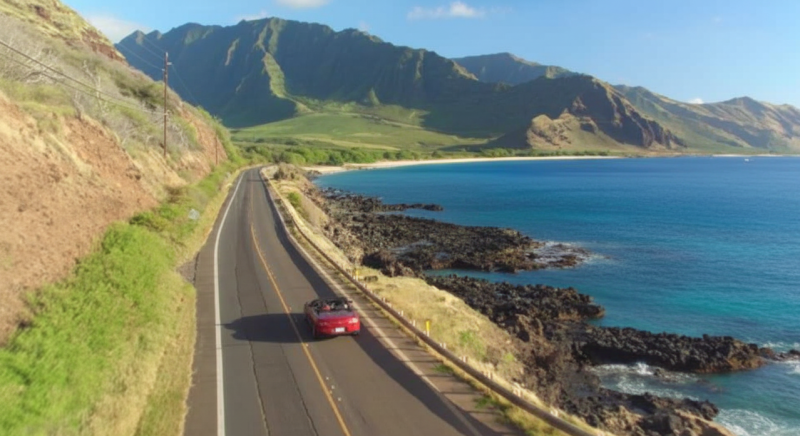
An effective budget is not a limitation but a decision-making tool that liberates you from financial stress during your trip. Viewing your budget as a practical plan rather than a set of restrictions is a critical mindset shift. It allows you to prioritize what truly matters to your family—be it unique experiences, comfortable accommodations, or culinary adventures—and allocate resources accordingly. The process begins with a clear-eyed assessment of total costs, moving beyond the obvious ticket items of flights and hotels to carefully account for the often-overlooked extra fees like baggage fees, resort fees, daily parking, and foreign transaction fees. By adopting a structured model, such as the 50/30/20 framework (50% for fixed costs, 30% for experiences, 20% for ancillary/contingency), you create clarity and control. This proactive financial management, supported by tools like Google Flights for price tracking and expense-sharing apps like Splitwise for group travel, transforms the budget from a source of anxiety into an instrument of empowerment, ensuring your focus remains on the experience, not the expenditure.
For a deep dive into stretching your travel funds without sacrificing the quality of your experience, consult our specialized guide: The Best Family Vacations on a Budget.
Keeping Your Family Safe on the Road
Ensuring your family's safety on the road goes far beyond simply packing a first-aid kit. A truly professional approach to travel safety is about proactive risk mitigation and establishing protocols that become second nature. It begins before you even leave home, with digital security measures like using a VPN on public Wi-Fi to protect your data. Upon arrival at any high-traffic venue, the first step should be to establish a clear, static contingency meeting point. A brilliant and simple field tactic is the "Morning Photo" protocol: taking a quick, current photo of each child every morning. In the unlikely event of a separation, this gives authorities an exact, immediate visual reference, which is infinitely more reliable than a parent's panicked description. These are not about cultivating fear, but about building a quiet confidence that you have systems in place to handle the unexpected, allowing your family to explore freely and with peace of mind.
For a guide focused on safety for independent travelers that has principles applicable to everyone, see our: Solo Female Travel Safety Guide.
Packing Smart: How to Travel Light With Kids
A methodical packing strategy is one of the highest leverage activities you can undertake to reduce travel-day stress. The goal is to transform the chaotic process of outfitting a family into a streamlined, logical operation. The key element of this system is modular packing, using color-coded packing cubes to compartmentalize each family member's belongings. This turns a suitcase into a mobile dresser, eliminating the need to excavate the entire bag for one small item. Another critical tactic is the "First Night" accessibility bag—a single, easily reachable bag containing pajamas, toiletries, and medications for everyone. After a long day of travel, this simple preparation prevents the exhausting task of unpacking multiple suitcases just to get to bed. Your carry-on should be treated as a mobile command center, containing not just entertainment, but a full change of clothes for everyone and a surplus of snacks—a mission-critical toolkit for mitigating the inevitable delays and challenges of modern travel. When you’re ready to start organizing, our free Ultimate International Travel Checklist is the perfect tool.
For a masterclass on efficiency, download our free guide: How to Pack Light Guide.
And for the unique challenges of air travel, our Stress-Free Flying with Kids Guide provides a complete playbook.
Navigating the Unexpected: A Proactive Guide to Common Travel Challenges
Even carefully planned trips can encounter unforeseen difficulties. The key to successful travel is not the absence of problems, but the capacity to respond to them effectively.
Addressing Behavioral Issues in Public Settings: Public tantrums, particularly with toddlers, are a common source of parental stress. The most effective strategy is to de-escalate rather than engage in a public conflict. This involves calmly removing the child from the stimulating environment to a quieter location (a hallway, an empty room). Once in a neutral space, the focus should be on acknowledging the child's emotional state ("I understand you are feeling frustrated") before attempting to redirect their attention with a comforting object or snack.
Managing Disinterest During Educational Activities: School-aged children may exhibit boredom during activities perceived as passive, such as historical tours or scenic drives. Mitigate this by assigning the child an active role or responsibility. Designating them as the official "trip photographer," "navigator" (with a map), or "documentarian" can transform them from a passive observer into an active participant. Gamification, such as creating a scavenger hunt for specific items or architectural features, is also a highly effective engagement technique.
Mitigating the Effects of Jet Lag: Jet lag is real, especially with kids. The best weapons against it are simple: sunlight and water. Get outside as soon as you arrive, drink plenty of fluids, and keep that first day low-key. Don't try to cram in sightseeing right off the plane—give everyone's body clock a chance to catch up.
Travel Through the Ages: Tailoring Experiences for Each Developmental Stage
The optimal family travel ideas are highly dependent on the developmental stage of the children involved. A one-size-fits-all approach is often ineffective.
Lessons from the Road: Insights from Experienced Family Travelers
After talking to hundreds of families who travel regularly, a few patterns keep coming up:
Start small, then go bigger: The families who take amazing international trips didn't start there. They started with a weekend road trip. Then a week at the beach. Then maybe a flight to another state. Each trip builds your family's travel confidence and teaches you what works (and what doesn't). You don't need to book a two-week European tour for your first outing—build up to it.
Make a money plan and stick to it: Many families execute ambitious, long-term journeys on a pre-determined and comparatively modest budget. This is typically achieved through a multi-year period of disciplined saving, intensive research into cost-effective destinations, and rigorous expense tracking during the trip. This demonstrates that extensive travel is not exclusively the domain of the wealthy but is accessible through strategic financial planning and prioritization. A major travel objective can be deconstructed into a series of achievable financial goals. For a deeper look at this approach, explore The Best Family Vacations on a Budget guide.
The TrekGuider Philosophy: Connecting Travelers with Authentic Expertise
There's no shortage of travel advice online. The problem is finding advice you can actually trust. Generic lists and AI-generated itineraries miss the details that make a trip truly special—the restaurant only locals know about, the viewpoint that isn't on Google Maps, the trick to skipping the line.
TrekGuider was built on a simple idea: the best travel advice comes from people who've actually been there. Our platform is a curated marketplace designed to bridge the gap between passionate, on-the-ground travel creators and discerning travelers seeking genuine experiences.
For Travelers: We provide a single, reliable destination to discover and acquire high-quality digital travel products—from detailed itineraries like our Japan Travel Guide and interactive maps like our Best NYC Photo Spots Map to comprehensive guides—created by a vetted community of expert bloggers and content creators. When you purchase a product on TrekGuider, you are not just buying a file; you are accessing a creator's hard-won expertise and directly supporting their ability to continue their passion for exploration.
For Creators: We offer a seamless, powerful platform to monetize their expertise and connect directly with an engaged audience. By handling the complexities of e-commerce and marketing, we empower creators to focus on what they do best: creating exceptional, valuable content. We even provide resources like the Travel Creator's Toolkit to help them succeed.
That's the TrekGuider model in a nutshell: great creators make great guides, and great guides make great trips.
Frequently Asked Questions (FAQ)
Q: How do you handle different sleep schedules when everyone's sharing one hotel room?
A: This common logistical challenge can be addressed through several methods. The use of a white noise generator or a smartphone application can create an auditory buffer. A visual separation can be created by strategically arranging furniture or luggage. For families with infants, a suite with a separate living area is the ideal solution, but a large bathroom or walk-in closet can often serve as a temporary, dark, and quiet sleeping space for a travel crib.
Q: How do you balance learning activities with just having fun?
A: A successful strategy is to alternate activity types. For example, pair a morning museum visit with an afternoon at a park or swimming pool. Granting children agency in selecting the recreational activities often increases their cooperation and engagement during the more structured, educational portions of the itinerary.
Q: How do you get a reluctant teenager excited about a family trip?
A: The key psychological driver for this age group is autonomy. Granting the teenager significant control over a portion of the trip—such as the responsibility for planning one full day's itinerary, including activities and dining—can foster a sense of ownership and investment. In some circumstances, allowing them to invite a friend can also transform their perspective on the trip.
Your Next Adventure Awaits: Putting Your Plan into Action
We hope this guide gives you the confidence to stop overthinking and start planning. The perfect family trip doesn't exist—but a really great one does, and it's closer than you think. Things will go sideways (they always do). But a family that can laugh through a missed flight or a rainy beach day? That's a family that knows how to travel.
The best souvenir from any trip isn't something you buy in a gift shop—it's the story your family tells for years afterward. That's what TrekGuider is here for: helping you make those stories happen. Our creator-built guides turn the inspiration from this article into a detailed, step-by-step plan. Whether you're planning your first domestic trip using our guide on How to Plan a US Family Vacation That Actually Happens or a grand tour with tips from our Travel Guide, we are here to provide the tools. Your next adventure is waiting. Go make some memories.
Don't Miss Out! Subscribe for Exclusive Content
SubscribeComments 0
No comments yet
Be the first to share your experience!
Dont Miss Out! Subscribe for Exclusive Content
Ultimate USA Holidays Guide: Top Picks
FTC Affiliate Disclosure: Stay Compliant as a Travel Creator

Essential Affiliate Tools: From Tracking to Full Optimization
Booking.com Affiliate Review: Pros, Cons & Earnings
Decoding Affiliate Commission Rates: Benchmarks for Travel Creators

Top 11 High-Paying Affiliate Programs for Travel Bloggers
The Minimalist Solo Travel Packing List: A Complete Guide
TrekGuider @trekguider
You’ve seen the photo a hundred times: a solo traveler, backpack slung casually over one shoulder, gazing out at a breathtaking vista with a look of pure, unburdened freedom. That’s the dream. But then you look at your own open, empty suitcase, and a wave of anxiety hits. The "what ifs" start piling up. What if it rains? What if I get invited to a fancy dinner? What if I need more options? Before you know it, you’re wrestling with a monstrously heavy bag, convinced you need to pack for every conceivable scenario. This isn't just an inconvenience; for a solo traveler who has no one to help them, an overpacked bag is a physical burden, a financial drain in baggage fees, and a security risk that screams "tourist." It is the very anchor that weighs down the freedom you seek.

This guide is your liberation. It’s the tactical blueprint for adopting a minimalist mindset and the definitive solo female travel packing list you need to execute it with absolute confidence. We will systematically replace the anxiety of "what if" with the certainty of "I have what I need." By packing smarter, not fuller, you’ll unlock the mobility, savings, and peace of mind that define a truly life-changing solo adventure. This isn't just about what to pack; it's about reclaiming the freedom you deserve. For a complete overview of every stage of your journey, be sure to start with our comprehensive pillar guide, The Ultimate Guide to Solo Female Travel (15 Essential Tips).
The Freedom Philosophy: Why Less is Radically More for Solo Travelers
Adopting a minimalist packing ethos isn’t about deprivation; it’s a strategic choice that unlocks four key freedoms essential to the solo travel experience.
Freedom of Mobility: Navigating a bustling train station in Tokyo, climbing the winding cobblestone streets of Lisbon, or hopping on a last-minute ferry to a Greek island becomes effortless with a single, lightweight bag. You are nimble, agile, and free to say "yes" to spontaneous adventures without being weighed down.
Freedom from Fees: In an era where budget airlines charge for everything, checking a bag can add hundreds of dollars to your trip cost. Traveling carry-on only eliminates these fees entirely, putting that money back where it belongs: into your experience fund for things like a cooking class in Florence or a guided hike in Patagonia.
Freedom in Security: A large, checked bag is out of your control for hours, vulnerable to loss, damage, or theft. A carry-on stays with you, dramatically reducing your risk profile. Furthermore, a traveler with a single, manageable bag is less conspicuous and presents a less appealing target than someone struggling with multiple, bulky pieces of luggage.
Freedom of Mind: The fewer items you have, the fewer you have to track, manage, and worry about. A minimalist wardrobe simplifies your daily decisions, reduces clutter in your hotel room, and frees up mental energy to focus on what truly matters: being present and soaking in your surroundings.
The Core of Your Minimalist Solo Female Travel Packing List
The secret to a successful minimalist wardrobe is not about having less; it’s about making sure every single item does more. This means building a small, curated collection of high-quality, versatile pieces that can be mixed, matched, and layered to create multiple outfits for different occasions and climates. This is the art of the capsule wardrobe.

Clothing: The Art of the 10-Day Carry-On Capsule
This checklist is designed to fit into a standard 40-liter carry-on bag for a 10-day trip to a destination with a temperate climate (think European cities in spring or autumn). The core principle is to pack for one week and plan to do laundry once.
Tops (5):
2 neutral-colored t-shirts (merino wool or a high-quality blend is ideal)
2 versatile tank tops or blouses that can be dressed up or down
1 long-sleeve shirt for layering or sun protection
Layers (2):
1 comfortable sweater or cardigan in a neutral color
1 light, weather-resistant jacket (a packable rain shell or a classic denim jacket)
Bottoms (3):
1 pair of dark, comfortable travel pants or jeans (wear these on the plane to save space)
1 pair of versatile trousers, a skirt, or shorts (depending on the destination)
1 pair of leggings (perfect for sleeping, layering under pants for warmth, or lounging)
One-Piece Outfit (1):
1 simple, wrinkle-resistant dress or jumpsuit that can be worn casually with sneakers or dressed up with a scarf and flats.
Undergarments & Sleepwear:
5-7 pairs of underwear (quick-drying fabric is a game-changer)
3 pairs of socks (at least one pair of wool socks for warmth and comfort)
2 bras (one regular, one sports bra or bralette)
1 set of pajamas or comfortable sleepwear
Footwear (Maximum 3 pairs):
Comfortable Walking Shoes: A pair of stylish but supportive sneakers. This is your most important item. Wear them on the plane.
Versatile Flats or Sandals: A pair that can be dressed up for a nice dinner but are still comfortable enough to walk in.
Utility Shoes: A pair of flip-flops (essential for hostels and beaches) or waterproof boots, depending on your itinerary.
Pro-Tip: The combination of rolling your clothes tightly and using packing cubes is the single most effective space-saving technique. Packing cubes not only compress your clothing but also keep your bag impeccably organized, so you're not tearing everything apart to find one pair of socks.
The Champions of Versatility: 5 Items You Can't Live Without
Within your capsule wardrobe, a few key items will do the heaviest lifting. Investing in these five pieces will form the indestructible core of your minimalist packing list.
A Merino Wool T-Shirt: This isn't just a t-shirt; it's a piece of high-performance gear. Merino wool is a natural fiber that is thermo-regulating (keeps you cool when it's hot, warm when it's cold), moisture-wicking, and, most importantly, antimicrobial. This means it resists odor and can be worn multiple times between washes, allowing you to pack far fewer tops.
A Large, High-Quality Scarf or Sarong: This is the Swiss Army knife of a travel wardrobe. It can be a stylish accessory, a wrap for a chilly airplane, a head covering for entering religious sites, a makeshift picnic blanket, or even a privacy curtain in a hostel dorm.
A Simple Black Dress (in a wrinkle-resistant fabric): Choose a dress in a fabric like jersey or tencel. It can be paired with sneakers for a day of sightseeing and then instantly transformed for a nice dinner with the addition of flats and your versatile scarf. It’s a complete outfit in one lightweight piece.
Dark, Comfortable, Multi-Purpose Pants: A single pair of well-fitting, dark-colored pants can anchor your entire travel wardrobe. Whether they are high-tech travel pants, comfortable dark-wash jeans, or polished black trousers, they should be able to transition seamlessly from a day of exploring to a casual evening out.
A Lightweight Button-Down Shirt: A classic button-down in a breathable fabric like linen or tencel offers countless styling options. Wear it buttoned up, wear it open as a light jacket over a tank top or your black dress, or tie it at the waist. It’s a layering hero.
Beyond the Wardrobe: Your Solo Female Travel Packing List for Safety & Tech
While clothing makes up the bulk of your bag, a few key non-clothing items are indispensable for a safe, smooth, and convenient solo trip.
Your Personal Security Toolkit
Your awareness is your primary safety tool, but these devices provide a crucial layer of physical security and peace of mind.

Personal Safety Alarm: A small device that attaches to your keychain and emits an ear-piercing siren and flashing strobe light when activated. It’s designed to startle a potential attacker and attract immediate attention, giving you a window to escape.
Portable Door Lock or Door Stop Alarm: These inexpensive, lightweight devices give you absolute control over the security of your hotel or Airbnb room, making it nearly impossible for someone to enter, even with a key.
Anti-Theft Bag: With a 2024 report noting that 29% of solo female travelers had experienced a theft or attempted scam, a specialized bag is a wise investment. Look for features like slash-proof fabric and lockable zippers. A crossbody style worn in front of your body is the most secure option.
Small Padlock: A simple combination lock is a must-have for securing your belongings in a hostel locker or for locking the zippers of your backpack together in crowded areas.
Essential Tech and Convenience Items
Universal Travel Adapter with USB Ports: A modern essential. Choose a model that includes multiple USB-A and USB-C ports, allowing you to charge your phone, power bank, and other devices simultaneously from a single outlet.
High-Capacity Portable Power Bank: For a solo traveler, a dead phone is a safety issue. A reliable power bank (at least 10,000 mAh) ensures your lifeline for navigation, communication, and emergency help stays operational all day.
Solid Toiletry Kit: This is a game-changer for carry-on travel. Shampoo bars, conditioner bars, solid soap, and solid perfume sticks eliminate the need to worry about the TSA's liquids rule, prevent disastrous leaks, and are more environmentally friendly.
Pro-Tip: Before you leave, use your phone to download offline maps of your destination via Google Maps. This allows your phone's GPS to function perfectly even without a cell signal or Wi-Fi, making it nearly impossible to get truly lost. This makes a fully charged power bank your most important piece of tech.
Ready to Master the Art of Packing Light?
This guide gives you the "what," but to truly perfect the "how"—from advanced folding techniques to brand recommendations—you need the complete toolkit. Our free guide is the ultimate resource for step-by-step strategies, visual guides, and our ultimate pre-trip checklist.
Download the How to Pack Light Guide for free!
The "Do Not Pack" List: 5 Things to Leave at Home
Effective packing is as much about what you leave behind as what you bring. Ditching these common items will save you space, weight, and stress.
Expensive or Sentimental Jewelry: Wearing flashy jewelry can make you a target for theft. More importantly, the risk of losing a cherished or irreplaceable item is simply too high.
Multiple "Just-in-Case" Outfits: Resist the urge to pack for imaginary, unlikely scenarios. Pack for the trip you know you're taking. If an unexpected need arises, you can almost always buy what you need locally.
A Hair Dryer: This bulky item is provided by nearly every hotel and even most modern hostels. Leave yours at home.
Full-Sized Toiletries: There is no reason to carry large bottles of shampoo. Decant your essential liquids into reusable, travel-sized (under 100ml/3.4oz) containers or, better yet, switch to solids.
A Money Belt: While once a travel staple, money belts are often impractical for daily access and can be conspicuous. A more modern and secure approach is to use an anti-theft crossbody bag for daily essentials, while keeping deep storage items (like a backup credit card and passport) locked in your accommodation.
Frequently Asked Questions About Minimalist Packing
Are packing cubes really worth it?
Absolutely. They are the single most effective organizing tool for a carry-on. Not only do they compress clothing to save space, but they also function like dresser drawers inside your backpack, allowing you to find what you need without destroying your perfectly packed bag.
How do I pack for a trip with multiple climates?
The key is layering. Your capsule wardrobe (merino wool base layers, a fleece or sweater, and a waterproof/windproof shell) is designed for this. A merino t-shirt that keeps you cool in Rome can be layered under a sweater and jacket to keep you warm on a chilly evening in the Swiss Alps. Focus on adding or removing these versatile layers rather than packing entirely separate outfits.
What if I forget something important?
Unless it’s your passport or essential medication, you can almost certainly buy it at your destination. Forgetting a toothbrush or a pair of socks isn't a crisis; it’s an opportunity for a mini-adventure into a local pharmacy or shop.
Pro-Tip: Once you’ve mastered this universal list, you can find hyper-specific packing lists for destinations from Patagonia to Portugal—all shared by seasoned solo travelers on the TrekGuider platform.
Cleared for Takeoff: Navigating Airport Security with Your Carry-On
Knowing the rules is essential for a stress-free airport experience. For travelers departing from the US, the Transportation Security Administration (TSA) has two key guidelines for carry-on luggage.
The 3-1-1 Liquids Rule: All liquids, gels, creams, and pastes must be in containers of 3.4 ounces (100 milliliters) or smaller. All of these containers must fit into a single, clear, quart-sized bag. Each passenger gets one of these bags.
Electronics: All electronic devices larger than a cell phone (laptops, tablets, e-readers) must be removed from your bag and placed in a separate bin for X-ray screening.
Pack Light, Travel Far, Live Freely
Minimalist packing is not a restrictive set of rules; it's a liberating mindset. It’s a conscious decision to trade the burden of "stuff" for the freedom of experience. By focusing on versatility, quality, and intention, you transform your luggage from an anchor into a launchpad. You are now armed with more than just a checklist; you have a complete philosophy for navigating the world with ease and confidence. This solo female travel packing list is your blueprint for a lighter, smarter, and more enriching journey.

Once your minimalist kit is packed and ready, the only thing left to do is decide where to take it. Explore our collection of expert-written Travel Guide resources to find destination-specific advice and build the adventure of a lifetime.
Don't Miss Out! Subscribe for Exclusive Content
SubscribeComments 0
No comments yet
Be the first to share your experience!
Dont Miss Out! Subscribe for Exclusive Content
Ultimate USA Holidays Guide: Top Picks
FTC Affiliate Disclosure: Stay Compliant as a Travel Creator
Essential Affiliate Tools: From Tracking to Full Optimization
Booking.com Affiliate Review: Pros, Cons & Earnings
Decoding Affiliate Commission Rates: Benchmarks for Travel Creators
