
Essential Affiliate Tools: From Tracking to Full Optimization

TrekGuider @trekguider
You’re a creator, not an administrator. Yet, you find yourself drowning in a sea of administrative tasks. You’re manually copying and pasting ugly, mile-long affiliate links, toggling between a dozen different program dashboards to check your stats, and spending more time wrestling with spreadsheets than you do creating the travel content you love. Your affiliate "business" feels less like a streamlined operation and more like a chaotic, time-sucking hobby that isn't paying the bills.
This inefficiency is more than just frustrating—it's a silent killer of your income. Every hour you spend on manual, repetitive tasks is an hour you’re not creating the next piece of content that could generate revenue for years to come. You're flying blind, guessing which strategies are working, unable to see which links are converting, and which pages are actually profitable. The reported average income of $13,847 a month for travel affiliates feels like a distant fantasy when you’re stuck in this administrative quicksand.

This guide is your way out. It is your curated, creator-friendly tech stack—a definitive list of the essential affiliate marketing tools that will automate the tedious, provide crystal-clear data, and free you up to focus on growth. We’ll cover the entire workflow, from foundational link management and tracking to the advanced tools needed for full-scale optimization. This is how you transform your passion project into a professional, efficient, and profitable business. For a complete command of the entire affiliate landscape, our definitive pillar page, Travel Affiliate Programs: The 2026 Ultimate Guide, is your essential command center for mastering the entire ecosystem.
The Foundational Layer: Your Operational Command Center
Before you can optimize, you must organize. This first set of tools forms the non-negotiable foundation of any serious affiliate marketing business. They are your central nervous system for managing links, ensuring compliance, and tracking performance from a single source of truth.
Link Management Plugins (The Digital Quartermaster)
If you run your travel blog on WordPress, a link management plugin is the single most important tool you will install. These plugins take the long, ugly, and intimidating affiliate links provided by programs and "cloak" them into short, clean, branded URLs that are far more trustworthy to your audience.
Think of it as your command center. Instead of embarking on a digital scavenger hunt through year-old posts to update a single expired link, you change it once in a central dashboard, and the plugin deploys that change site-wide instantly. This functionality alone will save you hundreds of hours over the life of your business. Furthermore, a link like yourblog.com/recommends/osprey-backpack is infinitely more professional and trustworthy to a reader than a long URL filled with random tracking parameters, directly impacting your click-through rates.

Top Tools in This Category:
Recommended: Travel Creator Toolkit: 34 Essential Apps and Resources
Recommended: Digital Product Ideas: How to Make Money From Your Next Trip
ThirstyAffiliates: A powerhouse plugin built specifically for affiliate marketers. It offers advanced features like autolinking (automatically turning specific keywords into affiliate links), proactive link checking to find broken links, and detailed click analytics.
Pretty Links: A slightly simpler but highly effective alternative. It excels at link cloaking, redirection, and providing basic click-tracking reports right from your WordPress dashboard.
Pro-Tip: The best link management plugins, like ThirstyAffiliates, can automatically add the required rel="sponsored" tag to all of your affiliate links. This is a critical feature that ensures you stay compliant with Google's guidelines for paid links, protecting your site from potential SEO penalties without you having to think about it.
Affiliate Tracking Tools (Your Source of Truth)
"What gets measured gets managed." To grow your affiliate income, you need a crystal-clear understanding of what’s working. While many creators start by manually checking each affiliate network’s dashboard, a dedicated approach to tracking provides a more holistic, actionable view.
For most creators, your affiliate tracking tools will be a combination of your link management plugin’s analytics and the dashboards provided by your affiliate networks (like CJ Affiliate or Travelpayouts). These platforms show you crucial metrics like clicks, conversions, and commission earnings.
However, as your business matures, you'll want to track performance across different income models. For example, the TrekGuider Seller Platform includes a dedicated referral dashboard. This is a specialized tracking tool that shows you not just one-time sales, but the ongoing, passive income you’re earning from the new sellers you’ve brought to the platform. It’s a perfect example of how a modern platform provides the built-in affiliate tracking tools you need to monitor more sophisticated, high-margin income streams like revenue sharing.
The Growth Engine: Traffic & SEO Tools
With your operational house in order, the focus must pivot from organization to acquisition. A perfectly managed link is useless without a steady stream of the right people clicking on it. This is where your growth engine comes in—the tools designed to attract your ideal audience with precision.
SEO & Keyword Research Platforms
The most profitable affiliate content is created with intention. It targets keywords that signal a user is actively researching a purchase (e.g., "best carry-on luggage review"). SEO platforms are your treasure map for finding these "money" keywords and building a content strategy that attracts buyers, not just browsers.

These platforms are indispensable for:
Finding Profitable Keywords: Uncover what your audience is searching for, how many people are searching for it, and how difficult it will be to rank on Google.
Analyze the Competition: See exactly which keywords your competitors are ranking for and which pages are bringing them the most traffic.
Track Your Performance: Monitor your rankings for your target keywords over time to see what’s working and where you need to improve.
Top Tools in This Category:
Ahrefs: A comprehensive, professional-grade SEO toolkit. Its "Keywords Explorer" is second to none for finding high-value commercial investigation keywords, and its "Site Explorer" provides deep insights into any competitor's strategy.
SEMrush: Another all-in-one industry leader that offers a powerful suite of tools for keyword research, rank tracking, and competitive analysis.
Pro-Tip: Don't confine your keyword strategy to your blog. With video projected to account for a staggering 55% of all affiliate traffic by 2026, the same commercial-intent keywords you find for your articles are the exact titles you should be using for your YouTube videos and TikToks.
Analytics Platforms
While SEO tools help you get traffic, a web analytics platform tells you what that traffic does once it arrives. It’s essential for understanding your audience, diagnosing problems, and optimizing their journey from reader to buyer.
The Must-Have Tool:
Google Analytics: The free, industry-standard tool for website analytics. It's an incredibly powerful platform that provides all the data you need to understand user behavior, track conversions, and identify your top traffic sources, allowing you to double down on what works.
The Conversion Toolkit: Optimization & Social Media Tools
Attracting traffic is only half the battle. The final, crucial step is converting that traffic into clicks and commissions. This set of tools is designed to streamline your workflow and optimize your content for maximum impact.
"Link in Bio" Tools (For Social Dominance)
Platforms like Instagram and TikTok are powerful for audience building, but they famously limit your ability to use clickable links. A "link in bio" tool solves this by creating a simple, mobile-friendly landing page that can house all of your most important affiliate links, blog posts, and offers.

Top Tools in This Category:
Linktree: The most well-known tool in this space, offering a simple and effective way to create a micro-landing page for your social media bio.
Later: While primarily a social media scheduling tool, Later’s "Link in Bio" feature is excellent, allowing you to create a clickable grid of your Instagram posts, driving traffic directly to relevant blog posts and affiliate offers.
The Amazon Workflow Accelerator
For nearly every travel creator, Amazon Associates is a core part of their affiliate strategy. However, creating links for individual products can be a slow, manual process.
The Must-Have Tool:
Amazon SiteStripe: This is a free, official toolbar from Amazon that appears at the top of your browser whenever you’re on Amazon.com. It allows you to generate a custom affiliate link (text, image, or both) for any product page with a single click, dramatically speeding up your content creation workflow.
Your Strategy Blueprint: The Travel Creator's Toolkit
Feeling overwhelmed by the options? A powerful tech stack is only as good as the strategy behind it. To help you organize your entire affiliate marketing plan—from keyword research to content creation and promotion—we've created the ultimate resource bundle. It’s packed with the checklists, templates, and guides you need to build a professional and profitable system.
Download Your Free Bundle: The Travel Creator's Toolkit Today!
Frequently Asked Questions (FAQ)
1. Do I really need all these tools when I'm just starting out? When you're starting, focus on the foundation. A WordPress site with a link management plugin (like Pretty Links) and Google Analytics is your essential starting stack. This is a low-cost setup that allows you to organize your links and track your traffic from day one. You can invest in a premium SEO tool like Ahrefs once your site is generating enough revenue to justify the cost.
2. Are there any good free affiliate marketing tools? Absolutely. Google Analytics is free and non-negotiable. Amazon SiteStripe is also free. For keyword research, you can start with free tools like Google Keyword Planner or the free versions of various SEO tools, though they are more limited. The free versions of "link in bio" tools like Linktree are also perfectly sufficient for most creators.
3. How do these tools help with tracking beyond just clicks? Advanced tracking involves connecting data points. For instance, by using UTM parameters (which you can add manually or with some plugins), you can see in Google Analytics not just that someone came from your blog, but that they came from the specific button in your review of the Osprey backpack. This level of detail is what allows you to A/B test different calls-to-action and truly optimize your pages for conversion.
Conclusion: From Hobbyist to CEO
The difference between a creator earning a few dollars a month and one earning a full-time income often comes down to their systems. Top earners don't waste time on manual, low-value tasks. They leverage technology to work smarter, not harder. They treat their content not as a hobby, but as a business.

You now have a curated list of the best affiliate marketing tools to build your own professional tech stack. Start with the foundation: a link management plugin to organize and track your links. Then, layer in SEO and analytics tools to build a predictable stream of traffic. Finally, use optimization and workflow tools to convert that traffic with maximum efficiency.
These affiliate tracking tools and optimization platforms are not an expense; they are an investment in your own efficiency, professionalism, and profitability. By implementing this toolkit, you take a definitive step away from being a hobbyist and become the CEO of your own thriving travel content business.
Meta Data Suggestions:
SEO Meta Title (58 characters): 9 Essential Affiliate Marketing Tools for Travel Creators
URL Slug: essential-affiliate-marketing-tools
SEO Meta Description (154 characters): Discover the top affiliate marketing tools for travel creators. From link tracking to SEO, this guide covers the essential tech stack to automate and grow your income.
Read the full guide: The Travel Blogger's Playbook to Affiliate Marketing Mastery
Don't Miss Out! Subscribe for Exclusive Content
Subscribe



Comments 0
No comments yet
Be the first to share your experience!
Dont Miss Out! Subscribe for Exclusive Content

Ultimate USA Holidays Guide: Top Picks


FTC Affiliate Disclosure: Stay Compliant as a Travel Creator

Avoid These 5 Affiliate Landing Page Mistakes for Better Conversions

Affiliate Keyword Research Mastery for Travel Blogs

Booking.com Affiliate Review: Pros, Cons & Earnings

Decoding Affiliate Commission Rates: Benchmarks for Travel Creators
Best Solo Destinations in the USA (For Your Travel Style)
TrekGuider @trekguider
Planning a solo travel USA adventure can feel both exhilarating and incredibly daunting. Staring at a map with a thousand pins, you're drowning in options, caught between endless, subjective lists that lump sprawling cities with remote national parks. The result? Total analysis paralysis. You're not just looking for a place to go; you're searching for the right place for you—a destination that feels safe, is easy to navigate, and truly matches your unique travel style.
This is where we do things differently. Forget one-size-fits-all lists. This guide is your compass, built around a single, powerful idea: your unique travel personality. We’ve organized the country’s best solo destinations into five distinct "Traveler Archetypes." By identifying which one resonates with you, you'll unlock a curated list of places where you're not just guaranteed a great trip, but an adventure that feels like it was designed just for you.
Before you dive in, remember that being prepared is what makes a trip successful. For a complete breakdown of budgeting, packing, and safety protocols, review our ultimate guide to essential solo travel tips.
For the bigger picture on planning your first independent journey, explore

What's Your Solo Traveler Archetype?
Every solo traveler is motivated by a different calling. Some crave the electric pulse of a city, while others seek the quiet wisdom of the wild. By matching a place to your personality, you can stop guessing and start planning an incredible journey. Which of these sounds most like you? 🗺️
The Urban Explorer: You come alive amidst the energy of a great city. Museums, history, architecture, and the endless possibility of discovery are your fuel.
The Outdoor Adventurer: You feel most at home in the great outdoors. Fresh air, epic hikes, and breathtaking natural vistas are what you seek.
The Foodie: You travel with your taste buds. Your itinerary is built around iconic dishes, bustling food markets, and the quest for the perfect meal.
The History Buff: You walk through the present while exploring the past. You're drawn to places that tell the rich, complex story of America.
The Wellness Seeker: You travel to recharge and reconnect. Tranquility, mindfulness, and serene environments are your ultimate destination.
For the Urban Explorer: Cities That Never Sleep
For those who thrive on culture, art, and the vibrant energy of a metropolis, these cities offer endless solo exploration with world-class public transport and walkability. They are logistical dreamscapes where you can effortlessly blend into the rhythm of the city.

New York City, New York: The Iconic Metropolis
Recommended: The Solo Female Travel Safety Guide
Recommended: How to Pack Light: The Carry-On Guide
Let's be clear: New York City isn't just arguably the ultimate solo travel destination; it is. This is a city built for individuals on a mission, where being alone is a way of life and dining solo is an art form. The sheer energy of millions of people forging their own paths means you'll never feel out of place, and with an unparalleled public transit system, you have five boroughs of distinct culture, food, and history at your fingertips.
Top Things to Do Alone:
Conquer Museum Mile: Get lost for hours in The Metropolitan Museum of Art, marvel at modern masterpieces at MoMA, or explore the Guggenheim's iconic spiral.
Find Your Spot in Central Park: Rent a bike, wander through the Ramble, find a quiet bench by the Lake, or simply people-watch on the Great Lawn.
Walk Across the Brooklyn Bridge: Go at sunrise for unforgettable, crowd-free skyline views that will stay with you forever.
Catch a Broadway Show: The TKTS booth in Times Square offers same-day discount tickets, making it easy to snag a single seat for a world-class performance.
Solo Pro-Tip: Nearly every great restaurant has bar seating. Sit at the counter at a legendary spot like Joe's Pizza in Greenwich Village for a classic slice without the fuss. Don't be afraid to embrace the cliché of just sitting on a bench in Central Park; watching the city's incredible cross-section of humanity walk by is a grounding and memorable experience.
Chicago, Illinois: The Architectural Hub
Chicago offers the big-city buzz of NYC but with a friendlier, more approachable Midwestern vibe. It's a clean, stunningly beautiful city with a world-class arts scene, incredible food, and an efficient 'L' train system that connects all major neighborhoods. For the solo explorer, its walkable downtown and magnificent architecture are a dream come true.
Top Things to Do Alone:
Take an Architecture River Cruise: The Chicago Architecture Foundation Center's tour is legendary and unquestionably the best way to see the city.
Explore Millennium Park: See your reflection in the iconic "Bean" (Cloud Gate) sculpture and enjoy the free public art.
Visit the Art Institute of Chicago: Spend an afternoon with masters like Grant Wood, Monet, and Seurat.
Solo Pro-Tip: Everyone tells you to get deep-dish pizza, but the real solo dining hack is finding a classic Chicago hot dog stand. It's quick, delicious, and a truly local experience. Grab a "dog dragged through the garden" at Portillo's and eat it by the river.
San Francisco, California: The Quirky Coastal Gem
With its iconic hills, historic cable cars, and fiercely independent spirit, San Francisco is a fantastic city to explore alone. Every neighborhood, from the Mission District to Haight-Ashbury, has its own distinct personality waiting to be discovered.
At a Glance:
Solo Safety Index: Moderate. Stick to well-trafficked areas, especially at night, and be aware of petty theft.
Budget Snapshot (Per Day): Budget: $90 | Mid-Range: $220 | Luxury: $450+
Navigability Score: 4/5. A combination of BART, Muni buses, and cable cars make it easy to get around. Be prepared for steep hills!
Best Time to Visit: Fall (September-October) for the city's sunniest weather.
Top Things to Do Alone:
Tour Alcatraz: Book your tickets well in advance—it's a fascinating and chilling experience.
Walk or Bike the Golden Gate Bridge: A true bucket-list moment with unparalleled views.
Explore the Ferry Building Marketplace: A vibrant food hall perfect for sampling local cheeses, coffee, and oysters.
Solo Pro-Tip: Riding the cable car isn't just for tourists. Hang on to the outside rail for the full, wind-in-your-hair experience. It's a genuinely fun way to get a feel for the city's unique topography and is worth the wait.
Portland, Oregon: The Hub of Indie Culture
Famous for its motto "Keep Portland Weird," this city is a haven for independent spirits. It's perfect for the solo traveler who loves unique shops, incredible coffee, a thriving food truck scene, and easy access to nature.
At a Glance:
Solo Safety Index: Good. Downtown and popular neighborhoods are safe, but be aware of your surroundings.
Budget Snapshot (Per Day): Budget: $60 | Mid-Range: $150 | Luxury: $300+
Navigability Score: 4/5. Portland has an excellent public transit system (MAX Light Rail and buses) and is famously bike-friendly.
Best Time to Visit: Summer (July-August) for warm, dry weather.
Top Things to Do Alone:
Get Lost in Powell's City of Books: The world's largest independent bookstore is a universe unto itself.
Explore the International Rose Test Garden: Enjoy stunning city views and thousands of fragrant blooms.
Eat Your Way Through a Food Cart Pod: A culinary adventure awaits with dozens of options in one place.
Solo Pro-Tip: The food cart pods are a solo traveler's dream. You can sample multiple cuisines without the formality of a sit-down restaurant. Grab a Thai dish and a craft soda and just people-watch; it’s the heart of the city's social scene.
For the Outdoor Adventurer: Epic Natural Escapes
If your idea of a perfect trip involves hiking boots and national parks, these destinations offer some of the best adventure-focused solo travel USA experiences imaginable. 🏞️
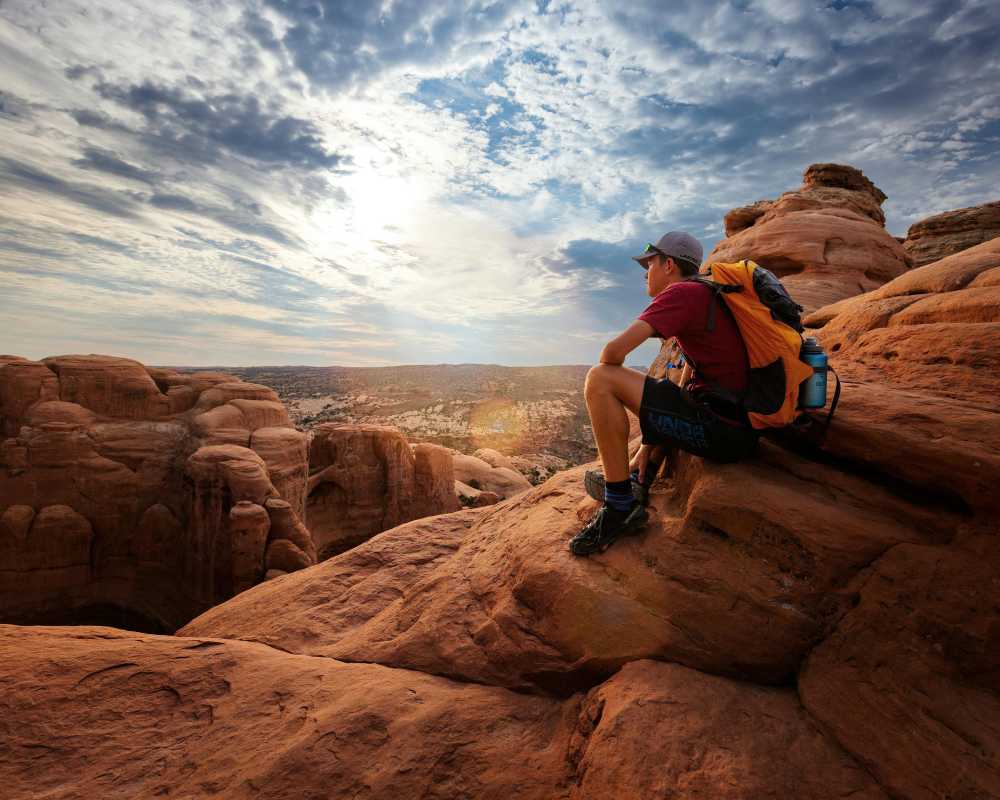
Moab, Utah: Gateway to Arches & Canyonlands
Moab is the undisputed adventure capital of the Southwest. It provides direct access to two national parks—Arches and Canyonlands—offering a lifetime's worth of hiking, photography, and stargazing for the solo nature lover.
At a Glance:
Solo Safety Index: High. The main safety concerns are standard wilderness precautions (carry plenty of water, inform someone of your hiking plans).
Budget Snapshot (Per Day): Budget: $60 | Mid-Range: $160 | Luxury: $320+
Navigability Score: 2/5. A car is essential to access the parks and trailheads.
Best Time to Visit: Spring (April-May) and Fall (September-October) for ideal hiking temperatures.
Top Things to Do Alone:
Hike to Delicate Arch at Sunrise: Seeing the morning light hit the iconic arch in Arches National Park is a spiritual experience.
Visit Canyonlands National Park: Drive the scenic Island in the Sky district for jaw-dropping, expansive views.
Join a Group Rafting Tour: See the towering red cliffs from a new perspective on the Colorado River.
Solo Pro-Tip: The sheer silence at Dead Horse Point State Park at sunset is unforgettable. Find a spot away from the main overlook, sit down, and just listen. It’s a profoundly peaceful experience.
Sedona, Arizona: Red Rocks and Spiritual Retreats
Sedona's stunning red rock landscapes are believed by many to be centers of spiritual energy, or vortexes. This makes it a popular and welcoming destination for solo travelers on a journey of reflection, hiking, and natural immersion.
At a Glance:
Solo Safety Index: High. Sedona is an extremely safe and tranquil community.
Budget Snapshot (Per Day): Budget: $70 | Mid-Range: $180 | Luxury: $400+
Navigability Score: 2/5. You'll need a car to get the most out of the area and access various trailheads.
Best Time to Visit: Spring (March-May) and Fall (September-November).
Top Things to Do Alone:
Hike a Vortex Site: Cathedral Rock and Bell Rock are the most famous, offering powerful energy and incredible views.
Drive the Red Rock Scenic Byway (SR 179): This short drive offers breathtaking views at every turn.
Explore Tlaquepaque Arts & Shopping Village: A beautiful, mission-style village filled with art galleries and craft shops.
Solo Pro-Tip: Even if you're not into the spiritual side of things, the hike up to the Airport Mesa overlook is incredible for 360-degree sunset views. The way the light hits the red rocks is pure magic.
Other Great Outdoor Destinations:
The Oregon Coast: A 363-mile solo road trip dream of dramatic cliffs, charming towns, and public beaches. A car is mandatory.
Jackson Hole, Wyoming: A welcoming basecamp for exploring the awe-inspiring jagged peaks of Grand Teton National Park.
Boulder, Colorado: An outdoor lover's paradise nestled at the base of the Rockies, with hundreds of miles of trails accessible right from town.
For the Foodie: 4 Cities to Feast In
If your travel memories are measured in meals, these cities offer culinary adventures that are perfect for the solo diner, with abundant counter seating and vibrant food markets. 🌮

New Orleans, Louisiana: Creole & Cajun Capital
NOLA is a city that stimulates all the senses, especially taste. Its unique food culture is a massive draw, and the abundance of bar seating at classic establishments makes solo dining a joy.
At a Glance:
Solo Safety Index: Moderate. The French Quarter is busy, but be very cautious at night, especially off Bourbon Street.
Budget Snapshot (Per Day): Budget: $60 | Mid-Range: $160 | Luxury: $320+
Navigability Score: 4/5. The French Quarter is extremely walkable, and the St. Charles Streetcar is a charming way to see other parts of the city.
Best Time to Visit: Spring (February-May) for pleasant weather and festivals.
Top Things to Do Alone:
Join a Food Tour of the French Quarter: Sample everything from gumbo to po'boys to pralines.
Enjoy Beignets and Café au Lait: A stop at the iconic Café Du Monde is non-negotiable.
Listen to Live Jazz on Frenchmen Street: Far more authentic than Bourbon Street, it's the soul of the city's music scene.
Solo Pro-Tip: Find a club on Frenchmen Street, grab a seat at the bar with a Sazerac cocktail, and let the incredible live jazz wash over you. It's an essential New Orleans experience.
Austin, Texas: BBQ, Tacos, and Food Trucks
Austin's laid-back, creative atmosphere is reflected in its casual and incredibly delicious food scene. It's a city where a solo traveler can happily subsist on world-class brisket, breakfast tacos, and inventive food truck fare.
At a Glance:
Solo Safety Index: Good. Austin is a safe city, particularly in the downtown and South Congress areas.
Budget Snapshot (Per Day): Budget: $55 | Mid-Range: $150 | Luxury: $300+
Navigability Score: 3/5. The downtown core is walkable, but the city is spread out. Ride-sharing services are your best bet.
Best Time to Visit: Spring (March-May) and Fall (September-November) to avoid the brutal summer heat.
Top Things to Do Alone:
Eat Texas Barbecue: Brave the line at Franklin Barbecue for a transcendent experience, or head to a spot like Terry Black's for phenomenal brisket without the wait.
Swim in Barton Springs Pool: A three-acre, natural spring-fed oasis perfect for cooling off.
Experience the Live Music Scene: Check out the bars along 6th Street or in the Red River Cultural District.
Solo Pro-Tip: The line at Franklin Barbecue is part of the experience, and you'll meet people from all over the world. To feel more comfortable and social at any restaurant, always opt for a seat at the bar or a chef's counter.
Other Great Foodie Destinations:
Portland, Maine: A charming, walkable coastal city with a sophisticated food scene and arguably the best lobster rolls in the country.
Los Angeles, California: A treasure hunt through an endless landscape of authentic taco trucks, world-class sushi bars, and historic food markets like Grand Central Market.
For the History Buff: Destinations That Tell America's Story
Step back in time in these cities, where the past is always present and every street corner has a story to tell. These walkable historic cores are perfect for the intellectually curious solo traveler. 🏛️
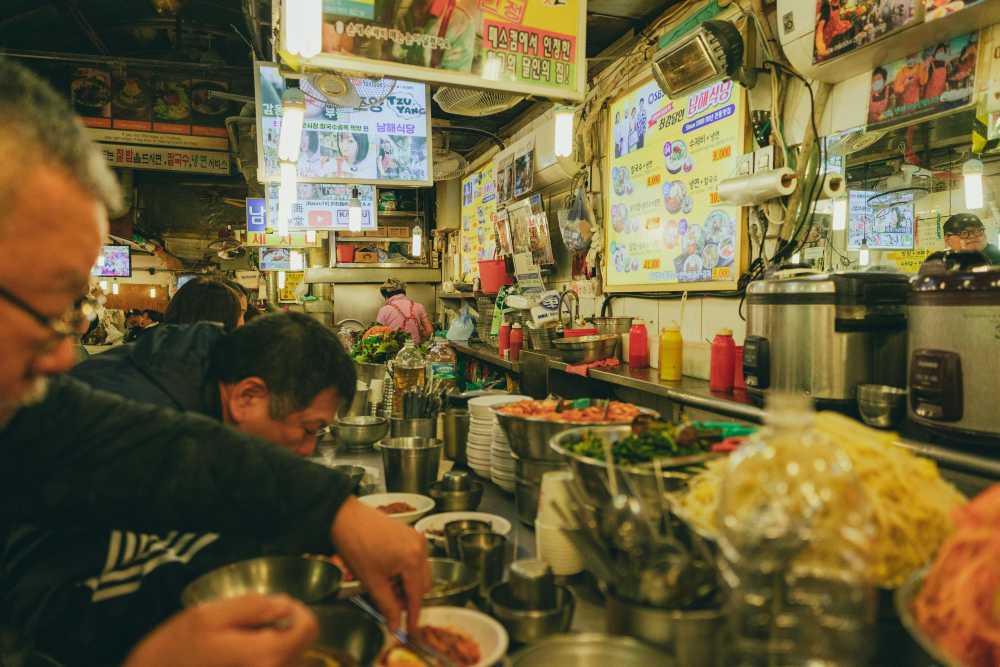
Washington, D.C.: The Nation's Capital
Our nation's capital is one of the best solo destinations in the USA for budget-conscious and intellectually curious travelers. The core of the city—the National Mall and its surrounding monuments and museums—is incredibly walkable. Best of all, every single one of the Smithsonian museums is completely free to enter, allowing you to craft a deeply personal journey through American history.
At a Glance:
Solo Safety Index: Good. The tourist areas around the National Mall are very safe.
Budget Snapshot (Per Day): Budget: $60 | Mid-Range: $170 | Luxury: $350+
Navigability Score: 5/5. The Metro system is clean and efficient, and the core is very walkable.
Best Time to Visit: Spring (March-April) for the iconic Cherry Blossom Festival.
Top Things to Do Alone:
Explore the Smithsonian Museums: You could spend weeks here. Pick a few that match your interests, from the National Air and Space Museum to the National Portrait Gallery.
Walk the National Mall at Night: The monuments—from the Lincoln Memorial to the Washington Monument—are beautifully illuminated and far less crowded, creating a powerful and reflective experience.
Wander Through Georgetown: Explore the historic cobblestone streets, browse the chic boutiques, and walk along the scenic C&O Canal.
Solo Pro-Tip: The sheer scale of the Lincoln Memorial is so much more powerful in person than in photos. Go at night when the crowds are thinner. It's a very moving and contemplative experience to stand there alone with your thoughts.
Boston, Massachusetts: The Historic Walker's Paradise
Boston is a city that wears its history on its sleeve. Its compact, European-style downtown is a walker's paradise, made for tracing the footsteps of the American Revolution at your own pace. The 2.5-mile Freedom Trail is a red-bricked line that guides you past 16 of the nation's most important historic sites.
Top Things to Do Alone:
Walk the Freedom Trail: It's the perfect self-guided tour. Take your time, read the plaques, and immerse yourself in the story of the nation's birth.
Explore the North End: Get lost in the narrow streets of Boston's oldest residential neighborhood. The lively atmosphere and incredible Italian food are a must.
Visit the Isabella Stewart Gardner Museum: A truly unique museum housed in a Venetian-style palace. The stunning courtyard garden is an oasis of calm.
Solo Pro-Tip: In the North End, skip the restaurants with long lines and duck into one of the smaller, more authentic bakeries like Bova's or Modern Pastry for a cannoli. Enjoy it while wandering the beautiful, narrow streets.
Other Great History Destinations:
Philadelphia, Pennsylvania: The birthplace of a nation, where you can stand in the very rooms where the Declaration of Independence and Constitution were signed.
Savannah, Georgia: Walk through 22 park-like squares draped in Spanish moss to soak in the Antebellum South's beauty and complex history.
St. Augustine, Florida: Explore the nation's oldest continuously inhabited European-established settlement, with its 17th-century stone fort and narrow colonial lanes.
For the Wellness Seeker: 3 Retreats for Mind & Body
If your goal is to disconnect, recharge, and find tranquility, these destinations offer serene landscapes, a peaceful atmosphere, and a focus on well-being. 🧘
Santa Fe, New Mexico: Arts, Culture, and Serenity
With its unique Pueblo-style architecture, high-desert landscape, and thriving arts scene, Santa Fe has long been a magnet for those seeking spiritual and artistic renewal. It has a calming energy that's perfect for a solo retreat.
At a Glance:
Solo Safety Index: High. Santa Fe is a very safe and relaxed city.
Budget Snapshot (Per Day): Budget: $70 | Mid-Range: $190 | Luxury: $400+
Navigability Score: 3/5. The historic Plaza is walkable, but a car is needed to explore further afield.
Best Time to Visit: Fall (September-October) for the smell of roasting green chiles and golden aspen leaves.
Top Things to Do Alone:
Explore the Art Galleries on Canyon Road: A half-mile stretch of over 100 galleries, boutiques, and restaurants.
Visit the Georgia O'Keeffe Museum: Immerse yourself in the work of the master of American modernism.
Experience Meow Wolf's House of Eternal Return: A unique, immersive art adventure that defies description.
Solo Pro-Tip: The drive up to Ten Thousand Waves, a Japanese-style spa nestled in the mountains, is part of the experience. Book a private tub for an hour. Soaking in the hot water surrounded by piñon pines as the sun sets is pure bliss.
Big Sur, California: Coastal Contemplation
There are few places on Earth more soul-stirring than Big Sur. This rugged stretch of California coast is a place of profound, wild beauty that forces you to slow down, breathe, and simply be present. Cell service is very limited, making it the perfect place to truly disconnect.
At a Glance:
Solo Safety Index: High. The primary safety concerns are related to driving the winding Highway 1.
Budget Snapshot (Per Day): Budget: $80 | Mid-Range: $250 | Luxury: $600+
Navigability Score: 1/5. A car is absolutely essential.
Best Time to Visit: Spring (April-May) for wildflowers or Fall (September-October) for the clearest weather.
Top Things to Do Alone:
Photograph the Bixby Bridge: Pull over at one of the many turnouts to capture this iconic feat of engineering.
Hike in Pfeiffer Big Sur State Park: Wander among towering coastal redwoods.
Watch the Sunset from Nepenthe: This cliffside restaurant offers legendary views over the Pacific.
Solo Pro-Tip: Pack a lunch and go to Pfeiffer Beach to see the keyhole arch. The road down is easy to miss, so look carefully. It feels like a secret spot and is the perfect place to sit and just watch the powerful waves crash.
Asheville, North Carolina: Blue Ridge Mountain Calm
Tucked into the beautiful Blue Ridge Mountains, Asheville offers a perfect blend of vibrant city life and tranquil nature. It's a progressive, friendly city known for its arts scene, craft breweries, and focus on wellness.
At a Glance:
Solo Safety Index: High. Asheville is a very safe and welcoming community.
Budget Snapshot (Per Day): Budget: $65 | Mid-Range: $170 | Luxury: $350+
Navigability Score: 3/5. Downtown is walkable, but you'll need a car to access the Blue Ridge Parkway.
Best Time to Visit: Fall (October) when the mountain foliage is at its peak.
Top Things to Do Alone:
Drive a Portion of the Blue Ridge Parkway: One of America's most scenic drives, with countless overlooks and hiking trails.
Tour the Biltmore Estate: Explore America's largest home, a magnificent Gilded Age mansion.
Explore Downtown Asheville: Check out the funky shops, art galleries, and excellent restaurants.
Solo Pro-Tip: The drum circle in Pritchard Park on Friday nights is a must-see. It's an amazing, free-spirited display of Asheville's bohemian soul. Grab a local craft beer and watch the community come alive.
Your Solo Travel USA Questions, Answered

Is it safe to travel alone in the USA?
Yes, absolutely—with the right preparation. Safety varies greatly by location, so research is key. In cities, situational awareness matters most: stick to well-lit, populated areas at night and be mindful of your belongings. In national parks, the risks are different: always inform someone of your hiking plans, carry extra water, and be "bear aware."
What is the safest state for a solo female traveler?
While states in New England like Vermont, New Hampshire, and Maine consistently rank as having the lowest crime rates, a safe trip is less about a "safe state" and more about practicing awareness in a specific city or town.
How can I save money traveling solo?
Travel during the "shoulder seasons" (spring and fall) to dramatically reduce flight and accommodation costs. Prioritize destinations with great public transit to save on rental cars, take advantage of free museum days, and balance restaurant meals with grabbing food from local grocery stores or food markets.
Is it strange to eat out alone in America?
Not at all! It's increasingly common, and you shouldn't let it stop you from trying great places. To feel more comfortable, opt for a seat at the bar or a chef's counter. It's more casual, and you might strike up a conversation. Bringing a book also makes the experience more enjoyable.
How can I meet people while traveling solo?
Staying in hostels is a guaranteed way to meet people. Joining a group city tour, a cooking class, or a local Meetup event are also fantastic options. Don't underestimate the power of simply sitting at the bar in a friendly brewery; it’s an open invitation for conversation.
What are the best solo road trips in the USA?
For stunning scenery and plenty of safe stops, the Pacific Coast Highway in California is iconic for a reason. Other fantastic options include the Blue Ridge Parkway through Virginia and North Carolina, and the scenic loop through Utah's "Mighty 5" National Parks.
The United States offers an incredible spectrum of experiences for those bold enough to explore it on their own. By matching your travel style to the right destination, you move beyond a generic vacation and create a journey that truly resonates. The confidence you're looking for isn't found in an article; it's waiting for you on a bustling city street, a quiet mountain trail, or at a lively food truck. The only thing left to do is pick one and go.
Read the full guide: Anxious to Adventurous: The Ultimate Guide to Solo Travel Confidence
Don't Miss Out! Subscribe for Exclusive Content
SubscribeComments 0
No comments yet
Be the first to share your experience!
Dont Miss Out! Subscribe for Exclusive Content

San Francisco Cherry Blossoms: A Local's Guide to the Blooms

Halloween SF: Haunts Without Horrors

SF Festivals: 7 Must-See Lineups

Christmas SF: Lights & Wharf Wonders

SF Pride: 6 Route & Party Hacks

Chinese New Year SF: Parade Essentials
Crafting Travel Product Reviews That Drive Affiliate Sales
TrekGuider @trekguider
You’ve poured hours into it. The photos are stunning, the details are careful, and your personal story is woven throughout. You hit “publish” on your latest travel product review, certain that this is the one. But weeks later, the affiliate dashboard tells a familiar, frustrating story: plenty of clicks, but a whisper of commissions. You’re creating genuinely valuable content, but it feels like you’re leaving a fortune on the table, unable to bridge the chasm between your effort and your earnings.
This isn't just a feeling; it's a critical business problem. You see the industry reports—the affiliate marketing market soaring past $93 billion, with the average travel affiliate earning a reported $13,847 a month—and it feels like a world away. The issue isn't your passion or your expertise. The issue is that a travel product review that simply informs is a hobby; a review that is engineered to convert is a business. You're missing the formula, the psychological triggers, and the conversion-focused structure that turns a reader's trust into a reliable revenue stream.

Forget vague tips. This is a skill workshop—a definitive blueprint for how to write a product review that drives affiliate sales with the precision of a finely tuned engine. We will deconstruct the anatomy of a high-conversion review, from the headline that hooks to the call-to-action that closes. This is a masterclass in a single, vital skill, a topic we explore from every angle in our definitive command center for the entire affiliate ecosystem: Travel Affiliate Programs: The 2026 Ultimate Guide.
The Mindset Shift: From "Informing" to "Converting"
The first and most crucial step is a fundamental mindset shift. Most creators approach a product review as a report. They list the features, describe their experience, and hope the reader is inspired enough to click. This is a passive strategy that yields passive results.
A high-earning creator understands that a product review is their most valuable sales asset. Its primary purpose is not just to describe the product, but to guide the reader to a confident purchase decision. Every word, every image, and every design element must work in concert to achieve one goal: to solve the reader's problem so effectively that clicking your affiliate link becomes the most logical and desirable next step.
This isn't about being a pushy salesperson. It's about being a master problem-solver. Your reader has arrived on your page with a need: "Is this the right backpack for my trip to Europe?" or "Will this travel insurance actually cover me if I get sick in Thailand?" A review that converts answers these questions with such clarity, authority, and empathy that it eliminates all doubt and inspires action.

The Anatomy of a High-Conversion Review: A 7-Part Formula
A product review that consistently drives sales is not an accident of creative inspiration; it is a carefully constructed system. By following this seven-part formula, you create a user experience that caters to every type of reader—from the quick skimmer to the deep diver—and guides them seamlessly toward conversion.
Part 1: The Headline That Hooks and Qualifies
Your headline has one job: to make an undeniable promise of value to a specific audience. It must grab attention in a crowded search result and instantly signal that your review will solve their problem. Generic headlines like "My Review of the Osprey Backpack" are a death sentence.
Instead, use proven, high-impact formulas:
The "Real World Test" Formula: The Product Name Review: After Number Miles / Number Countries / Time Period
Example: The Osprey Farpoint 40 Review: After 6 Months & 15 Countries
The "Balanced Verdict" Formula: Product Name Review: Number Things I Loved & Number I Hated
Example: The Away Bigger Carry-On Review: 5 Things I Loved & 2 I Hated
The "Is It Worth It?" Formula: Is the Product Name Worth the Hype? An Honest 2026 Review
Example: Is the Nomatic Travel Pack Worth the Hype? An Honest 2026 Review
These headlines work because they promise authenticity, detail, and a balanced perspective—exactly what a user wants when researching a purchase.
Part 2: The Empathetic Introduction (The Hook)
Your introduction must accomplish three things in the first 100 words: connect with the reader's problem, establish your authority, and present the product as the potential solution. Use the PAS (Problem, Agitate, Solve) framework for maximum impact.
Problem: "Finding the perfect carry-on backpack is a nightmare. Most are either too bulky, too disorganized, or fall apart after one trip."
Agitate: "You end up repacking at the airport check-in counter, digging through a black hole of gear to find your passport, or worse, dealing with a broken zipper mid-adventure."
Solve: "For the past six months, I've been testing the Osprey Farpoint 40 across Southeast Asia to see if it's the ultimate solution for one-bag travel. In this review, I'll break down exactly who this bag is for, who should avoid it, and whether it lives up to its legendary reputation."
Part 3: The "At a Glance" Summary Box
Many of your readers are skimmers. They are busy and want a quick verdict. An "At a Glance" summary box at the top of your review is the single best way to serve this audience and capture an immediate conversion.
This box should be visually distinct (using a different background color or a border) and contain:
Product Image: A high-quality, authentic photo of the product in use.
A Quick Summary: A one-sentence verdict. (e.g., "The ultimate travel backpack for versatile adventurers who value comfort and organization.")
Key Specifications: A bulleted list of the most important specs (e.g., Capacity, Weight, Dimensions).
Overall Rating: A simple star rating (e.g., 4.5 / 5 Stars).
The Primary CTA: A bold, unmissable button with a clear call-to-action.
Part 4: The Deep Dive: Storytelling Over Specs
This is the heart of your review. This is where amateurs list features, but professionals tell stories. Your mission is to translate every specification into a tangible, real-world benefit, wrapped in the context of your personal experience.
Amateur: "The backpack has a 15-inch padded laptop sleeve."
Professional: "The Padded Laptop Compartment That Saved My MacBook: When my bus in Vietnam took a corner too fast, my bag went flying. My heart stopped, but the heavily padded, suspended laptop sleeve kept my MacBook safe without a scratch. For digital nomads, that peace of mind is priceless."
Structure this section with clear H3 subheadings for each key feature or benefit (e.g., "Comfort & Fit," "Organization & Pockets," "Durability & Materials"). This makes the content scannable and allows readers to jump to the sections that matter most to them.

Part 5: The Unbeatable Proof: Your Photos & Videos
Stock photos are a conversion killer. They scream "I've never actually used this product." Your review's credibility hinges on authentic, high-quality visual proof.
Show the Product in Action: Include photos of you wearing the backpack, packing the suitcase, or using the camera in a real travel environment.
Highlight Key Features: Take detailed close-up shots of the zippers, the materials, the specific pockets you're talking about.
Embrace Video: This isn't just a nice-to-have; it's a strategic imperative. With industry projections showing that video will account for a staggering 55% of all affiliate traffic by 2026, embedding a short, authentic video review is one of the most powerful trust signals in your arsenal.
Part 6: The Honest Verdict: Pros, Cons, and "Who It's For"
Radical transparency is the ultimate trust signal. No product is perfect, and acknowledging its flaws makes your praise exponentially more believable.
Create a simple, two-column list of Pros and Cons. Be specific and honest. Then, create a dedicated section that clearly defines who this product is perfect for and, just as importantly, who should look for something else.
This Product is Perfect For: "Digital nomads, weekend travelers, and anyone who prioritizes a comfortable carry and smart organization."
You Should Avoid This Product If: "You're a photographer who needs to carry multiple camera bodies or if you require a fully waterproof bag for extreme conditions."
Part 7: The Compelling Conclusion & Final CTA
Your conclusion should be short, powerful, and decisive. Summarize the product's single biggest benefit and give the reader one final, clear instruction. Reiterate your overall verdict and guide them to the click with a final, compelling call-to-action button.

The Psychology of Persuasion: Advanced Conversion Tactics
A great structure is the foundation, but layering in proven psychological triggers is how you maximize conversions.
Build Unshakable Trust: Your FTC disclosure must be clear and placed at the very top of your review. This isn't just a legal requirement; it's a badge of honor that signals transparency.
Leverage Social Proof: Weave in screenshots of other positive reviews or user ratings. Phrases like "With over 5,000 five-star reviews on Amazon..." validate the reader's potential decision.
Create Urgency (Ethically): For products with fluctuating prices, like flights or hotels, use CTAs that encourage immediate action. "Check Today's Prices on Booking.com" is both helpful and urgent.
Pro-Tip: One of the most effective ways to increase conversions is to use a comparison table. Pit the product you're reviewing against its main competitor. This not only helps the reader make a final decision but also gives you the opportunity to place two high-value affiliate links side-by-side.
The Ultimate Conversion Play: From Affiliate to Owner
A product review is the perfect place to introduce your audience to your own high-value offerings. After you've solved their immediate problem, you can guide them toward a deeper solution that you control completely. This is the natural evolution of your expertise.
For example, after the main body of your review for a travel backpack, you could add a section like:
"Now that you've found the perfect backpack, the next step is knowing what to put inside it. For my complete, field-tested packing system, check out my 'Ultimate Carry-On Packing List' available on the TrekGuider Platform. It's the exact checklist I use to pack for every trip."
This is a natural, value-driven upsell that transitions the reader from a potential affiliate commission to a direct customer, where you keep a much larger share of the revenue.

Pro-Tip: To supercharge your affiliate sales, offer a "bonus stack" for anyone who buys through your link. For example, "If you purchase the Osprey Farpoint 40 through my link, just forward me your receipt and I'll send you my personal 'Perfect Packing' video tutorial for free!" This small, value-added incentive can dramatically increase your conversion rate.
Ready to Build Your Own High-Margin Product? The most profitable product you can ever promote is your own. Affiliate marketing is the perfect training ground, but selling your own digital products—like guides, itineraries, or presets—offers unparalleled profit margins and brand authority. Our free Digital Product Ideas Guide is packed with dozens of proven, profitable ideas specifically for travel creators. Download it today to find the perfect product for your audience and start building your content empire.
Frequently Asked Questions (FAQ)
1. How long should a product review be? There's no magic number, but a high-converting review is typically comprehensive, often falling between 1,500 and 3,000 words. The goal is to be the most thorough and helpful resource on the internet for that specific product. Answer every possible question a reader might have.
2. Is it better to review a product I got for free or one I bought myself? A product you purchased with your own money will always carry more weight and authenticity with your audience. However, if you do receive a product for free, you can still write a credible review as long as you are radically transparent about it in your disclosure and maintain an honest, balanced perspective.
3. How many affiliate links are too many in one review? Focus on strategic placement over sheer quantity. A high-converting review might only have 5-10 well-placed links. Include them in your summary box, on your primary CTA buttons, and contextually on the product name throughout the text. The goal is to make it easy for the reader to click when they are ready, not to overwhelm them with links on every other word.
Your Blueprint for a Profitable Review Engine
You now have the complete formula for how to write a product review that doesn't just get traffic—it gets results. By shifting your mindset from informing to converting and carefully applying this seven-part framework, you transform your content from a simple article into a high-performance business asset.
This is a system you can replicate for every product you recommend, creating a reliable and scalable engine for affiliate income. Stop guessing and start engineering. The path to becoming a top-earning travel creator is paved with reviews that are strategic, persuasive, and relentlessly helpful. Now, go build your engine.
Read the full guide: The Travel Blogger's Playbook to Affiliate Marketing Mastery
Don't Miss Out! Subscribe for Exclusive Content
SubscribeComments 0
No comments yet
Be the first to share your experience!
Dont Miss Out! Subscribe for Exclusive Content
FTC Affiliate Disclosure: Stay Compliant as a Travel Creator

Essential Affiliate Tools: From Tracking to Full Optimization
Avoid These 5 Affiliate Landing Page Mistakes for Better Conversions
Affiliate Keyword Research Mastery for Travel Blogs
Booking.com Affiliate Review: Pros, Cons & Earnings
Decoding Affiliate Commission Rates: Benchmarks for Travel Creators
July 4th NYC: Best Fireworks Views
TrekGuider @trekguider
Trying to see the Macy's 4th of July fireworks in New York City can feel like plotting a military campaign. You know it’s one of the most spectacular patriotic displays on the planet, a dazzling barrage of color and sound against the world’s most famous skyline. But the thought of navigating the colossal crowds, deciphering the cryptic official viewing spots, and battling for a sliver of sidewalk with a view of a brick wall is enough to trigger a full-blown anxiety attack.
You’re haunted by visions of being pinned for hours in a human gridlock, craning your neck to see absolutely nothing, with no access to a restroom or a bottle of water. What if you spend all day planning, only to find your chosen spot has been unceremoniously cordoned off by the NYPD? The dream of a magical Independence Day quickly sours into a logistical nightmare, leaving you sweating on a crowded street corner wondering why you didn't just stay home and watch it on TV.
Forget the chaos. This is your definitive battle plan for conquering the crowds and securing a breathtaking view. We’ve distilled the official intel and insider secrets into a foolproof strategy. Whether you want a free patch of grass with a picnic or a more civilized vantage point, this guide will equip you for an unforgettable Fourth of July in New York.

Understanding the Main Event: The Macy's Fireworks Spectacular
Let’s be clear about the sheer scale of this operation. The Macy's 4th of July Fireworks isn't just a show; it's the nation's largest pyrotechnic spectacle, a city-shaking tradition that paints the skyline with thousands of carefully choreographed shells launched from barges on the water. For Friday, July 4, 2026, the show continues its reign on the East River, meaning the most coveted views will be found along the waterfronts of Brooklyn, Queens, and Manhattan.
This isn't a casual affair where you can wander up a few minutes before showtime. It's a massive, city-wide celebration that demands a solid game plan. While the fireworks are an undisputed summer highlight, they're just one piece of the city's vibrant celebratory calendar, which we cover in our definitive guide to New York Holidays: 10 Must-Do Events. Thinking about your trip through this lens—as one epic event among many—is the key to unlocking a truly memorable visit.
The Best Free Viewing Spots for the Fourth of July in New York
Securing a great free spot is the holy grail for most spectators. It requires a healthy dose of patience and impeccable timing, but the reward is a front-row seat to history without spending a dime. The secret is knowing precisely where to go and, just as critically, which tourist traps to avoid.
Brooklyn's Cinematic Waterfront Views
For years, the Brooklyn waterfront has offered the most cinematic views of the fireworks, framing the pyrotechnics against the iconic Manhattan skyline. This is where you go for the postcard shot.
Transmitter Park (Greenpoint): Consistently hailed as a top-tier viewing location, this park offers a direct, jaw-droppingly clear sightline across the East River. Its open, grassy layout is a godsend, providing more room to spread out a blanket than the narrow promenades elsewhere. But its reputation precedes it. To claim a decent piece of turf, you must arrive by 6 PM at the absolute latest.
Domino Park (Williamsburg): With its clever multi-level design, reclaimed factory artifacts, and ample seating, Domino Park is a phenomenal—and popular—option. The elevated walkway provides a unique perspective, and the park's modern amenities (hello, clean restrooms!) make the long wait far more civilized.
East River State Park (Williamsburg): Just a short walk from Domino Park, this location offers a more traditional park experience with a sprawling grassy lawn. It’s a magnet for families and larger groups looking to set up a proper picnic and make a full day of it.
Manhattan's Official Front Lines (and What to Expect)
Manhattan offers official, NYPD-managed viewing points that get you incredibly close to the action. However, this proximity comes at the cost of the highest crowd density and the tightest security.
Official Access Points: The city announces these designated entry points a few days before the event, typically along the FDR Drive in the East Village, Murray Hill, and Midtown East. Check the official Macy's or NYC websites on the day of the event for the exact cross-streets.
The No-Go Zones: Heed the official warnings. The city explicitly advises spectators to avoid FDR Drive in Midtown, Battery Park, and the Brooklyn Heights Promenade. These areas will either be completely closed to the public or offer severely obstructed views. Don't be the tourist who wastes hours trekking to a dead end.
Queens: The Savvy Spectator's Choice
Often overlooked by the masses flocking to Brooklyn, the Queens waterfront in Long Island City provides views that are every bit as stunning, but often with slightly more breathing room.
Gantry Plaza State Park: This park is a true gem, famous for its iconic Pepsi-Cola sign and beautifully restored waterfront gantries. It offers a sweeping panorama of the Midtown skyline, which serves as the ultimate canvas for the fireworks display.
Hunter's Point South Park: Located just south of Gantry Plaza, this park boasts a vast, open green space perfect for laying down a blanket. It’s an excellent alternative for those looking to escape the most intense choke points in Manhattan and Brooklyn.

Pro-Level Strategy: Navigating Security and Human Gridlock
Experiencing the Fourth of July in New York is as much about logistical prowess as it is about patriotic fervor. This is not a casual security checkpoint. The NYPD's presence is comprehensive, involving everything from drones providing aerial surveillance and metal detectors at entry points to NYPD scuba divers patrolling the river itself. This isn't to intimidate, but to ensure a safe event for millions.
Your Arrival and Entry Checklist
Embrace the Early Bird Ethos: We cannot overstate this. For prime real estate like Transmitter Park, a 6 PM arrival is the bare minimum. For the official Manhattan zones, dedicated viewers begin lining up in the early afternoon. The later you arrive, the more likely you are to be watching the back of someone's head.
Pack Like a Pro: You will be on your feet or sitting on the ground for hours. Comfort matters most, but you also need to breeze through security. Large backpacks, coolers, alcohol, and lawn chairs are almost always prohibited. Knowing what to bring—and what to leave behind—is crucial. Our How to Pack Light Guide offers brilliant strategies for carrying just the essentials, a skill that's just as valuable for a day in the city as it is for a week-long trip.
Trust but Verify (Your Sources): On July 4th, follow the NYPD and Macy's on social media or refresh their websites. Viewing points can and do change or close without notice based on crowd capacity. A quick check before you head out can save you from a massive, frustrating detour.
The Buddy System is Non-Negotiable: In crowds of this magnitude, getting separated is incredibly easy. Establish a clear, unambiguous meeting point in advance (e.g., "the corner of X and Y," not "by the hot dog stand"). Keep your phones fully charged, and consider sharing your location with your group via a mapping app.
Pro-Tip: Public transportation is your only sane option. Do not even entertain the idea of driving. Street closures begin in the early afternoon, and parking is a fantasy. The subway is the most efficient way to get close to the action, but expect platforms and train cars to be packed to capacity. Plan your route, buy your MetroCard in advance, and budget at least double the normal travel time.

Beyond the Fireworks: Mastering the All-American Picnic
The fireworks are the grand finale, but Independence Day is an all-day affair. A classic American picnic is the perfect way to spend the afternoon, soaking in the city's festive energy in a more relaxed setting before diving into the waterfront fray.
Prime Picnic Parks (Well Away from the Fireworks Chaos)
Central Park: It’s the quintessential NYC experience for a reason. Head to the vast Sheep Meadow or the Great Lawn, find a spot under a tree, and enjoy the people-watching. You won't see the main fireworks from here, but it’s the perfect stage for your pre-show festivities.
Prospect Park, Brooklyn: Often called Brooklyn's answer to Central Park, the Long Meadow in Prospect Park offers a similarly idyllic and expansive setting. It’s a favorite among locals and provides a more laid-back, community-focused vibe.
Governors Island: A quick and scenic ferry ride away, Governors Island is a true urban oasis. With its sprawling lawns, hammocks, and unparalleled views of the Statue of Liberty, it’s an ideal place to decompress for the day before heading back for the evening's main event.
Your Picnic Pack-Out List
The Spread: Stick to classics that travel well: gourmet sandwiches, cold fried chicken, pasta salads, and fresh fruit. Most importantly, bring more water than you think you'll need. Remember that alcohol is prohibited in public parks.
The Comfort Kit: A large, durable blanket is your foundation. Sunscreen, hats, and sunglasses are absolutely essential for a long day outdoors.
The Clean-Up Crew: Pack a dedicated trash bag and commit to the golden rule of picnicking: leave your spot cleaner than you found it.
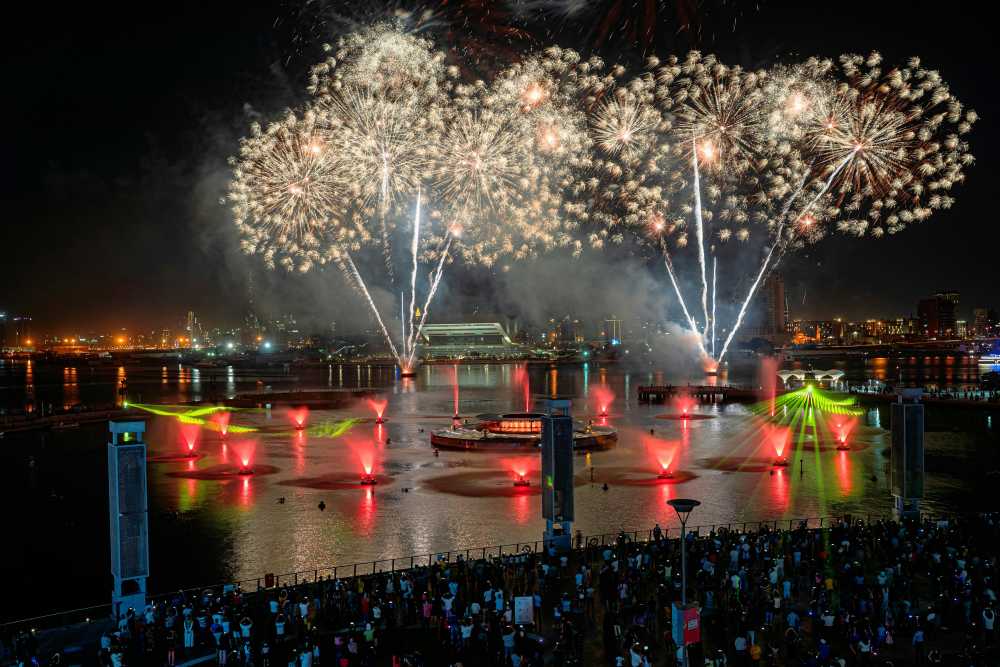
Paid Options for a Crowd-Free Fourth of July in New York
If the idea of battling the masses for a patch of grass makes you want to run for the hills, several paid alternatives offer a more comfortable and exclusive experience. These options require booking far in advance and come at a premium, but for many, the guaranteed view and amenities are worth every penny.
Rooftop Bars and Viewing Parties
Many hotels and restaurants with prime real estate in Midtown East, Williamsburg, and Long Island City host ticketed fireworks viewing parties. These events typically include an open bar, food, and live music, all with an elevated, unobstructed view high above the street-level chaos. Expect tickets to start in the low hundreds and sell out weeks, if not months, ahead of time.
Fireworks Cruises on the East River
For a truly cinematic experience, watch the fireworks from the water itself. Numerous companies offer July 4th dinner cruises that place you directly on the East River, offering an unparalleled, up-close perspective of the show.
The Perks: You get a completely unobstructed view, dinner and drinks are often included, and you have access to clean, private restrooms—a luxury that cannot be overstated.
The Price: This is the most expensive option, with prices frequently ranging from $150 to over $500 per person. They are incredibly popular and must be booked months in advance.
Pro-Tip: When booking any ticketed event, do your due diligence. Scrutinize the venue's location on a map to confirm its viewing position relative to the fireworks barges. Search for reviews and photos from previous years' events to ensure the view is as spectacular as advertised. Not all "river views" are created equal.

Your Mission: An Unforgettable Independence Day
You are now armed with the strategy and insider intelligence to make your Fourth of July in New York a resounding success. The key is to decide on your desired experience—a free-for-all on the grass, a civilized seat at a rooftop bar, or a luxurious view from the water—and plan with precision. Arrive early, pack smart, and stay informed.
This is about more than just watching fireworks; it's about taking part in a quintessential American tradition in the most dynamic city on Earth. You're no longer a tourist hoping for a lucky break; you're an insider with a plan. Go forth, claim your spot, and create some dazzling memories. And when you're ready to plan your next great urban adventure, our comprehensive Travel Guide is packed with the expert resources you need to make every trip a masterpiece.
Don't Miss Out! Subscribe for Exclusive Content
SubscribeComments 0
No comments yet
Be the first to share your experience!
Dont Miss Out! Subscribe for Exclusive Content
San Francisco Cherry Blossoms: A Local's Guide to the Blooms
Halloween SF: Haunts Without Horrors
SF Festivals: 7 Must-See Lineups
Christmas SF: Lights & Wharf Wonders
SF Pride: 6 Route & Party Hacks