
Essential Affiliate Tools: From Tracking to Full Optimization

TrekGuider @trekguider
You’re a creator, not an administrator. Yet, you find yourself drowning in a sea of administrative tasks. You’re manually copying and pasting ugly, mile-long affiliate links, toggling between a dozen different program dashboards to check your stats, and spending more time wrestling with spreadsheets than you do creating the travel content you love. Your affiliate "business" feels less like a streamlined operation and more like a chaotic, time-sucking hobby that isn't paying the bills.
This inefficiency is more than just frustrating—it's a silent killer of your income. Every hour you spend on manual, repetitive tasks is an hour you’re not creating the next piece of content that could generate revenue for years to come. You're flying blind, guessing which strategies are working, unable to see which links are converting, and which pages are actually profitable. The reported average income of $13,847 a month for travel affiliates feels like a distant fantasy when you’re stuck in this administrative quicksand.

This guide is your way out. It is your curated, creator-friendly tech stack—a definitive list of the essential affiliate marketing tools that will automate the tedious, provide crystal-clear data, and free you up to focus on growth. We’ll cover the entire workflow, from foundational link management and tracking to the advanced tools needed for full-scale optimization. This is how you transform your passion project into a professional, efficient, and profitable business. For a complete command of the entire affiliate landscape, our definitive pillar page, Travel Affiliate Programs: The 2026 Ultimate Guide, is your essential command center for mastering the entire ecosystem.
The Foundational Layer: Your Operational Command Center
Before you can optimize, you must organize. This first set of tools forms the non-negotiable foundation of any serious affiliate marketing business. They are your central nervous system for managing links, ensuring compliance, and tracking performance from a single source of truth.
Link Management Plugins (The Digital Quartermaster)
If you run your travel blog on WordPress, a link management plugin is the single most important tool you will install. These plugins take the long, ugly, and intimidating affiliate links provided by programs and "cloak" them into short, clean, branded URLs that are far more trustworthy to your audience.
Think of it as your command center. Instead of embarking on a digital scavenger hunt through year-old posts to update a single expired link, you change it once in a central dashboard, and the plugin deploys that change site-wide instantly. This functionality alone will save you hundreds of hours over the life of your business. Furthermore, a link like yourblog.com/recommends/osprey-backpack is infinitely more professional and trustworthy to a reader than a long URL filled with random tracking parameters, directly impacting your click-through rates.

Top Tools in This Category:
ThirstyAffiliates: A powerhouse plugin built specifically for affiliate marketers. It offers advanced features like autolinking (automatically turning specific keywords into affiliate links), proactive link checking to find broken links, and detailed click analytics.
Pretty Links: A slightly simpler but highly effective alternative. It excels at link cloaking, redirection, and providing basic click-tracking reports right from your WordPress dashboard.
Pro-Tip: The best link management plugins, like ThirstyAffiliates, can automatically add the required rel="sponsored" tag to all of your affiliate links. This is a critical feature that ensures you stay compliant with Google's guidelines for paid links, protecting your site from potential SEO penalties without you having to think about it.
Affiliate Tracking Tools (Your Source of Truth)
"What gets measured gets managed." To grow your affiliate income, you need a crystal-clear understanding of what’s working. While many creators start by manually checking each affiliate network’s dashboard, a dedicated approach to tracking provides a more holistic, actionable view.
For most creators, your affiliate tracking tools will be a combination of your link management plugin’s analytics and the dashboards provided by your affiliate networks (like CJ Affiliate or Travelpayouts). These platforms show you crucial metrics like clicks, conversions, and commission earnings.
However, as your business matures, you'll want to track performance across different income models. For example, the TrekGuider Seller Platform includes a dedicated referral dashboard. This is a specialized tracking tool that shows you not just one-time sales, but the ongoing, passive income you’re earning from the new sellers you’ve brought to the platform. It’s a perfect example of how a modern platform provides the built-in affiliate tracking tools you need to monitor more sophisticated, high-margin income streams like revenue sharing.
The Growth Engine: Traffic & SEO Tools
With your operational house in order, the focus must pivot from organization to acquisition. A perfectly managed link is useless without a steady stream of the right people clicking on it. This is where your growth engine comes in—the tools designed to attract your ideal audience with precision.
SEO & Keyword Research Platforms
The most profitable affiliate content is created with intention. It targets keywords that signal a user is actively researching a purchase (e.g., "best carry-on luggage review"). SEO platforms are your treasure map for finding these "money" keywords and building a content strategy that attracts buyers, not just browsers.

These platforms are indispensable for:
Finding Profitable Keywords: Uncover what your audience is searching for, how many people are searching for it, and how difficult it will be to rank on Google.
Analyze the Competition: See exactly which keywords your competitors are ranking for and which pages are bringing them the most traffic.
Track Your Performance: Monitor your rankings for your target keywords over time to see what’s working and where you need to improve.
Top Tools in This Category:
Ahrefs: A comprehensive, professional-grade SEO toolkit. Its "Keywords Explorer" is second to none for finding high-value commercial investigation keywords, and its "Site Explorer" provides deep insights into any competitor's strategy.
SEMrush: Another all-in-one industry leader that offers a powerful suite of tools for keyword research, rank tracking, and competitive analysis.
Pro-Tip: Don't confine your keyword strategy to your blog. With video projected to account for a staggering 55% of all affiliate traffic by 2026, the same commercial-intent keywords you find for your articles are the exact titles you should be using for your YouTube videos and TikToks.
Analytics Platforms
While SEO tools help you get traffic, a web analytics platform tells you what that traffic does once it arrives. It’s essential for understanding your audience, diagnosing problems, and optimizing their journey from reader to buyer.
The Must-Have Tool:
Google Analytics: The free, industry-standard tool for website analytics. It's an incredibly powerful platform that provides all the data you need to understand user behavior, track conversions, and identify your top traffic sources, allowing you to double down on what works.
The Conversion Toolkit: Optimization & Social Media Tools
Attracting traffic is only half the battle. The final, crucial step is converting that traffic into clicks and commissions. This set of tools is designed to streamline your workflow and optimize your content for maximum impact.
"Link in Bio" Tools (For Social Dominance)
Platforms like Instagram and TikTok are powerful for audience building, but they famously limit your ability to use clickable links. A "link in bio" tool solves this by creating a simple, mobile-friendly landing page that can house all of your most important affiliate links, blog posts, and offers.

Top Tools in This Category:
Linktree: The most well-known tool in this space, offering a simple and effective way to create a micro-landing page for your social media bio.
Later: While primarily a social media scheduling tool, Later’s "Link in Bio" feature is excellent, allowing you to create a clickable grid of your Instagram posts, driving traffic directly to relevant blog posts and affiliate offers.
The Amazon Workflow Accelerator
For nearly every travel creator, Amazon Associates is a core part of their affiliate strategy. However, creating links for individual products can be a slow, manual process.
The Must-Have Tool:
Amazon SiteStripe: This is a free, official toolbar from Amazon that appears at the top of your browser whenever you’re on Amazon.com. It allows you to generate a custom affiliate link (text, image, or both) for any product page with a single click, dramatically speeding up your content creation workflow.
Your Strategy Blueprint: The Travel Creator's Toolkit
Feeling overwhelmed by the options? A powerful tech stack is only as good as the strategy behind it. To help you organize your entire affiliate marketing plan—from keyword research to content creation and promotion—we've created the ultimate resource bundle. It’s packed with the checklists, templates, and guides you need to build a professional and profitable system.
Download Your Free Bundle: The Travel Creator's Toolkit Today!
Frequently Asked Questions (FAQ)
1. Do I really need all these tools when I'm just starting out? When you're starting, focus on the foundation. A WordPress site with a link management plugin (like Pretty Links) and Google Analytics is your essential starting stack. This is a low-cost setup that allows you to organize your links and track your traffic from day one. You can invest in a premium SEO tool like Ahrefs once your site is generating enough revenue to justify the cost.
2. Are there any good free affiliate marketing tools? Absolutely. Google Analytics is free and non-negotiable. Amazon SiteStripe is also free. For keyword research, you can start with free tools like Google Keyword Planner or the free versions of various SEO tools, though they are more limited. The free versions of "link in bio" tools like Linktree are also perfectly sufficient for most creators.
3. How do these tools help with tracking beyond just clicks? Advanced tracking involves connecting data points. For instance, by using UTM parameters (which you can add manually or with some plugins), you can see in Google Analytics not just that someone came from your blog, but that they came from the specific button in your review of the Osprey backpack. This level of detail is what allows you to A/B test different calls-to-action and truly optimize your pages for conversion.
Conclusion: From Hobbyist to CEO
The difference between a creator earning a few dollars a month and one earning a full-time income often comes down to their systems. Top earners don't waste time on manual, low-value tasks. They leverage technology to work smarter, not harder. They treat their content not as a hobby, but as a business.

You now have a curated list of the best affiliate marketing tools to build your own professional tech stack. Start with the foundation: a link management plugin to organize and track your links. Then, layer in SEO and analytics tools to build a predictable stream of traffic. Finally, use optimization and workflow tools to convert that traffic with maximum efficiency.
These affiliate tracking tools and optimization platforms are not an expense; they are an investment in your own efficiency, professionalism, and profitability. By implementing this toolkit, you take a definitive step away from being a hobbyist and become the CEO of your own thriving travel content business.
Meta Data Suggestions:
SEO Meta Title (58 characters): 9 Essential Affiliate Marketing Tools for Travel Creators
URL Slug: essential-affiliate-marketing-tools
SEO Meta Description (154 characters): Discover the top affiliate marketing tools for travel creators. From link tracking to SEO, this guide covers the essential tech stack to automate and grow your income.
Read the full guide: The Travel Blogger's Playbook to Affiliate Marketing Mastery
Don't Miss Out! Subscribe for Exclusive Content
Subscribe



Comments 0
No comments yet
Be the first to share your experience!
Dont Miss Out! Subscribe for Exclusive Content

Ultimate USA Holidays Guide: Top Picks


FTC Affiliate Disclosure Essentials: Stay Compliant as a Travel Creator

Avoid These 5 Affiliate Landing Page Mistakes for Better Conversions

Affiliate Keyword Research Mastery for Travel Blogs

Booking.com Affiliate Program Review: Pros, Cons, and Earnings Potential

Decoding Affiliate Commission Rates: Benchmarks for Travel Creators
50+ Travel Blog Name Ideas (And How to Choose)
TrekGuider @trekguider
You feel it in your bones—the burning desire to turn your travel adventures into something more. You're ready to build a brand, share your stories, and launch the travel blog you've been dreaming of. But you’re stuck. You’re staring at a blank screen, trapped by the single most paralyzing question every creator faces: What do I call it?
The pressure to find the perfect name is immense. Every brilliant idea you have feels either too generic, too cheesy, or, most frustratingly, already taken. You worry about choosing a name you’ll outgrow or one that fails to capture the essence of your vision, and this single decision is holding you back from ever hitting "publish."
Forget the endless, frustrating brainstorming sessions. This guide is your definitive branding workshop. We’re not just going to give you a list of generic travel blog name ideas; we’re going to equip you with a proven, step-by-step framework for brainstorming, vetting, and choosing a powerful, memorable, and—most importantly—available brand name. Consider this the final resource you’ll need to overcome the naming hurdle and finally launch your travel media business.
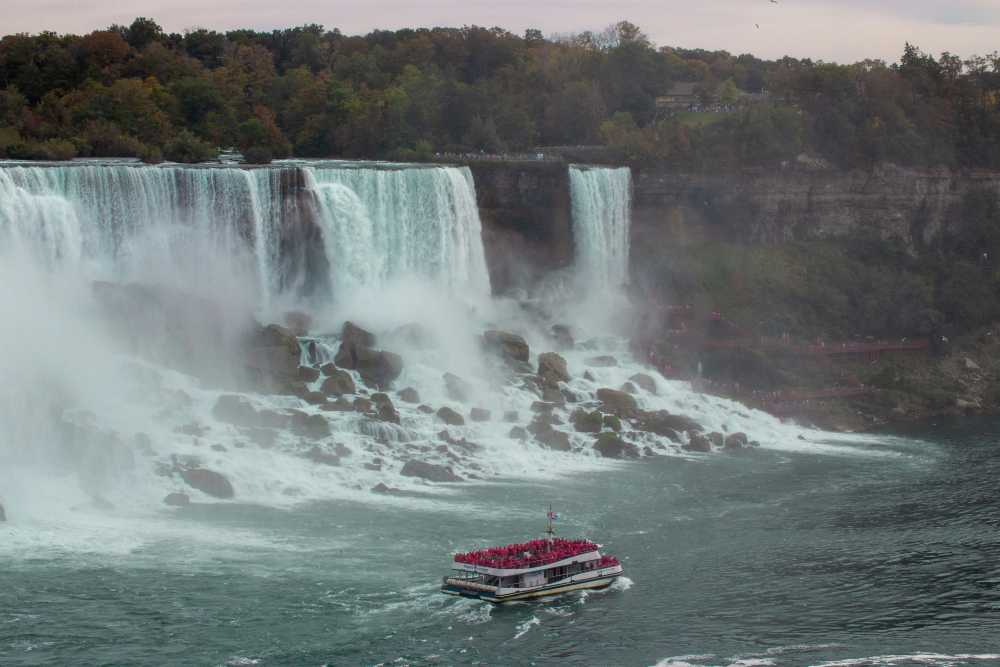
Why Your Blog’s Name is a Critical Business Decision
In the competitive world of travel content, your blog's name is far more than just a URL; it’s the foundation of your entire brand. It’s the first impression you make on a potential reader, a signal of your niche, and a promise of the value you provide. The right name can convey authority, personality, and trustworthiness in a split second.
As the digital world becomes more crowded, a unique and memorable name is a key differentiator that helps you stand out and build a loyal community. Choosing the right name is the very first step in joining the ranks of The Best Travel Blogs to Follow in 2026, transforming your passion from a simple hobby into a legitimate media brand. It sets the tone for your content, guides your visual identity, and becomes the anchor for the entire business you are about to build.
The 5-Step Framework for Choosing the Perfect Travel Blog Name
Treat this framework as your strategic playbook. By following these five steps systematically, you’ll move from a state of overwhelming uncertainty to one of confident clarity, ensuring you select a name that is not only creative but also commercially viable.

Step 1: The Foundation — Brainstorm Core Keywords
Before you can think of a single name, you must first define what your brand is about. This initial step is all about creating a "word bank" of concepts that are central to your blog. Don’t self-censor here; just write.
Create lists of words associated with these four categories:
Your Niche: Are you focused on luxury, budget, adventure, family, food, or solo travel? List every related term. For example, a family adventure blog might list: family, kids, teens, journey, trek, quest, wild, explore, outdoors.
Your Target Audience: Who are you writing for? Digital nomads, parents, retirees, college students? List words that describe them or resonate with them. For example: nomad, creator, parent, wanderer, seeker, adventurer.
Your Tone & Voice: What feeling do you want to evoke? Is your brand inspiring, funny, practical, sophisticated, or rugged? List adjectives. For example: witty, curious, bold, serene, classic, heirloom, luxe.
Travel & Exploration Verbs/Nouns: List general travel-related words that you like the sound of. For example: atlas, compass, globe, passport, voyage, roam, wander, seek, journey, passage, trail.
At the end of this exercise, you’ll have a rich palette of keywords to work with in the next steps.
Step 2: The Spark — Apply Proven Naming Formulas
Now, take the keywords from your word bank and start combining them using these common, effective naming formulas. This is where the magic happens.
The Alliteration Formula (Same Letter): This technique makes names catchy and memorable.
Examples: Roaming Roads, Compass Chronicles, Summit Stories.
The Portmanteau Formula (Blend Words): Combine two words to create a new, unique one.
Examples: Foodventure (Food + Adventure), Staycationist (Stay + Vacation), Technomad (Tech + Nomad).
The "Your Name" Formula (Personal Brand): Using your own name builds a personal connection and positions you as the expert.
Examples: Adventurous Kate, Nomadic Matt, Travels with Taylor.
The "Adjective + Noun" Formula (Descriptive): This is a classic, straightforward approach.
Examples: The Wandering Wagars, The Broke Backpacker, The Travel Bite.
Experiment by mixing and matching words from your Step 1 list into these formulas. Generate a long list of 20-30 potential names without judgment.
Step 3: The Inspiration — Use Blog Name Generators (Wisely)
Online blog name generators can be helpful, but they should be used for inspiration, not as a final answer. Input your top keywords from Step 1 into a few of these tools. Most of the suggestions will be generic or unusable, but occasionally, a generator can spark a new idea or a creative word combination you hadn't considered. Add any interesting options to your long list.
Pro-Tip: Think five or ten years into the future. Will the name you choose still fit if your travel style evolves? A name like "Backpacking a Twenty-Something" might feel perfect now, but it has a built-in expiration date. Aim for a name that allows your brand to grow with you.

Step 4: The Reality Check — Verify Availability
This is the most critical and often most disheartening step, but it’s non-negotiable. You must thoroughly check if your favorite names are available.
Check the Domain: Your primary goal is to secure a .com domain. Our market analysis consistently shows that a professional, easy-to-navigate website is a direct signal of brand investment. A .com domain is at the heart of that perception, inspiring a level of trust that other extensions simply don't. Use a domain registrar like Namecheap or GoDaddy to see if YourBlogName.com is available. If it’s taken, you should strongly consider moving on to the next name on your list.
Check Social Media Handles: Once you find an available .com, immediately check if the name is available as a consistent handle across your target social media platforms (e.g., Instagram, TikTok, Pinterest, YouTube). Having @YourBlogName everywhere is crucial for brand consistency.
If your top name passes both checks, put it on your shortlist. If not, cross it off and move on. Do not get emotionally attached to a name you can't own outright.
Step 5: The Final Hurdle — Conduct a Conflict Check
Before you purchase the domain, perform one last check to avoid future headaches.
Google It: Do a simple Google search for your chosen name. Is another brand, especially in a related industry, already using it? Even if the .com is available, you don’t want to compete with an established brand for name recognition.
Check Trademarks: For extra diligence, perform a basic search on the U.S. Patent and Trademark Office (USPTO) database. This can help you avoid obvious trademark conflicts down the road.
The name that makes it through all five steps is your winner.
Ready to Build Your Brand?
Choosing a name is the first step. Building a successful travel blog requires a full suite of tools for content creation, SEO, and monetization. Get a head start with our comprehensive, expert-curated toolkit.
The Travel Creator's Toolkit
75+ Travel Blog Name Ideas to Spark Your Creativity
To help you with Step 1 and 2, here is a categorized list of over 75 travel blog name ideas. Use these as a starting point to fuel your own unique combinations.

Puns & Wordplay
In Tents Exploration
The Globe Trotters
Suitcase Stories
Miles and Smiles
Pretty Plane Sailing
Frequent Flier Finds
Life is a Trip
Home is Where the Bag is
Have Luggage, Will Travel
Check-In & Check-Out
Alliteration & Rhyme
Roaming Roads
Compass Chronicles
Voyage Vision
Summit Stories
Passage Planner
Wayward Wanderings
The Travel Tribe
Seeker’s Saga
Trekking Threads
The Global Guide
Niche-Specific Names
Family: The Family Fold, Park Pack, Teen Travel Tribe, Little Luggage Life, The Wandering Weans
Solo: Solo Sphere, One Woman’s World, The Independent Itinerary, Just Me Journeys, The Singular Seeker
Luxury: The Gilded Getaway, First Class Compass, The Curated Journey, Velvet Atlas, Heritage & Hideaways
Budget: The Frugal Flier, Penny-Wise Passage, The Backpacker's Billfold, Thrifty Trails, The Value Voyager
Adventure: Adventure Atlas, Summit & Scale, The Adrenaline Almanac, Off-Grid Odyssey, The Wild Wayfarer
Action-Oriented & Evocative
Chase the Horizon
Seek the Summit
Beyond the Map
Find Your Path
Cross the Meridian
The Saffron Trail
Saltwater Soul
Alpenglow Atlas
Terra Incognita
The Far-Flung
Modern & Simple
The Travel Edit
Wayward Co.
Compass Collective
The Getaway Guide
Trip Theory
Atlas & Anchor
Itinerary & Ink
The Local Lens
Foreign & Familiar
The Departure Desk
Food Travel
Feast Finder
Culinary Compass
The Hungry Horizon
Fork & Globe
Spice Routes
The Traveling Table
Street Food Stories
Plates & Passports
The Foodie Flight
Cravings & Capitals
Photography Travel
The Shutter Sphere
Aperture Abroad
Focus Finder
The Framing Fellow
Light & Landmark
Pixel Passport
The Wandering Lens
ISO Elsewhere
The Photo Trekker
Viewfinder Voyages

Frequently Asked Questions About Naming Your Blog
Should my blog name include my destination niche (e.g., "Awesome Italy")?
It can be a powerful strategy for building authority quickly. It tells readers and search engines exactly what you're about. However, it can be limiting if you decide to travel elsewhere. If you're certain you'll focus on one area for years, go for it. If you think you might expand, a broader name offers more long-term flexibility.
What if the .com for my name is taken, but .net or .co is free?
We strongly advise against it. As mentioned, the .com extension is the gold standard; it conveys professionalism and trust. Other extensions can appear less credible and are harder for people to remember. Your audience will instinctively type .com, and you don’t want to send your hard-earned traffic to another website. It’s better to find a new name with an available .com.
Is it a bad idea to use my own name for my travel blog?
Not at all! Using your own name is an excellent way to build a personal brand, positioning yourself as the face of your business. Industry leaders like Nomadic Matt and Adventurous Kate have done this with massive success. The only downside is a potential lack of privacy, so be sure you're comfortable with putting your name out there publicly.
How important is having a keyword in my blog name for SEO?
It's less important than it used to be. Today, search engines prioritize the quality of your content over having an exact-match keyword in your domain. Focus on choosing a name that is memorable, unique, and brandable. A strong brand name is far more valuable for long-term SEO than a clunky, keyword-stuffed domain.
The Final Step: From Name to Brand
Once you’ve successfully navigated the framework and chosen your perfect name, act immediately. The internet moves fast, and you don’t want someone else to grab your idea.

Pro-Tip: As soon as you decide on a name that is available, purchase the .com domain and claim the social media handles on all relevant platforms. Do this immediately, even before you have a website built. Owning these assets is the first real step in making your brand a reality.
With your name secured, you’re no longer just dreaming; you’re building. The next step is to create a platform where you can share your expertise and begin monetizing your content. While traditional methods like advertising exist, the most profitable and sustainable path is to sell your own unique digital products—like itineraries, guides, or workshops. This is where you transition from being a content creator to a media entrepreneur. The TrekGuider Platform is the ultimate ecosystem designed for creators like you, providing the tools and marketplace to sell your digital products and build a thriving business from day one.
Your Journey Starts Now
Choosing a name for your travel blog can feel like an insurmountable obstacle, but it doesn’t have to be. By shifting your mindset from searching for a "cool name" to executing a strategic branding process, you can move forward with confidence and clarity. You now have a repeatable framework and a wealth of travel blog name ideas to break through the creative block that has been holding you back.
The perfect name is a strategic blend of personal expression and practical verification. You are equipped with the knowledge to find it. You're no longer just a traveler with an idea; you're a founder. Go claim your name, and start building your empire.
Meta Data Suggestions:
SEO Meta Title (58 characters): 75+ Travel Blog Name Ideas & How to Choose the Perfect One
URL Slug: travel-blog-name-ideas
SEO Meta Description (154 characters): Stuck on naming your travel blog? Get unstuck with our 5-step framework and 75+ creative travel blog name ideas to find the perfect brand name for you today.
Don't Miss Out! Subscribe for Exclusive Content
SubscribeComments 0
No comments yet
Be the first to share your experience!
Dont Miss Out! Subscribe for Exclusive Content
Ultimate USA Holidays Guide: Top Picks
FTC Affiliate Disclosure Essentials: Stay Compliant as a Travel Creator

Essential Affiliate Tools: From Tracking to Full Optimization
Avoid These 5 Affiliate Landing Page Mistakes for Better Conversions
Affiliate Keyword Research Mastery for Travel Blogs
Booking.com Affiliate Program Review: Pros, Cons, and Earnings Potential
Skip the Crowds: 8 Amazing Family Vacation Destinations
TrekGuider @trekguider
Tired of scrolling through the same lists of crowded, overpriced family vacation spots? You're not just looking for a random vacation; you're hunting for a genuine experience. You want a trip that sparks real curiosity in your kids and forges memories that last longer than the flight home, but the standard destinations can feel like a treadmill of long lines and manufactured fun.
The real frustration is the fear of choosing wrong. You know there are incredible, unique places across the USA that could offer your family a real adventure, but finding them feels like searching for a needle in a digital haystack. You worry about picking a spot that results in bored teenagers, overwhelmed toddlers, or a trip that feels more stressful than your daily routine.
This guide is your solution. It’s a curated map to America's hidden gems—the destinations that deliver authentic charm, thrilling adventures, and precious family connection, without the overwhelming crowds. For a broader look at how to choose the perfect trip style for your crew, be sure to check out our comprehensive Family Travel Ideas: The 2026 Guide to Unforgettable Trips before diving into these specific locales.
Why Skip the Crowds? Uncovering America's Best-Kept Secrets
Let's be clear: choosing a hidden gem isn't just about avoiding crowds. It's a strategic decision to trade manufactured fun for authentic discovery. It's the difference between waiting in line for a ride and watching wild ponies roam on a pristine beach.
Instead of an overpriced city tour, you're exploring ancient cliff dwellings with your kids. These are the family vacation destinations that offer more than just a getaway; they offer a story. We’ve handpicked locations that excel in three key areas: authenticity, value, and manageable logistics for families.

Ready to Get Organized?
Planning the perfect trip requires the right tools. Before you dive into these amazing destinations, grab our free Travel Itinerary Template. It's the easiest way to organize your days, keep track of bookings, and make your family travel planning actually easy.
Secret Shores & Lakeside Sanctuaries
For families who feel the call of the water, these destinations offer a refreshing alternative to the usual packed coasts.
1. Chincoteague Island, Virginia: Wild Ponies and Salty Air
Forget the high-rises and boardwalks. Chincoteague Island is a laid-back sanctuary on Virginia's Eastern Shore, famous for the wild ponies that roam the adjacent Assateague Island National Seashore. This is a place that runs on a slower, more natural clock.

The Vibe: A classic, unpretentious beach town where the main attractions are provided by nature. It's all about bike rides, bird watching, and beachcombing.
Best For: Families with elementary-aged children who love animals and nature.
Best Time to Visit: Late spring and early fall offer beautiful weather and fewer crowds. The annual Pony Swim in late July is a bucket-list event, but book accommodations a year in advance.
Can't-Miss Activities:
Take a wildlife boat tour: This is non-negotiable. It's the best way to see the wild ponies, dolphins, and stunning shorebirds up close.
Bike the refuge trails: The flat, paved paths of the Chincoteague National Wildlife Refuge are perfect for a leisurely family bike ride to the beach.
Go crabbing off a public dock: Rent a simple crab pot and line for an afternoon of old-fashioned fun. It's a rite of passage here.
Climb the Assateague Lighthouse: The view from the top gives you a fantastic perspective of the islands.
2. Traverse City, Michigan: The "Caribbean of the North"
Nestled on the shores of Lake Michigan's Grand Traverse Bay, Traverse City boasts stunning freshwater beaches with turquoise water and towering sand dunes. Its family-friendly atmosphere rivals any ocean destination.
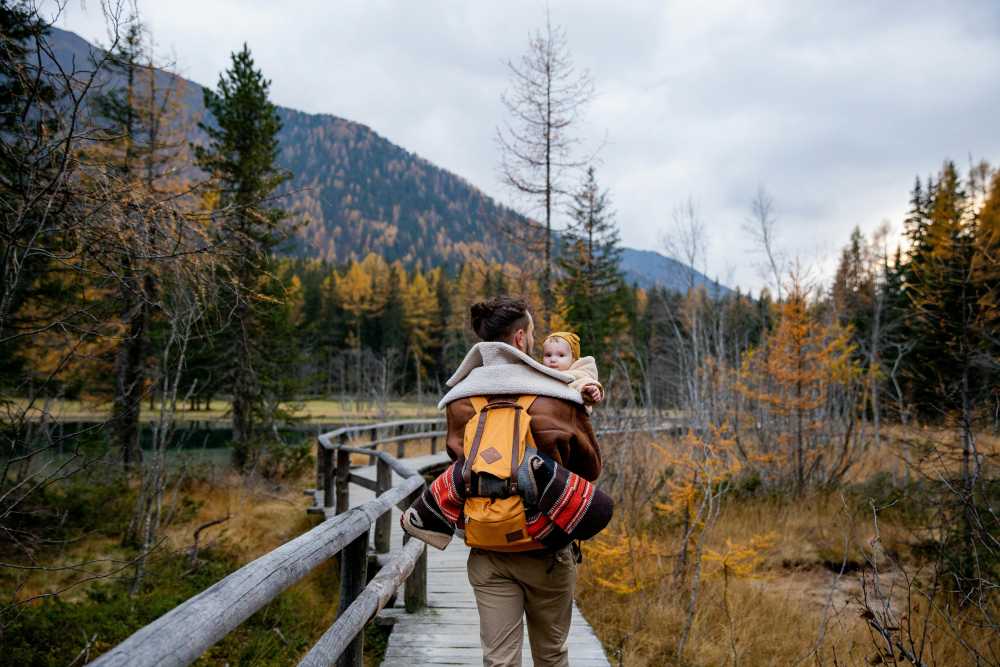
The Vibe: Wholesome, active, and quintessentially Midwestern summer. It blends stunning natural beauty with charming small towns and a thriving food scene.
Best For: Multigenerational families looking for a mix of relaxation and accessible activities.
Best Time to Visit: July and August for the warmest swimming weather. The National Cherry Festival in early July is popular but extremely crowded; consider late August for a more relaxed trip.
Can't-Miss Activities:
Conquer Sleeping Bear Dunes: Climb the massive Dune Climb for an incredible view and then run, roll, or slide down to the shore of Glen Lake.
Hunt for Petoskey Stones: Spend an afternoon walking the shores of Lake Michigan, searching for these unique fossilized stones.
Kayak the Crystal River: This gentle, crystal-clear river is perfect for a family float, winding through lush forests.
Explore Fishtown in Leland: Walk through the historic, weathered fishing shanties, now home to quirky shops and galleries.
3. The San Juan Islands, Washington: An Archipelago Adventure
Just a scenic ferry ride from Seattle, this collection of islands feels like a world away. Life here revolves around the water, from whale watching to kayaking in serene coves. Each island has its own personality, from the bustling Friday Harbor on San Juan Island to the pastoral quiet of Lopez Island.

The Vibe: Pacific Northwest bliss. It’s relaxed, eco-conscious, and breathtakingly beautiful, with a focus on wildlife and quiet exploration.
Best For: Families with kids of all ages who appreciate nature and a slower pace.
Best Time to Visit: July and August offer the sunniest, warmest weather, which is also the peak season for whale watching.
Budget-Saving Tip: Pack a cooler with picnic supplies and snacks. Groceries and restaurants on the islands can be pricey, and a beach picnic is part of the classic San Juan experience.
Can't-Miss Activities:
Go on a Whale Watching Tour: The San Juans are one of the best places in the world to see orcas in the wild. It’s an unforgettable experience.
Visit Lime Kiln Point State Park: Known as "Whale Watch Park," you can often spot whales right from the shoreline.
Explore the sculpture park: The 20-acre San Juan Islands Sculpture Park near Roche Harbor is a fantastic place for kids to run around and interact with art.
Bike around Lopez Island: Known as the "Friendly Isle" for its gentle terrain and waving locals, Lopez is perfect for a family bike ride.
Pro-Tip: Ferry reservations are absolutely essential, especially during the summer. Book your vehicle spot on the Washington State Ferries website as soon as your travel dates are confirmed.
Mountain Escapes & Park Alternatives
For families craving fresh air and epic landscapes, these destinations provide all the majesty of the more famous national parks with a fraction of the traffic. For more ideas like these, don't miss our guide to 4 Unforgettable National Park Family Travel Ideas.
4. Custer State Park, South Dakota: The Crown Jewel of the Black Hills
Often treated as a side trip from Mount Rushmore, Custer State Park is a world-class destination in its own right. With 71,000 acres of breathtaking landscapes and wildlife that rivals the big-name parks, it's arguably one of the best state parks in the nation.
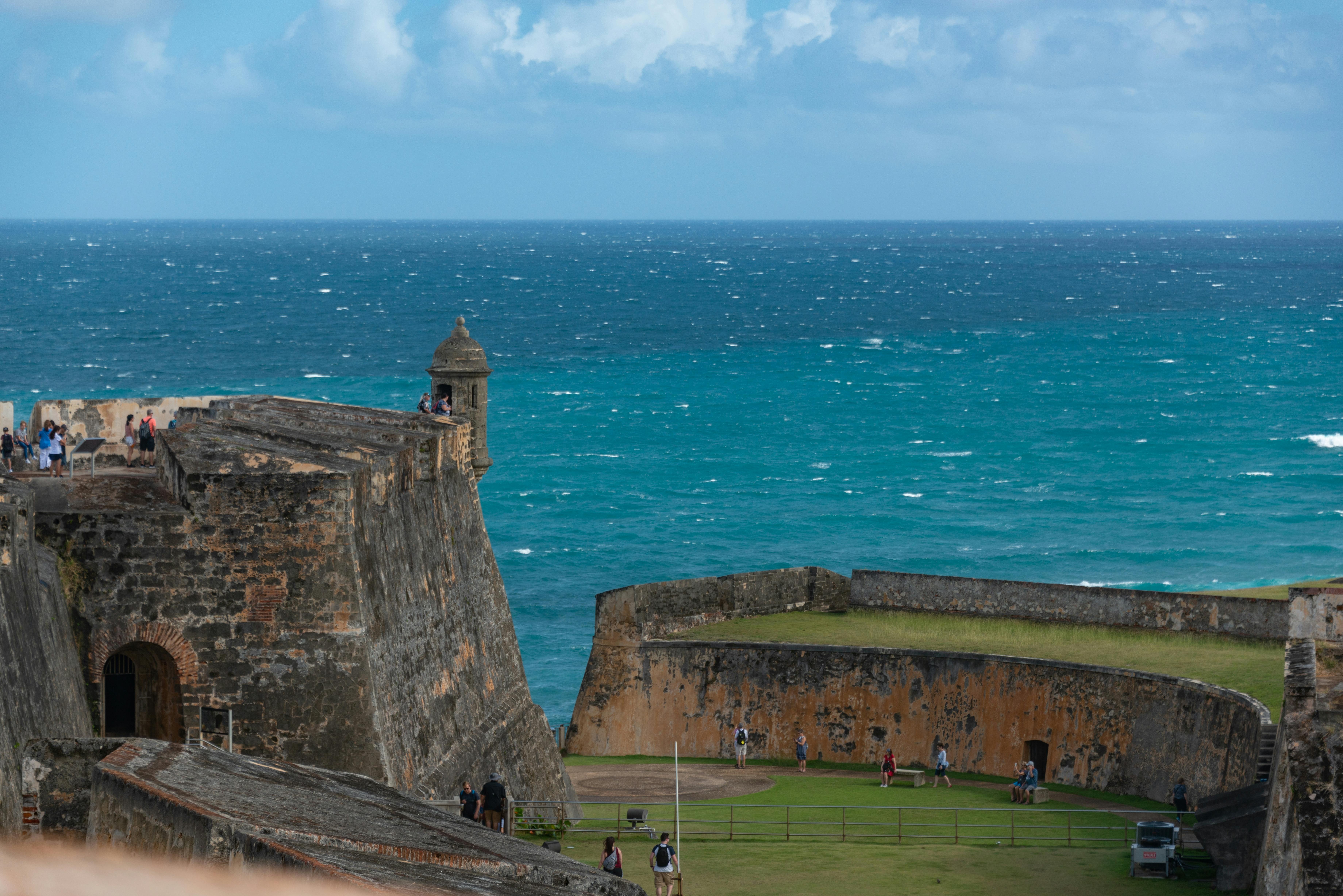
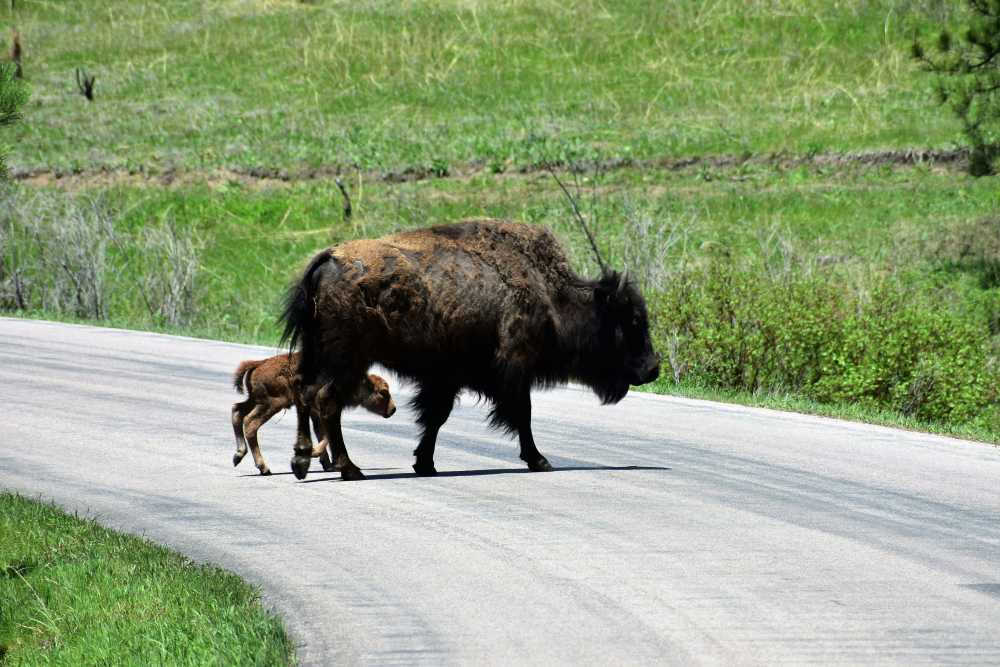
The Vibe: Wild West writ large. It's a world of granite spires, rolling prairies, and massive bison herds that feels both accessible and untamed.
Best For: Active families with kids aged 7+ who love hiking and wildlife spotting.
Best Time to Visit: Early June or September to avoid the massive crowds from the Sturgis Motorcycle Rally (early August).
Can't-Miss Activities:
Drive the Wildlife Loop Road at dusk: This is when the animals are most active. You're almost guaranteed to get stuck in a "bison jam."
Navigate the Needles Highway: This incredible 14-mile road twists and turns through towering granite spires and narrow tunnels carved from rock.
Swim or kayak on Sylvan Lake: This impossibly scenic lake, surrounded by rock formations, is the perfect spot for an afternoon on the water.
Hike to Black Elk Peak: For ambitious families, the hike to the highest point east of the Rockies offers unforgettable 360-degree views.
5. The Finger Lakes, New York: Gorges, Falls, and Lakeside Fun
This stunning region in upstate New York is known for its 11 long, narrow lakes and wineries. But its true hidden gem status for families comes from its spectacular state parks, filled with dramatic gorges and countless waterfalls.
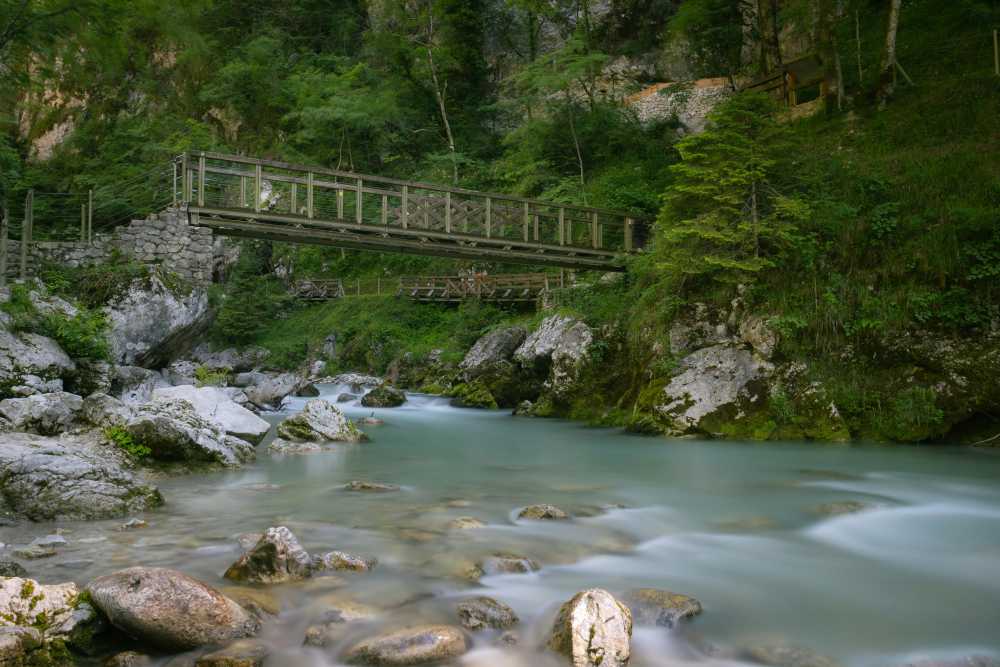
The Vibe: A natural waterpark carved by glaciers. It's a place for active exploration followed by relaxing evenings by the lake.
Best For: Families with energetic kids and teens who love to hike, swim, and explore.
Local Flavor: Don't leave without trying a "grape pie," a regional specialty that's a delicious nod to the area's Concord grape heritage.
Can't-Miss Activities:
Walk the Gorge Trail at Watkins Glen: The trail takes you over, under, and behind 19 incredible waterfalls in just two miles.
Swim at the base of a waterfall: Robert H. Treman State Park has a classic swimming hole right below a massive waterfall, complete with a diving board.
Get hands-on at the Corning Museum of Glass: The live glass-blowing demonstrations are mesmerizing, and you can even make your own glass creation.
Rent a pontoon boat: Spend a day on Cayuga or Seneca Lake, jumping in for a swim and enjoying the scenery from the water.
6. The Berkshires, Massachusetts: Culture in the Countryside
Nestled in the rolling hills of western Massachusetts, The Berkshires offer a unique blend of outdoor adventure and world-class culture. You can hike a mountain in the morning and listen to a symphony concert on the lawn at Tanglewood in the evening.

The Vibe: Rustic sophistication. It’s a haven for artists and nature lovers, with charming small towns and a palpable creative energy.
Best For: Families with a mix of interests, from art and music to hiking and swimming.
Best Time to Visit: Summer for the full slate of cultural festivals. Fall is breathtaking with its famous foliage.
Can't-Miss Activities:
Hike to the summit of Monument Mountain: A moderate hike rewards you with panoramic views that once inspired famous authors.
Explore the Norman Rockwell Museum: Even kids who aren't "museum people" will connect with Rockwell's relatable and iconic images of American life.
Go for a swim at Lake Pontoosuc: This public lake has a sandy beach and is a popular spot for families to cool off.
Wander through the town of Stockbridge: This is the quintessential New England town, so picturesque it was immortalized in a Rockwell painting.
Places That Tell a Story: History & Culture Off the Beaten Path
These unique destinations offer a chance to engage with American history and culture in a way that’s truly captivating for the whole family.
7. Mesa Verde National Park, Colorado: A City in the Cliffs
This UNESCO World Heritage Site protects nearly 5,000 archeological sites, including 600 incredibly preserved cliff dwellings of the Ancestral Pueblo people. This isn't just history behind glass; it's history you can touch and climb into.

The Vibe: Awe-inspiring and humbling. It connects you to a deep and ancient American story in a profoundly tangible way.
Best For: Families with school-aged children (age 7+) interested in history and adventure. Note that some tours involve climbing steep ladders.
Pro-Tip: Tour tickets for Cliff Palace and Balcony House are released 14 days in advance on recreation.gov and sell out almost instantly. Be online the moment they become available.
Can't-Miss Activities:
Tour a cliff dwelling: A ranger-led tour of Cliff Palace or Balcony House is the absolute highlight.
Drive the Mesa Top Loop Road: This 6-mile drive has easily accessible overlooks that tell the chronological story of the Ancestral Pueblo people.
See Spruce Tree House: The view of this massive dwelling from the overlook near the museum is spectacular.
Become a Junior Ranger: The park's program is excellent and is a fantastic way to engage kids in learning about the park's history.
8. St. Augustine, Florida: Where America's Story Begins
Founded in 1565, St. Augustine offers a slice of colonial Spanish history on the Florida coast. With its cobblestone streets, imposing fortress, and tales of pirates, it's a city that sparks the imagination.
The Vibe: A European city that washed up on a Florida beach. It's historic, walkable, and packed with unique attractions.
Best For: Families with a wide range of ages—from young kids who love pirates to teens who can appreciate the deep history.
Best Time to Visit: Spring and fall have the most pleasant weather for walking. The "Nights of Lights" festival from November to January is magical.
Can't-Miss Activities:
Explore the Castillo de San Marcos: Kids love running around the ramparts of the oldest masonry fort in the continental U.S. Don't miss the cannon firing demonstrations.
Hunt for treasure at the Pirate & Treasure Museum: This is a surprisingly well-done museum with authentic pirate artifacts.
Climb the St. Augustine Lighthouse: Brave the 219 steps for a stunning panoramic view of the city and the Atlantic Ocean.
Hit the beach: Just a short drive away, St. Augustine Beach offers miles of wide, white sand perfect for sandcastles and splashing.
Frequently Asked Questions
What are the main benefits of choosing a less-crowded family vacation destination?
The biggest benefits are a more relaxed pace, lower costs, and more authentic experiences. You'll spend less time waiting in lines and more time connecting with your family and the destination itself, often creating much richer memories.
Are "hidden gem" destinations good for families with toddlers or teens?
Absolutely. The key is matching the destination's activities to your kids' ages and interests. A place like Chincoteague is perfect for young, animal-loving kids, while the hiking and history of Mesa Verde or the gorges of the Finger Lakes are fantastic for engaging older kids and teens.
What's the best way to find unique vacation spots beyond this list?
Start by looking at state parks instead of only national parks, which are often just as beautiful but with fewer crowds. You can also explore regions just outside major tourist hubs or ask for recommendations in online travel communities focused on specific interests like hiking or history.
Create Your Own Adventure
Choosing one of these hidden gems is about more than just avoiding crowds; it’s an intentional decision to seek out a different kind of trip. It’s about finding the places that allow your family to connect—with nature, with history, and most importantly, with each other.
These unique family vacation destinations prove that the most memorable adventures are often found on the roads less traveled. So, break free from the conventional lists, pack your bags with a sense of curiosity, and get ready to create a family story that is uniquely yours.
Read the full guide: Family Travel Ideas: The 2026 Guide to Unforgettable Trips
Don't Miss Out! Subscribe for Exclusive Content
SubscribeComments 0
No comments yet
Be the first to share your experience!
Dont Miss Out! Subscribe for Exclusive Content
Ultimate USA Holidays Guide: Top Picks
FTC Affiliate Disclosure Essentials: Stay Compliant as a Travel Creator
Essential Affiliate Tools: From Tracking to Full Optimization
Booking.com Affiliate Program Review: Pros, Cons, and Earnings Potential
Decoding Affiliate Commission Rates: Benchmarks for Travel Creators

Amazon Associates for Travel: Strategies to Maximize Commissions
The Ultimate Guide to Solo Female Travel (15 Essential Tips)
TrekGuider @trekguider
The world of travel is being redrawn by its most powerful new explorers: women journeying on their own. This isn't just a trend; it's a seismic cultural shift. With the global solo travel market projected to surge past $1.5 trillion by 2033, and women making up a staggering 84% of that market, one thing is clear: the solo female traveler is here to stay. This movement is powered by a desire for something more than a vacation. According to recent reports, it's about pursuing profound personal growth (68%) and the unparalleled freedom that only comes from navigating the world on your own terms.

If you're reading this, you likely feel that same pull. And while the ambition is thrilling, it's often shadowed by valid questions about safety, logistics, and loneliness. This guide is here to replace that apprehension with confident, decisive action. These are the essential solo female travel tips—a comprehensive roadmap designed to take you from daydream to departure with clarity and courage.
The Foundation - Safety & Mindset
Before you book a flight or pack a bag, the most important part of your journey begins. It's the internal work of building a resilient mindset, understanding the emotional landscape of solo travel, and grounding yourself in smart, practical safety strategies.
Tip 1: Master Situational Awareness to Travel Confidently
The single biggest concern for women traveling solo is safety. A recent study found that 66% of solo female travelers worry about their personal safety, and it's a valid, intelligent concern. But here is the empowering reality: the same study revealed that while 25% have felt they were in a dangerous situation, a mere 1% were ultimately the victim of a crime. This tells us that women are overwhelmingly capable and successful at navigating the world safely.
The key is trading abstract fear for concrete skills, and situational awareness is your most powerful tool. It’s not about paranoia; it’s about presence. It means understanding how to recognize and avoid common tourist scams, from the "friendship bracelet" ploy near the Sacré-Cœur to the broken taxi meter at a foreign airport. It’s knowing how to carry yourself with purpose and confidence, even when you’re lost, and making conscious, clear-headed decisions about where you go, especially after dark.
Most powerfully, the data reveals a direct correlation between experience and anxiety. While a significant 77% of women who have taken fewer than six solo trips worry about safety, that number drops to just 55% for those with over ten trips under their belt. The act of traveling solo is, in itself, the most potent antidote to the fear of it. Each challenge overcome recalibrates your personal risk assessment, replacing media-fueled fear with managed awareness built on real-world evidence of your own competence.

For a complete tactical breakdown, get your free Solo Female Travel Safety Guide and read our in-depth article, The 7 Solo Female Travel Safety Rules You Can't Ignore.
Tip 2: Embrace the Journey of Personal Growth
Why do you really want to travel alone? For the vast majority of women, the answer goes far beyond seeing new sights. It’s an investment in the self. Solo travel is a real-world masterclass in capability, forcing you to become your own navigator, problem-solver, and chief decision-maker. Every challenge overcome—from successfully navigating a foreign subway system to ordering a meal in a new language—builds a powerful and tangible sense of radical self-reliance.
This journey strips away the familiar roles you play at home—employee, partner, daughter, friend—and allows you to connect with your authentic self, free from the expectations of others. You'll develop a profound resilience, learning to view setbacks not as crises but as puzzles to be solved. As Alice Teacake of Teacake Travels puts it, "it's through leaving our comfort zone and facing challenges that we become far more adaptable, quick-thinking, stronger and wiser." This isn’t just about feeling good; it's about fundamental personal development. The confidence you build on the road doesn’t stay in your suitcase; it comes home with you, permanently altering how you see yourself and your capabilities in the world.
To explore the transformative "why" behind the journey, read our inspirational guide: The 5 Unexpected Benefits of Traveling by Yourself.
Tip 3: Learn the Art of Confidently Dining Alone
For many aspiring solo travelers, one of the most daunting thoughts isn't about navigating a new city, but about a simple, seemingly trivial act: eating a meal alone in a restaurant. This social anxiety is incredibly common, but it's an obstacle that can be transformed from a dreaded necessity into one of the most pleasant and empowering rituals of your trip. The key is to be strategic.
Start by choosing your venue wisely. Actively avoid establishments that are overtly formal or marketed towards romantic couples. Instead, opt for casual bistros, lively cafes with outdoor seating perfect for people-watching, or restaurants known for their counter seating. Sitting at the bar is the universally accepted and most comfortable spot for a solo diner. It eliminates the feeling of occupying an empty table and often places you in a more dynamic, social environment where you can chat with the bartender or simply observe the action in comfortable anonymity.

Bringing a "prop"—a travel journal to record your day's adventures, a good book, or a map to plan the next day—gives you a purposeful focus during any lulls. It signals to yourself and others that you are content and engaged in your own company. Dining during off-peak hours can also significantly reduce anxiety, as the restaurant will be less chaotic. With a little practice, you'll find that a table for one is a front-row seat to the world.
For a full menu of confidence-building tactics, see our guide: 5 Ways to Confidently Eat Alone While Traveling.
Tip 4: Build Your Tribe on the Road (Safely)
Traveling solo doesn’t have to mean traveling lonely. One of the most enriching parts of the experience is connecting with other people, both locals and fellow travelers, on your own terms. The secret is to create opportunities for interaction in safe, structured, and natural ways.
Your choice of accommodation is the easiest place to start. Modern hostels are designed as social hubs, with common areas, kitchens, and organized events like group dinners or walking tours. Even if you book a private room for security and comfort, simply spending time in the common lounge is a low-pressure way to strike up a conversation. Joining group activities is another guaranteed method. A free walking tour on your first day in a new city is a classic and highly effective strategy to get your bearings while chatting with other travelers. Consider a local cooking class, a surf lesson, or a day trip to a nearby attraction; the shared experience makes conversation feel natural and easy.
Technology can also be a powerful tool for safe connection. Vetted, women-focused Facebook groups like "Solo Female Travelers" or apps like BumbleBFF can help you meet up for a coffee or a meal. The goal isn't to fill every moment with social interaction, but to know how to find it when you want it, enriching your journey with shared experiences and new perspectives.
Learn how to create meaningful connections without compromising your safety in our guide: How to Meet People While Traveling Solo (Without Being Awkward).
Tip 5: Find Inspiration from Those Who've Gone Before
The path to your first solo trip is paved with the stories and advice of the millions of women who have gone before you. Tapping into this vast well of experience is one of the best ways to build confidence and gather practical, real-world advice. Solo female travel blogs are an invaluable resource, offering everything from packing lists for specific climates to warnings about local scams. Following a few trusted voices can make you feel like you have a savvy friend in your pocket.
For the Safety-Conscious Traveler: Kate McCulley of Adventurous Kate has built her platform on the mission to "teach women how to travel the world safely!" After being shipwrecked in Indonesia, she became a leading advocate for preparedness and risk management. Her blog is a go-to resource for practical, no-nonsense safety advice that empowers rather than scares.
For the Aspiring Digital Nomad: Kristin Addis of Be My Travel Muse specializes in off-the-beaten-path and adventure travel. She focuses on authentic experiences that foster personal growth and encourages women to find a travel style that is uniquely meaningful to them, making her a fantastic resource for anyone dreaming of a long-term travel lifestyle.
For the Part-Time Traveler: Amanda Williams of A Dangerous Business champions the idea that you don't have to quit your job to see the world. Her blog is perfect for those who want to integrate more travel into their existing life, offering realistic itineraries and practical tips for maximizing vacation time and traveling smarter, not just longer.
Discover your next favorite travel mentor in our curated list: Top 11 Solo Female Travel Blogs to Follow in 2026.
The Logistics - Planning Your Perfect Trip

With a confident mindset established, it’s time to dive into the exciting logistics of where you'll go and how you'll get there. This is where your dream trip starts to take tangible shape.
Tip 6: Choose Your First Destination Wisely
The choice of where to take that first solo trip is a monumental one; it sets the tone for every adventure to come. The ideal country for a first-timer combines a high of safety, a well-developed tourist infrastructure, and a culture that is welcoming to independent travelers. Using data from sources like the Global Peace Index (GPI) provides a solid, fact-based starting point for your research.
Iceland: Consistently ranked the most peaceful country in the world by the GPI, Iceland is an outstanding choice. It boasts an exceptionally low crime rate, a high degree of gender equality, and English is widely spoken. Its strong tourism infrastructure, with countless tours and easy-to-navigate routes like the Ring Road, makes it highly accessible for independent travelers seeking otherworldly landscapes.

Portugal: A consistent top-ten performer on the GPI, Portugal offers the safety and charm of Western Europe at a more affordable price point. Its cities are considered very safe, the locals are welcoming, and it has become a major hub for solo travelers and digital nomads, ensuring a vibrant community of like-minded people. Ready to explore its charming cities and stunning coastlines? Our Portugal Guide has everything you need to get started.

Japan: Renowned for its astonishingly low crime rates and a culture of deep respect for public order, Japan is one of the safest-feeling countries on earth. The efficiency of its public transport is legendary, and features like women-only subway cars during rush hour provide an added layer of comfort for solo female travelers seeking a unique and profound cultural immersion. Check out our detailed guide to Japan.
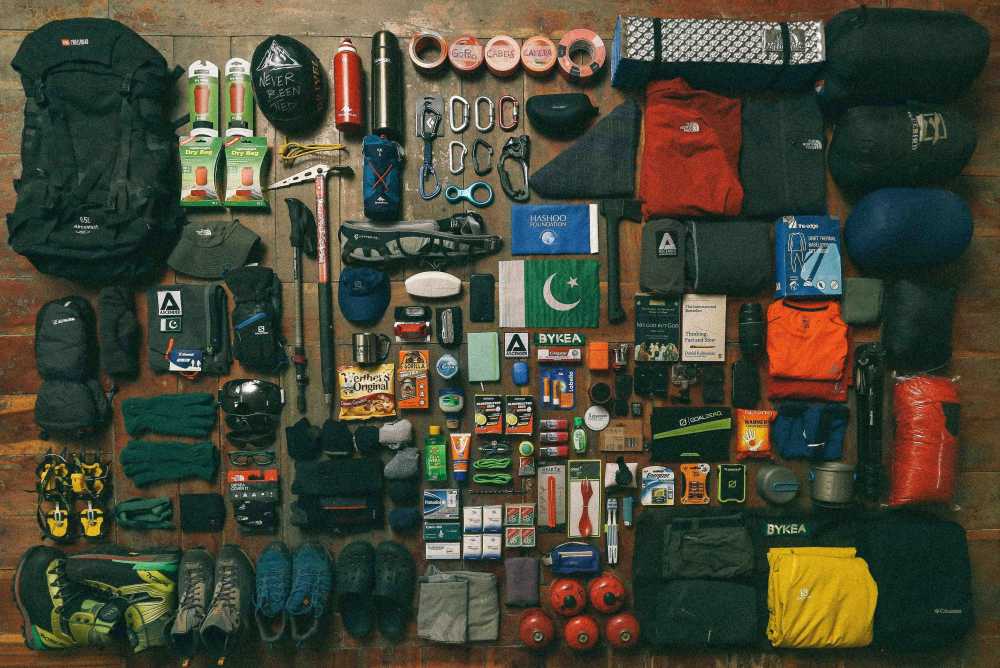
For a full list of beginner-friendly and secure destinations, check out our guide: The 10 Best Countries for a First Solo Trip in 2026.
Tip 7: Craft a Realistic Budget You'll Actually Stick To
Financial planning is the bedrock of a stress-free solo journey. As the sole bearer of all costs, a strategic approach to budgeting isn't just advisable—it's essential. The process transforms a vague dream into an achievable financial goal. Start by researching the three largest costs: pre-trip essentials (visas, gear), long-haul transportation (flights), and a realistic average daily on-the-ground cost for your chosen destination. A daily budget in Prague, for example, can be less than half of what you'd spend in Paris, primarily due to lodging and food costs.
Create a detailed spreadsheet breaking down all expenses into specific categories: Pre-Trip Costs, International Transport, Daily Lodging, Daily Food, Daily Activities, and Local Transport. This gives you a clear picture of where your money is going and identifies areas where you can save. Once you have a total, work backward to set a monthly savings target and automate the transfer to a dedicated, high-yield savings account.
The most critical step? Incorporate a contingency fund. No budget is perfect, and travel is full of unexpected opportunities and challenges. Add a buffer of 15-20% to your total estimated cost. This fund is your safety net for emergencies, unexpected fees, or the freedom to say "yes" to a spontaneous, can't-miss experience without financial guilt.

For a step-by-step walkthrough and downloadable templates, see our complete guide: How to Make a Solo Travel Budget (That You'll Actually Keep).
Tip 8: Pack Light, Travel Free
For a solo traveler, mastering the art of minimalist packing is a superpower. Traveling with only a carry-on-sized bag enhances mobility, saves you money on baggage fees, and increases security by keeping your belongings with you at all times. It’s the ultimate form of travel freedom, allowing you to navigate crowded train stations and cobblestone streets with ease. The philosophy is simple: pack for one week and plan to do laundry once.
The key to a minimalist wardrobe is versatility. A merino wool t-shirt is a traveler's miracle fabric; it regulates temperature, wicks moisture, and is naturally antimicrobial, meaning you can wear it multiple times between washes. A large, high-quality scarf or sarong is the ultimate multi-tool, functioning as an accessory, a wrap for a chilly plane, a head covering for religious sites, or a picnic blanket. Solid toiletries—like shampoo bars and conditioner bars—are a game-changer, eliminating the worry of liquid spills and airport security rules. By choosing every item with intention and focusing on multi-use pieces, you can easily fit everything you need for a 10-day trip into a single, liberating bag.
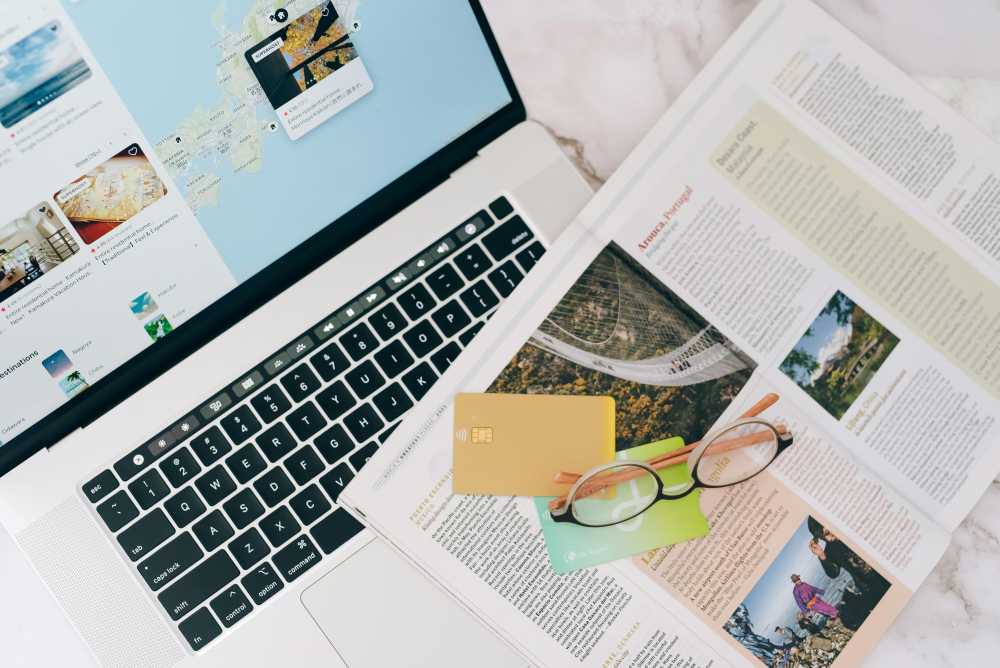
Get the complete checklist and strategy in our ultimate guide: The Minimalist Solo Travel Packing List: A Complete Guide.
Tip 9: Explore Europe Like a Pro
Europe is a classic and incredibly rewarding destination for solo female travelers, thanks to its breathtaking diversity, high levels of safety, and excellent transportation networks. Choosing how to get from country to country is a key part of planning your adventure, with each option offering a different balance of cost, speed, and experience.
By Train: The quintessential European experience. Traveling by rail pass offers scenic views and the unparalleled convenience of arriving directly in the city center. It’s best for travelers who value flexibility and spontaneity, though high-speed routes in countries like Spain and Italy often require advance seat reservations, which come with an extra fee. Our Spain Guide can help you navigate the system.
By Budget Airline: Unbeatable for covering long distances quickly and cheaply. A flight from Lisbon to Berlin is far more time-efficient than any land-based option. However, the low headline price often hides hefty fees for luggage, and airports are typically located far outside the city, adding significant time and transit costs to your journey. It's efficient, but often a stressful means to an end.
By Coach Bus: Almost always the cheapest way to travel between cities, especially in Central and Eastern Europe where the bus network is extensive. Modern coaches are often comfortable, with Wi-Fi and power outlets, but journeys are significantly longer than by train or plane and are susceptible to traffic delays. This is the best option for the budget-conscious traveler for whom time is not the primary concern.
For a detailed comparison and continent-specific advice, see our first-timer's manual: How to Travel Europe Alone: A 2026 First-Timer's Guide.
Tip 10: Discover the Best of the USA on a Solo Road Trip
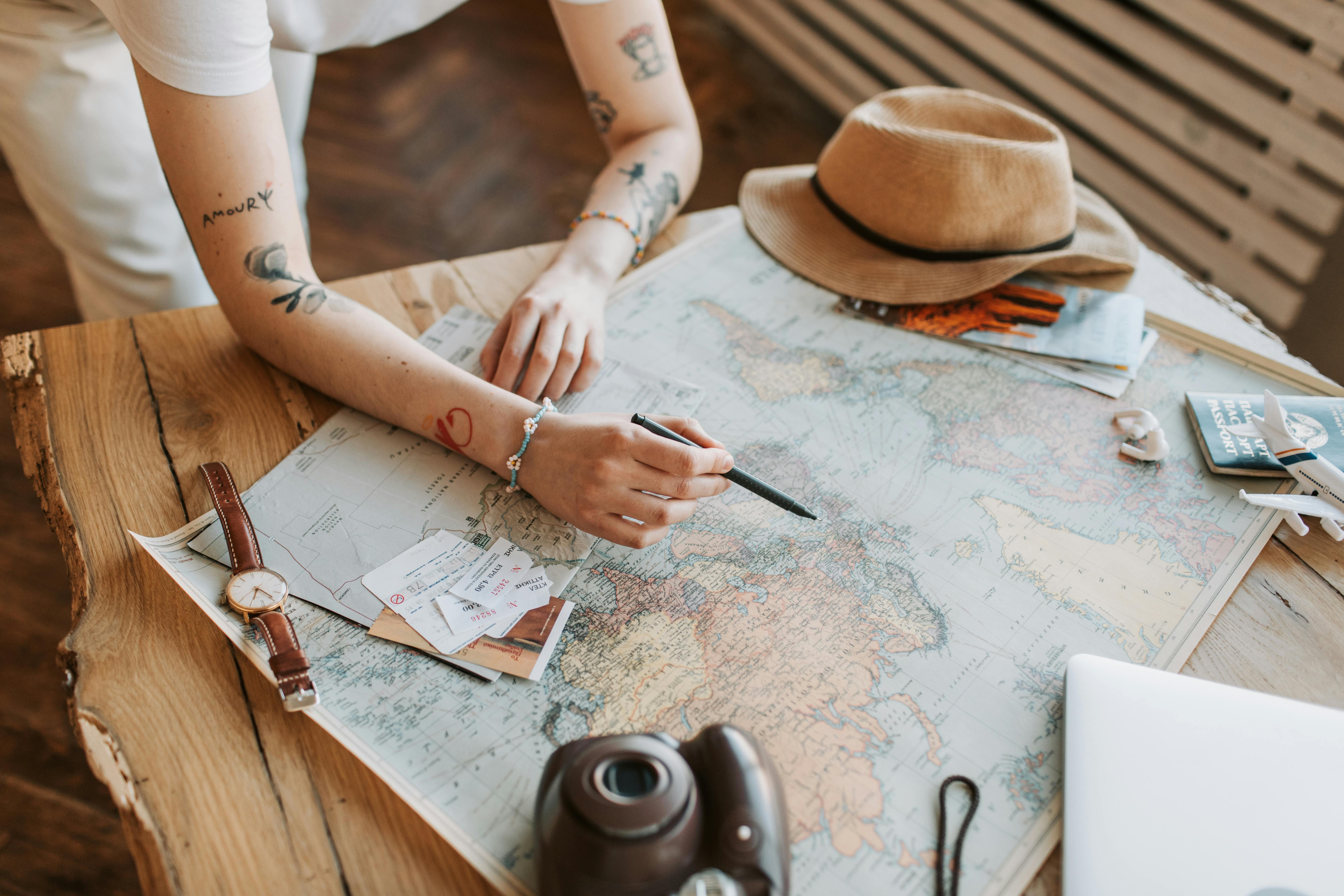
The United States offers a lifetime of solo travel possibilities, and the great American road trip is an iconic journey of freedom and discovery. The key to a successful solo trip is to focus on a specific region or theme rather than trying to cover too much ground. These itineraries offer a perfect blend of adventure, culture, and stunning scenery.
Pacific Coast Highway (California): A quintessential American drive. This 5-7 day itinerary from San Francisco to Los Angeles is all about the dramatic coastal scenery of Highway 1, with essential stops in the charming arts town of Carmel-by-the-Sea and the iconic, redwood-lined cliffs of Big Sur.
Southwest National Parks Loop (Utah/Arizona): An epic 7-10 day road trip for the avid hiker. Fly into Las Vegas and create a loop to visit the majestic canyons of Zion National Park, the otherworldly hoodoos of Bryce Canyon National Park, and the awe-inspiring Grand Canyon. The proximity of these parks makes for a manageable and visually stunning journey.
Southern Culinary & Music Trail (TN/LA): A journey through the heart of American music. Start in Nashville for country music and hot chicken, drive to Memphis to experience the blues on Beale Street and visit Graceland, and end in New Orleans for the vibrant sounds of jazz in the French Quarter. This trip is a feast for the ears and the taste buds.
Find your perfect American adventure in our list of itineraries: Solo Travel in the USA: 10 Incredible Itinerary Ideas.
Advanced Tactics - The Savvy Traveler's Toolkit
You’ve got the mindset and the plan. Now, let’s sharpen your skills with advanced, practical solo female travel tips that separate the novice from the savvy, seasoned traveler.
Tip 11: Choose Your Accommodation Like a Security Pro
Your accommodation is your sanctuary, a private space to rest and recharge. Ensuring its security is a non-negotiable first step upon arrival. Executing a consistent, methodical check immediately upon entering a hotel room or Airbnb can provide critical peace of mind. This protocol should become an automatic habit. First, prop the door open with your luggage before fully entering the room; this prevents the door from locking behind you and ensures an immediate escape route should you discover the room is not empty.
Next, conduct a quick but thorough physical search of the entire space: under the bed, behind all curtains, inside closets, and in the bathroom. Once you've confirmed the room is empty, close the door and immediately test all locking mechanisms, including the deadbolt and any chain locks. Go to every window and balcony door to ensure they are secure. Your personal security devices provide a layer of protection that is entirely within your control. Immediately place a rubber wedge doorstop alarm under the main door or install a portable door lock. Finally, locate the fire exit map, identify the two nearest exits, and physically walk the route to each. This mental map is invaluable for navigating in darkness or smoke.

Tip 12: Master Ground Transportation Safety
Ground transportation in an unfamiliar country can be a point of vulnerability. Adhering to a strict set of safety protocols for every ride is essential. When using a ride-share app, always follow the "Match, Name, Share" protocol. First, carefully Match the vehicle's make, model, and license plate number with the information provided in the app. Second, from a safe position on the curb, ask the driver, "Who are you here for?" to make them say your Name. Never ask, "Are you here for Jane?" A legitimate driver will know your name without prompting.
Finally, before your ride begins, use the app's built-in feature to Share your trip status with a trusted friend or family member, allowing them to track your journey in real-time. As a solo traveler, always sit in the back seat on the side opposite the driver. This creates physical distance and gives you access to two separate exits. Keep your own mapping application open on your phone throughout the journey to follow the route. If the driver takes a significant and unexplained detour, you are empowered to question it and, if necessary, end the ride in a safe, well-lit public area.
Tip 13: Never Leave Home Without Travel Insurance
For a solo traveler, travel insurance is not an optional luxury; it is an absolute necessity. It functions as a financial and logistical safety net in the event of a medical emergency, trip disruption, or theft far from home. When evaluating policies, a solo traveler should ensure the plan includes strong coverage in several key areas.
The most critical component is Emergency Medical Coverage; medical care abroad can be extraordinarily expensive, so a policy should offer a minimum of $250,000 in benefits. Emergency Medical Evacuation is also essential, as it covers the potentially astronomical cost of transporting you to a hospital with adequate facilities or back to your home country.
Critically for solo travelers, look for a policy that includes Emergency Medical Reunion (Companion Coverage). If you are hospitalized for an extended period, this coverage will pay for a family member's transportation and accommodation to be at your bedside. This logistical and emotional support is invaluable when you are alone and ill in a foreign country. Finally, ensure the policy covers Trip Interruption and has adequate reimbursement for lost or stolen baggage.
Tip 14: Assemble a Digital and Physical "Lifeline" Packet
Before departing on any international trip, a solo traveler should establish a "mission control" back home by providing a designated emergency contact with a comprehensive packet of information. This ensures that if you are unreachable, someone you trust has all the necessary details to assist you. This packet should include both physical and digital copies of your passport photo page, any necessary visas, your driver's license, your travel insurance policy (with the 24/7 assistance number), and the front and back of every credit and debit card you're carrying.
Also include a complete day-by-day itinerary with flight numbers, train schedules, and the names, addresses, and phone numbers of all booked accommodations. The final, crucial step is to enroll your trip with the U.S. Department of State’s free Smart Traveler Enrollment Program (STEP). Enrolling your trip online provides the nearest U.S. Embassy or Consulate with your itinerary and contact information. It creates a three-way digital bridge connecting you, your emergency contact, and the State Department, ensuring a coordinated response in a worst-case scenario.
Tip 15: Use the Right Financial Tools to Avoid Hidden Fees
Using the right financial tools abroad is crucial for avoiding costly and unnecessary fees that can silently drain your travel budget. The two most important products for a solo traveler are a credit card with no foreign transaction fees and a debit card that reimburses ATM fees worldwide.
Many credit cards charge a foreign transaction fee, typically 3% of every purchase made abroad. This fee can quickly add up and negate any rewards you might be earning. It is essential to travel with a credit card that explicitly has no such fees; leading options include the Chase Sapphire Preferred® Card and the Capital One Venture Rewards Credit Card.
Similarly, withdrawing local currency from an ATM almost always involves two fees: one from your home bank and one from the local ATM operator. To circumvent this, open an account with a bank that offers worldwide ATM fee reimbursements. A premier example in the United States is the Charles Schwab Bank High Yield Investor Checking Account, which refunds all ATM fees incurred anywhere in the world at the end of each month. Using these two products in tandem can save you hundreds of dollars over the course of a long trip.
Your Journey Awaits
The rise of the solo female traveler is proof of a collective desire for growth, freedom, and self-discovery. The journey requires preparation, awareness, and courage, but it is more accessible and safer today than ever before. These solo female travel tips are designed to be your foundation, a toolkit to dismantle fear and build competence. By embracing smart strategies, you can confidently navigate the challenges and unlock the profound rewards of exploring the world on your own terms. It's one of the most powerful investments you can ever make in yourself.
The world is waiting. Start planning with our comprehensive Travel Guide and ensure your safety with our free Solo Female Travel Safety Guide.
Your Story is the Next Chapter
As you start your own solo adventures, you’ll collect stories, insights, and expertise that are uniquely yours. You’ll discover the best gelateria in Rome, the quietest hiking trail in Zion, the most efficient way to navigate the Tokyo metro. That knowledge is valuable. At TrekGuider, we’ve built a platform for travelers like you to become creators—to share your wisdom, publish your own guides, and inspire the next wave of explorers. When you're ready, your journey can become the guide.
Don't Miss Out! Subscribe for Exclusive Content
SubscribeComments 0
No comments yet
Be the first to share your experience!
Dont Miss Out! Subscribe for Exclusive Content
Ultimate USA Holidays Guide: Top Picks
FTC Affiliate Disclosure Essentials: Stay Compliant as a Travel Creator
Essential Affiliate Tools: From Tracking to Full Optimization
Booking.com Affiliate Program Review: Pros, Cons, and Earnings Potential
Decoding Affiliate Commission Rates: Benchmarks for Travel Creators