
The Complete Guide to Solo Road Trips: Planning, Safety & Vehicle Prep

TrekGuider @trekguider
You see the pictures, you hear the stories—the ultimate solo road trip, a journey of pure freedom on the open road. But when you actually start to think about it, a wave of very real questions hits hard: What if I get a flat tire in the middle of nowhere? How do I stay safe alone at a motel? Can I really handle all the planning, driving, and navigating by myself?
That initial thrill can quickly turn to anxiety, paralyzing you before you even check your tire pressure. Without a rock-solid plan, a dream trip can easily become a stressful, expensive, or even dangerous ordeal. The difference between a life-changing experience and a cautionary tale lies in preparation. While the logistics of solo travel are unique, the core principles of smart preparation are universal—a foundation just as crucial when mapping out Family Travel Ideas: The 2026 Guide to Unforgettable Trips as it is for hitting the road alone.
This guide is your solution. It is the definitive roadmap designed to systematically dismantle every fear and answer every question. We will replace uncertainty with a comprehensive, step-by-step framework covering everything from strategic planning and budgeting to critical safety protocols and vehicle preparation. After reading this, you will not only feel capable but completely empowered to pack your bags, turn the key, and confidently hit the road for one of the great solo road trips you've always imagined.

Why a Solo Trip is a Powerful Investment in Yourself
Before we dive into logistics, let's anchor ourselves in the why. A solo road trip is more than a change of scenery; it’s an active opportunity to disconnect from the demands of daily life and reconnect with the one person you can sometimes lose track of: yourself.
Absolute Freedom: You decide when to start, where to stop, and how long to linger. There are no compromises on the itinerary, the music, or the choice between a greasy-spoon diner and a scenic picnic. Every decision is yours alone.
Radical Self-Reliance: Successfully navigating hundreds of miles on your own is a profound confidence builder. You’ll learn to solve problems on the fly, trust your judgment, and discover a deep well of resilience you never knew you had.
The Luxury of Headspace: The long stretches of highway provide the mental space for deep thought and reflection. It’s a chance to process, dream, and learn what truly energizes you without the noise of external influence.
The Blueprint: Strategic Planning for the Open Road
While the soul of a road trip lives in its moments of spontaneity, its backbone is forged in smart preparation. This isn't about creating a rigid, fun-killing schedule; it's about building the strong framework that enables true freedom and removes decision fatigue when it matters most.
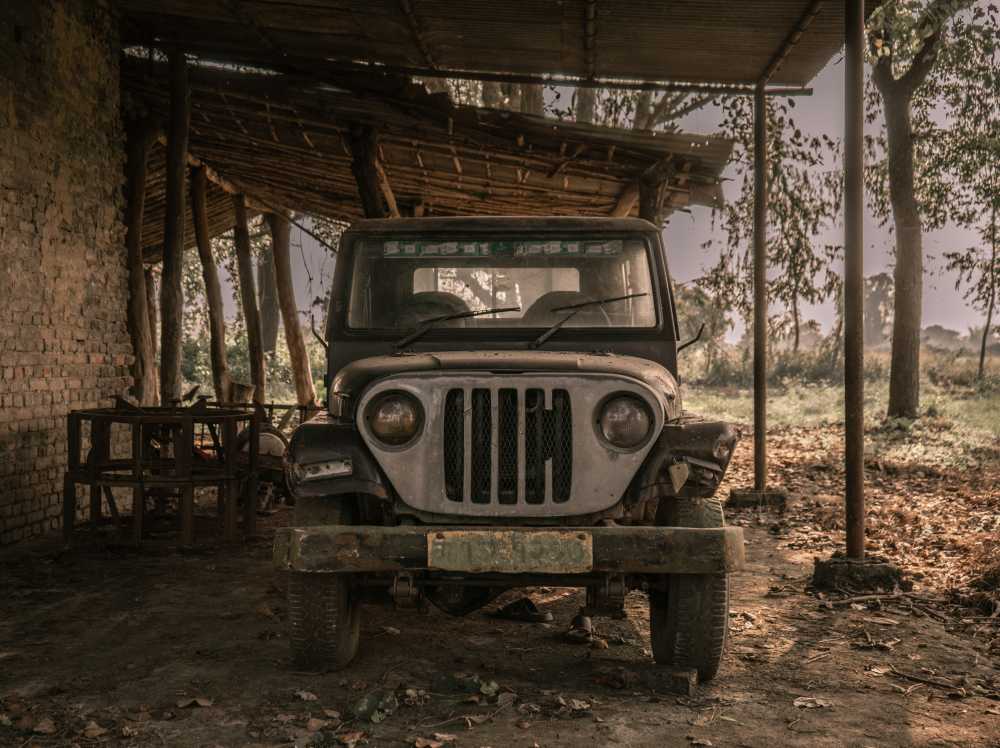
Define Your Mission: Destination & Purpose
First things first: What kind of journey are you craving? Your answer will be the compass for your entire plan. Are you seeking:
Rejuvenation? Picture a scenic drive along Oregon's coast, with stops in quiet towns and fog-laced forests.
High Adventure? A route looping through Utah's "Mighty 5" national parks, filled with challenging hikes and epic vistas. Planning a park-centric journey is a classic for a reason, and our National Park Road Trip Checklist can be an invaluable tool.
Cultural Discovery? A trip winding through the historic backroads of New England or the music-rich towns of the Mississippi Delta.
Your "why" dictates your route. The iconic Pacific Coast Highway delivers on coastal drama, while a journey along Route 66 is a nostalgic dive into Americana. Use tools like Google Maps, Roadtrippers, and travel blogs to map a general path, but also search for terms like "scenic byways in California" (or whichever state you're exploring) to uncover less-traveled gems.
The Art of the Flexible Itinerary
A rigid, minute-by-minute schedule is the enemy of a great road trip. The goal is to create a structured yet pliable plan.
Respect Your Driving Limits: This is the golden rule. Aim for no more than 4-6 hours of actual driving per day. This prevents burnout, gives you ample time to explore your stops, and, crucially, ensures you can arrive at your lodging before dark.
Anchor Your Journey: Always pre-book your accommodation for the first night and the last night of your trip. This brackets your journey, removing the stress of finding a place to stay when you’re either buzzing with first-day energy or exhausted from the final leg.
Identify Key "Pillars": Pinpoint the 2-3 must-see sights, cities, or parks on your route. These are your pillars. Plan your overnight stays around them, giving yourself enough time to explore them properly.
Embrace the In-Between: For the days between your pillars, keep your plans loose. This is where the magic happens. It allows you to follow a sign for a quirky roadside museum, spend an extra two hours at a breathtaking viewpoint, or explore a town that just feels right.
Budgeting: Your Financial Freedom Fund
A clear budget isn't a leash; it’s the tool that frees you from financial stress on the road.
Fuel: Use an app like GasBuddy to estimate total fuel costs based on your car's MPG and planned mileage. Be conservative and round up.
Lodging: Research average costs for hotels, motels, or campgrounds in your target areas. Prices can fluctuate wildly by season and local events.
Food & Drink: Set a daily food budget. Packing a cooler with drinks, snacks, and breakfast items is a pro move that drastically cuts costs.
Activities: Account for national park passes (an "America the Beautiful" annual pass is often a great value), museum tickets, and tours.
The "Uh-Oh" Fund: This is non-negotiable. Set aside 15-20% of your total budget as a contingency. This fund is for the flat tire, the surprise concert ticket, or the necessary hotel upgrade after a rough day.
Pro-Tip: Before you go, call your bank and credit card companies to notify them of your travel plans. This prevents them from freezing your account due to "unusual activity" when you're buying gas 500 miles from home.
Mastering Solo Road Trips with Confidence
Your personal safety matters most. A proactive, systematic approach doesn't create fear; it builds the confidence you need to explore freely.

Personal Safety
Think of your awareness as your most critical travel companion—the one piece of gear that should never be packed away. It's your built-in radar for navigating the world with confidence.
Share Your Battle Plan: Leave a detailed copy of your itinerary with at least two trusted friends or family members. Include hotel names, addresses, and phone numbers.
The Daily Check-In: Establish a simple system. A quick "Made it to Flagstaff! All good." text each evening provides peace of mind for everyone.
Daylight is Your Ally: Plan your driving to end well before sunset. Navigating unfamiliar roads and finding your hotel is infinitely easier and safer in the light.
Trust Your Gut Instinct: Your intuition is a highly evolved threat-detection system. If a gas station, rest stop, or situation feels wrong, it is wrong for you. Leave immediately. Don't second-guess it.
Walk with Purpose: Project confidence. Be aware of your surroundings. Avoid looking lost or glued to your phone. If you need to check a map, step inside a coffee shop or store.
Social Media Lag Time: Share your amazing photos after you've left a location. Posting your real-time whereabouts can broadcast your solo status to the wrong people.
A DEEPER DIVE ON SAFETY
For many independent travelers, safety is the number one concern. We've compiled a comprehensive resource filled with actionable strategies and expert advice specifically for navigating the world on your own.
Download our free Solo Female Travel Safety Guide to build unshakeable confidence for your next adventure.
The Solo Mindset: From Loneliness to Solitude
Let’s address the elephant in the room: loneliness. It's a valid concern, but it's crucial to differentiate it from solitude. Loneliness is a lack; solitude is a presence—the presence of yourself.
Embrace Dinners for One: Bring a book or a journal. Use the time to people-watch and savor your meal without distraction.
Strike Up Casual Conversations: Chat with the barista, the park ranger, or the shopkeeper. These small interactions can provide a welcome dose of human connection without any obligation.
Schedule Calls Home: Plan a few calls with friends or family during your trip. Hearing a familiar voice can be a great reset if you're feeling isolated.
Your Co-Pilot Check
On a solo trip, your car isn't just transportation; it's your partner. Ensuring it's in peak condition is the single most important thing you can do before you leave.

The Pre-Flight Mechanical Inspection
At least one week before you depart, have your vehicle inspected by a trusted mechanic, or do it yourself if you're knowledgeable.
Tires (The Four You See and The One You Don't): Check the pressure on all four tires plus the spare. Inspect the tread depth using the "penny test." If the tread doesn't cover Lincoln's head, you need new tires.
Fluids: Check your oil, coolant, brake fluid, and windshield washer fluid. Get an oil change if you're within 1,000 miles of your next service interval.
Brakes: Listen for squealing. Feel for any vibration when braking. Don't compromise here; get them checked if there's any doubt.
Battery: Look for corrosion (a white, powdery substance) on the terminals. If your battery is over three years old, have it load-tested at an auto parts store (it's often free).
Lights & Wipers: Test all lights. Replace wiper blades if they're cracked or leave streaks. A sudden downpour is a terrible time to discover they're useless.
Building the Ultimate Roadside Emergency Kit
A well-stocked kit can turn a trip-ending crisis into a manageable inconvenience. Having a comprehensive checklist is key. A great starting point for any major is our International Travel Checklist, which you can adapt for a domestic journey.
Jumper cables and a portable jump starter
Tire pressure gauge and a portable 12V air compressor
A complete first-aid kit
A powerful LED flashlight or headlamp (with extra batteries)
Basic toolkit (multi-tool, adjustable wrench, screwdrivers, gloves)
Duct tape and zip ties
Reflective warning triangles
A warm blanket, emergency rain poncho
High-energy, non-perishable snacks (protein bars, nuts)
At least one gallon of water
Pro-Tip: A portable jump starter (a small lithium-ion battery pack) is the best safety device a solo traveler can buy. It allows you to jump-start your own car without the need for another vehicle or the risk of asking a stranger for help.
Frequently Asked Questions
How much should I budget for a solo road trip?
Your main costs will be fuel, lodging, and food. A good starting point for a domestic US trip is to budget $150-$250 per day. This can be much lower if you're camping and cooking your own meals, or higher if you prefer nicer hotels and restaurants. Always add a 15-20% contingency fund for unexpected costs.
What's the best way to stay safe at rest stops or gas stations?
Choose busy, well-lit locations whenever possible. Before you get out of the car, take a moment to observe your surroundings. Stay off your phone, be aware of who is around you, and trust your gut instinct. If a place feels unsafe, leave and find the next one.
Is it better to book all my accommodations in advance for a solo trip?
We recommend a hybrid approach. Book your first and last nights in advance to reduce stress. For the nights in between, having flexibility is great, but it's wise to book your next night's stay at least 24 hours in advance, especially in popular areas, so you're not left scrambling at dusk.
Turn the Key: Your Adventure Begins Now
The journey of a thousand miles begins not with a single step, but with a decision—the decision to prepare. By now, the idea of a solo adventure should feel less like a daunting challenge and more like an exciting, achievable reality. You have the framework for careful planning, the knowledge to build a strong safety net, and the checklist to ensure your vehicle is a reliable partner.
You are equipped to handle the road with confidence and embrace the unparalleled freedom that only solo road trips can offer. The open road is not just a path to a new destination; it’s a path to a more capable and self-aware version of yourself. The planning is part of the adventure. The preparation is part of the empowerment. Now, it's time to put it all into action. Go create a story that is entirely your own.

Don't Miss Out! Subscribe for Exclusive Content
Subscribe



Comments 0
No comments yet
Be the first to share your experience!
Dont Miss Out! Subscribe for Exclusive Content

San Francisco Cherry Blossoms: A Local's Guide to the Blooms


Halloween SF: Haunts Without Horrors

SF Festivals: 7 Must-See Lineups

Christmas SF: Lights & Wharf Wonders

SF Pride: 6 Route & Party Hacks

Chinese New Year SF: Parade Essentials
Food & Water Safety Abroad: How to Avoid Getting Sick
TrekGuider @trekguider
There’s a moment on every trip where the true magic happens: the first bite of a dish you can’t pronounce from a street cart buzzing with locals, the refreshing sip of a regional drink, the discovery of a flavor that will forever define a place in your memory. Food is culture, connection, and the fastest way to the heart of a destination. And that’s the traveler’s paradox, isn’t it? The very experiences that promise the most profound connection also carry a potent, gut-wrenching risk.
One bad meal or a single sip of contaminated water can derail your entire adventure, swapping days of discovery for days spent locked in a hotel room. This fear is agitated by horror stories from fellow travelers and the sheer unpredictability of an unfamiliar environment. It's a valid concern—traveler's diarrhea is unequivocally the most common travel-related illness, affecting up to 80% of international travelers depending on the destination. The fear of getting sick can make you timid, causing you to stick to bland, "safe" foods and miss out on the rich mix of flavors your destination has to offer. It can rob you of the very experiences you traveled so far to find.

But it doesn't have to be this way. This guide is your solution, a definitive and practical playbook for mastering food and water safety abroad. We’ve synthesized actionable advice from the world’s leading health organizations, including the Centers for Disease Control and Prevention (CDC) and the World Health Organization (WHO), to empower you to eat boldly and drink safely. This isn’t a list of things to fear; it’s a set of simple, memorable rules for prevention, identification, and, if necessary, management. This is a critical deep-dive into a core pillar of preparedness we cover in The Ultimate Guide to Travel Safety: A 2026 Playbook, designed to give you the confidence to dive fork-first into the heart of a culture.
The Golden Rule of Food and Water Safety: "Boil It, Cook It, Peel It, or Forget It"
If you remember only one thing from this guide, make it this simple, five-word mantra. Promoted by the CDC and other global health bodies, this single rule is a powerful and easy-to-use filter for nearly every culinary decision you'll make on the road. It’s the foundation of your entire food and water safety strategy.
Boil It: Your Safest Bet for Liquids
Pathogens like bacteria, viruses, and parasites are killed by heat. This makes boiling the most effective method for purifying liquids.
Examples: Drinking water that has been brought to a vigorous, rolling boil for at least one full minute. Hot beverages like tea or coffee that are served steaming hot are also generally safe. Any milk products you consume should be confirmed to be pasteurized or have been boiled.
Cook It: The Power of Heat
Thoroughly cooking food kills the harmful microorganisms that cause illness. The key is to ensure it is cooked all the way through and served hot.
Examples: Meat, poultry, or seafood that is well-cooked (not rare or raw) and served steaming hot to the touch. This is especially crucial for street food; dishes that are cooked fresh to order in front of you are a much safer bet than those that have been sitting out.
Peel It: Nature’s Own Packaging
For raw fruits and vegetables, the contamination is almost always on the outside surface. By peeling it yourself with clean hands, you remove the risk.
Examples: Fruits with a thick, peelable skin like bananas, oranges, mangoes, and avocados are your safest and best friends for a healthy snack. Similarly, vegetables you can peel, such as cucumbers, are also a great option.
Forget It: When in Doubt, Go Without
This is the most critical and sometimes most difficult part of the rule to follow. It requires discipline, but it’s your ultimate defense. If an item of food or drink doesn't meet one of the three criteria above, you must skip it.
Examples: Tap water and ice cubes made from tap water are the biggest culprits. Salads and raw leafy greens like lettuce are high-risk because they are difficult to clean thoroughly and may have been washed in contaminated water. You should also avoid fruits that cannot be peeled, such as grapes and berries, and any unpasteurized dairy products like milk or cheese. Finally, be very wary of any food served at room temperature, such as from a buffet.
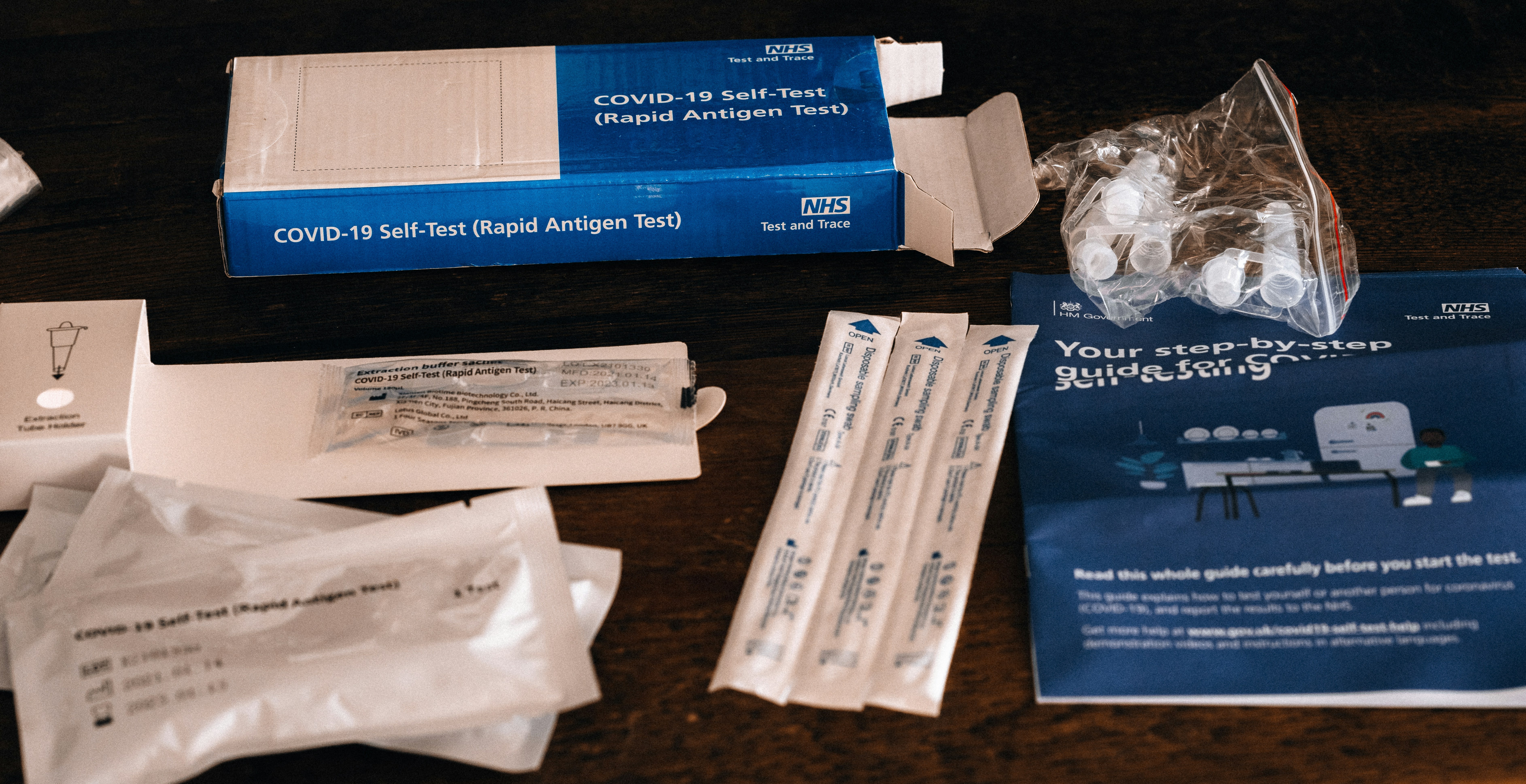
Navigating the Streets: A Visual Guide to Spotting Unsafe Food
Street food is often the soul of a city's cuisine, but not all vendors are created equal. Your eyes are your best tool for vetting a stall. Before you order, take thirty seconds to perform a quick visual inspection. Look for these five clear signs of a safe or unsafe operation.
Poor General Cleanliness: This is the most obvious indicator. Red flags include dirty workstations with unwiped spills, visible food waste, rubbish on the ground, and the presence of pests like flies or wasps. The vendor themselves should also appear clean, with tidy clothes and hands.
Improper Food Temperatures: Food left in the "danger zone" (room temperature) is a breeding ground for bacteria. Avoid stalls where cooked food, especially meat, is sitting out in large trays. The safest option is always food that is cooked fresh to order, right in front of you. Hot food should be visibly steaming.
Obvious Cross-Contamination: Watch how the vendor handles ingredients. A major red flag is using the same cutting board, knife, or unwashed hands to handle raw meat and then touch ready-to-eat items like bread, salad, or cooked food.
Use of Contaminated Water: Look at the vendor’s water source. Rinsing dishes, utensils, or vegetables in a single bucket of murky, stagnant water is a sign of a high-risk operation. Likewise, avoid ice in your drinks unless you can confirm it was made from purified water (commercially bagged ice is usually a safe sign).
Lack of a Crowd (Especially Locals): A busy stall with a long line, particularly of local residents, is one of the best indicators of a trusted and safe food source. High customer turnover means the food is fresh and hasn't been sitting out for long. An empty stall is often empty for a reason.
Pro-Tip: Make "follow the locals" your street food mantra. A long line of residents is a walking, talking five-star review of a vendor's quality and safety. It's the most reliable seal of approval you can find.
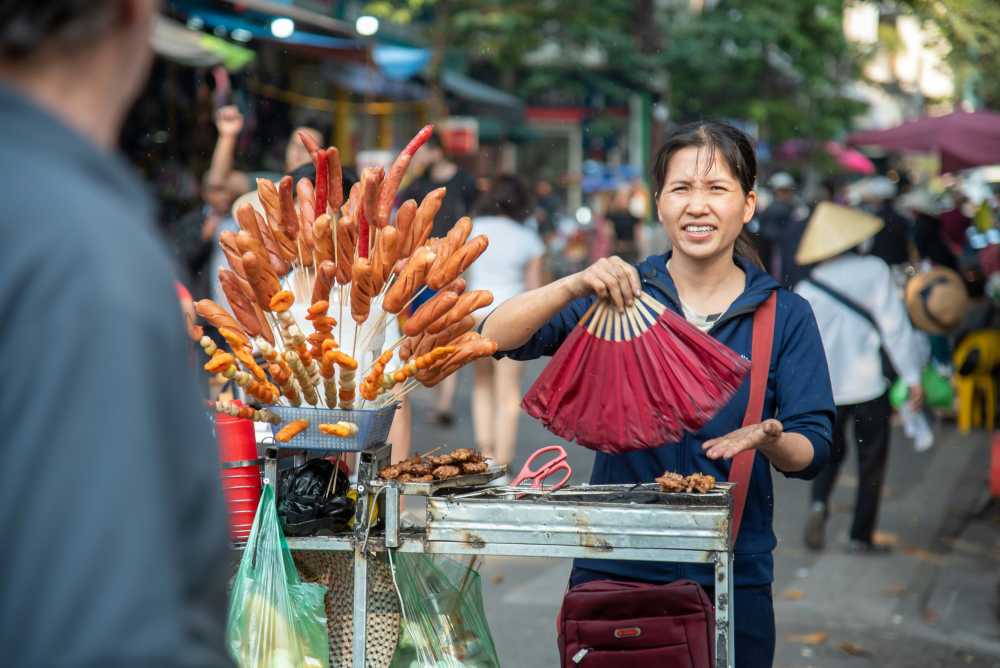
Securing Your Water Supply: A Deep Dive into Hydration and Purification
Staying hydrated is non-negotiable for your health and energy while traveling, but assuming tap water is safe is one of the most common and dangerous mistakes a traveler can make. Here’s how to ensure every sip you take is safe.
Identifying Safe and Unsafe Drinking Water Sources
The CDC and WHO have clear guidelines. Unless you are in a country with a known, highly-developed sanitation system, you should assume all tap water is unsafe.
Safest Sources: Commercially bottled water in a factory-sealed, tamper-proof container is your most reliable option. Carbonated water is even safer, as a broken seal is immediately obvious. The second safest source is water that you have personally brought to a rolling boil for at least one minute.
Unsafe Sources to Avoid: Tap water, well water, ice made from tap water, fountain drinks mixed with tap water, and even water from clear mountain streams (which can contain germs) should all be avoided unless they have been purified.
Your Purification Playbook: The Top 3 Methods
When bottled or boiled water isn't available, you need a backup plan. Here are the top three recommended purification methods.
Boiling (The Gold Standard): This is consistently ranked by the CDC and WHO as the single most effective method. It kills all known disease-causing microorganisms, including viruses, bacteria, and parasites. Simply bring clear water to a rolling boil for 1 minute (or 3 minutes at elevations above 6,500 feet / 2,000 meters).
Filtration: A high-quality portable water filter is highly effective at removing bacteria and protozoan parasites like Giardia and Cryptosporidium. Look for a filter with an absolute pore size of 1 micron or smaller. The main limitation is that most portable filters do not remove viruses, so in high-risk areas, the CDC recommends following filtration with chemical disinfection.
Chemical Disinfection: Chlorine, iodine, or chlorine dioxide tablets/drops are a lightweight and easy way to kill viruses and bacteria. However, they are not consistently effective against the parasite Cryptosporidium and require a contact time of at least 30 minutes.
For in-depth planning on what gear to pack for every type of trip, from water filters to first-aid supplies, our all-encompassing Travel Guide is the only resource you'll ever need.
Damage Control: How to Manage Traveler's Diarrhea
But let’s be realistic: even the most diligent traveler can have a bad day. When that happens, knowing exactly what to do—and what not to do—can be the difference between a 24-hour nuisance and a trip-ruining ordeal. This is the damage control phase of your food and water safety plan.
The First and Most Critical Step: Oral Rehydration
According to travel medicine doctors, dehydration is the single most likely and dangerous complication of traveler's diarrhea. Replacing lost fluids and electrolytes is your absolute first priority.
Method: The best way to rehydrate is with a dedicated Oral Rehydration Solution (ORS), which comes in packets of salts and sugars that you mix with boiled or bottled water. In a pinch, sports drinks or clear soups can also be used.
Symptomatic Treatment for Mild to Moderate Cases
If the diarrhea is tolerable and not accompanied by a high fever or blood, over-the-counter medications can provide relief and help you get through a travel day.
Medications: An antimotility agent like Loperamide (the active ingredient in Imodium, a top pharmacist-recommended brand) can reduce the frequency of bowel movements. Bismuth Subsalicylate (found in Pepto-Bismol, another pharmacist favorite) can also help decrease the frequency and shorten the duration of the illness.
When to Use Standby Antibiotics (For Severe Cases)
If diarrhea is distressing, incapacitating, or contains blood or mucus, a prescribed antibiotic may be necessary.
Method: Before you travel, speak with your doctor or a travel medicine clinic. For travelers heading to high-risk destinations, they may provide a prescription for a standby antibiotic, such as Azithromycin, to carry with you. A single dose is often highly effective at treating severe cases.
Pro-Tip: Within your main travel first-aid kit, create a dedicated "Digestive Distress" module. Keep it in a separate, clearly-labeled zip-top bag containing a few packets of Oral Rehydration Salts, a strip of Loperamide, and a few antacids. This way, when you need it, you won't have to rummage through your entire kit.

Ready to Pack Like a Pro?
A smart food and water safety strategy is just one piece of your pre-trip preparation. To ensure you don't overlook a single essential item—from documents and finances to clothing and medical supplies—a master checklist is your most powerful tool. Our comprehensive, free checklist has you covered for every stage of your journey.
Download Your Free International Travel Checklist Now!
Food and Water Safety FAQs
A prepared mind is a safe mind. Here are expert answers to common questions that take your preparedness to the next level.
1. Besides traveler's diarrhea, what are the most common travel illnesses?
While traveler's diarrhea is number one, the CDC reports that other common issues include acute respiratory infections (like influenza or COVID-19, often acquired in transit), vector-borne fevers like Dengue and Malaria in tropical regions, and other food-borne illnesses like Hepatitis A and Typhoid Fever. Skin conditions from insect bites are also extremely common.
2. Is it safe to eat at a restaurant if I'm worried about street food?
Generally, restaurants can be safer, but the same principles apply. A busy restaurant full of locals is a great sign. Be cautious with the same high-risk items: salads, unpeeled fruits, and tap water or ice. If you want to find trusted, local-approved gems, explore the TrekGuider platform, where travel creators often share their own curated guides to safe and authentic eats.
3. Should I carry a standby antibiotic in my first-aid kit?
This is a question for your doctor or a travel medicine clinic. For travelers heading to high-risk destinations where severe traveler's diarrhea is common, many doctors will provide a prescription for a standby antibiotic like Azithromycin. It’s not for mild cases but can significantly shorten the duration of a severe bout of illness. Discuss your itinerary with your doctor to see if this is right for you.
Eat Boldly, Travel Well
The world of food is a world of incredible diversity and connection, and it deserves to be explored with an open mind and a curious palate. The goal of mastering food and water safety is not to build a wall of fear that separates you from authentic experiences. It is about building a foundation of knowledge that gives you the freedom to be adventurous. By internalizing the golden rule of "Boil it, cook it, peel it, or forget it," learning to trust your own visual assessment of a food stall, and knowing exactly what to do if you get sick, you replace anxiety with empowerment. You are now equipped with the skills to navigate the world's most exciting cuisines with confidence, ensuring your focus remains on the flavor, connection, and joy that every journey promises. Go explore, eat boldly, and travel well.

Meta Data Suggestions:
SEO Meta Title (Under 60 characters): Food & Water Safety Abroad: How to Avoid Getting Sick
URL Slug: food-water-safety-abroad
SEO Meta Description (Under 155 characters): Avoid traveler's diarrhea with our expert guide to food and water safety abroad. Learn the golden rules for eating street food, purifying water, and staying healthy.
Don't Miss Out! Subscribe for Exclusive Content
SubscribeComments 0
No comments yet
Be the first to share your experience!
Dont Miss Out! Subscribe for Exclusive Content

Chicago Beer Fests: Top 6 Tastings

Ultimate USA Holidays Guide: Top Picks

FTC Affiliate Disclosure Essentials: Stay Compliant as a Travel Creator

Essential Affiliate Tools: From Tracking to Full Optimization

Booking.com Affiliate Program Review: Pros, Cons, and Earnings Potential

Decoding Affiliate Commission Rates: Benchmarks for Travel Creators
Best Family Vacations: 4 Ideas That Are Fun With a Toddler
TrekGuider @trekguider
Feeling the pull for a family adventure but paralyzed by the thought of traveling with a toddler? You’re not alone. Many parents find themselves caught between the deep desire for new memories and the very real fear of meltdowns, jet lag, and logistical chaos. This guide is here to solve that conflict, proving that the best family vacations aren't just possible during the toddler years—they can be truly wonderful.
The internet is filled with horror stories that can make any parent second-guess their plans. The stress is immense, from packing to navigating public spaces with a tiny human whose whims are as unpredictable as the weather. But what if the problem isn’t the toddler, but our definition of a “vacation”? What if we shifted the goal from blissful relaxation to creating a pocket of truly joyful, shared memories within a framework of manageable stress?
This is your new playbook. We’ll move beyond generic lists to give you a system for choosing a trip that matches your family’s unique personality. Drawing inspiration from our comprehensive guide to Family Travel Ideas: The 2026 Guide to Unforgettable Trips, this article drills down into the specific, data-driven strategies that make traveling with toddlers a success.

The Unspoken Rules of Toddler Travel
The term "kid-friendly" is one of the most misleading labels in the travel industry. A destination that’s a thrill ride for a ten-year-old can be a sensory overload nightmare for a two-year-old. A truly "toddler-friendly" vacation must be measured by a more rigorous, operational standard.
After analyzing countless family travel experiences, we’ve identified four pillars that are the primary determinants of a trip’s success. The very best family vacations with toddlers master these principles.
Logistical Simplicity: This is about relentlessly reducing friction. It means favoring destinations with direct flights or manageable driving distances. Every layover, every transfer, is a potential failure point. The goal is to minimize the number of stressful transitions between your front door and your final destination.
Environmental Control: A successful toddler trip creates a safe, contained environment where your child can have a degree of freedom without causing constant parental anxiety. This is why car-free locations, walkable beach towns, and all-inclusive resorts are so popular. They create a "bubble" of safety that allows parents to relax their hyper-vigilance.
Flexible Pacing: The rigid, minute-by-minute itineraries of pre-child travel are a recipe for disaster. A successful toddler vacation is built around the non-negotiable anchors of their day: naps and meals. The best destinations offer low-pressure activities. A beach day can be cut short without a major loss, unlike a day at a theme park with expensive, time-stamped tickets.
Sensory Management: Toddlers are experiencing the world with wide-open senses. While new stimuli are great, overstimulation is the number one trigger for meltdowns. The ideal destination is engaging but not overwhelming. Nature-focused trips and smaller, more relaxed theme parks often hit this sweet spot perfectly.
Four Proven Archetypes for the Best Family Vacations With Toddlers
With this framework in mind, the theoretical becomes practical. Let's move from the "what" to the "where." To combat the classic parental decision fatigue, we’ve categorized the world of toddler-friendly travel into four distinct archetypes, allowing you to quickly identify a style that aligns with your family’s goals.
1. The All-Inclusive Sanctuary: For Parents Craving a True Break
Think of this as the 'total surrender' model—the ultimate choice for parents whose primary goal is to escape the relentless cognitive load of planning, cooking, and cleaning that defines daily life. This is the closest a toddler’s parent can get to a restorative break. For a deeper dive into this option, it's worth reading our guide on Choosing an All-Inclusive Family Resort? Read This First.
Beaches Resorts (Turks & Caicos, Jamaica): The gold standard. They offer childcare for infants and toddlers supervised by certified nannies, providing parents with actual, legitimate downtime. With Sesame Street characters, tot-specific waterparks, and endless food options, it’s an entire ecosystem designed to eliminate stress.
Club Med (Multiple Locations): Known for its family focus, Club Med excels at creating a predictable daily rhythm that toddlers thrive on—breakfast, beach, nap, lunch, pool, dinner. This routine, combined with available childcare, gives parents a perfect blend of family time and personal time.
Woodloch (Pocono Mountains, PA): A fantastic domestic option, this resort is built around "togethering." With all-inclusive meal plans and a staggering array of on-site activities, you never have to get in a car or wonder what to do next. It’s a self-contained world of low-stress fun.
2. The Classic Beach Getaway: For Low-Key, Flexible Fun

A beach vacation remains a top contender for a simple reason: sand and water are the ultimate open-ended toys. A beach day has no rules, no schedule, and no pressure, allowing for maximum flexibility and making it one of the very best family vacations you can take.
San Diego, California: Perhaps the most perfect U.S. city for toddlers. It offers gentle beaches like La Jolla Shores, the world-class San Diego Zoo, and the perfectly-scaled LEGOLAND California. The weather is famously mild year-round, removing another layer of planning stress.
The Florida Gulf Coast (e.g., Rosemary Beach, Siesta Key): This region is known for its calm, warm waters and powder-soft sand. Towns like Rosemary Beach are master-planned for walkability, with stroller-friendly paths connecting everything. You can park your car and live a simple, blissful rhythm of beach, naps, and evening strolls for ice cream.
Outer Banks, North Carolina: For families who prefer the space and control of a rental home, the Outer Banks are ideal. You can set up your own home base, cook familiar meals, and enjoy wide-open, uncrowded beaches where your toddler can run free.
Pro-Tip: When booking a beach rental, use satellite view on a map to check the actual distance from the property to the sand. A "beachfront" listing can sometimes mean a grueling trek over dunes or across a busy road—a deal-breaker with a toddler and gear in tow.
3. The National Park Expedition (Toddler Edition)

Introducing your toddler to the wonders of nature can be incredibly rewarding. The key is to radically adjust expectations. Forget long, strenuous hikes. The goal is to leverage scenic drives and short, paved, stroller-friendly trails to experience the majesty of the parks with minimal strain.
Zion National Park, Utah: Exceptionally well-suited for families. The Pa'rus Trail is a paved, 3.5-mile path that follows the Virgin River and is perfect for strollers. The park's shuttle system makes accessing key areas effortless.
Great Smoky Mountains National Park (TN/NC): A classic choice with strong infrastructure. The Cades Cove Loop Road is a scenic 11-mile drive with fantastic opportunities for spotting wildlife from your car. There are also numerous short, accessible nature trails perfect for little legs.
Acadia National Park, Maine: Offers stunning coastal scenery with manageable effort. The Ocean Path is a relatively flat trail that offers iconic views, and the Jordan Pond Loop is another fantastic, stroller-friendly option. The proximity to the charming town of Bar Harbor means you're never far from a good meal or a comfortable bed.
4. The Low-Key Theme Park Experience: For Managed Excitement

Many parents want to give their kids a theme park experience but are rightly terrified of the cost, crowds, and sensory assault of the mega-parks. These smaller, smarter alternatives deliver the magic without the madness.
LEGOLAND (California, Florida, New York): The undisputed champion for this age group. It is specifically designed for kids ages 2-12, with an entire DUPLO Village for toddlers. It’s consistently praised for being quieter, smaller, and more relaxed than its larger competitors, making it the ideal "starter" theme park.
Sesame Place (San Diego, CA & Langhorne, PA): Leveraging a cast of beloved characters, these parks are a massive hit. They blend gentle rides with fantastic, age-appropriate water park features, offering a full day of excitement in a more contained and focused environment.
Story Land (Glen, NH): A charming, classic theme park where beloved fairy tales come to life. The park is designed for young children, with rides and attractions that are whimsical rather than over-the-top, creating a magical but manageable experience.
Want to Make Flying With Your Toddler a Breeze?
The thought of a long flight can be the most stressful part of planning. Our free, printable guide is packed with expert tips, checklists, and sanity-saving strategies to make your travel day smooth and meltdown-free. Download the Stress-Free Flying with Kids Guide and fly with confidence.
The Savvy Parent's Logistics Toolkit
A smooth trip is built on a foundation of careful planning. Mastering the practical details is what separates a stressful ordeal from an enjoyable adventure.
The Ultimate Toddler Vacation Packing System

This isn't just a list; it's a strategic system. Pack by category to ensure nothing essential is forgotten. To keep your days organized, you can also download our free Travel Itinerary Template.
Sleep & Comfort
Portable Crib/Pack-n-Play (unless confirmed by accommodation)
Slumber Pod or similar blackout solution (a game-changer for room sharing)
White Noise Machine
Familiar sheets and a favorite "lovey" or stuffed animal
Baby Monitor
Feeding & Mealtime
An abundance of familiar, non-perishable snacks
Spill-proof sippy cups and a portable water bottle
Toddler utensils and a travel-friendly plate/bowl
Wipeable bibs
Travel high chair or booster seat
Health & Safety
Comprehensive First-Aid Kit (Children's Tylenol/Motrin, thermometer, bandages, etc.)
All prescription medications
Toddler-safe sunscreen and bug spray
Diapering supplies (pack more than you think you need)
Small bag of child-proofing supplies (outlet covers) and a small roll of painter's tape for on-the-fly fixes.
Gear & Entertainment
FAA-approved Car Seat and padded travel bag for gate-checking
Lightweight travel stroller
Baby carrier or hiking backpack carrier
Tablet pre-loaded with shows and games (and volume-limiting headphones)
A bag of new, inexpensive "surprise" toys and mess-free activities (Water Wow!, sticker books)
Pro-Tip: The gate-check tag for your stroller or car seat is your best friend. Get it as soon as you arrive at the gate. On a full flight, overhead bin space disappears fast; waiting until the last minute to get your gear tagged risks having to check it with regular luggage, where it's more likely to be damaged.
The Lodging Debate: Hotel Suite vs. Vacation Rental
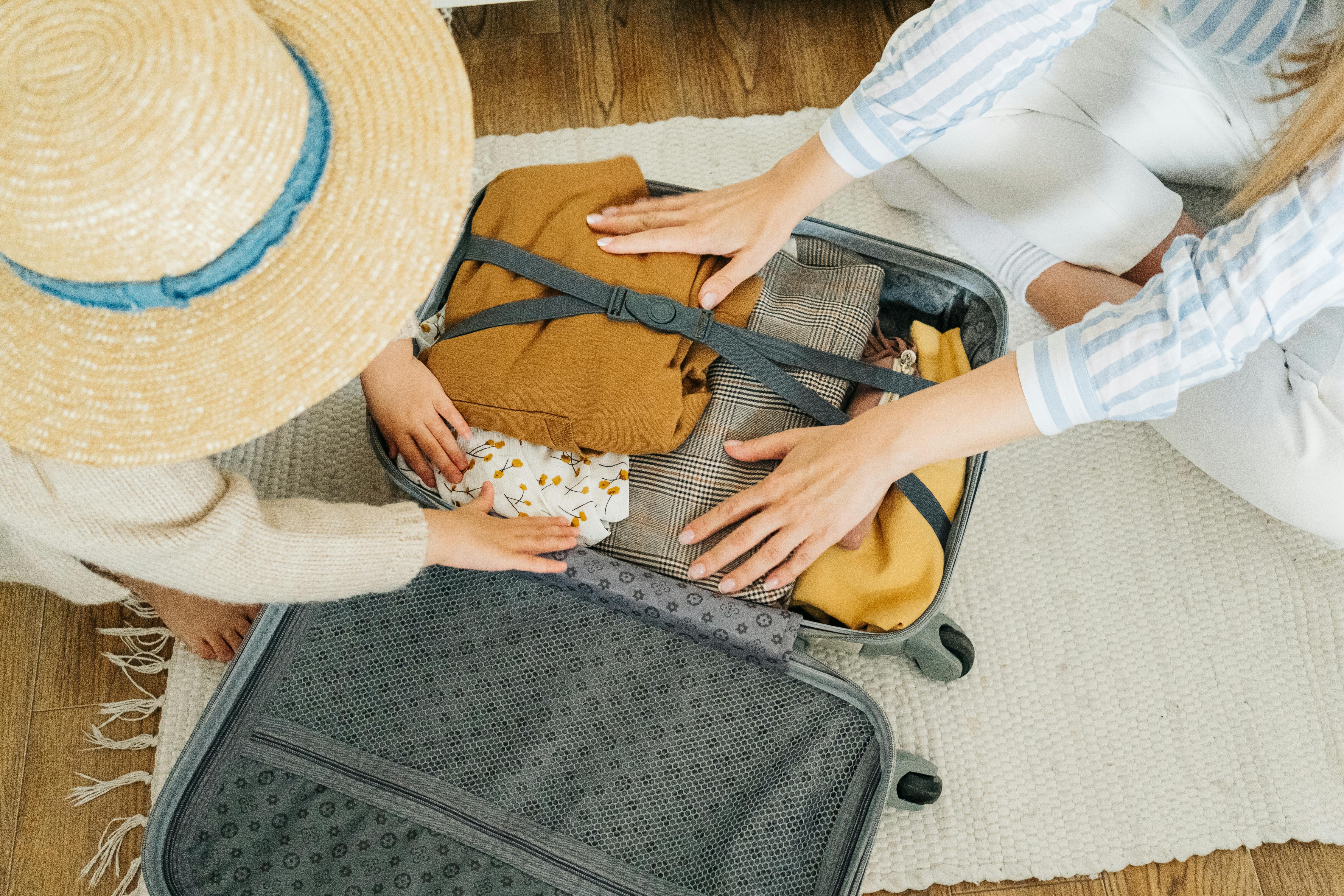
This is one of the most critical decisions you'll make, reflecting your core vacation philosophy.
Team Hotel/Resort: Choose this if your primary goal is parental relaxation. The biggest advantages are daily housekeeping (no cleaning!), room service, and on-site amenities like pools and restaurants. The major downside is often being confined to a single dark room after your toddler goes to bed at 7:30 PM. The Fix: Book a suite with a separate living area or adjoining rooms if the budget allows.
Team Airbnb/Vacation Rental: Choose this if your primary goal is maintaining routine and control. The biggest advantages are a separate bedroom for the child (giving parents their evenings back), a full kitchen for preparing familiar meals, and a laundry machine. The downside is that you’re still responsible for cooking and cleaning. The Trade-off: Plan for simple meals and accept that the space will get a little messy. The freedom you gain is often worth it.
Frequently Asked Questions
What is the best age to travel with a toddler?
There's no single "best" age, as success depends more on strategy than the child's exact age. The key is choosing a destination that aligns with their developmental stage by focusing on logistical simplicity, flexible pacing, and avoiding overstimulation, which this guide helps you do.
How can I make flying with a toddler easier?
Preparation is everything. Pack a bag of new, engaging toys, bring more snacks than you think you'll need, and use a tablet with headphones for screen time. For a complete strategy, download our Stress-Free Flying with Kids Guide to cover all your bases from check-in to landing.
Are all-inclusive resorts a good option for toddlers?
Yes, they can be fantastic. All-inclusive resorts excel at creating a controlled, safe environment that minimizes planning and stress for parents. With kids' clubs, endless food options, and on-site activities, they allow parents a rare chance to relax while ensuring the toddler's needs are met.
Your Adventure Awaits
Finding the best family vacations with a toddler is entirely possible when you approach it with the right mindset and strategy. It begins by letting go of pre-child expectations and embracing a new goal: creating joyful, shared experiences within a framework of manageable logistics.
By thoughtfully choosing a destination archetype that aligns with your family’s unique needs—whether it's the effortless escape of an all-inclusive resort or the flexible fun of a classic beach getaway—you set the stage for success. Mastering the details of packing and lodging removes the friction that leads to stress, allowing you to focus on what truly matters.
This proactive approach transforms planning into an act of empowerment. You are not just booking a trip; you are architecting an experience for memories that will last a lifetime. The challenges of this age are temporary, but the joy of watching your child discover the world is permanent.
Read the full guide: Family Travel Ideas: The 2026 Guide to Unforgettable Trips
Don't Miss Out! Subscribe for Exclusive Content
SubscribeComments 0
No comments yet
Be the first to share your experience!
Dont Miss Out! Subscribe for Exclusive Content
Ultimate USA Holidays Guide: Top Picks
FTC Affiliate Disclosure Essentials: Stay Compliant as a Travel Creator
Essential Affiliate Tools: From Tracking to Full Optimization
Booking.com Affiliate Program Review: Pros, Cons, and Earnings Potential
Decoding Affiliate Commission Rates: Benchmarks for Travel Creators
