
7 Best Travel Photography Blogs for Tips

TrekGuider @trekguider
You know the feeling. You’re standing before a truly breathtaking scene—a fiery sunset melting into the ocean, a frenetic city street alive with energy, a mountain range so vast it stills your breath. You raise your camera, convinced you can bottle that magic. But when you get home, the photos on your screen are a pale imitation. The colors look washed out, the epic scale feels diminished, and the raw emotion of the moment is gone. It's the most common frustration in photography.
The gap between the photos you take and the professional shots you admire isn't about money or a more expensive camera. It's about knowledge. It's about seeing the world through a trained eye and understanding the techniques that transform a simple snapshot into a powerful story. The secret is learning from those who have already walked the path and mastered the craft. In a world saturated with social media portfolios, however, finding true educators can feel impossible.
That’s why we’ve sifted through the noise for you. We’ve identified the creators who are dedicated to teaching—the ones who provide the actionable advice, in-depth tutorials, and honest gear reviews that will actually make you a better photographer. If you’re ready to finally start creating travel photos that do your memories justice, you’re in the right place. These are the best travel photography blogs for real, practical tips. And for panoramic view of the top creators ac across every niche, our definitive guide to The Best Travel Blogs to Follow in 2026 is your essential starting point.
What Separates a Portfolio from a Powerhouse Educational Blog?
Before we dive in, let’s clarify our criteria. A gallery of beautiful photos is inspiring, but it won’t teach you how to improve. The blogs on this list were handpicked because they are exceptional educational platforms that empower their audience.
According to our 2026-2026 market analysis, the most authoritative blogs share key traits that set them apart. First is niche specificity and expertise; they establish themselves as deep experts in a specific domain, whether it’s adventure photography or post-processing. Second is the quality of writing and originality, allowing them to deconstruct complex topics—like the exposure triangle or advanced composition—into language anyone can understand. They are teachers, not just tastemakers.
The Top 7 Travel Photography Blogs for Actionable Advice
These seven blogs deliver on the promise of education. Each offers a unique perspective and a wealth of knowledge to help you improve your craft, whether you’re starting out or looking to refine your professional skills.
1. Expert Vagabond (Matthew Karsten)
For the photographer who thrives in the wild, there’s no better mentor than Matthew Karsten of Expert Vagabond. With over a decade of professional experience shooting in some of the world's most remote corners, Karsten doesn’t just show you the shot; he shows you the grit behind it. His gear guides are legendary for their depth, explaining not just what he uses, but why a particular piece of equipment is e essential for a specific environment. This is the ultimate resource for learning to create stunning images under rugged, challenging conditions.
2. Along Dusty Roads (Andrew & Emily)
Andrew and Emily are masters of mood. Their work has a distinct, cinematic quality, and their blog is an incredible resource for learning how to evoke emotion through imagery. While they offer detailed guides on photography techniques, their true genius lies in post-processing. Their Lightroom tutorials are models of clarity, focused on teaching you how to use editing to enhance the story of your image, not just apply a generic filter. They prove that the art happens just as much in the digital darkroom as it does in the camera.
3. BucketListly Blog (Pete R.)
If you love the tech behind the art, BucketListly Blog is your paradise. Pete’s gear reviews are exhaustive, moving far beyond spec sheets to deliver careful real-world performance analysis. He covers everything from the latest flagship mirrorless cameras to the best travel drones and action cameras. What makes his blog essential is its dual focus on both photography and videography, making it a one-stop shop for the modern hybrid creator who needs to produce elite content in multiple formats.
4. I Hit The Button (Andy Feliciotti)
The name says it all. This blog is laser-focused on the science and art of photography. Andy Feliciotti dives deep into the technical craft, offering detailed explorations of topics like long exposure, astrophotography, and advanced composition. This is where you go when you’re ready to move beyond beginner tips and truly understand the why behind a great photo. It’s the perfect resource for the photographer who loves to geek out on the details and push their creative boundaries.

5. The Blonde Abroad (Kiersten Rich)
Kiersten Rich is a powerhouse in the travel industry, and her photography is a masterclass in creating a vibrant, aspirational brand. Her blog is an excellent resource for anyone looking to master lifestyle and portrait travel photography. She offers fantastic, practical tips on everything from styling and wardrobe choices to using presets to achieve a cohesive, professional aesthetic. Her content is especially helpful for solo travelers who want to learn how to take incredible photos of themselves.
6. The Planet D (Dave & Deb)
Dave and Deb have been exploring the world for over a decade, and their photography captures the sheer scale and grandeur of our planet's most epic landscapes. Their blog is a fantastic learning tool for anyone looking to improve their landscape and wildlife photography. They provide practical, field-tested advice on what lenses to use for sweeping vistas, how to shoot in harsh weather conditions (like Antarctica!), and how to tell a story of adventure through a series of powerful images.
7. The Lovers Passport (Stephen & Giselle)
Focused on couple’s travel, The Lovers Passport is an invaluable resource for anyone wanting to learn how to weave human elements into their photography. They excel at breaking down how to plan and execute an epic shot, from location scouting with Google Earth to posing subjects to create a compelling narrative. Their guides are packed with practical advice on making a destination feel both grand in scale and deeply intimate at the same time.
Decoding the Masters: Key Lessons from the Pros
Studying the work of these top-tier photographers reveals a set of shared principles. Their incredible images are not the result of magic, but a consistent application of three core pillars: strategic gear selection, timeless composition, and masterful post-processing.

It Starts with the Right Gear (But Not How You Think)
A unanimous philosophy among these pros is that the best camera for travel is the one you’re willing to carry. A bulky, heavy kit is a liability, not an asset. The market trend is toward smaller, lighter, yet incredibly powerful mirrorless systems.
Beyond the camera, your core kit should include a few essentials: a versatile "walk-around" lens (like a 24-70mm), extra batteries, and a solid camera bag.
Pro-Tip: A lightweight carbon fiber tripod is the single best investment for elevating your landscape photography. It allows you to shoot at "golden hour" with a low ISO for clean images and enables creative long exposures that are impossible handheld.
Mastering the Fundamentals of Composition
Gear is just a tool. The real art lies in arranging the elements within your frame. The best photographers use these timeless principles to tell a story.
Rule of Thirds: Mentally divide your frame into a 3x3 grid. By placing your subject along a line or at an intersection, you create a more balanced and visually engaging image than a simple centered shot.
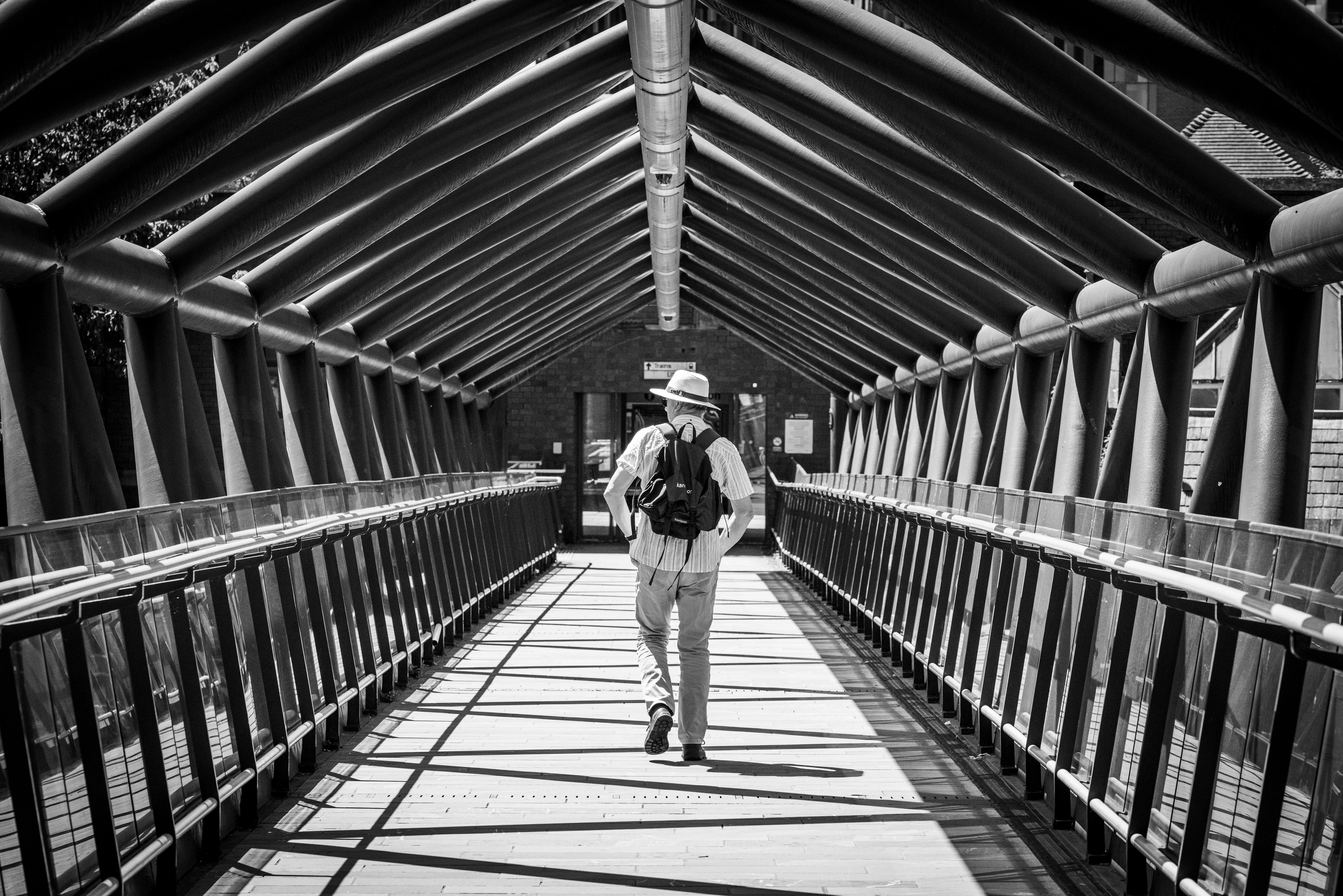
Leading Lines: Use a road, river, or fence to create a line that guides the viewer's eye through the scene toward your main subject. This technique is a powerful way to create a sense of depth.
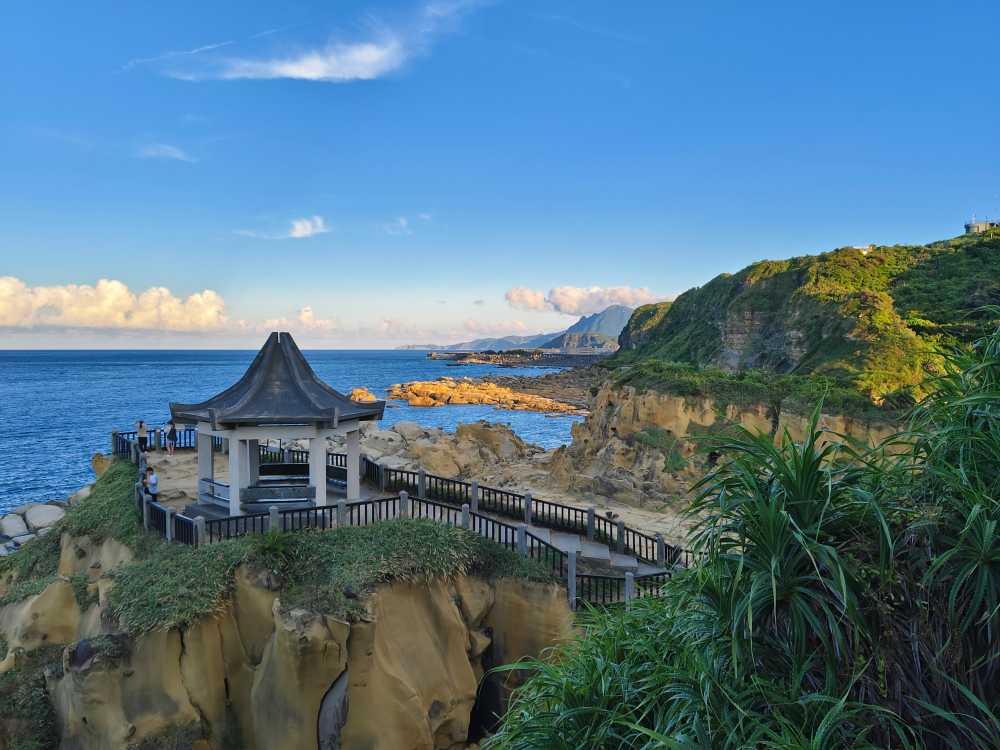
Shooting at Golden Hour: The hour after sunrise and before sunset offers soft, warm, directional light. This is far more flattering and dramatic than the harsh, flat light of midday.
Framing: Use foreground elements like an archway, a window, or tree branches to create a natural frame around your subject. This adds context and draws the viewer's focus.
Changing Perspective: Don't shoot everything from eye level. Get low to the ground to emphasize a foreground or find a high vantage point for a unique, sweeping overview. This simple shift can make a scene extraordinary.
Ready to Practice Your Composition Skills? Download the free Best NYC Photo Spots Map and start capturing incredible cityscapes today!
The Digital Darkroom: Post-Processing is Half the Battle
Every single professional photo you admire has been post-processed. Editing is not about "fixing" a bad photo; it's about enhancing a good one to fully realize your creative vision. The blogs we've highlighted consistently teach three key areas of editing in software like Adobe Lightroom.
Using Lightroom Presets: Presets are one-click settings that create a consistent aesthetic. They are excellent learning tools for understanding how different settings interact to create a professional look.
Editing Sunset Photos: This is a classic challenge that requires balancing the extreme dynamic range between the bright sky and the dark landscape. Tutorials will teach you how to use tools like graduated filters and the shadow/highlight sliders to balance the exposure and bring out the rich, vibrant colors.
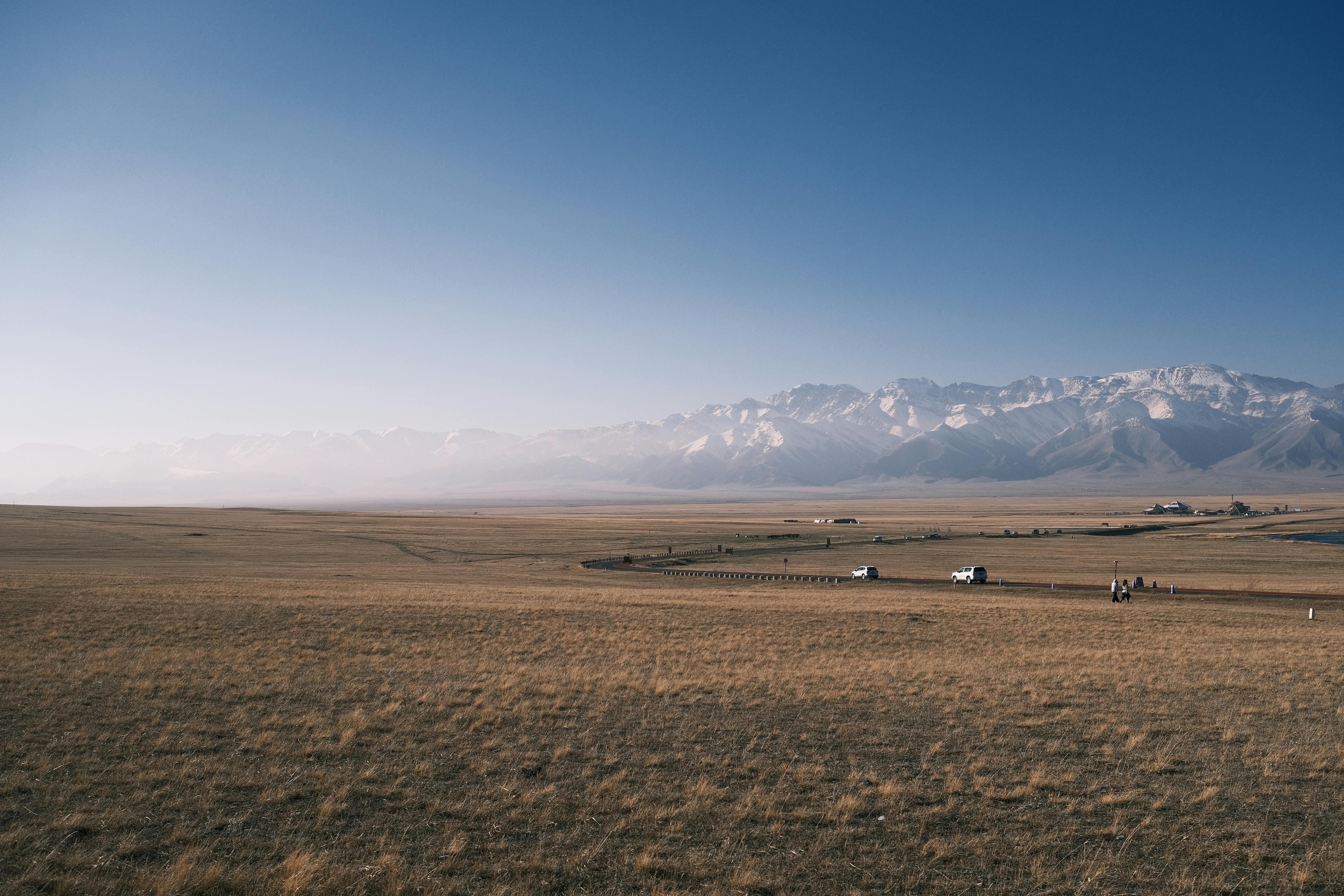
Basic Color Grading: This is the art of adjusting the colors in your image to create a specific mood. Mastering the HSL (Hue, Saturation, Luminance) panel allows you to take full control, making the blues in the ocean deeper, the greens in a forest richer, or giving your entire photo a warm, autumnal feel. Destinations with distinct color palettes, like the neon-lit streets of Tokyo or the serene temples of Kyoto, are perfect places to practice these skills. If you're planning a trip, our Japan Travel Guide can help you find the most visually stunning locations.
Pro-Tip: When starting with post-processing, focus on mastering one tool at a time. The HSL panel in Lightroom is a great place to begin. Learning how to selectively adjust the hue, saturation, and luminance of individual colors can have a bigger impact on your photos than trying to learn every single tool at once.
Your Path to Better Travel Photos
Improving your travel photography is a journey, not a destination. It doesn't happen overnight. But by following the right guides, you can accelerate your progress and avoid common pitfalls. The path is simple: learn from the best travel photography blogs, focus on mastering the fundamental techniques of composition and light, and practice every chance you get. Pick one blog from this list to follow this week. Choose one composition technique to practice on your next outing, even if it's just in your own backyard. The more you shoot with intention, the faster you will begin to create images that truly capture the magic of your travels.
Meta Data Suggestions:
SEO Meta Title (56 characters): 7 Best Travel Photography Blogs for Tips (2026 Update)
URL Slug: best-travel-photography-blogs-tips
SEO Meta Description (154 characters): Want to take better travel photos? Discover the 7 best travel photography blogs that offer actionable tips on gear, composition, and editing from the pros.
Don't Miss Out! Subscribe for Exclusive Content
Subscribe



Comments 0
No comments yet
Be the first to share your experience!
Dont Miss Out! Subscribe for Exclusive Content

Ultimate USA Holidays Guide: Top Picks


FTC Affiliate Disclosure Essentials: Stay Compliant as a Travel Creator

Essential Affiliate Tools: From Tracking to Full Optimization

Avoid These 5 Affiliate Landing Page Mistakes for Better Conversions

Affiliate Keyword Research Mastery for Travel Blogs

Booking.com Affiliate Program Review: Pros, Cons, and Earnings Potential
Luxury Solo Travel: How to Plan an Upscale Independent Journey
TrekGuider @trekguider
You're dreaming of a different kind of solo trip—one defined by five-star comfort and total freedom, not spartan hostels. You imagine indulging in exquisite meals and unwinding in a beautiful hotel, all on your own terms. The problem? The world of upscale travel often feels built for two, and the logistical hurdles of planning a high-end trip for one—from navigating single supplements to ensuring your safety—can feel daunting enough to keep your dream grounded.
This is where that narrative changes. Planning a luxury solo travel experience isn't about extravagance for its own sake; it's about mindfully curating a journey that prioritizes your comfort, interests, and personal growth. It's about trading frantic group schedules for the quiet confidence of a bespoke itinerary designed just for you.
This guide is your strategic roadmap to crafting that exact journey. While many travel styles exist, the art of the independent, upscale journey offers a unique form of enrichment. Even those accustomed to coordinating complex group getaways with help from guides like our «Family Travel Ideas: The 2026 Guide to Unforgettable Trips» will find that planning for one requires a different, more introspective approach. We will deconstruct every element of the process, transforming the complexities of planning into clear, actionable steps.
The Unmatched Freedom of Going It Alone
Before diving into logistics, the first and most crucial step is a mental one. True luxury solo travel is defined not just by thread counts and Michelin stars, but by the unparalleled freedom it affords. It's the freedom to be gloriously selfish with your time.
Freedom of Pace: Wake up with the sun for a private yoga session or sleep in until noon. Spend six hours captivated by a single gallery in a museum or tick off a dozen sights in a day. There are no compromises and no negotiations—only your own rhythm.
Freedom of Interest: Pursue your passions without reservation. This is your opportunity to take that week-long Italian cooking course, go on a multi-day wildlife photography safari, or simply read a novel from cover to cover on a private balcony overlooking the sea.
Freedom of Connection: Traveling alone doesn’t mean being lonely. It means you control your social interactions. You can choose solitude and introspection or engage with fellow travelers and locals at your leisure, leading to more authentic and meaningful connections.
When you truly embrace this mindset, the journey transforms from a simple vacation into a powerful investment in yourself—an act of deliberate self-care and discovery, set against a backdrop of impeccable comfort.
How to Budget for a Solo Trip (Without Sacrificing the Luxury)
An upscale journey requires a strategic financial plan, but it's more flexible than you might think. The key is to define what "luxury" means to you and allocate your resources accordingly. For one person, it might be a business-class flight; for another, it's a private guide for a historical site.
Define Your Luxury Priorities: What are the 3-5 elements that will make this trip feel truly special? Is it the hotel? The dining experiences? The unique activities? Be honest with yourself and make these the key elements of your budget.
Navigate the "Single Supplement": This is an infamous surcharge that hotels and tour operators sometimes add for single occupancy. However, it's becoming less common as smart companies recognize the growing market of solo travelers. When researching, look for "no single supplement" deals or book with companies that specialize in solo travel. Boutique hotels are often more flexible than large chains.
The 40/40/20 Rule for Solo Luxury: A helpful framework for budgeting is:

40% on Accommodations & Transport: This is your foundation. Secure your high-quality hotel and comfortable travel first.
40% on Experiences & Dining: This is the heart of your trip. Allocate generously for bespoke tours, fine dining, spa treatments, and any classes or activities that align with your passions.
20% on Ancillaries & Contingency: This covers shopping, local transport, tips, and a crucial buffer for spontaneous opportunities or unforeseen needs.
Pro-Tip: Consider traveling during the "shoulder season" (the months just before or after the peak season). You'll often find significantly lower prices on flights and five-star hotels, fewer crowds, and a more relaxed atmosphere, allowing your luxury budget to stretch even further.
Your Sanctuary: Why a Boutique Hotel Is Your Best Bet
Your accommodation is more than just a place to sleep; it’s your home base, your sanctuary, and a critical component of the luxury experience. For a solo traveler, the right choice balances comfort, security, and opportunities for connection.

For the discerning solo traveler, boutique hotels are almost always the superior choice. They operate on a human scale, creating an environment that feels both exclusive and welcoming. Here’s why they excel:
Personalized Service: Staff are more likely to know your name and preferences, providing a sense of being cared for that can be comforting when traveling alone.
Prime Locations: They are often situated in the most vibrant, walkable neighborhoods, making it easy and safe to explore on foot.
Curated Atmosphere: From chic design to intimate common areas like a library bar or rooftop terrace, boutique hotels provide pleasant spaces to relax outside of your room without feeling isolated.
Enhanced Security: With fewer guests and a more attentive front desk, security is often implicitly higher.
When booking your stay, look beyond the photos. Dig into the details and prioritize properties that offer a 24/7 front desk, high-quality on-site dining (a wonderful, safe option for dinner), and rave reviews from other solo travelers.
Dining Solo: How to Savor the Experience
One of the biggest anxieties for first-time solo travelers is the thought of eating alone. It's time to reframe this. Dining solo is not a fallback; it's a culinary experience in its purest form, free from the distraction of conversation. It's a chance to truly focus on the food, the atmosphere, and your own thoughts.

Own Your Table: Walk in with confidence. When the host asks, "Just one?" answer with a warm, "Yes, a table for one, please." There is no shame in it—in fact, it's a power move.
Choose Your Perch: The best seat in the house for a solo diner is often at the bar or a chef's counter. It feels more natural, provides a bit of entertainment, and opens the door for casual conversation with the bartender or chef if you're in the mood.
Come Prepared: Bring a book or a journal. It’s a perfect companion that signals you're content and engaged in your own world.
Try a Social Dining App: If you want a guaranteed social experience, look into services like Eatwith, which connects travelers with local hosts for authentic, home-cooked meals.
A Blueprint for the Perfect Solo Pace
The beauty of a solo itinerary is its absolute flexibility. The goal is to create a structure that guides your trip without constraining it. A well-designed plan ensures you experience the highlights while leaving ample room for spontaneity.

The "Anchor & Explore" Method
A highly effective strategy is to anchor each day with one significant, pre-booked activity and leave the surrounding hours free for exploration.
Book Your Anchors: Before you leave, book the one thing you absolutely do not want to miss each day. This could be a 10:00 AM ticket to the Uffizi Gallery (our Italy Travel Guide can help with this), a 2:00 PM private surfing lesson, or a 7:00 PM dinner reservation at a coveted restaurant. This provides a gentle structure and ensures you don't miss out.
Research the Periphery: Identify points of interest, cafes, shops, and parks located near your anchor activity. Make a list of these potential spots in a digital map app.
Embrace Serendipity: After your anchor activity, wander. Use your researched list as a loose guide, but allow yourself to be drawn in by an interesting side street or a charming bookstore. This blend of planning and spontaneity is the sweet spot of solo travel.
Pro-Tip: Hire a private guide for your first full day in a new city. This is an incredible investment for a solo traveler. It serves as a comprehensive orientation, provides deep cultural context, helps you feel more confident navigating, and gives you a local contact who can offer personalized recommendations for the rest of your trip.
A Proactive Guide to Luxury Solo Travel Safety
For many, safety is the primary concern associated with traveling alone. A proactive, systems-based approach can mitigate risks and build the quiet confidence needed to explore freely.
Digital & Financial Security
Use a VPN: Always use a Virtual Private Network (VPN) on your phone and laptop when connecting to public Wi-Fi. This encrypts your data, protecting it from prying eyes.
Inform Your Bank: Notify your bank and credit card companies of your travel dates to prevent your accounts from being frozen.
Carry a Backup: Have at least two different credit cards and a small amount of local currency. Keep them in separate places (e.g., one in your wallet, one in the hotel safe).
Situational Awareness & Physical Safety
The Morning Photo Protocol: A simple but brilliant tactic: take a quick photo of your outfit each morning. In the unlikely event you need assistance, it provides an exact, current visual reference.
Project Confidence: Walk with purpose and be aware of your surroundings. Avoid staring at your phone while walking in unfamiliar areas.
Trust Your Intuition: If a situation or a person feels off, it probably is. Remove yourself immediately without worrying about being polite.
Share Your Itinerary: Leave a copy of your itinerary, including hotel details and flight numbers, with a trusted friend or family member back home. Arrange for regular, brief check-ins.
Your Essential Safety Toolkit
Feeling confident and prepared is the ultimate travel luxury. To help you master the art of awareness and risk mitigation, we’ve created a comprehensive resource filled with expert, field-tested advice. Download your free copy of the Solo Female Travel Safety Guide and travel with total peace of mind.
Packing for Effortless Elegance
Packing for a high-end journey is about selecting versatile, high-quality pieces, not about bringing a massive wardrobe. The goal is elegant efficiency. Our How to Pack Light Guide offers a masterclass on this, but here are the core principles:

Adopt a Color Palette: Choose a base of two or three neutral colors (like black, navy, or beige) and one or two accent colors. This ensures every piece can be mixed and matched.
Focus on Fabrics: Prioritize fabrics that travel well, resist wrinkles, and are comfortable, such as merino wool, cashmere, and high-quality knits.
The Power of Accessories: A beautiful scarf, a statement piece of jewelry, or a fine leather belt can completely transform a simple outfit, taking it from daytime exploring to an elegant dinner.
Your Carry-On is Command Central: It should contain all medications, a full change of clothes, electronics, and travel documents.
By investing in versatile, quality pieces, you can pack light without sacrificing an ounce of style.
Frequently Asked Questions
What is the best way to avoid the "single supplement" fee?
The best strategies are to travel during the shoulder season when demand is lower, look for tour companies and cruise lines that specifically offer "no single supplement" deals, and favor boutique hotels, which are often more willing to negotiate or offer single-occupancy rates.
Is luxury solo travel safe, especially for women?
Yes, it is very safe with the right preparation. The key is proactive risk mitigation: choosing safe accommodations, maintaining situational awareness, protecting your digital information, and having contingency plans. Our
provides an in-depth framework for this.
How can I avoid feeling lonely when traveling by myself?
Balance your solitude with planned social interactions. Book a small group tour, take a cooking class, or stay at a boutique hotel with inviting common areas. Choosing to dine at a chef's counter or bar is also a great way to open the door for casual, low-pressure conversation.
The Ultimate Reward
The path to a remarkable luxury solo travel experience is paved with mindful preparation. By shifting your mindset to embrace freedom, strategically planning your budget, and choosing your accommodations and activities with intention, you transform a potentially intimidating prospect into an empowering and deeply personal adventure.
This is your opportunity to reconnect with yourself and see the world through a lens that is uniquely your own. You now possess the framework and expert strategies to move from dreaming to doing. The world of upscale independent travel is not a secret club; it’s a rewarding path available to anyone with the confidence to plan it, and our
library is the perfect place to start researching your first destination.
Read the full guide: Family Travel Ideas: The 2026 Guide to Unforgettable Trips
Don't Miss Out! Subscribe for Exclusive Content
SubscribeComments 0
No comments yet
Be the first to share your experience!
Dont Miss Out! Subscribe for Exclusive Content
Ultimate USA Holidays Guide: Top Picks
FTC Affiliate Disclosure Essentials: Stay Compliant as a Travel Creator
Essential Affiliate Tools: From Tracking to Full Optimization
Booking.com Affiliate Program Review: Pros, Cons, and Earnings Potential

Decoding Affiliate Commission Rates: Benchmarks for Travel Creators

Amazon Associates for Travel: Strategies to Maximize Commissions
The Complete Guide to Solo Road Trips: Planning, Safety & Vehicle Prep
TrekGuider @trekguider
You see the pictures, you hear the stories—the ultimate solo road trip, a journey of pure freedom on the open road. But when you actually start to think about it, a wave of very real questions hits hard: What if I get a flat tire in the middle of nowhere? How do I stay safe alone at a motel? Can I really handle all the planning, driving, and navigating by myself?
That initial thrill can quickly turn to anxiety, paralyzing you before you even check your tire pressure. Without a rock-solid plan, a dream trip can easily become a stressful, expensive, or even dangerous ordeal. The difference between a life-changing experience and a cautionary tale lies in preparation. While the logistics of solo travel are unique, the core principles of smart preparation are universal—a foundation just as crucial when mapping out Family Travel Ideas: The 2026 Guide to Unforgettable Trips as it is for hitting the road alone.
This guide is your solution. It is the definitive roadmap designed to systematically dismantle every fear and answer every question. We will replace uncertainty with a comprehensive, step-by-step framework covering everything from strategic planning and budgeting to critical safety protocols and vehicle preparation. After reading this, you will not only feel capable but completely empowered to pack your bags, turn the key, and confidently hit the road for one of the great solo road trips you've always imagined.

Why a Solo Trip is a Powerful Investment in Yourself
Before we dive into logistics, let's anchor ourselves in the why. A solo road trip is more than a change of scenery; it’s an active opportunity to disconnect from the demands of daily life and reconnect with the one person you can sometimes lose track of: yourself.
Absolute Freedom: You decide when to start, where to stop, and how long to linger. There are no compromises on the itinerary, the music, or the choice between a greasy-spoon diner and a scenic picnic. Every decision is yours alone.
Radical Self-Reliance: Successfully navigating hundreds of miles on your own is a profound confidence builder. You’ll learn to solve problems on the fly, trust your judgment, and discover a deep well of resilience you never knew you had.
The Luxury of Headspace: The long stretches of highway provide the mental space for deep thought and reflection. It’s a chance to process, dream, and learn what truly energizes you without the noise of external influence.
The Blueprint: Strategic Planning for the Open Road
While the soul of a road trip lives in its moments of spontaneity, its backbone is forged in smart preparation. This isn't about creating a rigid, fun-killing schedule; it's about building the strong framework that enables true freedom and removes decision fatigue when it matters most.
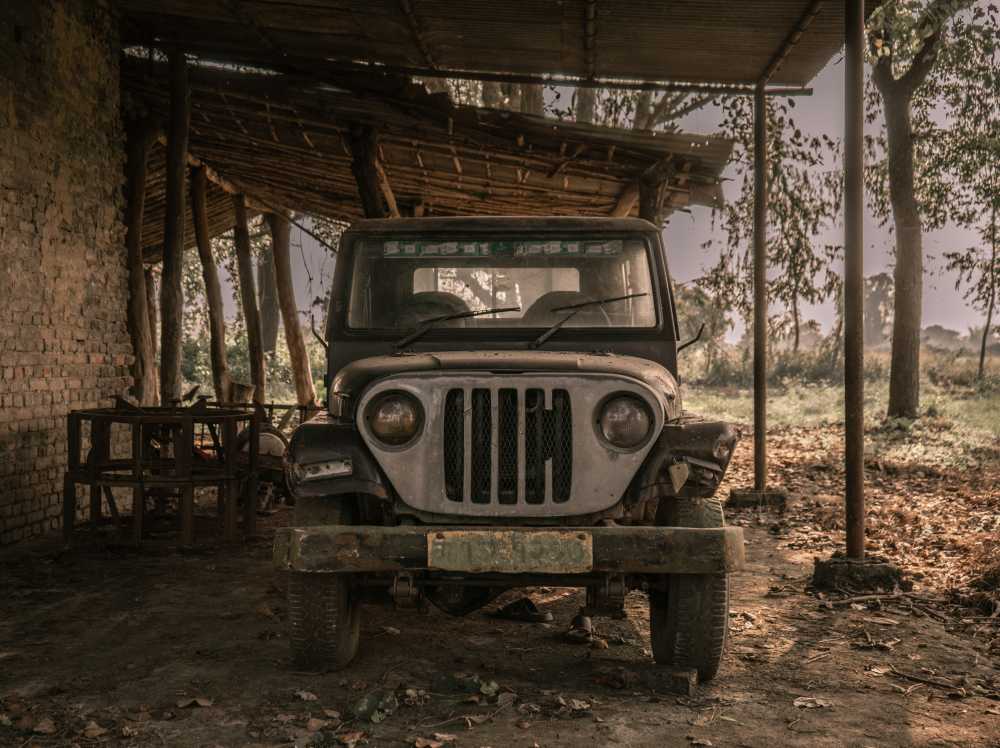
Define Your Mission: Destination & Purpose
First things first: What kind of journey are you craving? Your answer will be the compass for your entire plan. Are you seeking:
Rejuvenation? Picture a scenic drive along Oregon's coast, with stops in quiet towns and fog-laced forests.
High Adventure? A route looping through Utah's "Mighty 5" national parks, filled with challenging hikes and epic vistas. Planning a park-centric journey is a classic for a reason, and our National Park Road Trip Checklist can be an invaluable tool.
Cultural Discovery? A trip winding through the historic backroads of New England or the music-rich towns of the Mississippi Delta.
Your "why" dictates your route. The iconic Pacific Coast Highway delivers on coastal drama, while a journey along Route 66 is a nostalgic dive into Americana. Use tools like Google Maps, Roadtrippers, and travel blogs to map a general path, but also search for terms like "scenic byways in California" (or whichever state you're exploring) to uncover less-traveled gems.
The Art of the Flexible Itinerary
A rigid, minute-by-minute schedule is the enemy of a great road trip. The goal is to create a structured yet pliable plan.
Respect Your Driving Limits: This is the golden rule. Aim for no more than 4-6 hours of actual driving per day. This prevents burnout, gives you ample time to explore your stops, and, crucially, ensures you can arrive at your lodging before dark.
Anchor Your Journey: Always pre-book your accommodation for the first night and the last night of your trip. This brackets your journey, removing the stress of finding a place to stay when you’re either buzzing with first-day energy or exhausted from the final leg.
Identify Key "Pillars": Pinpoint the 2-3 must-see sights, cities, or parks on your route. These are your pillars. Plan your overnight stays around them, giving yourself enough time to explore them properly.
Embrace the In-Between: For the days between your pillars, keep your plans loose. This is where the magic happens. It allows you to follow a sign for a quirky roadside museum, spend an extra two hours at a breathtaking viewpoint, or explore a town that just feels right.
Budgeting: Your Financial Freedom Fund
A clear budget isn't a leash; it’s the tool that frees you from financial stress on the road.
Fuel: Use an app like GasBuddy to estimate total fuel costs based on your car's MPG and planned mileage. Be conservative and round up.
Lodging: Research average costs for hotels, motels, or campgrounds in your target areas. Prices can fluctuate wildly by season and local events.
Food & Drink: Set a daily food budget. Packing a cooler with drinks, snacks, and breakfast items is a pro move that drastically cuts costs.
Activities: Account for national park passes (an "America the Beautiful" annual pass is often a great value), museum tickets, and tours.
The "Uh-Oh" Fund: This is non-negotiable. Set aside 15-20% of your total budget as a contingency. This fund is for the flat tire, the surprise concert ticket, or the necessary hotel upgrade after a rough day.
Pro-Tip: Before you go, call your bank and credit card companies to notify them of your travel plans. This prevents them from freezing your account due to "unusual activity" when you're buying gas 500 miles from home.
Mastering Solo Road Trips with Confidence
Your personal safety matters most. A proactive, systematic approach doesn't create fear; it builds the confidence you need to explore freely.

Personal Safety
Think of your awareness as your most critical travel companion—the one piece of gear that should never be packed away. It's your built-in radar for navigating the world with confidence.
Share Your Battle Plan: Leave a detailed copy of your itinerary with at least two trusted friends or family members. Include hotel names, addresses, and phone numbers.
The Daily Check-In: Establish a simple system. A quick "Made it to Flagstaff! All good." text each evening provides peace of mind for everyone.
Daylight is Your Ally: Plan your driving to end well before sunset. Navigating unfamiliar roads and finding your hotel is infinitely easier and safer in the light.
Trust Your Gut Instinct: Your intuition is a highly evolved threat-detection system. If a gas station, rest stop, or situation feels wrong, it is wrong for you. Leave immediately. Don't second-guess it.
Walk with Purpose: Project confidence. Be aware of your surroundings. Avoid looking lost or glued to your phone. If you need to check a map, step inside a coffee shop or store.
Social Media Lag Time: Share your amazing photos after you've left a location. Posting your real-time whereabouts can broadcast your solo status to the wrong people.
A DEEPER DIVE ON SAFETY
For many independent travelers, safety is the number one concern. We've compiled a comprehensive resource filled with actionable strategies and expert advice specifically for navigating the world on your own.
Download our free Solo Female Travel Safety Guide to build unshakeable confidence for your next adventure.
The Solo Mindset: From Loneliness to Solitude
Let’s address the elephant in the room: loneliness. It's a valid concern, but it's crucial to differentiate it from solitude. Loneliness is a lack; solitude is a presence—the presence of yourself.
Embrace Dinners for One: Bring a book or a journal. Use the time to people-watch and savor your meal without distraction.
Strike Up Casual Conversations: Chat with the barista, the park ranger, or the shopkeeper. These small interactions can provide a welcome dose of human connection without any obligation.
Schedule Calls Home: Plan a few calls with friends or family during your trip. Hearing a familiar voice can be a great reset if you're feeling isolated.
Your Co-Pilot Check
On a solo trip, your car isn't just transportation; it's your partner. Ensuring it's in peak condition is the single most important thing you can do before you leave.
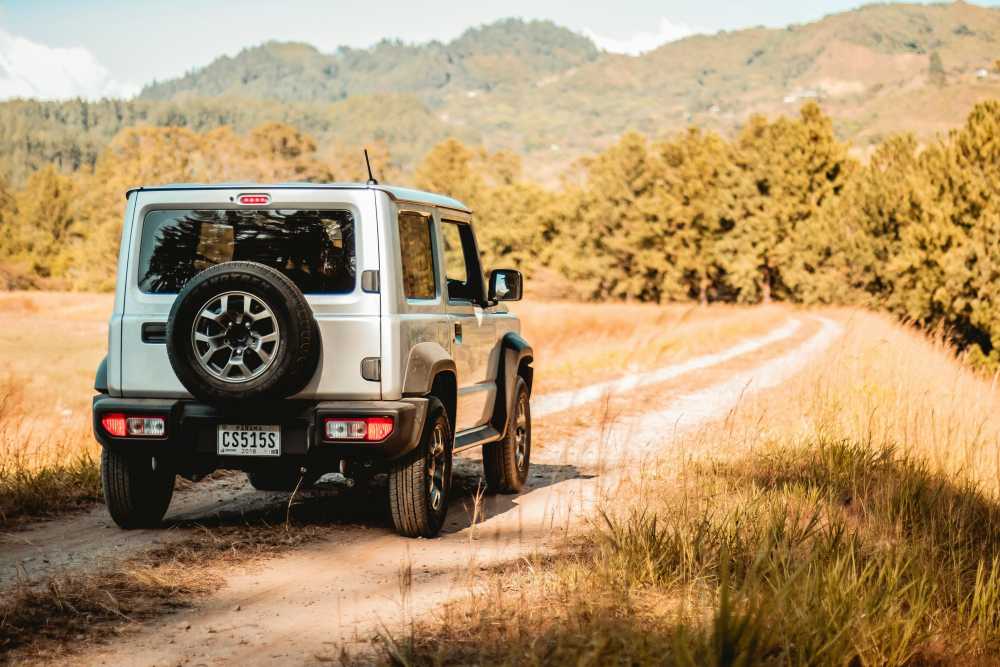
The Pre-Flight Mechanical Inspection
At least one week before you depart, have your vehicle inspected by a trusted mechanic, or do it yourself if you're knowledgeable.
Tires (The Four You See and The One You Don't): Check the pressure on all four tires plus the spare. Inspect the tread depth using the "penny test." If the tread doesn't cover Lincoln's head, you need new tires.
Fluids: Check your oil, coolant, brake fluid, and windshield washer fluid. Get an oil change if you're within 1,000 miles of your next service interval.
Brakes: Listen for squealing. Feel for any vibration when braking. Don't compromise here; get them checked if there's any doubt.
Battery: Look for corrosion (a white, powdery substance) on the terminals. If your battery is over three years old, have it load-tested at an auto parts store (it's often free).
Lights & Wipers: Test all lights. Replace wiper blades if they're cracked or leave streaks. A sudden downpour is a terrible time to discover they're useless.
Building the Ultimate Roadside Emergency Kit
A well-stocked kit can turn a trip-ending crisis into a manageable inconvenience. Having a comprehensive checklist is key. A great starting point for any major is our International Travel Checklist, which you can adapt for a domestic journey.
Jumper cables and a portable jump starter
Tire pressure gauge and a portable 12V air compressor
A complete first-aid kit
A powerful LED flashlight or headlamp (with extra batteries)
Basic toolkit (multi-tool, adjustable wrench, screwdrivers, gloves)
Duct tape and zip ties
Reflective warning triangles
A warm blanket, emergency rain poncho
High-energy, non-perishable snacks (protein bars, nuts)
At least one gallon of water
Pro-Tip: A portable jump starter (a small lithium-ion battery pack) is the best safety device a solo traveler can buy. It allows you to jump-start your own car without the need for another vehicle or the risk of asking a stranger for help.
Frequently Asked Questions
How much should I budget for a solo road trip?
Your main costs will be fuel, lodging, and food. A good starting point for a domestic US trip is to budget $150-$250 per day. This can be much lower if you're camping and cooking your own meals, or higher if you prefer nicer hotels and restaurants. Always add a 15-20% contingency fund for unexpected costs.
What's the best way to stay safe at rest stops or gas stations?
Choose busy, well-lit locations whenever possible. Before you get out of the car, take a moment to observe your surroundings. Stay off your phone, be aware of who is around you, and trust your gut instinct. If a place feels unsafe, leave and find the next one.
Is it better to book all my accommodations in advance for a solo trip?
We recommend a hybrid approach. Book your first and last nights in advance to reduce stress. For the nights in between, having flexibility is great, but it's wise to book your next night's stay at least 24 hours in advance, especially in popular areas, so you're not left scrambling at dusk.
Turn the Key: Your Adventure Begins Now
The journey of a thousand miles begins not with a single step, but with a decision—the decision to prepare. By now, the idea of a solo adventure should feel less like a daunting challenge and more like an exciting, achievable reality. You have the framework for careful planning, the knowledge to build a strong safety net, and the checklist to ensure your vehicle is a reliable partner.
You are equipped to handle the road with confidence and embrace the unparalleled freedom that only solo road trips can offer. The open road is not just a path to a new destination; it’s a path to a more capable and self-aware version of yourself. The planning is part of the adventure. The preparation is part of the empowerment. Now, it's time to put it all into action. Go create a story that is entirely your own.

Don't Miss Out! Subscribe for Exclusive Content
SubscribeComments 0
No comments yet
Be the first to share your experience!
Dont Miss Out! Subscribe for Exclusive Content

San Francisco Cherry Blossoms: A Local's Guide to the Blooms

Halloween SF: Haunts Without Horrors

SF Festivals: 7 Must-See Lineups

Christmas SF: Lights & Wharf Wonders

SF Pride: 6 Route & Party Hacks
