
75+ Travel Blog Post Ideas to Beat Writer's Block

TrekGuider @trekguider
Let's be honest: the blinking cursor is the most intimidating opponent a travel creator can face. You're sitting on a goldmine of experiences from your latest trip, camera roll overflowing, yet the well of inspiration has run dry. You know you need to publish to keep your momentum, but you’re stuck. You see the creators featured in our definitive guide to The Best Travel Blogs to Follow in 2026 publishing incredible content, and the pressure to keep up feels immense.
This isn't just a fleeting moment of frustration; it's a critical business bottleneck. In the competitive world of travel media, an inconsistent publishing schedule kills momentum, damages your search engine authority, and puts a hard ceiling on your income. Every day you spend wondering what to blog about travel is a day you're not growing your audience or your business.
This article is your way out. Think of this as your permanent, strategic cure for writer's block. Below, you won't just find a list of 75+ prompts. You'll get a battle-tested resource bank organized by the single most important concept in content creation: user intent. This is the framework you need to build a content calendar that consistently attracts new readers, fosters a loyal community, and systematically drives revenue for your brand.

Understanding Intent: The Key to Knowing What to Blog About Travel
Before we get to the ideas, we need to talk strategy. Every single time a person uses a search engine, they have a goal. They're not just typing words; they're asking a question, looking for a story, or preparing to make a purchase. A professional content strategy doesn't just guess at topics; it systematically targets these different user intents.
The Professional's Cure: From Ideas to Strategy
The difference between an amateur blog and a professional media brand isn't the quantity of ideas, but the strategy behind them. The permanent cure for writer's block isn't just a list of topics; it's a framework for thinking about how each piece of content serves your audience and your business. This is how you build a content funnel:
Informational (Top of Funnel): The user has a practical question (e.g., "Do I need a visa for Thailand?"). Your job is to provide the most comprehensive, authoritative answer on the internet, introducing them to your brand as a trusted resource.
Inspirational (Middle of Funnel): The user is in the dreaming phase. They want personal stories, evocative photo essays, and relatable mishaps. Here, your goal is to forge a genuine connection and build the trust that turns a first-time visitor into a loyal follower.
Transactional (Bottom of Funnel): The user is ready to act. They're comparing products, looking for reviews, and about to spend money (e.g., "Sony a7CR review for travel"). Your goal is to provide expert recommendations that help them make a confident decision, generating affiliate income or direct product sales for you.
A successful blog is a masterfully balanced ecosystem of all three content types. It's how you create a sustainable business that serves people at every single stage of their travel journey.

Informational Guides (Top of Funnel): Become the Go-To Resource
These articles are the foundation of your search traffic. They answer the core questions your audience has and are your primary tool for building topical authority with search engines. Be relentlessly helpful.
The Ultimate Guide to [Destination]
How to Get from [Airport] to City Center
When is the Best Time to Visit Country?
Do I Need a Visa for Country?
A Complete Guide to Public Transportation in [City]
Is [City] Safe for Solo Female Travelers?
Understanding Currency and Tipping in Country
What to Pack for a Trip to [Destination]
The Best Neighborhoods to Stay in [City]
How to Plan a Number-Day Itinerary for [Destination]
A Local's Guide to the Best Hidden Gems in [City]
The Complete Language and Culture Guide for Country
Navigating Holiday/Festival in [City]
How Much Does a Trip to Country Really Cost? A Detailed Budget Breakdown
Is Travel Insurance for Country Worth It? A 2026 Analysis
Inspirational Stories (Middle of Funnel): Building Your Loyal Community
Facts inform, but stories connect. This is your chance to share your unique voice, perspective, and personality. In an increasingly automated world, our market research confirms that authenticity is your single greatest asset. This is where you build your true tribe.
How Traveling to Country Changed My Perspective on Life
Our Biggest Travel Mishap and What We Learned From It
Why I Quit My Job to Travel the World (And What I'd Do Differently)
A Day in the Life of a Digital Nomad in [City]
The Most Humbling Experience I Had in Country
Meeting Locals: The Unforgettable Story of Person's Name
Overcoming My Fear of Activity in Place
Finding Love on the Road: Our Story
A Letter to My Younger Self Before My First Solo Trip
The Kindness of Strangers: A Story from Country
Why We Choose to Travel with Our Kids, Even When It's Hard
The Most Beautiful Place I’ve Ever Seen
My Favorite Travel Memory of All Time
What I Wish I Knew Before Backpacking Through Region
A Photo Essay: The Faces of Country
Pro-Tip: True authenticity includes the struggles. Don't be afraid to write about the delayed flights, the questionable street food, or the moments of loneliness. These are the stories that make you human and build unshakable trust with your audience.

Transactional Reviews (Bottom of Funnel): Driving Your Revenue
This content targets readers with high purchase intent. They are actively seeking expert guidance before they spend their money. Your honest, detailed, and experience-backed reviews provide immense value to them and are a primary driver of revenue for your business.
Airline Business Class Review: Is It Worth the Upgrade?
An Honest Review of the Hotel Name in [City]
Is the City Name Pass a Good Value? A Full Breakdown
The 5 Best Travel Backpacks for 2026: An In-Depth Test
Comparing Tour Company A vs. Tour Company B for Activity
A Review of Travel Product: The Good, The Bad, and The Ugly
The Best Travel Credit Cards for Earning Points This Year
My Experience Renting a Car in Country with Rental Company
Camera Model Review: Is This the Ultimate Travel Photography Camera?
The Only Packing Cubes You'll Ever Need: A Head-to-Head Comparison
Review: Travel Insurance Provider
The Best Travel Shoes for Walking All Day (After 500 Miles of Testing)
A Guide to the Best Group Tours for Solo Travelers
Which E-SIM is Best for International Travel?
Portable Charger Brand Review: Will It Keep You Powered Up?
How-To Tutorials (Practical Value): Proving Your Deep Expertise
Tutorials are powerhouse content. They solve a very specific problem, demonstrating your expertise in a tangible way. A great "how-to" post can become a key element piece of content that drives traffic, email sign-ups, and product sales for years.
How to Pack for a Two-Week Trip in Only a Carry-On
How to Plan a Trip Using Google Maps and Google My Maps
How to Find the Cheapest Flights to Anywhere (My Step-by-Step Method)
How to Overcome Jet Lag: A Science-Backed Guide
How to Use a Travel Rewards Credit Card to Book a Free Flight
A Beginner's Guide to Taking Better Travel Photos with Your Phone
How to Stay Fit and Healthy While Traveling Long-Term
How to Create a Realistic Travel Budget (and Actually Stick to It)
How to Learn Basic Phrases in a New Language Quickly
How to Navigate a Foreign Supermarket Like a Local
How to Do Your Laundry While Traveling
How to Stay Safe as a Solo Traveler: 10 Essential Tips
A Step-by-Step Guide to Getting Your First Passport
How to Set Up a Travel Blog (The 2026 Tech Guide)
How to Edit Your Travel Photos to Look Professional

Ready to Monetize Your Expertise?
Creating world-class "how-to" content is the first step. The next is to package that knowledge into a premium product you can sell. The most profitable travel creators are building businesses around their own digital products—from itineraries to e-books to workshops.
Our free Digital Product Ideas Guide is your official playbook for this transition. Download it to get a curated list of product ideas you can create and start selling today.
Listicles (Highly Shareable): Maximizing Your Traffic and Reach
Listicles are popular for a reason: they are incredibly effective. They're scannable, digestible, and highly shareable on visual platforms like Pinterest, making them a fantastic tool for driving top-of-funnel traffic and getting your brand in front of new audiences.
15 Must-See Places in Country That Aren't in the Guidebooks
10 Foods You Absolutely Have to Try in [City]
The 7 Best Day Trips from [City]
21 Things to Know Before You Visit Country
The Top 10 Most Beautiful Beaches in Region
5 Common Travel Scams in [City] and How to Avoid Them
12 Unique and Authentic Souvenirs to Buy in Country
The 8 Best Hostels in [City] for Solo Travelers
10 Instagrammable Spots in [City] (and How to Get the Shot)
7 Mistakes to Avoid When Visiting Tourist Attraction
25 Famous Movie Locations You Can Actually Visit
The 10 Best Cities in the World for Foodies
8 Apps Every Traveler Should Have on Their Phone
The Top 5 National Parks for Family Adventures
11 Insanely Beautiful Castles You Can Stay In
9 Reasons Why You Should Travel Solo at Least Once
The 12 Best Travel Books to Inspire Your Next Adventure
Pro-Tip: The secret to a successful listicle is a sharp, unique angle. Don't just write "Things to Do in Rome." Instead, write "10 Things to Do in Rome to Escape the Crowds." Specificity is what makes you stand out from the generic content and attract a dedicated reader.
Your Next Steps: A Creator's FAQ
How many blog posts should I have before I launch?
Our research on successful blog launches points to a magic number: between 10 and 20 foundational articles. This gives visitors enough content to explore and signals to Google that you're a serious resource. Aim for a mix of the content types above.
How do I make time to create all this content?
Focus on batching your work. Dedicate one day to outlining several posts, another to writing, and another to creating graphics and social media assets. A strategic workflow is more important than raw hours.
How do I turn this content into a real business?
The path is to transition from content creator to media entrepreneur. Use your informational and inspirational posts to build an audience, then create your own digital products—like detailed itineraries, e-books, or Lightroom presets—that solve your audience's biggest problems. This is why platforms like the TrekGuider Platform (Seller Signup) are so valuable; they handle the complex technical side of sales, letting you focus on creating.

From Inspired Creator to Thriving Entrepreneur
The blinking cursor has lost its power. You now have a practical plan and a treasure trove of ideas to build a content calendar that serves your audience and grows your business. You have the tools to know exactly what to blog about travel at any given moment. By intentionally blending these different types of content, you’re no longer just publishing posts—you're building a powerful, predictable, and profitable travel media brand.
The final step is to use the trust and authority you've built. The most successful creators in 2026 are not relying on ad revenue; they are building their own economies by selling their expertise directly to their audience. You have the knowledge. You have the stories. It's time to turn them into your own line of digital products.
The TrekGuider Platform was built specifically for this purpose. It is the simplest, most powerful way to upload, market, and sell your digital travel guides, itineraries, and courses to a passionate global audience. Stop being just a blogger. Start building your empire.
Meta Data Suggestions:
SEO Meta Title: 75+ Travel Blog Post Ideas to Beat Writer's Block
URL Slug: travel-blog-post-ideas
SEO Meta Description: Never wonder what to blog about travel again. Get 75+ strategic post ideas to beat writer's block, attract readers, and build a profitable travel blog.
Don't Miss Out! Subscribe for Exclusive Content
Subscribe



Comments 0
No comments yet
Be the first to share your experience!
Dont Miss Out! Subscribe for Exclusive Content

Ultimate USA Holidays Guide: Top Picks


FTC Affiliate Disclosure Essentials: Stay Compliant as a Travel Creator

Essential Affiliate Tools: From Tracking to Full Optimization

Avoid These 5 Affiliate Landing Page Mistakes for Better Conversions

Affiliate Keyword Research Mastery for Travel Blogs

Booking.com Affiliate Program Review: Pros, Cons, and Earnings Potential
Thanksgiving Parade: 6 Prime Spots
TrekGuider @trekguider
You’ve seen it on television your whole life: colossal cartoon characters floating between skyscrapers, world-class marching bands sending echoes through the avenues, and the final, festive arrival of Santa Claus himself. The Macy's Thanksgiving Day Parade is an American institution, the magical kick-off to the holiday season. But the dream of seeing it in person is often haunted by a logistical nightmare. You’re worried about battling millions for a tiny patch of sidewalk, only to have your view blocked, your kids get restless, and the entire enchanting experience devolve into a cold, stressful ordeal.
That anxiety is completely valid. Every year, over 3.5 million people descend on the route, and without a rock-solid plan, you’ll see more of the back of someone’s head than you will of the giant Snoopy balloon. You risk waking up before dawn only to find every good spot claimed, leaving your family disappointed and shivering. The magic you traveled for feels impossibly out of reach, lost in a sea of chaos. You deserve to experience the wonder, not the worry.
Forget the frustration. This is your strategic blueprint for success. We’re going to bypass the chaos and transform you into a parade-viewing expert. We’ll unveil the six prime spots to watch the spectacle, complete with insider strategies on timing, what to pack, and how to navigate the city like a local. This is your definitive plan for conquering the Thanksgiving parade in New York and creating memories that will last a lifetime. It’s one of the most iconic events in the city, a true highlight that we cover in our broader guide to New York Holidays: 10 Must-Do Events.
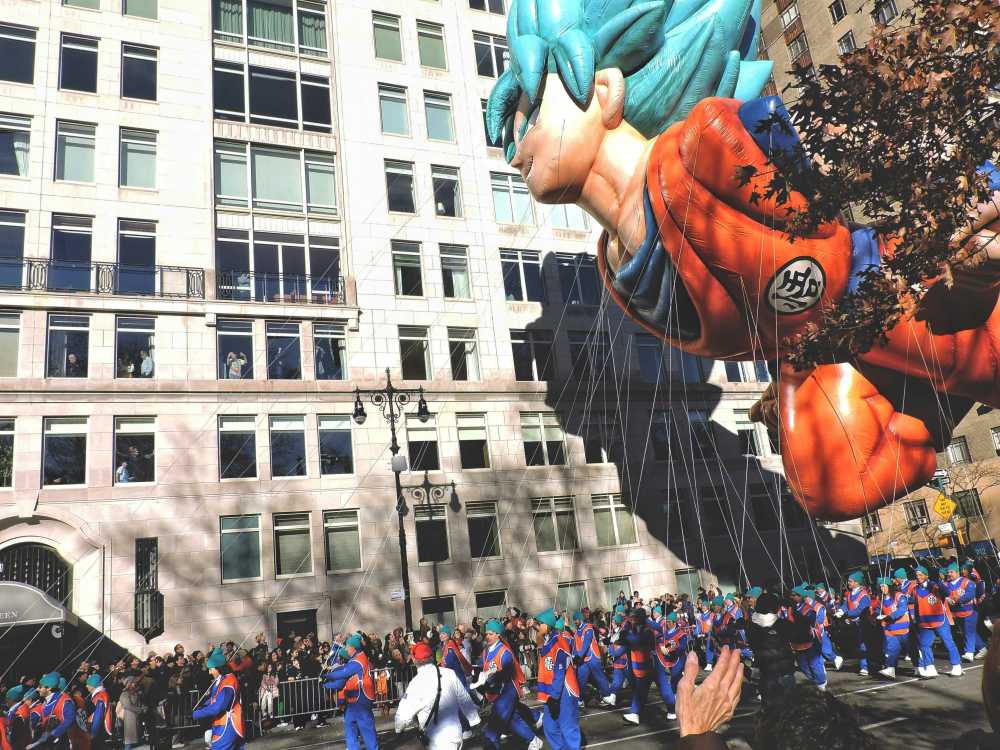
Understanding the Parade Route: Your Strategic Map
Before you can pick your spot, you need to understand the battlefield. The Macy's Thanksgiving Day Parade is a massive operation, and its route is the key to everything. Knowing the path, the timing, and—most importantly—the restricted zones will give you a powerful advantage.
The parade officially kicks off at 8:30 AM sharp on Thanksgiving morning, Thursday, the fourth Thursday of November. It begins on the Upper West Side and marches for 2.5 miles, concluding around noon.
Here’s the official step-by-step route:
Starts: 77th Street & Central Park West at 8:30 AM.
Travels South: Proceeds down Central Park West to Columbus Circle.
Turns: At Columbus Circle, it turns onto Broadway.
Continues South: It follows Broadway through the heart of Midtown.
Ends: The parade concludes around noon at the iconic Macy's Herald Square on 34th Street.
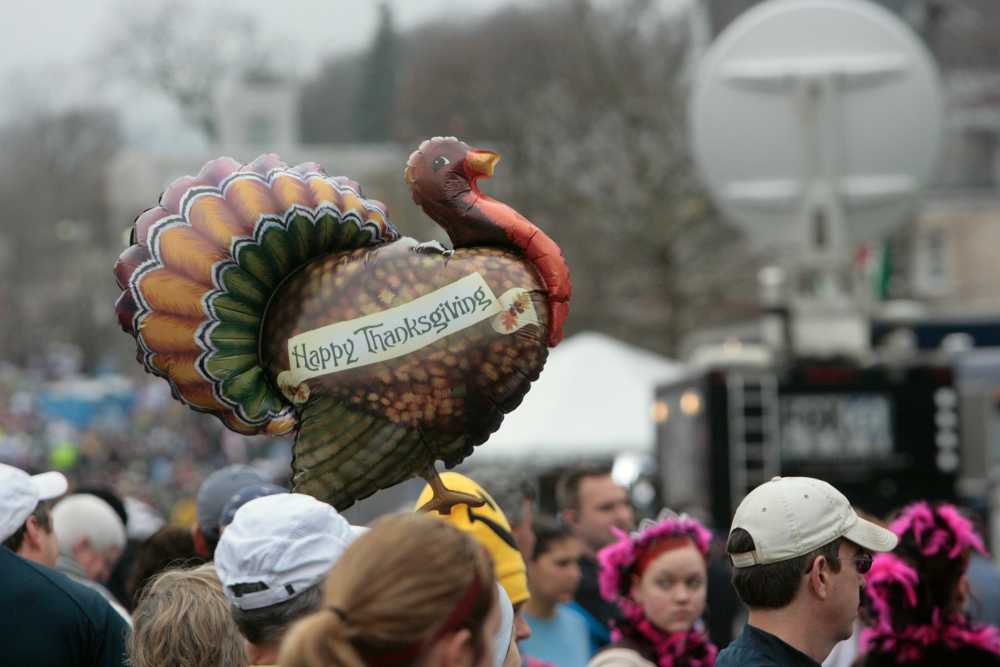
Our internal research confirms two critical areas to avoid at all costs: the start zone around 77th Street and the finish zone near Herald Square (from 34th to 38th Street). These areas have heavily restricted public viewing and are reserved for television broadcasting. Trying to watch from here is a rookie mistake that guarantees disappointment. Your strategy must focus on the long stretches in between.
The 6 Prime Viewing Spots for the Thanksgiving Parade in New York
Now for the main event. Choosing your location is the single most important decision you’ll make. Each of these six spots offers a unique advantage, whether it’s fewer crowds, better photo opportunities, or more family-friendly conditions.
1. The Upper West Side: The Classic Family Choice
Location: Along Central Park West, from 77th Street down to Columbus Circle (specifically the west side of the street).
Why It’s Prime: As the parade’s very first leg, this 16-block stretch is where the magic is freshest. The performers are electric with energy, the marching bands are at their most thunderous, and the balloon handlers are still wrangling their colossal characters into perfect formation. Because it's more residential, the crowds feel slightly more manageable and family-oriented than in the commercial chaos of Midtown. The backdrop of Central Park on one side and historic apartment buildings on the other makes for stunning photos.
Your Strategy:
Timing is Everything: You must arrive by 6:00 AM. The front-row spots are often claimed by locals before the sun is up. By 6:30 AM, the area will be packed several rows deep.
Positioning: Plant yourself on the west side of Central Park West. This gives you a direct, unobstructed view as the parade marches south.
What to Expect: It will be cold and dark when you arrive. This spot requires a commitment to waiting, but the payoff is a fantastic, high-energy viewing experience.
2. The Shops at Columbus Circle: The VIP Indoor View
Location: The second and third floors of The Shops at Columbus Circle, overlooking the parade’s turn from Central Park West onto Broadway.
Why It’s Prime: This is the ultimate parade hack for those who want to avoid the cold and the crowds. You get a warm, elevated, bird’s-eye view of the entire spectacle. Plus, you have immediate access to restrooms, coffee, and food—luxuries that are unthinkable for those on the street.
Your Strategy:
This Isn't Free: This is not a public viewing area. Access is typically granted to customers of the shops and restaurants within the mall.
Plan Months Ahead: Check with stores like Williams-Sonoma or restaurants with windows facing the circle. Many host private, ticketed viewing events that sell out far in advance.
Be Prepared to Spend: You will need to make a purchase or pay for a breakfast event to gain entry. Consider it the price of unparalleled comfort and convenience.

3. The Sixth Avenue Stretch: The Urban Canyon Experience
Location: Along Sixth Avenue (Avenue of the Americas) from 59th Street down to 38th Street.
Why It’s Prime: This is the longest and straightest portion of the route, offering dozens of blocks for potential viewing. Watching the giant balloons squeeze between the towering skyscrapers of Midtown is a uniquely New York experience. The sheer scale of the buildings creates a dramatic "urban canyon" effect that makes the parade feel even more grand.
Your Strategy:
Arrive Early: The secret is out on this spot. To get a decent view, be in position by 6:30 AM at the latest. The blocks closest to Central Park (59th to 50th) fill up the fastest.
Avoid Corners: Set up in the middle of a block. Corners are notoriously crowded and chaotic, with people constantly moving and blocking views.
Look for Scaffolding: Sometimes, construction scaffolding can be a blessing in disguise, creating a covered area that offers some protection from the elements and can deter massive crowds from forming in that exact spot.
Pro-Tip: The area between 70th and 75th streets on Central Park West offers a slightly wider sidewalk, giving you a little more breathing room. Pack a thermos of hot chocolate to stay warm while you wait—it’s a game-changer.
4. The "Quiet Zone" Near Radio City Music Hall
Location: The stretch of Sixth Avenue between 49th and 51st Streets.
Why It’s Prime: While no part of the route is truly "quiet," this section is designated as a no-marching-band-performance zone to accommodate the national television broadcast headquartered at Radio City. This means you get a brief respite from the loudest musical numbers—a great option for families with young children or those with sensory sensitivities.
Your Strategy:
Know the Trade-Off: You will see all the floats and balloons perfectly, but you will miss the live performances from the marching bands as they pass this specific area.
Use the Location: This spot is fantastic for its iconic backdrop. You can capture incredible photos of the balloons with the famous Radio City Music Hall marquee in the background.
Post-Parade Plans: You are perfectly positioned to see the Rockettes' Christmas Spectacular later in the day or head over to Rockefeller Center.

5. The South Side of 38th Street: The Late-Arrival Lifeline
Location: The blocks along Sixth Avenue from 40th Street down to 38th Street.
Why It’s Prime: Let's be realistic: not everyone can wake up at 4 AM. If you’re running late, this is your last best chance. As the parade nears its end at 34th Street, the area becomes a restricted broadcast zone. Therefore, the blocks just before this cutoff are the final public viewing areas.
Your Strategy:
Manage Expectations: You will not get a front-row view here. This is a spot for seeing the tops of the balloons and catching the general energy of the event.
Look Up: Your view will be mostly vertical. It’s less about seeing the performers on the street and more about witnessing the spectacle of the giant balloons against the sky.
Quick Exit: The advantage of being near the end of the route is that you can make a quick exit once the final float passes, beating some of the mass exodus heading for the subway.
6. The Virtual View: Your Hotel Room Perch
Location: Any hotel with rooms directly overlooking the parade route on Central Park West or Sixth Avenue.
Why It’s Prime: This is the most comfortable, stress-free, and luxurious way to experience the Thanksgiving parade in New York. You can watch the entire event from the warmth of your room, in your pajamas, with a cup of coffee in hand. You have your own bathroom, your own food, and an unbeatable, unobstructed view.
Your Strategy:
Book a Year in Advance: Rooms with parade views are often booked a year or more ahead and come at a significant premium.
Confirm the View: When booking, you must call the hotel directly to confirm that your specific room has a "parade view." An "avenue view" is not always sufficient.
Notable Hotels: Some hotels famous for their parade views include the JW Marriott Essex House, the Mandarin Oriental, New York, the Warwick New York, and the New York Hilton Midtown.
Pro-Level Survival Guide for Parade Day
Securing a great spot is only half the battle. You need a solid plan for the hours you’ll spend waiting. Follow these tips to ensure your experience is comfortable and memorable for all the right reasons.
The Ultimate Timing Strategy
The golden rule, confirmed by years of experience, is to arrive by 6:00 AM. This is non-negotiable for a front-row or second-row spot along Central Park West or the prime stretches of Sixth Avenue. By 6:30 AM, these areas are typically full. By 7:00 AM, you’ll be lucky to find a spot where you can see anything at all. Set your alarm, bundle up, and get there early. The early bird gets the best view of the parade.
What to Wear and Pack: The Family Checklist
New York in late November is cold. Standing still for hours makes it feel even colder.
Dress in Layers: Start with a thermal base layer, add a fleece or sweater, and top it off with a warm, wind-resistant winter coat. Don't forget a hat, gloves, and a scarf.
Comfortable Footwear: Wear warm, waterproof boots. Your feet will thank you.
The Essentials Bag: Pack a backpack with:
Snacks and Drinks: A thermos of hot chocolate or coffee is a must. Bring water and easy-to-eat snacks like granola bars and fruit.
Entertainment: A book, a deck of cards, or a fully charged phone with headphones can help pass the time.
Portable Phone Charger: Your battery will drain faster in the cold.
Small Folding Stools: If you have space, these can be a lifesaver for your back and legs.
For a comprehensive list of what to bring on any family adventure, our National Park Road Trip Checklist has you covered, with tips that apply just as well to an urban expedition.

Navigating the Crowds with Kids
The parade is a magical experience for children, but the crowds and waiting can be tough.
Avoid Strollers: In the most crowded areas, strollers are more of a liability than a help. They are difficult to maneuver and take up valuable space. A carrier is a much better option for very young children.
Establish a Meeting Point: As soon as you claim your spot, pick a clear, fixed landmark (e.g., a specific lamppost, a store entrance) as your family's meeting point in case you get separated.
Use a Buddy System: Ensure everyone has a partner.
Ladders: You will see people with small ladders for their kids to see over the crowd. If you bring one, be sure to place it a safe distance from the street and be courteous to those around you.
Pro-Tip: Skip the car. Public transportation is your best friend. The subway will be running on a holiday schedule, but expect crowded stations near the route. Plan your subway route in advance and buy your MetroCard the day before to avoid long lines at the machines on Thanksgiving morning.
Beyond the Parade: Making it a Full Thanksgiving Experience
Remember, the parade ends around noon, leaving you with a full day to enjoy the city. Many people head straight to a Thanksgiving dinner. If you plan to eat out, you must make reservations weeks, if not months, in advance. New York City is one of the world's culinary capitals, and a festive meal is the perfect way to cap off a magical morning.
Planning the perfect holiday trip, from the parade to the feast, requires expert knowledge. Our comprehensive Travel Guide provides detailed itineraries and booking advice for major US cities, ensuring your entire vacation is seamless and spectacular.

Your Mission, Should You Choose to Accept It
Watching the Macy's Thanksgiving Day Parade in person is a bucket-list dream, and with this guide, it’s a dream you can turn into a flawless reality. You now have the route, the prime locations, and the pro-level strategies to outsmart the crowds and secure a fantastic viewing experience. You’re no longer a tourist hoping for a glimpse; you’re a prepared strategist ready to claim your prime spot and soak in every moment of the magic. The Thanksgiving parade in New York is waiting for you.
Now go make those once-in-a-lifetime memories!
Meta Data Suggestions:
SEO Meta Title: 6 Prime Spots for the NYC Thanksgiving Day Parade (2026)
URL Slug: thanksgiving-parade-new-york-viewing-spots
SEO Meta Description: Don't just watch the Thanksgiving parade in New York, conquer it. Our guide reveals 6 prime viewing spots and insider tips for a stress-free family experience.
Don't Miss Out! Subscribe for Exclusive Content
SubscribeComments 0
No comments yet
Be the first to share your experience!
Dont Miss Out! Subscribe for Exclusive Content

San Francisco Cherry Blossoms: A Local's Guide to the Blooms

Halloween SF: Haunts Without Horrors

SF Festivals: 7 Must-See Lineups

Christmas SF: Lights & Wharf Wonders

SF Pride: 6 Route & Party Hacks

Chinese New Year SF: Parade Essentials
How to Plan a US Family Vacation That Actually Happens
TrekGuider @trekguider
Does the dream of a family vacation always seem to get buried under a pile of school projects and work deadlines? You want to make those precious memories, but the sheer effort of planning a big trip—the budget, the flights, the sprawling itinerary—feels completely overwhelming. That dream gets pushed to the “maybe next year” pile, and another opportunity slips away.
This is the cycle of vacation procrastination. The pressure to make every trip a grand, epic adventure creates a paralysis that keeps you at home. Weekends blur into a routine of errands and screen time, and you’re left with the nagging feeling that you’re not making the most of your time together.
This guide is the antidote. We’re here to champion the art of the short-form getaway—the powerful, transformative two- or three-day trip. A well-executed weekend escape can recharge your family, create lasting inside jokes, and deliver that essential change of scenery without the strain of a major holiday. While a grand tour has its place, as we explore in our comprehensive Family Travel Ideas: The 2026 Guide to Unforgettable Trips, mastering the weekend trip is a practical skill that pays dividends all year long. This is your roadmap to choosing the perfect spots for a quick, high-impact getaway that actually happens.

The Weekend Warrior: Why Short Trips Are a Family’s Secret Weapon
Before we dive into destinations, it’s crucial to understand the real advantage of short-form travel. In our fast-paced world, the weekend getaway isn’t a lesser version of a vacation; in many ways, it’s a superior model for modern families.
It Obliterates Decision Fatigue: Planning a three-day trip requires a fraction of the decisions needed for a ten-day epic. You’re choosing two nights of accommodation, not nine. You’re planning six meals, not thirty. This lower logistical barrier is the key to moving from idea to action.
It's a Budget-Friendly Power-Up: The math is simple. Fewer nights, fewer meals, and shorter travel distances mean a significantly lower overall cost. This makes travel more accessible more often.
It Forces Frequent Reconnection: Long breaks are fantastic, but the daily grind can quickly erode that post-vacation glow. Frequent weekend trips act as regular “reconnection points” for your family, reinforcing bonds and breaking up monotony.
It's a Low-Stakes Laboratory: A weekend trip is the perfect environment to test new travel styles. Want to see if your kids enjoy hiking? A two-night trip to a mountain town is a much lower-risk experiment than a full week in a national park.

The 72-Hour City Break: Culture and Energy for the Urban Explorer
A city break is a masterclass in efficiency. It's a high-impact dose of culture, cuisine, and energy, perfectly contained within a 72-hour window where your own two feet are the best mode of transport. These destinations are perfect for a short-form family vacation adventure.
Boston, Massachusetts: A Walk Through American History
For families with school-aged children, Boston is a living classroom. The city’s compact core makes it incredibly easy to explore on foot, turning a simple walk into an unforgettable journey.
Can't-Miss Experiences: Walk the 2.5-mile Freedom Trail, a red-brick line connecting 16 nationally significant historic sites. Kids will love the energy of Faneuil Hall Marketplace and the chance to climb aboard the USS Constitution (“Old Ironsides”). The Boston Children’s Museum is legendary for hands-on fun.
Must-Try Food: Grab a cannoli from Mike’s Pastry or Modern Pastry in the North End. For a classic experience, head to the Union Oyster House, one of America’s oldest restaurants.
Logistics: Leave the car behind. Boston is best navigated via the “T” (its subway system) and your own two feet.

Savannah, Georgia: Southern Charm and Spooky Stories
Savannah drips with Spanish moss and southern charm, offering a unique and atmospheric weekend escape. Its famous historic squares provide beautiful, built-in parks for kids to run around in between sightseeing.
Can't-Miss Experiences: Explore Forsyth Park and the 22 historic squares. For older kids and teens, take a family-friendly evening ghost tour to learn about the city’s spooky legends. A 20-minute drive to nearby Tybee Island offers a perfect beach day.
Must-Try Food: Enjoy classic southern cooking at The Olde Pink House or grab a casual slice at Vinnie Van Go-Go's in City Market. A scoop from Leopold's Ice Cream is non-negotiable.
Logistics: Savannah’s historic district is very walkable. A rental car is only necessary if you plan to visit Tybee Island.
Chicago, Illinois: Big City Fun, Midwestern Heart
The Windy City is a world-class destination that feels surprisingly manageable for a weekend. With its stunning lakefront, incredible museums, and friendly vibe, it’s a fantastic choice for an urban family getaway.
Can't-Miss Experiences: Millennium Park is a must-do for a picture with "The Bean" (Cloud Gate). See Sue, the world’s most complete T. rex, at The Field Museum. The Shedd Aquarium and the Adler Planetarium are conveniently located on the same Museum Campus. An architectural boat tour is a surprise hit with all ages.
Must-Try Food: You can’t leave Chicago without trying deep-dish pizza from Lou Malnati’s or Giordano’s. For a fun, casual meal, head to Portillo's for a classic Chicago-style hot dog.
Pro-Tip: If you plan on visiting multiple museums, look into the Chicago CityPASS. It can offer significant savings and often lets you skip long lines—a lifesaver with impatient kids.
The Nature Reset: Fresh Air and Open Spaces
Sometimes the best way to reconnect is to disconnect from everything else. These destinations offer stunning scenery and a much-needed change of pace, perfect for a rejuvenating weekend.

Asheville, North Carolina: Gateway to the Blue Ridge Mountains
Nestled in the heart of the Blue Ridge Mountains, Asheville is a vibrant, artsy town surrounded by breathtaking natural beauty. It’s the perfect basecamp for families who love the outdoors but also appreciate great food.
What to Do: The top attraction is the Blue Ridge Parkway, one of America’s most scenic drives. Pack a picnic and stop at the numerous overlooks. There are hundreds of hiking trails for all skill levels; the relatively easy Craggy Gardens Pinnacle trail offers huge 360-degree views.
Where to Stay: Consider renting a cabin just outside the city to fully immerse yourselves in the mountain setting.
Good to Know: The weather in the mountains can change quickly. Always pack rain jackets and an extra layer, even if the forecast looks clear.
The Poconos, Pennsylvania: A Four-Season Mountain Retreat
For generations, the Poconos have been a go-to weekend getaway for families in the Northeast, and for good reason. This region offers a massive variety of activities that change with the seasons.
What to Do: In the summer, enjoy boating on Lake Wallenpaupack. The region is also home to several excellent indoor waterparks, like Kalahari Resorts. In the fall, the foliage is spectacular. In the winter, Camelback Mountain offers family-friendly skiing and snow tubing.
Where to Stay: The Poconos excel at family-friendly resorts that offer all-in-one vacation experiences.
Pro-Tip: Many state parks have beautiful and affordable lodges or cabins that can be booked online. They offer a rustic, immersive experience with more amenities than camping.
Lake Tahoe, California/Nevada: Alpine Beauty and Recreation
Straddling the border of California and Nevada, Lake Tahoe is a stunning, crystal-clear alpine lake surrounded by the majestic Sierra Nevada mountains. It’s an outdoor playground that offers distinct experiences in winter and summer.
What to Do: Summer is all about the water. Visit Sand Harbor for its beautiful, family-friendly beach. Rent kayaks to explore the impossibly blue waters of Emerald Bay. In the winter, the area transforms into a ski destination, with resorts like Heavenly and Northstar.
Altitude Awareness: The base elevation at Lake Tahoe is over 6,200 feet. For the first day, take it easy and drink more water than you think you need to let your family acclimate.

A Guide to Flawless Execution
A list of great destinations is just a starting point. The real magic of a stress-free weekend lies in the execution. This is the playbook that separates the frazzled travelers from the weekend warriors.
1. Master the Clock: The Friday to Sunday Formula
The key to a successful weekend trip is maximizing your time.
The Friday Escape: If possible, pull the kids from school an hour or two early and hit the road before the evening rush hour. This single move can save you hours of traffic-induced stress.
Low-Key Arrival: Don’t schedule a major activity for your first night. Your goal is to get settled and have a simple dinner (pizza delivery is a weekend warrior’s best friend).
The Saturday Anchor: Make Saturday your main event day. This is when you’ll tackle your must-do activity, whether it’s a museum, a big hike, or a theme park.
The Sunday Send-off: Plan one final, short activity for Sunday morning before hitting the road, like a special brunch or a final walk on the beach. It makes the last day feel like part of the vacation, not just a travel day.
2. Pack with Precision: The Weekend Luggage System
Overpacking for a short trip is a common mistake that creates unnecessary hassle.
One Bag Per Person: Institute a strict one-bag-per-person rule. This empowers older kids to be responsible for their own things.
Embrace the Packing Cube: These small organizers are a game-changer. Use them to keep complete outfits together, making mornings incredibly fast.
Build a “Go Bag”: For road trips, have one small bag that stays in the car with mission-critical essentials: snacks, wet wipes, a basic first-aid kit, portable chargers, and paper towels. A tool like our National Park Road Trip Checklist has great ideas for this, even if you aren't headed to a park.
Stop Dreaming, Start Planning
The perfect weekend trip doesn't have to be complicated. Our free, plug-and-play Travel Itinerary Template takes the guesswork out of planning. Get the simple, proven framework we use to organize our own family getaways Download the Free Template.
3. Budget for a Short Trip: Where to Splurge, Where to Save
A weekend budget requires a different mindset than a long vacation.
Splurge on Location: For a short trip, the location of your accommodation is critical. Spending a little extra to be in the heart of the action saves you hours of travel time—your most valuable commodity.
Save on Meals: You don’t need three sit-down restaurant meals a day. Plan on a fun, splurgy dinner on Saturday night, but save money by having breakfast in your hotel room and grabbing a casual lunch from a food truck or cafe.
Frequently Asked Questions
What's the biggest advantage of a short family trip?
The main advantage is the low logistical barrier. Planning for just two or three days drastically reduces decision fatigue, making it much easier to go from dreaming about a trip to actually booking it. This also makes travel more frequent and budget-friendly.
How can I save money on a weekend family vacation?
The best strategy is to splurge on a central location to save valuable travel time, while saving on meals. Pack your own breakfasts and snacks, and opt for casual lunches from cafes or food trucks instead of multiple expensive sit-down meals.
What is the best way to maximize time on a 2-3 day trip?
To make the most of your weekend, try to leave Friday afternoon to beat the worst of the traffic. Dedicate Saturday to your main "anchor" activity, and plan a smaller, final fun activity for Sunday morning so the last day still feels like part of the vacation.
The idea of a family vacation doesn't have to be a source of stress or be relegated to a once-a-year event. By embracing the power of the weekend getaway, you unlock the ability to punctuate your year with adventure, connection, and discovery. You now have a framework for choosing destinations and a playbook for executing the trip with precision.
The most important step is the next one: pick a date, book that room, and transform the idea of a trip into a tangible plan. The memories your family makes on a simple weekend trip will become just as cherished as those from a far-flung destination, and our comprehensive Travel Guide is ready when you are. Start planning today, because your next great family story is just a weekend away.
Read the full guide: Family Travel Ideas: The 2026 Guide to Unforgettable Trips
Don't Miss Out! Subscribe for Exclusive Content
SubscribeComments 0
No comments yet
Be the first to share your experience!
Dont Miss Out! Subscribe for Exclusive Content
San Francisco Cherry Blossoms: A Local's Guide to the Blooms
Halloween SF: Haunts Without Horrors
SF Festivals: 7 Must-See Lineups
Christmas SF: Lights & Wharf Wonders
SF Pride: 6 Route & Party Hacks