
Ultra Festival: Beat the Heat Guide

TrekGuider @trekguider
You’ve done it. You scored the golden ticket to Ultra Music Festival, a three-day sonic pilgrimage in the heart of Miami where the world’s greatest DJs command colossal stages and the energy is nothing short of electric. But as the bass drops, so does the relentless Florida sun. The real problem isn't just the heat; it's the brutal combination of scorching temperatures, suffocating humidity, and tens of thousands of dancing bodies that can quickly turn your dream festival into a dehydrated, sun-stroked nightmare.
Imagine the agony of missing Skrillex’s closing set because you’re dizzy and nauseous, huddled in a medical tent. Picture the sheer frustration of tapping out before sunset on day one, your energy completely drained, while your friends rave on into the night. This isn't a scare tactic; it's a common reality for unprepared attendees who fatally underestimate the physical toll of partying under the Miami sun for three straight days. The line between an unforgettable weekend and a miserable, potentially dangerous one is drawn by a single thing: a bulletproof strategy.
This is that strategy. Forget the generic "drink water" advice you’ve heard a thousand times. This is your new bible for not just surviving, but truly conquering the heat at Ultra. We’re providing a pro-level, comprehensive blueprint covering everything from tactical gear selection and advanced hydration science to strategic stage navigation and leveraging festival tech for your safety. Follow these steps, and you won't just beat the heat—you'll own the entire experience, from the opening beat on Friday to the final fireworks on Sunday.
Understanding the Ultra Music Festival Environment: Sun, Crowds, and Sound
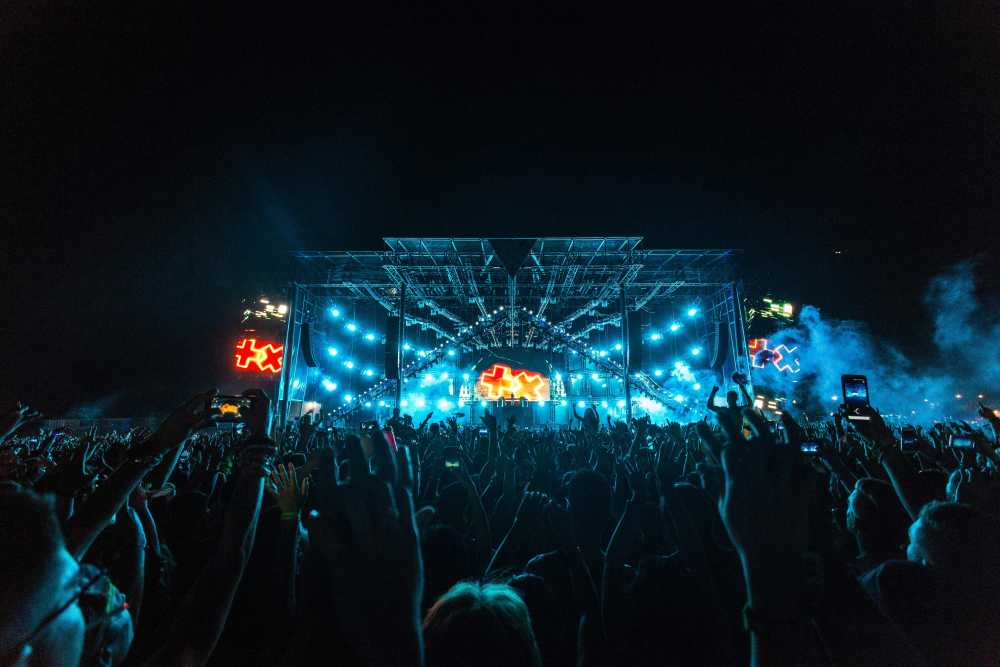
Before you can build a plan, you must understand the battlefield. Ultra Music Festival unfolds in late March at Bayfront Park, a beautiful but notoriously exposed venue. For 2026, the festival runs from March 28-30 (and for you long-term planners, March 27-29 in 2026), a time when Miami’s weather is deceptively intense. While the festival is at the heart of the city's vibrant event calendar—a scene we detail in our complete guide to Miami Holidays: 8 Beach Fest Vibes—its unique environment presents a specific set of challenges you must be prepared for.
The festival operates on a strict "rain or shine" policy, meaning you need to be ready for anything. The schedule itself is a marathon, not a sprint:
Friday, March 28: 4:00 PM – 12:00 AM
Saturday, March 29: 12:00 PM – 12:00 AM
Sunday, March 30: 12:00 PM – 10:00 PM
Notice that Saturday and Sunday demand ten to twelve hours of exposure. The primary obstacles you will face are:
Intense Solar Radiation: The Florida sun is powerful. Without adequate shade, direct exposure can lead to severe sunburn and rapidly increase your core body temperature.
Oppressive Humidity: Miami's humidity cripples your body's natural cooling system. It prevents sweat from evaporating effectively, making 85°F feel like a suffocating 95°F.
Massive Crowds: Dense crowds trap body heat, creating microclimates that are significantly hotter than the ambient air. Navigating these human seas requires immense physical energy.
Constant Movement: You’ll be walking, standing, and dancing for hours on end, burning calories and losing fluids at a dangerously accelerated rate.
The first and most critical mindset shift is to treat Ultra like an athletic event. Your preparation starts long before you ever step foot in Bayfront Park.

Pre-Festival Prep: Your Foundation for Success
Victory is won in the preparation. What you do in the days leading up to the festival and what you pack in your bag will absolutely dictate your endurance and enjoyment.
The Ultimate Packing List: Beyond the Basics
Your packing list is your first line of defense. Every single item should serve a purpose, primarily focused on cooling, hydration, and comfort.
Clothing (The Three B’s: Breathable, Bright, and Barely-There):
Fabrics: Choose lightweight, moisture-wicking materials like polyester, nylon, or bamboo blends. These technical fabrics pull sweat away from your skin, allowing it to evaporate and cool you down. Avoid cotton at all costs; it absorbs moisture, becoming a heavy, suffocating trap for heat.
Colors: Opt for light-colored clothing. White, beige, and pastels reflect sunlight rather than absorbing it like dark colors do.
Fit: Loose-fitting garments are your best friend. They allow for crucial airflow against your skin, preventing heat from getting trapped.
Footwear (Your Most Important Gear): You will be on your feet for 30+ hours over the weekend. Comfortable, well-worn sneakers are non-negotiable. Do not, under any circumstances, wear brand-new shoes, flimsy sandals, or heavy boots. Running or athletic shoes with proven arch support are ideal.
Hydration Hardware:
Hydration Pack: This is the single most important piece of gear you can bring. A CamelBak or a similar backpack with a water bladder allows you to carry 2-3 liters of water and sip continuously without fumbling with a bottle. Ensure it complies with the latest festival size and pocket regulations before you go.
Electrolyte Packets: Pack single-serving powders or tablets (like Liquid I.V., Nuun, or Pedialyte packets). They are small, light, and absolutely essential for true hydration.
Sun & Heat Protection Arsenal:
Sweatproof Sunscreen: A broad-spectrum, water-resistant sunscreen with an SPF of 50 or higher is mandatory. Apply it generously 30 minutes before you enter and reapply every two hours, no exceptions.
Wide-Brimmed Hat: A bucket hat or other wide-brimmed hat provides a portable oasis of shade for your face, neck, and ears, significantly reducing your perceived temperature.
UV-Protective Sunglasses: Protect your eyes from the relentless glare and long-term sun damage.
Cooling Towel: These hyper-evaporative towels, when soaked in water, provide incredible cooling relief when worn around your neck.
Handheld Fan/Mister: A small, battery-operated fan can be a godsend in a stagnant, dense crowd, creating a personal breeze when you need it most.
Physical Conditioning: Don't Underestimate the Marathon
You wouldn't run a 10k without training, and you shouldn't tackle Ultra without some physical prep.
Pre-Hydrate Aggressively: Begin increasing your water intake 2-3 days before the festival. Your goal is to start Day 1 with your body in a state of optimal hydration, not playing a desperate game of catch-up.
Build Endurance: In the weeks leading up, incorporate some light cardio into your routine. Even 30 minutes of brisk walking or jogging a few times a week will dramatically improve your stamina.
Prioritize Sleep: Get a full 8 hours of sleep each night in the week before the festival. A sleep deficit severely impairs your body's ability to regulate temperature and recover.
Just as detailed planning is key for a scenic road trip, like the one we map out in our Big Sur Map & Itinerary, careful preparation is essential for a massive festival. Don't leave your experience to chance.
Mastering Hydration: The Core of Your Ultra Music Festival Strategy
This is the most critical section of this guide. Proper hydration at Ultra is a science. Simply drinking water when you feel thirsty is a recipe for disaster; by the time you feel thirst, you are already significantly dehydrated.

Water Isn't Enough: The Critical Role of Electrolytes
When you sweat, you don't just lose water; you lose vital minerals called electrolytes—primarily sodium, potassium, and magnesium. These minerals are the spark plugs of your body, responsible for regulating nerve and muscle function, hydrating your cells, and balancing blood pressure. Replenishing them is just as important as replenishing water.
Why It Matters: Drinking excessive amounts of plain water without replacing electrolytes can lead to a dangerous condition called hyponatremia, where the sodium levels in your blood become dangerously diluted. Symptoms can mimic dehydration (nausea, headache, confusion) but can be far more severe.
Your Game Plan: For every two refills of your hydration pack with plain water, make the third refill an electrolyte mix. This simple rule ensures you are constantly replenishing what you're sweating out. Avoid relying on sugary energy drinks or sodas for hydration; they can often make dehydration worse.
Your Hydration Schedule: A Sip-by-Sip Plan
Discipline is everything. You need a proactive hydration schedule, not a reactive one.
The Morning Load-Up: Drink at least 16-20 ounces (about half a liter) of water with an electrolyte packet before you even leave for the festival.
The Immediate Refill: The very first thing you do upon entering Bayfront Park is locate a water station and fill your hydration pack to its maximum capacity.
The 15-Minute Rule: Take a few big sips of water from your pack every 15 minutes. Set a recurring alarm on your phone or watch if you have to. Do not wait until you feel thirsty.
The Proactive Refill: Never wait until your pack is empty to refill it. When it's about one-third full, make your way to a water station. The lines are shortest during non-peak times (e.g., during a headliner's set when everyone is at one stage, or early in the day).
The End-of-Night Recovery: Drink another 16-20 ounces of electrolyte-infused water before you go to sleep. This will supercharge your body's recovery overnight and prepare you for the next day.
Pro-Tip: As soon as you get inside, open the festival map on the official app and screenshot the locations of all free water refill stations. The stations located near smaller stages or along the perimeter of the park often have significantly shorter lines than the ones near the main stage.
Strategic Navigation and Lineup Planning
How you move through the festival and plan your day is just as important as what you pack. Wasting energy is a luxury you simply cannot afford.

Decoding the Festival Map for Heat Evasion
The festival grounds are a maze of stages, vendors, and people. Use the map to your real advantage.
Identify Cool Zones: Before you even start thinking about artists, scan the map for any designated shade structures, indoor stages (like the iconic Megastructure), or air-conditioned brand activations. These are your recovery oases.
Plan Efficient Routes: When moving from the Main Stage to the Resistance stage, don't just try to cut through the thickest part of the crowd. Use the perimeter walkways. It might be a slightly longer distance, but it will be faster and require far less energy than pushing through a human traffic jam.
Building a Smart Schedule: Pacing is Everything
With a 2026 lineup featuring titans like John Summit & Dom Dolla, Armin van Buuren, Tiësto, Chase & Status, and Deadmau5, the temptation is to sprint from stage to stage. This is a rookie mistake that will burn you out by 9 PM on Friday.
Prioritize Ruthlessly: Accept that you cannot see every artist. Pick your top 3-4 "can't-miss" sets for each day and build your schedule around them as anchors.
Schedule Deliberate Downtime: The hottest part of the day is typically between 2 PM and 5 PM. This is the perfect time to schedule a tactical break. Find a shady spot, sit down, focus on hydrating, and eat a proper meal. This planned rest will give you the energy you need for the headlining acts at night.
Embrace Discovery: Use the time between your must-see sets to explore smaller stages. They are often less crowded, providing more space to dance, breathe, and discover your new favorite artist.
Pro-Tip: When moving through a dense crowd to get closer to a stage, conserve energy by following directly behind a larger, determined person or group. Let them carve a path for you. It's a simple "drafting" trick that saves a surprising amount of physical effort.
Leveraging Technology and Safety Resources at Ultra Music Festival
In the modern festival era, your phone is an essential survival tool. Ultra has integrated technology to enhance attendee safety, and you should take full advantage of every resource.
Your Phone is Your Lifeline
The Official Ultra App: Download it well in advance. It contains the most up-to-date festival map, set times, and, most importantly, will send push notifications for any emergency alerts or important announcements.
The SaferWatch App: Ultra has partnered with the SaferWatch app, which allows you to report any safety or security concerns (medical emergencies, suspicious activity) directly and anonymously to festival staff in real-time. Have it downloaded and set up before you arrive.
Portable Charger: Your phone is useless with a dead battery. A fully charged portable power bank is not optional; it's mandatory.
Knowing Where to Go for Help
Even with perfect preparation, things can go wrong. Knowing how to recognize a problem and where to get help is crucial.
Locate Medical Tents: Just like the water stations, the first thing you should do is identify the location of all medical tents on your map. They are staffed with professionals who are there to help you, no questions asked. There is no shame in seeking help.
Recognize the Signs of Heat Exhaustion: Be aware of these symptoms in yourself and your friends:
Heavy sweating
Dizziness or lightheadedness
Nausea or vomiting
A throbbing headache
Cool, pale, clammy skin
If you or a friend experience these, get to a medical tent immediately. Do not try to "tough it out."
Be a Good Raver: The Ultra community is known for looking out for one another. If you see someone who looks unwell or is in distress, ask if they need help and guide them toward a medical tent or alert festival staff.

You're Ready to Conquer Ultra
The roar of the crowd, the earth-shaking bass, the Miami skyline lit up against the night sky—these are the moments that define the Ultra Music Festival experience. By approaching the weekend with the mindset of an endurance athlete, you are no longer at the mercy of the elements. You are in control. Preparation is your armor, hydration is your fuel, and a smart strategy is your map to victory. You now have the expert knowledge to stay cool, energized, and safe from the first set to the final encore.
You are now equipped to handle the heat, navigate the crowds, and fully immerse yourself in the magic of one of the world's greatest music festivals. This level of detailed planning is what transforms a good trip into an unforgettable one. For comprehensive strategies on navigating destinations and events worldwide, our master Travel Guide is the ultimate resource for the serious traveler. Now go, stay hydrated, and have the time of your life.
Don't Miss Out! Subscribe for Exclusive Content
Subscribe



Comments 0
No comments yet
Be the first to share your experience!
Dont Miss Out! Subscribe for Exclusive Content

San Francisco Cherry Blossoms: A Local's Guide to the Blooms


Halloween SF: Haunts Without Horrors

SF Festivals: 7 Must-See Lineups

Christmas SF: Lights & Wharf Wonders

SF Pride: 6 Route & Party Hacks

Chinese New Year SF: Parade Essentials
9 Family Travel Ideas for a Magical, Low-Stress Holiday
TrekGuider @trekguider
Does the thought of the holiday season fill you with equal parts excitement and dread? You dream of creating magical memories, but the reality is often a marathon of shopping, cooking, and hosting that leaves you completely exhausted. You want a special, connective experience, but the idea of planning a trip on top of it all feels like just one more impossible task.
What if you could trade that holiday chaos for genuine connection? A well-planned holiday trip isn’t another chore; it's the solution. It’s your chance to swap stressful routines for new traditions that are all your own. This guide is your blueprint for nine incredible family travel ideas for holidays across the United States that are both magical and manageable.
For a complete overview of planning your next family adventure, our Family Travel Ideas: The 2026 Guide to Unforgettable Trips is the perfect place to start. Consider this your permission slip to escape the holiday hustle and create a festive story you'll tell for years.

Why Trading Your Living Room for a New Destination is a Brilliant Idea
Choosing to travel during the holidays is about more than just a change of scenery; it's a strategic investment in your family's well-being. By stepping away from the pressures of home, you remove the endless checklist of "shoulds" and replace it with opportunities for real connection.
This simple change in scenery is a powerful tool. It allows your family to:
Forge Powerful New Traditions: Decorating the same tree is wonderful. But so is ice skating in a new city, watching a lighted boat parade for the first time, or sipping hot cocoa in a mountain town. Travel-based traditions become potent, multi-sensory memories that stand out with incredible clarity.
Outsource the Holiday Labor: Imagine a holiday where you don't have to cook a massive meal or clean for guests. A holiday trip allows you to enjoy the festive atmosphere while hotels, restaurants, and event planners do the heavy lifting.
Give the Gift of Experience: In a world cluttered with things, the gift of a shared adventure is priceless. It fosters curiosity, builds resilience, and creates a stronger family narrative that you will revisit long after the trip is over.
Timeless Winter Wonderlands
For families who dream of stepping into a real-life snow globe, these destinations are the masters of festive cheer, combining natural beauty with deeply rooted holiday traditions.

Leavenworth, Washington
Nestled in the Cascade Mountains, this Bavarian-style village undergoes a breathtaking transformation each winter. With its alpine architecture blanketed in snow and over half a million lights twinkling in the crisp mountain air, it’s about as close to a European Christmas market as you can get in the US.
Must-Do Activities: Witness the magical Village Lighting Festival on December weekends; take a horse-drawn sleigh ride through the snowy landscape; visit the Leavenworth Reindeer Farm for an up-close encounter.
Logistical Considerations: Leavenworth is a two-hour drive from Seattle. Accommodations book up months—sometimes a year—in advance for December, so early booking is non-negotiable.
Asheville, North Carolina
Asheville offers a sophisticated and enchanting holiday, anchored by the magnificent Biltmore Estate. The city itself is a hub of art, culture, and Appalachian charm, all decorated in its festive best.
Must-Do Activities: Experience Christmas at Biltmore, where America's largest home is adorned with dozens of Christmas trees. Marvel at the complex creations at The Omni Grove Park Inn's National Gingerbread House Competition.
Logistical Considerations: Purchase Biltmore tickets well in advance, as they sell out. The estate is vast, so plan for a full-day experience.
Woodstock, Vermont
Often called "the prettiest small town in America," Woodstock is the quintessential New England Christmas village. Think covered bridges, a town green dusted with snow, and historic homes adorned with classic wreaths.
Must-Do Activities: Don't miss the Wassail Weekend in mid-December, a festival complete with a horse-drawn parade and caroling. Visit the Billings Farm & Museum for a taste of a 19th-century Christmas.
Logistical Considerations: This small town gets very busy. Book accommodations early and be prepared for a cozy, low-key celebration focused on charm rather than spectacle. For more tips on planning a drive-to vacation, check out The Sanity-Saving System for Your Next Family Road Trip.
New York City, New York
Nowhere does holiday spectacle quite like the Big Apple. The energy is electric, and the city transforms into a glittering fantasy land of festive cheer. It's an iconic, can't-miss experience.
Must-Do Activities: Gaze at the Rockefeller Center Christmas Tree; stroll down Fifth Avenue to admire the elaborate window displays; explore the Bryant Park Winter Village; see the Rockettes in the Christmas Spectacular.
Logistical Considerations: Manage expectations with kids; the crowds can be overwhelming. Use the subway. Book hotels and show tickets as far in advance as possible.
Sun & Celebration: Festive Family Travel Ideas for Holidays in Warmer Climates
If your family’s idea of a white Christmas involves white sand beaches, these destinations trade winter coats for sunglasses without sacrificing an ounce of holiday spirit.
St. Augustine, Florida
America’s oldest city becomes one of its most dazzling during the holidays. The annual Nights of Lights festival is a world-class spectacle where the city's historic buildings are illuminated by more than three million tiny white lights.
Must-Do Activities: Take an Old Town Trolley's Famous Nights of Lights Tour; climb the St. Augustine Lighthouse for a breathtaking panoramic view; enjoy a lighted boat parade in Matanzas Bay.
Logistical Considerations: The lights are on from mid-November through January. Weekends are extremely busy; consider a weekday trip for a more relaxed experience.
San Antonio, Texas
The San Antonio River Walk becomes an absolute wonderland during the holidays. Millions of lights are draped from the cypress trees, reflecting in the water below for a truly enchanting effect.
Must-Do Activities: Take a narrated river cruise to experience the lights from the water; listen to the Ford Holiday Boat Caroling; explore the historic missions, which also host festive events.
Logistical Considerations: The lights are typically turned on the day after Thanksgiving. Book a hotel directly on the River Walk for the most immersive experience.
Key West, Florida
For a truly unique and quirky holiday, Key West delivers. Here, Santa hats are paired with flip-flops, and the festive spirit has a distinctly tropical, laid-back vibe.
Must-Do Activities: See the Key West Lighted Boat Parade; take a photo with the "Southernmost Point Buoy" decorated for the holidays; tour the historic inns on the annual Holiday Historic Inn Tour.
Logistical Considerations: December is peak season. Book everything far in advance. The atmosphere is festive but definitely not traditional—perfect for families seeking something different.
Culture & Quirky Charm
For families who want to go beyond the usual tinsel and trees, these destinations offer rich cultural traditions and one-of-a-kind holiday experiences.

Santa Fe, New Mexico
Experience a holiday season steeped in the unique cultural traditions of the Southwest. Santa Fe glows with a different kind of light: the soft, warm radiance of thousands of farolitos (paper bags filled with sand and a candle).
Must-Do Activities: The Canyon Road Farolito Walk on Christmas Eve is an unforgettable experience. Experience a Native American Pueblo feast day. Ski at nearby Ski Santa Fe.
Logistical Considerations: Santa Fe is at 7,200 feet elevation. Drink plenty of water to acclimate. The Farolito Walk draws huge crowds, so be prepared to walk and dress warmly.
Colonial Williamsburg, Virginia
Step back in time and experience the holidays as they were celebrated in 18th-century America. The traditions are authentic, rooted in history, and offer a peaceful alternative to modern holiday commercialism.
Must-Do Activities: Witness the Grand Illumination, a spectacular fireworks display. Take a candlelit tour of the historic buildings. Enjoy the simple, natural decorations of wreaths made from fruits and greenery.
Logistical Considerations: This is a very popular destination. Purchase tickets for specific tours and events in advance. It's an educational trip, ideal for school-aged children.
All Aboard! The Most Magical Holiday Train Rides
There is something inherently magical about trains during the holidays. These rolling adventures bring classic Christmas stories to life, captivating children and nostalgic adults alike.
The Polar Express (Various Locations)
Inspired by the beloved children's book, The Polar Express train rides are offered by dozens of heritage railroads across the country. Families, often dressed in pajamas, board for a journey to the "North Pole," complete with hot chocolate and a visit from Santa.
Popular Locations: Grand Canyon Railway (AZ), Great Smoky Mountains Railroad (NC), Durango & Silverton Narrow Gauge Railroad (CO).
Logistical Considerations: These are incredibly popular and often sell out by late summer. Book your tickets the moment they go on sale.
Make Holiday Flights Feel Like a Gift
Feeling anxious about navigating airports with kids during the busiest time of year? Our guide is packed with practical tips, checklists, and sanity-saving strategies to make the journey as joyful as the destination. Download your free Stress-Free Flying with Kids Guide and travel with confidence.
A Stress-Free Planning Checklist
The secret to a joyful holiday trip is planning ahead. The festive season is the busiest travel time of the year, and last-minute arrangements lead to stress and overspending. For an even deeper dive, see our guide on How to Make Family Travel Planning Actually Easy.

Pro-Tip: The best deals are often found by booking mid-week travel dates. Flying on a Tuesday or Wednesday can be significantly cheaper than on a Friday or Sunday, and you'll face smaller crowds.
Book the Big Three (4-6 Months Out): Your flights, accommodations, and rental car should be booked well in advance. For top-tier destinations, you may need to book even earlier.
Secure Special Event Tickets (2-3 Months Out): Don't wait to buy tickets for high-demand events like The Polar Express, Biltmore Estate tours, or Broadway shows. They will sell out.
Map Your Must-Dos (1 Month Out): Outline a loose daily schedule. Make dining reservations for any special meals, especially for Christmas Eve or Christmas Day.
Rethink Your Gifting Strategy: Hauling a sleigh's worth of presents is impractical.
Ship ahead: Send gifts to your hotel or vacation rental (confirm they accept packages).
Focus on experiences: Make the "big gift" a special tour or show tickets.
One and done: Give each child one small, easy-to-pack gift to open on holiday morning.
Pro-Tip: Talk to your kids about a travel-focused holiday beforehand. Frame the trip itself as the primary gift to manage expectations. You can create a fun "travel reveal" with a scavenger hunt or a special box containing clues about the destination.
Frequently Asked Questions
What is the best time to book holiday travel?
For the best prices and availability, you should book flights and accommodations 4-6 months in advance. For extremely popular destinations or special event tickets like The Polar Express, you may need to book even earlier, as they can sell out by late summer.
Are holiday vacations with kids actually relaxing?
They absolutely can be, but it requires a shift in mindset. A successful holiday trip trades the stress of hosting and chores for the logistics of travel. By planning ahead and focusing on experiences over a packed itinerary, you can create a trip that is genuinely restful and connective.
How can I make holiday travel more affordable?
Booking early is the single best way to save money. Traveling on off-peak days, like a Tuesday or Wednesday, can also significantly reduce flight costs. Additionally, consider destinations that are within driving distance to save on airfare.
Your New Holiday Tradition Awaits
The pressure to create a "perfect" holiday can often rob us of the joy of the season. By choosing to travel, you are consciously deciding to trade chaos for connection and stuff for stories. You are giving your family a shared narrative, building a foundation of memories far more valuable than anything that can be wrapped.
This guide has given you a starting point and the destinations to craft a new tradition. When you're ready to build out your full itinerary, our complete Travel Guide is the ultimate tool for turning your dream trip into a reality.
Read the full guide: Family Travel Ideas: The 2026 Guide to Unforgettable Trips
Don't Miss Out! Subscribe for Exclusive Content
SubscribeComments 0
No comments yet
Be the first to share your experience!
Dont Miss Out! Subscribe for Exclusive Content

Ultimate USA Holidays Guide: Top Picks

FTC Affiliate Disclosure Essentials: Stay Compliant as a Travel Creator

Essential Affiliate Tools: From Tracking to Full Optimization

Booking.com Affiliate Program Review: Pros, Cons, and Earnings Potential

Decoding Affiliate Commission Rates: Benchmarks for Travel Creators

Top 11 High-Paying Affiliate Programs for Travel Bloggers
Solo Travel in the USA: 10 Incredible Itinerary Ideas
TrekGuider @trekguider
The sheer scale of the United States is both its greatest allure and its most intimidating feature. You see the photos and feel the pull—the sun-drenched coast of California, the majestic canyons of Zion, the vibrant rhythm of New Orleans. The dream of a great American adventure is powerful, but it’s often followed by a wave of logistical anxiety. How do you even begin to plan a trip across a country with such staggering diversity? You worry about the complexities of a solo road trip, the safety of hiking alone in vast national parks, and the overwhelming number of choices. The dream feels big, but the planning feels bigger, turning wanderlust into a source of stress.

This guide is your solution—the antidote to overwhelm. It’s a strategic blueprint designed to transform your dream of solo female travel USA into a confident, actionable plan. We’re moving beyond general advice to give you ten distinct, road-tested itinerary ideas, each packed with US-specific logistical tips to empower your journey. This isn't just about seeing the USA; it's about discovering its landscapes, its cultures, and your own boundless capability along the way. While this guide dives deep into American itineraries, your journey to becoming a confident globetrotter starts with the essentials we cover in our comprehensive pillar article, The Ultimate Guide to Solo Female Travel (15 Essential Tips).
The Call of the Open Road: Mastering USA Solo Trip Logistics
Before you pick a destination, it’s crucial to understand the unique challenges and opportunities of a US-based solo trip. Unlike Europe with its dense train networks, much of America is built around the automobile. Mastering a few key logistics is the first step to a smooth, safe, and stress-free adventure.
Navigating the Car Rental Maze
A solo road trip is an iconic journey of freedom, but it comes with specific hurdles.
One-Way Fees: Renting a car in one city and dropping it off in another almost always incurs a "drop charge." This fee can add hundreds of dollars to your cost. The most effective strategy is to plan your road trips as loops that begin and end in the same city. If a one-way trip is unavoidable, compare prices across multiple agencies and book as far in advance as possible.
Insurance Coverage: Car rental insurance is a common point of confusion. Before your trip, call both your personal auto insurance provider and your credit card company to get a clear, written explanation of your existing coverage. Many credit cards offer secondary rental car insurance, but understanding its limitations is key to avoiding the expensive Collision Damage Waiver (CDW) offered at the counter.
Finding Your Safe Haven: A Solo Traveler's Guide to Lodging
For a solo road tripper, finding lodging that is not only affordable but also safe matters most, especially when arriving in an unfamiliar town after dark.
Vet the Location Digitally: Before booking, use Google Maps and its Street View feature to visually inspect the hotel's neighborhood. Look for well-lit streets, a well-maintained area, and proximity to main roads. Be wary of motels with exterior-facing room doors in poorly lit areas.
Leverage Solo Traveler Reviews: On booking platforms, use the review filters to see feedback specifically from "solo travelers." Their comments often directly address feelings of safety and the suitability of the location for a person traveling alone.
Prioritize Interior Corridors: For roadside lodging, hotels with rooms that open onto an interior hallway are generally more secure than motels where every room door opens directly to the parking lot.
Book Your Next Stop in Advance: One of the biggest safety risks is arriving in a new town late at night with no reservation. Always book at least the next night's accommodation before you start your day's drive to avoid a stressful search in the dark.
Once you have your lodging strategy locked down, you can turn your attention from the nation’s highways to its wild heart: the National Parks. These breathtaking landscapes are central to many of the best solo female travel USA itineraries, but they demand a unique approach to safety.

Wild and Safe: Essential Protocols for National Park Adventures
Many of the best itineraries for solo female travel USA involve our stunning national parks. These wild spaces offer unparalleled solitude and beauty but require specific preparation distinct from urban travel.
Establish a Redundant Communication & Navigation Plan: Cell service in most national parks is unreliable at best and completely non-existent in most backcountry areas. Before you go, download offline maps of the entire region onto your phone using an app like Google Maps or AllTrails. As a critical backup, always carry a physical, waterproof map of the park and a compass, and know how to use them. For any remote travel, a satellite messaging device (like a Garmin inReach) is an essential piece of gear, allowing you to send "I'm okay" messages or trigger an SOS alert in a true emergency.
Inform a Ranger and a Friend of Your Itinerary: Leave a detailed copy of your itinerary with a trusted friend. Upon arriving at the park, make your first stop the visitor center. Speak with a ranger about your plans. They can provide invaluable, up-to-the-minute information on trail conditions, weather, and recent wildlife activity.
Adhere to Strict Wildlife Protocol: In bear country, carrying bear spray and knowing how to deploy it is non-negotiable. It's not a suggestion; it's essential safety equipment. Make consistent noise while hiking solo to avoid surprising an animal—talk aloud to yourself, sing, or attach a bear bell to your pack. Never store food or any scented items (including toiletries) in your tent; use designated bear-proof food lockers at campsites or a proper bear canister.
Your Ultimate Park Planning Tool
Ready to hit the trails with confidence? A solid plan is the key to a safe and unforgettable adventure in America's wild spaces. Our checklist covers everything from gear essentials to wildlife safety protocols, ensuring you're prepared for the trail ahead.
Download Your Free National Park Road Trip Checklist Here
10 Incredible Itineraries for Your Solo Female Travel USA Adventure
With the core logistics covered, it's time for the fun part: choosing your adventure. Each of these itineraries is designed with a solo traveler in mind, offering a perfect mix of exploration, safety, and unforgettable moments.
1. The Classic California Dream: Pacific Coast Highway
Best for: Scenery, Adventure, Photography
Duration: 5-7 Days
Route: San Francisco -> Carmel-by-the-Sea -> Big Sur -> Santa Barbara -> Los Angeles
This is the quintessential American road trip. Fly into San Francisco, rent a car (a convertible is worth the splurge!), and wind your way south on the dramatic coastal Highway 1. The drive itself is the destination, with countless turnoffs for breathtaking photos. As a solo traveler, you have the ultimate freedom to stop whenever a view strikes you. The route is well-traveled and has reliable cell service for most of its length, making it a very manageable and safe first solo road trip.
2. The New England Historical Tour
Best for: History, Culture, Walkability
Duration: 4-5 Days
Route: Boston with day trips to Salem and Concord/Lexington
For the history buff who’d rather trace Paul Revere’s ride on foot than battle Boston traffic, this car-free itinerary is a dream come true. Base yourself in Boston and spend a few days exploring the city's Freedom Trail and world-class museums. The city is compact and safe to navigate. Then, use the efficient and easy-to-use commuter rail for day trips. You can explore the infamous witch trials history in Salem or stand on the very ground where the American Revolution began in Concord and Lexington, all without the stress of driving or parking.
3. The Southern Culinary & Music Trail
Best for: Food, Music, Culture
Duration: 7 Days
Route: Nashville -> Memphis -> New Orleans
This road trip is a feast for the senses. Start in Nashville, the heart of country music, for live shows and legendary hot chicken. Drive to Memphis to experience the raw, soulful blues on Beale Street and pay homage to The King at Graceland. End your journey in New Orleans, where the air is thick with the sounds of jazz and the scent of Creole cuisine. These cities are incredibly welcoming, and sitting alone at a bar to listen to music is a common and celebrated activity.
4. The Southwest National Parks Loop
Best for: Nature, Hiking, Epic Landscapes
Duration: 7-10 Days
Route: Las Vegas -> Zion National Park -> Bryce Canyon National Park -> Grand Canyon -> Las Vegas
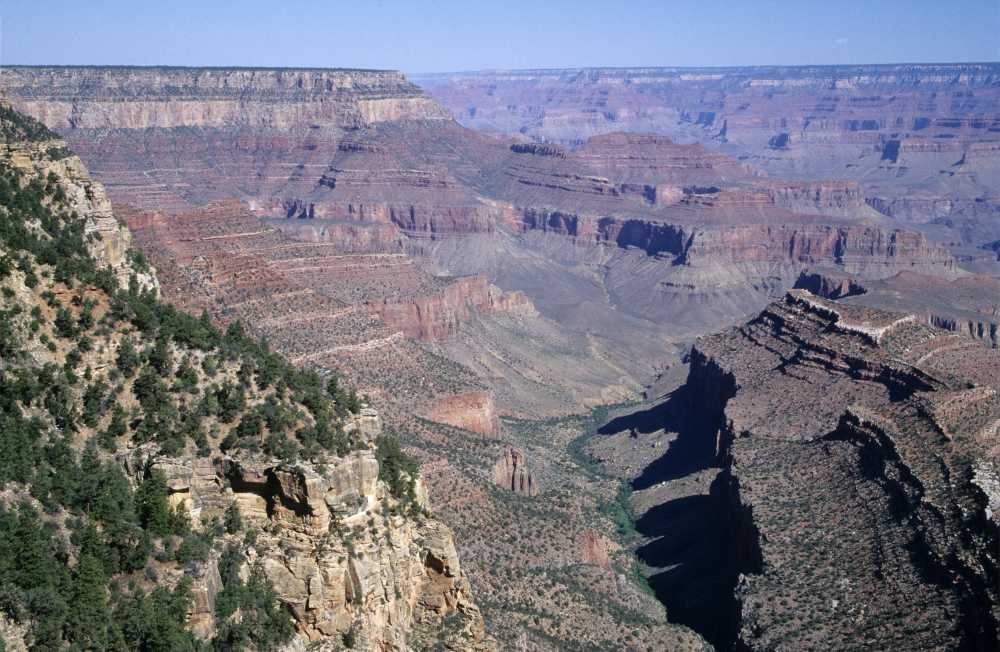
This is an epic loop for the avid hiker. Fly into Las Vegas (a cheap flight hub), rent a car, and prepare to be awestruck. The proximity of these three iconic parks makes for a visually stunning and logistically manageable itinerary. From the majestic canyon hikes in Zion to the otherworldly hoodoos of Bryce Canyon and the sheer scale of the Grand Canyon, this trip offers profound moments of solitude in nature.
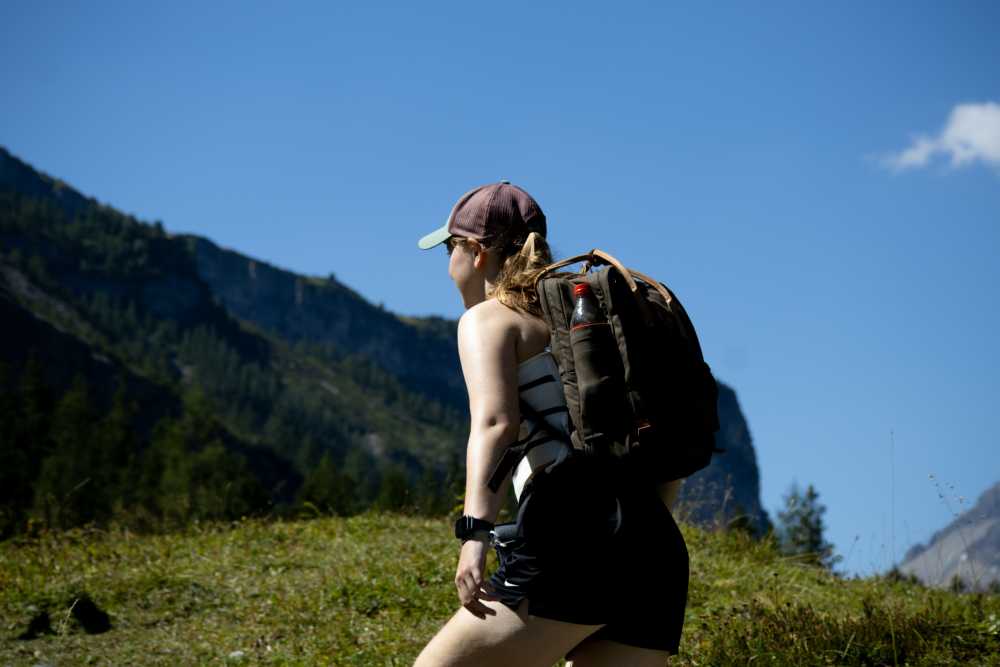
Pro-Tip: National Park lodging books up almost a year in advance. If you can't get a room inside the park, look for accommodations in nearby gateway towns like Springdale (for Zion) or Tusayan (for the Grand Canyon).
5. The Rocky Mountain High
Best for: Outdoor Adventure, Wellness
Duration: 4-5 Days
Route: Base in Boulder, Colorado, with a day trip to Rocky Mountain National Park
Combine a vibrant, safe, and progressive city with majestic mountain scenery. Base yourself in Boulder, a city known for its wellness culture and pedestrian-friendly Pearl Street Mall. Spend your days hiking the iconic Flatirons that form the city's backdrop. Then, take an easy and scenic day trip into the heart of the Rockies to drive the Trail Ridge Road (in summer) and spot wildlife in Rocky Mountain National Park.
6. The Florida Keys Escape
Best for: Relaxation, Beaches, Scenery
Duration: 5 Days
Route: Miami -> Key Largo -> Islamorada -> Key West
For a laid-back trip focused on decompressing, this is paradise. Fly into Miami, rent that convertible, and drive the scenic Overseas Highway down to the continental USA's southernmost point. The journey is the experience, with endless opportunities to stop for snorkeling in Key Largo, fresh seafood in Islamorada, and a slice of key lime pie anywhere you can find it. The Keys have a unique, relaxed, and safe culture perfect for unwinding solo.
7. The Pacific Northwest Vibe
Best for: Urban Exploration, Nature, Food
Duration: 6 Days
Route: Portland, Oregon -> Seattle, Washington
Experience two of America's most unique cities in one car-free trip. Start in Portland, exploring its incredible food cart scene, wandering through Powell's City of Books, and soaking in its quirky, independent vibe. Then, take a scenic and comfortable 3-hour Amtrak train ride to Seattle. Explore the famous Pike Place Market, the original Starbucks, and the beautiful waterfront. Both cities are surrounded by nature, offering easy escapes for a hike.
8. The Charleston & Savannah Southern Charm
Best for: Architecture, Food, History
Duration: 5-6 Days
Route: Charleston, South Carolina -> Savannah, Georgia
Immerse yourself in the beauty and history of the Old South. Start in Charleston, exploring its acclaimed culinary scene, fine art galleries, and historic cobblestone streets. Then take a short 2-hour drive to Savannah to wander its famous, moss-draped squares and explore the historic riverfront. Both cities are incredibly walkable and renowned for their hospitality, making them a comfortable and enchanting solo trip.
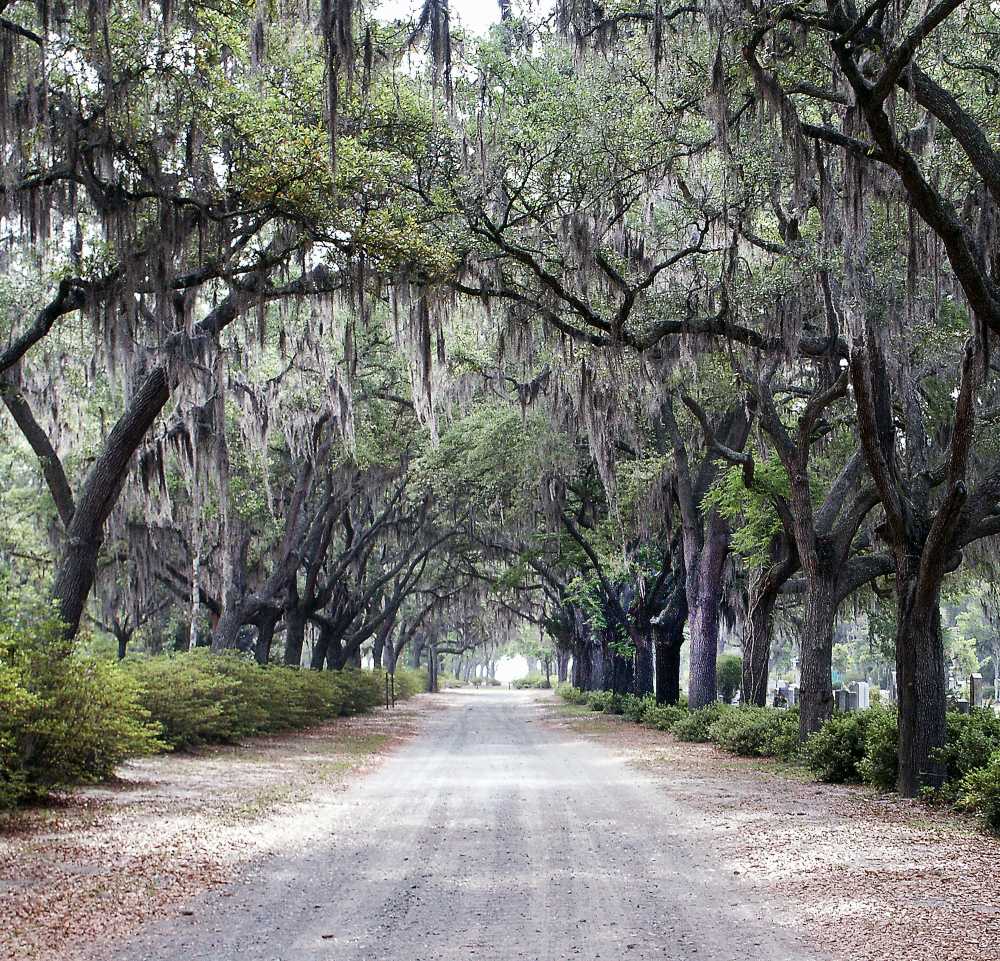
Pro-Tip: The best way to get your bearings and learn the rich history of these cities is by joining a walking tour on your first day. It's also a low-pressure way to chat with other travelers.
9. The Arizona Wellness & Spirituality Retreat
Best for: Wellness, Scenery, Relaxation
Duration: 4 Days
Route: Base in Sedona, Arizona
This itinerary is less about doing and more about being. Sedona is world-renowned for its stunning red rock landscapes, which many believe are centers of spiritual energy called vortexes. This trip is focused on rejuvenation. Plan for spa treatments, gentle hikes among the red rocks, yoga classes, and exploring the town's vibrant new-age community. It's the perfect destination to reconnect with yourself in a serene and stunningly beautiful environment.
10. The Chicago Architectural Immersion
Best for: Urban Exploration, Arts, Architecture
Duration: 4 Days
Route: Base in Chicago, Illinois
For the city lover, this is a deep dive into one of America's greatest urban centers. This itinerary is built around Chicago's world-class architecture. An absolute must-do is the Chicago Architecture Center River Cruise. Spend your days visiting Frank Lloyd Wright's homes, exploring Millennium Park, and visiting world-class museums like the Art Institute of Chicago. In the evenings, you can catch a show in the Theater District or listen to live music at a legendary blues club.
Frequently Asked Questions for a USA Solo Trip
Even the most prepared traveler has questions. Here are answers to some of the most common concerns for a solo trip in the States.
What's the best way to stay safe on a solo US road trip?
Safety is about preparation and awareness. Always share your detailed itinerary with a friend. For your car, have a roadside emergency kit and know your rental company's assistance number. When driving, stick to main highways and well-lit gas stations, especially at night. In your lodging, always use the deadbolt and chain lock. Above all, trust your intuition—if a place or situation feels wrong, leave immediately.
Is it expensive to travel solo in the USA?
It can be, but it doesn't have to be. The biggest costs are lodging and transportation. Save money by planning loop road trips to avoid one-way car rental fees, staying in well-reviewed budget hotels or private rooms in hostels, and preparing your own meals. Visiting national parks is very affordable; an annual "America the Beautiful" pass is just $80 and grants access to all of them. To get an idea of real-world costs, check out the itineraries and guides published by other solo travelers on the TrekGuider platform for real-world budget examples.
How do I handle long, lonely driving days?
Embrace the solitude! This is your time. Create an epic playlist or download a queue of fascinating podcasts and audiobooks. Plan interesting stops along your route—a quirky roadside attraction, a scenic overlook, a local diner—to break up the drive. A long driving day is less about endurance and more about curating a perfect personal experience.
Are there good alternatives to driving for solo travel in the US?
Yes! While not as comprehensive as in Europe, the US has options. Amtrak train routes offer scenic journeys, especially on routes like the California Zephyr (Chicago to San Francisco) or the Pacific Surfliner. For travel between major cities on the East Coast (e.g., Boston, NYC, D.C.), the train is often faster and more convenient than flying. For long distances, combining flights with ride-shares in your destination city is also a great car-free strategy.
Your Journey Awaits
The United States offers a vast and rewarding landscape for the solo female traveler. It’s a country built for the open road, for discovery, and for the kind of freedom that can only be found when you are the sole captain of your journey. With these ten incredible itinerary ideas and the logistical know-how to tackle them, your dream of a great American adventure is no longer an intimidating fantasy—it’s a plan waiting to be executed. The confidence and self-reliance you build on a solo female travel USA trip will last a lifetime. The open road is calling.
For even more detailed planning on destinations around the globe, explore our collection of expert-written Travel Guide resources.
Meta Data Suggestions:
SEO Meta Title (58 characters): Solo Travel USA: 10 Epic Itinerary Ideas for 2026
URL Slug: solo-female-travel-usa-itinerary-ideas
SEO Meta Description (154 characters): Planning a solo female travel USA adventure? Discover 10 incredible, safe, and unforgettable itinerary ideas, from epic national park road trips to city escapes.
Don't Miss Out! Subscribe for Exclusive Content
SubscribeComments 0
No comments yet
Be the first to share your experience!
Dont Miss Out! Subscribe for Exclusive Content
San Francisco Cherry Blossoms: A Local's Guide to the Blooms
Halloween SF: Haunts Without Horrors
SF Festivals: 7 Must-See Lineups
Christmas SF: Lights & Wharf Wonders
SF Pride: 6 Route & Party Hacks