
Referral Affiliate Programs in Travel: Boost Earnings Through Networks

TrekGuider @trekguider
You’re a travel blogger, and you’ve been playing the affiliate marketing game by the old rules. You write insightful content, recommend products you love, and earn a commission when someone buys. It’s a transactional, one-and-done process. You make a sale, you get paid, and the relationship ends. This is the standard advice for most affiliate programs bloggers join, but it’s a relentless grind—a constant, exhausting hustle for the next click, the next sale.
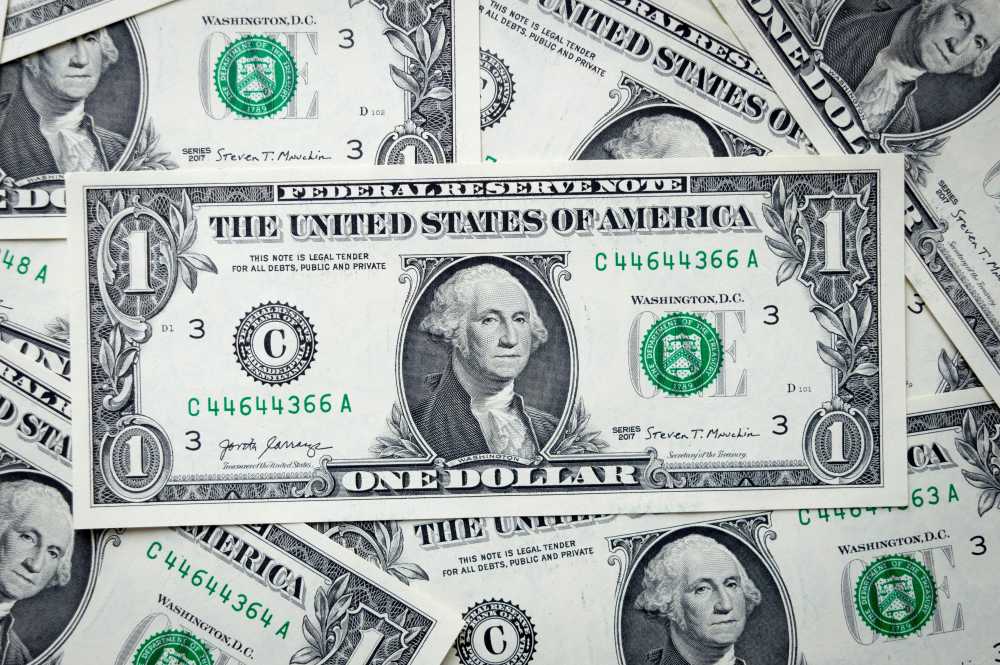
This model feels fragile because it is. You’re operating at the intersection of two economic juggernauts: a creator economy forecasted to exceed $1.3 trillion by 2033 and a global affiliate market projected to hit $93 billion. Yet you’re leaving a fortune on the table, completely missing out on the powerful “network effect” that your community represents. You see other creators building resilient, compounding income streams that grow even when they’re not actively publishing, and you’re left wondering what their secret is.

The secret is a strategic evolution from a purely transactional model to a relational one: referral affiliate programs. This is your guide to that evolution. We’re moving beyond the standard lists of affiliate programs to show you how to use your network, build compounding passive income, and transform yourself from a simple affiliate into a true platform partner. This strategy is a critical component of a modern monetization plan, a topic we cover in its entirety in our definitive pillar guide to Travel Affiliate Programs: The 2026 Ultimate Guide.
Beyond the Sale: The New Rules for Affiliate Programs Bloggers Need to Know
Let's cut to the chase. The difference between a traditional affiliate link and a referral link isn't just semantics—it's a fundamental shift in your business model.
Traditional Affiliate Marketing is Transactional: You are essentially a freelance salesperson. Your goal is to drive a direct sale of a product or service (a hotel room, a tour, a piece of luggage). You earn a one-time commission for that sale, and the loop closes. It’s a linear, direct-to-consumer model.
Referral Affiliate Marketing is Relational: You are a network builder and a partner. Your goal is to introduce new, valuable members into an ecosystem. This often creates a powerful “win-win-win” scenario: the new user gets a benefit (like a discount), the company acquires a new customer or partner, and you earn a commission that is often structured to be long-term or recurring.

Think of it this way: a traditional affiliate gets paid to sell a fish to a hungry person. A referral affiliate gets paid to teach that person how to fish, and then earns a small share of every fish they catch from then on. It’s a fundamental shift from short-term transactions to long-term value creation.
The Creator's Flywheel: Why Referral Programs are a Blogger's Best Friend
For travel bloggers, this model isn’t just another option; it’s a strategic imperative. It aligns perfectly with the assets you’ve already built—your community, your trust, and your expertise—and allows you to monetize them in a more sustainable and ethical way.
Build Compounding, Passive Income Streams
The biggest win? True passive income. A hotel booking pays you once. But when you bring a fellow creator onto a platform that shares its revenue, you're building an asset. You get paid when they succeed, month after month. This transforms your one-time effort into a business asset that grows over time, creating a stable financial foundation that isn’t dependent on your next blog post.
Leverage Your Most Valuable Asset—Your Community
More than any other type of publisher, bloggers build communities. Your readers don’t just consume your content; they trust your judgment and often see themselves as your peers. Traditional affiliate programs bloggers use don't always reward this dynamic. Referral programs, however, are built on it. They reward you for activating your network and empowering your community, turning your influence into a tangible, recurring revenue stream.
Create a Powerful "Win-Win" Scenario
A referral link often comes with a direct benefit for the person clicking it—a discount, a free trial, or an exclusive feature. This fundamentally changes the dynamic of your recommendation. You’re not just saying, “Buy this product so I can get paid.” You’re saying, “Here’s an insider deal I’ve arranged for you.” This approach feels less like a sales pitch and more like sharing a valuable secret, which strengthens the trust you have with your audience and leads to much higher conversion rates.
Pro-Tip: Look for "two-tier" structures on major networks like ShareASale. These programs allow you to earn a commission on your own sales and a smaller bonus for recruiting new affiliates to the program, effectively turning any program into a referral opportunity.
A Deep Dive: How a Modern Referral Program Works
To make this tangible, let’s use the TrekGuider Platform as a case study for a modern, creator-focused referral program. TrekGuider is an ecosystem designed for travel creators to sell their own digital products—like itineraries, guides, maps, and presets. The referral program isn’t just an add-on; it’s a core feature designed to reward creators for helping to build the community.
It’s a perfect example of a multi-faceted, win-win-win system:
The Unified Referral Link: From your TrekGuider dashboard, you get a single, unique link. This is your key to the entire ecosystem.
The Buyer Bonus (Win for Your Audience): When someone signs up using your link, they immediately get a 15% discount on their first purchase from any creator on the platform. This provides instant, tangible value and makes your recommendation a no-brainer for them.
The Seller Bonus (Win for Your Peers): If you refer a fellow creator who becomes a seller, they get benefits like upgraded storage and a preferential startup commission rate of just 4%. You are actively helping them launch their own business on better terms.
Your Revenue Share (Win for You): This is where the compounding power comes in. When you bring a new seller to the platform, you receive an ongoing revenue share from the platform's earnings on their sales. This creates a long-term passive income stream that grows as the creators you refer become more successful.

This model transforms you from a simple affiliate into a true platform partner. You’re not just earning a one-time commission; you’re building a network and earning from its collective success. This is the future of how professional affiliate programs bloggers will operate.
Your Playbook: How to Promote Referral Links for Maximum Impact
Promoting a referral program requires a slightly different strategy than promoting a simple product. It’s less about a hard sell and more about demonstrating value and inviting collaboration.
The "How I Do It" Content Pillar
The most effective way to promote a platform is to show, not just tell. Create a detailed tutorial or case study that walks through your own experience. A blog post titled, "How I Made My First $1,000 Selling Travel Itineraries," that details your journey on a platform like TrekGuider is incredibly compelling. It provides immense value while naturally positioning your referral link as the logical next step for any reader inspired by your success.
The Email Funnel Integration
Your email list is one of your most powerful assets. Integrate your referral link into your automated welcome series. For example, the third email in your sequence could be dedicated to the tools you use to run your travel blog, with your referral link featured as your top recommendation for monetization.
The "Bonus Stack" Incentive
To dramatically increase your conversion rate, offer a personal bonus to anyone who signs up using your referral link. This is called a "bonus stack." For example: "Sign up for the TrekGuider Seller Platform using my link, forward me your confirmation email, and I'll send you my '30-Day Digital Product Launch Plan' for free!" This creates an irresistible offer that provides immense value and costs you very little to deliver.

The Community Activation Play
Share your referral link in your private Facebook group, Slack channel, or community forum. Frame it as a collaborative opportunity. You’re not just promoting a tool; you’re inviting your peers to join you on a platform that has helped you succeed. This community-first approach is highly effective and feels authentic.
Pro-Tip: When promoting a referral program, shift your language from "buy this" to "join us." This collaborative framing is far more effective for network-building and resonates better with a community of fellow bloggers and creators.
Build Your Content Empire
Feeling inspired to build your own network and income streams? The first step is having a professional system in place. Our free resource bundle, The Travel Creator's Toolkit, is packed with the checklists, content templates, and guides you need to put these strategies into action. It’s the perfect companion for turning your passion into a profession.
Get the ultimate resource bundle with checklists, templates, and tools designed to accelerate your journey from beginner to pro.
Frequently Asked Questions (FAQ)
1. Are referral programs only for software and digital platforms? While they are most common in the tech space, you can find them everywhere. Many travel companies, from tour operators to gear brands, offer "refer-a-friend" programs that give a discount to the new customer and a credit or commission to you. Always check for these opportunities.
2. Is it harder to promote a referral program than a simple product? It can require a different approach. Instead of a simple product review, you often need to create more in-depth, educational content like tutorials or case studies. The trade-off is that the potential for long-term, passive income is significantly higher.
3. How do I disclose a referral link? You must disclose it with the same clarity as any other affiliate link. The FTC requires you to be transparent about any "material connection." A simple statement like, "Heads up: This is my referral link. If you sign up, I may earn a commission or bonus at no extra cost to you," is perfect.
Your New Business Blueprint
The future for the most successful affiliate programs bloggers can join is relational, not just transactional. The old model of chasing one-off commissions is being replaced by a more sustainable, collaborative, and profitable approach centered on network building.

You now have the blueprint to make this strategic shift. By moving beyond simple product links and embracing the power of referral affiliate programs, you can stop trading your time for dollars and start building true business assets. You have the power to use your most valuable resource—your community—to create compounding, passive income streams that will fund your travels and your business for years to come.
The path is clear. Start by exploring a creator-centric program like the TrekGuider Platform referral program. It’s your first step into a more profitable and sustainable future—one where you get paid not just for what you sell, but for the network you build.
Read the full guide: The Travel Blogger's Playbook to Affiliate Marketing Mastery
Don't Miss Out! Subscribe for Exclusive Content
Subscribe



Comments 0
No comments yet
Be the first to share your experience!
Dont Miss Out! Subscribe for Exclusive Content

FTC Affiliate Disclosure Essentials: Stay Compliant as a Travel Creator


Essential Affiliate Tools: From Tracking to Full Optimization

Avoid These 5 Affiliate Landing Page Mistakes for Better Conversions

Affiliate Keyword Research Mastery for Travel Blogs

Booking.com Affiliate Program Review: Pros, Cons, and Earnings Potential

Decoding Affiliate Commission Rates: Benchmarks for Travel Creators
Crafting Travel Product Reviews That Drive Affiliate Sales
TrekGuider @trekguider
You’ve poured hours into it. The photos are stunning, the details are careful, and your personal story is woven throughout. You hit “publish” on your latest travel product review, certain that this is the one. But weeks later, the affiliate dashboard tells a familiar, frustrating story: plenty of clicks, but a whisper of commissions. You’re creating genuinely valuable content, but it feels like you’re leaving a fortune on the table, unable to bridge the chasm between your effort and your earnings.
This isn't just a feeling; it's a critical business problem. You see the industry reports—the affiliate marketing market soaring past $93 billion, with the average travel affiliate earning a reported $13,847 a month—and it feels like a world away. The issue isn't your passion or your expertise. The issue is that a travel product review that simply informs is a hobby; a review that is engineered to convert is a business. You're missing the formula, the psychological triggers, and the conversion-focused structure that turns a reader's trust into a reliable revenue stream.

Forget vague tips. This is a skill workshop—a definitive blueprint for how to write a product review that drives affiliate sales with the precision of a finely tuned engine. We will deconstruct the anatomy of a high-conversion review, from the headline that hooks to the call-to-action that closes. This is a masterclass in a single, vital skill, a topic we explore from every angle in our definitive command center for the entire affiliate ecosystem: Travel Affiliate Programs: The 2026 Ultimate Guide.
The Mindset Shift: From "Informing" to "Converting"
The first and most crucial step is a fundamental mindset shift. Most creators approach a product review as a report. They list the features, describe their experience, and hope the reader is inspired enough to click. This is a passive strategy that yields passive results.
A high-earning creator understands that a product review is their most valuable sales asset. Its primary purpose is not just to describe the product, but to guide the reader to a confident purchase decision. Every word, every image, and every design element must work in concert to achieve one goal: to solve the reader's problem so effectively that clicking your affiliate link becomes the most logical and desirable next step.
This isn't about being a pushy salesperson. It's about being a master problem-solver. Your reader has arrived on your page with a need: "Is this the right backpack for my trip to Europe?" or "Will this travel insurance actually cover me if I get sick in Thailand?" A review that converts answers these questions with such clarity, authority, and empathy that it eliminates all doubt and inspires action.

The Anatomy of a High-Conversion Review: A 7-Part Formula
A product review that consistently drives sales is not an accident of creative inspiration; it is a carefully constructed system. By following this seven-part formula, you create a user experience that caters to every type of reader—from the quick skimmer to the deep diver—and guides them seamlessly toward conversion.
Part 1: The Headline That Hooks and Qualifies
Your headline has one job: to make an undeniable promise of value to a specific audience. It must grab attention in a crowded search result and instantly signal that your review will solve their problem. Generic headlines like "My Review of the Osprey Backpack" are a death sentence.
Instead, use proven, high-impact formulas:
The "Real World Test" Formula: The Product Name Review: After Number Miles / Number Countries / Time Period
Example: The Osprey Farpoint 40 Review: After 6 Months & 15 Countries
The "Balanced Verdict" Formula: Product Name Review: Number Things I Loved & Number I Hated
Example: The Away Bigger Carry-On Review: 5 Things I Loved & 2 I Hated
The "Is It Worth It?" Formula: Is the Product Name Worth the Hype? An Honest 2026 Review
Example: Is the Nomatic Travel Pack Worth the Hype? An Honest 2026 Review
These headlines work because they promise authenticity, detail, and a balanced perspective—exactly what a user wants when researching a purchase.
Part 2: The Empathetic Introduction (The Hook)
Your introduction must accomplish three things in the first 100 words: connect with the reader's problem, establish your authority, and present the product as the potential solution. Use the PAS (Problem, Agitate, Solve) framework for maximum impact.
Problem: "Finding the perfect carry-on backpack is a nightmare. Most are either too bulky, too disorganized, or fall apart after one trip."
Agitate: "You end up repacking at the airport check-in counter, digging through a black hole of gear to find your passport, or worse, dealing with a broken zipper mid-adventure."
Solve: "For the past six months, I've been testing the Osprey Farpoint 40 across Southeast Asia to see if it's the ultimate solution for one-bag travel. In this review, I'll break down exactly who this bag is for, who should avoid it, and whether it lives up to its legendary reputation."
Part 3: The "At a Glance" Summary Box
Many of your readers are skimmers. They are busy and want a quick verdict. An "At a Glance" summary box at the top of your review is the single best way to serve this audience and capture an immediate conversion.
This box should be visually distinct (using a different background color or a border) and contain:
Product Image: A high-quality, authentic photo of the product in use.
A Quick Summary: A one-sentence verdict. (e.g., "The ultimate travel backpack for versatile adventurers who value comfort and organization.")
Key Specifications: A bulleted list of the most important specs (e.g., Capacity, Weight, Dimensions).
Overall Rating: A simple star rating (e.g., 4.5 / 5 Stars).
The Primary CTA: A bold, unmissable button with a clear call-to-action.
Part 4: The Deep Dive: Storytelling Over Specs
This is the heart of your review. This is where amateurs list features, but professionals tell stories. Your mission is to translate every specification into a tangible, real-world benefit, wrapped in the context of your personal experience.
Amateur: "The backpack has a 15-inch padded laptop sleeve."
Professional: "The Padded Laptop Compartment That Saved My MacBook: When my bus in Vietnam took a corner too fast, my bag went flying. My heart stopped, but the heavily padded, suspended laptop sleeve kept my MacBook safe without a scratch. For digital nomads, that peace of mind is priceless."
Structure this section with clear H3 subheadings for each key feature or benefit (e.g., "Comfort & Fit," "Organization & Pockets," "Durability & Materials"). This makes the content scannable and allows readers to jump to the sections that matter most to them.

Part 5: The Unbeatable Proof: Your Photos & Videos
Stock photos are a conversion killer. They scream "I've never actually used this product." Your review's credibility hinges on authentic, high-quality visual proof.
Show the Product in Action: Include photos of you wearing the backpack, packing the suitcase, or using the camera in a real travel environment.
Highlight Key Features: Take detailed close-up shots of the zippers, the materials, the specific pockets you're talking about.
Embrace Video: This isn't just a nice-to-have; it's a strategic imperative. With industry projections showing that video will account for a staggering 55% of all affiliate traffic by 2026, embedding a short, authentic video review is one of the most powerful trust signals in your arsenal.
Part 6: The Honest Verdict: Pros, Cons, and "Who It's For"
Radical transparency is the ultimate trust signal. No product is perfect, and acknowledging its flaws makes your praise exponentially more believable.
Create a simple, two-column list of Pros and Cons. Be specific and honest. Then, create a dedicated section that clearly defines who this product is perfect for and, just as importantly, who should look for something else.
This Product is Perfect For: "Digital nomads, weekend travelers, and anyone who prioritizes a comfortable carry and smart organization."
You Should Avoid This Product If: "You're a photographer who needs to carry multiple camera bodies or if you require a fully waterproof bag for extreme conditions."
Part 7: The Compelling Conclusion & Final CTA
Your conclusion should be short, powerful, and decisive. Summarize the product's single biggest benefit and give the reader one final, clear instruction. Reiterate your overall verdict and guide them to the click with a final, compelling call-to-action button.

The Psychology of Persuasion: Advanced Conversion Tactics
A great structure is the foundation, but layering in proven psychological triggers is how you maximize conversions.
Build Unshakable Trust: Your FTC disclosure must be clear and placed at the very top of your review. This isn't just a legal requirement; it's a badge of honor that signals transparency.
Leverage Social Proof: Weave in screenshots of other positive reviews or user ratings. Phrases like "With over 5,000 five-star reviews on Amazon..." validate the reader's potential decision.
Create Urgency (Ethically): For products with fluctuating prices, like flights or hotels, use CTAs that encourage immediate action. "Check Today's Prices on Booking.com" is both helpful and urgent.
Pro-Tip: One of the most effective ways to increase conversions is to use a comparison table. Pit the product you're reviewing against its main competitor. This not only helps the reader make a final decision but also gives you the opportunity to place two high-value affiliate links side-by-side.
The Ultimate Conversion Play: From Affiliate to Owner
A product review is the perfect place to introduce your audience to your own high-value offerings. After you've solved their immediate problem, you can guide them toward a deeper solution that you control completely. This is the natural evolution of your expertise.
For example, after the main body of your review for a travel backpack, you could add a section like:
"Now that you've found the perfect backpack, the next step is knowing what to put inside it. For my complete, field-tested packing system, check out my 'Ultimate Carry-On Packing List' available on the TrekGuider Platform. It's the exact checklist I use to pack for every trip."
This is a natural, value-driven upsell that transitions the reader from a potential affiliate commission to a direct customer, where you keep a much larger share of the revenue.

Pro-Tip: To supercharge your affiliate sales, offer a "bonus stack" for anyone who buys through your link. For example, "If you purchase the Osprey Farpoint 40 through my link, just forward me your receipt and I'll send you my personal 'Perfect Packing' video tutorial for free!" This small, value-added incentive can dramatically increase your conversion rate.
Ready to Build Your Own High-Margin Product? The most profitable product you can ever promote is your own. Affiliate marketing is the perfect training ground, but selling your own digital products—like guides, itineraries, or presets—offers unparalleled profit margins and brand authority. Our free Digital Product Ideas Guide is packed with dozens of proven, profitable ideas specifically for travel creators. Download it today to find the perfect product for your audience and start building your content empire.
Frequently Asked Questions (FAQ)
1. How long should a product review be? There's no magic number, but a high-converting review is typically comprehensive, often falling between 1,500 and 3,000 words. The goal is to be the most thorough and helpful resource on the internet for that specific product. Answer every possible question a reader might have.
2. Is it better to review a product I got for free or one I bought myself? A product you purchased with your own money will always carry more weight and authenticity with your audience. However, if you do receive a product for free, you can still write a credible review as long as you are radically transparent about it in your disclosure and maintain an honest, balanced perspective.
3. How many affiliate links are too many in one review? Focus on strategic placement over sheer quantity. A high-converting review might only have 5-10 well-placed links. Include them in your summary box, on your primary CTA buttons, and contextually on the product name throughout the text. The goal is to make it easy for the reader to click when they are ready, not to overwhelm them with links on every other word.
Your Blueprint for a Profitable Review Engine
You now have the complete formula for how to write a product review that doesn't just get traffic—it gets results. By shifting your mindset from informing to converting and carefully applying this seven-part framework, you transform your content from a simple article into a high-performance business asset.
This is a system you can replicate for every product you recommend, creating a reliable and scalable engine for affiliate income. Stop guessing and start engineering. The path to becoming a top-earning travel creator is paved with reviews that are strategic, persuasive, and relentlessly helpful. Now, go build your engine.
Read the full guide: The Travel Blogger's Playbook to Affiliate Marketing Mastery
Don't Miss Out! Subscribe for Exclusive Content
SubscribeComments 0
No comments yet
Be the first to share your experience!
Dont Miss Out! Subscribe for Exclusive Content
FTC Affiliate Disclosure Essentials: Stay Compliant as a Travel Creator
Essential Affiliate Tools: From Tracking to Full Optimization
Avoid These 5 Affiliate Landing Page Mistakes for Better Conversions
Affiliate Keyword Research Mastery for Travel Blogs
Booking.com Affiliate Program Review: Pros, Cons, and Earnings Potential
Decoding Affiliate Commission Rates: Benchmarks for Travel Creators
Skip the Crowds: 8 Amazing Family Vacation Destinations
TrekGuider @trekguider
Tired of scrolling through the same lists of crowded, overpriced family vacation spots? You're not just looking for a random vacation; you're hunting for a genuine experience. You want a trip that sparks real curiosity in your kids and forges memories that last longer than the flight home, but the standard destinations can feel like a treadmill of long lines and manufactured fun.
The real frustration is the fear of choosing wrong. You know there are incredible, unique places across the USA that could offer your family a real adventure, but finding them feels like searching for a needle in a digital haystack. You worry about picking a spot that results in bored teenagers, overwhelmed toddlers, or a trip that feels more stressful than your daily routine.
This guide is your solution. It’s a curated map to America's hidden gems—the destinations that deliver authentic charm, thrilling adventures, and precious family connection, without the overwhelming crowds. For a broader look at how to choose the perfect trip style for your crew, be sure to check out our comprehensive Family Travel Ideas: The 2026 Guide to Unforgettable Trips before diving into these specific locales.
Why Skip the Crowds? Uncovering America's Best-Kept Secrets
Let's be clear: choosing a hidden gem isn't just about avoiding crowds. It's a strategic decision to trade manufactured fun for authentic discovery. It's the difference between waiting in line for a ride and watching wild ponies roam on a pristine beach.
Instead of an overpriced city tour, you're exploring ancient cliff dwellings with your kids. These are the family vacation destinations that offer more than just a getaway; they offer a story. We’ve handpicked locations that excel in three key areas: authenticity, value, and manageable logistics for families.

Ready to Get Organized?
Planning the perfect trip requires the right tools. Before you dive into these amazing destinations, grab our free Travel Itinerary Template. It's the easiest way to organize your days, keep track of bookings, and make your family travel planning actually easy.
Secret Shores & Lakeside Sanctuaries
For families who feel the call of the water, these destinations offer a refreshing alternative to the usual packed coasts.
1. Chincoteague Island, Virginia: Wild Ponies and Salty Air
Forget the high-rises and boardwalks. Chincoteague Island is a laid-back sanctuary on Virginia's Eastern Shore, famous for the wild ponies that roam the adjacent Assateague Island National Seashore. This is a place that runs on a slower, more natural clock.

The Vibe: A classic, unpretentious beach town where the main attractions are provided by nature. It's all about bike rides, bird watching, and beachcombing.
Best For: Families with elementary-aged children who love animals and nature.
Best Time to Visit: Late spring and early fall offer beautiful weather and fewer crowds. The annual Pony Swim in late July is a bucket-list event, but book accommodations a year in advance.
Can't-Miss Activities:
Take a wildlife boat tour: This is non-negotiable. It's the best way to see the wild ponies, dolphins, and stunning shorebirds up close.
Bike the refuge trails: The flat, paved paths of the Chincoteague National Wildlife Refuge are perfect for a leisurely family bike ride to the beach.
Go crabbing off a public dock: Rent a simple crab pot and line for an afternoon of old-fashioned fun. It's a rite of passage here.
Climb the Assateague Lighthouse: The view from the top gives you a fantastic perspective of the islands.
2. Traverse City, Michigan: The "Caribbean of the North"
Nestled on the shores of Lake Michigan's Grand Traverse Bay, Traverse City boasts stunning freshwater beaches with turquoise water and towering sand dunes. Its family-friendly atmosphere rivals any ocean destination.

The Vibe: Wholesome, active, and quintessentially Midwestern summer. It blends stunning natural beauty with charming small towns and a thriving food scene.
Best For: Multigenerational families looking for a mix of relaxation and accessible activities.
Best Time to Visit: July and August for the warmest swimming weather. The National Cherry Festival in early July is popular but extremely crowded; consider late August for a more relaxed trip.
Can't-Miss Activities:
Conquer Sleeping Bear Dunes: Climb the massive Dune Climb for an incredible view and then run, roll, or slide down to the shore of Glen Lake.
Hunt for Petoskey Stones: Spend an afternoon walking the shores of Lake Michigan, searching for these unique fossilized stones.
Kayak the Crystal River: This gentle, crystal-clear river is perfect for a family float, winding through lush forests.
Explore Fishtown in Leland: Walk through the historic, weathered fishing shanties, now home to quirky shops and galleries.
3. The San Juan Islands, Washington: An Archipelago Adventure
Just a scenic ferry ride from Seattle, this collection of islands feels like a world away. Life here revolves around the water, from whale watching to kayaking in serene coves. Each island has its own personality, from the bustling Friday Harbor on San Juan Island to the pastoral quiet of Lopez Island.

The Vibe: Pacific Northwest bliss. It’s relaxed, eco-conscious, and breathtakingly beautiful, with a focus on wildlife and quiet exploration.
Best For: Families with kids of all ages who appreciate nature and a slower pace.
Best Time to Visit: July and August offer the sunniest, warmest weather, which is also the peak season for whale watching.
Budget-Saving Tip: Pack a cooler with picnic supplies and snacks. Groceries and restaurants on the islands can be pricey, and a beach picnic is part of the classic San Juan experience.
Can't-Miss Activities:
Go on a Whale Watching Tour: The San Juans are one of the best places in the world to see orcas in the wild. It’s an unforgettable experience.
Visit Lime Kiln Point State Park: Known as "Whale Watch Park," you can often spot whales right from the shoreline.
Explore the sculpture park: The 20-acre San Juan Islands Sculpture Park near Roche Harbor is a fantastic place for kids to run around and interact with art.
Bike around Lopez Island: Known as the "Friendly Isle" for its gentle terrain and waving locals, Lopez is perfect for a family bike ride.
Pro-Tip: Ferry reservations are absolutely essential, especially during the summer. Book your vehicle spot on the Washington State Ferries website as soon as your travel dates are confirmed.
Mountain Escapes & Park Alternatives
For families craving fresh air and epic landscapes, these destinations provide all the majesty of the more famous national parks with a fraction of the traffic. For more ideas like these, don't miss our guide to 4 Unforgettable National Park Family Travel Ideas.
4. Custer State Park, South Dakota: The Crown Jewel of the Black Hills
Often treated as a side trip from Mount Rushmore, Custer State Park is a world-class destination in its own right. With 71,000 acres of breathtaking landscapes and wildlife that rivals the big-name parks, it's arguably one of the best state parks in the nation.

The Vibe: Wild West writ large. It's a world of granite spires, rolling prairies, and massive bison herds that feels both accessible and untamed.
Best For: Active families with kids aged 7+ who love hiking and wildlife spotting.
Best Time to Visit: Early June or September to avoid the massive crowds from the Sturgis Motorcycle Rally (early August).
Can't-Miss Activities:
Drive the Wildlife Loop Road at dusk: This is when the animals are most active. You're almost guaranteed to get stuck in a "bison jam."
Navigate the Needles Highway: This incredible 14-mile road twists and turns through towering granite spires and narrow tunnels carved from rock.
Swim or kayak on Sylvan Lake: This impossibly scenic lake, surrounded by rock formations, is the perfect spot for an afternoon on the water.
Hike to Black Elk Peak: For ambitious families, the hike to the highest point east of the Rockies offers unforgettable 360-degree views.
5. The Finger Lakes, New York: Gorges, Falls, and Lakeside Fun
This stunning region in upstate New York is known for its 11 long, narrow lakes and wineries. But its true hidden gem status for families comes from its spectacular state parks, filled with dramatic gorges and countless waterfalls.
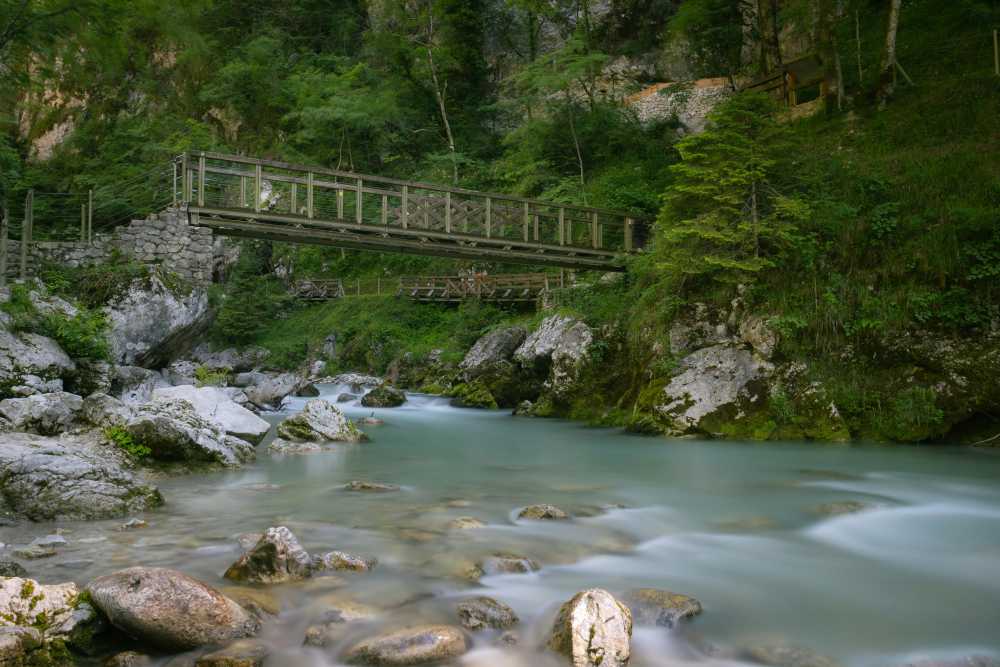
The Vibe: A natural waterpark carved by glaciers. It's a place for active exploration followed by relaxing evenings by the lake.
Best For: Families with energetic kids and teens who love to hike, swim, and explore.
Local Flavor: Don't leave without trying a "grape pie," a regional specialty that's a delicious nod to the area's Concord grape heritage.
Can't-Miss Activities:
Walk the Gorge Trail at Watkins Glen: The trail takes you over, under, and behind 19 incredible waterfalls in just two miles.
Swim at the base of a waterfall: Robert H. Treman State Park has a classic swimming hole right below a massive waterfall, complete with a diving board.
Get hands-on at the Corning Museum of Glass: The live glass-blowing demonstrations are mesmerizing, and you can even make your own glass creation.
Rent a pontoon boat: Spend a day on Cayuga or Seneca Lake, jumping in for a swim and enjoying the scenery from the water.
6. The Berkshires, Massachusetts: Culture in the Countryside
Nestled in the rolling hills of western Massachusetts, The Berkshires offer a unique blend of outdoor adventure and world-class culture. You can hike a mountain in the morning and listen to a symphony concert on the lawn at Tanglewood in the evening.

The Vibe: Rustic sophistication. It’s a haven for artists and nature lovers, with charming small towns and a palpable creative energy.
Best For: Families with a mix of interests, from art and music to hiking and swimming.
Best Time to Visit: Summer for the full slate of cultural festivals. Fall is breathtaking with its famous foliage.
Can't-Miss Activities:
Hike to the summit of Monument Mountain: A moderate hike rewards you with panoramic views that once inspired famous authors.
Explore the Norman Rockwell Museum: Even kids who aren't "museum people" will connect with Rockwell's relatable and iconic images of American life.
Go for a swim at Lake Pontoosuc: This public lake has a sandy beach and is a popular spot for families to cool off.
Wander through the town of Stockbridge: This is the quintessential New England town, so picturesque it was immortalized in a Rockwell painting.
Places That Tell a Story: History & Culture Off the Beaten Path
These unique destinations offer a chance to engage with American history and culture in a way that’s truly captivating for the whole family.
7. Mesa Verde National Park, Colorado: A City in the Cliffs
This UNESCO World Heritage Site protects nearly 5,000 archeological sites, including 600 incredibly preserved cliff dwellings of the Ancestral Pueblo people. This isn't just history behind glass; it's history you can touch and climb into.

The Vibe: Awe-inspiring and humbling. It connects you to a deep and ancient American story in a profoundly tangible way.
Best For: Families with school-aged children (age 7+) interested in history and adventure. Note that some tours involve climbing steep ladders.
Pro-Tip: Tour tickets for Cliff Palace and Balcony House are released 14 days in advance on recreation.gov and sell out almost instantly. Be online the moment they become available.
Can't-Miss Activities:
Tour a cliff dwelling: A ranger-led tour of Cliff Palace or Balcony House is the absolute highlight.
Drive the Mesa Top Loop Road: This 6-mile drive has easily accessible overlooks that tell the chronological story of the Ancestral Pueblo people.
See Spruce Tree House: The view of this massive dwelling from the overlook near the museum is spectacular.
Become a Junior Ranger: The park's program is excellent and is a fantastic way to engage kids in learning about the park's history.
8. St. Augustine, Florida: Where America's Story Begins
Founded in 1565, St. Augustine offers a slice of colonial Spanish history on the Florida coast. With its cobblestone streets, imposing fortress, and tales of pirates, it's a city that sparks the imagination.

The Vibe: A European city that washed up on a Florida beach. It's historic, walkable, and packed with unique attractions.
Best For: Families with a wide range of ages—from young kids who love pirates to teens who can appreciate the deep history.
Best Time to Visit: Spring and fall have the most pleasant weather for walking. The "Nights of Lights" festival from November to January is magical.
Can't-Miss Activities:
Explore the Castillo de San Marcos: Kids love running around the ramparts of the oldest masonry fort in the continental U.S. Don't miss the cannon firing demonstrations.
Hunt for treasure at the Pirate & Treasure Museum: This is a surprisingly well-done museum with authentic pirate artifacts.
Climb the St. Augustine Lighthouse: Brave the 219 steps for a stunning panoramic view of the city and the Atlantic Ocean.
Hit the beach: Just a short drive away, St. Augustine Beach offers miles of wide, white sand perfect for sandcastles and splashing.
Frequently Asked Questions
What are the main benefits of choosing a less-crowded family vacation destination?
The biggest benefits are a more relaxed pace, lower costs, and more authentic experiences. You'll spend less time waiting in lines and more time connecting with your family and the destination itself, often creating much richer memories.
Are "hidden gem" destinations good for families with toddlers or teens?
Absolutely. The key is matching the destination's activities to your kids' ages and interests. A place like Chincoteague is perfect for young, animal-loving kids, while the hiking and history of Mesa Verde or the gorges of the Finger Lakes are fantastic for engaging older kids and teens.
What's the best way to find unique vacation spots beyond this list?
Start by looking at state parks instead of only national parks, which are often just as beautiful but with fewer crowds. You can also explore regions just outside major tourist hubs or ask for recommendations in online travel communities focused on specific interests like hiking or history.
Create Your Own Adventure
Choosing one of these hidden gems is about more than just avoiding crowds; it’s an intentional decision to seek out a different kind of trip. It’s about finding the places that allow your family to connect—with nature, with history, and most importantly, with each other.
These unique family vacation destinations prove that the most memorable adventures are often found on the roads less traveled. So, break free from the conventional lists, pack your bags with a sense of curiosity, and get ready to create a family story that is uniquely yours.
Read the full guide: Family Travel Ideas: The 2026 Guide to Unforgettable Trips
Don't Miss Out! Subscribe for Exclusive Content
SubscribeComments 0
No comments yet
Be the first to share your experience!
Dont Miss Out! Subscribe for Exclusive Content

Ultimate USA Holidays Guide: Top Picks
FTC Affiliate Disclosure Essentials: Stay Compliant as a Travel Creator
Essential Affiliate Tools: From Tracking to Full Optimization
Booking.com Affiliate Program Review: Pros, Cons, and Earnings Potential
Decoding Affiliate Commission Rates: Benchmarks for Travel Creators
