
Solo Travel Blog Monetization: Turning Stories into Income

TrekGuider @trekguider
You've seen the Instagram posts tagged '#digitalnomad' and wondered if it's actually real. Can a solo travel blog—your solo travel blog—truly become a source of income, or is it just a path to burnout? The truth is, most new bloggers fail because they follow a random list of 'monetization ideas.' They're missing the most critical element: a strategic, time-based plan. This is not a list of ideas. This is your 24-month roadmap, grounded in real data from six-figure bloggers, showing you exactly what to do, when to do it, and the income you can realistically expect at each stage. This is your guide to successful solo travel blog monetization.

Moving from Hobbyist to Business Owner
The first and most critical shift you must make is mental. Your blog is no longer just a personal travel diary; it is the central asset of a new business. Every decision, from the topics you cover to the way you structure your articles, must be made with a clear purpose: to provide immense value to a specific audience. Before you can monetize effectively, you must provide that value, which starts with mastering the fundamentals. For a complete playbook on creating world-class content and navigating your journey, review our comprehensive .
This business-oriented mindset means prioritizing the single most important driver of revenue: Search Engine Optimization (SEO). While social media can provide fleeting traffic spikes, SEO delivers a consistent, sustainable stream of readers who are actively searching for the solutions you provide. These are the people who will click your links, book tours, and buy your products. From this day forward, think of yourself not as a blogger, but as the CEO of a media company whose primary asset is high-ranking, helpful content.
What to Expect and When
Forget the overnight success stories. Building a profitable blog is a marathon, not a sprint. Having a realistic timeline prevents discouragement and keeps you focused on the right tasks at the right time.

Year 1 Expectations: Building Traffic and Earning Your First ~$2,000
The first year is all about laying the foundation. Your primary goal is not to make a full-time income, but to publish a critical mass of high-quality, SEO-optimized content and establish topical authority in your niche. You'll spend the first few months writing and publishing consistently without seeing much traffic, and that's completely normal.
Data from established bloggers shows that you can expect to make your first affiliate sale around month four or five. By the end of the first year, a dedicated blogger can realistically earn between $1,000 and $5,000. This income will come almost exclusively from strategic affiliate marketing.
Year 2 Expectations: Scaling to a Viable Income ($20,000 - $40,000)
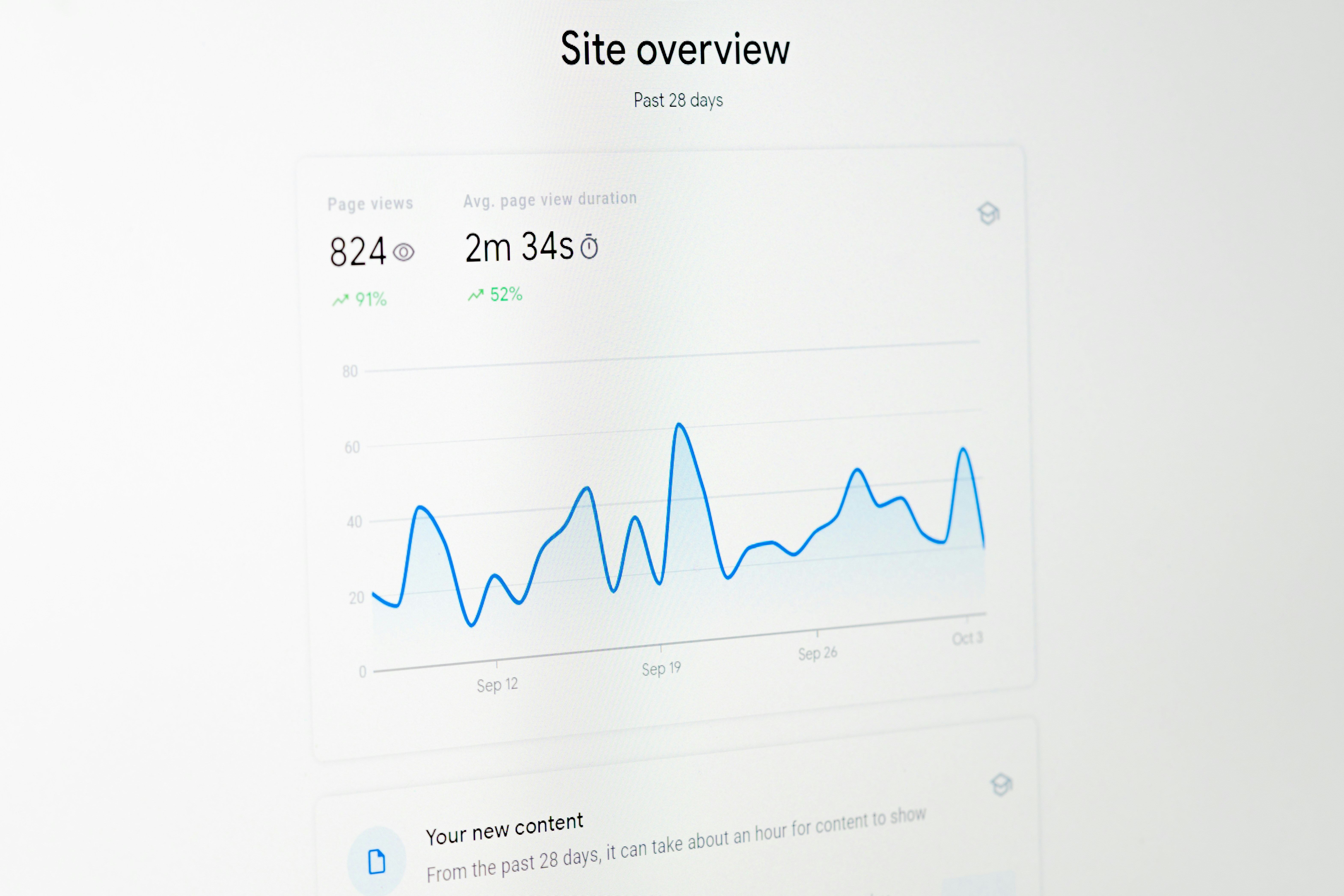
Year two is the scaling phase. The content you published in your first year begins to mature and rank higher in Google search results, leading to a significant increase in traffic. This is the year you'll likely cross the critical threshold needed to qualify for premium ad networks. This combination of escalating affiliate commissions and new, high-earning display ad revenue is what transforms your blog from a side hustle into a viable business. It's not uncommon for bloggers who were earning $200/month at the end of year one to be earning $2,000-$4,000/month by the end of year two.
(Months 1-6): Laying the Foundation for Your Solo Travel Blog Monetization
Welcome to the grind. In this foundational phase, you are building the powerful engine of your business long before you see significant fuel (i.e., traffic). Success here isn't measured in dollars; it's measured in discipline and consistent output.
Your Primary Focus: Publishing High-Quality, SEO-Optimized Content
Think of high-quality content as the real estate upon which you'll build your entire business. It's the non-negotiable asset that makes all future income possible. In these first six months, your goal should be to publish 25-40 thoroughly researched, long-form articles that target specific keywords your audience is searching for. Every article should aim to be the single best resource on the internet for its given topic. This early library of content is what Google will eventually reward with traffic.
Method 1: Strategic Affiliate Marketing (The Best First Step)
Affiliate marketing is the practice of earning a commission by promoting another company's products or services. It is the perfect first monetization method because most programs have no minimum traffic requirements. You can, and should, include affiliate links from day one.
The key is to recommend products you genuinely use and trust. Your recommendations must be woven naturally into helpful content. Don't just list products; explain why a certain backpack is perfect for a carry-on-only trip or how a specific travel insurance policy saved you during an emergency. A crucial element of this is transparency. Always include a clear affiliate disclosure at the top of your posts. This isn't just an FTC requirement; it's a critical component of building long-term trust with your audience.
Choosing the Right Affiliate Platforms: A Data-Driven Comparison
Start with a mix of affiliate aggregators and direct programs to maximize your opportunities.
Travelpayouts: An excellent starting point. It's an aggregator that gives you access to dozens of travel brands like Booking.com, GetYourGuide, and Hostelworld through a single platform, making it easy to manage your links and payments.
Stay22: A powerful, map-based tool specifically for accommodations. It often has a higher conversion rate than other hotel affiliate links because it shows users a variety of options on a map, which is incredibly helpful in the travel planning process.
Direct Programs: Many essential travel brands have their own programs. Be sure to sign up for:
Amazon Associates: For all the physical gear you recommend, from packing cubes to portable chargers.
Booking.com / Agoda: The top platforms for hotel bookings worldwide.
GetYourGuide / Viator: The leaders in tours, activities, and attraction tickets.
Pro-Tip: Don't go back and add affiliate links later. Research and include relevant links in every article as you write it. This saves an immense amount of time and ensures your monetization efforts start from the moment you hit "publish."
(Months 7-18): Scaling Traffic and Unlocking Serious Income
With a solid foundation of content beginning to rank, you now shift your focus from pure production to growing the one metric that unlocks the next level of income: monthly sessions.
Your Primary Focus: Reaching 50,000+ Monthly Sessions
This is the magic number. Crossing the threshold of 50,000 monthly sessions (the number of visits to your site, as measured by Google Analytics) is the key inflection point where your income potential grows exponentially. It signals to premium ad networks that you have a substantial and engaged audience, making you a valuable partner. Reaching this level requires continued content production and a focus on building high-quality backlinks to your articles.

Method 2: Display Advertising (Unlocking Passive Income)
Display ads are the advertisements you see placed within the content of a website. When you have significant traffic, this becomes a powerful and almost entirely passive income stream. The key is to work with the right network.
The Ad Network Ladder: From Beginner to Premium
Not all ad networks are created equal. Your goal is to climb the ladder to a premium network as quickly as possible.
Avoid Google AdSense: Many new bloggers start here, which is a major mistake. AdSense pays extremely low rates, often resulting in an RPM (Revenue Per Mille, or earnings per 1,000 pageviews) of just $1-$3. It clutters your site for pennies.
Starter Networks (The Stepping Stone): Networks like Journey by Mediavine (requires 10,000 monthly sessions) or Ezoic offer a significant step up from AdSense. They are a great intermediate goal.
Premium Networks (The Goal): This is where serious income begins.
Mediavine: The gold standard for many bloggers. They require a minimum of 50,000 monthly sessions. Mediavine is known for its incredible support and high RPMs, often in the $20 - $40+ range. They command higher rates from advertisers because of their high-quality publisher network and direct sales teams.
Raptive (formerly AdThrive): The top tier. Raptive requires 100,000 monthly sessions and is known for having some of the highest RPMs in the industry for the same reasons.
Getting accepted into Mediavine is a major milestone. For a blog with 50,000 sessions, a $25 RPM translates to $1,250 in passive income per month. This is in addition to your growing affiliate revenue.
(Months 19+): The CEO Phase—Building a Diversified Travel Brand
Once you have stable traffic and income from ads and affiliates, you can move into the final phase: maximizing profitability by leveraging your most valuable asset—your audience's trust.
Building Brand Authority and Audience Trust
At this stage, your readers see you as a trusted expert. They've followed your advice, booked hotels you recommended, and bought gear you reviewed. This trust is the asset you will now monetize directly, leading to the highest profit margins possible.
Method 3: Selling Your Own Digital Products (The Highest Profit Margin)
Creating and selling your own products is the holy grail of solo travel blog monetization. You control the price, the product, and you keep nearly 100% of the revenue. This requires a loyal audience that trusts your expertise, which is why it's an advanced strategy.

Examples of high-value digital products for a solo travel audience include:
Comprehensive E-books: A deep dive into a specific topic, like "The Ultimate Guide to Solo Female Travel in Southeast Asia."
Printable Destination Itineraries: Detailed day-by-day plans for cities like Rome, Tokyo, or Lisbon that your readers can purchase and download.
Trip Planning Templates: Customizable spreadsheets or Notion templates that help your readers organize their own trips.
Digital Packing Lists: Niche-specific checklists for different types of travel (e.g., carry-on only, winter travel, hiking).
Pro-Tip: Validate your product idea before you build it. Send a survey to your email list or poll your audience on social media, asking what they struggle with most. If dozens of people say "planning my Italy itinerary is overwhelming," you have a winning product idea.
Method 4: Sponsored Content and Brand Partnerships
Sponsored content, where a brand pays you for a dedicated article or mention, represents a shift from passive to active income. While it can be lucrative, with sponsored posts often fetching $1,000 or more, you shouldn't just wait for opportunities to land in your inbox. As your brand authority grows, you can proactively pitch partnerships. Create a professional media kit—a one-page PDF outlining your website traffic, audience demographics, and core values—and reach out to brands you already use and love with a specific collaboration idea.
Frequently Asked Questions (FAQ Section)
How much money can you make from a travel blog?
In your first year, aim for $1,000-$5,000. By the end of year two, $20,000-$40,000 is a realistic target for dedicated bloggers. Established, six-figure travel bloggers who have diversified into ads, affiliates, and digital products can earn well over $100,000 per year.
How long does it take to make $1000 a month blogging?
For most travel bloggers who consistently publish high-quality, SEO-optimized content, it takes between 12 and 18 months to consistently earn $1,000 per month. This milestone typically occurs after being accepted into a premium ad network like Mediavine.
Do I need a large social media following to make money?
No. This is a common and damaging myth. The most profitable travel blogs focus on SEO. You can make a full-time income from a travel blog with fewer than 1,000 Instagram followers if your website traffic from Google is high and consistent.
What are the initial costs of starting a profitable travel blog?
The essential startup costs are minimal. You'll need a domain name (around $15/year) and web hosting (around $5-$15/month). Investing in a premium WordPress theme ($60 one-time) and an SEO tool like Keysearch ($17/month) are highly recommended but not strictly necessary on day one.
Turning your passion for solo travel into a profitable business is not a dream; it's a project. It requires a strategic plan, immense dedication, and an unwavering focus on providing real value. This roadmap has shown you the what and the when. By following this phased approach to solo travel blog monetization, you move beyond wishful thinking and begin the methodical work of building a business that can fund your travels and your life. The journey is long, but the destination—a life of freedom and financial independence—is worth every step.
Read the full guide: Anxious to Adventurous: The Ultimate Guide to Solo Travel Confidence
Don't Miss Out! Subscribe for Exclusive Content
Subscribe



Comments 0
No comments yet
Be the first to share your experience!
Dont Miss Out! Subscribe for Exclusive Content

FTC Affiliate Disclosure Essentials: Stay Compliant as a Travel Creator


Essential Affiliate Tools: From Tracking to Full Optimization

Avoid These 5 Affiliate Landing Page Mistakes for Better Conversions

Affiliate Keyword Research Mastery for Travel Blogs

Booking.com Affiliate Program Review: Pros, Cons, and Earnings Potential

Decoding Affiliate Commission Rates: Benchmarks for Travel Creators
The 10 Best Countries for a First Solo Trip in 2026
TrekGuider @trekguider
You feel the pull—that deep, undeniable urge to explore the world entirely on your own terms. But as you stand before a world map, the dream of a first solo trip is often shadowed by a paralyzing question: "Where?" The sheer number of choices, the worries about safety, the fear of making the "wrong" decision for your inaugural journey—it's an anchor of anxiety that can keep your dream moored in the harbor of "someday."
This guide is your anchor chain cutter. It is the definitive, data-driven answer to the most critical question every aspiring solo traveler asks. We’ve moved beyond vague suggestions to give you a clear, actionable list of the ten best countries for a first solo trip in 2026. This isn't just about finding great first solo trip ideas; it's about giving you the confidence to turn your dream into a booked ticket. This curated list is based on metrics that matter most to a first-timer: rock-solid safety, excellent tourist infrastructure, and ease of navigation, ensuring your inaugural journey is as empowering as you’ve imagined. For a complete roadmap of your entire journey, start with our comprehensive pillar guide, The Ultimate Guide to Solo Female Travel (15 Essential Tips).
Why These Countries Made the List
Choosing a destination for your first solo adventure is a monumental decision that sets the tone for all your future travels. The countries on this list have been selected not just for their beauty, but for their consistent performance in key areas that reduce stress and build confidence for new independent travelers. Our selection synthesizes data from the Global Peace Index (GPI), which ranks nations by their peacefulness and low rates of conflict, with qualitative reports on crime rates, tourist-friendliness, and cultural accessibility. These are the destinations where you can focus less on navigating difficulties and more on soaking in the magic of the experience.
1. Iceland
Consistently ranked as the most peaceful country in the world by the Global Peace Index, Iceland is an extraordinary choice for a first-time solo trip. It’s a land of staggering natural beauty, where glaciers grind against volcanoes and the Northern Lights dance across the winter sky. For a solo traveler, its appeal lies in its unparalleled safety and accessibility.
Why It's Perfect for a First-Timer:
Exceptional Safety: With an exceptionally low crime rate and a high degree of gender equality, you can explore with a profound sense of security.
Easy Communication: The majority of Icelanders are fluent in English, which removes the stress of language barriers when navigating, booking tours, or asking for directions.
Strong Tourist Infrastructure: Iceland is built for tourism. The famous Ring Road is easy to navigate, and there are countless reputable tour companies offering everything from glacier hikes to whale watching. This makes it simple to join group activities and meet fellow travelers.
Pro-Tip: While driving the Ring Road solo is an epic adventure, don't underestimate the power of day tours based out of Reykjavik. Joining a small-group tour to see the Golden Circle or the South Coast is a fantastic, low-stress way to see the country's main highlights and connect with other travelers on your very first days.
2. Portugal
A consistent top-ten performer on the Global Peace Index, Portugal offers the quintessential charm and beauty of Western Europe but with a more affordable price tag and a laid-back, welcoming vibe. From the historic, tram-lined hills of Lisbon to the sun-drenched beaches of the Algarve, it’s a country that feels tailor-made for independent exploration.

Why It's Perfect for a First-Timer:
High Safety, Low Cost: Portugal is considered one of the safest countries in Europe, allowing you to enjoy its cities and coastlines without the high price tag of its neighbors.
Vibrant Solo Traveler Scene: It has become a major international hub for solo travelers and digital nomads, particularly in Lisbon and Porto. This means you’ll find a vibrant community of like-minded people and plenty of hostels and events geared toward independent adventurers.
Excellent Infrastructure: The country is well-connected by an efficient and affordable train system, and its cities are compact and highly walkable. For a perfect example of this, look no further than the highly-rated "Picturesque Solo Portugal Tour" offered by operators like Indus Travels, which is notable for its policy of providing a private room with no single supplement fee.
Ready to explore its charming cities and stunning coastlines? Our comprehensive Portugal Guide contains detailed itineraries and local secrets that will make your trip unforgettable.
3. New Zealand
For the nature-loving first-timer, it’s hard to imagine a more perfect destination than New Zealand. Consistently ranked among the top five most peaceful nations on the GPI, it’s a country that combines jaw-dropping landscapes with a world-class reputation for safety and friendliness.

Why It's Perfect for a First-Timer:
Welcoming Culture: New Zealanders, or "Kiwis," are known for their incredibly welcoming and helpful nature, which can be a huge comfort when you're navigating a new country alone.
Established Backpacker Trail: The country has a well-established and safe backpacker bus network and a series of high-quality hostels, making it incredibly easy to meet other travelers and move between destinations.
Adventure at Every Level: Whether you're for gentle hikes through fjordlands or the adrenaline rush of bungee jumping, New Zealand offers accessible adventures for every comfort level.
4. Ireland
Ranking in the top three on the Global Peace Index, the Emerald Isle is celebrated for two things that make it a perfect starting point: its safety and the legendary friendliness of its people. The warm, welcoming atmosphere of a local pub is the perfect antidote to any fears of loneliness.

Why It's Perfect for a First-Timer:
Effortless Navigation: As an English-speaking country with compact, walkable cities like Dublin and Galway, and efficient public transport between them, Ireland is exceptionally easy to navigate.
Social Culture: The culture is inherently social and communal. Striking up a conversation with a local or another traveler over a pint of Guinness is not just possible; it’s practically expected.
Accessible Beauty: You don't need to venture into the remote wilderness to be stunned by Ireland's beauty. Day trips from major cities can take you to the majestic Cliffs of Moher or the ancient hills of Glendalough with ease.
Feeling confident in your destination choice is the first step. The next is ensuring you have the knowledge to navigate it safely. Our free, comprehensive Solo Female Travel Safety Guide is the perfect companion for your first adventure. It's a downloadable checklist and resource guide covering everything from what to pack to what to do in an emergency, giving you total peace of mind.
5. Japan
While it doesn't always crack the GPI's top ten due to military metrics, Japan is consistently ranked by travelers as one of the safest countries on earth. It boasts an astonishingly low crime rate and a culture built on deep respect for public order and personal space, making it a place where you can feel secure exploring day or night.

Why It's Perfect for a First-Timer:
Unparalleled Public Safety: The sense of safety in Japan is palpable. It's common to see locals leaving their laptops on a cafe table to reserve a spot or children taking the subway alone.
Legendary Transportation: The public transport system is a marvel of efficiency, punctuality, and cleanliness. It is so reliable that it removes a huge amount of potential travel stress.
Solo-Friendly Culture: From solo dining at ramen counters to the comfort of women-only subway cars during rush hour, the culture is uniquely accommodating to individuals.
Pro-Tip: Don't be intimidated by the language barrier. Download the Google Translate app and use its camera function to instantly translate menus and signs. Most importantly, learn a few key phrases like "Arigato gozaimasu" (thank you very much) and "Sumimasen" (excuse me/sorry). A little effort goes a very long way. For a deeper understanding of the country, check out our guide to Japan.
6. Switzerland
For the traveler who values efficiency, cleanliness, and security above all else, Switzerland is a dream destination. Ranking in the top five on the GPI, it’s a country that runs like a perfectly crafted watch, set against a backdrop of some of the most breathtaking alpine scenery on the planet.

Why It's Perfect for a First-Timer:
World-Class Public Transport: The Swiss Travel System is arguably the best in the world. A single pass can give you access to trains, buses, and boats across the entire country, making travel between majestic mountains, pristine lakes, and charming cities seamless and secure.
Safety and Order: The country is a paragon of safety and cleanliness. This sense of order and reliability can be incredibly reassuring for a nervous first-time traveler.
Nature Made Accessible: You don't have to be a hardcore mountaineer to experience the Alps. A vast network of cable cars, funiculars, and well-marked hiking trails makes the country's stunning natural beauty accessible to everyone.
7. Slovenia
This small Central European nation is a hidden gem that regularly places in the GPI's top ten for peacefulness. It offers the stunning alpine scenery of its more famous neighbors, Austria and Switzerland, but with fewer crowds, a lower price point, and a uniquely charming character.

Why It's Perfect for a First-Timer:
Compact and Manageable: Because of its small size, you can experience a huge amount of diversity—from the alpine beauty of Lake Bled to the vibrant capital of Ljubljana and the charming Adriatic coast—without long or stressful travel days.
A Paradise for Outdoor Lovers: It is extremely safe, clean, and an ideal destination for solo travelers interested in accessible outdoor activities like hiking, kayaking, and exploring the stunning Triglav National Park.
Hidden Gem Status: While growing in popularity, Slovenia still feels less crowded and more "off-the-beaten-path" than many other European destinations, offering a more authentic sense of discovery.
8. Denmark
As a consistent top-ten GPI country, Denmark is a model of social trust, safety, and gender equality. It's a place where the concept of hygge (a feeling of cozy contentment) permeates daily life, creating a comfortable and welcoming atmosphere for visitors.

Why It's Perfect for a First-Timer:
Progressive and Accessible Culture: The country's progressive, English-speaking culture makes it very comfortable for solo women to navigate.
Walkable and Bike-Friendly Cities: The capital, Copenhagen, is famously walkable and is one of the most bike-friendly cities in the world. Renting a bike is a safe, easy, and local way to explore.
High Social Trust: The high level of social trust translates into a very safe-feeling environment, where locals are generally helpful and respectful.
9. Canada
Ranking in the top 15 of the GPI, Canada is an excellent choice for a first international solo trip, especially for Americans, due to its cultural similarity and shared language. It offers vast, breathtaking landscapes and clean, safe cities.

Why It's Perfect for a First-Timer:
Familiarity and Comfort: For North American travelers, Canada offers the thrill of international travel without the culture shock, making it an easy entry point.
Friendly and Polite Populace: The stereotype of friendly Canadians holds true. The general politeness and helpfulness of the populace make for a very pleasant travel experience.
Urban Safety and Natural Wonders: Canadian cities like Vancouver, Montreal, and Toronto are known for being safe and easy to navigate, while also serving as gateways to some of the most spectacular natural scenery in the world, from the Rocky Mountains to the maritime coasts.
10. Costa Rica
While its GPI ranking is lower than its European and Asian counterparts, Costa Rica is consistently regarded as one of the safest and most stable nations in Central America. Its national motto, "Pura Vida" (the pure life), is reflected in its welcoming culture and deep respect for nature.

Why It's Perfect for a First-Timer:
Well-Established Eco-Tourism: The country has a massive and well-developed eco-tourism infrastructure, with countless reputable tour companies, eco-lodges, and shuttle services that make it exceptionally friendly and safe for international visitors.
A Hub for Solo Adventurers: Costa Rica attracts a large number of solo travelers drawn to its lush rainforests, towering volcanoes, and incredible wildlife, so you'll find it easy to connect with others on guided tours or in hostels.
A Focus on Wellness: The "Pura Vida" lifestyle, combined with a focus on yoga, surfing, and connecting with nature, makes it an ideal destination for a trip focused on rejuvenation and self-discovery.
Frequently Asked Questions About Your First Solo Trip
Even with the perfect destination, a few questions are bound to pop up. Here are answers to the most common anxieties.
Is it weird to do activities or eat alone?
Not at all. In most of these destinations, it's completely normal. To feel more comfortable, start with a structured activity. Research shows that 75% of women who have never traveled alone would be more likely to do so on a group tour. Joining a food tour or a day trip on your first day is a great way to ease in and meet people.
How do I handle potential loneliness?
While solitude is a part of solo travel, loneliness doesn't have to be. Stay in a modern hostel (even in a private room) to access social common areas. Pre-book a group activity for your first day to break the ice. Remember, learning to enjoy your own company is one of the most profound rewards of traveling solo.
How much should I budget for one of these trips?
This varies dramatically. A day in Switzerland can cost three times as much as a day in Portugal. The best approach is to find real-world examples. On the TrekGuider marketplace, you can explore detailed itineraries and guides published by seasoned solo travelers, many of whom include specific budget breakdowns from their own trips.
Your Journey Awaits
Choosing a destination is the first, most powerful step in transforming a dream into reality. The fear of the unknown is real, but it can be conquered with knowledge. You are now armed with a curated list of destinations where you can build your confidence, test your wings, and discover the profound joy of navigating the world on your own terms. This list of first solo trip ideas is more than just a collection of places; it's a series of open doors.

The personal growth, resilience, and radical self-reliance you will discover on this journey will become a permanent part of who you are. The only thing left to do is to walk through one of those doors.
Meta Data Suggestions:
SEO Meta Title (59 characters): 10 Best Countries for a First Solo Trip (2026 Safety Guide)
URL Slug: best-countries-first-solo-trip
SEO Meta Description (154 characters): Nervous about your first solo trip? Discover the 10 safest and easiest countries for solo female travelers in 2026, based on data and expert travel advice.
Don't Miss Out! Subscribe for Exclusive Content
SubscribeComments 0
No comments yet
Be the first to share your experience!
Dont Miss Out! Subscribe for Exclusive Content

Ultimate USA Holidays Guide: Top Picks
FTC Affiliate Disclosure Essentials: Stay Compliant as a Travel Creator
Essential Affiliate Tools: From Tracking to Full Optimization
Booking.com Affiliate Program Review: Pros, Cons, and Earnings Potential
Decoding Affiliate Commission Rates: Benchmarks for Travel Creators

Amazon Associates for Travel: Strategies to Maximize Commissions
11 Best Family Travel Blogs for Real Advice
TrekGuider @trekguider
Planning a family vacation feels like it should be an act of joy, but let's be honest—it often descends into a frantic, late-night scroll for answers. You’re drowning in a sea of generic travel advice that simply doesn’t grasp the logistical chaos of navigating an airport with a Tasmanian-devil toddler or the complex psychological warfare of convincing a teenager that a family hike is, in fact, “cool.” You waste hours sifting through posts, a knot of anxiety tightening in your stomach that you’re about to invest your hard-earned money and precious vacation time into a trip that leads to meltdowns for everyone involved. The stress of planning is actively poisoning the very joy you’re trying to create.
What if you could bypass the noise? Imagine tapping directly into a brain trust of seasoned parents who have already navigated these minefields and documented the solutions. Picture finding field-tested, practical advice tailored specifically to your kids’ ages and your family’s unique travel style. This curated list of the best family travel blogs is your direct line to that expertise. While our comprehensive guide to The Best Travel Blogs to Follow in 2026 provides a 30,000-foot view of the entire industry, this article is your specialized ground-level playbook. These are the voices of experience that will help you transform travel chaos into cherished, lifelong memories.

Why Age-Specific Advice is the Key to Family Travel Harmony
Let’s start with a hard truth: the single biggest strategic blunder parents make is assuming "family travel" is a monolith. The reality is that the challenges of traveling with a three-year-old are worlds apart from those of traveling with a fifteen-year-old. As extensive travel industry analysis shows, their needs are fundamentally, diametrically opposed.
Traveling with Toddlers (Ages 1-4): This stage is a masterclass in logistics. The challenges are overwhelmingly physical. Success is measured by your ability to manage rigid nap schedules that are easily derailed, your patience while providing constant supervision for a mobile being with zero sense of danger, and your sheer strength hauling the mountain of required gear—strollers, car seats, diapers, and specialized snacks.
Traveling with Teenagers (Ages 13-18): In stark contrast, the hurdles with teens are primarily psychological and social. This is a game of diplomacy. Victory lies in respecting their craving for independence, granting them downtime away from the family unit, and accepting that their need for reliable WiFi is a non-negotiable part of their travel hierarchy, right alongside food and shelter.
The best family travel blogs don’t just understand this distinction; they build their entire content strategy around it. They provide targeted, actionable solutions to these distinct, age-related pain points, making them an indispensable resource for any parent.

Best Family Travel Blogs for the Toddler & Little Kid Years
This is the age of pure logistics, where the right advice can be the difference between a smooth, joyful trip and a full-blown, public tantrum. These blogs are the undisputed masters of the practical, offering the checklists, packing guides, and sanity-saving strategies you desperately need.
1. Ytravelblog
Run by Australian veterans Caz and Craig Makepeace, Ytravelblog is an institution built on over a decade of trust and real-world experience. They’ve been traveling with their two daughters since they were toddlers, and their content has an incredibly reassuring "we've-been-there" quality that instantly puts parents at ease.
Why They Made Our List:
Honest & Relatable: They excel at addressing the tough, unspoken questions, as evidenced by their iconic post, "
Long-Term Perspective: They offer a rare look at how travel evolves as kids grow, providing wisdom that applies far beyond a single trip.
Balanced Content: They seamlessly cover everything from epic road trips to relaxing resort stays, making them a perfect resource for families who enjoy a variety of travel styles.
2. The Jetsetting Family
Rod, a full-time traveling dad, offers a refreshingly hands-on perspective on family adventure. The Jetsetting Family has become a go-to for parents of toddlers, with unbelievably detailed guides on the nitty-gritty of air travel and packing.
Why They Made Our List:
Logistical Mastery: Their content on managing flights, from booking the right seats to surviving security, is a masterclass in preparation.
Dad's Perspective: Rod’s voice provides a different and valuable viewpoint in a niche often dominated by moms.
High-Quality Visuals: Their video content is especially helpful, showing you exactly how they pack and navigate airports.

3. Marcie in Mommyland
Specializing in travel with babies, toddlers, and preschoolers, Marcie offers some of the most comprehensive and visually appealing content online. Her blog is a goldmine for parents in the demanding early stages of family travel.
Why They Made Our List:
Niche Expertise: Her laser focus on the 0-5 age range means every piece of advice is hyper-relevant and practical.
Product Recommendations: She provides genuinely helpful reviews of travel gear for little ones, saving parents time and money.
Destination Guides for Little Kids: She expertly breaks down popular destinations like Paris and London from the perspective of a parent with a stroller and a diaper bag.
4. Wandering Wagars
Kevin and Christina Wagar are living proof that having kids doesn’t mean the end of adventure. Their blog is a shot of inspiration for parents who want to introduce their young children to diverse, culturally rich experiences from an early age.
Why They Made Our List:
Confidence Building: Their post, "" is packed with actionable advice that empowers hesitant new parents to take that first big trip.
Adventure Focus: They show you how to do more adventurous activities, like caving or hiking, safely with young kids.
Cultural Immersion: They prioritize connecting with local cultures, setting a fantastic example for raising global citizens.
Ready to Conquer the Skies?
For most parents of young children, the flight is the single most daunting part of the entire trip. The thought of keeping a toddler entertained in a confined space for hours, dealing with ear pressure, and avoiding meltdowns at 30,000 feet can be overwhelming. But it doesn't have to be. We’ve compiled the ultimate playbook from experts who have it down to a science.
Download our FREE guide: Stress-Free Flying with Kids Guide and get field-tested tips on booking, packing, and in-flight strategies to ensure a smooth journey for the whole family.
Best Family Travel Blogs for Navigating the Teen Years
Once you enter the teen years, vacation success becomes less about physical logistics and more about masterful diplomacy. It’s a delicate dance of balancing family time with a teenager’s deep-seated need for a teenager’s deep-seated need for independence. These blogs get it.
5. Kids Are A Trip
Created by Kirsten, this blog is an exceptional resource for parents who are past the stroller phase and firmly in the eye-rolling years. She has a real talent for finding activities that genuinely engage the notoriously hard-to-please teenage demographic.
Why They Made Our List:
Teen-Approved Activities: Her content, like "," goes far beyond the obvious tourist traps to find experiences teens will actually enjoy and remember.
Multi-Generational Focus: She provides great ideas for trips that will satisfy everyone from a 14-year-old to a 70-year-old grandparent.
Practical Itineraries: Her sample itineraries are realistic, well-paced, and leave room for the downtime teens desperately need.
6. Ciao Bambino
For families seeking expertly planned, immersive, and often luxurious trips, Ciao Bambino operates in a class of its own. While they cover all ages, their true strength lies in crafting complex itineraries that appeal to multi-generational groups with teens.
Why They Made Our List:
Deep Destination Expertise: Their " " showcases an incredible ability to blend history, food, and culture in a way that captivates every member of the family.
Vetted Recommendations: They have a team of advisors who vet every hotel and activity, providing a level of trust you can count on. It’s this level of curated expertise that inspires the hyper-detailed itineraries you can find from creators on the TrekGuider Platform.
Problem Solving: They excel at solving complex travel puzzles, like planning a trip for a large family with diverse interests and age ranges.
7. Earth Trekkers
The family behind Earth Trekkers—Julie, Tim, and their now-teenage kids Tyler and Kara—have documented their global travels for years. Because their audience has watched their children grow up, their blog serves as a fascinating and incredibly useful roadmap for how family travel evolves over time.
Why They Made Our List:
Real-Time Evolution: They offer an authentic, long-term perspective on transitioning from travel with little kids to travel with independent teens and young adults.
Adventure & Education: They masterfully blend adventure (like hiking in U.S. National Parks) with world schooling and historical context.
Exceptional Photography & Itineraries: Their content is not only inspiring but also carefully detailed, providing a clear path for readers to follow in their footsteps.
Pro-Tip: The #1 piece of advice from blogs that successfully travel with teenagers is to give them ownership. Involve them in the planning process. Let them choose the destination for one day, research the restaurants, or be the official navigator. This simple act of giving them control drastically reduces apathy and disinterest.
How to Vet a Family Travel Blog for Yourself
While our list is a great starting point, knowing how to spot a truly high-quality resource is a skill that will serve you well. Here’s a quick framework based on how our experts evaluate blogs:
Look for Niche Specificity: Does the blogger claim to be an expert on everything, or do they have a clear focus? The best advice often comes from someone who has gone deep on a specific topic, whether that’s RV travel with kids or navigating Disney World with a child who has sensory issues.
Check for Real Community Engagement: Don't just look at follower counts. Read the comments. Does the blogger respond thoughtfully to reader questions? A thriving comment section is a strong signal that the creator has built a genuine, trusting community.
Is the Advice Actionable? Inspirational photos are nice, but the best family travel blogs provide advice you can actually use. Look for detailed budget breakdowns, specific packing lists, and step-by-step instructions. If you finish an article feeling empowered to take action, you’ve found a great resource.

Frequently Asked Questions About Family Travel Blogs
How do family travel blogs make money?
Professional family travel blogs typically use a mix of monetization methods. The most common are affiliate marketing (earning a commission when you buy a product they recommend, like a hotel or travel gear), display advertising (the ads you see on the page), sponsored posts (where a brand pays them to feature a destination or product), and selling their own digital products, like detailed itineraries or travel planning guides.
Is it really safe to take young kids to "adventurous" destinations?
Absolutely, with the right planning and precautions. Blogs like Wandering Wagars and Earth Trekkers are fantastic resources for this. They demonstrate how to approach adventure travel responsibly by choosing age-appropriate activities, prioritizing safety, and managing risk. Their content shows that adventure is scalable and can be an incredible way to build resilience and confidence in kids.
What's the best way to budget for a family trip?
The most effective strategy, echoed by many top travel bloggers, is the "Pay Yourself First" model. This involves setting up a dedicated high-yield savings account for travel and scheduling automatic monthly transfers. You treat your travel fund as a non-negotiable expense, just like a mortgage or car payment. This ensures you’re consistently saving rather than just hoping there’s money left over at the end of the month.
Pro-Tip: When reading any blog, always look for authenticity. The best creators share the highs and the lows. A blogger who admits to a travel mishap or a day when the kids were just not having it is often more trustworthy than one who presents a picture-perfect, flawless feed.
Your Adventure Awaits
The overwhelming task of planning a family trip becomes infinitely more manageable—and even joyful—when you have the right guides. The creators behind these exceptional family travel blogs offer more than just glossy photos and destination ideas; they provide a real-world roadmap for navigating the beautiful, chaotic, and profoundly rewarding journey of exploring the world with your children. They’ve done the trial and error so you don’t have to. By arming yourself with their expert advice, tailored to your family's specific stage and style, you're not just planning a vacation—you're setting the stage for a lifetime of shared adventures.

Meta Data Suggestions:
SEO Meta Title (58 chars): 11 Best Family Travel Blogs for Real Advice (2026 Guide)
URL Slug: best-family-travel-blogs
SEO Meta Description (154 chars): Ditch generic tips. Discover the top 11 family travel blogs with real, field-tested advice for toddlers, teens, and every travel style in between.
Don't Miss Out! Subscribe for Exclusive Content
SubscribeComments 0
No comments yet
Be the first to share your experience!
Dont Miss Out! Subscribe for Exclusive Content
FTC Affiliate Disclosure Essentials: Stay Compliant as a Travel Creator
Essential Affiliate Tools: From Tracking to Full Optimization
Avoid These 5 Affiliate Landing Page Mistakes for Better Conversions
Affiliate Keyword Research Mastery for Travel Blogs
Booking.com Affiliate Program Review: Pros, Cons, and Earnings Potential