
Thanksgiving Parade: 6 Prime Spots

TrekGuider @trekguider
You’ve seen it on television your whole life: colossal cartoon characters floating between skyscrapers, world-class marching bands sending echoes through the avenues, and the final, festive arrival of Santa Claus himself. The Macy's Thanksgiving Day Parade is an American institution, the magical kick-off to the holiday season. But the dream of seeing it in person is often haunted by a logistical nightmare. You’re worried about battling millions for a tiny patch of sidewalk, only to have your view blocked, your kids get restless, and the entire enchanting experience devolve into a cold, stressful ordeal.
That anxiety is completely valid. Every year, over 3.5 million people descend on the route, and without a rock-solid plan, you’ll see more of the back of someone’s head than you will of the giant Snoopy balloon. You risk waking up before dawn only to find every good spot claimed, leaving your family disappointed and shivering. The magic you traveled for feels impossibly out of reach, lost in a sea of chaos. You deserve to experience the wonder, not the worry.
Forget the frustration. This is your strategic blueprint for success. We’re going to bypass the chaos and transform you into a parade-viewing expert. We’ll unveil the six prime spots to watch the spectacle, complete with insider strategies on timing, what to pack, and how to navigate the city like a local. This is your definitive plan for conquering the Thanksgiving parade in New York and creating memories that will last a lifetime. It’s one of the most iconic events in the city, a true highlight that we cover in our broader guide to New York Holidays: 10 Must-Do Events.
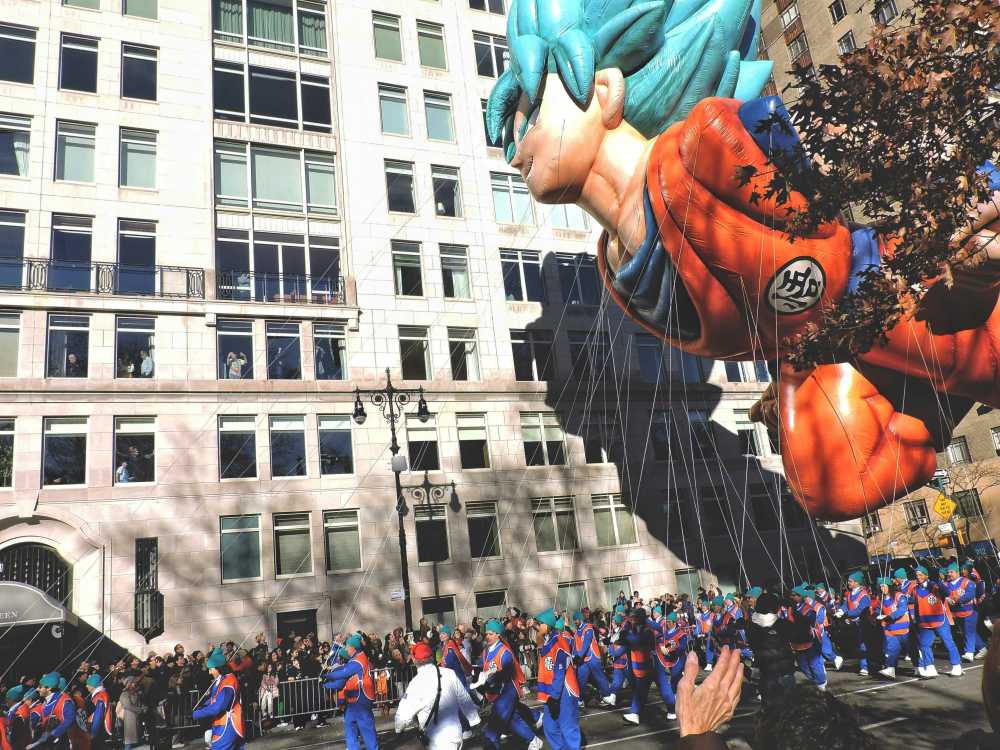
Understanding the Parade Route: Your Strategic Map
Before you can pick your spot, you need to understand the battlefield. The Macy's Thanksgiving Day Parade is a massive operation, and its route is the key to everything. Knowing the path, the timing, and—most importantly—the restricted zones will give you a powerful advantage.
The parade officially kicks off at 8:30 AM sharp on Thanksgiving morning, Thursday, the fourth Thursday of November. It begins on the Upper West Side and marches for 2.5 miles, concluding around noon.
Here’s the official step-by-step route:
Starts: 77th Street & Central Park West at 8:30 AM.
Travels South: Proceeds down Central Park West to Columbus Circle.
Turns: At Columbus Circle, it turns onto Broadway.
Continues South: It follows Broadway through the heart of Midtown.
Ends: The parade concludes around noon at the iconic Macy's Herald Square on 34th Street.
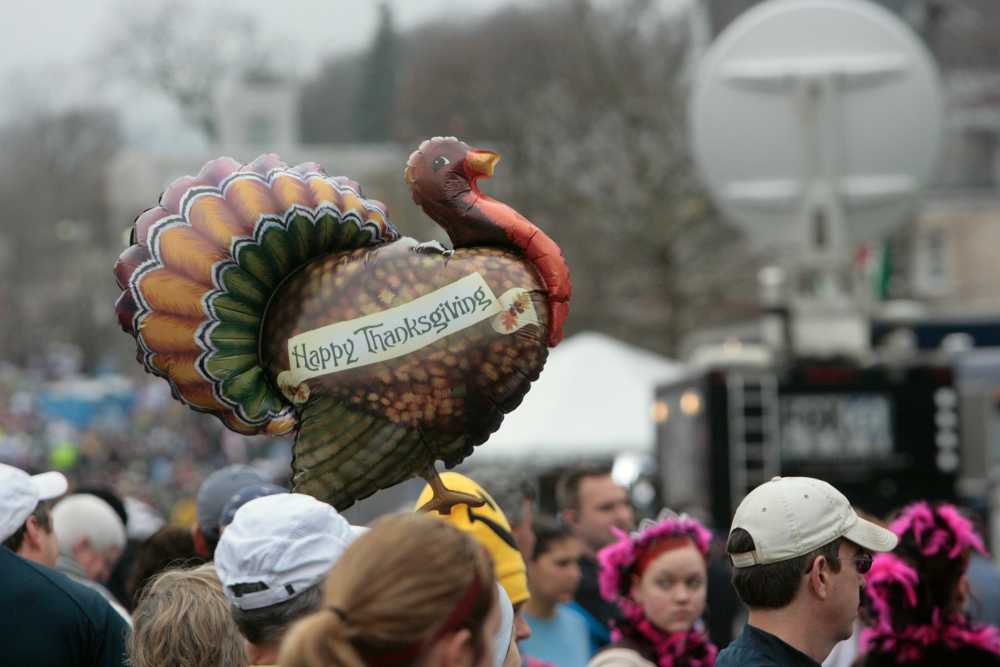
Our internal research confirms two critical areas to avoid at all costs: the start zone around 77th Street and the finish zone near Herald Square (from 34th to 38th Street). These areas have heavily restricted public viewing and are reserved for television broadcasting. Trying to watch from here is a rookie mistake that guarantees disappointment. Your strategy must focus on the long stretches in between.
The 6 Prime Viewing Spots for the Thanksgiving Parade in New York
Now for the main event. Choosing your location is the single most important decision you’ll make. Each of these six spots offers a unique advantage, whether it’s fewer crowds, better photo opportunities, or more family-friendly conditions.
1. The Upper West Side: The Classic Family Choice
Location: Along Central Park West, from 77th Street down to Columbus Circle (specifically the west side of the street).
Why It’s Prime: As the parade’s very first leg, this 16-block stretch is where the magic is freshest. The performers are electric with energy, the marching bands are at their most thunderous, and the balloon handlers are still wrangling their colossal characters into perfect formation. Because it's more residential, the crowds feel slightly more manageable and family-oriented than in the commercial chaos of Midtown. The backdrop of Central Park on one side and historic apartment buildings on the other makes for stunning photos.
Your Strategy:
Timing is Everything: You must arrive by 6:00 AM. The front-row spots are often claimed by locals before the sun is up. By 6:30 AM, the area will be packed several rows deep.
Positioning: Plant yourself on the west side of Central Park West. This gives you a direct, unobstructed view as the parade marches south.
What to Expect: It will be cold and dark when you arrive. This spot requires a commitment to waiting, but the payoff is a fantastic, high-energy viewing experience.
2. The Shops at Columbus Circle: The VIP Indoor View
Location: The second and third floors of The Shops at Columbus Circle, overlooking the parade’s turn from Central Park West onto Broadway.
Why It’s Prime: This is the ultimate parade hack for those who want to avoid the cold and the crowds. You get a warm, elevated, bird’s-eye view of the entire spectacle. Plus, you have immediate access to restrooms, coffee, and food—luxuries that are unthinkable for those on the street.
Your Strategy:
This Isn't Free: This is not a public viewing area. Access is typically granted to customers of the shops and restaurants within the mall.
Plan Months Ahead: Check with stores like Williams-Sonoma or restaurants with windows facing the circle. Many host private, ticketed viewing events that sell out far in advance.
Be Prepared to Spend: You will need to make a purchase or pay for a breakfast event to gain entry. Consider it the price of unparalleled comfort and convenience.

3. The Sixth Avenue Stretch: The Urban Canyon Experience
Location: Along Sixth Avenue (Avenue of the Americas) from 59th Street down to 38th Street.
Why It’s Prime: This is the longest and straightest portion of the route, offering dozens of blocks for potential viewing. Watching the giant balloons squeeze between the towering skyscrapers of Midtown is a uniquely New York experience. The sheer scale of the buildings creates a dramatic "urban canyon" effect that makes the parade feel even more grand.
Your Strategy:
Arrive Early: The secret is out on this spot. To get a decent view, be in position by 6:30 AM at the latest. The blocks closest to Central Park (59th to 50th) fill up the fastest.
Avoid Corners: Set up in the middle of a block. Corners are notoriously crowded and chaotic, with people constantly moving and blocking views.
Look for Scaffolding: Sometimes, construction scaffolding can be a blessing in disguise, creating a covered area that offers some protection from the elements and can deter massive crowds from forming in that exact spot.
Pro-Tip: The area between 70th and 75th streets on Central Park West offers a slightly wider sidewalk, giving you a little more breathing room. Pack a thermos of hot chocolate to stay warm while you wait—it’s a game-changer.
4. The "Quiet Zone" Near Radio City Music Hall
Location: The stretch of Sixth Avenue between 49th and 51st Streets.
Why It’s Prime: While no part of the route is truly "quiet," this section is designated as a no-marching-band-performance zone to accommodate the national television broadcast headquartered at Radio City. This means you get a brief respite from the loudest musical numbers—a great option for families with young children or those with sensory sensitivities.
Your Strategy:
Know the Trade-Off: You will see all the floats and balloons perfectly, but you will miss the live performances from the marching bands as they pass this specific area.
Use the Location: This spot is fantastic for its iconic backdrop. You can capture incredible photos of the balloons with the famous Radio City Music Hall marquee in the background.
Post-Parade Plans: You are perfectly positioned to see the Rockettes' Christmas Spectacular later in the day or head over to Rockefeller Center.

5. The South Side of 38th Street: The Late-Arrival Lifeline
Location: The blocks along Sixth Avenue from 40th Street down to 38th Street.
Why It’s Prime: Let's be realistic: not everyone can wake up at 4 AM. If you’re running late, this is your last best chance. As the parade nears its end at 34th Street, the area becomes a restricted broadcast zone. Therefore, the blocks just before this cutoff are the final public viewing areas.
Your Strategy:
Manage Expectations: You will not get a front-row view here. This is a spot for seeing the tops of the balloons and catching the general energy of the event.
Look Up: Your view will be mostly vertical. It’s less about seeing the performers on the street and more about witnessing the spectacle of the giant balloons against the sky.
Quick Exit: The advantage of being near the end of the route is that you can make a quick exit once the final float passes, beating some of the mass exodus heading for the subway.
6. The Virtual View: Your Hotel Room Perch
Location: Any hotel with rooms directly overlooking the parade route on Central Park West or Sixth Avenue.
Why It’s Prime: This is the most comfortable, stress-free, and luxurious way to experience the Thanksgiving parade in New York. You can watch the entire event from the warmth of your room, in your pajamas, with a cup of coffee in hand. You have your own bathroom, your own food, and an unbeatable, unobstructed view.
Your Strategy:
Book a Year in Advance: Rooms with parade views are often booked a year or more ahead and come at a significant premium.
Confirm the View: When booking, you must call the hotel directly to confirm that your specific room has a "parade view." An "avenue view" is not always sufficient.
Notable Hotels: Some hotels famous for their parade views include the JW Marriott Essex House, the Mandarin Oriental, New York, the Warwick New York, and the New York Hilton Midtown.
Pro-Level Survival Guide for Parade Day
Securing a great spot is only half the battle. You need a solid plan for the hours you’ll spend waiting. Follow these tips to ensure your experience is comfortable and memorable for all the right reasons.
The Ultimate Timing Strategy
The golden rule, confirmed by years of experience, is to arrive by 6:00 AM. This is non-negotiable for a front-row or second-row spot along Central Park West or the prime stretches of Sixth Avenue. By 6:30 AM, these areas are typically full. By 7:00 AM, you’ll be lucky to find a spot where you can see anything at all. Set your alarm, bundle up, and get there early. The early bird gets the best view of the parade.
What to Wear and Pack: The Family Checklist
New York in late November is cold. Standing still for hours makes it feel even colder.
Dress in Layers: Start with a thermal base layer, add a fleece or sweater, and top it off with a warm, wind-resistant winter coat. Don't forget a hat, gloves, and a scarf.
Comfortable Footwear: Wear warm, waterproof boots. Your feet will thank you.
The Essentials Bag: Pack a backpack with:
Snacks and Drinks: A thermos of hot chocolate or coffee is a must. Bring water and easy-to-eat snacks like granola bars and fruit.
Entertainment: A book, a deck of cards, or a fully charged phone with headphones can help pass the time.
Portable Phone Charger: Your battery will drain faster in the cold.
Small Folding Stools: If you have space, these can be a lifesaver for your back and legs.
For a comprehensive list of what to bring on any family adventure, our National Park Road Trip Checklist has you covered, with tips that apply just as well to an urban expedition.

Navigating the Crowds with Kids
The parade is a magical experience for children, but the crowds and waiting can be tough.
Avoid Strollers: In the most crowded areas, strollers are more of a liability than a help. They are difficult to maneuver and take up valuable space. A carrier is a much better option for very young children.
Establish a Meeting Point: As soon as you claim your spot, pick a clear, fixed landmark (e.g., a specific lamppost, a store entrance) as your family's meeting point in case you get separated.
Use a Buddy System: Ensure everyone has a partner.
Ladders: You will see people with small ladders for their kids to see over the crowd. If you bring one, be sure to place it a safe distance from the street and be courteous to those around you.
Pro-Tip: Skip the car. Public transportation is your best friend. The subway will be running on a holiday schedule, but expect crowded stations near the route. Plan your subway route in advance and buy your MetroCard the day before to avoid long lines at the machines on Thanksgiving morning.
Beyond the Parade: Making it a Full Thanksgiving Experience
Remember, the parade ends around noon, leaving you with a full day to enjoy the city. Many people head straight to a Thanksgiving dinner. If you plan to eat out, you must make reservations weeks, if not months, in advance. New York City is one of the world's culinary capitals, and a festive meal is the perfect way to cap off a magical morning.
Planning the perfect holiday trip, from the parade to the feast, requires expert knowledge. Our comprehensive Travel Guide provides detailed itineraries and booking advice for major US cities, ensuring your entire vacation is seamless and spectacular.

Your Mission, Should You Choose to Accept It
Watching the Macy's Thanksgiving Day Parade in person is a bucket-list dream, and with this guide, it’s a dream you can turn into a flawless reality. You now have the route, the prime locations, and the pro-level strategies to outsmart the crowds and secure a fantastic viewing experience. You’re no longer a tourist hoping for a glimpse; you’re a prepared strategist ready to claim your prime spot and soak in every moment of the magic. The Thanksgiving parade in New York is waiting for you.
Now go make those once-in-a-lifetime memories!
Meta Data Suggestions:
SEO Meta Title: 6 Prime Spots for the NYC Thanksgiving Day Parade (2026)
URL Slug: thanksgiving-parade-new-york-viewing-spots
SEO Meta Description: Don't just watch the Thanksgiving parade in New York, conquer it. Our guide reveals 6 prime viewing spots and insider tips for a stress-free family experience.
Don't Miss Out! Subscribe for Exclusive Content
Subscribe



Comments 0
No comments yet
Be the first to share your experience!
Dont Miss Out! Subscribe for Exclusive Content

San Francisco Cherry Blossoms: A Local's Guide to the Blooms


Halloween SF: Haunts Without Horrors

SF Festivals: 7 Must-See Lineups

Christmas SF: Lights & Wharf Wonders

SF Pride: 6 Route & Party Hacks

Chinese New Year SF: Parade Essentials
Solo Travel Blog Monetization: Turning Stories into Income
TrekGuider @trekguider
You've seen the Instagram posts tagged '#digitalnomad' and wondered if it's actually real. Can a solo travel blog—your solo travel blog—truly become a source of income, or is it just a path to burnout? The truth is, most new bloggers fail because they follow a random list of 'monetization ideas.' They're missing the most critical element: a strategic, time-based plan. This is not a list of ideas. This is your 24-month roadmap, grounded in real data from six-figure bloggers, showing you exactly what to do, when to do it, and the income you can realistically expect at each stage. This is your guide to successful solo travel blog monetization.

Moving from Hobbyist to Business Owner
The first and most critical shift you must make is mental. Your blog is no longer just a personal travel diary; it is the central asset of a new business. Every decision, from the topics you cover to the way you structure your articles, must be made with a clear purpose: to provide immense value to a specific audience. Before you can monetize effectively, you must provide that value, which starts with mastering the fundamentals. For a complete playbook on creating world-class content and navigating your journey, review our comprehensive .
This business-oriented mindset means prioritizing the single most important driver of revenue: Search Engine Optimization (SEO). While social media can provide fleeting traffic spikes, SEO delivers a consistent, sustainable stream of readers who are actively searching for the solutions you provide. These are the people who will click your links, book tours, and buy your products. From this day forward, think of yourself not as a blogger, but as the CEO of a media company whose primary asset is high-ranking, helpful content.
What to Expect and When
Forget the overnight success stories. Building a profitable blog is a marathon, not a sprint. Having a realistic timeline prevents discouragement and keeps you focused on the right tasks at the right time.

Year 1 Expectations: Building Traffic and Earning Your First ~$2,000
The first year is all about laying the foundation. Your primary goal is not to make a full-time income, but to publish a critical mass of high-quality, SEO-optimized content and establish topical authority in your niche. You'll spend the first few months writing and publishing consistently without seeing much traffic, and that's completely normal.
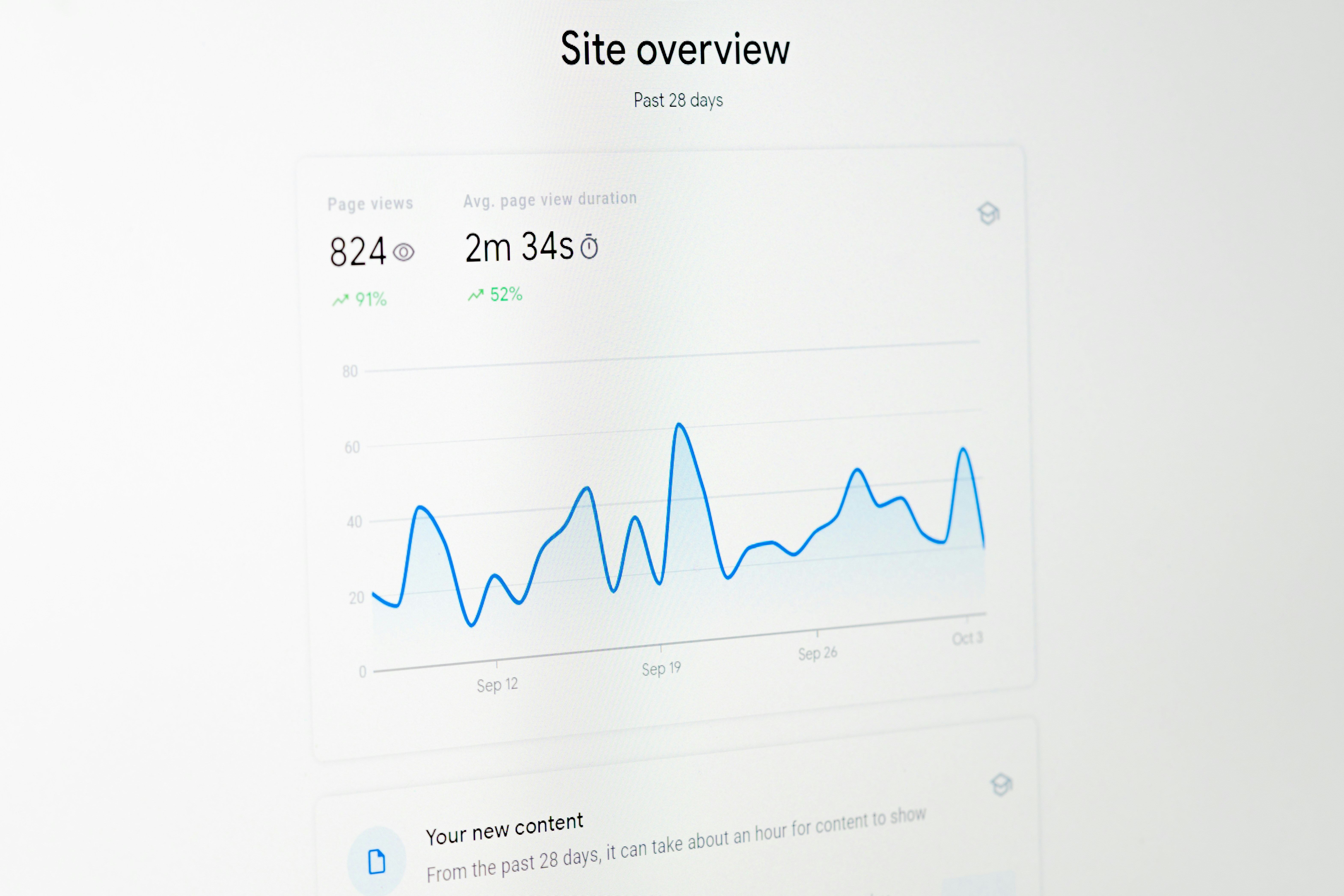
Data from established bloggers shows that you can expect to make your first affiliate sale around month four or five. By the end of the first year, a dedicated blogger can realistically earn between $1,000 and $5,000. This income will come almost exclusively from strategic affiliate marketing.
Year 2 Expectations: Scaling to a Viable Income ($20,000 - $40,000)
Year two is the scaling phase. The content you published in your first year begins to mature and rank higher in Google search results, leading to a significant increase in traffic. This is the year you'll likely cross the critical threshold needed to qualify for premium ad networks. This combination of escalating affiliate commissions and new, high-earning display ad revenue is what transforms your blog from a side hustle into a viable business. It's not uncommon for bloggers who were earning $200/month at the end of year one to be earning $2,000-$4,000/month by the end of year two.
(Months 1-6): Laying the Foundation for Your Solo Travel Blog Monetization
Welcome to the grind. In this foundational phase, you are building the powerful engine of your business long before you see significant fuel (i.e., traffic). Success here isn't measured in dollars; it's measured in discipline and consistent output.
Your Primary Focus: Publishing High-Quality, SEO-Optimized Content
Think of high-quality content as the real estate upon which you'll build your entire business. It's the non-negotiable asset that makes all future income possible. In these first six months, your goal should be to publish 25-40 thoroughly researched, long-form articles that target specific keywords your audience is searching for. Every article should aim to be the single best resource on the internet for its given topic. This early library of content is what Google will eventually reward with traffic.
Method 1: Strategic Affiliate Marketing (The Best First Step)
Affiliate marketing is the practice of earning a commission by promoting another company's products or services. It is the perfect first monetization method because most programs have no minimum traffic requirements. You can, and should, include affiliate links from day one.
The key is to recommend products you genuinely use and trust. Your recommendations must be woven naturally into helpful content. Don't just list products; explain why a certain backpack is perfect for a carry-on-only trip or how a specific travel insurance policy saved you during an emergency. A crucial element of this is transparency. Always include a clear affiliate disclosure at the top of your posts. This isn't just an FTC requirement; it's a critical component of building long-term trust with your audience.
Choosing the Right Affiliate Platforms: A Data-Driven Comparison
Start with a mix of affiliate aggregators and direct programs to maximize your opportunities.
Travelpayouts: An excellent starting point. It's an aggregator that gives you access to dozens of travel brands like Booking.com, GetYourGuide, and Hostelworld through a single platform, making it easy to manage your links and payments.
Stay22: A powerful, map-based tool specifically for accommodations. It often has a higher conversion rate than other hotel affiliate links because it shows users a variety of options on a map, which is incredibly helpful in the travel planning process.
Direct Programs: Many essential travel brands have their own programs. Be sure to sign up for:
Amazon Associates: For all the physical gear you recommend, from packing cubes to portable chargers.
Booking.com / Agoda: The top platforms for hotel bookings worldwide.
GetYourGuide / Viator: The leaders in tours, activities, and attraction tickets.
Pro-Tip: Don't go back and add affiliate links later. Research and include relevant links in every article as you write it. This saves an immense amount of time and ensures your monetization efforts start from the moment you hit "publish."
(Months 7-18): Scaling Traffic and Unlocking Serious Income
With a solid foundation of content beginning to rank, you now shift your focus from pure production to growing the one metric that unlocks the next level of income: monthly sessions.
Your Primary Focus: Reaching 50,000+ Monthly Sessions
This is the magic number. Crossing the threshold of 50,000 monthly sessions (the number of visits to your site, as measured by Google Analytics) is the key inflection point where your income potential grows exponentially. It signals to premium ad networks that you have a substantial and engaged audience, making you a valuable partner. Reaching this level requires continued content production and a focus on building high-quality backlinks to your articles.

Method 2: Display Advertising (Unlocking Passive Income)
Display ads are the advertisements you see placed within the content of a website. When you have significant traffic, this becomes a powerful and almost entirely passive income stream. The key is to work with the right network.
The Ad Network Ladder: From Beginner to Premium
Not all ad networks are created equal. Your goal is to climb the ladder to a premium network as quickly as possible.
Avoid Google AdSense: Many new bloggers start here, which is a major mistake. AdSense pays extremely low rates, often resulting in an RPM (Revenue Per Mille, or earnings per 1,000 pageviews) of just $1-$3. It clutters your site for pennies.
Starter Networks (The Stepping Stone): Networks like Journey by Mediavine (requires 10,000 monthly sessions) or Ezoic offer a significant step up from AdSense. They are a great intermediate goal.
Premium Networks (The Goal): This is where serious income begins.
Mediavine: The gold standard for many bloggers. They require a minimum of 50,000 monthly sessions. Mediavine is known for its incredible support and high RPMs, often in the $20 - $40+ range. They command higher rates from advertisers because of their high-quality publisher network and direct sales teams.
Raptive (formerly AdThrive): The top tier. Raptive requires 100,000 monthly sessions and is known for having some of the highest RPMs in the industry for the same reasons.
Getting accepted into Mediavine is a major milestone. For a blog with 50,000 sessions, a $25 RPM translates to $1,250 in passive income per month. This is in addition to your growing affiliate revenue.
(Months 19+): The CEO Phase—Building a Diversified Travel Brand
Once you have stable traffic and income from ads and affiliates, you can move into the final phase: maximizing profitability by leveraging your most valuable asset—your audience's trust.
Building Brand Authority and Audience Trust
At this stage, your readers see you as a trusted expert. They've followed your advice, booked hotels you recommended, and bought gear you reviewed. This trust is the asset you will now monetize directly, leading to the highest profit margins possible.
Method 3: Selling Your Own Digital Products (The Highest Profit Margin)
Creating and selling your own products is the holy grail of solo travel blog monetization. You control the price, the product, and you keep nearly 100% of the revenue. This requires a loyal audience that trusts your expertise, which is why it's an advanced strategy.

Examples of high-value digital products for a solo travel audience include:
Comprehensive E-books: A deep dive into a specific topic, like "The Ultimate Guide to Solo Female Travel in Southeast Asia."
Printable Destination Itineraries: Detailed day-by-day plans for cities like Rome, Tokyo, or Lisbon that your readers can purchase and download.
Trip Planning Templates: Customizable spreadsheets or Notion templates that help your readers organize their own trips.
Digital Packing Lists: Niche-specific checklists for different types of travel (e.g., carry-on only, winter travel, hiking).
Pro-Tip: Validate your product idea before you build it. Send a survey to your email list or poll your audience on social media, asking what they struggle with most. If dozens of people say "planning my Italy itinerary is overwhelming," you have a winning product idea.
Method 4: Sponsored Content and Brand Partnerships
Sponsored content, where a brand pays you for a dedicated article or mention, represents a shift from passive to active income. While it can be lucrative, with sponsored posts often fetching $1,000 or more, you shouldn't just wait for opportunities to land in your inbox. As your brand authority grows, you can proactively pitch partnerships. Create a professional media kit—a one-page PDF outlining your website traffic, audience demographics, and core values—and reach out to brands you already use and love with a specific collaboration idea.
Frequently Asked Questions (FAQ Section)
How much money can you make from a travel blog?
In your first year, aim for $1,000-$5,000. By the end of year two, $20,000-$40,000 is a realistic target for dedicated bloggers. Established, six-figure travel bloggers who have diversified into ads, affiliates, and digital products can earn well over $100,000 per year.
How long does it take to make $1000 a month blogging?
For most travel bloggers who consistently publish high-quality, SEO-optimized content, it takes between 12 and 18 months to consistently earn $1,000 per month. This milestone typically occurs after being accepted into a premium ad network like Mediavine.
Do I need a large social media following to make money?
No. This is a common and damaging myth. The most profitable travel blogs focus on SEO. You can make a full-time income from a travel blog with fewer than 1,000 Instagram followers if your website traffic from Google is high and consistent.
What are the initial costs of starting a profitable travel blog?
The essential startup costs are minimal. You'll need a domain name (around $15/year) and web hosting (around $5-$15/month). Investing in a premium WordPress theme ($60 one-time) and an SEO tool like Keysearch ($17/month) are highly recommended but not strictly necessary on day one.
Turning your passion for solo travel into a profitable business is not a dream; it's a project. It requires a strategic plan, immense dedication, and an unwavering focus on providing real value. This roadmap has shown you the what and the when. By following this phased approach to solo travel blog monetization, you move beyond wishful thinking and begin the methodical work of building a business that can fund your travels and your life. The journey is long, but the destination—a life of freedom and financial independence—is worth every step.
Don't Miss Out! Subscribe for Exclusive Content
SubscribeComments 0
No comments yet
Be the first to share your experience!
Dont Miss Out! Subscribe for Exclusive Content

FTC Affiliate Disclosure Essentials: Stay Compliant as a Travel Creator

Essential Affiliate Tools: From Tracking to Full Optimization

Avoid These 5 Affiliate Landing Page Mistakes for Better Conversions

Affiliate Keyword Research Mastery for Travel Blogs

Booking.com Affiliate Program Review: Pros, Cons, and Earnings Potential

Decoding Affiliate Commission Rates: Benchmarks for Travel Creators
NYE Times Square: How to Survive Crowds
TrekGuider @trekguider
The image is seared into our collective consciousness: a million smiling faces turned upward, a cascade of confetti, and the glittering descent of the Waterford Crystal ball marking the start of a new year. Experiencing New York's Eve Times Square is a bucket-list dream for travelers worldwide. But behind that minute of pure magic lies a grueling, 12-hour urban endurance test. The reality is a battle against massive crowds, freezing temperatures, and a complete lack of basic amenities. Without a solid strategy, your once-in-a-lifetime dream can quickly devolve into a miserable, claustrophobic nightmare, leaving you with nothing but cold feet and regret.
You’ve seen the celebration on TV, but you haven’t seen the real story: the hours spent standing in a single spot, the desperate need for a bathroom that doesn’t exist, and the crushing disappointment of arriving too late only to have your view blocked by a skyscraper. This isn’t just a party; it’s a logistical gauntlet. But what if you could walk into that chaos armed with the knowledge of a seasoned local? What if you knew exactly when to arrive, what to bring, and how to navigate the human labyrinth to secure a prime spot?
Consider this your definitive survival guide. We’re cutting through the noise to give you the actionable, step-by-step playbook required to not just survive the chaos, but to conquer it and forge an unforgettable memory. This single event is the crown jewel of the city's festive calendar, a spectacle we put into context in our complete guide to New York Holidays: 10 Must-Do Events. Now, let's master the art of the ball drop.

The Gauntlet Defined: What to Really Expect on New Year's Eve Times Square
Before you even think about your outfit, you need a crystal-clear understanding of the environment you’re about to enter. The Times Square ball drop is one of the most heavily secured and controlled public events on the planet. Forget a casual, free-flowing party; this is a highly structured affair managed by the New York City Police Department (NYPD).
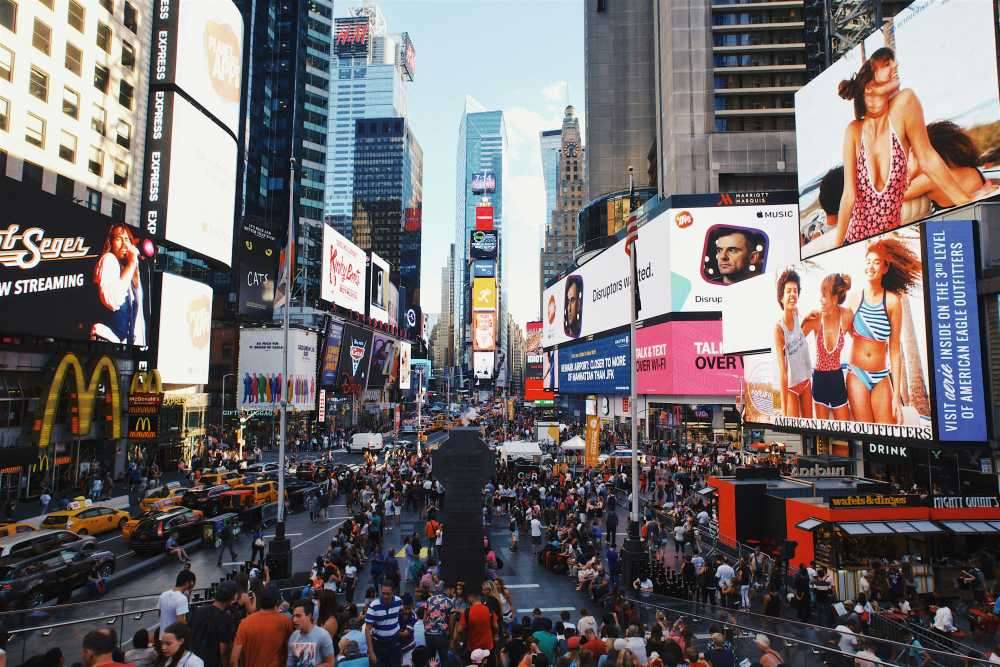
The entire area, from 42nd Street to 47th Street between Broadway and 7th Avenue, is sectioned off into a series of viewing pens. Think of them as metal-barricaded corrals. Once the NYPD deems a pen full, they close it for good. You cannot move between pens, and crucially, if you leave your pen for any reason—food, bathroom, a moment of fresh air—you will not be allowed back in. There is no re-entry.
Here’s a breakdown of the harsh realities:
The Timeline is Brutal: Streets in and around Times Square begin closing in the early afternoon. To get a decent viewing spot, the official recommendation is to arrive by 3:00 PM. That means you’ll be standing in your designated spot for at least nine hours until the ball drops at midnight.
Zero Public Bathrooms: This is the single most challenging aspect for most attendees. There are absolutely no public restrooms or portable toilets available within the viewing areas. Once you are in a pen, you have no options. This requires careful planning regarding your food and drink intake.
Security is Absolute: You will pass through a security screening to enter the viewing areas. Security is absolute, a high-tech fortress of surveillance that includes everything from drones overhead to NYPD scuba divers in the nearby waters. All bags will be checked, and there is a long list of prohibited items.
The Weather is Unforgiving: Late December in New York City is predictably cold. Temperatures often dip below freezing, and wind chill can make it feel even colder as it funnels between the skyscrapers. You will be exposed to the elements for the entire duration.
Knowing these truths isn't meant to discourage you, but to prepare you. Success on New Year's Eve Times Square is 90% preparation and 10% endurance.
The Strategic Arrival: Your Step-by-Step Game Plan
Your experience will be made or broken in the first few hours. A well-executed arrival strategy is the difference between a prime view of the ball drop and being stuck blocks away staring at the back of a building.
When to Arrive: The 3 PM Deadline is Non-Negotiable
The official guidance confirms what veterans know: arriving by 3:00 PM is essential. For the upcoming celebration on Wednesday, December 31, 2026, you should treat this as your final deadline. The pens closest to One Times Square (where the ball descends) fill up the fastest. The NYPD systematically fills the area, starting from the south at 42nd Street and moving north. If you arrive at 5:00 PM or 6:00 PM, you will likely end up miles away, with your only view of the event coming from a distant Jumbotron. Arriving early doesn't just get you a better view; it guarantees you get a view at all.
Where to Enter: Navigating the Frozen Zones
As streets close, navigating Midtown Manhattan becomes a confusing maze. Driving is impossible. Your only viable option is public transportation.
Take the Subway: The New York City subway system is your best friend. However, the Times Sq-42nd St station will be chaos, with many exits likely closed or designated for egress only.
Aim for Peripheral Stations: Instead of heading directly to Times Square, get off at a station a few blocks away and walk. Good options include:
Rockefeller Center (B, D, F, M lines): Walk south and west.
49th Street (N, Q, R, W lines): This is close, so be prepared for crowds.
50th Street (C, E lines): Walk east.
Follow NYPD Instructions: As you approach the secured zone, you will see barricades and police officers. They will direct you to official entry points, which are typically located on 6th Avenue and 8th Avenue. Be polite, listen to their instructions, and be prepared for a slow, shuffling walk to the screening areas.
The Art of the "Pen": Securing Your Viewing Spot
Once you’re through security, you’ll be herded into one of the viewing pens. You won't have much choice in the matter, as officers fill them sequentially. However, the goal is to get into a pen with a direct line of sight to the One Times Square building. This is where the ball is. A spot further north on Broadway or 7th Avenue is generally better than being shunted off to a side street. Once you’re in, stake out a small piece of territory with your group and prepare to settle in for the long haul.

The Ultimate Survival Kit: What to Pack (and What to Leave Behind)
Packing for this event is like preparing for a winter camping trip in the middle of a city. You need to be strategic, minimalist, and focused on warmth and sustenance.
Essential Gear for the Urban Tundra
Everything you bring must be carried on your person. Think pockets, not bags.
Extreme Winter Wear: This is not the time for fashion. Dress in warm, waterproof layers.
Base Layer: Thermal, moisture-wicking underwear (top and bottom).
Mid Layer: Fleece or a down vest.
Outer Layer: A heavy, insulated, and waterproof winter coat.
Accessories: A warm hat that covers your ears, a scarf or neck gaiter, insulated gloves, and thick wool socks are all non-negotiable.
Hand and Foot Warmers: These small, air-activated heat packs are a game-changer. Bring several pairs and activate a new set every few hours to keep your extremities from freezing.
Food and Water: Pack high-energy, easy-to-eat snacks like protein bars, nuts, and chocolate. Bring your own water in a plastic bottle. Avoid caffeine and other diuretics for obvious reasons.
Portable Phone Charger: Your phone battery will drain quickly in the cold. A fully charged power bank is essential for communication and capturing the midnight moment.
Simple Entertainment: A book, a deck of cards, or downloaded podcasts can help pass the time.
Pro-Tip: Pack a few large, empty plastic water bottles with secure caps. While it’s not glamorous, they can serve as a last-resort emergency "bathroom" for men and a more challenging but still possible option for women, a well-known but unspoken hack for veterans of the event.
The Forbidden List: Items That Will Get You Turned Away
The NYPD is extremely strict about what is allowed into the viewing areas. Bringing any of these items will result in them being confiscated, or you being denied entry.
Backpacks, Large Purses, or Any Large Bags: This is the most common mistake. You will be turned away. Use your pockets.
Alcohol: Absolutely forbidden.
Umbrellas: They block the view for others and are considered a security risk. Wear a waterproof coat with a hood instead.
Strollers: While not always explicitly banned, navigating the dense crowds with a stroller is practically impossible and unsafe.
Coolers, Chairs, or Blankets: There is simply no room for these items.
Mastering the Marathon: How to Endure the 9-Hour Wait
The wait is a mental and physical challenge. Success lies in conserving energy, staying warm, and keeping your spirits up.
Fueling Your Body: The Right Way to Eat and Drink
Your strategy for consumption should be carefully managed. Eat a large, hearty meal before you leave for Times Square. A meal rich in protein and complex carbs will provide sustained energy. Once you are in your pen, ration your snacks. The goal is to keep your energy levels stable without over-consuming liquids. Sip your water slowly and methodically throughout the evening. This isn't the time to chug a whole bottle.
Staying Sane: Entertainment and Mental Fortitude
The nine-hour wait can be tedious. Keeping morale high, especially in a group, is a skill unto itself. It requires patience and planning—the same principles that make any challenging journey a success. For a deeper dive into managing group dynamics and keeping everyone happy during long waits, our Stress-Free Flying with Kids Guide offers timeless strategies that work just as well on the ground in Times Square as they do at 30,000 feet.
Here’s how to manage the wait:
Befriend Your Neighbors: You’ll be standing shoulder-to-shoulder with the same people for hours. Strike up a conversation! Sharing stories with people from around the world is one of the most unique parts of the experience.
Enjoy the Show: The Times Square Alliance puts on a live show starting around 6:00 PM. There are musical performances, celebrity appearances, and hourly countdowns that help break up the monotony.
Stay Active (in Place): Do small exercises to keep your blood flowing. Wiggle your toes, shift your weight from foot to foot, and do small leg stretches. This will help prevent stiffness and keep you warmer.
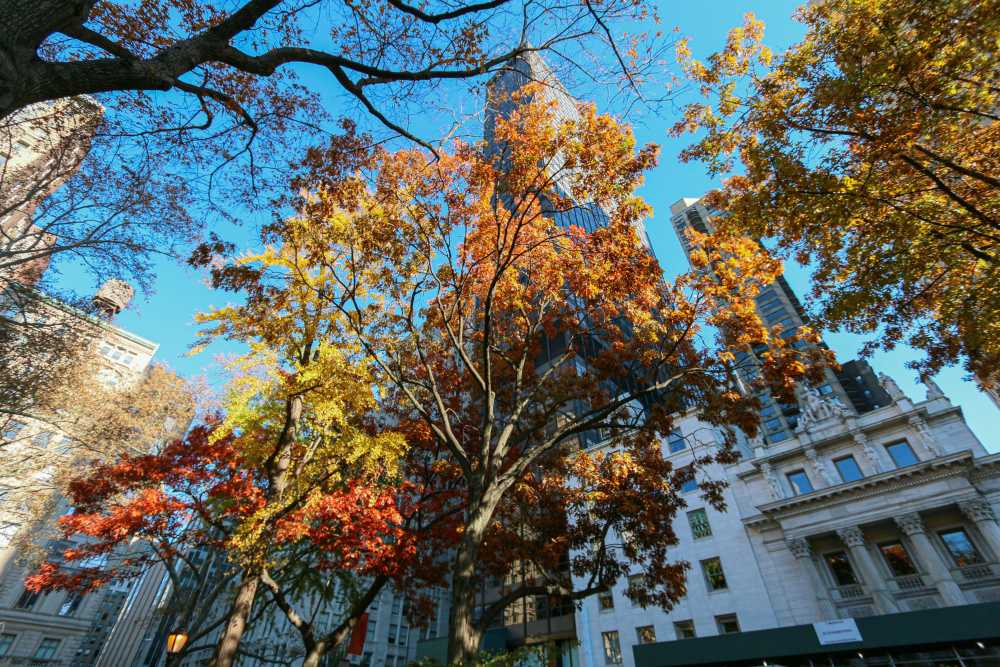
The Grand Finale and The Great Escape
After hours of waiting, the final moments are a whirlwind of excitement. But your strategic planning doesn’t end when the ball drops.
The Ball Drop: Savoring the Moment
At 11:59 PM, the 12,000-pound geodesic sphere begins its 60-second descent. The energy of the crowd is electric. This is the moment you’ve been waiting for. Put your phone away for a few seconds and be fully present. Absorb the sounds, the sights, and the feeling of shared celebration with a million other people. The confetti drop, the cheering, the fireworks—it’s a truly magical experience that justifies the entire ordeal.

Post-Midnight Exodus: Navigating the Human River
Once the celebration peaks, the next challenge begins: the exit. A million people will be trying to leave a very small area at the exact same time.
Do Not Rush: The biggest mistake is trying to push your way out immediately. The initial surge is dangerous and stressful. Be patient. Wait 15-20 minutes in your spot for the thickest crowds to begin to disperse.
Have a Predetermined Exit Route: Before you even arrive, decide which direction you will walk. Do not just follow the herd. Plan to walk at least 10-15 blocks away from Times Square before even attempting to find a subway or hail a rideshare.
Avoid the Main Subway Hubs: The Times Sq-42nd St station will be dangerously overcrowded. Walk further to a less central station to begin your journey home.
Pro-Tip: Pre-book a table at a restaurant or bar a 15-20 minute walk away from Times Square for 12:45 AM. This gives you a warm place to decompress, use a real bathroom, and have a proper celebratory drink while the worst of the crowds clear out.
Your Unforgettable New Year's Eve Awaits
Attending the New Year's Eve Times Square ball drop is not for the faint of heart. It is an intense, demanding, and often uncomfortable experience. But by following this guide, you are no longer just a hopeful tourist; you are a prepared strategist. You have the expert-level knowledge to navigate the chaos, endure the wait, and place yourself in the perfect position to witness one of the world's most iconic celebrations. The cold, the crowds, and the long hours will fade into the background, replaced by the unforgettable memory of counting down to a new year in the heart of the world.
You've conquered the ultimate urban challenge. To discover what other incredible adventures await you in the city and beyond, our comprehensive Travel Guide is the only resource you'll need. It’s your all-access pass to mastering travel like a pro.
Meta Data Suggestions:
SEO Meta Title: NYE Times Square Survival Guide: Beat The Crowds & See The Ball
URL Slug: /nye-times-square-crowds-survival-guide
SEO Meta Description: A complete guide to surviving New Year's Eve in Times Square. Learn when to arrive, what to pack, and how to get the best view of the ball drop.
Don't Miss Out! Subscribe for Exclusive Content
SubscribeComments 0
No comments yet
Be the first to share your experience!
Dont Miss Out! Subscribe for Exclusive Content
San Francisco Cherry Blossoms: A Local's Guide to the Blooms
Halloween SF: Haunts Without Horrors
SF Festivals: 7 Must-See Lineups
Christmas SF: Lights & Wharf Wonders
SF Pride: 6 Route & Party Hacks