
7 Hotel Safety & Security Tips for Peace of Mind

TrekGuider @trekguider
You’ve finally made it. After a long day of navigating airports, taxis, and unfamiliar streets, you slide the key card into your hotel room door and a wave of relief washes over you. This is your sanctuary, your home base for the adventures ahead. But as you drop your bags, another feeling can creep in, spoiling the moment. Let’s be honest: that sterile, anonymous hotel room doesn't feel as secure as your own home. It’s a vulnerability that can cast a shadow over an entire trip, a persistent whisper of "what if" that prevents you from ever truly relaxing.

The good news is that safety isn't a matter of luck; it's a repeatable skill. This guide is your new ritual, a systematic playbook for transforming any hotel room into a personal fortress. We’ve synthesized advice from former hotel security personnel and fire safety experts to bring you seven essential hotel safety tips. This isn’t about paranoia; it's about empowerment. By making these simple checks a habit, you can ensure your peace of mind is the most valuable thing you pack. These strategies are a critical part of the accommodation-specific awareness we cover in our comprehensive guide to The Ultimate Guide to Travel Safety: A 2026 Playbook.
The 60-Second Security Sweep: Your First Check-In Ritual
Your first minute inside a new hotel room is the most important. This is your window to verify, secure, and orient yourself before you get distracted by unpacking or collapsing on the bed. By turning the following steps into an unbreakable habit, you proactively eliminate the most common security and safety risks. Think of it as a professional-grade inspection that takes less time than it does to check your email.
Tip 1: Secure the Door and Verify the Room is Empty
Before you do anything else, take control of your entry point. A common mistake is to walk in, close the door, and immediately turn your back to it while dealing with luggage. This makes you vulnerable. Instead, follow this security-conscious procedure.
Prop the Door: As you enter, use your luggage to prop the door open so it can't be closed behind you.
Conduct a Visual Clear: From the doorway, quickly scan the room to ensure it is empty. This includes a glance behind the curtains, in the closet, under the bed, and inside the shower.
Close and Lock: Once you've confirmed the room is unoccupied, remove your luggage from the entryway, close the door, and immediately test every single locking mechanism. This includes the primary deadbolt and any secondary security devices like a security chain or a flip latch. Ensure they are all functional and engage smoothly. Don't assume they work; physically test them.
Tip 2: Check Your Communication and Safety Gear
Now that the room is secure, your next step is to verify your lifelines. You need to know that the room’s built-in safety equipment is present and functional.
Test the Phone: Pick up the in-room phone and confirm there’s a dial tone or call the front desk for a quick "hello." This ensures you have a reliable way to call for help if your cell phone has no service or the battery dies.
Locate Safety Devices: Visually identify the smoke detector and fire alarm sprinkler heads. It’s also wise to check for a carbon monoxide detector, especially in hotels with in-room fireplaces or those attached to large parking garages. If one isn't present and you have concerns, report it to the front desk.
Tip 3: Create a Mental Fire Escape Map
This is one of the most critical hotel safety tips, yet it's the one most often ignored. In the event of a fire, heavy smoke can reduce visibility to absolute zero. The evacuation map on the back of your door is not decoration; it's your key to survival.

According to fire safety experts, you must identify three key things:
Your Primary and Secondary Exits: The map will show the nearest emergency exit stairwell. Crucially, you must also identify an alternative, secondary exit in case your primary route is blocked by fire or smoke. Remember, elevators must never be used in a fire.
The Door Count: This is the most important part. Physically walk out into the hallway and count the number of doors between your room and the nearest emergency exit. Memorize this number. In a dark, smoke-filled hallway, this knowledge will allow you to feel your way along the wall to safety, counting the doors as you go.
Location of Safety Equipment: As you identify your route, note the location of fire alarm pull stations and fire extinguishers in the hallway.
Tip 4: Fortify Your Privacy
Your final step in the initial sweep is to ensure your room is a truly private space.
Check Windows and Connecting Doors: Go to every window and make sure it is locked securely. If your room has a connecting door to an adjacent room, verify that it is locked from your side. A good practice is to slide a chair or your luggage in front of a connecting door as an extra physical and audible barrier.
Close the Curtains: Fully close the curtains to ensure privacy from the outside, especially in ground-floor rooms or those that face other buildings.
Scan for Oddities: While rare, hidden cameras are a modern concern. Conduct a quick visual scan for any electronics or objects that seem out of place. Pay attention to smoke detectors, alarm clocks, and USB wall outlets, looking for unusual pinholes or lenses.
Beyond the Locks: Advanced Hotel Safety Tips
Okay, the room is secure. But a locked door is just the first line of defense. Now it’s time to think like a pro and protect your belongings with the kind of savvy that separates seasoned travelers from the rest.
Tip 5: Outsmart a Thief: How to Hide Your Valuables
The in-room safe should always be your first choice for storing passports, extra cash, and small electronics. However, if a safe is unavailable, broken, or you simply don't trust it, you need a smart hiding strategy. The key is to avoid the first places a thief would look: in drawers, under the mattress, and inside your suitcase.

Security consultants recommend using non-obvious, "high-friction" hiding spots that take time and effort to find.
Taped in an Inconspicuous Location: Use a small amount of duct tape to secure an envelope containing cash or cards to a surface that is out of sight. Think creatively: the underside of a heavy desk, the back panel of a chest of drawers, or high up on a closet shelf.
Inside a Common, Uninteresting Object: Hide valuables in plain sight by placing them inside items a thief would ignore. A popular tactic is to place cash inside a bag of dirty laundry, as it's highly unlikely to be searched. You can also slip flat items like cash or cards inside the hotel room's bible or another book on a shelf.
Within the Room's Fixtures: Some parts of a hotel room offer clever nooks. For a laptop, a surprisingly effective tactic is to hide it inside a pillowcase on the bed, then pile the other pillows on top to disguise its shape.
Pro-Tip: When hiding cash or cards in an envelope, tape it flat against a surface and choose a dark color for the envelope (e.g., black or brown) to prevent it from being seen through any gaps.
Tip 6: Bring Your Own Security: Portable Safety Devices
For the ultimate peace of mind, especially when staying in older hotels, budget accommodations, or short-term rentals, consider investing in a portable security device. These lightweight gadgets are designed to provide an extra layer of defense against unauthorized entry.
Portable Door Locks: These devices brace against the door frame from the inside, making it physically impossible for the door to be opened from the outside, even with a key.
Door Stop Alarms: These are simple, wedge-shaped door stops that you place under your door from the inside. If the door is pushed open, it triggers a piercingly loud alarm, startling the intruder and alerting you and others to the breach.
The Final Layer of Protection: Personal Habits
Your physical security measures are only half the battle. The other half is cultivating smart habits and maintaining a high level of situational awareness throughout your stay.
Tip 7: Practice Smart "Hotel Habits"
Small, consistent habits can significantly reduce your risk profile.
Sanitize High-Touch Surfaces: Upon arrival, use a disinfectant wipe to clean the objects that are most frequently handled but often overlooked by cleaning staff: the TV remote, light switches, doorknobs, and the phone.
Be Discreet with Your Room Number: When checking in, if the front desk clerk announces your room number out loud, politely ask for a different room and for them to write it down for you instead. Never leave your key card sleeve, which often has the room number written on it, lying around in public areas.
Use the "Do Not Disturb" Sign: When you are in your room, hang the "Do Not Disturb" sign on the outside of your door. This is a clear signal that the room is occupied and can deter someone from trying to enter, whether by mistake or with ill intent.
Verify All Visitors: Never blindly open your door. If someone knocks claiming to be hotel staff, call the front desk to verify that they sent someone to your room before opening the door.
Pro-Tip: If you order room service or have hotel staff coming to your room, call the front desk to verify the person's identity before opening the door. It's a simple step that confirms the visitor is legitimate.
A secure hotel stay is at the heart of a well-planned trip. To ensure every other aspect of your journey is just as prepared, from packing lists to financial planning, a comprehensive resource is essential. The right Travel Guide can be the difference between a good trip and a flawless one.
Your Pre-Trip Master Plan
A secure hotel room is just one piece of your travel safety puzzle. To ensure you don't overlook a single essential item—from documents and finances to clothing and gear—a master checklist is your most powerful tool. Our comprehensive, free checklist has you covered for every stage of your trip.

Download Your Free International Travel Checklist Now!
Hotel Safety FAQs
A prepared mind anticipates questions. Here are expert answers to common concerns.
1. Is an in-room safe really the most secure option?
For the vast majority of travelers, yes. Modern electronic safes are quite secure against opportunistic theft. However, hotel management does have a master key or code for emergencies. The greatest risk often comes from user error (choosing an obvious code like 1234) or a dishonest staff member (which is rare in reputable hotels). For irreplaceable items, using a smart hiding spot in addition to the safe, or keeping them on your person, can provide an extra layer of security.
2. Are short-term rentals (like an Airbnb) more or less secure than hotels?
It varies dramatically. A professionally managed rental in a secure building can be safer than a budget motel. However, rentals lack the 24/7 staff, multiple security cameras, and controlled access points of a hotel. When booking a rental, read reviews carefully for any mention of safety concerns, check the lock quality upon arrival, and consider bringing your own portable door lock.
3. What should I do if hotel staff need to enter my room while I'm out?
If you have requested maintenance or housekeeping, you have a reasonable expectation they will enter. Secure all valuables in the safe or hide them before you leave. If you are concerned, you can request that these services only be performed while you are present in the room. Always leave the "Do Not Disturb" sign on your door when you leave if you do not want anyone entering.
Travel with True Peace of Mind
Your hotel room should be a sanctuary—a place where you can recharge after a day of exploration and sleep soundly through the night. It shouldn't be a source of anxiety. By incorporating these seven hotel safety tips into your check-in routine, you are taking active control of your environment. You are replacing uncertainty with a plan and vulnerability with empowerment. This simple, 60-second ritual does more than just secure a room; it secures your peace of mind, freeing you to focus on the real purpose of your journey: the adventure that awaits outside your door.

Meta Data Suggestions:
SEO Meta Title (Under 60 characters):
7 Essential Hotel Safety Tips for Travelers
URL Slug:
hotel-safety-security-tips
SEO Meta Description (Under 155 characters):
Sleep soundly on your next trip. Our expert-backed hotel safety tips cover room security, hiding valuables, fire safety, and more for total peace of mind.
Don't Miss Out! Subscribe for Exclusive Content
Subscribe



Comments 0
No comments yet
Be the first to share your experience!
Dont Miss Out! Subscribe for Exclusive Content

Ultimate USA Holidays Guide: Top Picks


FTC Affiliate Disclosure Essentials: Stay Compliant as a Travel Creator

Essential Affiliate Tools: From Tracking to Full Optimization

Booking.com Affiliate Program Review: Pros, Cons, and Earnings Potential

Decoding Affiliate Commission Rates: Benchmarks for Travel Creators

Amazon Associates for Travel: Strategies to Maximize Commissions
San Francisco Holidays: Bay Area Buzz
TrekGuider @trekguider
San Francisco has never been a city to do things by the book, and its holidays are no exception. Here, tradition isn’t just observed—it’s remixed. Celebrations are infused with the same spirit of innovation, cultural fusion, and defiant creativity that defines the city itself. Planning a trip around the holidays in San Francisco means setting aside expectations of a conventional getaway and preparing for something far more dynamic.
This is a city where the nation's oldest Lunar New Year parade is illuminated by both ancient lanterns and modern drone light shows; where Christmas lights twinkle through a classic Karl the Fog cameo; and where a celebration of love and equality transforms Market Street into the world’s most vibrant runway. From the historic cable cars decked out in tinsel to the neighborhood festivals that pulse with local character, the Bay Area offers a calendar of festivities that is as diverse as its population.

Whether you're drawn by the spectacle of a world-famous parade or the quiet charm of a fog-kissed holiday market, this guide will serve as your compass. We’ll navigate the iconic events, uncover the seasonal secrets, and give you the insider track on making your trip unforgettable.
For a coast-to-coast look at the country's most iconic celebrations, from New York's ball drop to New Orleans' Mardi Gras, see our Ultimate USA Holidays Guide: Top Picks.
The Main Events: SF's Unmissable Street Spectacles
In San Francisco, parades are more than just processions; they are powerful, moving expressions of the city's identity, where entire communities claim the streets to celebrate their heritage and values with the world.

Chinese New Year: A Dazzling Display of Light and Legend
San Francisco is home to the oldest and largest Chinese New Year celebration outside of Asia, a deeply rooted tradition that has captivated the city since 1851. This is no single-day event; it's a vibrant, multi-week festival that leads to one of the few night-illuminated parades in North America. On the evening of around mid-February (dates shift each year), find a spot and prepare for a sensory feast as complex floats, acrobatic lion dancers, and martial arts troupes command the streets. The parade’s breathtaking finale is the 268-foot Golden Dragon, a shimmering marvel that requires a team of over 100 people to guide it through the city. In a perfect marriage of old and new, the spectacle now features a stunning drone light show, painting the sky with symbols of luck for the Year of the Snake.
For a complete playbook on navigating the crowds, securing the best viewing spots, and understanding the rich cultural traditions, see our detailed guide on Chinese New Year SF: Parade Essentials.
SF Pride: A Radiant March for Equality
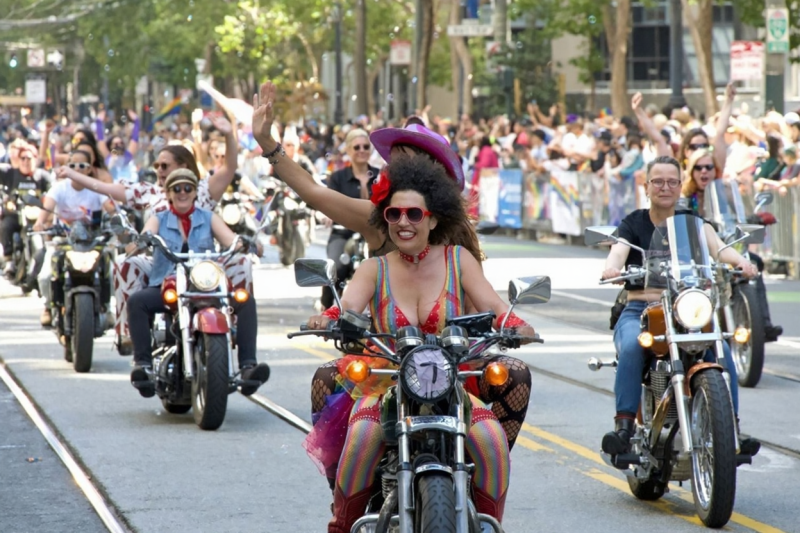
Born from the city's legacy as a sanctuary for the LGBTQ+ community, the SF Pride Parade is one of the most iconic and joyous pride celebrations on the planet. Commemorating the first "gay-in" held in Golden Gate Park in 1970, the event has evolved from a protest into a massive, powerful platform for activism, visibility, and pure, unadulterated joy. On Sunday, the last Sunday of June, the parade kicks off at 10:30 AM, transforming Market Street into a sea of rainbow flags, elaborate floats, and ecstatic crowds as it proceeds from Beale to 8th Street. It’s a profound proof of love and resilience, and in a nod to modern realities, the event is known for strong security, including weapon detection technology, to ensure a safe space for all.

To get the inside scoop on the parade route, can't-miss parties, and tips for celebrating with intention, check out our essential guide to SF Pride: 6 Route & Party Hacks.
Seasonal Magic: Autumn & Winter in the City
As the seasons shift, San Francisco’s festive spirit comes alive in a uniquely coastal way. From the spooky energy of autumn to the crisp air of winter, the city offers unforgettable ways to celebrate.
Christmas by the Bay: Lights, Ice, and Wharf Wonders
Christmas in San Francisco is a masterclass in atmosphere, blending classic holiday traditions with a distinct maritime charm. The celebration's epicenter is Union Square, where a colossal, brilliantly lit Christmas tree presides over an outdoor ice rink. Skaters glide below the towering skyscrapers as the cheerful sounds of the season fill the air. For a pro-level view that floats above the crowds, head inside the adjacent Macy's and find a window on one of the upper floors—it’s the best-kept secret for capturing that perfect, glittering photo of the square. Beyond downtown, the entire city gets in on the act, with festive lights adorning everything from the historic streetcars to the bustling piers of Fisherman's Wharf.

Discover the most dazzling light displays, coziest holiday markets, and can't-miss festive events with our complete guide to Christmas SF: Lights & Wharf Wonders.
Halloween: Creative Haunts and Neighborhood Parties
San Francisco’s approach to Halloween favors creative expression and high-energy community gatherings over traditional horror. The Castro District becomes the unofficial heart of the celebration, famous for its spirited pub crawls and an informal street party where costume design is treated as a competitive sport. For those craving a more classic haunted experience, the legendary Winchester Mystery House, with its baffling architecture and ghostly lore, is a short drive away and a Bay Area institution. Whether you're looking for a family-friendly pumpkin patch in Half Moon Bay or a costumed night out on the town, the city offers a diverse menu of spooky fun. A quick tip: rely on rideshares for safe and easy transport between events.
For a curated list of the best family-friendly activities and neighborhood haunts that skip the gore, explore our guide to Halloween SF: Haunts Without Horrors.
A Festival for Every Season
Beyond the marquee holidays, San Francisco’s calendar is a year-round whirlwind of festivals celebrating the city's rich cultural fabric.
The Ultimate SF Festival Guide
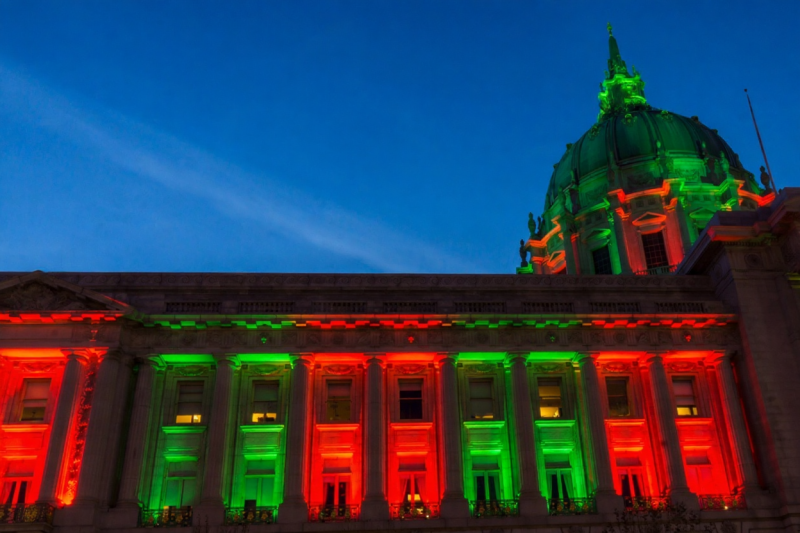
There is always something happening in San Francisco. The city’s deep Irish heritage is on full display during its St. Patrick's Day Parade, an event held since 1852 that fills Market Street with the sounds of pipes and traditional dance. A few months later, the Cinco de Mayo celebration, a tradition dating back to 1863, honors Mexican-American culture with vibrant parades and powerful speeches. But that’s just scratching the surface. The Bay Area hosts an incredible variety of events, from massive music festivals in Golden Gate Park to hyper-local street fairs celebrating everything from truffles to jazz. This constant cultural buzz is what makes the city a premier destination for travelers seeking authentic experiences.
To discover the best music, food, and cultural events happening throughout the year, don't miss our essential roundup of SF Festivals: 7 Must-See Lineups.
Japantown in Bloom: A Signature San Francisco Spring
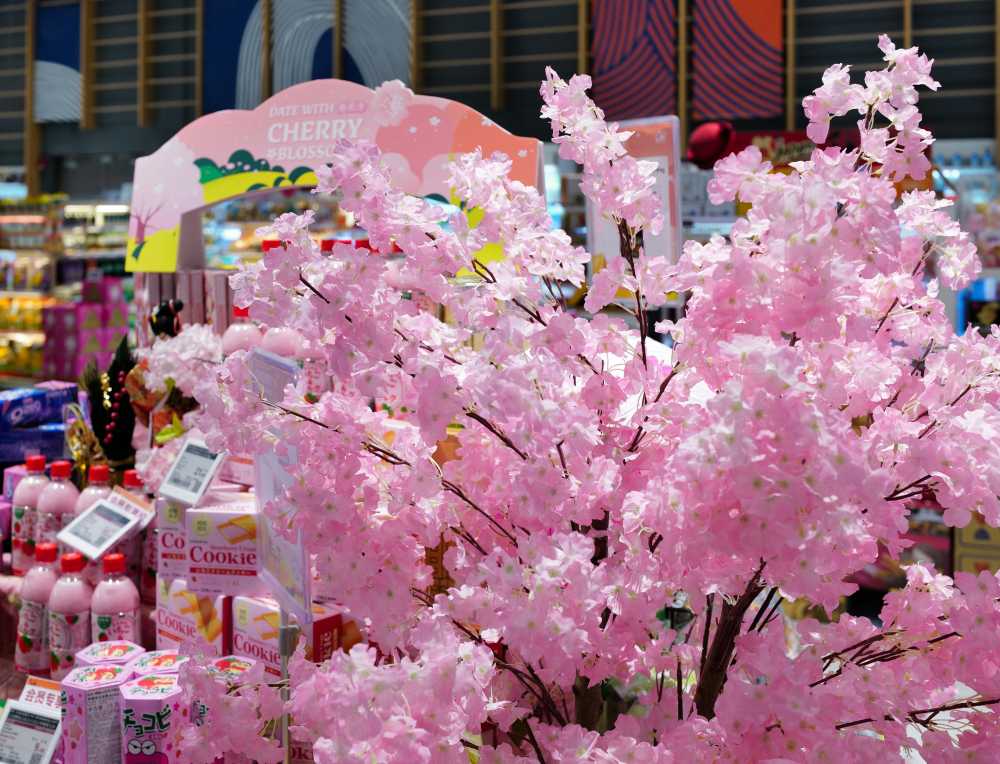
As winter fog gives way to crisp spring air, one of the city's most beautiful and meaningful traditions unfolds. The Northern California Cherry Blossom Festival is one of the oldest and largest of its kind in the country, transforming historic Japantown into a vibrant hub of culture and color. More than just a floral display, it’s a profound tribute to the resilience and heritage of San Francisco's Japanese and Japanese-American community.
For two weekends in April, the neighborhood comes alive with traditional music, martial arts demonstrations, incredible food from street-side yatai, and the spectacular Grand Parade. It’s an immersive cultural experience that stands as a key part of the city's spring calendar. Planning a visit requires a bit of strategy, from timing the unpredictable "peak bloom" to navigating the festival crowds.

For a complete playbook on how to experience this iconic event like a local, including the best viewing spots and transportation hacks, see our detailed guide: San Francisco Cherry Blossoms: A Local's Guide to the Blooms.
Mastering Your Budget for Holidays in San Francisco
A trip to celebrate the holidays in San Francisco is an investment in incredible memories, but it’s no secret that the city can be expensive. With smart planning, however, you can experience the best of the Bay Area without your wallet taking a hit.
First, book flights and accommodations early. This is non-negotiable for major events like Pride or Chinese New Year, when prices can surge. Look at neighborhoods slightly outside the tourist core, like the Inner Sunset or Cole Valley; they offer charming local vibes and are easily accessible via the Muni transit system.
Second, embrace public transport. A multi-day Muni Passport is your golden ticket, offering unlimited rides on buses, historic streetcars, and cable cars. It’s far more economical than relying on rideshares, which are subject to steep surge pricing during peak festival times. Remember, many of the city's best holiday experiences—from the Pride Parade to the Christmas lights at the Palace of Fine Arts—are completely free to enjoy.
This is where the TrekGuider marketplace truly shines. Instead of a generic city guide, you can discover hyper-specific resources—like a "Mission District Mural Walk" or a "Guide to Sausalito's Best Views"—created by local experts who live and breathe the Bay Area. For a comprehensive foundation, our flagship Travel Guide is packed with insider tips and detailed itineraries to help you navigate the city like a pro.
Packing for SF: The Art of the Layer
Packing for San Francisco requires mastering one essential skill: layering. The city’s infamous microclimates are very real. You can start your day in the sunny Mission District and end it in the chilly, fog-drenched Richmond, with a 20-degree temperature drop in between.
A lightweight, waterproof or wind-resistant jacket is your most crucial piece of gear, regardless of the season. The fog doesn’t just cool things down; it brings a damp chill that can cut through a simple sweater. Underneath, think in modules: t-shirts, long-sleeved shirts, and a fleece or cashmere sweater. This allows you to adapt on the fly as you move through the city.
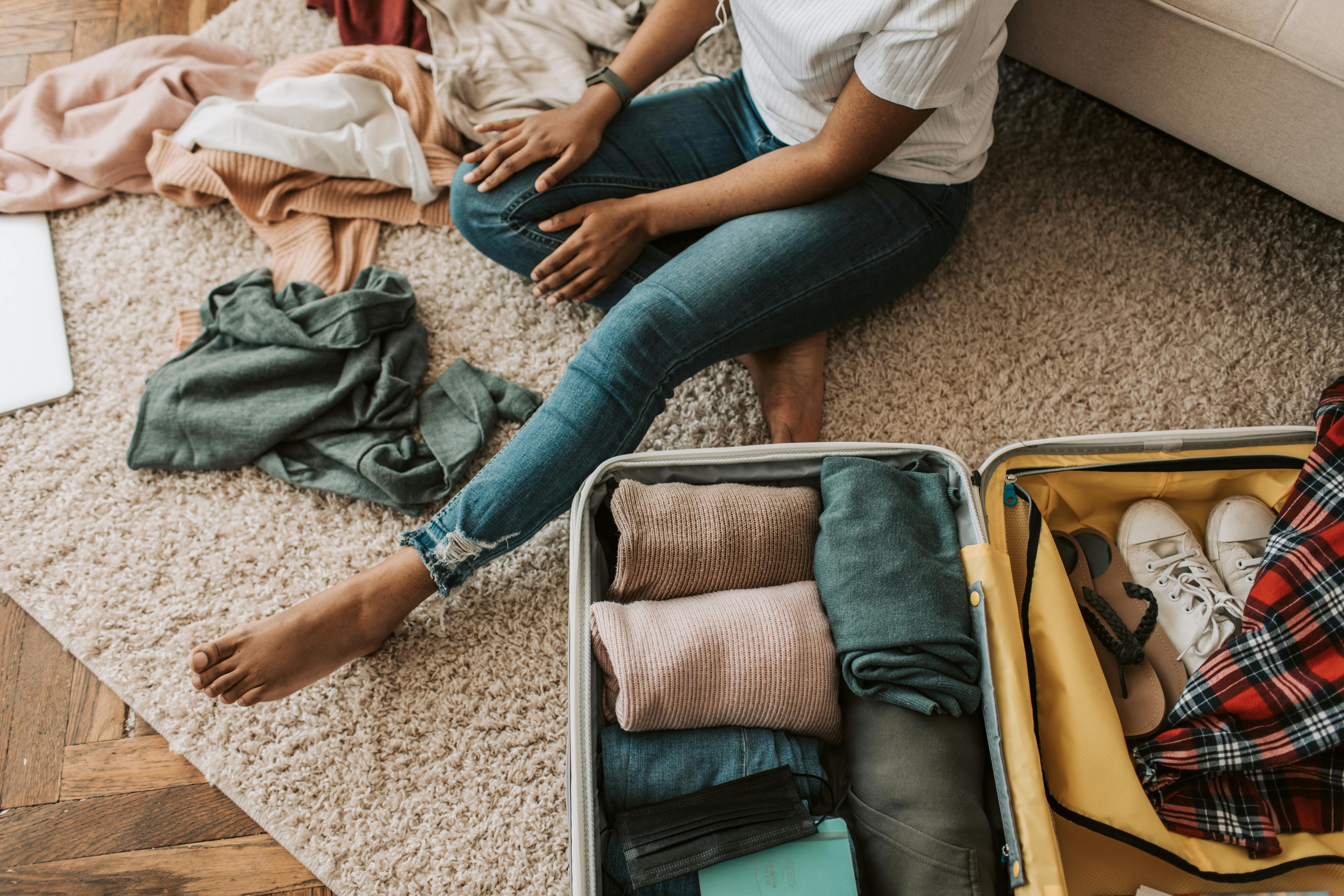
Comfortable walking shoes are absolutely mandatory. San Francisco’s hills are no joke, and you’ll be logging serious mileage. Finally, pack a reusable water bottle and a sturdy tote bag or small backpack. You’ll need it to stash the layers you shed when the sun finally breaks through the clouds.
And if the city’s coastal beauty inspires you to see more of California, you’ll be perfectly equipped for the state’s most iconic drive. For the ultimate road trip plan, be sure to download our free Big Sur Map & Itinerary—the perfect companion for your coastal adventure.
Are You a Bay Area Expert?
Do you know the best place to get a Mission-style burrito at 2 AM? The secret history behind the murals in the Clarion Alley? The perfect vantage point for watching the Blue Angels during Fleet Week? If you have deep, authentic knowledge of San Francisco, you’re exactly the kind of creator we love at TrekGuider.
Our platform was built to empower local experts like you to share and monetize your passion. You can publish articles to build your authority, create your own personal creator page to showcase your work, and sell your own digital products—from detailed neighborhood guides to curated food tours—directly to a global audience of curious travelers. TrekGuider provides the tools; you provide the expertise.

Your San Francisco Story Awaits
From the ancient traditions of the Lunar New Year to the modern, joyful expressions of Pride, the holidays in San Francisco offer a rich mix of experiences found nowhere else on earth. This is a city that doesn’t just host events; it invites you to become part of the story. With its singular blend of cultural depth, natural splendor, and innovative fire, every visit promises a new discovery. Let this guide be your starting point, and get ready to feel the unforgettable buzz of the Bay Area.
Don't Miss Out! Subscribe for Exclusive Content
SubscribeComments 0
No comments yet
Be the first to share your experience!
Dont Miss Out! Subscribe for Exclusive Content

San Francisco Cherry Blossoms: A Local's Guide to the Blooms

Halloween SF: Haunts Without Horrors

SF Festivals: 7 Must-See Lineups

Christmas SF: Lights & Wharf Wonders

SF Pride: 6 Route & Party Hacks

Chinese New Year SF: Parade Essentials
10 Must-Read Solo Travel Blogs for 2026
TrekGuider @trekguider
You're dreaming of a solo trip. You can practically feel the freedom of setting your own itinerary, the electric thrill of navigating a new city, and the profound experience of discovering the world—and yourself—on your own terms. But then, the static of doubt creeps in. Is it safe? Can I afford it? Where do I even begin? The internet is a firehose of generic advice, leaving you feeling more overwhelmed than empowered. You see the perfectly curated Instagram feeds, but what you crave are the real stories, the hard-won lessons, and the practical safety tips from people who have actually walked the path you’re about to take. You don’t just need inspiration; you need a roadmap and reassurance from trusted voices who truly get it.
This is where the right solo travel blogs become the most valuable tool in your travel planning arsenal. Forget endless, aimless scrolling. We’ve done the heavy lifting, applying a rigorous, data-driven vetting process to identify the absolute best, most authoritative solo travel experts to guide you. This isn’t just another list; it’s a curated collection of mentors designed to help you conquer your doubts and plan the adventure of a lifetime. As we cover in our comprehensive guide to The Best Travel Blogs to Follow in 2026, finding a niche expert is the key to unlocking truly valuable advice. This handpicked list is your first step toward transforming your solo travel dream into a well-planned, confident reality.
How We Vetted the Best: Our Data-Driven Approach
To build this definitive list, we moved beyond superficial vanity metrics. A huge follower count can be misleading; true authority is built on a foundation of expertise, trust, and genuine community. We applied a dual-factor framework, combining hard data with the human element of excellence.
Quantitative Authority Signals: We started with the data layer. We analyzed each blog’s Domain Rating (DR) using tools like Ahrefs, which measures a site's backlink profile to estimate its authority in the eyes of search engines. But we didn't stop there. We also dove into their social media, prioritizing engagement rate over raw follower counts. After all, a smaller, highly engaged community is far more valuable than a large, passive one. We used a standard industry formula to see who was truly connecting with their audience:
Engagement Rate=Follower Count(Likes+Comments+Shares+Saves)×100
This metric served as a powerful proxy for brand loyalty and content that genuinely resonates.
Qualitative Excellence: Data only tells part of the story. The blogs that made this final cut excel in the areas that matter most: exceptional writing and originality, deep niche expertise, a professional and user-friendly site design, and a real, tangible connection with their community. They are transparent, authentic, and have earned the trust of their readers through years of high-quality, reliable content.
This rigorous process ensures that every blog recommended below is a trusted resource you can count on not just for inspiration, but for actionable advice.

The Best Solo Female Travel Blogs (For Safety & Empowerment)
For many women, the biggest barrier to solo travel isn't cost or logistics—it's safety. These bloggers tackle that concern head-on, providing the practical advice and empowering stories you need to explore the world with confidence.

1. Adventurous Kate
Website: adventurouskate.com
A true pioneer in the industry, Kate McCulley has been traveling the world solo since 2010. Kate’s blog isn’t just a resource; it’s the gold standard for solo female travel safety. She methodically covers everything from granular, destination-specific safety guides to the often-overlooked internal challenges, like managing anxiety on the road. It’s this kind of on-the-ground intelligence that pairs perfectly with a comprehensive resource like our own Spain Travel Guide—one of the many expert-written guides you can find on the TrekGuider marketplace.
2. Be My Travel Muse
Website: bemytravelmuse.com
If your vision of solo travel involves more than just big cities and popular landmarks, Kristin Addis is your guide. She specializes in off-the-beaten-path, adventurous solo travel for women. Her content is for the woman who wants to hike in Patagonia, dive in the Philippines, or road trip through Namibia alone. She provides the logistical details and courage needed to tackle less conventional destinations with confidence.
3. GRRRLTRAVELER
Website: grrrltraveler.com
Christine Kaaloa offers a unique and highly valuable perspective, blending solo travel advice with her expertise as a video creator. What sets GRRRLTRAVELER apart is its laser focus on "street smart" safety. Christine provides incredibly practical, subtle tips that go beyond the basics, like her guide to the " She empowers her readers by teaching them how to be resilient, resourceful, and aware, no matter where they are.
Your Ultimate Safety Toolkit
Feeling inspired? The expert advice from these bloggers is invaluable. But reading tips is one thing; internalizing them is another. To help you consolidate these life-saving strategies into one place, we’ve created an actionable checklist that you can use for every trip you plan.
Download our free Solo Female Travel Safety Guide now! This comprehensive guide distills wisdom from top experts and government sources into a step-by-step checklist to help you prepare for a safe and incredible solo adventure.
The Best Budget Solo Travel Blogs (For Making Your Dream a Reality)
After safety, the next big question for many aspiring solo travelers is: "How can I possibly afford this?" These blogs demystify the finances of travel, proving that you don't need a massive trust fund to see the world—you just need a smart strategy.

4. Nomadic Matt
Website: nomadicmatt.com
Matt Kepnes is a titan of the budget travel world, and his blog is an essential starting point for anyone looking to travel more for less. While his advice applies to all travelers, his extensive library of content is particularly valuable for solo travelers who bear the full financial burden of a trip. His post, "," is a masterclass in shifting your mindset from "I can't afford it" to "How can I afford it?"
5. The Broke Backpacker
Website: thebrokebackpacker.com
Will Hatton is all about shoestring travel and long-term adventures. His blog is for the aspiring nomad who wants to truly immerse themselves in the backpacker lifestyle. He offers raw, unfiltered advice on everything from finding work on the road to surviving in hostels. His philosophical and practical posts, like " ," provide both the inspiration and the practical plan for making long-term solo travel a reality.
6. Never Ending Footsteps
Website: neverendingfootsteps.com
Lauren Juliff’s blog is a powerful resource that combines practical budget travel advice with an honest and open discussion of overcoming travel anxiety. For many first-time solo travelers, fear and anxiety are major hurdles. Lauren’s journey of traveling for over a decade despite her anxiety is incredibly reassuring. She provides detailed budget breakdowns from her travels, proving that a life of adventure is attainable and manageable.
But what if your travel dreams are less about stretching a dollar and more about stretching your comfort zone? For those who equate travel with adrenaline, the next set of blogs are your essential reading.
The Best Adventure Solo Travel Blogs (For the Thrill-Seekers)
If your idea of travel involves breathtaking landscapes, physical challenges, and a healthy dose of adrenaline, these are the solo travel blogs you need to follow. They cater to the outdoor enthusiast and prove that the world’s greatest adventures are accessible to the solo explorer.

7. Expert Vagabond
Website: expertvagabond.com
Matthew Karsten is an adventure travel photographer and writer who has been exploring the world for over a decade. His blog is a treasure trove of stunning photography and gripping stories from some of the world's most remote corners. For the solo traveler with an appetite for true adventure, his detailed guides on experiences like "" offer both the inspiration to dream big and the practical information needed to follow in his footsteps.
8. The Planet D
Website: theplanetd.com
While Dave and Deb are a travel couple, their motto, "Adventure is for Everyone," makes their blog an essential resource for solo travelers. They have tackled some of the most epic adventures imaginable, from kayaking in Antarctica to cycling the continent of Africa. Their blog is brilliantly organized by destination and activity, making it an incredible resource for a solo traveler planning an ambitious, adventure-focused itinerary.
9. Nomadasaurus
Website: nomadasaurus.com
Alesha and Jarryd are masters of overland and trekking adventures. Their blog has evolved over the years, but its core has always been a passion for sustainable adventure travel. For the solo traveler looking to plan a multi-day hike or an extensive overland journey, their incredibly detailed guides, like "," are second to none. They provide the nitty-gritty logistical details that are crucial for a successful and safe solo adventure.
The Must-Follow New Voice in Solo Travel
10. Travel Off Script
Website: traveloffscript.com
Quincy Morris represents the new generation of solo travelers. Her blog, Travel Off Script, focuses on empowering women to travel solo through curated guides and practical tips. She blends luxury, adventure, and culture, offering a fresh perspective on what solo travel can be. Her content, such as "" is perfect for the modern woman looking for sophisticated and empowering travel experiences.
Frequently Asked Questions About Solo Travel
You've got the inspiration, now let's tackle some of the lingering questions. We've compiled answers to the most common queries from aspiring solo travelers.

1. Is it safe to travel solo as a woman?
Yes, with the right preparation and awareness. Safety is a primary concern, but it's manageable. The key is proactive planning. Before you go, thoroughly research your destination's cultural norms, especially regarding dress codes. Consult U.S. State Department advisories for reliable safety information. While traveling, maintain situational awareness, trust your intuition, avoid disclosing that you're alone, and use digital tools like location-sharing apps with a trusted contact back home.
Pro-Tip: A widely recommended tactic from veteran solo travelers is to avoid disclosing to strangers that you are traveling alone. According to safety experts, if questioned, it’s often safer to mention you’re meeting a friend, partner, or group later.
2. How do I choose my first solo travel destination?
For a first trip, choose a destination known for its safety, good tourism infrastructure, and ease of navigation. Countries in Western Europe (like Portugal or Ireland), Southeast Asia (like Thailand or Vietnam), and destinations like New Zealand or Costa Rica are popular choices for a reason. Pick a place where you feel a genuine pull of interest, as your enthusiasm will help you overcome any first-timer nerves.
3. What's the biggest mistake first-time solo travelers make?
Over-scheduling. The beauty of solo travel is the freedom to be spontaneous. Many first-timers pack their itinerary so tightly they leave no room for serendipity—the unexpected detours, the long coffee shop conversations, or the decision to spend an entire afternoon in a park. Plan your key activities, but leave plenty of unstructured time to simply wander and explore.
4. How do I deal with loneliness or meet people on the road?
Loneliness can happen, but it's often fleeting. Staying in social accommodations like hostels is the easiest way to meet fellow travelers. Joining a small group day tour, taking a local cooking class, or even just sitting at a communal table or bar can spark conversations. Remember, many other people are in the same boat. A simple "hello" can go a long way.
Your Journey Starts Now
The path to a life-changing solo trip begins with a single step: gathering the right information from people you trust. The journey from dream to destination can feel daunting, but you are now armed with a list of expert mentors who have paved the way. These incredible solo travel blogs provide the proof that traveling alone is not only possible but is one of the most empowering and rewarding experiences you can have. Dive into their stories, absorb their advice, and start planning your own chapter. The world is waiting for you.
Meta Data Suggestions:
SEO Meta Title (57 characters): 10 Must-Read Solo Travel Blogs for 2026 | TrekGuider
URL Slug: solo-travel-blogs
SEO Meta Description (154 characters): Planning a solo trip? Discover the 10 best solo travel blogs of 2026. Get expert safety tips, budget advice, and answers to your top solo travel questions.
Don't Miss Out! Subscribe for Exclusive Content
SubscribeComments 0
No comments yet
Be the first to share your experience!
Dont Miss Out! Subscribe for Exclusive Content
FTC Affiliate Disclosure Essentials: Stay Compliant as a Travel Creator
Essential Affiliate Tools: From Tracking to Full Optimization

Avoid These 5 Affiliate Landing Page Mistakes for Better Conversions

Affiliate Keyword Research Mastery for Travel Blogs
Booking.com Affiliate Program Review: Pros, Cons, and Earnings Potential