
Skip the Crowds: 8 Amazing Family Vacation Destinations

TrekGuider @trekguider
Tired of scrolling through the same lists of crowded, overpriced family vacation spots? You're not just looking for a random vacation; you're hunting for a genuine experience. You want a trip that sparks real curiosity in your kids and forges memories that last longer than the flight home, but the standard destinations can feel like a treadmill of long lines and manufactured fun.
The real frustration is the fear of choosing wrong. You know there are incredible, unique places across the USA that could offer your family a real adventure, but finding them feels like searching for a needle in a digital haystack. You worry about picking a spot that results in bored teenagers, overwhelmed toddlers, or a trip that feels more stressful than your daily routine.
This guide is your solution. It’s a curated map to America's hidden gems—the destinations that deliver authentic charm, thrilling adventures, and precious family connection, without the overwhelming crowds. For a broader look at how to choose the perfect trip style for your crew, be sure to check out our comprehensive Family Travel Ideas: The 2026 Guide to Unforgettable Trips before diving into these specific locales.
Why Skip the Crowds? Uncovering America's Best-Kept Secrets
Let's be clear: choosing a hidden gem isn't just about avoiding crowds. It's a strategic decision to trade manufactured fun for authentic discovery. It's the difference between waiting in line for a ride and watching wild ponies roam on a pristine beach.
Instead of an overpriced city tour, you're exploring ancient cliff dwellings with your kids. These are the family vacation destinations that offer more than just a getaway; they offer a story. We’ve handpicked locations that excel in three key areas: authenticity, value, and manageable logistics for families.

Ready to Get Organized?
Planning the perfect trip requires the right tools. Before you dive into these amazing destinations, grab our free Travel Itinerary Template. It's the easiest way to organize your days, keep track of bookings, and make your family travel planning actually easy.
Secret Shores & Lakeside Sanctuaries
For families who feel the call of the water, these destinations offer a refreshing alternative to the usual packed coasts.
1. Chincoteague Island, Virginia: Wild Ponies and Salty Air
Forget the high-rises and boardwalks. Chincoteague Island is a laid-back sanctuary on Virginia's Eastern Shore, famous for the wild ponies that roam the adjacent Assateague Island National Seashore. This is a place that runs on a slower, more natural clock.

The Vibe: A classic, unpretentious beach town where the main attractions are provided by nature. It's all about bike rides, bird watching, and beachcombing.
Best For: Families with elementary-aged children who love animals and nature.
Best Time to Visit: Late spring and early fall offer beautiful weather and fewer crowds. The annual Pony Swim in late July is a bucket-list event, but book accommodations a year in advance.
Can't-Miss Activities:
Take a wildlife boat tour: This is non-negotiable. It's the best way to see the wild ponies, dolphins, and stunning shorebirds up close.
Bike the refuge trails: The flat, paved paths of the Chincoteague National Wildlife Refuge are perfect for a leisurely family bike ride to the beach.
Go crabbing off a public dock: Rent a simple crab pot and line for an afternoon of old-fashioned fun. It's a rite of passage here.
Climb the Assateague Lighthouse: The view from the top gives you a fantastic perspective of the islands.
2. Traverse City, Michigan: The "Caribbean of the North"
Nestled on the shores of Lake Michigan's Grand Traverse Bay, Traverse City boasts stunning freshwater beaches with turquoise water and towering sand dunes. Its family-friendly atmosphere rivals any ocean destination.
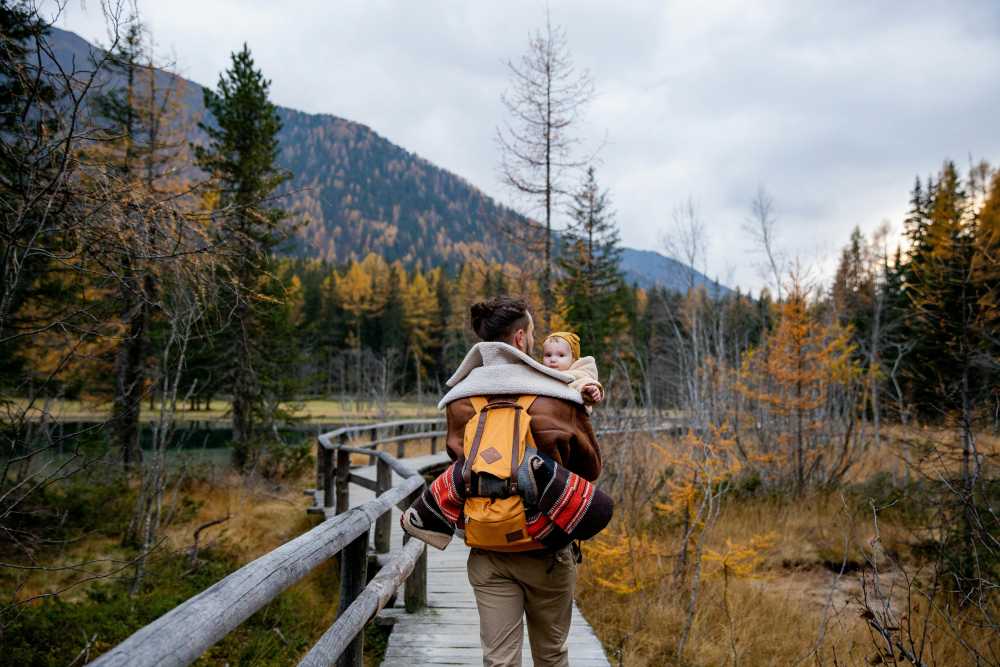
The Vibe: Wholesome, active, and quintessentially Midwestern summer. It blends stunning natural beauty with charming small towns and a thriving food scene.
Best For: Multigenerational families looking for a mix of relaxation and accessible activities.
Best Time to Visit: July and August for the warmest swimming weather. The National Cherry Festival in early July is popular but extremely crowded; consider late August for a more relaxed trip.
Can't-Miss Activities:
Conquer Sleeping Bear Dunes: Climb the massive Dune Climb for an incredible view and then run, roll, or slide down to the shore of Glen Lake.
Hunt for Petoskey Stones: Spend an afternoon walking the shores of Lake Michigan, searching for these unique fossilized stones.
Kayak the Crystal River: This gentle, crystal-clear river is perfect for a family float, winding through lush forests.
Explore Fishtown in Leland: Walk through the historic, weathered fishing shanties, now home to quirky shops and galleries.
3. The San Juan Islands, Washington: An Archipelago Adventure
Just a scenic ferry ride from Seattle, this collection of islands feels like a world away. Life here revolves around the water, from whale watching to kayaking in serene coves. Each island has its own personality, from the bustling Friday Harbor on San Juan Island to the pastoral quiet of Lopez Island.
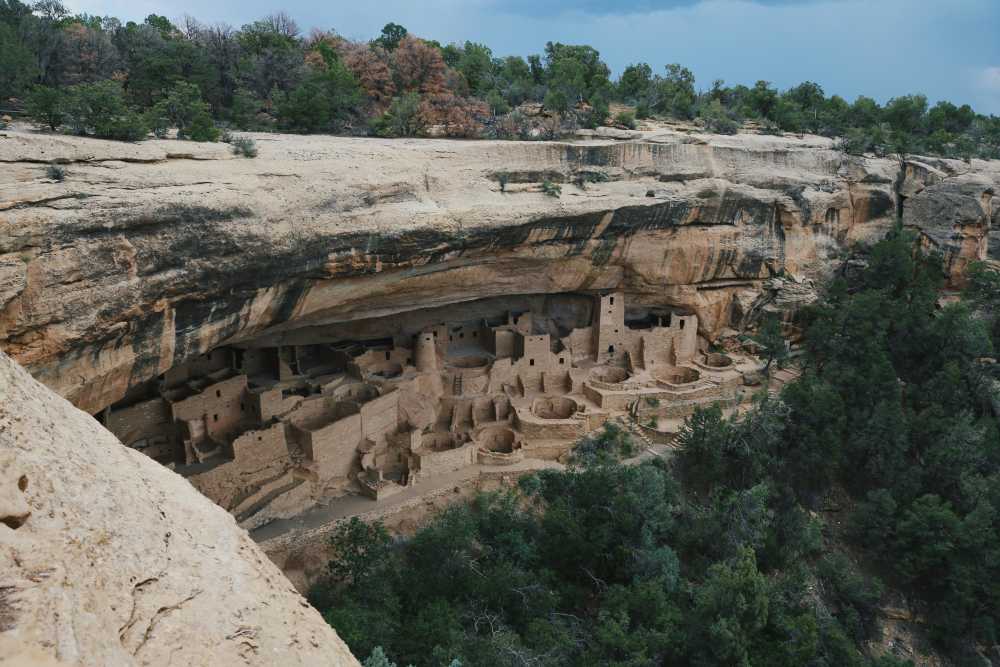
The Vibe: Pacific Northwest bliss. It’s relaxed, eco-conscious, and breathtakingly beautiful, with a focus on wildlife and quiet exploration.
Best For: Families with kids of all ages who appreciate nature and a slower pace.
Best Time to Visit: July and August offer the sunniest, warmest weather, which is also the peak season for whale watching.
Budget-Saving Tip: Pack a cooler with picnic supplies and snacks. Groceries and restaurants on the islands can be pricey, and a beach picnic is part of the classic San Juan experience.
Can't-Miss Activities:
Go on a Whale Watching Tour: The San Juans are one of the best places in the world to see orcas in the wild. It’s an unforgettable experience.
Visit Lime Kiln Point State Park: Known as "Whale Watch Park," you can often spot whales right from the shoreline.
Explore the sculpture park: The 20-acre San Juan Islands Sculpture Park near Roche Harbor is a fantastic place for kids to run around and interact with art.
Bike around Lopez Island: Known as the "Friendly Isle" for its gentle terrain and waving locals, Lopez is perfect for a family bike ride.
Pro-Tip: Ferry reservations are absolutely essential, especially during the summer. Book your vehicle spot on the Washington State Ferries website as soon as your travel dates are confirmed.
Mountain Escapes & Park Alternatives
For families craving fresh air and epic landscapes, these destinations provide all the majesty of the more famous national parks with a fraction of the traffic. For more ideas like these, don't miss our guide to 4 Unforgettable National Park Family Travel Ideas.
4. Custer State Park, South Dakota: The Crown Jewel of the Black Hills
Often treated as a side trip from Mount Rushmore, Custer State Park is a world-class destination in its own right. With 71,000 acres of breathtaking landscapes and wildlife that rivals the big-name parks, it's arguably one of the best state parks in the nation.
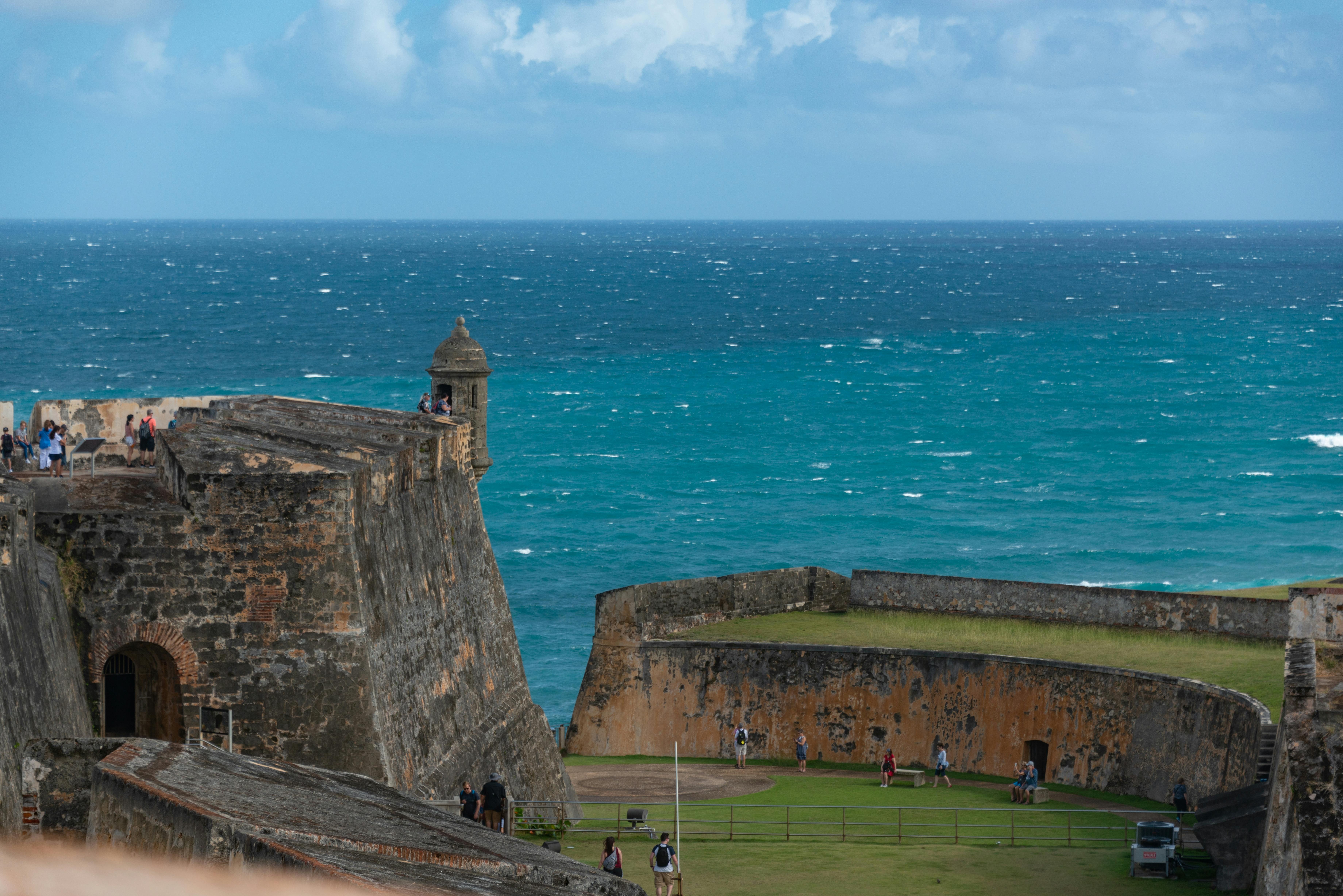
The Vibe: Wild West writ large. It's a world of granite spires, rolling prairies, and massive bison herds that feels both accessible and untamed.
Best For: Active families with kids aged 7+ who love hiking and wildlife spotting.
Best Time to Visit: Early June or September to avoid the massive crowds from the Sturgis Motorcycle Rally (early August).
Can't-Miss Activities:
Drive the Wildlife Loop Road at dusk: This is when the animals are most active. You're almost guaranteed to get stuck in a "bison jam."
Navigate the Needles Highway: This incredible 14-mile road twists and turns through towering granite spires and narrow tunnels carved from rock.
Swim or kayak on Sylvan Lake: This impossibly scenic lake, surrounded by rock formations, is the perfect spot for an afternoon on the water.
Hike to Black Elk Peak: For ambitious families, the hike to the highest point east of the Rockies offers unforgettable 360-degree views.
5. The Finger Lakes, New York: Gorges, Falls, and Lakeside Fun
This stunning region in upstate New York is known for its 11 long, narrow lakes and wineries. But its true hidden gem status for families comes from its spectacular state parks, filled with dramatic gorges and countless waterfalls.
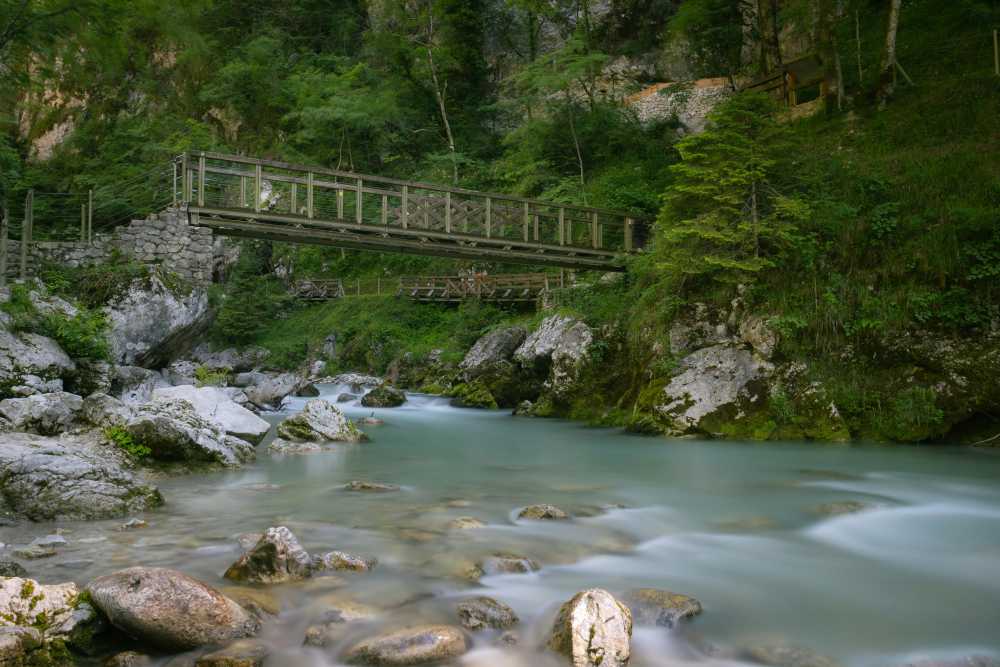
The Vibe: A natural waterpark carved by glaciers. It's a place for active exploration followed by relaxing evenings by the lake.
Best For: Families with energetic kids and teens who love to hike, swim, and explore.
Local Flavor: Don't leave without trying a "grape pie," a regional specialty that's a delicious nod to the area's Concord grape heritage.
Can't-Miss Activities:
Walk the Gorge Trail at Watkins Glen: The trail takes you over, under, and behind 19 incredible waterfalls in just two miles.
Swim at the base of a waterfall: Robert H. Treman State Park has a classic swimming hole right below a massive waterfall, complete with a diving board.
Get hands-on at the Corning Museum of Glass: The live glass-blowing demonstrations are mesmerizing, and you can even make your own glass creation.
Rent a pontoon boat: Spend a day on Cayuga or Seneca Lake, jumping in for a swim and enjoying the scenery from the water.
6. The Berkshires, Massachusetts: Culture in the Countryside
Nestled in the rolling hills of western Massachusetts, The Berkshires offer a unique blend of outdoor adventure and world-class culture. You can hike a mountain in the morning and listen to a symphony concert on the lawn at Tanglewood in the evening.

The Vibe: Rustic sophistication. It’s a haven for artists and nature lovers, with charming small towns and a palpable creative energy.
Best For: Families with a mix of interests, from art and music to hiking and swimming.
Best Time to Visit: Summer for the full slate of cultural festivals. Fall is breathtaking with its famous foliage.
Can't-Miss Activities:
Hike to the summit of Monument Mountain: A moderate hike rewards you with panoramic views that once inspired famous authors.
Explore the Norman Rockwell Museum: Even kids who aren't "museum people" will connect with Rockwell's relatable and iconic images of American life.
Go for a swim at Lake Pontoosuc: This public lake has a sandy beach and is a popular spot for families to cool off.
Wander through the town of Stockbridge: This is the quintessential New England town, so picturesque it was immortalized in a Rockwell painting.
Places That Tell a Story: History & Culture Off the Beaten Path
These unique destinations offer a chance to engage with American history and culture in a way that’s truly captivating for the whole family.
7. Mesa Verde National Park, Colorado: A City in the Cliffs
This UNESCO World Heritage Site protects nearly 5,000 archeological sites, including 600 incredibly preserved cliff dwellings of the Ancestral Pueblo people. This isn't just history behind glass; it's history you can touch and climb into.
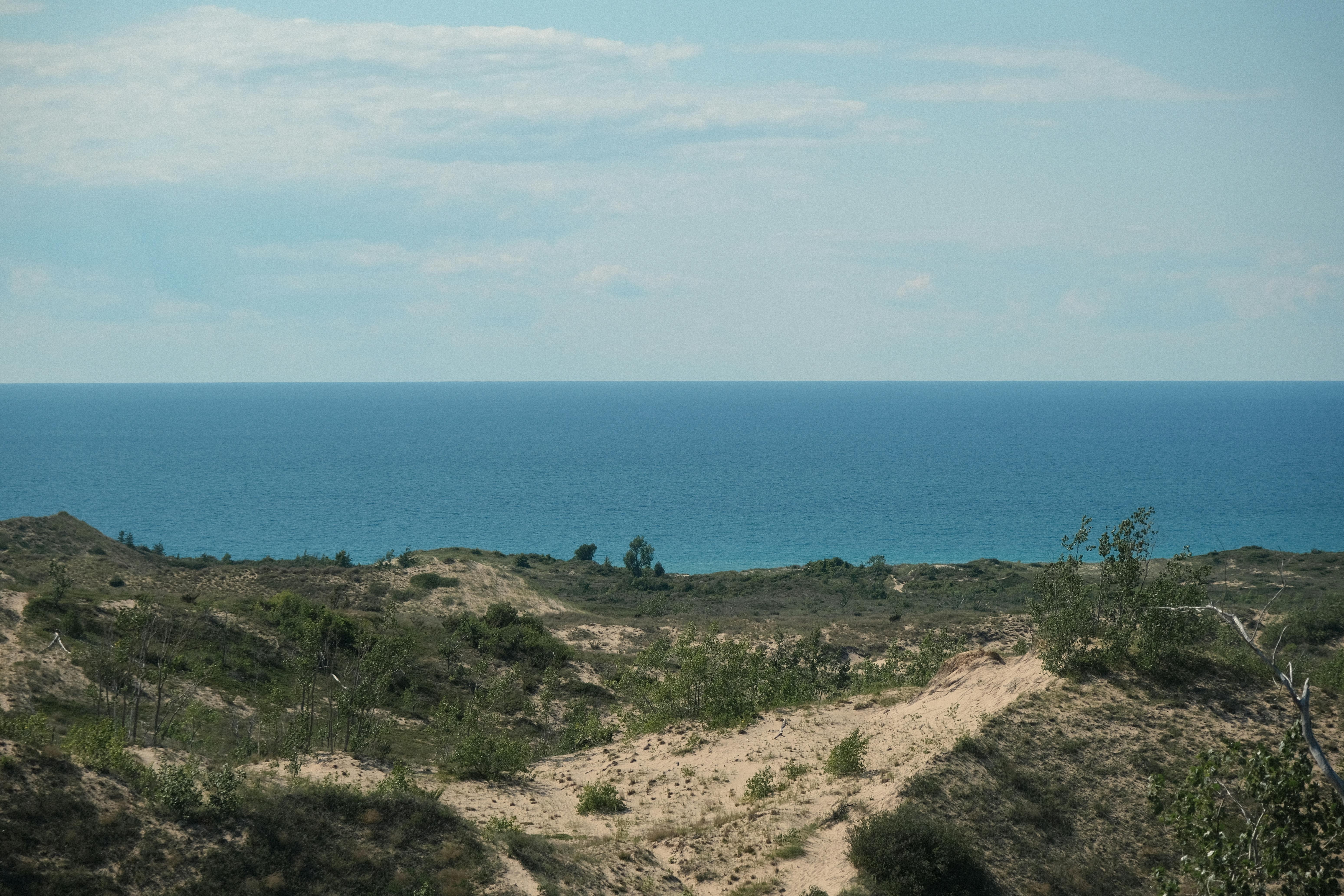
The Vibe: Awe-inspiring and humbling. It connects you to a deep and ancient American story in a profoundly tangible way.
Best For: Families with school-aged children (age 7+) interested in history and adventure. Note that some tours involve climbing steep ladders.
Pro-Tip: Tour tickets for Cliff Palace and Balcony House are released 14 days in advance on recreation.gov and sell out almost instantly. Be online the moment they become available.
Can't-Miss Activities:
Tour a cliff dwelling: A ranger-led tour of Cliff Palace or Balcony House is the absolute highlight.
Drive the Mesa Top Loop Road: This 6-mile drive has easily accessible overlooks that tell the chronological story of the Ancestral Pueblo people.
See Spruce Tree House: The view of this massive dwelling from the overlook near the museum is spectacular.
Become a Junior Ranger: The park's program is excellent and is a fantastic way to engage kids in learning about the park's history.
8. St. Augustine, Florida: Where America's Story Begins
Founded in 1565, St. Augustine offers a slice of colonial Spanish history on the Florida coast. With its cobblestone streets, imposing fortress, and tales of pirates, it's a city that sparks the imagination.
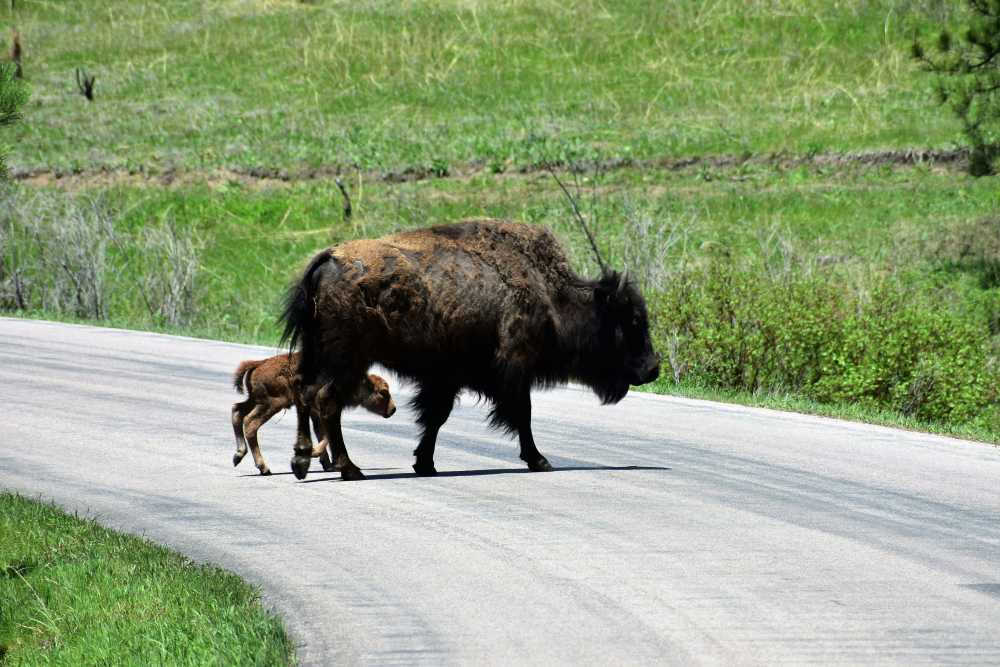
The Vibe: A European city that washed up on a Florida beach. It's historic, walkable, and packed with unique attractions.
Best For: Families with a wide range of ages—from young kids who love pirates to teens who can appreciate the deep history.
Best Time to Visit: Spring and fall have the most pleasant weather for walking. The "Nights of Lights" festival from November to January is magical.
Can't-Miss Activities:
Explore the Castillo de San Marcos: Kids love running around the ramparts of the oldest masonry fort in the continental U.S. Don't miss the cannon firing demonstrations.
Hunt for treasure at the Pirate & Treasure Museum: This is a surprisingly well-done museum with authentic pirate artifacts.
Climb the St. Augustine Lighthouse: Brave the 219 steps for a stunning panoramic view of the city and the Atlantic Ocean.
Hit the beach: Just a short drive away, St. Augustine Beach offers miles of wide, white sand perfect for sandcastles and splashing.
Frequently Asked Questions
What are the main benefits of choosing a less-crowded family vacation destination?
The biggest benefits are a more relaxed pace, lower costs, and more authentic experiences. You'll spend less time waiting in lines and more time connecting with your family and the destination itself, often creating much richer memories.
Are "hidden gem" destinations good for families with toddlers or teens?
Absolutely. The key is matching the destination's activities to your kids' ages and interests. A place like Chincoteague is perfect for young, animal-loving kids, while the hiking and history of Mesa Verde or the gorges of the Finger Lakes are fantastic for engaging older kids and teens.
What's the best way to find unique vacation spots beyond this list?
Start by looking at state parks instead of only national parks, which are often just as beautiful but with fewer crowds. You can also explore regions just outside major tourist hubs or ask for recommendations in online travel communities focused on specific interests like hiking or history.
Create Your Own Adventure
Choosing one of these hidden gems is about more than just avoiding crowds; it’s an intentional decision to seek out a different kind of trip. It’s about finding the places that allow your family to connect—with nature, with history, and most importantly, with each other.
These unique family vacation destinations prove that the most memorable adventures are often found on the roads less traveled. So, break free from the conventional lists, pack your bags with a sense of curiosity, and get ready to create a family story that is uniquely yours.
Read the full guide: Family Travel Ideas: The 2026 Guide to Unforgettable Trips
Don't Miss Out! Subscribe for Exclusive Content
Subscribe



Comments 0
No comments yet
Be the first to share your experience!
Dont Miss Out! Subscribe for Exclusive Content

Ultimate USA Holidays Guide: Top Picks


FTC Affiliate Disclosure Essentials: Stay Compliant as a Travel Creator

Essential Affiliate Tools: From Tracking to Full Optimization

Booking.com Affiliate Program Review: Pros, Cons, and Earnings Potential

Decoding Affiliate Commission Rates: Benchmarks for Travel Creators

Amazon Associates for Travel: Strategies to Maximize Commissions
High-Paying Affiliate Opportunities for Individual Travel Affiliates
TrekGuider @trekguider
High-Paying Affiliate Opportunities for Individual Travel Affiliates
You’re a talented travel creator, but your affiliate dashboard tells a frustrating story. You spend hours crafting the perfect packing list, linking to dozens of small-ticket items, only to see a few dollars trickle in. It feels like you’re running on a hamster wheel, putting in immense effort for pennies on the dollar—a far cry from the sustainable business you dream of building.
This isn't just a feeling; it's a strategic dead end. You see the industry reports and know the potential is there. You're operating at the intersection of two economic juggernauts: a creator economy forecasted to exceed $1.3 trillion by 2033 and a global affiliate market projected to hit $93 billion. The money is there, but it doesn't flow to those who work the hardest; it flows to those who work the smartest. The reported average of $13,847 a month for travel affiliates isn't a myth, but it’s inaccessible to those stuck in the volume game.

This isn't another sprawling listicle of 50 programs. This is a strategic playbook. We're going to deconstruct the three pillars of a high-income affiliate strategy perfectly suited for the solo creator: high-ticket products, recurring revenue, and the game-changing power of referral affiliate models. This is how you stop thinking like a hobbyist and start getting paid like the professional you are. It’s a critical piece of the puzzle we cover from every angle in our definitive pillar guide, Travel Affiliate Programs: The 2026 Ultimate Guide—your command center for the entire ecosystem.
The Mindset Shift: From Chasing Volume to Creating Value
But before we dive into the specific opportunities, we need to address the single most important factor: your mindset. Most new creators are obsessed with traffic and commission percentages, believing the path to wealth is paved with millions of pageviews. This leads them directly into the low-margin trap.
Professional affiliates, however, focus on a much more powerful metric: Earnings Per Click (EPC). This number tells you the average amount of money you make every single time someone clicks one of your links. It’s the ultimate measure of your influence.
Consider the simple math:
Scenario A (The Volume Trap): You promote a $50 travel gadget with a 4% commission. You earn $2 per sale. To make $200, you need to drive 100 sales.
Scenario B (The Value Strategy): You promote a $3,000 adventure tour with a 6% commission. You earn $180 per sale. To make more than $200, you only need to drive two sales.
Which business would you rather run? By focusing on value over volume, you can build a more profitable and sustainable business with the same—or even less—traffic.

The High-Ticket Strategy—Earn More from a Single Click
The most direct path to a higher income is to promote products and services with a high price tag. A single conversion can generate a commission that would otherwise take hundreds of smaller sales to match. This is the core of a strategy focused on high paying affiliates.
Adventure Tour Operators
Selling a multi-thousand-dollar tour is one of the most effective ways to generate a substantial commission. You aren't just selling a trip; you're selling a life-changing experience.
Prime Example: G Adventures: This adventure travel company specializes in small-group tours that often cost thousands of dollars. With a 6% commission, a single booking for a $4,000 trip to Antarctica nets you a $240 commission. Crucially, they offer a generous 90-day cookie duration, which is perfectly suited for a high-consideration purchase that requires weeks of planning.
Luxury Travel & Premium Accommodations
For creators in the luxury niche, the earning potential is immense. Promoting five-star hotels, premium villas, or business-class flight deals can yield significant returns. While a program like Booking.com has its flaws, partnering directly with luxury hotel groups or high-end booking platforms can be incredibly lucrative.
Premium Travel Gear
While Amazon is the default for many, it's often the least profitable option for expensive gear. Specialty retailers offer higher commission rates on the premium products your audience is looking for.
Prime Example: REI: For creators in the outdoor and adventure space, REI is a premier partner. They offer a 5-8% commission on high-quality gear. Selling a $700 tent or a $400 backpack through REI will yield a much higher commission than the 3-4% offered by Amazon, and you're connecting your audience with a trusted, specialist brand.
Pro-Tip: When promoting high-ticket items, your content must match the price tag. A brief mention won't cut it. You need to create in-depth, comprehensive reviews, case studies, and guides that give your audience the confidence to make a major purchase decision.
The Recurring Revenue Model—Get Paid Month After Month
What’s better than a big commission? A commission that pays you every single month. Recurring revenue is the holy grail for creators seeking stable, predictable income. With this model, you make a sale once, and you continue to earn a commission for as long as that customer remains subscribed.

Travel Insurance Subscriptions
This is the most powerful recurring revenue stream for travel creators. Every long-term traveler and digital nomad needs insurance, and many use subscription-based services.
Prime Example: SafetyWing: A favorite among digital nomads, SafetyWing offers travel medical insurance on a monthly subscription. Their affiliate program is one of the best in the industry, offering a 10% recurring commission for up to 364 days. A single referral can turn into a year-long passive income stream that builds on itself with every new sign-up.
Travel-Tech & Software
Think about the digital tools your audience uses to plan and execute their travels. Many of these are subscription-based and have fantastic affiliate programs. This could include:
VPN Services: Essential for digital nomads and security-conscious travelers.
Photo Editing Software: Like Adobe Lightroom or preset subscriptions.
Booking & Planning Apps: Niche apps that help travelers organize their trips.
Pro-Tip: The key to succeeding with recurring models is to promote products that become an indispensable part of your audience's travel lifestyle. When the product is essential, the customer rarely cancels, and your passive income stream remains stable and grows over time.
The Ultimate High-Paying Opportunity: The Referral Affiliate Model
We've saved the most powerful model for last. This is the strategy that the world's top creators use to build diversified, high-margin businesses. It represents a big change from being a simple affiliate to becoming a true platform partner.
What’s the difference?
Traditional Affiliates earn a one-time commission for selling someone else's product.
Referral Affiliates build a network and earn a long-term, passive income stream from that network's success.
This model is about empowerment. Instead of just selling a product to your audience, you introduce them to a platform or tool that helps them achieve their own goals. It creates a powerful win-win scenario that feels more like a collaboration than a transaction.

The Ultimate Evolution: The TrekGuider Referral Model
This is precisely the model we’ve built to empower creators at TrekGuider. We believe the most valuable product you can ever promote is your own. The TrekGuider Platform is designed for travel creators to sell their own digital products—like itineraries, guides, maps, and presets.
Our referral program is the ultimate high-paying affiliate opportunity because it transforms you into a business builder. When you introduce fellow creators to the platform using your unique referral link, you unlock a powerful, ongoing revenue share.
Here’s how it works:
You Empower Your Peers: You share a platform that can help your fellow creators build their own sustainable businesses and monetize their expertise.
You Earn Passively: When a new seller joins through your link, you receive an ongoing revenue share from the platform's earnings on their sales—a powerful 25% for their first 30 days, and 12.5% for the next 11 months.
You Build a Compounding Asset: This isn't a one-time payment. It's a long-term passive income stream that grows as the creators you refer become more successful. You are building a network and earning from its collective success.
This is the pinnacle of value-based marketing. You succeed by helping others succeed, creating a powerful and ethical engine for high-margin, passive income.
Build Your Own High-Margin Product
The most successful creators know that affiliate income is just one piece of the puzzle. The ultimate strategy for diversifying your income and taking full control of your earnings is to sell your own digital products. But where do you start?
Our free Digital Product Ideas Guide is packed with dozens of proven, profitable ideas specifically for travel creators. Download it today to find the perfect product for your audience and start building your content empire.
Frequently Asked Questions (FAQ)
1. Are high-ticket programs harder to convert? Yes, they can be. A customer will spend more time researching a $3,000 tour than a $30 gadget. This is why your content must be exceptionally thorough and trustworthy. It's a trade-off: more effort per piece of content for a much higher reward per conversion.
2. Is this too complicated for a solo creator to manage? Not at all. The beauty of this strategy is its focus. Instead of managing links for a hundred cheap products, you're focusing on building deep, valuable content around a handful of high-performing partners. It's about working smarter, not harder.
3. How do I find these types of high-paying affiliate opportunities? Start by looking at the premium products and services you already use and love. Visit their websites and look for an "Affiliates" or "Partners" link, usually in the footer. You can also explore major affiliate networks like CJ Affiliate or ShareASale and filter for partners with high average order values or recurring commission structures.
Your Path to a Professional Income
The world of high paying affiliates is not a secret club reserved for the elite. It is accessible to any individual creator who is willing to be strategic. By shifting your focus from volume to value, you can fundamentally transform your earning potential.
Stop chasing pennies. Start building a professional, resilient business by incorporating these three pillars into your strategy:
Promote High-Ticket Products to earn substantial commissions from a single sale.
Leverage Recurring Revenue Models to build a stable, predictable passive income stream.
Embrace Referral Programs like the TrekGuider Platform to become a true partner and build a business asset that pays you for years to come.
As an individual travel affiliate, your expertise and the trust you've built with your audience are your most valuable assets. By aligning your monetization strategy with high-value opportunities, you can ensure you are finally compensated for the immense value you provide.

Meta Data Suggestions:
SEO Meta Title: 5 High-Paying Affiliate Opportunities for Travel Creators
URL Slug: /high-paying-affiliate-opportunities
SEO Meta Description: Stop earning pennies. Discover 5 high-paying affiliate opportunities for travel creators, focusing on high-ticket sales, recurring revenue, and referral programs.
Read the full guide: The Travel Blogger's Playbook to Affiliate Marketing Mastery
Don't Miss Out! Subscribe for Exclusive Content
SubscribeComments 0
No comments yet
Be the first to share your experience!
Dont Miss Out! Subscribe for Exclusive Content
FTC Affiliate Disclosure Essentials: Stay Compliant as a Travel Creator
Essential Affiliate Tools: From Tracking to Full Optimization

Avoid These 5 Affiliate Landing Page Mistakes for Better Conversions

Affiliate Keyword Research Mastery for Travel Blogs
Booking.com Affiliate Program Review: Pros, Cons, and Earnings Potential
Decoding Affiliate Commission Rates: Benchmarks for Travel Creators
Ultra Festival: Beat the Heat Guide
TrekGuider @trekguider
You’ve done it. You scored the golden ticket to Ultra Music Festival, a three-day sonic pilgrimage in the heart of Miami where the world’s greatest DJs command colossal stages and the energy is nothing short of electric. But as the bass drops, so does the relentless Florida sun. The real problem isn't just the heat; it's the brutal combination of scorching temperatures, suffocating humidity, and tens of thousands of dancing bodies that can quickly turn your dream festival into a dehydrated, sun-stroked nightmare.
Imagine the agony of missing Skrillex’s closing set because you’re dizzy and nauseous, huddled in a medical tent. Picture the sheer frustration of tapping out before sunset on day one, your energy completely drained, while your friends rave on into the night. This isn't a scare tactic; it's a common reality for unprepared attendees who fatally underestimate the physical toll of partying under the Miami sun for three straight days. The line between an unforgettable weekend and a miserable, potentially dangerous one is drawn by a single thing: a bulletproof strategy.
This is that strategy. Forget the generic "drink water" advice you’ve heard a thousand times. This is your new bible for not just surviving, but truly conquering the heat at Ultra. We’re providing a pro-level, comprehensive blueprint covering everything from tactical gear selection and advanced hydration science to strategic stage navigation and leveraging festival tech for your safety. Follow these steps, and you won't just beat the heat—you'll own the entire experience, from the opening beat on Friday to the final fireworks on Sunday.
Understanding the Ultra Music Festival Environment: Sun, Crowds, and Sound
Before you can build a plan, you must understand the battlefield. Ultra Music Festival unfolds in late March at Bayfront Park, a beautiful but notoriously exposed venue. For 2026, the festival runs from March 28-30 (and for you long-term planners, March 27-29 in 2026), a time when Miami’s weather is deceptively intense. While the festival is at the heart of the city's vibrant event calendar—a scene we detail in our complete guide to Miami Holidays: 8 Beach Fest Vibes—its unique environment presents a specific set of challenges you must be prepared for.
The festival operates on a strict "rain or shine" policy, meaning you need to be ready for anything. The schedule itself is a marathon, not a sprint:
Friday, March 28: 4:00 PM – 12:00 AM
Saturday, March 29: 12:00 PM – 12:00 AM
Sunday, March 30: 12:00 PM – 10:00 PM
Notice that Saturday and Sunday demand ten to twelve hours of exposure. The primary obstacles you will face are:
Intense Solar Radiation: The Florida sun is powerful. Without adequate shade, direct exposure can lead to severe sunburn and rapidly increase your core body temperature.
Oppressive Humidity: Miami's humidity cripples your body's natural cooling system. It prevents sweat from evaporating effectively, making 85°F feel like a suffocating 95°F.
Massive Crowds: Dense crowds trap body heat, creating microclimates that are significantly hotter than the ambient air. Navigating these human seas requires immense physical energy.
Constant Movement: You’ll be walking, standing, and dancing for hours on end, burning calories and losing fluids at a dangerously accelerated rate.
The first and most critical mindset shift is to treat Ultra like an athletic event. Your preparation starts long before you ever step foot in Bayfront Park.

Pre-Festival Prep: Your Foundation for Success
Victory is won in the preparation. What you do in the days leading up to the festival and what you pack in your bag will absolutely dictate your endurance and enjoyment.
The Ultimate Packing List: Beyond the Basics
Your packing list is your first line of defense. Every single item should serve a purpose, primarily focused on cooling, hydration, and comfort.
Clothing (The Three B’s: Breathable, Bright, and Barely-There):
Fabrics: Choose lightweight, moisture-wicking materials like polyester, nylon, or bamboo blends. These technical fabrics pull sweat away from your skin, allowing it to evaporate and cool you down. Avoid cotton at all costs; it absorbs moisture, becoming a heavy, suffocating trap for heat.
Colors: Opt for light-colored clothing. White, beige, and pastels reflect sunlight rather than absorbing it like dark colors do.
Fit: Loose-fitting garments are your best friend. They allow for crucial airflow against your skin, preventing heat from getting trapped.
Footwear (Your Most Important Gear): You will be on your feet for 30+ hours over the weekend. Comfortable, well-worn sneakers are non-negotiable. Do not, under any circumstances, wear brand-new shoes, flimsy sandals, or heavy boots. Running or athletic shoes with proven arch support are ideal.
Hydration Hardware:
Hydration Pack: This is the single most important piece of gear you can bring. A CamelBak or a similar backpack with a water bladder allows you to carry 2-3 liters of water and sip continuously without fumbling with a bottle. Ensure it complies with the latest festival size and pocket regulations before you go.
Electrolyte Packets: Pack single-serving powders or tablets (like Liquid I.V., Nuun, or Pedialyte packets). They are small, light, and absolutely essential for true hydration.

Sun & Heat Protection Arsenal:
Sweatproof Sunscreen: A broad-spectrum, water-resistant sunscreen with an SPF of 50 or higher is mandatory. Apply it generously 30 minutes before you enter and reapply every two hours, no exceptions.
Wide-Brimmed Hat: A bucket hat or other wide-brimmed hat provides a portable oasis of shade for your face, neck, and ears, significantly reducing your perceived temperature.
UV-Protective Sunglasses: Protect your eyes from the relentless glare and long-term sun damage.
Cooling Towel: These hyper-evaporative towels, when soaked in water, provide incredible cooling relief when worn around your neck.
Handheld Fan/Mister: A small, battery-operated fan can be a godsend in a stagnant, dense crowd, creating a personal breeze when you need it most.
Physical Conditioning: Don't Underestimate the Marathon
You wouldn't run a 10k without training, and you shouldn't tackle Ultra without some physical prep.
Pre-Hydrate Aggressively: Begin increasing your water intake 2-3 days before the festival. Your goal is to start Day 1 with your body in a state of optimal hydration, not playing a desperate game of catch-up.
Build Endurance: In the weeks leading up, incorporate some light cardio into your routine. Even 30 minutes of brisk walking or jogging a few times a week will dramatically improve your stamina.
Prioritize Sleep: Get a full 8 hours of sleep each night in the week before the festival. A sleep deficit severely impairs your body's ability to regulate temperature and recover.
Just as detailed planning is key for a scenic road trip, like the one we map out in our Big Sur Map & Itinerary, careful preparation is essential for a massive festival. Don't leave your experience to chance.
Mastering Hydration: The Core of Your Ultra Music Festival Strategy
This is the most critical section of this guide. Proper hydration at Ultra is a science. Simply drinking water when you feel thirsty is a recipe for disaster; by the time you feel thirst, you are already significantly dehydrated.

Water Isn't Enough: The Critical Role of Electrolytes
When you sweat, you don't just lose water; you lose vital minerals called electrolytes—primarily sodium, potassium, and magnesium. These minerals are the spark plugs of your body, responsible for regulating nerve and muscle function, hydrating your cells, and balancing blood pressure. Replenishing them is just as important as replenishing water.
Why It Matters: Drinking excessive amounts of plain water without replacing electrolytes can lead to a dangerous condition called hyponatremia, where the sodium levels in your blood become dangerously diluted. Symptoms can mimic dehydration (nausea, headache, confusion) but can be far more severe.
Your Game Plan: For every two refills of your hydration pack with plain water, make the third refill an electrolyte mix. This simple rule ensures you are constantly replenishing what you're sweating out. Avoid relying on sugary energy drinks or sodas for hydration; they can often make dehydration worse.
Your Hydration Schedule: A Sip-by-Sip Plan
Discipline is everything. You need a proactive hydration schedule, not a reactive one.
The Morning Load-Up: Drink at least 16-20 ounces (about half a liter) of water with an electrolyte packet before you even leave for the festival.
The Immediate Refill: The very first thing you do upon entering Bayfront Park is locate a water station and fill your hydration pack to its maximum capacity.
The 15-Minute Rule: Take a few big sips of water from your pack every 15 minutes. Set a recurring alarm on your phone or watch if you have to. Do not wait until you feel thirsty.
The Proactive Refill: Never wait until your pack is empty to refill it. When it's about one-third full, make your way to a water station. The lines are shortest during non-peak times (e.g., during a headliner's set when everyone is at one stage, or early in the day).
The End-of-Night Recovery: Drink another 16-20 ounces of electrolyte-infused water before you go to sleep. This will supercharge your body's recovery overnight and prepare you for the next day.
Pro-Tip: As soon as you get inside, open the festival map on the official app and screenshot the locations of all free water refill stations. The stations located near smaller stages or along the perimeter of the park often have significantly shorter lines than the ones near the main stage.
Strategic Navigation and Lineup Planning
How you move through the festival and plan your day is just as important as what you pack. Wasting energy is a luxury you simply cannot afford.

Decoding the Festival Map for Heat Evasion
The festival grounds are a maze of stages, vendors, and people. Use the map to your real advantage.
Identify Cool Zones: Before you even start thinking about artists, scan the map for any designated shade structures, indoor stages (like the iconic Megastructure), or air-conditioned brand activations. These are your recovery oases.
Plan Efficient Routes: When moving from the Main Stage to the Resistance stage, don't just try to cut through the thickest part of the crowd. Use the perimeter walkways. It might be a slightly longer distance, but it will be faster and require far less energy than pushing through a human traffic jam.
Building a Smart Schedule: Pacing is Everything
With a 2026 lineup featuring titans like John Summit & Dom Dolla, Armin van Buuren, Tiësto, Chase & Status, and Deadmau5, the temptation is to sprint from stage to stage. This is a rookie mistake that will burn you out by 9 PM on Friday.
Prioritize Ruthlessly: Accept that you cannot see every artist. Pick your top 3-4 "can't-miss" sets for each day and build your schedule around them as anchors.
Schedule Deliberate Downtime: The hottest part of the day is typically between 2 PM and 5 PM. This is the perfect time to schedule a tactical break. Find a shady spot, sit down, focus on hydrating, and eat a proper meal. This planned rest will give you the energy you need for the headlining acts at night.
Embrace Discovery: Use the time between your must-see sets to explore smaller stages. They are often less crowded, providing more space to dance, breathe, and discover your new favorite artist.
Pro-Tip: When moving through a dense crowd to get closer to a stage, conserve energy by following directly behind a larger, determined person or group. Let them carve a path for you. It's a simple "drafting" trick that saves a surprising amount of physical effort.
Leveraging Technology and Safety Resources at Ultra Music Festival
In the modern festival era, your phone is an essential survival tool. Ultra has integrated technology to enhance attendee safety, and you should take full advantage of every resource.
Your Phone is Your Lifeline
The Official Ultra App: Download it well in advance. It contains the most up-to-date festival map, set times, and, most importantly, will send push notifications for any emergency alerts or important announcements.
The SaferWatch App: Ultra has partnered with the SaferWatch app, which allows you to report any safety or security concerns (medical emergencies, suspicious activity) directly and anonymously to festival staff in real-time. Have it downloaded and set up before you arrive.
Portable Charger: Your phone is useless with a dead battery. A fully charged portable power bank is not optional; it's mandatory.
Knowing Where to Go for Help
Even with perfect preparation, things can go wrong. Knowing how to recognize a problem and where to get help is crucial.
Locate Medical Tents: Just like the water stations, the first thing you should do is identify the location of all medical tents on your map. They are staffed with professionals who are there to help you, no questions asked. There is no shame in seeking help.
Recognize the Signs of Heat Exhaustion: Be aware of these symptoms in yourself and your friends:
Heavy sweating
Dizziness or lightheadedness
Nausea or vomiting
A throbbing headache
Cool, pale, clammy skin
If you or a friend experience these, get to a medical tent immediately. Do not try to "tough it out."
Be a Good Raver: The Ultra community is known for looking out for one another. If you see someone who looks unwell or is in distress, ask if they need help and guide them toward a medical tent or alert festival staff.

You're Ready to Conquer Ultra
The roar of the crowd, the earth-shaking bass, the Miami skyline lit up against the night sky—these are the moments that define the Ultra Music Festival experience. By approaching the weekend with the mindset of an endurance athlete, you are no longer at the mercy of the elements. You are in control. Preparation is your armor, hydration is your fuel, and a smart strategy is your map to victory. You now have the expert knowledge to stay cool, energized, and safe from the first set to the final encore.
You are now equipped to handle the heat, navigate the crowds, and fully immerse yourself in the magic of one of the world's greatest music festivals. This level of detailed planning is what transforms a good trip into an unforgettable one. For comprehensive strategies on navigating destinations and events worldwide, our master Travel Guide is the ultimate resource for the serious traveler. Now go, stay hydrated, and have the time of your life.
Don't Miss Out! Subscribe for Exclusive Content
SubscribeComments 0
No comments yet
Be the first to share your experience!
Dont Miss Out! Subscribe for Exclusive Content

San Francisco Cherry Blossoms: A Local's Guide to the Blooms

Halloween SF: Haunts Without Horrors

SF Festivals: 7 Must-See Lineups

Christmas SF: Lights & Wharf Wonders

SF Pride: 6 Route & Party Hacks
