
July 4th Chicago: Fireworks Hotspots

TrekGuider @trekguider
The first explosive boom echoes across Lake Michigan, a flash of crimson and gold illuminating an entire wall of skyscrapers. From below, a collective gasp of pure wonder rises from a crowd of thousands. This is the postcard moment, the magic of July 4th in Chicago. But let’s be honest—the path to that perfect moment is often paved with stress. You’re grappling with the classic problem: finding a spot with a clear view that isn’t shoulder-to-shoulder with a million other people, a location you can reach without getting trapped in a traffic apocalypse, and a vantage point that truly does justice to the nation’s birthday.

The agitation is a familiar feeling. You can already picture yourself craning your neck around a forest of selfie sticks, only to catch a sliver of the show. You envision the gridlocked streets, the jaw-dropping parking fees, and that sinking feeling that you’ve missed the best part of the celebration while hunting for a decent patch of grass. The pressure is real, especially when you’re trying to fit this iconic celebration into a larger itinerary of Chicago Holidays: Windy City Thrills, where every moment is precious.
But that's not how your Fourth of July is going to play out. This guide is your strategic blueprint for outsmarting the crowds and securing a front-row seat to one of the country's most spectacular fireworks displays. We’re going to dismantle the chaos by breaking down every option, from the epicenter of the action at Navy Pier to exclusive rooftop lounges and serene lakeside parks. This is your definitive plan for a seamless, memorable, and breathtaking Independence Day Chicago.
The Epicenter: Conquering Navy Pier for Independence Day Chicago
When it comes to July 4th fireworks in Chicago, Navy Pier isn't just an option; it's the option. As the official host of the city’s largest and most dazzling display, the pier offers an unparalleled, up-close-and-personal experience. The fireworks are launched from a barge on Lake Michigan directly in front of the pier, meaning you are at ground zero for the spectacle. The energy of the massive, joyful crowd is electric. However, this prime real estate comes with a significant challenge: everyone wants it. Success here isn’t about luck; it’s about strategy.

The Ultimate Navy Pier Game Plan: A Step-by-Step Timeline
Treating your trip to Navy Pier like a casual evening stroll is the fastest way to disappointment. A successful visit requires a military-like precision that begins hours before the first firework is launched.
1. Early Afternoon (2:00 PM - 4:00 PM): The Arrival & Reconnaissance Phase Do not wait until dusk. Arriving in the early afternoon is your secret weapon against the worst of the traffic and security lines. Use this time to your advantage. Grab a Chicago-style hot dog or a slice of deep-dish from a food vendor before the lines snake around the building. Take a ride on the 200-foot Centennial Wheel for a staggering daytime panorama of the city and lakefront. This is your chance to relax and absorb the festive atmosphere before the masses descend.
2. Late Afternoon (4:00 PM - 7:00 PM): The Encampment Phase This is when the pier transforms from a tourist attraction into a high-stakes real estate market. The official advice is to arrive by 7:00 PM, but by then, you’re looking at leftover spots with obstructed views. Your mission is to claim a prime piece of turf along the South Dock. The farther east you venture down the pier, the more central your view will be. Lay down your blankets, set up your chairs, and establish your base camp. This is the time to settle in for the long, rewarding wait.
3. Evening (7:00 PM - 9:00 PM): The Anticipation Phase As the sun dips below the skyline, the energy on the pier builds to a palpable buzz. This is the perfect time for people-watching, playing a deck of cards, or just enjoying the cool lake breeze. Keep your group together; a simple trip to the restroom can become a challenging expedition through a sea of people. Be patient and soak in the shared sense of excitement.
4. The Main Event (9:00 PM): The Spectacle Just before 9:00 PM, the lights dim, a hush falls over the crowd, and the first firework shrieks into the night sky. For the next 15-20 minutes, you are immersed in a world-class pyrotechnic display. Because you planned ahead, you have a comfortable, direct view, making the entire day’s effort completely worth it.
5. Post-Show (9:30 PM onwards): The Strategic Retreat The moment the grand finale fades, resist the primal urge to bolt. Tens of thousands of people will be flooding the exits at once. Instead, execute a strategic delay. Let the initial human tidal wave recede. Pack up your belongings at a leisurely pace, enjoy the glittering skyline, and plan to start your journey home 30-45 minutes after the show. Your future self will thank you.
The Sensory Experience: More Than Just a Light Show
This isn’t just a visual show; it’s a full sensory assault. The fireworks are perfectly synchronized to a soaring patriotic soundtrack broadcast across the pier, with each concussive boom vibrating through the wooden planks beneath your feet. You can smell the faint, celebratory scent of gunpowder and lake water on the breeze. It’s an immersive experience that a distant view simply cannot replicate.
Your Navy Pier Survival Kit
An hours-long stakeout for fireworks demands a little comfort. Packing smart is non-negotiable.
Seating: A thick blanket or low-profile foldable chairs are essential.
Sustenance: Pack sealed water bottles and plenty of snacks. While food is available, having your own stash saves you from long lines and high prices.
Sun & Wind Protection: The afternoon sun reflecting off the lake is brutal. Bring sunscreen, sunglasses, and a hat. After dark, the breeze off the lake can be surprisingly chilly, so a light jacket is a wise addition.
Power Bank: Between taking photos, coordinating with friends, and passing the time, your phone battery will drain. A portable charger is a lifesaver.
Entertainment: A deck of cards, a book, or downloaded podcasts can make the waiting hours fly by.
To avoid feeling like a pack mule, mastering the art of minimalism is crucial. For pro-level tips on carrying only what you need, our How to Pack Light Guide is an essential read.
Beyond the Pier: Chicago's Best Alternative Fireworks Views
If the thought of the Navy Pier crowds gives you hives, don't worry. Chicago is brimming with fantastic alternative spots that offer breathtaking views without the same level of intensity.
Rooftop Revelry: An Elevated Experience
For a more civilized and comfortable viewing experience, nothing beats a rooftop bar. You trade the massive crowds for a reserved seat, craft cocktails, and an unbeatable panoramic perspective.
Offshore Rooftop & Bar: Perched at the very end of Navy Pier, this is officially the world's largest rooftop bar. It offers the most direct, spectacular view imaginable, but tickets for their July 4th party are a hot commodity, selling out months in advance at a premium price.
Cindy's Rooftop: Sitting atop the historic Chicago Athletic Association hotel, Cindy's provides a stunning, albeit more distant, view across Millennium Park toward the lake. The reflection of the fireworks on the polished surface of "The Bean" is a uniquely Chicago sight.
Terrace 16: Located in the Trump International Hotel & Tower, this elegant terrace offers a direct, sweeping vista of the lakefront and Navy Pier. It’s a high-end option for those looking to celebrate in true luxury.

Pro-Tip: Book any rooftop bar reservation or fireworks cruise ticket the moment they become available. These premium experiences are in high demand and often sell out by early spring. Set a calendar reminder for February or March to start your search.
Lakeside Serenity: Parks and Beaches with a View
For a classic, family-friendly picnic vibe, Chicago’s sprawling lakefront parks and sandy beaches are ideal.
Millennium Park & Grant Park: These iconic parks offer vast lawns perfect for spreading out a blanket. While some views might be partially obstructed by buildings, the atmosphere is wonderfully festive. The key is to find a spot east of DuSable Lake Shore Drive for the clearest line of sight to Navy Pier.
Ohio Street Beach & North Avenue Beach: Just north of the pier, these beaches offer a fantastic, slightly angled view of the fireworks exploding over the water. You get the added bonus of feeling the sand between your toes as you watch. These are beloved local spots, so arrive early to claim your space.
Museum Campus: The grassy areas surrounding the Field Museum, Shedd Aquarium, and Adler Planetarium offer arguably the most iconic skyline view in the city. Watching the fireworks burst behind Chicago’s architectural titans is a photographer’s dream come true.

Set Sail for the Spectacle: Fireworks Cruises on Lake Michigan
To completely escape the land-based crowds and get a truly unique perspective, watch the show from the water. Numerous companies offer special July 4th cruises.
Dinner & Cocktail Cruises: Companies like Odyssey Lake Michigan and Spirit of Chicago offer elegant evenings with dining, dancing, and guaranteed front-row seats on the water for the main event.
Architectural Tours: Many of the city’s famed architectural boat tours offer special holiday cruises that conclude by positioning themselves perfectly on the lake for the fireworks display.
Tall Ship Cruises: For a truly memorable experience, watch the show from the deck of a majestic tall ship like the Windy, adding a touch of nautical history to your patriotic celebration.
A Pro's Guide to July 4th Logistics
A flawless holiday is built on smart planning. Beyond choosing your spot, mastering transportation and safety will ensure your day is stress-free.

Getting Around the City: Transportation Hacks
On Independence Day Chicago, public transit is not just an option; it's a necessity.
CTA 'L' Trains: The elevated and subway trains are the most efficient way to get downtown. The State/Lake (Brown, Green, Orange, Pink, Purple Lines) and Washington/Wabash stops are your best bets for accessing Grant Park and the southern approach to Navy Pier.
CTA Buses: Several bus routes drop off directly at or near Navy Pier, including the #29 State, #65 Grand, #66 Chicago, and the #124 Navy Pier express route. Be prepared for holiday schedules and potential reroutes due to street closures.
Rideshare & Taxis: Avoid them if you can. Surge pricing will be in full effect before and especially after the fireworks. If you must use a rideshare, walk several blocks west of Michigan Avenue to request your ride in a less congested zone.
Safety First: Navigating Crowds Like a Pro
Large crowds require situational awareness. Keep these tips in mind:
Use the Buddy System: Stick with your group. It’s easy to get separated in the post-fireworks shuffle.
Establish a Meeting Point: Before your phone batteries die, pick a clear, specific meeting spot away from the main exit paths in case you get separated. "The front of the Ferris wheel" is a bad idea; "the corner of the W Chicago - Lakeshore hotel" is much better.
Supervise Children Closely: The crowds can be overwhelming for kids. Keep them close, and consider writing your phone number on their arm or a wristband.
Expect Strong Security: At Navy Pier and other major gathering points, expect bag checks and a heavy police presence. Prohibited items typically include alcohol, coolers, grills, and drones. Check the official Navy Pier website for the most up-to-date list.
Your Blueprint for a Flawless Fourth
You are now armed with the ultimate insider’s guide to experiencing the magic of July 4th in Chicago. The anxiety of the unknown has been replaced with a clear, actionable strategy. Whether you brave the vibrant energy of Navy Pier, opt for the chic ambiance of a rooftop bar, or choose the laid-back vibe of a lakeside park, you have a plan to make it happen. You are ready to navigate the crowds, secure the perfect view, and create unforgettable memories against the backdrop of one of America’s greatest cities. This is how you master Independence Day Chicago.
Now that you've conquered the city's biggest patriotic celebration, why stop there? Unlock all the secrets of the Windy City's year-round festivities and hidden gems. For the most comprehensive insights into making the most of your trip, from iconic landmarks to local favorites, our Travel Guide is your ultimate resource for exploring Chicago and beyond.
Meta Data Suggestions:
SEO Meta Title: July 4th Chicago Fireworks: 5 Best Viewing Hotspots
URL Slug: july-4th-chicago-fireworks-hotspots
SEO Meta Description: Planning your Independence Day in Chicago? Discover the best spots to watch the Navy Pier fireworks, from the pier itself to secret rooftops and cruises.
Don't Miss Out! Subscribe for Exclusive Content
Subscribe



Comments 0
No comments yet
Be the first to share your experience!
Dont Miss Out! Subscribe for Exclusive Content

San Francisco Cherry Blossoms: A Local's Guide to the Blooms


Halloween SF: Haunts Without Horrors

SF Festivals: 7 Must-See Lineups

Christmas SF: Lights & Wharf Wonders

SF Pride: 6 Route & Party Hacks

Chinese New Year SF: Parade Essentials
Email Marketing for Bloggers: A Step-by-Step Playbook
TrekGuider @trekguider
Every creator knows the feeling. You pour a week into a single, well-researched article, hit publish, and watch the initial traffic spike... only for it to fade into the digital silence. Your audience is a ghost, arriving from the ether of a search result only to vanish just as quickly, leaving your business at the mercy of unpredictable algorithms.

This is the fundamental vulnerability of the modern creator. You’re building your brand on “rented land.” A single Google update can obliterate your traffic overnight. A shift in a social media algorithm can make your account virtually invisible. This constant instability is exhausting, and it makes building a sustainable business feel impossible. You’re shouting into the void, hoping someone hears you, instead of having a direct conversation with a community that wants to listen.
This ends today. This is your definitive playbook for building your single most valuable business asset: your email list. We are going to provide a clear, step-by-step system to turn casual website visitors into a loyal, engaged community you own. This is the core engine that powers a modern creator business, a critical strategy we explore in our ultimate guide on How to Make Money Online: A Creator's Guide for 2026. Welcome to your masterclass on email marketing for blogging.
Why Your Email List is Your Most Valuable Business Asset
Before we dive into the "how," you must internalize the "why." In a creator economy projected to swell to nearly $500 billion by 2027, the opportunity is immense. But the data reveals a harsh reality: success is highly stratified, with only about 4% of creators earning over $100,000 a year. The difference is strategy. The top earners operate as "Creator CEOs," and they understand that their email list isn't just another marketing channel; it is the core asset of their entire digital enterprise.
It’s the one audience you truly own.
Think of it as the "Hub-and-Spoke" model of a modern business. Your blog is the hub—the central asset you control. Social media platforms and search engines are the spokes—powerful, but ultimately rented, channels for discovery. The strategic goal of every spoke is to drive traffic back to the hub, where you can convert a fleeting visitor into a permanent member of your community by capturing their email address.

An email list gives you:
Direct, Unfiltered Access: When you send an email, you are not fighting an algorithm for reach. You land directly in your subscriber's inbox, creating a personal and reliable line of communication.
A Loyal Community: Email is an intimate medium. It allows you to build a deep, trust-based relationship with your readers over time, transforming them from passive consumers into true fans.
A Powerful Sales Channel: When it comes time to launch a product or promote an affiliate offer, your email list will be, by far, your highest-converting channel. These are the people who have raised their hands to say they want to hear from you.
In a digital world defined by volatility, your email list is your insurance policy. It is the stable, appreciating asset upon which a durable and profitable business is built.
The Blogger's Email Marketing Funnel: A Step-by-Step Process
Internalizing why this asset is non-negotiable is the first step. Now, let’s build the engine that creates it. An email marketing funnel is simply a system designed to attract subscribers and automatically build a relationship with them. This three-step process is the engine that will power your audience growth.
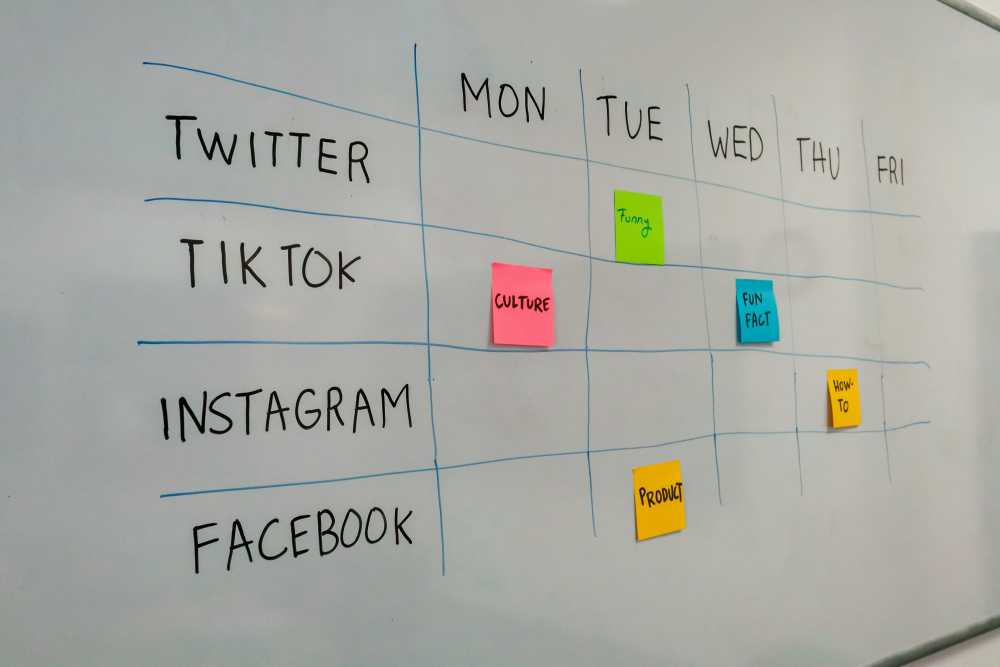
Step 1: Create an Irresistible Lead Magnet
A lead magnet is a free, high-value resource you offer to visitors in exchange for their email address. It must solve a specific, urgent problem for your target audience. The key is to provide a "quick win" that is so valuable, trading an email for it feels like a bargain.
For a travel blog, effective lead magnets include:
A printable packing checklist for a specific destination (e.g., "The Ultimate Southeast Asia Backpacking Checklist").
A short, beautifully designed PDF guide (e.g., "5 Hidden Gems in Paris Most Tourists Miss").
A 3-day itinerary for a popular city.
A plug-and-play template for planning a travel budget.

Pro-Tip: Don't guess what your audience wants. The best lead magnet ideas come directly from your readers. Look at your blog comments, social media DMs, and most popular posts. What questions are people asking over and over? Create a resource that answers that one question perfectly.
The goal is to create something your ideal reader needs right now. It doesn’t have to be long, but it must be incredibly useful.
Your Audience-Building Starter Kit
Creating high-value assets is the core of a modern creator business. To accelerate your journey, we've bundled together some of our most powerful resources. The Travel Creator's Toolkit is a free collection of checklists, templates, and guides designed to help you streamline your workflow and build your business faster.
Step 2: Implement High-Converting Opt-in Forms
Once you have your lead magnet, you need a way to offer it to your website visitors. An opt-in form is the mechanism for capturing their email addresses. Strategic placement is crucial for maximizing your sign-up rate.
Effective placements include:
Embedded Within Relevant Blog Posts: Place a form directly within an article where it makes the most contextual sense. For example, offer your Paris guide in the middle of a post about "What to Do in Paris."
As an Exit-Intent Pop-up: This form appears when a user is about to leave your site, giving you one last chance to offer them your valuable lead magnet.
In Your Blog's Header or Footer: A permanent, site-wide placement ensures every visitor has an opportunity to subscribe.
On a Dedicated Landing Page: Create a simple page whose sole purpose is to promote your lead magnet. This is the page you will link to from social media or other external sources.
Step 3: Master the 3-Part Automated Welcome Sequence
This is the most critical part of your funnel. Once someone subscribes, they should immediately be entered into an automated series of emails. This "welcome sequence" is your opportunity to make a great first impression and begin building a real relationship.
Here is a simple, proven 3-part sequence:
Email 1: Deliver the Goods & Welcome
Objective: Fulfill your promise instantly and set expectations.
Content: The email should have a clear subject line like "Here's your free guide!" and immediately provide the link to download the lead magnet. Welcome the subscriber to your community, briefly re-introduce yourself and your blog's mission, and tell them what to expect from future emails (e.g., "Every Tuesday, I'll send you my best travel tips and stories.").
Email 2: Provide Pure Value & Build Authority
Objective: Establish your expertise and prove that subscribing was a smart decision.
Content: A day or two later, send an email that is purely helpful. Share a personal story or your single best piece of advice related to the lead magnet's topic. Link to 2-3 of your most popular and relevant blog posts. There should be no sales pitch here; this email is all about giving.
Email 3: Engage & Segment
Objective: Encourage interaction and learn more about your new subscriber.
Content: On the final day, send an email that asks a simple, direct question to encourage a reply. For example: "What's the #1 destination on your bucket list? Just hit reply and let me know—I read every response!" This interaction boosts your email deliverability and gives you priceless insight into your audience's desires. This is the relationship that eventually allows you to confidently launch a course or sell your own Travel Guide on a specialized marketplace like TrekGuider.
This automated sequence ensures every new subscriber has a consistent, positive first experience with your brand, turning them from a name on a list into an engaged member of your community.
Choosing Your Platform: A Guide to Email Service Providers
To manage your email list and automations, you'll need an Email Service Provider (ESP). These platforms are the command center for your entire email marketing operation. For beginners, the choice can be overwhelming, but a few stand out for their features and user-friendliness.

MailerLite:
Best For: Beginners on a tight budget.
Pros: MailerLite offers an excellent free plan (up to 500 subscribers) that includes automation and landing pages. Its drag-and-drop editor is one of the most intuitive and beginner-friendly on the market.
Cons: The automation capabilities are less powerful than more advanced platforms, and the account approval process can sometimes be slow.
ConvertKit:
Best For: Serious creators who are ready to invest in their business.
Pros: ConvertKit is built specifically for creators. Its flexible tag-based system allows for powerful audience segmentation, and its visual automation builder is both intuitive and robust. It's the industry standard for professional bloggers for a reason.
Cons: It comes with a higher price point. The free plan is limited, and paid plans are more expensive than competitors as your list grows.
Selzy:
Best For: Beginners who prioritize customer support.
Pros: Selzy offers a user-friendly interface at a competitive price. Its standout feature is 24/7 chat and email support, even for users on the free plan—a huge advantage for beginners who may need help with setup.
Cons: As a newer player, it has fewer native integrations with other software compared to the more established platforms.
Staying Compliant: A Blogger’s Guide to Email Privacy Laws
Effective email marketing for blogging isn't just about strategy; it's about trust and legal compliance. Any blogger collecting email addresses must adhere to data privacy regulations. Failure to do so can result in massive fines and destroy your audience's trust. The two most important laws to understand are CAN-spam (U.S.) and GDPR (E.U.).

Understanding CAN-SPAM (The U.S. Rules)
The CAN-SPAM Act governs all commercial email messages in the United States. Its core requirements are:
Don't use false or misleading header information.
Don't use deceptive subject lines.
Identify the message as an advertisement.
Tell recipients where you're located by including a valid physical postal address.
Provide a clear and conspicuous way to opt out of future emails.
Honor opt-out requests promptly (within 10 business days).
Navigating GDPR (The E.U. Rules)
The General Data Protection Regulation (GDPR) is much stricter and applies to you if you process the personal data of any E.U. citizen, regardless of where your blog is based. Its key principles include:
Explicit Consent: You must have unambiguous, affirmative consent to email someone. This means using unchecked boxes on your sign-up forms. Pre-checked boxes are not compliant.
Right to Access: Subscribers can request a copy of all the personal data you hold on them.
Right to be Forgotten: Subscribers can request that you erase all of their personal data.
Pro-Tip: The easiest way to ensure compliance is to adopt the strictest standard (GDPR) for all subscribers and use a reputable ESP like ConvertKit or MailerLite. These platforms have built-in tools that make compliance, such as adding an unsubscribe link and your physical address, automatic.
Frequently Asked Questions About Email Marketing for Bloggers
1. How often should I email my list?
Consistency is more important than frequency. For most bloggers, a weekly email is a great starting point. It's frequent enough to stay top-of-mind but not so frequent that it becomes overwhelming. The key is to choose a schedule you can stick to and deliver value every single time.
2. What should I write about in my emails?
Your emails should be a mix of personal stories, exclusive tips that aren't on the blog, links to your latest content, and occasional promotions. Use the 80/20 rule: 80% of your content should be purely valuable and relationship-building, while 20% can be promotional. Always ask yourself, "Is this genuinely helpful for my reader?"
3. How long does it take to see results from email marketing?
You will see results immediately in the form of building a valuable asset. However, turning that asset into a significant source of income takes time. The key is to focus on consistently growing your list and nurturing the relationship. When you do that, the monetization will follow naturally as you build trust.
Your Journey to an Owned Audience Starts Now
In the creator economy, your email list is the engine of your business. It is the foundation upon which all other monetization strategies are built. It’s how you build a real community, establish lasting trust, and create a predictable, profitable enterprise that isn't dependent on the whims of an algorithm.

You now have the complete playbook for successful email marketing for blogging. You understand why it’s critical, and you have the step-by-step process to implement your own funnel—from creating a compelling lead magnet to welcoming new subscribers and staying compliant with the law. The path is clear. Take the first step today and start building your most valuable asset.
Read the full guide: The Travel Blog Business Plan: How to Make Real Money in 2026
Don't Miss Out! Subscribe for Exclusive Content
SubscribeComments 0
No comments yet
Be the first to share your experience!
Dont Miss Out! Subscribe for Exclusive Content

FTC Affiliate Disclosure Essentials: Stay Compliant as a Travel Creator

Essential Affiliate Tools: From Tracking to Full Optimization

Avoid These 5 Affiliate Landing Page Mistakes for Better Conversions

Affiliate Keyword Research Mastery for Travel Blogs

Booking.com Affiliate Program Review: Pros, Cons, and Earnings Potential

Decoding Affiliate Commission Rates: Benchmarks for Travel Creators
7 Travel Insurance Red Flags to Spot Before You Buy
TrekGuider @trekguider
You’ve done it. You’ve booked the flights, reserved the hotel with the incredible view, and started daydreaming about the adventures that await. But amidst the excitement, a nagging thought creeps in: What if something goes wrong? A sudden illness, a cancelled flight, a lost bag—these are the travel gremlins that can turn a dream trip into a logistical and financial nightmare. You know you need travel insurance, but as you stare at policies, your eyes glaze over. It’s a dense jungle of jargon, fine print, and confusing clauses, and you’re terrified of making a costly mistake.
The truth is, not all travel insurance is created equal. A cheap policy can be worse than no policy at all, luring you in with a low price only to deny your claim with a hidden exclusion you never saw coming. This is more than just an inconvenience; a denied medical claim abroad can lead to financially crippling bills. But it doesn’t have to be this way. Consider this guide your consumer advocate, your secret decoder ring for the complex world of travel insurance. We’re here to provide the critical travel insurance tips you need to buy with confidence, ensuring your policy is a true safety net, not a tangled mess of loopholes. This is a vital piece of the puzzle we cover in our comprehensive guide to The Ultimate Guide to Travel Safety: A 2026 Playbook. Let’s pull back the curtain and expose the seven most critical red flags you must spot before you buy.

Red Flag #1: The Vague "Pre-Existing Medical Conditions" Clause
This is, without a doubt, the single most common landmine in any policy and the reason countless claims are denied. A "pre-existing condition" is generally any injury or illness for which you've had symptoms or received treatment before your policy's start date. The problem is that the definition and the "look-back" period can vary wildly.
A major red flag is an overly broad or unclear definition. Many basic policies will flat-out refuse to cover any claim that arises, directly or indirectly, from a pre-existing condition. This could be something as common as asthma, a managed heart condition, or even a recent knee injury. Furthermore, many travelers are shocked to discover that mental health conditions like anxiety or depression are frequently excluded under this clause.
What to look for:
A Clear "Look-Back Period": A good policy will specify the exact time frame it examines for pre-existing conditions (e.g., 60, 90, or 180 days before you bought the policy).
Waiver of Exclusion: Many comprehensive policies offer a "waiver for pre-existing medical conditions" if you purchase the plan within a short window (typically 14-21 days) of your initial trip deposit. This is an incredibly valuable benefit.
Coverage for "Stable" Conditions: Some policies will cover conditions that have been stable (no change in medication, no new symptoms) for the duration of the look-back period.
Pro-Tip: Honesty is the only policy. When getting a quote, you must declare all medical conditions. Failure to disclose a condition can give the insurer grounds to void your entire policy and deny any claim, even one completely unrelated to your non-disclosure.
Red Flag #2: The "Adventure & High-Risk Activities" Exclusion
That thrilling scuba dive in the Red Sea, the exhilarating ski trip down a black diamond run, or even a "tame" activity like hot-air ballooning might not be covered by a standard policy. Insurers create a list of activities they deem "high-risk," and if you get injured while participating, you're on your own. For any traveler whose itinerary is more ambitious than a stroll from the hotel to the pool, this is a five-alarm fire.
The list of excluded activities can be surprisingly long and sometimes illogical. It can include everything from bungee jumping and skydiving to motorcycle riding and even certain types of high-altitude trekking. If you're booking an excursion, the first thing you should do is check if that specific activity is covered. Never assume it is.
What to look for:
A Clearly Defined List: Scrutinize the policy document for a specific section on "Excluded Activities." If you can't find a clear list, that's a red flag in itself.
Optional "Adventure Sports" Rider: Reputable insurance providers will offer an optional add-on or a specific, higher-tiered plan that provides coverage for a wide range of adventure sports. It will cost more, but it’s non-negotiable if you plan to partake.
Check Specifics: Don't just see "scuba diving" is covered. Check the details. Does it cover you to a certain depth? Does it require a specific certification? The details are everything.
Red Flag #3: The "Government Travel Advisory" Loophole
In an unstable world, government travel advisories are a key tool for assessing risk. They can also become a loophole for insurers to deny claims. Most policies contain a clause that voids your coverage if you travel to a country or region for which your home government has issued a "Do Not Travel" or equivalent high-level warning before your departure.
Where this gets tricky is when an advisory is issued after you've booked your trip. While some policies will cover trip cancellation in this scenario, many will not provide any medical or evacuation coverage if you choose to go against the official advice. This red flag effectively shifts the entire financial risk of traveling to a potentially volatile destination onto your shoulders.
What to look for:
Specific Wording on Advisories: Look for the exact language the policy uses. Does it only exclude travel to destinations with a warning in place at the time of purchase, or does it also apply if a warning is issued later?
"Cancel for Any Reason" Upgrade: This is one of the best ways to protect yourself against last-minute travel advisory changes. More on this below.

Red Flag #4: The Blanket "Pandemic & Epidemic" Exclusion
In the wake of the COVID-19 pandemic, nearly every provider updated its policies to address communicable diseases. A major red flag is a policy with a broad, all-encompassing exclusion for any losses "due to, arising from, or in connection with any pandemic or epidemic."
This sweeping language could mean you have no coverage for a wide range of scenarios. It could mean you can't cancel if a new lockdown is imposed, if you're afraid to travel due to an outbreak, or even if you contract the illness yourself just before or during your trip.
What to look for:
Named Perils Coverage: Look for policies that, at a minimum, treat a specific disease (e.g., COVID-19) like any other illness. This means if you are medically diagnosed and can't travel, your trip cancellation should be covered. Likewise, your emergency medical expenses should be covered if you get sick on your trip.
Clarity on Quarantine Costs: The best policies today will explicitly state whether they cover the costs of a mandatory quarantine (e.g., extra hotel nights, food) if you test positive while abroad.
Red Flag #5: The "Named Perils Only" Cancellation Clause
Many travelers believe "trip cancellation coverage" means they can cancel for any reason and get their money back. This is a dangerous and costly misconception. Standard policies operate on a "named perils" basis, meaning they will only reimburse you for non-refundable costs if you cancel for one of the very specific, listed reasons in the policy document.
A red flag is a policy with a short and restrictive list. Common covered reasons include the unforeseen illness or death of the traveler or a close family member, a house fire, or being called for jury duty. Common reasons that are often not covered include changing your mind, a relationship breakup, or work conflicts. This means if you have to cancel because your pet-sitter backs out or your boss denies your vacation time at the last minute, you get nothing.
Red Flag #6: The Restrictive "Pregnancy & Childbirth" Limitation
Traveling while pregnant requires an extra layer of precaution, and your insurance policy needs to reflect that. A significant red flag is a policy that either completely excludes pregnancy or has highly restrictive limitations.
Many standard policies will not cover costs related to a normal, routine pregnancy. This means if you go into labor while on your trip, the costs of a routine childbirth and care for a healthy newborn will likely not be covered. Coverage for unforeseen complications is often only provided up to a certain stage of the pregnancy (e.g., 23 to 32 weeks), and many policies will not cover pregnancies that resulted from IVF.
What to look for:
A Clear Definition of "Complication": The policy should specify what it considers an unforeseen complication of pregnancy.
Stated Gestational Week Limit: Look for the exact week up to which coverage for complications is provided.
Coverage for Newborn Care: Check if the policy provides any coverage for the care of a newborn if they are born prematurely on the trip.

Your Pre-Trip Master Plan
Navigating insurance is just one piece of the pre-travel puzzle. To ensure you've covered every base—from passports and visas to packing and finances—a master checklist is your most powerful tool. Download our free, comprehensive checklist to make your preparation seamless.
Download Your Free International Travel Checklist Now!
Red Flag #7: The "Mental Health Conditions" Blind Spot
This is a frequently overlooked but critically important exclusion. Many travel insurance policies contain a specific clause that excludes any claims arising from "mental or nervous health disorders." This can include conditions like anxiety disorders, depression, dementia, and other psychiatric conditions.
This means if you have a panic attack and need to be hospitalized, or if you need to cancel your trip due to a severe depressive episode, your policy may offer no coverage. For the millions of people who manage mental health conditions, this is a glaring and dangerous gap in coverage.
What to look for:
Review the Exclusions List: Carefully read the general exclusions section for any mention of "mental," "nervous," or "psychological" disorders.
Specialized Policies: Some providers are beginning to offer more inclusive plans. You may need to seek out a specialty provider or a higher-end comprehensive plan that explicitly states it provides coverage for acute episodes of a pre-existing mental health condition.
Pro-Tip: Cancel For Any Reason (CFAR) is an optional upgrade that acts as your ultimate safety net against uncovered cancellation reasons. It typically reimburses 50-80% of your non-refundable costs. But be aware: you must purchase a CFAR add-on within a short window, usually 14-21 days, of your initial trip payment. Don't wait!
Travel Insurance FAQs
Spotting red flags is easier when you speak the language. Here are answers to common questions, providing some essential travel insurance tips for understanding policy jargon.
1. What's the real difference between primary and secondary medical coverage?
This determines the order of payment and how much work you have to do. A primary policy pays first. You file your claim directly with the travel insurer, which means less paperwork and faster reimbursement. Secondary coverage only pays after your other insurance (like your regular health plan) has paid its share. It requires you to file twice and is generally less convenient. For international travel, primary coverage is strongly recommended.
2. Is travel insurance worth it for a domestic trip?
Often, yes. While your regular health insurance will likely work in another state, it won't cover trip cancellation, interruption, or lost baggage. If you've prepaid for expensive flights and non-refundable hotels for a trip to a national park, for instance, trip insurance can protect that investment if you have to cancel for a covered reason.
3. When is the best time to buy travel insurance?
You should buy your policy as soon as you make your first non-refundable trip payment (like booking flights or a tour). This ensures you are covered for the longest possible period. More importantly, it's the only way to be eligible for time-sensitive benefits like the "pre-existing condition waiver" and the "Cancel for Any Reason" upgrade, which often must be purchased within 14-21 days of your initial deposit.

Travel with True Peace of Mind
Buying travel insurance isn’t just about ticking a box on your pre-trip to-do list. It’s about making an informed decision to purchase a strong financial safety net. By using these travel insurance tips to read a policy like a pro, you can confidently spot the red flags, avoid the worthless plans, and choose a policy that delivers on its promise. An investment in the right coverage—and in a comprehensive resource like our all-encompassing Travel Guide—is an investment in your own peace of mind. Now you can focus on the adventure ahead, knowing you’re protected no matter what the journey throws your way.
Meta Data Suggestions:
SEO Meta Title (59 characters): 7 Travel Insurance Red Flags to Spot Before You Buy
URL Slug: travel-insurance-red-flags
SEO Meta Description (154 characters): Don't get burned by bad travel insurance. Learn the 7 critical red flags to spot in any policy with these essential travel insurance tips before you buy.
Don't Miss Out! Subscribe for Exclusive Content
SubscribeComments 0
No comments yet
Be the first to share your experience!
Dont Miss Out! Subscribe for Exclusive Content

Ultimate USA Holidays Guide: Top Picks
FTC Affiliate Disclosure Essentials: Stay Compliant as a Travel Creator
Essential Affiliate Tools: From Tracking to Full Optimization
Booking.com Affiliate Program Review: Pros, Cons, and Earnings Potential
Decoding Affiliate Commission Rates: Benchmarks for Travel Creators
