
9 Food Travel Blogs for Culinary Adventures

TrekGuider @trekguider
You're planning a trip, dreaming of sizzling street food, hidden family-run trattorias, and flavors you'll remember for a lifetime. But your research keeps hitting a wall. You're tired of the same generic "top 10 eats" lists that lead you to overpriced, mediocre tourist traps. It’s a frustrating cycle of clicking through sponsored reviews and superficial recommendations, leaving you feeling like you’ve barely scratched the surface of a destination’s true culinary soul. You end up on the wrong side of town, eating a forgettable meal, knowing you’re missing out—on the vibrant market stalls, the rich history behind the local dishes, and the genuine connection to a culture that only happens through its food.

The solution is to stop following travel writers and start following culinary storytellers. The best food travel blogs go far beyond the plate. They are your expert guides to the history, people, and traditions that make a cuisine come alive. These creators understand that a dish is more than its ingredients; it’s a story waiting to be told. They take you on deep dives into local markets, introduce you to the artisans preserving tradition, and even teach you how to recreate iconic dishes yourself. This is how you transform a simple vacation into a true culinary adventure.
As we explore in our definitive guide to The Best Travel Blogs to Follow in 2026, finding the right niche expert is the single most important step in planning a transformative trip. This curated list will introduce you to the nine most valuable resources for planning your next food-focused journey.
Why Trust This List? Our Vetting Process
In a world saturated with algorithm-chasing 'Top 10 Eats' lists and perfectly filtered food photos, how do you find advice you can actually trust? More importantly, how do you distinguish a genuine culinary storyteller from a simple restaurant reviewer?
Our selection process is grounded in a dual-factor framework that combines hard data with the human element of excellence. We start with quantitative metrics like Domain Authority (DA), a score that a website's credibility to search engines, and social media engagement rates—which, according to recent market analysis, are far more telling than simple follower counts. This gives us a baseline of a blog's influence.
But data only gets you so far. The second, more crucial layer is a qualitative audit. We carefully analyze each blog for:
Deep Niche Expertise: The era of the generalist is over. We prioritize blogs that demonstrate profound, narrow expertise, establishing themselves as the go-to authority on culinary travel.
Originality & A Distinct Voice: We look for compelling storytellers, not content machines. The blogs on this list are run by writers with a unique perspective and a clear, engaging authorial voice.
Authenticity & Transparency: Trust is the currency of the creator economy. We select blogs that are transparent about their partnerships and share the complete picture of their journeys—the great, the good, and the occasional disaster.
This rigorous process ensures every blog featured here is not just popular, but genuinely valuable, trustworthy, and an authoritative resource for any traveler who believes food is the ultimate gateway to culture.

The Best Food Travel Blogs for Authentic Local Cuisine
These creators have dedicated their careers to seeking out the most authentic food experiences across the globe. They excel at telling the stories behind the food, providing the context that turns a meal into a memory.
1. Migrationology
Run by the endlessly enthusiastic Mark Wiens, Migrationology is a masterclass in using food as a lens for culture. Wiens’s philosophy is simple: “Food is the reason you should travel.” He goes far beyond restaurant reviews, creating mini-documentaries and articles that explore the history and cultural significance of every dish. His post on , for example, isn't just a review; it's an exploration of Malaysia's national dish, its regional variations, and its place in the heart of the Malaysian people. This is the blog you read to understand the why behind what you’re eating.
2. Legal Nomads
Jodi Ettenberg started Legal Nomads after leaving her career as a lawyer to travel the world. Her site has since become a treasure trove of narrative-driven food writing. What sets Legal Nomads apart is its intellectual curiosity. A prime example is Jodi's "," which traces the global migration of the humble chili from its origins in the Americas to its integration into cuisines across Asia and Europe. This dedication to deep-dive, historical content provides a rich, educational context you simply won't find on other platforms.
3. 2foodtrippers
Run by Daryl and Mindi Hirsch, 2foodtrippers is an invaluable resource for travelers who want practical, actionable food guides without any fluff. They are masters of the city-specific food guide, providing well-researched lists that help you eat well from your first day in a new destination. Their " " is a perfect example of their style: comprehensive, easy to navigate, and focused on authentic local specialties, from pastéis de nata to bifana sandwiches. They take the guesswork out of culinary exploration.

4. Authentic Food Quest
Claire and Rosemary, the founders of Authentic Food Quest, are on a mission to help travelers discover traditional dishes and the local food heroes who make them. Their entire philosophy is built around moving "beyond the tourist traps." They distinguish themselves by focusing heavily on participatory experiences. Their content consistently champions taking cooking classes on your travels, arguing it's one of the best ways to connect with a culture. This focus on hands-on learning makes their blog an essential read for anyone who wants to be an active participant in their culinary journey.
5. Will Travel for Food
JB and Renée are the creators of Will Travel for Food, a blog perfectly tailored for people visiting a destination for the first time. They specialize in creating comprehensive guides to the best local food in cities known for their culinary scenes. Their post, " ," is an accessible yet thorough introduction that helps newcomers navigate a complex food landscape with confidence. They excel at making exotic food scenes feel approachable and exciting for beginners.
6. The Travel Bite
The Travel Bite, founded by Rachelle Lucas, masterfully bridges the gap between travel and home cooking. While many blogs focus exclusively on the experience of eating abroad, The Travel Bite empowers you to bring those flavors back with you. Rachelle often includes recipes for iconic dishes she encounters on her travels, like her post on " ." This approach makes the blog incredibly valuable, extending the life of your culinary travels from a fleeting moment to a skill you can enjoy for years to come.
Your Culinary Adventure Awaits
Ready to plan a trip that tantalizes your taste buds? A great culinary journey starts with flawless planning. Don't let forgotten visas or last-minute packing stress get in the way of your next great meal.
Download our free International Travel Checklist today! It’s the ultimate step-by-step resource to ensure you're prepared for every aspect of your trip, so you can focus on what really matters: the food.
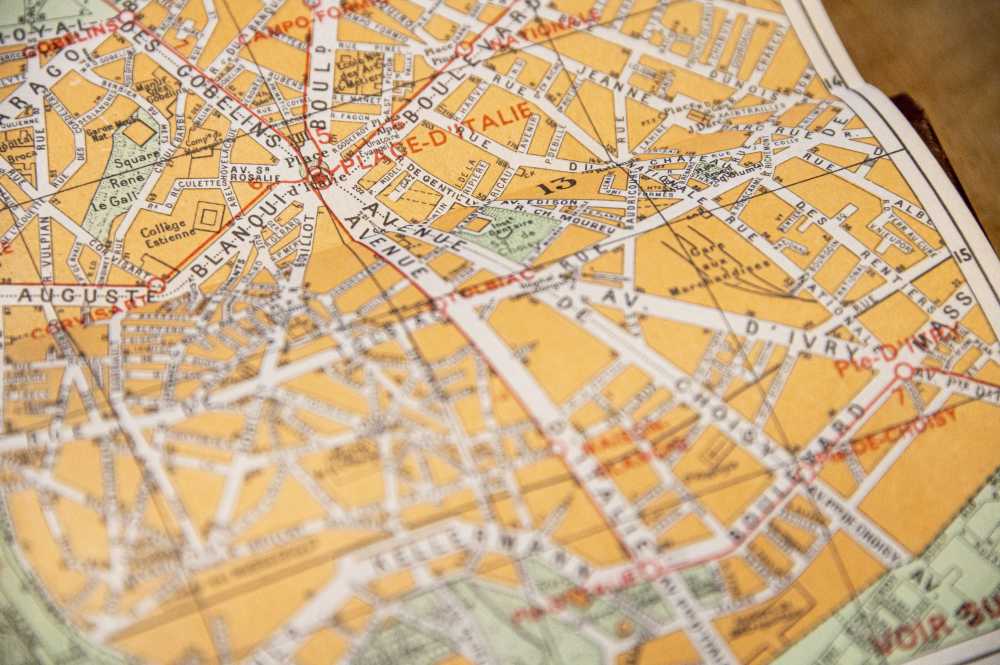
The New Wave of Food Travel: It's All About the Experience
The most sophisticated food travel blogs have evolved. They recognize that modern travelers crave immersion, not just information. This isn’t just a trend in food; it’s a seismic shift across the entire travel landscape. Our market analysis shows consumers are moving from passive observation to active participation. Food travelers now seek cooking classes over restaurant lists, and luxury travelers desire authentic cultural connections beyond opulent hotels. The most successful content is no longer a list, but an experiential guide. Here’s how top creators are leading the charge.
The Culinary Historian
A growing number of travelers are seeking more than just a good meal; they want to understand its context. This has given rise to a style of content best described as the "culinary historian" approach. These creators are digital storytellers who connect dishes to their cultural and historical roots. You can see this in the work of blogs like Migrationology and Legal Nomads, which transform a food review into a compelling lesson in history.
Pro-Tip: When you find a dish you love, search for its name plus "history" or "origin story." You'll often find blogs that have written deep-dive articles, giving you a much richer appreciation for what's on your plate.
The Local Market Deep Dive
Some of the most vibrant and authentic food in any destination is found not in restaurants, but in its local markets. A new wave of specialized platforms, like Culinary Backstreets and Traveling Spoon, are dedicated to this very experience. They build entire narratives and guided tours around exploring places like Tokyo's Tsukiji Outer Fish Market or Lisbon's Mercado da Ribeira. Content focused on market tours is invaluable because it tells a story about local ingredients, highlights the personalities of vendors, and provides a snapshot of daily life you can't get anywhere else.
The Hands-On Cooking Class
The ultimate way to connect with a cuisine is to learn how to make it yourself. Platforms like EatWith, The International Kitchen, and blogs like Authentic Food Quest are at the forefront, showcasing the immense value of cooking classes. Documenting a "Tuscan Cooking Class" provides a far more engaging and educational narrative than another passive dining review. For travelers heading to Italy, finding an authentic, non-touristy cooking class can be a challenge. Our Italy Travel Guide cuts through the noise, providing vetted recommendations for hands-on culinary experiences, from pasta making in Tuscany to pizza crafting in Naples. These resources empower you to bring home the ultimate souvenir: a new skill.
How to Use These Blogs to Plan Your Perfect Trip
Discovering great food travel blogs is the first step. The next is to use them as powerful planning tools to design your own perfect culinary itinerary.
First, think of these blogs as your personal team of scouts. As you read, don't just consume the content—curate it. When a blogger mentions a restaurant, market, or dish that excites you, immediately save it to a custom Google My Map for your destination. Over time, you’ll build a visual database of vetted, high-quality recommendations. When you arrive, you’ll have a personalized map filled with promising options, allowing you to make spontaneous, informed decisions. Increasingly, the best creators are packaging their deep local knowledge into digital products you won't find anywhere else—think downloadable PDF guides with custom Google Maps or hyper-detailed itineraries. These are the kinds of expert-crafted resources you can discover on the TrekGuider Marketplace, connecting you directly with the creators who know these destinations best.

Pro-Tip: Color-code your map pins by category (e.g., green for coffee shops, blue for markets, red for fine dining, yellow for street food). This makes it incredibly easy to see what's nearby and choose an option that fits your current craving and budget.
Second, pay attention to the blogger’s palate. Food is subjective. Do they rave about spicy food? Are they passionate about fine dining, or do they prefer hole-in-the-wall street food stalls? Read several posts to get a feel for their unique perspective. If you find yourself consistently agreeing with their opinions, you’ve likely found a reliable guide. A blogger whose palate you trust is the most valuable travel planning asset you can have.
Frequently Asked Questions About Food Travel
What’s the difference between a food blog and a standard review site?
A review site (like Yelp or TripAdvisor) focuses on crowdsourced opinions and ratings, which can be useful for a quick snapshot. A high-quality food blog, however, offers a single, expert point of view. It provides deeper context, storytelling, and a curated perspective from a creator whose taste and expertise you can come to trust over time.
How can I tell if a food recommendation is sponsored?
Trustworthy bloggers are transparent. According to FTC guidelines, they must clearly disclose any paid partnerships or sponsored content. Look for disclaimers like "#ad," "#sponsored," or "Paid partnership with..." at the beginning of a post or caption. A lack of transparency is a major red flag.
Are there food blogs for specific dietary needs?
Absolutely. The trend toward niche expertise means there are fantastic blogs dedicated to every dietary preference. Searching for terms like "vegan food travel blogs," "gluten-free travel Paris," or "keto-friendly Italy" will uncover creators who specialize in navigating the world with specific dietary needs, offering invaluable, targeted advice.

Your Culinary Journey Starts Now
The world of food is vast, vibrant, and deeply personal. Moving beyond generic restaurant lists and embracing the rich, contextual storytelling of dedicated food travel blogs is the key to unlocking truly authentic and unforgettable culinary experiences. The creators featured here are more than just reviewers; they are educators, historians, and passionate guides who provide the tools and inspiration you need to connect with a culture in the most delicious way possible. You are now equipped with the resources to stop being a tourist and start being a true culinary explorer. Your next adventure, filled with genuine flavors and lasting memories, is just a click away.
Don't Miss Out! Subscribe for Exclusive Content
Subscribe



Comments 0
No comments yet
Be the first to share your experience!
Dont Miss Out! Subscribe for Exclusive Content

Chicago Beer Fests: Top 6 Tastings


FTC Affiliate Disclosure Essentials: Stay Compliant as a Travel Creator

Essential Affiliate Tools: From Tracking to Full Optimization

Avoid These 5 Affiliate Landing Page Mistakes for Better Conversions

Affiliate Keyword Research Mastery for Travel Blogs

Booking.com Affiliate Program Review: Pros, Cons, and Earnings Potential
How to Make a Solo Travel Budget (That You'll Actually Keep)
TrekGuider @trekguider
You have the destination pinned on a map, the screenshots saved, the dream of a life-changing solo trip burning bright. But a huge, intimidating question mark looms over the entire fantasy: the money. You have no real idea how much it costs, how to save for it, or how you’ll manage it all on your own. This financial uncertainty is paralyzing, isn't it? It’s the anchor that keeps your dream moored in the harbor of "someday," while you watch others set sail. You worry that you’ll either never save enough or, even worse, that you’ll miscalculate and run out of money halfway through your adventure, turning a dream trip into a stressful nightmare.
This guide is your anchor chain cutter. It is the definitive, step-by-step system to create a realistic, achievable, and stress-free financial plan for your adventure. We’re going to demystify the process of how to budget for solo travel, breaking down every potential cost, from pre-flight essentials to daily gelato. This isn't about restriction; it's about empowerment. It's about giving you the clarity and control to turn "someday" into a firm departure date. For a complete roadmap of your entire journey, start with our foundational pillar article, The Ultimate Guide to Solo Female Travel (15 Essential Tips).
The "Why" Before the "How": A Solo Traveler's Financial Mindset
Before we open a single spreadsheet, let's establish a crucial mindset shift. For a solo traveler, a budget is not a cage—it is the key that unlocks the cage. When you travel with others, costs are often shared or split. When you travel alone, you bear 100% of the financial responsibility for every room, ride, and meal. While this may seem daunting, it grants you an unparalleled superpower: absolute financial agility and control.
You, and you alone, decide where to splurge and where to save. You can choose a hostel in Prague to save for a Michelin-starred meal in Paris. This level of autonomy is a core part of the solo travel experience, a movement dominated by women who make up a staggering 84% of the market. Mastering your budget is the first and most critical step in mastering the art of traveling on your own terms.
From Dream to Departure: Your Step-by-Step Guide on How to Budget for Solo Travel
Creating a comprehensive travel budget isn't guesswork; it's a systematic process that transforms a vague dream into an actionable financial goal. Follow these four steps to build a plan you can trust.
Step 1: Research and Estimate Your "Big Three" Costs
Your first task is to get a realistic, high-level estimate of what your trip will cost. Focus your research on the three largest categories of expense that will form the foundation of your budget.
Pre-Trip Fixed Costs: These are the one-time expenses you'll incur before you even leave home. This category includes things like necessary visas, travel insurance (an absolute non-negotiable), essential gear you need to buy (like a good backpack or walking shoes), and any required vaccinations.
Major Transportation: For most trips, this will be your round-trip flight to and from your destination region. Use tools like Google Flights or Skyscanner and search with flexible dates to get a ballpark figure for this significant cost.
Average Daily On-the-Ground Cost: This is the most variable part of your budget, and it's heavily influenced by your destination and travel style. Research is key here. As we'll see below, the difference between regions is dramatic. A budget-conscious solo traveler could comfortably explore Prague on around €65 per day, while maintaining a similar travel style in Paris would require at least €115 per day, according to cost-of-living data.

Step 2: Build Your Master Budget Spreadsheet
Once you have your "Big Three" estimates, it's time to get granular. Create a detailed spreadsheet or use a budgeting app to break down your total estimated cost into specific, itemized categories. This detailed view is crucial because it shows you exactly where your money is going and helps you identify areas where you can potentially cut back.
Your spreadsheet should include the following categories:
Pre-Trip Costs: (Visa fees, travel insurance, vaccinations, new gear)
International Transport: (Flights, long-distance trains)
Daily Lodging: (Your estimated nightly cost x number of nights)
Daily Food: (Your estimated daily cost x number of days)
Daily Activities: (Museum tickets, tours, special experiences)
Local Transport: (Subway passes, buses, occasional taxis)
Miscellaneous: (Souvenirs, laundry, toiletries)
Your Ultimate Planning Companion
A great budget is the foundation of a great itinerary. To help you organize every aspect of your trip, from flight details and accommodation confirmations to your daily spending plan, we've created the perfect tool to put this plan into action.
Download your free Travel Itinerary Template now! This comprehensive template will help you keep all your essential information in one organized place, making your planning process seamless and stress-free.
Step 3: Set a Savings Goal and Automate Your Success
With a tangible number in your sights, the path to your departure date sharpens from a hazy dream into simple, motivating math. Divide the total cost by the number of months you have until your departure. This number is your required monthly savings target.
The single most effective strategy for hitting this target is automation. Don't rely on willpower. Set up an automatic, recurring transfer from your checking account to a dedicated high-yield savings account for the day after you get paid. By treating your travel savings as a non-negotiable monthly bill, you pay your future self first and ensure you stay on track without having to think about it.
Step 4: The Golden Rule: Build a 15-20% Contingency Fund
This is the most crucial, and most often overlooked, step in building a resilient budget. After you’ve calculated your total estimated trip cost, add a buffer of 15% to 20% on top of that total. This is your contingency fund.
This fund is not just for emergencies like a missed flight or a medical issue. It is also your "opportunity fund." It’s the financial freedom to say "yes" to a spontaneous, can't-miss experience—like a last-minute ticket to the opera or a day trip with new friends from your hostel. This buffer is what prevents financial stress on the road and allows you to travel with confidence and flexibility.
The Cost of Style: Decoding Daily Expenses for Three Travel Tiers
That four-step framework gives you the how, but the biggest variable will always be the where and the what. To give you tangible financial targets, let's break down what those "on-the-ground costs" actually look like across three distinct travel styles, based on global averages for popular destinations. These figures are for a single person in USD and do not include major pre-trip costs like international flights.

The Budget Backpacker: Stays in hostel dorms, primarily eats street food or cooks in the hostel kitchen, and focuses on free activities like walking tours.
The Mid-Range Comfort Seeker: Stays in private hostel rooms or budget hotels, eats a mix of cafe meals and local restaurants, and enjoys a paid activity each day.
The Affordable Luxury Traveler: Stays in boutique hotels, dines out for most meals, uses ride-shares, and books multiple guided tours or unique experiences.
To see these numbers in action, explore the Travel Guide marketplace on TrekGuider. Many of our expert guides, published by seasoned solo travelers, include detailed budget breakdowns from their own trips, giving you invaluable real-world insight.
Hacking the System: 5 Actionable Tips for Slashing Your Biggest Costs
For a solo traveler, flights and accommodation are the two largest line items in the budget. Employing a few savvy strategies can dramatically reduce these costs, freeing up more of your hard-earned money for actual experiences.
Travel in the Shoulder Season: The months just before and after peak tourist season (typically spring and autumn) are the sweet spot. You’ll enjoy pleasant weather, fewer crowds, and flight and accommodation costs that can be 25-50% cheaper than in peak summer.
Embrace Modern Hostels (and Their Private Rooms): The stereotype of dingy dorms is long gone. Many modern hostels are stylish, social hubs that offer private rooms with ensuite bathrooms at a fraction of the cost of a hotel. You get privacy plus access to money-saving amenities like a communal kitchen.
Filter for Single Rooms: When searching on booking sites, specifically look for "single rooms" or studios. Many traditional European guesthouses offer smaller rooms designed for one person at a lower price than a standard double.
Use Flight Scanners with Flexible Date Searches: Instead of searching for a specific date on Google Flights or Skyscanner, use their calendar or "whole month" functions. You’ll often find that shifting your departure by just a day or two can result in massive savings.
Leverage Loyalty Programs: Before your trip, sign up for the free loyalty programs of the airlines and hotel chains you plan to use. More significantly, using a travel-focused credit card to pay for your trip expenses can earn valuable points and miles for free flights and hotel stays in the future.

How to Budget for Solo Travel and Avoid the "Budget Busters"
Even a perfect plan can be derailed by unexpected expenses. Being aware of these common "hidden" costs allows you to account for them in your contingency fund from the start.
The Single Supplement: The most notorious cost for solo travelers. Many tours and cruises base their pricing on double occupancy and charge extra for a single person. Always look for companies that cater to solo travelers or offer to pair you with a roommate to waive this fee.
ATM and Foreign Transaction Fees: This is death by a thousand cuts. Using the wrong card can mean paying a 3% fee on every purchase and $5-$10 for every cash withdrawal.
Baggage Fees: Budget airlines are famous for their exorbitant fees for both checked and carry-on luggage. Always read the fine print on baggage allowances before booking.
Local Tourist Taxes: Many cities charge a small tourist tax per person, per night, that is often not included in your prepaid booking price and must be paid in cash at your hotel.
International Data: Relying on your home carrier's roaming plan can be incredibly expensive. Budget for a local SIM card or an eSIM to ensure affordable connectivity.
Pro-Tip: Your most powerful tool against hidden fees is a strategic financial setup. Travel with two key products: a credit card that has no foreign transaction fees (like the Chase Sapphire Preferred®) and a debit card from a bank that offers worldwide ATM fee reimbursements (like the Charles Schwab Bank High Yield Investor Checking Account). This combination alone can save you hundreds of dollars.
Pro-Tip: Before you leave, create a "financial lifeline." Photocopy the front and back of every credit and debit card you plan to carry. Leave one copy with a trusted emergency contact at home and keep a digital copy in a secure cloud storage service. If your wallet is lost or stolen, having the card numbers and the international toll-free numbers on the back will make the cancellation process infinitely smoother.
Frequently Asked Questions About Solo Travel Budgeting
How far in advance should I start budgeting for a big solo trip?
Ideally, start your high-level research 9-12 months out. This gives you plenty of time to track flight deals, understand seasonal price shifts, and, most importantly, allows you to set a smaller, less intimidating monthly savings goal over a longer period.
Is it better to bring a lot of cash or just use cards?
Never carry large amounts of cash. The best strategy is a multi-pronged approach. Use a no-foreign-transaction-fee credit card for the majority of your purchases (hotels, restaurants, tours) to maximize security and rewards. Use a fee-reimbursing debit card to withdraw small amounts of local currency every few days for things like small market purchases, tips, or cash-only street food.
The 15-20% contingency fund seems like a lot. Is it really necessary?
Absolutely. Think of it as buying peace of mind. On a $3,000 trip, a 15% buffer is $450. That single fund could cover a last-minute flight change, a necessary trip to a doctor, or the spontaneous decision to take a ferry to a Greek island with new friends. Without it, any unexpected event becomes a major crisis. With it, it’s just a manageable part of the adventure.
Your Journey to Financial Freedom Awaits
A budget is not about what you can't do; it's about empowering everything you can do. It transforms a vague, anxiety-inducing dream into a clear, tangible, and achievable goal. By following this systematic approach, you now have the tools to build a financial plan that is not just a spreadsheet of numbers, but a roadmap to the world. You have a framework for how to budget for solo travel that puts you in complete control of your adventure.
This financial competence is the foundation upon which the most incredible solo journeys are built. With your budget sorted, you can focus on the real magic: planning your itinerary, discovering new cultures, and, most importantly, discovering yourself.

SEO Meta Data Suggestions:
SEO Meta Title (59 characters): How to Make a Solo Travel Budget You'll Actually Stick To
URL Slug: /how-to-budget-for-solo-travel
SEO Meta Description (154 characters): A step-by-step guide on how to budget for solo travel. Learn to estimate costs, save effectively, and avoid hidden fees for your next adventure.
Don't Miss Out! Subscribe for Exclusive Content
SubscribeComments 0
No comments yet
Be the first to share your experience!
Dont Miss Out! Subscribe for Exclusive Content

Ultimate USA Holidays Guide: Top Picks
FTC Affiliate Disclosure Essentials: Stay Compliant as a Travel Creator
Essential Affiliate Tools: From Tracking to Full Optimization
Booking.com Affiliate Program Review: Pros, Cons, and Earnings Potential

Decoding Affiliate Commission Rates: Benchmarks for Travel Creators

Top 11 High-Paying Affiliate Programs for Travel Bloggers
Budget Solo Travel: A Proven System for Trips Under $1000
TrekGuider @trekguider
Planning a solo trip should be thrilling. But for many, one question hangs in the air, casting a shadow of stress and analysis paralysis over the entire process: "How much will this actually cost?" You’ve scrolled through the endless, generic "tips," but you’re still left without a real plan, haunted by the specter of hidden fees, unexpected expenses, and the daunting idea that a trip under $1000 is pure fantasy.
This is not another list. This is your financial playbook. It’s a proven, three-phase system designed to dismantle uncertainty and empower you to plan an incredible adventure with total confidence. This guide to budget solo travel will give you the framework and the tools to build a realistic budget you can actually trust. A successful trip, however, involves more than just money. For a complete masterclass covering everything from safety to packing and meeting people, be sure to read our ultimate guide to .
The Strategic Foundation—The Decisions That Save the Most
The secret to a truly affordable solo trip isn't about pinching every penny until it screams. It’s about making a few smart, high-impact decisions long before you even think about packing. These foundational choices have the biggest impact on your bottom line and set the stage for a stress-free adventure.
Choose Your Playground Wisely
This is the single most important decision you will make. Your destination dictates the cost of everything else. A week in Zurich will cost exponentially more than a month in Hanoi, no matter how frugal you are. To keep your trip under $1000, you must focus on regions where your home currency has heavyweight buying power.
Southeast Asia (The Budget Gold Standard): Countries like Vietnam, Thailand, Cambodia, and Indonesia are legendary for a reason. You can feast on world-class street food for a couple of dollars, secure a clean, private guesthouse room for $20-$30, and witness breathtaking landscapes that cost absolutely nothing to enjoy.
Eastern Europe (Culture Without the Cost): Forget the well-trodden paths of Paris and Rome. Cities like Budapest (Hungary), Prague (Czech Republic), Krakow (Poland), and Lisbon (Portugal) offer centuries of history, stunning architecture, and vibrant culture at a price that feels like a pleasant time warp.
Latin America (Adventure Capital): For raw adventure and rich culture, destinations like Mexico, Colombia, Bolivia, and Guatemala provide unparalleled value. You can explore ancient Mayan ruins, hike active volcanoes, and immerse yourself in dynamic local life, all on a remarkably modest budget.

Master the Calendar
Timing isn't just important; it's everything. Every destination has three travel seasons, and knowing the difference is like having a cheat code.
High Season: Peak tourist time with postcard-perfect weather, but also the biggest crowds and eye-watering prices.
Low Season: The off-season, often with challenging weather, fewer open attractions, and rock-bottom prices.
Shoulder Season: The magic window. Nestled between the high and low seasons (typically April-May and September-October in the northern hemisphere), this is the budget traveler's sweet spot.
Traveling during the shoulder season means you get the best of both worlds: pleasant weather, far fewer tourists cluttering your photos, and dramatic drops in the cost of flights and accommodations. Visiting the Greek Islands in May instead of July, for instance, can easily cut your two biggest expenses by 30-50%.
Build Your Budget Blueprint
Let’s reframe the word "budget." It isn't a restriction; it's a permission slip. A well-crafted budget doesn't tell you what you can't do; it gives you the freedom to do what you want to do, without the guilt or anxiety. Here’s how to build one you can rely on.
Set Your Ceiling: Before anything else, define your absolute maximum trip cost. For this playbook, we're targeting a complete trip under $1000.
Become a Researcher: Open a spreadsheet and start plugging in real numbers. Use sites like Kayak, Booking.com, and detailed travel blogs to estimate average costs for your chosen destination. Be thorough.
Flights/Major Transport: Your biggest single purchase.
Accommodation: Your largest daily expense.
Food & Drink: A realistic mix of meals out, street food, and groceries.
Activities & Tours: Museum entries, day trips, cooking classes.
Local Transport: Subways, buses, and the occasional ride-share.
Travel Insurance: Non-negotiable. Don't even consider leaving home without it.
Build a Financial Safety Net: This is the pro move. Once you have your total estimated cost, add a 15-20% "contingency fund." This isn't for overspending; it’s for the unexpected. It’s the money that lets you say "yes" to a spontaneous adventure or handle a missed train without a panic attack. It’s the key to true peace of mind.

With that blueprint in hand, it’s time to move from strategy to action.
The Booking Engine—Locking in Value on Your Biggest Expenses
This is where the rubber meets the road. With your strategic plan in place, you can now book the core components of your trip with surgical precision, ensuring you get the absolute best value for every dollar spent.
Accommodation Strategy
For a solo traveler, a standard hotel room is almost always the least imaginative and most expensive option. The world of alternative accommodations is where you’ll find incredible value and far more interesting experiences.
Hostels (The Social Hub): The undisputed champion of budget solo travel. They offer dorm beds for incredibly low prices and have a built-in social atmosphere that’s perfect for meeting other travelers. If dorms aren’t your scene, a private room in a quality hostel gives you the perfect blend of privacy and community at a price well below a hotel.
Guesthouses & Local Inns: These smaller, often family-run establishments offer a direct line to the local culture. They're typically much cheaper than large hotel chains and infinitely more charming.
Apartment Rentals (with a Kitchen): For stays of three days or more, sites like Airbnb can be fantastic value. The real secret weapon here is the kitchen. Being able to prepare your own breakfast and the occasional dinner will slash your daily food costs.

How to Slay the Single Supplement Dragon
The "single supplement" is an infuriating fee that tour companies and cruise lines charge solo travelers to cover the perceived loss of a second person in a double-occupancy room. It’s a penalty for your independence, and you should refuse to pay it. Here’s how:
Seek Out Solo-Friendly Companies: Tour operators like Intrepid Travel, G Adventures, and Overseas Adventure Travel are built for travelers like you. They’ll match you with a same-sex roommate to eliminate the fee entirely.
Use the Calendar to Your Advantage: Companies are far more likely to waive the fee during the shoulder season when they have more empty spots to fill.
Become a Last-Minute opportunist: If your schedule is flexible, call companies a week or two before a tour's departure. They may be desperate to fill a final spot and will gladly waive the fee to make a sale.
Don't Be Afraid to Ask: If a solo option isn't listed online, pick up the phone. A friendly, direct request can often work wonders.
Transportation Hacks
Getting from Point A to Point B is a major budget item. A few smart moves here can free up hundreds of dollars for more exciting things.
Pack Light, Win Big: Master the art of carry-on-only travel. Checked baggage fees are a massive profit center for airlines, especially budget carriers. A well-packed carry-on is free, keeps you nimble, and prevents the nightmare of lost luggage.
Make Your Travel Day Your Hotel Night: For longer overland journeys, an overnight train or bus is a brilliant two-for-one hack. It combines your transportation and accommodation costs into a single ticket, saving you a night's expense and a full day of travel time.
Be a Flexible Flier: Use flight aggregators like Google Flights and Skyscanner like a pro. Their "price graph" and "entire month" views are your best friends, instantly showing you the cheapest days to fly. Always search in an incognito browser to prevent price hikes based on your search history.
Pro-Tip: When comparing flight prices, always factor in the "hidden" cost of airport transfers. A flight that looks $50 cheaper might land at a remote airport where a $70 taxi ride is your only option, completely negating your savings.
The Execution Playbook—Living Smart on the Ground
You’ve arrived. Your careful planning has paid off. Now, it's all about execution. Your daily habits and micro-decisions will determine your budget's success. This is where you shift your mindset from "tourist" to "savvy local."
The Food Budget
You don’t have to survive on protein bars to eat affordably. The key is a "High-Low" hybrid approach that lets you experience the best of the local food scene without blowing your budget.
Make Lunch the Main Event: In many cultures, lunch is the biggest meal of the day. Look for a "menu of the day" (or menu del día) where you can get a multi-course, high-quality meal for a fantastic price. Have a lighter, cheaper dinner.
Go on a Supermarket Safari: Your local grocery store is more than just a place for supplies; it’s a cultural institution. It’s perfect for grabbing breakfast items, picnic lunches, and local snacks.
Trust the Streets: In many destinations, especially in Asia and Latin America, the best, most authentic food is found at bustling street food stalls for a dollar or two. It’s a delicious, ultra-affordable way to dive deep into the local cuisine.

Maximize Your Experience, Not Your Spending
The most memorable travel moments are rarely the most expensive. Every city is overflowing with incredible, zero-cost experiences for those who know where to look.
Take a Free Walking Tour (On Day One): This should be your first activity in any new city. It’s a crash course in history, layout, and local culture. You’ll get your bearings and receive priceless insider tips from your guide. Just be sure to tip them what you feel the tour was worth.
Explore Public Parks and Spaces: From the lush gardens of Paris to the sprawling beaches of Rio, a city's public spaces are its soul. They cost nothing to enjoy and are perfect for people-watching.
Hunt for Free Museum Days: Nearly every major museum offers free admission on certain days of the month or evenings of the week. A quick Google search can save you a significant amount on entry fees.
Embrace the Art of Wandering: The single best way to discover a city's hidden courtyards, charming side streets, and authentic local life is to put away the map and simply wander.

Your Blueprint for Affordable Adventure
This isn't just a collection of tips; it's a mindset. You now understand that successful budget solo travel is not a competition to spend the least amount of money possible. It's about the strategic allocation of your resources to maximize experience, discovery, and joy. It's the difference between being cheap and being smart.
Avoid the trap of "false economies"—like booking a hotel far outside the city to save $10, only to spend $15 and two hours on transport each day. But also, know when to embrace the "strategic splurge"—that one incredible meal, cooking class, or guided tour that will become the key element memory of your entire trip. You have the playbook. You have the system. You have the confidence to reject the anxiety of the unknown and step into the incredible freedom of solo travel. The world is not as expensive as you think.
Frequently Asked Questions (FAQ)
How much money do I really need for a trip under $1000?
Excluding your main international flight, a budget of $1000 can comfortably last for 2-4 weeks in high-value regions like Southeast Asia or parts of Eastern Europe. For a one-week trip including flights from the US, you’ll need to target shoulder-season deals to nearby destinations like Mexico and Central America, or watch for flash sales to Europe.
Is it cheaper to stay in a hostel or an Airbnb when solo?
A hostel dorm bed will almost always be your cheapest nightly option. A private room in a hostel is often comparable in price to a basic room in an Airbnb. An entire Airbnb apartment only becomes cost-effective if you stay long enough and use the kitchen religiously to offset the higher upfront cost.
What are the best apps for budget solo travel?
Skyscanner/Google Flights: For finding the cheapest flight dates.
Hostelworld/Booking.com: For finding and booking affordable accommodation.
Rome2rio: For figuring out the cheapest way to get between cities.
Trail Wallet/TravelSpend: For tracking every penny of your expenses in real-time.
How do I handle currency conversion and ATM fees abroad?
First, get a debit card from a bank that charges zero foreign transaction fees and reimburses ATM fees (Charles Schwab Bank is excellent for this). Always decline the "dynamic currency conversion" offered by ATMs and card machines—it's a scam with a terrible exchange rate. Always choose to be charged in the local currency.
Read the full guide: Anxious to Adventurous: The Ultimate Guide to Solo Travel Confidence
Don't Miss Out! Subscribe for Exclusive Content
SubscribeComments 0
No comments yet
Be the first to share your experience!
Dont Miss Out! Subscribe for Exclusive Content
Ultimate USA Holidays Guide: Top Picks
FTC Affiliate Disclosure Essentials: Stay Compliant as a Travel Creator
Essential Affiliate Tools: From Tracking to Full Optimization
Booking.com Affiliate Program Review: Pros, Cons, and Earnings Potential
Decoding Affiliate Commission Rates: Benchmarks for Travel Creators