
5 Critical Affiliate Marketing Mistakes to Dodge in 2026

TrekGuider @trekguider
Let’s be honest. You’re creating fantastic travel content, but your affiliate dashboard looks like a ghost town. You’re putting in the hours, but the income isn’t following. It’s the single most frustrating part of this business, and it’s a sign that something is fundamentally wrong with your strategy.
You see the industry reports—the affiliate marketing world soaring past 93 billion, with the average travel affiliate earning a reported $13,847 a month—and it feels like it’s happening in another universe. It’s not. The difference is strategy. The highest-earning creators aren't just better at creating content; they're better at avoiding the invisible but critical affiliate marketing mistakes that silently sabotage a business.

This is your definitive "what not to do" playbook. We’re exposing the five most destructive pitfalls that derail even the most talented travel creators. Dodging these errors is the key to plugging the leaks in your strategy, protecting your brand, and finally building the profitable, resilient business you deserve. For a complete command of the entire affiliate ecosystem, from program selection to advanced conversion tactics, our definitive pillar page, Travel Affiliate Programs: The 2026 Ultimate Guide, is your essential command center.
Mistake #1: Ignoring the Law (The FTC Disclosure Fail)
Of all the affiliate marketing mistakes a creator can make, this one is the most dangerous. In the rush to monetize, many either forget to disclose their affiliate relationships or, more commonly, do it incorrectly. They bury a vague statement in the footer, hide it on a separate page, or tuck it into a block of hashtags. They treat it as a legal chore to be minimized.
Why It's Critical: This isn't just bad practice; it's illegal. In the U.S., the Federal Trade Commission (FTC) legally requires a "clear and conspicuous" disclosure of any "material connection" between you and a brand. Failing to comply can get you kicked out of affiliate programs and attract unwanted legal attention. More importantly, it shatters the single most valuable asset you own: your audience's trust. In the creator economy, transparency isn't just a virtue; it's a non-negotiable business strategy.
The Fix: Embrace Radical Transparency.
Your disclosure must be impossible to miss and easy to understand. It’s not a footnote; it’s a badge of honor that signals your professionalism. A compliant disclosure meets four simple criteria:
Placement: It must appear before any affiliate links. For a blog post, this means at the very top of the article.
Prominence: It must be easy to see, in a readable font and color.
Presentation: It must be in plain, simple language that anyone can understand.
Proximity: It must be on the same page as the links themselves.
Pro-Tip: A simple, friendly disclosure at the top of your post is perfect. Something like: (Heads up! This post contains affiliate links. If you book or buy something through one of my links, I may earn a small commission at no extra cost to you. This helps me keep the adventures coming. Thanks for your support!)
Mistake #2: Building Your Business on Rented Land (The "Social-Only" Trap)
You've built a thriving community on Instagram or TikTok. Your engagement is high, and your audience trusts you. So, you decide to run your entire affiliate business from that platform, relying on a "link in bio" tool as your sole monetization engine. This strategy is incredibly common, and it's one of the most fragile business models a creator can adopt.
Why It's Critical: When your business lives exclusively on a social media platform, you are building on rented land. You don't own your audience, you don't control the algorithm, and you don't set the rules. A single algorithm change can vaporize your reach overnight. In the worst-case scenario, your account can be suspended, and your entire business vanishes in an instant.

The Fix: Build Your Empire on an Owned Platform.
Your social media channels are phenomenal for audience engagement, but your website or blog is your single most important strategic asset. An owned platform is your digital home base.
It's an Asset You Control: You dictate the content, user experience, and monetization strategy, insulating your business from volatile algorithms.
It's a Long-Term Traffic Engine: A well-optimized blog post can rank on Google for years, becoming an evergreen asset that drives affiliate sales while you sleep.
It's Your Hub for Deeper Monetization: An owned platform is the perfect place to evolve beyond affiliate links and start selling your own digital products. Modern creator platforms like the TrekGuider Platform are designed specifically for this, giving you a central hub to publish your articles right alongside the premium guides, maps, and itineraries you sell—establishing you as a multi-faceted expert.
Mistake #3: Putting All Your Eggs in One Basket (The Over-Reliance Risk)
For many creators, "affiliate marketing" is synonymous with one program: Amazon Associates. It's easy to join and has an unmatched variety of products, so it's tempting to make it the beginning and end of your affiliate strategy. This hyper-focus on a single program is a ticking time bomb.
Why It's Critical: Relying on one affiliate program for the majority of your income is a high-risk gamble. That program holds all the power. They can—and do—change their terms with little warning. Amazon itself has famously slashed commission rates in key categories overnight, decimating the incomes of creators who were not diversified. If that program shuts down or terminates your account, your business is crippled.
The Fix: Build a Diversified and Resilient Affiliate Portfolio.
A professional affiliate marketer is like a smart investor: they diversify. Aim to build a strong portfolio of 3-5 core affiliate programs that align with your niche. A healthy mix for a travel creator should cover all aspects of a trip:
Accommodations: Expedia Group or Agoda
Tours & Activities: Viator or GetYourGuide
Travel Insurance: SafetyWing or World Nomads
Gear & Apparel: Amazon Associates plus a specialty retailer like REI
This diversification creates multiple, independent income streams. A negative change in one program will be a minor setback, not an existential threat to your business.
Mistake #4: Chasing Commissions, Not Solving Problems
You're researching programs and see two options for a travel backpack. Program A offers a 3% commission, while Program B offers a flashy 10%. You immediately sign up for Program B and start promoting that backpack, even though you know the one from Program A is a slightly better product for your audience. This is the siren song of high commissions, and it leads directly onto the rocks of broken trust.
Why It's Critical: This is the fastest way to destroy your brand. Your audience follows you for your authentic expertise. The moment they sense you are prioritizing your own paycheck over their best interests, that trust evaporates. They can smell a hard sell a mile away. Once trust is gone, your influence is gone, and your ability to earn any income—from any source—is gone with it.

The Fix: Adopt an "Audience-First" Mentality.
Your long-term success is directly proportional to the amount of trust you build. Make it your mission to recommend only the best possible solution for your audience, regardless of the commission.
Promote What You Use and Love: The most powerful reviews come from genuine, personal experience.
Be Radically Honest: If a product has flaws, mention them. This balanced perspective makes your praise exponentially more believable.
Solve the Problem, Don't Push the Product: Frame your content around solving your audience's problems. The product is simply the tool that helps them achieve their goal.
Pro-Tip: Often, the product with the lower commission rate can actually be more profitable if it has a higher conversion rate or a longer cookie duration. Always prioritize the best product for your audience; the trust you build will lead to far more sales in the long run.
Mistake #5: Not Reading the Fine Print (Violating Program Terms)
You've been approved for a new affiliate program and you're excited to get started. You skim the welcome email, grab your links, and start promoting. You don't bother to read the full Terms of Service because it's long, boring, and filled with legalese. This is a simple oversight that gets countless creators kicked out of programs, often with all of their pending commissions forfeited.
Why It's Critical: Every affiliate program has a strict set of rules, and ignorance is not an excuse. Violating these terms—even accidentally—can result in immediate and permanent termination. All the hard work you put into driving sales becomes worthless in an instant.

The Fix: Treat It Like a Business Contract (Because It Is).
Take 15 minutes to carefully read the Terms of Service for every program you join. Pay special attention to the most common violations:
PPC Bidding Restrictions: Most programs forbid you from bidding on their branded keywords (e.g., "G Adventures promo code") in Google Ads.
Self-Referrals: You are almost never allowed to use your own affiliate links to make personal purchases.
Link Cloaking Rules: Some programs have specific rules about how you can present or "cloak" their links.
Referral Program Terms: This applies equally to referral programs. You must understand the specific conditions for a successful conversion. For example, a platform might have bonus terms that require a referred user to make a purchase within a 7-day window for you to earn a commission. Ignoring these details means you do all the work of referring a new user without getting the reward.
Frequently Asked Questions (FAQ)
1. What's the single biggest mistake new affiliates make? The most common error is Mistake #4: chasing high commissions instead of solving their audience's problems. This erodes trust, which is the foundation of any successful creator business. Always recommend the best product, not just the one that pays the most.
2. How quickly can I fix these mistakes? You can start fixing them today. These aren't technical challenges; they are strategic shifts. You can add a proper disclosure to your top posts in minutes, decide to build out your own website this week, and diversify your program portfolio over the next month. It's about changing your approach.
3. Is it better to have a blog or just use social media for affiliate marketing? While you can earn money on social media, it's a high-risk strategy. As we covered in Mistake #2, a blog or website is an asset you own and control. The smartest strategy is to use social media to drive traffic to your owned platform, where you have full control over monetization and your audience relationship.
Build a Bulletproof Business Avoiding these critical affiliate marketing mistakes isn't about being restrictive; it's about being a professional. To build your business the right way from the ground up, with professional systems and a clear strategy, you need the right resources. Our ultimate resource bundle, The Travel Creator's Toolkit, is packed with the checklists, templates, and guides you need to start building a profitable and resilient content empire today. Download it for free and turn your passion into a profession.
Read the full guide: The Travel Blogger's Playbook to Affiliate Marketing Mastery
Don't Miss Out! Subscribe for Exclusive Content
Subscribe



Comments 0
No comments yet
Be the first to share your experience!
Dont Miss Out! Subscribe for Exclusive Content

Ultimate USA Holidays Guide: Top Picks


FTC Affiliate Disclosure Essentials: Stay Compliant as a Travel Creator

Essential Affiliate Tools: From Tracking to Full Optimization

Avoid These 5 Affiliate Landing Page Mistakes for Better Conversions

Affiliate Keyword Research Mastery for Travel Blogs

Booking.com Affiliate Program Review: Pros, Cons, and Earnings Potential
Solo Travel in the USA: 10 Incredible Itinerary Ideas
TrekGuider @trekguider
The sheer scale of the United States is both its greatest allure and its most intimidating feature. You see the photos and feel the pull—the sun-drenched coast of California, the majestic canyons of Zion, the vibrant rhythm of New Orleans. The dream of a great American adventure is powerful, but it’s often followed by a wave of logistical anxiety. How do you even begin to plan a trip across a country with such staggering diversity? You worry about the complexities of a solo road trip, the safety of hiking alone in vast national parks, and the overwhelming number of choices. The dream feels big, but the planning feels bigger, turning wanderlust into a source of stress.

This guide is your solution—the antidote to overwhelm. It’s a strategic blueprint designed to transform your dream of solo female travel USA into a confident, actionable plan. We’re moving beyond general advice to give you ten distinct, road-tested itinerary ideas, each packed with US-specific logistical tips to empower your journey. This isn't just about seeing the USA; it's about discovering its landscapes, its cultures, and your own boundless capability along the way. While this guide dives deep into American itineraries, your journey to becoming a confident globetrotter starts with the essentials we cover in our comprehensive pillar article, The Ultimate Guide to Solo Female Travel (15 Essential Tips).
The Call of the Open Road: Mastering USA Solo Trip Logistics
Before you pick a destination, it’s crucial to understand the unique challenges and opportunities of a US-based solo trip. Unlike Europe with its dense train networks, much of America is built around the automobile. Mastering a few key logistics is the first step to a smooth, safe, and stress-free adventure.
Navigating the Car Rental Maze
A solo road trip is an iconic journey of freedom, but it comes with specific hurdles.
One-Way Fees: Renting a car in one city and dropping it off in another almost always incurs a "drop charge." This fee can add hundreds of dollars to your cost. The most effective strategy is to plan your road trips as loops that begin and end in the same city. If a one-way trip is unavoidable, compare prices across multiple agencies and book as far in advance as possible.
Insurance Coverage: Car rental insurance is a common point of confusion. Before your trip, call both your personal auto insurance provider and your credit card company to get a clear, written explanation of your existing coverage. Many credit cards offer secondary rental car insurance, but understanding its limitations is key to avoiding the expensive Collision Damage Waiver (CDW) offered at the counter.
Finding Your Safe Haven: A Solo Traveler's Guide to Lodging
For a solo road tripper, finding lodging that is not only affordable but also safe matters most, especially when arriving in an unfamiliar town after dark.
Vet the Location Digitally: Before booking, use Google Maps and its Street View feature to visually inspect the hotel's neighborhood. Look for well-lit streets, a well-maintained area, and proximity to main roads. Be wary of motels with exterior-facing room doors in poorly lit areas.
Leverage Solo Traveler Reviews: On booking platforms, use the review filters to see feedback specifically from "solo travelers." Their comments often directly address feelings of safety and the suitability of the location for a person traveling alone.
Prioritize Interior Corridors: For roadside lodging, hotels with rooms that open onto an interior hallway are generally more secure than motels where every room door opens directly to the parking lot.
Book Your Next Stop in Advance: One of the biggest safety risks is arriving in a new town late at night with no reservation. Always book at least the next night's accommodation before you start your day's drive to avoid a stressful search in the dark.
Once you have your lodging strategy locked down, you can turn your attention from the nation’s highways to its wild heart: the National Parks. These breathtaking landscapes are central to many of the best solo female travel USA itineraries, but they demand a unique approach to safety.

Wild and Safe: Essential Protocols for National Park Adventures
Many of the best itineraries for solo female travel USA involve our stunning national parks. These wild spaces offer unparalleled solitude and beauty but require specific preparation distinct from urban travel.
Establish a Redundant Communication & Navigation Plan: Cell service in most national parks is unreliable at best and completely non-existent in most backcountry areas. Before you go, download offline maps of the entire region onto your phone using an app like Google Maps or AllTrails. As a critical backup, always carry a physical, waterproof map of the park and a compass, and know how to use them. For any remote travel, a satellite messaging device (like a Garmin inReach) is an essential piece of gear, allowing you to send "I'm okay" messages or trigger an SOS alert in a true emergency.
Inform a Ranger and a Friend of Your Itinerary: Leave a detailed copy of your itinerary with a trusted friend. Upon arriving at the park, make your first stop the visitor center. Speak with a ranger about your plans. They can provide invaluable, up-to-the-minute information on trail conditions, weather, and recent wildlife activity.
Adhere to Strict Wildlife Protocol: In bear country, carrying bear spray and knowing how to deploy it is non-negotiable. It's not a suggestion; it's essential safety equipment. Make consistent noise while hiking solo to avoid surprising an animal—talk aloud to yourself, sing, or attach a bear bell to your pack. Never store food or any scented items (including toiletries) in your tent; use designated bear-proof food lockers at campsites or a proper bear canister.
Your Ultimate Park Planning Tool
Ready to hit the trails with confidence? A solid plan is the key to a safe and unforgettable adventure in America's wild spaces. Our checklist covers everything from gear essentials to wildlife safety protocols, ensuring you're prepared for the trail ahead.
Download Your Free National Park Road Trip Checklist Here
10 Incredible Itineraries for Your Solo Female Travel USA Adventure
With the core logistics covered, it's time for the fun part: choosing your adventure. Each of these itineraries is designed with a solo traveler in mind, offering a perfect mix of exploration, safety, and unforgettable moments.
1. The Classic California Dream: Pacific Coast Highway
Best for: Scenery, Adventure, Photography
Duration: 5-7 Days
Route: San Francisco -> Carmel-by-the-Sea -> Big Sur -> Santa Barbara -> Los Angeles
This is the quintessential American road trip. Fly into San Francisco, rent a car (a convertible is worth the splurge!), and wind your way south on the dramatic coastal Highway 1. The drive itself is the destination, with countless turnoffs for breathtaking photos. As a solo traveler, you have the ultimate freedom to stop whenever a view strikes you. The route is well-traveled and has reliable cell service for most of its length, making it a very manageable and safe first solo road trip.
2. The New England Historical Tour
Best for: History, Culture, Walkability
Duration: 4-5 Days
Route: Boston with day trips to Salem and Concord/Lexington
For the history buff who’d rather trace Paul Revere’s ride on foot than battle Boston traffic, this car-free itinerary is a dream come true. Base yourself in Boston and spend a few days exploring the city's Freedom Trail and world-class museums. The city is compact and safe to navigate. Then, use the efficient and easy-to-use commuter rail for day trips. You can explore the infamous witch trials history in Salem or stand on the very ground where the American Revolution began in Concord and Lexington, all without the stress of driving or parking.
3. The Southern Culinary & Music Trail
Best for: Food, Music, Culture
Duration: 7 Days
Route: Nashville -> Memphis -> New Orleans
This road trip is a feast for the senses. Start in Nashville, the heart of country music, for live shows and legendary hot chicken. Drive to Memphis to experience the raw, soulful blues on Beale Street and pay homage to The King at Graceland. End your journey in New Orleans, where the air is thick with the sounds of jazz and the scent of Creole cuisine. These cities are incredibly welcoming, and sitting alone at a bar to listen to music is a common and celebrated activity.
4. The Southwest National Parks Loop
Best for: Nature, Hiking, Epic Landscapes
Duration: 7-10 Days
Route: Las Vegas -> Zion National Park -> Bryce Canyon National Park -> Grand Canyon -> Las Vegas
This is an epic loop for the avid hiker. Fly into Las Vegas (a cheap flight hub), rent a car, and prepare to be awestruck. The proximity of these three iconic parks makes for a visually stunning and logistically manageable itinerary. From the majestic canyon hikes in Zion to the otherworldly hoodoos of Bryce Canyon and the sheer scale of the Grand Canyon, this trip offers profound moments of solitude in nature.

Pro-Tip: National Park lodging books up almost a year in advance. If you can't get a room inside the park, look for accommodations in nearby gateway towns like Springdale (for Zion) or Tusayan (for the Grand Canyon).
5. The Rocky Mountain High
Best for: Outdoor Adventure, Wellness
Duration: 4-5 Days
Route: Base in Boulder, Colorado, with a day trip to Rocky Mountain National Park
Combine a vibrant, safe, and progressive city with majestic mountain scenery. Base yourself in Boulder, a city known for its wellness culture and pedestrian-friendly Pearl Street Mall. Spend your days hiking the iconic Flatirons that form the city's backdrop. Then, take an easy and scenic day trip into the heart of the Rockies to drive the Trail Ridge Road (in summer) and spot wildlife in Rocky Mountain National Park.
6. The Florida Keys Escape
Best for: Relaxation, Beaches, Scenery
Duration: 5 Days
Route: Miami -> Key Largo -> Islamorada -> Key West
For a laid-back trip focused on decompressing, this is paradise. Fly into Miami, rent that convertible, and drive the scenic Overseas Highway down to the continental USA's southernmost point. The journey is the experience, with endless opportunities to stop for snorkeling in Key Largo, fresh seafood in Islamorada, and a slice of key lime pie anywhere you can find it. The Keys have a unique, relaxed, and safe culture perfect for unwinding solo.
7. The Pacific Northwest Vibe
Best for: Urban Exploration, Nature, Food
Duration: 6 Days
Route: Portland, Oregon -> Seattle, Washington
Experience two of America's most unique cities in one car-free trip. Start in Portland, exploring its incredible food cart scene, wandering through Powell's City of Books, and soaking in its quirky, independent vibe. Then, take a scenic and comfortable 3-hour Amtrak train ride to Seattle. Explore the famous Pike Place Market, the original Starbucks, and the beautiful waterfront. Both cities are surrounded by nature, offering easy escapes for a hike.
8. The Charleston & Savannah Southern Charm
Best for: Architecture, Food, History
Duration: 5-6 Days
Route: Charleston, South Carolina -> Savannah, Georgia
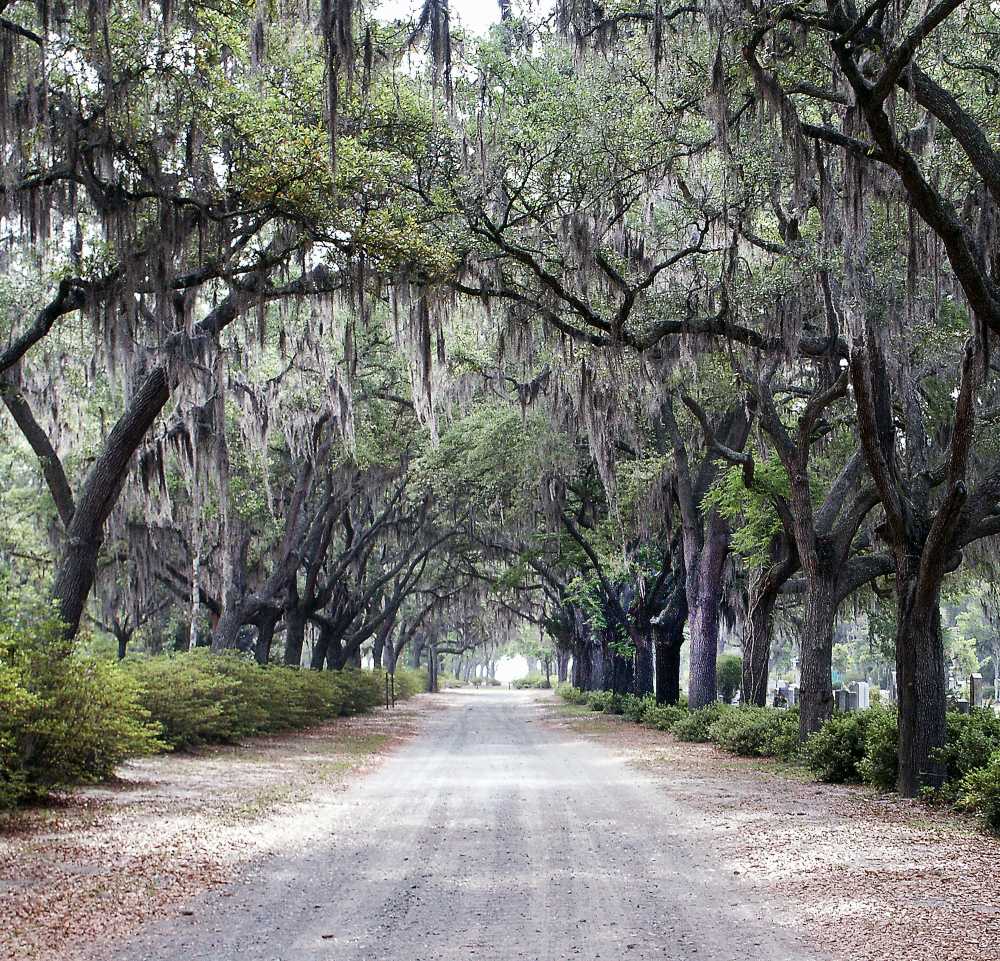
Immerse yourself in the beauty and history of the Old South. Start in Charleston, exploring its acclaimed culinary scene, fine art galleries, and historic cobblestone streets. Then take a short 2-hour drive to Savannah to wander its famous, moss-draped squares and explore the historic riverfront. Both cities are incredibly walkable and renowned for their hospitality, making them a comfortable and enchanting solo trip.
Pro-Tip: The best way to get your bearings and learn the rich history of these cities is by joining a walking tour on your first day. It's also a low-pressure way to chat with other travelers.
9. The Arizona Wellness & Spirituality Retreat
Best for: Wellness, Scenery, Relaxation
Duration: 4 Days
Route: Base in Sedona, Arizona
This itinerary is less about doing and more about being. Sedona is world-renowned for its stunning red rock landscapes, which many believe are centers of spiritual energy called vortexes. This trip is focused on rejuvenation. Plan for spa treatments, gentle hikes among the red rocks, yoga classes, and exploring the town's vibrant new-age community. It's the perfect destination to reconnect with yourself in a serene and stunningly beautiful environment.
10. The Chicago Architectural Immersion
Best for: Urban Exploration, Arts, Architecture
Duration: 4 Days
Route: Base in Chicago, Illinois
For the city lover, this is a deep dive into one of America's greatest urban centers. This itinerary is built around Chicago's world-class architecture. An absolute must-do is the Chicago Architecture Center River Cruise. Spend your days visiting Frank Lloyd Wright's homes, exploring Millennium Park, and visiting world-class museums like the Art Institute of Chicago. In the evenings, you can catch a show in the Theater District or listen to live music at a legendary blues club.

Frequently Asked Questions for a USA Solo Trip
Even the most prepared traveler has questions. Here are answers to some of the most common concerns for a solo trip in the States.
What's the best way to stay safe on a solo US road trip?
Safety is about preparation and awareness. Always share your detailed itinerary with a friend. For your car, have a roadside emergency kit and know your rental company's assistance number. When driving, stick to main highways and well-lit gas stations, especially at night. In your lodging, always use the deadbolt and chain lock. Above all, trust your intuition—if a place or situation feels wrong, leave immediately.
Is it expensive to travel solo in the USA?
It can be, but it doesn't have to be. The biggest costs are lodging and transportation. Save money by planning loop road trips to avoid one-way car rental fees, staying in well-reviewed budget hotels or private rooms in hostels, and preparing your own meals. Visiting national parks is very affordable; an annual "America the Beautiful" pass is just $80 and grants access to all of them. To get an idea of real-world costs, check out the itineraries and guides published by other solo travelers on the TrekGuider platform for real-world budget examples.
How do I handle long, lonely driving days?
Embrace the solitude! This is your time. Create an epic playlist or download a queue of fascinating podcasts and audiobooks. Plan interesting stops along your route—a quirky roadside attraction, a scenic overlook, a local diner—to break up the drive. A long driving day is less about endurance and more about curating a perfect personal experience.
Are there good alternatives to driving for solo travel in the US?
Yes! While not as comprehensive as in Europe, the US has options. Amtrak train routes offer scenic journeys, especially on routes like the California Zephyr (Chicago to San Francisco) or the Pacific Surfliner. For travel between major cities on the East Coast (e.g., Boston, NYC, D.C.), the train is often faster and more convenient than flying. For long distances, combining flights with ride-shares in your destination city is also a great car-free strategy.
Your Journey Awaits
The United States offers a vast and rewarding landscape for the solo female traveler. It’s a country built for the open road, for discovery, and for the kind of freedom that can only be found when you are the sole captain of your journey. With these ten incredible itinerary ideas and the logistical know-how to tackle them, your dream of a great American adventure is no longer an intimidating fantasy—it’s a plan waiting to be executed. The confidence and self-reliance you build on a solo female travel USA trip will last a lifetime. The open road is calling.

For even more detailed planning on destinations around the globe, explore our collection of expert-written Travel Guide resources.
Meta Data Suggestions:
SEO Meta Title (58 characters): Solo Travel USA: 10 Epic Itinerary Ideas for 2026
URL Slug: solo-female-travel-usa-itinerary-ideas
SEO Meta Description (154 characters): Planning a solo female travel USA adventure? Discover 10 incredible, safe, and unforgettable itinerary ideas, from epic national park road trips to city escapes.
Don't Miss Out! Subscribe for Exclusive Content
SubscribeComments 0
No comments yet
Be the first to share your experience!
Dont Miss Out! Subscribe for Exclusive Content

San Francisco Cherry Blossoms: A Local's Guide to the Blooms

Halloween SF: Haunts Without Horrors

SF Festivals: 7 Must-See Lineups

Christmas SF: Lights & Wharf Wonders

SF Pride: 6 Route & Party Hacks

Chinese New Year SF: Parade Essentials
Christmas in NYC: 7 Magical Markets
TrekGuider @trekguider
Planning a trip for Christmas in New York can feel like trying to direct a Broadway show—exciting, but utterly overwhelming. You’ve seen the twinkling lights and festive cheer in countless movies, and you want that magical, snow-globe experience for yourself. You dream of sipping hot cocoa while browsing charming wooden stalls, finding unique gifts, and soaking in an atmosphere so festive it feels like a warm hug.
But the reality can be a chaotic whirlwind of massive crowds, tourist traps, and paralyzing indecision. You risk spending your precious holiday time stuck in the wrong places, missing out on the authentic, cozy markets that truly define the city's holiday spirit. Instead of feeling the magic, you end up feeling stressed, cold, and disappointed, wondering if you’ve missed the real heart of a New York Christmas.
This guide is your definitive map to festive perfection. We’re cutting through the noise to take you on an insider’s tour of the 7 most magical Christmas markets in NYC. We’ll share pro-tips on what to buy, the best times to visit to avoid the crowds, and how to pair each market with the city’s most stunning light displays for the ultimate holiday adventure. These markets are a key part of the city's festive transformation, a spectacle we explore in full in our complete guide to New York Holidays: 10 Must-Do Events. Get ready to experience the holiday season in NYC the way it was meant to be.
Essential Know-Before-You-Go Tips for a Perfect Market Day
A little strategy goes a long way in a city that never sleeps, especially during the holidays. To make your market-hopping experience more magical and less maddening, keep these core principles in mind. They are the key to unlocking a smoother, more enjoyable Christmas in New York.
Embrace the Weekday Morning: The single best piece of advice for any major NYC attraction is to go early on a weekday. The holiday markets are most pleasant right when they open, typically around 11 AM. You’ll have more space to browse, chat with vendors, and truly appreciate the craftsmanship without being jostled by the shoulder-to-shoulder afternoon crowds.
Master Public Transportation: Driving and parking in Manhattan during the holidays is a recipe for extreme frustration and expense. The subway and buses are your best friends. Plan your market route using a transit app, buy a MetroCard for the duration of your stay, and enjoy the freedom of zipping beneath the traffic-clogged streets.
Dress in Smart Layers: New York’s winter weather is notoriously fickle. You might be freezing while walking between markets but quickly overheat once inside a packed indoor venue like Grand Central. Dress in layers—a thermal base, a sweater or fleece, and a warm, waterproof coat—that you can easily add or remove. A comfortable pair of waterproof boots is non-negotiable.
Carry a Mix of Cash and Cards: While the vast majority of vendors now accept credit cards, some smaller artisans or food stalls may be cash-only or have credit card minimums. Having a mix of both ensures you’ll never miss out on that perfect, one-of-a-kind find or a warm pretzel when you need it most.
1. Bank of America Winter Village at Bryant Park: The Iconic Centerpiece
If you could only visit one holiday market in NYC, this would be it. The Winter Village at Bryant Park is the quintessential New York Christmas experience, a dazzling wonderland set against the iconic backdrop of the New York Public Library and soaring midtown skyscrapers. This isn't just a market; it's a full-blown festive destination.
The entire experience is built around the 17,000-square-foot ice rink, which famously offers free admission (you just pay for skate rentals). Surrounding it are over 180 European-inspired, custom-designed "jewel box" kiosks that glow from within, creating a warm and inviting atmosphere as you wander the park's allées.
Here, you’ll find a truly global selection of goods, from complex ornaments and handmade leather goods to unique jewelry and cozy winter apparel from independent designers. The food options are a major draw. You can find everything from savory Belgian waffles and pierogies to rich hot chocolate and artisanal cheese. The Lodge provides an aprés-skate-themed food hall, offering a cozy spot to refuel and watch the skaters.
Pro-Tip: To truly enjoy the ambiance, visit on a weekday morning right when it opens. You can have a leisurely skate on the near-empty rink and browse the shops in peace. By lunchtime, the crowds swell, and the experience becomes far more hectic.

2. Union Square Holiday Market: The Eclectic European-Style Village
If your gift list demands something with more soul than a department store can offer, make a beeline for the Union Square Holiday Market. It’s less a market and more a sprawling, festive village that erupts in the heart of downtown, its iconic red-and-white striped stalls forming a labyrinth of pure creative energy.
The sheer variety and quality of the vendors are what set this market apart. It’s a juried market, meaning every vendor is carefully selected, ensuring a high standard of craftsmanship and originality. The winding aisles encourage exploration, making you feel like you’re discovering a hidden gem around every corner. This is the place to find gifts you simply won't see anywhere else: hand-blown glass ornaments, screen-printed posters from local artists, gourmet pantry items, and organic bath products. Several booths even offer on-the-spot personalization, whether it’s stamping a leather keychain or engraving a piece of jewelry.
The market can feel overwhelming. Our advice? Grab a map at the entrance and do a quick loop of the perimeter first to get your bearings. Then, dive into the inner aisles to hunt for treasures.
3. Columbus Circle Holiday Market: An Upscale Festive Escape
Perfectly situated at the southwest entrance to Central Park, the Columbus Circle Holiday Market offers a slightly more relaxed and upscale shopping experience. It’s the ideal place to find sophisticated gifts for the most discerning people on your list, with the added bonus of a magical Central Park stroll right next door.
The location is simply unbeatable. The glittering lights of the market stalls, with the stone arches of the park entrance and the Time Warner Center as a backdrop, create a picture-perfect holiday scene. It’s smaller and more manageable than Union Square, allowing for a more leisurely browsing experience focused on quality craftsmanship and gourmet treats. Expect to find elegant jewelry, designer winter wear, complex wooden puzzles, and fine art photography. The food vendors are a delight, selling artisanal chocolates, infused olive oils, and spiced gingerbread.
After shopping, complete your classic NYC holiday afternoon by taking a horse-drawn carriage ride through Central Park or going for a skate at the famous Wollman Rink.
4. Grand Central Holiday Fair: The Warmest Indoor Market
When the winter wind is biting, the Grand Central Holiday Fair offers a warm and dazzling respite. Housed in the magnificent, beaux-arts Vanderbilt Hall, this indoor market is a haven of calm and quality, away from the outdoor chill. Shopping under the grand chandeliers is an experience in itself.
The market is hand-picked, focusing exclusively on American-made and handcrafted products from artisans and small businesses across the USA. You’ll find everything from handmade stationery and children’s clothing to beautiful pottery and eco-friendly accessories. The atmosphere is refined and peaceful, a stark contrast to the joyful chaos of the outdoor markets. Its location within Grand Central Terminal makes it an incredibly convenient stop for commuters and travelers. Because it’s indoors, this is the perfect market to save for a particularly cold or snowy day.
5. The Holiday Market at the Oculus: A Modern Marvel
For a Christmas in New York experience that is sleek, modern, and architecturally stunning, head downtown to the Holiday Market at the Oculus. Set inside Santiago Calatrava’s breathtaking transit hub, this market blends high-end shopping with festive pop-ups in a truly unforgettable setting.
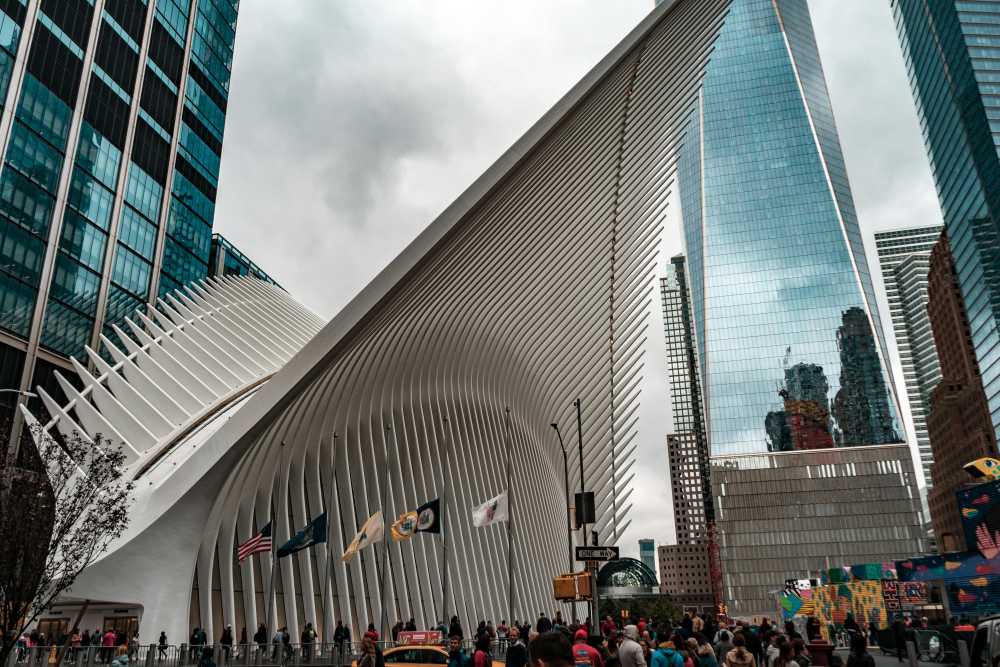
The venue is the star. The soaring white ribs of the Oculus create a cathedral-like space that feels both grand and futuristic. During the holidays, the space is filled with elaborate decorations and a cheerful, bustling energy, offering a completely different vibe from the traditional wooden-stall markets. The market is a mix of familiar luxury brands and curated pop-up shops offering everything from gourmet sweets to tech gadgets. It often features live musical performances, adding to the lively atmosphere.
Pair It With: The Oculus is part of the World Trade Center complex, making it easy to combine your shopping with a poignant visit to the 9/11 Memorial & Museum or a trip to the top of One World Observatory for staggering city views.
6. Brooklyn Flea + Smorgasburg Winter Market: The Hipster's Holiday Haul
Escape the Manhattan crowds and discover a treasure trove of unique finds at the Brooklyn Flea + Smorgasburg Winter Market. This is where you’ll find the city’s coolest vintage goods, handmade crafts, and artisanal foods all under one roof, making it the ultimate destination for a one-of-a-kind gift.
The vibe is pure Brooklyn: creative, eclectic, and effortlessly cool. It’s a massive market that combines the best of the Brooklyn Flea (vintage clothing, antique furniture, retro vinyl) with the best of Smorgasburg (dozens of gourmet food vendors). You are guaranteed to find something here that you won’t see anywhere else, shopping directly from Brooklyn-based artists and designers. The Smorgasburg section is a culinary adventure in itself, serving up inventive dishes from around the world.
Pro-Tip: This is the perfect market for finding a truly unique gift that tells a story. To make your trip even smoother, especially if you're visiting from abroad and planning to bring treasures home, download our International Travel Checklist to ensure you have everything you need for a seamless journey.
7. Grand Holiday Bazaar: The Year-Round Market with a Festive Flair
For a shopping experience that feels good and does good, visit the Grand Holiday Bazaar on the Upper West Side. This is the city’s largest curated weekly market, but it pulls out all the stops for the holiday season with special festive themes and vendors.
What makes this market truly magical is its powerful social mission: all profits are donated to four local public schools, benefiting over 2,000 children. Shopping here means you’re directly supporting the local community, making every purchase feel meaningful. The atmosphere is friendly and neighborhood-focused, with a rotating lineup of over 150 independent local artisans, designers, and vintage dealers each week. Be sure to check their website before you go to see the theme for the week.

Beyond the Markets: A Tour of NYC's Legendary Holiday Lights
No trip for Christmas in New York is complete without indulging in the city’s legendary light displays. Many of these are conveniently located near the markets, allowing you to create a perfect festive itinerary.
The Rockefeller Center Christmas Tree: This is the undisputed king of all holiday displays. The single best piece of advice, straight from seasoned locals, is to visit at dawn. The early hour rewards you with a serene, crowd-free view that feels like a private showing.
Saks Fifth Avenue Light Show: Directly across from Rockefeller Center, the entire facade of the Saks Fifth Avenue flagship store is transformed into a dazzling musical light show that runs every ten minutes after dusk. It’s a spectacular and unmissable piece of holiday theater.
Dyker Heights, Brooklyn: For a truly over-the-top display, you must take a trip to this Brooklyn neighborhood. The residents engage in a friendly competition to create the most spectacular, professionally-done Christmas light displays imaginable. It’s an unforgettable experience that feels like stepping onto a movie set.
Your Magical New York Christmas Awaits
You now have the insider’s playbook to the very best of festive New York. Armed with this guide, you can navigate the city not as a stressed tourist, but as a savvy traveler ready to soak in the genuine magic of the season. From the iconic grandeur of Bryant Park to the creative buzz of Brooklyn, you have the keys to unlock a holiday trip filled with unique gifts, delicious food, and unforgettable memories. Your perfect Christmas in New York is no longer just a dream—it’s a plan.
Ready to plan your entire U.S. holiday adventure? Our comprehensive Travel Guide is packed with expert advice, detailed itineraries, and local secrets to unlock unforgettable experiences across the country.
Don't Miss Out! Subscribe for Exclusive Content
SubscribeComments 0
No comments yet
Be the first to share your experience!
Dont Miss Out! Subscribe for Exclusive Content
San Francisco Cherry Blossoms: A Local's Guide to the Blooms
Halloween SF: Haunts Without Horrors
SF Festivals: 7 Must-See Lineups
Christmas SF: Lights & Wharf Wonders
SF Pride: 6 Route & Party Hacks