
Lollapalooza: 7 Stage-Hopping Tips

TrekGuider @trekguider
You’ve done it. You scored the golden ticket to Lollapalooza, the four-day musical marathon that transforms Chicago’s Grant Park into the center of the universe. But now, staring at a schedule that looks more like a complex circuit board than a concert lineup, the reality sets in. Dozens of artists you’re dying to see are scattered across a dozen stages, their set times overlapping in a cruel twist of fate. The sheer scale of the festival, with its massive crowds and sprawling grounds, suddenly feels less like a dream and more like a daunting logistical nightmare.
The anxiety begins to bubble. You picture yourself spending half the day trudging from the T-Mobile stage at the south end to the Bud Light stage at the north, only to arrive sweaty, exhausted, and just in time to hear the final chords of your favorite song. The fear of missing out becomes a palpable threat, turning the promise of unforgettable musical moments into a frantic race against the clock. Without a rock-solid plan, your festival experience could be defined by endless walks, missed opportunities, and the nagging feeling of being perpetually in the wrong place. This isn't just about seeing bands; it's about conquering one of the keystone events in a city known for its epic celebrations, a true highlight among the many experiences we cover in our definitive guide to [Chicago Holidays: Windy City Thrills].
Forget the stress. This guide is your strategic playbook for navigating the glorious chaos of Lollapalooza Chicago. We’re breaking down the art of stage-hopping into seven actionable, pro-level tips that will transform you from a frantic fan into a festival veteran. From mastering the map before you even step foot in Grant Park to planning a seamless exit, these strategies will ensure you maximize your time, conserve your energy, and catch every single performance on your must-see list.
1. Become a Pre-Festival Master of the Map & Schedule
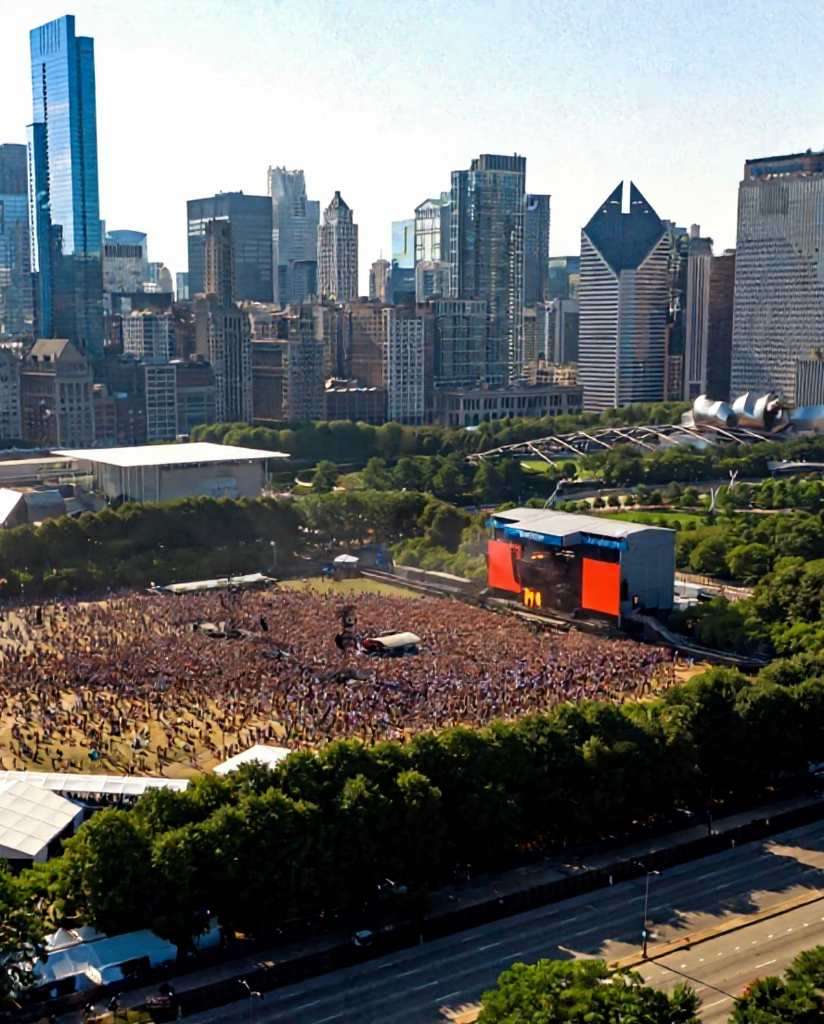
The biggest mistake a Lollapalooza rookie can make is showing up and trying to figure it all out on the fly. Grant Park is a massive urban oasis, and when it’s filled with stages, vendors, and hundreds of thousands of people, it becomes a complex, pulsating labyrinth. Your success begins long before you scan your wristband.
Download the Official App Immediately
Long before you even think about packing, your first move is to download the official Lollapalooza app. Consider it your digital command center for the entire weekend, running from July 31 to the final day of the festival. The app provides the most up-to-date schedule, a detailed festival map, and, most importantly, real-time push notifications. If a set time changes, a stage is delayed, or a surprise guest appears, the app will be the first to tell you. It also sends out crucial emergency alerts, making it an indispensable tool for staying safe and informed.
Create Your Artist Tiers
Once the full schedule drops, it’s time for strategy. Open the lineup—featuring titans like Olivia Rodrigo, Tyler the Creator, Sabrina Carpenter, and A$AP Rocky for the 2026 festival—and categorize every artist into two simple lists:
Tier 1 (Must-See): These are your non-negotiables. The artists you bought the ticket for. You will be at their set, no matter what.
Tier 2 (Nice-to-See): These are the artists you’d love to catch if the timing and location work out. They are your flexible options, the happy bonuses.
This simple act of prioritization is the bedrock of your stage-hopping plan. It allows you to build your day around your top-tier artists and fill the gaps with others, preventing the decision paralysis that comes from having too many choices.
Internalize the Grant Park Layout
Study the festival map like you’re planning a heist. The two main stages are typically located at the far north and south ends of Grant Park, a walk that can easily take 20-30 minutes through a thick crowd. Identify the locations of your Tier 1 artists and mentally map the routes between them. Note the locations of smaller stages, food courts (Chow Town), and, critically, the free water stations. Understanding the physical distances involved will help you make realistic calls about which back-to-back sets are doable and which are pure fantasy.

2. Master the "Perimeter Path" to Navigate Crowds
The center of any festival crowd is a slow-moving, densely packed sea of humanity. Trying to cut directly through the middle to get from one stage to another is a rookie move that wastes time and energy. The secret to swift movement is to think like a river, flowing where the resistance is lowest.
Stick to the Arteries
The most effective way to navigate Lollapalooza Chicago is by using the perimeter paths. Instead of plunging into the heart of the crowd, stick to the designated walkways along the sides. These paths, often lining the edges of the park or separating vendor areas, are the festival's arteries. While they may look like the longer route on a map, they are almost always faster than trying to push through a stationary audience. Make a mental note of these pathways when you first arrive.
Live by the 15-Minute Rule
If your next Tier 1 artist is on a stage across the park, you need to be ruthless with your timing. Implement the 15-Minute Rule: leave the current set 15 minutes before it ends. This gives you a critical head start, allowing you to exit the immediate crowd before the mass exodus begins when the music stops. It might sting to walk away from the end of a great performance, but that small sacrifice ensures you’re in a good position for the next one, rather than hearing it faintly from a quarter-mile away.
3. Hydrate and Fuel Like a Seasoned Athlete
Stage-hopping is a sport. You’ll be on your feet for 10 hours a day, walking several miles under the summer sun. You’re not just attending a concert; you’re entering a temporary city that generates a staggering economic impact—estimated at over $440 million. That scale demands respect and a bit of preparation.
Make Water Your First Priority
Lollapalooza provides free water refill stations throughout the grounds. When you first enter Grant Park, make it your mission to locate the station nearest the entrance and the stages you’ll be frequenting. Dehydration is the number one enemy of the festival-goer; it saps your energy, causes headaches, and can ruin your entire weekend. Make it a personal rule to refill your water bottle every single time you pass a station.
Pro-Tip: Bring a collapsible water bottle or an empty hydration pack. It's light, complies with security rules, and allows you to carry more water than a standard bottle. This means fewer trips to the refill station and more time enjoying the music.

4. Dress for a Four-Day Marathon, Not a Fashion Sprint
While Lollapalooza is a prime spot for people-watching and showing off your style, practicality should be your guiding principle. Your fashion choices can make or break your physical ability to enjoy the festival.
Your Shoes Are Your Most Important Gear
You will be walking and standing on concrete, grass, and uneven ground for hours on end. This is not the time for brand-new boots that need breaking in, flimsy sandals, or anything with a heel. Your number one priority should be comfortable, supportive, and already broken-in sneakers or walking shoes. Your feet are your foundation for the entire weekend; treat them well.
Prepare for All Four Chicago Seasons in One Day
Chicago weather is famously unpredictable. A day that starts hot and sunny can quickly turn cool and rainy. The key is to dress in layers. Start with a lightweight, breathable base layer and bring a flannel, hoodie, or light jacket that you can tie around your waist during the day and put on after the sun goes down. Most importantly, pack a poncho. It’s small, light, and will be an absolute lifesaver if a sudden downpour occurs.
5. Establish a "Home Base" for Your Crew
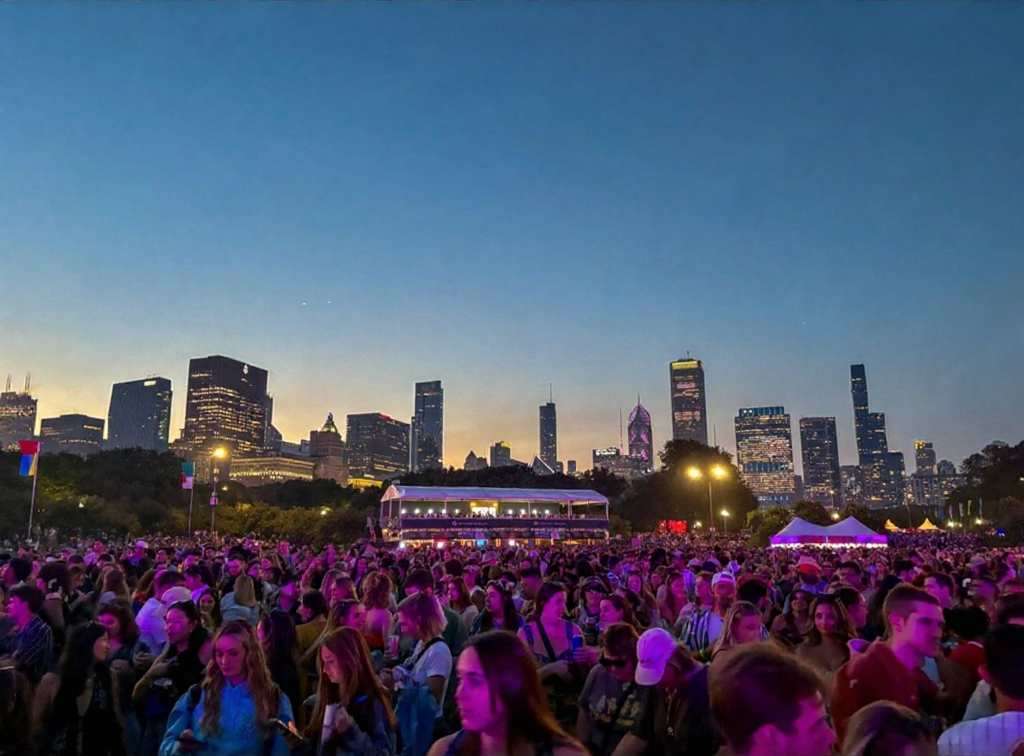
Navigating Lollapalooza Chicago with friends is a core part of the experience, but it’s incredibly easy to get separated. Cell service is notoriously unreliable when tens of thousands of people are trying to use it at once, so you can’t count on a text message or call to find your group.
Why a Meeting Point is Non-Negotiable
Before you even think about splitting up to see different artists, establish a clear, specific, and easy-to-find meeting point. This is your group’s "home base." If anyone gets lost, their phone dies, or you just need to regroup, everyone knows exactly where to go.
How to Choose a Good Spot
Don’t pick a generic spot like "the fountain" or "the food court." Choose a unique and unmistakable landmark. A good meeting point is something like, "the giant silver sculpture near the Buckingham Fountain" or "the corner of the 'Deep Dish' pizza stand in Chow Town." Pick a spot that is slightly away from the main walkways to avoid being constantly jostled. Check in at your home base at pre-determined times to ensure everyone is safe and accounted for.
6. Embrace the Journey Between the Stages
Stage-hopping isn’t just a commute; it’s an opportunity. The journey from one performance to another is part of the festival experience itself. Instead of seeing it as a chore, reframe it as a chance for discovery and inspiration.
Discover Your Next Favorite Band
As you walk the perimeter paths, you’ll pass smaller stages where artists you’ve never heard of are playing. Pause for a few minutes and listen. This is how you stumble upon incredible new music. Some of the most memorable Lollapalooza moments happen not at the massive headliner stages, but in the intimate settings of the BMI or Grove stages. Let your ears guide you.
Explore the Full Festival Experience
Lollapalooza is more than just a concert. It’s a massive cultural event filled with creativity. On your way from one stage to the next, take a detour through the art installations, check out the merch tents, or see what activations the sponsors have set up. This spirit of creative discovery is what fuels the best entrepreneurs. If you're feeling inspired by the artistry around you, channel that energy into your own project with our free [Digital Product Ideas Guide]. By exploring, you break up the monotony of walking and get a richer, more complete festival experience.

7. Plan Your Grand Escape in Advance
How you leave the festival is just as important as how you navigate it. At 10 PM, when the final headliner finishes, a massive wave of people will pour out of the Grant Park exits, creating a human traffic jam that can be overwhelming and slow.
Beat the Final Rush
Just as with the 15-Minute Rule for stage-hopping, consider leaving a few minutes before the absolute end of the night. Slipping out during the last song or just before the encore can save you up to an hour of being stuck in a slow-moving crowd. You’ll get to public transit or your rideshare pickup spot ahead of the main surge, which is a priceless advantage after a long day.
Know Your Public Transit Route Cold
The best way to get to and from Lollapalooza Chicago is by using the CTA rail system. Multiple downtown street closures make driving or using rideshares near the park a nightmare. Before the festival, identify the closest CTA station to your accommodation and memorize the route to and from the park exits. Having this plan locked in will prevent you from wandering aimlessly with a dead phone at the end of a long day.
Pro-Tip: If you must use a rideshare, set your pickup location several blocks away from the Grant Park exits. Walk away from the chaos and toward your pin. You'll escape the immediate surge pricing, and your driver will be able to find you much more easily than in the gridlock traffic near the festival grounds.
Your Blueprint for Lollapalooza Domination
The overwhelming scale of Lollapalooza can intimidate even the most enthusiastic music fan, but it doesn’t have to. With a strategic approach, the festival transforms from a logistical puzzle into the ultimate musical playground. By preparing in advance, navigating smartly, and taking care of your body, you shift from being a passive attendee to the master of your own experience. With these stage-hopping tips, you're now fully equipped with the knowledge of a seasoned pro, ready to conquer Lollapalooza Chicago and create a weekend of flawless, unforgettable memories.

Your Lollapalooza adventure is just one part of an incredible trip. To make the most of your time in the Windy City and beyond, check out our comprehensive [Travel Guide]. It’s packed with insider tips for exploring the best destinations across the USA.
Don't Miss Out! Subscribe for Exclusive Content
Subscribe



Comments 0
No comments yet
Be the first to share your experience!
Dont Miss Out! Subscribe for Exclusive Content

San Francisco Cherry Blossoms: A Local's Guide to the Blooms


Halloween SF: Haunts Without Horrors

SF Festivals: 7 Must-See Lineups

Christmas SF: Lights & Wharf Wonders

SF Pride: 6 Route & Party Hacks

Chinese New Year SF: Parade Essentials
9 Food Travel Blogs for Culinary Adventures
TrekGuider @trekguider
You're planning a trip, dreaming of sizzling street food, hidden family-run trattorias, and flavors you'll remember for a lifetime. But your research keeps hitting a wall. You're tired of the same generic "top 10 eats" lists that lead you to overpriced, mediocre tourist traps. It’s a frustrating cycle of clicking through sponsored reviews and superficial recommendations, leaving you feeling like you’ve barely scratched the surface of a destination’s true culinary soul. You end up on the wrong side of town, eating a forgettable meal, knowing you’re missing out—on the vibrant market stalls, the rich history behind the local dishes, and the genuine connection to a culture that only happens through its food.
The solution is to stop following travel writers and start following culinary storytellers. The best food travel blogs go far beyond the plate. They are your expert guides to the history, people, and traditions that make a cuisine come alive. These creators understand that a dish is more than its ingredients; it’s a story waiting to be told. They take you on deep dives into local markets, introduce you to the artisans preserving tradition, and even teach you how to recreate iconic dishes yourself. This is how you transform a simple vacation into a true culinary adventure.
As we explore in our definitive guide to [The Best Travel Blogs to Follow in 2026], finding the right niche expert is the single most important step in planning a transformative trip. This curated list will introduce you to the nine most valuable resources for planning your next food-focused journey.
Why Trust This List? Our Vetting Process
In a world saturated with algorithm-chasing 'Top 10 Eats' lists and perfectly filtered food photos, how do you find advice you can actually trust? More importantly, how do you distinguish a genuine culinary storyteller from a simple restaurant reviewer?
Our selection process is grounded in a dual-factor framework that combines hard data with the human element of excellence. We start with quantitative metrics like Domain Authority (DA), a score that a website's credibility to search engines, and social media engagement rates—which, according to recent market analysis, are far more telling than simple follower counts. This gives us a baseline of a blog's influence.
But data only gets you so far. The second, more crucial layer is a qualitative audit. We carefully analyze each blog for:
Deep Niche Expertise: The era of the generalist is over. We prioritize blogs that demonstrate profound, narrow expertise, establishing themselves as the go-to authority on culinary travel.
Originality & A Distinct Voice: We look for compelling storytellers, not content machines. The blogs on this list are run by writers with a unique perspective and a clear, engaging authorial voice.
Authenticity & Transparency: Trust is the currency of the creator economy. We select blogs that are transparent about their partnerships and share the complete picture of their journeys—the great, the good, and the occasional disaster.
This rigorous process ensures every blog featured here is not just popular, but genuinely valuable, trustworthy, and an authoritative resource for any traveler who believes food is the ultimate gateway to culture.

The Best Food Travel Blogs for Authentic Local Cuisine
These creators have dedicated their careers to seeking out the most authentic food experiences across the globe. They excel at telling the stories behind the food, providing the context that turns a meal into a memory.
1. Migrationology
Run by the endlessly enthusiastic Mark Wiens, Migrationology is a masterclass in using food as a lens for culture. Wiens’s philosophy is simple: “Food is the reason you should travel.” He goes far beyond restaurant reviews, creating mini-documentaries and articles that explore the history and cultural significance of every dish. His post on , for example, isn't just a review; it's an exploration of Malaysia's national dish, its regional variations, and its place in the heart of the Malaysian people. This is the blog you read to understand the why behind what you’re eating.
2. Legal Nomads
Jodi Ettenberg started Legal Nomads after leaving her career as a lawyer to travel the world. Her site has since become a treasure trove of narrative-driven food writing. What sets Legal Nomads apart is its intellectual curiosity. A prime example is Jodi's "," which traces the global migration of the humble chili from its origins in the Americas to its integration into cuisines across Asia and Europe. This dedication to deep-dive, historical content provides a rich, educational context you simply won't find on other platforms.
3. 2foodtrippers
Run by Daryl and Mindi Hirsch, 2foodtrippers is an invaluable resource for travelers who want practical, actionable food guides without any fluff. They are masters of the city-specific food guide, providing well-researched lists that help you eat well from your first day in a new destination. Their " " is a perfect example of their style: comprehensive, easy to navigate, and focused on authentic local specialties, from pastéis de nata to bifana sandwiches. They take the guesswork out of culinary exploration.

4. Authentic Food Quest
Claire and Rosemary, the founders of Authentic Food Quest, are on a mission to help travelers discover traditional dishes and the local food heroes who make them. Their entire philosophy is built around moving "beyond the tourist traps." They distinguish themselves by focusing heavily on participatory experiences. Their content consistently champions taking cooking classes on your travels, arguing it's one of the best ways to connect with a culture. This focus on hands-on learning makes their blog an essential read for anyone who wants to be an active participant in their culinary journey.
5. Will Travel for Food
JB and Renée are the creators of Will Travel for Food, a blog perfectly tailored for people visiting a destination for the first time. They specialize in creating comprehensive guides to the best local food in cities known for their culinary scenes. Their post, " ," is an accessible yet thorough introduction that helps newcomers navigate a complex food landscape with confidence. They excel at making exotic food scenes feel approachable and exciting for beginners.
6. The Travel Bite
The Travel Bite, founded by Rachelle Lucas, masterfully bridges the gap between travel and home cooking. While many blogs focus exclusively on the experience of eating abroad, The Travel Bite empowers you to bring those flavors back with you. Rachelle often includes recipes for iconic dishes she encounters on her travels, like her post on " ." This approach makes the blog incredibly valuable, extending the life of your culinary travels from a fleeting moment to a skill you can enjoy for years to come.
Your Culinary Adventure Awaits
Ready to plan a trip that tantalizes your taste buds? A great culinary journey starts with flawless planning. Don't let forgotten visas or last-minute packing stress get in the way of your next great meal.
Download our free [International Travel Checklist] today! It’s the ultimate step-by-step resource to ensure you're prepared for every aspect of your trip, so you can focus on what really matters: the food.
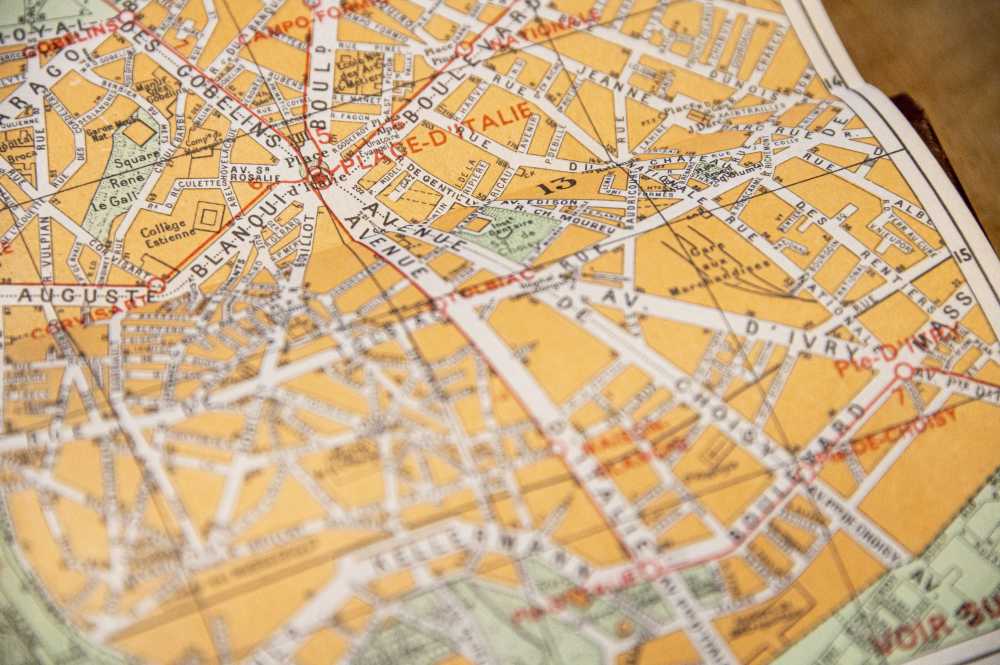
The New Wave of Food Travel: It's All About the Experience
The most sophisticated food travel blogs have evolved. They recognize that modern travelers crave immersion, not just information. This isn’t just a trend in food; it’s a seismic shift across the entire travel landscape. Our market analysis shows consumers are moving from passive observation to active participation. Food travelers now seek cooking classes over restaurant lists, and luxury travelers desire authentic cultural connections beyond opulent hotels. The most successful content is no longer a list, but an experiential guide. Here’s how top creators are leading the charge.
The Culinary Historian
A growing number of travelers are seeking more than just a good meal; they want to understand its context. This has given rise to a style of content best described as the "culinary historian" approach. These creators are digital storytellers who connect dishes to their cultural and historical roots. You can see this in the work of blogs like Migrationology and Legal Nomads, which transform a food review into a compelling lesson in history.
Pro-Tip: When you find a dish you love, search for its name plus "history" or "origin story." You'll often find blogs that have written deep-dive articles, giving you a much richer appreciation for what's on your plate.
The Local Market Deep Dive
Some of the most vibrant and authentic food in any destination is found not in restaurants, but in its local markets. A new wave of specialized platforms, like Culinary Backstreets and Traveling Spoon, are dedicated to this very experience. They build entire narratives and guided tours around exploring places like Tokyo's Tsukiji Outer Fish Market or Lisbon's Mercado da Ribeira. Content focused on market tours is invaluable because it tells a story about local ingredients, highlights the personalities of vendors, and provides a snapshot of daily life you can't get anywhere else.
The Hands-On Cooking Class
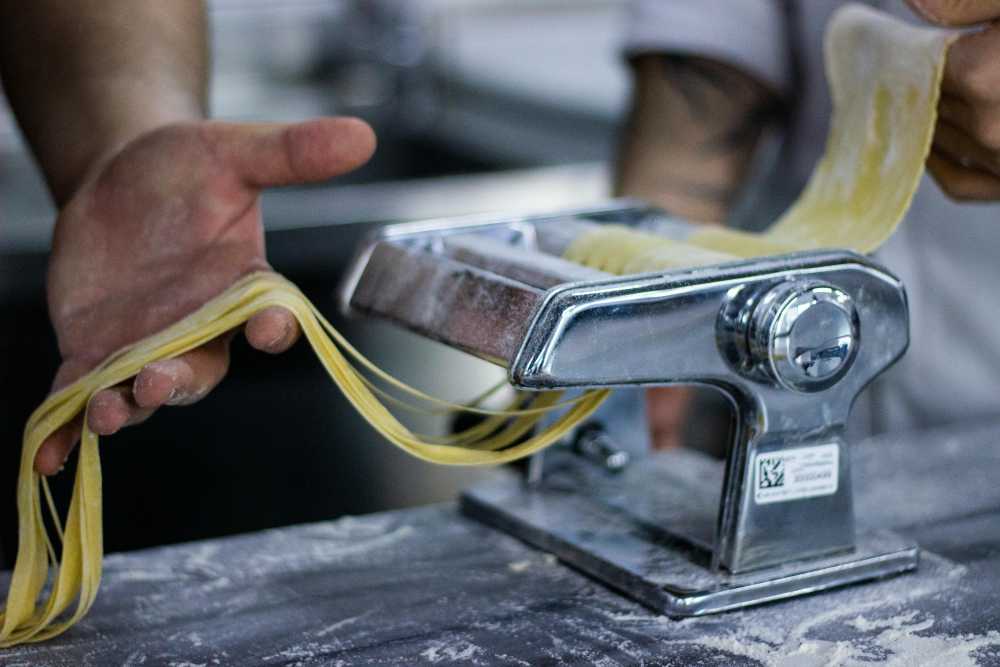
The ultimate way to connect with a cuisine is to learn how to make it yourself. Platforms like EatWith, The International Kitchen, and blogs like Authentic Food Quest are at the forefront, showcasing the immense value of cooking classes. Documenting a "Tuscan Cooking Class" provides a far more engaging and educational narrative than another passive dining review. For travelers heading to Italy, finding an authentic, non-touristy cooking class can be a challenge. Our [Italy Travel Guide] cuts through the noise, providing vetted recommendations for hands-on culinary experiences, from pasta making in Tuscany to pizza crafting in Naples. These resources empower you to bring home the ultimate souvenir: a new skill.
How to Use These Blogs to Plan Your Perfect Trip
Discovering great food travel blogs is the first step. The next is to use them as powerful planning tools to design your own perfect culinary itinerary.
First, think of these blogs as your personal team of scouts. As you read, don't just consume the content—curate it. When a blogger mentions a restaurant, market, or dish that excites you, immediately save it to a custom Google My Map for your destination. Over time, you’ll build a visual database of vetted, high-quality recommendations. When you arrive, you’ll have a personalized map filled with promising options, allowing you to make spontaneous, informed decisions. Increasingly, the best creators are packaging their deep local knowledge into digital products you won't find anywhere else—think downloadable PDF guides with custom Google Maps or hyper-detailed itineraries. These are the kinds of expert-crafted resources you can discover on the [TrekGuider Marketplace], connecting you directly with the creators who know these destinations best.

Pro-Tip: Color-code your map pins by category (e.g., green for coffee shops, blue for markets, red for fine dining, yellow for street food). This makes it incredibly easy to see what's nearby and choose an option that fits your current craving and budget.
Second, pay attention to the blogger’s palate. Food is subjective. Do they rave about spicy food? Are they passionate about fine dining, or do they prefer hole-in-the-wall street food stalls? Read several posts to get a feel for their unique perspective. If you find yourself consistently agreeing with their opinions, you’ve likely found a reliable guide. A blogger whose palate you trust is the most valuable travel planning asset you can have.
Frequently Asked Questions About Food Travel
What’s the difference between a food blog and a standard review site?
A review site (like Yelp or TripAdvisor) focuses on crowdsourced opinions and ratings, which can be useful for a quick snapshot. A high-quality food blog, however, offers a single, expert point of view. It provides deeper context, storytelling, and a curated perspective from a creator whose taste and expertise you can come to trust over time.
How can I tell if a food recommendation is sponsored?
Trustworthy bloggers are transparent. According to FTC guidelines, they must clearly disclose any paid partnerships or sponsored content. Look for disclaimers like "#ad," "#sponsored," or "Paid partnership with..." at the beginning of a post or caption. A lack of transparency is a major red flag.
Are there food blogs for specific dietary needs?
Absolutely. The trend toward niche expertise means there are fantastic blogs dedicated to every dietary preference. Searching for terms like "vegan food travel blogs," "gluten-free travel Paris," or "keto-friendly Italy" will uncover creators who specialize in navigating the world with specific dietary needs, offering invaluable, targeted advice.
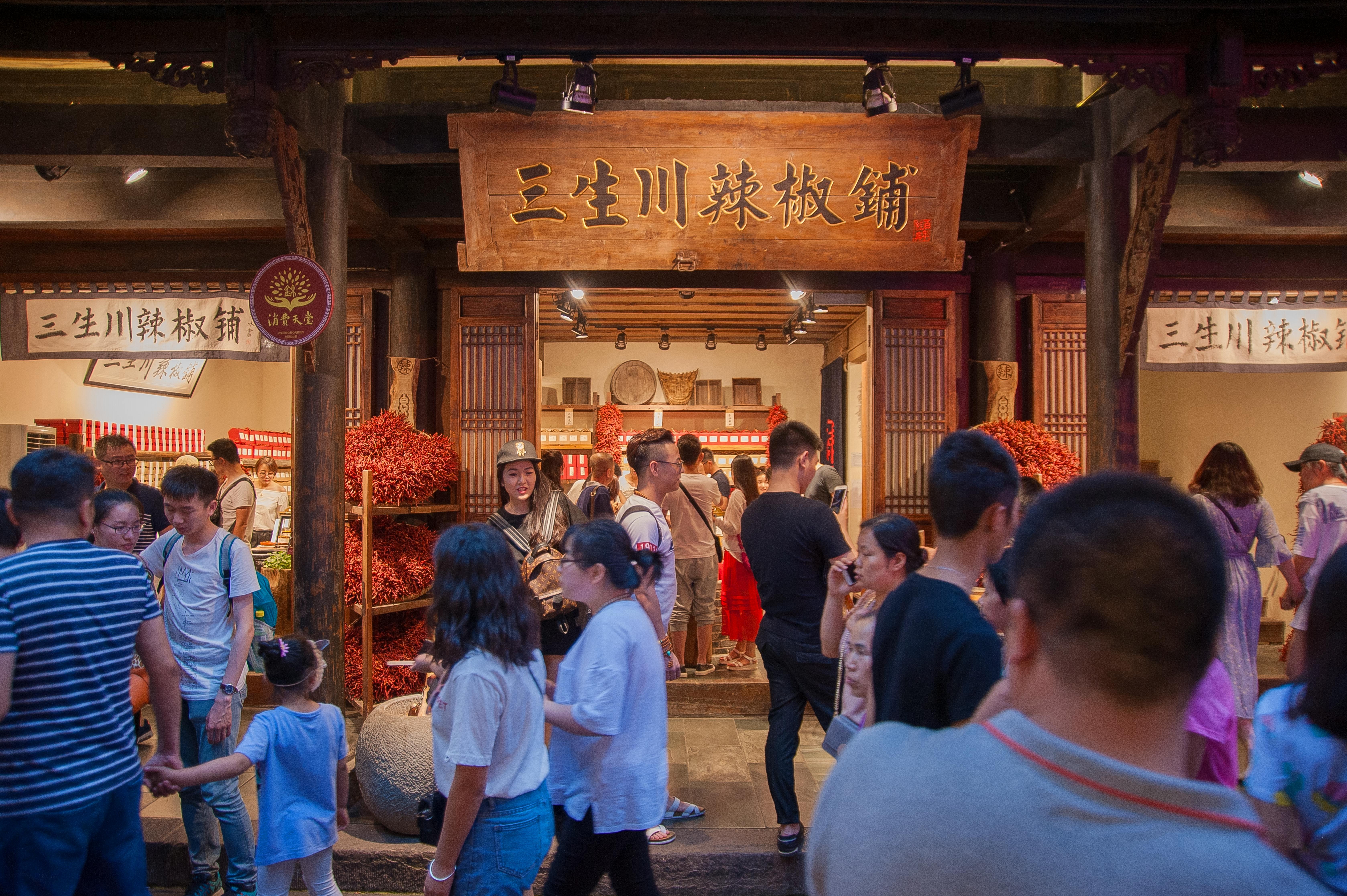
Your Culinary Journey Starts Now
The world of food is vast, vibrant, and deeply personal. Moving beyond generic restaurant lists and embracing the rich, contextual storytelling of dedicated food travel blogs is the key to unlocking truly authentic and unforgettable culinary experiences. The creators featured here are more than just reviewers; they are educators, historians, and passionate guides who provide the tools and inspiration you need to connect with a culture in the most delicious way possible. You are now equipped with the resources to stop being a tourist and start being a true culinary explorer. Your next adventure, filled with genuine flavors and lasting memories, is just a click away.
Don't Miss Out! Subscribe for Exclusive Content
SubscribeComments 0
No comments yet
Be the first to share your experience!
Dont Miss Out! Subscribe for Exclusive Content

Chicago Beer Fests: Top 6 Tastings

FTC Affiliate Disclosure Essentials: Stay Compliant as a Travel Creator

Essential Affiliate Tools: From Tracking to Full Optimization

Avoid These 5 Affiliate Landing Page Mistakes for Better Conversions

Affiliate Keyword Research Mastery for Travel Blogs

Booking.com Affiliate Program Review: Pros, Cons, and Earnings Potential
Top 11 High-Paying Affiliate Programs for Travel Bloggers
TrekGuider @trekguider
You pour your soul into creating breathtaking travel content. You’ve built an audience that trusts you, carefully crafting guides and reviews that genuinely help people. Yet, when you check your affiliate income reports, there’s a chasm between your effort and your earnings. You’re stuck promoting programs with paper-thin commissions and cookie windows so short they expire before your reader can even find their wallet.
This isn't just a frustration; it's a fundamental flaw in the business model. You see other creators funding their global adventures through their content, and you know the potential is there. After all, the affiliate marketing industry is a $93 billion juggernaut, with the travel vertical alone accounting for about 16% of all revenue. The secret isn't just getting more traffic; it's a strategic pivot—partnering with programs that value your influence and reward you accordingly.
This guide is that pivot. We’re cutting through the noise of mediocre partnerships to deliver a data-driven list of the top 11 high-paying affiliate programs for travel creators. We’re focusing on what actually moves the needle: elite commission rates, generous cookie durations, recurring revenue, and high-ticket products that generate real income from a single click. This is your playbook for a smarter, more profitable affiliate strategy. For a complete command of the entire landscape, our definitive pillar page, [Travel Affiliate Programs: The 2026 Ultimate Guide], is your essential next read.

What Defines a Truly High-Paying Affiliate Program?
Let's get one thing straight: "high-paying" is about more than a big commission percentage. A truly lucrative program is a strategic asset, and it excels in one of four key areas:
High Commission Percentage: The obvious starting point. We're looking for programs offering 8%, 10%, or more on every sale.
Generous Cookie Duration: Travel is a high-consideration purchase. A 30, 60, or 90-day cookie window gives your audience time to research and book while ensuring you get paid for your influence.
High-Ticket Products: A 6% commission on a $3,000 adventure tour is $180. A 10% commission on a $50 travel gadget is $5. The math is simple.
Recurring Revenue: The holy grail. Programs that pay you every time a customer renews create a stable, compounding source of passive income.
Our list is curated to feature programs that are champions in these categories, allowing you to build a powerful portfolio of high-paying affiliate programs.

1. SafetyWing: The Recurring Revenue Powerhouse
For any creator with an audience of digital nomads, long-term travelers, or remote workers, SafetyWing is non-negotiable. It’s travel medical insurance built by nomads, for nomads, and its affiliate program is one of the most innovative and lucrative in the industry.
Commission Rate: 10% (recurring)
Cookie Duration: 364 days
Best For: Digital nomad, long-term travel, and remote work niches.
What makes SafetyWing an elite partner is its recurring commission model. You don't just get paid once; you earn 10% every month the policy is renewed, for up to a year. This transforms a single conversion into a reliable income stream that builds on itself. The 364-day cookie is simply best-in-class, ensuring you capture value from readers who take their time to decide.
2. G Adventures: High-Ticket Tours & Epic Commissions
G Adventures specializes in small-group adventure tours—a high-ticket item that translates directly into substantial commissions. Their focus on authentic, sustainable travel resonates deeply with modern audiences, making their trips an easy and ethical recommendation.
Commission Rate: 6%
Cookie Duration: 90 days
Best For: Adventure travel, solo travel, and sustainable tourism niches.
While 6% might not seem like the highest rate on this list, its power is in the average order value. These tours often cost thousands of dollars, meaning a single booking can net you a commission of $150−300 or more. The generous 90-day cookie duration is perfectly suited for this type of considered purchase, giving your audience three full months to plan, commit, and book.
3. Viator: The King of Tours and Activities
Owned by Tripadvisor, Viator is the market leader in tours, activities, and experiences, boasting over 300,000 bookable options worldwide. For creators who build detailed itineraries or "what to do" guides, Viator is an essential monetization engine.
Commission Rate: 8%
Cookie Duration: 30 days
Best For: City guides, family travel, and itinerary-focused content.
Viator's 8% commission is at the top end for the tours and activities sector. Its massive inventory means you can find a relevant, bookable experience for virtually any destination you cover. The 30-day cookie provides a solid window for conversion, and the platform's high brand trust helps turn your clicks into cash.
4. World Nomads: The Adventure Insurance Standard
World Nomads has long been a trusted name in travel insurance, especially for independent and adventure travelers. Their brand is synonymous with comprehensive coverage for the kinds of activities many other insurers won't touch.
Commission Rate: 10%
Cookie Duration: 60 days
Best For: Backpacking, adventure travel, and youth travel niches.
A flat 10% commission on a high-value product like travel insurance is a powerful earner. Combined with a 60-day cookie duration, World Nomads provides a fantastic opportunity to earn significant income while promoting a product that is a responsible and essential recommendation.
Pro-Tip: The most successful travel creators build a diversified affiliate portfolio. Don't rely on a single program. A strategic mix covering accommodations, tours, insurance, and gear creates a more resilient and stable income stream that can weather any market shift.
5. REI: The Gold Standard for Outdoor Gear
For any creator in the hiking, camping, or outdoor adventure space, REI is a premier partner. They are a trusted retailer known for high-quality gear and have an intensely loyal customer base that is primed to convert.
Commission Rate: 5-8%
Cookie Duration: 15 days
Best For: Outdoor, hiking, camping, and adventure travel niches.
While Amazon is often the default for gear, REI's higher commission rate and focus on premium products make it a more lucrative choice for specialized content. Promoting a $700 tent or a $400 backpack from REI will yield a much higher commission than the 3-4% offered by Amazon. Their loyal membership and trusted brand name lead to excellent conversion rates.
6. Expedia Group: The Strategic Choice for Accommodations
Many new creators flock to Booking.com due to brand recognition, but savvy affiliates often choose the Expedia Group program instead. It covers major brands like Hotels.com and Vrbo and offers one crucial advantage: a vastly superior cookie policy.
Commission Rate: Up to 6%
Cookie Duration: 7 days
Best For: Hotel reviews, luxury travel, and accommodation-heavy content.
Booking.com’s infamous session-based cookie means you only get paid if the user books in the same session they click—a crippling disadvantage for a product that requires days of research. Expedia’s 7-day cookie is structurally safer and far more profitable. A 6% commission on a multi-night hotel stay adds up quickly, making this a key element program.
7. Tripadvisor: Earn from Clicks, Not Just Bookings
Tripadvisor offers a unique and powerful affiliate model that sets it apart. While they offer an 8% commission on Viator tours, their primary hotel program allows you to earn money even if your reader doesn't book.
Commission Rate: Up to 50% of Tripadvisor's commission from hotel partners (per click); 8% on tours.
Cookie Duration: 14 days
Best For: High-traffic blogs, destination guides, and hotel comparison content.
Tripadvisor’s model is a form of pay-per-click. When a user clicks your affiliate link and is sent to one of Tripadvisor's hotel partners, you earn a commission—regardless of whether they book. For websites with significant traffic, this can generate a substantial income stream that isn't solely dependent on final sales.
8. Skyscanner: Monetize the Search for Flights
Monetizing flights is notoriously difficult, but Skyscanner provides one of the best solutions available. As a leading flight comparison engine, they offer customizable search widgets you can embed directly into your content.
Commission Rate: Revenue share (up to 50% of their commission)
Cookie Duration: 30 days
Best For: Budget travel, flight deal, and transport-focused content.
The revenue share model means you get a piece of the commission Skyscanner earns from the airline or travel agent when a user books. This can be highly effective when integrated into content about finding cheap flights or planning travel routes. The 30-day cookie and trusted brand make it a top choice for the flight vertical.
9. Discover Cars: Tap Into the Lucrative Rental Market
Car rentals are a frequently overlooked but highly profitable affiliate vertical. Discover Cars is a leading car rental comparison site with a strong affiliate program that can be a great complement to your other travel recommendations.
Commission Rate: Varies (revenue share model)
Cookie Duration: Varies
Best For: Road trip itineraries, family travel, and guides for destinations where a car is essential.
By embedding their search box or using contextual links, you can earn a share of the revenue from every completed booking. For content focused on road trips or exploring destinations outside of major city centers, this can become a significant and consistent source of income.
Pro-Tip: Look beyond the commission percentage and monitor your EPC (Earnings Per Click) in your affiliate dashboard. A program with a lower commission but a much higher EPC might actually be more profitable because it converts your specific audience more effectively.

10. The TrekGuider Referral Program: A Paradigm Shift
The highest-paying opportunities often come from a big change. While traditional programs pay you for selling someone else's product, a referral program pays you for building a network. The [TrekGuider Seller Platform] is built on this powerful model, offering a unique way to generate long-term, passive income.
Commission Rate: Ongoing revenue share (25% for 30 days, 12.5% for 11 months) from the marketplace's share of revenue from sales made by attracted sellers.
Cookie Duration: N/A (Lifetime attribution for referred sellers)
Best For: Creators ready to build a diversified, passive income stream and empower their community.
Instead of a one-time commission, you earn a percentage of TrekGuider's platform fees from every new seller you bring to the platform—for a full year. This creates a compounding, passive revenue stream. By helping your fellow creators launch their own digital products on TrekGuider, you build a business asset that pays you month after month. It's a powerful addition to your portfolio of traditional high-paying affiliate programs.
11. Amazon Associates: The High-Volume Essential
It’s the elephant in the room: a program with a 3-4% commission on a list of heavy hitters. But leaving Amazon Associates off this list would be malpractice. Its power isn’t in the commission rate; it’s in its unmatched conversion gravity and the sheer volume of commerce it commands.
Commission Rate: 3-4% for most travel categories
Cookie Duration: 24 hours
Best For: Gear reviews, packing lists, and any content recommending physical products.
The 24-hour cookie has a secret weapon: you earn a commission on everything the customer adds to their cart in that window, not just the product you linked to. A reader who clicks your link for a travel adapter might also buy a new camera and a suitcase, and you'll get a commission on it all. For this reason, Amazon remains a top earner for nearly every travel creator.
Beyond Affiliate Links: Create Your Own High-Paying Product
The world's top-earning creators understand a vital secret: the most profitable product you can ever promote is your own. Affiliate marketing is a phenomenal way to generate income, but creating and selling your own digital products—like travel guides, itineraries, or photo presets—offers unparalleled profit margins and brand authority.
You already have the expertise. Why not package that knowledge into a premium digital product? This is the ultimate strategy for diversifying your income and taking full control of your earnings.

Ready to build your own product but not sure where to start?
Download our free [Digital Product Ideas Guide] today! It’s packed with dozens of proven ideas specifically for travel creators, helping you identify the perfect product for your audience and start building your content empire.
Frequently Asked Questions (FAQ)
1. How many affiliate programs should I join? Start with 3-5 core programs that are a perfect fit for your niche. It's better to deeply integrate a few high-performing programs than to sprinkle links from dozens of them. As you grow, you can expand, but start with a focused, strategic selection.
2. Can I really make a full-time income from this? Absolutely. The reported average monthly income for travel affiliates is over $13,000. However, it requires treating it like a real business: creating high-value content, understanding SEO, and strategically selecting partners like the ones on this list.
3. Should I use a link management plugin? Yes. Tools like Pretty Links or ThirstyAffiliates are essential. They cloak long, ugly affiliate links into clean, branded URLs and allow you to manage all your links from a central dashboard, which is a massive time-saver.
Your Blueprint for a More Profitable Future
Choosing the right affiliate partners is one of the most critical decisions you will make as a travel creator. By moving away from low-value programs and focusing on this curated list of high-paying affiliate programs, you can dramatically increase your earnings without needing to triple your traffic.
The key is to build a diversified portfolio that aligns with your audience's needs. Combine recurring revenue from SafetyWing, high-ticket commissions from G Adventures, and high-volume sales from Amazon. This is how you build a resilient, profitable, and sustainable business that not only funds your travels but transforms your passion into your career.
Don't Miss Out! Subscribe for Exclusive Content
SubscribeComments 0
No comments yet
Be the first to share your experience!
Dont Miss Out! Subscribe for Exclusive Content
FTC Affiliate Disclosure Essentials: Stay Compliant as a Travel Creator
Essential Affiliate Tools: From Tracking to Full Optimization
Avoid These 5 Affiliate Landing Page Mistakes for Better Conversions
Affiliate Keyword Research Mastery for Travel Blogs
Booking.com Affiliate Program Review: Pros, Cons, and Earnings Potential
