
4 Unforgettable National Park Family Travel Ideas

TrekGuider @trekguider
Struggling to find a family vacation that pulls your kids away from screens and creates genuine memories, not just stress? You're not alone. The pressure to plan the perfect, budget-friendly trip often leads to analysis paralysis amid an overwhelming sea of options and the fear of getting it all wrong. This guide cuts through the noise.
This is where the timeless majesty of America’s national parks comes in. They are the ultimate solution—vast playgrounds of natural wonder that offer a powerful antidote to the digital saturation of modern life. Forget generic resort packages; this guide is a strategic playbook for crafting an unforgettable national park adventure. We’ll transform the daunting task of planning into an exciting journey.

As we explore these specific parks, remember they represent just one path to an amazing trip. For a complete overview of destinations for every budget and travel style, our Family Travel Ideas: The 2026 Guide to Unforgettable Trips is your ultimate resource. This article is your specialized map to sun-drenched trails, awe-inspiring wildlife, and the kind of shared experiences that strengthen family bonds for years to come.
Why National Parks are the Ultimate Family Travel Ideas for Summer
In a world of manufactured entertainment, national parks offer something profoundly real. They are living classrooms, natural gymnasiums, and sanctuaries for the soul. For families, they present a unique opportunity to disconnect from daily routines and reconnect with each other in a meaningful way.
Unmatched Educational Value: Where else can your child see the geological forces that shaped our planet firsthand at the Grand Canyon, or watch a bison herd thunder across the plains of Yellowstone? These parks are immersive, multi-sensory learning environments that bring textbook concepts to vivid life.
Built-in Adventure: From gentle, toddler-friendly nature walks to more challenging hikes for teens, the parks are structured for adventure at every skill level. The thrill is in the discovery—spotting a bald eagle, identifying a new wildflower, or conquering a trail together.
Remarkable Affordability: Compared to theme parks or international travel, a national park vacation can be incredibly budget-friendly. An annual "America the Beautiful" pass grants access to all parks for just $80 per vehicle. With options for camping or lodging in nearby towns, you can tailor the trip to your exact financial comfort level.
A Cure for Nature Deficit Disorder: Experts increasingly recognize that time spent in nature is critical for a child's physical and mental development. It reduces stress, improves focus, and fosters creativity. A week in the woods can be the most effective reset button you’ll ever press for your family.
They are, quite simply, America's best idea, and they are waiting to be the backdrop for your family's next great story.
Your National Park Summer Adventure Playbook
Success in the wild begins with careful planning at home. The immense popularity of national parks during the summer means that spontaneity can lead to sold-out signs and disappointment. Following a proven framework is key to a smooth and memorable trip.
Step 1: The 6-12 Month Countdown - Booking Your Basecamp
Let’s start with a non-negotiable truth: if you only get one thing right in your planning, make it your lodging. In-park accommodations and popular campsites are often booked solid the day they become available, sometimes a full year in advance.
Define Your Lodging Style:
In-Park Lodges: Offer unparalleled convenience and historic charm (think the Old Faithful Inn). They are the most expensive option and require the earliest booking.
Campgrounds: Provide the most immersive nature experience. Services range from primitive sites to full RV hookups. Reservations are typically made through Recreation.gov.
Gateway Towns: Towns just outside park entrances (like West Yellowstone, MT, or Springdale, UT) offer a wide range of hotels, motels, and vacation rentals. They provide more flexibility and amenities but require daily travel into the park.
Set Your Alarms: Identify the exact date and time that reservations open for your target dates and lodging. Be online and ready to book the second they become available.
Have Backup Plans: Research and be ready to book your second and third choices immediately if your first is unavailable.
Pro-Tip: How to Actually Win the Campground Lottery
Booking a popular national park campsite on Recreation.gov is a competitive sport. Here’s how to win: a few days before your booking day, log into your account, find your desired campground, and add it to your cart to confirm the exact release time (usually 10 a.m. ET). On the day, log in 10 minutes early, sync your computer clock to the official U.S. time (time.gov), and have all your information ready. Refresh your screen precisely at the release time and complete the booking in seconds.
Step 2: The 2-3 Month Check-In - Crafting Your Itinerary
With your basecamp secured, you can now build your daily plan. The key is to balance iconic sights with downtime to avoid burnout. Our guide on How to Make Family Travel Planning Actually Easy dives even deeper into this process.
Cluster Your Activities: Parks are huge. Study the park map and group your desired activities by geographic area. Dedicate full days to specific regions, like the Yellowstone Lake area or the Tioga Road in Yosemite, to minimize driving time.
Prioritize the "Must-Sees": Identify the 2-3 iconic experiences your family absolutely cannot miss. Plan to visit these popular spots early in the morning (before 9 a.m.) or later in the afternoon (after 4 p.m.) to avoid the worst crowds and midday heat.
Involve the Kids: Give your children, especially older ones, a voice in the planning. Let them research and choose a specific trail they want to hike or a Ranger Program they want to attend. This ownership fosters excitement and cooperation.
Stay Organized from Start to Finish
A great road trip has a lot of moving parts. Our free checklist is designed to help you track everything from reservations to packing lists, ensuring nothing gets missed.
Download the free National Park Road Trip Checklist
Top National Parks for Summer Family Adventures (And What to Do There)
While every park is special, some are exceptionally well-suited for families during the summer months. Here are our top picks for incredible family travel ideas for summer in the national parks.
Yellowstone National Park: The Geothermal Wonderland
Best For: Ages 6+. The sheer scale and geothermal wonders are captivating for school-aged children and teens.
Can't-Miss Activities:
Watch Old Faithful Erupt: It’s iconic for a reason. Check the posted eruption times and find a spot on the boardwalk.
Explore the Grand Prismatic Spring: The vibrant colors of this massive hot spring are otherworldly. The best view is from the elevated overlook on the Fairy Falls Trail.
Wildlife Safari in Hayden Valley: Drive through this vast, open valley at dawn or dusk for the best chances of spotting bison, elk, grizzly bears, and even wolves.
Kid-Friendly Hike: The Storm Point Loop Trail is a relatively flat 2.3-mile loop that leads through forest to a scenic point on Yellowstone Lake.
Zion National Park: The Majestic Canyon Sanctuary
Best For: All ages, but especially families with active kids and teens.
Can't-Miss Activities:
Ride the Park Shuttle: During peak season, the mandatory shuttle is an experience in itself, offering narrated guidance and stunning views.
Walk The Narrows (Bottom-Up): Wading through the Virgin River in a 1,000-foot-deep canyon is the quintessential Zion experience. Rent proper water shoes from an outfitter in Springdale—it's a game-changer.
Hike to Emerald Pools: This series of trails leads to lush, spring-fed pools and waterfalls. The Lower Pool trail is paved and accessible for strollers.
Kid-Friendly Hike: The Pa'rus Trail is a 3.5-mile paved trail that follows the Virgin River. It's perfect for strollers, wheelchairs, and bikes.
Acadia National Park: The Coastal Gem of New England
Best For: All ages. The diversity of landscapes makes it a perfect fit for multi-generational trips.
Can't-Miss Activities:
Drive the Park Loop Road: This 27-mile road hits many of the park's highlights, including Sand Beach, Thunder Hole, and Otter Cliff.
Watch the Sunrise from Cadillac Mountain: Be one of the first people in the United States to see the sunrise. Vehicle reservations are now required and must be booked in advance.
Explore the Tide Pools: At low tide, the rocky coastline near Wonderland Trail reveals a fascinating world of sea stars, crabs, and anemones.
Kid-Friendly Hike: The Jordan Pond Path is a 3.3-mile loop around a crystal-clear pond, best capped off with popovers at the Jordan Pond House.
Olympic National Park: A World of Ecosystems

Best For: Families who crave variety and have kids aged 7+. Olympic is like visiting three parks in one.
Can't-Miss Activities:
Explore the Hoh Rainforest: Walk the Hall of Mosses Trail (.8 miles), an easy loop that immerses you in a temperate rainforest dripping with green. It’s pure magic.
Discover Rialto Beach: This is the iconic Pacific Northwest coastline. Explore tide pools, admire giant driftwood, and hike to the Hole-in-the-Wall sea arch (check tide charts!).
Drive to Hurricane Ridge: Ascend nearly a mile in elevation for breathtaking panoramic views of the Olympic Mountains.
Kid-Friendly Hike: Sol Duc Falls Nature Trail is a 1.6-mile roundtrip hike through a stunning old-growth forest to a powerful, picturesque waterfall.
Common Pitfalls and How to Avoid Them
The "Too Much, Too Fast" Itinerary: Don't try to see an entire park in two days. You’ll end up with cranky kids and only see the park through a car window. Embrace a slower pace. For more on this, explore The Sanity-Saving System for Your Next Family Road Trip.
Ignoring the Junior Ranger Program: This is a mistake. The free activity booklets available at any visitor center are the single best way to engage kids aged 5-12. It transforms them from passive passengers into active explorers.
Underestimating Wildlife Safety: Seeing a bear or bison is a thrill, but these are powerful wild animals. Know and respect the rules: stay at least 100 yards from bears and wolves, and 25 yards from all other large animals. Never, ever feed wildlife.
Pro-Tip: Download the official NPS (National Park Service) app before your trip. You can save park maps and content for offline use, a lifesaver in areas with no cell service.
Packing and In-Trip Strategies
Your gear and daily approach can make or break the experience. Focus on comfort, preparedness, and flexibility.
The Essential Family Packing List:

Layered Clothing: Summer weather in the mountains is notoriously unpredictable. Pack lightweight layers—t-shirts, fleeces, and a waterproof rain jacket—for everyone.
Sturdy Footwear: Do not attempt hikes in flip-flops. Everyone needs comfortable, broken-in shoes with good traction.
Sun Protection: The sun is more intense at higher elevations. Bring wide-brimmed hats, sunglasses, and high-SPF sunscreen.
Reusable Water Bottles: Staying hydrated is critical. A large water bladder for each adult and a reusable bottle for each child is a must.
A "Go-Bag" for the Car: Keep a small backpack in the car with essentials: a first-aid kit, endless snacks, binoculars, a physical park map, and wet wipes.
Frequently Asked Questions
What is the best time of year for a national park family vacation?
While summer offers the most accessible weather and open facilities, it's also the most crowded. For fewer crowds and beautiful scenery, consider the "shoulder seasons" of late spring (May-June) and early fall (September-October). Always check specific park conditions, as weather varies greatly by region.
How far in advance should I book lodging for a national park trip?
For popular in-park lodges, you should book 12 months in advance—often the day reservations become available. For campsites, the booking window is typically 6 months in advance. Planning this far ahead is crucial for securing the best locations.
Are national parks a good vacation idea for families with toddlers?
Absolutely! Many parks feature paved, stroller-friendly trails like the Pa'rus Trail in Zion or accessible boardwalks around Yellowstone's geysers. The key is to choose the right activities, keep hikes short, and take advantage of the Junior Ranger programs, which have activities for younger children.
What's the most important thing to pack for a national park trip?
Beyond your camera, the most critical items are layered clothing and proper footwear. Mountain weather can change in an instant, so having layers ensures everyone stays comfortable. Sturdy, broken-in shoes are essential for preventing blisters and navigating uneven trails safely.
Conclusion
The beauty of a national park vacation lies in its simplicity and its power. By investing in careful planning, you are not just organizing a trip; you are building a framework for connection and creating a reservoir of shared memories that your family will draw upon for a lifetime. These family travel ideas for summer are more than just a vacation—they are an investment in your family's story.
So, use this guide to book with confidence, pack with purpose, and get ready to discover the incredible wonders waiting in your own backyard.

Read the full guide: Family Travel Ideas: The 2026 Guide to Unforgettable Trips
Don't Miss Out! Subscribe for Exclusive Content
Subscribe



Comments 0
No comments yet
Be the first to share your experience!
Dont Miss Out! Subscribe for Exclusive Content

San Francisco Cherry Blossoms: A Local's Guide to the Blooms


Halloween SF: Haunts Without Horrors

SF Festivals: 7 Must-See Lineups

Christmas SF: Lights & Wharf Wonders

SF Pride: 6 Route & Party Hacks

Chinese New Year SF: Parade Essentials
The Ultimate Solo Travel Packing List: A Modular Checklist
TrekGuider @trekguider
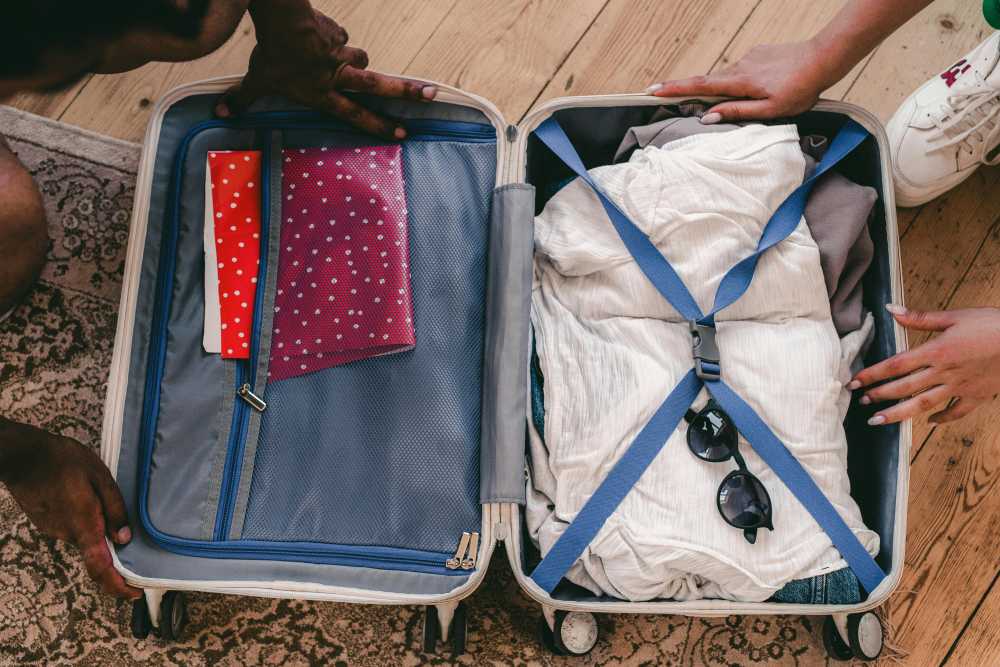
Staring at an empty suitcase can be overwhelming. This is not another generic article; this is your definitive, actionable solo travel packing list. It’s a methodical system designed to transform packing from a chore into an act of empowerment. We’ve built this checklist on a "Core + Modules" framework: a non-negotiable foundation of essentials, plus optional modules you can add for specific types of travel.
This tactical checklist is your "what." Before you dive into the specific items, we highly recommend reading our guide to to understand the minimalist systems and philosophy that make this list so powerful. Understanding the "why" will make packing the "what" intuitive and stress-free.
Your Core Essentials
Every trip, regardless of destination or duration, starts here. These are the non-negotiable items that form the base of any smart solo travel plan. Do not leave home without them.
Your Access to Everything
Your ability to move, transact, and prove your identity matters most. Build redundancy into your document strategy.
Passport/Visa: Check that your passport has at least six months of validity from your planned return date.
Digital & Physical Copies: Store a physical photocopy of your passport and driver's license in a separate bag from the originals. Keep high-quality photos of them in a secure cloud service (Google Drive, Dropbox) and in your email.
Travel Insurance Details: Carry a printed copy of your policy and save a PDF to your phone for offline access.
Multiple Bank Cards: Pack at least two different credit cards and one debit card. Store them in separate locations (e.g., one in your wallet, one in your daypack).
Emergency Cash: Hide $100-$200 USD deep within your main bag as a final safety net.
Bank Travel Notifications: Log into your banking apps and set a travel notice for your specific destinations and dates. This five-minute task prevents your accounts from being frozen for suspected fraud.
Your On-the-Go Wellness Kit
Stay healthy and comfortable on the road. The goal is a compact, leak-proof, and comprehensive kit.
Prescription Medications: Pack enough for your entire trip in their original, labeled containers. Bring a copy of the prescription itself.
Mini First-Aid Kit:
Pain relievers (Ibuprofen/Acetaminophen)
Assorted adhesive bandages
Antiseptic wipes
Blister treatment (e.g., Compeed)
Anti-diarrhea medication (e.g., Imodium)
Solid Toiletries: The ultimate packing hack. Eliminates liquid restrictions, prevents leaks, and lasts longer.
Solid shampoo bar
Solid conditioner bar
Solid soap bar
The Basics:
Toothbrush
Solid toothpaste tablets
Deodorant
Your Digital Lifeline
Your smartphone is your navigator, translator, and connection to the world. Keeping it powered is mission-critical.
Smartphone: Your all-in-one command center. Download offline maps for your destination.
Portable Power Bank: A non-negotiable safety item. Choose a 10,000mAh+ model from a reliable brand like Anker to guarantee 2-3 full phone charges. Keep it charged.
Universal Power Adapter: Invest in one high-quality universal adapter with multiple USB ports. This allows you to charge all your devices from a single outlet.
Noise-Canceling Headphones: Essential for focus and peace on loud flights, trains, or in shared hostel rooms.

Essential Solo Travel Safety Gear
This module proactively addresses the "what-if" scenarios, allowing you to explore with confidence and sleep soundly. The gear here is your first line of defense, but true confidence comes from preparation. For a complete guide to situational awareness and navigating new environments securely, our comprehensive article, Anxious to Adventurous: Solo Travel Tips for Confidence, is required reading.

For Your Accommodation
Portable Door Lock (e.g., Addalock): A small, lightweight device that braces your door from the inside, making it impossible to open even with a key.
Door Stop Alarm: A wedge that slides under your door. If opened, it physically blocks the door while emitting a piercingly loud alarm.
For When You're Out & About
Anti-Theft Daypack (e.g., Pacsafe, Travelon): Choose a crossbody bag or backpack with slash-proof straps, lockable zippers, and RFID-blocking pockets.
Personal Safety Alarm: A keychain device that emits an ear-splitting siren and flashing strobe light to attract attention and disorient an attacker.
RFID-Blocking Wallet: Protects your passport and credit cards from electronic "skimming."
The 5-4-3-2-1 Formula
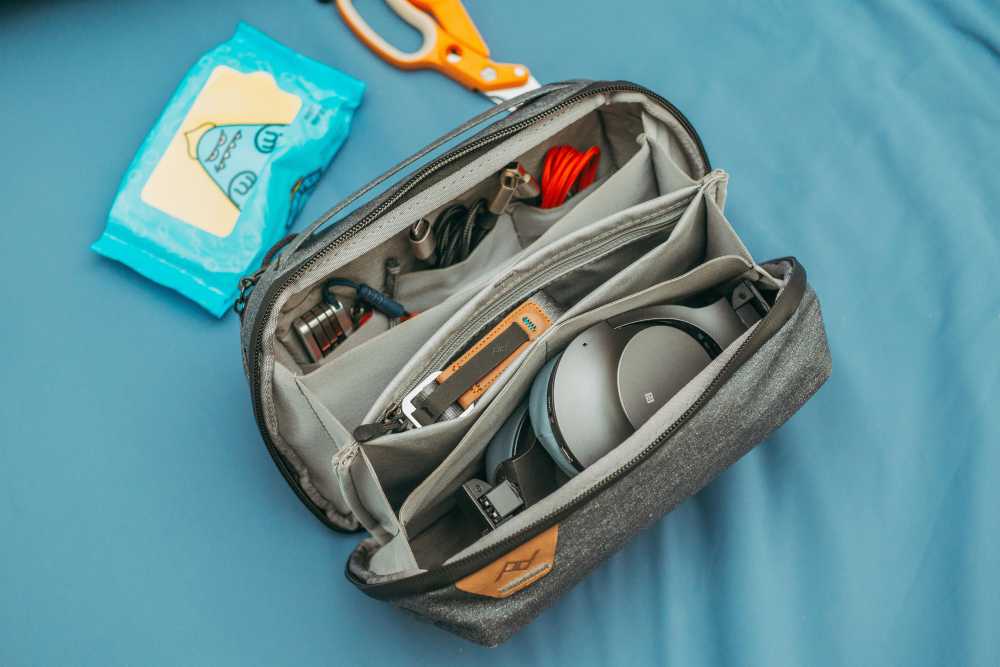
Pack less and wear more with a strategic, versatile wardrobe built on mix-and-match essentials. Choose a neutral color palette (black, gray, navy) for core items.
The 5-4-3-2-1 Formula (1-Week Framework)
5 Tops: Focus on wrinkle-resistant, odor-resistant fabrics. At least one should be merino wool—the ultimate travel fabric for temperature regulation and multi-day wear.
4 Bottoms: A typical mix includes one pair of comfortable travel pants, one pair of jeans or chinos, and one skirt or pair of shorts.
3 Accessories: A lightweight scarf or sarong is incredibly versatile (fashion, beach cover-up, towel, head covering).
2 Pairs of Shoes:
Pair 1: Supremely comfortable, broken-in walking shoes.
Pair 2: A versatile, slightly dressier option (flats, loafers, clean leather sneakers).
1 Jacket: A waterproof, windproof outer shell. Layer with a fleece or sweater for warmth as needed.
Climate Sub-Modules (Choose One)
Cold Climate Add-ons: One set of thermal base layers (top and bottom), a warm hat, gloves, and wool socks.
Tropical Climate Add-ons: A swimsuit, a quick-dry microfiber towel, a wide-brimmed sun hat, and sunglasses.
Digital Nomad's Checklist
This module is for anyone working on the road. It focuses on creating an efficient, ergonomic, and connected remote workstation.

Lightweight Laptop: An ultrabook (e.g., MacBook Air) offers the best balance of power and portability.
Portable Laptop Stand (e.g., Roost, Nexstand): The single best way to prevent neck and back pain.
Ergonomic Peripherals: A slim, portable keyboard (e.g., Logitech K380) and a portable mouse (e.g., Logitech MX Anywhere).
High-Quality Headphones with Mic: Essential for calls and focus in noisy environments.
eSIM: Use an app like Airalo to purchase and install a digital SIM card before you leave. Get connected the moment you land.
High-Capacity "PD" Power Bank: Ensure your power bank is "Power Delivery" rated and has enough capacity to charge your laptop, not just your phone.
What NOT to Pack
Knowing what to leave behind is as important as knowing what to bring.

Expensive or Sentimental Jewelry: Don't bring anything you would be devastated to lose.
Full-Sized Towel: Most accommodations provide them. If needed, a quick-dry travel towel is a superior option.
Multiple "Good" Outfits: Stick to versatile pieces that can be dressed up or down.
Physical Books: An e-reader provides an entire library at a fraction of the weight.
"Just in Case" Items: Unless you're traveling to a very remote location, you can buy most basic items at your destination.
Your Questions Answered
What should a solo female traveler add? Many add a versatile sarong (for modesty at religious sites), a silicone doorstop for extra security, and some opt for a fake wedding ring to deter unwanted attention.
How do I pack for a long-term trip in a carry-on? Commit to doing laundry. Pack one week's worth of clothing using the capsule method and plan to do laundry every 7-10 days.
What are the best shoes for solo travel? The ones you can walk in comfortably for 8+ hours. Never bring new, unbroken-in shoes on a trip.
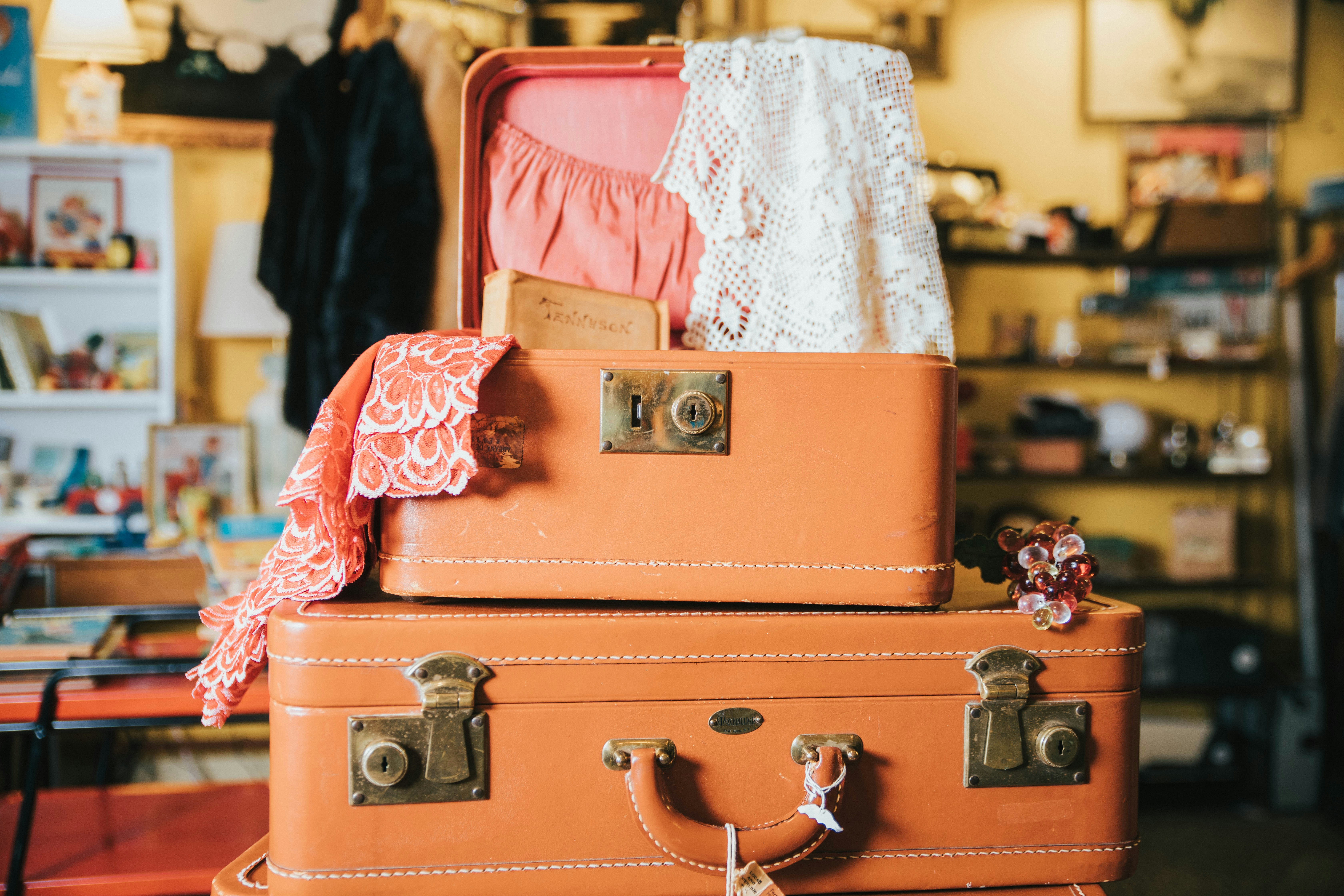
By starting with the Core Essentials and adding modules tailored to your journey, you have now built the perfect solo travel packing list. This system eliminates guesswork, ensures you are prepared for your adventure, and empowers you to travel with the confidence of a pro.
Read the full guide: Anxious to Adventurous: The Ultimate Guide to Solo Travel Confidence
Don't Miss Out! Subscribe for Exclusive Content
SubscribeComments 0
No comments yet
Be the first to share your experience!
Dont Miss Out! Subscribe for Exclusive Content

Ultimate USA Holidays Guide: Top Picks

FTC Affiliate Disclosure Essentials: Stay Compliant as a Travel Creator

Essential Affiliate Tools: From Tracking to Full Optimization

Booking.com Affiliate Program Review: Pros, Cons, and Earnings Potential

Decoding Affiliate Commission Rates: Benchmarks for Travel Creators

Amazon Associates for Travel: Strategies to Maximize Commissions
Top 7 Family Vacation Destinations in Europe (For All Ages)
TrekGuider @trekguider
Feeling like your dream European family vacation is getting lost in a logistical nightmare? You're juggling a tight budget, the conflicting desires of a history-averse kid and a "too-cool" teen, and a map of endless, overwhelming options. The fear of investing thousands into a trip that ends in stress instead of lifelong memories is real. This guide is your solution.
We’re here to swap that overwhelming feeling for a clear, stress-free roadmap. Finding the right destination is about more than just listing famous landmarks; it’s about matching a city's rhythm to your family's unique energy. Drawing from our comprehensive guide to Family Travel Ideas: The 2026 Guide to Unforgettable Trips, this deep dive provides a practical plan to help you choose the perfect European spot with confidence.
Forget generic lists. Here, you’ll find a clear path to planning a trip that creates joy, not just another set of logistical headaches.

Your Pre-Flight Checklist: Planning a Flawless European Family Trip
Before you book a single flight, laying a solid foundation is the key to a successful trip. Rushing this stage is the number one mistake families make. A little strategic foresight will save you countless headaches and dollars down the road. For an even deeper dive, see our guide on How to Make Family Travel Planning Actually Easy.

1. Define Your Family's Travel Persona
Are you Cultural Explorers who thrive in museums and historical sites? Outdoor Adventurers who need mountains and green space? Or Relaxation Seekers who just want sun, good food, and minimal stress? Be honest about your family’s collective style. Trying to force an action-packed city tour on a family that prefers a slow-paced beach vacation is a recipe for disaster.
2. Set a Realistic European Family Budget
Europe can be surprisingly affordable or astronomically expensive. Your budget is the single biggest factor in determining your destination and trip length.
High-Cost: Countries like Switzerland, Iceland, and the Scandinavian nations will stretch your budget the furthest. Expect to pay a premium for everything from lodging to a simple lunch.
Mid-Range: France, Germany, the UK, Italy, and Austria offer a moderate price point. Here, you'll find a wide range of accommodation and dining options to fit most budgets.
Budget-Friendly: Destinations like Portugal, Spain, and Greece offer incredible value, especially outside of the peak July-August season. Your money goes significantly further here.
3. Choose the Right Time to Go
The "when" is just as important as the "where." Summer offers the best weather but also brings the biggest crowds and highest prices. Consider the shoulder seasons (April-May and September-October) for a perfect balance of pleasant weather, fewer tourists, and lower costs.
4. Master Your Transportation Plan
Getting around is a core part of the European experience.
Trains: The European rail network is efficient, scenic, and often the best way to travel between major cities. It eliminates the stress of driving and parking. Pro-Tip: Book high-speed rail tickets 60-90 days in advance directly from national carriers (like Trenitalia in Italy or Renfe in Spain) for discounts of up to 70%.
Driving: Renting a car offers ultimate flexibility, especially for exploring rural areas. However, be prepared for narrow roads, complex parking, and high fuel costs. Most city centers are best explored on foot.
Flying: Budget airlines like Ryanair and EasyJet can be great for covering long distances, but be mindful of strict baggage allowances and secondary airport locations. A smooth flight is key, so be sure to check out our Stress-Free Flying with Kids Guide.
5. Embrace the "Less is More" Pacing Rule
This is the golden rule of European family travel. The biggest mistake is trying to cram too much in. Moving cities can easily consume an entire day. For a truly enjoyable experience, plan to spend at least three nights in each location. This allows for one full day of exploration without the stress of arrival or departure logistics.
Feeling Organized? Let's Make It Official.
Planning an international trip involves a million tiny details. Don't let anything slip through the cracks. Our International Travel Checklist is the ultimate tool for a smooth, stress-free planning process, covering everything from passports to packing.

The TrekGuider Shortlist: Europe's Most Unforgettable Family Cities
Europe is a continent of incredible diversity. To simplify your choice, we’ve broken down the top family vacation destinations in Europe by region, highlighting what makes each one special for families with kids of all ages.
Southern Europe & The Mediterranean: Sun, Culture, and Unforgettable Food
This region is a classic choice for a reason. It offers a fantastic mix of history you can touch, beautiful coastlines, and a relaxed, family-centric culture where kids are welcomed everywhere.

Italy: A Living History Book for All Ages
Forget history lessons behind museum glass; Italy is the lesson, a multi-sensory experience that captivates everyone from toddlers to teens. It's one of those rare places where ancient history feels like a giant, interactive playground.
Best For: School-aged kids and teenagers (ages 7-18).
Top City: Rome. The sheer scale of the Colosseum, the whispers of history in the Roman Forum, and the chance to make a wish at the Trevi Fountain are core memories in the making.
Kid-Friendly Activities: Gladiator School, Pizza & Gelato Making Class, renting pedal cars in Borghese Gardens, or visiting the Explora Museum.
Logistics Lowdown: Book tickets for major attractions like the Colosseum and Vatican Museums months in advance online. This allows you to bypass the notoriously long ticket queues.
Spain: The Perfect Blend of Beaches, Art, and Fun
Spain is arguably one of the most well-rounded family destinations in Europe. The culture is vibrant, the food is accessible (tapas are perfect for picky eaters), and the more relaxed daily schedule is a godsend for families.
Best For: All ages, from toddlers to teens.
Top Cities: Barcelona & Madrid. Barcelona offers the unique combination of a world-class city with excellent beaches. Madrid is wonderfully stroller-friendly with magnificent parks like El Retiro.
Kid-Friendly Activities: Tibidabo Amusement Park (Barcelona), CosmoCaixa Science Museum (Barcelona), and the Teleférico Cable Car (Madrid).
Portugal: Affordable Charm and Stunning Coastlines
Portugal often flies under the radar but is a true gem for families seeking a more laid-back and affordable European vacation. It's welcoming, beautiful, and refreshingly unpretentious.
Best For: Toddlers and young children, thanks to its compact cities and friendly atmosphere.
Top City: Lisbon. The vintage yellow Tram 28 is a ride and a sightseeing tour in one, and the city is filled with picturesque squares perfect for a pastel de nata break.
Kid-Friendly Activities: Oceanário de Lisboa (one of the world's best aquariums), exploring St. George's Castle, and taking a day trip to the fairytale palaces of Sintra.
Western & Central Europe: Iconic Cities and Alpine Wonders
This region is home to some of the world's most famous landmarks, offering a mix of urban excitement and breathtaking natural beauty.

France: Beyond the Glitter of Paris
Paris will always have its magic, but the real magic for families often lies beyond the capital's glittering lights. For a less frantic but equally enchanting experience, consider other regions.
Best For: School-aged children and teens.
Top City: Paris. For older kids who can appreciate it, Paris is unforgettable. For a more relaxed pace, consider cities like Nice on the French Riviera or Lyon for its food scene.
Kid-Friendly Activities (Paris): Sailing vintage boats in Jardin du Luxembourg, visiting the Cité des Sciences, and taking a magical evening cruise on the Seine River.
Switzerland: The Ultimate Outdoor Playground
For active families who love the great outdoors, Switzerland is unparalleled. It's clean, safe, and the public transportation system is a marvel of efficiency that feels like part of the attraction.
Best For: Ages 5 and up who can handle hiking and outdoor activities.
Top Region: The Interlaken/Jungfrau Region. This area is a postcard-perfect vision of alpine meadows, snow-capped peaks, and turquoise lakes.
Kid-Friendly Activities: Taking a cogwheel train up a mountain, hiking an easy scenic trail like the one from Männlichen to Kleine Scheidegg, or riding a thrilling mountain coaster.
Pro-Tip: The Swiss Travel Pass, while expensive upfront, can be a fantastic value. Children under 16 travel free with a paying parent.
Northern Europe & The UK: History, Fairytales, and Cool Vibes
This region offers a different flavor of Europe—one defined by rich history, stunning design, and a safe, efficient, and incredibly family-forward approach to life.

United Kingdom: London's Icons and Endless Museums
London is an endlessly fascinating city that caters brilliantly to families. Many of its world-class museums are free, making it a great value proposition despite its reputation for being expensive.
Best For: All ages.
Top City: London. The city is a playground of recognizable icons, from the Tower of London to the double-decker buses.
Kid-Friendly Activities: The Natural History & Science Museums (free!), the Diana Memorial Playground, the Warner Bros. Studio Tour for Harry Potter fans, and a Thames River Cruise.
Denmark: Fairytale Charm and Effortless Cool
Copenhagen is a city that seems designed for happiness. It's compact, easily walkable (or bikeable), and has a playful spirit that makes it a dream destination for families with younger kids.
Best For: Ages 0-10.
Top City: Copenhagen. The home of Hans Christian Andersen feels like a storybook come to life.
Kid-Friendly Activities: Tivoli Gardens is a magical institution, take a classic canal tour from Nyhavn Harbor, and explore the interactive National Museum's Children's Museum.
Logistics Lowdown: Rent bikes. This is the most authentic and enjoyable way to explore, and you can get "cargo bikes" with a front bucket for the kids.
Frequently Asked Questions
What is the most budget-friendly region in Europe for a family vacation?
Southern European countries like Portugal, Spain, and Greece generally offer the best value for families. Your money for accommodation, food, and activities will go much further here, especially if you travel during the "shoulder seasons" of spring and autumn.
What is the best time of year to travel to Europe with kids?
The shoulder seasons (April-May and September-October) are often ideal for family travel in Europe. You'll enjoy pleasant weather, significantly smaller crowds at major attractions, and lower prices for flights and hotels compared to the peak summer months.
Is it better to travel by train or car with a family in Europe?
For travel between major cities, the train is usually the superior option. It's fast, efficient, and relaxing. Renting a car offers more flexibility for exploring rural areas and smaller towns but can be challenging in big cities due to traffic and parking.
How many days should you spend in each European city on a family trip?
The golden rule is to plan for at least three nights in each location. This pacing prevents burnout and gives you two full days to explore without feeling rushed by arrival or departure logistics, making the trip more enjoyable for everyone.
Choosing from the vast array of family vacation destinations in Europe is the first step in an incredible journey. By aligning your destination with your family's budget, style, and pace, you're not just planning a vacation; you're engineering a priceless experience. You are building a treasure chest of shared memories—the taste of a perfect gelato in Rome, the awe of seeing the Eiffel Tower sparkle, the shared laughter on a Swiss mountain trail—that will enrich your family’s story for years to come.

Read the full guide: Family Travel Ideas: The 2026 Guide to Unforgettable Trips
Don't Miss Out! Subscribe for Exclusive Content
SubscribeComments 0
No comments yet
Be the first to share your experience!
Dont Miss Out! Subscribe for Exclusive Content
Ultimate USA Holidays Guide: Top Picks
FTC Affiliate Disclosure Essentials: Stay Compliant as a Travel Creator
Essential Affiliate Tools: From Tracking to Full Optimization
Booking.com Affiliate Program Review: Pros, Cons, and Earnings Potential
Decoding Affiliate Commission Rates: Benchmarks for Travel Creators