
4 Unforgettable National Park Family Travel Ideas

TrekGuider @trekguider
Struggling to find a family vacation that pulls your kids away from screens and creates genuine memories, not just stress? You're not alone. The pressure to plan the perfect, budget-friendly trip often leads to analysis paralysis amid an overwhelming sea of options and the fear of getting it all wrong. This guide cuts through the noise.
This is where the timeless majesty of America’s national parks comes in. They are the ultimate solution—vast playgrounds of natural wonder that offer a powerful antidote to the digital saturation of modern life. Forget generic resort packages; this guide is a strategic playbook for crafting an unforgettable national park adventure. We’ll transform the daunting task of planning into an exciting journey.
As we explore these specific parks, remember they represent just one path to an amazing trip. For a complete overview of destinations for every budget and travel style, our Family Travel Ideas: The 2026 Guide to Unforgettable Trips is your ultimate resource. This article is your specialized map to sun-drenched trails, awe-inspiring wildlife, and the kind of shared experiences that strengthen family bonds for years to come.
Why National Parks are the Ultimate Family Travel Ideas for Summer
In a world of manufactured entertainment, national parks offer something profoundly real. They are living classrooms, natural gymnasiums, and sanctuaries for the soul. For families, they present a unique opportunity to disconnect from daily routines and reconnect with each other in a meaningful way.
Unmatched Educational Value: Where else can your child see the geological forces that shaped our planet firsthand at the Grand Canyon, or watch a bison herd thunder across the plains of Yellowstone? These parks are immersive, multi-sensory learning environments that bring textbook concepts to vivid life.
Built-in Adventure: From gentle, toddler-friendly nature walks to more challenging hikes for teens, the parks are structured for adventure at every skill level. The thrill is in the discovery—spotting a bald eagle, identifying a new wildflower, or conquering a trail together.
Remarkable Affordability: Compared to theme parks or international travel, a national park vacation can be incredibly budget-friendly. An annual "America the Beautiful" pass grants access to all parks for just $80 per vehicle. With options for camping or lodging in nearby towns, you can tailor the trip to your exact financial comfort level.
A Cure for Nature Deficit Disorder: Experts increasingly recognize that time spent in nature is critical for a child's physical and mental development. It reduces stress, improves focus, and fosters creativity. A week in the woods can be the most effective reset button you’ll ever press for your family.
They are, quite simply, America's best idea, and they are waiting to be the backdrop for your family's next great story.
Your National Park Summer Adventure Playbook
Success in the wild begins with careful planning at home. The immense popularity of national parks during the summer means that spontaneity can lead to sold-out signs and disappointment. Following a proven framework is key to a smooth and memorable trip.
Step 1: The 6-12 Month Countdown - Booking Your Basecamp
Let’s start with a non-negotiable truth: if you only get one thing right in your planning, make it your lodging. In-park accommodations and popular campsites are often booked solid the day they become available, sometimes a full year in advance.
Define Your Lodging Style:
In-Park Lodges: Offer unparalleled convenience and historic charm (think the Old Faithful Inn). They are the most expensive option and require the earliest booking.
Campgrounds: Provide the most immersive nature experience. Services range from primitive sites to full RV hookups. Reservations are typically made through Recreation.gov.
Gateway Towns: Towns just outside park entrances (like West Yellowstone, MT, or Springdale, UT) offer a wide range of hotels, motels, and vacation rentals. They provide more flexibility and amenities but require daily travel into the park.
Set Your Alarms: Identify the exact date and time that reservations open for your target dates and lodging. Be online and ready to book the second they become available.
Have Backup Plans: Research and be ready to book your second and third choices immediately if your first is unavailable.
Pro-Tip: How to Actually Win the Campground Lottery
Booking a popular national park campsite on Recreation.gov is a competitive sport. Here’s how to win: a few days before your booking day, log into your account, find your desired campground, and add it to your cart to confirm the exact release time (usually 10 a.m. ET). On the day, log in 10 minutes early, sync your computer clock to the official U.S. time (time.gov), and have all your information ready. Refresh your screen precisely at the release time and complete the booking in seconds.
Step 2: The 2-3 Month Check-In - Crafting Your Itinerary
With your basecamp secured, you can now build your daily plan. The key is to balance iconic sights with downtime to avoid burnout. Our guide on How to Make Family Travel Planning Actually Easy dives even deeper into this process.
Cluster Your Activities: Parks are huge. Study the park map and group your desired activities by geographic area. Dedicate full days to specific regions, like the Yellowstone Lake area or the Tioga Road in Yosemite, to minimize driving time.
Prioritize the "Must-Sees": Identify the 2-3 iconic experiences your family absolutely cannot miss. Plan to visit these popular spots early in the morning (before 9 a.m.) or later in the afternoon (after 4 p.m.) to avoid the worst crowds and midday heat.
Involve the Kids: Give your children, especially older ones, a voice in the planning. Let them research and choose a specific trail they want to hike or a Ranger Program they want to attend. This ownership fosters excitement and cooperation.
Stay Organized from Start to Finish
A great road trip has a lot of moving parts. Our free checklist is designed to help you track everything from reservations to packing lists, ensuring nothing gets missed.
Download the free National Park Road Trip Checklist
Top National Parks for Summer Family Adventures (And What to Do There)
While every park is special, some are exceptionally well-suited for families during the summer months. Here are our top picks for incredible family travel ideas for summer in the national parks.
Yellowstone National Park: The Geothermal Wonderland
Best For: Ages 6+. The sheer scale and geothermal wonders are captivating for school-aged children and teens.
Can't-Miss Activities:
Watch Old Faithful Erupt: It’s iconic for a reason. Check the posted eruption times and find a spot on the boardwalk.
Explore the Grand Prismatic Spring: The vibrant colors of this massive hot spring are otherworldly. The best view is from the elevated overlook on the Fairy Falls Trail.
Wildlife Safari in Hayden Valley: Drive through this vast, open valley at dawn or dusk for the best chances of spotting bison, elk, grizzly bears, and even wolves.
Kid-Friendly Hike: The Storm Point Loop Trail is a relatively flat 2.3-mile loop that leads through forest to a scenic point on Yellowstone Lake.
Zion National Park: The Majestic Canyon Sanctuary
Best For: All ages, but especially families with active kids and teens.
Can't-Miss Activities:
Ride the Park Shuttle: During peak season, the mandatory shuttle is an experience in itself, offering narrated guidance and stunning views.
Walk The Narrows (Bottom-Up): Wading through the Virgin River in a 1,000-foot-deep canyon is the quintessential Zion experience. Rent proper water shoes from an outfitter in Springdale—it's a game-changer.
Hike to Emerald Pools: This series of trails leads to lush, spring-fed pools and waterfalls. The Lower Pool trail is paved and accessible for strollers.
Kid-Friendly Hike: The Pa'rus Trail is a 3.5-mile paved trail that follows the Virgin River. It's perfect for strollers, wheelchairs, and bikes.
Acadia National Park: The Coastal Gem of New England
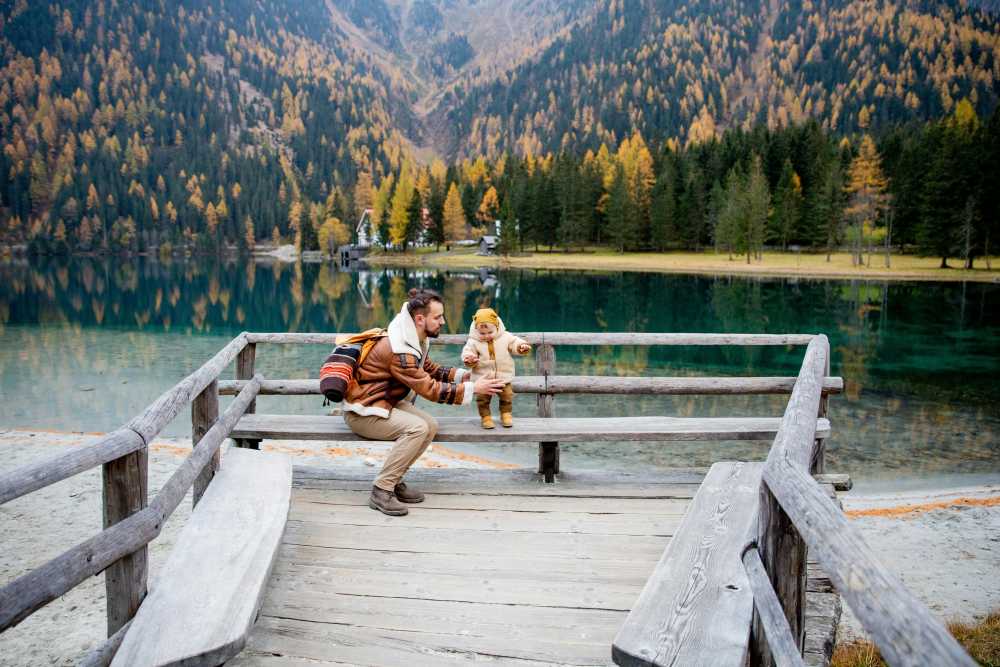
Best For: All ages. The diversity of landscapes makes it a perfect fit for multi-generational trips.
Can't-Miss Activities:
Drive the Park Loop Road: This 27-mile road hits many of the park's highlights, including Sand Beach, Thunder Hole, and Otter Cliff.
Watch the Sunrise from Cadillac Mountain: Be one of the first people in the United States to see the sunrise. Vehicle reservations are now required and must be booked in advance.
Explore the Tide Pools: At low tide, the rocky coastline near Wonderland Trail reveals a fascinating world of sea stars, crabs, and anemones.
Kid-Friendly Hike: The Jordan Pond Path is a 3.3-mile loop around a crystal-clear pond, best capped off with popovers at the Jordan Pond House.
Olympic National Park: A World of Ecosystems

Best For: Families who crave variety and have kids aged 7+. Olympic is like visiting three parks in one.
Can't-Miss Activities:
Explore the Hoh Rainforest: Walk the Hall of Mosses Trail (.8 miles), an easy loop that immerses you in a temperate rainforest dripping with green. It’s pure magic.
Discover Rialto Beach: This is the iconic Pacific Northwest coastline. Explore tide pools, admire giant driftwood, and hike to the Hole-in-the-Wall sea arch (check tide charts!).
Drive to Hurricane Ridge: Ascend nearly a mile in elevation for breathtaking panoramic views of the Olympic Mountains.
Kid-Friendly Hike: Sol Duc Falls Nature Trail is a 1.6-mile roundtrip hike through a stunning old-growth forest to a powerful, picturesque waterfall.
Common Pitfalls and How to Avoid Them
The "Too Much, Too Fast" Itinerary: Don't try to see an entire park in two days. You’ll end up with cranky kids and only see the park through a car window. Embrace a slower pace. For more on this, explore The Sanity-Saving System for Your Next Family Road Trip.
Ignoring the Junior Ranger Program: This is a mistake. The free activity booklets available at any visitor center are the single best way to engage kids aged 5-12. It transforms them from passive passengers into active explorers.
Underestimating Wildlife Safety: Seeing a bear or bison is a thrill, but these are powerful wild animals. Know and respect the rules: stay at least 100 yards from bears and wolves, and 25 yards from all other large animals. Never, ever feed wildlife.
Pro-Tip: Download the official NPS (National Park Service) app before your trip. You can save park maps and content for offline use, a lifesaver in areas with no cell service.
Packing and In-Trip Strategies
Your gear and daily approach can make or break the experience. Focus on comfort, preparedness, and flexibility.
The Essential Family Packing List:
Layered Clothing: Summer weather in the mountains is notoriously unpredictable. Pack lightweight layers—t-shirts, fleeces, and a waterproof rain jacket—for everyone.
Sturdy Footwear: Do not attempt hikes in flip-flops. Everyone needs comfortable, broken-in shoes with good traction.
Sun Protection: The sun is more intense at higher elevations. Bring wide-brimmed hats, sunglasses, and high-SPF sunscreen.
Reusable Water Bottles: Staying hydrated is critical. A large water bladder for each adult and a reusable bottle for each child is a must.
A "Go-Bag" for the Car: Keep a small backpack in the car with essentials: a first-aid kit, endless snacks, binoculars, a physical park map, and wet wipes.
Frequently Asked Questions
What is the best time of year for a national park family vacation?
While summer offers the most accessible weather and open facilities, it's also the most crowded. For fewer crowds and beautiful scenery, consider the "shoulder seasons" of late spring (May-June) and early fall (September-October). Always check specific park conditions, as weather varies greatly by region.
How far in advance should I book lodging for a national park trip?
For popular in-park lodges, you should book 12 months in advance—often the day reservations become available. For campsites, the booking window is typically 6 months in advance. Planning this far ahead is crucial for securing the best locations.
Are national parks a good vacation idea for families with toddlers?
Absolutely! Many parks feature paved, stroller-friendly trails like the Pa'rus Trail in Zion or accessible boardwalks around Yellowstone's geysers. The key is to choose the right activities, keep hikes short, and take advantage of the Junior Ranger programs, which have activities for younger children.
What's the most important thing to pack for a national park trip?
Beyond your camera, the most critical items are layered clothing and proper footwear. Mountain weather can change in an instant, so having layers ensures everyone stays comfortable. Sturdy, broken-in shoes are essential for preventing blisters and navigating uneven trails safely.
Conclusion
The beauty of a national park vacation lies in its simplicity and its power. By investing in careful planning, you are not just organizing a trip; you are building a framework for connection and creating a reservoir of shared memories that your family will draw upon for a lifetime. These family travel ideas for summer are more than just a vacation—they are an investment in your family's story.
So, use this guide to book with confidence, pack with purpose, and get ready to discover the incredible wonders waiting in your own backyard.

Read the full guide: Family Travel Ideas: The 2026 Guide to Unforgettable Trips
Don't Miss Out! Subscribe for Exclusive Content
Subscribe



Comments 0
No comments yet
Be the first to share your experience!
Dont Miss Out! Subscribe for Exclusive Content

San Francisco Cherry Blossoms: A Local's Guide to the Blooms


Halloween SF: Haunts Without Horrors

SF Festivals: 7 Must-See Lineups

Christmas SF: Lights & Wharf Wonders

SF Pride: 6 Route & Party Hacks

Chinese New Year SF: Parade Essentials
5 Ways to Confidently Eat Alone While Traveling
TrekGuider @trekguider
You’ve done it. You’ve booked the flight, mapped out the museums, and conquered the logistics of your solo adventure. But a single, persistent scenario keeps playing out in your mind, a small moment that feels disproportionately terrifying: walking into a restaurant, meeting the host’s gaze, and uttering the three quietest, loudest words in the English language: "Table for one."
For countless aspiring and even experienced solo travelers, this is the final boss of social anxiety. It’s a fear so potent it can dictate an entire trip. A recent study confirmed that for many first-timers, the thought of dining alone is a major source of apprehension, ranking among top concerns like safety and loneliness.
This fear is a thief. It doesn’t just steal your appetite; it steals your access to the very soul of a destination—the vibrant, chaotic, delicious culture that happens around the dinner table. It convinces you that a sad takeaway eaten on the edge of your hotel bed is preferable to the perceived judgment of a room full of strangers. It whispers that your solitude is a spotlight.
But what if that spotlight was actually a stage, and a table for one was the best seat in the house?
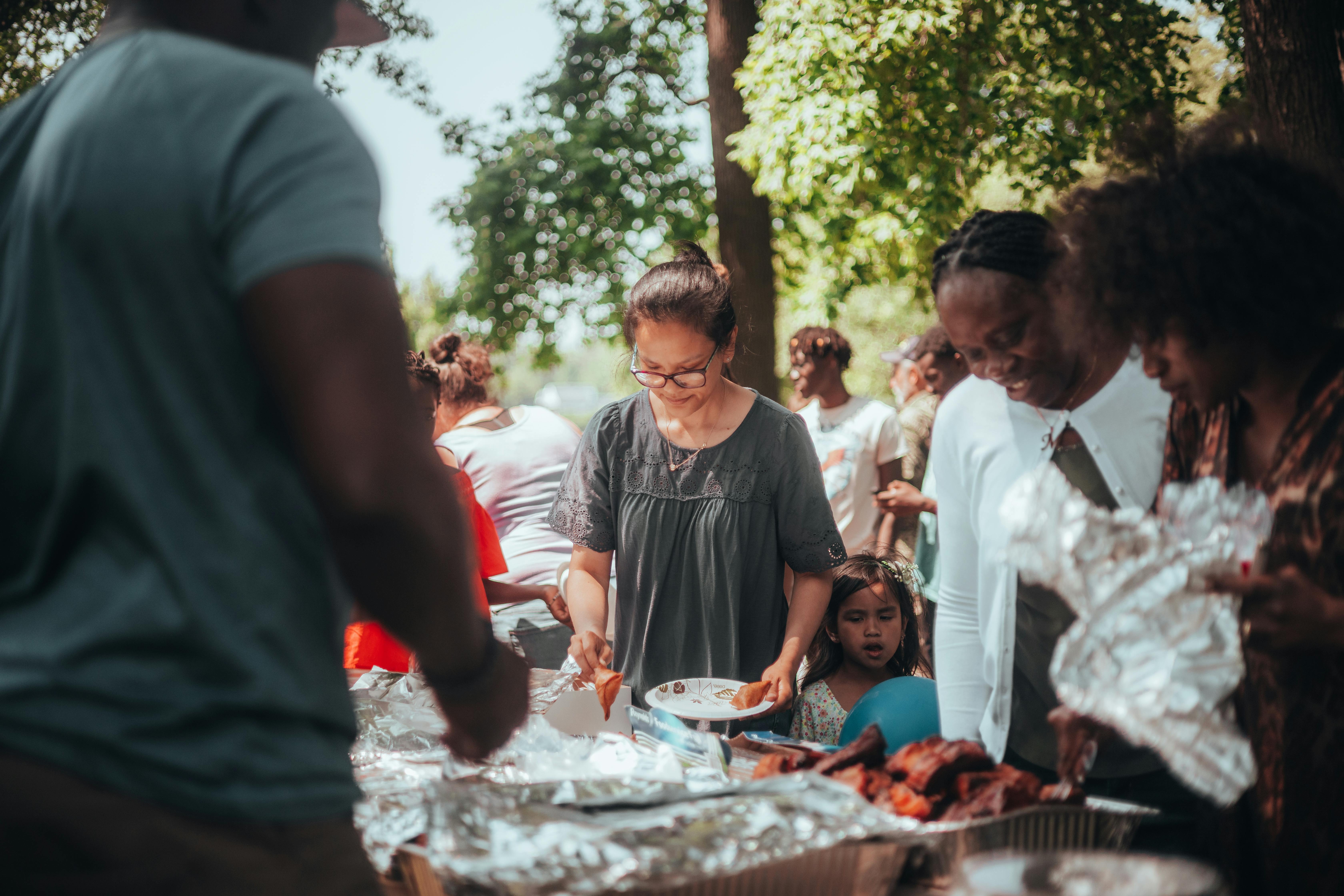
This guide is your step-by-step plan to reframe that narrative. These aren’t just tips; they are five actionable, confidence-building strategies designed to transform the experience of eating alone while traveling from a source of dread into an empowering, delicious, and deeply memorable ritual. For a complete roadmap of your entire journey, start with our foundational pillar guide, The Ultimate Guide to Solo Female Travel (15 Essential Tips).
Strategy #1: Master the Art of the Bar Seat
The single most effective way to immediately diffuse the anxiety of solo dining is to bypass the traditional tables altogether and make a beeline for the bar or counter. This isn't a compromise; it's a strategic upgrade to your dining experience, a universally accepted and comfortable spot for any solo diner.
Sitting at a two- or four-top table by yourself can sometimes feel like you’re occupying "empty" space, drawing attention to your solo status. The bar, however, is a fundamentally different social landscape. It's a dynamic, linear space designed for individuals and pairs. Here, you are not "alone"; you are simply another patron in a row of patrons, part of the restaurant's fluid, buzzing energy.
This vantage point offers a multitude of benefits. It often provides a front-row seat to the theater of the restaurant—the craft of the bartender mixing cocktails, the rhythm of the kitchen, the flow of patrons coming and going. It’s an environment that provides endless built-in entertainment. More importantly, it creates a low-pressure opportunity for social connection if you want it. The bartender is a professional at conversation, often happy to offer menu recommendations or share local insights. You might strike up a casual chat with the person next to you, or you can remain comfortably anonymous, absorbed in the ambiance. The choice is entirely yours, and that control is empowering.
Pro-Tip: When researching restaurants, specifically look for photos of the interior that show a substantial bar or counter seating area. Places like tapas bars in Spain, ramen counters in Japan, and classic bistros in France are almost always designed with excellent bar seating, making them perfect venues for a comfortable solo meal.

Strategy #2: Arm Yourself with a Purposeful Prop
One of the biggest sources of anxiety when eating alone while traveling is the fear of just sitting there with nothing to do during the lulls of the meal, such as after you’ve ordered and are waiting for your food. This is where a "prop" becomes your most valuable tool. Having a purposeful object with you completely reframes the narrative, both for any observer and, more importantly, for yourself.
A prop signals that you are not passively waiting for a companion or feeling lonely; you are actively and contentedly engaged in your own company. It fills the silence and gives your hands and eyes a focus, instantly dissolving any feelings of awkwardness. The key is to choose your prop with intention.
A Travel Journal: This is perhaps the ultimate solo dining companion. Use the time to write about your day's adventures, document the sights and sounds around you, or sketch the street scene outside the window. It turns your meal into a productive, reflective, and creative session.
A Good Book: Getting lost in a compelling story is a timeless pleasure. A book is an unambiguous sign that you are happily occupied and content in your solitude.
A Map or Guidebook: Spreading out a map to plan the next leg of your journey is a classic traveler move. It’s practical, engaging, and makes you look like a seasoned, confident explorer engrossed in your adventure.
The Psychology Behind the Prop
It’s a psychological pattern interrupt. When you feel anxious, your brain looks for evidence to support that feeling—you scan the room for people looking at you, you interpret neutral expressions as judgmental. A prop gives you an alternative focus. You are consciously giving your brain a different task to focus on, preventing it from spiraling into self-conscious thoughts. By bringing a prop, you transform your "table for one" into your personal command center, a space for reflection, planning, or escape. You're no longer just a person eating alone; you're a writer, a reader, an adventurer deep in thought.
Strategy #3: Become a Master of Timing
The ambiance of a restaurant can change dramatically depending on the time of day. A chaotic, packed dining room at the peak of the dinner rush can feel overwhelming and intensify feelings of self-consciousness. By strategically choosing when you dine, you can curate a much more relaxed and enjoyable experience for yourself.
Dining during "off-peak" hours is a simple but incredibly effective tactic. Arriving for a late lunch around 2:30 PM or an early dinner at 6:00 PM, before the main crowds descend, offers several advantages. The restaurant will be calmer and quieter, allowing you to choose a desirable table—perhaps one tucked into a cozy corner or with a great view for people-watching. The service staff will likely be less rushed and more attentive, giving you the space to ask questions about the menu and savor your meal without feeling hurried.
This strategy is particularly effective in countries with distinct dining schedules. In Italy, for example, locals often don't eat dinner until 8:00 PM or later. Arriving at a trattoria at 7:00 PM means you'll have the place almost to yourself, allowing you to build your confidence in a low-stakes environment. This deep understanding of local rhythms is something we explore in our comprehensive Italy Guide, which is packed with the kind of insider knowledge that makes a solo trip seamless and authentic.
Before you start scouting trattorias, let's get your master plan organized.
Your Ultimate Planning Companion
A great solo dining experience starts with a great plan. Knowing which restaurants you want to try and when to go is a key part of building a confident itinerary. Our free, downloadable template is the perfect tool to help you organize every aspect of your trip, from your daily schedule to your must-try foodie destinations.
Download your free Travel Itinerary Template here!
Strategy #4: Choose Your Venue with Intention
Not all restaurants are created equal when it comes to the solo dining experience. The venue you choose plays an enormous role in your comfort level. Actively seeking out establishments with a solo-friendly ambiance and avoiding those geared toward formal or romantic occasions can make all the difference.
Your mission is to find places that are inherently lively, casual, and built for a fluid mix of patrons. Here’s what to look for:
Casual Bistros and Cafes: These are often the lifeblood of a neighborhood, with a constant, friendly buzz. Outdoor seating is a huge bonus, as it turns your table into a front-row seat for people-watching—the ultimate solo-dining pastime.
Bustling Food Halls and Markets: These are a solo traveler’s paradise. With a multitude of vendors and communal seating, the entire environment is built around individual choice and a dynamic, social-but-anonymous atmosphere. You can sample a wide variety of local dishes without the formality of a traditional restaurant.
Restaurants with Communal Tables: Many modern eateries feature large, shared tables. Choosing to sit at one of these signals an openness to interaction and creates a natural opportunity for conversation to spark with fellow diners, if you’re in the mood.
Ethnic Restaurants: Places like sushi bars, ramen shops, pho counters, or tapas bars are often culturally geared toward individual diners and counter service, making them incredibly comfortable and natural-feeling environments for eating alone.
Pro-Tip: Use Google Maps and restaurant review sites to do some digital reconnaissance before you head out. Don’t just read the reviews; look at the photos uploaded by patrons. You can get a great feel for the restaurant's layout, see if it has a good bar or counter, and gauge the overall vibe to see if it aligns with what will make you feel most at ease.

Strategy #5: Start with a "Gateway" Food Tour
If the idea of a full, sit-down meal by yourself still feels like too big a leap, then start with a "gateway drug" to confident solo dining: a food tour. Joining a small-group food tour on your first or second day in a new city is one of the most effective and enjoyable ways to build your culinary confidence.
A food tour is a structured, social, and low-pressure experience. You get to sample a wide variety of local specialties from different vendors and restaurants, but you do it as part of a small, friendly group. This immediately removes the "all eyes on me" feeling and replaces it with a fun, shared experience.
This approach is powerful for several reasons. First, it demystifies the local cuisine and ordering process, giving you the knowledge and vocabulary to feel more confident on your own later. Second, it's a fantastic way to meet other travelers and get their recommendations. Third, and most importantly, it provides you with a vetted list of fantastic, friendly restaurants. The casual street food stall or family-run bakery you visit on the tour can become a place you feel completely comfortable returning to on your own, because you've already been there and established a positive connection. It’s a confidence-building exercise disguised as a delicious adventure.
Frequently Asked Questions About Dining Solo
Even with a solid plan, a few lingering questions can cause anxiety. Here are the answers you need.
What if I don't drink alcohol? Is it still okay to sit at the bar?
Absolutely. A modern bar is a full-service part of the restaurant. It's completely normal to sit at the bar and order a mocktail, a soda, or even just a glass of water while you enjoy a full meal. The bartender's job is to serve all patrons, and they will be more than happy to accommodate you.
How do I handle getting a bad table (e.g., right by the kitchen or bathroom)?
As a solo diner, you have the right to be just as comfortable as any other guest. If you're led to a table you don't like, it is perfectly acceptable to politely ask if another is available. A simple, "I was hoping for something a little quieter, is one of the tables by the window available?" is all it takes. Most restaurants will gladly accommodate a reasonable request.
How much should I budget for dining alone?
This varies dramatically by destination and your travel style. A meal in Portugal can be a third of the price of a similar meal in Switzerland. The best approach is to find real-world examples. On the TrekGuider marketplace, you can explore detailed itineraries and guides published by seasoned solo travelers, many of whom include specific restaurant recommendations and budget breakdowns from their own trips.
Your Table is Waiting
The fear of eating alone while traveling is valid, but it is not a permanent barrier. It is a skill waiting to be learned, a confidence muscle waiting to be built. By being strategic—by choosing the bar seat, bringing a journal, dining early, selecting a casual venue, or starting with a food tour—you systematically dismantle the anxiety and replace it with a sense of mastery and enjoyment.
You will soon discover that dining solo is not a consolation prize; it is a unique and powerful way to experience the world. It’s a moment for quiet reflection, a front-row seat to a new culture, and an unfiltered connection to the taste and rhythm of a place. It is an act of radical self-reliance and a declaration of your right to be there, to take up space, and to savor every last bite. Your journey to becoming a confident solo diner is one of the most rewarding parts of the adventure, proving that the best company you can have at the table is often your own.
Meta Data Suggestions:
SEO Meta Title (59 characters): Confidently Eat Alone While Traveling: 5 Expert Tips
URL Slug: confidently-eat-alone-traveling
SEO Meta Description (154 characters): Nervous about dining solo? Our guide offers 5 practical ways to confidently eat alone while traveling, turning social anxiety into an empowering experience.
Don't Miss Out! Subscribe for Exclusive Content
SubscribeComments 0
No comments yet
Be the first to share your experience!
Dont Miss Out! Subscribe for Exclusive Content

Chicago Beer Fests: Top 6 Tastings

Ultimate USA Holidays Guide: Top Picks

FTC Affiliate Disclosure Essentials: Stay Compliant as a Travel Creator

Essential Affiliate Tools: From Tracking to Full Optimization

Booking.com Affiliate Program Review: Pros, Cons, and Earnings Potential

Decoding Affiliate Commission Rates: Benchmarks for Travel Creators
Chicago Festivals: 8 Hidden Gems
TrekGuider @trekguider
You’ve seen the postcard shots: a sea of faces roaring at Lollapalooza, a river glowing an impossible, surreal green. Chicago is a city of grand gestures and epic celebrations, and its world-famous events deservedly draw millions. But you’re not here for the postcard. You’re digging for the city’s authentic pulse, the local rituals and hard-won secrets that exist just beyond the main stage and the barricaded parade routes. You want to experience the real Chicago.
The problem? Most travel guides are stuck on a loop, recycling the same five headliners. This leaves you with a generic itinerary that thousands of others are clutching, leading you straight into the jaws of the crowd. You risk a trip that’s memorable for all the wrong reasons—the endless lines, the sardine-packed trains, the nagging feeling that you only saw the spectacle, not the soul.
This guide is the antidote. We’re pulling back the curtain on eight hidden gems within the city’s vibrant festival scene. These aren’t obscure events; they are the insider angles, the local traditions, and the pro-level hacks that transform a popular celebration into a deeply personal, unforgettable memory. Forget just seeing the sights; we’re here to help you feel the stories behind them. This is your key to unlocking the authentic spirit of Chicago’s festivals, ensuring you go home with stories no one else has. For a panoramic view of the city's year-round celebrations before you dive into these secrets, our definitive guide to Chicago Holidays: Windy City Thrills is the perfect place to start your planning.
1. The Secret Science Behind the St. Patrick’s Day River Dye
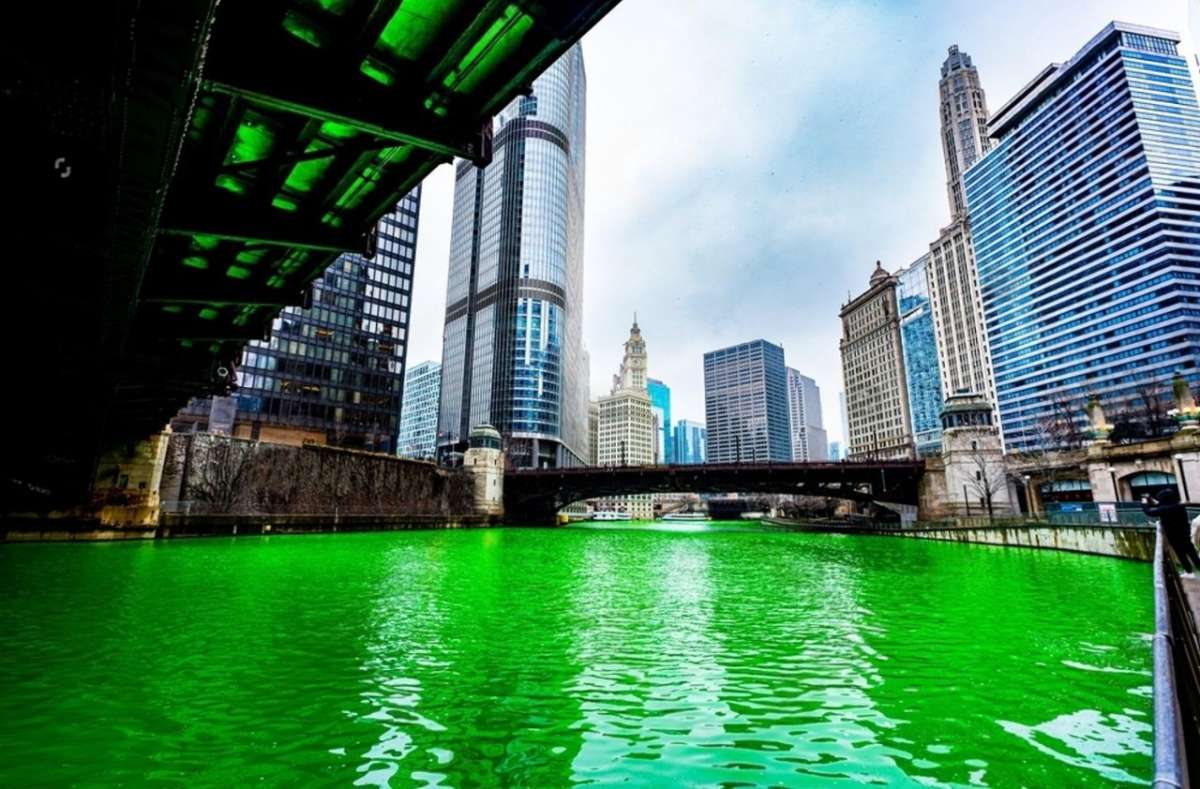
Every March, the world watches as the Chicago River sheds its murky complexion for a shimmering, emerald green. While millions line the banks to witness the spectacle, the true hidden gem is understanding the fascinating history and precise science behind it. This isn't some century-old ritual; it was born in 1962 out of pure, blue-collar ingenuity. Local plumbers, using a dye to trace leaks, noticed it turned the water a brilliant green. An idea sparked, and today, that 'well-oiled machine' is a cherished tradition, still run by the Journeymen Plumbers Local Union 130.
Here’s the insider secret that makes it all happen: the substance is a vegetable-based, eco-friendly orange powder. The magic is in the chemistry. On the Saturday before St. Patrick's Day (the Saturday before St. Patrick's Day), a lead boat dumps 40 to 60 pounds of this powder, which streaks the surface in a vibrant orange. A smaller chase boat then zips behind, churning the water to catalyze the reaction, transforming the entire river into a shocking shade of green. The color is fleeting, lasting only about five to six hours, making the viewing a truly special, time-sensitive event.
How to Experience It Like a Local:
Time It Perfectly: The dyeing starts promptly at 10:00 AM. The most iconic viewing spots are the east side of the Michigan Avenue bridge or the west side of the Columbus Drive bridge. Get there by 9:00 AM to claim your space.
Get a Higher Perspective: For a less chaotic but equally stunning view, find a spot on an upper floor of a building overlooking the river. The contrast of the green water against the city’s iconic architecture is a photographer’s dream.
Follow the Action: The boats begin their work at Columbus Drive and head west toward the Wrigley Building. Position yourself near the start to witness the transformation from the very first moment.
2. Beyond the Headliners: A Pro’s Guide to Lollapalooza
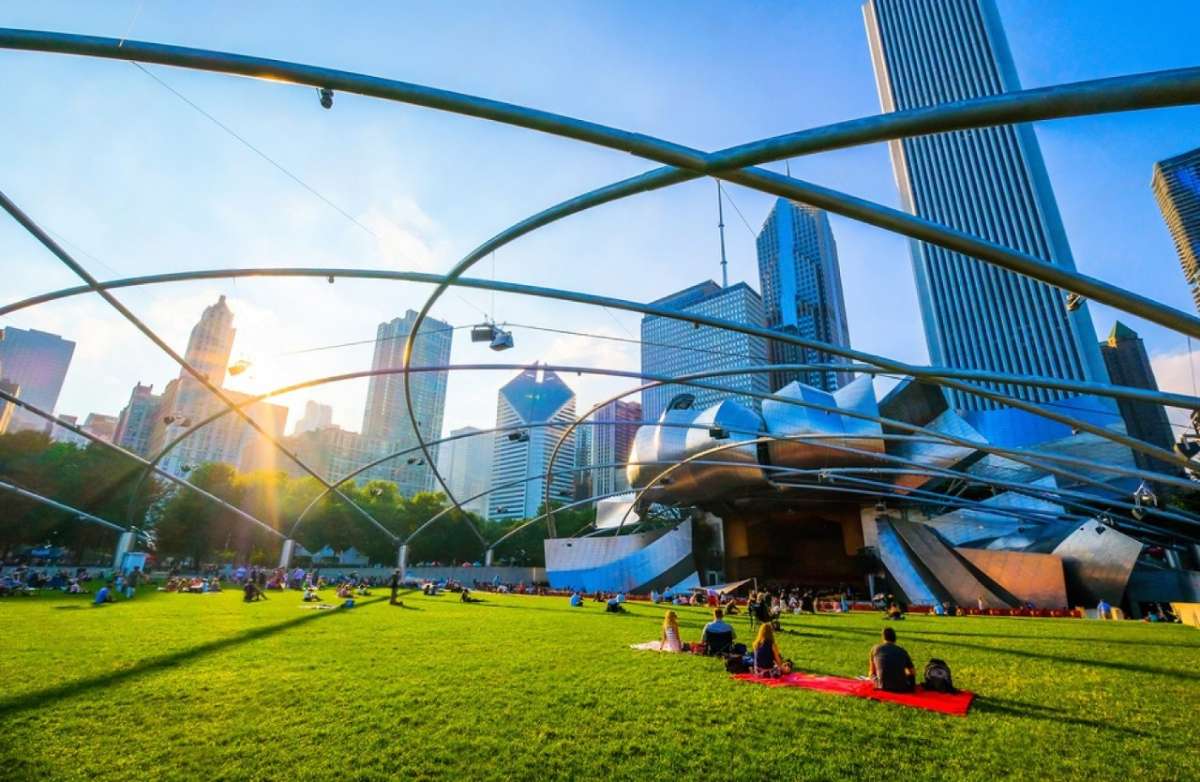
Lollapalooza is a global music behemoth, drawing hundreds of thousands to Grant Park for a four-day sonic feast. Set for July 31 - the final day of the festival, the festival is a marathon of music. While the 2026 lineup is stacked with global megastars—think Olivia Rodrigo, Tyler the Creator, Sabrina Carpenter, Rüfüs du Sol, and even legends like Korn—the real hidden gem isn’t a secret band; it’s the art of navigating the festival with the calm confidence of a seasoned pro.
The average festival-goer shows up late, gets lost between stages, wilts from dehydration, and misses half the acts on their list. The pro, however, treats it like a strategic mission. The key is leveraging the tools at your disposal.

Your Pro-Level Survival Guide:
The App is Your Bible: The official Lollapalooza app is your single most important tool. Before you leave your hotel, download it, study the map, and build your custom schedule. It’s your source for real-time updates, surprise guest alerts, and life-saving emergency notifications.
Hydration is a Religion: Chicago in August is no joke. Lollapalooza provides free water stations throughout the park. The pro move is to bring your own empty hydration pack and make refilling it a constant ritual. Dehydration is the number one fun-killer.
Explore the Undercard: While the masses swarm the main stages, some of the most electric and memorable performances unfold on the smaller, more intimate side stages. Use your app to explore genres outside your usual rotation. This is where you’ll discover your next favorite artist before they blow up.
Master Your Exit Strategy: The festival wraps around 10 PM daily, and the ensuing stampede for the CTA trains is legendary. Either duck out 15 minutes before the final encore to beat the surge or linger in the park for a half-hour after the music stops to let the human tide recede.
Pro-Tip: Pack a poncho. Even if the forecast is clear, a sudden summer shower can roll in off Lake Michigan. A cheap poncho takes up no space and can be the difference between a minor inconvenience and a soggy, miserable evening.
3. The Authentic German Soul of Christkindlmarket
When winter’s chill settles over Chicago, Daley Plaza transforms into a magical, open-air European village. The Christkindlmarket is a beloved holiday tradition, but too many visitors treat it as a mere photo op. The hidden gem is immersing yourself in its authentic German heritage, a tradition modeled directly after the 16th-century Christkindlesmarkt in Nuremberg, Germany.
This isn’t just a holiday-themed market; it’s a slice of living history. The wooden stalls, the traditional food, and the artisan crafts are all part of a rich cultural mix.
How to Find the Authenticity:
Drink from the Boot: Skip the standard hot chocolate and go straight for the Glühwein, a traditional hot spiced wine served in a collectible boot-shaped mug. It’s the official taste of the market. For a non-alcoholic version, the Kinderglühwein is just as festive.
Eat Beyond the Pretzel: The giant pretzels are tempting, but your mission is to find more traditional fare. Seek out vendors selling sizzling Bratwurst, savory Leberkäse (a German meatloaf), tangy Sauerkraut, and crispy Kartoffelpuffer (potato pancakes).
Shop for Heirlooms, Not Souvenirs: Many vendors fly in directly from Germany and Austria. Look for hand-blown glass ornaments, complex wooden nutcrackers, and authentic cuckoo clocks. These are artisanal heirlooms. Ask the vendors about their craft—their stories are part of the purchase.
Pro-Tip: Visit the Christkindlmarket on a weekday afternoon. The crowds are significantly thinner, giving you the space to browse the stalls, chat with the artisans, and soak in the atmosphere without feeling rushed.
4. Rooftop Revelry: The Local’s View of July 4th Fireworks
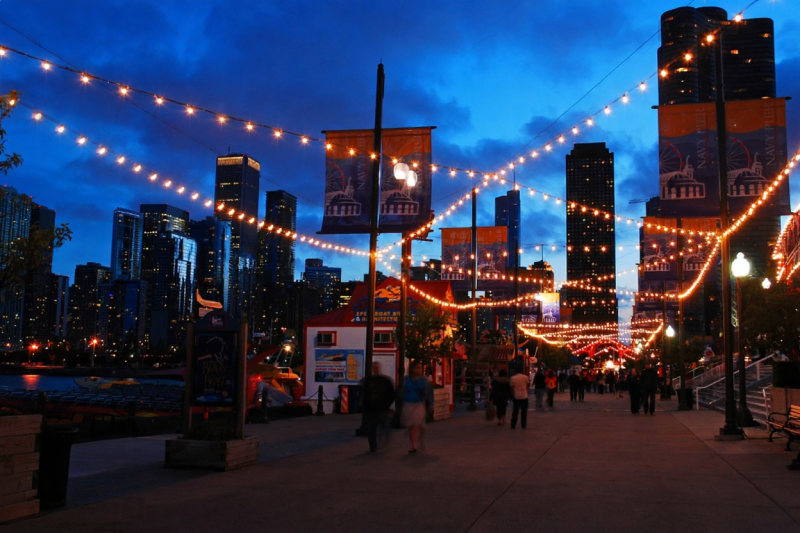
On Independence Day, a massive human tide flows toward Navy Pier for its spectacular fireworks display. Fighting for a patch of concrete on the pier itself is a stressful, hours-long commitment. The true hidden gem, and the preferred method for savvy Chicagoans, is to watch the show from above. The city’s skyline is brimming with rooftop bars that offer a far more civilized and breathtaking vantage point.
Watching the fireworks explode over Lake Michigan with the glittering city as your backdrop is an experience the crowds on the ground simply can’t replicate. You trade the crush of humanity for a comfortable chair, a craft cocktail, and an unparalleled view.
How to Secure Your Spot in the Sky:
Book Yesterday: Rooftop bars with a view of Navy Pier are the hottest tickets in town on July 4th. Many require reservations or sell tickets for viewing parties weeks, if not months, in advance. Start your search in May, not July.
Expand Your Radius: While rooftops in Streeterville are closest, consider bars in Lincoln Park or the South Loop. They offer a slightly more distant but equally stunning panoramic view, often with a more relaxed vibe.
The Ultimate Private Party: If you’re visiting, booking a hotel room with a direct lake view can be your own private skybox for the show.
Just as capturing the perfect firework photo requires the right angle, so does capturing the essence of any great city. For travelers whose journey continues east, our Best NYC Photo Spots Map offers similar insider secrets for iconic shots.
5. Neighborhood Suds: Exploring Chicago’s Hyper-Local Beer Festivals
Chicago boasts a world-class craft beer scene, and the city hosts numerous beer festivals year-round. While the larger events are fun, the hidden gem is found in the smaller, neighborhood-focused fests that celebrate local breweries. These offer a more intimate and authentic taste of Chicago’s brewing culture.
Instead of a massive, impersonal convention hall, these fests feel like a community block party. You’ll chat with the brewers themselves, learn about their passion projects, and sample unique, experimental batches you won’t find anywhere else. They often feature local food trucks and bands, creating a holistic celebration of neighborhood pride.
How to Find the Best Local Brews:
Follow the Source: The best way to discover these smaller festivals is to follow your favorite Chicago breweries on social media. They’ll always promote the local events they’re pouring at.
Explore Malt Row: Keep an eye on neighborhood associations in areas like Ravenswood (home to the famous "Malt Row"), Logan Square, and the West Loop, as they often host their own craft beer showcases.
Seek a Theme: Go beyond the generic "beer fest" and look for events with a specific focus, like a Stout Fest in the winter or a Fresh Hop Festival in the fall, to taste the best of the season.
6. The Community Heartbeat of a Cinco de Mayo Parade
Across the U.S., Cinco de Mayo is often misunderstood and reduced to a marketing gimmick. The hidden gem of Chicago’s celebration is found in the vibrant, culturally rich parade in the Little Village neighborhood. Here, the holiday is observed as it was intended: a powerful celebration of Mexican-American heritage and a commemoration of the Mexican Army's unlikely victory at the Battle of Puebla in 1862.
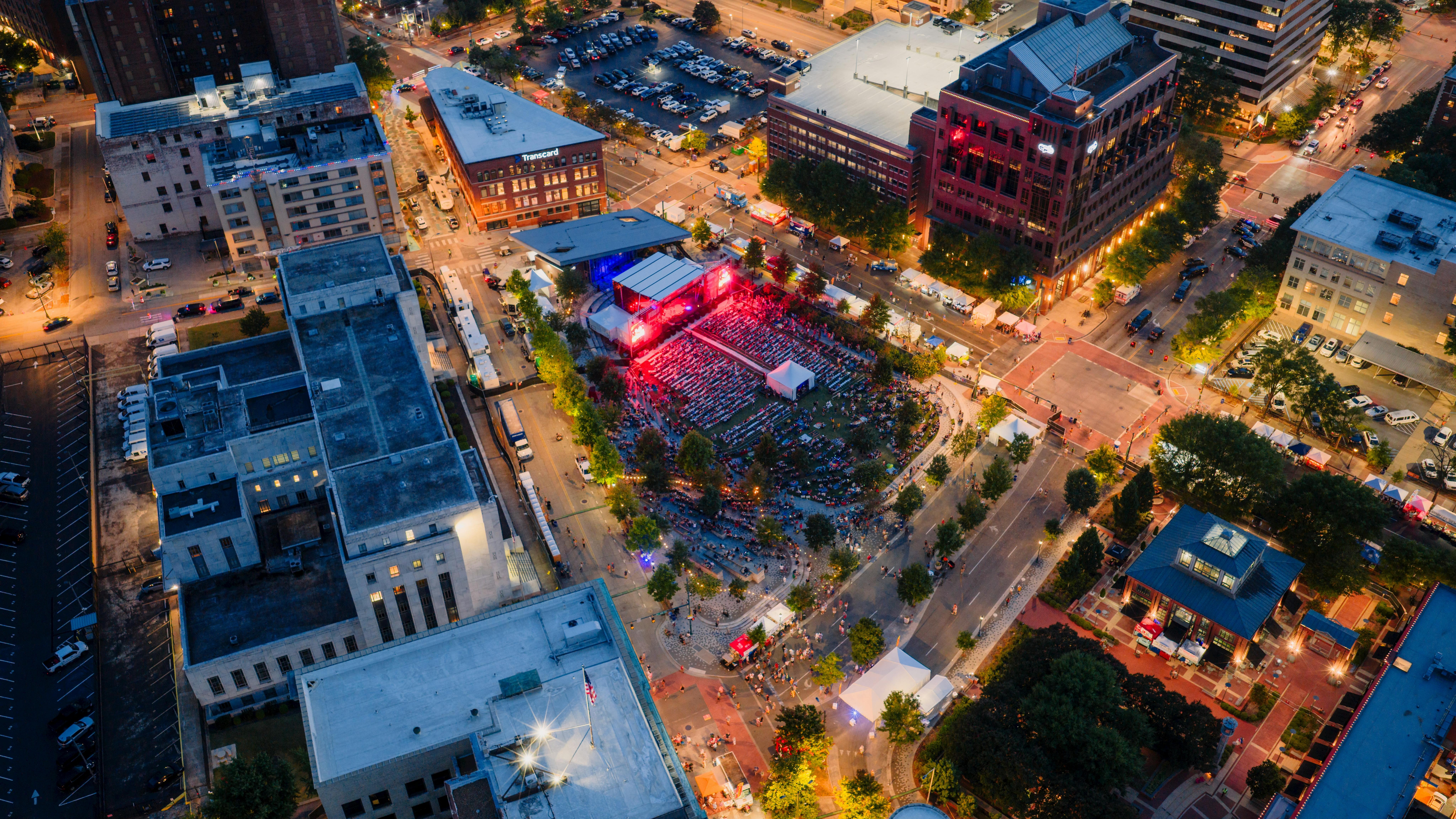
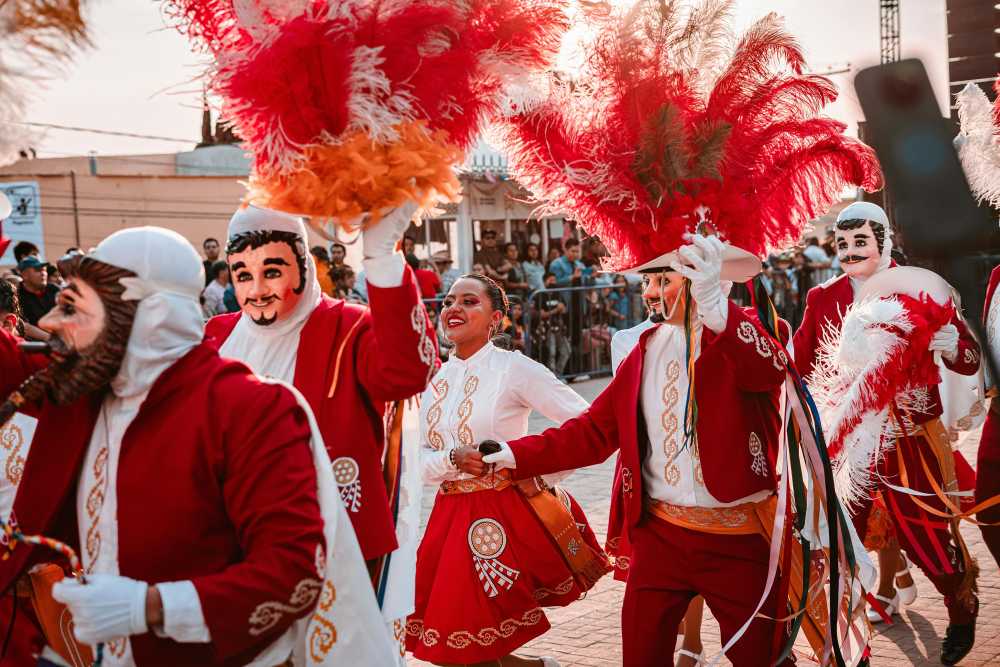
The Little Village parade is a dazzling display of community pride. You’ll see folkloric dancers in brilliant traditional dress, hear the powerful sounds of mariachi bands, and watch as floats decorated by local families and businesses roll by. It’s a deeply authentic experience that showcases the soul of Chicago’s Mexican-American community.
How to Experience It Respectfully:
Go to 26th Street: The main parade route is along 26th Street in the heart of Little Village. Arrive early to find a good spot and soak in the infectious, family-friendly atmosphere.
Support Local: After the parade, explore the neighborhood. Grab a fantastic meal at a family-owned restaurant or browse the local shops. This is the best way to thank the community that puts on this incredible event.
Listen to the Story: The parade often includes speakers who discuss the holiday's historical significance. Take a moment to listen and gain a deeper appreciation for the culture you’re celebrating.
7. A Day of Service: The True Meaning of MLK Day in Chicago
Martin Luther King Jr. Day is a federal holiday, but in Chicago, it holds a profound significance. The city was instrumental in the civil rights movement, and a 1973 state bill championed by Harold Washington helped pave the way for the national holiday. The hidden gem of this day is to move beyond passive observance and engage with its intended spirit: community action. In 1994, it was designated a National Day of Service, a "day on, not a day off."
Thousands of Chicagoans honor Dr. King’s legacy by participating in volunteer projects, marches, and educational events.

How to Participate:
Find a Service Project: Organizations across the city host volunteer events, from packing meals at the Greater Chicago Food Depository to neighborhood clean-ups.
Visit the DuSable: The DuSable Museum of African American History hosts special exhibitions, speeches, and family activities that provide powerful context on the civil rights movement.
Join the Conversation: Attend a community-led march or rally. These events are not just commemorative; they are active continuations of the push for social justice and equality.
8. The Pre-Parade Rituals of St. Patrick’s Day
We’ve covered the river, but the St. Patrick’s Day parade that follows is an institution dating back to 1843. Kicking off at 12:15 PM, it marches down Columbus Drive through Grant Park. The hidden gem here isn’t the parade itself, but the electric, city-wide buzz and local rituals in the hours leading up to it.
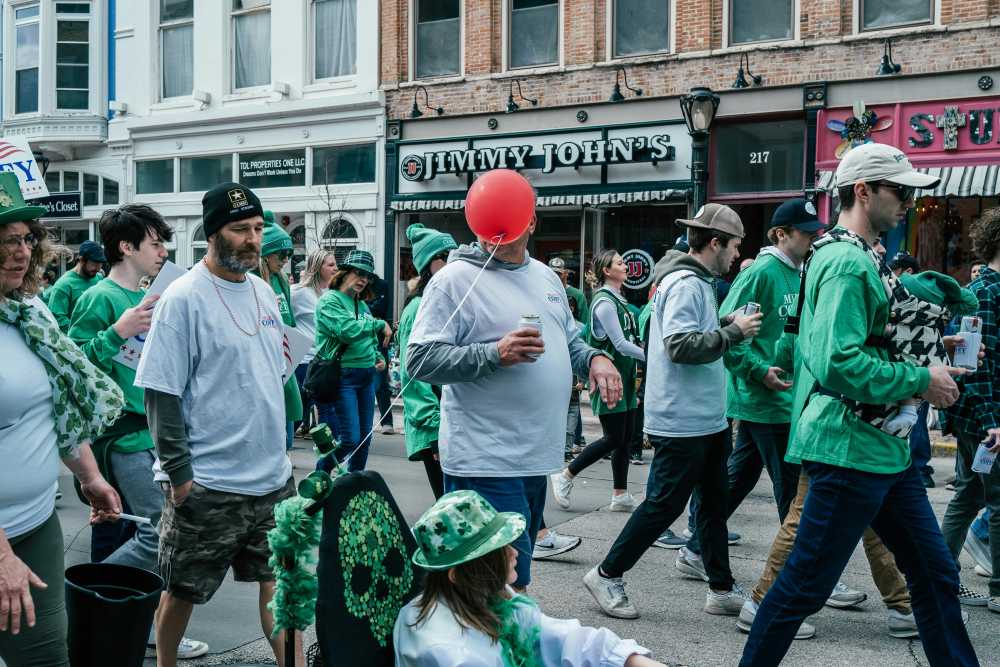
For many Chicagoans, the day starts early. The energy in the Loop is palpable as a river of green-clad people converges downtown.
How to Capture the Pre-Parade Vibe:
Start at the Start: The parade begins at Columbus and Balbo Drive. Position yourself near the starting line to see the performers—from the solemn bagpipe bands to the energetic Irish dancers—when their excitement is at its absolute peak.
Follow the Music: Long before the parade steps off, you’ll hear the haunting sound of bagpipes warming up. Follow the sound to find different pipe and drum corps practicing in nearby parks, offering an impromptu, intimate performance.
Witness a Family Tradition: The parade is a multi-generational affair for thousands. Take a moment to notice the families gathered together, sharing a piece of their heritage. It’s a heartwarming display of community that is the true soul of the celebration.
Your Adventure into Authentic Chicago Awaits
Chicago’s festival scene is a rich mix woven with threads far more complex than its famous headliners. The city’s true spirit lives in the details: the science behind a green river, the taste of a German pastry in a bustling market, the pride in a neighborhood parade, and the quiet awe of watching fireworks from a rooftop high above the fray. By seeking out these hidden gems, you transform from a tourist into an active participant in the city’s vibrant culture. This is how you truly experience the best festivals in Chicago.
Now that you have the insider’s playbook, you’re ready to plan a trip that goes deeper. To build out the rest of your itinerary with expert advice on where to stay, what to eat, and what to see, our comprehensive Travel Guide is packed with everything you need to explore Chicago and beyond like a pro.
Meta Data Suggestions:
SEO Meta Title: Chicago Festivals: 8 Hidden Gems You Can't Miss
URL Slug: /chicago-festivals-hidden-gems
SEO Meta Description: Skip the crowds and discover the real Chicago. Our guide reveals 8 hidden gems and insider secrets for experiencing the best festivals in Chicago like a local.
Don't Miss Out! Subscribe for Exclusive Content
SubscribeComments 0
No comments yet
Be the first to share your experience!
Dont Miss Out! Subscribe for Exclusive Content
San Francisco Cherry Blossoms: A Local's Guide to the Blooms
Halloween SF: Haunts Without Horrors
SF Festivals: 7 Must-See Lineups
Christmas SF: Lights & Wharf Wonders
SF Pride: 6 Route & Party Hacks