
How to Plan Your First Solo Trip (and Conquer the Fear)

TrekGuider @trekguider
You’ve seen the photos, heard the stories, and a powerful idea has taken root: traveling the world on your own terms. But right behind that excitement, a wave of doubt probably follows. What if I get lonely? What if it’s not safe? What if I’m just not the kind of person who can do this?
Let’s take a breath. Feeling a mix of excitement and sheer terror is the unofficial rite of passage for every person who has ever considered traveling alone. It’s not a sign you should stop; it’s a sign you’re about to do something brave. This guide is your starting point. We’re not going to overwhelm you with packing lists or complex itineraries. Instead, we're going to focus on the most important first step: turning that anxiety into a quiet confidence and creating a simple, actionable plan to get you started. This is how to plan your first solo trip by conquering the fear first.
For the bigger picture on planning your first independent journey, explore

The Most Important Step: Your Mindset Shift
Before you book a single flight, the real journey begins in your mind. The psychological hurdles are the biggest barriers for most aspiring solo travelers. Let’s dismantle them together.
It's Normal to Feel Anxious. Here's How to Use It.
Feeling nervous before a big adventure is completely normal—it means you’re taking this exciting challenge seriously. The trick is to treat your fears not as stop signs, but as a pre-flight checklist.
Fear thrives on vague, undefined worries. Clarity is its kryptonite. So, grab a notebook and write down your top three concerns. Is it safety? Loneliness? Getting lost? By giving your anxieties a name, you take back control. For every worry, there is a practical solution, and you’ll find that a little preparation makes you feel capable, not scared.
The Antidote to "What If I'm Lonely?"
Let's reframe the biggest myth in solo travel. There is a world of difference between being alone and being lonely. Being alone is a superpower. For the first time, your schedule is 100% your own. You can spend three hours in a museum, change your entire plan on a whim, or eat gelato for dinner without a single committee meeting. This isn’t loneliness; it’s absolute freedom.
Remember, traveling solo doesn’t mean you’re isolated. It means you have complete control over your social thermostat. You can turn it up by joining a food tour or staying in a social guesthouse, or turn it down when you just need to recharge. This journey is an incredible chance to get comfortable in your own company—a skill that will empower you for the rest of your life.

How to Handle Naysayers (Even When They Mean Well)
Often, the most discouraging feedback comes from those who love us most. Their own fears, disguised as concern for you, can chip away at your resolve. Navigating these conversations requires a calm, confident strategy.
Present a Plan, Not a Plea: Instead of saying, “I’m thinking of going to Portugal alone,” try this: “I’m so excited—I've started planning a solo trip to Portugal for next year. I've found some amazing, highly-rated places to stay in a really safe neighborhood.” You are not asking for permission; you are sharing your exciting news.
Demonstrate Your Competence: Proactively show them you’re taking this seriously. Talk about the research you’re doing on safe destinations or the simple communication plan you'll have, like a daily WhatsApp check-in. When they see you’ve thought it through, their anxiety will decrease because yours already has.
Your 'First Three Steps' Action Plan
With your mindset fortified, it's time for action. We're going to keep it simple. Here are three manageable, non-intimidating first steps to turn your dream into a reality.

Step 1: Choose a Beginner-Friendly Destination
For your first trip, set yourself up for an overwhelming win. Choosing a destination that is known for being easy to navigate will boost your confidence for all future adventures. Look for places with:
A Welcoming Tourist Infrastructure: Places with reliable public transport, lots of accommodation choices, and readily available information (like Portugal, Japan, or Costa Rica) make logistics a breeze.
A High Safety Ranking: Use resources like the Global Peace Index to find countries known for safety and stability.
Ease of Communication: While you don't need to go somewhere that only speaks English, choosing a destination where it's widely spoken in tourist areas (like the Netherlands or Scandinavia) can reduce a layer of stress.
Ready to explore your options? For a deep dive into the pros and cons of different regions and a list of the top 10 safest countries for solo travelers, check out the ».
Step 2: Book Your First Night's Accommodation
Don't worry about planning the entire trip right now. The single most effective way to make your trip feel real is to commit to Day One. Research and book your accommodation for the first one or two nights. This simple action creates a secure "landing pad," transforming a vague idea into a concrete event with a date and an address. It’s your anchor, giving you a safe, secure base from which to start your adventure.
Step 3: Do a "Low-Stakes" Solo Practice Run
Build your solo muscle at home. Before you fly across the world, take yourself on a solo "date" for a full day in a nearby town or even a different neighborhood in your own city. Go to a museum alone. Navigate to a park you’ve never visited. Eat a meal at a restaurant by yourself. The point is to experience the feeling of navigating, making decisions, and enjoying your own company. This small taste of self-reliance will prove to you that you absolutely can do this.

Your Adventure Is Closer Than You Think
You've already taken the hardest step: deciding to explore this possibility. The fear you feel is not a weakness; it's a gateway to discovering just how capable you are. By shifting your mindset and taking a few small, deliberate planning actions, you are building the foundation for an incredible adventure.
You don't need to have all the answers right now. You just need to be willing to take the next step.
Read the full guide: Anxious to Adventurous: The Ultimate Guide to Solo Travel Confidence
Don't Miss Out! Subscribe for Exclusive Content
Subscribe



Comments 0
No comments yet
Be the first to share your experience!
Dont Miss Out! Subscribe for Exclusive Content

Ultimate USA Holidays Guide: Top Picks


FTC Affiliate Disclosure Essentials: Stay Compliant as a Travel Creator

Essential Affiliate Tools: From Tracking to Full Optimization

Booking.com Affiliate Program Review: Pros, Cons, and Earnings Potential

Decoding Affiliate Commission Rates: Benchmarks for Travel Creators

Amazon Associates for Travel: Strategies to Maximize Commissions
9 Food Travel Blogs for Culinary Adventures
TrekGuider @trekguider
You're planning a trip, dreaming of sizzling street food, hidden family-run trattorias, and flavors you'll remember for a lifetime. But your research keeps hitting a wall. You're tired of the same generic "top 10 eats" lists that lead you to overpriced, mediocre tourist traps. It’s a frustrating cycle of clicking through sponsored reviews and superficial recommendations, leaving you feeling like you’ve barely scratched the surface of a destination’s true culinary soul. You end up on the wrong side of town, eating a forgettable meal, knowing you’re missing out—on the vibrant market stalls, the rich history behind the local dishes, and the genuine connection to a culture that only happens through its food.
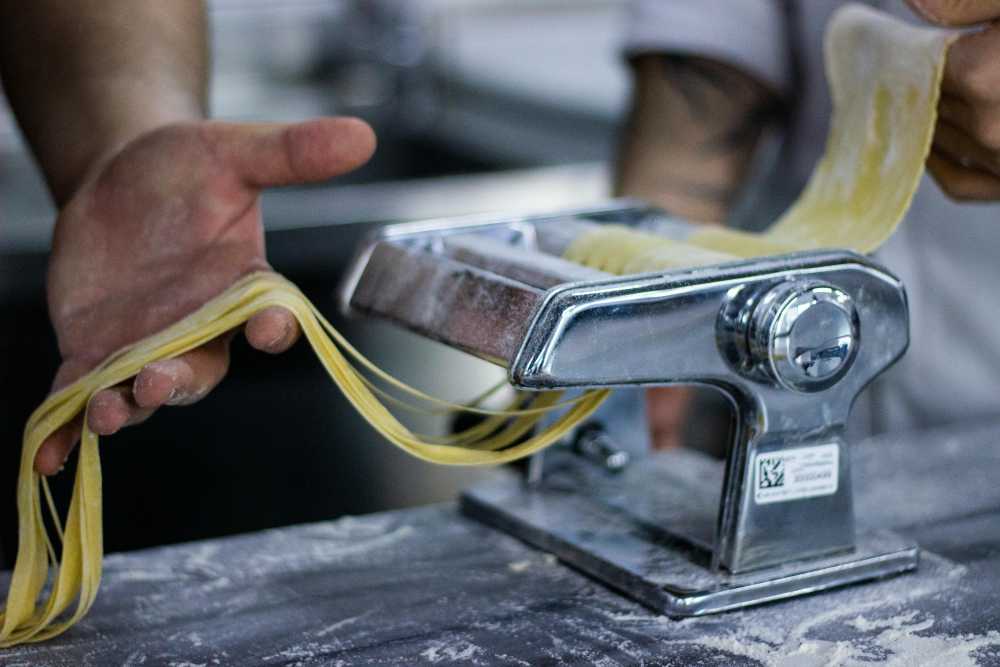
The solution is to stop following travel writers and start following culinary storytellers. The best food travel blogs go far beyond the plate. They are your expert guides to the history, people, and traditions that make a cuisine come alive. These creators understand that a dish is more than its ingredients; it’s a story waiting to be told. They take you on deep dives into local markets, introduce you to the artisans preserving tradition, and even teach you how to recreate iconic dishes yourself. This is how you transform a simple vacation into a true culinary adventure.
As we explore in our definitive guide to The Best Travel Blogs to Follow in 2026, finding the right niche expert is the single most important step in planning a transformative trip. This curated list will introduce you to the nine most valuable resources for planning your next food-focused journey.
Why Trust This List? Our Vetting Process
In a world saturated with algorithm-chasing 'Top 10 Eats' lists and perfectly filtered food photos, how do you find advice you can actually trust? More importantly, how do you distinguish a genuine culinary storyteller from a simple restaurant reviewer?
Our selection process is grounded in a dual-factor framework that combines hard data with the human element of excellence. We start with quantitative metrics like Domain Authority (DA), a score that a website's credibility to search engines, and social media engagement rates—which, according to recent market analysis, are far more telling than simple follower counts. This gives us a baseline of a blog's influence.
But data only gets you so far. The second, more crucial layer is a qualitative audit. We carefully analyze each blog for:
Deep Niche Expertise: The era of the generalist is over. We prioritize blogs that demonstrate profound, narrow expertise, establishing themselves as the go-to authority on culinary travel.
Originality & A Distinct Voice: We look for compelling storytellers, not content machines. The blogs on this list are run by writers with a unique perspective and a clear, engaging authorial voice.
Authenticity & Transparency: Trust is the currency of the creator economy. We select blogs that are transparent about their partnerships and share the complete picture of their journeys—the great, the good, and the occasional disaster.
This rigorous process ensures every blog featured here is not just popular, but genuinely valuable, trustworthy, and an authoritative resource for any traveler who believes food is the ultimate gateway to culture.

The Best Food Travel Blogs for Authentic Local Cuisine
These creators have dedicated their careers to seeking out the most authentic food experiences across the globe. They excel at telling the stories behind the food, providing the context that turns a meal into a memory.
1. Migrationology
Run by the endlessly enthusiastic Mark Wiens, Migrationology is a masterclass in using food as a lens for culture. Wiens’s philosophy is simple: “Food is the reason you should travel.” He goes far beyond restaurant reviews, creating mini-documentaries and articles that explore the history and cultural significance of every dish. His post on , for example, isn't just a review; it's an exploration of Malaysia's national dish, its regional variations, and its place in the heart of the Malaysian people. This is the blog you read to understand the why behind what you’re eating.
2. Legal Nomads
Jodi Ettenberg started Legal Nomads after leaving her career as a lawyer to travel the world. Her site has since become a treasure trove of narrative-driven food writing. What sets Legal Nomads apart is its intellectual curiosity. A prime example is Jodi's "," which traces the global migration of the humble chili from its origins in the Americas to its integration into cuisines across Asia and Europe. This dedication to deep-dive, historical content provides a rich, educational context you simply won't find on other platforms.
3. 2foodtrippers
Run by Daryl and Mindi Hirsch, 2foodtrippers is an invaluable resource for travelers who want practical, actionable food guides without any fluff. They are masters of the city-specific food guide, providing well-researched lists that help you eat well from your first day in a new destination. Their " " is a perfect example of their style: comprehensive, easy to navigate, and focused on authentic local specialties, from pastéis de nata to bifana sandwiches. They take the guesswork out of culinary exploration.
4. Authentic Food Quest
Claire and Rosemary, the founders of Authentic Food Quest, are on a mission to help travelers discover traditional dishes and the local food heroes who make them. Their entire philosophy is built around moving "beyond the tourist traps." They distinguish themselves by focusing heavily on participatory experiences. Their content consistently champions taking cooking classes on your travels, arguing it's one of the best ways to connect with a culture. This focus on hands-on learning makes their blog an essential read for anyone who wants to be an active participant in their culinary journey.
5. Will Travel for Food
JB and Renée are the creators of Will Travel for Food, a blog perfectly tailored for people visiting a destination for the first time. They specialize in creating comprehensive guides to the best local food in cities known for their culinary scenes. Their post, " ," is an accessible yet thorough introduction that helps newcomers navigate a complex food landscape with confidence. They excel at making exotic food scenes feel approachable and exciting for beginners.
6. The Travel Bite
The Travel Bite, founded by Rachelle Lucas, masterfully bridges the gap between travel and home cooking. While many blogs focus exclusively on the experience of eating abroad, The Travel Bite empowers you to bring those flavors back with you. Rachelle often includes recipes for iconic dishes she encounters on her travels, like her post on " ." This approach makes the blog incredibly valuable, extending the life of your culinary travels from a fleeting moment to a skill you can enjoy for years to come.
Your Culinary Adventure Awaits
Ready to plan a trip that tantalizes your taste buds? A great culinary journey starts with flawless planning. Don't let forgotten visas or last-minute packing stress get in the way of your next great meal.
Download our free International Travel Checklist today! It’s the ultimate step-by-step resource to ensure you're prepared for every aspect of your trip, so you can focus on what really matters: the food.
The New Wave of Food Travel: It's All About the Experience
The most sophisticated food travel blogs have evolved. They recognize that modern travelers crave immersion, not just information. This isn’t just a trend in food; it’s a seismic shift across the entire travel landscape. Our market analysis shows consumers are moving from passive observation to active participation. Food travelers now seek cooking classes over restaurant lists, and luxury travelers desire authentic cultural connections beyond opulent hotels. The most successful content is no longer a list, but an experiential guide. Here’s how top creators are leading the charge.
The Culinary Historian
A growing number of travelers are seeking more than just a good meal; they want to understand its context. This has given rise to a style of content best described as the "culinary historian" approach. These creators are digital storytellers who connect dishes to their cultural and historical roots. You can see this in the work of blogs like Migrationology and Legal Nomads, which transform a food review into a compelling lesson in history.
Pro-Tip: When you find a dish you love, search for its name plus "history" or "origin story." You'll often find blogs that have written deep-dive articles, giving you a much richer appreciation for what's on your plate.
The Local Market Deep Dive
Some of the most vibrant and authentic food in any destination is found not in restaurants, but in its local markets. A new wave of specialized platforms, like Culinary Backstreets and Traveling Spoon, are dedicated to this very experience. They build entire narratives and guided tours around exploring places like Tokyo's Tsukiji Outer Fish Market or Lisbon's Mercado da Ribeira. Content focused on market tours is invaluable because it tells a story about local ingredients, highlights the personalities of vendors, and provides a snapshot of daily life you can't get anywhere else.
The Hands-On Cooking Class
The ultimate way to connect with a cuisine is to learn how to make it yourself. Platforms like EatWith, The International Kitchen, and blogs like Authentic Food Quest are at the forefront, showcasing the immense value of cooking classes. Documenting a "Tuscan Cooking Class" provides a far more engaging and educational narrative than another passive dining review. For travelers heading to Italy, finding an authentic, non-touristy cooking class can be a challenge. Our Italy Travel Guide cuts through the noise, providing vetted recommendations for hands-on culinary experiences, from pasta making in Tuscany to pizza crafting in Naples. These resources empower you to bring home the ultimate souvenir: a new skill.
How to Use These Blogs to Plan Your Perfect Trip
Discovering great food travel blogs is the first step. The next is to use them as powerful planning tools to design your own perfect culinary itinerary.
First, think of these blogs as your personal team of scouts. As you read, don't just consume the content—curate it. When a blogger mentions a restaurant, market, or dish that excites you, immediately save it to a custom Google My Map for your destination. Over time, you’ll build a visual database of vetted, high-quality recommendations. When you arrive, you’ll have a personalized map filled with promising options, allowing you to make spontaneous, informed decisions. Increasingly, the best creators are packaging their deep local knowledge into digital products you won't find anywhere else—think downloadable PDF guides with custom Google Maps or hyper-detailed itineraries. These are the kinds of expert-crafted resources you can discover on the TrekGuider Marketplace, connecting you directly with the creators who know these destinations best.

Pro-Tip: Color-code your map pins by category (e.g., green for coffee shops, blue for markets, red for fine dining, yellow for street food). This makes it incredibly easy to see what's nearby and choose an option that fits your current craving and budget.
Second, pay attention to the blogger’s palate. Food is subjective. Do they rave about spicy food? Are they passionate about fine dining, or do they prefer hole-in-the-wall street food stalls? Read several posts to get a feel for their unique perspective. If you find yourself consistently agreeing with their opinions, you’ve likely found a reliable guide. A blogger whose palate you trust is the most valuable travel planning asset you can have.
Frequently Asked Questions About Food Travel
What’s the difference between a food blog and a standard review site?
A review site (like Yelp or TripAdvisor) focuses on crowdsourced opinions and ratings, which can be useful for a quick snapshot. A high-quality food blog, however, offers a single, expert point of view. It provides deeper context, storytelling, and a curated perspective from a creator whose taste and expertise you can come to trust over time.
How can I tell if a food recommendation is sponsored?
Trustworthy bloggers are transparent. According to FTC guidelines, they must clearly disclose any paid partnerships or sponsored content. Look for disclaimers like "#ad," "#sponsored," or "Paid partnership with..." at the beginning of a post or caption. A lack of transparency is a major red flag.
Are there food blogs for specific dietary needs?
Absolutely. The trend toward niche expertise means there are fantastic blogs dedicated to every dietary preference. Searching for terms like "vegan food travel blogs," "gluten-free travel Paris," or "keto-friendly Italy" will uncover creators who specialize in navigating the world with specific dietary needs, offering invaluable, targeted advice.

Your Culinary Journey Starts Now
The world of food is vast, vibrant, and deeply personal. Moving beyond generic restaurant lists and embracing the rich, contextual storytelling of dedicated food travel blogs is the key to unlocking truly authentic and unforgettable culinary experiences. The creators featured here are more than just reviewers; they are educators, historians, and passionate guides who provide the tools and inspiration you need to connect with a culture in the most delicious way possible. You are now equipped with the resources to stop being a tourist and start being a true culinary explorer. Your next adventure, filled with genuine flavors and lasting memories, is just a click away.
Don't Miss Out! Subscribe for Exclusive Content
SubscribeComments 0
No comments yet
Be the first to share your experience!
Dont Miss Out! Subscribe for Exclusive Content

Chicago Beer Fests: Top 6 Tastings
FTC Affiliate Disclosure Essentials: Stay Compliant as a Travel Creator
Essential Affiliate Tools: From Tracking to Full Optimization

Avoid These 5 Affiliate Landing Page Mistakes for Better Conversions

Affiliate Keyword Research Mastery for Travel Blogs
Booking.com Affiliate Program Review: Pros, Cons, and Earnings Potential
Referral Affiliate Programs in Travel: Boost Earnings Through Networks
TrekGuider @trekguider
You’re a travel blogger, and you’ve been playing the affiliate marketing game by the old rules. You write insightful content, recommend products you love, and earn a commission when someone buys. It’s a transactional, one-and-done process. You make a sale, you get paid, and the relationship ends. This is the standard advice for most affiliate programs bloggers join, but it’s a relentless grind—a constant, exhausting hustle for the next click, the next sale.
This model feels fragile because it is. You’re operating at the intersection of two economic juggernauts: a creator economy forecasted to exceed $1.3 trillion by 2033 and a global affiliate market projected to hit $93 billion. Yet you’re leaving a fortune on the table, completely missing out on the powerful “network effect” that your community represents. You see other creators building resilient, compounding income streams that grow even when they’re not actively publishing, and you’re left wondering what their secret is.

The secret is a strategic evolution from a purely transactional model to a relational one: referral affiliate programs. This is your guide to that evolution. We’re moving beyond the standard lists of affiliate programs to show you how to use your network, build compounding passive income, and transform yourself from a simple affiliate into a true platform partner. This strategy is a critical component of a modern monetization plan, a topic we cover in its entirety in our definitive pillar guide to Travel Affiliate Programs: The 2026 Ultimate Guide.
Beyond the Sale: The New Rules for Affiliate Programs Bloggers Need to Know
Let's cut to the chase. The difference between a traditional affiliate link and a referral link isn't just semantics—it's a fundamental shift in your business model.
Traditional Affiliate Marketing is Transactional: You are essentially a freelance salesperson. Your goal is to drive a direct sale of a product or service (a hotel room, a tour, a piece of luggage). You earn a one-time commission for that sale, and the loop closes. It’s a linear, direct-to-consumer model.
Referral Affiliate Marketing is Relational: You are a network builder and a partner. Your goal is to introduce new, valuable members into an ecosystem. This often creates a powerful “win-win-win” scenario: the new user gets a benefit (like a discount), the company acquires a new customer or partner, and you earn a commission that is often structured to be long-term or recurring.

Think of it this way: a traditional affiliate gets paid to sell a fish to a hungry person. A referral affiliate gets paid to teach that person how to fish, and then earns a small share of every fish they catch from then on. It’s a fundamental shift from short-term transactions to long-term value creation.
The Creator's Flywheel: Why Referral Programs are a Blogger's Best Friend
For travel bloggers, this model isn’t just another option; it’s a strategic imperative. It aligns perfectly with the assets you’ve already built—your community, your trust, and your expertise—and allows you to monetize them in a more sustainable and ethical way.
Build Compounding, Passive Income Streams
The biggest win? True passive income. A hotel booking pays you once. But when you bring a fellow creator onto a platform that shares its revenue, you're building an asset. You get paid when they succeed, month after month. This transforms your one-time effort into a business asset that grows over time, creating a stable financial foundation that isn’t dependent on your next blog post.
Leverage Your Most Valuable Asset—Your Community
More than any other type of publisher, bloggers build communities. Your readers don’t just consume your content; they trust your judgment and often see themselves as your peers. Traditional affiliate programs bloggers use don't always reward this dynamic. Referral programs, however, are built on it. They reward you for activating your network and empowering your community, turning your influence into a tangible, recurring revenue stream.
Create a Powerful "Win-Win" Scenario
A referral link often comes with a direct benefit for the person clicking it—a discount, a free trial, or an exclusive feature. This fundamentally changes the dynamic of your recommendation. You’re not just saying, “Buy this product so I can get paid.” You’re saying, “Here’s an insider deal I’ve arranged for you.” This approach feels less like a sales pitch and more like sharing a valuable secret, which strengthens the trust you have with your audience and leads to much higher conversion rates.
Pro-Tip: Look for "two-tier" structures on major networks like ShareASale. These programs allow you to earn a commission on your own sales and a smaller bonus for recruiting new affiliates to the program, effectively turning any program into a referral opportunity.
A Deep Dive: How a Modern Referral Program Works
To make this tangible, let’s use the TrekGuider Platform as a case study for a modern, creator-focused referral program. TrekGuider is an ecosystem designed for travel creators to sell their own digital products—like itineraries, guides, maps, and presets. The referral program isn’t just an add-on; it’s a core feature designed to reward creators for helping to build the community.
It’s a perfect example of a multi-faceted, win-win-win system:
The Unified Referral Link: From your TrekGuider dashboard, you get a single, unique link. This is your key to the entire ecosystem.
The Buyer Bonus (Win for Your Audience): When someone signs up using your link, they immediately get a 15% discount on their first purchase from any creator on the platform. This provides instant, tangible value and makes your recommendation a no-brainer for them.
The Seller Bonus (Win for Your Peers): If you refer a fellow creator who becomes a seller, they get benefits like upgraded storage and a preferential startup commission rate of just 4%. You are actively helping them launch their own business on better terms.
Your Revenue Share (Win for You): This is where the compounding power comes in. When you bring a new seller to the platform, you receive an ongoing revenue share from the platform's earnings on their sales. This creates a long-term passive income stream that grows as the creators you refer become more successful.

This model transforms you from a simple affiliate into a true platform partner. You’re not just earning a one-time commission; you’re building a network and earning from its collective success. This is the future of how professional affiliate programs bloggers will operate.
Your Playbook: How to Promote Referral Links for Maximum Impact
Promoting a referral program requires a slightly different strategy than promoting a simple product. It’s less about a hard sell and more about demonstrating value and inviting collaboration.
The "How I Do It" Content Pillar
The most effective way to promote a platform is to show, not just tell. Create a detailed tutorial or case study that walks through your own experience. A blog post titled, "How I Made My First $1,000 Selling Travel Itineraries," that details your journey on a platform like TrekGuider is incredibly compelling. It provides immense value while naturally positioning your referral link as the logical next step for any reader inspired by your success.
The Email Funnel Integration
Your email list is one of your most powerful assets. Integrate your referral link into your automated welcome series. For example, the third email in your sequence could be dedicated to the tools you use to run your travel blog, with your referral link featured as your top recommendation for monetization.
The "Bonus Stack" Incentive
To dramatically increase your conversion rate, offer a personal bonus to anyone who signs up using your referral link. This is called a "bonus stack." For example: "Sign up for the TrekGuider Seller Platform using my link, forward me your confirmation email, and I'll send you my '30-Day Digital Product Launch Plan' for free!" This creates an irresistible offer that provides immense value and costs you very little to deliver.

The Community Activation Play
Share your referral link in your private Facebook group, Slack channel, or community forum. Frame it as a collaborative opportunity. You’re not just promoting a tool; you’re inviting your peers to join you on a platform that has helped you succeed. This community-first approach is highly effective and feels authentic.
Pro-Tip: When promoting a referral program, shift your language from "buy this" to "join us." This collaborative framing is far more effective for network-building and resonates better with a community of fellow bloggers and creators.
Build Your Content Empire
Feeling inspired to build your own network and income streams? The first step is having a professional system in place. Our free resource bundle, The Travel Creator's Toolkit, is packed with the checklists, content templates, and guides you need to put these strategies into action. It’s the perfect companion for turning your passion into a profession.
Get the ultimate resource bundle with checklists, templates, and tools designed to accelerate your journey from beginner to pro.
Frequently Asked Questions (FAQ)
1. Are referral programs only for software and digital platforms? While they are most common in the tech space, you can find them everywhere. Many travel companies, from tour operators to gear brands, offer "refer-a-friend" programs that give a discount to the new customer and a credit or commission to you. Always check for these opportunities.
2. Is it harder to promote a referral program than a simple product? It can require a different approach. Instead of a simple product review, you often need to create more in-depth, educational content like tutorials or case studies. The trade-off is that the potential for long-term, passive income is significantly higher.
3. How do I disclose a referral link? You must disclose it with the same clarity as any other affiliate link. The FTC requires you to be transparent about any "material connection." A simple statement like, "Heads up: This is my referral link. If you sign up, I may earn a commission or bonus at no extra cost to you," is perfect.
Your New Business Blueprint
The future for the most successful affiliate programs bloggers can join is relational, not just transactional. The old model of chasing one-off commissions is being replaced by a more sustainable, collaborative, and profitable approach centered on network building.

You now have the blueprint to make this strategic shift. By moving beyond simple product links and embracing the power of referral affiliate programs, you can stop trading your time for dollars and start building true business assets. You have the power to use your most valuable resource—your community—to create compounding, passive income streams that will fund your travels and your business for years to come.
The path is clear. Start by exploring a creator-centric program like the TrekGuider Platform referral program. It’s your first step into a more profitable and sustainable future—one where you get paid not just for what you sell, but for the network you build.
Read the full guide: The Travel Blogger's Playbook to Affiliate Marketing Mastery
Don't Miss Out! Subscribe for Exclusive Content
SubscribeComments 0
No comments yet
Be the first to share your experience!
Dont Miss Out! Subscribe for Exclusive Content
FTC Affiliate Disclosure Essentials: Stay Compliant as a Travel Creator
Essential Affiliate Tools: From Tracking to Full Optimization
Avoid These 5 Affiliate Landing Page Mistakes for Better Conversions
Affiliate Keyword Research Mastery for Travel Blogs
Booking.com Affiliate Program Review: Pros, Cons, and Earnings Potential