
Halloween NYC: 5 Spooky Parades

TrekGuider @trekguider
The air in New York City crackles with a different kind of energy in October. The familiar city hum deepens into a mysterious, thrilling whisper as a tangible sense of mischief descends upon the five boroughs. You’re here to experience the legend of a New York Halloween, but the sheer volume of options is a paralyzing paradox of choice. You’ve seen the movies and heard the stories—the epic parties, the haunted houses, the city-wide transformation—but you’re determined to avoid a generic, tourist-trap experience.
The fear of missing out is palpable. A poorly planned evening during Halloween in New York City can quickly devolve from a dream into a logistical nightmare of impenetrable crowds, dead-end queues, and parties that are all hype and no soul. You risk wasting precious time and money on experiences that fail to deliver the spooky, spectacular magic you came for. With Halloween 2026 falling on a Friday, the energy will be at an absolute fever pitch, making a solid plan more critical than ever.
So, let's cut through the noise. Forget the endless blog posts and conflicting advice. This is your tactical guide to the city's electric Halloween spirit, distilled into five core experiences that deliver the spooky, spectacular magic you came for. From the world’s most famous public procession to exclusive rooftop spectacles, this blueprint will ensure your NYC Halloween is not just successful, but legendary. This is your ticket to the very heart of the city's spooky season, a key element celebration among the many incredible festivities we detail in our complete guide to New York Holidays: 10 Must-Do Events.

1. The Main Event: Conquering the Village Halloween Parade
When people talk about Halloween in NYC, they are almost always picturing the Village Halloween Parade. This isn’t just a parade; it’s a cultural institution, a vibrant, chaotic, and utterly breathtaking spectacle of creativity that has been marching through Greenwich Village for nearly half a century. It is, without a doubt, the single most important event on the city’s Halloween calendar.
What Makes It Legendary?
What began in 1974 as a humble neighborhood walk led by a local mask maker has exploded into a televised extravaganza drawing millions of spectators and over 50,000 costumed participants. Its defining feature is its radical inclusivity. This is a parade for the people, by the people. The procession is a mesmerizing river of giant puppets, hundreds of live bands, dancers, and, most importantly, thousands of New Yorkers in some of the most elaborate and imaginative costumes you will ever witness. The energy is infectious, a pure, uninhibited celebration of artistry and the macabre.

How to Participate vs. How to Watch
This is the most critical decision you’ll make. Unlike other parades, the Village Halloween Parade has one simple, golden rule: No Costume, No Marching.
To Participate: If you want to be in the parade, a costume is your non-negotiable ticket. This is your chance to unleash your creativity—the more unique and ambitious, the better. Marchers officially line up on 6th Avenue between Canal Street and Spring Street. The procession kicks off at 7:00 PM sharp on October 31st, but you’ll want to arrive at the lineup area by 6:00 PM to soak in the incredible pre-parade atmosphere and see the costumes up close.
To Watch: If you’d rather be a spectator, your mission is to find a prime viewing spot along the 6th Avenue route, which runs straight north from Spring Street to 16th Street. The sidewalks become incredibly packed, so arriving by 5:30 PM is essential, especially for spots between Bleecker Street and 14th Street, which are the most congested.
Pro-Level Viewing Strategy
For the best experience, avoid the intense crush of the central Village. Head further north on the route, closer to the 14th Street or 16th Street end. The crowds tend to thin out slightly here, giving you a bit more breathing room. Alternatively, find a spot on a cross-street corner, which can offer a slightly better vantage point as the parade turns or passes. Remember that public transportation is your best friend; the subway will be running, but expect crowded stations around the West 4th Street and 14th Street stops.
2. The High-Altitude Parade: Exclusive Rooftop Costume Parties
While the Village Halloween Parade owns the streets, a more exclusive and glamorous kind of procession takes place high above the city: the rooftop party. These events offer a different but equally thrilling version of Halloween in New York City, trading street-level chaos for breathtaking skyline views, curated music, and a parade of high-fashion costumes.
Why a Rooftop Party is a Must-Do
Imagine sipping a smoked old-fashioned while looking out over the glittering lights of the Manhattan skyline, surrounded by people in chic, clever, and sometimes terrifying attire. Rooftop parties provide a controlled, comfortable, and often luxurious environment to celebrate. You get the festive atmosphere without the overwhelming crowds of a public event. It’s the perfect way to see and be seen, offering some of the most photogenic Halloween moments imaginable.

The Unspoken Rules of the Rooftop Parade
This isn't a casual affair. To join this high-altitude parade, you need to plan ahead.
Book Early: Tickets for the best rooftop parties (think venues in the Meatpacking District or with views of the Empire State Building) sell out weeks, sometimes even a month, in advance. Do your research in early October and secure your spot.
Confirm the Dress Code: While it’s Halloween, many high-end venues still maintain a dress code. Your costume should be creative, but it also needs to be classy. Some venues may have specific themes, so read the event details carefully to ensure your costume fits the vibe.
Understand the Cost: These parties are a premium experience. Expect to pay a significant ticket price, which may or may not include drinks. Budget accordingly for a night of upscale revelry.
Pro-Tip: For travelers, especially those exploring the city's nightlife alone, safety matters most. Always let someone know your plans and be mindful of your surroundings. For a complete set of strategies on navigating new places with confidence, our Solo Female Travel Safety Guide offers invaluable, expert-approved advice that applies to any urban adventure.
3. The Parade of Screams: Navigating NYC's Premier Haunted Houses
Not all parades are about celebration; some are about pure, unadulterated fear. The experience of walking through a top-tier haunted house is its own kind of procession—a conga line of terror where every corner reveals a new nightmare. In New York City, this experience is elevated to a high-art horror show.
Inside Blood Manor: What to Expect
Blood Manor is consistently ranked as one of the city’s most intense and terrifying haunted attractions. This isn't a charming ghost tour; it's a full-frontal assault on your senses. You and your group will parade through a labyrinth of themed rooms, corridors, and chambers, each populated by professional actors dedicated to making you scream. The production value is immense, with Hollywood-level sets, gruesome special effects, and a palpable sense of dread that follows you from the moment you enter. You aren't just observing the horror; you are marching directly through its heart.

The Smart Way to Get Scared
The popularity of attractions like Blood Manor means that lines can be monstrous, eating up hours of your night. The single biggest rookie mistake is showing up without a plan. The only way to do this right is to buy timed tickets online in advance. This allows you to select a specific entry window, bypassing the hours-long general admission queue and saving you a massive headache. Arrive about 15-20 minutes before your scheduled time slot to check in.
Pro-Tip: When you’re inside, stick together. The actors are masters of their craft and are trained to identify and isolate the most scared members of a group. Hold onto your friends and move through as a unit. If you get genuinely overwhelmed, look for the designated "exit" signs within the attraction—there's no shame in tapping out if the parade of screams becomes too much.
4. The Family Parade: Charming Neighborhood Trick-or-Treating Processions
For those traveling with family or simply seeking a more wholesome and community-focused Halloween experience, the city’s neighborhood trick-or-treating events are a must. These are informal parades of the cutest kind, where streets are filled with tiny ghosts, goblins, superheroes, and fairies marching from brownstone to brownstone in search of candy.
Where to Find the Best Family-Friendly Atmosphere
While you can find trick-or-treating in many areas, some neighborhoods are famous for going all out. For the quintessential experience, head to the residential blocks of the Upper West Side and the Upper East Side, or cross the bridge to Brooklyn's Park Slope and Cobble Hill. Residents in these areas often decorate their stoops lavishly and are well-prepared for the annual procession of costumed children. Many local community groups and parks also organize specific Halloween "walks" or "rags" that provide a safe and festive environment for families.

Essential Safety for the Little Ghouls
Navigating the city with children on Halloween requires extra vigilance. The general safety rules are more important than ever:
Be Seen: Use reflective tape on costumes and candy bags to ensure children are visible to traffic after dusk. It's a simple step that makes a huge difference.
Stay Together: Adult supervision is non-negotiable. Keep a close eye on your children and establish clear rules about not running ahead.
Plan Your Route: Map out your trick-or-treating path in advance. Stick to well-lit streets and familiar neighborhoods.
Check the Candy: Before anyone eats their treats, inspect the candy at home to ensure everything is sealed and safe.
This charming, family-focused parade is a wonderful way to experience the heartwarming, community-driven side of a New York Halloween, proving that not all of the city’s festivities have to be frightening.
5. The DIY Parade: Crafting Your Own Spooky Pub Crawl
Sometimes the best parade is the one you create yourself. Organizing a themed pub crawl with your friends is a fantastic way to explore different neighborhoods and experience the city’s festive bar scene. This is your chance to be the grand marshal of your own personal procession, charting a course through the city’s most spirited watering holes.
Planning Your Route: From Greenwich Village to the East Village
The key to a successful pub crawl is a well-planned, walkable route. You don’t want to spend your night trekking long distances between stops. Choose a neighborhood with a high density of bars and a vibrant Halloween atmosphere.
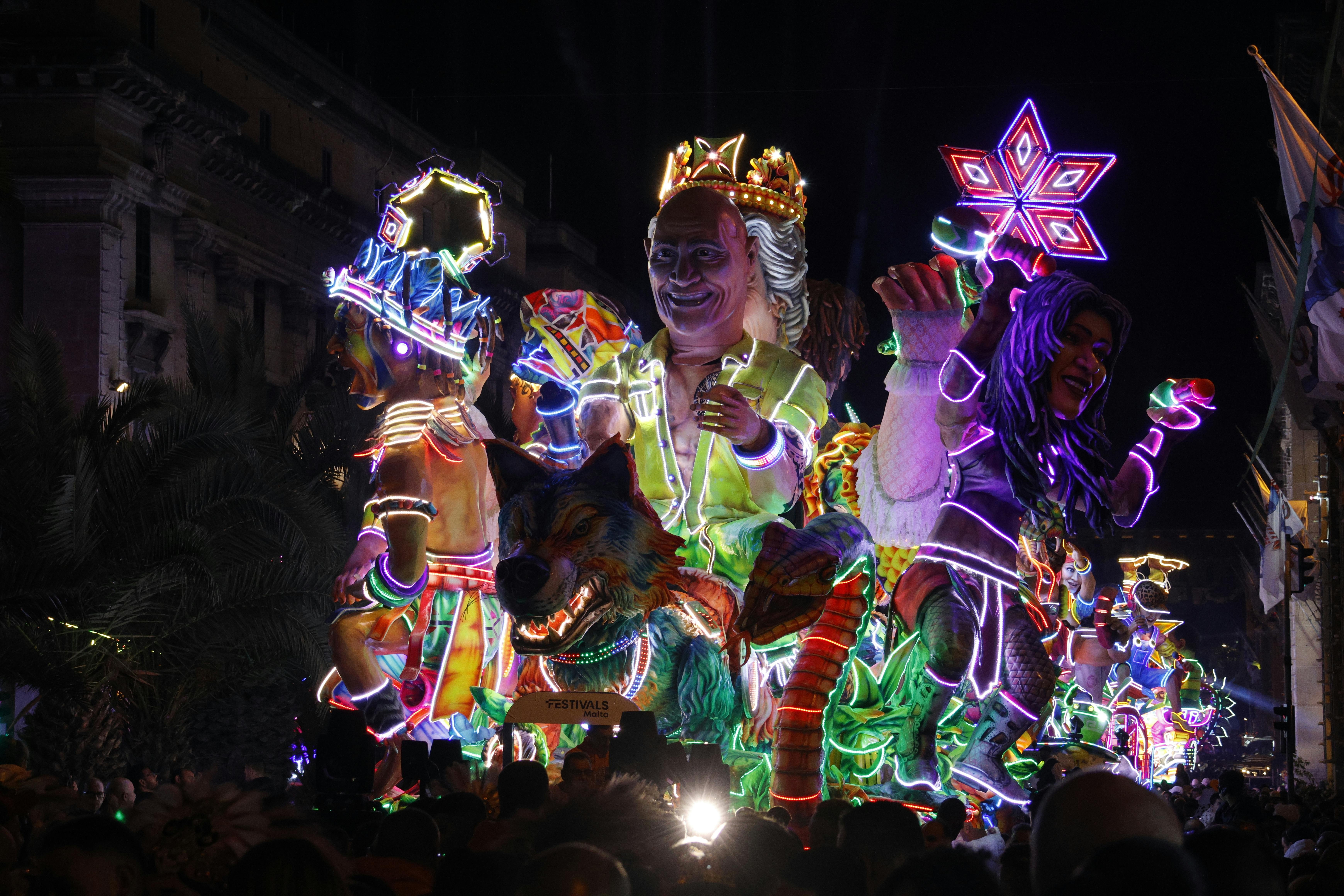
Greenwich Village: After watching the main parade, you can easily transition into a crawl here. The area will be buzzing, and nearly every bar will have decorations and drink specials.
The East Village: Known for its edgier, more eclectic vibe, the East Village is packed with unique bars, from historic pubs to modern cocktail lounges. It’s a perfect landscape for a spooky-themed crawl.
Lower East Side: This area offers a fantastic mix of trendy bars and old-school dives, all of which embrace the Halloween spirit with gusto.
Staying Connected and Safe
When your group is on the move, staying safe and connected is crucial. Before you head out, make it a rule that everyone in your group shares their live location with each other using a mobile app. This simple step makes it incredibly easy to find anyone who gets separated from the group in a crowded bar or on a busy street. It’s a modern safety essential for any group outing in a big city.
This DIY approach allows you to fully customize your night, ensuring you experience the exact vibe you’re looking for, making your Halloween in New York City a truly personal and unforgettable adventure.
Your Ultimate Halloween Blueprint
You are now armed with the ultimate insider’s guide. You know how to march in the world’s greatest Halloween parade, how to ascend to an exclusive rooftop party, how to brave a parade of manufactured terror, and how to create your own festive procession through the city’s most iconic neighborhoods. The overwhelming chaos of Halloween in New York City has been distilled into a clear, actionable battle plan. You are no longer just a visitor; you are a participant, ready to dive into the very heart of the magic and madness.
This is just one of the many incredible experiences the city has to offer. To build out your entire trip with the same level of expert insight, from finding the best holiday markets to securing the perfect New Year's Eve spot, explore our comprehensive Travel Guide. It’s the only resource you’ll need to transform your travels from ordinary to extraordinary.
Don't Miss Out! Subscribe for Exclusive Content
Subscribe



Comments 0
No comments yet
Be the first to share your experience!
Dont Miss Out! Subscribe for Exclusive Content

San Francisco Cherry Blossoms: A Local's Guide to the Blooms


Halloween SF: Haunts Without Horrors

SF Festivals: 7 Must-See Lineups

Christmas SF: Lights & Wharf Wonders

SF Pride: 6 Route & Party Hacks

Chinese New Year SF: Parade Essentials
5 Ways to Confidently Eat Alone While Traveling
TrekGuider @trekguider
You’ve done it. You’ve booked the flight, mapped out the museums, and conquered the logistics of your solo adventure. But a single, persistent scenario keeps playing out in your mind, a small moment that feels disproportionately terrifying: walking into a restaurant, meeting the host’s gaze, and uttering the three quietest, loudest words in the English language: "Table for one."
For countless aspiring and even experienced solo travelers, this is the final boss of social anxiety. It’s a fear so potent it can dictate an entire trip. A recent study confirmed that for many first-timers, the thought of dining alone is a major source of apprehension, ranking among top concerns like safety and loneliness.
This fear is a thief. It doesn’t just steal your appetite; it steals your access to the very soul of a destination—the vibrant, chaotic, delicious culture that happens around the dinner table. It convinces you that a sad takeaway eaten on the edge of your hotel bed is preferable to the perceived judgment of a room full of strangers. It whispers that your solitude is a spotlight.
But what if that spotlight was actually a stage, and a table for one was the best seat in the house?

This guide is your step-by-step plan to reframe that narrative. These aren’t just tips; they are five actionable, confidence-building strategies designed to transform the experience of eating alone while traveling from a source of dread into an empowering, delicious, and deeply memorable ritual. For a complete roadmap of your entire journey, start with our foundational pillar guide, The Ultimate Guide to Solo Female Travel (15 Essential Tips).
Strategy #1: Master the Art of the Bar Seat
The single most effective way to immediately diffuse the anxiety of solo dining is to bypass the traditional tables altogether and make a beeline for the bar or counter. This isn't a compromise; it's a strategic upgrade to your dining experience, a universally accepted and comfortable spot for any solo diner.
Sitting at a two- or four-top table by yourself can sometimes feel like you’re occupying "empty" space, drawing attention to your solo status. The bar, however, is a fundamentally different social landscape. It's a dynamic, linear space designed for individuals and pairs. Here, you are not "alone"; you are simply another patron in a row of patrons, part of the restaurant's fluid, buzzing energy.
This vantage point offers a multitude of benefits. It often provides a front-row seat to the theater of the restaurant—the craft of the bartender mixing cocktails, the rhythm of the kitchen, the flow of patrons coming and going. It’s an environment that provides endless built-in entertainment. More importantly, it creates a low-pressure opportunity for social connection if you want it. The bartender is a professional at conversation, often happy to offer menu recommendations or share local insights. You might strike up a casual chat with the person next to you, or you can remain comfortably anonymous, absorbed in the ambiance. The choice is entirely yours, and that control is empowering.
Pro-Tip: When researching restaurants, specifically look for photos of the interior that show a substantial bar or counter seating area. Places like tapas bars in Spain, ramen counters in Japan, and classic bistros in France are almost always designed with excellent bar seating, making them perfect venues for a comfortable solo meal.

Strategy #2: Arm Yourself with a Purposeful Prop
One of the biggest sources of anxiety when eating alone while traveling is the fear of just sitting there with nothing to do during the lulls of the meal, such as after you’ve ordered and are waiting for your food. This is where a "prop" becomes your most valuable tool. Having a purposeful object with you completely reframes the narrative, both for any observer and, more importantly, for yourself.
A prop signals that you are not passively waiting for a companion or feeling lonely; you are actively and contentedly engaged in your own company. It fills the silence and gives your hands and eyes a focus, instantly dissolving any feelings of awkwardness. The key is to choose your prop with intention.
A Travel Journal: This is perhaps the ultimate solo dining companion. Use the time to write about your day's adventures, document the sights and sounds around you, or sketch the street scene outside the window. It turns your meal into a productive, reflective, and creative session.
A Good Book: Getting lost in a compelling story is a timeless pleasure. A book is an unambiguous sign that you are happily occupied and content in your solitude.
A Map or Guidebook: Spreading out a map to plan the next leg of your journey is a classic traveler move. It’s practical, engaging, and makes you look like a seasoned, confident explorer engrossed in your adventure.
The Psychology Behind the Prop
It’s a psychological pattern interrupt. When you feel anxious, your brain looks for evidence to support that feeling—you scan the room for people looking at you, you interpret neutral expressions as judgmental. A prop gives you an alternative focus. You are consciously giving your brain a different task to focus on, preventing it from spiraling into self-conscious thoughts. By bringing a prop, you transform your "table for one" into your personal command center, a space for reflection, planning, or escape. You're no longer just a person eating alone; you're a writer, a reader, an adventurer deep in thought.
Strategy #3: Become a Master of Timing
The ambiance of a restaurant can change dramatically depending on the time of day. A chaotic, packed dining room at the peak of the dinner rush can feel overwhelming and intensify feelings of self-consciousness. By strategically choosing when you dine, you can curate a much more relaxed and enjoyable experience for yourself.
Dining during "off-peak" hours is a simple but incredibly effective tactic. Arriving for a late lunch around 2:30 PM or an early dinner at 6:00 PM, before the main crowds descend, offers several advantages. The restaurant will be calmer and quieter, allowing you to choose a desirable table—perhaps one tucked into a cozy corner or with a great view for people-watching. The service staff will likely be less rushed and more attentive, giving you the space to ask questions about the menu and savor your meal without feeling hurried.
This strategy is particularly effective in countries with distinct dining schedules. In Italy, for example, locals often don't eat dinner until 8:00 PM or later. Arriving at a trattoria at 7:00 PM means you'll have the place almost to yourself, allowing you to build your confidence in a low-stakes environment. This deep understanding of local rhythms is something we explore in our comprehensive Italy Guide, which is packed with the kind of insider knowledge that makes a solo trip seamless and authentic.
Before you start scouting trattorias, let's get your master plan organized.
Your Ultimate Planning Companion
A great solo dining experience starts with a great plan. Knowing which restaurants you want to try and when to go is a key part of building a confident itinerary. Our free, downloadable template is the perfect tool to help you organize every aspect of your trip, from your daily schedule to your must-try foodie destinations.
Download your free Travel Itinerary Template here!
Strategy #4: Choose Your Venue with Intention
Not all restaurants are created equal when it comes to the solo dining experience. The venue you choose plays an enormous role in your comfort level. Actively seeking out establishments with a solo-friendly ambiance and avoiding those geared toward formal or romantic occasions can make all the difference.
Your mission is to find places that are inherently lively, casual, and built for a fluid mix of patrons. Here’s what to look for:
Casual Bistros and Cafes: These are often the lifeblood of a neighborhood, with a constant, friendly buzz. Outdoor seating is a huge bonus, as it turns your table into a front-row seat for people-watching—the ultimate solo-dining pastime.
Bustling Food Halls and Markets: These are a solo traveler’s paradise. With a multitude of vendors and communal seating, the entire environment is built around individual choice and a dynamic, social-but-anonymous atmosphere. You can sample a wide variety of local dishes without the formality of a traditional restaurant.
Restaurants with Communal Tables: Many modern eateries feature large, shared tables. Choosing to sit at one of these signals an openness to interaction and creates a natural opportunity for conversation to spark with fellow diners, if you’re in the mood.
Ethnic Restaurants: Places like sushi bars, ramen shops, pho counters, or tapas bars are often culturally geared toward individual diners and counter service, making them incredibly comfortable and natural-feeling environments for eating alone.
Pro-Tip: Use Google Maps and restaurant review sites to do some digital reconnaissance before you head out. Don’t just read the reviews; look at the photos uploaded by patrons. You can get a great feel for the restaurant's layout, see if it has a good bar or counter, and gauge the overall vibe to see if it aligns with what will make you feel most at ease.

Strategy #5: Start with a "Gateway" Food Tour
If the idea of a full, sit-down meal by yourself still feels like too big a leap, then start with a "gateway drug" to confident solo dining: a food tour. Joining a small-group food tour on your first or second day in a new city is one of the most effective and enjoyable ways to build your culinary confidence.
A food tour is a structured, social, and low-pressure experience. You get to sample a wide variety of local specialties from different vendors and restaurants, but you do it as part of a small, friendly group. This immediately removes the "all eyes on me" feeling and replaces it with a fun, shared experience.
This approach is powerful for several reasons. First, it demystifies the local cuisine and ordering process, giving you the knowledge and vocabulary to feel more confident on your own later. Second, it's a fantastic way to meet other travelers and get their recommendations. Third, and most importantly, it provides you with a vetted list of fantastic, friendly restaurants. The casual street food stall or family-run bakery you visit on the tour can become a place you feel completely comfortable returning to on your own, because you've already been there and established a positive connection. It’s a confidence-building exercise disguised as a delicious adventure.
Frequently Asked Questions About Dining Solo
Even with a solid plan, a few lingering questions can cause anxiety. Here are the answers you need.
What if I don't drink alcohol? Is it still okay to sit at the bar?
Absolutely. A modern bar is a full-service part of the restaurant. It's completely normal to sit at the bar and order a mocktail, a soda, or even just a glass of water while you enjoy a full meal. The bartender's job is to serve all patrons, and they will be more than happy to accommodate you.
How do I handle getting a bad table (e.g., right by the kitchen or bathroom)?
As a solo diner, you have the right to be just as comfortable as any other guest. If you're led to a table you don't like, it is perfectly acceptable to politely ask if another is available. A simple, "I was hoping for something a little quieter, is one of the tables by the window available?" is all it takes. Most restaurants will gladly accommodate a reasonable request.
How much should I budget for dining alone?
This varies dramatically by destination and your travel style. A meal in Portugal can be a third of the price of a similar meal in Switzerland. The best approach is to find real-world examples. On the TrekGuider marketplace, you can explore detailed itineraries and guides published by seasoned solo travelers, many of whom include specific restaurant recommendations and budget breakdowns from their own trips.
Your Table is Waiting
The fear of eating alone while traveling is valid, but it is not a permanent barrier. It is a skill waiting to be learned, a confidence muscle waiting to be built. By being strategic—by choosing the bar seat, bringing a journal, dining early, selecting a casual venue, or starting with a food tour—you systematically dismantle the anxiety and replace it with a sense of mastery and enjoyment.
You will soon discover that dining solo is not a consolation prize; it is a unique and powerful way to experience the world. It’s a moment for quiet reflection, a front-row seat to a new culture, and an unfiltered connection to the taste and rhythm of a place. It is an act of radical self-reliance and a declaration of your right to be there, to take up space, and to savor every last bite. Your journey to becoming a confident solo diner is one of the most rewarding parts of the adventure, proving that the best company you can have at the table is often your own.
Meta Data Suggestions:
SEO Meta Title (59 characters): Confidently Eat Alone While Traveling: 5 Expert Tips
URL Slug: confidently-eat-alone-traveling
SEO Meta Description (154 characters): Nervous about dining solo? Our guide offers 5 practical ways to confidently eat alone while traveling, turning social anxiety into an empowering experience.
Don't Miss Out! Subscribe for Exclusive Content
SubscribeComments 0
No comments yet
Be the first to share your experience!
Dont Miss Out! Subscribe for Exclusive Content

Chicago Beer Fests: Top 6 Tastings

Ultimate USA Holidays Guide: Top Picks

FTC Affiliate Disclosure Essentials: Stay Compliant as a Travel Creator

Essential Affiliate Tools: From Tracking to Full Optimization

Booking.com Affiliate Program Review: Pros, Cons, and Earnings Potential

Decoding Affiliate Commission Rates: Benchmarks for Travel Creators
Amazon Associates for Travel: Strategies to Maximize Commissions
TrekGuider @trekguider
Let’s be blunt: the Amazon Associates program feels like a paradox. On one hand, it’s the undisputed titan of e-commerce, a platform your audience uses weekly, if not daily. On the other, its core metrics—a paltry 3-4% commission for most travel gear and a 24-hour cookie—seem purpose-built to underwhelm.
This isn't just a feeling; it's a business problem that breeds frustration. You see the industry reports—the affiliate marketing market soaring past $93 billion, with travel creators hitting a reported average of $13,847 a month—and it feels like your Amazon efforts are a high-effort, low-reward distraction. You’re stuck in a cycle of creating content for a platform that seems designed to underpay you, leaving a fortune on the table.
This guide is your way out of that cycle. This is a hyper-focused masterclass on transforming Amazon Associates from a minor annoyance into a consistent and significant revenue stream. We’re moving beyond the basics to deliver advanced, actionable strategies tailored specifically for amazon associates for travel bloggers. You will learn to master high-conversion gear lists, use the SiteStripe tool for maximum efficiency, and navigate the treacherous waters of Amazon’s Terms of Service to build a bulletproof and profitable system, a topic we deconstruct from every angle in our definitive command center for the entire affiliate ecosystem: Travel Affiliate Programs: The 2026 Ultimate Guide.

The Amazon Paradox: Why a Low-Commission Program is a Top Earner
At first glance, the program’s core metrics are discouraging. So why is Amazon Associates an essential, non-negotiable tool for virtually every top-earning travel creator?
The answer lies in two powerful forces: universal trust and the strategic magic of the 24-hour universal cookie.
First, you don’t have to sell your audience on the legitimacy of Amazon. They already have an account, their credit card is saved, and they trust the platform implicitly. This pre-existing brand equity dramatically reduces friction and leads to higher conversion rates than almost any other retailer.
Second, and most importantly, is the secret weapon: the 24-hour universal cookie. When a reader clicks your affiliate link for a travel adapter, a tracking cookie is placed on their browser. For the next 24 hours, you earn a commission on everything they add to their cart and purchase, not just the travel adapter.
Here’s how this plays out in the real world:
A reader clicks your link for a $15 travel adapter.
While on Amazon, they remember they also need a new $400 camera for their trip, a $150 suitcase, and $50 worth of toiletries.
They add it all to their cart and check out.
You don’t earn a commission on just the $15 adapter. You earn a commission on the entire $615 cart. This is the hidden engine that turns tiny clicks into substantial payouts. Your job isn’t just to sell a single product; it’s to open the 24-hour window.
Strategy 1: Master High-Conversion Content
Because the cookie window is so short, your content must be engineered to capture a user who is in the final stages of planning and ready to buy. Generic travelogues won’t cut it. Your focus must be on creating hyper-specific, product-focused content that solves an immediate purchasing need.

The Power of the Hyper-Specific Gear List
This is your bread and butter. But you must move beyond the generic "My Ultimate Packing List." The key to success is targeting long-tail keywords that attract a user with a very specific problem. Instead of competing with a million other packing lists, you become the definitive resource for a targeted niche.
Instead of: "My Packing List"
Target: "What to Pack for a Two-Week Safari in Tanzania"
Instead of: "Best Travel Cameras"
Target: "Best Vlogging Cameras and Mics for YouTube Travel Channels"
Instead of: "What to Wear in Europe"
Target: "What to Wear in Italy in October (That Isn't Jeans)"
These posts attract highly motivated buyers and are far less competitive to rank for in Google.
The "What's In My Bag?" Post
This is a classic for a reason: it works. This format allows you to showcase your gear in an authentic, personal context. The key is to use your own high-quality photos. Show the gear in use, show it laid out, and explain why each item has earned its place in your bag. This builds immense trust and makes your recommendations feel like they’re coming from a savvy friend, not a salesperson.
The Standalone Product Review
Reserve these for key, high-value, or truly exceptional pieces of gear that are central to your niche. If you are an adventure travel blogger, a deep-dive review of your favorite hiking boots or travel backpack can become an evergreen asset that earns commissions for years. Go into excruciating detail, share your real-world experiences, and include plenty of authentic photos and videos.
Strategy 2: The SiteStripe Workflow for Maximum Efficiency
One of the biggest hurdles to effectively monetizing with Amazon is the time it takes to generate links. Logging into your dashboard, searching for a product, and creating a custom link is a slow, clunky process. This is where mastering the Amazon SiteStripe is a game-changer.
SiteStripe is a free, official toolbar from Amazon that appears at the top of your browser whenever you’re logged into your Associates account and browsing Amazon.com. It allows you to generate a custom affiliate link for any product page with a single click.

Your High-Speed Workflow:
Find the Product: Navigate to the exact product page you want to recommend on Amazon.
Click to Generate: At the top of the page, use the SiteStripe toolbar to instantly get a link. You can choose:
Text: A clean, short amzn.to link.
Image: An image-based link with your tracking ID embedded.
Text + Image: A rich-text box with both the image and a text link.
Copy and Paste: Paste the link or code directly into your blog post.
What used to be a five-minute process now takes five seconds. This efficiency is critical. It allows you to quickly and easily add affiliate links to all relevant content, ensuring you never miss an opportunity to monetize.
Pro-Tip: Use SiteStripe to quickly grab image links. Product images hosted by Amazon are high-quality and load quickly. Using these official image links is often better than uploading your own product photos (for non-personal shots) and can help improve your page load speed.
Strategy 3: Build a Bulletproof System with TOS Mastery
Amazon is notoriously strict, and getting banned from the Associates program is a real risk. An accidental violation of their extensive Terms of Service (TOS) can result in the immediate termination of your account and the forfeiture of all your hard-earned commissions. Protecting your account matters most for any serious amazon associates for travel bloggers.

While you must read the full Associates Program Policies, here are the most common and critical violations that travel creators unwittingly commit:
Never Use Links in Emails: This is a cardinal sin. Amazon strictly forbids the use of affiliate links in any offline manner, including emails, newsletters, PDFs, or e-books. Always link from your email to a page on your blog, and place the Amazon links there.
Don't Cloak Your Links: While link cloaking is a best practice for most affiliate programs, Amazon has specific rules against it. They must be able to clearly identify that the link is coming from your site. Using a standard amzn.to short link generated by SiteStripe is always the safest bet.
Never Mention Specific Prices: Prices on Amazon fluctuate constantly. Stating a price in your article ("This backpack costs $199") is a violation because it can quickly become inaccurate. Instead, use a call-to-action like, "Check the latest price on Amazon."
Disclose, Disclose, Disclose: You must have a clear FTC disclosure on your site. Amazon also requires specific language: "As an Amazon Associate, I earn from qualifying purchases." This should be easily visible on your site.
Comply with Google's Rules: Beyond Amazon's rules, you must also comply with Google's. All paid links, including affiliate links, must use the rel="sponsored" HTML attribute. This signals to search engines that the link is commercial. Thankfully, most modern link management plugins can add this tag automatically, but it is your responsibility to ensure it’s there.
The Professional's Playbook: The Travel Creator's Toolkit
Mastering Amazon is a critical piece of the puzzle, but it's just one piece. To build a truly professional and profitable content business, you need a complete system. Our ultimate resource bundle, The Travel Creator's Toolkit, is packed with the checklists, content templates, and guides you need to build a resilient and diversified affiliate income stream.
Strategy 4: The Pro-Level Play - Combine Amazon with High-Margin Digital Products
The ultimate strategy for top-earning creators is to use Amazon as a foundational layer in a more sophisticated, diversified income strategy. Amazon is perfect for recommending physical products, but its commissions will never match the profit margins of selling your own digital products.
This is where you combine the high-volume nature of Amazon with the high-margin nature of your own expertise. This is the evolution from affiliate to owner.

The Funnel in Action:
The Blog Post: You write your hyper-specific gear list, "The Ultimate Packing List for a 7-Day Trek in Patagonia."
The Amazon Links: You populate the post with your affiliate links for the perfect hiking boots, waterproof jacket, wool socks, and trekking poles available on Amazon. You solve your reader's immediate gear problem.
The High-Margin Upsell: At the end of the post, you offer the perfect next step. You add a call-to-action that says: "Now that you have the gear, get the complete plan. My premium 'Patagonia Self-Guided Trekking Itinerary' is a downloadable guide with detailed maps, daily schedules, and booking links for all the campsites. Get it now on the TrekGuider Platform."
This is the master strategy. You use Amazon to earn commissions on the "what" (the gear) and then sell your own high-margin product that provides the "how" (the plan). This allows you to fully monetize your expertise and build a business that you control completely.
Frequently Asked Questions (FAQ)
1. Can I use Amazon affiliate links on social media like Instagram or Pinterest? Yes, but with extreme caution. You must use the special links generated through the Amazon mobile app's "Mobile GetLink" feature or SiteStripe. You also must clearly identify yourself as an Amazon Associate on the social media profile where the links are shared. Most importantly, the link cannot be on a page that is "behind a gate" (like a private Facebook group).
2. What happens if a product I link to is out of stock? The link will still work and the 24-hour cookie will still be set. If the customer buys something else on Amazon during that window, you will still earn a commission. However, it creates a poor user experience. It's good practice to periodically check your top-performing links to ensure the products are still available.
3. How do I handle international traffic? My readers are from all over the world? This is a critical issue for travel creators. By default, a link to Amazon.com will only earn you a commission if the purchase is made on the US store. To monetize your global audience, you must use a link localization service. Amazon has its own called "OneLink," which can automatically redirect your international visitors to their local Amazon storefront. Third-party services like Geniuslink (Geni.us) offer more advanced features and are very popular with professional affiliates.
Your Blueprint for Amazon Mastery
Stop thinking of Amazon Associates as a low-paying chore. Start seeing it for what it is: a high-volume conversion machine that, when used strategically, can become a powerful and reliable pillar of your income. The key is not to focus on the low commission rate but to obsess over leveraging the 24-hour universal cookie.
By mastering the strategies for amazon associates for travel bloggers—creating hyper-specific content, working efficiently with SiteStripe, staying relentlessly compliant with the TOS, and layering it with your own high-margin products—you transform the program from a source of frustration into a predictable engine for revenue. This is a foundational skill for any serious travel creator looking to build a diversified and resilient business that can fund their adventures for years to come.
Read the full guide: The Travel Blogger's Playbook to Affiliate Marketing Mastery
Don't Miss Out! Subscribe for Exclusive Content
SubscribeComments 0
No comments yet
Be the first to share your experience!
Dont Miss Out! Subscribe for Exclusive Content
Ultimate USA Holidays Guide: Top Picks
FTC Affiliate Disclosure Essentials: Stay Compliant as a Travel Creator
Essential Affiliate Tools: From Tracking to Full Optimization

Avoid These 5 Affiliate Landing Page Mistakes for Better Conversions

Affiliate Keyword Research Mastery for Travel Blogs