
CA Family Beach Vacations: A Pro's Planning Guide

TrekGuider @trekguider
Staring at a map of California's 840-mile coastline can feel overwhelming. You're searching for one perfect stretch of sand that pleases everyone—from toddlers who need calm water to teens who crave adventure. The fear of choosing wrong is real: a trip ruined by unsafe surf, zero parking, or the dreaded "I'm bored" can turn a dream vacation into a stressful ordeal.
This guide is your antidote to that analysis paralysis. We'll give you a clear framework for picking the right beach for your family's unique needs, ensuring your trip is filled with golden-hour memories, not logistical nightmares.
Choosing the right destination is the first step in planning an amazing trip, a core principle we cover in our comprehensive guide to Family Travel Ideas: The 2026 Guide to Unforgettable Trips. This playbook will give you the California-specific details you need to make the perfect choice.

First, Define Your Perfect Beach: A 4-Point Framework for California
California's coastline is stunningly diverse. The secret to a successful trip is finding a beach that suits your family's needs. Before looking at a map, use this framework to determine your family's “beach DNA” and find the perfect option.
Type 1: Calm & Shallow Waters (Best for Toddlers & Cautious Swimmers)
Let's be honest—when you're traveling with toddlers, 'safety' isn't just a priority; it's the entire game. You need waters that are less 'crashing surf' and more 'gentle bathwater.' These beaches are characterized by gentle, lapping waves, shallow entry points, and natural protections like coves or bays.
Top California Picks: La Jolla Shores (San Diego), Coronado Central Beach (San Diego), Avila Beach (Central Coast).
Type 2: Active & Adventurous Shores (Best for Kids & Teens)
If your crew gets restless just sitting on the sand, you need a destination with built-in action. These are the hubs for boogie boarding, learning to surf, pier fishing, and boardwalk cycling. The energy here is palpable, and there's always something to do.
Top California Picks: Huntington Beach ("Surf City USA"), Santa Monica State Beach (Los Angeles), Pismo Beach (Central Coast).
Type 3: Full-Service & Amenity-Rich (For Maximum Convenience)
These are the beaches for families who want everything at their fingertips. Think easy parking, clean restrooms, on-duty lifeguards, nearby playgrounds, and plenty of places to grab a snack or rent equipment. They are designed to minimize friction and maximize relaxation.
Top California Picks: Moonlight State Beach (Encinitas), Main Beach (Laguna Beach), Carmel Beach (Carmel-by-the-Sea).
Type 4: Natural & Unspoiled Coasts (For Exploration & Wildlife)
For families who want to escape the crowds and connect with nature, these beaches offer tide pools teeming with life, scenic hiking trails, and the chance to spot wildlife, from barking sea lions to migrating whales.
Top California Picks: Leo Carrillo State Park (Malibu), Point Dume State Beach (Malibu), Stinson Beach (Marin County).

Southern California (SoCal): A Deep Dive into Family Beach Vacations
SoCal is the classic choice for family beach vacations for a reason: it delivers iconic sunshine, relatively warm water, and an unmatched density of attractions. From San Diego to Malibu, this region packs in a staggering variety of coastal experiences.

San Diego County: America's Finest Family Beaches
Often considered the gold standard, San Diego offers a perfect equilibrium between pristine beaches and world-class attractions.
La Jolla Shores: This is arguably the best beach in California for families with toddlers. A mile-long sandy expanse with some of the gentlest waves on the West Coast, it's perfect for splashing and sandcastle construction. The adjacent Kellogg Park has a fantastic playground.
Don't Miss: Book a guided kayak tour to paddle over the La Jolla Underwater Park—you'll see sea lions, bright orange Garibaldi fish, and (harmless) leopard sharks swimming right below you. It's an unforgettable experience for kids ages 6 and up.
Coronado Central Beach: Famous for its iconic Hotel del Coronado backdrop and shimmering, mica-infused sand, Coronado is wide, flat, and impeccably clean. The surf is typically gentle, and the sheer size means you can always find your own space.
Insider Tip: At low tide, fantastic tide pools emerge at the southernmost end of the beach, offering a great, free activity for curious kids.
Moonlight State Beach (Encinitas): For the family that values pure, unadulterated convenience, this beach in the surf town of Encinitas is your holy grail. It features a large, dedicated parking lot, clean restrooms, a snack bar, and a great playground right on the sand.
Insider Tip: The beach is situated in a natural bowl, which keeps it somewhat protected from the wind, making it a comfortable spot to spend the entire day.
Orange County: From "Surf City" to Art Coves
The OC offers a more polished, upscale beach experience, with beautifully maintained towns and legendary surf breaks.
Huntington Beach: Known globally as "Surf City USA," this is the place for an active family. The energy is infectious.
Don't Miss: Beyond surf lessons, rent a multi-person surrey bike and cruise the 10-mile paved beach path. At night, grab a fire pit (first-come, first-served) for the ultimate s'mores experience.
Newport Beach: Centered around the Balboa Peninsula, Newport offers two distinct experiences. The ocean side has bigger waves perfect for boogie boarding, while the bay side (at the Balboa Fun Zone) offers calm waters, boat rentals, and a classic Ferris wheel.
Insider Tip: Take the historic Balboa Island Ferry for a charming, scenic trip across the harbor. Kids love it, and it’s a budget-friendly thrill.
Main Beach (Laguna Beach): Nestled in a charming, artsy town, Main Beach has a "Coke commercial" vibe with its central lifeguard tower and boardwalk.
Don't Miss: The real magic of Laguna lies in its many small coves. A short walk south brings you to Treasure Island Beach, which has some of the most accessible and vibrant tide pools in all of SoCal.

Los Angeles County: Iconic Piers and Urban Shores
LA's beaches are vibrant and full of character, offering everything from entertainment hubs to quiet, natural retreats.
Santa Monica State Beach: The Santa Monica Pier, with its amusement park and aquarium, makes this a can't-miss destination. The beach itself is massive, providing ample room for everyone.
Don't Miss: Renting bikes and riding south to the Venice Beach Boardwalk is a quintessential LA family experience, filled with street performers and unique sights.
Leo Carrillo State Park (Malibu): For a completely different vibe, head north to Leo Carrillo. This stunning beach is famous for its sea caves and fascinating tide pools. It's a place for exploration, where kids can hunt for sea stars, crabs, and anemones.
Insider Tip: Check the tide charts before you go. The sea caves are only accessible and safe to explore during low tide.
Pro-Tip: Southern California experiences a weather pattern known as "May Gray" and "June Gloom," where a persistent marine layer can keep the coast cloudy and cool until the early afternoon. If you're planning a trip during these months, schedule other activities for the morning and plan for your main beach time after lunch when the sun typically breaks through.
When to Go: A Seasonal Guide to the California Coast
Choosing the right time to visit can make or break your trip. Here’s a breakdown:
Summer (June-August): The classic choice with the warmest weather and water temperatures. Pros: Everything is open, and the vibe is energetic. Cons: Massive crowds and peak pricing for flights and lodging.
Fall (September-October): This is the locals' secret. Pros: The best weather of the year, with warm, sunny days and far fewer crowds. Water is still warm from the summer. Cons: Kids are back in school, making it tougher for families.
Winter (November-February): A great time for a different kind of beach trip. Pros: Lowest prices and no crowds. It's also the best time for whale watching. Cons: Water is too cold for swimming without a wetsuit, and you might get some rain.
Spring (March-May): A mixed bag. Pros: Beautiful wildflowers, pleasant weather for non-swimming activities. Cons: The weather can be unpredictable, and the water is still very cold. "June Gloom" can start as early as May.

Central Coast & Northern California: Unspoiled Beauty
For families seeking a more tranquil and nature-focused trip, the coasts north of LA offer dramatic scenery, charming small towns, and a welcome escape from the crowds.

The Central Coast: A Slower Pace of Life
Pismo Beach: A classic California beach town, Pismo is famous for its long fishing pier and being the "Clam Capital of the World."
Don't Miss: It's one of the few places where you can legally drive on the beach (in designated areas), making it a hub for ATV rentals and a unique family adventure.
Avila Beach: Tucked into a sunny cove, Avila is often warmer and less windy than its neighbors. The calm waters of the bay are perfect for paddleboarding and kayaking.
Insider Tip: Walk to the end of the Harford Pier to see sea lions lounging and barking up close.
The Bay Area & North: Boardwalks and Rugged Coastlines
Santa Cruz Main Beach: Home to the West Coast's oldest seaside amusement park, the Santa Cruz Beach Boardwalk is a paradise for kids and teens. The combination of classic roller coasters, arcade games, and a wide sandy beach is unbeatable.
Insider Tip: Buy your ride tickets online in advance to save money and skip the ticket lines.
Stinson Beach (Marin County): Just a spectacular drive from the Golden Gate Bridge, Stinson is a vast expanse of white sand with relatively calm water for a NorCal beach. It feels like a world away from the city.
Insider Tip: The drive on Highway 1 to get there is gorgeous but winding. If anyone in your family is prone to car sickness, be prepared. It's a key part of what we cover in The Sanity-Saving System for Your Next Family Road Trip.
Explore California's Iconic Coastline
Planning to drive the dramatic coast around Big Sur? Don't leave it to chance. Download our free Big Sur Map & Itinerary for a curated route, must-see stops, and insider tips to make the most of this unforgettable drive.
Your California Beach Trip Playbook
A great plan is what separates a stressful trip from a relaxing one. Here’s how to manage the practical side of your California family beach vacation. For a deeper dive into simplifying the entire process, check out our guide on How to Make Family Travel Planning Actually Easy.
Step 1: Budgeting for the Golden State
Lodging: Vacation rentals are often more cost-effective than hotels for families. Book 3-6 months in advance.
Food: Pack a cooler for your beach days. This can save you $50-$100 per day.
Parking: Beach parking can range from $10-$30. Look for free residential parking a few blocks away.
Activities: Focus on free fun! Sandcastle building, tide pooling, and pier strolling cost nothing.
Sample 5-Day SoCal Budget (Family of 4)
Step 2: The Essential California Beach Packing List

The key is layers. Coastal weather can change in an instant.
Sun Protection: High-SPF sunscreen (reef-safe), wide-brimmed hats, sunglasses, and a rash guard for each child.
The Layers: In addition to swimsuits, everyone needs a sweatshirt or fleece.
Beach Gear: A lightweight beach tent or umbrella, sand toys, boogie boards, and a good cooler.
Footwear: Flip-flops and comfortable walking shoes.
First-Aid Kit: Include bandages, antiseptic wipes, pain reliever, and aloe vera gel.
Pro-Tip: For notoriously difficult parking areas like Santa Monica or Laguna Beach, use an app like SpotHero or ParkWhiz to reserve a parking spot in a nearby garage ahead of time. It can save you an immense amount of stress.
Frequently Asked Questions
What is the best month for a California family beach vacation?
September and October are often considered the best months. You'll enjoy warm, sunny weather and ocean temperatures held over from summer, but with significantly fewer crowds. While summer is classic, it brings peak prices and packed beaches.
Which California beach is the absolute best for toddlers?
La Jolla Shores in San Diego is widely considered the top choice for families with toddlers. Its waves are exceptionally gentle, the sandy shoreline has a very gradual slope, and the adjacent Kellogg Park offers a convenient playground.
Is it better to stay in San Diego or Orange County for a family trip?
It depends on your priorities. San Diego is ideal for families with younger kids, offering calmer beaches like La Jolla and world-class attractions. Orange County offers a more polished experience and is great for active families with older kids or teens, with hubs like Huntington Beach for surfing.
Besides swimsuits, what is one essential item to pack for a California beach day?
Layers, specifically a sweatshirt or fleece for everyone in the family. California's coastal weather can change quickly, with cool marine fog in the morning and breezy afternoons. Having a warm layer ensures you'll be comfortable all day long.
Conclusion
A successful California family beach vacation isn't about finding a secret spot—it's about matching the right beach to your family's unique travel style. Whether you need the gentle bays of San Diego for a toddler's first splash or the vibrant energy of Santa Cruz for your teens, the Golden State has the perfect patch of sand waiting for you.
You now have the framework and destination intelligence to move from planning to action. With this playbook, you're ready to choose your spot, pack your bags, and make this the trip that actually happens. To help you with the bigger picture, see our guide on How to Plan a US Family Vacation That Actually Happens.
Read the full guide: Family Travel Ideas: The 2026 Guide to Unforgettable Trips
Don't Miss Out! Subscribe for Exclusive Content
Subscribe



Comments 0
No comments yet
Be the first to share your experience!
Dont Miss Out! Subscribe for Exclusive Content

Ultimate USA Holidays Guide: Top Picks


FTC Affiliate Disclosure Essentials: Stay Compliant as a Travel Creator

Essential Affiliate Tools: From Tracking to Full Optimization

Booking.com Affiliate Program Review: Pros, Cons, and Earnings Potential

Decoding Affiliate Commission Rates: Benchmarks for Travel Creators

Amazon Associates for Travel: Strategies to Maximize Commissions
Transportation Safety: Staying Safe on Planes & Trains
TrekGuider @trekguider
There's a certain magic to being in transit—that liminal space where you're neither here nor there, just a passenger watching the world blur past your window. It’s the very heart of travel, but it’s also a moment of profound vulnerability. The problem is, amidst the controlled chaos of an airport, the anonymous bustle of a train station, or the quiet confines of a taxi, our focus can drift.
This constant motion agitates a core travel anxiety: the fear that one moment of distraction could lead to a lost passport, a stolen wallet, or a compromised sense of security that sours an entire trip. But it doesn't have to be this way. The solution is to trade that anxiety for a set of simple, repeatable habits—a tactical playbook for navigating every mode of transport with unshakable confidence. This guide delivers the essential transportation safety tips you need, broken down by the unique challenges of air, rail, and ground travel. Mastering these routines is a critical part of any smart travel strategy, a foundation we explore in our comprehensive guide to The Ultimate Guide to Travel Safety: A 2026 Playbook.
Think of your journey in stages, with each mode of transport presenting its own unique playbook. We’ll start where most international trips begin: the controlled chaos of the airport.

Mastering the Airport: Your Guide to Air Travel Security
An airport is a marvel of modern logistics, but for a traveler, it’s a gauntlet of queues, checkpoints, and crowds. Its process-driven environment creates unique security challenges, but a few smart transportation safety tips can make all the difference from the moment you pack your bags to the second you reclaim them.
Before You Leave: Smart Packing & Luggage Security
Your airport safety strategy begins at home. How you pack and secure your luggage is your first and most important line of defense.
Never Pack Valuables in Checked Luggage: This is the cardinal rule of air travel. If it’s valuable or irreplaceable, it belongs with you in the cabin. Your carry-on is the only secure place for:
Passport, IDs, and all travel documents
Cash, credit cards, and debit cards
Electronics (laptops, tablets, cameras, power banks)
Essential medications (plus extra for delays)
Jewelry and any other items of sentimental or high monetary value
Use Globally Recognized Locks: The TSA needs to be able to inspect checked bags. If you use a non-approved lock, they will cut it off. To avoid this, use locks recognized by the TSA. According to their official guidelines, these can be opened by security officers using universal master keys. Look for the Travel Sentry (red diamond) or Safe Skies logo when buying a lock. This isn't just a U.S. system; it's a global standard used by security agencies in Canada, the UK, Germany, Japan, and dozens of other countries.
Make Your Bag Stand Out: In a sea of black roller bags, a little personality is a security feature. Use a colorful luggage strap, a unique tag, or a bright ribbon to make your bag instantly identifiable. This dramatically reduces the chance of an accidental bag swap at the carousel.
Photograph Your Evidence: Before you hand over your bag, take a quick photo of your packed suitcase (both open and closed). If your bag is lost, delayed, or damaged, this provides an indisputable visual record for your airline and insurance claims.

Pack Smarter, Not Harder
A lighter bag is a safer bag. It’s easier to manage, less likely to be checked, and keeps your essentials within arm's reach. Our definitive guide shows you how to fit everything you need into a single carry-on, saving you time, money, and the stress of lost luggage.
Download the Free How to Pack Light Guide
Navigating the Security Checkpoint
The security line is a notorious chokepoint where travelers are distracted, rushed, and temporarily separated from their belongings. This is a time for heightened focus.
Guard Your Bins: As your items slide onto the conveyor belt, keep your eyes on them. Wait to walk through the metal detector until you see your bins beginning to enter the X-ray machine. This minimizes the time your valuables are sitting unattended on the other side.
Consolidate Before the Line: Don't wait until you're at the bins to fumble with loose items. Before you even join the queue, place your phone, wallet, passport, and boarding pass inside a zipped pocket of your jacket or deep within your carry-on.
Beware of Coordinated Distractions: Professional thieves sometimes work in teams at security. One person might create a delay in front of you (e.g., setting off the metal detector repeatedly) while an accomplice on the other side of the scanner quickly grabs your emerging laptop or wallet. Be patient, but stay vigilant and focused on your belongings.
On the Rails: A Playbook for Safe Train Travel
Train travel offers a romantic and scenic way to see the world, but the open nature of stations and the shared spaces on board require a specific approach to security.
General Security on Daytime Trains
During the day, the primary risk is opportunistic theft in crowded stations or on busy carriages.
Maintain Physical Contact: In a chaotic station, your luggage should be in direct physical contact with you at all times. Loop a strap around your foot or keep a hand on the handle. When waiting on a platform, stand with your back to a wall and your bags in front of you.
Position Luggage Strategically: On the train, store your main suitcase on an overhead rack that is across the aisle from you, not directly above. This keeps it constantly within your line of sight. If you must use the large luggage racks at the end of a carriage, use a lightweight cable lock to secure your bag to the rack itself.
Never Let Your Daypack Go: Your small bag containing your valuables should be treated as an extension of your body. Keep it on your lap, on the seat next to you, or in a crossbody position. When you get up to use the restroom or walk to the dining car, it goes with you. No exceptions.

Overnight on the Rails: Your Security Checklist
Sleeping on a train is an unforgettable experience, but it’s also when you are most vulnerable. Follow these three protocols to ensure a safe and restful journey.
Physically Secure Your Main Luggage: A thief can silently walk through a dark train car and lift a bag from an unlocked compartment. Make your bag an inconvenient, noisy target. Use a small cable lock or even your bag’s own strap to attach it to a fixed object like:
The luggage rack frame
The ladder to the top bunk
The metal frame under your seat
Keep Essential Valuables on Your Person: Your most critical items—passport, phone, cash, cards—should never be in your main luggage while you sleep. The only secure place is on your body.
Use a money belt worn under your clothes.
Sleep with your small daypack physically on your bunk. Use it as a pillow or loop a strap around your arm or leg. This ensures your essentials remain safe even if your main bag is compromised.
Secure Your Compartment Door: The door is your primary barrier. As soon as everyone is settled for the night, lock it from the inside. Private sleeper cabins have strong locks. In a shared couchette, have a polite conversation with your cabin mates and agree to keep the door locked. Train staff or border officials will knock loudly enough to wake you if they need entry.
Pro-Tip: When booking a bunk in a shared couchette, the top bunk is often the most secure choice. It is harder for anyone to access your belongings without waking you and keeps you out of the general foot traffic in the compartment.
On the Ground: Staying Safe in Taxis & Ride-Shares
Your journey isn’t over until you’ve reached your hotel. Ground transportation is the final leg, and it’s a critical moment to apply your safety knowledge.

Your Ride-Share Safety Checklist
Ride-sharing apps have built-in safety features, but they only work if you use them. Before you get into any vehicle, run through this non-negotiable verification checklist.
Verify the Vehicle:
Match the License Plate: This is the most important step. The license plate number in the app must match the plate on the car. If it doesn’t, do not get in. Cancel the ride and report the mismatch.
Match the Car Details: Confirm the make, model, and color of the car also match the information in the app.
Verify the Driver:
Check the Driver's Photo: Glance at the driver and ensure they match the photo in the app.
Confirm Your Name: Ask the driver, "Who are you here for?" or "What's my name?" They must be able to say your name. Never volunteer it by asking, "Are you here for Jane?" This gives a fraudulent driver the information they need.
Use PIN Verification: Many apps now offer a PIN verification feature. Enable it. The trip cannot start until you provide the correct PIN to your driver, guaranteeing you are in the right car.
Share Your Trip Details:
As soon as the trip starts, use the app’s built-in "Share Trip Status" function. This sends a live map of your journey, including the car's route and your ETA, to a trusted contact.
Sit in the Back Seat:
Especially when traveling alone, sitting in the back provides personal space and allows you to exit from either side of the vehicle if you feel uncomfortable.
Trust Your Instincts:
If anything feels off—the driver, the vehicle, the situation—do not get in. Cancel the ride, report your concerns, and order another car. Your safety is worth more than a cancellation fee.
Navigating Taxis and Tuk-Tuks Safely
When using traditional taxis, you are more reliant on your own judgment and vigilance.
Insist on the Meter: The "broken meter" is one of the oldest travel scams in the book, designed to lock you into a wildly inflated flat fare. Before getting in, point to the meter and say, "Meter, please." If the driver refuses, simply find another taxi.
Follow Your Route: Have your destination pulled up on a map app on your phone. This helps you ensure the driver is taking a logical route and not an inefficient "scenic" one designed to drive up the fare.
Use Official Taxi Ranks: At airports and train stations, always use the designated, official taxi queue. Avoid the freelance drivers who approach you in the arrivals hall, as they are often unlicensed and operating illegally.
Pro-Tip: Ask your hotel or restaurant to call a taxi for you. They almost always have a relationship with a reputable, trusted local company. Before you get in, take a quick, discreet photo of the taxi's license plate and driver ID card (usually displayed on the dash).

Frequently Asked Questions (FAQ)
Q: What's the safest way to carry my passport and money while in transit? A: The best method is to use multiple locations. Keep your passport, one credit card, and the bulk of your cash in a secure money belt or neck wallet worn under your clothing. Keep a small amount of daily cash and a second credit card in a more accessible wallet in a front pocket or a secure crossbody bag.
Q: Are airport charging stations safe to use? A: Avoid using the public USB ports. Hackers can modify these stations for "juice jacking," which can install malware or steal data from your phone. Always use your own AC power adapter and plug it into a standard electrical outlet, or carry a portable power bank.
Q: Should I use my phone's data plan abroad or rely on public WiFi? A: Using your own cellular data plan (either an international plan or a local SIM card) is always more secure than public WiFi. If you must use public WiFi, you absolutely need to use a VPN (Virtual Private Network) to encrypt your connection and protect your data from hackers.
Travel with Confidence
Transportation is the thread that connects the incredible moments of your journey. By mastering these transportation safety tips, you transform these in-between moments from periods of uncertainty into a seamless and secure part of your adventure. Whether you’re locking your bag before a flight, securing your cabin on an overnight train, or verifying your ride-share before hopping in, these proactive habits build a powerful foundation of security.
This allows you to move through the world not with fear, but with the calm confidence of a prepared and savvy traveler. For a more comprehensive look at planning your entire journey, our all-encompassing Travel Guide is the perfect resource. And for expert advice on navigating the specific transit systems of your next destination—from the Tokyo Metro to the Swiss rail network—be sure to explore the detailed guides from our expert creators on the TrekGuider. You're now equipped to handle the journey, so you can focus on the destination.
Don't Miss Out! Subscribe for Exclusive Content
SubscribeComments 0
No comments yet
Be the first to share your experience!
Dont Miss Out! Subscribe for Exclusive Content
Ultimate USA Holidays Guide: Top Picks
FTC Affiliate Disclosure Essentials: Stay Compliant as a Travel Creator
Essential Affiliate Tools: From Tracking to Full Optimization
Booking.com Affiliate Program Review: Pros, Cons, and Earnings Potential
Decoding Affiliate Commission Rates: Benchmarks for Travel Creators
Amazon Associates for Travel: Strategies to Maximize Commissions
Christmas NOLA: Creole Lights & Eats
TrekGuider @trekguider
Are you tired of the same silent, snowy nights? The predictable cycle of generic holiday markets and overplayed carols can leave even the most festive traveler craving something with more soul. You’re searching for a holiday that swaps biting frost for a warm, vibrant cultural immersion—a place where tradition isn't just remembered, but is passionately lived, tasted, and celebrated with a fiery spirit.
Imagine a Christmas Eve where the sky is illuminated not by faint stars, but by towering bonfires blazing along the Mississippi River, a Cajun beacon for Papa Noël. Picture yourself sitting down not to a standard holiday ham, but to a multi-course Creole feast—a Réveillon dinner—so decadent and steeped in history it feels like a culinary sacrament. To miss this is to settle for a cookie-cutter holiday when a deep, unforgettable adventure awaits.

This is your definitive guide to unlocking the magic of a New Orleans Christmas—a celebration so distinct it redefines what Christmas in the USA can be. It’s a key element experience we introduce in our broader guide to New Orleans Holidays: Cultural Feasts, and here, we’re diving deep. Forget sleigh bells; we’re talking jazz trumpets. Forget snow; we’re talking the warm glow of tradition. Let’s explore the one-of-a-kind Creole customs, from legendary dinners to spectacular bonfires, that make this city the ultimate holiday destination.
The Heart of a Creole Christmas: The Réveillon Dinner Tradition
In New Orleans, the absolute pinnacle of holiday dining is the Réveillon dinner. Forget a simple holiday meal; the Réveillon (REV-ee-on) dinner is a cherished Creole ceremony dating back to the early 19th century. It began as an elaborate feast served after midnight mass on Christmas Eve, where families would break their pre-communion fast with a lavish spread that could last for hours, filled with rich food, lively conversation, and holiday cheer.
While the custom has evolved from a purely home-cooked affair, its spirit is more vibrant than ever in the city's world-class restaurants. Throughout December, dozens of New Orleans' finest establishments offer special multi-course Réveillon menus that pay homage to this historic tradition. These are not your typical holiday buffets. These are carefully built culinary journeys featuring decadent dishes that blend French, Spanish, and African influences. Expect to see rich turtle soup, gamey quail, and iconic Louisiana staples like the indispensable oyster gumbo.

Participating in a Réveillon dinner is to take part in a living piece of New Orleans history—a delicious ritual that connects you directly to the soul of a Creole Christmas.
How to Book Your Réveillon Dinner: A Step-by-Step Guide
Securing a table for this beloved tradition requires some foresight, but the reward is an experience you'll talk about for years. Follow these steps to guarantee your spot.
Research Early: Restaurants typically announce their Réveillon menus in late October or early November. The official New Orleans tourism website is an excellent resource, compiling a list of participating establishments so you can browse menus. Look for offerings that excite you, whether it's a modern twist on Creole classics or a faithful recreation of historical dishes.
Book Immediately: These dinners are incredibly popular with locals and visitors alike. Once you've identified your top choices, make reservations without delay. For prime dates like Christmas Eve, booking a month or two in advance is not overkill. While most restaurants use online platforms, a direct phone call can sometimes reveal extra availability.
Understand the Format: Nearly all Réveillon dinners are prix-fixe, meaning you pay a set price for a specific number of courses (usually four to six). Wine or cocktail pairings are often available for an additional charge. We highly recommend them, as they are expertly curated to elevate the rich, complex flavors of the meal.
Dress the Part: New Orleanians embrace any opportunity to dress up, and a Réveillon dinner is the perfect occasion. While a strict black-tie dress code is rare, "holiday festive" or "smart casual" is the standard. Think collared shirts and slacks or a stylish dress. It’s a special event, so lean into the celebratory atmosphere.
Pro-Tip: While the classic, centuries-old restaurants in the French Quarter offer an undeniably historic Réveillon experience, don't overlook the innovative eateries in neighborhoods like the Garden District or the Warehouse District. These spots often provide a contemporary take on the tradition with equally spectacular food and a more local vibe.

A Unique Take on Christmas in the USA: Lighting Up the Night
New Orleans trades conventional holiday light displays for traditions deeply rooted in its unique landscape and folklore. The city’s two most famous spectacles—the bonfires on the levee and the enchanting Celebration in the Oaks—offer two vastly different but equally magical ways to experience the holiday glow. These events are a core part of what makes Christmas in the USA so special in this corner of the country.
Papa Noël's Fiery Welcome: The Bonfires on the Levee
Perhaps the most dramatic and uniquely Louisiana Christmas tradition is the lighting of massive bonfires along the Mississippi River levees on Christmas Eve. This custom is most prominent in the parishes just upriver from New Orleans, particularly in St. James Parish. According to beloved local lore, the bonfires are built to light the way for "Papa Noël," the Cajun Santa Claus, as he navigates the dark, swampy landscape in his pirogue pulled by alligators.
These are not small campfires. They are colossal wooden structures, often built in the shape of log cabins, steamboats, or other creative designs, that are set ablaze to create a fiery, awe-inspiring pathway along the river. The tradition is a massive community event, with families gathering to enjoy the warmth, share food and drink, and watch the spectacular display unfold.
How to Experience the Bonfires:
Book a Bus Tour: The easiest and most stress-free way to see the bonfires is by booking a spot on a dedicated bus tour departing from New Orleans. These operators handle all the logistics, navigating the intense traffic and securing a prime viewing location, often with commentary on the tradition's history.
Drive Yourself (With Caution): If you have a car, you can drive the "River Road" through the parishes. Be prepared for gridlock traffic and follow the directions of local law enforcement. The spectacle is worth it, but patience is an absolute must.
Arrive Before Dusk: The bonfires are typically lit at dusk on Christmas Eve (around 7 PM). Plan to arrive in the area well beforehand to find parking, claim a spot, and soak in the festive, communal atmosphere.
A Dazzling Urban Oasis: Celebration in the Oaks
For a more traditional (yet still distinctly New Orleans) light display, Celebration in the Oaks is an absolute must. Held in the city’s sprawling and beautiful City Park, this event transforms the landscape into a breathtaking winter wonderland. With millions of twinkling lights adorning the park's famous ancient oaks—some of which are over 800 years old—the effect is nothing short of spectacular.

This beloved local tradition is perfect for families, couples, and anyone looking to be immersed in pure holiday cheer. Key features include a popular drive-thru light tour, allowing you to experience the magic from your car, as well as walking paths that guide you through themed light exhibits. A ride on the park's historic carousel, beautifully decorated for the season, is an essential part of the experience.
Tips for Visiting Celebration in the Oaks:
Buy Tickets Online in Advance: This event is extremely popular and frequently sells out, especially on weekends. Purchasing your timed-entry tickets online is essential to avoid disappointment.
Visit on a Weekday: To avoid the largest crowds and enjoy a more relaxed experience, plan your visit for a weeknight if your schedule allows.
Consider the Driving Tour: The drive-thru option is perfect for a rainy evening or for those with mobility challenges. It offers a fantastic and comprehensive view of the entire display.
More Than Lights and Food: Other Essential NOLA Christmas Traditions
While Réveillon dinners and fiery bonfires are the headliners, the holiday spirit in New Orleans is woven into the city's fabric through music, community, and history. To fully appreciate the season, immerse yourself in these other cherished local customs.
Caroling in Jackson Square
On the Sunday before Christmas, thousands of people gather in Jackson Square, in the heart of the French Quarter, for a truly magical evening of community caroling. With the iconic St. Louis Cathedral as a stunning backdrop, locals and visitors hold candles and sing holiday classics together. The event is free, and the sight of the square illuminated by candlelight and filled with joyful voices is a quintessential New Orleans Christmas experience.

Holiday Concerts and Cathedral Music
Music is the lifeblood of New Orleans, and the holiday season is no exception. Many of the city's historic churches and cathedrals, including the St. Louis Cathedral, host free holiday concerts featuring gospel choirs, classical musicians, and jazz ensembles. These performances, held in beautiful and acoustically rich environments, offer a soulful and moving way to celebrate. Check local listings for schedules.
For our international readers planning to experience this uniquely American holiday, navigating travel during this busy season can be complex. To ensure you have all your documents, bookings, and essentials in order for a smooth journey, download our free International Travel Checklist. It’s the perfect tool to prepare for your Creole Christmas adventure.
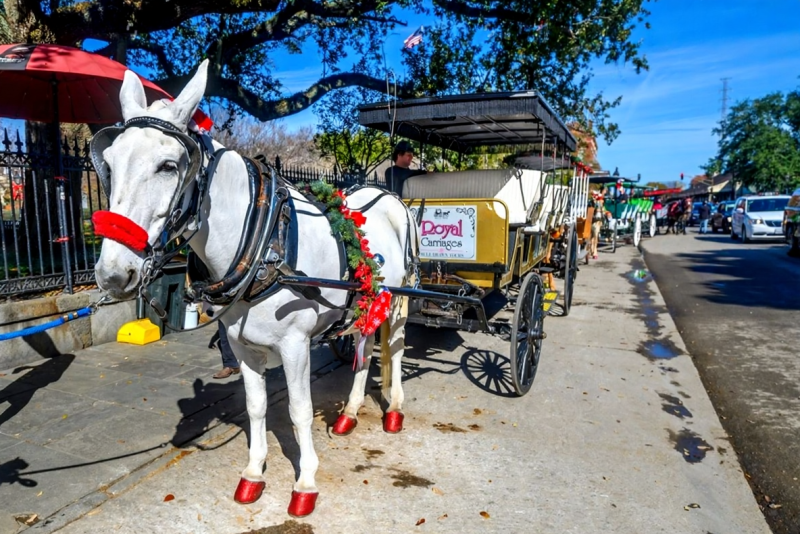
Your Practical Guide to a New Orleans Christmas Vacation
A little planning goes a long way in making your New Orleans holiday trip seamless and spectacular. Here is the essential information you need to navigate the city during this festive season.
When to Visit and What to Pack
To get the full experience, plan to arrive at least a few days before Christmas Eve. This gives you time to enjoy the Réveillon dinners, see the lights, and soak in the festive atmosphere before the main events.
New Orleans weather in December is typically mild but can be unpredictable. Packing is all about layers:
Light Layers: Bring sweaters, long-sleeved shirts, and a medium-weight jacket. Daytime temperatures can be pleasant, but it gets chilly at night, especially near the river.
Comfortable Walking Shoes: The best way to explore the French Quarter and other historic neighborhoods is on foot. You will be doing a lot of walking, so comfortable shoes are non-negotiable.
A Festive Outfit: Pack something a little dressier for your Réveillon dinner or a holiday concert.
Rain Gear: A compact umbrella or a light raincoat is always a smart addition, just in case of a passing shower.
Pro-Tip: The St. Charles Streetcar line offers a magical and incredibly affordable sightseeing tour. For the price of a single fare, you can ride through the stunning Garden District, where grand historic mansions are adorned with elegant and elaborate holiday decorations. It's a low-cost activity with a huge festive payoff.
Getting Around the City
Navigating New Orleans during the holidays is relatively easy.
Walk: The French Quarter is compact and best explored on foot.
Streetcar: The historic streetcar lines are a charming and efficient way to travel between neighborhoods like the French Quarter, the Garden District, and Mid-City (for City Park).
Rideshare: Services like Uber and Lyft are widely available for destinations not easily reached by public transit.
Tours: For experiences like the bonfires on the levee, organized tours are the most convenient option, eliminating the stress of driving and parking in heavy traffic.
To truly master the city's layout, uncover hidden gems, and plan the perfect itinerary beyond the holidays, our comprehensive Travel Guide is an indispensable resource. It's packed with insider knowledge, detailed maps, and neighborhood guides that turn a good trip into an absolutely unforgettable one.
An Unforgettable Holiday Steeped in Creole Soul
A New Orleans Christmas is a feast for all the senses. It’s the smoky scent of bonfires on the cool night air, the rich flavor of a generations-old Réveillon recipe, the sound of a jazz band playing "Silent Night" on a French Quarter corner, and the sight of a historic square glowing with candlelight. It is a celebration that completely redefines what Christmas in the USA can be, trading commercial frenzy for authentic culture, deep-rooted history, and an abundance of soul.
You now have the blueprint to craft a holiday experience filled with fiery spectacle, culinary delights, and traditions you simply won't find anywhere else on earth. You are ready to step away from the ordinary and embrace a Christmas that is as unique, vibrant, and unforgettable as the city itself.
Ready to trade snow for bonfires and bland for bold? Start planning your unforgettable New Orleans holiday adventure today.
Don't Miss Out! Subscribe for Exclusive Content
SubscribeComments 0
No comments yet
Be the first to share your experience!
Dont Miss Out! Subscribe for Exclusive Content

San Francisco Cherry Blossoms: A Local's Guide to the Blooms

Halloween SF: Haunts Without Horrors

SF Festivals: 7 Must-See Lineups

Christmas SF: Lights & Wharf Wonders

SF Pride: 6 Route & Party Hacks
