
CA Family Beach Vacations: A Pro's Planning Guide

TrekGuider @trekguider
Staring at a map of California's 840-mile coastline can feel overwhelming. You're searching for one perfect stretch of sand that pleases everyone—from toddlers who need calm water to teens who crave adventure. The fear of choosing wrong is real: a trip ruined by unsafe surf, zero parking, or the dreaded "I'm bored" can turn a dream vacation into a stressful ordeal.
This guide is your antidote to that analysis paralysis. We'll give you a clear framework for picking the right beach for your family's unique needs, ensuring your trip is filled with golden-hour memories, not logistical nightmares.
Choosing the right destination is the first step in planning an amazing trip, a core principle we cover in our comprehensive guide to Family Travel Ideas: The 2026 Guide to Unforgettable Trips. This playbook will give you the California-specific details you need to make the perfect choice.

First, Define Your Perfect Beach: A 4-Point Framework for California
California's coastline is stunningly diverse. The secret to a successful trip is finding a beach that suits your family's needs. Before looking at a map, use this framework to determine your family's “beach DNA” and find the perfect option.
Type 1: Calm & Shallow Waters (Best for Toddlers & Cautious Swimmers)
Let's be honest—when you're traveling with toddlers, 'safety' isn't just a priority; it's the entire game. You need waters that are less 'crashing surf' and more 'gentle bathwater.' These beaches are characterized by gentle, lapping waves, shallow entry points, and natural protections like coves or bays.
Top California Picks: La Jolla Shores (San Diego), Coronado Central Beach (San Diego), Avila Beach (Central Coast).
Type 2: Active & Adventurous Shores (Best for Kids & Teens)
If your crew gets restless just sitting on the sand, you need a destination with built-in action. These are the hubs for boogie boarding, learning to surf, pier fishing, and boardwalk cycling. The energy here is palpable, and there's always something to do.
Top California Picks: Huntington Beach ("Surf City USA"), Santa Monica State Beach (Los Angeles), Pismo Beach (Central Coast).
Type 3: Full-Service & Amenity-Rich (For Maximum Convenience)
These are the beaches for families who want everything at their fingertips. Think easy parking, clean restrooms, on-duty lifeguards, nearby playgrounds, and plenty of places to grab a snack or rent equipment. They are designed to minimize friction and maximize relaxation.
Top California Picks: Moonlight State Beach (Encinitas), Main Beach (Laguna Beach), Carmel Beach (Carmel-by-the-Sea).
Type 4: Natural & Unspoiled Coasts (For Exploration & Wildlife)
For families who want to escape the crowds and connect with nature, these beaches offer tide pools teeming with life, scenic hiking trails, and the chance to spot wildlife, from barking sea lions to migrating whales.
Top California Picks: Leo Carrillo State Park (Malibu), Point Dume State Beach (Malibu), Stinson Beach (Marin County).

Southern California (SoCal): A Deep Dive into Family Beach Vacations
SoCal is the classic choice for family beach vacations for a reason: it delivers iconic sunshine, relatively warm water, and an unmatched density of attractions. From San Diego to Malibu, this region packs in a staggering variety of coastal experiences.

San Diego County: America's Finest Family Beaches
Often considered the gold standard, San Diego offers a perfect equilibrium between pristine beaches and world-class attractions.
La Jolla Shores: This is arguably the best beach in California for families with toddlers. A mile-long sandy expanse with some of the gentlest waves on the West Coast, it's perfect for splashing and sandcastle construction. The adjacent Kellogg Park has a fantastic playground.
Don't Miss: Book a guided kayak tour to paddle over the La Jolla Underwater Park—you'll see sea lions, bright orange Garibaldi fish, and (harmless) leopard sharks swimming right below you. It's an unforgettable experience for kids ages 6 and up.
Coronado Central Beach: Famous for its iconic Hotel del Coronado backdrop and shimmering, mica-infused sand, Coronado is wide, flat, and impeccably clean. The surf is typically gentle, and the sheer size means you can always find your own space.
Insider Tip: At low tide, fantastic tide pools emerge at the southernmost end of the beach, offering a great, free activity for curious kids.
Moonlight State Beach (Encinitas): For the family that values pure, unadulterated convenience, this beach in the surf town of Encinitas is your holy grail. It features a large, dedicated parking lot, clean restrooms, a snack bar, and a great playground right on the sand.
Insider Tip: The beach is situated in a natural bowl, which keeps it somewhat protected from the wind, making it a comfortable spot to spend the entire day.
Orange County: From "Surf City" to Art Coves
The OC offers a more polished, upscale beach experience, with beautifully maintained towns and legendary surf breaks.
Huntington Beach: Known globally as "Surf City USA," this is the place for an active family. The energy is infectious.
Don't Miss: Beyond surf lessons, rent a multi-person surrey bike and cruise the 10-mile paved beach path. At night, grab a fire pit (first-come, first-served) for the ultimate s'mores experience.
Newport Beach: Centered around the Balboa Peninsula, Newport offers two distinct experiences. The ocean side has bigger waves perfect for boogie boarding, while the bay side (at the Balboa Fun Zone) offers calm waters, boat rentals, and a classic Ferris wheel.
Insider Tip: Take the historic Balboa Island Ferry for a charming, scenic trip across the harbor. Kids love it, and it’s a budget-friendly thrill.
Main Beach (Laguna Beach): Nestled in a charming, artsy town, Main Beach has a "Coke commercial" vibe with its central lifeguard tower and boardwalk.
Don't Miss: The real magic of Laguna lies in its many small coves. A short walk south brings you to Treasure Island Beach, which has some of the most accessible and vibrant tide pools in all of SoCal.

Los Angeles County: Iconic Piers and Urban Shores
LA's beaches are vibrant and full of character, offering everything from entertainment hubs to quiet, natural retreats.
Santa Monica State Beach: The Santa Monica Pier, with its amusement park and aquarium, makes this a can't-miss destination. The beach itself is massive, providing ample room for everyone.
Don't Miss: Renting bikes and riding south to the Venice Beach Boardwalk is a quintessential LA family experience, filled with street performers and unique sights.
Leo Carrillo State Park (Malibu): For a completely different vibe, head north to Leo Carrillo. This stunning beach is famous for its sea caves and fascinating tide pools. It's a place for exploration, where kids can hunt for sea stars, crabs, and anemones.
Insider Tip: Check the tide charts before you go. The sea caves are only accessible and safe to explore during low tide.
Pro-Tip: Southern California experiences a weather pattern known as "May Gray" and "June Gloom," where a persistent marine layer can keep the coast cloudy and cool until the early afternoon. If you're planning a trip during these months, schedule other activities for the morning and plan for your main beach time after lunch when the sun typically breaks through.
When to Go: A Seasonal Guide to the California Coast
Choosing the right time to visit can make or break your trip. Here’s a breakdown:
Summer (June-August): The classic choice with the warmest weather and water temperatures. Pros: Everything is open, and the vibe is energetic. Cons: Massive crowds and peak pricing for flights and lodging.
Fall (September-October): This is the locals' secret. Pros: The best weather of the year, with warm, sunny days and far fewer crowds. Water is still warm from the summer. Cons: Kids are back in school, making it tougher for families.
Winter (November-February): A great time for a different kind of beach trip. Pros: Lowest prices and no crowds. It's also the best time for whale watching. Cons: Water is too cold for swimming without a wetsuit, and you might get some rain.
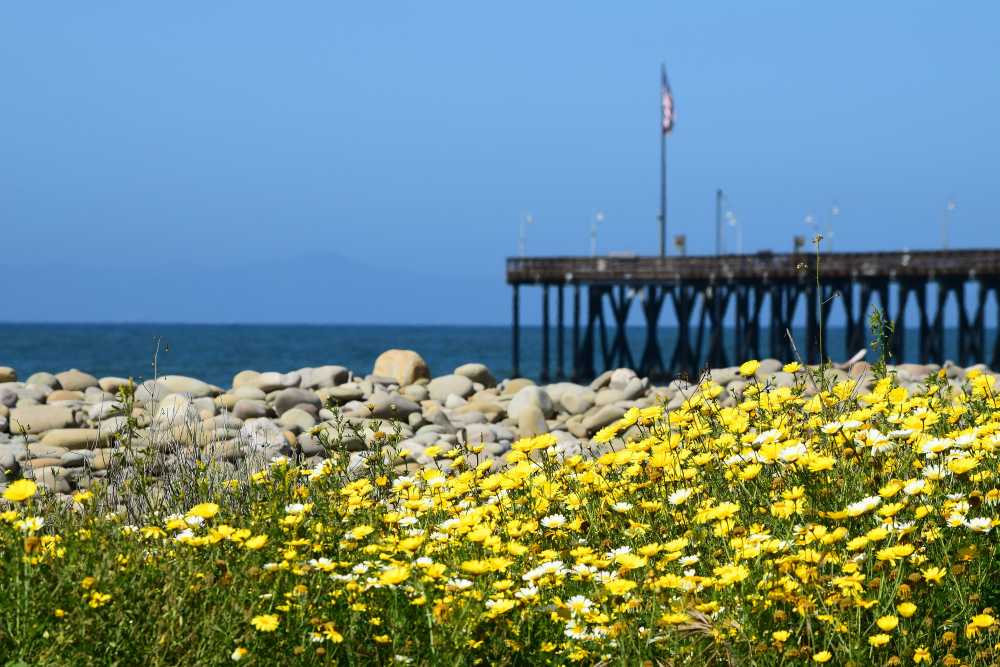
Spring (March-May): A mixed bag. Pros: Beautiful wildflowers, pleasant weather for non-swimming activities. Cons: The weather can be unpredictable, and the water is still very cold. "June Gloom" can start as early as May.
Central Coast & Northern California: Unspoiled Beauty
For families seeking a more tranquil and nature-focused trip, the coasts north of LA offer dramatic scenery, charming small towns, and a welcome escape from the crowds.

The Central Coast: A Slower Pace of Life
Pismo Beach: A classic California beach town, Pismo is famous for its long fishing pier and being the "Clam Capital of the World."
Don't Miss: It's one of the few places where you can legally drive on the beach (in designated areas), making it a hub for ATV rentals and a unique family adventure.
Avila Beach: Tucked into a sunny cove, Avila is often warmer and less windy than its neighbors. The calm waters of the bay are perfect for paddleboarding and kayaking.
Insider Tip: Walk to the end of the Harford Pier to see sea lions lounging and barking up close.
The Bay Area & North: Boardwalks and Rugged Coastlines
Santa Cruz Main Beach: Home to the West Coast's oldest seaside amusement park, the Santa Cruz Beach Boardwalk is a paradise for kids and teens. The combination of classic roller coasters, arcade games, and a wide sandy beach is unbeatable.
Insider Tip: Buy your ride tickets online in advance to save money and skip the ticket lines.
Stinson Beach (Marin County): Just a spectacular drive from the Golden Gate Bridge, Stinson is a vast expanse of white sand with relatively calm water for a NorCal beach. It feels like a world away from the city.
Insider Tip: The drive on Highway 1 to get there is gorgeous but winding. If anyone in your family is prone to car sickness, be prepared. It's a key part of what we cover in The Sanity-Saving System for Your Next Family Road Trip.
Explore California's Iconic Coastline
Planning to drive the dramatic coast around Big Sur? Don't leave it to chance. Download our free Big Sur Map & Itinerary for a curated route, must-see stops, and insider tips to make the most of this unforgettable drive.
Your California Beach Trip Playbook
A great plan is what separates a stressful trip from a relaxing one. Here’s how to manage the practical side of your California family beach vacation. For a deeper dive into simplifying the entire process, check out our guide on How to Make Family Travel Planning Actually Easy.
Step 1: Budgeting for the Golden State
Lodging: Vacation rentals are often more cost-effective than hotels for families. Book 3-6 months in advance.
Food: Pack a cooler for your beach days. This can save you $50-$100 per day.
Parking: Beach parking can range from $10-$30. Look for free residential parking a few blocks away.
Activities: Focus on free fun! Sandcastle building, tide pooling, and pier strolling cost nothing.
Sample 5-Day SoCal Budget (Family of 4)
Step 2: The Essential California Beach Packing List

The key is layers. Coastal weather can change in an instant.
Sun Protection: High-SPF sunscreen (reef-safe), wide-brimmed hats, sunglasses, and a rash guard for each child.
The Layers: In addition to swimsuits, everyone needs a sweatshirt or fleece.
Beach Gear: A lightweight beach tent or umbrella, sand toys, boogie boards, and a good cooler.
Footwear: Flip-flops and comfortable walking shoes.
First-Aid Kit: Include bandages, antiseptic wipes, pain reliever, and aloe vera gel.
Pro-Tip: For notoriously difficult parking areas like Santa Monica or Laguna Beach, use an app like SpotHero or ParkWhiz to reserve a parking spot in a nearby garage ahead of time. It can save you an immense amount of stress.
Frequently Asked Questions
What is the best month for a California family beach vacation?
September and October are often considered the best months. You'll enjoy warm, sunny weather and ocean temperatures held over from summer, but with significantly fewer crowds. While summer is classic, it brings peak prices and packed beaches.
Which California beach is the absolute best for toddlers?
La Jolla Shores in San Diego is widely considered the top choice for families with toddlers. Its waves are exceptionally gentle, the sandy shoreline has a very gradual slope, and the adjacent Kellogg Park offers a convenient playground.
Is it better to stay in San Diego or Orange County for a family trip?
It depends on your priorities. San Diego is ideal for families with younger kids, offering calmer beaches like La Jolla and world-class attractions. Orange County offers a more polished experience and is great for active families with older kids or teens, with hubs like Huntington Beach for surfing.
Besides swimsuits, what is one essential item to pack for a California beach day?
Layers, specifically a sweatshirt or fleece for everyone in the family. California's coastal weather can change quickly, with cool marine fog in the morning and breezy afternoons. Having a warm layer ensures you'll be comfortable all day long.
Conclusion
A successful California family beach vacation isn't about finding a secret spot—it's about matching the right beach to your family's unique travel style. Whether you need the gentle bays of San Diego for a toddler's first splash or the vibrant energy of Santa Cruz for your teens, the Golden State has the perfect patch of sand waiting for you.
You now have the framework and destination intelligence to move from planning to action. With this playbook, you're ready to choose your spot, pack your bags, and make this the trip that actually happens. To help you with the bigger picture, see our guide on How to Plan a US Family Vacation That Actually Happens.
Read the full guide: Family Travel Ideas: The 2026 Guide to Unforgettable Trips
Don't Miss Out! Subscribe for Exclusive Content
Subscribe



Comments 0
No comments yet
Be the first to share your experience!
Dont Miss Out! Subscribe for Exclusive Content

Ultimate USA Holidays Guide: Top Picks


FTC Affiliate Disclosure Essentials: Stay Compliant as a Travel Creator

Essential Affiliate Tools: From Tracking to Full Optimization

Booking.com Affiliate Program Review: Pros, Cons, and Earnings Potential

Decoding Affiliate Commission Rates: Benchmarks for Travel Creators

Amazon Associates for Travel: Strategies to Maximize Commissions
7 Proven Affiliate Marketing Tips to Skyrocket Travel Income
TrekGuider @trekguider
You know the feeling. You pour your heart into creating stunning, genuinely helpful travel content. You’ve built an audience that trusts you, joined the right programs, and carefully placed your affiliate links. Yet, when you check your income reports, the numbers are stubbornly, frustratingly flat. There’s a chasm between the immense effort you’re putting in and the revenue trickling out, leaving you wondering how other creators are funding their global adventures while you’re struggling to cover your hosting costs.
That gap isn’t about luck or a bigger audience—it’s about strategy. The affiliate marketing industry is a $93 billion juggernaut, and with the travel vertical accounting for a hefty 16% of that pie, the opportunity is monumental. The creators hitting the reported average of $13,847 a month aren’t just content publishers; they are strategic business operators. They understand that a few critical optimizations are the difference between earning pennies and earning a living.

This guide delivers those optimizations. We’re moving beyond the basics and diving deep into the proven, actionable affiliate marketing tips that will fundamentally transform your results. These are the tactical shifts that turn passive link-placers into high-earning entrepreneurs. Put these strategies into play, and you'll build a more resilient and profitable business. For a complete command of the entire ecosystem, our definitive pillar page, Travel Affiliate Programs: The 2026 Ultimate Guide, is your essential command center.
1. Target “Commercial Investigation” Keywords First
Let’s start by correcting the single biggest mistake in the affiliate playbook. Most creators produce content first, then try to shoehorn links in later. The elite strategy? Reverse-engineer the entire process. Start by targeting keywords that signal a user is already in a buying mindset. SEO professionals call this "commercial investigation intent."
Attracting a reader searching for "what to do in Rome" is fine. Attracting a reader searching for "Viator vs GetYourGuide Rome tours" is pure gold. The second user has their wallet out; your job is simply to guide their final decision.

Build your content calendar around these high-conversion keyword patterns:
"Best Of" Keywords: "best carry-on luggage for international travel," "best travel insurance for digital nomads."
Comparison Keywords: "SafetyWing vs World Nomads," "Booking.com vs Expedia."
Review Keywords: "G Adventures Peru tour review," "Osprey Farpoint 40 review."
Alternative Keywords: "GetYourGuide alternatives," "Marriott Bonvoy alternatives."
When you build content around these phrases, you’re meeting an audience that doesn’t need to be convinced to buy—they just need an expert to help them decide what to buy.
2. Obsess Over Cookie Duration, Not Just Commission Rates
A high commission rate is seductive, but it’s often a vanity metric. The real powerhouse behind the scenes is the cookie duration—the window of time after a click where you still get credit for the sale. Travel is a high-consideration purchase, often involving days or even weeks of research. A short cookie window is a guaranteed way to lose income you rightfully earned.
Consider this all-too-common scenario:
Program A (e.g., Booking.com): Touts a high commission but uses a "session-based" cookie. If your reader clicks, browses, and closes the tab to think it over, your cookie evaporates. When they return the next day to book, you earn nothing.
Program B (e.g., Expedia Group): Offers a solid commission with a 7-day cookie. Your reader can click today, do more research, and book five days later—and you still get paid for the referral.

For high-ticket items like adventure tours, this is even more critical. G Adventures offers a 90-day cookie because they know a $3,000 trip isn't an impulse buy. Always prioritize the longer cookie duration; it respects the customer's journey and ensures you are properly compensated for your influence.
3. Engineer Trust Through Radical Transparency
In the creator economy, trust is your most valuable currency. Without it, no amount of traffic or clever tactics will ever lead to meaningful conversions. The fastest way to build and fortify that trust is through radical transparency.
This begins with your FTC disclosure. Don't bury it in your footer. Place a clear, simple disclosure at the very top of every article containing affiliate links. But don't stop at the legal minimum. Weave transparency into the very fabric of your content:
Share the "Why": Don't just link to a product. Explain why you’re recommending it from personal experience. "I've carried this Peak Design travel backpack across three continents; here's how it held up in the chaos of Tokyo's subways and the jungles of Costa Rica."
Acknowledge the Flaws: No product is perfect. Mentioning a minor drawback or clarifying who a product is not for makes your recommendation exponentially more believable and useful.
Leverage Social Proof: Include screenshots of positive reviews, user-generated content, or testimonials to validate your recommendation and show that others have had a great experience.
When your audience knows you prioritize their best interests above all else, they will trust your recommendations implicitly and convert without hesitation.
4. Become a Conversion Rate Scientist: One of the Most Crucial Affiliate Marketing Tips
Getting the click is only half the battle. Converting that click into a commission is where the science of optimization comes in. Your mission is to make the path from your content to the merchant's checkout as seamless and compelling as possible.
Fight Analysis Paralysis: Presenting 20 options for the "best hotel in Paris" will overwhelm your reader into inaction. Curate your list to a top 3-5 and declare a clear "Top Pick" for a specific type of traveler (e.g., "Best for Budget," "Best for Luxury"). This expert guidance simplifies their decision and boosts their confidence to click.
Optimize Your Calls-to-Action (CTAs): Banish "Click Here" from your vocabulary. Your CTAs must be specific, benefit-driven, and visually distinct. Use eye-catching buttons with contrasting colors and compelling text like:
"Check Prices & Availability on Viator"
"See the Latest Reviews on Tripadvisor"
"Get a Free Quote from SafetyWing"
Crush Your Page Load Speed: Every second counts. Industry data shows that a mere one-second delay in page load speed can slash conversions by a staggering 7%. Compress your images, use a lightweight theme, and invest in quality hosting. A fast website is a profitable website.

Pro-Tip: Use comparison tables to visually organize information for head-to-head reviews. Tables make it incredibly easy for readers to scan key features, pros, and cons, which is a highly effective method for driving clicks on high-intent pages.
5. Diversify Your Portfolio to Build a Resilient Business
Relying on a single affiliate program—especially a giant like Amazon Associates—is one of the most common and dangerous affiliate marketing mistakes. Terms can change overnight, commissions can be slashed, and programs can shut down with little warning.
A resilient affiliate business is built on a diversified portfolio. Aim to partner with 3-5 core programs that are a perfect fit for your niche. A healthy, strong mix for a travel creator might include:
Accommodations: Expedia Group or Agoda
Tours & Activities: Viator or GetYourGuide
Insurance: SafetyWing or World Nomads
Gear: Amazon Associates and a specialty retailer like REI
This diversification insulates you from risk and creates multiple, independent income streams, ensuring that a negative change in one program doesn't cripple your entire business.
6. Go Beyond Links: Diversify with a Referral Model
One of the most powerful affiliate marketing tips for creators ready to level up is to look beyond traditional commission-per-sale models. A referral program creates a win-win scenario that can be even more lucrative while building deeper community ties.
Unlike a standard affiliate link, a referral link often gives a direct benefit to the person who clicks it, like a discount on their first purchase. This instantly reframes your recommendation from a sales pitch to a valuable insider deal.

This is precisely the model we’ve built into the TrekGuider Seller Platform. It’s designed to be a high-margin addition to your monetization strategy. When you refer fellow creators to sell their digital products on our marketplace, you unlock a powerful new income stream:
Your Audience Wins: New users who sign up with your link get a 15% discount on their first purchase, giving them an immediate, tangible benefit.
You Win: You earn an ongoing revenue share from the platform's earnings when you bring new sellers aboard. This creates a long-term, passive income stream that grows as your network succeeds.
Integrating a referral model like this adds a powerful layer of diversification and transforms you from a simple affiliate into a true platform partner.
7. Create Your Own High-Margin Product
The final, and most profitable, tip is to realize that the highest commission you can ever earn is 100%. The world’s top-earning creators all understand this: the most valuable product you can ever promote is your own.
Affiliate marketing is the perfect training ground. You learn what your audience needs, what they are willing to pay for, and how to sell it to them. The next logical step is to package your own expertise into a premium digital product.
A detailed, 7-day downloadable itinerary for a city you know inside and out.
A comprehensive guide to "Van Life for Beginners."
A set of your signature Lightroom presets for travel photography.

Selling your own products gives you complete control over your income, brand, and customer relationships. It is the ultimate strategy for diversifying your revenue and building a true content empire.
Ready to Build Your First Digital Product?
The most successful creators know that affiliate income is just one piece of the puzzle. Creating and selling your own digital products offers unparalleled profit margins and authority. But where do you start?
Our free Digital Product Ideas Guide is packed with dozens of proven, profitable ideas specifically for travel creators. Download it today to find the perfect product for your audience and start building your own content empire.
Frequently Asked Questions (FAQ)
1. How many affiliate programs should I join when starting out? Start with a focused portfolio of 3-5 core programs that are a perfect fit for your niche. It's far more effective to deeply integrate a few high-performing programs than to sprinkle links from dozens of them. You can always expand as your business grows.
2. Do I really need a link management plugin? Yes, it's essential for any serious affiliate marketer. Tools like ThirstyAffiliates or Pretty Links "cloak" long, ugly affiliate links into clean, branded URLs. More importantly, they allow you to manage all your links from a central dashboard, which is a massive time-saver and helps ensure compliance with Google's rel="sponsored" tag requirement.
3. How do I properly disclose affiliate links to stay FTC compliant? The FTC requires a "clear and conspicuous" disclosure. This means it must be placed at the top of your blog post, before any affiliate links appear. It should be in plain, easy-to-understand language. Hiding it in the footer or on a separate page is not compliant.
Your Blueprint for Exponential Growth
Becoming a top-earning affiliate marketer isn't about finding a single secret hack. It is about the consistent application of proven strategies. By implementing these seven affiliate marketing tips, you will evolve from a content creator into a strategic business owner.
You will attract higher-quality traffic, build deeper trust with your audience, convert more clicks into commissions, and build a diversified, resilient business that can fund your travels for years to come. The roadmap is clear. The opportunity is waiting. It’s time to start optimizing.
Read the full guide: The Travel Blogger's Playbook to Affiliate Marketing Mastery
Don't Miss Out! Subscribe for Exclusive Content
SubscribeComments 0
No comments yet
Be the first to share your experience!
Dont Miss Out! Subscribe for Exclusive Content
FTC Affiliate Disclosure Essentials: Stay Compliant as a Travel Creator
Essential Affiliate Tools: From Tracking to Full Optimization

Avoid These 5 Affiliate Landing Page Mistakes for Better Conversions

Affiliate Keyword Research Mastery for Travel Blogs
Booking.com Affiliate Program Review: Pros, Cons, and Earnings Potential
Decoding Affiliate Commission Rates: Benchmarks for Travel Creators
How to Plan a US Family Vacation That Actually Happens
TrekGuider @trekguider
Does the dream of a family vacation always seem to get buried under a pile of school projects and work deadlines? You want to make those precious memories, but the sheer effort of planning a big trip—the budget, the flights, the sprawling itinerary—feels completely overwhelming. That dream gets pushed to the “maybe next year” pile, and another opportunity slips away.
This is the cycle of vacation procrastination. The pressure to make every trip a grand, epic adventure creates a paralysis that keeps you at home. Weekends blur into a routine of errands and screen time, and you’re left with the nagging feeling that you’re not making the most of your time together.
This guide is the antidote. We’re here to champion the art of the short-form getaway—the powerful, transformative two- or three-day trip. A well-executed weekend escape can recharge your family, create lasting inside jokes, and deliver that essential change of scenery without the strain of a major holiday. While a grand tour has its place, as we explore in our comprehensive Family Travel Ideas: The 2026 Guide to Unforgettable Trips, mastering the weekend trip is a practical skill that pays dividends all year long. This is your roadmap to choosing the perfect spots for a quick, high-impact getaway that actually happens.

The Weekend Warrior: Why Short Trips Are a Family’s Secret Weapon
Before we dive into destinations, it’s crucial to understand the real advantage of short-form travel. In our fast-paced world, the weekend getaway isn’t a lesser version of a vacation; in many ways, it’s a superior model for modern families.
It Obliterates Decision Fatigue: Planning a three-day trip requires a fraction of the decisions needed for a ten-day epic. You’re choosing two nights of accommodation, not nine. You’re planning six meals, not thirty. This lower logistical barrier is the key to moving from idea to action.
It's a Budget-Friendly Power-Up: The math is simple. Fewer nights, fewer meals, and shorter travel distances mean a significantly lower overall cost. This makes travel more accessible more often.
It Forces Frequent Reconnection: Long breaks are fantastic, but the daily grind can quickly erode that post-vacation glow. Frequent weekend trips act as regular “reconnection points” for your family, reinforcing bonds and breaking up monotony.
It's a Low-Stakes Laboratory: A weekend trip is the perfect environment to test new travel styles. Want to see if your kids enjoy hiking? A two-night trip to a mountain town is a much lower-risk experiment than a full week in a national park.

The 72-Hour City Break: Culture and Energy for the Urban Explorer
A city break is a masterclass in efficiency. It's a high-impact dose of culture, cuisine, and energy, perfectly contained within a 72-hour window where your own two feet are the best mode of transport. These destinations are perfect for a short-form family vacation adventure.
Boston, Massachusetts: A Walk Through American History
For families with school-aged children, Boston is a living classroom. The city’s compact core makes it incredibly easy to explore on foot, turning a simple walk into an unforgettable journey.
Can't-Miss Experiences: Walk the 2.5-mile Freedom Trail, a red-brick line connecting 16 nationally significant historic sites. Kids will love the energy of Faneuil Hall Marketplace and the chance to climb aboard the USS Constitution (“Old Ironsides”). The Boston Children’s Museum is legendary for hands-on fun.
Must-Try Food: Grab a cannoli from Mike’s Pastry or Modern Pastry in the North End. For a classic experience, head to the Union Oyster House, one of America’s oldest restaurants.
Logistics: Leave the car behind. Boston is best navigated via the “T” (its subway system) and your own two feet.

Savannah, Georgia: Southern Charm and Spooky Stories
Savannah drips with Spanish moss and southern charm, offering a unique and atmospheric weekend escape. Its famous historic squares provide beautiful, built-in parks for kids to run around in between sightseeing.
Can't-Miss Experiences: Explore Forsyth Park and the 22 historic squares. For older kids and teens, take a family-friendly evening ghost tour to learn about the city’s spooky legends. A 20-minute drive to nearby Tybee Island offers a perfect beach day.
Must-Try Food: Enjoy classic southern cooking at The Olde Pink House or grab a casual slice at Vinnie Van Go-Go's in City Market. A scoop from Leopold's Ice Cream is non-negotiable.
Logistics: Savannah’s historic district is very walkable. A rental car is only necessary if you plan to visit Tybee Island.
Chicago, Illinois: Big City Fun, Midwestern Heart
The Windy City is a world-class destination that feels surprisingly manageable for a weekend. With its stunning lakefront, incredible museums, and friendly vibe, it’s a fantastic choice for an urban family getaway.
Can't-Miss Experiences: Millennium Park is a must-do for a picture with "The Bean" (Cloud Gate). See Sue, the world’s most complete T. rex, at The Field Museum. The Shedd Aquarium and the Adler Planetarium are conveniently located on the same Museum Campus. An architectural boat tour is a surprise hit with all ages.
Must-Try Food: You can’t leave Chicago without trying deep-dish pizza from Lou Malnati’s or Giordano’s. For a fun, casual meal, head to Portillo's for a classic Chicago-style hot dog.
Pro-Tip: If you plan on visiting multiple museums, look into the Chicago CityPASS. It can offer significant savings and often lets you skip long lines—a lifesaver with impatient kids.
The Nature Reset: Fresh Air and Open Spaces
Sometimes the best way to reconnect is to disconnect from everything else. These destinations offer stunning scenery and a much-needed change of pace, perfect for a rejuvenating weekend.

Asheville, North Carolina: Gateway to the Blue Ridge Mountains
Nestled in the heart of the Blue Ridge Mountains, Asheville is a vibrant, artsy town surrounded by breathtaking natural beauty. It’s the perfect basecamp for families who love the outdoors but also appreciate great food.
What to Do: The top attraction is the Blue Ridge Parkway, one of America’s most scenic drives. Pack a picnic and stop at the numerous overlooks. There are hundreds of hiking trails for all skill levels; the relatively easy Craggy Gardens Pinnacle trail offers huge 360-degree views.
Where to Stay: Consider renting a cabin just outside the city to fully immerse yourselves in the mountain setting.
Good to Know: The weather in the mountains can change quickly. Always pack rain jackets and an extra layer, even if the forecast looks clear.
The Poconos, Pennsylvania: A Four-Season Mountain Retreat
For generations, the Poconos have been a go-to weekend getaway for families in the Northeast, and for good reason. This region offers a massive variety of activities that change with the seasons.
What to Do: In the summer, enjoy boating on Lake Wallenpaupack. The region is also home to several excellent indoor waterparks, like Kalahari Resorts. In the fall, the foliage is spectacular. In the winter, Camelback Mountain offers family-friendly skiing and snow tubing.
Where to Stay: The Poconos excel at family-friendly resorts that offer all-in-one vacation experiences.
Pro-Tip: Many state parks have beautiful and affordable lodges or cabins that can be booked online. They offer a rustic, immersive experience with more amenities than camping.
Lake Tahoe, California/Nevada: Alpine Beauty and Recreation
Straddling the border of California and Nevada, Lake Tahoe is a stunning, crystal-clear alpine lake surrounded by the majestic Sierra Nevada mountains. It’s an outdoor playground that offers distinct experiences in winter and summer.
What to Do: Summer is all about the water. Visit Sand Harbor for its beautiful, family-friendly beach. Rent kayaks to explore the impossibly blue waters of Emerald Bay. In the winter, the area transforms into a ski destination, with resorts like Heavenly and Northstar.
Altitude Awareness: The base elevation at Lake Tahoe is over 6,200 feet. For the first day, take it easy and drink more water than you think you need to let your family acclimate.

A Guide to Flawless Execution
A list of great destinations is just a starting point. The real magic of a stress-free weekend lies in the execution. This is the playbook that separates the frazzled travelers from the weekend warriors.
1. Master the Clock: The Friday to Sunday Formula
The key to a successful weekend trip is maximizing your time.
The Friday Escape: If possible, pull the kids from school an hour or two early and hit the road before the evening rush hour. This single move can save you hours of traffic-induced stress.
Low-Key Arrival: Don’t schedule a major activity for your first night. Your goal is to get settled and have a simple dinner (pizza delivery is a weekend warrior’s best friend).
The Saturday Anchor: Make Saturday your main event day. This is when you’ll tackle your must-do activity, whether it’s a museum, a big hike, or a theme park.
The Sunday Send-off: Plan one final, short activity for Sunday morning before hitting the road, like a special brunch or a final walk on the beach. It makes the last day feel like part of the vacation, not just a travel day.
2. Pack with Precision: The Weekend Luggage System
Overpacking for a short trip is a common mistake that creates unnecessary hassle.
One Bag Per Person: Institute a strict one-bag-per-person rule. This empowers older kids to be responsible for their own things.
Embrace the Packing Cube: These small organizers are a game-changer. Use them to keep complete outfits together, making mornings incredibly fast.
Build a “Go Bag”: For road trips, have one small bag that stays in the car with mission-critical essentials: snacks, wet wipes, a basic first-aid kit, portable chargers, and paper towels. A tool like our National Park Road Trip Checklist has great ideas for this, even if you aren't headed to a park.
Stop Dreaming, Start Planning
The perfect weekend trip doesn't have to be complicated. Our free, plug-and-play Travel Itinerary Template takes the guesswork out of planning. Get the simple, proven framework we use to organize our own family getaways Download the Free Template.
3. Budget for a Short Trip: Where to Splurge, Where to Save
A weekend budget requires a different mindset than a long vacation.
Splurge on Location: For a short trip, the location of your accommodation is critical. Spending a little extra to be in the heart of the action saves you hours of travel time—your most valuable commodity.
Save on Meals: You don’t need three sit-down restaurant meals a day. Plan on a fun, splurgy dinner on Saturday night, but save money by having breakfast in your hotel room and grabbing a casual lunch from a food truck or cafe.
Frequently Asked Questions
What's the biggest advantage of a short family trip?
The main advantage is the low logistical barrier. Planning for just two or three days drastically reduces decision fatigue, making it much easier to go from dreaming about a trip to actually booking it. This also makes travel more frequent and budget-friendly.
How can I save money on a weekend family vacation?
The best strategy is to splurge on a central location to save valuable travel time, while saving on meals. Pack your own breakfasts and snacks, and opt for casual lunches from cafes or food trucks instead of multiple expensive sit-down meals.
What is the best way to maximize time on a 2-3 day trip?
To make the most of your weekend, try to leave Friday afternoon to beat the worst of the traffic. Dedicate Saturday to your main "anchor" activity, and plan a smaller, final fun activity for Sunday morning so the last day still feels like part of the vacation.
The idea of a family vacation doesn't have to be a source of stress or be relegated to a once-a-year event. By embracing the power of the weekend getaway, you unlock the ability to punctuate your year with adventure, connection, and discovery. You now have a framework for choosing destinations and a playbook for executing the trip with precision.
The most important step is the next one: pick a date, book that room, and transform the idea of a trip into a tangible plan. The memories your family makes on a simple weekend trip will become just as cherished as those from a far-flung destination, and our comprehensive Travel Guide is ready when you are. Start planning today, because your next great family story is just a weekend away.
Read the full guide: Family Travel Ideas: The 2026 Guide to Unforgettable Trips
Don't Miss Out! Subscribe for Exclusive Content
SubscribeComments 0
No comments yet
Be the first to share your experience!
Dont Miss Out! Subscribe for Exclusive Content

San Francisco Cherry Blossoms: A Local's Guide to the Blooms

Halloween SF: Haunts Without Horrors

SF Festivals: 7 Must-See Lineups

Christmas SF: Lights & Wharf Wonders

SF Pride: 6 Route & Party Hacks
