
Is Solo Travel Safe? A Data-Driven Look at the Real Risks & How to Mitigate Them

TrekGuider @trekguider
You've pictured it a thousand times: a journey planned entirely for you, by you. The pure, unadulterated freedom of the open road. But then the doubt creeps in, fueled by worried questions and sensational headlines. Is it actually safe to venture out alone? That single question can be paralyzing, trapping you between a deep desire for adventure and a genuine concern for your well-being.
This constant drumbeat of fear can be deafening, causing you to second-guess your ambitions and question whether your dream of independent exploration is just a reckless fantasy.
This guide is your way through that noise. We believe that safe solo travel is not only possible but is one of the most profoundly empowering experiences a person can have. While we offer deep resources on all kinds of journeys, from group adventures detailed in our Family Travel Ideas: The 2026 Guide to Unforgettable Trips to individual quests, this article is dedicated to you, the solo explorer. It’s about replacing vague fears with a clear, data-driven assessment of the real risks and arming yourself with practical, proven strategies to manage them.

The Statistical Truth: Is Solo Travel Safe from a Data Perspective?
First, let's ground ourselves in reality, not headlines. The perception of danger, often amplified by a 24-hour news cycle, is frequently magnified far beyond the statistical truth. While any travel carries inherent risks, data shows that the world is not the uniformly dangerous place it's often made out to be.
Violent crime rates, for instance, have been on a global decline for decades. According to the United Nations Office on Drugs and Crime (UNODC), the global homicide rate has been steadily decreasing. Furthermore, areas popular with tourists are often more heavily policed and protected, simply because tourism is a vital economic engine for many countries.
The most common crimes affecting travelers are not violent assaults, but rather crimes of opportunity—preventable incidents that prey on distraction. These fall into three main categories:
Petty Theft: This is the undisputed champion of tourist troubles. It includes pickpocketing in crowded squares, snatching a phone left on a cafe table, and swiping an unattended bag. Data from cities like Barcelona and Rome consistently shows that this is, by a huge margin, the most reported crime against visitors.
Scams: From the aggressive "friendship bracelet" weavers in Paris to the notoriously creative taxi drivers in Bangkok, scams are designed to trick you out of your money through clever, non-violent deception.
Credit Card Fraud: Sophisticated skimming devices at ATMs or dishonest vendors can capture your card information, leading to fraudulent charges days or weeks later.
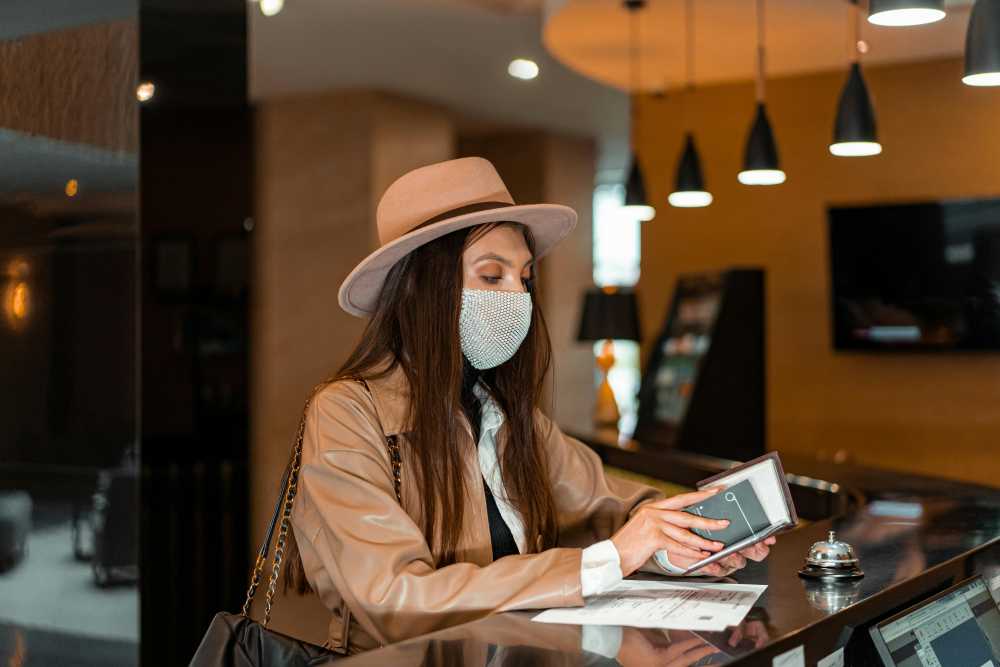
Understanding this allows for a critical mindset shift. The goal is not to build a fortress around yourself. It’s to develop smart, consistent habits that make you a "hard target" for these common, low-level threats. The answer to "is solo travel safe?" is overwhelmingly yes, provided you are prepared, aware, and informed.
Building Your Safety Foundation Before You Go
True travel safety isn't something you find; it's something you build. The foundation for a secure and confident solo trip is laid long before you ever start packing a bag. This pre-trip protocol is your blueprint for mitigating risk from the comfort of your own home.
1. Master Your Destination Before You Arrive

Every location has its own unique rhythm and set of unwritten rules. Conducting a deep analysis of your destination with safety as the primary lens is the first and most crucial step.
Consult Official Channels: Start with the U.S. Department of State's travel advisories. They provide detailed, country-specific information on everything from political unrest and health concerns to targeted advice for female or LGBTQ+ travelers. Pay attention to the overall country level, but also look for specific regional warnings.
Dig for Local Nuances: Go beyond official reports. Use travel blogs and forums to understand neighborhood dynamics. Instead of a generic search, use specific, targeted queries like "(City Name) solo female safety" or "scams to watch for in (Country)" on Reddit (r/solotravel) or Facebook groups. This uncovers the subtle, on-the-ground intelligence that guidebooks often miss.
Understand the Cultural Context: Research local customs, dress codes, and social norms. In some countries, what's considered a friendly gesture at home might be interpreted differently. Understanding and respecting the local culture not only enriches your experience but is also a powerful tool for blending in and avoiding unwanted attention.
2. Fortify Your Finances and Documents
The goal here is redundancy. You want to ensure that the loss of a single item—like your wallet or phone—is merely an inconvenience, not a trip-ending catastrophe.
Build a Digital Vault: Scan your passport, driver's license, visa, and the front and back of your credit cards. Save these as encrypted files in a secure cloud service (like Google Drive or Dropbox) and email a copy to yourself and a trusted contact. To ensure you don't miss any critical documents, our International Travel Checklist is an indispensable tool.
Distribute Your Itinerary: Leave a detailed copy of your itinerary—including flight numbers, accommodation names and addresses, and a general daily plan—with a family member or friend back home.
Diversify Your Money: Never depend on a single source of funds. Travel with at least two different credit cards and one debit card, and store them in separate locations. Keep one card in your wallet, one in a hidden pocket of your daypack, and perhaps a third in the safe back at your hotel.
Alert Your Banks: A simple but critical step. Inform your bank and credit card companies of your travel dates and destinations. This prevents their fraud detection systems from freezing your accounts when they see a transaction from a foreign country.
3. Travel Insurance
Think of travel insurance as your ultimate safety net. For a solo traveler, it's not a luxury; it's an absolute necessity. A comprehensive policy is your financial backstop for the unexpected. Look for coverage that includes:
Emergency medical and dental expenses
Emergency medical evacuation (this is critical and can cost tens of thousands of dollars without insurance)
Trip cancellation, delay, or interruption
Lost or stolen luggage and personal effects
A 24/7 emergency assistance hotline
Your On-the-Ground Toolkit for Staying Safe Solo
Once you arrive, your most powerful safety tool is situational awareness. This isn't about being paranoid; it's about being present, perceptive, and engaged with your surroundings.
Mastering the Art of Situational Awareness

This is the skill of observing your environment and making smart, proactive decisions based on what you see.
Walk with Purpose and Confidence: Even when you’re utterly lost, walk like you know exactly where you're going. Keep your head up, your shoulders back, and your pace steady. A confident posture is a natural deterrent.
Minimize Distractions, Maximize Perception: Avoid walking while staring down at your phone or wearing headphones in both ears. These actions scream "distracted tourist" and make you a prime target for pickpockets. Keep your phone in your pocket and one earbud out so you can hear your surroundings.
Blend In, Don't Stand Out: The goal is to look like a savvy local, not a bewildered tourist. Dress in a way that aligns with local styles—if locals don't wear shorts, maybe you shouldn't either. Avoid flashing expensive jewelry, wads of cash, or a high-end camera slung around your neck.
Trust Your Gut Instinct: Your intuition is a highly advanced, subconscious pattern-recognition machine. If a person, a dark alley, or a situation feels "off," it probably is. Don't hesitate or worry about being polite—remove yourself from the situation immediately.
Pro-Tip: Carry a "decoy" wallet. Get a cheap, old wallet and stock it with a small amount of local currency and some expired credit cards or old loyalty cards. Keep this in your pocket or an easily accessible part of your bag. In the unlikely event of a robbery, you can hand this over without losing your primary financial resources.
How to Guarantee Your Accommodation Is Safe for Solo Travel
Your hotel, hostel, or rental is your sanctuary. A few simple checks can ensure it stays that way.
Vet the Location: Before booking, use Google Street View to take a virtual walk around the block. Is it a deserted industrial area or a lively street with open cafes? Read recent reviews, specifically searching for keywords like "safe," "location," and "solo."
Secure Your Room: The moment you check in, test the locks on the door and windows. Always use the deadbolt and security chain when you're inside. For an incredibly effective and cheap extra layer of security, pack a simple rubber doorstop and wedge it under your door at night.
Use the Safe (That's What It's For): Don't leave your passport, extra cash, or spare credit cards lying around. Use the in-room safe. If you're in a hostel, choose one that offers secure individual lockers and bring your own padlock.
Digital Defense: Ensuring Your Solo Travel is Safe Online
In the 21st century, physical safety is only half the battle. Public Wi-Fi networks are notoriously insecure, making them prime hunting grounds for data thieves.
A VPN is Non-Negotiable: A Virtual Private Network (VPN) is an essential tool for any traveler. It encrypts your internet connection, creating a secure, private tunnel for your data that is unreadable to anyone snooping on the network.
Embrace Two-Factor Authentication (2FA): Activate 2FA on all your important accounts (email, banking, social media). This means that even if a thief manages to get your password, they can't access your accounts without a second, time-sensitive code sent to your device.
Be Wary of Public Computers: Avoid logging into sensitive accounts on public computers, like those in an internet cafe or hotel business center. If you absolutely must, use a private/incognito browsing window and be certain to log out of all accounts and clear the browser history before you leave.
Pro-Tip: Adapt the "Morning Photo" protocol for solo use. Each morning, send a quick photo of yourself (showing your outfit) and a brief text outlining your general plans for the day to a trusted contact back home. This creates a simple, timestamped visual record of your appearance and intended whereabouts.
A Crucial Guide for Solo Female Travelers

While the vast majority of safety advice is universal, it's a reality that women traveling alone can face a unique set of concerns and scrutiny. Adhering to the core principles of solo travel safety is therefore doubly important.
Confidence is Your Cloak: Your body language is your first line of defense. Walk tall, be assertive in your interactions, and don't be afraid to be firm or even loud if someone is making you uncomfortable. A simple, sharp "No" is a complete sentence in every language.
Be Mindful of Local Gender Dynamics: Research how men and women typically interact in your destination. In some conservative cultures, direct eye contact or an unsolicited smile from a woman can be misinterpreted as an invitation. Adapting your behavior isn't about submission; it's a sign of cultural respect and a smart safety tactic.
Strategically Handle Unwanted Attention: If you feel you are being followed or persistently harassed, walk directly into a busy shop, restaurant, or hotel lobby. Approach a staff member (especially another woman) and calmly explain the situation. A simple "that person is bothering me" is universally understood.
Use the "Ring" Trick: Many experienced solo female travelers wear a simple, plain band on their left ring finger, regardless of their actual marital status. It can be a simple, non-confrontational way to deter unwanted advances or questions about why you're alone.
Your Essential Toolkit for Confident Exploration
The advice in this section is just the beginning. For a deeper dive into female-specific safety strategies, real-world scenarios, and expert-level preparation, download our free Solo Female Travel Safety Guide. It's the definitive resource for every woman who's ready to see the world on her own terms.
Frequently Asked Questions
What is the most common crime against solo travelers?
The most common risks are crimes of opportunity, not violence. Petty theft, like pickpocketing and bag snatching in crowded tourist areas, is by far the most frequent issue. Being aware and keeping your valuables secure are your best defenses.
Is it safe for a woman to travel alone for the first time?
Absolutely. Thousands of women travel solo safely every day. The key is thorough preparation: choose a destination with a good safety record for solo women, research local customs, and follow the universal safety protocols outlined in this guide.
Should I carry my passport with me while I'm out exploring?
In most cases, it's safer to leave your passport secured in your hotel safe. Carry a photocopy or a digital image on your phone for identification purposes. Some countries legally require you to carry the original, so always verify the local law for your destination.
What is the single most important safety tip for a solo traveler?
Trust your intuition. More than any single gadget or tactic, your gut feeling is your best defense. If a situation or person feels wrong, remove yourself from it immediately without hesitation or apology.
Safety Is the Freedom to Explore
So, after all this, is solo travel safe? The answer is a resounding, confident yes. True safety on the road is not a matter of luck; it is the direct and empowering result of thoughtful preparation, heightened awareness, and a proactive mindset.

By shifting your perspective from a fear of the unknown to a healthy respect for the variables, you transform yourself from a potential target into a capable, worldly explorer. The strategies outlined here are not meant to make you fearful, but to make you free—free from the anxiety that holds you back, and free to embrace the incredible growth, perspective, and pure joy that only solo travel can provide. Armed with this knowledge and a commitment to smart travel practices, you can ensure your journey is not just memorable, but also profoundly safe.
Read the full guide: Family Travel Ideas: The 2026 Guide to Unforgettable Trips
Don't Miss Out! Subscribe for Exclusive Content
Subscribe



Comments 0
No comments yet
Be the first to share your experience!
Dont Miss Out! Subscribe for Exclusive Content

Ultimate USA Holidays Guide: Top Picks


FTC Affiliate Disclosure Essentials: Stay Compliant as a Travel Creator

Essential Affiliate Tools: From Tracking to Full Optimization

Booking.com Affiliate Program Review: Pros, Cons, and Earnings Potential

Decoding Affiliate Commission Rates: Benchmarks for Travel Creators

Amazon Associates for Travel: Strategies to Maximize Commissions
Is Public WiFi Safe? How to Protect Your Data Abroad
TrekGuider @trekguider
You’ve just touched down in a new country, a city buzzing with unfamiliar energy. You’re desperate to check the map to your hotel, message family that you’ve arrived safely, or book that last-minute tour. Then you see it, a digital oasis in the chaos of travel: "Free_Airport_WiFi." It feels like a lifesaver. But the moment you connect to that open network, you might as well be shouting your passwords, credit card numbers, and private messages in the middle of a crowded town square.
This isn’t a hypothetical threat; it’s a silent, digital mugging that happens every single day in airports and cafes around the globe. Every unsecured connection is a wide-open door for digital thieves who are masters at exploiting the trust of travelers. They can intercept your data, steal your identity, and drain your bank account before you’ve even claimed your luggage. This menace can cast a shadow of anxiety over your entire trip, turning a tool of convenience into a source of vulnerability.
But it doesn’t have to be this way. This guide is your solution—a simple, non-technical playbook for protecting your digital life abroad. We will demystify the dangers and provide a clear, step-by-step process for using any public network with total confidence. Mastering public wifi safety is a critical skill for the modern traveler and a key part of the masterclass in preparedness we offer in our definitive guide, The Ultimate Guide to Travel Safety: A 2026 Playbook.

The Hidden Danger: What Really Happens on Public WiFi?
The fundamental problem with most public WiFi networks—in cafes, hotels, airports, and libraries—is that they are unencrypted. Think of it like sending a postcard through the mail. Anyone who handles it along the way can read the message written on the back. When you log into your email or check your bank account on an unencrypted network, your data is sent "in the clear," making it trivially easy for a hacker on the same network to intercept and read it.
These hackers don’t need sophisticated government-level equipment. They use readily available software to "sniff" the digital airwaves, plucking your sensitive information out of the stream of data flowing around them. Their primary method for doing this is a shockingly simple and effective strategy known as a "Man-in-the-Middle" attack.
Understanding the "Man-in-the-Middle" Attack
A "Man-in-the-Middle" (MitM) attack is exactly what it sounds like. A hacker secretly positions their computer between your device (your phone or laptop) and the legitimate internet connection point (the WiFi router). You believe you’re communicating directly and securely with the websites you’re visiting, but in reality, the hacker is intercepting, reading, and potentially even altering every piece of information you send and receive.
The most common way they achieve this is through a tactic called a "malicious hotspot" or "evil twin" attack:
The Setup: A hacker sits in a busy airport or coffee shop and sets up a new WiFi network on their laptop. They give it a believable, trustworthy-sounding name, like "Airport_Guest_WiFi" or "Starbucks_Free," often mimicking the name of the legitimate network.
The Connection: Your phone, set to connect to known networks automatically, might connect to this stronger, malicious signal without you even noticing. Or, you might manually select it, assuming it’s the official network.
The Interception: The moment you connect, all of your internet traffic is routed directly through the hacker's computer. They become an invisible eavesdropper on your digital life, capturing your login credentials when you check Facebook, your credit card details when you buy something online, and the contents of your private messages.
To you, the internet works perfectly. You can browse websites and use your apps as usual. You have no idea that a digital thief is silently recording your every move.

Your Digital Bodyguard: The Ultimate Guide to Using a VPN
If an unencrypted network is like sending a postcard, then using a Virtual Private Network (VPN) is like sealing that same message inside a locked, armored briefcase before sending it. A VPN is the single most powerful and essential tool for ensuring your public wifi safety. In simple terms, a VPN is an app for your phone or computer that creates a secure, encrypted tunnel for all your internet traffic, making your data completely unreadable to anyone who tries to intercept it.
When you connect to a VPN, even if you’re on a hacker’s malicious hotspot, all they can see is a stream of indecipherable gibberish. Your passwords, bank details, and messages are completely shielded from prying eyes.
How to Set Up a VPN on Your Smartphone in 4 Simple Steps
You don’t need to be a tech expert to use a VPN. Modern VPN services are designed to be incredibly user-friendly. Here’s a simple, step-by-step guide for any non-technical traveler.
Step 1: Choose and Subscribe to a VPN Service
Before you travel, you need to sign up for a reputable, subscription-based VPN provider. Do some research by reading reviews from trusted tech websites like Wired or The Verge. Crucially, avoid "free" VPN services. These companies have to make money somehow, and they often do it by logging your online activity, selling your data to advertisers, or, in the worst cases, embedding malware in their own software. A paid subscription to a well-known provider is a small investment for ironclad security.
Step 2: Download and Install the VPN App
Once you’ve created an account on the VPN provider’s website, the next step is to get the app on your phone.
On an iPhone: Go to the App Store, search for the name of your chosen VPN (e.g., NordVPN, ExpressVPN, Surfshark), and tap "Get" to download and install it.
On an Android phone: Go to the Google Play Store, search for the name of your VPN provider, and tap "Install."
Step 3: Log In and Grant Permissions
Open the newly installed app. You’ll be prompted to log in using the email and password you created when you subscribed. The very first time you try to connect, the app will ask for permission to add a VPN configuration to your phone's settings. A standard system pop-up from iOS or Android will appear. You must tap "Allow" or "OK." This is a necessary and safe step that allows the app to manage your phone's internet connection.
Step 4: Connect to a VPN Server
This is the easiest part. Most VPN apps are designed for one-tap simplicity.
The app’s main screen will almost always feature a large "Quick Connect" or "Connect" button. Tapping this will automatically connect you to the fastest or nearest server available. For general security on public WiFi, this is all you need to do.
If you want to appear as if you are browsing from a specific country (useful for accessing home-country content), you can tap on the "Locations" or "Servers" list within the app and select a country to connect through.
Once you tap connect, the app will confirm your "Connected" status, and a small VPN icon will appear in your phone’s status bar at the very top of the screen. That’s it. Your internet connection is now fully encrypted and secure.

Pro-Tip: For travelers who work on the road, like digital nomads or content creators, a VPN isn't just a recommendation—it's an essential business tool. Consistent use is key to protecting client data and financial information. This level of professional-grade security is at the heart of the resources we provide in The Travel Creator's Toolkit.
Are You a Travel Creator or Digital Nomad?
Protecting your data is just the beginning. To thrive on the road, you need the right tools for content creation, productivity, and monetization. Our free toolkit has you covered with expert-vetted recommendations for the apps, gear, and platforms that power a successful location-independent career.
Beyond the VPN: 3 Essential Habits for Ironclad Public WiFi Safety
While a VPN is your star player, a few additional habits will complete your digital defense, creating a multi-layered security strategy that protects you from a wider range of threats.
1. Practice Impeccable Device and Password Hygiene
Your first line of defense is the device itself. Before you leave home, make sure your digital house is in order.
Secure Your Devices: Ensure all your devices—laptop, smartphone, tablet—are updated with the latest operating system and security patches. Lock every single device with a strong, complex passphrase or, even better, biometric protection like a fingerprint or facial recognition.
Manage Passwords Securely: Never store passwords in a plain text file on your device. Use a reputable, cloud-based password manager app to generate and store unique, complex passwords for every account.
Perform a Digital "Clean Up": Before you travel, clear your browser's history, cache, and saved passwords. When you return home, make it a habit to change the passwords for any critical accounts you accessed while you were away, especially banking and email.
2. Avoid "Juice Jacking": The Threat of Public USB Ports
Those convenient USB charging stations you see in airports, cafes, and hotel lobbies are a potential security risk. Hackers can modify these public ports in a practice known as "juice jacking," where the USB connection is used not only to charge your device but also to secretly install malware or steal data from it. The data pins on a USB cable can transmit information while the power pins are charging your device.
The solution is simple and non-negotiable: never plug your device directly into a public USB port. Instead, use your own AC power adapter and plug it into a standard electrical outlet, or carry a portable power bank to recharge your devices safely.

3. Beware of Digital Trojan Horses: Untrusted Accessories
This same principle applies to any untrusted digital accessory. If you find a USB drive left behind in a hotel business center or a cafe, do not plug it into your laptop out of curiosity. Criminals sometimes intentionally leave these "bait" drives in public places, loaded with malware that will auto-install the moment it's connected to a computer. Treat any found accessory as a potential threat.
Pro-Tip: Before you leave, do a digital 'pack-up.' Log out of all non-essential apps on your phone and laptop. This reduces your 'attack surface,' meaning that even if your device is compromised, the hacker has access to far less of your personal data.
Public WiFi Safety FAQs
A prepared mind anticipates questions. Here are expert answers to common concerns about staying safe online while traveling.
1. Is WiFi on a plane or in a reputable hotel safer than in a coffee shop?
Not necessarily. While a hotel network may require a password, that doesn't mean the connection itself is encrypted or secure from other guests on the same network. The rule of thumb is to treat any WiFi network you do not personally own and control as untrusted. The same risks of interception and Man-in-the-Middle attacks can apply anywhere, from a budget hostel to a five-star resort. Always use your VPN.
2. Are "Free VPNs" really that bad?
Yes. A reliable VPN service requires significant infrastructure—servers, software development, and security maintenance—which costs money. If a "free" VPN provider isn't charging you a subscription fee, they are making money from you in other ways. Many have been caught logging user activity, selling browsing data to third parties, or even injecting extra ads into your browsing. In the worst cases, the "free VPN" itself is just a front for harvesting your data. A reputable, paid VPN service is a small investment for a massive gain in privacy and security.
3. Can't I just use my phone's cellular data plan instead?
Yes, and you should when possible. Your phone's 4G or 5G cellular data connection is significantly more secure than public WiFi. However, international data roaming charges can be astronomically expensive. Learning to use public WiFi safely is a crucial skill for budget-conscious travelers who need to stay connected without breaking the bank.
Connect with Confidence
Public WiFi is not inherently evil. It is a powerful tool that has become an indispensable part of modern travel. But like any powerful tool, it demands respect and the right safety equipment. The fear and uncertainty surrounding public wifi safety stem from a lack of knowledge, not from an insurmountable threat.
You now possess that knowledge. By understanding the simple risks and adopting the straightforward solutions—led by your essential VPN—you can transform any public hotspot from a potential liability into a trusted resource. You are now equipped to connect with confidence, anywhere in the world, freeing your mind to focus on the adventure in front of you.
This level of digital preparedness is just one part of a truly seamless travel experience. To master every aspect of your journey, from planning and packing to health and logistics, our all-encompassing Travel Guide is the only resource you'll ever need.
Don't Miss Out! Subscribe for Exclusive Content
SubscribeComments 0
No comments yet
Be the first to share your experience!
Dont Miss Out! Subscribe for Exclusive Content

How to Avoid Travel Scams: A Global Guide

A Woman's Guide to Safe Travel: 10 Critical Tips

7 Hotel Safety & Security Tips for Peace of Mind

9 Beach Safety Tips That Could Save Your Life

How to Stay Safe While Hiking: A Hiker's Safety Guide

7 Travel Insurance Red Flags to Spot Before You Buy
Top 11 Solo Female Travel Blogs to Follow in 2026
TrekGuider @trekguider
You feel the pull—that undeniable urge to see the world on your own terms. But as you begin your research, you’re hit with a tidal wave of online information. You’re confronted with a digital landscape saturated with generic advice, conflicting tips, and picture-perfect influencers whose lives feel worlds away from your own. It’s frustrating. How do you find the authentic voices? Who can you trust for real, actionable advice on safety, budgeting, and finding community on the road? The sheer volume of content can make your dream feel more distant, turning excitement into a paralyzing sense of overwhelm.

This is where your journey truly begins—not with booking a flight, but with finding your mentors. This curated guide is your solution. We’ve sifted through the noise to bring you the definitive, must-follow list of solo female travel blogs for 2026. This isn't just a list; it's an annotated collection of the most influential, trustworthy, and inspiring creators, categorized by their unique travel style. Whether you’re a budget backpacker, a luxury seeker, an adventure junkie, or a mid-career professional, your perfect guide is here. For a foundational overview of the entire journey, start with The Ultimate Guide to Solo Female Travel (15 Essential Tips).
For All-Around Guidance & Safety Expertise
These bloggers are the titans of the industry, offering comprehensive advice that covers nearly every aspect of the solo female travel experience, with a special emphasis on safety and empowerment.
1. Adventurous Kate
Primary Author: Kate McCulley
Primary Travel Style: All-Around / Safety Focus
Mission: "I teach women how to travel the world safely! I'm here to help you have the best trip ever."
https://www.adventurouskate.com/
Let’s start with a legend. Kate McCulley isn’t just a voice in the solo female travel space; she’s one of its founding architects, a creator whose platform has become required reading for a generation of travelers. After a harrowing shipwreck experience in Indonesia early in her travels, she made safety the absolute key element of her brand. Adventurous Kate is a masterclass in responsible, intelligent travel. She doesn’t shy away from the realities and risks but addresses them with practical, no-nonsense advice that empowers rather than scares. Her content is exhaustive, covering destination guides, travel insurance breakdowns, and candid discussions about the challenges women face on the road. For any woman starting her journey, Kate’s blog is a foundational text on how to be both a brave and a smart world explorer.
2. Solo Female Travelers Club
Primary Authors: Mar Pages & Meg Jerrard
Primary Travel Style: Community / Tours
Mission: "We founded Solo Female Travelers as a for profit platform with a social impact mission: Empowering women through travel."
https://www.solofemaletravelers.club/
More than just a blog, Solo Female Travelers Club is a massive, complex community. Mar and Meg have built an empire that includes a vibrant Facebook group with hundreds of thousands of members, small-group tours designed specifically for women, and a wealth of online courses. Their blog content reflects this community focus, addressing the questions and concerns that come directly from their members. They cover everything from overcoming loneliness and navigating cultural etiquette to detailed safety guides for destinations that might seem intimidating at first. If you’re looking for a sense of solidarity and a "ready-made tribe" to support your journey, this is your home base.

Adventure & Off-the-Beaten-Path: The Top Solo Female Travel Blogs
If your travel dreams involve trekking through jungles, diving in remote waters, and pushing the boundaries of your comfort zone, these are the creators that will speak to your soul.
3. Be My Travel Muse
Primary Author: Kristin Addis
Primary Travel Style: Adventure / Off-the-Beaten-Path
Mission: Focuses on authentic, adventurous solo travel, encouraging women to travel in a way that is meaningful to them.
https://www.bemytravelmuse.com/
Kristin Addis is the voice for the woman who wants to go deeper. Her blog, Be My Travel Muse, is proof of the power of authentic, immersive travel. She eschews the most crowded tourist traps in favor of truly unique experiences, from trekking in the Himalayas to road-tripping through remote parts of Africa. Her writing is introspective and honest, focusing on the personal growth that comes from challenging yourself. Her photography is stunning, capturing the raw beauty of the landscapes she explores. For the traveler who wants to do more than just see the world—but to truly experience it—Kristin is an essential guide.
4. Absolutely Lucy
Primary Author: Lucy
Primary Travel Style: Adventure / Digital Nomad
Mission: "I'm passionate about empowering women to feel confident to travel the world solo. My goal? To inspire you to solo travel to countries that challenge you and change you."
https://absolutelylucy.com/
Absolutely Lucy chronicles a journey of profound personal transformation through travel. After leaving a life that no longer felt right in the UK, Lucy embraced solo travel as a tool for self-discovery and empowerment. Her blog is a powerful mix of adventure travelogues, mental health discussions, and practical advice for living a nomadic lifestyle. She tackles topics like travel anxiety and burnout with a refreshing honesty, making her an incredibly relatable mentor for anyone looking to travel as a means of personal growth and healing.
5. My Life's a Travel Movie
Primary Author: Alyssa Ramos
Primary Travel Style: Adventure / Bucket List
Mission: "Showcasing the beauty & truth of all countries, culture, & nature! 145/197 countries (solo!)"
https://mylifesamovie.com/
Alyssa Ramos is on a mission to see every country in the world, and she’s taking her massive audience along for the ride. Her blog and social media are a whirlwind of bucket-list adventures, from swimming with sharks to exploring ancient ruins. What makes Alyssa a great follow is her focus on logistics. She excels at breaking down how to achieve these epic experiences, providing detailed itineraries, gear lists, and budget tips. If you have a travel goal that feels impossibly big, Alyssa’s blog is the perfect resource to show you that with the right planning, anything is possible.

For Luxury, Lifestyle & Aspirational Travel
These creators prove that solo travel doesn’t have to mean roughing it. They are experts in finding the best boutique hotels, stylish outfits, and incredible culinary experiences, all while navigating the world independently.
6. The Blonde Abroad
Primary Author: Kiersten Rich
Primary Travel Style: Luxury / Lifestyle
Mission: Hopes to "inspire others to live a life they love and settle for nothing less than extraordinary."
https://www.theblondeabroad.com/
Kiersten Rich, known to millions as The Blonde Abroad, is a powerhouse in the travel industry. After leaving a career in corporate finance, she built a globally recognized brand around stylish, female-focused travel. Her blog is a visually stunning resource packed with beautiful photography, destination guides, packing tips for every occasion, and reviews of the world’s most beautiful hotels and experiences.
She also runs a successful all-female tour company, TBA Escapes, offering curated group trips that combine adventure with luxury. For the woman who wants to explore the world with style, comfort, and a touch of glamour, The Blonde Abroad is the ultimate source of inspiration.

For Budget-Conscious & Long-Term Travelers
These are the mentors for anyone who wants to make travel a sustainable, long-term part of their life. They are masters of stretching a dollar, finding affordable destinations, and living a nomadic lifestyle.
7. Hey Ciara
Primary Author: Ciara
Primary Travel Style: Budget / Empowerment
Mission: "Quit my job to travel the 🌎 solo. Regular girl showing you HOW & WHY to travel. Solo Travel Queen 👑"
https://heyciara.com/
Ciara is a breath of of fresh air in the travel blogging world. Her core message is that travel is accessible to everyone, regardless of their background or budget. She provides incredibly practical, step-by-step advice on how to save money for travel, find cheap flights, and live affordably on the road. Her content is down-to-earth, relatable, and relentlessly encouraging. She breaks down the financial and mental barriers that stop many women from traveling, making her an essential follow for the aspiring traveler who thinks a global adventure is financially out of reach.
8. Globetrotter Girls
Primary Author: Dani Heinrich
Primary Travel Style: Budget / LGBTQ+ Focus
Mission: To "inspire curiosity about the world and provide the tips and tools to help you see as much of the world as you can," with a focus on LGBTQ+ travel.
https://globetrottergirls.com/
Dani Heinrich has been traveling the world full-time for over a decade, making her an authority on long-term, budget-conscious travel. Globetrotter Girls is filled with practical advice on house-sitting, managing finances on the road, and finding great value in destinations across the globe. As a lesbian traveler, Dani also provides an invaluable perspective on LGBTQ+ safety, challenges, and welcoming destinations, a niche that is critically important and often underrepresented in the broader travel media landscape.
9. Alex in Wanderland
Primary Author: Alexandra Baackes
Primary Travel Style: Digital Nomad / Diving
Mission: Documents a life of full-time travel since 2011, with a focus on scuba diving, creativity, and adventure.
https://www.alexinwanderland.com/
Alexandra Baackes is the quintessential digital nomad, seamlessly blending work, travel, and her passions. Her blog is a vibrant chronicle of a life lived on the move, with a special emphasis on her love for scuba diving. She provides readers with an honest look at the highs and lows of the full-time travel lifestyle, from the logistics of running a business remotely to the importance of finding community abroad. For anyone who dreams of trading their office cubicle for a laptop on the beach, Alex is a source of both inspiration and practical, real-world advice.
Feeling Inspired to Share Your Own Story?
Reading these incredible stories might just spark a desire to create your own. The world needs more unique voices and diverse perspectives. If you're feeling that creative pull, the first step is building a solid foundation. Our free guide is designed to help you turn your travel experiences into compelling content.
Ready to Become a Creator? Learn More.
Download The Travel Creator's Toolkit for free! This comprehensive guide includes templates, checklists, and expert tips to help you launch your own travel blog and share your unique journey with the world.
For Mid-Career Professionals & Part-Time Travelers
These bloggers are champions of the idea that you don’t have to quit your job to live a travel-filled life. They offer brilliant strategies for maximizing vacation time and integrating meaningful travel into a conventional career.
10. Otts World
Primary Author: Sherry Ott
Primary Travel Style: Over 40 / Career Break
Mission: Chronicles her journey "from traditional cubicle to travel writer and digital nomad," inspiring mid-career professionals.
https://www.ottsworld.com/
Sherry Ott made a brave choice: she left a successful corporate career in her 30s to see the world. Her blog, Otts World, is proof of the power of the career break and a valuable resource for anyone considering a similar path. She covers sabbaticals, long-term travel for "grown-ups," and how to pivot professionally while on the road. Her perspective is mature, thoughtful, and deeply encouraging for anyone who feels like they might have "missed the boat" on long-term travel. Sherry proves that it’s never too late to reinvent your life.
11. A Dangerous Business
Primary Author: Amanda Williams
Primary Travel Style: Mid-Range / Part-Time Travel
Mission: Believes "you don't have to quit your job or leave your loved ones behind in order to be a traveler."
https://www.dangerous-business.com/
Amanda Williams is the leading voice for the realistic traveler. She has built her popular blog while holding down a full-time job, making her an expert in maximizing vacation time and crafting incredible itineraries for 1-2 week trips. A Dangerous Business is packed with practical, achievable travel plans that fit into a standard work-life schedule. She demonstrates that a life rich in travel doesn't require a nomadic existence. For the majority of people who love their jobs, homes, and families but also have a deep-seated case of wanderlust, Amanda is the ultimate role model.
Your Questions Answered: Getting the Most Out of Solo Female Travel Blogs
Finding the right blog is just the beginning. Here’s how to use these incredible resources to their full potential.
How can I tell if a travel blog is trustworthy?
Look for signs of authenticity. Do they write about the challenges as well as the highlights? Are they transparent about sponsored content or affiliate links? Trustworthy bloggers often share detailed, practical advice that goes beyond surface-level descriptions. The creators on this list have spent years building their reputations through consistent, high-quality, and honest content.
Is it better to follow blogs or just use Instagram?
Think of them as two different tools. Instagram is fantastic for instant inspiration and a visual sense of a place. A blog, however, is where you'll find the deep, practical information you need to actually plan a trip. Use Instagram to discover destinations, then go to that creator’s blog for the detailed itineraries, safety advice, and budget breakdowns.
How do I use a blog to actually plan a trip?
Pro-Tip: When you find a blogger whose style resonates with you, use their website's search function. Instead of just reading their latest posts, search for the specific destinations on your dream list. You’ll often find incredibly detailed, evergreen guides that are far more valuable than a generic search engine result. Use their itineraries as a starting template, their packing lists as a checklist, and their hotel recommendations as a vetted shortlist.

From Inspiration to Your Itinerary
Following these incredible women is the first step. You now have a digital compass pointing you toward trusted advice, endless inspiration, and a vibrant community of women who are out there exploring the world on their own terms. You can see yourself in their stories—in their initial fears and their ultimate triumphs. The path has been blazed.
The next step is to take this spark of inspiration and forge it into a plan. Use the destination guides from these solo female travel blogs to start your research. Absorb their safety advice until it becomes second nature. Let their stories be the fuel that pushes you from dreaming to doing.

At TrekGuider, we believe every traveler has a story worth telling. We’ve built a platform for explorers like you to become creators—to share your wisdom, publish your own expert Travel Guide, and inspire the next wave of adventurers. Your journey is just beginning. The world is ready for you.
Meta Data Suggestions:
SEO Meta Title (57 characters): Top 11 Solo Female Travel Blogs to Follow in 2026
URL Slug: /solo-female-travel-blogs
SEO Meta Description (154 characters): Discover the definitive list of the best solo female travel blogs for 2026. Find your mentor for adventure, budget, safety, and luxury travel today.
Don't Miss Out! Subscribe for Exclusive Content
SubscribeComments 0
No comments yet
Be the first to share your experience!
Dont Miss Out! Subscribe for Exclusive Content
FTC Affiliate Disclosure Essentials: Stay Compliant as a Travel Creator
Essential Affiliate Tools: From Tracking to Full Optimization

Avoid These 5 Affiliate Landing Page Mistakes for Better Conversions

Affiliate Keyword Research Mastery for Travel Blogs
Booking.com Affiliate Program Review: Pros, Cons, and Earnings Potential