
Halloween NYC: 5 Spooky Parades

TrekGuider @trekguider
The air in New York City crackles with a different kind of energy in October. The familiar city hum deepens into a mysterious, thrilling whisper as a tangible sense of mischief descends upon the five boroughs. You’re here to experience the legend of a New York Halloween, but the sheer volume of options is a paralyzing paradox of choice. You’ve seen the movies and heard the stories—the epic parties, the haunted houses, the city-wide transformation—but you’re determined to avoid a generic, tourist-trap experience.
The fear of missing out is palpable. A poorly planned evening during Halloween in New York City can quickly devolve from a dream into a logistical nightmare of impenetrable crowds, dead-end queues, and parties that are all hype and no soul. You risk wasting precious time and money on experiences that fail to deliver the spooky, spectacular magic you came for. With Halloween 2026 falling on a Friday, the energy will be at an absolute fever pitch, making a solid plan more critical than ever.
So, let's cut through the noise. Forget the endless blog posts and conflicting advice. This is your tactical guide to the city's electric Halloween spirit, distilled into five core experiences that deliver the spooky, spectacular magic you came for. From the world’s most famous public procession to exclusive rooftop spectacles, this blueprint will ensure your NYC Halloween is not just successful, but legendary. This is your ticket to the very heart of the city's spooky season, a key element celebration among the many incredible festivities we detail in our complete guide to New York Holidays: 10 Must-Do Events.

1. The Main Event: Conquering the Village Halloween Parade
When people talk about Halloween in NYC, they are almost always picturing the Village Halloween Parade. This isn’t just a parade; it’s a cultural institution, a vibrant, chaotic, and utterly breathtaking spectacle of creativity that has been marching through Greenwich Village for nearly half a century. It is, without a doubt, the single most important event on the city’s Halloween calendar.
What Makes It Legendary?
What began in 1974 as a humble neighborhood walk led by a local mask maker has exploded into a televised extravaganza drawing millions of spectators and over 50,000 costumed participants. Its defining feature is its radical inclusivity. This is a parade for the people, by the people. The procession is a mesmerizing river of giant puppets, hundreds of live bands, dancers, and, most importantly, thousands of New Yorkers in some of the most elaborate and imaginative costumes you will ever witness. The energy is infectious, a pure, uninhibited celebration of artistry and the macabre.
How to Participate vs. How to Watch
This is the most critical decision you’ll make. Unlike other parades, the Village Halloween Parade has one simple, golden rule: No Costume, No Marching.
To Participate: If you want to be in the parade, a costume is your non-negotiable ticket. This is your chance to unleash your creativity—the more unique and ambitious, the better. Marchers officially line up on 6th Avenue between Canal Street and Spring Street. The procession kicks off at 7:00 PM sharp on October 31st, but you’ll want to arrive at the lineup area by 6:00 PM to soak in the incredible pre-parade atmosphere and see the costumes up close.
To Watch: If you’d rather be a spectator, your mission is to find a prime viewing spot along the 6th Avenue route, which runs straight north from Spring Street to 16th Street. The sidewalks become incredibly packed, so arriving by 5:30 PM is essential, especially for spots between Bleecker Street and 14th Street, which are the most congested.
Pro-Level Viewing Strategy
For the best experience, avoid the intense crush of the central Village. Head further north on the route, closer to the 14th Street or 16th Street end. The crowds tend to thin out slightly here, giving you a bit more breathing room. Alternatively, find a spot on a cross-street corner, which can offer a slightly better vantage point as the parade turns or passes. Remember that public transportation is your best friend; the subway will be running, but expect crowded stations around the West 4th Street and 14th Street stops.
2. The High-Altitude Parade: Exclusive Rooftop Costume Parties
While the Village Halloween Parade owns the streets, a more exclusive and glamorous kind of procession takes place high above the city: the rooftop party. These events offer a different but equally thrilling version of Halloween in New York City, trading street-level chaos for breathtaking skyline views, curated music, and a parade of high-fashion costumes.
Why a Rooftop Party is a Must-Do
Imagine sipping a smoked old-fashioned while looking out over the glittering lights of the Manhattan skyline, surrounded by people in chic, clever, and sometimes terrifying attire. Rooftop parties provide a controlled, comfortable, and often luxurious environment to celebrate. You get the festive atmosphere without the overwhelming crowds of a public event. It’s the perfect way to see and be seen, offering some of the most photogenic Halloween moments imaginable.

The Unspoken Rules of the Rooftop Parade
This isn't a casual affair. To join this high-altitude parade, you need to plan ahead.
Book Early: Tickets for the best rooftop parties (think venues in the Meatpacking District or with views of the Empire State Building) sell out weeks, sometimes even a month, in advance. Do your research in early October and secure your spot.
Confirm the Dress Code: While it’s Halloween, many high-end venues still maintain a dress code. Your costume should be creative, but it also needs to be classy. Some venues may have specific themes, so read the event details carefully to ensure your costume fits the vibe.
Understand the Cost: These parties are a premium experience. Expect to pay a significant ticket price, which may or may not include drinks. Budget accordingly for a night of upscale revelry.
Pro-Tip: For travelers, especially those exploring the city's nightlife alone, safety matters most. Always let someone know your plans and be mindful of your surroundings. For a complete set of strategies on navigating new places with confidence, our Solo Female Travel Safety Guide offers invaluable, expert-approved advice that applies to any urban adventure.
3. The Parade of Screams: Navigating NYC's Premier Haunted Houses
Not all parades are about celebration; some are about pure, unadulterated fear. The experience of walking through a top-tier haunted house is its own kind of procession—a conga line of terror where every corner reveals a new nightmare. In New York City, this experience is elevated to a high-art horror show.
Inside Blood Manor: What to Expect
Blood Manor is consistently ranked as one of the city’s most intense and terrifying haunted attractions. This isn't a charming ghost tour; it's a full-frontal assault on your senses. You and your group will parade through a labyrinth of themed rooms, corridors, and chambers, each populated by professional actors dedicated to making you scream. The production value is immense, with Hollywood-level sets, gruesome special effects, and a palpable sense of dread that follows you from the moment you enter. You aren't just observing the horror; you are marching directly through its heart.

The Smart Way to Get Scared
The popularity of attractions like Blood Manor means that lines can be monstrous, eating up hours of your night. The single biggest rookie mistake is showing up without a plan. The only way to do this right is to buy timed tickets online in advance. This allows you to select a specific entry window, bypassing the hours-long general admission queue and saving you a massive headache. Arrive about 15-20 minutes before your scheduled time slot to check in.
Pro-Tip: When you’re inside, stick together. The actors are masters of their craft and are trained to identify and isolate the most scared members of a group. Hold onto your friends and move through as a unit. If you get genuinely overwhelmed, look for the designated "exit" signs within the attraction—there's no shame in tapping out if the parade of screams becomes too much.
4. The Family Parade: Charming Neighborhood Trick-or-Treating Processions
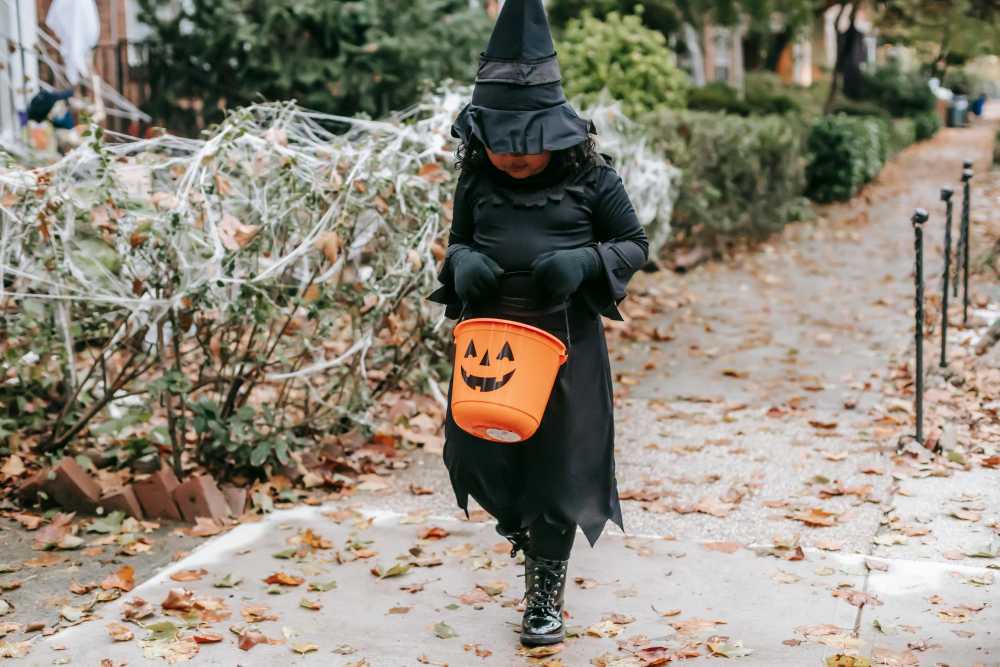
For those traveling with family or simply seeking a more wholesome and community-focused Halloween experience, the city’s neighborhood trick-or-treating events are a must. These are informal parades of the cutest kind, where streets are filled with tiny ghosts, goblins, superheroes, and fairies marching from brownstone to brownstone in search of candy.
Where to Find the Best Family-Friendly Atmosphere
While you can find trick-or-treating in many areas, some neighborhoods are famous for going all out. For the quintessential experience, head to the residential blocks of the Upper West Side and the Upper East Side, or cross the bridge to Brooklyn's Park Slope and Cobble Hill. Residents in these areas often decorate their stoops lavishly and are well-prepared for the annual procession of costumed children. Many local community groups and parks also organize specific Halloween "walks" or "rags" that provide a safe and festive environment for families.

Essential Safety for the Little Ghouls
Navigating the city with children on Halloween requires extra vigilance. The general safety rules are more important than ever:
Be Seen: Use reflective tape on costumes and candy bags to ensure children are visible to traffic after dusk. It's a simple step that makes a huge difference.
Stay Together: Adult supervision is non-negotiable. Keep a close eye on your children and establish clear rules about not running ahead.
Plan Your Route: Map out your trick-or-treating path in advance. Stick to well-lit streets and familiar neighborhoods.
Check the Candy: Before anyone eats their treats, inspect the candy at home to ensure everything is sealed and safe.
This charming, family-focused parade is a wonderful way to experience the heartwarming, community-driven side of a New York Halloween, proving that not all of the city’s festivities have to be frightening.
5. The DIY Parade: Crafting Your Own Spooky Pub Crawl
Sometimes the best parade is the one you create yourself. Organizing a themed pub crawl with your friends is a fantastic way to explore different neighborhoods and experience the city’s festive bar scene. This is your chance to be the grand marshal of your own personal procession, charting a course through the city’s most spirited watering holes.
Planning Your Route: From Greenwich Village to the East Village
The key to a successful pub crawl is a well-planned, walkable route. You don’t want to spend your night trekking long distances between stops. Choose a neighborhood with a high density of bars and a vibrant Halloween atmosphere.
Greenwich Village: After watching the main parade, you can easily transition into a crawl here. The area will be buzzing, and nearly every bar will have decorations and drink specials.
The East Village: Known for its edgier, more eclectic vibe, the East Village is packed with unique bars, from historic pubs to modern cocktail lounges. It’s a perfect landscape for a spooky-themed crawl.
Lower East Side: This area offers a fantastic mix of trendy bars and old-school dives, all of which embrace the Halloween spirit with gusto.
Staying Connected and Safe
When your group is on the move, staying safe and connected is crucial. Before you head out, make it a rule that everyone in your group shares their live location with each other using a mobile app. This simple step makes it incredibly easy to find anyone who gets separated from the group in a crowded bar or on a busy street. It’s a modern safety essential for any group outing in a big city.
This DIY approach allows you to fully customize your night, ensuring you experience the exact vibe you’re looking for, making your Halloween in New York City a truly personal and unforgettable adventure.
Your Ultimate Halloween Blueprint
You are now armed with the ultimate insider’s guide. You know how to march in the world’s greatest Halloween parade, how to ascend to an exclusive rooftop party, how to brave a parade of manufactured terror, and how to create your own festive procession through the city’s most iconic neighborhoods. The overwhelming chaos of Halloween in New York City has been distilled into a clear, actionable battle plan. You are no longer just a visitor; you are a participant, ready to dive into the very heart of the magic and madness.
This is just one of the many incredible experiences the city has to offer. To build out your entire trip with the same level of expert insight, from finding the best holiday markets to securing the perfect New Year's Eve spot, explore our comprehensive Travel Guide. It’s the only resource you’ll need to transform your travels from ordinary to extraordinary.
Don't Miss Out! Subscribe for Exclusive Content
Subscribe


Comments 0
No comments yet
Be the first to share your experience!
Dont Miss Out! Subscribe for Exclusive Content

San Francisco Cherry Blossoms: A Local's Guide to the Blooms


Halloween SF: Haunts Without Horrors

SF Festivals: 7 Must-See Lineups

Christmas SF: Lights & Wharf Wonders

SF Pride: 6 Route & Party Hacks

Chinese New Year SF: Parade Essentials
A Midwest Family Road Trip That Actually Wows Kids
TrekGuider @trekguider
Planning a family road trip through the Midwest can feel like a gamble. You're dreaming of open roads and unforgettable memories, but you're worried about endless stretches of flat highway, the inevitable chorus of "Are we there yet?", and the challenge of keeping everyone—from toddlers to teens—genuinely engaged. The real challenge isn't just finding a destination; it's crafting an adventure that truly feels exciting.
That anxiety can paralyze your planning. You want to create cherished memories, but you're afraid a Midwest trip will fall flat, leaving the kids glued to their screens and you feeling like you wasted precious vacation time.
What if we told you that the Midwest is hiding some of the country’s most spectacular scenic drives, unique adventures, and family-friendly destinations? This is your complete playbook for unlocking that magic. It’s a step-by-step guide to transforming apprehension into anticipation. Using these strategies alongside our comprehensive Family Travel Ideas: The 2026 Guide to Unforgettable Trips will empower you to plan a journey your family will not only survive but truly love.

Why a Midwest Family Road Trip is America’s Best-Kept Secret
While coastal destinations and sprawling national parks out west get much of the attention, a Midwest family road trip offers a unique combination of advantages that are hard to beat.
Let's be honest: the Midwest is the unsung hero of American travel. It’s where your travel budget breathes a sigh of relief and where genuine discovery replaces battling crowds for the same old photo op.
Your Budget Goes Further: This is the most significant advantage. Gas, food, lodging, and attraction prices are often considerably lower than in other popular tourist regions. This allows your travel budget to stretch, meaning you can do more, see more, and stress less about every little expense.
Fewer Crowds, More Discovery: Forget waiting in long lines or jockeying for a photo op. Many of the Midwest’s most beautiful spots, from stunning lakeshores to dramatic canyons, feel like your own private discovery. This creates a more relaxed and immersive experience where your family can connect with the place, and each other.
Authentic Americana at Its Best: The Midwest is the heartland for a reason. A road trip here is a journey through charming small towns, historic river ports, and quirky roadside attractions that feel like a step back in time. It’s an opportunity to connect with a different pace of life and create genuine memories.
A Surprisingly Diverse Landscape: The stereotype of a flat, boring landscape couldn't be more wrong. The Midwest is home to towering sand dunes, lush forests filled with waterfalls, dramatic rock formations carved by ancient glaciers, and the majestic, ocean-like Great Lakes. The natural diversity is astounding and offers a perfect playground for families who love the outdoors.

Convinced? Good. Now, let's trade theory for asphalt. We’ve mapped out four distinct, battle-tested blueprints for a Midwest family road trip that delivers on that promise of adventure and charm.
Curated Midwest Family Road Trip Itineraries
Forget aimless driving. These routes are packed with compelling stops, stunning scenery, and activities for all ages. They are proven blueprints for a successful Midwest family road trip.
1. The Great River Road: A Journey Along the Mississippi
Following the course of the mighty Mississippi River, this National Scenic Byway offers a captivating journey through the heart of America. While the full route is immense, the stretches through Wisconsin, Iowa, and Illinois are particularly rich for a family adventure.
Route Snapshot: Start in Red Wing, Minnesota, and wind your way south to Hannibal, Missouri. This 300-mile segment can be comfortably enjoyed over 3-5 days.
Can't-Miss Stops:
National Eagle Center (Wabasha, MN): Get an up-close look at resident bald and golden eagles and learn about their importance to the river's ecosystem.
Pikes Peak State Park (McGregor, IA): Offering one of the most iconic views of the Mississippi River Valley, this park features easy, family-friendly hiking trails to stunning overlooks.
Galena, Illinois: This beautifully preserved 19th-century town is a treasure. Stroll the historic Main Street and take a trolley tour to learn about its rich history.
Mark Twain Boyhood Home & Museum (Hannibal, MO): Step directly into the world of Tom Sawyer and Huckleberry Finn. It’s a magical experience for kids and adults alike.

2. Michigan's Gold Coast: Lake Michigan Circle Tour
The eastern shore of Lake Michigan boasts some of the most beautiful freshwater coastline in the world, with towering sand dunes, charming beach towns, and impossibly blue water. The iconic M-22 scenic highway is the star of this show.
Route Snapshot: A 4-7 day trip starting from Traverse City, heading south along the coast to Saugatuck.
Sample 5-Day Itinerary:
Day 1: Traverse City: Arrive in the "Cherry Capital of the World." Explore downtown and relax on the beaches of Grand Traverse Bay.
Day 2: Sleeping Bear Dunes National Lakeshore: Dedicate a full day to this natural wonder. The Dune Climb is a rite of passage with a rewarding view.
Day 3: M-22 South: Slowly make your way down the coast, stopping in idyllic towns like Frankfort and Manistee.
Day 4: Silver Lake Sand Dunes: For a dose of adrenaline, rent a dune buggy or take a guided tour across the massive dunes.
Day 5: Saugatuck/Douglas: End your trip in these charming sister art towns. Browse galleries and enjoy a final sunset over Lake Michigan.
Pro-Tip: Pack a cooler with lunch and snacks before driving the Pierce Stocking Scenic Drive in Sleeping Bear Dunes. The pull-offs and picnic areas offer million-dollar views, making for a much more memorable and affordable lunch.

3. The Black Hills & Badlands Loop, South Dakota
This route packs an incredible amount of iconic American landmarks and otherworldly landscapes into a manageable loop. It’s an epic adventure that feels worlds away from the everyday and is one of our favorite 4 Unforgettable National Park Family Travel Ideas.
Route Snapshot: A 4-6 day loop starting and ending in Rapid City, South Dakota.
Must-Do Experiences:
Badlands National Park: Drive the Badlands Loop Road (Highway 240), stopping at the overlooks to marvel at the surreal, eroded buttes.
Custer State Park: Drive the Wildlife Loop Road for near-guaranteed sightings of massive bison herds, pronghorn, and cheeky prairie dogs.
Mount Rushmore National Memorial: See the iconic monument and walk the Presidential Trail for different perspectives. The evening lighting ceremony is a must.
Wall Drug Store: No trip is complete without stopping at this world-famous roadside attraction. It’s a kitschy, fun-filled labyrinth that kids will absolutely love.

4. Ohio's Hocking Hills Scenic Byway
For families who love to hike, this corner of southeastern Ohio is a paradise. The Hocking Hills Scenic Byway connects a series of state parks renowned for their stunning gorges, recessed caves, and beautiful waterfalls.
Route Snapshot: Perfect for a long weekend (2-4 days), based out of the towns of Logan or Nelsonville.
Key Hiking & Activity Hubs:
Old Man's Cave: The most popular area, featuring a spectacular gorge with multiple waterfalls and a fantastic 1-2 hour hiking loop.
Ash Cave: The largest recess cave in the state, accessible via an easy, flat, and wheelchair/stroller-friendly trail.
Cedar Falls: A powerful waterfall in a wild, scenic gorge with a beautiful hiking trail.
Rock House: The only true cave in the park, this tunnel-like corridor is an adventurous spot for kids to explore.

Stay Organized on the Open Road
Feeling inspired by these National Park adventures? Don't let the planning details slow you down. Our free National Park Road Trip Checklist is the perfect tool to ensure you have everything you need, from the right gear to the must-have snacks, for a smooth and memorable journey.
The Ultimate Midwest Road Trip Planning Toolkit
A great itinerary is only half the battle. Flawless execution comes from smart planning.
Budgeting for Your Midwest Adventure
Your money goes further in the Midwest. Maximize your budget with these tips:
Picnic Power: Pack a cooler. Many scenic drives, state parks, and roadside stops have beautiful picnic areas. Eating one meal a day this way can save a family of four $50-$80 daily.
State Park Perks: Annual passes for state parks can offer incredible value if you plan to visit multiple parks within one state.
Look for Free Attractions: From hiking trails to small-town museums, the Midwest is full of free, enriching experiences.
Packing Smart for Four-Season Weather
Midwest weather is famously unpredictable. The key is layering.
The Holy Trinity: Always pack a lightweight rain jacket, a fleece or sweatshirt, and a mix of short and long-sleeved shirts for everyone, regardless of the season.
Footwear is Key: Pack comfortable, broken-in walking shoes. Include waterproof hiking shoes if you plan to visit places like Hocking Hills.
The Analog & Digital Car Kit: Don't forget a first-aid kit, jumper cables, a portable phone charger, and a physical road atlas. Download maps and playlists for offline use.

Pro-Tip: Create a "Go-Box" for the car. Use a plastic bin and stock it with essentials: paper towels, wet wipes, hand sanitizer, sunscreen, bug spray, and trash bags. Keeping it all in one place prevents frantic searching.
The Commander’s Guide to In-Car Harmony
The real challenge of a road trip isn't the driving; it's managing the tiny humans in the back seat. Check out The Sanity-Saving System for Your Next Family Road Trip for our full strategy.
Set the Terms of Engagement: Before you leave, have a family meeting. Discuss the route, set expectations for driving time, and agree on rules for screen time and snacks.
Embrace the Surprise Stop: The best memories often come from unplanned detours. Build buffer time into your schedule to explore that quirky museum or scenic overlook.
The Snack Bag is Sacred: Do not underestimate the power of snacks. Pack a mix of healthy options and special "road trip only" treats to diffuse budding meltdowns.
Frequently Asked Questions
What is the best time of year for a Midwest road trip?
The ideal time is from late spring to early fall (May through October). This window offers the most pleasant weather for hiking and outdoor activities, with fall providing the added bonus of spectacular foliage, especially in Michigan and along the Mississippi River.
Is the Midwest really just flat cornfields?
Absolutely not! This is the biggest misconception about the region. As this guide shows, the Midwest is home to incredibly diverse landscapes, including the towering sand dunes of Lake Michigan, the dramatic cliffs of Pictured Rocks, the otherworldly Badlands of South Dakota, and the lush, waterfall-filled gorges of Hocking Hills, Ohio.
How much should I budget for a Midwest family road trip?
One of the Midwest's biggest advantages is its affordability. Compared to popular coastal destinations, you can expect to spend significantly less on lodging, food, and attractions. A family of four can often travel comfortably on $150-$250 per day, especially when using tips like picnicking.
What are some can't-miss states for a Midwest family road trip?
Based on the variety of attractions, Michigan is fantastic for its stunning coastline and dunes. South Dakota offers iconic national parks and monuments. Ohio's Hocking Hills region is a paradise for hikers, and the states along the Great River Road (like Wisconsin and Iowa) are rich in history and scenic beauty.
Your Midwest Adventure Awaits
The Midwest is not "flyover" country; it’s "drive-through" country in the best possible way. It’s a region of surprising beauty, authentic charm, and boundless opportunities for family connection. This guide has given you the blueprints and the tools to move from dreaming to doing.
A successful trip isn’t about a perfect, problem-free journey; it’s about creating a shared story of discovery and laughter on the open road. Pick a route, start planning, and get ready to create a treasure trove of memories your family will cherish for years to come.
Read the full guide: Family Travel Ideas: The 2026 Guide to Unforgettable Trips
Don't Miss Out! Subscribe for Exclusive Content
SubscribeComments 0
No comments yet
Be the first to share your experience!
Dont Miss Out! Subscribe for Exclusive Content
San Francisco Cherry Blossoms: A Local's Guide to the Blooms
Halloween SF: Haunts Without Horrors
SF Festivals: 7 Must-See Lineups
Christmas SF: Lights & Wharf Wonders
SF Pride: 6 Route & Party Hacks
Chinese New Year SF: Parade Essentials
San Francisco Cherry Blossoms: A Local's Guide to the Blooms
TrekGuider @trekguider
The cherry blossom experience in San Francisco is not a grand, sweeping spectacle. It’s something more intimate, more soulful. It’s about turning a corner in a vibrant, historic neighborhood and finding yourself under a delicate canopy of blossoms, the scent of ramen broth mixing with the faint fragrance of spring. It’s a celebration rooted not in diplomacy, but in the fierce resilience of a community.
This is a concentrated jewel box of culture. But that intimacy comes with its own challenges. The Northern California Cherry Blossom Festival, the largest on the West Coast, packs over 220,000 people into the tight-knit blocks of Japantown. A poorly planned visit can quickly devolve into a frustrating battle with crowds, leaving you with more stress than serenity.
This isn’t just another guide. This is your strategic playbook for experiencing San Francisco’s cherry blossoms like a local. We’ll deconstruct the bloom’s tricky timing, reveal the best viewing spots both in and out of the festival’s epicenter, and provide the transportation hacks you need to navigate the city like a pro. By the end of this, you’ll have a plan to witness one of America’s most meaningful cultural celebrations in all its glory.

A Story of Resilience: The Soul of the Festival
To truly appreciate the blossoms here, you have to understand their story. San Francisco’s are proof of a community’s will to survive. Japantown, or Nihonmachi, is one of only three remaining in the United States, a neighborhood that has weathered unimaginable challenges.
After the forced internment of Japanese Americans during WWII, the community returned to find their homes and businesses lost. In the 1960s, city redevelopment projects displaced thousands more. The Northern California Cherry Blossom Festival was born from this turmoil. First held in 1968, it was a defiant celebration of culture and a powerful statement that the community was here to stay.
So when you stand in the Peace Plaza, you’re standing on historic ground. That iconic, five-tiered structure is the Peace Pagoda, a gift from San Francisco’s sister city of Osaka, designed by the renowned Japanese architect Yoshiro Taniguchi. It’s not just a landmark; it’s the spiritual anchor of the entire festival. Every blossom that blooms here feels more meaningful because of the history it represents.
Decoding the Bloom: Festival Dates vs. Nature’s Whim
The first mistake visitors make is confusing the festival schedule with the flowers’ schedule. They are two separate things.
For your planning purposes, here are the official festival dates, which traditionally span two weekends in April:
2026 Northern California Cherry Blossom Festival: April 12-13 & April 19-20, 2026
But here’s the critical distinction every visitor must understand: the festival dates are not the bloom dates. The festival is a fixed celebration of culture, while the blossoms themselves are a fleeting, unpredictable miracle of nature. Your goal is to find the magic window where the two overlap.

The Nuance of "Peak Bloom" in the Bay Area
In San Francisco, "peak bloom" is a rolling event, not a single moment. It depends on the tree variety and the city’s famously fickle microclimates.
The First Wave (Yoshino): The delicate, pale pink Yoshino cherry trees are typically the first to bloom, usually from late March into early April. These are the classic, ethereal blossoms you see in the Japanese Tea Garden.
The Second Wave (Kwanzan): Following the Yoshino are the Kwanzan cherry trees, which produce much fuller, fluffier, and deeper pink blossoms. These are hardier and their bloom often coincides perfectly with the festival’s second weekend and the Grand Parade, making for a spectacular show in Japantown.
Predicting the bloom is an art, not a science. A warm, dry winter can sometimes delay the bloom, as the trees need a certain number of "chill hours" to properly set their buds. Your best bet is to monitor social media. The official festival website and the Instagram accounts for the Japanese Tea Garden and SF Botanical Garden are invaluable resources for real-time updates.
Your Strategic Viewing Guide
You can experience the blossoms in three distinct ways: embracing the festival’s vibrant chaos, seeking tranquil beauty in a world-class garden, or discovering a hidden gem beloved by locals.
1. The Epicenter: Japantown & The Peace Plaza
During the festival weekends, the blocks around the Peace Plaza transform into a bustling hub of Japanese culture. You’ll find everything from traditional music and martial arts demonstrations to mouth-watering street food.
In Japantown, timing isn’t just important—it’s everything. It’s the difference between a serene morning stroll among the blossoms and being swept up in a shoulder-to-shoulder river of festival-goers.
Pro-Tip for Foodies: The food booths, known as yatai, are a massive draw. Don't miss the Takoyaki (octopus balls) from Kagura or the sweet, red-bean-filled Imagawayaki. To beat the lines, arrive right at 11 AM when the festival opens and eat first. The lines can be an hour long by 1 PM.
Pro-Tip for Photographers: The best shot of the Peace Pagoda framed by blossoms is from the Webster Street Bridge overlooking the plaza. For street scenes, a weekday morning before the festival begins offers beautiful, soft light and empty streets.
Go Deeper: For those who want to go even deeper, this is the perfect opportunity to connect with a local expert. The history of Japantown is complex and deeply moving, and a guided walk can reveal stories you’d never find on your own.
2. The Oasis: Golden Gate Park
If you need a break from the festival energy, a short bus ride will take you to the serene landscapes of Golden Gate Park, home to two premier blossom-viewing locations.
The Japanese Tea Garden: This is the oldest public Japanese garden in the United States, and it is an absolute masterpiece. The cherry trees here are artfully placed around the Drum Bridge, pagodas, and koi ponds. It’s a photographer’s dream. There is an entrance fee, but it’s worth every penny. To avoid crowds, purchase your ticket online in advance and go on a weekday morning.
The San Francisco Botanical Garden: Just a short walk from the Tea Garden, the SFBG offers a more sprawling, less crowded experience. Head to the Temperate Asia collection to find their grove of cherry trees. It’s a perfect spot for a quiet picnic under the petals.
3. The Secret Spot: The Palace of Fine Arts
For a truly local experience, head to the Marina district. Tucked away behind the iconic rotunda of the Palace of Fine Arts is a small, enchanting grove of cherry trees. The blossoms here often peak a bit later, sometimes into early May. The sight of the delicate pink flowers against the Greco-Roman architecture is breathtaking and feels like a hidden secret. It’s the perfect place to escape the crowds and enjoy a quiet moment.
Logistics Masterclass: Getting Around
Rule number one: Do not drive to Japantown during the festival. You will spend your entire day circling for non-existent parking. Here’s how to do it right:
Public Transit (Muni): This is your best friend. The 38-Geary and 38R-Geary Rapid buses run constantly along a major corridor and stop one block from the festival. The 2-Clement and 22-Fillmore are also excellent options. Use a Clipper card or the MuniMobile app to make things seamless.
Parking (If You Absolutely Must): The only sane option is the Japan Center Main Garage. The entrance is on Geary Blvd. On festival weekends, you must arrive before 10 AM, or you will find it full.
Ride-Sharing: A good option, but set your drop-off and pick-up points at least three blocks away from the festival’s core (e.g., at Geary & Laguna or Post & Franklin) to avoid getting stuck in gridlock.
Don't-Miss Festival Highlights
The festival’s crown jewel is the Grand Parade, which closes out the final Sunday of the event. This is a spectacular procession that starts near City Hall and travels up Post Street into the heart of Japantown. You’ll see everything from taiko drummers and dancers to the newly crowned Cherry Blossom Queen and her court—a leadership program for young Japanese American women.
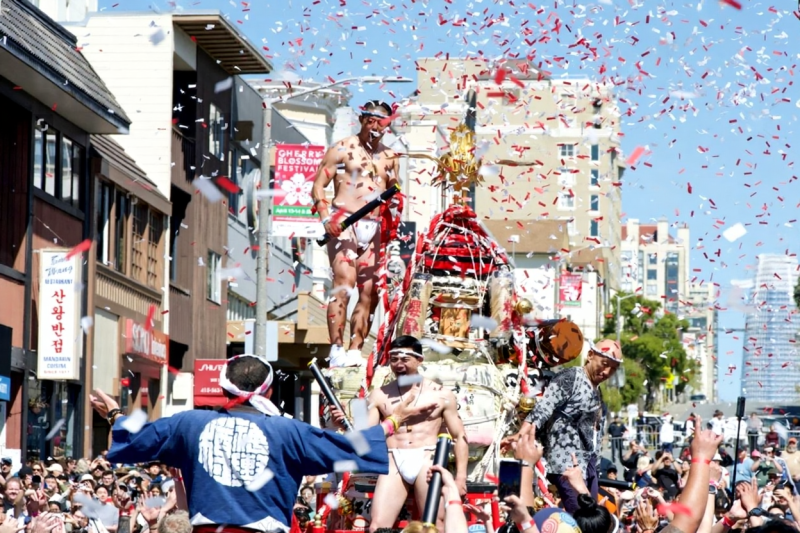
The parade’s incredible finale is the Taru Mikoshi. This is a massive, ornate portable shrine weighing over 1,000 pounds, carried on the shoulders of over 100 chanting participants. It’s a powerful, energetic display of community spirit and a must-see spectacle.
Your Pre-Trip Checklist
A little preparation goes a long way in San Francisco.
Dress in Layers: This is the golden rule of SF. A chilly, foggy morning can become a sunny, breezy afternoon in an instant. A fleece or mid-layer under a windbreaker is the standard local uniform for a reason.
Comfortable Shoes: You will be walking. A lot. The hills are no joke. This is not the time to break in new shoes.
Portable Power Bank: Between navigating, taking photos, and using transit apps, your phone battery won’t stand a chance. A power bank is essential.
Cash: While most vendors take cards, the lines for ATMs are long and the smaller food stalls are often cash-only.
The Cherry Blossom Festival is one of the city's signature spring events. For a complete look at what's happening year-round, our complete guide to San Francisco Holidays: Bay Area Buzz is the essential next read for planning a trip around the city's top seasonal events.
An Unforgettable Bloom
San Francisco’s cherry blossom celebration offers something truly special: a world-class cultural event with the heart of a neighborhood block party. It’s a chance to not only witness the stunning beauty of spring but to feel the powerful spirit of a community that has refused to be erased.
By timing your visit strategically, knowing where to find your own quiet corner, and embracing the city’s public transit, you can bypass the stress and create a truly unforgettable memory. You’re no longer just a tourist; you’re an insider, ready to experience this beautiful and meaningful spectacle to its fullest.
Capture the Perfect Bloom
You’re going to take hundreds of photos of the cherry blossoms—don’t let them get lost on your camera roll. Our free collection of Travel Lightroom Presets is designed to make your photos pop with just one click. Transform your shots of the delicate pink petals and vibrant festival scenes into professional-quality images you’ll be proud to share.
Frequently Asked Questions (FAQ)
When is the absolute best time to see the cherry blossoms in San Francisco? While the festival is in mid-to-late April, the "best" time depends on what you want to see. For the most ethereal, classic blossoms in a garden setting, aim for the first week of April at the Japanese Tea Garden. For the full, vibrant festival experience with the fluffy Kwanzan blossoms, the second weekend of the festival is your best bet.
Is the Northern California Cherry Blossom Festival free? Yes, attending the festival in Japantown, including all the stage performances and watching the parade, is completely free. You will need to pay for food, drinks, and any items from craft vendors. Note that visiting the Japanese Tea Garden in Golden Gate Park requires a separate admission fee.
How much time should I budget for the festival? If you plan to eat, watch a few performances, and browse the stalls, give yourself at least 3-4 hours in Japantown. If you want to see the parade, plan for that to take an additional 2 hours of your day.
Is the festival kid-friendly? Absolutely. Kids love the energy, the food, and the parade. There are also often hands-on cultural activities like origami folding. However, the crowds can be overwhelming for small children, so a weekday visit or arriving right at the opening on a weekend is recommended.
Can I see cherry blossoms in San Francisco outside of Japantown and Golden Gate Park? Yes! Besides our "secret spot" at the Palace of Fine Arts, you can often find beautiful blooming trees scattered in residential neighborhoods like the Richmond and Sunset districts. Keep your eyes peeled in late March and April—you’ll be surprised where they pop up.
Don't Miss Out! Subscribe for Exclusive Content
SubscribeComments 0
No comments yet
Be the first to share your experience!
Dont Miss Out! Subscribe for Exclusive Content
Halloween SF: Haunts Without Horrors
SF Festivals: 7 Must-See Lineups
Christmas SF: Lights & Wharf Wonders
SF Pride: 6 Route & Party Hacks
Chinese New Year SF: Parade Essentials
