
The Travel Blogger's Playbook to Affiliate Marketing Mastery

TrekGuider @trekguider
Most articles about affiliate marketing for bloggers give you a list. This is not one of those articles. A list won't teach you that the difference between earning $50 a month and $5,000 a month isn't the number of programs you join—it's the business strategy you deploy. The top 1% of travel bloggers don't just 'add links'; they build sophisticated affiliate marketing engines that run on audience trust, strategic content, and diversified revenue streams. This guide is the blueprint to that engine. We'll cover the programs, yes, but more importantly, we'll give you the complete practical plan to turn your passion into a predictable, profitable business.

At its core, affiliate marketing is beautifully simple: you earn a commission for recommending products and services you already use, love, and trust. When a reader clicks your unique referral link and makes a purchase, the brand pays you a percentage as a thank you. It's the most organic and authentic way for travel content creators to monetize their work, weaving recommendations seamlessly into the stories and advice they’re already sharing. This isn't about plastering your site with blinking, irrelevant banner ads; it's about monetizing the trust you’ve worked so hard to build.
The Foundation: Why Most Bloggers Fail at Affiliate Marketing (And How You'll Succeed)
Before we even mention a single program, let's address the hard truth: most bloggers who try affiliate marketing fail to earn anything meaningful. They treat it like a lottery, scattering links across their site and hoping for a lucky sale. This tactical, hope-based approach is doomed to fail.
Sustainable success in this field isn't about tactics; it's about strategy. It's about building a business system where affiliate income is the natural, inevitable byproduct of the immense value you provide. By understanding the common pitfalls from the outset, you can sidestep the mistakes 99% of bloggers make and architect a monetization engine built for long-term, predictable success.
It's a Business, Not a Tactic

Let’s start with the single most important mental shift you need to make: you are not just a blogger. You are the founder of a media company. Your blog is its flagship publication, and affiliate marketing for bloggers is your first—and most important—revenue division.
A tactical blogger asks, "Where can I put this link?" A strategic business owner asks, "What problem does my audience have, and which product is the absolute best solution I can recommend to solve it?" This subtle reframing changes everything. It shifts your focus from selling to serving. Your content transforms from a sales pitch into an indispensable resource, and your affiliate links become helpful signposts on your reader's journey, not distracting billboards. Master this mindset, and you've already won half the battle.
The Triangle of Trust: Niche, Audience, Authenticity
High affiliate conversion rates are a direct result of one thing: audience trust. You can have the most beautiful website and the cleverest link placements, but if your readers don't truly trust your recommendations, you will not make a single sale. In our experience, unshakable trust is built on three inseparable pillars:

A Well-Defined Niche: You cannot be everything to everyone. A laser-focused niche (e.g., "solo female travel in Southeast Asia," "luxury family travel in Europe," "budget backpacking in South America") allows you to become a true expert. This perceived expertise is the bedrock of authority and trust. If you're just getting started, our guide on is a crucial first step.
Deep Audience Understanding: Once you have your niche, you must become obsessed with understanding the people within it. What are their biggest fears about booking a trip? What are their most pressing, unanswered questions? What specific problems can you solve for them? When you understand your audience on this level, you can create content that speaks directly to their needs, making your affiliate recommendations feel less like an advertisement and more like a personal, can't-miss suggestion from a trusted friend.
Unshakeable Authenticity: This is the glue that holds it all together. Only recommend hotels, tours, gear, and services that you have used yourself and genuinely believe in. Your audience is savvy; they can spot a phony, profit-driven recommendation from a mile away. Had a bad experience with a popular tour? Say so. Found a hotel to be overrated? Share that, too. This radical honesty—even when it means forgoing a commission—builds immense long-term credibility that will pay dividends for years to come.
Why a Small, Engaged Audience is More Valuable Than a Large, Passive One
One of the most pervasive and damaging myths in the blogging world is that you need hundreds of thousands of page views to earn significant affiliate income. This is demonstrably false. While traffic is a component of the equation, it is far from the most important one. Engagement and intent matter infinitely more.
Consider two of our creators:
Blogger A has 100,000 monthly visitors to a generic "cheap travel deals" blog. Their audience is broad, unengaged, and looking for quick transactions. Their affiliate conversion rate is a dismal 0.1%.
Blogger B has just 5,000 monthly visitors to their niche blog about "scuba diving for beginners." Their audience is highly targeted, deeply engaged, and actively seeking expert advice. Their conversion rate on dive gear and course recommendations is a healthy 3%.
Despite having 20 times less traffic, Blogger B will earn significantly more affiliate income. Their audience isn't just passing by; they are leaning in, listening, and ready to act on trusted advice. The lesson is clear: do not wait for massive traffic to begin. Focus first on building a small, loyal, and highly engaged community. The income will follow.
Affiliate Networks vs. Direct Programs

Once you’ve built your foundation of trust, it’s time to understand the operational machinery of the affiliate world. There are two primary ways to partner with the brands you love: through large affiliate networks or by establishing direct, one-on-one partnerships. Making a deliberate choice here is a critical structural decision for your business, as we explore in our deep dive into .
What are Affiliate Networks? The Pros and Cons of Centralization
Affiliate networks like Travelpayouts, CJ Affiliate, or ShareASale act as massive marketplaces. They are the intermediaries connecting thousands of bloggers (publishers) with thousands of companies (brands). You join the network, and from one central dashboard, you can apply to the individual programs of countless brands, from hotel chains to tour operators.
The Pros of Affiliate Networks:
Radical Efficiency: This is the headline benefit. You get one login, one dashboard to track all your performance metrics, and one consolidated monthly payment. This dramatically simplifies the administrative side of your business.
A World of Variety: Networks give you instant access to a huge catalog of potential partners, making it easy to find and test programs that perfectly fit your niche.
Effortless Discovery: They are an excellent tool for discovering new and relevant brands you might not have found otherwise.
The Cons of Affiliate Networks:
Program Volatility: This is the biggest risk. A brand can leave a network at any time. If a major hotel chain you promote heavily switches networks, you could face the monumental task of finding and updating hundreds of links across your site.
A Middleman's Margin: Networks need to get paid, too. That often means the commission rate you see on a network is slightly lower than what you could get by negotiating a direct deal, as the network skims a percentage off the top for their services.
Impersonal Relationships: Communication is often filtered through the network, making it harder to build a strong, personal relationship with a brand's affiliate manager that could lead to special opportunities.
The Pros and Cons of Individual Partnerships
The alternative is to bypass the networks and apply directly to a brand's in-house affiliate program. Many of the world's top travel companies, from airlines to gear manufacturers, run their own programs for this very reason.
The Pros of Going Direct:
Higher Earning Potential: By cutting out the middleman, you can often secure higher commission rates. Over time, that extra 1-2% on your top partners adds up to significant income.
Powerful Relationships: A direct partnership allows you to build a real relationship with the affiliate manager. This can lead to exclusive coupon codes for your audience, co-branded marketing campaigns, and world-class support.
Fortress-Like Stability: Your partnership is not subject to the whims of a network. As long as the brand runs its program, your links are secure.
The Cons of Going Direct:
Administrative Overload: This is the trade-off. Every direct partnership means a separate login, a different dashboard, a unique payment threshold, and another platform to manage. Five direct partners are manageable; fifty is a nightmare.
Higher Barriers to Entry: It can be more difficult for new bloggers with low traffic to get approved for prestigious direct programs.
Time-Consuming Discovery: You have to actively hunt down these programs, which can be a significant time investment.
Our Verdict: A Hybrid Strategy for Maximum Earnings
For 99% of travel bloggers, the optimal approach is a hybrid strategy. It provides the perfect balance of efficiency and earning potential, giving you the best of both worlds.
Here’s the playbook: Start by joining one or two core affiliate networks (like Travelpayouts) to gain access to a broad range of programs. Use this to efficiently test what resonates with your audience. As you analyze your data, you will inevitably identify a small handful of "powerhouse" affiliates—the two or three brands that generate 80% of your income. For these mission-critical partners, it is absolutely worth the extra administrative effort to leave the network and establish a direct relationship. This hybrid model gives you operational simplicity for the masses and maximum profitability for your champions.
A Deep Dive into the Top 3 Travel Affiliate Networks
Choosing the right network is a foundational decision that will shape your workflow. While dozens of options exist, three platforms consistently rise to the top for travel bloggers due to their brand inventory, powerful features, and strategic focus.

Travelpayouts: The All-in-One Travel Specialist
Travelpayouts has masterfully positioned itself as the premier affiliate network built by travel experts, for travel experts. It consolidates over 100 of the world's leading travel brands into a single, intuitive platform, making it an incredibly powerful and efficient hub for your business.
The genius of Travelpayouts is its singular focus. You won't waste time sifting through irrelevant retail or finance offers. Every single brand, from giants like Booking.com (we have a dedicated if you want to dive deep) and Viator to niche local tour operators, is directly relevant to your content. Their standout feature is the "LinkSwitcher" tool—a brilliant script that automatically converts direct brand links on your site into your unique affiliate links. This alone can save you dozens of hours and is a game-changer for monetizing old content. For bloggers who want to cover every facet of travel without juggling ten different platforms, Travelpayouts is the undisputed champion.
Stay22: The Tech-Forward Accommodation Innovator

Stay22 is a more specialized but incredibly powerful player, particularly for bloggers whose content is heavily focused on accommodations. While they partner with all the major booking sites like Expedia and Hotels.com, their true advantage lies in their innovative, AI-powered technology.
Their flagship "Let Me Allez" script automatically scans your site for mentions of locations and hotels and converts them into monetized affiliate links—a massive time-saver. Even better, Stay22 enables you to create beautiful, interactive maps that display real-time accommodation options in a specific area. You can embed these maps directly into posts like "Where to Stay in Rome," providing immense visual value to your readers while seamlessly monetizing their journey. For creators who want to leverage cutting-edge tech to enhance user experience and maximize accommodation revenue, Stay22 is an essential tool.
CJ Affiliate (Commission Junction): The Legacy Giant with Global Reach
CJ Affiliate is one of the oldest and largest affiliate networks on the planet. While it isn't travel-specific, its sheer scale means it is home to some of the biggest names in the industry, including major airlines, hotel groups like IHG, and iconic tour companies like G Adventures.
The primary advantage of CJ is its vast scope. If your blog has a "lifestyle" component that extends beyond pure travel—perhaps into photography gear, outdoor clothing, or online courses—you can manage all those affiliate partnerships within the same CJ dashboard. This is a significant benefit for established, multi-niche bloggers aiming for diversification. While its interface can feel a bit more corporate than its travel-focused peers, its reliability, best-in-class tracking, and portfolio of top-tier brands make it a key element platform for any serious affiliate marketer.
Building Your Ultimate Affiliate Portfolio: Top Programs by Category
While networks provide the operational backbone, the heart of your strategy lies in the individual programs you champion. A well-curated portfolio is like a diversified investment portfolio; it maximizes returns by aligning with your audience's needs at every stage of their journey. We've handpicked some of the in the most critical categories, complete with the data you need to make smart, strategic decisions.

Accommodations: Booking.com, Agoda, Hostelworld
This is often the most lucrative category. You are helping your readers make one of the most important—and expensive—decisions of their trip.
Booking.com: The undisputed king. Its massive inventory, trusted brand name, and sky-high conversion rates make it a non-negotiable for nearly every travel blogger.
Commission Rate: ~4% of the booking value (varies)
Cookie Duration: Session-based. Strategic Implication: This means you need to capture high-intent readers who are ready to book now. Your content should be action-oriented.
Agoda: A powerhouse in the Asian travel market. If your blog focuses on Asia, featuring Agoda is a must to cater to regional preferences and pricing.
Commission Rate: Up to 7%
Cookie Duration: 30 days
Hostelworld: The go-to platform for budget and solo travelers. If your niche is backpacking or your audience skews younger, this program is essential.
Commission Rate: 20-40% of the deposit paid
Cookie Duration: 30 days
Tours & Activities: Viator & GetYourGuide
Tours and activities are a fantastic way to earn commission while genuinely enhancing your readers' trips. This is where you help them create memories.
Viator: Owned by TripAdvisor, Viator boasts an unparalleled inventory of tours worldwide. Its brand recognition and easy-to-use interface drive solid conversions.
Commission Rate: 8%
Cookie Duration: 30 days
GetYourGuide: A major competitor with a slightly more modern, curated feel. It's smart to join both, as some of the best tours are exclusive to one platform. This allows you to always recommend the absolute best option.
Commission Rate: 8-10%
Cookie Duration: 30 days
Flights & Transport: Skyscanner, Discover Cars
Flight commissions are notoriously low, but rental cars offer a significant earning opportunity.
Skyscanner: The most popular flight comparison tool. You won't get rich promoting it, but including Skyscanner links is a helpful service that builds reader trust.
Commission Rate: Varies (often a % of Skyscanner's revenue)
Cookie Duration: 30 days
Discover Cars: A leading car rental comparison site with stellar reviews. With rentals often costing hundreds of dollars, commissions can be substantial.
Commission Rate: Up to 70% of their profit
Cookie Duration: 365 days. Strategic Implication: A year-long cookie is a game-changer. A reader can click your link during initial research and book nine months later, and you still get paid.
Travel Insurance: SafetyWing & World Nomads
Promoting travel insurance is not just a smart business decision; it's an ethical obligation. It's a critical purchase, and the recurring commission models can build a foundation of predictable income.
SafetyWing: Hugely popular with digital nomads for its flexible monthly subscription model. This recurring commission is the holy grail for building a stable income base.
Commission Rate: 10% on all sales (including recurring subscriptions)
Cookie Duration: 365 days
World Nomads: An established and trusted name, particularly in the adventure travel community. Their brand authority helps convert readers who are on the fence.
Commission Rate: 10%
Cookie Duration: 60 days
Gear & Products: Amazon Associates, REI, Osprey

Recommending the gear you personally use is one of the most powerful forms of affiliate marketing. These recommendations are rooted in your authentic experience.
Amazon Associates: The world's largest affiliate program. While commissions can be low, its massive product selection and high likelihood of a user buying multiple items make it a necessary part of any gear strategy. For a deep dive, check out our guide on .
Commission Rate: 1-4% (varies by category)
Cookie Duration: 24 hours
REI: The gold standard for outdoor and adventure gear in the U.S. Their trusted brand and high-quality products make it a great alternative to Amazon for a specialized audience.
Commission Rate: 5%
Cookie Duration: 15 days
Osprey: Many top gear brands, like the beloved backpack manufacturer Osprey, run their own direct affiliate programs. If you're a passionate advocate for a specific brand, always check for a direct program—the commissions are often higher.
Commission Rate: 8%
Cookie Duration: 30 days
While linking to individual items is effective, many readers seek a curated, all-in-one solution. This is a perfect opportunity to link to your own helpful resource, like our free PDF on . It provides value far beyond a simple product link and opens an entirely new revenue stream when you create your own products.
How to Add Links That Actually Convert
Knowing which programs to join is science. Knowing how to integrate your links is art. The goal is for every link to feel like a natural, helpful extension of your content, not a jarring interruption. This requires a thoughtful approach to placement, context, and language.
The Golden Rule: Recommend, Don't Sell

Your role is that of a trusted advisor, not a used car salesman. Your content should be 95% pure, unadulterated value and 5% thoughtful recommendation. When you do recommend a product, it should feel like the logical conclusion to the problem you've been helping the reader solve. For a masterclass on this, read our guide on .
Instead of: "You should buy this backpack. Here's the link."
Try: "After testing three different carry-on backpacks on my last trip to Europe, the Osprey Farpoint 40 was the clear winner. Its clamshell design made packing a breeze, and the suspension system was comfortable even after a full day of navigating Prague's cobblestone streets. If you're looking for a versatile one-bag travel solution, this is the one I wholeheartedly recommend."
The second example works because it's rooted in experience, provides specific reasons, and is framed as a helpful solution.
Practical Placement: In-text Links, Comparison Tables, and Resource Pages
Forget flashy banner ads. They have abysmal click-through rates and cheapen your brand. The highest-converting links are almost always the ones most seamlessly integrated into your content. Mastering this requires a deeper understanding of search intent and SEO for.
In-Text Contextual Links: This is your bread and butter. A simple text link embedded naturally within a sentence—like one on the words "my favorite travel insurance"—is the most powerful and authentic way to make a recommendation.
Comparison Tables: When a reader is in the final decision-making phase, a simple, clear comparison table is an incredibly valuable tool. Creating a table comparing the features of 3-4 different travel insurance plans, complete with your affiliate links, can be a conversion powerhouse.
Resource Pages: Every blog needs a dedicated "Resources" or "Travel Gear" page. This acts as a curated list of all the products and services you use and recommend. It's a high-value asset for your readers and a simple way to house your most important links. Better yet, your TrekGuider creator page functions as an automatic, centralized hub for your audience, showcasing your articles, digital products, and top recommendations all in one place.
To elevate your destination guide from helpful to indispensable, embed a link to a product like the "Customizable Google Maps Itinerary for Rome" from the TrekGuider marketplace. This creates a powerful monetization stack: you earn affiliate commission from the hotel booking link within the guide and direct revenue from your high-value digital map, effectively doubling your earnings from a single reader.
A Simple Guide to Affiliate Disclosure
This is non-negotiable. For legal reasons (the FTC requires it) and for the even more important reason of maintaining audience trust, you must clearly and conspicuously disclose that you use affiliate links. The nuances are important, which is why we've created a dedicated guide on .
This is simple. A straightforward statement at the very top of your blog posts, before any affiliate links appear, is all you need. For example:
"A quick heads-up: This post contains affiliate links. If you make a purchase through one of them, I may earn a small commission at no extra cost to you. I only recommend products and services I personally use and love. Thanks for your support!"
Place a similar disclosure in your site's footer. Transparency isn't just a legal requirement; it's the currency of trust.
Using Affiliates to Validate Your Own Digital Products

This is the strategy that separates the top 1% of earners from everyone else. Affiliate marketing is not just a revenue stream; it is the ultimate market research tool. The data you collect should be the foundation for your next, more profitable venture: creating and selling your own digital products.
What Affiliate Data Tells You About Your Audience
Your affiliate dashboard is a goldmine. It's a direct, unfiltered look into the minds of your readers. Pay attention to the story it tells:
Which links get the most clicks? This reveals your audience's core interests. To get this data, you'll need the right tools, which we cover in our review of .
Which products actually sell? This tells you what they are willing to pay for.
What is the average purchase value? This helps you understand their budget.
If your article on "The Best Day Trips from Florence" consistently drives a high number of sales for a specific Vespa tour, that is a powerful signal. It tells you your audience is highly interested in Tuscan day trips and is willing to pay for a curated experience.
Creating Digital Products that Complement Your Affiliate Recommendations
Once you've identified these patterns, you can brainstorm digital products that offer a higher level of value than a simple affiliate link ever could. These products don't compete with your affiliate offers; they complement them. For inspiration, grab our free guide on .
This is precisely why we built TrekGuider. Instead of wrestling with e-commerce plugins, payment gateways, and file delivery systems, you can upload your guide to the TrekGuider marketplace in minutes. We handle the entire transaction, allowing you to focus on what you do best: creating invaluable resources for travelers.
Example: From Recommending a Viator Tour to Selling Your Custom Itinerary

Let's return to that Florence example. You see that the "Tuscany Vespa Tour" on Viator is a huge seller. Market validated. Now, you create your own premium digital product: "The Ultimate Self-Guided Vespa Itinerary for Tuscany." You could even bundle it with our comprehensive .
This downloadable PDF guide could include:
A detailed, day-by-day route optimized for jaw-dropping scenery.
A private Google Map with pinned locations for the best photo spots, local-approved lunch spots, and hidden gems.
A guide to renting a Vespa, including what to look for and what to avoid.
A checklist of what to pack for the perfect day.
You can sell this digital guide for $29, a price point that dwarfs the $5 commission you might earn from the tour booking. You've used affiliate data to validate an idea, created a more valuable solution, and built a revenue stream that you own 100%. This is the path from blogger to true business owner.
Frequently Asked Questions (FAQ Section)

How much can I realistically earn from affiliate marketing?
The range is massive. A new blogger should celebrate their first $100 month, which often takes 6-12 months of consistent work. An established blogger can earn $500 to $3,000 per month. A top-tier travel blog, run as a serious business, can generate well over $10,000 a month from affiliate revenue alone by focusing on . Your income will be a direct reflection of your audience's trust, the strategic quality of your content, and your commitment to this as a business.
How much traffic do I need to get started?
Forget the vanity metric of huge traffic numbers. Most affiliate programs have no minimum traffic requirements. You can be approved for Booking.com or Amazon Associates on day one. Your focus should be on creating high-quality, targeted content that answers a specific question for a small, engaged audience. One great article that ranks for a "buying intent" keyword—something you can master with —can earn more with 100 visitors than a generic post with 10,000.
Can I be an affiliate marketer without a blog?
Yes, you can. While a blog is the ideal asset because you own it, you can absolutely use affiliate links on other platforms. YouTube video descriptions, Instagram Stories (with a "link in bio" service), and even Pinterest are all viable channels. The core principles of trust, authenticity, and service remain exactly the same, regardless of the platform.
What's the difference between Pay-per-Sale and Pay-per-Lead?
These are the two main commission models:
Pay-per-Sale (PPS/CPA): This is the standard for travel. You earn a commission only when a reader clicks your link and completes a purchase.
Pay-per-Lead (PPL/CPL): Here, you earn a smaller, fixed fee when a reader simply signs up for something, like a newsletter, or a request for a quote. This is less common in travel but can be found with some travel agent services or cruise inquiries.
Your Action Plan: The First 30 Days to a Profitable Affiliate Strategy

Knowledge without action is just entertainment. Here is a simple, week-by-week checklist to take you from reading this guide to implementing a profitable affiliate marketing for bloggers engine. For even more actionable advice, check out our .
Week 1: The Foundation
[ ] Mindset Shift: Acknowledge you are building a business, not just a blog. Write down your income goal for the next 6 months.
[ ] Niche & Audience: Clearly define your niche and create a "reader persona"—a detailed description of your ideal audience member.
[ ] Trust Audit: Review your 10 most popular articles. Identify where you can add more value and authentic recommendations.
Week 2: The Ecosystem
[ ] Join a Network: Sign up for Travelpayouts. It's the most efficient starting point.
[ ] Apply to Core Programs: From within Travelpayouts, apply to Booking.com, Viator, and GetYourGuide.
[ ] Go Direct: Apply directly to the SafetyWing affiliate program and sign up for Amazon Associates.
Week 3: The Integration
[ ] Identify Opportunities: Go back to your top articles. Find 3-5 places in each where an affiliate link would be genuinely helpful.
[ ] Add Links & Disclosure: Generate your unique links and add them contextually. Add your affiliate disclosure to the top of each post.
[ ] Create Your Hubs: Build a "Resources" page on your blog and set up your free TrekGuider creator page to showcase your work.
Week 4: The Analysis & Next Steps
[ ] Learn Your Dashboard: Spend 30 minutes learning your affiliate dashboard. Pay attention to clicks to see what's resonating.
[ ] Plan New Content: Brainstorm 3 new "buying intent" articles (e.g., "The Best Travel Insurance for Europe," "A Review of the Osprey Fairview 40," "7 Unforgettable Day Trips from Rome").
[ ] Think Like an Owner: Start a list of potential digital product ideas based on your most popular content.
As you implement this plan and build your affiliate engine, remember that the ultimate goal is to own your revenue streams. To accelerate your transition from blogger to business owner, explore the "Travel Blogger's Business Toolkit" on the marketplace. It features professionally designed templates for media kits and brand proposals that will fast-track your growth.
Related Guides
- How to Start Affiliate Marketing as a Travel Creator
- Crafting Travel Product Reviews That Drive Affiliate Sales
- Social Media Affiliate Strategies Tailored for Travel Influencers
- 5 Critical Affiliate Marketing Mistakes to Dodge in 2026
- Amazon Associates for Travel: Strategies to Maximize Commissions
- High-Paying Affiliate Opportunities for Individual Travel Affiliates
- Referral Affiliate Programs in Travel: Boost Earnings Through Networks
- Top 11 High-Paying Affiliate Programs for Travel Bloggers
- 7 Proven Affiliate Marketing Tips to Skyrocket Travel Income
- Decoding Affiliate Commission Rates: Benchmarks for Travel Creators
- Booking.com Affiliate Program Review: Pros, Cons, and Earnings Potential
- Affiliate Keyword Research Mastery for Travel Blogs
- Avoid These 5 Affiliate Landing Page Mistakes for Better Conversions
- Essential Affiliate Tools: From Tracking to Full Optimization
- FTC Affiliate Disclosure Essentials: Stay Compliant as a Travel Creator
Don't Miss Out! Subscribe for Exclusive Content
Subscribe



Comments 0
No comments yet
Be the first to share your experience!
Dont Miss Out! Subscribe for Exclusive Content

FTC Affiliate Disclosure Essentials: Stay Compliant as a Travel Creator


Essential Affiliate Tools: From Tracking to Full Optimization

Avoid These 5 Affiliate Landing Page Mistakes for Better Conversions

Affiliate Keyword Research Mastery for Travel Blogs

Booking.com Affiliate Program Review: Pros, Cons, and Earnings Potential

Decoding Affiliate Commission Rates: Benchmarks for Travel Creators
New Orleans Holidays: Cultural Feasts
TrekGuider @trekguider
In other cities, holidays are dates on a calendar. In New Orleans, they’re a reason for being. This is a city that doesn’t just observe traditions; it inhales them, wrapping them in jazz, dousing them in Creole spice, and serving them up with a side of soul so potent it borders on the sacred. Planning a trip around the holidays in New Orleans isn’t just about booking a flight—it’s about preparing for a full-body cultural immersion.
Forget quiet observances and predictable festivities. In the Crescent City, every season brings a new excuse to spill into the streets for a parade, a festival, or a city-wide feast. Here, history isn’t confined to museums; it’s alive in the Voodoo chants of Halloween, the soulful hymns of a jazz funeral, and the joyous chaos of Carnival. Whether you’re catching beads during Mardi Gras, swaying to legendary musicians at Jazz Fest, or watching bonfires light up the Mississippi on Christmas Eve, you are never just a spectator. You are an active participant in a living, breathing cultural phenomenon.
This guide is your portal to that world. It’s your roadmap to the unforgettable holidays and festivals that define this city’s character and make it one of the most exhilarating destinations on Earth. Welcome to the party.
While the Crescent City's celebrations are truly in a class of their own, they are part of a much larger and equally fascinating mosaic of American festivities you can explore in our Ultimate USA Holidays Guide: Top Picks.

Mardi Gras: The Soul of the City Unleashed
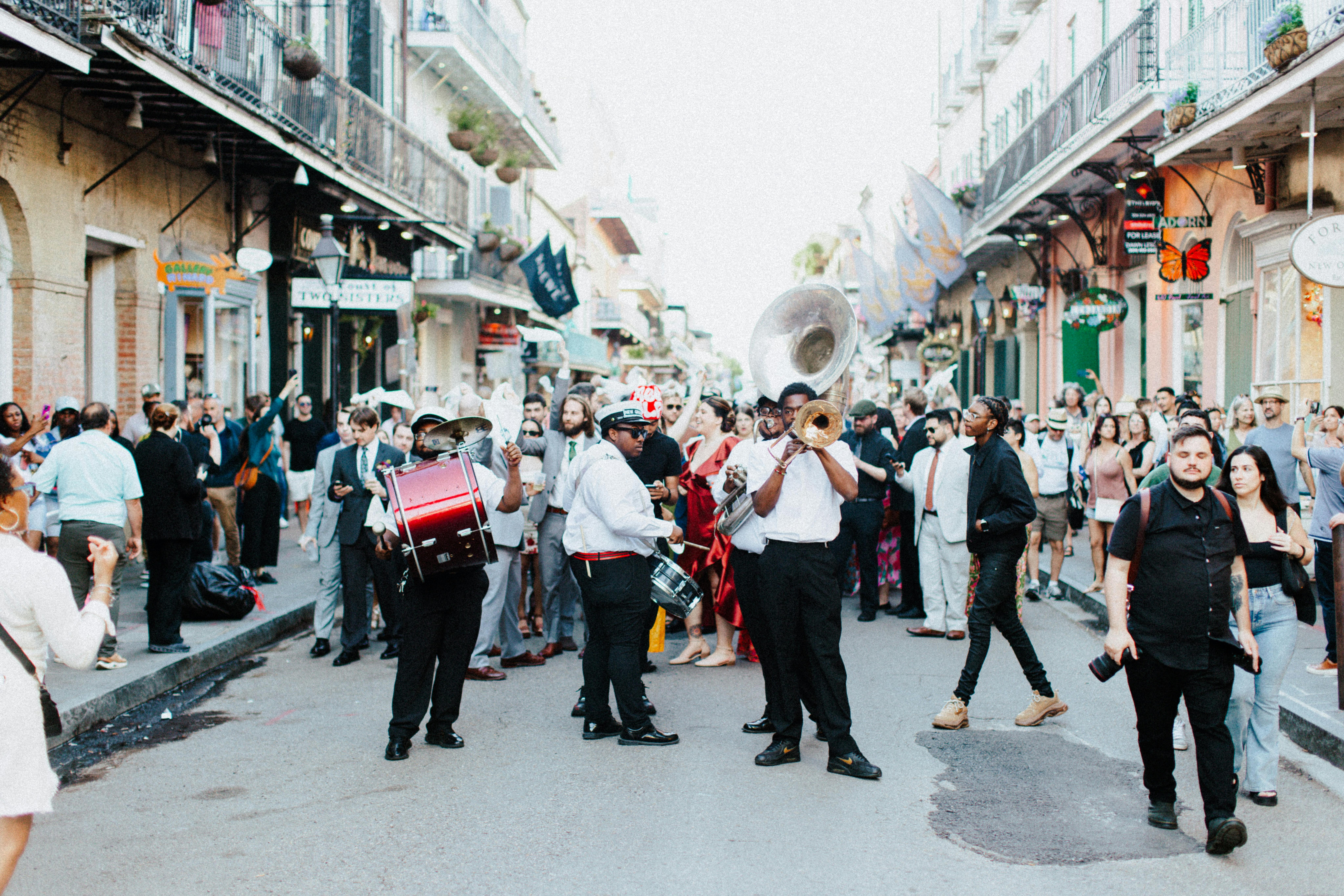
Mardi Gras is not a single day or a single parade. It is the entire Carnival season, an electrifying crescendo of revelry that begins on January 6 and leads to a city-wide spectacle on Fat Tuesday. This is the quintessential New Orleans experience, a time when social clubs called "krewes" stage dozens of elaborate, satirical, and breathtakingly beautiful parades. The true heart of Mardi Gras isn't on Bourbon Street; it's in the neighborhoods along the Uptown parade route, where generations of families gather, set up ladders for their children, and share in the world's greatest free party.
The final week is a marathon of pageantry. The super-krewes of Endymion and Bacchus dazzle with celebrity monarchs and colossal floats, while the ancient krewes of Proteus and Orpheus offer a glimpse into Carnival's storied past. It all peaks on Fat Tuesday—late February (dates shift each year—check nola.com for the exact schedule)—with the historic Zulu and Rex parades, the official kings of Carnival. Navigating this city-wide spectacle requires insider knowledge, from securing a prime viewing spot to understanding the etiquette of the "throw."
For a complete breakdown of routes, schedules, and essential strategies, see our definitive guide: Mardi Gras: 6 Parade Survival Tips.

Jazz Fest: A Pilgrimage to the Heart of American Music
The New Orleans Jazz & Heritage Festival is less a festival and more a cultural institution. For two weekends, from April 24 to early May, the Fair Grounds Race Course transforms into a vibrant microcosm of Louisiana culture. While "jazz" is in the name, the festival’s twelve stages host a staggering diversity of genres, from gospel, blues, and R&B to Cajun, zydeco, and rock. The 2026 lineup already boasts icons like Pearl Jam, Dave Matthews Band, and Lil Wayne & The Roots, proof of its legendary status.
But the magic of Jazz Fest lies beyond the headliners. It’s found in the taste of a crawfish Monica, the discovery of a new favorite brass band on the Jazz & Heritage Stage, and the complex beadwork of the Mardi Gras Indians. It’s a celebration of heritage in its purest form, where you can feel the living history of American music in every note. The festival is also a leader in sustainability, with initiatives like oyster shell recycling that give back to the local environment.
With so much to see, hear, and taste, a solid plan is essential. To build your perfect schedule, don't miss our Jazz Fest: Ultimate Lineup Planner.

Halloween: Where History Haunts the Streets
Halloween in any other city is about costumes and candy. In New Orleans, it’s about communing with the spirits. This is a city built on ghost stories, where the veil between the living and the dead feels impossibly thin. The holiday’s playful horror is amplified by the city’s authentic connection to the supernatural, from the enduring legends of Voodoo Queen Marie Laveau to the eerie beauty of its above-ground cemeteries.
The season’s main event is the Krewe of Boo parade, which rolls through the French Quarter on the last weekend of October, with ghoulishly creative floats and costumed marchers. On Halloween night, the city’s haunted history comes alive with elaborate celebrations, vampire balls, and ghost tours that explore the darkest corners of the Vieux Carré. It’s a time when New Orleans leans into its macabre identity, inviting you to join a celebration that is as sophisticated as it is spooky.
To explore the city’s most chilling legends and find the best haunted happenings, consult our Halloween NOLA: Voodoo Haunts Guide.

Christmas: A Creole Holiday Tradition
Christmas in New Orleans trades snow for Spanish moss and sleigh bells for the soulful sound of carolers in Jackson Square. The city’s rich Creole heritage transforms the holiday into a unique and magical experience steeped in culinary and cultural traditions. The centerpiece is the Réveillon dinner, a lavish, multi-course feast served in the city’s finest restaurants—a modern revival of the 19th-century tradition where families would return from midnight mass to a celebratory meal of oyster gumbo and daube glacé.
The festive spirit is visible everywhere, from the twinkling lights of Celebration in the Oaks in City Park to the flickering gas lamps of the French Quarter. But the most spectacular tradition takes place on the levees along the Mississippi River, where massive bonfires are lit on Christmas Eve to guide the way for "Papa Noël." It’s a breathtaking sight that perfectly captures the warmth, community, and deep-rooted traditions of a New Orleans Christmas.
For a full guide to the season’s most dazzling light displays and unforgettable meals, explore our Christmas NOLA: Creole Lights & Eats.

St. Patrick's Day: An Irish Party with a Produce Aisle Twist
New Orleans has a long and storied Irish history, and its St. Patrick's Day celebration is as unique as the city itself. Forget what you know about other parades; here, the festivities come with a distinctly local flavor. The main event, the Irish Channel St. Patrick's Day Parade on the Saturday before St. Patrick's Day, is a tradition dating back to 1809 where float riders famously toss vegetables—cabbages, carrots, and potatoes—to the crowds, along with the more traditional beads and trinkets.
The celebration is a boisterous, community-focused affair that honors the Irish immigrants who helped shape the city. Block parties erupt across the neighborhood, pubs overflow with revelers, and the sound of bagpipes mixes with the rhythm of local brass bands. It’s a quirky, high-energy spectacle that perfectly fuses Irish heritage with the Crescent City’s irrepressible love for a good parade.
To learn the secrets of catching the best throws and navigating the city-wide festivities, you'll need our St. Patrick's NOLA: Irish Parade Hacks.
Cinco de Mayo: A Cultural Fusion Fiesta
While Cinco de Mayo commemorates the Mexican Army's 1862 victory at the Battle of Puebla, in the United States it has evolved into a vibrant celebration of Mexican-American culture. In New Orleans, a city that masterfully blends global traditions into its own cultural gumbo, the holiday is a fantastic opportunity to honor the city’s growing Latino community.
You’ll find the celebration centered around food, music, and community. Local restaurants and bars throughout the city host spirited fiestas, offering authentic Mexican cuisine and creative tequila- and mezcal-based cocktails. Community organizations often host events that feature live mariachi music, traditional dancing, and art, creating a festive atmosphere that is both a tribute to Mexican heritage and a uniquely New Orleans-style party. It’s a perfect example of the city’s power to embrace and amplify the diverse cultures that make it so special.
Discover how the city puts its signature spin on this historic day with our guide to Cinco de Mayo NOLA: Festive Twists.
Planning Your Trip for Holidays in New Orleans
Attending any major festival in New Orleans requires foresight. The city’s magnetic pull during peak seasons means accommodations can be booked solid a year in advance for an event like Mardi Gras. Securing your hotel or rental early is the most critical step for a stress-free trip.
Once you’re here, embrace the local way of getting around. For events in the French Quarter and Central Business District, your own two feet are your best asset, as street closures make driving impossible. For reaching Uptown parade routes or the Fair Grounds for Jazz Fest, the historic St. Charles streetcar is both a practical and wonderfully scenic option.
Remember that New Orleans weather is famously unpredictable. Most major events are "rain or shine," so pack layers, a light rain jacket, and comfortable, waterproof shoes. For your safety during any large gathering, establish a clear meeting point for your group, keep your phone charged, and always be aware of your surroundings.

From Inspiration to Itinerary: Your New Orleans Toolkit
Feeling inspired? That’s the magic of New Orleans. This city doesn’t just host visitors; it captivates creators. If you’re a traveler looking to go deeper, the TrekGuider marketplace is your next stop. It’s filled with digital guides, maps, and itineraries crafted by on-the-ground experts who live and breathe this city—people who can show you where to find the best po' boy or the hidden jazz club only locals know about.
And if you’re one of those experts—a travel blogger, photographer, or local historian with a passion for sharing your own New Orleans secrets—then you’re exactly who we’re looking for. The stories you’ve gathered here could become your next venture. Download our free The Travel Creator's Toolkit to get started. It’s packed with resources to help you turn your expertise into high-quality digital products you can share with the world, right here on the TrekGuider platform.
The Invitation Is Open
The holidays in New Orleans are more than just a series of events; they are a powerful expression of a city’s soul. From the sacred rituals of Creole Christmas to the glorious irreverence of Mardi Gras, each celebration is a thread in a cultural mix woven from music, food, history, and an unbreakable sense of community. This is a city that lives out loud, and its holidays are an open invitation to join the chorus.
So, whether you’re planning to dance in a second line, feast on a century-old recipe, or simply soak in the atmosphere of a place unlike any other, your adventure starts now. Use this guide to choose your season, dive deeper into the traditions that call to you, and prepare for a journey that will engage every one of your senses.
For the ultimate resource to plan every detail of your trip, from the best hotels in the Quarter to the most authentic Creole restaurants, get your copy of our comprehensive Travel Guide.
Don't Miss Out! Subscribe for Exclusive Content
SubscribeComments 0
No comments yet
Be the first to share your experience!
Dont Miss Out! Subscribe for Exclusive Content

San Francisco Cherry Blossoms: A Local's Guide to the Blooms

Halloween SF: Haunts Without Horrors

SF Festivals: 7 Must-See Lineups

Christmas SF: Lights & Wharf Wonders

SF Pride: 6 Route & Party Hacks

Chinese New Year SF: Parade Essentials
How to Plan a Stress-Free Hawaii Family Trip
TrekGuider @trekguider
Planning a family trip to Hawaii should feel exciting, but the reality can be overwhelming. You're juggling how to pack for unpredictable weather, what activities will actually entertain everyone from toddlers to teens, and how to manage the logistics without losing your mind. The fear of getting it wrong—forgetting something crucial or planning a day that ends in meltdowns—can quickly overshadow the promise of paradise.

Imagine arriving on Maui only to realize you’ve forgotten the reef-safe sunscreen now required by law, forcing a frantic, expensive search. Picture the meltdowns—from kids and adults alike—when a carefully planned beach day is met with groans of boredom, or the crushing disappointment of discovering the lūʻau you dreamed of has been sold out for weeks. Without a strategic plan, the logistical details can overshadow the magic you’re seeking.
This guide is the antidote to that anxiety. It’s your strategic playbook, crafted from hard-won experience to eliminate the guesswork and transform your planning process into an exciting prelude to your adventure. While this article drills down into Hawaii-specifics, it's part of our complete library of Family Travel Ideas: The 2026 Guide to Unforgettable Trips. Consider this your roadmap to a seamless, stress-free, and truly magical Hawaiian escape.
What to Bring and What to Leave Behind
A successful packing strategy for Hawaii isn't about bringing everything; it's about bringing the right things. The islands’ unique environment—from intense equatorial sun to sudden tropical showers—demands a thoughtful approach. For a deep dive into the core principles, our How to Pack Light Guide is a great resource. This Hawaii-specific blueprint ensures you’re prepared for every possibility without hauling unnecessary weight across the Pacific.
Your In-Flight & First-Day Survival Kit
Think of your carry-on bag as your mission-critical command center. If your checked luggage gets delayed, this bag should contain everything you need to not just survive, but thrive for the first 24 hours.
A Complete Change of Clothes for Everyone: One full, lightweight outfit per person. Don't forget underwear and socks.
Swimsuits: This is non-negotiable. You can change in the lobby restroom and head straight to the pool, starting your vacation immediately.
Essential Medications: All prescription medications, plus a small first-aid kit with children’s pain relievers, allergy medicine, band-aids, and antibacterial ointment.
Documents & Valuables: IDs, credit cards, and digital or printed copies of your key reservations (hotel, rental car, first big tour).
The "Boredom Buster" Kit: Fully charge all electronics and pre-load them with movies and games. For younger kids, pack a small bag with a new coloring book or a few wrapped dollar-store toys to reveal mid-flight.
A Feast of Snacks: Pack more than you think you’ll need to combat travel delays and grumpy tummies.
Empty Reusable Water Bottles: Fill them up post-security to stay hydrated and save money.
Your Flight Plan for Happy Kids
The long flight to Hawaii is often the most dreaded part of the trip. To make it a breeze, download our free, sanity-saving checklist.
Stress-Free Flying with Kids Guide
It's packed with simple, actionable tips to keep kids of all ages happy and occupied from takeoff to landing.
The Checked Luggage
Chaos is the enemy of a relaxing vacation. To combat this, we rely on a modular system built around packing cubes. This simple technique transforms your luggage from a chaotic pit into a structured, mobile dresser where everything has its place.

The Clothing System (Lightweight & Layered): Hawaii’s climate is defined by humidity and trade winds. Pack lightweight, breathable fabrics like cotton and linen. Focus on mix-and-match pieces. For a week, plan on 5-6 tops and 3-4 bottoms per person. Everyone should have a light jacket or cardigan for breezy evenings and a packable rain jacket.
The Beach Gear System (Protect & Play): This is the core of your Hawaii packing.
Reef-Safe Sunscreen: An absolute must. Pack at least one large tube of mineral-based (zinc oxide or titanium dioxide) sunscreen lotion.
Total Sun Protection: Wide-brimmed sun hats, UV-protective sunglasses, and long-sleeved rash guards for every family member.
Minimalist Beach Toys: A collapsible bucket and a few small shovels are all you need.
Goggles: For kids who love to put their face in the water, a good pair of goggles is invaluable.
The Footwear System (The Rule of Three): You only need three pairs of shoes per person.
Water Shoes/Aqua Socks: Essential for exploring rocky tide pools or beaches with sharp lava rock.
Sandals/Flip-Flops: For the beach, pool, and casual strolls.
Closed-Toe Shoes: A comfortable pair of sneakers for travel days, hikes, or activities like ziplining.
What to Leave at Home (And Rent or Buy in Hawaii)
Beach Towels: Every hotel and condo complex will provide these.
Bulky Floaties and Pool Noodles: Buy them there and leave them for another family when you depart.
Full-Sized Snorkel Sets: Renting high-quality, sanitized equipment on the island is far more convenient.
Formal Wear: Hawaii is overwhelmingly casual. A sundress or a collared shirt with nice shorts is as dressed-up as you’ll need to get.
Pro-Tip: Assign each family member a specific color of packing cubes. This simple trick makes it incredibly easy to identify whose clothes are whose.
Crafting Your Perfect Itinerary for Family Beach Vacations in Hawaii
While building sandcastles is a rite of passage, the true magic of Hawaii lies in its diverse experiences. Tailoring activities to your children's developmental stage is the secret to a trip that engages everyone. And to keep it all organized, our Travel Itinerary Template is a game-changer.
For Families with Toddlers & Preschoolers (Ages 0-5)
At this age, the goals are safety, sensory engagement, and maintaining routines. Focus on manageable outings that spark wonder without causing overstimulation.
Master the Art of the Lagoon: The man-made lagoons of Ko Olina on Oahu are a toddler parent’s paradise. The water is virtually waveless, creating a giant, safe saltwater pool. On Kauai, Lydgate Beach Park offers similarly protected swimming.
Meet the Marine Life (Up Close): The Maui Ocean Center is a world-class aquarium with a walk-through tunnel and touch pools. The Waikiki Aquarium on Oahu is smaller but equally captivating.
Discover the Magic of Shave Ice: Don't underestimate the joy of this simple treat. Trying authentic Hawaiian shave ice is a core memory on a hot afternoon.
For School-Aged Kids (Ages 6-12)
This is the golden age of family travel. Kids are old enough for bigger activities and to truly learn from their experiences.
Become a Junior Snorkeler: This is the perfect age to introduce kids to the underwater world. Start at an ultra-calm spot like Kapalua Bay on Maui or Hanauma Bay on Oahu (reservations required!).
Experience a Family Lūʻau: A lūʻau is a quintessential Hawaiian experience. Opt for one known for being family-friendly, like the Smith Family Garden Lūʻau on Kauai.
Become a Volcano Voyager: On the Big Island, a visit to Hawaiʻi Volcanoes National Park is like a real-life science lesson. Pick up a Junior Ranger booklet to transform your kids into active explorers.

For Teenagers (Ages 13-18)
For teenagers, the key is balancing family time with a sense of independence and adventure. Involve them in the planning.
Learn to Surf: Book a group lesson from a reputable surf school in a beginner-friendly area like Waikiki on Oahu or Kihei on Maui.
Conquer an Epic Hike: Challenge your teens with an iconic hike like the summit of Diamond Head on Oahu, which offers panoramic vistas of Waikiki.
Zipline Through Paradise: Soaring through the rainforest canopy on a zipline is a pure adrenaline rush that provides a thrilling adventure for the whole family.

Pro-Tip: The most popular activities in Hawaii—especially lūʻaus, timed-entry parks like Hanauma Bay, and surf lessons—book up weeks, if not months, in advance. Make your reservations the moment you have your travel dates confirmed.
The Aloha Code: Essential Rules for a Safe and Respectful Trip
A little local knowledge goes a long way. These are the non-negotiable rules for any family visiting the islands.
Ocean Safety Comes First
The Pacific Ocean is powerful. The most important rule in Hawaii is "Never turn your back on the ocean." Rogue waves can appear on even the calmest-looking days.
Swim at Lifeguarded Beaches: Whenever possible, choose a beach with a lifeguard on duty.
Understand Shore Break: Many Hawaiian beaches have a powerful shore break, where waves crash directly onto the sand. This can be dangerous for young children.
Respect the Warnings: Pay attention to all posted warning signs regarding strong currents, high surf, or dangerous marine life.
Protecting the 'Āina (Land)
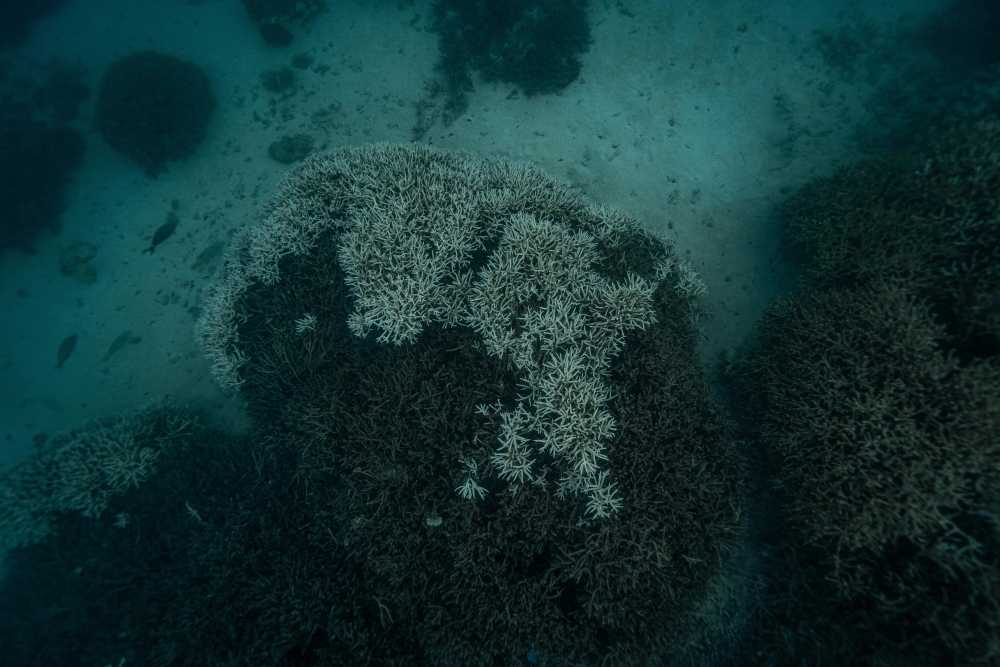
Hawaii's coral reefs are fragile, living ecosystems. Protecting them is not just a suggestion; it's the law.

Use Mineral-Based LOTION Only: By law, you must only use sunscreens with zinc oxide or titanium dioxide. Critically, avoid aerosol sprays. Even "reef-safe" sprays settle on the sand and wash into the ocean, harming the reef.
Apply Early and Often: Apply sunscreen 20 minutes before sun exposure and reapply every two hours, or immediately after swimming.
Respecting the Wildlife
Hawaii is home to the Hawaiian green sea turtle (honu) and the endangered Hawaiian monk seal.

Keep Your Distance—It's the Law: You must maintain a distance of at least 10 feet (3 meters) from sea turtles and 50 feet (15 meters) from monk seals. It is illegal to touch, chase, or harass them.
View Responsibly: Use a zoom lens for photos. If an animal approaches you, calmly and slowly move away.
Frequently Asked Questions
What is the single most important thing to pack for a Hawaii family trip?
The most crucial item is reef-safe, mineral-based sunscreen LOTION. Sunscreens containing oxybenzone and octinoxate are banned in Hawaii to protect the coral reefs, and aerosol sprays are highly discouraged as they pollute the sand and water.
Is Hawaii a safe destination for toddlers and young children?
Absolutely. Many beaches are perfect for little ones, especially the man-made lagoons at Ko Olina on Oahu or the protected rock ponds at Lydgate Beach Park on Kauai, which have calm, waveless water perfect for safe splashing.
Do I really need to book Hawaiian activities in advance?
Yes, it is critical. Popular activities like lūʻaus, boat tours, surf lessons, and timed-entry parks like Hanauma Bay on Oahu often sell out weeks or even months in advance. Booking ahead is essential to avoid disappointment.
What are the essential types of shoes to bring to Hawaii?
You only need three pairs per person: water shoes for rocky beaches and tide pools, comfortable sandals or flip-flops for the beach and pool, and a pair of closed-toe sneakers for travel days and hiking.
Conclusion
The key to crafting the perfect trip isn’t about finding a secret beach; it’s about making a series of smart, informed choices. By implementing a strategic packing system and thoughtfully selecting age-appropriate activities, you transform the stress of planning into the joy of anticipation. You now have the framework to pack with confidence and design an itinerary that weaves together relaxation, adventure, and connection. This is how you create the legendary Hawaiian family vacation that becomes a key part of your family's story. For even more in-depth strategies on planning unforgettable trips anywhere in the world, explore our comprehensive Travel Guide. Aloha.
Read the full guide: Family Travel Ideas: The 2026 Guide to Unforgettable Trips
Don't Miss Out! Subscribe for Exclusive Content
SubscribeComments 0
No comments yet
Be the first to share your experience!
Dont Miss Out! Subscribe for Exclusive Content

Ultimate USA Holidays Guide: Top Picks
FTC Affiliate Disclosure Essentials: Stay Compliant as a Travel Creator
Essential Affiliate Tools: From Tracking to Full Optimization
Booking.com Affiliate Program Review: Pros, Cons, and Earnings Potential
Decoding Affiliate Commission Rates: Benchmarks for Travel Creators
