
Chicago Beer Fests: Top 6 Tastings

TrekGuider @trekguider
Chicago. The Windy City. A metropolis of staggering architecture, legendary deep-dish pizza, and a cultural pulse that's impossible to ignore. But for the discerning traveler, another current runs deep through its streets: a world-class, boundary-pushing craft beer scene. The problem? If you're searching for the best beer festivals Chicago has to offer, you're likely drowning in a generic sea of event listings and outdated guides. It’s a frustrating quest that can leave you wondering where the truly exceptional tasting experiences are hiding.
The agitation is real. You don't want to waste your precious travel time or money on a crowded, soulless festival with endless lines and a tap list dominated by macro-brews. You're hunting for something more—an authentic experience that pairs the city's vibrant energy with the innovative spirit of its local brewers. You risk missing out on that perfect pint, that unique seasonal ale enjoyed in a memorable setting, the very reason you sought out Chicago's beer culture. You want a curated path to the city's best pours, not just another tent in a park.
So, let's cut through the noise. I've personally vetted the city's event calendar to bring you a curated guide to the six most exceptional beer tasting experiences—moments that are woven directly into the fabric of Chicago's most iconic celebrations. This isn't just a list; it's your strategic plan for exploring the sudsy side of the city. We'll show you how to find craft beer havens at massive music festivals, what to sip while a river runs green, and where to find festive German lagers in the heart of downtown. These are the can't-miss moments that elevate a simple drink into a core Chicago memory, and they represent just one facet of the year-round excitement we detail in our complete guide to Chicago Holidays: Windy City Thrills.

1. Lollapalooza: An Unlikely Star Among Beer Festivals in Chicago
When you picture Lollapalooza, you see massive stages, roaring crowds, and a lineup of global music superstars. But tucked within this four-day musical marathon is one of the most unique settings for a craft beer experience in the city. Lollapalooza, taking over Grant Park from July 31 - the final day of the festival, is a city within a city, and its beverage program has evolved to satisfy the sophisticated palates of modern festival-goers.
Forget the days of limited options. The festival now boasts a dedicated "Craft Beer Oasis," a shaded haven where you can escape the pulsating crowds and explore a curated selection of Chicago's finest local breweries. Here, you can find everything from crisp, refreshing pilsners perfect for a sunny afternoon watching artists like Olivia Rodrigo or Sabrina Carpenter, to bold, hoppy IPAs that provide the perfect fuel for a night with headliners like Tyler the Creator, A$AP Rocky, and Korn.
Your Tasting Strategy:
Plan Your Pours: With gates open from 11 AM to 10 PM daily, pacing is key. Start your day with a lighter option, like a session ale or a kolsch, to stay hydrated. As the sun sets and the energy builds, transition to something with more character—perhaps a hazy IPA from a local favorite or a rich porter to savor during the final set.
Navigate Like a Pro: Before you even arrive, download the official Lollapalooza app. It’s your key to locating the craft beer tents, viewing digital menus, and identifying which vendors have the shortest lines. This simple step can save you precious time that is better spent enjoying the music.
Pairing is Everything: Think of your beer choice as part of the sensory experience. The bright, citrusy notes of a pale ale can perfectly complement the upbeat energy of a pop performance by an artist like TWICE, while the complex, dark notes of a stout might be the ideal companion for an intense rock set.
Pro-Tip: Lollapalooza is a "rain or shine" event. Pack a poncho. A sudden downpour can send crowds running for cover, creating the perfect five-minute window for you to walk right up to a beer tent with no line and discover your new favorite Chicago brew.

2. The St. Patrick's Day Green River Pour: A Uniquely Chicago Tradition
On Saturday, the Saturday before St. Patrick's Day, Chicago performs a miracle of civic engineering and festive spirit: it dyes its river a brilliant, shimmering emerald green. This spectacle, a tradition dating back to 1962, is the centerpiece of the city's St. Patrick's Day celebration and creates an unparalleled backdrop for a truly unique beer experience. While not a formal festival, the entire riverfront transforms into a massive, open-air party where the beer flows as freely as the green water.
The day kicks off as crews release 40 to 60 pounds of a secret, vegetable-based powder into the water, turning it a vibrant green for about five to six hours. This is followed by the grand parade—a tradition since 1843—which starts at 12:15 PM and marches down Columbus Drive. For a beer lover, the mission is clear: secure a spot with a view and a pint in hand.
Your Tasting Strategy:
Embrace the Theme: This is the one day of the year when ordering a green-dyed light lager is not just acceptable, but practically mandatory. It’s a novelty, a photo op, and a rite of passage for anyone celebrating in the city.
Seek Out Authenticity: Beyond the green beer, riverfront pubs and pop-up vendors will be pouring classic Irish styles. Look for a rich, creamy nitrogen-poured stout or a malty Irish red ale. These traditional brews offer a delicious, authentic contrast to the playful absurdity of the green river.
Location, Location, Location: The best views are from the bridges crossing the river or along the Riverwalk. Arrive early (by 9 AM) to claim your territory. Many local bars and restaurants with river views offer ticketed events that include drinks, providing a more comfortable (and less crowded) way to enjoy the spectacle.
This celebration is a photographer's dream. To make your photos of the emerald river and city skyline truly pop, consider using our collection of Free Travel Lightroom Presets, designed to enhance travel shots and make your memories look as vivid as the day itself.
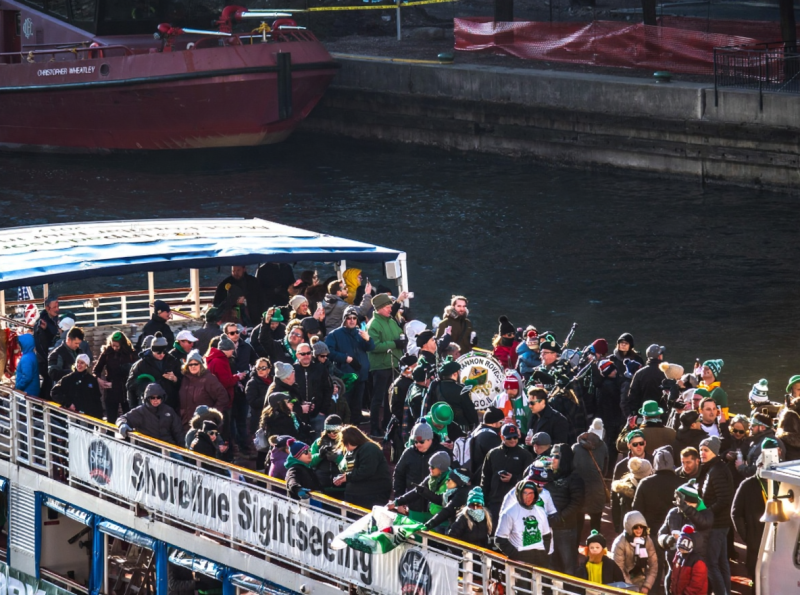
3. The Christkindlmarket Chalice: German Biers and Festive Cheer
As winter descends upon Chicago, Daley Plaza transforms into a magical, twinkling European village. This is the Christkindlmarket, a traditional German-style Christmas market that is at the heart of the city's holiday season. While families flock here for handcrafted ornaments and festive snacks, beer aficionados know it as the premier destination for authentic German winter brews.
The experience is famously centered around "Glühwein" (hot spiced wine), but the beer selection is equally impressive and essential to the market's charm. You won't find a sprawling list of experimental IPAs here. Instead, the focus is on classic, impeccably crafted German styles that are perfect for sipping in the chilly air.
Your Tasting Strategy:
Drink from the Boot: The most iconic part of the experience is drinking from the commemorative ceramic boot-shaped mug, or "Stiefel." Each year features a new design, making it a collectible souvenir. It’s the perfect vessel for a crisp German pilsner, a malty Märzen, or a dark, roasty Dunkel.
Explore Winter Styles: Look for seasonal specialties like a Doppelbock or a Winter Warmer. These beers are typically higher in alcohol and feature rich, malty flavors of caramel, toffee, and dark fruit, making them the perfect antidote to a cold Chicago evening.
Pair with German Fare: The beer is only half the story. Enhance your tasting by pairing your brew with traditional market food. A crisp pilsner cuts through the richness of a bratwurst, while the sweet maltiness of a bock beer beautifully complements a warm, soft pretzel or a bag of candied nuts.
Pro-Tip: The Christkindlmarket can get extremely crowded, especially on weekends. For a more relaxed tasting experience, visit on a weekday afternoon. You'll have more space to wander, shorter lines for beer and food, and a better chance to chat with the vendors about their offerings.

4. The July 4th Fireworks Flight: Patriotic Pints at Navy Pier
Independence Day in Chicago is a spectacular affair, culminating in a massive fireworks display over Lake Michigan, launched from the iconic Navy Pier. While thousands crowd the pier itself, the savvy beer lover knows the best experience is found away from the main throng, combining the stunning visuals with a curated taste of American craft brewing. This is your chance to create your own micro beer tasting against a patriotic backdrop.
The strategy is to find a rooftop bar or a comfortable perch with a clear view of the fireworks. Many establishments in the Streeterville and River North neighborhoods offer exactly this. The goal is to arrive by 7 PM, settle in, and order a "flight" of local craft beers to enjoy as the sky lights up.
Your Tasting Strategy:
Curate an All-American Flight: Work with your server to build a tasting flight that celebrates American brewing history and innovation. A perfect flight might include:
A Classic American Lager: A clean, crisp, and refreshing starting point.
An American Pale Ale (APA): The style that arguably launched the craft beer revolution, known for its balance of malt and citrusy hops.
A West Coast IPA: A bold, hop-forward brew that showcases the piney, bitter notes characteristic of the style.
A Midwest Stout: A rich, dark beer from a local Chicago or regional brewery, perhaps with notes of coffee or chocolate.
The Rooftop Advantage: Choosing a rooftop bar not only gives you a superior, less crowded view of the fireworks but also provides access to a full menu, comfortable seating, and proper glassware—all elements that elevate the beer tasting experience.
Timing is Key: Order your flight about 30-45 minutes before the fireworks are scheduled to begin. This gives you ample time to savor and compare each beer as the anticipation builds, culminating in the grand finale both in the sky and in your glass.
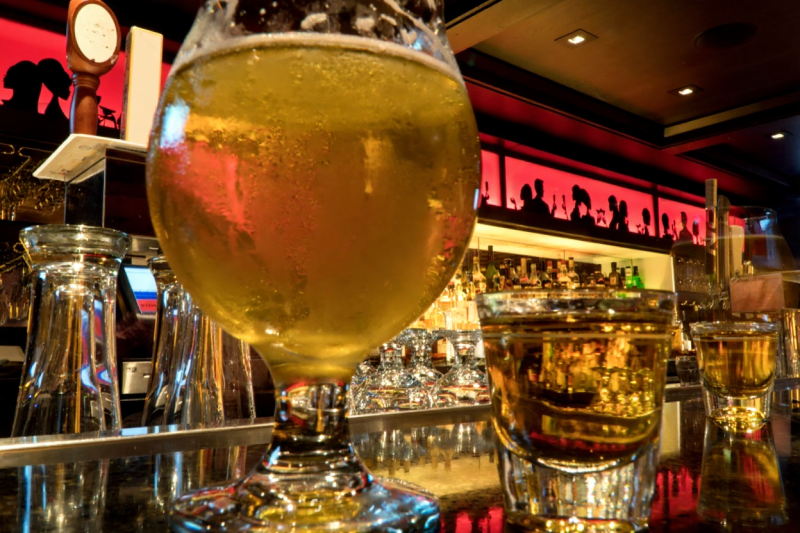
5. Neighborhood Street Fairs: The True Heart of Beer Festivals in Chicago
While the major events offer fantastic beer experiences, the heart and soul of the city's craft scene is found at its countless neighborhood street festivals. These weekend events, which pop up across Chicago's diverse communities from late spring to early fall, are the authentic gatherings that locals cherish. This is where you move beyond the big names and discover the hyper-local, experimental breweries that are pushing the boundaries of craft beer.
Exploring these festivals requires a spirit of adventure. One weekend you might be at a food-focused fest in the West Loop, the next at an art fair in Lincoln Park. The key is that nearly every one of them features a strong showing from local breweries, often pouring special, festival-only releases.
Your Tasting Strategy:
Follow the Breweries: Instead of searching for festivals, follow your favorite Chicago breweries on social media. They will always announce which neighborhood events they'll be pouring at, leading you directly to the best and most interesting beer selections.
Talk to the Brewers: At these smaller events, you often have the chance to speak directly with the brewers or brewery staff. Ask them what's new, what they're excited about, and what you should try. This insider access is invaluable for any true beer fan.
Go Beyond the Loop: Don't be afraid to hop on the 'L' train and explore festivals in neighborhoods like Logan Square, Pilsen, or Andersonville. This is where you'll find the city's most exciting and innovative breweries, far from the downtown crowds.
Discovering these hidden gems is the ultimate reward for any traveler. To plan your journey through the city's neighborhoods and uncover these and other off-the-beaten-path experiences, our comprehensive Travel Guide is the essential resource, packed with local insights and detailed maps.

6. The Cinco de Mayo Cerveza Celebration: Pints and Parades
On May 5th, Chicago's vibrant Mexican-American communities, particularly in the Little Village neighborhood, burst into celebration for Cinco de Mayo. The holiday, which commemorates the Mexican Army's 1862 victory at the Battle of Puebla, is marked by lively parades, incredible food, and, of course, fantastic beer. This is a cultural immersion that offers a unique and flavorful tasting experience far removed from a standard beer fest.
The centerpiece is the parade, a colorful procession of floats, dancers, and musicians. The surrounding streets become a festival in their own right, with vendors selling authentic Mexican cuisine and local bars and restaurants pouring a variety of Mexican and Mexican-inspired beers.
Your Tasting Strategy:
Start with the Classics: Begin with a classic Mexican-style lager. It’s light, crisp, and incredibly refreshing—the perfect beer for sipping in the sun while you watch the parade. Ask for it with a lime wedge for the full, traditional experience.
Explore Craft Interpretations: Many Chicago craft breweries create special releases for Cinco de Mayo. Look for creative interpretations like a lime-infused gose, a spicy habanero-laced stout, or a refreshing pale ale brewed with agave nectar.
The Ultimate Food Pairing: The real magic happens when you pair your beer with the food. The crispness of a lager perfectly cuts through the richness of tacos al pastor, while the subtle sweetness of an amber ale beautifully complements the smoky flavor of elotes (grilled street corn).
Your Ultimate Chicago Beer Adventure Awaits
Chicago's beer scene is as dynamic and diverse as the city itself. It isn't confined to traditional taprooms or designated festival grounds; it's woven into the very fabric of the city's greatest celebrations. By looking beyond the obvious, you can craft a tasting journey that is unique, memorable, and deeply connected to the local culture. From sipping German lagers at a Christmas market to enjoying an All-American flight during the July 4th fireworks, you now have the ultimate insider's guide to the best beer festivals Chicago has to offer—even the ones you didn't know existed. So go forth, raise a glass, and toast to the incredible spirit of the Windy City.
Don't Miss Out! Subscribe for Exclusive Content
Subscribe



Comments 0
No comments yet
Be the first to share your experience!
Dont Miss Out! Subscribe for Exclusive Content

San Francisco Cherry Blossoms: A Local's Guide to the Blooms


Halloween SF: Haunts Without Horrors

SF Festivals: 7 Must-See Lineups

Christmas SF: Lights & Wharf Wonders

SF Pride: 6 Route & Party Hacks

Chinese New Year SF: Parade Essentials
9 Food Travel Blogs for Culinary Adventures
TrekGuider @trekguider
You're planning a trip, dreaming of sizzling street food, hidden family-run trattorias, and flavors you'll remember for a lifetime. But your research keeps hitting a wall. You're tired of the same generic "top 10 eats" lists that lead you to overpriced, mediocre tourist traps. It’s a frustrating cycle of clicking through sponsored reviews and superficial recommendations, leaving you feeling like you’ve barely scratched the surface of a destination’s true culinary soul. You end up on the wrong side of town, eating a forgettable meal, knowing you’re missing out—on the vibrant market stalls, the rich history behind the local dishes, and the genuine connection to a culture that only happens through its food.
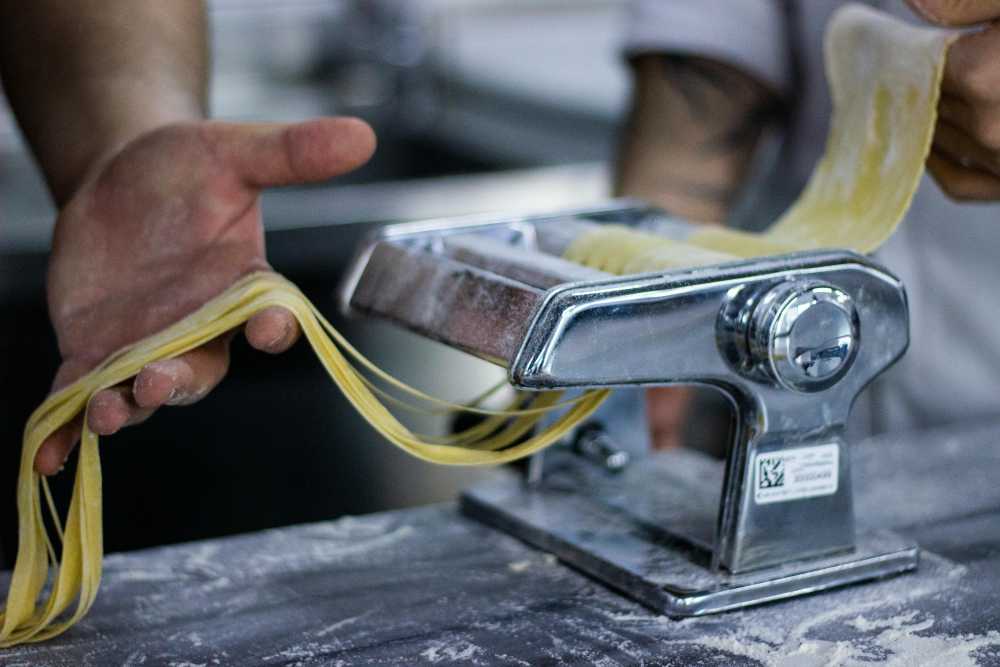
The solution is to stop following travel writers and start following culinary storytellers. The best food travel blogs go far beyond the plate. They are your expert guides to the history, people, and traditions that make a cuisine come alive. These creators understand that a dish is more than its ingredients; it’s a story waiting to be told. They take you on deep dives into local markets, introduce you to the artisans preserving tradition, and even teach you how to recreate iconic dishes yourself. This is how you transform a simple vacation into a true culinary adventure.
As we explore in our definitive guide to The Best Travel Blogs to Follow in 2026, finding the right niche expert is the single most important step in planning a transformative trip. This curated list will introduce you to the nine most valuable resources for planning your next food-focused journey.
Why Trust This List? Our Vetting Process
In a world saturated with algorithm-chasing 'Top 10 Eats' lists and perfectly filtered food photos, how do you find advice you can actually trust? More importantly, how do you distinguish a genuine culinary storyteller from a simple restaurant reviewer?
Our selection process is grounded in a dual-factor framework that combines hard data with the human element of excellence. We start with quantitative metrics like Domain Authority (DA), a score that a website's credibility to search engines, and social media engagement rates—which, according to recent market analysis, are far more telling than simple follower counts. This gives us a baseline of a blog's influence.
But data only gets you so far. The second, more crucial layer is a qualitative audit. We carefully analyze each blog for:
Deep Niche Expertise: The era of the generalist is over. We prioritize blogs that demonstrate profound, narrow expertise, establishing themselves as the go-to authority on culinary travel.
Originality & A Distinct Voice: We look for compelling storytellers, not content machines. The blogs on this list are run by writers with a unique perspective and a clear, engaging authorial voice.
Authenticity & Transparency: Trust is the currency of the creator economy. We select blogs that are transparent about their partnerships and share the complete picture of their journeys—the great, the good, and the occasional disaster.
This rigorous process ensures every blog featured here is not just popular, but genuinely valuable, trustworthy, and an authoritative resource for any traveler who believes food is the ultimate gateway to culture.

The Best Food Travel Blogs for Authentic Local Cuisine
These creators have dedicated their careers to seeking out the most authentic food experiences across the globe. They excel at telling the stories behind the food, providing the context that turns a meal into a memory.
1. Migrationology
Run by the endlessly enthusiastic Mark Wiens, Migrationology is a masterclass in using food as a lens for culture. Wiens’s philosophy is simple: “Food is the reason you should travel.” He goes far beyond restaurant reviews, creating mini-documentaries and articles that explore the history and cultural significance of every dish. His post on , for example, isn't just a review; it's an exploration of Malaysia's national dish, its regional variations, and its place in the heart of the Malaysian people. This is the blog you read to understand the why behind what you’re eating.
2. Legal Nomads
Jodi Ettenberg started Legal Nomads after leaving her career as a lawyer to travel the world. Her site has since become a treasure trove of narrative-driven food writing. What sets Legal Nomads apart is its intellectual curiosity. A prime example is Jodi's "," which traces the global migration of the humble chili from its origins in the Americas to its integration into cuisines across Asia and Europe. This dedication to deep-dive, historical content provides a rich, educational context you simply won't find on other platforms.
3. 2foodtrippers
Run by Daryl and Mindi Hirsch, 2foodtrippers is an invaluable resource for travelers who want practical, actionable food guides without any fluff. They are masters of the city-specific food guide, providing well-researched lists that help you eat well from your first day in a new destination. Their " " is a perfect example of their style: comprehensive, easy to navigate, and focused on authentic local specialties, from pastéis de nata to bifana sandwiches. They take the guesswork out of culinary exploration.

4. Authentic Food Quest
Claire and Rosemary, the founders of Authentic Food Quest, are on a mission to help travelers discover traditional dishes and the local food heroes who make them. Their entire philosophy is built around moving "beyond the tourist traps." They distinguish themselves by focusing heavily on participatory experiences. Their content consistently champions taking cooking classes on your travels, arguing it's one of the best ways to connect with a culture. This focus on hands-on learning makes their blog an essential read for anyone who wants to be an active participant in their culinary journey.
5. Will Travel for Food
JB and Renée are the creators of Will Travel for Food, a blog perfectly tailored for people visiting a destination for the first time. They specialize in creating comprehensive guides to the best local food in cities known for their culinary scenes. Their post, " ," is an accessible yet thorough introduction that helps newcomers navigate a complex food landscape with confidence. They excel at making exotic food scenes feel approachable and exciting for beginners.
6. The Travel Bite
The Travel Bite, founded by Rachelle Lucas, masterfully bridges the gap between travel and home cooking. While many blogs focus exclusively on the experience of eating abroad, The Travel Bite empowers you to bring those flavors back with you. Rachelle often includes recipes for iconic dishes she encounters on her travels, like her post on " ." This approach makes the blog incredibly valuable, extending the life of your culinary travels from a fleeting moment to a skill you can enjoy for years to come.
Your Culinary Adventure Awaits
Ready to plan a trip that tantalizes your taste buds? A great culinary journey starts with flawless planning. Don't let forgotten visas or last-minute packing stress get in the way of your next great meal.
Download our free International Travel Checklist today! It’s the ultimate step-by-step resource to ensure you're prepared for every aspect of your trip, so you can focus on what really matters: the food.
The New Wave of Food Travel: It's All About the Experience
The most sophisticated food travel blogs have evolved. They recognize that modern travelers crave immersion, not just information. This isn’t just a trend in food; it’s a seismic shift across the entire travel landscape. Our market analysis shows consumers are moving from passive observation to active participation. Food travelers now seek cooking classes over restaurant lists, and luxury travelers desire authentic cultural connections beyond opulent hotels. The most successful content is no longer a list, but an experiential guide. Here’s how top creators are leading the charge.
The Culinary Historian
A growing number of travelers are seeking more than just a good meal; they want to understand its context. This has given rise to a style of content best described as the "culinary historian" approach. These creators are digital storytellers who connect dishes to their cultural and historical roots. You can see this in the work of blogs like Migrationology and Legal Nomads, which transform a food review into a compelling lesson in history.
Pro-Tip: When you find a dish you love, search for its name plus "history" or "origin story." You'll often find blogs that have written deep-dive articles, giving you a much richer appreciation for what's on your plate.
The Local Market Deep Dive
Some of the most vibrant and authentic food in any destination is found not in restaurants, but in its local markets. A new wave of specialized platforms, like Culinary Backstreets and Traveling Spoon, are dedicated to this very experience. They build entire narratives and guided tours around exploring places like Tokyo's Tsukiji Outer Fish Market or Lisbon's Mercado da Ribeira. Content focused on market tours is invaluable because it tells a story about local ingredients, highlights the personalities of vendors, and provides a snapshot of daily life you can't get anywhere else.
The Hands-On Cooking Class
The ultimate way to connect with a cuisine is to learn how to make it yourself. Platforms like EatWith, The International Kitchen, and blogs like Authentic Food Quest are at the forefront, showcasing the immense value of cooking classes. Documenting a "Tuscan Cooking Class" provides a far more engaging and educational narrative than another passive dining review. For travelers heading to Italy, finding an authentic, non-touristy cooking class can be a challenge. Our Italy Travel Guide cuts through the noise, providing vetted recommendations for hands-on culinary experiences, from pasta making in Tuscany to pizza crafting in Naples. These resources empower you to bring home the ultimate souvenir: a new skill.
How to Use These Blogs to Plan Your Perfect Trip
Discovering great food travel blogs is the first step. The next is to use them as powerful planning tools to design your own perfect culinary itinerary.
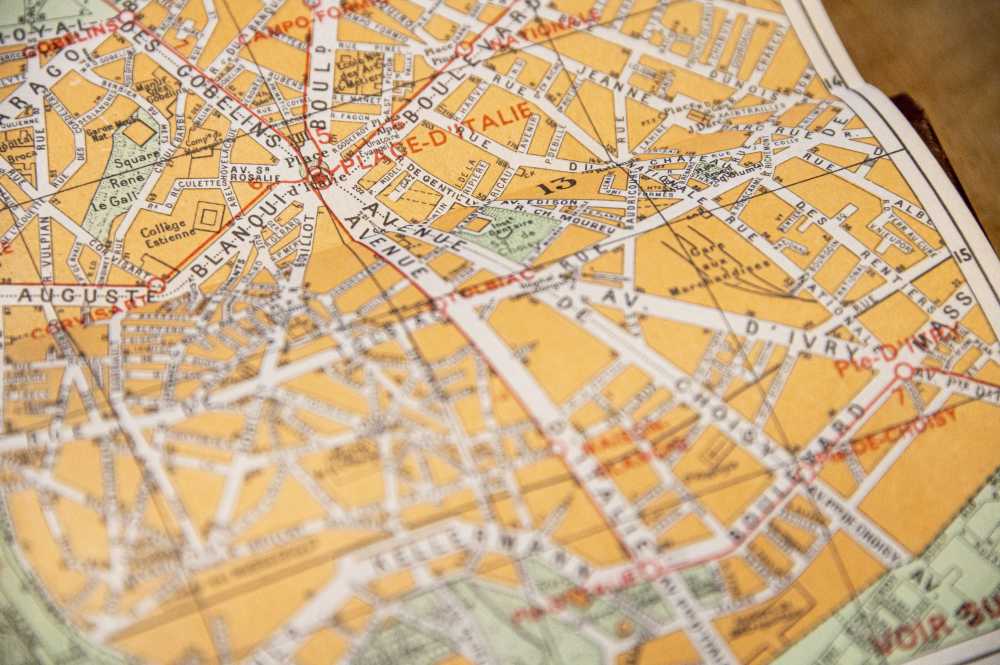
First, think of these blogs as your personal team of scouts. As you read, don't just consume the content—curate it. When a blogger mentions a restaurant, market, or dish that excites you, immediately save it to a custom Google My Map for your destination. Over time, you’ll build a visual database of vetted, high-quality recommendations. When you arrive, you’ll have a personalized map filled with promising options, allowing you to make spontaneous, informed decisions. Increasingly, the best creators are packaging their deep local knowledge into digital products you won't find anywhere else—think downloadable PDF guides with custom Google Maps or hyper-detailed itineraries. These are the kinds of expert-crafted resources you can discover on the TrekGuider Marketplace, connecting you directly with the creators who know these destinations best.

Pro-Tip: Color-code your map pins by category (e.g., green for coffee shops, blue for markets, red for fine dining, yellow for street food). This makes it incredibly easy to see what's nearby and choose an option that fits your current craving and budget.
Second, pay attention to the blogger’s palate. Food is subjective. Do they rave about spicy food? Are they passionate about fine dining, or do they prefer hole-in-the-wall street food stalls? Read several posts to get a feel for their unique perspective. If you find yourself consistently agreeing with their opinions, you’ve likely found a reliable guide. A blogger whose palate you trust is the most valuable travel planning asset you can have.
Frequently Asked Questions About Food Travel
What’s the difference between a food blog and a standard review site?
A review site (like Yelp or TripAdvisor) focuses on crowdsourced opinions and ratings, which can be useful for a quick snapshot. A high-quality food blog, however, offers a single, expert point of view. It provides deeper context, storytelling, and a curated perspective from a creator whose taste and expertise you can come to trust over time.
How can I tell if a food recommendation is sponsored?
Trustworthy bloggers are transparent. According to FTC guidelines, they must clearly disclose any paid partnerships or sponsored content. Look for disclaimers like "#ad," "#sponsored," or "Paid partnership with..." at the beginning of a post or caption. A lack of transparency is a major red flag.
Are there food blogs for specific dietary needs?
Absolutely. The trend toward niche expertise means there are fantastic blogs dedicated to every dietary preference. Searching for terms like "vegan food travel blogs," "gluten-free travel Paris," or "keto-friendly Italy" will uncover creators who specialize in navigating the world with specific dietary needs, offering invaluable, targeted advice.

Your Culinary Journey Starts Now
The world of food is vast, vibrant, and deeply personal. Moving beyond generic restaurant lists and embracing the rich, contextual storytelling of dedicated food travel blogs is the key to unlocking truly authentic and unforgettable culinary experiences. The creators featured here are more than just reviewers; they are educators, historians, and passionate guides who provide the tools and inspiration you need to connect with a culture in the most delicious way possible. You are now equipped with the resources to stop being a tourist and start being a true culinary explorer. Your next adventure, filled with genuine flavors and lasting memories, is just a click away.
Don't Miss Out! Subscribe for Exclusive Content
SubscribeComments 0
No comments yet
Be the first to share your experience!
Dont Miss Out! Subscribe for Exclusive Content

Chicago Beer Fests: Top 6 Tastings

FTC Affiliate Disclosure Essentials: Stay Compliant as a Travel Creator

Essential Affiliate Tools: From Tracking to Full Optimization

Avoid These 5 Affiliate Landing Page Mistakes for Better Conversions

Affiliate Keyword Research Mastery for Travel Blogs

Booking.com Affiliate Program Review: Pros, Cons, and Earnings Potential
How to Solo Travel Europe: A Step-by-Step First-Timer's Plan
TrekGuider @trekguider
You have a dozen tabs open, a saved folder of dream destinations on Instagram, and that creeping sense of anxiety that it’s all just too complicated. The dream of wandering through Parisian streets or watching a sunset in Lisbon feels buried under an avalanche of questions about budgets, safety, and the fear of being utterly alone. You're stuck in analysis paralysis, and the excitement is slowly being replaced by dread.
You don't need another list of vague 'tips.' You need a plan.
This guide is that plan. This is your complete roadmap for solo travel in Europe. We will walk you through every single step, from your first budget spreadsheet to your first solo dinner abroad, turning your overwhelming 'what ifs' into a confident, resounding, 'I'm ready.'

From Jitters to Jet-Set: Your Four-Week Plan to Conquer Pre-Trip Anxiety
The single greatest weapon against travel anxiety is a competent, actionable plan. Every item you check off a list is a small victory, a piece of tangible proof that you are capable and in control. This guide will provide the specific, step-by-step strategy for your European adventure. But before we dive in, it's vital to build a strong foundation. For a complete overview of the core principles and mindset needed for any solo journey, is the perfect place to start.
Your 4-Week Countdown: A Week-by-Week Planning Checklist
Transform anxiety into action by breaking down the process into manageable weekly goals.
4 Weeks Out: Finalize your budget and book your round-trip flights. Purchase comprehensive travel insurance (this is non-negotiable). Ensure your passport is valid for at least six months beyond your planned return date.
3 Weeks Out: Book your accommodation for the first city on your itinerary. Begin booking major train routes between countries, as prices often increase closer to the date.
2 Weeks Out: Plan your packing list and purchase any necessary gear, like a universal adapter or packing cubes. Notify your bank and credit card companies of your travel dates.
1 Week Out: Download offline maps (Google Maps) and language packs (Google Translate). Confirm all bookings and share your detailed itinerary with a trusted contact back home. Pack your carry-on.
Identifying Your Travel Fears (and How to Systematically Crush Them)
Write down your top three fears. Are they about safety? Loneliness? Getting lost? Now, for each one, write down one concrete, actionable step you can take to mitigate it.
Fear of safety? Research and book a hotel in a neighborhood with a high GeoSure Women's Safety score.
Fear of loneliness? Pre-book a group walking tour for your first full day in a new city.
Fear of getting lost? Spend 30 minutes on Google Street View "walking" the route from your arrival airport/train station to your hotel. Familiarity breeds confidence.
How to Master Your Money in Europe
Financial stress can suffocate an otherwise amazing trip. A clear, realistic budget is an act of self-care that empowers you to enjoy your adventure without worry. Understanding the real costs of solo travel in Europe is the first step to financial freedom on the road.
How Much Does a Solo Trip to Europe Actually Cost?
Let's talk numbers. While your personal travel style is the biggest variable, here are some realistic daily budgets to anchor your planning (these exclude flights):
The Budget Backpacker: $50 - $75/day. This means staying in hostel dorms, cooking some of your own meals, focusing on free activities like walking tours, and using buses or pre-booked trains.
The Mid-Range Explorer: $100 - $175/day. This allows for private rooms in hostels or budget hotels, a mix of restaurant meals and street food, museum entries, and more comfortable train travel.
The Comfort Seeker: $200+/day. This budget accommodates boutique hotels, multi-course dinners, guided tours, and last-minute travel plans.

Destination Cost Tiers
Not all of Europe is priced equally. Stretch your budget further by focusing on these regions:
Budget-Friendly: Portugal, Spain, Czechia, Hungary, Poland, and the Balkan countries (Croatia, Albania, Bosnia and Herzegovina).
Mid-Range: Italy, Germany, France (outside of Paris), Ireland, Slovenia.
Splurge-Worthy: Switzerland, Iceland, Norway, Denmark, Sweden, and the United Kingdom (especially London).
Pro-Tip: The easiest way to save money on food is to make lunch your main meal. Many European restaurants offer a prix fixe lunch menu (menu of the day) which includes multiple courses for a fraction of the evening price.
Choosing Your Perfect First Solo Adventure
Your first destination should be a launching pad for success. Prioritize countries known for safety, excellent tourist infrastructure, and ease of navigation. This isn't about being unadventurous; it's about setting yourself up for a win.
For the Cautious Explorer: The 5 Safest & Easiest Countries for a First Trip
These countries consistently rank high on the Global Peace Index and are incredibly welcoming to solo travelers.
Portugal: Safe, affordable, fantastic public transport, and English is widely spoken in tourist areas. Lisbon is arguably the perfect first-time solo travel city.
Iceland: Staggeringly safe with otherworldly landscapes. Ideal for nature lovers. Easy to navigate with tours, though it is expensive.
Slovenia: A hidden gem. It has the beauty of Switzerland at a fraction of the cost, is incredibly safe, and is small enough to explore thoroughly.
Ireland: Famously friendly locals, easy to navigate, and a cozy pub culture that makes it easy to strike up a conversation.
Austria: Clean, efficient, and beautiful. Vienna is a solo traveler's dream with its cafe culture and walkable city center.

Understanding the Schengen Zone: How to Maximize Your 90 Days
For U.S. citizens, the Schengen Area is a collection of 27 European countries that have abolished internal border controls. You can travel freely between these countries for up to 90 days within any 180-day period without a visa. Be sure to track your days carefully if you're planning a longer trip. Countries like the UK and Ireland are not in the Schengen Zone and have their own entry rules.
Navigating Europe Like a Pro
Europe's transportation network is a marvel of efficiency. Mastering it is a core skill that transforms you from a tourist into a traveler.
Flights vs. Trains vs. Buses
Flights: Use budget airlines like Ryanair or EasyJet for long distances (e.g., Lisbon to Rome). Book well in advance and be ruthless about their baggage weight limits to avoid exorbitant fees.
Trains: The best option for distances under 5 hours. It’s scenic, comfortable, and delivers you directly to the city center. A Eurail pass can be cost-effective if you plan on frequent, long-distance train travel, but always compare the pass price to buying individual tickets in advance.
Buses: The cheapest, but slowest, option. Companies like FlixBus and BlaBlaCar Bus are great for budget-conscious travelers and for routes not well-served by trains.

A Beginner's Guide to Navigating Europe's Train Systems
Booking trains can feel intimidating. The key is using the right tools. Apps like Trainline or Omio are great for comparing options, but they sometimes add a small service fee. For the best price, go directly to the website of the country's national rail service (e.g., Deutsche Bahn in Germany, Trenitalia in Italy).
Pro-Tip: In some countries (like Italy and France), you must validate your paper ticket in a small machine on the platform before boarding. Forgetting this step can result in a steep fine. When in doubt, watch what the locals do!
Finding Your Home Away From Home
Where you sleep is your sanctuary. It’s your base of operations, your charging station, and your place to feel secure.
Hostels vs. Hotels vs. Airbnbs for Solo Travelers
Hostels: The best choice for budget and social connection. Modern hostels offer private rooms, female-only dorms, and organized social events. They are the easiest place to meet fellow travelers.
Hotels: The right choice when you prioritize privacy, comfort, and security. A hotel gives you a guaranteed quiet space to decompress after a long day of exploring.
Airbnbs: Can offer great value and a local feel, but can also be isolating. For a first-timer, a "private room" in a host's apartment is a good middle ground, offering a local connection with more privacy than a hostel.
How to Pick a Safe and Social Hostel (Even If You're Not 21)
Read recent reviews like a detective, specifically filtering for "solo traveler" or "solo female traveler." Prioritize properties with:
24-hour reception
Secure individual lockers (bring your own padlock)
A well-lit, central location
Organized events like walking tours or group dinners

Your Guide to Staying Safe and Savvy on a Solo Travel in Europe
Let’s be clear: safety isn't about paranoia; it's about preparation. It's the quiet confidence that comes from being aware and intentional, which makes you a less appealing target from the start.
Blending In and Walking with Purpose
Dress to blend: Observe what local women are wearing. Ditching the tourist "uniform" of athletic wear can help you stand out less.
Walk with confidence: Even when lost, walk like you know where you're going. Duck into a cafe or shop to consult your map rather than stopping in the middle of the sidewalk.
Avoid "distracted" behaviors: Keep your phone away when walking through crowded areas. Being present and aware of your surroundings is your number one deterrent.
Proven Tactics to Beat Pickpockets
Major European cities are notorious for pickpockets who target distracted tourists.
Use a crossbody bag worn in front of your body, always with the zipper closed.
Never put your phone or wallet in your back pocket.
At restaurants, don't hang your bag on the back of your chair or place your phone on the table. Keep your belongings in your lap.
The Art of Solo Socializing
One of the biggest anxieties about a solo travel Europe trip is loneliness. The beauty of it is that you are in complete control of your social meter. You can dial it up or down at will.
How to Confidently Eat Alone (and Actually Enjoy It)
Reframe this act. It's not a sign of loneliness; it's a moment of luxurious self-indulgence.
Sit at the bar: It's more casual and invites conversation with the bartender or neighbors.
Bring a prop: A book signals "I'm content," while a journal signals "I'm an interesting person reflecting on my day."
Engage with the experience: Focus on the food. Take notes. Be present. You'll forget to feel self-conscious.

5 Easy Ways to Meet Other Travelers
Free Walking Tours: The #1 hack. Instant group for a few hours.
Cooking Classes: A shared activity is a natural icebreaker.
Hostel Common Areas: Simply being present in these spaces makes you approachable.
Meetup.com: Find events for locals and expats interested in everything from hiking to language exchange.
Small Group Day Trips: Use platforms like GetYourGuide or Viator to join tours to nearby attractions.
Your Solo Travel Europe Questions, Answered
What is the best European country to visit for the first time alone?
For its unbeatable combination of safety, affordability, friendly locals, and excellent tourist infrastructure, Portugal is widely considered the best choice for a first-time solo trip in Europe.
Is Europe safe for a young solo female traveler?
Yes, overwhelmingly so. By choosing safe destinations, practicing situational awareness, and following standard safety protocols like those outlined in this guide, Europe is an incredibly safe and rewarding place for solo female travelers.
How do I handle language barriers when traveling alone?
In most major tourist destinations, English will be sufficient. However, learning a few key phrases in the local language ("Hello," "Please," "Thank you," "Excuse me") shows respect and will be greatly appreciated. Use the Google Translate app's offline and camera features for menus and signs.
The journey of solo travel in Europe is one of the most empowering experiences a person can have. It will challenge you, thrill you, and teach you more about your own resilience and capability than you thought possible. You've read the plan, you have the tools, and you understand the strategies. The fear you feel now will be a distant memory the moment you navigate a new city's metro system by yourself for the first time. That feeling of profound competence and freedom is what awaits. The adventure is yours to claim.
Read the full guide: Anxious to Adventurous: The Ultimate Guide to Solo Travel Confidence
Don't Miss Out! Subscribe for Exclusive Content
SubscribeComments 0
No comments yet
Be the first to share your experience!
Dont Miss Out! Subscribe for Exclusive Content

Ultimate USA Holidays Guide: Top Picks
FTC Affiliate Disclosure Essentials: Stay Compliant as a Travel Creator
Essential Affiliate Tools: From Tracking to Full Optimization
Booking.com Affiliate Program Review: Pros, Cons, and Earnings Potential

Decoding Affiliate Commission Rates: Benchmarks for Travel Creators
