
9 Food Travel Blogs for Culinary Adventures

TrekGuider @trekguider
You're planning a trip, dreaming of sizzling street food, hidden family-run trattorias, and flavors you'll remember for a lifetime. But your research keeps hitting a wall. You're tired of the same generic "top 10 eats" lists that lead you to overpriced, mediocre tourist traps. It’s a frustrating cycle of clicking through sponsored reviews and superficial recommendations, leaving you feeling like you’ve barely scratched the surface of a destination’s true culinary soul. You end up on the wrong side of town, eating a forgettable meal, knowing you’re missing out—on the vibrant market stalls, the rich history behind the local dishes, and the genuine connection to a culture that only happens through its food.

The solution is to stop following travel writers and start following culinary storytellers. The best food travel blogs go far beyond the plate. They are your expert guides to the history, people, and traditions that make a cuisine come alive. These creators understand that a dish is more than its ingredients; it’s a story waiting to be told. They take you on deep dives into local markets, introduce you to the artisans preserving tradition, and even teach you how to recreate iconic dishes yourself. This is how you transform a simple vacation into a true culinary adventure.
As we explore in our definitive guide to The Best Travel Blogs to Follow in 2026, finding the right niche expert is the single most important step in planning a transformative trip. This curated list will introduce you to the nine most valuable resources for planning your next food-focused journey.
Why Trust This List? Our Vetting Process
In a world saturated with algorithm-chasing 'Top 10 Eats' lists and perfectly filtered food photos, how do you find advice you can actually trust? More importantly, how do you distinguish a genuine culinary storyteller from a simple restaurant reviewer?
Our selection process is grounded in a dual-factor framework that combines hard data with the human element of excellence. We start with quantitative metrics like Domain Authority (DA), a score that a website's credibility to search engines, and social media engagement rates—which, according to recent market analysis, are far more telling than simple follower counts. This gives us a baseline of a blog's influence.
But data only gets you so far. The second, more crucial layer is a qualitative audit. We carefully analyze each blog for:
Deep Niche Expertise: The era of the generalist is over. We prioritize blogs that demonstrate profound, narrow expertise, establishing themselves as the go-to authority on culinary travel.
Originality & A Distinct Voice: We look for compelling storytellers, not content machines. The blogs on this list are run by writers with a unique perspective and a clear, engaging authorial voice.
Authenticity & Transparency: Trust is the currency of the creator economy. We select blogs that are transparent about their partnerships and share the complete picture of their journeys—the great, the good, and the occasional disaster.
This rigorous process ensures every blog featured here is not just popular, but genuinely valuable, trustworthy, and an authoritative resource for any traveler who believes food is the ultimate gateway to culture.

The Best Food Travel Blogs for Authentic Local Cuisine
These creators have dedicated their careers to seeking out the most authentic food experiences across the globe. They excel at telling the stories behind the food, providing the context that turns a meal into a memory.
1. Migrationology
Run by the endlessly enthusiastic Mark Wiens, Migrationology is a masterclass in using food as a lens for culture. Wiens’s philosophy is simple: “Food is the reason you should travel.” He goes far beyond restaurant reviews, creating mini-documentaries and articles that explore the history and cultural significance of every dish. His post on , for example, isn't just a review; it's an exploration of Malaysia's national dish, its regional variations, and its place in the heart of the Malaysian people. This is the blog you read to understand the why behind what you’re eating.
2. Legal Nomads
Jodi Ettenberg started Legal Nomads after leaving her career as a lawyer to travel the world. Her site has since become a treasure trove of narrative-driven food writing. What sets Legal Nomads apart is its intellectual curiosity. A prime example is Jodi's "," which traces the global migration of the humble chili from its origins in the Americas to its integration into cuisines across Asia and Europe. This dedication to deep-dive, historical content provides a rich, educational context you simply won't find on other platforms.
3. 2foodtrippers
Run by Daryl and Mindi Hirsch, 2foodtrippers is an invaluable resource for travelers who want practical, actionable food guides without any fluff. They are masters of the city-specific food guide, providing well-researched lists that help you eat well from your first day in a new destination. Their " " is a perfect example of their style: comprehensive, easy to navigate, and focused on authentic local specialties, from pastéis de nata to bifana sandwiches. They take the guesswork out of culinary exploration.

4. Authentic Food Quest
Claire and Rosemary, the founders of Authentic Food Quest, are on a mission to help travelers discover traditional dishes and the local food heroes who make them. Their entire philosophy is built around moving "beyond the tourist traps." They distinguish themselves by focusing heavily on participatory experiences. Their content consistently champions taking cooking classes on your travels, arguing it's one of the best ways to connect with a culture. This focus on hands-on learning makes their blog an essential read for anyone who wants to be an active participant in their culinary journey.
5. Will Travel for Food
JB and Renée are the creators of Will Travel for Food, a blog perfectly tailored for people visiting a destination for the first time. They specialize in creating comprehensive guides to the best local food in cities known for their culinary scenes. Their post, " ," is an accessible yet thorough introduction that helps newcomers navigate a complex food landscape with confidence. They excel at making exotic food scenes feel approachable and exciting for beginners.
6. The Travel Bite
The Travel Bite, founded by Rachelle Lucas, masterfully bridges the gap between travel and home cooking. While many blogs focus exclusively on the experience of eating abroad, The Travel Bite empowers you to bring those flavors back with you. Rachelle often includes recipes for iconic dishes she encounters on her travels, like her post on " ." This approach makes the blog incredibly valuable, extending the life of your culinary travels from a fleeting moment to a skill you can enjoy for years to come.
Your Culinary Adventure Awaits
Ready to plan a trip that tantalizes your taste buds? A great culinary journey starts with flawless planning. Don't let forgotten visas or last-minute packing stress get in the way of your next great meal.
Download our free International Travel Checklist today! It’s the ultimate step-by-step resource to ensure you're prepared for every aspect of your trip, so you can focus on what really matters: the food.
The New Wave of Food Travel: It's All About the Experience
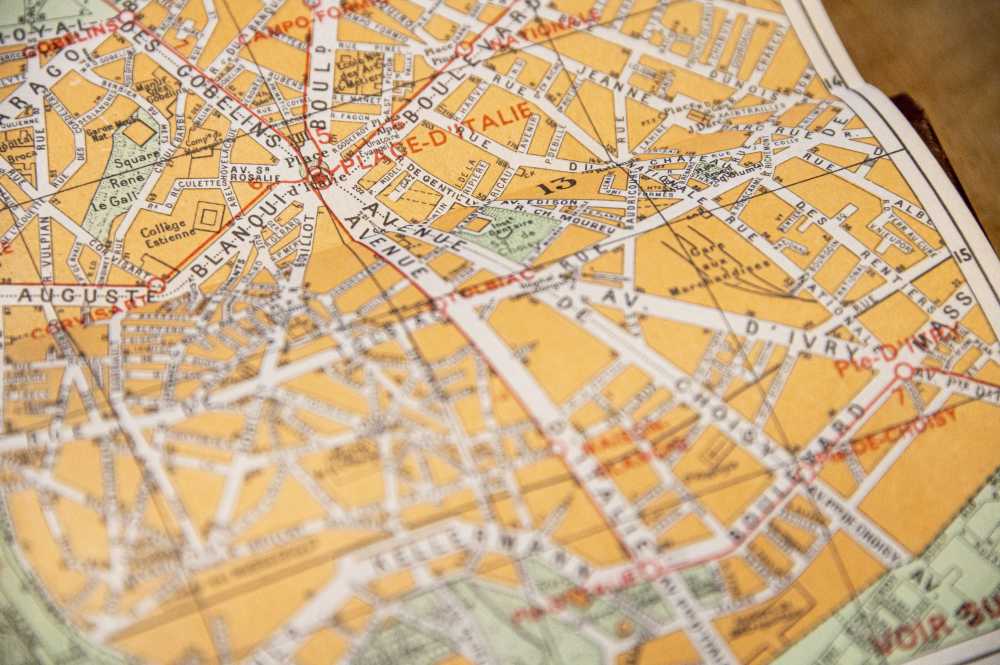
The most sophisticated food travel blogs have evolved. They recognize that modern travelers crave immersion, not just information. This isn’t just a trend in food; it’s a seismic shift across the entire travel landscape. Our market analysis shows consumers are moving from passive observation to active participation. Food travelers now seek cooking classes over restaurant lists, and luxury travelers desire authentic cultural connections beyond opulent hotels. The most successful content is no longer a list, but an experiential guide. Here’s how top creators are leading the charge.
The Culinary Historian
A growing number of travelers are seeking more than just a good meal; they want to understand its context. This has given rise to a style of content best described as the "culinary historian" approach. These creators are digital storytellers who connect dishes to their cultural and historical roots. You can see this in the work of blogs like Migrationology and Legal Nomads, which transform a food review into a compelling lesson in history.
Pro-Tip: When you find a dish you love, search for its name plus "history" or "origin story." You'll often find blogs that have written deep-dive articles, giving you a much richer appreciation for what's on your plate.
The Local Market Deep Dive
Some of the most vibrant and authentic food in any destination is found not in restaurants, but in its local markets. A new wave of specialized platforms, like Culinary Backstreets and Traveling Spoon, are dedicated to this very experience. They build entire narratives and guided tours around exploring places like Tokyo's Tsukiji Outer Fish Market or Lisbon's Mercado da Ribeira. Content focused on market tours is invaluable because it tells a story about local ingredients, highlights the personalities of vendors, and provides a snapshot of daily life you can't get anywhere else.
The Hands-On Cooking Class
The ultimate way to connect with a cuisine is to learn how to make it yourself. Platforms like EatWith, The International Kitchen, and blogs like Authentic Food Quest are at the forefront, showcasing the immense value of cooking classes. Documenting a "Tuscan Cooking Class" provides a far more engaging and educational narrative than another passive dining review. For travelers heading to Italy, finding an authentic, non-touristy cooking class can be a challenge. Our Italy Travel Guide cuts through the noise, providing vetted recommendations for hands-on culinary experiences, from pasta making in Tuscany to pizza crafting in Naples. These resources empower you to bring home the ultimate souvenir: a new skill.
How to Use These Blogs to Plan Your Perfect Trip
Discovering great food travel blogs is the first step. The next is to use them as powerful planning tools to design your own perfect culinary itinerary.
First, think of these blogs as your personal team of scouts. As you read, don't just consume the content—curate it. When a blogger mentions a restaurant, market, or dish that excites you, immediately save it to a custom Google My Map for your destination. Over time, you’ll build a visual database of vetted, high-quality recommendations. When you arrive, you’ll have a personalized map filled with promising options, allowing you to make spontaneous, informed decisions. Increasingly, the best creators are packaging their deep local knowledge into digital products you won't find anywhere else—think downloadable PDF guides with custom Google Maps or hyper-detailed itineraries. These are the kinds of expert-crafted resources you can discover on the TrekGuider Marketplace, connecting you directly with the creators who know these destinations best.

Pro-Tip: Color-code your map pins by category (e.g., green for coffee shops, blue for markets, red for fine dining, yellow for street food). This makes it incredibly easy to see what's nearby and choose an option that fits your current craving and budget.
Second, pay attention to the blogger’s palate. Food is subjective. Do they rave about spicy food? Are they passionate about fine dining, or do they prefer hole-in-the-wall street food stalls? Read several posts to get a feel for their unique perspective. If you find yourself consistently agreeing with their opinions, you’ve likely found a reliable guide. A blogger whose palate you trust is the most valuable travel planning asset you can have.
Frequently Asked Questions About Food Travel
What’s the difference between a food blog and a standard review site?
A review site (like Yelp or TripAdvisor) focuses on crowdsourced opinions and ratings, which can be useful for a quick snapshot. A high-quality food blog, however, offers a single, expert point of view. It provides deeper context, storytelling, and a curated perspective from a creator whose taste and expertise you can come to trust over time.
How can I tell if a food recommendation is sponsored?
Trustworthy bloggers are transparent. According to FTC guidelines, they must clearly disclose any paid partnerships or sponsored content. Look for disclaimers like "#ad," "#sponsored," or "Paid partnership with..." at the beginning of a post or caption. A lack of transparency is a major red flag.
Are there food blogs for specific dietary needs?
Absolutely. The trend toward niche expertise means there are fantastic blogs dedicated to every dietary preference. Searching for terms like "vegan food travel blogs," "gluten-free travel Paris," or "keto-friendly Italy" will uncover creators who specialize in navigating the world with specific dietary needs, offering invaluable, targeted advice.

Your Culinary Journey Starts Now
The world of food is vast, vibrant, and deeply personal. Moving beyond generic restaurant lists and embracing the rich, contextual storytelling of dedicated food travel blogs is the key to unlocking truly authentic and unforgettable culinary experiences. The creators featured here are more than just reviewers; they are educators, historians, and passionate guides who provide the tools and inspiration you need to connect with a culture in the most delicious way possible. You are now equipped with the resources to stop being a tourist and start being a true culinary explorer. Your next adventure, filled with genuine flavors and lasting memories, is just a click away.
Don't Miss Out! Subscribe for Exclusive Content
Subscribe



Comments 0
No comments yet
Be the first to share your experience!
Dont Miss Out! Subscribe for Exclusive Content

Chicago Beer Fests: Top 6 Tastings


FTC Affiliate Disclosure Essentials: Stay Compliant as a Travel Creator

Essential Affiliate Tools: From Tracking to Full Optimization

Avoid These 5 Affiliate Landing Page Mistakes for Better Conversions

Affiliate Keyword Research Mastery for Travel Blogs

Booking.com Affiliate Program Review: Pros, Cons, and Earnings Potential
9 Beach Safety Tips That Could Save Your Life
TrekGuider @trekguider
There’s a moment on every beach trip that feels like pure magic. It’s the feeling of warm sand between your toes, the hypnotic sound of waves crashing, and the endless blue horizon stretching out before you. It’s a picture of perfect relaxation. But beneath that tranquil surface, the ocean holds immense and impartial power. A beautiful day can turn dangerous in an instant from a hidden current, underestimated waves, or the relentless sun, transforming a dream vacation into a terrifying emergency. Every year, countless beachgoers find themselves in preventable peril simply because they misread the water or weren't prepared for the environment.
This isn't a guide to make you fear the ocean; it's a playbook to empower you to respect it. We’re here to give you the essential, expert-backed beach safety tips that can mean the difference between a blissful day and a life-altering one. These strategies, drawn from lifeguarding associations and national weather experts, are a critical component of the situational awareness we cover in our comprehensive guide, The Ultimate Guide to Travel Safety: A 2026 Playbook. By learning to see the beach not just as a playground, but as a dynamic natural environment, you can ensure your only takeaways are seashells and incredible memories. Let’s dive in.

Master the Water: Essential Ocean Safety Tips
The vast majority of beach-related dangers originate in the water itself. From powerful currents to unpredictable surf, understanding the ocean's behavior is the most critical skill any beachgoer can possess. These are the foundational beach safety tips for staying safe in the surf.
1. Become an Expert at Spotting Rip Currents
Rip currents are the number one danger at most surf beaches, responsible for the majority of ocean rescues performed by lifeguards. They are not undertows that pull you under the water; they are powerful, narrow channels of water that flow away from the shore at high speed. According to NOAA and the United States Lifesaving Association (USLA), knowing how to visually identify one from the shore is your first and best line of defense.
Here’s what to look for, especially from an elevated position like the dunes or a lifeguard tower:
A Channel of Churning, Choppy Water: Look for a specific area where the water seems agitated or rough, moving in a different direction than the surrounding waves.
A Break in the Incoming Wave Pattern: This is often the easiest sign to spot. You'll see a gap in the line of breaking waves—an area that looks deceptively calm. This flat spot is the rip current pulling water back out to sea, disrupting the incoming waves.
A Difference in Water Color: Because the current is carrying sand and sediment offshore, the water within a rip current often appears darker, murky, or sandy brown compared to the clearer, greener water on either side.
A Line of Foam or Debris Moving Seaward: This is a dead giveaway. If you see a line of foam, seaweed, or other floating debris moving steadily away from the beach, perpendicular to the shore, you are looking directly at a rip current.
Pro-Tip: Before you even set up your umbrella, take five minutes to stand back and observe the water. Actively look for these signs. Identifying potential rip currents before you get in the water is the single most important safety action you can take.
2. Know the "Flip, Float, Follow" Rule for Rip Current Survival
If you do get caught in a rip current, your instinctive reaction—to panic and swim directly against it back to shore—is the most dangerous thing you can do. Fighting a rip current will exhaust you to the point of drowning. The correct response is simple and could save your life.
Flip: Flip onto your back to stay afloat and conserve energy.
Float: The current will not pull you under; it will only pull you away from shore. Stay calm and float with it.
Follow: Once you are out of the main pull of the current, begin swimming parallel to the shoreline. Do not swim toward the beach. Once you have swum out of the current, you can then turn and swim back to shore, ideally at an angle away from where you were caught.
If you are unable to swim out of it, continue to float and wave your arms and yell for help to attract the attention of a lifeguard or other swimmers.

3. Understand and Obey the Beach Warning Flag System
While knowing how to escape an invisible current is a vital reactive skill, your most powerful proactive tool is the one flapping in the breeze. Beach warning flags are a simple, universal language used by lifeguards to communicate the current water conditions. This system, adopted by the International Lifesaving Federation, provides a quick, visual assessment of the hazard level. Ignoring these flags is a gamble you should never take.
Green Flag: Low Hazard. Conditions are calm, but you should still exercise caution.
Yellow Flag: Medium Hazard. Moderate surf and/or currents are present. Weak swimmers should stay out of the water, and everyone else should use extra care.
Red Flag: High Hazard. The surf is high, and/or strong currents make conditions dangerous. It is recommended that no one enters the water.
Double Red Flag: Water Closed to Public. Conditions are extremely dangerous. The water is closed to all swimming, and entering it is prohibited.
Purple Flag: Dangerous Marine Life. This flag indicates that potentially hazardous marine life, like jellyfish or sharks, has been spotted. It is always flown with another color flag that indicates the surf conditions.
Pro-Tip: The absence of flags does not automatically mean the water is safe. If there is no flag, it likely means there is no lifeguard on duty. In that case, you are swimming entirely at your own risk. Always try to swim at a beach protected by lifeguards.
Master the Environment: Sun and Shoreline Safety Tips
While the ocean poses the most immediate threats, the beach environment itself has its own set of risks. The sun, sand, and heat can cause serious health issues if not managed properly. These beach safety tips will keep you safe on the shore.
4. Know the Signs of Heat Exhaustion vs. Heatstroke
That perfect, sun-drenched beach day holds a hidden danger. When the temperature climbs, the line between bliss and a medical emergency can blur with alarming speed. According to the Red Cross, it's crucial to know the difference between heat exhaustion and the more severe, life-threatening heatstroke (sunstroke).
Heat Exhaustion Symptoms:
Headache, dizziness, and confusion
Excessive sweating with cool, moist, or pale skin
Nausea and muscle cramps
A rapid, weak pulse
First-Aid for Heat Exhaustion:
Move to a Cool Place: Immediately get the person out of the direct sun and into shade or air conditioning.
Cool Them Down: Loosen their clothing and apply cool, wet cloths or spray them with cool water.
Rehydrate: If they are conscious and able to swallow, have them sip small amounts of a sports drink or water.
If their condition doesn't improve or they start vomiting, call for emergency help immediately, as it can progress to heatstroke.
5. Recognize the Emergency of Heatstroke (Sunstroke)
Heatstroke is a full-blown medical emergency where the body's internal cooling system completely fails.
Heatstroke Symptoms:
Changes in mental status (confusion, agitation, loss of consciousness)
Hot, flushed, and often dry skin (sweating may have stopped)
A dangerously high body temperature (often above 104°F / 40°C)
A rapid, strong pulse, which may become weak later
First-Aid for Heatstroke:
Call 911 Immediately: This is a life-threatening emergency that requires professional medical intervention.
Begin Rapid Cooling: While waiting for help, do everything you can to cool the person's body. Immerse them in cool water if possible, or douse them with water and apply ice packs to the neck, groin, and armpits.

6. Practice Proactive Sun Protection
The best way to deal with a heat-related illness is to never let it start. Sun protection is a continuous strategy, not a one-time action.
Hydrate Constantly: Drink plenty of water throughout the day, even before you feel thirsty.
Use Broad-Spectrum Sunscreen: Apply a sunscreen with at least SPF 30 and reapply it every two hours, and always immediately after swimming or excessive sweating.
Seek Shade: Use an umbrella and take breaks from the sun, especially during the peak intensity hours of 10 a.m. to 4 p.m.
Wear Protective Clothing: A wide-brimmed hat and UV-blocking sunglasses are non-negotiable.
7. The "Stingray Shuffle" Rule
In many coastal areas, stingrays bury themselves in the sand in shallow water. Stepping directly on one can result in an excruciatingly painful sting from the barb on their tail. To avoid this, never walk normally through the shallows. Instead, shuffle your feet along the sand. The vibrations from the shuffle will alert any nearby stingrays to your presence, giving them a chance to swim away peacefully.
Master Your Preparation: Final Beach Safety Tips
A safe and relaxing beach day begins before you even leave home. Smart planning and having the right gear can make all the difference, especially when traveling with family.
8. Pack a Dedicated Beach First-Aid Kit
While your main travel medical kit should be comprehensive, your beach bag needs a few specific items to handle common coastal issues:
Waterproof Bandages: For minor cuts and scrapes from shells or rocks.
Aloe Vera Gel: For immediate relief from minor sunburn.
Antihistamine Cream: To soothe the itch from insect bites.
Tweezers: For removing splinters or shell fragments.
Vinegar: A small bottle of white vinegar is a secret weapon; it can help neutralize the sting from some types of jellyfish.
9. Always Designate a "Water Watcher"
When you're at the beach with a group, especially with children, it's easy to fall into the trap of "diffusion of responsibility," where everyone assumes someone else is watching the kids in the water. The solution is to formally designate one adult as the "Water Watcher" for a set period (e.g., 15-20 minutes). During their shift, that person's only job is to watch the water without distraction—no phones, no books, no conversations. Then, you switch. This simple system ensures there are always eyes on the swimmers.
Your Ultimate Guide to Family Beach Travel
Keeping kids safe and entertained at the beach is a unique challenge. From packing the right gear to navigating meltdowns and keeping them safe in the sun and surf, a little extra preparation goes a long way. Our specialized guide takes the stress out of the equation.
Download our free Stress-Free Flying with Kids Guide for expert tips on making every part of your family vacation, from the airport to the beach, a breeze!
Beach Safety FAQs
A prepared mind is a safe mind. Here are quick answers to other common beach safety questions.
1. What’s the right way to treat a jellyfish sting?
First, get out of the water. Rinse the affected area with vinegar (if available) for about 30 seconds to deactivate the stingers. Do not use fresh water, as it can make it worse. Carefully pluck out any visible tentacles with tweezers. Soaking the skin in hot water (as hot as can be tolerated without burning) for 20-45 minutes can also help relieve the pain.
2. Is it safe to dig deep holes in the sand?
Digging in the sand is a classic beach activity, but deep holes can be incredibly dangerous. They can collapse unexpectedly, burying a person in seconds. Never dig a hole deeper than the knees of the smallest person in your group, and always fill in any holes you dig before you leave the beach.
3. What should I do if I see someone in trouble in the water?
Do not attempt a swimming rescue yourself unless you are trained in water rescue. An untrained rescuer can quickly become a second victim. The best course of action is to call for help immediately. Yell to alert a lifeguard and call 911. If you can, throw the person something that floats, like a cooler or a boogie board.
By embracing these nine essential beach safety tips, you shift from being a passive visitor to an active, aware, and prepared participant in one of nature’s most magnificent environments. The goal isn't to diminish the fun but to ensure it. A healthy respect for the ocean and a solid plan for your day are the keys to unlocking a truly carefree and unforgettable experience by the sea.

Now that you've mastered the art of staying safe on the coast, you can focus on the rest of your adventure. For a complete, deep-dive into every facet of trip planning, from health and safety to budgeting and logistics, our comprehensive Travel Guide is the only resource you'll ever need.
Don't Miss Out! Subscribe for Exclusive Content
SubscribeComments 0
No comments yet
Be the first to share your experience!
Dont Miss Out! Subscribe for Exclusive Content

Ultimate USA Holidays Guide: Top Picks
FTC Affiliate Disclosure Essentials: Stay Compliant as a Travel Creator
Essential Affiliate Tools: From Tracking to Full Optimization
Booking.com Affiliate Program Review: Pros, Cons, and Earnings Potential

Decoding Affiliate Commission Rates: Benchmarks for Travel Creators

Amazon Associates for Travel: Strategies to Maximize Commissions
Social Media Affiliate Strategies Tailored for Travel Influencers
TrekGuider @trekguider
You’ve built a vibrant community. Your Instagram feed is a mix of breathtaking landscapes, your TikToks capture the chaotic magic of travel, and your audience hangs on your every recommendation. You have the influence, the engagement, and the trust. But when you look at your affiliate income, there’s a frustrating disconnect.
The links you drop in your bio get lost, your story swipe-ups fizzle out, and the revenue trickles in—a pale shadow of the value you provide daily.

This isn't just a feeling; it's a critical flaw in your business model. You see the industry reports—the affiliate marketing market soaring past $93 billion, with the average travel affiliate earning a reported $13,847 a month—and it feels like it’s happening in another universe. You’re a social-first creator stuck trying to implement a blog-first strategy, and it’s costing you a fortune.
This guide is your platform-specific playbook. We are moving beyond the blog-centric advice that doesn't fit your business. This is a deep dive into the world of social affiliate marketing, with tailored, actionable strategies designed specifically for Instagram, TikTok, and Pinterest. You will learn how to turn your engagement into a reliable, scalable income stream by meeting your audience where they are. For a complete command of the entire affiliate ecosystem, from program selection to legal compliance, our definitive pillar page, Travel Affiliate Programs: The 2026 Ultimate Guide, is your essential command center.
The Mindset Shift: From "Influencer" to "Social CEO"
Let’s start with a crucial shift in identity. The word "influencer" feels passive—you post, influence happens. But the creators truly cashing in operate as "Social CEOs." They don't just post; they build strategic, multi-platform funnels. They understand that their social media presence isn't just a gallery of their travels; it's a dynamic, high-value media business.

This mindset is grounded in the massive economic reality of our industry. The creator economy is forecasted to exceed $1.3 trillion by 2033, and the travel vertical is a major engine within it, accounting for about 16% of all affiliate revenue. As a Social CEO, your job is to architect a system that captures a professional share of that value. This means moving from random acts of linking to a deliberate, platform-aware social affiliate marketing strategy.
The Universal Rules of Social Affiliate Marketing
Before we dive into platform specifics, three universal rules form the bedrock of any successful social affiliate strategy. Mastering these principles is non-negotiable.
Rule #1: Trust is Your Only Currency (FTC Disclosure is Mandatory)
On social media, trust is earned in drops and lost in buckets. The fastest way to lose it is to be dishonest about your financial relationships. The U.S. Federal Trade Commission (FTC) legally requires you to clearly and conspicuously disclose any affiliate relationship. This isn't just a legal chore; it's a badge of honor that signals your professionalism.
On Instagram: Your disclosure (e.g., Ad:, #sponsored) must be within the first three lines of your caption, visible without a user having to click "...more."
On TikTok: Use the platform's built-in branded content toggle and include #ad or #sponsored in your caption.
On Pinterest: Always include a clear disclosure like #affiliate or #ad in your Pin description.
Rule #2: Value First, Link Second
No one follows you to be sold to. They follow you for your taste, your expertise, and your stories. A successful affiliate promotion on social media never feels like an ad; it feels like a genuinely helpful recommendation from a trusted friend. The affiliate link is simply the convenient next step for an audience you've already served.
Rule #3: The "Link in Bio" is Your Command Center
Most social platforms are notoriously stingy with clickable links. This makes your "Link in Bio" the most valuable piece of real estate you own. It is not a place for a single, lonely link. It is your central command center, your digital storefront.
Using a "link in bio" tool is essential. These tools create a simple, mobile-friendly micro-landing page where you can house all of your most important affiliate links, blog posts, discount codes, and offers.
Essential Tools: Linktree, Later, Stan Store, Beacons.
Think of your content as the beautiful window display and your "Link in Bio" as the front door to your store. Every piece of content should, in some way, guide your most engaged followers to that door.

Your Instagram Playbook: Mastering Visual Commerce
Instagram is the quintessential platform for travel creators, blending stunning visuals with deep community engagement. Here’s how to turn that engagement into a reliable social affiliate marketing engine.
Strategy 1: The High-Conversion "Link in Bio" Funnel
Your bio link is your primary sales channel. The goal is to create a seamless journey from your content to that link.
The Content: In your captions, Reels, and Stories, directly reference a solution you're offering. For example, "Want my complete packing list for a week in Italy? I've linked my go-to carry-on and all my favorite gear. Head to the link in my bio to grab it!"
The Link in Bio: Your landing page should be clean, visual, and easy to navigate. Use clear, action-oriented buttons like "My Favorite Travel Backpack" or "Shop My Camera Gear." Each button should lead directly to a product page or a curated list using your affiliate links.
Strategy 2: Monetizing Stories with Link Stickers & Interactive Tools
Instagram Stories are your most intimate and immediate channel. With a 24-hour lifespan, they are perfect for timely promotions and direct engagement.
The Link Sticker: This is your most powerful tool. Use it to link directly to affiliate products you're showing in the moment. When demonstrating your favorite travel tripod, add a link sticker that says "Get the Tripod Here!"
Polls & Quizzes: Use interactive tools to prime your audience. Before promoting a hotel booking site, run a poll: "Planning a trip in the next 3 months? YES / NOT YET." You can then follow up with a targeted Story for the "YES" voters.
Strategy 3: Turning Reels into Revenue Engines
Reels are your top-of-funnel discovery engine, reaching thousands of potential new followers. With video projected to account for a staggering 55% of all affiliate traffic by 2026, mastering Reels isn't just a good idea—it's a strategic imperative.
The Hook: Create short, value-packed videos that solve a specific problem. Think "3 Travel Tech Gadgets I Can't Live Without" or "How to Pack for 10 Days in a Carry-On."
The Verbal CTA: In your video, and in the first line of your caption, explicitly direct people to your bio. "You can find all of these linked in my bio under 'Favorite Travel Gear'!"
The Pinned Comment: After you post, leave a comment that says, "Everything is linked in my bio!" and pin it to the top.
Pro-Tip: Create a permanent Story Highlight on your profile titled "My Gear," "Travel Faves," or "Discounts." Populate it with your top-performing affiliate stories. This turns ephemeral content into an evergreen, 24/7 sales asset that new followers can discover at any time.

Your TikTok Playbook: Entertainment-Driven Sales
TikTok rewards authenticity and entertainment above all else. A hard sell will fail spectacularly. A clever, entertaining video that seamlessly integrates a product can go viral and drive incredible sales.
Strategy 1: The "Show, Don't Tell" Method
The best affiliate marketing on TikTok doesn't feel like marketing at all. It's about showing a product solving a problem in a real, and often humorous, way.
Example: Instead of talking about your favorite packing cubes, create a fast-paced, satisfying video showing a chaotic pile of clothes being magically organized into a tiny suitcase using the cubes, set to a trending sound. The value is demonstrated, not just described.
Strategy 2: Leveraging Trends for Affiliate Opportunities
TikTok is driven by trends—sounds, formats, and challenges. The smartest creators piggyback on these trends to showcase their affiliate products. If there's a trending sound about "things that just make sense," create a video showcasing "travel products that just make sense," featuring your top affiliate items.
Strategy 3: Building the Bridge from Video to Bio
Like with Instagram Reels, the funnel is key. Your video must be entertaining enough to stop the scroll, and your call-to-action must be clear enough to drive action.
Use On-Screen Text: Don't rely on the caption alone. Use TikTok's text tool to add "Link in Bio for all products!" directly onto the video.
Create a "Shopping List" in your Bio: Make it easy for your audience. Your "Link in Bio" page should have a section that mirrors your recent viral videos, like "As Seen in My TikToks," so users can find products instantly.

Your Pinterest Playbook: The Visual Search Engine for Buyers
Pinterest is not a social network; it's a visual search engine. Users are not there to connect; they are there to plan, discover, and buy. This makes it an incredibly powerful, and often overlooked, platform for affiliate marketing.
Strategy 1: Crafting Keyword-Rich, Shoppable Pins
Every Pin is an opportunity to rank in Pinterest's search results. Your goal is to create beautiful, helpful Pins that target users with high commercial intent.
Vertical Images: Create visually appealing Pins with text overlays that act as a headline (e.g., "The Ultimate Carry-On Packing List").
Keyword-Driven Descriptions: Write a detailed, helpful description using keywords a user would search for, like "best travel backpack for women," "what to pack for Europe," etc.
The Direct Link: Unlike other platforms, Pinterest allows you to put your affiliate link directly in the "Website" field of a standard Pin. Always disclose with #affiliate in the description.
Strategy 2: The Power of Idea Pins and Video Pins
These multi-page and video formats are heavily promoted by Pinterest's algorithm. Use them to create mini-tutorials or guides.
Example: Create an Idea Pin titled "5 Ways to Use Packing Cubes." Each page can showcase a different tip, and the final page can direct users to your affiliate link for the cubes.
Strategy 3: Creating Themed Boards that Convert
Think of your Pinterest boards as curated storefronts. Create highly specific boards like "Italy Summer Trip Essentials," "Digital Nomad Tech Gear," or "Cozy Cabin Getaway Style." Populate these boards with your affiliate Pins, creating a one-stop shop for users planning a specific type of trip.
Pro-Tip: Use a tool like Canva to create beautiful, branded Pin templates. This allows you to quickly produce a high volume of quality Pins, which is a key factor for growth on the platform. For every piece of content you create, you should aim to create 5-10 different Pin variations.

The Pro-Level Play: From Affiliate to Owner
One of the most advanced social affiliate marketing strategies is to diversify beyond one-time commissions and build a recurring revenue stream. The ultimate evolution for a creator is to move from promoting other people's products to selling their own. This is where referral programs for creator platforms become a high-margin secret weapon.
Instead of just earning from a product sale, you earn by introducing your community to a platform or service that will help them grow their own business. This creates a powerful win-win: your audience gets a valuable tool, and you build a more stable, passive income stream. This is the exact model we’ve built to empower creators with the TrekGuider Platform.
Our platform is designed for travel creators like you to sell your own digital products—itineraries, guides, presets, and more. Our referral program is the perfect high-margin addition to your social media strategy.
The Content Angle: Create content that empowers your community. Post a Reel about "How I Make Money While Traveling" and explain how you sell digital guides on TrekGuider, directing them to your referral link to get started. You're not just selling; you're sharing a business opportunity.

Your Social Empire Awaits
You are no longer just a creator sharing your passion; you are the CEO of a modern media company, and social media is your headquarters. By implementing these platform-specific social affiliate marketing strategies, you can finally bridge the gap between your influence and your income.
The path is clear. Build your command center with a "Link in Bio" tool. Master the funnels on Instagram and TikTok. Turn Pinterest into your visual sales engine. And layer in high-margin referral opportunities to build a truly resilient business.
Ready to Build Your Travel Content Business?
Download our free resource bundle, The Travel Creator's Toolkit. It’s packed with the checklists, content templates, and guides you need to put these steps into action and start building your affiliate income today.
Frequently Asked Questions (FAQ)
1. Can I really make a full-time income from affiliate marketing without a blog? Absolutely. While a blog is a powerful asset, a well-executed social-first strategy can generate a significant income. The key is to master the art of funneling your audience from your content to a centralized "link in bio" page where they can easily shop your recommendations.
2. How many followers do I need to start affiliate marketing? There is no magic number. A creator with 1,000 highly engaged, niche followers can often outperform one with 100,000 passive followers. Focus on building a deep, trusting relationship with your audience first. The income will follow.
3. What are the biggest mistakes to avoid? The top three mistakes are: not disclosing your affiliate links (which is illegal and erodes trust), being too "salesy" instead of providing value first, and not using a "link in bio" tool to organize your links effectively.
Read the full guide: The Travel Blogger's Playbook to Affiliate Marketing Mastery
Don't Miss Out! Subscribe for Exclusive Content
SubscribeComments 0
No comments yet
Be the first to share your experience!
Dont Miss Out! Subscribe for Exclusive Content
FTC Affiliate Disclosure Essentials: Stay Compliant as a Travel Creator
Essential Affiliate Tools: From Tracking to Full Optimization
Avoid These 5 Affiliate Landing Page Mistakes for Better Conversions
Affiliate Keyword Research Mastery for Travel Blogs
Booking.com Affiliate Program Review: Pros, Cons, and Earnings Potential