
The 5 Unexpected Benefits of Traveling by Yourself

TrekGuider @trekguider
You’re on the fence. The idea of a solo trip is a powerful, persistent whisper, promising adventure and absolute freedom. You see the photos—a lone backpacker watching a sunrise over a mountain peak, a woman confidently navigating a bustling foreign market—and you feel an undeniable pull. But that whisper is quickly drowned out by a chorus of doubts. Is it safe? Will I be lonely? What will people think? The logistical hurdles seem daunting, but it’s the deeper, more personal questions that truly hold you back, anchoring your dream in the harbor of "maybe someday."
This hesitation is a thief, quietly stealing what could be the most profound and transformative experience of your life. It’s a feeling shared by many, yet the data shows a powerful movement underway. Women now constitute a staggering 84% of the solo travel market, and a recent report found that a staggering 68% of women who travel solo are pursuing personal growth. They aren’t just seeking a vacation; they’re making an investment in themselves. For a complete tactical guide on how to get started, our comprehensive pillar page, The Ultimate Guide to Solo Female Travel (15 Essential Tips), is your roadmap from daydream to departure. But first, you need to understand the destination is not just a place on a map; it's a new version of yourself.

This is the definitive "why." These are the five unexpected benefits of solo travel that don’t just make for a great vacation—they have the power to fundamentally reshape your life, long after you’ve unpacked your bags.
1. You'll Discover a Reservoir of Radical Self-Reliance
At home, you exist within a comfortable web of support. When your car makes a strange noise, you call a mechanic. When you’re unsure of directions, you rely on a shared decision. On a solo trip, that web is gone. Suddenly, you are your own navigator, translator, problem-solver, and chief decision-maker. Every choice, from which train to catch to what to eat for dinner, rests solely on your shoulders.
But this isn't a burden; it's a battlefield promotion. You learn—through the direct, undeniable evidence of your own successes—that you are more capable and resourceful than you ever gave yourself credit for. When you successfully navigate a foreign subway system in a language you don’t speak or handle a cancelled flight on your own, you are forging a new neural pathway—one that screams competence.
Travel creator Christine Kaaloa of GRRRLTRAVELER found herself in this very position when she had to unexpectedly continue a trip through India alone. She recalls, "Although I had self-doubt and worry, the moment I committed to my new solo status, a rush of freedom, courage and survival instinct automatically snapped into place. I knew I would do whatever it took to survive and turn this trip into the best trip of my life (which it was)!" This is the essence of radical self-reliance. It’s the quiet, unshakable confidence that comes from knowing, not just hoping, that you can handle whatever the world throws your way.
Pro-Tip: Before your trip, download offline maps of your destination via Google Maps. This allows your phone's GPS to function without a data connection, giving you a powerful navigational tool that boosts your confidence and allows you to explore without the fear of getting truly lost.
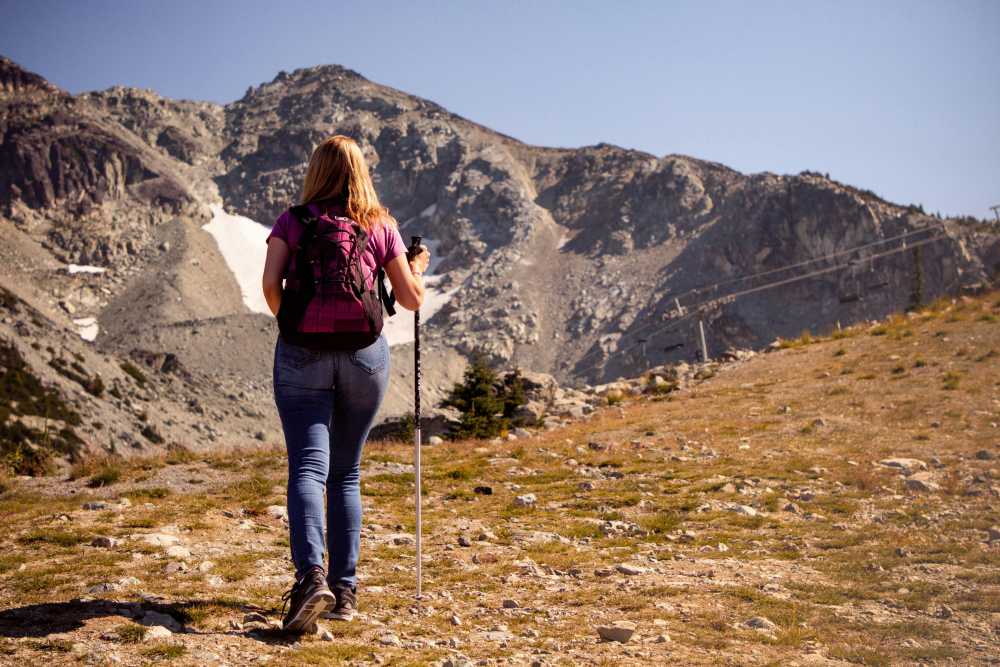
2. You'll Forge Unbreakable Adaptability and Resilience
Travel is rarely seamless. Flights get delayed, reservations are lost, weather turns sour. When you travel with others, these challenges are often met with group deliberation or shared complaint. When you are alone, you are the sole architect of the solution.
This constant, low-stakes problem-solving is a masterclass in resilience. A missed train is no longer a crisis; it’s a puzzle to be solved. Do you find the next train, or do you take this as an opportunity to explore the small town you're currently in? This forced adaptability teaches you to think on your feet, to pivot without panic, and to find the opportunity hidden within the obstacle.
Psychologists note that this process of overcoming minor adversities builds a powerful resilience that translates directly back to your life at home. After you’ve successfully re-booked a cancelled flight in a foreign airport at 3 AM, a challenging project at work suddenly seems far less intimidating. You learn to trust your ability to navigate uncertainty, a skill that is invaluable in every aspect of life. You stop seeing setbacks as failures and start seeing them as unexpected detours on an already incredible adventure. This is one of the most practical and enduring benefits of solo travel.
3. You’ll Experience Authentic, Unfiltered Self-Discovery
Who are you when no one is watching? At home, we are often defined by our roles: employee, daughter, partner, friend. Our choices, from the restaurant we pick to the movie we watch, are often subtle compromises, influenced by the preferences and expectations of those around us. Solo travel is a powerful act of stripping all of that away.
In the anonymity of a new place, you are free. Free from your social context, free from the expectations of others, and free from your own well-worn habits. This creates a unique and sacred space for introspection. You have the quiet moments to ask yourself, without any external influence, what you truly want to do. Do you want to spend six hours in an art museum, or would you rather sit in a park and read all afternoon? Do you want to wake up for the sunrise hike, or sleep in and enjoy a leisurely breakfast?
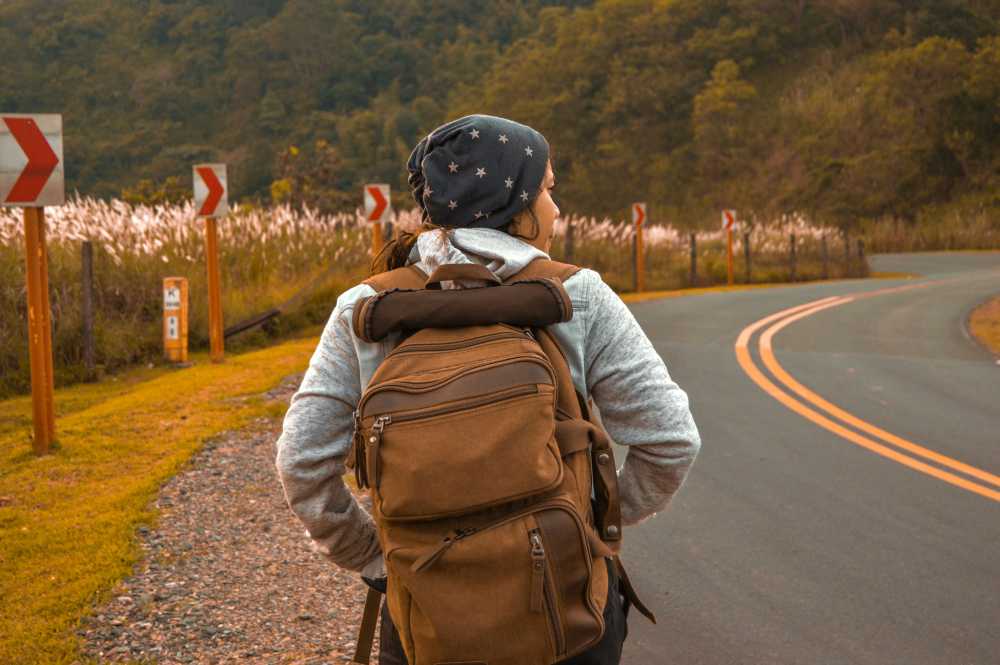
This is more than just freedom; it’s a process of authentic self-discovery. You begin to distinguish your own desires from the desires you’ve absorbed from your environment. You reconnect with your own intuition, your own rhythm, and your own passions. As Alice Teacake of Teacake Travels puts it, her mission as a solo traveler has always been to "reach my full potential by facing my fears and pushing my boundaries." This journey of self-discovery is the first step on that path.
The journey of self-discovery begins with the first step: planning an adventure that is 100% for you.
Design a Trip That's Truly Yours
Our free Travel Itinerary Template is the perfect tool to start mapping out the trip of your dreams. Download it now to organize your thoughts, plan your days, and take control of your adventure from the very beginning.
4. You’ll Unlock a State of True Mindfulness and Presence
When you travel with a companion, much of your attention is naturally directed toward them—through conversation, shared decision-making, and the simple act of experiencing things together. While wonderful, this constant social interaction can create a filter between you and your surroundings.
When you travel alone, that filter dissolves. Without the distraction of constant conversation, your senses are heightened. You become acutely aware of the world around you in a way that is profoundly mindful. You notice the fine details of the architecture, the specific aroma of the street food, the cadence of the local language, the way the light hits a cobblestone street in the late afternoon. You become an observer, not just a visitor.
This state of heightened awareness is a form of mindfulness, allowing you to be fully present in the moment. You absorb your destination with a depth and richness that is often missed in a group. A meal isn't just a meal; it's a quiet meditation on new flavors. A walk through a city isn't just a route from A to B; it's an immersive experience of sights, sounds, and smells. You learn to find richness in the small, quiet moments that are often overlooked, and this ability to be fully present is a skill that dramatically enhances your quality of life, both on the road and at home.
Pro-Tip: Use your solo meals as a dedicated mindfulness practice. Put your phone away, bring a journal, and spend the time actively observing the world around you. Write down what you see, hear, and taste. This transforms a potentially awkward moment into a rich, reflective experience.
5. You'll Master the Empowering Benefits of Solo Travel: "Alone" vs. "Lonely"
Let’s address the biggest fear head-on: loneliness. The specter of profound social isolation—of having no one to share a beautiful sunset with—can be the single most powerful deterrent to a solo trip. But one of the most profound benefits of solo travel is learning the crucial and empowering distinction between being "lonely" and being "alone."
Loneliness is a feeling of lack, of involuntary isolation. Being alone, on the other hand, can be a choice—a state of contentment, peace, and self-possession. Solo travel is your training ground for mastering this skill. It forces you to get comfortable in your own skin, to find joy in your own company, and to realize that you are enough.
This fear is universal. Alexandra Baackes of Alex in Wanderland recalls the night before her first solo trip: "she cried; terrified over the thought of eating dinner alone, getting lost in the airport, and having her camera stolen." That summer, she fell "head-over-flip-flops in love with the adrenaline of travel." Her story is proof of the fact that courage isn't the absence of fear, but the act of moving forward despite it. You will have moments where you feel a pang of loneliness, but you will also have moments of pure, unadulterated joy in your own solitude. You learn that you can be both independent and connected, seeking out social interaction on your own terms and then retreating into your peaceful solitude when you choose. This ability to be at peace with oneself is a superpower.

Frequently Asked Questions About Solo Travel's Personal Growth
I'm an introvert. Will I still experience these benefits?
Absolutely. In fact, many introverts find solo travel to be the ideal way to explore. It allows you to engage with the world on your own terms, without the social battery drain of constant group interaction. The self-reliance and resilience you build are universal, and you have complete control over when and how you socialize.
Is it selfish to travel by myself?
Not at all. Investing in your own growth, resilience, and happiness is one of the least selfish things you can do. The confident, capable, and more worldly person you become after a solo trip is a gift to everyone in your life.
How long does a trip need to be to feel these benefits?
It's not about the duration, but the intention. A long weekend trip to a new city where you are fully responsible for your own itinerary can be just as impactful as a month-long backpacking adventure. The key is to step outside your comfort zone and embrace the autonomy, no matter the timeline.
Your Journey Awaits
The call to travel solo is a call to grow. It’s an invitation to discover the depths of your own capability, to find comfort in your own company, and to see the world not as a scary, intimidating place, but as a vast and beautiful classroom. The fears are valid, but they are not your future. The profound benefits of solo travel—radical self-reliance, unbreakable resilience, authentic self-discovery, heightened mindfulness, and the mastery of solitude—are the rewards that await you on the other side of that fear.
This is your "why." It’s one of the most direct and powerful investments you can ever make in yourself. The question is no longer "should I go?" but rather, "how can I not?"

The path to your transformation starts with a single step. On the TrekGuider marketplace, you can explore a collection of expert-written travel guides from seasoned solo travelers, packed with the kind of real-world advice that builds confidence. Find your destination, build your plan, and begin the adventure that will change your life. The world is waiting.
Meta Data Suggestions:
SEO Meta Title (59 characters): 5 Unexpected Benefits of Solo Travel for Personal Growth
URL Slug: /benefits-of-solo-travel
SEO Meta Description (154 characters): Thinking about a solo trip? Discover the 5 unexpected benefits of solo travel, from radical self-reliance to authentic self-discovery. It's more than a trip; it's a transformation.
Don't Miss Out! Subscribe for Exclusive Content
Subscribe



Comments 0
No comments yet
Be the first to share your experience!
Dont Miss Out! Subscribe for Exclusive Content

Ultimate USA Holidays Guide: Top Picks


FTC Affiliate Disclosure Essentials: Stay Compliant as a Travel Creator

Essential Affiliate Tools: From Tracking to Full Optimization

Booking.com Affiliate Program Review: Pros, Cons, and Earnings Potential

Decoding Affiliate Commission Rates: Benchmarks for Travel Creators

Amazon Associates for Travel: Strategies to Maximize Commissions
Top 11 High-Paying Affiliate Programs for Travel Bloggers
TrekGuider @trekguider
You pour your soul into creating breathtaking travel content. You’ve built an audience that trusts you, carefully crafting guides and reviews that genuinely help people. Yet, when you check your affiliate income reports, there’s a chasm between your effort and your earnings. You’re stuck promoting programs with paper-thin commissions and cookie windows so short they expire before your reader can even find their wallet.
This isn't just a frustration; it's a fundamental flaw in the business model. You see other creators funding their global adventures through their content, and you know the potential is there. After all, the affiliate marketing industry is a $93 billion juggernaut, with the travel vertical alone accounting for about 16% of all revenue. The secret isn't just getting more traffic; it's a strategic pivot—partnering with programs that value your influence and reward you accordingly.
This guide is that pivot. We’re cutting through the noise of mediocre partnerships to deliver a data-driven list of the top 11 high-paying affiliate programs for travel creators. We’re focusing on what actually moves the needle: elite commission rates, generous cookie durations, recurring revenue, and high-ticket products that generate real income from a single click. This is your playbook for a smarter, more profitable affiliate strategy. For a complete command of the entire landscape, our definitive pillar page, Travel Affiliate Programs: The 2026 Ultimate Guide, is your essential next read.

What Defines a Truly High-Paying Affiliate Program?
Let's get one thing straight: "high-paying" is about more than a big commission percentage. A truly lucrative program is a strategic asset, and it excels in one of four key areas:
High Commission Percentage: The obvious starting point. We're looking for programs offering 8%, 10%, or more on every sale.
Generous Cookie Duration: Travel is a high-consideration purchase. A 30, 60, or 90-day cookie window gives your audience time to research and book while ensuring you get paid for your influence.
High-Ticket Products: A 6% commission on a $3,000 adventure tour is $180. A 10% commission on a $50 travel gadget is $5. The math is simple.
Recurring Revenue: The holy grail. Programs that pay you every time a customer renews create a stable, compounding source of passive income.
Our list is curated to feature programs that are champions in these categories, allowing you to build a powerful portfolio of high-paying affiliate programs.

1. SafetyWing: The Recurring Revenue Powerhouse
For any creator with an audience of digital nomads, long-term travelers, or remote workers, SafetyWing is non-negotiable. It’s travel medical insurance built by nomads, for nomads, and its affiliate program is one of the most innovative and lucrative in the industry.
Commission Rate: 10% (recurring)
Cookie Duration: 364 days
Best For: Digital nomad, long-term travel, and remote work niches.
What makes SafetyWing an elite partner is its recurring commission model. You don't just get paid once; you earn 10% every month the policy is renewed, for up to a year. This transforms a single conversion into a reliable income stream that builds on itself. The 364-day cookie is simply best-in-class, ensuring you capture value from readers who take their time to decide.
2. G Adventures: High-Ticket Tours & Epic Commissions
G Adventures specializes in small-group adventure tours—a high-ticket item that translates directly into substantial commissions. Their focus on authentic, sustainable travel resonates deeply with modern audiences, making their trips an easy and ethical recommendation.
Commission Rate: 6%
Cookie Duration: 90 days
Best For: Adventure travel, solo travel, and sustainable tourism niches.
While 6% might not seem like the highest rate on this list, its power is in the average order value. These tours often cost thousands of dollars, meaning a single booking can net you a commission of $150−300 or more. The generous 90-day cookie duration is perfectly suited for this type of considered purchase, giving your audience three full months to plan, commit, and book.
3. Viator: The King of Tours and Activities
Owned by Tripadvisor, Viator is the market leader in tours, activities, and experiences, boasting over 300,000 bookable options worldwide. For creators who build detailed itineraries or "what to do" guides, Viator is an essential monetization engine.
Commission Rate: 8%
Cookie Duration: 30 days
Best For: City guides, family travel, and itinerary-focused content.
Viator's 8% commission is at the top end for the tours and activities sector. Its massive inventory means you can find a relevant, bookable experience for virtually any destination you cover. The 30-day cookie provides a solid window for conversion, and the platform's high brand trust helps turn your clicks into cash.
4. World Nomads: The Adventure Insurance Standard
World Nomads has long been a trusted name in travel insurance, especially for independent and adventure travelers. Their brand is synonymous with comprehensive coverage for the kinds of activities many other insurers won't touch.
Commission Rate: 10%
Cookie Duration: 60 days
Best For: Backpacking, adventure travel, and youth travel niches.
A flat 10% commission on a high-value product like travel insurance is a powerful earner. Combined with a 60-day cookie duration, World Nomads provides a fantastic opportunity to earn significant income while promoting a product that is a responsible and essential recommendation.
Pro-Tip: The most successful travel creators build a diversified affiliate portfolio. Don't rely on a single program. A strategic mix covering accommodations, tours, insurance, and gear creates a more resilient and stable income stream that can weather any market shift.
5. REI: The Gold Standard for Outdoor Gear
For any creator in the hiking, camping, or outdoor adventure space, REI is a premier partner. They are a trusted retailer known for high-quality gear and have an intensely loyal customer base that is primed to convert.
Commission Rate: 5-8%
Cookie Duration: 15 days
Best For: Outdoor, hiking, camping, and adventure travel niches.
While Amazon is often the default for gear, REI's higher commission rate and focus on premium products make it a more lucrative choice for specialized content. Promoting a $700 tent or a $400 backpack from REI will yield a much higher commission than the 3-4% offered by Amazon. Their loyal membership and trusted brand name lead to excellent conversion rates.
6. Expedia Group: The Strategic Choice for Accommodations
Many new creators flock to Booking.com due to brand recognition, but savvy affiliates often choose the Expedia Group program instead. It covers major brands like Hotels.com and Vrbo and offers one crucial advantage: a vastly superior cookie policy.
Commission Rate: Up to 6%
Cookie Duration: 7 days
Best For: Hotel reviews, luxury travel, and accommodation-heavy content.
Booking.com’s infamous session-based cookie means you only get paid if the user books in the same session they click—a crippling disadvantage for a product that requires days of research. Expedia’s 7-day cookie is structurally safer and far more profitable. A 6% commission on a multi-night hotel stay adds up quickly, making this a key element program.
7. Tripadvisor: Earn from Clicks, Not Just Bookings
Tripadvisor offers a unique and powerful affiliate model that sets it apart. While they offer an 8% commission on Viator tours, their primary hotel program allows you to earn money even if your reader doesn't book.
Commission Rate: Up to 50% of Tripadvisor's commission from hotel partners (per click); 8% on tours.
Cookie Duration: 14 days
Best For: High-traffic blogs, destination guides, and hotel comparison content.
Tripadvisor’s model is a form of pay-per-click. When a user clicks your affiliate link and is sent to one of Tripadvisor's hotel partners, you earn a commission—regardless of whether they book. For websites with significant traffic, this can generate a substantial income stream that isn't solely dependent on final sales.
8. Skyscanner: Monetize the Search for Flights
Monetizing flights is notoriously difficult, but Skyscanner provides one of the best solutions available. As a leading flight comparison engine, they offer customizable search widgets you can embed directly into your content.
Commission Rate: Revenue share (up to 50% of their commission)
Cookie Duration: 30 days
Best For: Budget travel, flight deal, and transport-focused content.
The revenue share model means you get a piece of the commission Skyscanner earns from the airline or travel agent when a user books. This can be highly effective when integrated into content about finding cheap flights or planning travel routes. The 30-day cookie and trusted brand make it a top choice for the flight vertical.
9. Discover Cars: Tap Into the Lucrative Rental Market
Car rentals are a frequently overlooked but highly profitable affiliate vertical. Discover Cars is a leading car rental comparison site with a strong affiliate program that can be a great complement to your other travel recommendations.
Commission Rate: Varies (revenue share model)
Cookie Duration: Varies
Best For: Road trip itineraries, family travel, and guides for destinations where a car is essential.
By embedding their search box or using contextual links, you can earn a share of the revenue from every completed booking. For content focused on road trips or exploring destinations outside of major city centers, this can become a significant and consistent source of income.
Pro-Tip: Look beyond the commission percentage and monitor your EPC (Earnings Per Click) in your affiliate dashboard. A program with a lower commission but a much higher EPC might actually be more profitable because it converts your specific audience more effectively.
10. The TrekGuider Referral Program: A Paradigm Shift
The highest-paying opportunities often come from a big change. While traditional programs pay you for selling someone else's product, a referral program pays you for building a network. The TrekGuider Seller Platform is built on this powerful model, offering a unique way to generate long-term, passive income.
Commission Rate: Ongoing revenue share (25% for 30 days, 12.5% for 11 months) from the marketplace's share of revenue from sales made by attracted sellers.
Cookie Duration: N/A (Lifetime attribution for referred sellers)
Best For: Creators ready to build a diversified, passive income stream and empower their community.
Instead of a one-time commission, you earn a percentage of TrekGuider's platform fees from every new seller you bring to the platform—for a full year. This creates a compounding, passive revenue stream. By helping your fellow creators launch their own digital products on TrekGuider, you build a business asset that pays you month after month. It's a powerful addition to your portfolio of traditional high-paying affiliate programs.
11. Amazon Associates: The High-Volume Essential
It’s the elephant in the room: a program with a 3-4% commission on a list of heavy hitters. But leaving Amazon Associates off this list would be malpractice. Its power isn’t in the commission rate; it’s in its unmatched conversion gravity and the sheer volume of commerce it commands.
Commission Rate: 3-4% for most travel categories
Cookie Duration: 24 hours
Best For: Gear reviews, packing lists, and any content recommending physical products.
The 24-hour cookie has a secret weapon: you earn a commission on everything the customer adds to their cart in that window, not just the product you linked to. A reader who clicks your link for a travel adapter might also buy a new camera and a suitcase, and you'll get a commission on it all. For this reason, Amazon remains a top earner for nearly every travel creator.
Beyond Affiliate Links: Create Your Own High-Paying Product
The world's top-earning creators understand a vital secret: the most profitable product you can ever promote is your own. Affiliate marketing is a phenomenal way to generate income, but creating and selling your own digital products—like travel guides, itineraries, or photo presets—offers unparalleled profit margins and brand authority.
You already have the expertise. Why not package that knowledge into a premium digital product? This is the ultimate strategy for diversifying your income and taking full control of your earnings.

Ready to build your own product but not sure where to start?
Download our free Digital Product Ideas Guide today! It’s packed with dozens of proven ideas specifically for travel creators, helping you identify the perfect product for your audience and start building your content empire.
Frequently Asked Questions (FAQ)
1. How many affiliate programs should I join? Start with 3-5 core programs that are a perfect fit for your niche. It's better to deeply integrate a few high-performing programs than to sprinkle links from dozens of them. As you grow, you can expand, but start with a focused, strategic selection.
2. Can I really make a full-time income from this? Absolutely. The reported average monthly income for travel affiliates is over $13,000. However, it requires treating it like a real business: creating high-value content, understanding SEO, and strategically selecting partners like the ones on this list.
3. Should I use a link management plugin? Yes. Tools like Pretty Links or ThirstyAffiliates are essential. They cloak long, ugly affiliate links into clean, branded URLs and allow you to manage all your links from a central dashboard, which is a massive time-saver.
Your Blueprint for a More Profitable Future
Choosing the right affiliate partners is one of the most critical decisions you will make as a travel creator. By moving away from low-value programs and focusing on this curated list of high-paying affiliate programs, you can dramatically increase your earnings without needing to triple your traffic.
The key is to build a diversified portfolio that aligns with your audience's needs. Combine recurring revenue from SafetyWing, high-ticket commissions from G Adventures, and high-volume sales from Amazon. This is how you build a resilient, profitable, and sustainable business that not only funds your travels but transforms your passion into your career.
Read the full guide: The Travel Blogger's Playbook to Affiliate Marketing Mastery
Don't Miss Out! Subscribe for Exclusive Content
SubscribeComments 0
No comments yet
Be the first to share your experience!
Dont Miss Out! Subscribe for Exclusive Content
FTC Affiliate Disclosure Essentials: Stay Compliant as a Travel Creator
Essential Affiliate Tools: From Tracking to Full Optimization

Avoid These 5 Affiliate Landing Page Mistakes for Better Conversions

Affiliate Keyword Research Mastery for Travel Blogs
Booking.com Affiliate Program Review: Pros, Cons, and Earnings Potential
Decoding Affiliate Commission Rates: Benchmarks for Travel Creators
Solo Travel Packing: Pack for Freedom, Not Fear
TrekGuider @trekguider
Forget every checklist you’ve ever downloaded. The internet is littered with lists of what to pack, but they all miss the fundamental point. For a solo traveler, the contents of your bag are secondary. What truly matters is the system behind it. Mainstream packing advice is a trap, designed for travelers who can lean on a partner. But for you, every ounce and every decision is a direct reflection of your independence.
The secret the pros know is this: packing isn’t a chore you endure before a trip. It is the first, most critical act of the adventure itself. It’s a declaration of self-reliance. Getting it wrong leads to the classic traveler mistakes: wrestling an overstuffed bag on a crowded train, becoming an obvious target, or having a minor inconvenience like a dead phone escalate into a genuine crisis in an unfamiliar city.
This is not another packing list. This is a manifesto on the philosophy of smart travel. We’re going to dismantle the conventional wisdom and replace it with a set of battle-tested systems. These are the solo travel packing hacks that go beyond gear, transforming your bag from a burdensome anchor into a strategic asset for a safer, more mobile, and profoundly more liberating journey. Of course, packing is just one piece of the puzzle. For the complete playbook on traveling alone, be sure to consult our master resource on Anxious to Adventurous: Solo Travel Tips for Confidence.

The Mindset Shift: Why Your Bag is Your Most Important Travel Companion
For a solo traveler, your pack is your superpower. It’s your home, your toolkit, and your shield. Embracing this mindset is the key. A masterful packing strategy isn’t about what you leave behind; it’s about what you gain—freedom from the tyranny of heavy luggage, the anxiety of unpreparedness, and the vulnerability that comes with looking like a lost tourist.
This philosophy is built on three core pillars:
Radical Self-Reliance: You are your entire support system. Every item must be a tool that empowers your independence, from a simple roll of duct tape for on-the-fly repairs to a power bank that ensures you are never without your digital lifeline.
Calculated Efficiency: Your time and energy are your most precious resources. An intelligently organized bag means less time spent rummaging for a charging cable and more time savoring a sunset. It means navigating cobblestone streets and endless train station stairs with ease, not exhaustion.
Proactive Security: A smart packer moves with confidence, and confidence is a powerful deterrent. This isn't about paranoia; it's about preparation. It’s choosing and organizing your gear in a way that makes you a "hard target," so you can focus on the joy of discovery.
System 1: The Capsule Wardrobe - A Masterclass in Infinite Style, Minimal Space
The Philosophy: More Options from Fewer Items
The capsule wardrobe isn't just a space-saving technique; it's a strategic weapon against decision fatigue. The goal is to create a small, curated collection of versatile, interchangeable clothing. This ensures you feel confident and appropriate in any situation, from a morning market stroll to an impromptu dinner invitation, without ever having to waste mental energy on what to wear.
The Method in Action
This system works by making smart, upfront choices. For example, a common framework for a one-week trip is the 5-4-3-2-1 guideline: 5 sets of socks/underwear, 4 tops, 3 bottoms, 2 pairs of shoes, and 1 layering piece. But the real magic is in the details.
Invest in high-performance fabrics. Merino wool is the undisputed champion for solo travelers; it’s temperature-regulating, moisture-wicking, and naturally odor-resistant, meaning you can wear it multiple times without washing. One merino wool shirt does the work of three cotton ones.
Build on a neutral palette. Sticking to a base of colors that all work together (black, grey, navy, tan) creates dozens of potential outfits. You can then add personality with a lightweight, colorful scarf or a unique accessory—items that provide maximum visual impact for minimal packing space.
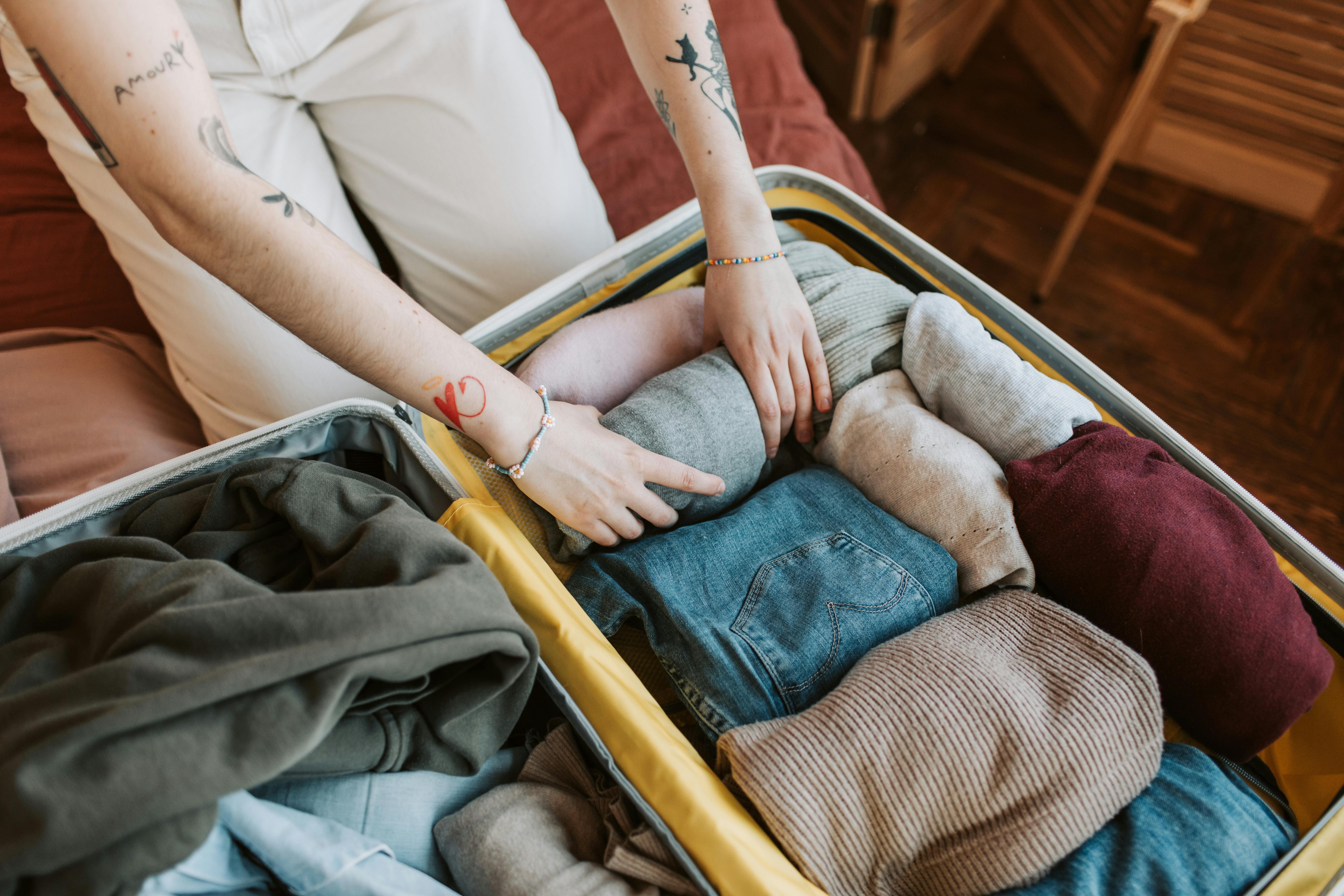
System 2: Modular Organization - The Secret to Effortless Efficiency & Discretion
The Philosophy: A Place for Everything, and Everything in Its Place
How you organize your bag is a strategic choice. A chaotic bag bleeds time and energy. Worse, it forces you to expose your entire inventory just to find one item, a critical vulnerability in a shared hostel dorm. The goal is to create a modular system that allows you to access exactly what you need, when you need it, without disrupting anything else.
The Method in Action
The key element of modular organization is compartmentalization.
Packing cubes are the gold standard. They aren’t just for compression; they turn your backpack into a tidy chest of drawers. By using different colored cubes for different categories (e.g., blue for tops, red for bottoms, grey for electronics), you can retrieve an item in seconds, discreetly and efficiently.
The rolling method is foundational. Tightly rolling your clothes is superior to folding. It minimizes wrinkles and allows you to see every piece of clothing at a glance within your packing cube, eliminating the need to dig.

System 3: The Fortress of Self-Reliance - Your Security & Problem-Solving Toolkit
The Philosophy: Prepare for the Worst, Enjoy the Best
True freedom on the road doesn't come from hoping problems won't arise. It comes from the quiet confidence that you can handle them when they do. This system is about building a portable fortress of security and a toolkit for self-reliance, so you can explore with an unshakeable peace of mind.
The Three Layers of Your Fortress
Layer 1: Proactive Gear Security
The goal here is to make yourself a less appealing target. Opportunistic thieves look for easy wins.
Carry a decoy wallet with a small amount of local currency and some expired cards. If confronted, you can hand it over without losing your essential documents.
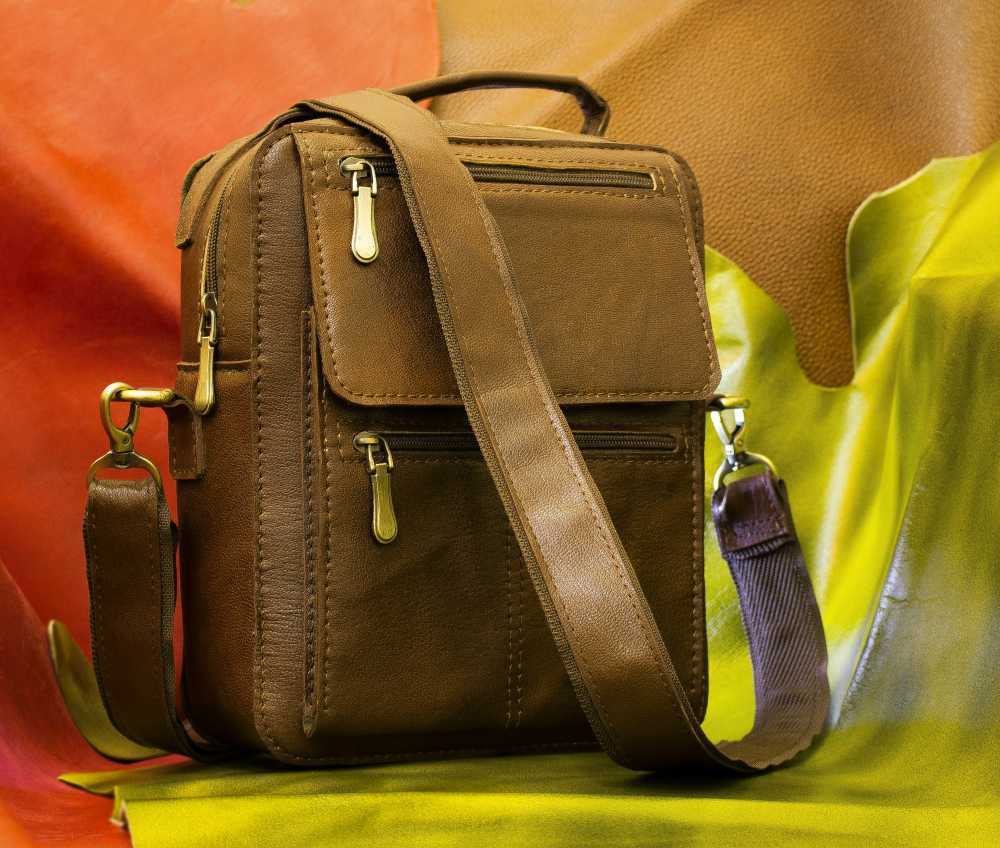
Use a simple carabiner to clip the zippers of your daypack together. It’s not a high-security lock, but it’s an effective deterrent against a pickpocket trying to subtly slide your bag open in a crowd.
Layer 2: Personal & Digital Safety
Your well-being matters most. These items are non-negotiable.
A rubber door stop is one of the most effective, low-cost security tools you can carry. Shoved under your hotel or Airbnb door, it provides a powerful physical barrier against unwanted entry.
Your phone is your lifeline. A dead phone is a safety crisis. Always carry a fully charged power bank (at least 10,000mAh).
Public Wi-Fi is a hunting ground for data thieves. Using a VPN on your phone and laptop is essential to protect your banking information and passwords.
Layer 3: The "MacGyver" Multi-Tools
When you’re alone, small problems can become major headaches. The MacGyver mindset is about packing a few multi-purpose items that can solve countless issues.
Wrap a few feet of duct tape around a water bottle or pen. It can repair a broken sandal, patch a backpack, or serve as a makeshift bandage.
A bandana or sarong is the ultimate multi-tool. It can be a towel, a sun shield, a dust mask, a makeshift bag, or a privacy screen.
Beyond the Gear: Packing for the Solo Experience
Expert packing goes beyond the purely practical. It’s also about packing for your emotional well-being and enhancing the unique moments that solo travel offers.
Pack a sensory comfort item. Loneliness can strike unexpectedly. Something small that connects you to home—a few of your favorite tea bags, a familiar scent, a silk pillowcase—can be an incredible comfort.
Bring a social icebreaker. A simple deck of playing cards placed on a table in a hostel common room is a universal invitation to connect with other travelers, breaking down language and cultural barriers instantly.
Empower your inner photographer. Don't let being solo stop you from getting great photos. A small, flexible mini tripod allows you to use your phone's self-timer for stunning shots that aren't just selfies. The "video screenshot hack" is another pro move: record a short video of yourself moving through a scene, then scrub through it later to pull out perfect, candid-looking still images.

Conclusion: Stop Packing, Start Preparing
You now possess the framework. The difference between an amateur and an expert traveler isn't what they pack, but how they think. It’s the understanding that a capsule wardrobe is about mental clarity, modular organization is about efficiency, and a fortress of self-reliance is about absolute freedom.
This guide was the "why." You have the philosophy.
Now it's time for the "what." To put these systems into practice, you need the right tools. We've compiled everything—every piece of gear, every item of clothing, every essential document—into one definitive resource.
Your next step is clear. Take these principles and build your ultimate kit with our . It’s the tactical playbook that will bring this strategy to life.
Read the full guide: Anxious to Adventurous: The Ultimate Guide to Solo Travel Confidence
Don't Miss Out! Subscribe for Exclusive Content
SubscribeComments 0
No comments yet
Be the first to share your experience!
Dont Miss Out! Subscribe for Exclusive Content
Ultimate USA Holidays Guide: Top Picks
FTC Affiliate Disclosure Essentials: Stay Compliant as a Travel Creator
Essential Affiliate Tools: From Tracking to Full Optimization
Booking.com Affiliate Program Review: Pros, Cons, and Earnings Potential
Decoding Affiliate Commission Rates: Benchmarks for Travel Creators