
How to Make a Solo Travel Budget (That You'll Actually Keep)

TrekGuider @trekguider
You have the destination pinned on a map, the screenshots saved, the dream of a life-changing solo trip burning bright. But a huge, intimidating question mark looms over the entire fantasy: the money. You have no real idea how much it costs, how to save for it, or how you’ll manage it all on your own. This financial uncertainty is paralyzing, isn't it? It’s the anchor that keeps your dream moored in the harbor of "someday," while you watch others set sail. You worry that you’ll either never save enough or, even worse, that you’ll miscalculate and run out of money halfway through your adventure, turning a dream trip into a stressful nightmare.
This guide is your anchor chain cutter. It is the definitive, step-by-step system to create a realistic, achievable, and stress-free financial plan for your adventure. We’re going to demystify the process of how to budget for solo travel, breaking down every potential cost, from pre-flight essentials to daily gelato. This isn't about restriction; it's about empowerment. It's about giving you the clarity and control to turn "someday" into a firm departure date. For a complete roadmap of your entire journey, start with our foundational pillar article, The Ultimate Guide to Solo Female Travel (15 Essential Tips).
The "Why" Before the "How": A Solo Traveler's Financial Mindset
Before we open a single spreadsheet, let's establish a crucial mindset shift. For a solo traveler, a budget is not a cage—it is the key that unlocks the cage. When you travel with others, costs are often shared or split. When you travel alone, you bear 100% of the financial responsibility for every room, ride, and meal. While this may seem daunting, it grants you an unparalleled superpower: absolute financial agility and control.
You, and you alone, decide where to splurge and where to save. You can choose a hostel in Prague to save for a Michelin-starred meal in Paris. This level of autonomy is a core part of the solo travel experience, a movement dominated by women who make up a staggering 84% of the market. Mastering your budget is the first and most critical step in mastering the art of traveling on your own terms.
From Dream to Departure: Your Step-by-Step Guide on How to Budget for Solo Travel
Creating a comprehensive travel budget isn't guesswork; it's a systematic process that transforms a vague dream into an actionable financial goal. Follow these four steps to build a plan you can trust.
Step 1: Research and Estimate Your "Big Three" Costs
Your first task is to get a realistic, high-level estimate of what your trip will cost. Focus your research on the three largest categories of expense that will form the foundation of your budget.
Pre-Trip Fixed Costs: These are the one-time expenses you'll incur before you even leave home. This category includes things like necessary visas, travel insurance (an absolute non-negotiable), essential gear you need to buy (like a good backpack or walking shoes), and any required vaccinations.
Major Transportation: For most trips, this will be your round-trip flight to and from your destination region. Use tools like Google Flights or Skyscanner and search with flexible dates to get a ballpark figure for this significant cost.
Average Daily On-the-Ground Cost: This is the most variable part of your budget, and it's heavily influenced by your destination and travel style. Research is key here. As we'll see below, the difference between regions is dramatic. A budget-conscious solo traveler could comfortably explore Prague on around €65 per day, while maintaining a similar travel style in Paris would require at least €115 per day, according to cost-of-living data.

Step 2: Build Your Master Budget Spreadsheet
Once you have your "Big Three" estimates, it's time to get granular. Create a detailed spreadsheet or use a budgeting app to break down your total estimated cost into specific, itemized categories. This detailed view is crucial because it shows you exactly where your money is going and helps you identify areas where you can potentially cut back.
Your spreadsheet should include the following categories:
Pre-Trip Costs: (Visa fees, travel insurance, vaccinations, new gear)
International Transport: (Flights, long-distance trains)
Daily Lodging: (Your estimated nightly cost x number of nights)
Daily Food: (Your estimated daily cost x number of days)
Daily Activities: (Museum tickets, tours, special experiences)
Local Transport: (Subway passes, buses, occasional taxis)
Miscellaneous: (Souvenirs, laundry, toiletries)
Your Ultimate Planning Companion
A great budget is the foundation of a great itinerary. To help you organize every aspect of your trip, from flight details and accommodation confirmations to your daily spending plan, we've created the perfect tool to put this plan into action.
Download your free Travel Itinerary Template now! This comprehensive template will help you keep all your essential information in one organized place, making your planning process seamless and stress-free.
Step 3: Set a Savings Goal and Automate Your Success
With a tangible number in your sights, the path to your departure date sharpens from a hazy dream into simple, motivating math. Divide the total cost by the number of months you have until your departure. This number is your required monthly savings target.
The single most effective strategy for hitting this target is automation. Don't rely on willpower. Set up an automatic, recurring transfer from your checking account to a dedicated high-yield savings account for the day after you get paid. By treating your travel savings as a non-negotiable monthly bill, you pay your future self first and ensure you stay on track without having to think about it.
Step 4: The Golden Rule: Build a 15-20% Contingency Fund
This is the most crucial, and most often overlooked, step in building a resilient budget. After you’ve calculated your total estimated trip cost, add a buffer of 15% to 20% on top of that total. This is your contingency fund.
This fund is not just for emergencies like a missed flight or a medical issue. It is also your "opportunity fund." It’s the financial freedom to say "yes" to a spontaneous, can't-miss experience—like a last-minute ticket to the opera or a day trip with new friends from your hostel. This buffer is what prevents financial stress on the road and allows you to travel with confidence and flexibility.
The Cost of Style: Decoding Daily Expenses for Three Travel Tiers
That four-step framework gives you the how, but the biggest variable will always be the where and the what. To give you tangible financial targets, let's break down what those "on-the-ground costs" actually look like across three distinct travel styles, based on global averages for popular destinations. These figures are for a single person in USD and do not include major pre-trip costs like international flights.

The Budget Backpacker: Stays in hostel dorms, primarily eats street food or cooks in the hostel kitchen, and focuses on free activities like walking tours.
The Mid-Range Comfort Seeker: Stays in private hostel rooms or budget hotels, eats a mix of cafe meals and local restaurants, and enjoys a paid activity each day.
The Affordable Luxury Traveler: Stays in boutique hotels, dines out for most meals, uses ride-shares, and books multiple guided tours or unique experiences.
To see these numbers in action, explore the Travel Guide marketplace on TrekGuider. Many of our expert guides, published by seasoned solo travelers, include detailed budget breakdowns from their own trips, giving you invaluable real-world insight.
Hacking the System: 5 Actionable Tips for Slashing Your Biggest Costs
For a solo traveler, flights and accommodation are the two largest line items in the budget. Employing a few savvy strategies can dramatically reduce these costs, freeing up more of your hard-earned money for actual experiences.
Travel in the Shoulder Season: The months just before and after peak tourist season (typically spring and autumn) are the sweet spot. You’ll enjoy pleasant weather, fewer crowds, and flight and accommodation costs that can be 25-50% cheaper than in peak summer.
Embrace Modern Hostels (and Their Private Rooms): The stereotype of dingy dorms is long gone. Many modern hostels are stylish, social hubs that offer private rooms with ensuite bathrooms at a fraction of the cost of a hotel. You get privacy plus access to money-saving amenities like a communal kitchen.
Filter for Single Rooms: When searching on booking sites, specifically look for "single rooms" or studios. Many traditional European guesthouses offer smaller rooms designed for one person at a lower price than a standard double.
Use Flight Scanners with Flexible Date Searches: Instead of searching for a specific date on Google Flights or Skyscanner, use their calendar or "whole month" functions. You’ll often find that shifting your departure by just a day or two can result in massive savings.
Leverage Loyalty Programs: Before your trip, sign up for the free loyalty programs of the airlines and hotel chains you plan to use. More significantly, using a travel-focused credit card to pay for your trip expenses can earn valuable points and miles for free flights and hotel stays in the future.

How to Budget for Solo Travel and Avoid the "Budget Busters"
Even a perfect plan can be derailed by unexpected expenses. Being aware of these common "hidden" costs allows you to account for them in your contingency fund from the start.
The Single Supplement: The most notorious cost for solo travelers. Many tours and cruises base their pricing on double occupancy and charge extra for a single person. Always look for companies that cater to solo travelers or offer to pair you with a roommate to waive this fee.
ATM and Foreign Transaction Fees: This is death by a thousand cuts. Using the wrong card can mean paying a 3% fee on every purchase and $5-$10 for every cash withdrawal.
Baggage Fees: Budget airlines are famous for their exorbitant fees for both checked and carry-on luggage. Always read the fine print on baggage allowances before booking.
Local Tourist Taxes: Many cities charge a small tourist tax per person, per night, that is often not included in your prepaid booking price and must be paid in cash at your hotel.
International Data: Relying on your home carrier's roaming plan can be incredibly expensive. Budget for a local SIM card or an eSIM to ensure affordable connectivity.
Pro-Tip: Your most powerful tool against hidden fees is a strategic financial setup. Travel with two key products: a credit card that has no foreign transaction fees (like the Chase Sapphire Preferred®) and a debit card from a bank that offers worldwide ATM fee reimbursements (like the Charles Schwab Bank High Yield Investor Checking Account). This combination alone can save you hundreds of dollars.
Pro-Tip: Before you leave, create a "financial lifeline." Photocopy the front and back of every credit and debit card you plan to carry. Leave one copy with a trusted emergency contact at home and keep a digital copy in a secure cloud storage service. If your wallet is lost or stolen, having the card numbers and the international toll-free numbers on the back will make the cancellation process infinitely smoother.
Frequently Asked Questions About Solo Travel Budgeting
How far in advance should I start budgeting for a big solo trip?
Ideally, start your high-level research 9-12 months out. This gives you plenty of time to track flight deals, understand seasonal price shifts, and, most importantly, allows you to set a smaller, less intimidating monthly savings goal over a longer period.
Is it better to bring a lot of cash or just use cards?
Never carry large amounts of cash. The best strategy is a multi-pronged approach. Use a no-foreign-transaction-fee credit card for the majority of your purchases (hotels, restaurants, tours) to maximize security and rewards. Use a fee-reimbursing debit card to withdraw small amounts of local currency every few days for things like small market purchases, tips, or cash-only street food.
The 15-20% contingency fund seems like a lot. Is it really necessary?
Absolutely. Think of it as buying peace of mind. On a $3,000 trip, a 15% buffer is $450. That single fund could cover a last-minute flight change, a necessary trip to a doctor, or the spontaneous decision to take a ferry to a Greek island with new friends. Without it, any unexpected event becomes a major crisis. With it, it’s just a manageable part of the adventure.
Your Journey to Financial Freedom Awaits
A budget is not about what you can't do; it's about empowering everything you can do. It transforms a vague, anxiety-inducing dream into a clear, tangible, and achievable goal. By following this systematic approach, you now have the tools to build a financial plan that is not just a spreadsheet of numbers, but a roadmap to the world. You have a framework for how to budget for solo travel that puts you in complete control of your adventure.
This financial competence is the foundation upon which the most incredible solo journeys are built. With your budget sorted, you can focus on the real magic: planning your itinerary, discovering new cultures, and, most importantly, discovering yourself.
SEO Meta Data Suggestions:
SEO Meta Title (59 characters): How to Make a Solo Travel Budget You'll Actually Stick To
URL Slug: /how-to-budget-for-solo-travel
SEO Meta Description (154 characters): A step-by-step guide on how to budget for solo travel. Learn to estimate costs, save effectively, and avoid hidden fees for your next adventure.
Don't Miss Out! Subscribe for Exclusive Content
Subscribe



Comments 0
No comments yet
Be the first to share your experience!
Dont Miss Out! Subscribe for Exclusive Content

Ultimate USA Holidays Guide: Top Picks


FTC Affiliate Disclosure Essentials: Stay Compliant as a Travel Creator

Essential Affiliate Tools: From Tracking to Full Optimization

Booking.com Affiliate Program Review: Pros, Cons, and Earnings Potential

Decoding Affiliate Commission Rates: Benchmarks for Travel Creators

Top 11 High-Paying Affiliate Programs for Travel Bloggers
Ultra Festival: Beat the Heat Guide
TrekGuider @trekguider
You’ve done it. You scored the golden ticket to Ultra Music Festival, a three-day sonic pilgrimage in the heart of Miami where the world’s greatest DJs command colossal stages and the energy is nothing short of electric. But as the bass drops, so does the relentless Florida sun. The real problem isn't just the heat; it's the brutal combination of scorching temperatures, suffocating humidity, and tens of thousands of dancing bodies that can quickly turn your dream festival into a dehydrated, sun-stroked nightmare.
Imagine the agony of missing Skrillex’s closing set because you’re dizzy and nauseous, huddled in a medical tent. Picture the sheer frustration of tapping out before sunset on day one, your energy completely drained, while your friends rave on into the night. This isn't a scare tactic; it's a common reality for unprepared attendees who fatally underestimate the physical toll of partying under the Miami sun for three straight days. The line between an unforgettable weekend and a miserable, potentially dangerous one is drawn by a single thing: a bulletproof strategy.
This is that strategy. Forget the generic "drink water" advice you’ve heard a thousand times. This is your new bible for not just surviving, but truly conquering the heat at Ultra. We’re providing a pro-level, comprehensive blueprint covering everything from tactical gear selection and advanced hydration science to strategic stage navigation and leveraging festival tech for your safety. Follow these steps, and you won't just beat the heat—you'll own the entire experience, from the opening beat on Friday to the final fireworks on Sunday.
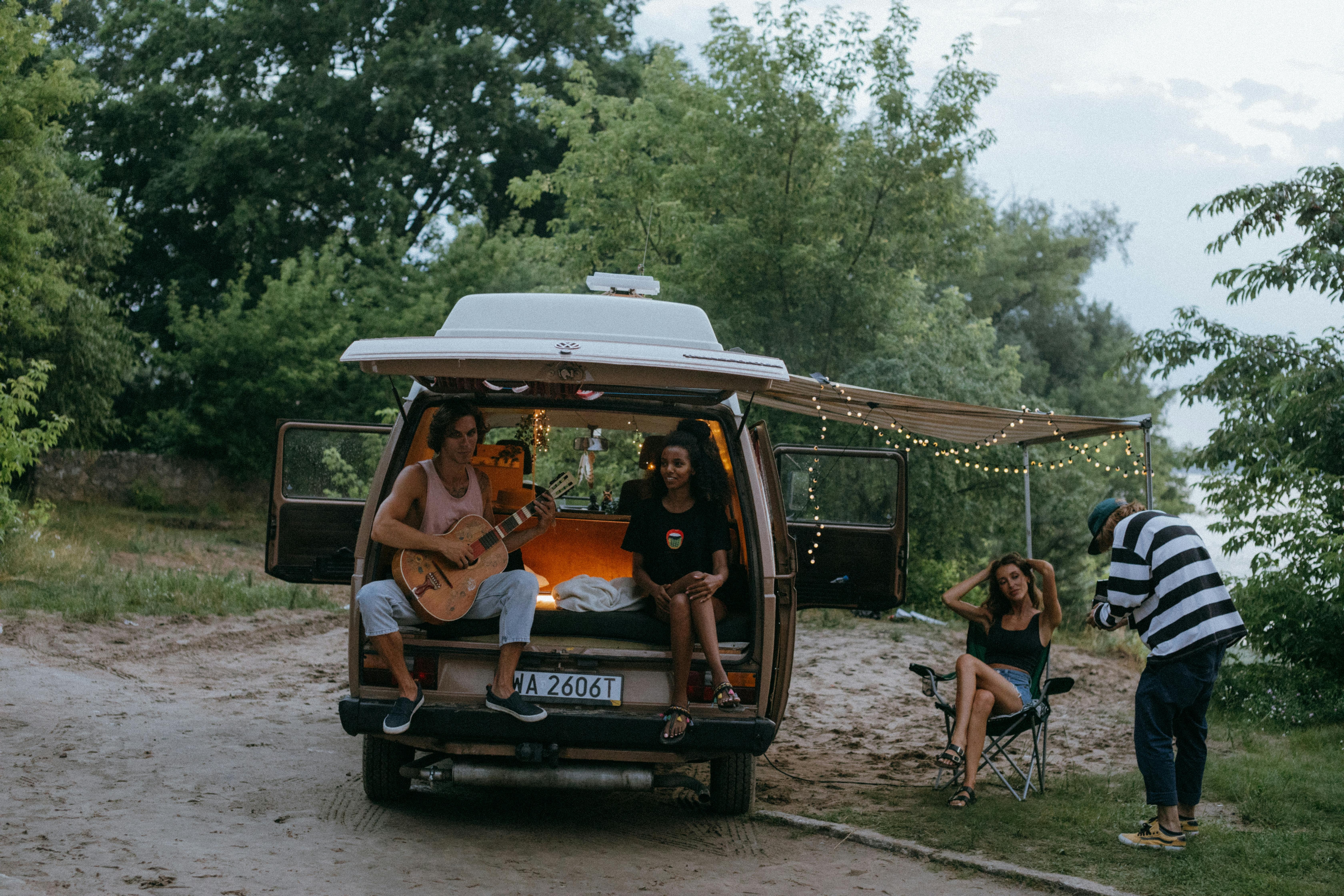
Understanding the Ultra Music Festival Environment: Sun, Crowds, and Sound
Before you can build a plan, you must understand the battlefield. Ultra Music Festival unfolds in late March at Bayfront Park, a beautiful but notoriously exposed venue. For 2026, the festival runs from March 28-30 (and for you long-term planners, March 27-29 in 2026), a time when Miami’s weather is deceptively intense. While the festival is at the heart of the city's vibrant event calendar—a scene we detail in our complete guide to Miami Holidays: 8 Beach Fest Vibes—its unique environment presents a specific set of challenges you must be prepared for.
The festival operates on a strict "rain or shine" policy, meaning you need to be ready for anything. The schedule itself is a marathon, not a sprint:
Friday, March 28: 4:00 PM – 12:00 AM
Saturday, March 29: 12:00 PM – 12:00 AM
Sunday, March 30: 12:00 PM – 10:00 PM
Notice that Saturday and Sunday demand ten to twelve hours of exposure. The primary obstacles you will face are:
Intense Solar Radiation: The Florida sun is powerful. Without adequate shade, direct exposure can lead to severe sunburn and rapidly increase your core body temperature.
Oppressive Humidity: Miami's humidity cripples your body's natural cooling system. It prevents sweat from evaporating effectively, making 85°F feel like a suffocating 95°F.
Massive Crowds: Dense crowds trap body heat, creating microclimates that are significantly hotter than the ambient air. Navigating these human seas requires immense physical energy.
Constant Movement: You’ll be walking, standing, and dancing for hours on end, burning calories and losing fluids at a dangerously accelerated rate.
The first and most critical mindset shift is to treat Ultra like an athletic event. Your preparation starts long before you ever step foot in Bayfront Park.

Pre-Festival Prep: Your Foundation for Success
Victory is won in the preparation. What you do in the days leading up to the festival and what you pack in your bag will absolutely dictate your endurance and enjoyment.
The Ultimate Packing List: Beyond the Basics
Your packing list is your first line of defense. Every single item should serve a purpose, primarily focused on cooling, hydration, and comfort.
Clothing (The Three B’s: Breathable, Bright, and Barely-There):
Fabrics: Choose lightweight, moisture-wicking materials like polyester, nylon, or bamboo blends. These technical fabrics pull sweat away from your skin, allowing it to evaporate and cool you down. Avoid cotton at all costs; it absorbs moisture, becoming a heavy, suffocating trap for heat.
Colors: Opt for light-colored clothing. White, beige, and pastels reflect sunlight rather than absorbing it like dark colors do.
Fit: Loose-fitting garments are your best friend. They allow for crucial airflow against your skin, preventing heat from getting trapped.
Footwear (Your Most Important Gear): You will be on your feet for 30+ hours over the weekend. Comfortable, well-worn sneakers are non-negotiable. Do not, under any circumstances, wear brand-new shoes, flimsy sandals, or heavy boots. Running or athletic shoes with proven arch support are ideal.
Hydration Hardware:
Hydration Pack: This is the single most important piece of gear you can bring. A CamelBak or a similar backpack with a water bladder allows you to carry 2-3 liters of water and sip continuously without fumbling with a bottle. Ensure it complies with the latest festival size and pocket regulations before you go.
Electrolyte Packets: Pack single-serving powders or tablets (like Liquid I.V., Nuun, or Pedialyte packets). They are small, light, and absolutely essential for true hydration.
Sun & Heat Protection Arsenal:
Sweatproof Sunscreen: A broad-spectrum, water-resistant sunscreen with an SPF of 50 or higher is mandatory. Apply it generously 30 minutes before you enter and reapply every two hours, no exceptions.
Wide-Brimmed Hat: A bucket hat or other wide-brimmed hat provides a portable oasis of shade for your face, neck, and ears, significantly reducing your perceived temperature.
UV-Protective Sunglasses: Protect your eyes from the relentless glare and long-term sun damage.
Cooling Towel: These hyper-evaporative towels, when soaked in water, provide incredible cooling relief when worn around your neck.
Handheld Fan/Mister: A small, battery-operated fan can be a godsend in a stagnant, dense crowd, creating a personal breeze when you need it most.
Physical Conditioning: Don't Underestimate the Marathon
You wouldn't run a 10k without training, and you shouldn't tackle Ultra without some physical prep.
Pre-Hydrate Aggressively: Begin increasing your water intake 2-3 days before the festival. Your goal is to start Day 1 with your body in a state of optimal hydration, not playing a desperate game of catch-up.
Build Endurance: In the weeks leading up, incorporate some light cardio into your routine. Even 30 minutes of brisk walking or jogging a few times a week will dramatically improve your stamina.
Prioritize Sleep: Get a full 8 hours of sleep each night in the week before the festival. A sleep deficit severely impairs your body's ability to regulate temperature and recover.
Just as detailed planning is key for a scenic road trip, like the one we map out in our Big Sur Map & Itinerary, careful preparation is essential for a massive festival. Don't leave your experience to chance.
Mastering Hydration: The Core of Your Ultra Music Festival Strategy
This is the most critical section of this guide. Proper hydration at Ultra is a science. Simply drinking water when you feel thirsty is a recipe for disaster; by the time you feel thirst, you are already significantly dehydrated.

Water Isn't Enough: The Critical Role of Electrolytes
When you sweat, you don't just lose water; you lose vital minerals called electrolytes—primarily sodium, potassium, and magnesium. These minerals are the spark plugs of your body, responsible for regulating nerve and muscle function, hydrating your cells, and balancing blood pressure. Replenishing them is just as important as replenishing water.
Why It Matters: Drinking excessive amounts of plain water without replacing electrolytes can lead to a dangerous condition called hyponatremia, where the sodium levels in your blood become dangerously diluted. Symptoms can mimic dehydration (nausea, headache, confusion) but can be far more severe.
Your Game Plan: For every two refills of your hydration pack with plain water, make the third refill an electrolyte mix. This simple rule ensures you are constantly replenishing what you're sweating out. Avoid relying on sugary energy drinks or sodas for hydration; they can often make dehydration worse.
Your Hydration Schedule: A Sip-by-Sip Plan
Discipline is everything. You need a proactive hydration schedule, not a reactive one.
The Morning Load-Up: Drink at least 16-20 ounces (about half a liter) of water with an electrolyte packet before you even leave for the festival.
The Immediate Refill: The very first thing you do upon entering Bayfront Park is locate a water station and fill your hydration pack to its maximum capacity.
The 15-Minute Rule: Take a few big sips of water from your pack every 15 minutes. Set a recurring alarm on your phone or watch if you have to. Do not wait until you feel thirsty.
The Proactive Refill: Never wait until your pack is empty to refill it. When it's about one-third full, make your way to a water station. The lines are shortest during non-peak times (e.g., during a headliner's set when everyone is at one stage, or early in the day).
The End-of-Night Recovery: Drink another 16-20 ounces of electrolyte-infused water before you go to sleep. This will supercharge your body's recovery overnight and prepare you for the next day.
Pro-Tip: As soon as you get inside, open the festival map on the official app and screenshot the locations of all free water refill stations. The stations located near smaller stages or along the perimeter of the park often have significantly shorter lines than the ones near the main stage.
Strategic Navigation and Lineup Planning
How you move through the festival and plan your day is just as important as what you pack. Wasting energy is a luxury you simply cannot afford.

Decoding the Festival Map for Heat Evasion
The festival grounds are a maze of stages, vendors, and people. Use the map to your real advantage.
Identify Cool Zones: Before you even start thinking about artists, scan the map for any designated shade structures, indoor stages (like the iconic Megastructure), or air-conditioned brand activations. These are your recovery oases.
Plan Efficient Routes: When moving from the Main Stage to the Resistance stage, don't just try to cut through the thickest part of the crowd. Use the perimeter walkways. It might be a slightly longer distance, but it will be faster and require far less energy than pushing through a human traffic jam.
Building a Smart Schedule: Pacing is Everything
With a 2026 lineup featuring titans like John Summit & Dom Dolla, Armin van Buuren, Tiësto, Chase & Status, and Deadmau5, the temptation is to sprint from stage to stage. This is a rookie mistake that will burn you out by 9 PM on Friday.
Prioritize Ruthlessly: Accept that you cannot see every artist. Pick your top 3-4 "can't-miss" sets for each day and build your schedule around them as anchors.
Schedule Deliberate Downtime: The hottest part of the day is typically between 2 PM and 5 PM. This is the perfect time to schedule a tactical break. Find a shady spot, sit down, focus on hydrating, and eat a proper meal. This planned rest will give you the energy you need for the headlining acts at night.
Embrace Discovery: Use the time between your must-see sets to explore smaller stages. They are often less crowded, providing more space to dance, breathe, and discover your new favorite artist.
Pro-Tip: When moving through a dense crowd to get closer to a stage, conserve energy by following directly behind a larger, determined person or group. Let them carve a path for you. It's a simple "drafting" trick that saves a surprising amount of physical effort.
Leveraging Technology and Safety Resources at Ultra Music Festival
In the modern festival era, your phone is an essential survival tool. Ultra has integrated technology to enhance attendee safety, and you should take full advantage of every resource.
Your Phone is Your Lifeline
The Official Ultra App: Download it well in advance. It contains the most up-to-date festival map, set times, and, most importantly, will send push notifications for any emergency alerts or important announcements.
The SaferWatch App: Ultra has partnered with the SaferWatch app, which allows you to report any safety or security concerns (medical emergencies, suspicious activity) directly and anonymously to festival staff in real-time. Have it downloaded and set up before you arrive.
Portable Charger: Your phone is useless with a dead battery. A fully charged portable power bank is not optional; it's mandatory.
Knowing Where to Go for Help
Even with perfect preparation, things can go wrong. Knowing how to recognize a problem and where to get help is crucial.
Locate Medical Tents: Just like the water stations, the first thing you should do is identify the location of all medical tents on your map. They are staffed with professionals who are there to help you, no questions asked. There is no shame in seeking help.
Recognize the Signs of Heat Exhaustion: Be aware of these symptoms in yourself and your friends:
Heavy sweating
Dizziness or lightheadedness
Nausea or vomiting
A throbbing headache
Cool, pale, clammy skin
If you or a friend experience these, get to a medical tent immediately. Do not try to "tough it out."
Be a Good Raver: The Ultra community is known for looking out for one another. If you see someone who looks unwell or is in distress, ask if they need help and guide them toward a medical tent or alert festival staff.

You're Ready to Conquer Ultra
The roar of the crowd, the earth-shaking bass, the Miami skyline lit up against the night sky—these are the moments that define the Ultra Music Festival experience. By approaching the weekend with the mindset of an endurance athlete, you are no longer at the mercy of the elements. You are in control. Preparation is your armor, hydration is your fuel, and a smart strategy is your map to victory. You now have the expert knowledge to stay cool, energized, and safe from the first set to the final encore.
You are now equipped to handle the heat, navigate the crowds, and fully immerse yourself in the magic of one of the world's greatest music festivals. This level of detailed planning is what transforms a good trip into an unforgettable one. For comprehensive strategies on navigating destinations and events worldwide, our master Travel Guide is the ultimate resource for the serious traveler. Now go, stay hydrated, and have the time of your life.
Don't Miss Out! Subscribe for Exclusive Content
SubscribeComments 0
No comments yet
Be the first to share your experience!
Dont Miss Out! Subscribe for Exclusive Content

San Francisco Cherry Blossoms: A Local's Guide to the Blooms

Halloween SF: Haunts Without Horrors

SF Festivals: 7 Must-See Lineups

Christmas SF: Lights & Wharf Wonders

SF Pride: 6 Route & Party Hacks

Chinese New Year SF: Parade Essentials
Chicago Holidays: Windy City Thrills
TrekGuider @trekguider
There are cities that celebrate holidays, and then there is Chicago—a city that seizes them, amplifying them with architectural grandeur and a palpable, Midwestern heart. Here, tradition isn’t just observed; it’s a city-wide spectacle. The calendar of holidays in Chicago is a masterclass in urban transformation, where a river can run emerald green, a downtown park can roar with the energy of a global music festival, and a simple winter market can feel like a fairytale escape to Old World Europe.
This is a city of bold gestures, where fireworks don’t just light up the sky—they explode against a world-famous skyline, reflecting in the vast, dark waters of Lake Michigan. Whether you’re planning a pilgrimage for a bucket-list event or simply want to immerse yourself in the city’s seasonal rhythm, Chicago provides a dynamic stage for celebration.

This guide is your definitive starting point. We’ll move beyond the surface-level itineraries to give you an insider’s perspective on the iconic events and cherished traditions that define the Windy City’s festive soul. Consider this your blueprint for navigating the headliners, uncovering the neighborhood gems, and planning an unforgettable trip.
For a broader look at how cities across the country celebrate, from the beaches of Miami to the streets of New York, explore our Ultimate USA Holidays Guide: Top Picks.
Navigating the Windy City: A Traveler's Toolkit
A successful trip to Chicago hinges on understanding its layout and seasons. The city is a grid, making it remarkably easy to navigate, but its weather is famously unpredictable. Mastering both is key to a seamless experience.

The Best Time to Visit
Chicago is a city of four distinct and dramatic seasons. Summer (June-August) is prime festival season, boasting warm, sunny days perfect for exploring the lakefront and sprawling parks. It's also peak tourist season, meaning higher prices and bigger crowds. Autumn (September-October) is arguably the city's most beautiful season, with crisp air, changing leaves, and a packed calendar of food and art festivals. Winter (November-March) is not for the faint of heart, but for those who brave the cold, it offers a magical landscape of snow-dusted streets, festive lights, and cozy indoor attractions. Spring (April-May) is a time of reawakening, as the city thaws and residents flock to patios and parks, though be prepared for fluctuating temperatures and rain.
Getting Around Like a Local
Forget the stress of gridlock and the nightmare of parking; the city’s elevated ‘L’ train is the circulatory system of Chicago and the savvy traveler’s key to unlocking it all. Operated by the Chicago Transit Authority (CTA), the rail system connects the downtown Loop with neighborhoods across the city and both major airports (O'Hare and Midway). Purchase a Ventra card at any station and load it with a multi-day pass for the most cost-effective way to explore. For shorter distances, the bus system is extensive, and on a beautiful day, there’s no better way to see the architecture than by walking or using the Divvy bike-share system.
To map out your movements and keep your plans organized in one place, start with our Travel Itinerary Template.
Budgeting for Your Chicago Celebration
Chicago can accommodate nearly any budget, offering everything from Michelin-starred dining to world-class free attractions. A smart budget starts with your priorities.
Budget Traveler ($75-125/day): Focus on staying in hostels or well-connected neighborhood Airbnbs. Use the CTA for all transportation. Your dining will consist of Chicago classics like deep-dish pizza, hot dogs, and incredible food from neighborhood taquerias and ethnic eateries. Take advantage of free attractions like Millennium Park, the Lincoln Park Zoo, and walking the Lakefront Trail.
Mid-Range Traveler ($200−350/day): This budget allows for a comfortable stay in a boutique hotel outside the immediate downtown core, like in Lincoln Park or Wicker Park. You can enjoy a mix of casual eats and a few sit-down dinners in the city’s renowned restaurant scene. This range also covers admission to a major museum or an architectural boat cruise.
Luxury Traveler ($500+/day): Stay at one of the iconic hotels along the Magnificent Mile or with sweeping views of the Chicago River. Indulge in tasting menus from celebrity chefs, private tours, and premium seats at a Broadway in Chicago show. Transportation will be a mix of rideshares and private cars.
No matter your budget, book flights and accommodations well in advance, especially if your trip aligns with a major festival like Lollapalooza, when prices can skyrocket.
Lollapalooza: The Ultimate Summer Music Pilgrimage
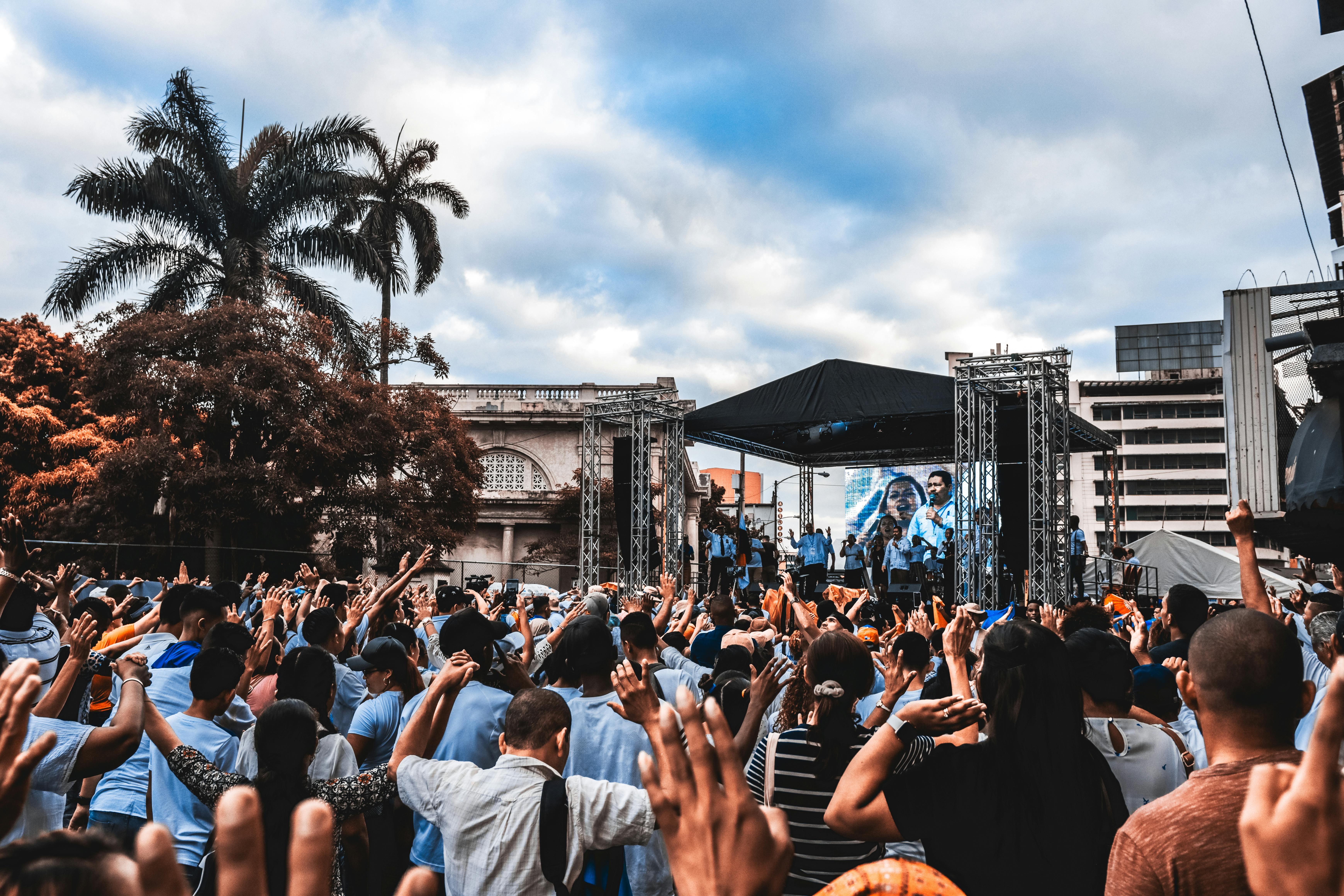
For four electrifying days each summer, Chicago’s Grant Park—affectionately known as "Chicago's front yard"—becomes the undisputed center of the music universe. Lollapalooza is not just a festival; it's a cultural rite of passage that draws hundreds of thousands of fans to its eight stages, set against one of the most dramatic urban backdrops in the world. Scheduled for July 31 - the final day of the festival, the event is a masterclass in musical diversity. The 2026 lineup already promises a staggering range of talent, from global pop sensations like Olivia Rodrigo and Sabrina Carpenter to genre-defining artists like Tyler the Creator and Korn.
This festival is a massive economic force, injecting an estimated $440.9 million into the local economy. The energy is palpable, a city-wide hum of excitement that extends far beyond the park gates. Prepare for a marathon of incredible performances, sprawling crowds, and the vibrant, sun-soaked essence of a perfect Chicago summer.
To master the art of stage-hopping and learn how to survive the crowds in style, consult our complete insider’s guide: Lollapalooza: 7 Stage-Hopping Tips.

St. Patrick's Day: A River of Green and a Parade of Pride
Few cities on earth commit to St. Patrick's Day with the sheer audacity of Chicago. The annual dyeing of the Chicago River is a spectacle of civic pride and quirky tradition that has to be witnessed to be believed. The practice, which began in 1962, involves union plumbers dispersing 40-60 pounds of a secret, eco-friendly vegetable powder from their boats. The orange powder hits the water and magically transforms it into a brilliant, surreal emerald green that lasts for several hours, drawing immense crowds to the city's bridges and riverwalk.
The main event is the city’s parade, a tradition that stretches all the way back to 1843. On Saturday, the Saturday before St. Patrick's Day, the procession will step off at 12:15 PM, marching down Columbus Drive in a joyous celebration of Chicago's deep Irish roots, complete with bagpipers, dancers, and elaborate floats. It’s a day when the entire city feels united in celebration.
For the best viewing spots and insider secrets to experiencing this iconic Chicago moment, dive into our detailed guide: St. Patrick's: River Dyeing Secrets.

July 4th: A Symphony of Fireworks Over Lake Michigan
Chicago celebrates American Independence Day with a patriotic grandeur befitting its powerful skyline. The centerpiece of the celebration is the magnificent fireworks display at Navy Pier, a cherished tradition that illuminates the Lake Michigan shoreline. The pyrotechnics are expertly synchronized to a stirring soundtrack, creating a breathtaking symphony of light and sound that reflects across the water. To secure a prime viewing spot on the pier, plan to arrive by 7 PM, as the area fills quickly with spectators staking their claim with blankets and picnic baskets.
For those seeking a more elevated—and less crowded—experience, the city’s many rooftop bars in the Streeterville and River North neighborhoods offer phenomenal views. There’s nothing quite like sipping a cocktail as the fireworks erupt at eye level. Whether you’re on the ground or high above it all, this is a quintessential Chicago summer experience.
Discover the best vantage points and get our tips for a perfect patriotic evening in our dedicated guide: July 4th Chicago: Fireworks Hotspots.

Christmas in Chicago: A Classic Winter Wonderland
When winter’s chill descends, Chicago doesn’t hibernate; it transforms into a magical, snow-globe version of itself. The city wholeheartedly embraces the season with classic winter thrills that feel torn from the pages of a storybook. The trees along the Magnificent Mile are draped in over a million twinkling lights, and skaters glide across the ice rink in Millennium Park under the shadow of the iconic "Bean" sculpture. The heart of the season is the Christkindlmarket at Daley Plaza, an authentic German-style Christmas market. Here, you can meander through rows of charming wooden stalls, shopping for handcrafted gifts and warming your hands with a cup of spiced mulled wine (Glühwein) served in a collectible souvenir mug.
For another dose of festive brilliance, the Lincoln Park Zoo’s ZooLights is a must-see. Millions of lights create dazzling animal-themed displays, turning the zoo into an illuminated wonderland. For a more peaceful experience, plan your visit on a weekday to avoid the weekend crowds. The combination of festive markets, brilliant lights, and the distinct possibility of a gentle snowfall makes the holidays in Chicago an utterly enchanting affair.
To find the best festive treats and plan your visit to the city’s most magical markets, explore our complete guide: Christmas Chicago: 5 Market Musts.
Unlock Hyper-Local Expertise on TrekGuider
The best travel advice always comes from a local. While this guide gives you the big picture, the real magic of Chicago is often found in the details—the best neighborhood coffee shop near the festival, the hidden bar for a post-parade drink, or the secret to skipping the longest lines.
On the TrekGuider marketplace, you can find digital guides, maps, and itineraries created by Chicago-based experts who live and breathe this city. These creators have poured their on-the-ground knowledge into resources you can download instantly. Looking for a guide to the city's best deep-dish pizza or a walking tour of its most famous architectural landmarks? You'll find it crafted by a creator who knows the city inside and out.
Beyond the Marquee: Exploring Chicago's Diverse Festival Scene
While the major events command the spotlight, Chicago's festive spirit is a year-round affair, thriving in its vibrant neighborhoods and passionate communities.
A Celebration of Craft: Chicago's Beer Festivals
The craft beer scene in Chicago is a force of nature, and the city’s calendar is packed with festivals celebrating it. From massive tasting events at Navy Pier featuring hundreds of breweries to intimate, neighborhood-focused gatherings, there is always an opportunity to sample the latest innovative IPAs, rich barrel-aged stouts, and crisp, refreshing lagers. These festivals are the perfect way to taste the creativity of the region's best brewers, often paired with fantastic food truck fare and live local music. They offer a more relaxed, authentic taste of Chicago’s culture.
For a curated list of the best sudsy celebrations happening throughout the year, check out our guide: Chicago Beer Fests: Top 6 Tastings.
The Heartbeat of the City: Neighborhood Street Fests
To truly understand Chicago, you must venture beyond the Loop. The city is a mosaic of 77 distinct neighborhoods, and there’s no better way to experience their unique character than at a local street festival. All summer long, communities from the Mexican-American enclave of Pilsen to the historic Swedish neighborhood of Andersonville host vibrant events celebrating their heritage. You’ll find everything from sprawling art fairs and food festivals to block parties with local bands. These events are where real Chicagoans come together, offering an authentic slice of city life far from the tourist crowds.
To get off the beaten path and discover the events that make the city tick, explore our roundup of can't-miss local gems: Chicago Festivals: 8 Hidden Gems.
Your Chicago Story Awaits
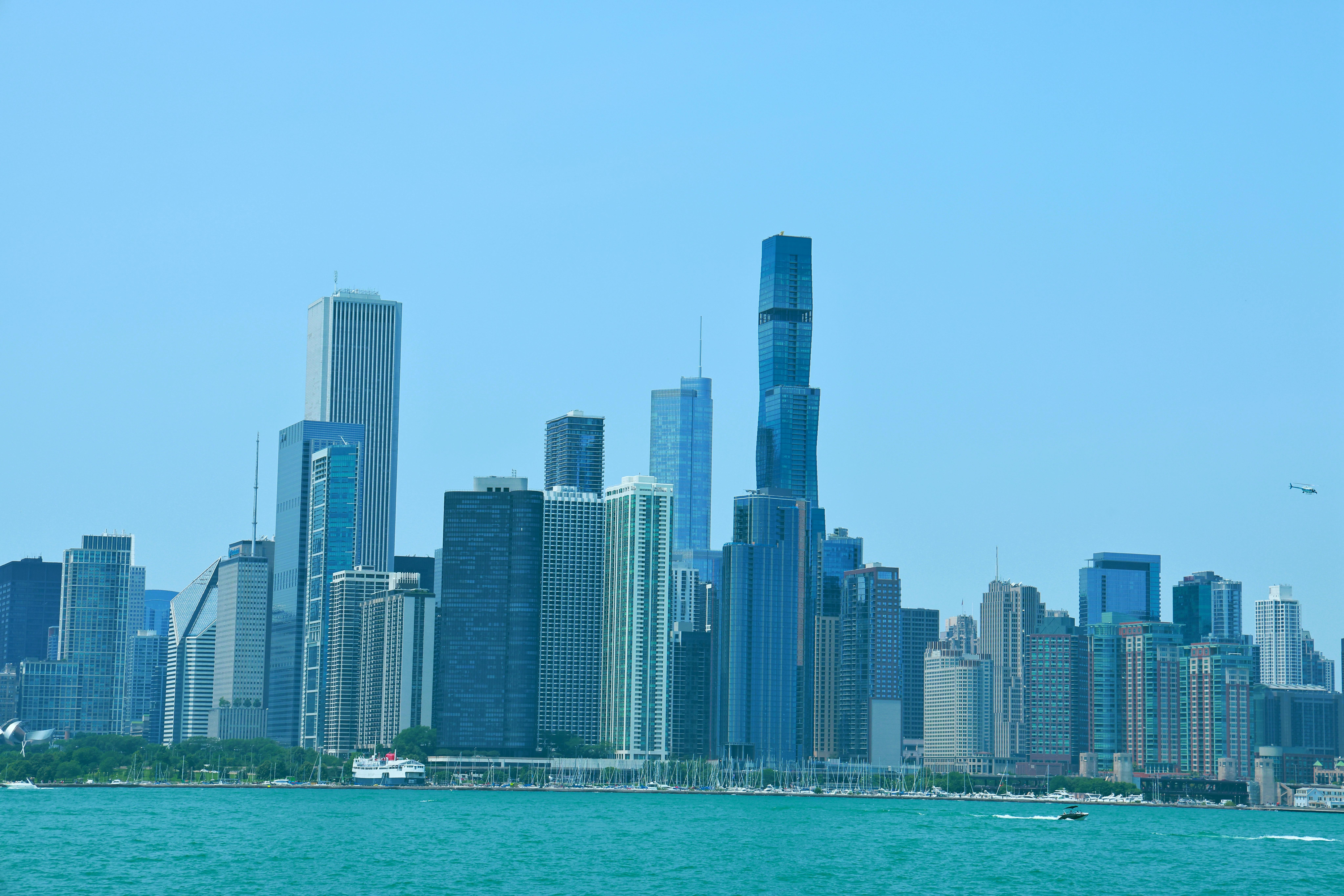
From the first green shock of the Chicago River on St. Patrick's Day to the final, fragrant sip of mulled wine at the Christkindlmarket, this city offers a year-round invitation to celebrate. Each season unfolds with a new reason to visit, a new spectacle to witness, and a new memory to forge. The dynamic, powerful energy of the holidays in Chicago is something that must be felt to be understood.
So choose your season, plan your adventure, and come ready to be captivated by a city that doesn’t just host events—it becomes the event itself. And for the most comprehensive resource to plan every aspect of your journey, from budgeting to booking, our all-in-one Travel Guide is the ultimate companion.
And if you’re a Chicago expert with your own stories to tell, TrekGuider provides the platform to share your knowledge and build a business around your passion.
Don't Miss Out! Subscribe for Exclusive Content
SubscribeComments 0
No comments yet
Be the first to share your experience!
Dont Miss Out! Subscribe for Exclusive Content
San Francisco Cherry Blossoms: A Local's Guide to the Blooms
Halloween SF: Haunts Without Horrors
SF Festivals: 7 Must-See Lineups
Christmas SF: Lights & Wharf Wonders
SF Pride: 6 Route & Party Hacks