
Art Basel Miami: 7 Insider Hacks

TrekGuider @trekguider
The email lands, the tickets are booked, and a jolt of excitement hits you. You’re finally going to Art Basel Miami, the undisputed heavyweight champion of art fairs in the Americas. But as you start scrolling through the endless lists of exhibitors, satellite fairs, and after-parties, a subtle wave of panic begins to set in. The sheer scale is dizzying—a sprawling, week-long labyrinth of priceless art, exclusive events, and shoulder-to-shoulder crowds. You start to worry you’ll spend more time stuck in traffic on the MacArthur Causeway than actually seeing art, that you'll miss the truly groundbreaking exhibits, and that you'll leave feeling like you barely scratched the surface.
This anxiety is the invisible wall that separates the tourists from the insiders. Every December, thousands of attendees arrive unprepared, succumbing to sensory overload and logistical nightmares. They wander aimlessly through the cavernous Miami Beach Convention Center, get hit with sticker shock from last-minute parking fees, and completely miss the vibrant, renegade energy of the satellite fairs where the art world’s future is being forged. They leave exhausted and defeated, with a camera roll of blurry photos and a profound sense of having missed out.
That won’t be you. This guide is your secret weapon, your backstage pass. We’ve distilled the chaos into seven actionable, pro-level hacks that will fundamentally transform your experience. You will learn to navigate the city’s complex geography, decode the schedule like a seasoned collector, and discover the hidden gems that most visitors fly right over. This isn't just an art fair; it's a city-wide cultural takeover, and it’s just one of the many incredible events that cement the city’s reputation as a year-round festival hub, a theme we explore in our complete guide to Miami Holidays: 8 Beach Fest Vibes. Prepare to conquer Art Basel Miami with the confidence of an insider.

Hack 1: Master the Map of Art Basel Miami—Go Beyond the Convention Center
The first mistake nearly every newcomer makes is thinking Art Basel Miami is a single event confined to the Miami Beach Convention Center (MBCC). While the MBCC is the mothership—an awe-inspiring spectacle of blue-chip art that you absolutely must see—the true soul of Miami Art Week pulses in the dozens of satellite fairs scattered across the city. Treating the MBCC as your only destination is like visiting Paris and only seeing the Eiffel Tower from the ground.
Think of the MBCC as your anchor, not your cage. By all means, start your journey there to get a feel for the sheer scale of the event.
Navigate the Core Strategically: The main fair is organized into distinct sectors designed to guide your experience. To avoid getting overwhelmed, prioritize starting with Meridians, which features massive, museum-quality installations that are often the most talked-about pieces of the show. Alternatively, head to the Nova sector, which showcases brand-new work from the world's most exciting emerging galleries.
Embrace the Satellites: The real discoveries—the moments that make your heart race—often happen outside the main hall. These smaller, more focused fairs are where you’ll find groundbreaking work from up-and-coming artists, often at more accessible price points. Plan to visit at least two or three.
Your Satellite Fair Hit List:
Untitled Art: Located directly on the sands of Ocean Drive, this fair’s stunning backdrop is part of the experience. It’s often free to access and is a fantastic place to see cutting-edge contemporary art in a uniquely Miami setting.
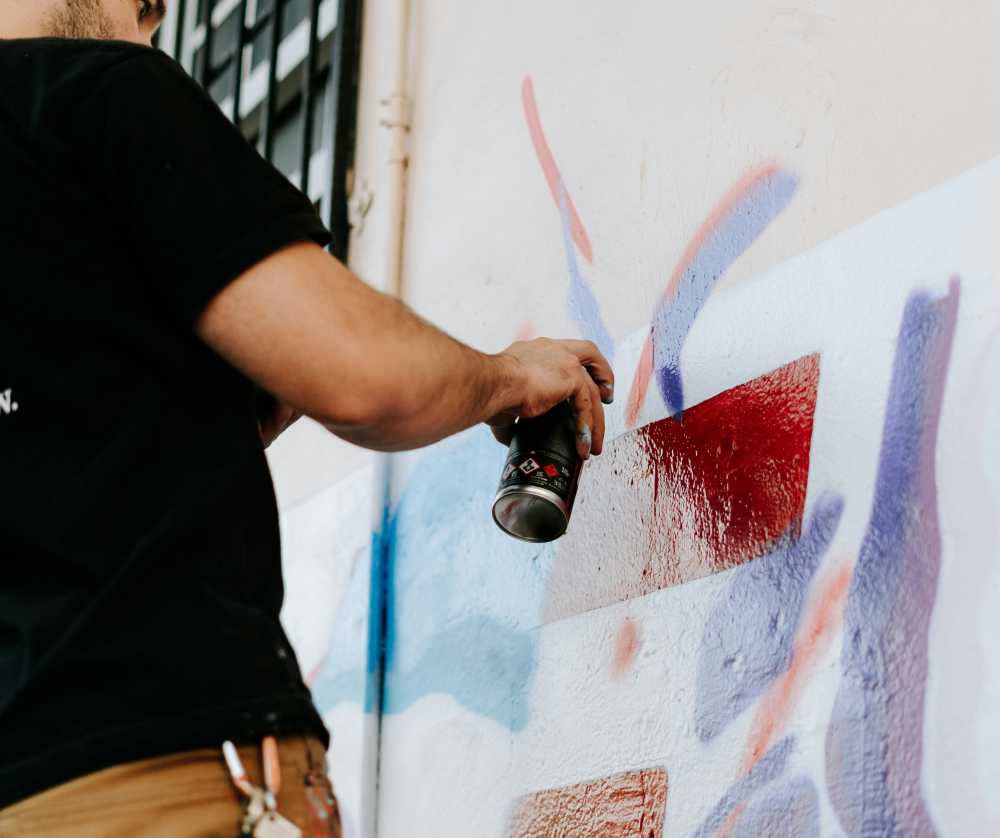
Wynwood Walls: While not a formal fair, this world-famous outdoor street art museum is an essential pilgrimage during Art Week. It’s completely free to view the incredible murals that cover the district, offering a raw and vibrant contrast to the polished booths of the main fair.
Design Miami/: Occurring concurrently just a stone's throw from the MBCC, this prestigious sister fair is dedicated to collectible design from the 20th and 21st centuries. It’s a must-see for anyone interested in the intersection of art, furniture, lighting, and objects d'art.
Pro-Tip: Don't try to be a hero and see everything in one day. Group your visits geographically. Dedicate one day to Miami Beach (MBCC, Untitled Art, Design Miami/) and another to the mainland neighborhoods like Wynwood and the Design District. This minimizes travel time and maximizes art time.

Hack 2: Conquer Transportation Like a Local
During Art Week, Miami’s already notorious traffic transforms into a city-wide parking lot. This isn't an exaggeration—with an economic impact of over $500 million, the event draws crowds on par with a Super Bowl, and it feels like every single attendee is in a car on the causeway next to you. Driving your own car is the single most stressful, time-consuming, and expensive mistake you can make.
Parking is not just difficult; it’s extremely limited and eye-wateringly expensive. To navigate the city like a pro, you must ditch the idea of driving.
Rideshares Are Non-Negotiable: Services like Uber and Lyft are your lifeline. While surge pricing will be in effect during peak hours, the cost is often still less than a parking garage, and it saves you the soul-crushing headache of navigating closed streets and full lots. Use the "schedule a ride" feature for early morning trips to beat the initial rush.
Leverage Public Transit: Miami-Dade's public transit system is a surprisingly effective and cost-efficient option. The elevated Metromover is free and circles the downtown area, connecting you to the Metrorail and bus routes that cross over to Miami Beach. It’s a great way to bypass the worst of the gridlock while getting a scenic view.
Book Parking in Advance (If You Must): If driving is your only option, do not leave it to chance. Use an app like SpotHero to reserve a parking spot weeks in advance. Be prepared to park a significant distance from the venue and use a rideshare or a long walk for the final leg of your journey.
Hack 3: Decode the Art Basel Miami Schedule—Public vs. Private Days
Understanding the rhythm of the Art Basel schedule is crucial. The fair is not open to the public for its entire duration, and showing up on the wrong day is a common and deflating rookie error. The opening days are reserved for the art world’s heaviest hitters.
Here is the official breakdown for the 2026 show:
Private Days (Invitation-Only): December 3rd – 4th, 2026. These first two days are the exclusive preview for serious collectors, museum curators, celebrities, and accredited media. Access is strictly by a VIP invitation from a participating gallery or Art Basel itself. This is when the majority of high-value sales are negotiated and finalized.
Public Days: December 5th – 7th, 2026. The fair opens its doors to the general public. The official hours are 11:00 AM to 6:00 PM.
While getting into the private viewings is tough without connections, it’s not impossible for aspiring collectors. The key is to build relationships with galleries you admire throughout the year. If you’re serious, inquire about access when you purchase work. For most visitors, the best strategy is to maximize the public days. Arrive shortly before the 11:00 AM opening time to get ahead of the intense afternoon crowds.

Hack 4: Network Smarter, Not Harder
Art Basel Miami is as much a networking event as it is an art exhibition. It’s where artists find gallery representation, collectors discover new talent, and creative professionals forge career-defining collaborations. However, simply handing out business cards in a crowded hall is about as effective as throwing them into the ocean. You need a targeted approach.
Do Your Homework: Before you arrive, study the exhibitor list. Identify the galleries that represent artists or styles that resonate with you. When you approach a gallerist, you can have a much more meaningful conversation if you can say, "I was so excited to see you were showing Artist's Name; I've been following their work since..."
Attend the Talks and Panels: The official Art Basel program is packed with fascinating talks and panel discussions. These are fantastic opportunities to learn directly from leading artists, curators, and critics. The Q&A sessions are a perfect, low-pressure environment to ask an intelligent question and make a memorable impression.
Use the Satellite Fairs: The atmosphere at satellite fairs is often more relaxed and accessible than at the MBCC. Gallerists and artists have more time and energy to engage in genuine conversation. This is where you can build real relationships that last beyond the week.
For many creative professionals, the sheer density of inspiration at Art Basel sparks a torrent of new business ideas. The challenge is turning that spark into a viable product. If you leave Miami buzzing with new concepts, the next step is to structure them for success. Our Digital Product Ideas Guide provides a complete framework for developing, launching, and monetizing your creative passion, helping you transform that art-world fire into a sustainable income stream.
Hack 5: Fuel Your Art Binge Strategically
Walking miles of concrete floors in convention centers and galleries is a marathon, not a sprint. If you don’t plan your food and hydration, you will burn out by day two, guaranteed. The food inside the convention center is notoriously overpriced and underwhelming. You need a better plan.
Book Dinner Reservations Yesterday: If you plan on dining at any of Miami’s top restaurants—especially in South Beach, Wynwood, or the Design District—you need to make reservations weeks, if not months, in advance.
Embrace High-Quality Casual Eats: For lunch, skip the long lines and high prices at sit-down restaurants. Miami has a phenomenal food truck scene, and many pop up near the major art hubs. This is a great way to grab a quick, delicious, and more affordable meal without losing an hour of your day.
Pack Your Own Survival Kit: Be your own hero. Pack a refillable water bottle (most venues have filling stations), a couple of protein bars, and a bag of almonds in your tote. Having snacks on hand will save you from paying $8 for a bottle of water and will keep your energy levels stable, preventing the dreaded "art fatigue" from setting in too early.
Pro-Tip: Many of the top-tier galleries host private cocktail receptions or breakfasts at their booths for their best clients. If you have an established relationship with a gallery, don't be shy about asking if they have any events planned. It’s a fantastic way to see the art and network in a much more civilized setting.
Hack 6: Prioritize Satellite Fairs for True Discovery
We mentioned this in Hack #1, but it’s so critical it deserves its own section. The satellite fairs are the lifeblood of Miami Art Week. While the main fair showcases the blue-chip, established titans of the art world, the satellite fairs are where you’ll find the raw, experimental, and often more exciting work from the next generation of art stars.
Making these fairs a priority will give you a more comprehensive and authentic view of the contemporary art landscape. You’ll see work you won’t find anywhere else and have the chance to buy original art from emerging artists before their prices skyrocket. Fairs like NADA (New Art Dealers Alliance) are renowned for their sharp focus on new talent and are a favorite among seasoned collectors looking for the next big thing. Don't just visit them if you have extra time; build your entire itinerary around them.

Hack 7: Plan Your Post-Basel Decompression
After several days of non-stop art, crowds, and social stimulation, you will experience a unique phenomenon known as "art fatigue." Your eyes will glaze over, and even a Picasso won't be able to hold your attention. It’s an inevitable part of the experience, but the pros know how to plan for it.
Schedule Deliberate Downtime: Do not book every single minute of your trip. Leave your final morning or afternoon completely open to do something unrelated to art. Go to the beach, sit by the hotel pool, or explore a quiet neighborhood like Coconut Grove. Let your brain breathe.
Book a Recovery Day: The ultimate pro-move is to add an extra day to your trip after the fairs close on December 7th. Let the art crowd fly home while you enjoy a quieter, more relaxed Miami. This day of decompression is crucial for processing the immense amount of visual information you’ve absorbed.
Stay Strategically: Consider booking your final night at a hotel slightly removed from the South Beach chaos. A calmer environment in a neighborhood like Coral Gables or Key Biscayne will help you recharge before heading home.
A successful trip isn't just about what you do during the event; it's about how you plan the entire journey. Creating a seamless travel experience, whether for a high-intensity week like Art Basel or a cross-country road trip, requires expert planning. For a comprehensive resource that covers every aspect of trip planning in the U.S., our Travel Guide is the ultimate tool for crafting perfect, stress-free itineraries.
Your Insider’s Guide to Conquering Art Basel
You are now armed with the strategies to transform your Art Basel Miami trip from an overwhelming ordeal into an unforgettable adventure. By looking beyond the convention center, mastering transportation, decoding the schedule, and networking with purpose, you can navigate the world’s most important art week with the ease and confidence of a veteran. Remember to fuel yourself properly, prioritize the satellite fairs for groundbreaking discoveries, and plan for some much-needed decompression.
With these seven insider hacks, your next Art Basel Miami experience will be defined by inspiration, connection, and discovery—not by stress and exhaustion. You are no longer just an attendee; you are an insider, ready to experience the very best the art world has to offer.
Meta Data Suggestions:
SEO Meta Title: Art Basel Miami: 7 Insider Hacks to Navigate Like a Pro
URL Slug: art-basel-miami-insider-hacks
SEO Meta Description: Conquer Art Basel Miami with 7 expert hacks. Learn to navigate satellite fairs, beat the traffic, and network smarter at the world's premier art event.
Don't Miss Out! Subscribe for Exclusive Content
Subscribe



Comments 0
No comments yet
Be the first to share your experience!
Dont Miss Out! Subscribe for Exclusive Content

San Francisco Cherry Blossoms: A Local's Guide to the Blooms


Halloween SF: Haunts Without Horrors

SF Festivals: 7 Must-See Lineups

Christmas SF: Lights & Wharf Wonders

SF Pride: 6 Route & Party Hacks

Chinese New Year SF: Parade Essentials
Social Media Affiliate Strategies Tailored for Travel Influencers
TrekGuider @trekguider
You’ve built a vibrant community. Your Instagram feed is a mix of breathtaking landscapes, your TikToks capture the chaotic magic of travel, and your audience hangs on your every recommendation. You have the influence, the engagement, and the trust. But when you look at your affiliate income, there’s a frustrating disconnect.
The links you drop in your bio get lost, your story swipe-ups fizzle out, and the revenue trickles in—a pale shadow of the value you provide daily.

This isn't just a feeling; it's a critical flaw in your business model. You see the industry reports—the affiliate marketing market soaring past $93 billion, with the average travel affiliate earning a reported $13,847 a month—and it feels like it’s happening in another universe. You’re a social-first creator stuck trying to implement a blog-first strategy, and it’s costing you a fortune.
This guide is your platform-specific playbook. We are moving beyond the blog-centric advice that doesn't fit your business. This is a deep dive into the world of social affiliate marketing, with tailored, actionable strategies designed specifically for Instagram, TikTok, and Pinterest. You will learn how to turn your engagement into a reliable, scalable income stream by meeting your audience where they are. For a complete command of the entire affiliate ecosystem, from program selection to legal compliance, our definitive pillar page, Travel Affiliate Programs: The 2026 Ultimate Guide, is your essential command center.
The Mindset Shift: From "Influencer" to "Social CEO"
Let’s start with a crucial shift in identity. The word "influencer" feels passive—you post, influence happens. But the creators truly cashing in operate as "Social CEOs." They don't just post; they build strategic, multi-platform funnels. They understand that their social media presence isn't just a gallery of their travels; it's a dynamic, high-value media business.

This mindset is grounded in the massive economic reality of our industry. The creator economy is forecasted to exceed $1.3 trillion by 2033, and the travel vertical is a major engine within it, accounting for about 16% of all affiliate revenue. As a Social CEO, your job is to architect a system that captures a professional share of that value. This means moving from random acts of linking to a deliberate, platform-aware social affiliate marketing strategy.
The Universal Rules of Social Affiliate Marketing
Before we dive into platform specifics, three universal rules form the bedrock of any successful social affiliate strategy. Mastering these principles is non-negotiable.
Rule #1: Trust is Your Only Currency (FTC Disclosure is Mandatory)
On social media, trust is earned in drops and lost in buckets. The fastest way to lose it is to be dishonest about your financial relationships. The U.S. Federal Trade Commission (FTC) legally requires you to clearly and conspicuously disclose any affiliate relationship. This isn't just a legal chore; it's a badge of honor that signals your professionalism.
On Instagram: Your disclosure (e.g., Ad:, #sponsored) must be within the first three lines of your caption, visible without a user having to click "...more."
On TikTok: Use the platform's built-in branded content toggle and include #ad or #sponsored in your caption.
On Pinterest: Always include a clear disclosure like #affiliate or #ad in your Pin description.
Rule #2: Value First, Link Second
No one follows you to be sold to. They follow you for your taste, your expertise, and your stories. A successful affiliate promotion on social media never feels like an ad; it feels like a genuinely helpful recommendation from a trusted friend. The affiliate link is simply the convenient next step for an audience you've already served.
Rule #3: The "Link in Bio" is Your Command Center
Most social platforms are notoriously stingy with clickable links. This makes your "Link in Bio" the most valuable piece of real estate you own. It is not a place for a single, lonely link. It is your central command center, your digital storefront.
Using a "link in bio" tool is essential. These tools create a simple, mobile-friendly micro-landing page where you can house all of your most important affiliate links, blog posts, discount codes, and offers.
Essential Tools: Linktree, Later, Stan Store, Beacons.
Think of your content as the beautiful window display and your "Link in Bio" as the front door to your store. Every piece of content should, in some way, guide your most engaged followers to that door.

Your Instagram Playbook: Mastering Visual Commerce
Instagram is the quintessential platform for travel creators, blending stunning visuals with deep community engagement. Here’s how to turn that engagement into a reliable social affiliate marketing engine.
Strategy 1: The High-Conversion "Link in Bio" Funnel
Your bio link is your primary sales channel. The goal is to create a seamless journey from your content to that link.
The Content: In your captions, Reels, and Stories, directly reference a solution you're offering. For example, "Want my complete packing list for a week in Italy? I've linked my go-to carry-on and all my favorite gear. Head to the link in my bio to grab it!"
The Link in Bio: Your landing page should be clean, visual, and easy to navigate. Use clear, action-oriented buttons like "My Favorite Travel Backpack" or "Shop My Camera Gear." Each button should lead directly to a product page or a curated list using your affiliate links.
Strategy 2: Monetizing Stories with Link Stickers & Interactive Tools
Instagram Stories are your most intimate and immediate channel. With a 24-hour lifespan, they are perfect for timely promotions and direct engagement.
The Link Sticker: This is your most powerful tool. Use it to link directly to affiliate products you're showing in the moment. When demonstrating your favorite travel tripod, add a link sticker that says "Get the Tripod Here!"
Polls & Quizzes: Use interactive tools to prime your audience. Before promoting a hotel booking site, run a poll: "Planning a trip in the next 3 months? YES / NOT YET." You can then follow up with a targeted Story for the "YES" voters.
Strategy 3: Turning Reels into Revenue Engines
Reels are your top-of-funnel discovery engine, reaching thousands of potential new followers. With video projected to account for a staggering 55% of all affiliate traffic by 2026, mastering Reels isn't just a good idea—it's a strategic imperative.
The Hook: Create short, value-packed videos that solve a specific problem. Think "3 Travel Tech Gadgets I Can't Live Without" or "How to Pack for 10 Days in a Carry-On."
The Verbal CTA: In your video, and in the first line of your caption, explicitly direct people to your bio. "You can find all of these linked in my bio under 'Favorite Travel Gear'!"
The Pinned Comment: After you post, leave a comment that says, "Everything is linked in my bio!" and pin it to the top.
Pro-Tip: Create a permanent Story Highlight on your profile titled "My Gear," "Travel Faves," or "Discounts." Populate it with your top-performing affiliate stories. This turns ephemeral content into an evergreen, 24/7 sales asset that new followers can discover at any time.

Your TikTok Playbook: Entertainment-Driven Sales
TikTok rewards authenticity and entertainment above all else. A hard sell will fail spectacularly. A clever, entertaining video that seamlessly integrates a product can go viral and drive incredible sales.
Strategy 1: The "Show, Don't Tell" Method
The best affiliate marketing on TikTok doesn't feel like marketing at all. It's about showing a product solving a problem in a real, and often humorous, way.
Example: Instead of talking about your favorite packing cubes, create a fast-paced, satisfying video showing a chaotic pile of clothes being magically organized into a tiny suitcase using the cubes, set to a trending sound. The value is demonstrated, not just described.
Strategy 2: Leveraging Trends for Affiliate Opportunities
TikTok is driven by trends—sounds, formats, and challenges. The smartest creators piggyback on these trends to showcase their affiliate products. If there's a trending sound about "things that just make sense," create a video showcasing "travel products that just make sense," featuring your top affiliate items.
Strategy 3: Building the Bridge from Video to Bio
Like with Instagram Reels, the funnel is key. Your video must be entertaining enough to stop the scroll, and your call-to-action must be clear enough to drive action.
Use On-Screen Text: Don't rely on the caption alone. Use TikTok's text tool to add "Link in Bio for all products!" directly onto the video.
Create a "Shopping List" in your Bio: Make it easy for your audience. Your "Link in Bio" page should have a section that mirrors your recent viral videos, like "As Seen in My TikToks," so users can find products instantly.

Your Pinterest Playbook: The Visual Search Engine for Buyers
Pinterest is not a social network; it's a visual search engine. Users are not there to connect; they are there to plan, discover, and buy. This makes it an incredibly powerful, and often overlooked, platform for affiliate marketing.
Strategy 1: Crafting Keyword-Rich, Shoppable Pins
Every Pin is an opportunity to rank in Pinterest's search results. Your goal is to create beautiful, helpful Pins that target users with high commercial intent.
Vertical Images: Create visually appealing Pins with text overlays that act as a headline (e.g., "The Ultimate Carry-On Packing List").
Keyword-Driven Descriptions: Write a detailed, helpful description using keywords a user would search for, like "best travel backpack for women," "what to pack for Europe," etc.
The Direct Link: Unlike other platforms, Pinterest allows you to put your affiliate link directly in the "Website" field of a standard Pin. Always disclose with #affiliate in the description.
Strategy 2: The Power of Idea Pins and Video Pins
These multi-page and video formats are heavily promoted by Pinterest's algorithm. Use them to create mini-tutorials or guides.
Example: Create an Idea Pin titled "5 Ways to Use Packing Cubes." Each page can showcase a different tip, and the final page can direct users to your affiliate link for the cubes.
Strategy 3: Creating Themed Boards that Convert
Think of your Pinterest boards as curated storefronts. Create highly specific boards like "Italy Summer Trip Essentials," "Digital Nomad Tech Gear," or "Cozy Cabin Getaway Style." Populate these boards with your affiliate Pins, creating a one-stop shop for users planning a specific type of trip.
Pro-Tip: Use a tool like Canva to create beautiful, branded Pin templates. This allows you to quickly produce a high volume of quality Pins, which is a key factor for growth on the platform. For every piece of content you create, you should aim to create 5-10 different Pin variations.

The Pro-Level Play: From Affiliate to Owner
One of the most advanced social affiliate marketing strategies is to diversify beyond one-time commissions and build a recurring revenue stream. The ultimate evolution for a creator is to move from promoting other people's products to selling their own. This is where referral programs for creator platforms become a high-margin secret weapon.
Instead of just earning from a product sale, you earn by introducing your community to a platform or service that will help them grow their own business. This creates a powerful win-win: your audience gets a valuable tool, and you build a more stable, passive income stream. This is the exact model we’ve built to empower creators with the TrekGuider Platform.
Our platform is designed for travel creators like you to sell your own digital products—itineraries, guides, presets, and more. Our referral program is the perfect high-margin addition to your social media strategy.
The Content Angle: Create content that empowers your community. Post a Reel about "How I Make Money While Traveling" and explain how you sell digital guides on TrekGuider, directing them to your referral link to get started. You're not just selling; you're sharing a business opportunity.

Your Social Empire Awaits
You are no longer just a creator sharing your passion; you are the CEO of a modern media company, and social media is your headquarters. By implementing these platform-specific social affiliate marketing strategies, you can finally bridge the gap between your influence and your income.
The path is clear. Build your command center with a "Link in Bio" tool. Master the funnels on Instagram and TikTok. Turn Pinterest into your visual sales engine. And layer in high-margin referral opportunities to build a truly resilient business.
Ready to Build Your Travel Content Business?
Download our free resource bundle, The Travel Creator's Toolkit. It’s packed with the checklists, content templates, and guides you need to put these steps into action and start building your affiliate income today.
Frequently Asked Questions (FAQ)
1. Can I really make a full-time income from affiliate marketing without a blog? Absolutely. While a blog is a powerful asset, a well-executed social-first strategy can generate a significant income. The key is to master the art of funneling your audience from your content to a centralized "link in bio" page where they can easily shop your recommendations.
2. How many followers do I need to start affiliate marketing? There is no magic number. A creator with 1,000 highly engaged, niche followers can often outperform one with 100,000 passive followers. Focus on building a deep, trusting relationship with your audience first. The income will follow.
3. What are the biggest mistakes to avoid? The top three mistakes are: not disclosing your affiliate links (which is illegal and erodes trust), being too "salesy" instead of providing value first, and not using a "link in bio" tool to organize your links effectively.
Read the full guide: The Travel Blogger's Playbook to Affiliate Marketing Mastery
Don't Miss Out! Subscribe for Exclusive Content
SubscribeComments 0
No comments yet
Be the first to share your experience!
Dont Miss Out! Subscribe for Exclusive Content

FTC Affiliate Disclosure Essentials: Stay Compliant as a Travel Creator

Essential Affiliate Tools: From Tracking to Full Optimization

Avoid These 5 Affiliate Landing Page Mistakes for Better Conversions

Affiliate Keyword Research Mastery for Travel Blogs

Booking.com Affiliate Program Review: Pros, Cons, and Earnings Potential

Decoding Affiliate Commission Rates: Benchmarks for Travel Creators
9 Beach Safety Tips That Could Save Your Life
TrekGuider @trekguider
There’s a moment on every beach trip that feels like pure magic. It’s the feeling of warm sand between your toes, the hypnotic sound of waves crashing, and the endless blue horizon stretching out before you. It’s a picture of perfect relaxation. But beneath that tranquil surface, the ocean holds immense and impartial power. A beautiful day can turn dangerous in an instant from a hidden current, underestimated waves, or the relentless sun, transforming a dream vacation into a terrifying emergency. Every year, countless beachgoers find themselves in preventable peril simply because they misread the water or weren't prepared for the environment.
This isn't a guide to make you fear the ocean; it's a playbook to empower you to respect it. We’re here to give you the essential, expert-backed beach safety tips that can mean the difference between a blissful day and a life-altering one. These strategies, drawn from lifeguarding associations and national weather experts, are a critical component of the situational awareness we cover in our comprehensive guide, The Ultimate Guide to Travel Safety: A 2026 Playbook. By learning to see the beach not just as a playground, but as a dynamic natural environment, you can ensure your only takeaways are seashells and incredible memories. Let’s dive in.

Master the Water: Essential Ocean Safety Tips
The vast majority of beach-related dangers originate in the water itself. From powerful currents to unpredictable surf, understanding the ocean's behavior is the most critical skill any beachgoer can possess. These are the foundational beach safety tips for staying safe in the surf.
1. Become an Expert at Spotting Rip Currents
Rip currents are the number one danger at most surf beaches, responsible for the majority of ocean rescues performed by lifeguards. They are not undertows that pull you under the water; they are powerful, narrow channels of water that flow away from the shore at high speed. According to NOAA and the United States Lifesaving Association (USLA), knowing how to visually identify one from the shore is your first and best line of defense.
Here’s what to look for, especially from an elevated position like the dunes or a lifeguard tower:
A Channel of Churning, Choppy Water: Look for a specific area where the water seems agitated or rough, moving in a different direction than the surrounding waves.
A Break in the Incoming Wave Pattern: This is often the easiest sign to spot. You'll see a gap in the line of breaking waves—an area that looks deceptively calm. This flat spot is the rip current pulling water back out to sea, disrupting the incoming waves.
A Difference in Water Color: Because the current is carrying sand and sediment offshore, the water within a rip current often appears darker, murky, or sandy brown compared to the clearer, greener water on either side.
A Line of Foam or Debris Moving Seaward: This is a dead giveaway. If you see a line of foam, seaweed, or other floating debris moving steadily away from the beach, perpendicular to the shore, you are looking directly at a rip current.
Pro-Tip: Before you even set up your umbrella, take five minutes to stand back and observe the water. Actively look for these signs. Identifying potential rip currents before you get in the water is the single most important safety action you can take.
2. Know the "Flip, Float, Follow" Rule for Rip Current Survival
If you do get caught in a rip current, your instinctive reaction—to panic and swim directly against it back to shore—is the most dangerous thing you can do. Fighting a rip current will exhaust you to the point of drowning. The correct response is simple and could save your life.
Flip: Flip onto your back to stay afloat and conserve energy.
Float: The current will not pull you under; it will only pull you away from shore. Stay calm and float with it.
Follow: Once you are out of the main pull of the current, begin swimming parallel to the shoreline. Do not swim toward the beach. Once you have swum out of the current, you can then turn and swim back to shore, ideally at an angle away from where you were caught.
If you are unable to swim out of it, continue to float and wave your arms and yell for help to attract the attention of a lifeguard or other swimmers.

3. Understand and Obey the Beach Warning Flag System
While knowing how to escape an invisible current is a vital reactive skill, your most powerful proactive tool is the one flapping in the breeze. Beach warning flags are a simple, universal language used by lifeguards to communicate the current water conditions. This system, adopted by the International Lifesaving Federation, provides a quick, visual assessment of the hazard level. Ignoring these flags is a gamble you should never take.
Green Flag: Low Hazard. Conditions are calm, but you should still exercise caution.
Yellow Flag: Medium Hazard. Moderate surf and/or currents are present. Weak swimmers should stay out of the water, and everyone else should use extra care.
Red Flag: High Hazard. The surf is high, and/or strong currents make conditions dangerous. It is recommended that no one enters the water.
Double Red Flag: Water Closed to Public. Conditions are extremely dangerous. The water is closed to all swimming, and entering it is prohibited.
Purple Flag: Dangerous Marine Life. This flag indicates that potentially hazardous marine life, like jellyfish or sharks, has been spotted. It is always flown with another color flag that indicates the surf conditions.
Pro-Tip: The absence of flags does not automatically mean the water is safe. If there is no flag, it likely means there is no lifeguard on duty. In that case, you are swimming entirely at your own risk. Always try to swim at a beach protected by lifeguards.
Master the Environment: Sun and Shoreline Safety Tips
While the ocean poses the most immediate threats, the beach environment itself has its own set of risks. The sun, sand, and heat can cause serious health issues if not managed properly. These beach safety tips will keep you safe on the shore.
4. Know the Signs of Heat Exhaustion vs. Heatstroke
That perfect, sun-drenched beach day holds a hidden danger. When the temperature climbs, the line between bliss and a medical emergency can blur with alarming speed. According to the Red Cross, it's crucial to know the difference between heat exhaustion and the more severe, life-threatening heatstroke (sunstroke).
Heat Exhaustion Symptoms:
Headache, dizziness, and confusion
Excessive sweating with cool, moist, or pale skin
Nausea and muscle cramps
A rapid, weak pulse
First-Aid for Heat Exhaustion:
Move to a Cool Place: Immediately get the person out of the direct sun and into shade or air conditioning.
Cool Them Down: Loosen their clothing and apply cool, wet cloths or spray them with cool water.
Rehydrate: If they are conscious and able to swallow, have them sip small amounts of a sports drink or water.
If their condition doesn't improve or they start vomiting, call for emergency help immediately, as it can progress to heatstroke.
5. Recognize the Emergency of Heatstroke (Sunstroke)
Heatstroke is a full-blown medical emergency where the body's internal cooling system completely fails.
Heatstroke Symptoms:
Changes in mental status (confusion, agitation, loss of consciousness)
Hot, flushed, and often dry skin (sweating may have stopped)
A dangerously high body temperature (often above 104°F / 40°C)
A rapid, strong pulse, which may become weak later
First-Aid for Heatstroke:
Call 911 Immediately: This is a life-threatening emergency that requires professional medical intervention.
Begin Rapid Cooling: While waiting for help, do everything you can to cool the person's body. Immerse them in cool water if possible, or douse them with water and apply ice packs to the neck, groin, and armpits.

6. Practice Proactive Sun Protection
The best way to deal with a heat-related illness is to never let it start. Sun protection is a continuous strategy, not a one-time action.
Hydrate Constantly: Drink plenty of water throughout the day, even before you feel thirsty.
Use Broad-Spectrum Sunscreen: Apply a sunscreen with at least SPF 30 and reapply it every two hours, and always immediately after swimming or excessive sweating.
Seek Shade: Use an umbrella and take breaks from the sun, especially during the peak intensity hours of 10 a.m. to 4 p.m.
Wear Protective Clothing: A wide-brimmed hat and UV-blocking sunglasses are non-negotiable.
7. The "Stingray Shuffle" Rule
In many coastal areas, stingrays bury themselves in the sand in shallow water. Stepping directly on one can result in an excruciatingly painful sting from the barb on their tail. To avoid this, never walk normally through the shallows. Instead, shuffle your feet along the sand. The vibrations from the shuffle will alert any nearby stingrays to your presence, giving them a chance to swim away peacefully.
Master Your Preparation: Final Beach Safety Tips
A safe and relaxing beach day begins before you even leave home. Smart planning and having the right gear can make all the difference, especially when traveling with family.
8. Pack a Dedicated Beach First-Aid Kit
While your main travel medical kit should be comprehensive, your beach bag needs a few specific items to handle common coastal issues:
Waterproof Bandages: For minor cuts and scrapes from shells or rocks.
Aloe Vera Gel: For immediate relief from minor sunburn.
Antihistamine Cream: To soothe the itch from insect bites.
Tweezers: For removing splinters or shell fragments.
Vinegar: A small bottle of white vinegar is a secret weapon; it can help neutralize the sting from some types of jellyfish.
9. Always Designate a "Water Watcher"
When you're at the beach with a group, especially with children, it's easy to fall into the trap of "diffusion of responsibility," where everyone assumes someone else is watching the kids in the water. The solution is to formally designate one adult as the "Water Watcher" for a set period (e.g., 15-20 minutes). During their shift, that person's only job is to watch the water without distraction—no phones, no books, no conversations. Then, you switch. This simple system ensures there are always eyes on the swimmers.
Your Ultimate Guide to Family Beach Travel
Keeping kids safe and entertained at the beach is a unique challenge. From packing the right gear to navigating meltdowns and keeping them safe in the sun and surf, a little extra preparation goes a long way. Our specialized guide takes the stress out of the equation.
Download our free Stress-Free Flying with Kids Guide for expert tips on making every part of your family vacation, from the airport to the beach, a breeze!
Beach Safety FAQs
A prepared mind is a safe mind. Here are quick answers to other common beach safety questions.
1. What’s the right way to treat a jellyfish sting?
First, get out of the water. Rinse the affected area with vinegar (if available) for about 30 seconds to deactivate the stingers. Do not use fresh water, as it can make it worse. Carefully pluck out any visible tentacles with tweezers. Soaking the skin in hot water (as hot as can be tolerated without burning) for 20-45 minutes can also help relieve the pain.
2. Is it safe to dig deep holes in the sand?
Digging in the sand is a classic beach activity, but deep holes can be incredibly dangerous. They can collapse unexpectedly, burying a person in seconds. Never dig a hole deeper than the knees of the smallest person in your group, and always fill in any holes you dig before you leave the beach.
3. What should I do if I see someone in trouble in the water?
Do not attempt a swimming rescue yourself unless you are trained in water rescue. An untrained rescuer can quickly become a second victim. The best course of action is to call for help immediately. Yell to alert a lifeguard and call 911. If you can, throw the person something that floats, like a cooler or a boogie board.
By embracing these nine essential beach safety tips, you shift from being a passive visitor to an active, aware, and prepared participant in one of nature’s most magnificent environments. The goal isn't to diminish the fun but to ensure it. A healthy respect for the ocean and a solid plan for your day are the keys to unlocking a truly carefree and unforgettable experience by the sea.

Now that you've mastered the art of staying safe on the coast, you can focus on the rest of your adventure. For a complete, deep-dive into every facet of trip planning, from health and safety to budgeting and logistics, our comprehensive Travel Guide is the only resource you'll ever need.
Don't Miss Out! Subscribe for Exclusive Content
SubscribeComments 0
No comments yet
Be the first to share your experience!
Dont Miss Out! Subscribe for Exclusive Content

Ultimate USA Holidays Guide: Top Picks
FTC Affiliate Disclosure Essentials: Stay Compliant as a Travel Creator
Essential Affiliate Tools: From Tracking to Full Optimization
Booking.com Affiliate Program Review: Pros, Cons, and Earnings Potential
Decoding Affiliate Commission Rates: Benchmarks for Travel Creators
