
The Best Travel Blogs to Follow in 2026

TrekGuider @trekguider
The world of travel blogging is in the midst of a profound transformation. The era of the generic, sun-drenched listicle is fading, making way for a sophisticated, multi-billion-dollar ecosystem of niche experts, media entrepreneurs, and deeply authentic storytellers. In this new landscape, the best travel blogs are no longer just digital postcards. They are indispensable masterclasses in specific travel styles, invaluable resources for navigating complex journeys, and thriving communities built on a foundation of hard-won trust. They are the definitive guides that can fundamentally change how you see and experience the world.
Here at TrekGuider, we live at the epicenter of this evolution. We know that finding a truly exceptional travel blog is like being handed a key that unlocks a hidden dimension of a destination. It’s the difference between a good trip and a genuinely life-changing one. That’s why we’ve gone deep, undertaking a comprehensive analysis of the 2026-2026 travel blogosphere to bring you this definitive guide. We’ve looked beyond the vanity metrics to identify the true market leaders—the creators who combine deep, demonstrable expertise with exceptional content that serves, inspires, and empowers their readers.
This isn't just another list. This is your curated portal to the most valuable voices in travel today. Whether you're seeking inspiration for a family adventure, a culinary exploration, or the strategic blueprint to build a travel brand of your own, you’ve come to the right place. Let's explore the creators and resources that are defining the future of travel.
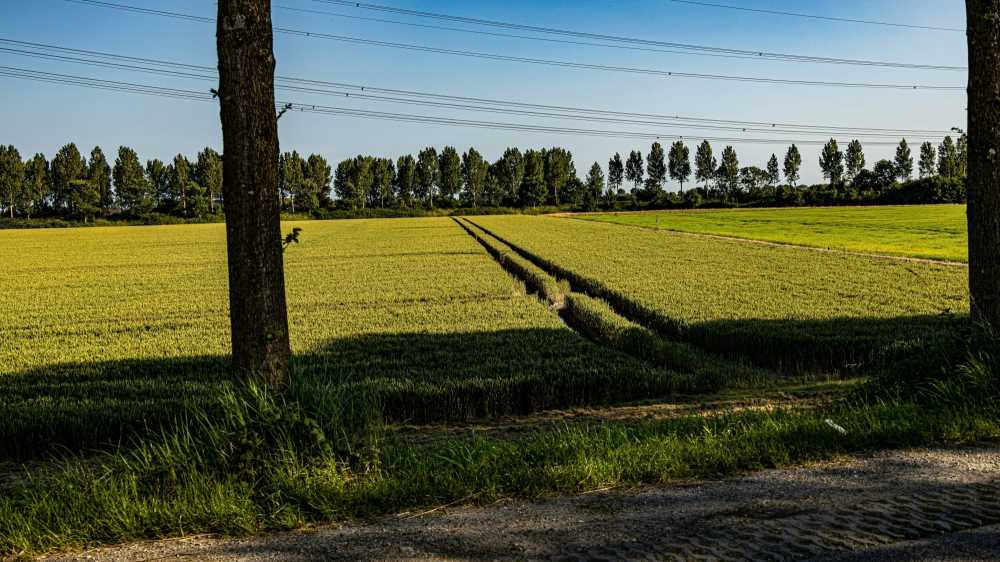
What Makes a Travel Blog "The Best" in 2026?
In a market saturated with content, separating the signal from the noise is everything. Our selection process is not based on whims or follower counts; it is grounded in a rigorous, dual-factor vetting framework that combines empirical data with the essential, human elements of brand excellence. This ensures every blog we recommend is not just popular, but genuinely authoritative, trustworthy, and immensely valuable to its readers.
Beyond Follower Counts: Our Data-Driven Vetting Process
Our analysis begins with a layer of quantitative data to objectively gauge a blog's authority within the digital ecosystem. We look for tangible signals of credibility and influence.
Domain Authority (DA) and Domain Rating (DR): These are the industry’s primary metrics, developed by Moz and Ahrefs respectively, for estimating a website's ranking potential. Calculated on a 100-point logarithmic scale, they primarily measure the quantity and quality of backlinks pointing to a site. A high score is a powerful indicator of a blog's credibility in the eyes of search engines.
Social Media Engagement Rate: Raw follower count is an increasingly misleading metric. We prioritize the quality of an audience over its size. A far more accurate measure of influence is the engagement rate, which reflects the proportion of an audience that actively interacts with content. A common way to calculate it is to add up the total interactions on a post (likes, comments, shares, and saves), divide that sum by the account's total follower count, and then multiply by 100 to get the engagement rate as a percentage.
A high engagement rate is a strong proxy for true brand loyalty and community health.
However, data only provides a snapshot. The soul of a great travel blog is found in its connection with its audience. Our qualitative criteria assess this human layer of excellence:
Quality of Writing & Originality: We seek out a distinct authorial voice, compelling personal storytelling, and a unique perspective that transcends generic travel advice.
Niche Specificity & Expertise: The era of the generalist travel blog is over. The market leaders of 2026 are deep, narrow experts in a specific sub-niche, whether it's vegan food travel, family RV trips, or solo hiking adventures.
User Experience (UX) & Site Design: A professional, clean, and easy-to-navigate website is a non-negotiable signal of credibility and a deep respect for the reader's time and experience.
Authenticity & Transparency: Trust is the ultimate currency of the creator economy. We champion blogs that are unflinchingly honest, sharing both the incredible highs and the inevitable lows of travel, and which provide clear, conspicuous disclosures of sponsored content, adhering strictly to the latest FTC guidelines.
Finally, we look for third-party validation from respected industry bodies. Accolades from organizations like the Travel Media Awards (UK), the North American Travel Journalists Association (NATJA) Awards, and the Inspire Global Media Awards serve as powerful, independent signals of a creator's quality, influence, and professionalism.

The Best Travel Blogs for Your Next Adventure
Consider this your personal launchpad for travel inspiration. We've curated the top blogs by travel style, allowing you to bypass the noise and connect directly with the perfect creator to guide your next journey. Each section below serves as a rich introduction to a specific travel niche, highlighting what makes the leading blogs in that space so exceptional before linking out to our more comprehensive, in-depth guide on the topic.

For the Modern Family: Navigating the World with Kids
Family travel is a delicate art, a complex puzzle of logistics, and, when done right, one of the most rewarding experiences imaginable. The best family travel blogs are indispensable because they understand that advice is never one-size-fits-all. The challenges of traveling with a toddler—managing rigid nap schedules, packing an arsenal of gear, and navigating public tantrums—are an entirely different universe from the psychological and social hurdles of traveling with teenagers, who crave independence, personal space, and a reliable WiFi connection. Top creators in this space are masters of targeted, practical advice. Blogs like the venerable Ytravelblog and the inspiring The Jetsetting Family excel at providing field-tested solutions for specific age groups. They don't justshow you glossy, idealized photos; they deliver real-world strategies and destination guides that address the actual pain points of parents. They offer solutions for everything from surviving long-haul flights with a two-year-old to planning a trip that a sixteen-year-old will actually enjoy. These creators prove that adventure doesn't stop when you have kids—it just evolves into a richer, more meaningful chapter.
For a complete breakdown of the top resources for parents of all ages, see our detailed guide: 11 Best Family Travel Blogs for Real Advice.

For the Culinary Explorer: Tasting the Globe One Dish at a Time
Food is more than sustenance; it’s a culture’s autobiography, a direct line to its history, its people, and its soul. The leading food travel blogs of 2026 have moved far beyond the simple restaurant review. They are culinary ethnographers, telling the rich, subtle stories behind the dishes we love. These creators recognize that modern food travelers are no longer passive consumers; they are active participants seeking immersive, hands-on experiences. Blogs like Mark Wiens's Migrationology and Jodi Ettenberg's Legal Nomads are standard-bearers of this craft. They don’t just tell you what to eat; they explore the history of chili peppers or dive deep into the cultural significance of Nasi Lemak, Malaysia's national food, transforming a meal into a lesson. They guide you through the chaotic beauty of local markets, from Tokyo's Tsukiji Outer Fish Market to Lisbon's Mercado da Ribeira, and inspire you to roll up your sleeves in a hands-on cooking class. This profound approach elevates food from a checklist item to the very heart of the travel experience.
Ready to start a culinary journey? Discover the best guides to lead the way: 9 Food Travel Blogs for Culinary Adventures.

For the Discerning Traveler: A New Definition of Luxury
The very definition of luxury travel has been rewritten. According to industry analysis from leading authorities like Skift and Virtuoso, the market has pivoted sharply from conspicuous consumption toward meaningful, personalized, and conscious experiences. The new luxury is less about material opulence and more about access to unique moments, personal growth, and authentic cultural connections. It’s about what Virtuoso calls "balanced adventuring"—journeys that artfully combine physical exhilaration with deep mental relaxation. This evolution is a direct response to major global shifts, including a post-pandemic re-evaluation of personal values and the tangible effects of climate change. Top-tier luxury blogs like A Luxury Travel Blog and the experiential travel company Black Tomato are chronicling this movement. They spotlight emerging trends like "coolcations" (a surge in travel to cooler climates like Iceland and Antarctica), wellness retreats that go "beyond the spa" to include silent meditation and digital detoxes, and the critical rise of sustainable, eco-luxury hotels. They understand that modern luxury is about transformation, not just transaction.
To discover the blogs that are defining the future of high-end travel, explore our curated list: Top 7 Luxury Travel Blogs Redefining Style.

For the Independent Spirit: Empowering Solo Journeys
Traveling alone is one of the most profoundly empowering and liberating experiences a person can undertake. For the rapidly growing number of solo travelers—a movement largely led by women—access to trusted information is the critical first step in building the confidence to take that first journey. While the rewards are immense, safety remains a primary concern, and the best solo travel blogs address this head-on with practical, expert-backed advice. Creators like the renowned Adventurous Kate and the intrepid Be My Travel Muse have built their brands on providing the essential toolkit for solo adventurers. They offer in-depth guides on everything from mitigating risks like theft and harassment to the vital importance of pre-trip research using official sources like the U.S. State Department. But their value extends far beyond safety checklists. They segment their content to address the specific needs of different solo traveler archetypes, whether you're a woman seeking safety tips for the Amalfi Coast, a budget backpacker navigating Southeast Asia, or a thrill-seeker planning a solo expedition to Patagonia. These blogs are your trusted companions in waiting, offering both inspiration and reassurance in equal measure.
Find the resources and stories to inspire your own solo adventure in our comprehensive guide: 10 Must-Read Solo Travel Blogs for 2026.
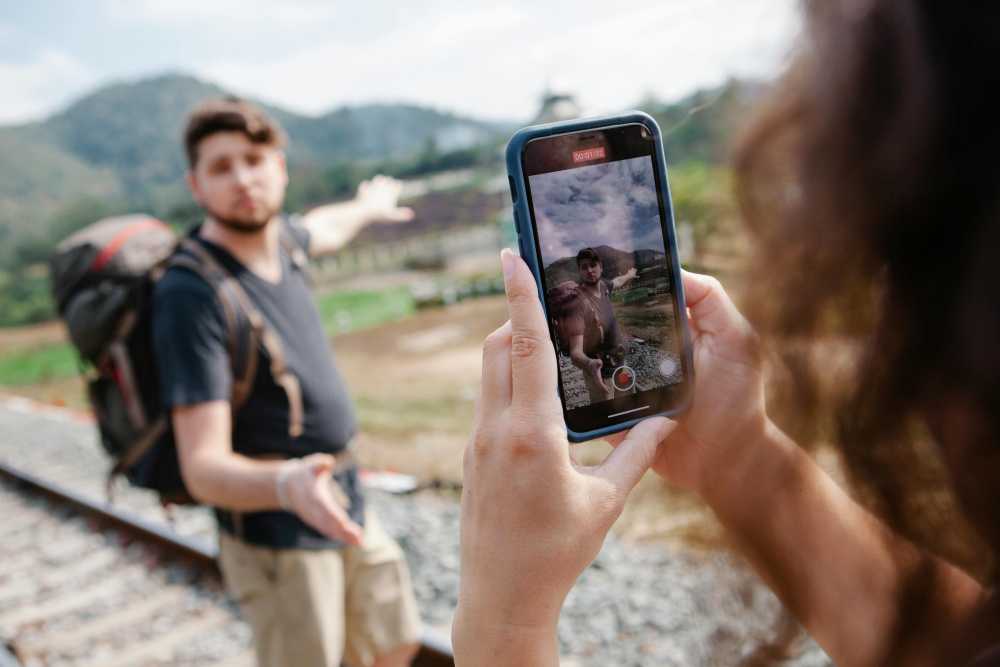
For the Savvy Saver: Making Dream Trips a Reality
Let’s address the single greatest misconception in travel: that it has to be expensive. The most empowering blogs in the budget space are not just about finding cheap hostels; they are masterclasses in financial literacy for a life of adventure, built on the foundational principle that travel is a matter of priority, not privilege. The most valuable content in this niche offers a powerful one-two punch of achievable trip ideas and the actionable financial planning to make them happen. Industry titans like Nomadic Matt and The Broke Backpacker have perfected this formula. They provide an incredible degree of transparency with detailed, line-item budget breakdowns for countries around the world, empowering readers to craft their own realistic spending plans. But just as importantly, they teach the crucial long-term strategies needed to fund these adventures. They cover everything from the "pay yourself first" model of automating savings to the more advanced art of "travel hacking"—the strategic use of credit card rewards points to drastically reduce the cost of flights and hotels. These blogs are your personal finance coaches for a life of travel.
Learn the proven methods for traveling more while spending less in our ultimate guide: How to Travel More: 8 Best Budget Blogs.
For the Thrill-Seeker: From Gentle Hikes to Epic Expeditions
"Adventure travel" is a wonderfully broad term that encompasses a wide spectrum of activities, from a leisurely hike in a national park to a high-stakes mountaineering expedition in the Himalayas. To provide real value, blogs in this space must specialize. The industry makes a clear distinction between "soft" and "hard" adventure, and the best creators typically build their authority in one category, catering to audiences with specific skill levels and risk tolerances. Soft adventure, characterized by low-to-moderate risk and little required experience, is exemplified by blogs like The Planet D, which showcases accessible yet thrilling experiences like kayaking in Antarctica. Hard adventure, defined by high risk and the need for significant technical skill, is the domain of creators like Expert Vagabond, who documents grueling treks across Greenland’s Arctic Circle Trail. By focusing on a specific part of the adventure spectrum, these blogs build deep trust with their audience, providing the right gear reviews, training advice, and destination inspiration for their chosen level of thrill.
Find the perfect blog to fuel your next adrenaline rush right here: Top 9 Adventure Travel Blogs to Follow Now.
From Inspiration to Itinerary: Where to Find the Experts
Discovering these world-class blogs is the first step. But what happens when you’re ready to move from inspiration to planning? Many of the expert creators setting the standard in family, food, and adventure travel are also entrepreneurs. They distill their hard-won knowledge into invaluable digital products—like hyper-detailed itineraries, downloadable maps, and in-depth guides.
The TrekGuider Marketplace is where you find them. It’s a curated platform where you can discover and instantly purchase these high-quality resources directly from the vetted, on-the-ground experts you follow and trust. It’s the bridge that turns their expertise into your next unforgettable trip.
Feeling Inspired? Start Planning Your Next Trip Today!
Seeing what's possible is the first step. The next is making it happen. To help you turn inspiration into action, we've created a comprehensive trip planning resource.
Download our free Travel Itinerary Template to organize your budget, packing lists, flight details, and daily schedules all in one place.
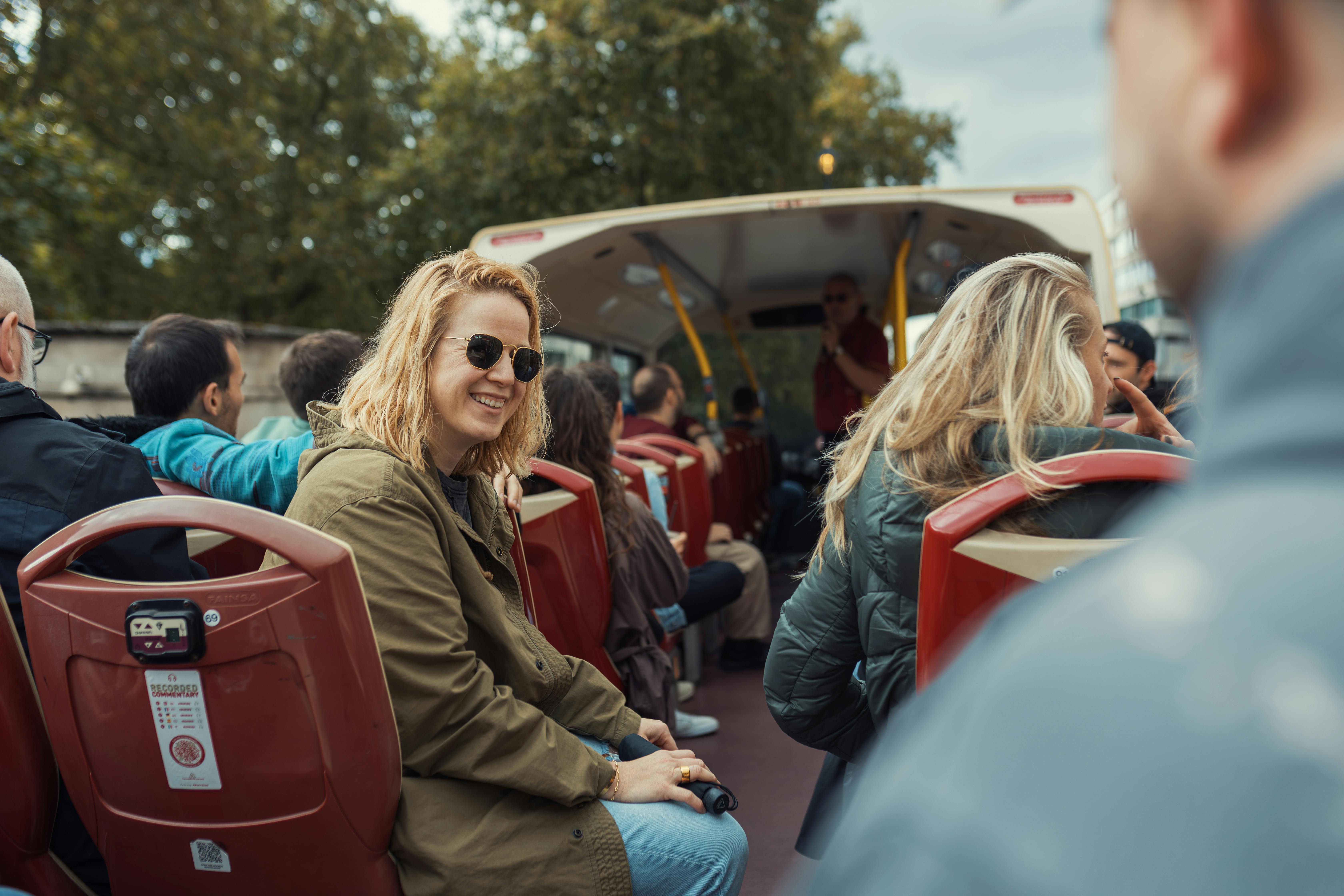
From Traveler to Creator: Building Your Own Travel Blog
Perhaps reading about these incredible creators has sparked a different kind of ambition—not just to travel, but to build something of your own. The technical barriers to launching a blog are lower than ever, but the strategic thinking required for success is significantly higher. This section is for the aspiring media entrepreneurs ready to turn their passion into a profession. Here, we provide a detailed overview of the key strategies you'll need to master, linking out to our in-depth, step-by-step guides.
How to Start a Travel Blog in 2026 (And Actually Succeed)
Launching a successful travel blog today demands a fundamental mindset shift: you are not just starting a website; you are building a media brand. While the technical setup is more accessible than ever, your pre-launch efforts should be overwhelmingly focused on strategy and differentiation. A winning launch can be broken down into three critical phases.
Phase 1 is Strategy & Branding. This is where 90% of your success is determined. It involves the crucial work of identifying a specific, underserved, and potentially profitable sub-niche—like accessible travel or national parks for families—to avoid the trap of being a generalist. It means creating a detailed persona of your ideal reader and developing a unique brand identity, voice, and mission that will resonate with them.
Phase 2 is Technical Setup. This covers the practical steps: choosing a reliable web host (like SiteGround for support or Hostinger for value), installing WordPress (the industry standard), and setting up essential plugins and analytics to track your performance from day one.
Phase 3 is Content & Launch. This final phase involves developing a content strategy for your first 10-20 foundational "pillar" articles, producing that high-quality content with an eye on SEO, and finally, launching your blog to the world. Approaching your launch with this methodical, business-first mindset is the single greatest factor in determining your long-term success in a competitive market.
For a complete, step-by-step business playbook that covers everything from niche selection to your launch day checklist, see our comprehensive guide: How to Start a Travel Blog in 2026 (For Profit).
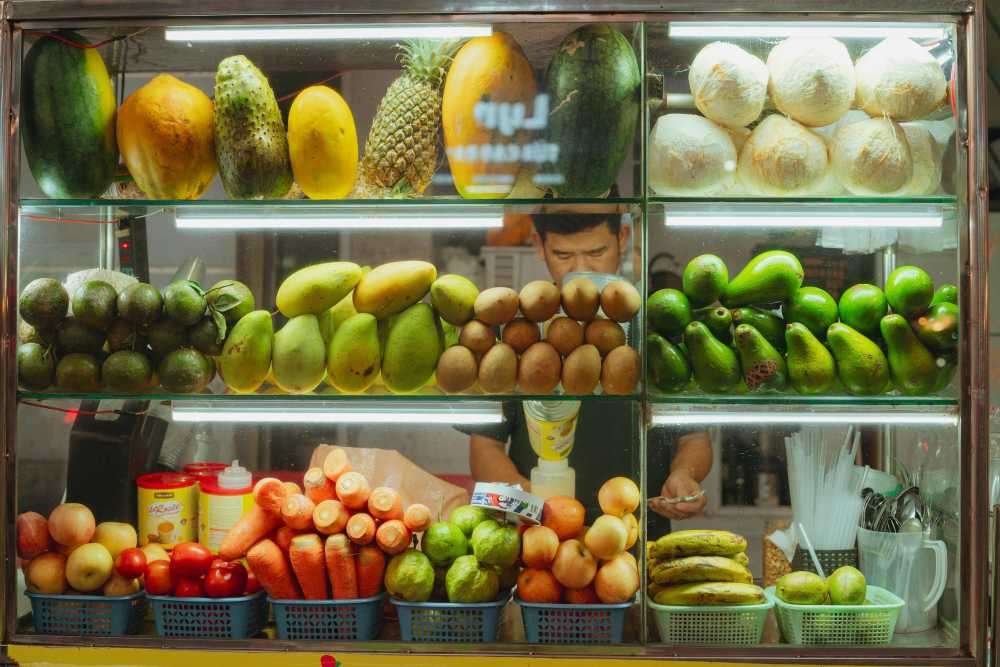
Finding Your Voice: 50+ Travel Blog Name Ideas
Choosing a name for your blog is a critical, foundational step in building your brand. It needs to be memorable, evocative, and, most importantly, available. This process should be treated as a practical branding workshop, not a frantic search for something that "sounds cool." A systematic framework is the most effective way to land on the perfect name. First, brainstorm a cloud of keywords associated with your specific niche, your target audience, and your desired tone. For a luxury family blog, your list might include: Luxe, Journey, Quest, Collective, Heirloom, Atlas. Next, apply common naming formulas to generate creative combinations. Experiment with alliteration (Roaming Roads), portmanteaus (Foodventure), or simply using your own name to build a personal brand (Adventurous Kate). Don't hesitate to use online blog name generators to spark unexpected ideas. The final, non-negotiable step is to verify availability. This is a two-pronged check: you need an available .com domain—the undisputed professional standard—and you need consistent, matching handles across your key social media platforms (Instagram, TikTok, etc.). A quick Google search and a basic check of the database can also help you avoid obvious brand conflicts before you invest in your new identity.
For a complete framework and dozens of categorized name ideas to spark your creativity, check out our brainstorming guide: 50+ Travel Blog Name Ideas (And How to Choose).
The Business of Blogging: How to Make Money Travel Blogging
The most successful travel blogs are not hobbies; they are diversified media businesses that employ a strategic mix of monetization models. While methods like display advertising, affiliate marketing, and sponsored posts all have a role to play, the most profitable, sustainable, and scalable model by far is selling your own digital products. The data is unequivocal. A blog with 50,000 monthly pageviews might earn $1,000-$2,000 from a premium ad network like Mediavine. In stark contrast, if just 0.2% of those same visitors (a mere 100 people) purchase a $30 digital product—like a detailed itinerary, a packing list bundle, or a Lightroom preset pack—the revenue is $3,000. This simple math illustrates a profound shift in the creator economy. The most successful bloggers are transitioning from being content publishers who serve an algorithm to being media entrepreneurs who use their content to acquire customers for their own products.
This is the future of the creator economy, and TrekGuider is the platform built for it. We provide creators with the tools they need to succeed, including a dedicated publishing platform to build authority, a personal creator page to act as a central hub for their brand, and a full suite of monetization tools to sell their digital products and build a sustainable business.
To dive deep into each revenue stream and learn how to build a profitable creator business, read our full guide: 5 Real Ways to Make Money Travel Blogging.

Never Run Out of Ideas: 75+ Travel Blog Post Prompts
A successful content strategy is not about randomly posting when inspiration strikes. It's about methodically creating a library of content that targets various stages of the user journey, from initial awareness to the final booking decision. This means building a healthy mix of articles designed to serve different user intents. Informational Guides (e.g., "The Ultimate Guide to...") are the foundation of your SEO strategy, capturing top-of-funnel search traffic and establishing your authority. Inspirational Stories (e.g., "How Traveling to Country Changed My Perspective") are crucial for building a deep, personal connection with your audience and fostering a loyal community. Transactional Reviews (e.g., "Is the City Name Pass a Good Value?") target bottom-of-funnel users who are actively in the decision-making phase and ready to make a purchase. How-To Tutorials (e.g., "How to Pack for Two Weeks in a Carry-On") provide immense practical value, building trust and positioning you as a helpful expert. Finally, highly shareable Listicles (e.g., "15 Must-See Places...") are perfect for social media promotion and driving waves of new traffic to your site. By intentionally creating content for each of these categories, you build a strong and resilient content ecosystem.
For a massive bank of strategic content prompts categorized by user intent, explore our ultimate resource: 75+ Travel Blog Post Ideas to Beat Writer's Block.
Mastering the Craft: Essential Skills for Modern Travel Bloggers
To stand out in today's crowded market, you need to be more than just a writer. A professional travel blog is a multimedia platform, and developing a core set of creative skills is absolutely non-negotiable for building a respected brand.
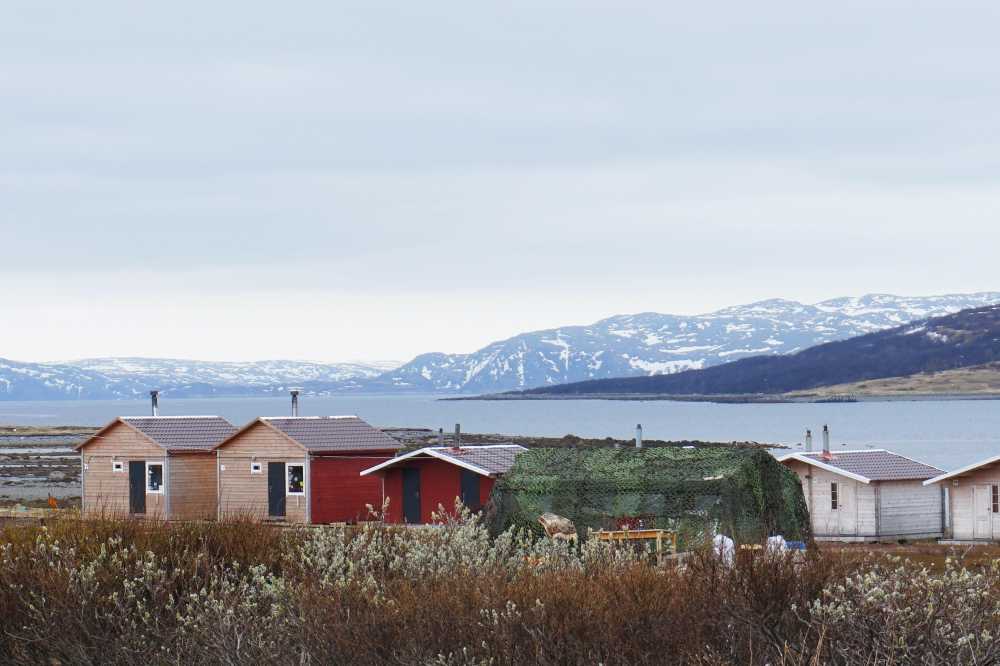
Capturing the Moment: A Guide to Better Travel Photography
High-quality visual storytelling is no longer a differentiator; it is a baseline requirement for any professional travel blog. The good news is that you don't need the most expensive equipment to take stunning photos; you simply need to master a few fundamental principles. The best camera for travel is often the one you're most willing to carry, and today's market offers incredible options at every price point, from the durable and lightweight OM System OM-5 (perfect for hikers and adventurers) to the powerful hybrid Fujifilm X-T5 for creators who need both high-quality stills and professional-grade video. But the gear is only half the equation. Mastering a few essential composition techniques will dramatically improve your images overnight. Practice the Rule of Thirds to create more balanced and visually interesting shots. Use Leading Lines—like a winding road, a river, or a fence—to guide the viewer's eye through the frame and create a sense of depth. Most importantly, learn to see the light. Shooting during the Golden Hour—that magical period just after sunrise and before sunset—will reward you with soft, warm, and vibrant light that makes any scene more beautiful. By combining the right gear with a solid understanding of creative techniques, you can produce compelling photography that captures the essence of your travels and stops readers in their scroll.
To learn about the best gear, editing techniques, and tutorials from the pros, see our complete guide: 7 Best Travel Photography Blogs for Tips.
Your Journey Starts Now
The landscape of travel media has never been more dynamic, nor more full of opportunity. The best travel blogs of 2026 are specialized, authentic, and business-savvy. They are your go-to resources for planning deeply personal adventures and your inspiration for building a meaningful, independent career. The common thread that connects the family blogger, the solo adventurer, and the aspiring creator is a deep passion for seeing the world and sharing it in a way that genuinely helps others.
Whether you're here to find the perfect itinerary or to build your own media empire, the journey starts with a single step. Use these blogs as your guides. Let their stories fuel your wanderlust. And if you feel the call to create, use their success as your blueprint. The world is waiting for your unique perspective. And whether you are planning your next trip with one of our Travel Guide products or are ready to start selling your own on our platform, we're here to help you every step of the way.
Don't Miss Out! Subscribe for Exclusive Content
Subscribe



Comments 0
No comments yet
Be the first to share your experience!
Dont Miss Out! Subscribe for Exclusive Content

Ultimate USA Holidays Guide: Top Picks


FTC Affiliate Disclosure Essentials: Stay Compliant as a Travel Creator

Essential Affiliate Tools: From Tracking to Full Optimization

Avoid These 5 Affiliate Landing Page Mistakes for Better Conversions

Affiliate Keyword Research Mastery for Travel Blogs

Booking.com Affiliate Program Review: Pros, Cons, and Earnings Potential
How to Create a Digital Travel Guide People Will Buy
TrekGuider @trekguider
You’re a travel expert. Your notes are filled with hidden gems, your camera roll is a treasure trove of untold stories, and your advice could save fellow travelers hundreds of dollars and hours of stress. You know your expertise has value, but packaging it into a real, scalable income stream feels like a monumental task. Relying on the slow trickle of ad revenue or the unpredictability of affiliate sales is a frustrating grind, keeping your dream of a truly independent business just out of reach.
This uncertainty keeps you on the content treadmill, trading your valuable time for pennies. You see other creators launching their own products and achieving a level of financial freedom that feels like a distant fantasy. The path forward is a confusing fog of questions about design, content, pricing, and technology, leaving you stuck in analysis paralysis while the immense opportunity of the creator economy—a market projected to nearly double from $250 billion to almost $500 billion by 2027—passes you by.
It’s time to stop trading hours for dollars and start building assets. This is your chronological, step-by-step playbook. We will demystify the entire process and show you exactly how to create a digital travel guide that people will not only buy but will also love and recommend. This is your complete workflow for transforming your hard-won expertise into a polished, professional product that generates passive income for years to come. Think of this as a critical chapter in your business plan; for the complete blueprint on building a modern creator enterprise, be sure to read our ultimate guide to How to Make Money Online: A Creator's Guide for 2026.

Why a Digital Guide is Your Ultimate Scalable Asset
Before diving into the "how," it's critical to understand the "why." Transitioning from promoting others' products to creating and selling your own is the single most powerful step you can take toward building a profitable, independent business. While ads and affiliate links have their place, digital products offer a level of control and scalability that other models simply can't match.
The advantages are transformative:
Infinite Scalability: Digital products operate on a "create once, sell forever" model. Whether you sell 10 copies or 10,000, your workload remains the same. There is no inventory to manage and no shipping to worry about.
Exceptionally High Profit Margins: With no manufacturing or distribution costs, the profit margins are extraordinary. Once you recoup your initial time investment, nearly every sale is pure profit.
Full Ownership and Control: When you sell your own guide, you own the entire process. You control the product, the pricing, the marketing, and the customer relationship. You are no longer dependent on an affiliate partner’s commission rates or an ad network's traffic requirements.
Solidifies Your Authority: Creating and selling a high-quality product instantly positions you as an expert. It builds deep trust with your audience, as you are no longer just recommending other people's stuff—you are standing behind your own valuable creation.
The market reflects this opportunity. The e-learning sector alone, a huge component of the digital product world, is projected to surge to an incredible $848 billion by 2030. This isn't a fleeting trend; it's a fundamental shift in how creators build resilient businesses.
The Blueprint – Research and Validation
The costliest mistake a creator can make is to spend months building a product nobody asked for. Thorough research and validation aren't optional; they are the foundation upon which a profitable product is built.
Identify Audience Needs and Define a Specific Niche
Your first job isn't to be a brilliant inventor; it's to be a sharp detective, uncovering the real, recurring problems your audience is desperate to solve.
Listen to Your Audience: The best ideas are hidden in plain sight. Dive into your blog comments, email replies, and social media DMs. What destinations are people constantly asking about? What part of the travel planning process do they find most challenging or stressful? Their recurring questions are your product ideas.
Define a Hyper-Specific Niche: Avoid creating a generic guide. A broad guide to "Mexico" will get lost in a sea of competition. A highly specific product like "A First-Timer's Foodie Guide to Mexico City's Roma Norte Neighborhood" is more valuable, easier to market, and instantly positions you as a niche expert.
Conduct Keyword and Market Research to Validate Demand
Once you have an idea, you must validate it with data.
Analyze Search Volume: Use an SEO tool to check the search volume for terms related to your guide idea. High search volume for long-tail keywords like "7-day Japan itinerary for foodies" or "what to do in Lisbon with kids" is a strong data signal that a ready market exists for a guide on that topic.
Conduct Competitor Analysis: Find 3-5 comparable digital travel guides in your niche. Your goal isn’t to copy them, but to identify a gap in the market. Analyze their price points, what they include, and, most importantly, read their reviews. What are customers praising? What are they complaining about? This will show you exactly how to create a superior product.
Pro-Tip: True validation comes from the intersection of qualitative and quantitative data. A great product idea is one that your audience is asking for (qualitative) and that a significant number of people are searching for online (quantitative).
The Core – Outlining and Content Creation
With a validated idea, it’s time to build the heart of your product: the content. This is where your unique expertise, voice, and experience shine.
Develop a Logical Structure
A good guide flows intuitively and is easy to navigate. Before you write a single word, create a detailed table of contents. This will be your roadmap and ensure you don't miss any crucial information. A typical structure includes:
Introduction: A brief overview of the destination, essential facts (currency, language), and why your guide is the ultimate resource.
Logistics: The practical nuts and bolts—getting there, getting around, visa requirements, and curated recommendations on where to stay for different budgets.
Experiences: The core of your guide. This includes top attractions, detailed daily itineraries, and deep dives into your niche (e.g., food and drink recommendations, hiking trails, photo spots).
Practicalities: The crucial final details like safety tips, packing lists, a budget breakdown, and useful local phrases.
Write Compelling and Useful Content
This is where you go beyond the generic advice found on a thousand other blogs.
Gather Your Assets: Compile all of your personal notes, journal entries, and high-quality photographs from your travels to the destination. Your first-hand experience and unique visuals are your primary competitive advantage.
Be Both Inspirational and Intensely Practical: Write in an engaging, personal tone. Share anecdotes and insider tips that bring the destination to life. Go beyond simply listing facts; tell your readers why a place is special. Share the hard-won wisdom that can't be found elsewhere, like "skip the line at the Colosseum by booking this specific tour" or "the best gelato is actually found two blocks away from the main square at this tiny shop."
With your raw content compiled, the next step is to give it a professional polish that signals its immense value.

The Polish – Professional Design for Non-Designers
Your guide's content may be brilliant, but in the digital world, packaging matters. A professional, user-friendly design signals quality and dramatically improves the customer experience.
Select a User-Friendly Design Tool
You don't need to be a graphic designer to create a stunning product. For a travel blogger whose primary goal is to efficiently create a static PDF travel guide, a template-based tool like Canva is the strategically superior choice. While powerful professional software like Figma or Adobe Illustrator has a steep learning curve that can delay your launch by weeks, Canva is built specifically for this type of project. Its intuitive, drag-and-drop interface is designed to help non-designers produce high-quality visuals quickly.
Feeling inspired to build your own assets but not sure where to begin? Creating high-value products is the core of a modern creator business. To accelerate your journey, we've bundled together some of our most powerful resources. The Travel Creator's Toolkit is a free collection of checklists, templates, and guides designed to help you streamline your workflow and build your business faster.
5 Essential Mobile-First Design Principles for a User-Friendly Guide
Your guide will almost certainly be used on a mobile phone while your customer is in-destination. Designing with a mobile-first user experience (UX) is not an option; it is essential for your product to be functional and valuable.
Prioritize Legibility and High Contrast: The content must be effortlessly readable on a small screen, often in bright sunlight. Use a clean, simple font of at least 11 points so users don't need to pinch-and-zoom. Crucially, ensure a high contrast ratio between the text and background—at least 4.5:1 as recommended by Web Content Accessibility Guidelines (WCAG)—to maintain readability.
Implement Simplified Navigation: The single most important navigation element is a hyperlinked Table of Contents at the beginning of the document. This allows users to jump directly to the section they need with a single tap, which is crucial when they're trying to find information quickly on a busy street.
Design for Touch with Finger-Friendly Targets: Any included hyperlinks (e.g., a link to a restaurant's website or a Google Maps location) must have a clickable area large enough to be easily tapped with a finger—the industry standard is a minimum touch target size of 44x44 points (approximately 7-10mm).
Minimize Cognitive Load by Eliminating Clutter: Mobile users are often distracted. Their interaction with a guide is typically in short bursts or "micro-tasks". To accommodate this, use short paragraphs, bulleted lists, bolded text for key information, and generous white space. A clean, uncluttered interface helps users find what they need with minimum effort.
Optimize for Performance and Portrait Orientation: The vast majority (94%) of mobile users hold their phones vertically. Your guide must be designed with a portrait layout (e.g., A4 or US Letter size). Crucially, keep the final PDF file size as small as possible by compressing all images before inserting them into your document. A large file will download slowly on a weak cellular connection, creating a poor user experience.

The Launchpad – How to Create a Digital Travel Guide for Sale
You've created a valuable, beautifully designed resource. The final phase is to package it, price it for profit, and get it into the hands of your customers.
How to Price Your First Digital Product
Pricing is one of the most challenging decisions. The most effective strategy for a knowledge-based product is value-based pricing. Instead of focusing on your production costs, price your product based on the transformation it provides to the customer. If your guide saves a user 20 hours of stressful research and helps them discover priceless experiences they would have otherwise missed, its value is immense.
A practical process for setting your price:
Step 1: Research the Market: Identify 3-5 comparable digital travel guides in your niche to establish a realistic market range.
Step 2: Articulate the Value: Make a specific list of the tangible outcomes your guide provides (e.g., "Saves over 15 hours of planning," "Includes a pre-planned 7-day itinerary worth over $100 in planning fees").
Step 3: Set an Initial Price and Test: For a high-quality, first-time travel guide, a price point between $19 and $49 is a strong starting position. It communicates significant value without creating sticker shock for the buyer.
Choose a Sales Platform That Works for You
You need a platform to handle the sale and secure digital delivery of your product. While you can use e-commerce plugins on your own blog, the smartest strategy is to leverage a platform that puts you in front of a built-in audience of motivated buyers.
Pro-Tip: Don't just build a product; build your business inside an ecosystem. A specialized marketplace like TrekGuider is the ideal place to sell your high-quality Travel Guide. It provides a professional, ready-made storefront and connects you with a global audience of passionate travelers who are actively searching for expert resources. You can publish articles to attract new customers directly on the platform, creating a powerful marketing funnel that leads right back to your product page.
Frequently Asked Questions (FAQ)
1. How long should my digital travel guide be?
Value is not measured in page count. A concise, 50-page guide packed with unique, actionable advice is far more valuable than a rambling 200-page guide filled with generic information. Focus on comprehensively solving the specific problem your niche audience has.
2. Do I need to have visited the destination very recently?
While recent, first-hand experience is ideal, an "evergreen" guide focused on core attractions, culture, and logistics can have a long shelf life. The key is transparency. Be clear about when you last visited and focus on information that doesn't change rapidly. You can always update your guide with new editions.
3. What if I'm not a professional writer or photographer?
You don't need to be. Your audience values authenticity and expertise over perfect prose. Write in your natural, conversational voice, as if you were giving advice to a friend. For photos, a modern smartphone can capture high-quality images. The goal is to be clear, helpful, and genuine.

Your Journey from Expert to Entrepreneur Starts Now
You now have the complete, A-to-Z workflow. You've moved from the vague idea of a product to a concrete, actionable blueprint that covers research, content creation, professional design, and a smart launch strategy. The path from being a passionate travel expert to a successful digital entrepreneur is no longer a fog of confusion.
You have the definitive answer to the question of how to create a digital travel guide that provides immense value and generates a sustainable income. The only thing left to do is take the first step. Start the research, outline your expertise, and begin building the asset that will power your business and fund your adventures for years to come.
SEO Meta Data Suggestions:
SEO Meta Title (58 characters): How to Create a Digital Travel Guide People Will Actually Buy
URL Slug: how-to-create-digital-travel-guide
SEO Meta Description (154 characters): A step-by-step playbook for travel creators on how to create a digital travel guide, from research and writing to design, pricing, and selling your product.
Read the full guide: The Travel Blog Business Plan: How to Make Real Money in 2026
Don't Miss Out! Subscribe for Exclusive Content
SubscribeComments 0
No comments yet
Be the first to share your experience!
Dont Miss Out! Subscribe for Exclusive Content
FTC Affiliate Disclosure Essentials: Stay Compliant as a Travel Creator
Essential Affiliate Tools: From Tracking to Full Optimization
Avoid These 5 Affiliate Landing Page Mistakes for Better Conversions
Affiliate Keyword Research Mastery for Travel Blogs
Booking.com Affiliate Program Review: Pros, Cons, and Earnings Potential

Decoding Affiliate Commission Rates: Benchmarks for Travel Creators
A Midwest Family Road Trip That Actually Wows Kids
TrekGuider @trekguider
Planning a family road trip through the Midwest can feel like a gamble. You're dreaming of open roads and unforgettable memories, but you're worried about endless stretches of flat highway, the inevitable chorus of "Are we there yet?", and the challenge of keeping everyone—from toddlers to teens—genuinely engaged. The real challenge isn't just finding a destination; it's crafting an adventure that truly feels exciting.
That anxiety can paralyze your planning. You want to create cherished memories, but you're afraid a Midwest trip will fall flat, leaving the kids glued to their screens and you feeling like you wasted precious vacation time.
What if we told you that the Midwest is hiding some of the country’s most spectacular scenic drives, unique adventures, and family-friendly destinations? This is your complete playbook for unlocking that magic. It’s a step-by-step guide to transforming apprehension into anticipation. Using these strategies alongside our comprehensive Family Travel Ideas: The 2026 Guide to Unforgettable Trips will empower you to plan a journey your family will not only survive but truly love.

Why a Midwest Family Road Trip is America’s Best-Kept Secret
While coastal destinations and sprawling national parks out west get much of the attention, a Midwest family road trip offers a unique combination of advantages that are hard to beat.
Let's be honest: the Midwest is the unsung hero of American travel. It’s where your travel budget breathes a sigh of relief and where genuine discovery replaces battling crowds for the same old photo op.
Your Budget Goes Further: This is the most significant advantage. Gas, food, lodging, and attraction prices are often considerably lower than in other popular tourist regions. This allows your travel budget to stretch, meaning you can do more, see more, and stress less about every little expense.
Fewer Crowds, More Discovery: Forget waiting in long lines or jockeying for a photo op. Many of the Midwest’s most beautiful spots, from stunning lakeshores to dramatic canyons, feel like your own private discovery. This creates a more relaxed and immersive experience where your family can connect with the place, and each other.
Authentic Americana at Its Best: The Midwest is the heartland for a reason. A road trip here is a journey through charming small towns, historic river ports, and quirky roadside attractions that feel like a step back in time. It’s an opportunity to connect with a different pace of life and create genuine memories.
A Surprisingly Diverse Landscape: The stereotype of a flat, boring landscape couldn't be more wrong. The Midwest is home to towering sand dunes, lush forests filled with waterfalls, dramatic rock formations carved by ancient glaciers, and the majestic, ocean-like Great Lakes. The natural diversity is astounding and offers a perfect playground for families who love the outdoors.

Convinced? Good. Now, let's trade theory for asphalt. We’ve mapped out four distinct, battle-tested blueprints for a Midwest family road trip that delivers on that promise of adventure and charm.
Curated Midwest Family Road Trip Itineraries
Forget aimless driving. These routes are packed with compelling stops, stunning scenery, and activities for all ages. They are proven blueprints for a successful Midwest family road trip.
1. The Great River Road: A Journey Along the Mississippi
Following the course of the mighty Mississippi River, this National Scenic Byway offers a captivating journey through the heart of America. While the full route is immense, the stretches through Wisconsin, Iowa, and Illinois are particularly rich for a family adventure.
Route Snapshot: Start in Red Wing, Minnesota, and wind your way south to Hannibal, Missouri. This 300-mile segment can be comfortably enjoyed over 3-5 days.
Can't-Miss Stops:
National Eagle Center (Wabasha, MN): Get an up-close look at resident bald and golden eagles and learn about their importance to the river's ecosystem.
Pikes Peak State Park (McGregor, IA): Offering one of the most iconic views of the Mississippi River Valley, this park features easy, family-friendly hiking trails to stunning overlooks.
Galena, Illinois: This beautifully preserved 19th-century town is a treasure. Stroll the historic Main Street and take a trolley tour to learn about its rich history.
Mark Twain Boyhood Home & Museum (Hannibal, MO): Step directly into the world of Tom Sawyer and Huckleberry Finn. It’s a magical experience for kids and adults alike.

2. Michigan's Gold Coast: Lake Michigan Circle Tour
The eastern shore of Lake Michigan boasts some of the most beautiful freshwater coastline in the world, with towering sand dunes, charming beach towns, and impossibly blue water. The iconic M-22 scenic highway is the star of this show.
Route Snapshot: A 4-7 day trip starting from Traverse City, heading south along the coast to Saugatuck.
Sample 5-Day Itinerary:
Day 1: Traverse City: Arrive in the "Cherry Capital of the World." Explore downtown and relax on the beaches of Grand Traverse Bay.
Day 2: Sleeping Bear Dunes National Lakeshore: Dedicate a full day to this natural wonder. The Dune Climb is a rite of passage with a rewarding view.
Day 3: M-22 South: Slowly make your way down the coast, stopping in idyllic towns like Frankfort and Manistee.
Day 4: Silver Lake Sand Dunes: For a dose of adrenaline, rent a dune buggy or take a guided tour across the massive dunes.
Day 5: Saugatuck/Douglas: End your trip in these charming sister art towns. Browse galleries and enjoy a final sunset over Lake Michigan.
Pro-Tip: Pack a cooler with lunch and snacks before driving the Pierce Stocking Scenic Drive in Sleeping Bear Dunes. The pull-offs and picnic areas offer million-dollar views, making for a much more memorable and affordable lunch.

3. The Black Hills & Badlands Loop, South Dakota
This route packs an incredible amount of iconic American landmarks and otherworldly landscapes into a manageable loop. It’s an epic adventure that feels worlds away from the everyday and is one of our favorite 4 Unforgettable National Park Family Travel Ideas.
Route Snapshot: A 4-6 day loop starting and ending in Rapid City, South Dakota.
Must-Do Experiences:
Badlands National Park: Drive the Badlands Loop Road (Highway 240), stopping at the overlooks to marvel at the surreal, eroded buttes.
Custer State Park: Drive the Wildlife Loop Road for near-guaranteed sightings of massive bison herds, pronghorn, and cheeky prairie dogs.
Mount Rushmore National Memorial: See the iconic monument and walk the Presidential Trail for different perspectives. The evening lighting ceremony is a must.
Wall Drug Store: No trip is complete without stopping at this world-famous roadside attraction. It’s a kitschy, fun-filled labyrinth that kids will absolutely love.

4. Ohio's Hocking Hills Scenic Byway
For families who love to hike, this corner of southeastern Ohio is a paradise. The Hocking Hills Scenic Byway connects a series of state parks renowned for their stunning gorges, recessed caves, and beautiful waterfalls.
Route Snapshot: Perfect for a long weekend (2-4 days), based out of the towns of Logan or Nelsonville.
Key Hiking & Activity Hubs:
Old Man's Cave: The most popular area, featuring a spectacular gorge with multiple waterfalls and a fantastic 1-2 hour hiking loop.
Ash Cave: The largest recess cave in the state, accessible via an easy, flat, and wheelchair/stroller-friendly trail.
Cedar Falls: A powerful waterfall in a wild, scenic gorge with a beautiful hiking trail.
Rock House: The only true cave in the park, this tunnel-like corridor is an adventurous spot for kids to explore.

Stay Organized on the Open Road
Feeling inspired by these National Park adventures? Don't let the planning details slow you down. Our free National Park Road Trip Checklist is the perfect tool to ensure you have everything you need, from the right gear to the must-have snacks, for a smooth and memorable journey.
The Ultimate Midwest Road Trip Planning Toolkit
A great itinerary is only half the battle. Flawless execution comes from smart planning.
Budgeting for Your Midwest Adventure
Your money goes further in the Midwest. Maximize your budget with these tips:
Picnic Power: Pack a cooler. Many scenic drives, state parks, and roadside stops have beautiful picnic areas. Eating one meal a day this way can save a family of four $50-$80 daily.
State Park Perks: Annual passes for state parks can offer incredible value if you plan to visit multiple parks within one state.
Look for Free Attractions: From hiking trails to small-town museums, the Midwest is full of free, enriching experiences.
Packing Smart for Four-Season Weather
Midwest weather is famously unpredictable. The key is layering.
The Holy Trinity: Always pack a lightweight rain jacket, a fleece or sweatshirt, and a mix of short and long-sleeved shirts for everyone, regardless of the season.
Footwear is Key: Pack comfortable, broken-in walking shoes. Include waterproof hiking shoes if you plan to visit places like Hocking Hills.
The Analog & Digital Car Kit: Don't forget a first-aid kit, jumper cables, a portable phone charger, and a physical road atlas. Download maps and playlists for offline use.

Pro-Tip: Create a "Go-Box" for the car. Use a plastic bin and stock it with essentials: paper towels, wet wipes, hand sanitizer, sunscreen, bug spray, and trash bags. Keeping it all in one place prevents frantic searching.
The Commander’s Guide to In-Car Harmony
The real challenge of a road trip isn't the driving; it's managing the tiny humans in the back seat. Check out The Sanity-Saving System for Your Next Family Road Trip for our full strategy.
Set the Terms of Engagement: Before you leave, have a family meeting. Discuss the route, set expectations for driving time, and agree on rules for screen time and snacks.
Embrace the Surprise Stop: The best memories often come from unplanned detours. Build buffer time into your schedule to explore that quirky museum or scenic overlook.
The Snack Bag is Sacred: Do not underestimate the power of snacks. Pack a mix of healthy options and special "road trip only" treats to diffuse budding meltdowns.
Frequently Asked Questions
What is the best time of year for a Midwest road trip?
The ideal time is from late spring to early fall (May through October). This window offers the most pleasant weather for hiking and outdoor activities, with fall providing the added bonus of spectacular foliage, especially in Michigan and along the Mississippi River.
Is the Midwest really just flat cornfields?
Absolutely not! This is the biggest misconception about the region. As this guide shows, the Midwest is home to incredibly diverse landscapes, including the towering sand dunes of Lake Michigan, the dramatic cliffs of Pictured Rocks, the otherworldly Badlands of South Dakota, and the lush, waterfall-filled gorges of Hocking Hills, Ohio.
How much should I budget for a Midwest family road trip?
One of the Midwest's biggest advantages is its affordability. Compared to popular coastal destinations, you can expect to spend significantly less on lodging, food, and attractions. A family of four can often travel comfortably on $150-$250 per day, especially when using tips like picnicking.
What are some can't-miss states for a Midwest family road trip?
Based on the variety of attractions, Michigan is fantastic for its stunning coastline and dunes. South Dakota offers iconic national parks and monuments. Ohio's Hocking Hills region is a paradise for hikers, and the states along the Great River Road (like Wisconsin and Iowa) are rich in history and scenic beauty.
Your Midwest Adventure Awaits
The Midwest is not "flyover" country; it’s "drive-through" country in the best possible way. It’s a region of surprising beauty, authentic charm, and boundless opportunities for family connection. This guide has given you the blueprints and the tools to move from dreaming to doing.
A successful trip isn’t about a perfect, problem-free journey; it’s about creating a shared story of discovery and laughter on the open road. Pick a route, start planning, and get ready to create a treasure trove of memories your family will cherish for years to come.
Read the full guide: Family Travel Ideas: The 2026 Guide to Unforgettable Trips
Don't Miss Out! Subscribe for Exclusive Content
SubscribeComments 0
No comments yet
Be the first to share your experience!
Dont Miss Out! Subscribe for Exclusive Content

San Francisco Cherry Blossoms: A Local's Guide to the Blooms

Halloween SF: Haunts Without Horrors

SF Festivals: 7 Must-See Lineups

Christmas SF: Lights & Wharf Wonders

SF Pride: 6 Route & Party Hacks
