
The Secret to Stress-Free All Inclusive Family Vacations

TrekGuider @trekguider
Dreaming of that perfect, sun-drenched beach vacation with three generations of your family, but terrified of the planning nightmare required to make it happen? You're not alone. The sheer complexity of coordinating activities, meals, and budgets for a large group can feel so overwhelming that the dream itself seems impossible.
This guide is your antidote to that planning paralysis. We will show you exactly how to find and execute a flawless all-inclusive family vacation that is genuinely stress-free and unforgettable for every single member of your family.
By focusing on a specific type of travel, you can filter out the noise and find the perfect fit. While there are countless vacation styles, as detailed in our comprehensive guide to Family Travel Ideas: The 2026 Guide to Unforgettable Trips, the all-inclusive model is uniquely suited to the beautiful complexity of a multigenerational getaway.
The Multigenerational Magic Trick
When you’re juggling the needs of a sprawling family across different ages, budgets, and interests, an all-inclusive isn’t just a convenience—it’s your secret weapon. It masterfully neutralizes the biggest challenges multigenerational groups face, creating an environment where connection can flourish without the constant friction of decision-making.
Financial Harmony: The single, upfront price eliminates the most common source of travel stress: money. There are no awkward conversations about who pays for which meal, no splitting complex bills, and no worries that one family's budget is being stretched by another's activity choices. Everyone can relax, knowing the vast majority of costs are covered before you even leave home.
Activity Autonomy: A great multigenerational resort is a universe of options. Teenagers can head to the beach for volleyball, kids can conquer the splash pad, and grandparents can enjoy a quiet morning yoga class. The all-inclusive framework empowers each person to pursue their own version of fun, allowing for a healthy mix of "together time" and individual pursuits.
The Culinary Ceasefire: Feeding a large group with diverse tastes is a monumental challenge. All-inclusive resorts solve this with an incredible variety of dining options, from casual buffets where picky eaters can find their staples to specialty à la carte restaurants. It removes the nightly debate of "Where should we eat?" and replaces it with effortless choice.

7 Things Your Multigenerational Resort Must Have
Not all all-inclusive resorts are created equal, especially when planning for a wide age range. Before you book, vet your top choices against this checklist of essential features. These are the details that separate a decent vacation from a truly seamless one.
Versatile Accommodations: Look for resorts that offer more than just standard rooms. Family suites, connecting rooms, or multi-bedroom villas are the gold standard. These setups provide private space for individual families while still allowing for easy access and shared living areas.
Ironclad Accessibility: Your resort must be comfortable for every generation. This means ground-floor room options, ramps alongside stairs, and elevators in all multi-story buildings.
Tiered Activity Programming: The best resorts don't just have a generic "kids' club." They have a multi-layered approach to fun. This includes a toddler-focused program, an engaging club for school-aged children, and a separate, "cool" lounge or activity schedule for teenagers.
A World of Dining (and Snacking): A strong food scene is critical. The ideal resort will have a high-quality buffet, multiple à la carte restaurants, casual all-day spots for snacking, and clear labeling for common food allergies.
Brilliant Pool Zones: A single, chaotic "main pool" is a recipe for stress. Look for resorts that offer at least two distinct pool environments: a high-energy activity pool and a separate, quieter pool where adults can relax. A zero-entry pool or a dedicated splash park for toddlers is a massive bonus.
Genuinely Great Service: Read reviews that specifically mention the staff. For a large group, a helpful, proactive team is invaluable. Great service anticipates your needs and smooths over the minor logistical hurdles that inevitably arise.
Smart Location & Excursions: While the resort is the main attraction, its location matters. Is it a short, easy transfer from the airport? Does the resort offer a good variety of optional, family-friendly excursions for a day trip off the property?
Pro-Tip: Ask the resort for a property map before booking. This allows you to gauge the real-world walking distances between your potential room block and the main pools, beach, or restaurants—a crucial detail for older family members or parents with strollers.

Make the Journey as Smooth as the Destination
The flight is often the most stressful part of traveling with little ones. Our Stress-Free Flying with Kids Guide is packed with pro tips, checklists, and sanity-saving strategies to ensure you arrive at your resort relaxed and ready for fun. Download your free guide and start the vacation before you even leave the ground.
Top-Tier Caribbean Resorts for Your All Inclusive Family Trips
Based on our stringent checklist, here are four outstanding Caribbean resorts that excel at hosting multigenerational family vacations. Each offers a unique flavor, allowing you to match the resort to your family's specific personality.

For the Family That Wants Non-Stop Action: Beaches Turks & Caicos
Often considered the pinnacle of family-focused all-inclusives, Beaches Turks & Caicos is less a resort and more a self-contained vacation village. Its sheer scale and variety are its biggest strengths.
The Vibe: Energetic, sprawling, and packed with endless options. If your family's definition of fun is "more is more," this is your place.
Why It Works for All Ages: The 45,000-square-foot Pirates Island Waterpark is a paradise for kids and teens. The Kids Camp is legendary, with certified nannies for infants and programs segmented by age. For adults, there are 21 gourmet restaurants and 15 bars.
Insider Tip: Book a character breakfast with the Sesame Street gang online before you even leave home—they fill up fast and it's a huge hit with the little ones.
For the Family Seeking Laid-Back Luxury: Hyatt Ziva Cap Cana, Dominican Republic
Located in the exclusive gated community of Cap Cana, this resort offers a more refined, polished, and contemporary experience without sacrificing family-friendly fun.
The Vibe: Sophisticated, stylish, and service-oriented. It feels like a luxury resort that also happens to be fantastic for kids, rather than a resort built solely around them.
Why It Works for All Ages: The Canapolis Water Park is impressive, with a lazy river and slides. For adults and grandparents, the quality of the food and drinks is a significant step up from many all-inclusives.
Insider Tip: Don't miss the on-site sweet shop, "The Chinola," for incredible gelato, sorbet, and desserts that will delight every generation.
For the Family Needing an Extra Set of Hands: Franklyn D. Resort & Spa, Jamaica
This unpretentious and beloved Jamaican resort offers a feature that is an absolute game-changer for multigenerational travel: a dedicated Vacation Nanny assigned to your family for your entire stay.
The Vibe: Casual, friendly, and incredibly service-focused. It's less about glitz and more about creating a genuinely relaxing environment for parents and grandparents.
Why It Works for All Ages: The Vacation Nanny is the star. She helps with the kids and tidies the suite, ensuring parents and grandparents get a true break. This allows for guilt-free adult dinners or quiet afternoons by the pool.
Insider Tip: Your nanny can prepare and serve your family breakfast in your suite. It’s a game-changer for a slow, relaxing start to the day.
For the Family on a More Mindful Budget: Grand Palladium Lady Hamilton, Jamaica
Proof that you don't need a top-tier budget to have a fantastic group vacation, this sprawling resort complex delivers incredible value.
The Vibe: Massive, bustling, and full of choice. It's a mega-resort with something for everyone at a more accessible price point.
Why It Works for All Ages: The sheer size means choice. It boasts one of the largest pools in the Caribbean, a great kids' splash park, and clubs for babies, kids, and teens. With 10 restaurants, even the pickiest eaters will be satisfied.
Insider Tip: The resort is huge. Get familiar with the golf cart shuttle routes on your first day to make getting around easier, especially with older family members or tired kids.
Strategies for Flawless All Inclusive Family Trips
Choosing the right resort is half the battle. The other half is managing the group dynamic with intention and clear communication. A few simple strategies can ensure your trip is remembered for its joy, not its friction.

Pro-Tip: Before you leave, create a shared group chat on an app like WhatsApp. It's an indispensable tool for on-resort communication, allowing you to easily share photos and coordinate meeting times.
Call the "Family Summit" Before You Go
About a month before you go, hold a brief meeting (in person or via video call) with all the adults to align on expectations.
The General Pace: Is this a "do everything" trip or a "relax and recharge" trip?
"Must-Do" Activities: Does anyone have a specific activity they are dreaming of?
Dinner Plans: Agree to have a few "full group" dinners, but also leave room for individual families to dine on their own.
The Point Person: Designate a single point person for the trip who handles communication with the resort to prevent confusion. Having a great plan is key, and our Travel Itinerary Template can help keep everyone organized.
Master the Rhythm of Togetherness (and Alone Time)
Don't try to force 24/7 togetherness. The perfect multigenerational trip has a natural rhythm of coming together and breaking apart. Plan one group activity each day—like meeting for lunch or gathering for the evening show—and leave the rest of the day flexible. This gives everyone the space they need and makes the time you do spend together more meaningful.
Frequently Asked Questions
What is the biggest advantage of an all-inclusive for a multigenerational family?
The biggest advantage is financial simplicity and predictability. With one upfront cost covering lodging, meals, drinks, and most activities, it eliminates awkward money conversations and allows everyone to relax and enjoy themselves without worrying about the budget.
Are all-inclusive resorts good for families with picky eaters?
Absolutely. All-inclusive resorts are ideal for picky eaters. The vast majority feature large buffet restaurants with an enormous variety of choices, ensuring that even the fussiest child (or adult) can always find something they enjoy.
How far in advance should we book a multigenerational all-inclusive trip?
For large groups requiring multiple rooms, it is best to book 9 to 12 months in advance, especially if you are traveling during peak season like holidays or spring break. This ensures you can secure the connecting rooms or suites that are essential for a comfortable group experience.
What's one thing people forget to check before booking?
Many people forget to check the resort's layout and accessibility. A sprawling property might look beautiful online, but it can be challenging for older family members or those with strollers. Always look for a resort map to understand the walking distances between rooms, pools, and restaurants.
Planning a multigenerational trip is undoubtedly a complex undertaking, but the reward is immeasurable. These journeys are a rare and precious opportunity to weave the threads of your family story tighter, creating a shared history and strengthening bonds across generations.
By choosing the right resort and employing a few simple strategies, you transform logistical stress into joyful anticipation. You create a space where memories are made effortlessly. The perfect Caribbean backdrop for your family's next chapter is out there, waiting for you.
Read the full guide: Family Travel Ideas: The 2026 Guide to Unforgettable Trips
Don't Miss Out! Subscribe for Exclusive Content
Subscribe



Comments 0
No comments yet
Be the first to share your experience!
Dont Miss Out! Subscribe for Exclusive Content

Ultimate USA Holidays Guide: Top Picks


FTC Affiliate Disclosure Essentials: Stay Compliant as a Travel Creator

Essential Affiliate Tools: From Tracking to Full Optimization

Booking.com Affiliate Program Review: Pros, Cons, and Earnings Potential

Decoding Affiliate Commission Rates: Benchmarks for Travel Creators

Top 11 High-Paying Affiliate Programs for Travel Bloggers
Solo Travel Blog Monetization: Turning Stories into Income
TrekGuider @trekguider
You've seen the Instagram posts tagged '#digitalnomad' and wondered if it's actually real. Can a solo travel blog—your solo travel blog—truly become a source of income, or is it just a path to burnout? The truth is, most new bloggers fail because they follow a random list of 'monetization ideas.' They're missing the most critical element: a strategic, time-based plan. This is not a list of ideas. This is your 24-month roadmap, grounded in real data from six-figure bloggers, showing you exactly what to do, when to do it, and the income you can realistically expect at each stage. This is your guide to successful solo travel blog monetization.

Moving from Hobbyist to Business Owner
The first and most critical shift you must make is mental. Your blog is no longer just a personal travel diary; it is the central asset of a new business. Every decision, from the topics you cover to the way you structure your articles, must be made with a clear purpose: to provide immense value to a specific audience. Before you can monetize effectively, you must provide that value, which starts with mastering the fundamentals. For a complete playbook on creating world-class content and navigating your journey, review our comprehensive .
This business-oriented mindset means prioritizing the single most important driver of revenue: Search Engine Optimization (SEO). While social media can provide fleeting traffic spikes, SEO delivers a consistent, sustainable stream of readers who are actively searching for the solutions you provide. These are the people who will click your links, book tours, and buy your products. From this day forward, think of yourself not as a blogger, but as the CEO of a media company whose primary asset is high-ranking, helpful content.
What to Expect and When
Forget the overnight success stories. Building a profitable blog is a marathon, not a sprint. Having a realistic timeline prevents discouragement and keeps you focused on the right tasks at the right time.

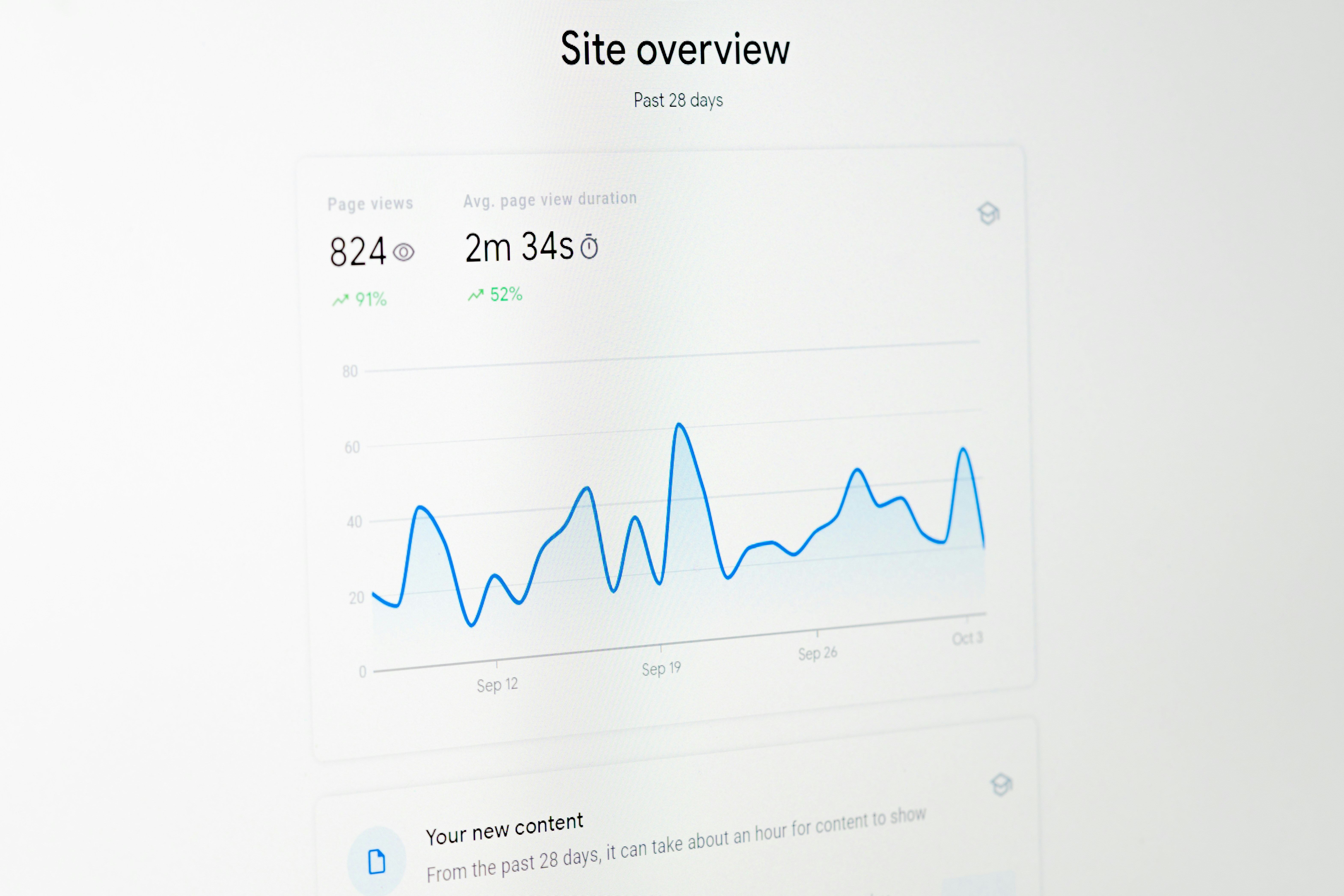
Year 1 Expectations: Building Traffic and Earning Your First ~$2,000
The first year is all about laying the foundation. Your primary goal is not to make a full-time income, but to publish a critical mass of high-quality, SEO-optimized content and establish topical authority in your niche. You'll spend the first few months writing and publishing consistently without seeing much traffic, and that's completely normal.
Data from established bloggers shows that you can expect to make your first affiliate sale around month four or five. By the end of the first year, a dedicated blogger can realistically earn between $1,000 and $5,000. This income will come almost exclusively from strategic affiliate marketing.
Year 2 Expectations: Scaling to a Viable Income ($20,000 - $40,000)
Year two is the scaling phase. The content you published in your first year begins to mature and rank higher in Google search results, leading to a significant increase in traffic. This is the year you'll likely cross the critical threshold needed to qualify for premium ad networks. This combination of escalating affiliate commissions and new, high-earning display ad revenue is what transforms your blog from a side hustle into a viable business. It's not uncommon for bloggers who were earning $200/month at the end of year one to be earning $2,000-$4,000/month by the end of year two.
(Months 1-6): Laying the Foundation for Your Solo Travel Blog Monetization
Welcome to the grind. In this foundational phase, you are building the powerful engine of your business long before you see significant fuel (i.e., traffic). Success here isn't measured in dollars; it's measured in discipline and consistent output.
Your Primary Focus: Publishing High-Quality, SEO-Optimized Content
Think of high-quality content as the real estate upon which you'll build your entire business. It's the non-negotiable asset that makes all future income possible. In these first six months, your goal should be to publish 25-40 thoroughly researched, long-form articles that target specific keywords your audience is searching for. Every article should aim to be the single best resource on the internet for its given topic. This early library of content is what Google will eventually reward with traffic.
Method 1: Strategic Affiliate Marketing (The Best First Step)
Affiliate marketing is the practice of earning a commission by promoting another company's products or services. It is the perfect first monetization method because most programs have no minimum traffic requirements. You can, and should, include affiliate links from day one.
The key is to recommend products you genuinely use and trust. Your recommendations must be woven naturally into helpful content. Don't just list products; explain why a certain backpack is perfect for a carry-on-only trip or how a specific travel insurance policy saved you during an emergency. A crucial element of this is transparency. Always include a clear affiliate disclosure at the top of your posts. This isn't just an FTC requirement; it's a critical component of building long-term trust with your audience.
Choosing the Right Affiliate Platforms: A Data-Driven Comparison
Start with a mix of affiliate aggregators and direct programs to maximize your opportunities.
Travelpayouts: An excellent starting point. It's an aggregator that gives you access to dozens of travel brands like Booking.com, GetYourGuide, and Hostelworld through a single platform, making it easy to manage your links and payments.
Stay22: A powerful, map-based tool specifically for accommodations. It often has a higher conversion rate than other hotel affiliate links because it shows users a variety of options on a map, which is incredibly helpful in the travel planning process.
Direct Programs: Many essential travel brands have their own programs. Be sure to sign up for:
Amazon Associates: For all the physical gear you recommend, from packing cubes to portable chargers.
Booking.com / Agoda: The top platforms for hotel bookings worldwide.
GetYourGuide / Viator: The leaders in tours, activities, and attraction tickets.
Pro-Tip: Don't go back and add affiliate links later. Research and include relevant links in every article as you write it. This saves an immense amount of time and ensures your monetization efforts start from the moment you hit "publish."
(Months 7-18): Scaling Traffic and Unlocking Serious Income
With a solid foundation of content beginning to rank, you now shift your focus from pure production to growing the one metric that unlocks the next level of income: monthly sessions.
Your Primary Focus: Reaching 50,000+ Monthly Sessions
This is the magic number. Crossing the threshold of 50,000 monthly sessions (the number of visits to your site, as measured by Google Analytics) is the key inflection point where your income potential grows exponentially. It signals to premium ad networks that you have a substantial and engaged audience, making you a valuable partner. Reaching this level requires continued content production and a focus on building high-quality backlinks to your articles.

Method 2: Display Advertising (Unlocking Passive Income)
Display ads are the advertisements you see placed within the content of a website. When you have significant traffic, this becomes a powerful and almost entirely passive income stream. The key is to work with the right network.
The Ad Network Ladder: From Beginner to Premium
Not all ad networks are created equal. Your goal is to climb the ladder to a premium network as quickly as possible.
Avoid Google AdSense: Many new bloggers start here, which is a major mistake. AdSense pays extremely low rates, often resulting in an RPM (Revenue Per Mille, or earnings per 1,000 pageviews) of just $1-$3. It clutters your site for pennies.
Starter Networks (The Stepping Stone): Networks like Journey by Mediavine (requires 10,000 monthly sessions) or Ezoic offer a significant step up from AdSense. They are a great intermediate goal.
Premium Networks (The Goal): This is where serious income begins.
Mediavine: The gold standard for many bloggers. They require a minimum of 50,000 monthly sessions. Mediavine is known for its incredible support and high RPMs, often in the $20 - $40+ range. They command higher rates from advertisers because of their high-quality publisher network and direct sales teams.
Raptive (formerly AdThrive): The top tier. Raptive requires 100,000 monthly sessions and is known for having some of the highest RPMs in the industry for the same reasons.
Getting accepted into Mediavine is a major milestone. For a blog with 50,000 sessions, a $25 RPM translates to $1,250 in passive income per month. This is in addition to your growing affiliate revenue.
(Months 19+): The CEO Phase—Building a Diversified Travel Brand
Once you have stable traffic and income from ads and affiliates, you can move into the final phase: maximizing profitability by leveraging your most valuable asset—your audience's trust.
Building Brand Authority and Audience Trust
At this stage, your readers see you as a trusted expert. They've followed your advice, booked hotels you recommended, and bought gear you reviewed. This trust is the asset you will now monetize directly, leading to the highest profit margins possible.
Method 3: Selling Your Own Digital Products (The Highest Profit Margin)
Creating and selling your own products is the holy grail of solo travel blog monetization. You control the price, the product, and you keep nearly 100% of the revenue. This requires a loyal audience that trusts your expertise, which is why it's an advanced strategy.

Examples of high-value digital products for a solo travel audience include:
Comprehensive E-books: A deep dive into a specific topic, like "The Ultimate Guide to Solo Female Travel in Southeast Asia."
Printable Destination Itineraries: Detailed day-by-day plans for cities like Rome, Tokyo, or Lisbon that your readers can purchase and download.
Trip Planning Templates: Customizable spreadsheets or Notion templates that help your readers organize their own trips.
Digital Packing Lists: Niche-specific checklists for different types of travel (e.g., carry-on only, winter travel, hiking).
Pro-Tip: Validate your product idea before you build it. Send a survey to your email list or poll your audience on social media, asking what they struggle with most. If dozens of people say "planning my Italy itinerary is overwhelming," you have a winning product idea.
Method 4: Sponsored Content and Brand Partnerships
Sponsored content, where a brand pays you for a dedicated article or mention, represents a shift from passive to active income. While it can be lucrative, with sponsored posts often fetching $1,000 or more, you shouldn't just wait for opportunities to land in your inbox. As your brand authority grows, you can proactively pitch partnerships. Create a professional media kit—a one-page PDF outlining your website traffic, audience demographics, and core values—and reach out to brands you already use and love with a specific collaboration idea.
Frequently Asked Questions (FAQ Section)
How much money can you make from a travel blog?
In your first year, aim for $1,000-$5,000. By the end of year two, $20,000-$40,000 is a realistic target for dedicated bloggers. Established, six-figure travel bloggers who have diversified into ads, affiliates, and digital products can earn well over $100,000 per year.
How long does it take to make $1000 a month blogging?
For most travel bloggers who consistently publish high-quality, SEO-optimized content, it takes between 12 and 18 months to consistently earn $1,000 per month. This milestone typically occurs after being accepted into a premium ad network like Mediavine.
Do I need a large social media following to make money?
No. This is a common and damaging myth. The most profitable travel blogs focus on SEO. You can make a full-time income from a travel blog with fewer than 1,000 Instagram followers if your website traffic from Google is high and consistent.
What are the initial costs of starting a profitable travel blog?
The essential startup costs are minimal. You'll need a domain name (around $15/year) and web hosting (around $5-$15/month). Investing in a premium WordPress theme ($60 one-time) and an SEO tool like Keysearch ($17/month) are highly recommended but not strictly necessary on day one.
Turning your passion for solo travel into a profitable business is not a dream; it's a project. It requires a strategic plan, immense dedication, and an unwavering focus on providing real value. This roadmap has shown you the what and the when. By following this phased approach to solo travel blog monetization, you move beyond wishful thinking and begin the methodical work of building a business that can fund your travels and your life. The journey is long, but the destination—a life of freedom and financial independence—is worth every step.
Read the full guide: Anxious to Adventurous: The Ultimate Guide to Solo Travel Confidence
Don't Miss Out! Subscribe for Exclusive Content
SubscribeComments 0
No comments yet
Be the first to share your experience!
Dont Miss Out! Subscribe for Exclusive Content
FTC Affiliate Disclosure Essentials: Stay Compliant as a Travel Creator
Essential Affiliate Tools: From Tracking to Full Optimization

Avoid These 5 Affiliate Landing Page Mistakes for Better Conversions

Affiliate Keyword Research Mastery for Travel Blogs
Booking.com Affiliate Program Review: Pros, Cons, and Earnings Potential
Decoding Affiliate Commission Rates: Benchmarks for Travel Creators
How to Start Affiliate Marketing as a Travel Creator
TrekGuider @trekguider
You’ve built an audience that hangs on your every word. They trust your travel advice, save your destination guides, and flood your DMs asking for your gear recommendations. You have the passion and the platform, but there’s a frustrating disconnect: your content isn’t generating the income you need to make this a sustainable career. You see other creators seemingly living the dream, funding their travels through their content, and you’re left wondering, “What’s the missing piece?”

The missing piece isn’t a secret; it’s a business model. The global affiliate marketing industry is on a trajectory to surpass $93 billion, and the creator economy is right there with it. For travel creators, this intersection is the single greatest economic opportunity of our time. The average monthly income for affiliates in the travel niche is a reported $13,847—a figure that proves this isn't a side hustle; it's a serious enterprise. But from the outside, it can feel like a complex maze of networks, links, and legal jargon.
This is your way through the maze. This guide is your definitive, zero-to-launch roadmap to start affiliate marketing the right way. We’re cutting through the noise to give you a simple, actionable, step-by-step process for transforming your trusted recommendations into a powerful and predictable revenue stream. This is your blueprint for building a real business. For a complete command of the entire landscape, from program deep-dives to advanced conversion tactics, our comprehensive pillar guide to Travel Affiliate Programs: The 2026 Ultimate Guide is your essential next read.
Building Your Foundation (Before You Touch a Link)
Let’s address the single biggest mistake new creators make: they chase the links first. They see affiliate marketing as a task of finding products and sprinkling links across a page. This is backward. Elite affiliate marketing isn’t about selling; it’s the final, natural step in the process of serving an audience. Before you ever apply to a single program, you must build these three non-negotiable pillars.
Step 1: Define Your Niche (The Most Critical Decision You'll Make)
The travel market is a roaring ocean. Trying to be a general "travel creator" is like trying to boil that ocean. You’ll exhaust yourself and make no impact. Your first and most important task is to specialize. A well-defined niche allows you to become the undisputed expert for a specific group of people, building the kind of deep trust that makes monetization feel effortless.
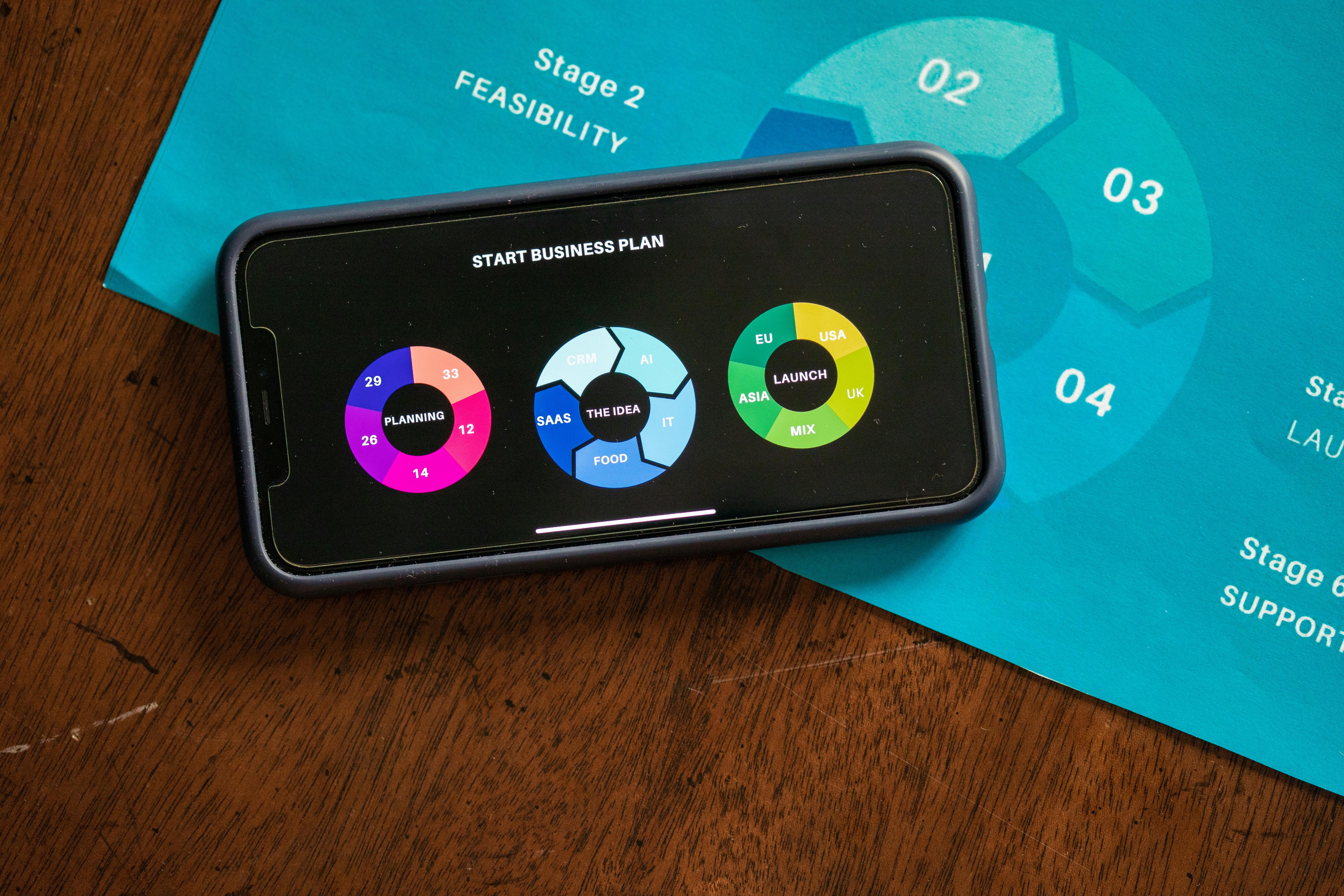
A powerful niche exists at the intersection of three circles:
Your Authentic Passion: What part of travel makes you come alive? Is it the grit of adventure travel, the elegance of luxury hotels, the history of ancient sites, or the thrill of finding the best street food? Your genuine enthusiasm is an un-fakeable asset.
Proven Audience Demand: Are people actively searching for information on this topic? Use free tools like Google Trends or simply type phrases into the Pinterest and TikTok search bars to see what queries autocomplete. That’s your demand signal.
Clear Monetization Potential: Are there high-quality products, services, or experiences within this niche that you can confidently recommend?
Don't be a "travel blogger." Be the go-to resource for:
Budget Family Road Trips in the American Southwest
Luxury Eco-Tourism & Conservation in Costa Rica
Solo Female Backpacking in Southeast Asia
Digital Nomad Life & Co-working in Eastern Europe
A sharp niche makes every subsequent step—from content creation to product selection—infinitely easier and more effective.
Step 2: Build Your Owned Platform (Your Digital Command Center)
Instagram, TikTok, YouTube—these are phenomenal tools for reaching people and building community. But they are rented land. An algorithm change can vaporize your reach overnight. Your single most important business asset is a platform you own and control: your website.
An owned website is your digital home base. It’s where you:
Exercise Full Control: You dictate the content, the user experience, and the monetization strategy.
Build a Long-Term Asset: A well-optimized article can rank on Google for years, becoming an evergreen asset that drives traffic and affiliate sales while you sleep.
Establish Unshakable Credibility: A professional website signals to your audience, brands, and affiliate managers that you are a serious business owner.
This is where you need a digital command center. While a traditional blog is a fine starting point, modern creator platforms are built to accelerate this process. On the TrekGuider Seller Platform, for instance, your articles, bio, social links, and digital products all live in one central hub—instantly establishing you as a multi-faceted expert, not just a blogger.
Step 3: Create a Library of Foundational, High-Value Content
Before you ask for the sale, you must first provide immense value. Affiliate managers are looking to partner with creators who have a proven ability to engage an audience. Your job is to build a small library of 5-10 "pillar" content pieces that are purely focused on helping your audience solve a problem.
This content should not have a single affiliate link. Its sole purpose is to build trust and showcase your expertise. Examples include:
"The Perfect 7-Day Itinerary for First-Timers in Rome"
"The Ultimate Packing List for a Safari in Tanzania"
"10 Costly Mistakes to Avoid When Planning a Trip to Japan"
By creating this content first, you build a portfolio that makes your affiliate applications irresistible. You’re not just another hopeful creator; you’re a valuable partner with a demonstrated track record.

The Launch Sequence (From Application to First Commission)
With your foundation poured and cured, it’s time to start framing the house. This is the launch sequence—the phase where you strategically integrate monetization and work toward that first, exhilarating commission.
Step 4: How to Start Affiliate Marketing Program Selection
The goal here is precision, not volume. Joining dozens of programs leads to overwhelm and inaction. Start by identifying and joining 3-5 core programs that are a perfect fit for your niche. The most resilient strategy is a hybrid one:
Join a Major Network: An affiliate network acts as a marketplace, giving you access to hundreds of brands through a single dashboard. A travel-specific network like Travelpayouts or a broad one like CJ Affiliate is the perfect place to start.
Partner Directly with Core Brands: Identify the handful of brands your audience already knows, uses, and trusts. If you focus on outdoor adventure, a direct partnership with REI is non-negotiable.
Pro-Tip: When evaluating programs, look beyond the commission percentage. A 30-day "cookie duration" (the window in which you get credit for a sale after a click) is far more valuable than a high commission with a 24-hour window, especially for considered purchases like travel.
Step 5: Get Your Unique Links and Weave Them In
Once approved, you’ll gain access to your affiliate dashboard. This is where you’ll find your unique tracking links. Now, revisit your foundational content and look for natural, organic opportunities to place them. The key is to be a helpful guide, not a pushy salesperson.
Contextual In-Text Links: "For our day trips, we booked everything through Viator, which had the best cancellation policies."
Visually Distinct Buttons & Boxes: Use eye-catching design elements for your most important recommendations to make them stand out.
Specific Calls-to-Action (CTAs): Ditch "Click Here." Use compelling, specific language like, "Check Prices & Availability on Booking.com" or "See the Latest Reviews on Tripadvisor."
Pro-Tip: Transparency is the foundation of trust. The U.S. Federal Trade Commission (FTC) legally requires you to disclose your affiliate relationships. Place a clear, simple disclosure at the very top of any post containing affiliate links. A simple, "This post contains affiliate links, which means I may earn a commission if you make a purchase at no extra cost to you," is perfect.

Scaling Your Success (The Path to a Full-Time Income)
Earning your first commission is a monumental milestone. It’s proof of concept. Now, it’s time to build a system for sustainable growth that can transform this into a reliable, full-time income stream.
Step 6: How to Start Affiliate Marketing Traffic Generation
Great content with affiliate links is useless without eyeballs. Your affiliate business lives and dies by its ability to attract the right audience. Focus your energy on two primary channels:
Search Engine Optimization (SEO): This is your long-term wealth-building strategy. Focus your SEO efforts on keywords with commercial investigation intent. These are the phrases people use when they are actively researching a purchase. Think "best carry-on luggage for Europe," "Viator vs. GetYourGuide," or "SafetyWing insurance review." Ranking for these terms attracts an audience that is already primed to buy.
Social Media & Email Promotion: This is your short-term traffic-driving strategy. Every time you publish a new monetized article, promote it across your social channels and to your email list to get an immediate influx of engaged readers.
Step 7: Analyze, Optimize, and Scale
You cannot improve what you do not measure. Your affiliate dashboards are a goldmine of data. Every month, review your analytics and ask:
Which articles are driving the most clicks and commissions?
Which products are resonating most with my audience?
What questions are people asking that I can answer with a new piece of content?
Use this data to double down on what’s working. If your review of a specific hiking boot is generating consistent sales, create a comprehensive guide to "The Best Hiking Gear for the Pacific Crest Trail." This data-driven approach is what separates amateurs from professional affiliate marketers.

Frequently Asked Questions for New Creators
1. How much does it cost to start affiliate marketing? The startup costs are incredibly low. You can start a professional website with a domain name and hosting for less than $100 a year. The primary investment is your time in creating high-quality content.
2. How long does it take to start making money? This depends on your niche and your ability to create helpful content and drive traffic. It's realistic to expect to earn your first commission within 3-6 months if you are consistent. Think of the first six months as building the foundation of a business that will pay you for years to come.
3. Can I do affiliate marketing without a blog or website? While you can share links on social media or in a newsletter, it's highly discouraged as a primary strategy. A website is an asset you own. It builds credibility, allows for long-form content that ranks on Google, and insulates you from the risk of being de-platformed.
Ready to Build Your Travel Content Business?
Download our free resource bundle, The Travel Creator's Toolkit, is packed with the checklists, content templates, and guides you need to put these steps into action and start building your affiliate income today.
Your Business Blueprint is Set
To start affiliate marketing is to start a real business. By following this framework—building a solid foundation, launching with precision, and scaling with data—you have the exact blueprint for success. You are no longer just a creator sharing your passion; you are the CEO of a modern media company.
The path is clear. The opportunity is immense. Your journey from passionate traveler to profitable creator starts now.
Read the full guide: The Travel Blogger's Playbook to Affiliate Marketing Mastery
Don't Miss Out! Subscribe for Exclusive Content
SubscribeComments 0
No comments yet
Be the first to share your experience!
Dont Miss Out! Subscribe for Exclusive Content
FTC Affiliate Disclosure Essentials: Stay Compliant as a Travel Creator
Essential Affiliate Tools: From Tracking to Full Optimization
Avoid These 5 Affiliate Landing Page Mistakes for Better Conversions
Affiliate Keyword Research Mastery for Travel Blogs
Booking.com Affiliate Program Review: Pros, Cons, and Earnings Potential