
How to Start a Travel Blog in 2026 (For Profit)

TrekGuider @trekguider
Do you find yourself endlessly scrolling through travel photos, dreaming of turning your own adventures into something more? The idea of starting a travel blog is captivating—a path to sharing your stories, connecting with a global community, and building a life of freedom. But that initial spark is often extinguished by a wave of overwhelm. The market seems impossibly crowded, the technical steps feel like learning a new language, and the road from passion project to profitable business is shrouded in mystery.
You see other creators living the dream, and you know you have the stories and the drive. But the fear of pouring your heart, time, and savings into a simple online diary that never earns a dime is paralyzing. You're not looking to build a hobby; you're looking to build a real asset, a brand, a business. You need more than just another checklist—you need a battle-tested business plan.
This is that plan. Forget the outdated advice. This is your comprehensive, step-by-step playbook on how to start a travel blog that is engineered for profit from day one. We’ll move beyond the basics of setting up a website and dive deep into the strategy of building a modern media brand. The goal isn't just to get you a byline; it's to get you paid. Before you can join the ranks of [The Best Travel Blogs to Follow in 2026], you need a rock-solid foundation, and that’s exactly what we’re going to build—right now.
Why Start a Travel Blog in 2026? The Shift to Media Entrepreneur
Let's address the elephant in the room: is travel blogging still a viable business? The answer is an emphatic yes, but the game has fundamentally changed. The global travel blogging market, valued at an impressive $4.5 billion in 2026, is projected to double to $9 billion by 2032. That growth isn't for hobbyists; it's for savvy creators who understand the key market shift.

Success is no longer about simply documenting your trips. The most successful bloggers are evolving from content creators into media entrepreneurs. They are building focused, niche brands that serve a specific audience with unparalleled expertise. They understand that their blog is not the final product; it is the marketing engine for their actual products. This guide is built on that modern, profitable philosophy.
Phase 1: Building Your Brand Foundation (Before You Touch a Computer)
The single biggest mistake new bloggers make is rushing the technical setup. In 2026, the strategic barriers to success are significantly higher than the technical ones. Dedicate 80% of your initial effort to this phase, and you’ll be miles ahead of the competition.

Step 1: Niche Down to Stand Out
The era of the generalist travel blog is over. To succeed, you cannot be everything to everyone. You must become the undisputed, go-to expert for a specific audience. This is called "niching down," and frankly, it’s the most critical strategic decision you'll make. A narrow focus allows you to build deep expertise, attract a loyal and targeted audience, and charge premium prices for your knowledge.
Based on current market trends, here are five sub-niches with significant growth and commercial potential for 2026:
Accessible Travel: This historically underserved market caters to travelers with disabilities, offering content on wheelchair-friendly destinations and sensory-friendly experiences.
National Parks for Families: This niche combines the booming interest in outdoor, domestic travel with the evergreen family market, providing guides on kid-friendly hikes and lodging.
Vegan Food Travel: A highly specific subset of the food travel niche, this area serves a passionate and growing demographic with guides to plant-based restaurants and cooking classes worldwide.
Digital Nomad & Remote Work Lifestyle: With the explosion of remote work, this niche focuses on the logistics of the lifestyle—managing visas, finding reliable WiFi, and balancing work with travel.
Sustainable & Eco-Tourism: Driven by a powerful wave of consumer consciousness, this niche highlights eco-friendly accommodations, low-impact tours, and tips for responsible travel.
Step 2: Define Your Ideal Reader
Once you have your niche, get granular. Create a detailed profile of your ideal reader. Don't just think about demographics; think about psychographics.
What are their biggest travel-related frustrations?
What does their dream trip look like, and what's stopping them from taking it?
What kind of budget are they working with?
What questions do they type into Google at 11 PM while trip planning?
Understanding their pain points is the key to creating content and products they will feel were made just for them.
Step 3: Choose a Brandable Blog Name
Your blog name is a critical piece of your brand identity. It should be memorable, easy to spell, and hint at what your blog is about. Follow this practical framework to find the perfect name:
Keyword Brainstorming: List words associated with your niche, tone, and audience. For a "Sustainable & Eco-Tourism" blog, you might list: Green, Conscious, Atlas, Compass, Earth, Kind, Trek, Journey, Collective.
Apply Naming Formulas: Experiment with common conventions using your keywords.
Niche-Specific: The Vegan Voyager, The Frugal Flier
Alliteration: Roaming Roads, Compass Chronicles
Evocative & Abstract: The Saffron Trail, Velvet Atlas
Modern & Simple: The Travel Edit, Trip Theory
Verify Availability: This is non-negotiable. Your chosen name must be available as a .com domain. A ".com" is the universal standard and signals professionalism. Simultaneously, check if the name is available as a consistent handle on your primary social media platforms (Instagram, TikTok, Pinterest, etc.).
Conduct Conflict Avoidance: Do a quick Google search to ensure the name isn't already heavily associated with another major brand.
Pro-Tip: Your blog name is your brand's first impression. A short, memorable, and easily pronounceable name with an available .com domain is the gold standard for building a serious online business.
Step 4: Secure Your Digital Real Estate
Found a name that's available? Don't wait. Immediately purchase the .com domain and create the social media accounts. This secures your brand identity across the web, even if you don't plan to use all the platforms right away.
Phase 2: The Smart Launchpad — Build Your Business, Not Just a Website
With your brand strategy set, it's time to build your blog's home. For years, this meant wrestling with web hosting, WordPress installations, themes, and a dozen plugins before you could even write a word. This was the slow, expensive, and technically frustrating path.
In 2026, the smartest creators are skipping that entire phase. Instead of building a house from scratch on an empty plot of land, they're launching their business from a penthouse suite in a bustling city. They are plugging directly into a marketplace ecosystem like TrekGuider, which is designed specifically for travel entrepreneurs. This approach lets you bypass the technical headaches and focus on what actually drives your business forward: creating high-value content and selling digital products.

Step 5: Launch Your Professional Creator Page in Minutes
Instead of buying a domain and hosting, your first step is to set up your professional creator page on the TrekGuider marketplace. This is your new home base, a beautiful, pre-built landing page that establishes your brand's credibility from day one—no coding or design skills required. Within minutes, you can have:
A professional bio and profile photo that tells your story.
A showcase for your digital products, front and center.
A feed of your latest articles published on the platform.
Direct links to all your social media channels.
A built-in donation feature for your audience to support you directly.
Step 6: Upload Your Digital Products and Start Selling
The old way involved researching and configuring complex e-commerce plugins. The TrekGuider way is to simply upload your digital products. Whether you've created a custom map, an in-depth city guide, a PDF itinerary, or an e-book, our platform is built to handle the sale and delivery. You can start monetizing your expertise immediately by listing your products in our catalog, where they're discoverable by a global audience of travelers ready to buy.
Step 7: Publish Your First Articles and Tap into a New Audience
Forget worrying about SEO plugins and site speed. Your blog now lives within our Articles and News section. You can publish your high-quality, long-form content directly onto the platform. Every article you publish is automatically featured on your creator page and becomes discoverable to the entire TrekGuider community. You're not just writing for your existing audience; you're tapping into a built-in stream of traffic from day one, dramatically accelerating your growth.
Step 8: Focus on Creation, Not Maintenance
By building your presence on our marketplace, you eliminate the hidden work that plagues self-hosted bloggers: website security, plugin updates, theme compatibility issues, and performance optimization. We handle the entire technical infrastructure. Your time is freed up to focus on the only two things that will grow your income: creating exceptional content that helps travelers and developing valuable digital products they want to buy. This is the ultimate accelerator for building a travel blog for profit.
Phase 3: Content Strategy & Launching for Profit
With your brand strategy in place and your website built, you're ready to focus on the two things that will actually grow your business: creating world-class content and intelligent monetization.
Step 9: Develop Your Foundational Content Strategy
Before you write a single word, plan your first 10-20 "pillar" articles. These are in-depth, foundational posts that cover the core topics of your niche. A solid content strategy ensures you are purposefully creating assets that will attract your ideal reader and rank in search engines. This is the real secret behind how to start a travel blog that gets traffic. For example, if your niche is "National Parks for Families," your pillar posts might be "The Ultimate Guide to Visiting Yellowstone with Kids" and "10 Best Toddler-Friendly Hikes in Zion National Park."
Step 10: Writing and Publishing Your First Posts
With your content plan in place, it's time to create. Focus on producing the highest quality content possible. Your goal is to be so incredibly helpful that your readers feel like they've struck gold. Write in-depth, solve their problems, and let your unique personality shine through. Publish at least 5-10 of your pillar articles before you officially "launch" your blog to the world.
Step 11: Monetization: Planning for Profit from Day One
A profitable blog diversifies its income. While there are five primary monetization models, one stands far above the rest for long-term, scalable profit.
The future is selling your own digital products.
While display ads seem like the easiest path, they are the least profitable. To make a significant income, you need massive traffic. Digital products, on the other hand, allow you to generate substantial revenue with a much smaller, more engaged audience. The data is clear: recent blogger surveys show the average revenue per 1,000 visitors (RPM) for digital products can be as high as $283.64, compared to just $33.80 for ads.

A simple calculation shows that if just 0.2% of 50,000 monthly visitors (100 people) buy your $30 digital product, you earn $3,000. That same traffic might only generate $1,000-$2,000 from ads. This is the core of the modern travel creator's business model. Instead of earning pennies from ads, you build valuable assets that solve your audience's problems directly.
A few examples of high-value digital products include:
A hyper-detailed "7-Day Off-the-Beaten-Path Itinerary for Kyoto."
A Lightroom "Tropical Blues & Greens" preset pack.
A comprehensive travel planning template for Notion or Google Sheets.
An e-book like "The Ultimate Guide to Travel Hacking."
And when you're ready to sell your own itineraries, templates, or photo presets, a platform like the [TrekGuider Platform] gives you the tools to build your own digital storefront, connect directly with your customers, and build a sustainable business you control.
Frequently Asked Questions
How much does it really cost to start a travel blog?
While you can start for a very low cost, plan for a realistic initial investment of $150-$200 for your first year. This covers three years of quality hosting (like Hostinger, to lock in low rates), your domain name, and a premium theme. Think of it as the startup cost for your business.
How long does it take to make money travel blogging?
Treat it like a business, not a get-rich-quick scheme. It typically takes 6-12 months of consistent, high-quality content creation and promotion before you start seeing meaningful traffic from search engines. Most bloggers start earning their first significant income in the 12-24 month range.
Do I need to be traveling full-time to have a travel blog?
Absolutely not. Some of the most successful blogs are run by people with full-time jobs who are experts on a specific destination or travel style (e.g., weekend trips, maximizing vacation days). Your expertise and the value you provide are far more important than being a full-time nomad.
Your Journey as a Creator Starts Now
Starting a travel blog in 2026 is less about being a writer and more about being an entrepreneur. It's about building a focused brand, serving a specific audience with undeniable value, and creating assets that generate income long after you've hit "publish." You are no longer just a traveler; you are the CEO of your own media company.
The path from dreamer to doer is paved with strategic action. You now have the complete playbook for how to start a travel blog for profit in 2026. The overwhelm is gone, replaced by a clear, step-by-step plan.
Your journey starts now. Take the first step, choose your niche, and start building the travel media brand of your dreams.
Meta Data Suggestions:
SEO Meta Title (59 characters): How to Start a Travel Blog in 2026 (For Profit)
URL Slug: how-to-start-a-travel-blog
SEO Meta Description (154 characters): A step-by-step business playbook for aspiring creators. Learn how to start a travel blog for profit, from niche selection and tech setup to monetization.
Don't Miss Out! Subscribe for Exclusive Content
Subscribe



Comments 0
No comments yet
Be the first to share your experience!
Dont Miss Out! Subscribe for Exclusive Content

FTC Affiliate Disclosure Essentials: Stay Compliant as a Travel Creator


Essential Affiliate Tools: From Tracking to Full Optimization

Avoid These 5 Affiliate Landing Page Mistakes for Better Conversions

Affiliate Keyword Research Mastery for Travel Blogs

Booking.com Affiliate Program Review: Pros, Cons, and Earnings Potential

Decoding Affiliate Commission Rates: Benchmarks for Travel Creators
St. Patrick's NOLA: Irish Parade Hacks
TrekGuider @trekguider
You’ve heard the stories. St. Patrick’s Day in New Orleans isn’t just another parade awash in green beer and flimsy shamrocks; it’s a legendary, full-contact cultural spectacle. But the idea of diving into that joyous chaos unprepared feels… daunting. You’re worried you’ll miss the real experience, get swallowed by the crowds, and fail to grasp the wonderfully weird traditions that make this celebration one of the most unique in the country. You have a vision of what a parade should be, but you’re quickly realizing New Orleans wrote its own rulebook.
Now, picture it: you’re standing on the curb, shoulder-to-shoulder with thousands, feeling completely overwhelmed. You’re stuck behind a wall of people, unable to see the floats. Suddenly, a cabbage soars over your head, followed by a potato, and you’re left utterly baffled while seasoned locals expertly snag the flying produce. The day feels more like a bizarre grocery giveaway than the festive celebration you imagined. You’re not just a spectator; you’re an outsider, missing the inside jokes and the best throws, completely disconnected from the vibrant energy pulsing through the vibrant energy pulsing through the Irish Channel.
This is your insider’s playbook for unlocking that magic. We’re not just giving you tips; we’re turning you into a parade pro. Together, we’ll deconstruct every wonderfully weird tradition, from the real story behind the flying cabbages to the strategic sweet spots along the route that locals covet. This is your definitive guide to mastering the best St Patrick's day USA celebration, NOLA-style—a key part of the city's festive calendar, which is just one of the incredible events we detail in our master guide to [New Orleans Holidays: Cultural Feasts].

The Emerald Isle Meets the Big Easy: Why NOLA's Parade is an Unforgettable Experience
While cities across America celebrate St. Patrick’s Day, New Orleans infuses the holiday with its own unmistakable Creole and Cajun soul. The tradition here is deep-rooted, with parades marching through the city’s streets since 1809, a historical institution honoring the significant Irish heritage that began with waves of immigrants who arrived in the 1800s to dig the city's vital canals.
What truly sets the New Orleans experience apart is how it blends reverence with the city’s signature laissez les bons temps rouler (let the good times roll) philosophy. It’s less about solemnity and more about a joyous, community-wide block party that sprawls across multiple days.
But the single most defining feature—the one that transforms spectators into active participants—is the throws. While Mardi Gras is famous for beads and doubloons, St. Patrick’s Day parades are legendary for their produce. Float riders don’t just toss trinkets; they hurl the ingredients for a traditional Irish stew. Cabbages, carrots, potatoes, onions, and even lemons fly through the air, turning the parade route into the world’s most chaotic and exciting open-air market. This tradition elevates the event from a simple procession to an interactive, and slightly absurd, cultural ritual you won’t find anywhere else.
A Tale of Two Cities: NOLA Throws vs. Chicago's Green River
To truly appreciate the uniqueness of New Orleans, it helps to compare it to another iconic St Patrick's day USA celebration: Chicago. Chicago is world-famous for dyeing its river a brilliant emerald green, a tradition since 1962 where plumbers unions dump 40-60 pounds of a secret vegetable-based powder into the water. It’s a stunning visual spectacle, a passive and beautiful city-wide display.
New Orleans, by contrast, is all about active participation. There’s no passive viewing here. You are part of the show, tasked with catching your dinner. It’s a grassroots, tangible, and slightly wild experience that reflects the city’s hands-on approach to celebration. One is a beautiful painting; the other is an interactive sport.

The Main Event: Hacking the Irish Channel St. Patrick's Day Parade
The crown jewel of the city's celebrations is the Irish Channel St. Patrick's Day Parade. This is the big one, a sprawling, vibrant procession that winds through the historic neighborhood settled by Irish immigrants. To conquer it, you need a game plan.
Mark Your Calendar: Date and Time Essentials
First things first: the parade rarely falls on the actual holiday. To maximize attendance and party potential, organizers schedule it for the Saturday before St. Patrick's Day.
2026 Parade Date: Saturday, the Saturday before St. Patrick's Day
Start Time: 1:00 PM
While the parade officially kicks off at 1 PM, the neighborhood festivities begin much earlier. The Irish Channel transforms into a massive block party by mid-morning, with residents setting up elaborate camps, cooking, and celebrating on the streets. Arriving early isn't just a recommendation; it's essential to soaking in the full, authentic atmosphere.
The Route Decoded: Where to Plant Your Feet for Prime Loot
The parade traditionally begins at the corner of Felicity and Magazine Street, weaving its way through the heart of the Irish Channel. Choosing your viewing spot is the most critical decision you'll make. Your choice will dictate your experience, from crowd density to your chances of catching a prized cabbage.
The Starting Blocks (Near Magazine and Jackson):
Pros: The energy here is absolutely electric. The floats are fully stocked, and the riders are fresh and eager to throw. You'll get the first crack at the best loot.
Cons: This is the domain of the hardcore parade-goer and often the most crowded section. You'll need to arrive exceptionally early (think 9:00 AM) to claim a prime spot. It can be intense and less suitable for families with small children.
The Middle Ground (Along Magazine Street, between Washington and Louisiana):
Pros: The crowds tend to thin out slightly as you move down the route. It offers a fantastic balance of high energy and slightly more breathing room. This is the strategic sweet spot for actively trying to catch throws without the extreme competition of the starting line.
Cons: By this point, some of the most unique throws may have already been tossed. You'll still need to be assertive to get the attention of the float riders.
The Final Stretch (Approaching Jackson Avenue on the return):
Pros: This area is typically the most family-friendly and least congested. It's a more relaxed atmosphere, perfect for those who want to enjoy the spectacle without being in the thick of it. Float riders often unload the last of their throws here, leading to a final, glorious frenzy of produce.
Cons: The parade has been going for a while, and the energy might be slightly lower. The selection of throws will be whatever is left over.
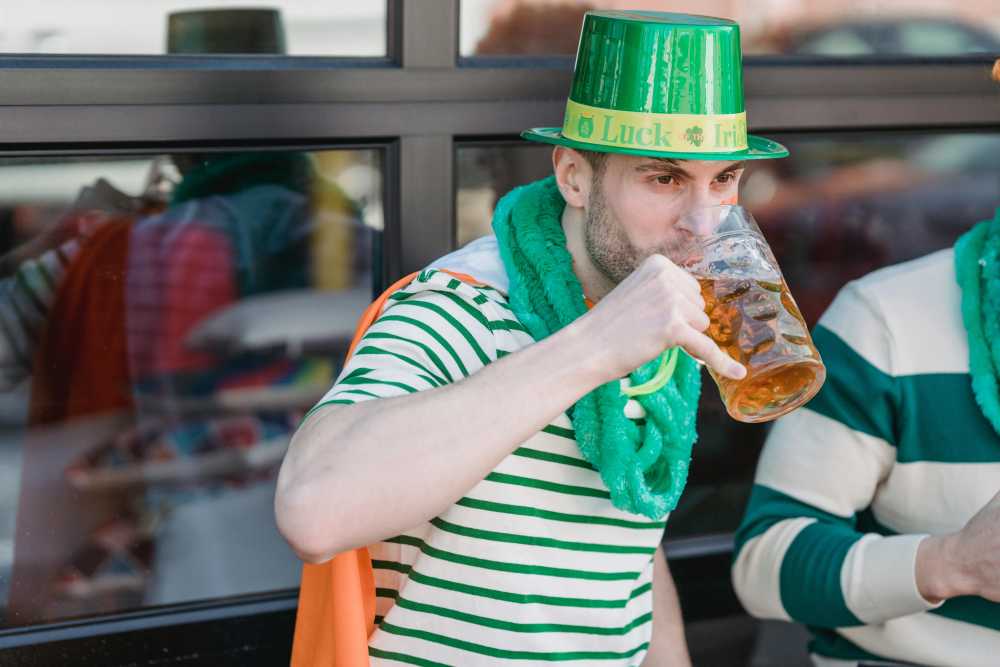
The Art of the Catch: Mastering the Vegetable Throws
Catching a cabbage is a New Orleans rite of passage. It requires more than just luck; it demands technique, awareness, and a bit of shameless enthusiasm.
Gear Up: Forget flimsy plastic bags. Bring a sturdy, reusable tote bag or even a small backpack. A flying cabbage has some heft, and you don't want your bag to break mid-parade.
Make Eye Contact: Float riders are scanning the crowd for enthusiastic targets. Don't just stand there passively. Wave your hands, shout, and make direct eye contact with a rider. Point to yourself or your bag. The more engaged you are, the more likely you are to be rewarded.
Create a Target: Hold your bag open and high. Make it an easy and inviting target. Some locals even create small, decorated nets on poles to extend their reach and stand out from the crowd.
Mind Your Surroundings: This is a full-contact sport. Be aware of the people around you. A cabbage flying into a dense crowd can cause a pile-up. Give your neighbors space and be prepared to move. Never, ever dive onto the ground for a rolling potato—it's not worth the risk.
The "Thank You" Rule: If a rider tosses something directly to you, give them a thumbs-up or a wave of thanks. It’s part of the friendly spirit of the day.

Your St. Patrick's Day USA Survival Kit: Pro-Level Parade Hacks
Showing up is one thing; showing up prepared is another. A little planning transforms a potentially stressful day into a seamless and memorable adventure. Treat it like a mission, and pack accordingly.
Arrive Early, Win the Day
We can't stress this enough. For a 1:00 PM parade, you should aim to be in the Irish Channel and finding your spot no later than 10:00 AM. The streets close to traffic early, and the neighborhood fills up fast. Arriving early allows you to claim a good piece of curb, set up your "base camp" with chairs and a cooler, and enjoy the building atmosphere of the block party before the main event even begins.
The Parking Predicament: Getting There and Back
Driving directly to the parade route is a rookie mistake that will lead to nothing but frustration. Parking is virtually non-existent, and street closures create a labyrinth of dead ends.
Rideshare Smartly: Use a rideshare service like Uber or Lyft, but set your drop-off point several blocks away from Magazine Street. This will help you avoid surge pricing and getting stuck in gridlock.
Take the Streetcar: The St. Charles Streetcar is a scenic and practical option. It runs parallel to the parade route, just a few blocks away. Get off around Jackson Avenue or Washington Avenue and walk toward the river.
Park and Walk: If you must drive, park in the Central Business District (CBD) or the Lower Garden District and enjoy a 15-20 minute walk into the Irish Channel. Reserving a spot in a garage ahead of time using a parking app is a wise investment.
Dress the Part (and for Comfort)
Your attire is both festive and functional. While wearing green is practically mandatory, your comfort should be the top priority.
Footwear is Everything: You will be on your feet for hours, standing, walking, and dodging flying vegetables. Wear your most comfortable, broken-in sneakers or boots. This is not the day for new shoes or anything with a heel.
Layer Up: New Orleans weather in March can be unpredictable. It might be cool and breezy in the morning but warm and sunny by the afternoon. Wear layers—a t-shirt, a long-sleeved shirt, and maybe a light jacket—that you can easily shed as the day warms up.
Sun Protection: Even on a cloudy day, the sun can be strong. Bring sunscreen, a hat, and sunglasses to avoid a post-parade sunburn.
Essential Gear for Your Parade Pack
A well-stocked bag is the mark of a parade veteran. Here’s a checklist of must-have items:
Sturdy Reusable Bag: For all the throws you’re going to catch.
Water and Snacks: Stay hydrated and energized. While vendors are around, having your own supply saves time and money.
Sunscreen & Sunglasses: Protect yourself from the elements.
Portable Phone Charger: Your phone battery will drain quickly from taking photos and trying to find friends in spotty service areas.
Hand Sanitizer and Wipes: Essential for quick clean-ups before you eat.
Cash: Many local food and drink vendors may be cash-only.
A Festive Attitude: The most important item. Embrace the chaos and have fun!

Pro-Tip: Establish a clear, non-movable meeting point with your group before you arrive. Cell service can be spotty in large crowds. Pick a specific storefront or street corner a block or two away from the main route, like "the corner of Constance and First Street," as your emergency regroup spot.
Beyond the Parade: Extending the Celebration
The parade is the main course, but the celebration is an all-day feast. Don't just leave when the last float passes. The block party in the Irish Channel rages on for hours afterward, with music, food, and dancing in the streets.
Many of the neighborhood's iconic pubs, like Tracey's or Parasol's, become ground zero for the festivities, serving up green beer and classic New Orleans fare. Be prepared for long lines, but the vibrant atmosphere is worth the wait. Exploring the side streets off Magazine can also lead you to smaller, less-crowded neighborhood bars where you can catch your breath and celebrate with locals.
Planning a family trip for the parade can be a lot to juggle. If you're flying in with little ones, the logistics can feel overwhelming. Our [Stress-Free Flying with Kids Guide] provides a complete checklist to make your journey as smooth as the parade is fun.
Pro-Tip: The "throws" aren't just for show. Locals actually use the cabbages, potatoes, and onions to cook their St. Patrick's Day meal of corned beef and cabbage. Catching your ingredients is the ultimate NOLA experience!

Safety First: Navigating the Crowds Like a Pro
With any large-scale event, safety matters most. The St. Patrick's Day parade is overwhelmingly safe and friendly, but it's wise to be prepared.
Use the Buddy System: Never wander off alone. Stick with your group and keep track of each other, especially in the densest parts of the crowd.
Stay Hydrated: It's easy to get dehydrated, even on a cooler day. Alternate alcoholic beverages with plenty of water throughout the day.
Respect the Floats: The most important rule of any New Orleans parade is to never run into the street or chase after a float. The floats are massive, and their operators have limited visibility. Let the throws come to you.
Supervise Children: If you have children with you, keep a close eye on them at all times. Using a ladder can provide a safer, elevated viewing spot, but ensure it's placed a safe distance back from the curb.
Mastering a single event is one thing, but truly understanding the soul of American celebrations requires a deeper dive. For comprehensive strategies on navigating everything from Mardi Gras to the Macy's Thanksgiving Day Parade, our master [Travel Guide] is the ultimate resource for any serious traveler.
Your Green Light to an Unforgettable Day
You are now armed with the knowledge to do more than just attend the St. Patrick's Day parade in New Orleans—you are ready to conquer it. You know that the real prize isn't just a plastic cup or a string of beads, but a cabbage caught mid-air. You understand that arriving early, choosing your spot wisely, and packing smart are the keys to a perfect day. You are no longer a tourist destined to be confused on the sidelines; you are an informed participant, ready to dive headfirst into one of the most unique and exhilarating St Patrick's day USA celebrations.
Now you have the hacks. Go out there, wear your green with pride, make eye contact with a float rider, and prepare to catch your dinner. The Big Easy is waiting to show you how it’s done.
Don't Miss Out! Subscribe for Exclusive Content
SubscribeComments 0
No comments yet
Be the first to share your experience!
Dont Miss Out! Subscribe for Exclusive Content

San Francisco Cherry Blossoms: A Local's Guide to the Blooms

Halloween SF: Haunts Without Horrors

SF Festivals: 7 Must-See Lineups

Christmas SF: Lights & Wharf Wonders

SF Pride: 6 Route & Party Hacks

Chinese New Year SF: Parade Essentials
Christmas in NYC: 7 Magical Markets
TrekGuider @trekguider
Planning a trip for Christmas in New York can feel like trying to direct a Broadway show—exciting, but utterly overwhelming. You’ve seen the twinkling lights and festive cheer in countless movies, and you want that magical, snow-globe experience for yourself. You dream of sipping hot cocoa while browsing charming wooden stalls, finding unique gifts, and soaking in an atmosphere so festive it feels like a warm hug.
But the reality can be a chaotic whirlwind of massive crowds, tourist traps, and paralyzing indecision. You risk spending your precious holiday time stuck in the wrong places, missing out on the authentic, cozy markets that truly define the city's holiday spirit. Instead of feeling the magic, you end up feeling stressed, cold, and disappointed, wondering if you’ve missed the real heart of a New York Christmas.
This guide is your definitive map to festive perfection. We’re cutting through the noise to take you on an insider’s tour of the 7 most magical Christmas markets in NYC. We’ll share pro-tips on what to buy, the best times to visit to avoid the crowds, and how to pair each market with the city’s most stunning light displays for the ultimate holiday adventure. These markets are a key part of the city's festive transformation, a spectacle we explore in full in our complete guide to [New York Holidays: 10 Must-Do Events]. Get ready to experience the holiday season in NYC the way it was meant to be.
Essential Know-Before-You-Go Tips for a Perfect Market Day
A little strategy goes a long way in a city that never sleeps, especially during the holidays. To make your market-hopping experience more magical and less maddening, keep these core principles in mind. They are the key to unlocking a smoother, more enjoyable Christmas in New York.
Embrace the Weekday Morning: The single best piece of advice for any major NYC attraction is to go early on a weekday. The holiday markets are most pleasant right when they open, typically around 11 AM. You’ll have more space to browse, chat with vendors, and truly appreciate the craftsmanship without being jostled by the shoulder-to-shoulder afternoon crowds.
Master Public Transportation: Driving and parking in Manhattan during the holidays is a recipe for extreme frustration and expense. The subway and buses are your best friends. Plan your market route using a transit app, buy a MetroCard for the duration of your stay, and enjoy the freedom of zipping beneath the traffic-clogged streets.
Dress in Smart Layers: New York’s winter weather is notoriously fickle. You might be freezing while walking between markets but quickly overheat once inside a packed indoor venue like Grand Central. Dress in layers—a thermal base, a sweater or fleece, and a warm, waterproof coat—that you can easily add or remove. A comfortable pair of waterproof boots is non-negotiable.
Carry a Mix of Cash and Cards: While the vast majority of vendors now accept credit cards, some smaller artisans or food stalls may be cash-only or have credit card minimums. Having a mix of both ensures you’ll never miss out on that perfect, one-of-a-kind find or a warm pretzel when you need it most.
1. Bank of America Winter Village at Bryant Park: The Iconic Centerpiece
If you could only visit one holiday market in NYC, this would be it. The Winter Village at Bryant Park is the quintessential New York Christmas experience, a dazzling wonderland set against the iconic backdrop of the New York Public Library and soaring midtown skyscrapers. This isn't just a market; it's a full-blown festive destination.
The entire experience is built around the 17,000-square-foot ice rink, which famously offers free admission (you just pay for skate rentals). Surrounding it are over 180 European-inspired, custom-designed "jewel box" kiosks that glow from within, creating a warm and inviting atmosphere as you wander the park's allées.
Here, you’ll find a truly global selection of goods, from complex ornaments and handmade leather goods to unique jewelry and cozy winter apparel from independent designers. The food options are a major draw. You can find everything from savory Belgian waffles and pierogies to rich hot chocolate and artisanal cheese. The Lodge provides an aprés-skate-themed food hall, offering a cozy spot to refuel and watch the skaters.
Pro-Tip: To truly enjoy the ambiance, visit on a weekday morning right when it opens. You can have a leisurely skate on the near-empty rink and browse the shops in peace. By lunchtime, the crowds swell, and the experience becomes far more hectic.

2. Union Square Holiday Market: The Eclectic European-Style Village
If your gift list demands something with more soul than a department store can offer, make a beeline for the Union Square Holiday Market. It’s less a market and more a sprawling, festive village that erupts in the heart of downtown, its iconic red-and-white striped stalls forming a labyrinth of pure creative energy.
The sheer variety and quality of the vendors are what set this market apart. It’s a juried market, meaning every vendor is carefully selected, ensuring a high standard of craftsmanship and originality. The winding aisles encourage exploration, making you feel like you’re discovering a hidden gem around every corner. This is the place to find gifts you simply won't see anywhere else: hand-blown glass ornaments, screen-printed posters from local artists, gourmet pantry items, and organic bath products. Several booths even offer on-the-spot personalization, whether it’s stamping a leather keychain or engraving a piece of jewelry.
The market can feel overwhelming. Our advice? Grab a map at the entrance and do a quick loop of the perimeter first to get your bearings. Then, dive into the inner aisles to hunt for treasures.
3. Columbus Circle Holiday Market: An Upscale Festive Escape
Perfectly situated at the southwest entrance to Central Park, the Columbus Circle Holiday Market offers a slightly more relaxed and upscale shopping experience. It’s the ideal place to find sophisticated gifts for the most discerning people on your list, with the added bonus of a magical Central Park stroll right next door.
The location is simply unbeatable. The glittering lights of the market stalls, with the stone arches of the park entrance and the Time Warner Center as a backdrop, create a picture-perfect holiday scene. It’s smaller and more manageable than Union Square, allowing for a more leisurely browsing experience focused on quality craftsmanship and gourmet treats. Expect to find elegant jewelry, designer winter wear, complex wooden puzzles, and fine art photography. The food vendors are a delight, selling artisanal chocolates, infused olive oils, and spiced gingerbread.
After shopping, complete your classic NYC holiday afternoon by taking a horse-drawn carriage ride through Central Park or going for a skate at the famous Wollman Rink.
4. Grand Central Holiday Fair: The Warmest Indoor Market
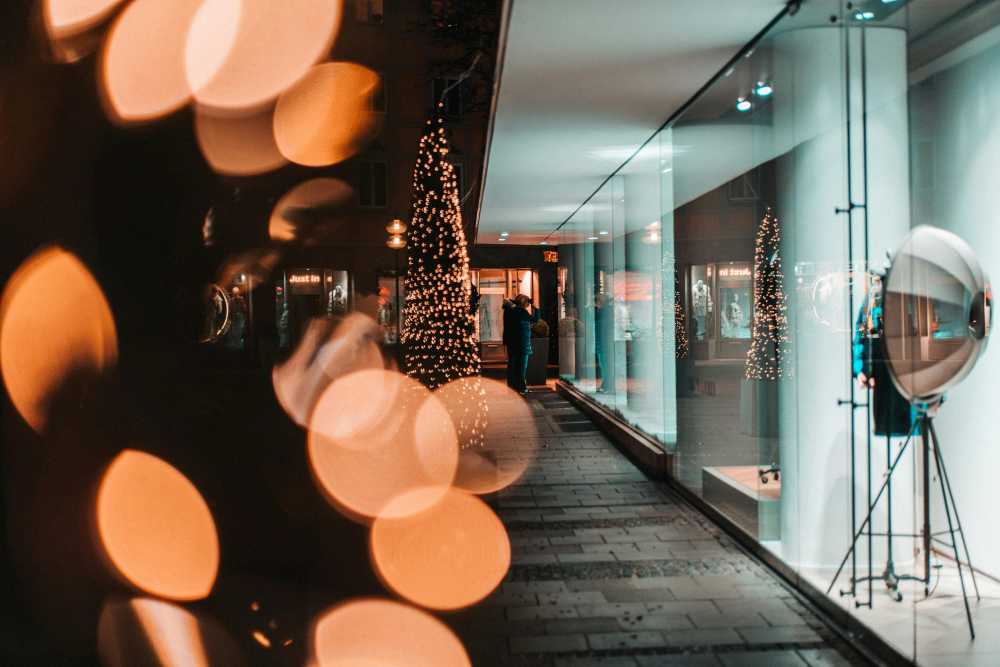
When the winter wind is biting, the Grand Central Holiday Fair offers a warm and dazzling respite. Housed in the magnificent, beaux-arts Vanderbilt Hall, this indoor market is a haven of calm and quality, away from the outdoor chill. Shopping under the grand chandeliers is an experience in itself.
The market is hand-picked, focusing exclusively on American-made and handcrafted products from artisans and small businesses across the USA. You’ll find everything from handmade stationery and children’s clothing to beautiful pottery and eco-friendly accessories. The atmosphere is refined and peaceful, a stark contrast to the joyful chaos of the outdoor markets. Its location within Grand Central Terminal makes it an incredibly convenient stop for commuters and travelers. Because it’s indoors, this is the perfect market to save for a particularly cold or snowy day.
5. The Holiday Market at the Oculus: A Modern Marvel
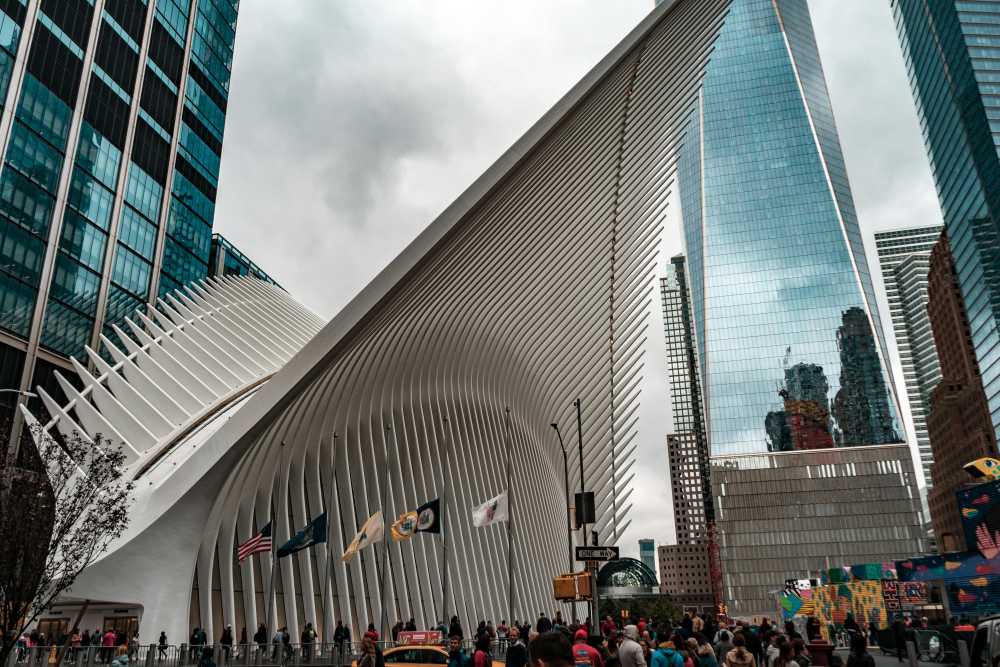
For a Christmas in New York experience that is sleek, modern, and architecturally stunning, head downtown to the Holiday Market at the Oculus. Set inside Santiago Calatrava’s breathtaking transit hub, this market blends high-end shopping with festive pop-ups in a truly unforgettable setting.
The venue is the star. The soaring white ribs of the Oculus create a cathedral-like space that feels both grand and futuristic. During the holidays, the space is filled with elaborate decorations and a cheerful, bustling energy, offering a completely different vibe from the traditional wooden-stall markets. The market is a mix of familiar luxury brands and curated pop-up shops offering everything from gourmet sweets to tech gadgets. It often features live musical performances, adding to the lively atmosphere.
Pair It With: The Oculus is part of the World Trade Center complex, making it easy to combine your shopping with a poignant visit to the 9/11 Memorial & Museum or a trip to the top of One World Observatory for staggering city views.
6. Brooklyn Flea + Smorgasburg Winter Market: The Hipster's Holiday Haul
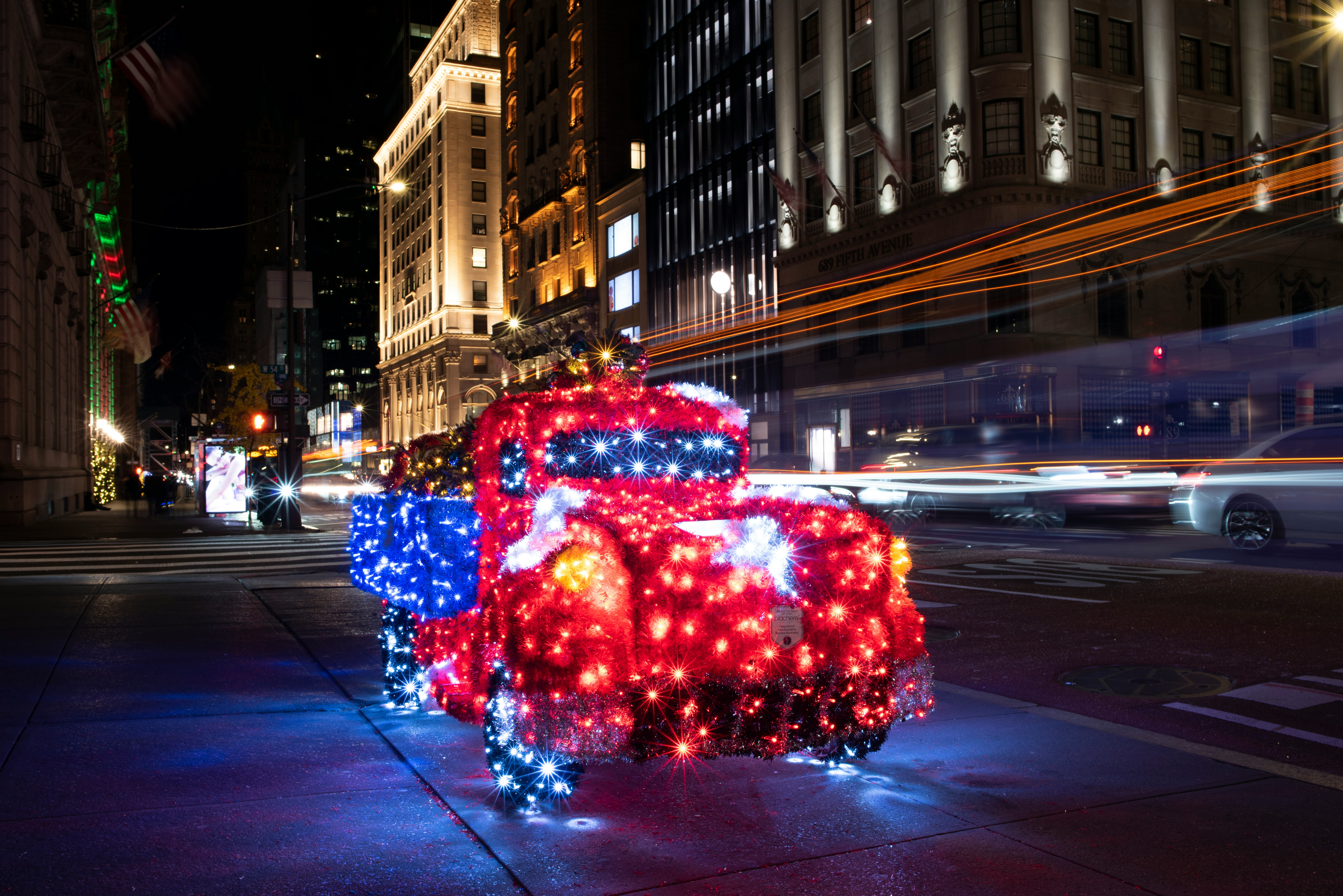
Escape the Manhattan crowds and discover a treasure trove of unique finds at the Brooklyn Flea + Smorgasburg Winter Market. This is where you’ll find the city’s coolest vintage goods, handmade crafts, and artisanal foods all under one roof, making it the ultimate destination for a one-of-a-kind gift.
The vibe is pure Brooklyn: creative, eclectic, and effortlessly cool. It’s a massive market that combines the best of the Brooklyn Flea (vintage clothing, antique furniture, retro vinyl) with the best of Smorgasburg (dozens of gourmet food vendors). You are guaranteed to find something here that you won’t see anywhere else, shopping directly from Brooklyn-based artists and designers. The Smorgasburg section is a culinary adventure in itself, serving up inventive dishes from around the world.
Pro-Tip: This is the perfect market for finding a truly unique gift that tells a story. To make your trip even smoother, especially if you're visiting from abroad and planning to bring treasures home, download our [International Travel Checklist] to ensure you have everything you need for a seamless journey.
7. Grand Holiday Bazaar: The Year-Round Market with a Festive Flair
For a shopping experience that feels good and does good, visit the Grand Holiday Bazaar on the Upper West Side. This is the city’s largest curated weekly market, but it pulls out all the stops for the holiday season with special festive themes and vendors.
What makes this market truly magical is its powerful social mission: all profits are donated to four local public schools, benefiting over 2,000 children. Shopping here means you’re directly supporting the local community, making every purchase feel meaningful. The atmosphere is friendly and neighborhood-focused, with a rotating lineup of over 150 independent local artisans, designers, and vintage dealers each week. Be sure to check their website before you go to see the theme for the week.

Beyond the Markets: A Tour of NYC's Legendary Holiday Lights
No trip for Christmas in New York is complete without indulging in the city’s legendary light displays. Many of these are conveniently located near the markets, allowing you to create a perfect festive itinerary.
The Rockefeller Center Christmas Tree: This is the undisputed king of all holiday displays. The single best piece of advice, straight from seasoned locals, is to visit at dawn. The early hour rewards you with a serene, crowd-free view that feels like a private showing.
Saks Fifth Avenue Light Show: Directly across from Rockefeller Center, the entire facade of the Saks Fifth Avenue flagship store is transformed into a dazzling musical light show that runs every ten minutes after dusk. It’s a spectacular and unmissable piece of holiday theater.
Dyker Heights, Brooklyn: For a truly over-the-top display, you must take a trip to this Brooklyn neighborhood. The residents engage in a friendly competition to create the most spectacular, professionally-done Christmas light displays imaginable. It’s an unforgettable experience that feels like stepping onto a movie set.
Your Magical New York Christmas Awaits
You now have the insider’s playbook to the very best of festive New York. Armed with this guide, you can navigate the city not as a stressed tourist, but as a savvy traveler ready to soak in the genuine magic of the season. From the iconic grandeur of Bryant Park to the creative buzz of Brooklyn, you have the keys to unlock a holiday trip filled with unique gifts, delicious food, and unforgettable memories. Your perfect Christmas in New York is no longer just a dream—it’s a plan.
Ready to plan your entire U.S. holiday adventure? Our comprehensive [Travel Guide] is packed with expert advice, detailed itineraries, and local secrets to unlock unforgettable experiences across the country.
Don't Miss Out! Subscribe for Exclusive Content
SubscribeComments 0
No comments yet
Be the first to share your experience!
Dont Miss Out! Subscribe for Exclusive Content
San Francisco Cherry Blossoms: A Local's Guide to the Blooms
Halloween SF: Haunts Without Horrors
SF Festivals: 7 Must-See Lineups
Christmas SF: Lights & Wharf Wonders
SF Pride: 6 Route & Party Hacks