
Luxury Solo Travel: How to Plan an Upscale Independent Journey

TrekGuider @trekguider
You're dreaming of a different kind of solo trip—one defined by five-star comfort and total freedom, not spartan hostels. You imagine indulging in exquisite meals and unwinding in a beautiful hotel, all on your own terms. The problem? The world of upscale travel often feels built for two, and the logistical hurdles of planning a high-end trip for one—from navigating single supplements to ensuring your safety—can feel daunting enough to keep your dream grounded.
This is where that narrative changes. Planning a luxury solo travel experience isn't about extravagance for its own sake; it's about mindfully curating a journey that prioritizes your comfort, interests, and personal growth. It's about trading frantic group schedules for the quiet confidence of a bespoke itinerary designed just for you.
This guide is your strategic roadmap to crafting that exact journey. While many travel styles exist, the art of the independent, upscale journey offers a unique form of enrichment. Even those accustomed to coordinating complex group getaways with help from guides like our «Family Travel Ideas: The 2026 Guide to Unforgettable Trips» will find that planning for one requires a different, more introspective approach. We will deconstruct every element of the process, transforming the complexities of planning into clear, actionable steps.

The Unmatched Freedom of Going It Alone
Before diving into logistics, the first and most crucial step is a mental one. True luxury solo travel is defined not just by thread counts and Michelin stars, but by the unparalleled freedom it affords. It's the freedom to be gloriously selfish with your time.
Freedom of Pace: Wake up with the sun for a private yoga session or sleep in until noon. Spend six hours captivated by a single gallery in a museum or tick off a dozen sights in a day. There are no compromises and no negotiations—only your own rhythm.
Freedom of Interest: Pursue your passions without reservation. This is your opportunity to take that week-long Italian cooking course, go on a multi-day wildlife photography safari, or simply read a novel from cover to cover on a private balcony overlooking the sea.
Freedom of Connection: Traveling alone doesn’t mean being lonely. It means you control your social interactions. You can choose solitude and introspection or engage with fellow travelers and locals at your leisure, leading to more authentic and meaningful connections.
When you truly embrace this mindset, the journey transforms from a simple vacation into a powerful investment in yourself—an act of deliberate self-care and discovery, set against a backdrop of impeccable comfort.
How to Budget for a Solo Trip (Without Sacrificing the Luxury)
An upscale journey requires a strategic financial plan, but it's more flexible than you might think. The key is to define what "luxury" means to you and allocate your resources accordingly. For one person, it might be a business-class flight; for another, it's a private guide for a historical site.
Define Your Luxury Priorities: What are the 3-5 elements that will make this trip feel truly special? Is it the hotel? The dining experiences? The unique activities? Be honest with yourself and make these the cornerstones of your budget.
Navigate the "Single Supplement": This is an infamous surcharge that hotels and tour operators sometimes add for single occupancy. However, it's becoming less common as smart companies recognize the growing market of solo travelers. When researching, look for "no single supplement" deals or book with companies that specialize in solo travel. Boutique hotels are often more flexible than large chains.
The 40/40/20 Rule for Solo Luxury: A helpful framework for budgeting is:

40% on Accommodations & Transport: This is your foundation. Secure your high-quality hotel and comfortable travel first.
40% on Experiences & Dining: This is the heart of your trip. Allocate generously for bespoke tours, fine dining, spa treatments, and any classes or activities that align with your passions.
20% on Ancillaries & Contingency: This covers shopping, local transport, tips, and a crucial buffer for spontaneous opportunities or unforeseen needs.
Pro-Tip: Consider traveling during the "shoulder season" (the months just before or after the peak season). You'll often find significantly lower prices on flights and five-star hotels, fewer crowds, and a more relaxed atmosphere, allowing your luxury budget to stretch even further.
Your Sanctuary: Why a Boutique Hotel Is Your Best Bet
Your accommodation is more than just a place to sleep; it’s your home base, your sanctuary, and a critical component of the luxury experience. For a solo traveler, the right choice balances comfort, security, and opportunities for connection.

For the discerning solo traveler, boutique hotels are almost always the superior choice. They operate on a human scale, creating an environment that feels both exclusive and welcoming. Here’s why they excel:
Personalized Service: Staff are more likely to know your name and preferences, providing a sense of being cared for that can be comforting when traveling alone.
Prime Locations: They are often situated in the most vibrant, walkable neighborhoods, making it easy and safe to explore on foot.
Curated Atmosphere: From chic design to intimate common areas like a library bar or rooftop terrace, boutique hotels provide pleasant spaces to relax outside of your room without feeling isolated.
Enhanced Security: With fewer guests and a more attentive front desk, security is often implicitly higher.
When booking your stay, look beyond the photos. Dig into the details and prioritize properties that offer a 24/7 front desk, high-quality on-site dining (a wonderful, safe option for dinner), and rave reviews from other solo travelers.
Dining Solo: How to Savor the Experience
One of the biggest anxieties for first-time solo travelers is the thought of eating alone. It's time to reframe this. Dining solo is not a fallback; it's a culinary experience in its purest form, free from the distraction of conversation. It's a chance to truly focus on the food, the atmosphere, and your own thoughts.

Own Your Table: Walk in with confidence. When the host asks, "Just one?" answer with a warm, "Yes, a table for one, please." There is no shame in it—in fact, it's a power move.
Choose Your Perch: The best seat in the house for a solo diner is often at the bar or a chef's counter. It feels more natural, provides a bit of entertainment, and opens the door for casual conversation with the bartender or chef if you're in the mood.
Come Prepared: Bring a book or a journal. It’s a perfect companion that signals you're content and engaged in your own world.
Try a Social Dining App: If you want a guaranteed social experience, look into services like Eatwith, which connects travelers with local hosts for authentic, home-cooked meals.
A Blueprint for the Perfect Solo Pace
The beauty of a solo itinerary is its absolute flexibility. The goal is to create a structure that guides your trip without constraining it. A well-designed plan ensures you experience the highlights while leaving ample room for spontaneity.

The "Anchor & Explore" Method
A highly effective strategy is to anchor each day with one significant, pre-booked activity and leave the surrounding hours free for exploration.
Book Your Anchors: Before you leave, book the one thing you absolutely do not want to miss each day. This could be a 10:00 AM ticket to the Uffizi Gallery (our Italy Travel Guide can help with this), a 2:00 PM private surfing lesson, or a 7:00 PM dinner reservation at a coveted restaurant. This provides a gentle structure and ensures you don't miss out.
Research the Periphery: Identify points of interest, cafes, shops, and parks located near your anchor activity. Make a list of these potential spots in a digital map app.
Embrace Serendipity: After your anchor activity, wander. Use your researched list as a loose guide, but allow yourself to be drawn in by an interesting side street or a charming bookstore. This blend of planning and spontaneity is the sweet spot of solo travel.
Pro-Tip: Hire a private guide for your first full day in a new city. This is an incredible investment for a solo traveler. It serves as a comprehensive orientation, provides deep cultural context, helps you feel more confident navigating, and gives you a local contact who can offer personalized recommendations for the rest of your trip.
A Proactive Guide to Luxury Solo Travel Safety
For many, safety is the primary concern associated with traveling alone. A proactive, systems-based approach can mitigate risks and build the quiet confidence needed to explore freely.
Digital & Financial Security
Use a VPN: Always use a Virtual Private Network (VPN) on your phone and laptop when connecting to public Wi-Fi. This encrypts your data, protecting it from prying eyes.
Inform Your Bank: Notify your bank and credit card companies of your travel dates to prevent your accounts from being frozen.
Carry a Backup: Have at least two different credit cards and a small amount of local currency. Keep them in separate places (e.g., one in your wallet, one in the hotel safe).
Situational Awareness & Physical Safety
The Morning Photo Protocol: A simple but brilliant tactic: take a quick photo of your outfit each morning. In the unlikely event you need assistance, it provides an exact, current visual reference.
Project Confidence: Walk with purpose and be aware of your surroundings. Avoid staring at your phone while walking in unfamiliar areas.
Trust Your Intuition: If a situation or a person feels off, it probably is. Remove yourself immediately without worrying about being polite.
Share Your Itinerary: Leave a copy of your itinerary, including hotel details and flight numbers, with a trusted friend or family member back home. Arrange for regular, brief check-ins.
Your Essential Safety Toolkit
Feeling confident and prepared is the ultimate travel luxury. To help you master the art of awareness and risk mitigation, we’ve created a comprehensive resource filled with expert, field-tested advice. Download your free copy of the Solo Female Travel Safety Guide and travel with total peace of mind.
Packing for Effortless Elegance
Packing for a high-end journey is about selecting versatile, high-quality pieces, not about bringing a massive wardrobe. The goal is elegant efficiency. Our How to Pack Light Guide offers a masterclass on this, but here are the core principles:

Adopt a Color Palette: Choose a base of two or three neutral colors (like black, navy, or beige) and one or two accent colors. This ensures every piece can be mixed and matched.
Focus on Fabrics: Prioritize fabrics that travel well, resist wrinkles, and are comfortable, such as merino wool, cashmere, and high-quality knits.
The Power of Accessories: A beautiful scarf, a statement piece of jewelry, or a fine leather belt can completely transform a simple outfit, taking it from daytime exploring to an elegant dinner.
Your Carry-On is Command Central: It should contain all medications, a full change of clothes, electronics, and travel documents.
By investing in versatile, quality pieces, you can pack light without sacrificing an ounce of style.
Frequently Asked Questions
What is the best way to avoid the "single supplement" fee?
The best strategies are to travel during the shoulder season when demand is lower, look for tour companies and cruise lines that specifically offer "no single supplement" deals, and favor boutique hotels, which are often more willing to negotiate or offer single-occupancy rates.
Is luxury solo travel safe, especially for women?
Yes, it is very safe with the right preparation. The key is proactive risk mitigation: choosing safe accommodations, maintaining situational awareness, protecting your digital information, and having contingency plans. Our
provides an in-depth framework for this.
How can I avoid feeling lonely when traveling by myself?
Balance your solitude with planned social interactions. Book a small group tour, take a cooking class, or stay at a boutique hotel with inviting common areas. Choosing to dine at a chef's counter or bar is also a great way to open the door for casual, low-pressure conversation.
The Ultimate Reward
The path to a remarkable luxury solo travel experience is paved with mindful preparation. By shifting your mindset to embrace freedom, strategically planning your budget, and choosing your accommodations and activities with intention, you transform a potentially intimidating prospect into an empowering and deeply personal adventure.
This is your opportunity to reconnect with yourself and see the world through a lens that is uniquely your own. You now possess the framework and expert strategies to move from dreaming to doing. The world of upscale independent travel is not a secret club; it’s a rewarding path available to anyone with the confidence to plan it, and our
library is the perfect place to start researching your first destination.
Don't Miss Out! Subscribe for Exclusive Content
Subscribe



Comments 0
No comments yet
Be the first to share your experience!
Dont Miss Out! Subscribe for Exclusive Content

Ultimate USA Holidays Guide: Top Picks


FTC Affiliate Disclosure Essentials: Stay Compliant as a Travel Creator

Essential Affiliate Tools: From Tracking to Full Optimization

Booking.com Affiliate Program Review: Pros, Cons, and Earnings Potential

Decoding Affiliate Commission Rates: Benchmarks for Travel Creators

Amazon Associates for Travel: Strategies to Maximize Commissions
9 Beach Safety Tips That Could Save Your Life
TrekGuider @trekguider
There’s a moment on every beach trip that feels like pure magic. It’s the feeling of warm sand between your toes, the hypnotic sound of waves crashing, and the endless blue horizon stretching out before you. It’s a picture of perfect relaxation. But beneath that tranquil surface, the ocean holds immense and impartial power. A beautiful day can turn dangerous in an instant from a hidden current, underestimated waves, or the relentless sun, transforming a dream vacation into a terrifying emergency. Every year, countless beachgoers find themselves in preventable peril simply because they misread the water or weren't prepared for the environment.
This isn't a guide to make you fear the ocean; it's a playbook to empower you to respect it. We’re here to give you the essential, expert-backed beach safety tips that can mean the difference between a blissful day and a life-altering one. These strategies, drawn from lifeguarding associations and national weather experts, are a critical component of the situational awareness we cover in our comprehensive guide, [The Ultimate Guide to Travel Safety: A 2026 Playbook]. By learning to see the beach not just as a playground, but as a dynamic natural environment, you can ensure your only takeaways are seashells and incredible memories. Let’s dive in.

Master the Water: Essential Ocean Safety Tips
The vast majority of beach-related dangers originate in the water itself. From powerful currents to unpredictable surf, understanding the ocean's behavior is the most critical skill any beachgoer can possess. These are the foundational beach safety tips for staying safe in the surf.
1. Become an Expert at Spotting Rip Currents
Rip currents are the number one danger at most surf beaches, responsible for the majority of ocean rescues performed by lifeguards. They are not undertows that pull you under the water; they are powerful, narrow channels of water that flow away from the shore at high speed. According to NOAA and the United States Lifesaving Association (USLA), knowing how to visually identify one from the shore is your first and best line of defense.
Here’s what to look for, especially from an elevated position like the dunes or a lifeguard tower:
A Channel of Churning, Choppy Water: Look for a specific area where the water seems agitated or rough, moving in a different direction than the surrounding waves.
A Break in the Incoming Wave Pattern: This is often the easiest sign to spot. You'll see a gap in the line of breaking waves—an area that looks deceptively calm. This flat spot is the rip current pulling water back out to sea, disrupting the incoming waves.
A Difference in Water Color: Because the current is carrying sand and sediment offshore, the water within a rip current often appears darker, murky, or sandy brown compared to the clearer, greener water on either side.
A Line of Foam or Debris Moving Seaward: This is a dead giveaway. If you see a line of foam, seaweed, or other floating debris moving steadily away from the beach, perpendicular to the shore, you are looking directly at a rip current.
Pro-Tip: Before you even set up your umbrella, take five minutes to stand back and observe the water. Actively look for these signs. Identifying potential rip currents before you get in the water is the single most important safety action you can take.
2. Know the "Flip, Float, Follow" Rule for Rip Current Survival
If you do get caught in a rip current, your instinctive reaction—to panic and swim directly against it back to shore—is the most dangerous thing you can do. Fighting a rip current will exhaust you to the point of drowning. The correct response is simple and could save your life.
Flip: Flip onto your back to stay afloat and conserve energy.
Float: The current will not pull you under; it will only pull you away from shore. Stay calm and float with it.
Follow: Once you are out of the main pull of the current, begin swimming parallel to the shoreline. Do not swim toward the beach. Once you have swum out of the current, you can then turn and swim back to shore, ideally at an angle away from where you were caught.
If you are unable to swim out of it, continue to float and wave your arms and yell for help to attract the attention of a lifeguard or other swimmers.

3. Understand and Obey the Beach Warning Flag System
While knowing how to escape an invisible current is a vital reactive skill, your most powerful proactive tool is the one flapping in the breeze. Beach warning flags are a simple, universal language used by lifeguards to communicate the current water conditions. This system, adopted by the International Lifesaving Federation, provides a quick, visual assessment of the hazard level. Ignoring these flags is a gamble you should never take.
Green Flag: Low Hazard. Conditions are calm, but you should still exercise caution.
Yellow Flag: Medium Hazard. Moderate surf and/or currents are present. Weak swimmers should stay out of the water, and everyone else should use extra care.
Red Flag: High Hazard. The surf is high, and/or strong currents make conditions dangerous. It is recommended that no one enters the water.
Double Red Flag: Water Closed to Public. Conditions are extremely dangerous. The water is closed to all swimming, and entering it is prohibited.
Purple Flag: Dangerous Marine Life. This flag indicates that potentially hazardous marine life, like jellyfish or sharks, has been spotted. It is always flown with another color flag that indicates the surf conditions.
Pro-Tip: The absence of flags does not automatically mean the water is safe. If there is no flag, it likely means there is no lifeguard on duty. In that case, you are swimming entirely at your own risk. Always try to swim at a beach protected by lifeguards.
Master the Environment: Sun and Shoreline Safety Tips
While the ocean poses the most immediate threats, the beach environment itself has its own set of risks. The sun, sand, and heat can cause serious health issues if not managed properly. These beach safety tips will keep you safe on the shore.
4. Know the Signs of Heat Exhaustion vs. Heatstroke
That perfect, sun-drenched beach day holds a hidden danger. When the temperature climbs, the line between bliss and a medical emergency can blur with alarming speed. According to the Red Cross, it's crucial to know the difference between heat exhaustion and the more severe, life-threatening heatstroke (sunstroke).
Heat Exhaustion Symptoms:
Headache, dizziness, and confusion
Excessive sweating with cool, moist, or pale skin
Nausea and muscle cramps
A rapid, weak pulse
First-Aid for Heat Exhaustion:
Move to a Cool Place: Immediately get the person out of the direct sun and into shade or air conditioning.
Cool Them Down: Loosen their clothing and apply cool, wet cloths or spray them with cool water.
Rehydrate: If they are conscious and able to swallow, have them sip small amounts of a sports drink or water.
If their condition doesn't improve or they start vomiting, call for emergency help immediately, as it can progress to heatstroke.
5. Recognize the Emergency of Heatstroke (Sunstroke)
Heatstroke is a full-blown medical emergency where the body's internal cooling system completely fails.
Heatstroke Symptoms:
Changes in mental status (confusion, agitation, loss of consciousness)
Hot, flushed, and often dry skin (sweating may have stopped)
A dangerously high body temperature (often above 104°F / 40°C)
A rapid, strong pulse, which may become weak later
First-Aid for Heatstroke:
Call 911 Immediately: This is a life-threatening emergency that requires professional medical intervention.
Begin Rapid Cooling: While waiting for help, do everything you can to cool the person's body. Immerse them in cool water if possible, or douse them with water and apply ice packs to the neck, groin, and armpits.

6. Practice Proactive Sun Protection
The best way to deal with a heat-related illness is to never let it start. Sun protection is a continuous strategy, not a one-time action.
Hydrate Constantly: Drink plenty of water throughout the day, even before you feel thirsty.
Use Broad-Spectrum Sunscreen: Apply a sunscreen with at least SPF 30 and reapply it every two hours, and always immediately after swimming or excessive sweating.
Seek Shade: Use an umbrella and take breaks from the sun, especially during the peak intensity hours of 10 a.m. to 4 p.m.
Wear Protective Clothing: A wide-brimmed hat and UV-blocking sunglasses are non-negotiable.
7. The "Stingray Shuffle" Rule
In many coastal areas, stingrays bury themselves in the sand in shallow water. Stepping directly on one can result in an excruciatingly painful sting from the barb on their tail. To avoid this, never walk normally through the shallows. Instead, shuffle your feet along the sand. The vibrations from the shuffle will alert any nearby stingrays to your presence, giving them a chance to swim away peacefully.
Master Your Preparation: Final Beach Safety Tips
A safe and relaxing beach day begins before you even leave home. Smart planning and having the right gear can make all the difference, especially when traveling with family.
8. Pack a Dedicated Beach First-Aid Kit
While your main travel medical kit should be comprehensive, your beach bag needs a few specific items to handle common coastal issues:
Waterproof Bandages: For minor cuts and scrapes from shells or rocks.
Aloe Vera Gel: For immediate relief from minor sunburn.
Antihistamine Cream: To soothe the itch from insect bites.
Tweezers: For removing splinters or shell fragments.
Vinegar: A small bottle of white vinegar is a secret weapon; it can help neutralize the sting from some types of jellyfish.
9. Always Designate a "Water Watcher"
When you're at the beach with a group, especially with children, it's easy to fall into the trap of "diffusion of responsibility," where everyone assumes someone else is watching the kids in the water. The solution is to formally designate one adult as the "Water Watcher" for a set period (e.g., 15-20 minutes). During their shift, that person's only job is to watch the water without distraction—no phones, no books, no conversations. Then, you switch. This simple system ensures there are always eyes on the swimmers.
Your Ultimate Guide to Family Beach Travel
Keeping kids safe and entertained at the beach is a unique challenge. From packing the right gear to navigating meltdowns and keeping them safe in the sun and surf, a little extra preparation goes a long way. Our specialized guide takes the stress out of the equation.
Download our free [Stress-Free Flying with Kids Guide] for expert tips on making every part of your family vacation, from the airport to the beach, a breeze!
Beach Safety FAQs
A prepared mind is a safe mind. Here are quick answers to other common beach safety questions.
1. What’s the right way to treat a jellyfish sting?
First, get out of the water. Rinse the affected area with vinegar (if available) for about 30 seconds to deactivate the stingers. Do not use fresh water, as it can make it worse. Carefully pluck out any visible tentacles with tweezers. Soaking the skin in hot water (as hot as can be tolerated without burning) for 20-45 minutes can also help relieve the pain.
2. Is it safe to dig deep holes in the sand?
Digging in the sand is a classic beach activity, but deep holes can be incredibly dangerous. They can collapse unexpectedly, burying a person in seconds. Never dig a hole deeper than the knees of the smallest person in your group, and always fill in any holes you dig before you leave the beach.
3. What should I do if I see someone in trouble in the water?
Do not attempt a swimming rescue yourself unless you are trained in water rescue. An untrained rescuer can quickly become a second victim. The best course of action is to call for help immediately. Yell to alert a lifeguard and call 911. If you can, throw the person something that floats, like a cooler or a boogie board.
By embracing these nine essential beach safety tips, you shift from being a passive visitor to an active, aware, and prepared participant in one of nature’s most magnificent environments. The goal isn't to diminish the fun but to ensure it. A healthy respect for the ocean and a solid plan for your day are the keys to unlocking a truly carefree and unforgettable experience by the sea.

Now that you've mastered the art of staying safe on the coast, you can focus on the rest of your adventure. For a complete, deep-dive into every facet of trip planning, from health and safety to budgeting and logistics, our comprehensive [Travel Guide] is the only resource you'll ever need.
Don't Miss Out! Subscribe for Exclusive Content
SubscribeComments 0
No comments yet
Be the first to share your experience!
Dont Miss Out! Subscribe for Exclusive Content
Ultimate USA Holidays Guide: Top Picks
FTC Affiliate Disclosure Essentials: Stay Compliant as a Travel Creator
Essential Affiliate Tools: From Tracking to Full Optimization
Booking.com Affiliate Program Review: Pros, Cons, and Earnings Potential
Decoding Affiliate Commission Rates: Benchmarks for Travel Creators
Amazon Associates for Travel: Strategies to Maximize Commissions
July 4th NYC: Best Fireworks Views
TrekGuider @trekguider
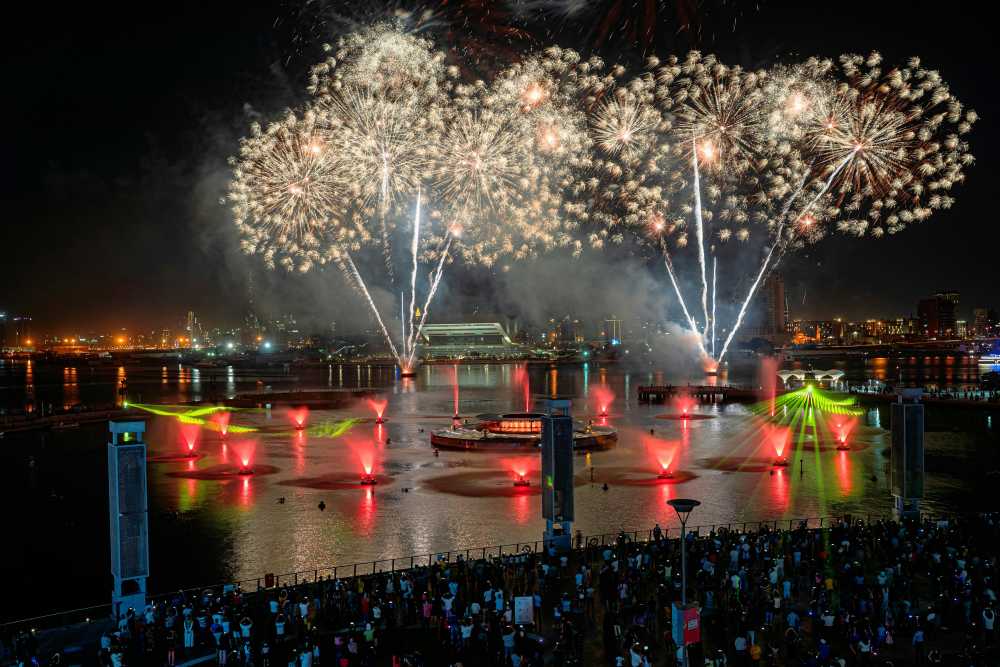
Trying to see the Macy's 4th of July fireworks in New York City can feel like plotting a military campaign. You know it’s one of the most spectacular patriotic displays on the planet, a dazzling barrage of color and sound against the world’s most famous skyline. But the thought of navigating the colossal crowds, deciphering the cryptic official viewing spots, and battling for a sliver of sidewalk with a view of a brick wall is enough to trigger a full-blown anxiety attack.
You’re haunted by visions of being pinned for hours in a human gridlock, craning your neck to see absolutely nothing, with no access to a restroom or a bottle of water. What if you spend all day planning, only to find your chosen spot has been unceremoniously cordoned off by the NYPD? The dream of a magical Independence Day quickly sours into a logistical nightmare, leaving you sweating on a crowded street corner wondering why you didn't just stay home and watch it on TV.
Forget the chaos. This is your definitive battle plan for conquering the crowds and securing a breathtaking view. We’ve distilled the official intel and insider secrets into a foolproof strategy. Whether you want a free patch of grass with a picnic or a more civilized vantage point, this guide will equip you for an unforgettable Fourth of July in New York.

Understanding the Main Event: The Macy's Fireworks Spectacular
Let’s be clear about the sheer scale of this operation. The Macy's 4th of July Fireworks isn't just a show; it's the nation's largest pyrotechnic spectacle, a city-shaking tradition that paints the skyline with thousands of meticulously choreographed shells launched from barges on the water. For Friday, July 4, 2025, the show continues its reign on the East River, meaning the most coveted views will be found along the waterfronts of Brooklyn, Queens, and Manhattan.
This isn't a casual affair where you can wander up a few minutes before showtime. It's a massive, city-wide celebration that demands a solid game plan. While the fireworks are an undisputed summer highlight, they're just one piece of the city's vibrant celebratory calendar, which we cover in our definitive guide to [New York Holidays: 10 Must-Do Events]. Thinking about your trip through this lens—as one epic event among many—is the key to unlocking a truly memorable visit.
The Best Free Viewing Spots for the Fourth of July in New York
Securing a great free spot is the holy grail for most spectators. It requires a healthy dose of patience and impeccable timing, but the reward is a front-row seat to history without spending a dime. The secret is knowing precisely where to go and, just as critically, which tourist traps to avoid.
Brooklyn's Cinematic Waterfront Views
For years, the Brooklyn waterfront has offered the most cinematic views of the fireworks, framing the pyrotechnics against the iconic Manhattan skyline. This is where you go for the postcard shot.
Transmitter Park (Greenpoint): Consistently hailed as a top-tier viewing location, this park offers a direct, jaw-droppingly clear sightline across the East River. Its open, grassy layout is a godsend, providing more room to spread out a blanket than the narrow promenades elsewhere. But its reputation precedes it. To claim a decent piece of turf, you must arrive by 6 PM at the absolute latest.
Domino Park (Williamsburg): With its clever multi-level design, reclaimed factory artifacts, and ample seating, Domino Park is a phenomenal—and popular—option. The elevated walkway provides a unique perspective, and the park's modern amenities (hello, clean restrooms!) make the long wait far more civilized.
East River State Park (Williamsburg): Just a short walk from Domino Park, this location offers a more traditional park experience with a sprawling grassy lawn. It’s a magnet for families and larger groups looking to set up a proper picnic and make a full day of it.
Manhattan's Official Front Lines (and What to Expect)
Manhattan offers official, NYPD-managed viewing points that get you incredibly close to the action. However, this proximity comes at the cost of the highest crowd density and the tightest security.
Official Access Points: The city announces these designated entry points a few days before the event, typically along the FDR Drive in the East Village, Murray Hill, and Midtown East. Check the official Macy's or NYC websites on the day of the event for the exact cross-streets.
The No-Go Zones: Heed the official warnings. The city explicitly advises spectators to avoid FDR Drive in Midtown, Battery Park, and the Brooklyn Heights Promenade. These areas will either be completely closed to the public or offer severely obstructed views. Don't be the tourist who wastes hours trekking to a dead end.
Queens: The Savvy Spectator's Choice
Often overlooked by the masses flocking to Brooklyn, the Queens waterfront in Long Island City provides views that are every bit as stunning, but often with slightly more breathing room.
Gantry Plaza State Park: This park is a true gem, famous for its iconic Pepsi-Cola sign and beautifully restored waterfront gantries. It offers a sweeping panorama of the Midtown skyline, which serves as the ultimate canvas for the fireworks display.
Hunter's Point South Park: Located just south of Gantry Plaza, this park boasts a vast, open green space perfect for laying down a blanket. It’s an excellent alternative for those looking to escape the most intense choke points in Manhattan and Brooklyn.

Pro-Level Strategy: Navigating Security and Human Gridlock
Experiencing the Fourth of July in New York is as much about logistical prowess as it is about patriotic fervor. This is not a casual security checkpoint. The NYPD's presence is comprehensive, involving everything from drones providing aerial surveillance and metal detectors at entry points to NYPD scuba divers patrolling the river itself. This isn't to intimidate, but to ensure a safe event for millions.
Your Arrival and Entry Checklist
Embrace the Early Bird Ethos: We cannot overstate this. For prime real estate like Transmitter Park, a 6 PM arrival is the bare minimum. For the official Manhattan zones, dedicated viewers begin lining up in the early afternoon. The later you arrive, the more likely you are to be watching the back of someone's head.
Pack Like a Pro: You will be on your feet or sitting on the ground for hours. Comfort is paramount, but you also need to breeze through security. Large backpacks, coolers, alcohol, and lawn chairs are almost always prohibited. Knowing what to bring—and what to leave behind—is crucial. Our [How to Pack Light Guide] offers brilliant strategies for carrying just the essentials, a skill that's just as valuable for a day in the city as it is for a week-long trip.
Trust but Verify (Your Sources): On July 4th, follow the NYPD and Macy's on social media or refresh their websites. Viewing points can and do change or close without notice based on crowd capacity. A quick check before you head out can save you from a massive, frustrating detour.
The Buddy System is Non-Negotiable: In crowds of this magnitude, getting separated is incredibly easy. Establish a clear, unambiguous meeting point in advance (e.g., "the corner of X and Y," not "by the hot dog stand"). Keep your phones fully charged, and consider sharing your location with your group via a mapping app.
Pro-Tip: Public transportation is your only sane option. Do not even entertain the idea of driving. Street closures begin in the early afternoon, and parking is a fantasy. The subway is the most efficient way to get close to the action, but expect platforms and train cars to be packed to capacity. Plan your route, buy your MetroCard in advance, and budget at least double the normal travel time.

Beyond the Fireworks: Mastering the All-American Picnic
The fireworks are the grand finale, but Independence Day is an all-day affair. A classic American picnic is the perfect way to spend the afternoon, soaking in the city's festive energy in a more relaxed setting before diving into the waterfront fray.
Prime Picnic Parks (Well Away from the Fireworks Chaos)
Central Park: It’s the quintessential NYC experience for a reason. Head to the vast Sheep Meadow or the Great Lawn, find a spot under a tree, and enjoy the people-watching. You won't see the main fireworks from here, but it’s the perfect stage for your pre-show festivities.
Prospect Park, Brooklyn: Often called Brooklyn's answer to Central Park, the Long Meadow in Prospect Park offers a similarly idyllic and expansive setting. It’s a favorite among locals and provides a more laid-back, community-focused vibe.
Governors Island: A quick and scenic ferry ride away, Governors Island is a true urban oasis. With its sprawling lawns, hammocks, and unparalleled views of the Statue of Liberty, it’s an ideal place to decompress for the day before heading back for the evening's main event.
Your Picnic Pack-Out List
The Spread: Stick to classics that travel well: gourmet sandwiches, cold fried chicken, pasta salads, and fresh fruit. Most importantly, bring more water than you think you'll need. Remember that alcohol is prohibited in public parks.
The Comfort Kit: A large, durable blanket is your foundation. Sunscreen, hats, and sunglasses are absolutely essential for a long day outdoors.
The Clean-Up Crew: Pack a dedicated trash bag and commit to the golden rule of picnicking: leave your spot cleaner than you found it.
Paid Options for a Crowd-Free Fourth of July in New York
If the idea of battling the masses for a patch of grass makes you want to run for the hills, several paid alternatives offer a more comfortable and exclusive experience. These options require booking far in advance and come at a premium, but for many, the guaranteed view and amenities are worth every penny.
Rooftop Bars and Viewing Parties
Many hotels and restaurants with prime real estate in Midtown East, Williamsburg, and Long Island City host ticketed fireworks viewing parties. These events typically include an open bar, food, and live music, all with an elevated, unobstructed view high above the street-level chaos. Expect tickets to start in the low hundreds and sell out weeks, if not months, ahead of time.
Fireworks Cruises on the East River
For a truly cinematic experience, watch the fireworks from the water itself. Numerous companies offer July 4th dinner cruises that place you directly on the East River, offering an unparalleled, up-close perspective of the show.
The Perks: You get a completely unobstructed view, dinner and drinks are often included, and you have access to clean, private restrooms—a luxury that cannot be overstated.
The Price: This is the most expensive option, with prices frequently ranging from $150 to over $500 per person. They are incredibly popular and must be booked months in advance.
Pro-Tip: When booking any ticketed event, do your due diligence. Scrutinize the venue's location on a map to confirm its viewing position relative to the fireworks barges. Search for reviews and photos from previous years' events to ensure the view is as spectacular as advertised. Not all "river views" are created equal.

Your Mission: An Unforgettable Independence Day
You are now armed with the strategy and insider intelligence to make your Fourth of July in New York a resounding success. The key is to decide on your desired experience—a free-for-all on the grass, a civilized seat at a rooftop bar, or a luxurious view from the water—and plan with precision. Arrive early, pack smart, and stay informed.
This is about more than just watching fireworks; it's about taking part in a quintessential American tradition in the most dynamic city on Earth. You're no longer a tourist hoping for a lucky break; you're an insider with a plan. Go forth, claim your spot, and create some dazzling memories. And when you're ready to plan your next great urban adventure, our comprehensive [Travel Guide] is packed with the expert resources you need to make every trip a masterpiece.
Don't Miss Out! Subscribe for Exclusive Content
SubscribeComments 0
No comments yet
Be the first to share your experience!
Dont Miss Out! Subscribe for Exclusive Content

San Francisco Cherry Blossoms: A Local's Guide to the Blooms

Halloween SF: Haunts Without Horrors

SF Festivals: 7 Must-See Lineups

Christmas SF: Lights & Wharf Wonders

SF Pride: 6 Route & Party Hacks
